Gath of the Philistines

October 26, 2010

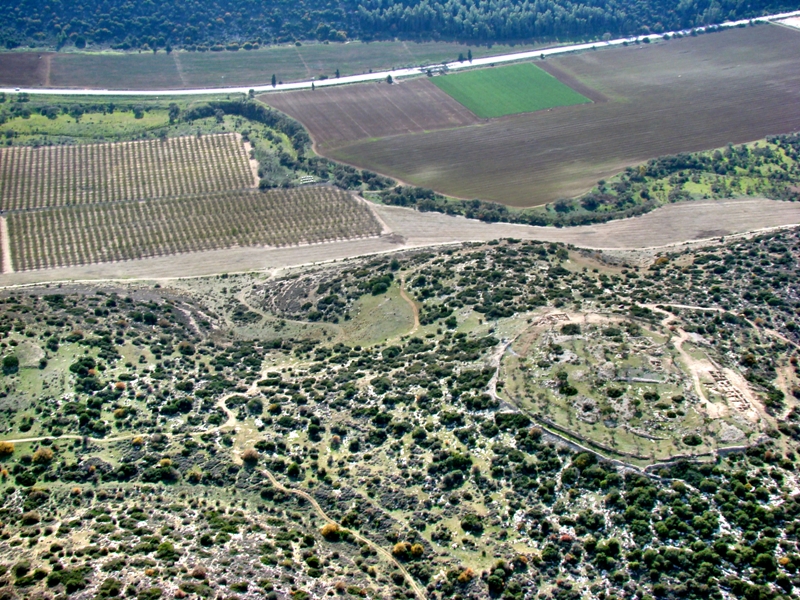
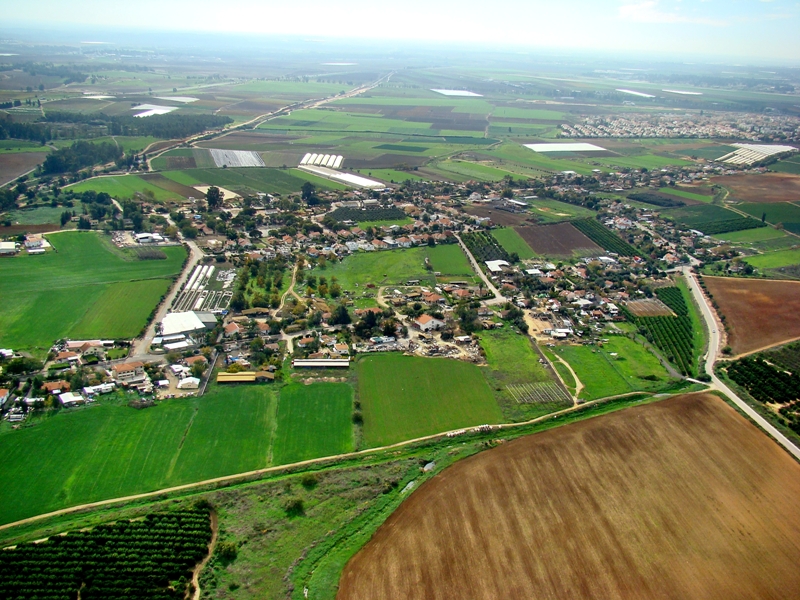
There were five Philistine cities; these are listed as Ashdod, Gaza, Ashkelon, Gath, and Ekron (1 Sam. 6:17). Today’s post features an aerial shot of the Philistine city of Gath.
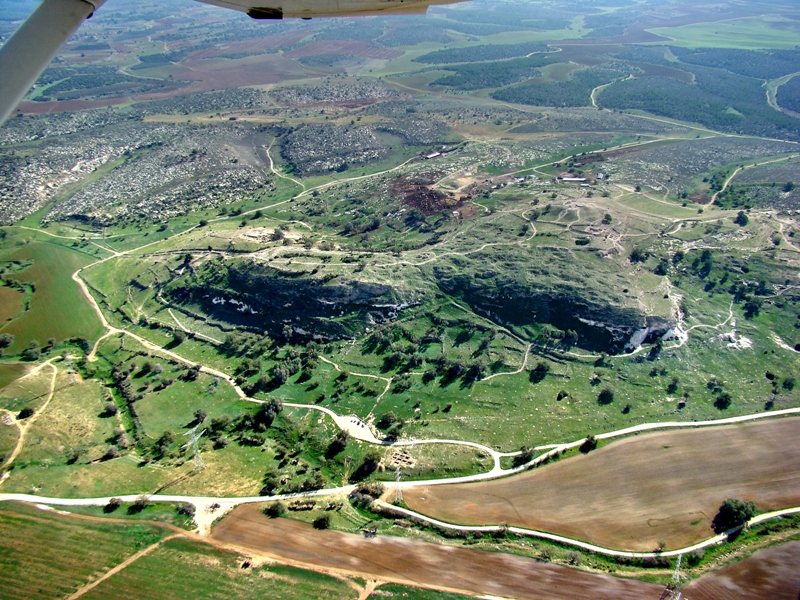
 

Aerial of Gath of the Philistines. Photo ©Leon Mauldin.


There are numerous biblical references to Gath. Goliath the giant, the Philistine champion, was from Gath (1 Sam. 17:4).  David fled from King Saul, seeking asylum from Achish, king of Gath (1 Sam. 21: 10), but when he saw he was is danger there too, pretended to be insane.  However, David was later successful in finding refuge at Gath (1 Sam. 27:1ff), though subsequently the Philistines gave him his own city of Ziklag.

When Saul and his son Jonathan (David’s best friend) died at Mt. Gilboa, David wrote a song that included the words, “Tell it not in Gath, Proclaim it not in the streets of Ashkelon — Lest the daughters of the Philistines rejoice, Lest the daughters of the uncircumcised triumph” (2 Sam. 1:20).

“Later David defeated the Philistines and subdued them. He took Gath and its surrounding towns away from the Philistines” (1 Chron. 18:1, NET).

Also, bear in mind that when you see the word Gittite that reference is made to a resident of Gath.  One of David’s most loyal followers was Ittai the Gittite.  When David was forced to flee Jerusalem during his son Absalom’s rebellion, he told Ittai that he was not expected to accompany David. “But Ittai replied to the king, ‘as surely as the LORD lives, and as my lord the king lives, wherever my lord the king may be, whether it means life or death, there will your servant be'” (2 Sam. 15:21, NIV).

Remember to click on photo for higher resolution.

A couple of matters on a personal note:

I’m currently in a 4-day meeting in Lawrenceville, GA., presenting a series of lessons on “Becoming More Like Jesus.”  My friend Allen Shepherd is the local evangelist.  This is my second time to be with this congregation.  The meeting concludes tomorrow evening.

Also, my mother-in-law, Mrs. Ura May Creel, passed away this past Sat. after a long battle with Alzheimer’s.    My brother-in-law and I conducted the funeral service yesterday in Hanceville AL. Three of her grandsons led congregational singing.  I regarded her as a mother.   We sorrow, but not as those who have no hope (1 Thes. 4:13ff.).


Khirbet-Qeiyafa

October 18, 2010

An archaeological site of current interest is Khirbet-Qeiyafa, the Elah Fortress.  Luke Chandler has been involved in digs there, and his blog reports on some of the findings there and their implications. Go to:

lukechandler.wordpress.com


Many believe this site will prove to be an Israelite fortress that dates back to the reign of King David. Our aerial photo below shows the site in its context overlooking the Valley of Elah:

Khirbet-Qeiyafa, the Elah Fortress overlooking Valley of Elah. Photo ©Leon Mauldin.

You can see the circular tel on your right in the photo.  It was in the valley below that David killed Goliath.

Click on image for higher resolution.


Aphek/Antipatris

October 15, 2010

Aphek is mentioned in 1 Sam. 4:1 as the site of the Philistine camp as they prepared for battle against Israel.  This was in the last days of Eli’s tenure as High Priest and Judge of Israel.

Holman’s Bible Dictionary has this info on Aphek:

Place-name meaning “bed of brook or river” or “fortress.”  City whose king Joshua defeated (Josh. 12:18), where Philistine armies formed to face Israel in days of Samuel (1 Sam. 4:1) resulting in Philistine victory and capture of Israel’s ark of the covenant. Philistine armies including David and his men gathered in Aphek to fight Saul. The Philistine commanders forced Achish to send David back from battle (1 Sam. 29). Eventually the Philistines defeated Israel, bringing death to Saul and Jonathan. Aphek is located at modern Tell Ras elʹ Ain near the source of the Yarkon River in the Sharon plain northeast of Joppa. Egyptian execration texts from about 1900 B.C. apparently refer to Aphek.

Our photo below gives an aerial view of Aphek. Click on image for higher resolution.


Aerial of Aphek. This was NT Antipatris. Photo ©Leon Mauldin.


In the New Testament this location was known as Antipatris, and is mentioned in Acts 23.  When the Roman commander Claudius Lysias became aware of an assassination plot to kill the Apostle Paul in Jerusalem, he order a military escort of Paul to Caesarea.  This was for Paul’s own protection.  The commander was thorough: two centurions were commanded to prepare 200 soldiers, 200 spearmen, and 70 horsemen.  The Roman militia departed at 9:00 PM (Acts 23:23). On the way to Caesarea, the governor’s residence, they went through Antipatris: “Then the soldiers, as they were commanded, took Paul and brought him by night to Antipatris” (v.31). The next day the horsemen went on with Paul to his destination, whereas the soldiers returned to the barracks (v.32) at Jerusalem.

On another (personal) note, I mentioned in a previous post that we were currently conducting a meeting at Pine Lane, Birmingham, which concluded last night.  On Wed PM our granddaughter was with my wife and me. One of the members there took this photo:


Leon & Granddaughter.


The Fertile Coastal Plain

October 8, 2010

It is not unusual for some to have the impression that today Israel is altogether a dry and rocky land, especially when one has perhaps seen photos of the rugged wilderness of Judea, or other such barren areas.

One of the distinct features of the land of Israel is the amazing variety of the land.  At the coast you are at sea level.  Thirty-five miles east of Joppa you are 2500 above sea level at Jerusalem.  Another fourteen miles NE and you are at Jericho, 800 feet below sea level. South from there you will be at the Dead Sea, the lowest point on the face of the earth, 1300 feet below sea level.  But go north to the Golan, and much of the year you will see snow at Mt. Hermon.

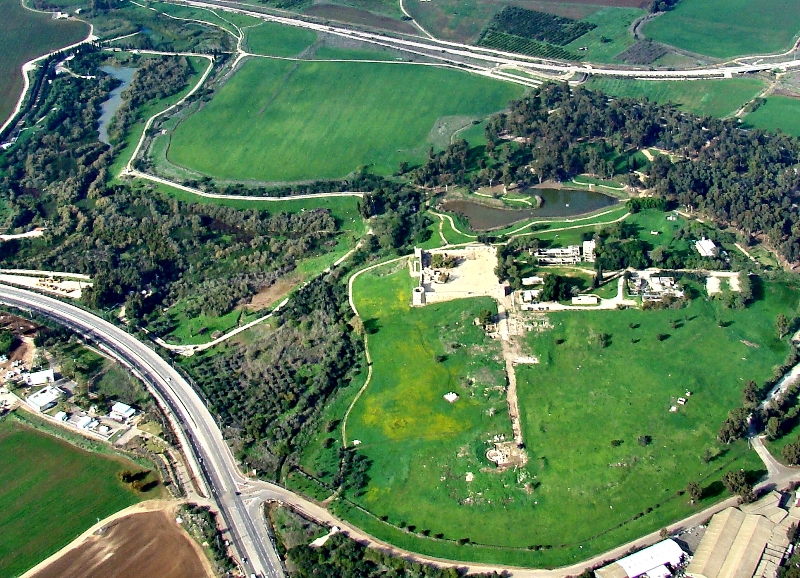
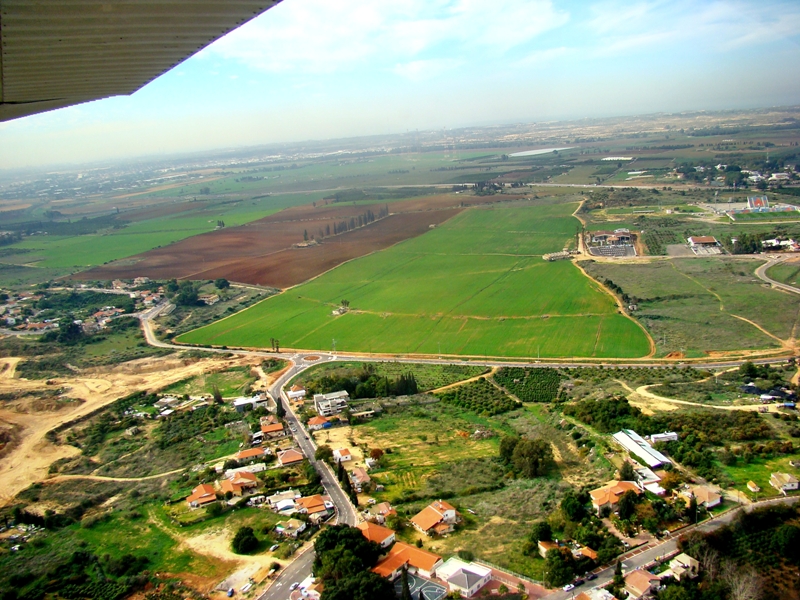
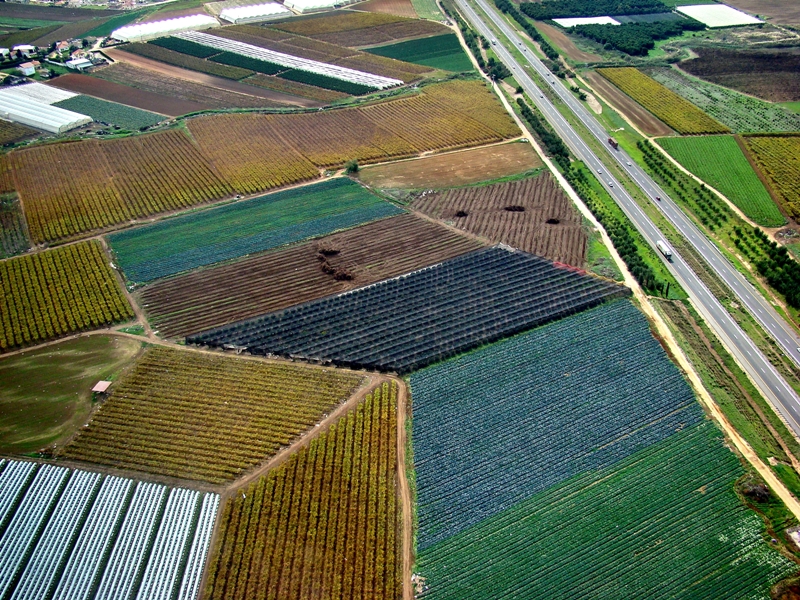
Today’s photos were taken in the southern plain going from the Joppa/Tel Aviv area going from west to east, so we are looking to the south in the photos.  These aerial shots were taken this past Dec.  and you will see greenery and evidence of agriculture. Bear in mind also that during the OT period this area would have been inhabited by the Philistines much of the time.


Southern Coastal Plain. Land of the Philistines. Photo ©Leon Mauldin.


These aerial shots certainly give one a perspective different from ground level!


Aerial Photo of Coastal Plain. Photo ©Leon Mauldin.


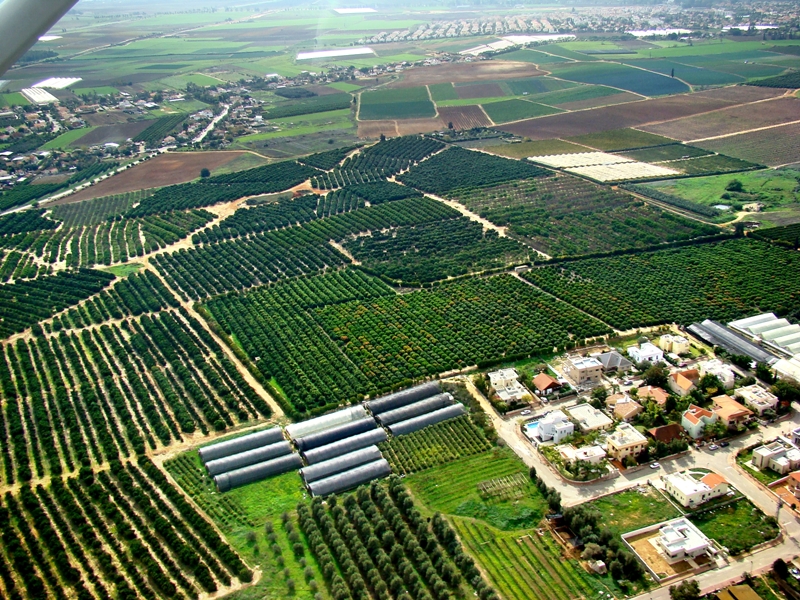
Again, this is typical terrain as you make your way toward the Shephelah and then on to the central hill country.


Looking south as we continue eastward. Photo ©Leon Mauldin.


Here is one more.  You get the idea.  A lot of photosynthesis is taking place here!


Aerial Coastal Plain looking south. Photo ©Leon Mauldin.


Remember to click on images for higher resolution.


The Yarkon River

October 5, 2010

Today’s post features an aerial photo of the Yarkon River, a river on the western side of Israel near Joppa.  In a context setting forth the tribal allotment of Dan, Joshua 19:46 includes “Me Jarkon, and Rakkon, with the region near Joppa” (NKJV).  The term Me Jarkon means “waters of the Jarkon” (Eerdman’s Bible Dictionary). The Hebrew character for “J” is sounded as “Y,” hence the spelling Yarkon.

You can locate the Yarkon on this map, just north of Joppa: (click image for larger view)

Yarkon River, north of Joppa. BibleAtlas.org.

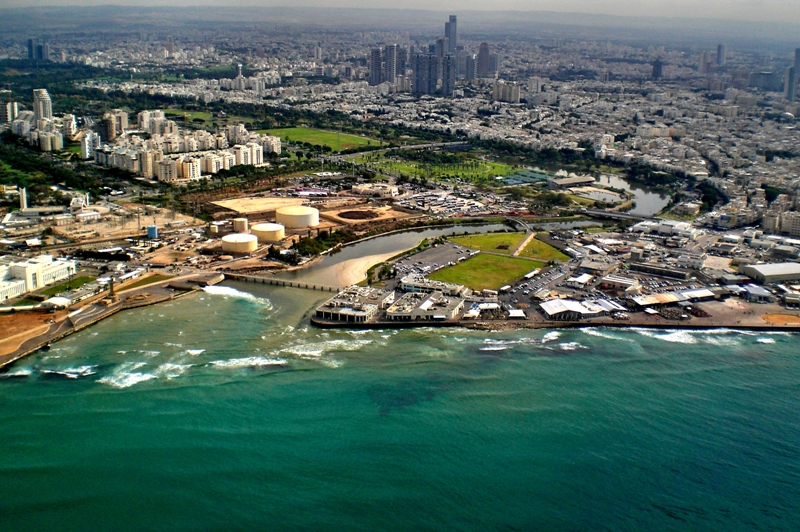
The Yarkon is the principle stream of the southern Plain of Sharon. The Yarkon’s source is near Aphek, NT Antipatris (see map), and flows west/southwest until it empties in the Mediterranean, as seen in our photo: (click image for higher resolution)

Aerial Photo of Yarkon River as it empties into the Mediterranean. Photo ©Leon Mauldin.

The Archaeological encyclopedia of the Holy Land (3rd ed) has the following info re: the Yarkon:

The Yarkon or Me-Yarkon (‘Waters of Yarkon’ in Hebrew) is a river mentioned as being in the territory of Dan (Josh. 19:46); called el-Auja in Arabic, it is a perennial river rising at the foot of Tell Ras el-Ain. The mound referred to most probably contains the remains of the ancient city of Aphek (Josh. 12:18; 1 Sam. 29:1), the Herodian Antipatris. The copious waters of the river made its valley ideal for intensive agriculture. Indeed, along its bank numerous towns and villages sprang up in all periods. It is possible that in ancient times, before the mouth of the river silted, it also served as a safe harbor, and small vessels and rafts could navigate its entire length. Running from the foothills down to the sea the Yarkon River formed a military obstacle. Alexander Jannaeus built a line of fortresses as defense against the Syrians (Josephus, War i,99).

The earlier cited text of Joshua 19:46 is the only text in the Bible which mentions the Yarkon.


How’s the Food Over There?

October 2, 2010

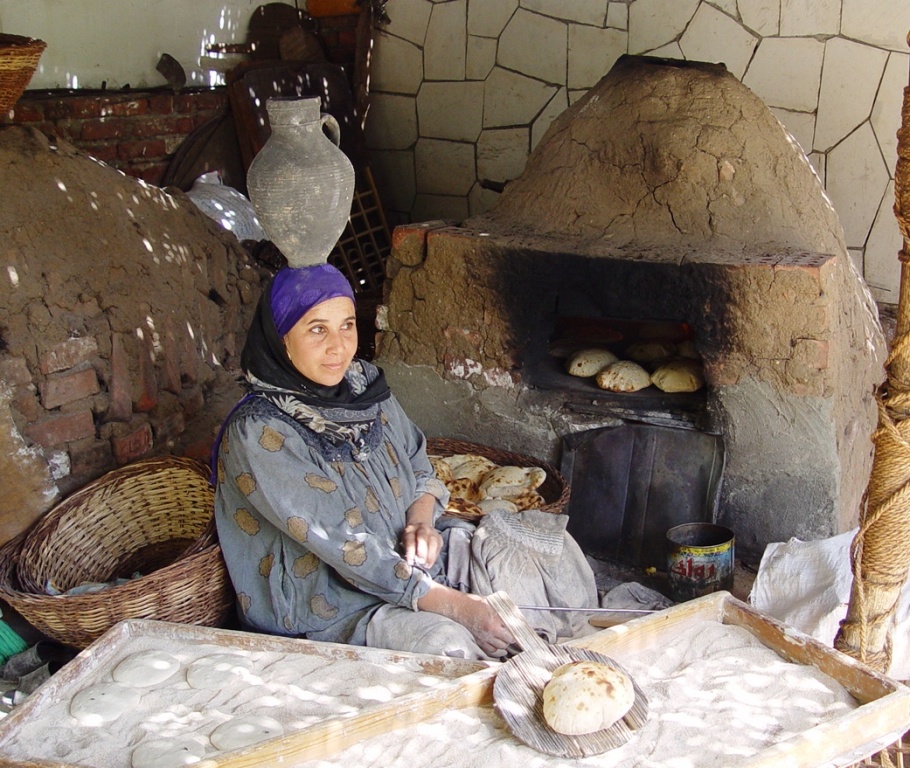
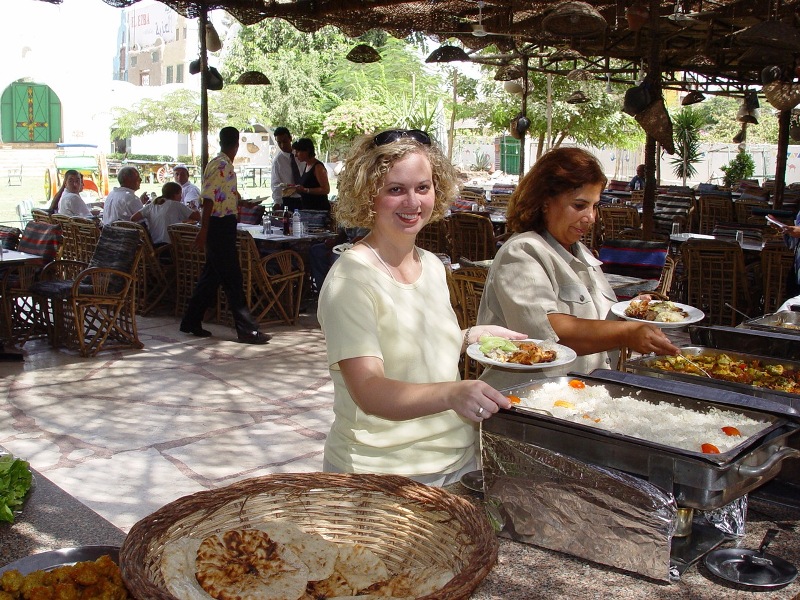
People often ask, “How’s the food over there?”, meaning in the Bible lands, including Israel and other places.  One answer is that it’s different.  If it were the same as what you have at home, why not stay home? How often do you see bread being cooked like this?

Cooking Bread in Egypt. Photo by Leon Mauldin.

Another observation is that there is variety; even somewhat “picky” eaters can find something they like.  My “problem” is that I am not a picky eater, so almost everything is good to me. I’ve been blessed; I’ve never gotten sick on a Bible lands trip. (I did one time during a preaching trip to the Ukraine, but that doesn’t count in this context).

I enjoy eating outdoors when it is feasible.

Eating Outdoors in Egypt. Photo by Leon Mauldin.

Click on images for higher resolution.


Memphis of Egypt, cont’d.

September 28, 2010

We continue today with yesterday’s topic of Memphis of Egypt, a city which is specifically mentioned in biblical prophecy in such texts as Ezekiel 30:13. We saw that passage contextually foretold of the destruction of the images of the gods there.  Note that some translations will render the city’s name Noph.

Another biblical reference to Memphis is that of Jeremiah 44:1ff.  Jeremiah had been taken by force to Egypt after the 586 B.C. Babylonian deportation by rebellious Jews.  The Lord used Jeremiah as His faithful spokesman to “the Jews living in the land of Egypt, those who were living in Migdol, Tahpanhes, Memphis, and the land of Pathros…”

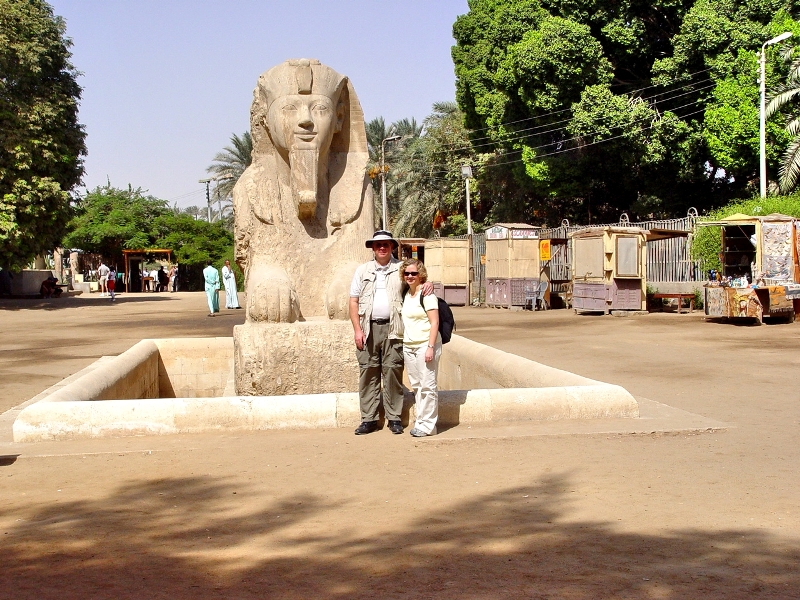
Alabaster Sphinx in Memphis. Reign of Ramesses II. Leon and daughter Alysha. Photo ©Leon Mauldin.

In yesterday’s post we showed the solid alabaster sphinx in Memphis.  Today’s photo gives some sense of scale.  This small area of Memphis is all that can be seen of antiquity of what was once one of the most important cities in the world.

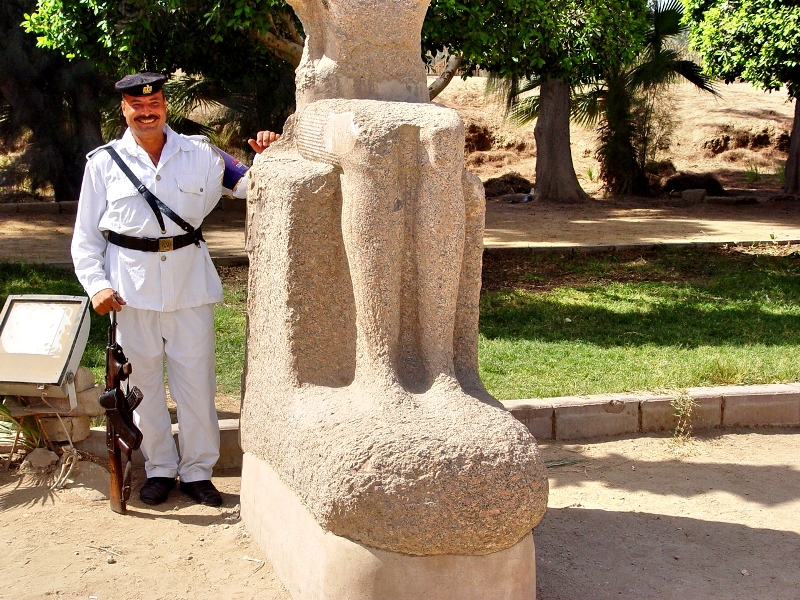
There was Egyptian police presence in Memphis.  We found them to be quite friendly.

Egyptian Police at Memphis. Photo ©Leon Mauldin.

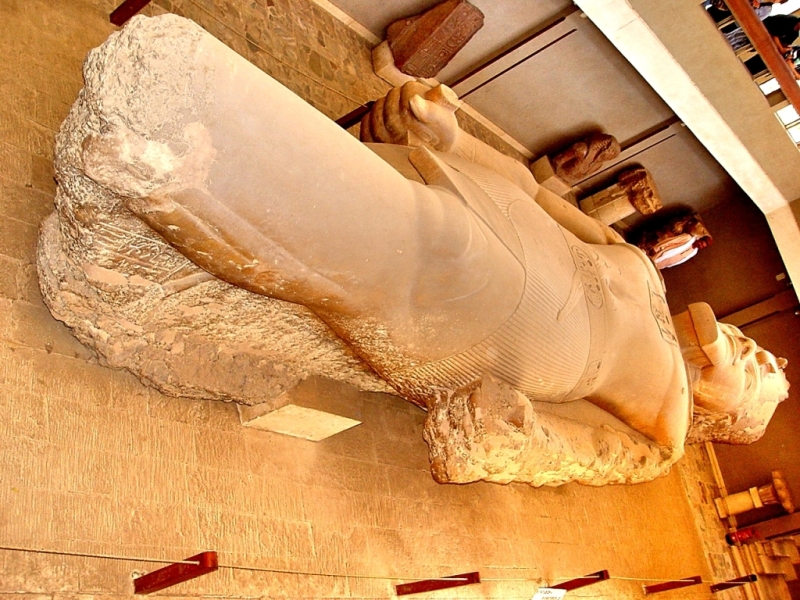
One important monument in Memphis is the fallen colossus of Ramesses II.  Ramesses II had a lengthy reign (1279-1213 B.C.), and he left his monuments and inscriptions all over the land.  No one has accused him of humility or undue modesty!

Fallen colossus of Ramesses II. Photo ©Leon Mauldin.

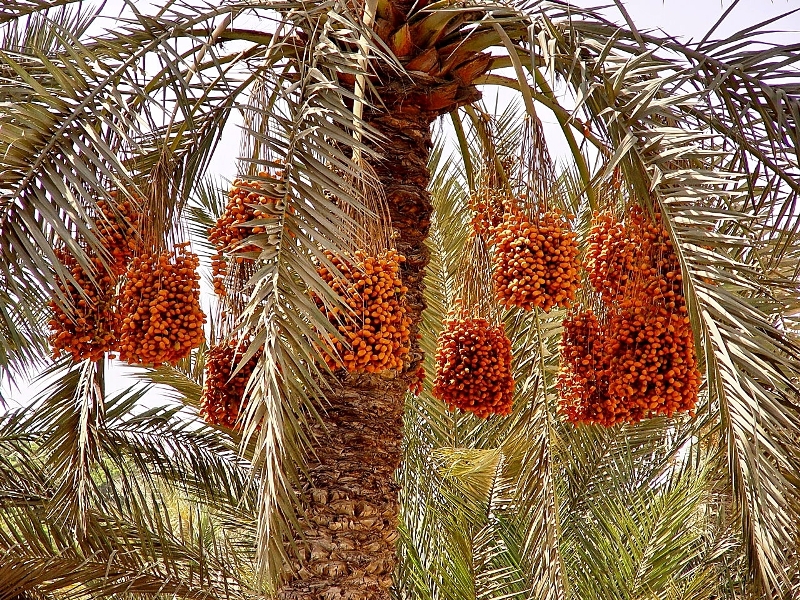
At Memphis you can see date palm trees such as the one in our photo.  You could say this tree had lots of dates!

Date palm tree at Memphis. Photo ©Leon Mauldin.

As we say frequently, the Bible is true; it is genuine history; it is not fiction. When it mentions places, such as Memphis/Noph, they are real places where real people lived, for better or worse!

Click on photos for higher resolution.


Memphis of Egypt

September 27, 2010

Today’s post will deal with Memphis of Egypt.  To give some context, let me lead into this with the following:

The message of the biblical prophets may be broadly summarized into three subject areas:

1. God’s message to His people of the prophet’s time.

2. God is the God of all the earth; His message to the nations.

3. Most importantly, the Messianic prophecies; Christ, His redemptive work, His kingdom.

Today’s post will deal with the second category; God is the God of the nations.  This is why you will find in some instances in the prophets back-to-back chapters dealing with the nations of men.  Ezekiel was one of the captivity prophets (taken to Babylon with the second deportation, 597 B.C.).  Though he had much to say to his contemporary captives (Jews), and had many Messianic prophecies, Ezekiel proclaimed the word of the LORD to the nations.

Ezekiel 30 addresses Egypt and includes specifically Memphis. “Thus says the Lord GOD, “I will also destroy the idols And make the images cease from Memphis. And there will no longer be a prince in the land of Egypt; And I will put fear in the land of Egypt” (v.13).

For so many centuries Egypt had been a world power.  Memphis had been one of the most important administrative centers.  Only Thebes in the south was comparable in economic, political and religious importance.

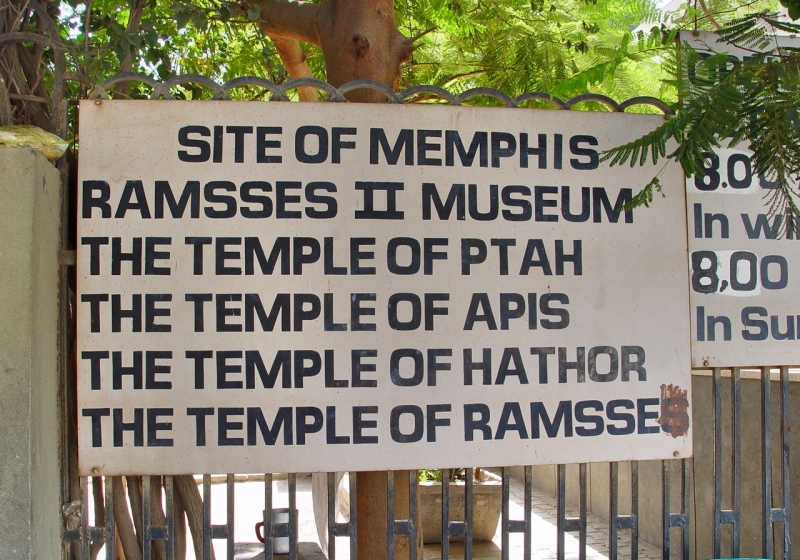
But God said He would “execute judgments on Egypt” (v.19). The prophecy was fulfilled.  Egypt fell, and the city of Memphis, royal residence and capital of Egypt, one of the renowned places of the whole ancient world, has disappeared almost completely.  The most significant ruins can be seen near the modern village of Mit Rahina.

Sign indicating site of biblical Memphis, Egypt. Near modern Mit Rahina. Photo ©Leon Mauldin.

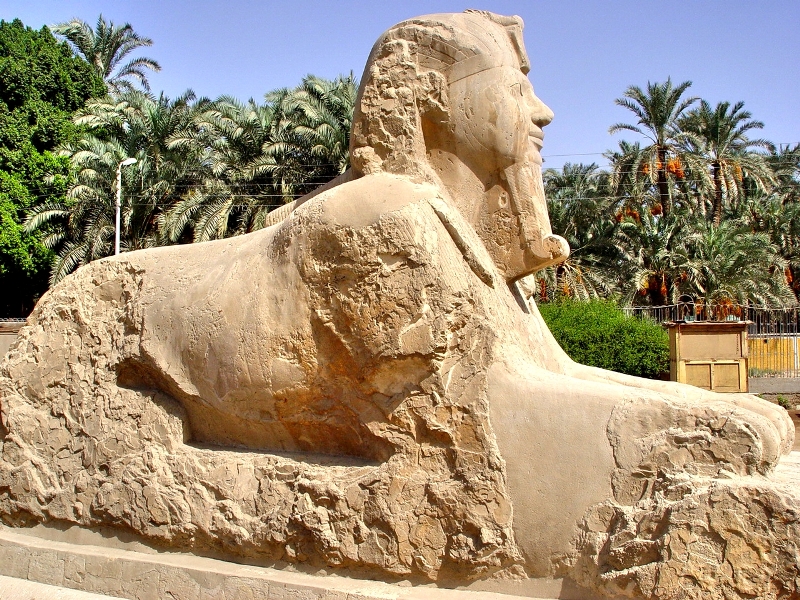
Within the enclosure of the temple of Ptah one can see a large alabaster sphinx. This dates to the reign of Ramesses II (1279-1213 B.C.).

Alabaster Sphinx in Memphis, Egypt. Dates to reign of Ramesses II. Photo ©Leon Mauldin.

Ezekiel’s prophecy was that God would “cause the images to cease from Memphis.”  Our photo below illustrates what the prophet had in mind.  This is an image of the Egyptian goddess Hathor.

Image of Egyptian goddess Hathor. Memphis, Egypt. Photo ©Leon Mauldin.

More to come on Memphis, Egypt.  Remember to click on image for higher resolution. Photos may freely be used in teaching.


Along the Nile

September 21, 2010

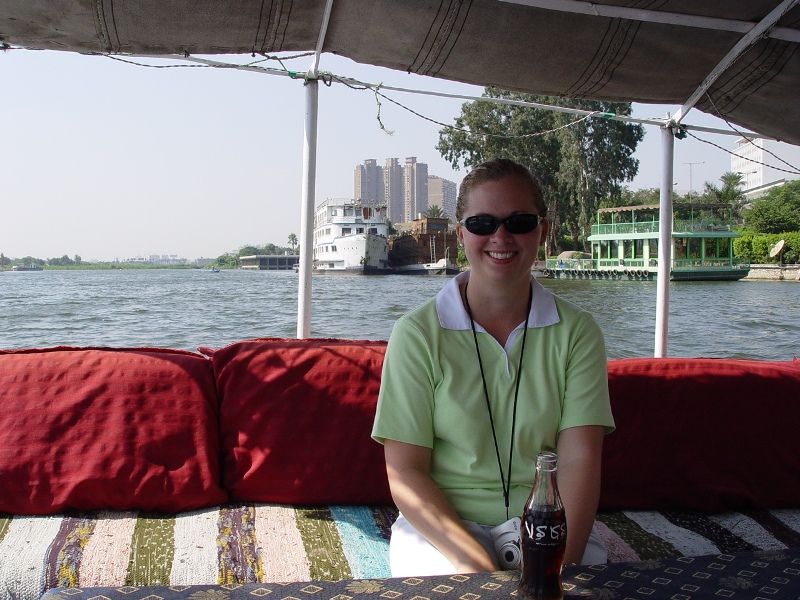
One of the enjoyable elements of travel to the Bible lands can be the folks you share the experience with. I have been privileged on two trips to have my daughter Alysha with me, both in Israel and in Egypt.

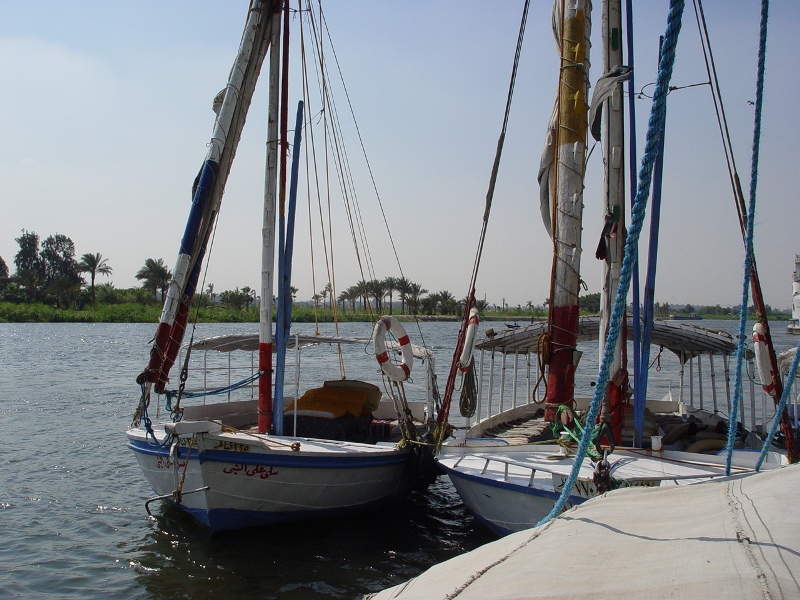
It’s a treat when you’re in Egypt to sail on the Nile in a Felucca. We took a short excursion one afternoon, August, 2003.

Alysha in Felucca on Nile River. Photo ©Leon Mauldin.

There were other feluccas along the bank, ready for use.

Feluccas along the Nile. Photo ©Leon Mauldin.

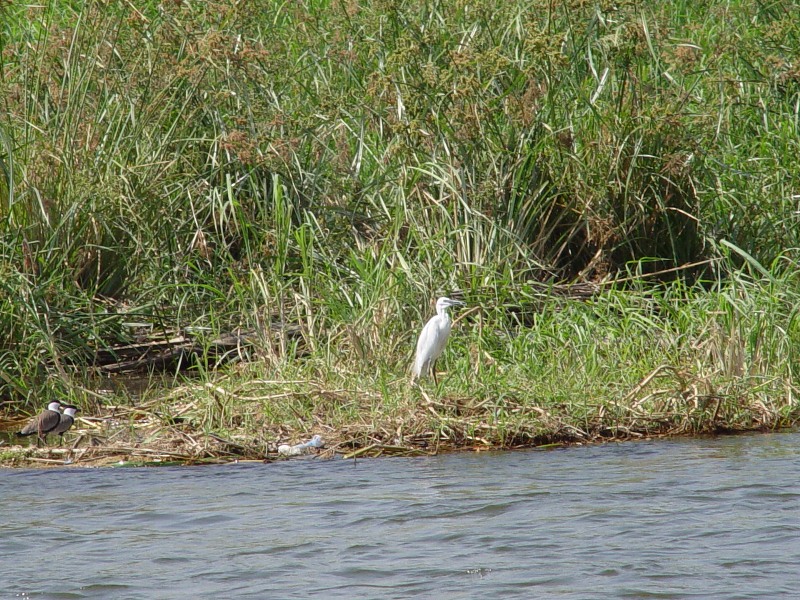
When I saw the reeds along the Nile River I thought of Moses’ experience as a baby.  Hebrew male babies born at that time were literally under a death sentence from Pharaoh.  Moses’ mother hid him three months– “But when she was no longer able to hide him, she took a papyrus basket for him and sealed it with bitumen and pitch. She put the child in it and set it among the reeds along the edge of the Nile” (Ex. 2:3, NET).  See how this text is illustrated by our photo:

Reeds along the Nile. Baby Moses was placed in a basket in a setting like this. Photo ©Leon Mauldin.

In God’s good providence Pharaoh’s daughter had compassion on the Hebrew baby, and allowed him to live. She gave him the name Moses, and secured a Hebrew nurse, Moses’ mother!

Click on images for higher resolution.


King Tut

September 7, 2010

This month’s issue of National Geographic features King Tut, with a report on recent findings resulting from DNA testing.

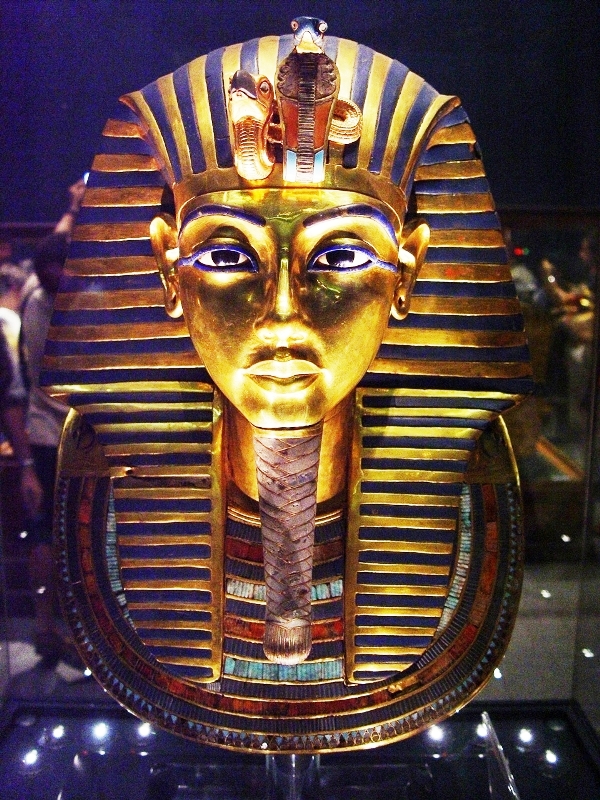
In Egyptian chronology, King Tut (Tutankhamun) fits in the 18th dynasty, and the New Kingdom, 1550-1070 B.C.  This most famous pharaoh was really a minor king; he ascended the throne at age 9 and died at age 18 (1333-1323 B.C.). But it is because his tomb escaped the attention of centuries of grave robbers and when finally discovered (1922) was still intact and replete with thousands of artifacts valued in the millions of dollars, that King Tut is so well known.

The National Geographic article documents the results of DNA testing on King Tut and other mummies believed to have been family members.

…our team was able to establish with a probability of better than 99.99 percent that Amenhotep III was the father of the individual in KV55, who was in turn the father of Tutankhamum

…the KV55 mummy, the son of Amenhotep III and Tiye and the father of Tutankhamun, is almost certainly Akhentaten.

The article makes an interesting read.  We photographed Tut’s funeral mast, crafted of gold, in the Egyptian Museum in 2003.

King Tut's Funeral Mask. Egyptian Museum. Photo ©Leon Mauldin.

Since our visit at that time, it is no longer permitted to take photos in the museum.  Hopefully, that prohibition will be lifted in the future.

Biblically, the reign of this king would have transpired during the period of the Judges.

Click on image for higher resolution.