New Resource: Captivity and Return

September 19, 2012

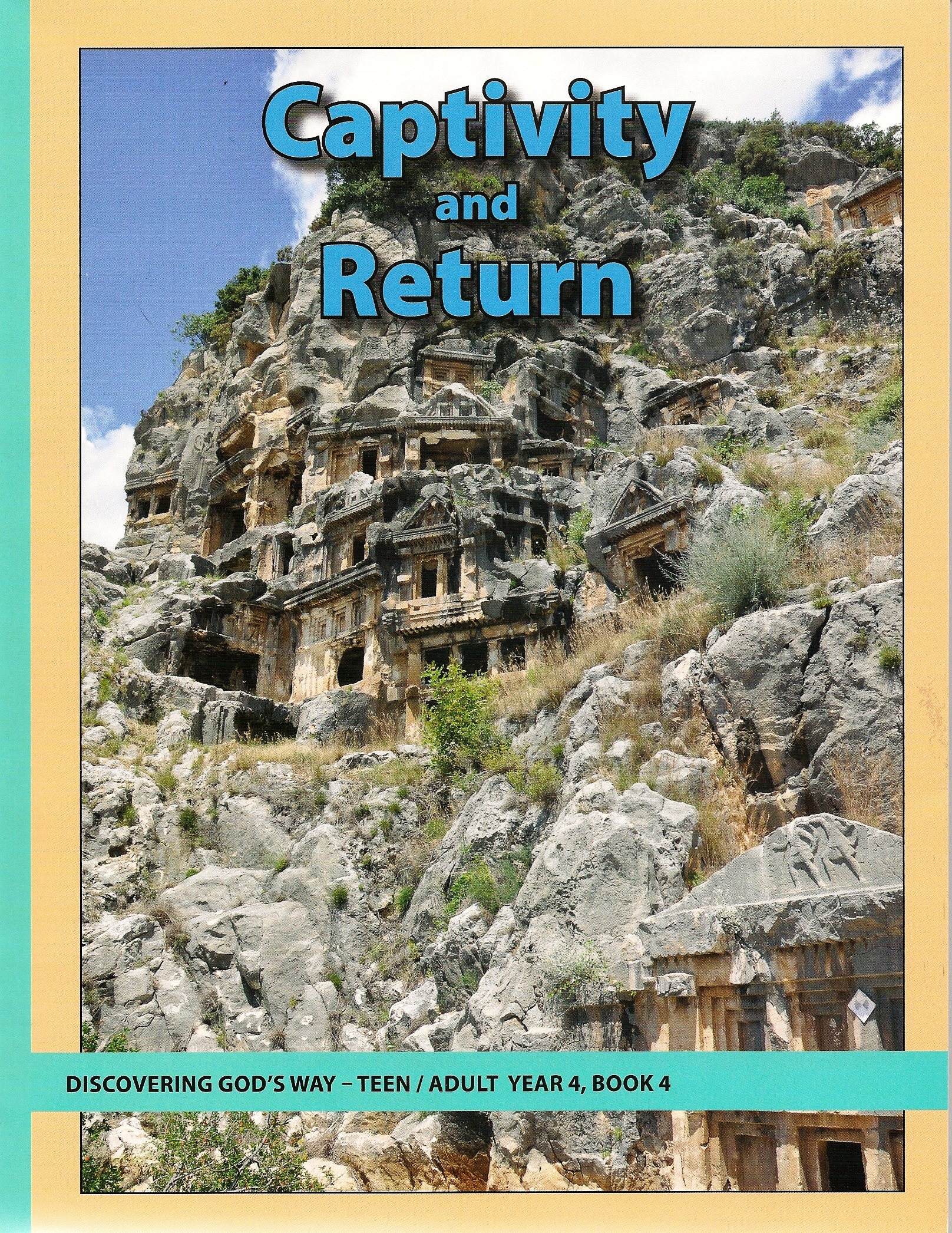
Discovering God’s Way is a Bible class curriculum for ages nursery through adult, edited by Robert Harkrider, and published by Religious Supply Center of Louisville, KY. I have written two books for the teen/adult level, Divided Kingdom, and Captivity and Return, the latter of which has just now been printed. Here is the cover:

Cover, Captivity and Return, authored by Leon Mauldin.

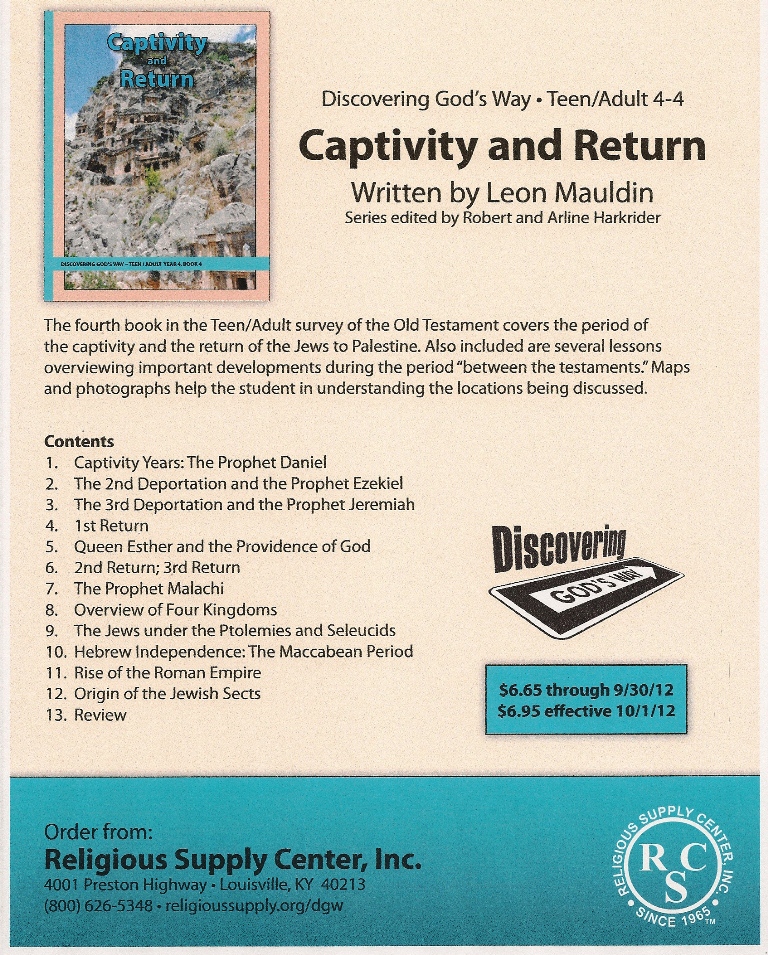
The book is 118 pages, and has 13 lessons. It is illustrated with maps, as well as color photos of biblical places and artifacts relating to the places and periods studied. Here is the table of contents:

Table of Contents for Captivity and Return, by Leon Mauldin.

The captivity and return can be a challenging period of biblical history. It is hoped that this book will help contribute to a better understanding of these times, as well as provide some background for New Testament studies.

Toll free number for orders is 1-800-626-5348. It is $6.65 through 9/30/2012, and then $6.95. Price does not include shipping.


Ararat Area: Ishak Pasa Palace

August 11, 2012

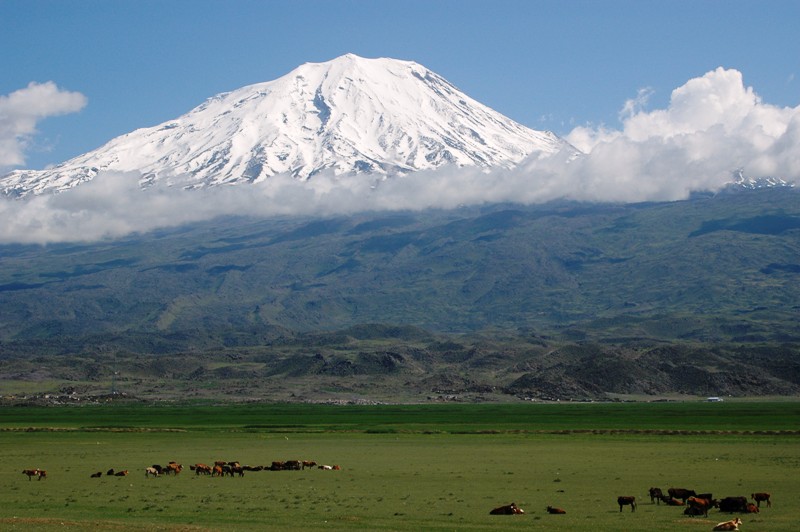
In today’s post we share another photo of Mt. Ararat.

Mount Ararat. Photo by Leon Mauldin.

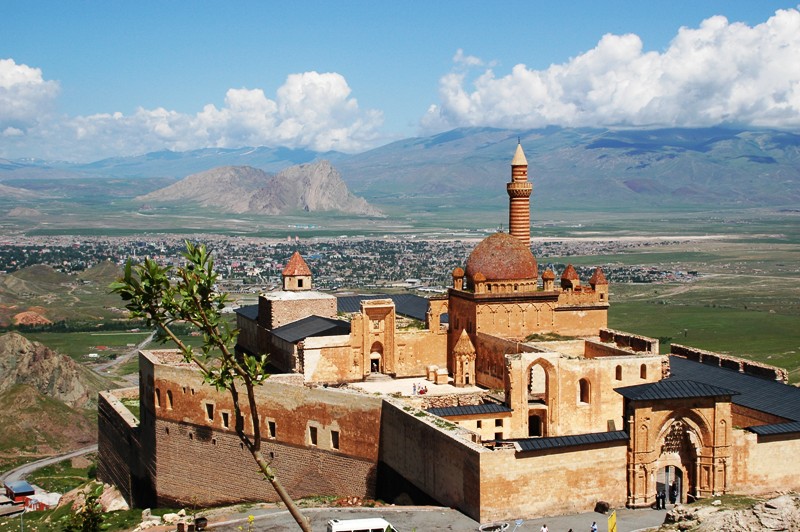
One attraction in the immediate vicinity of Mt. Ararat is Ishak Pasa Palace.

Ishak Pasa Palace. Photo by Leon Mauldin.

Wikipedia has this information:

Ishak Pasha Palace is a semi-ruined palace and administrative complex located in the Doğubeyazıt district of Ağrı province of eastern Turkey.
The Ishak Pasha palace is an Ottoman-period palace whose construction was started in 1685 by Colak Abdi Pasha, the bey of Beyazit province, continued by his son İshak Pasha and completed by his grandson Mehmet Pasha. According to the inscription on its door, the Harem Section of the palace was completed by his grandson Ishak (Isaac) Pasha in 1784.
The Palace is more of a complex than a palace; it is the second administrative campus after the Topkapı Palace in Istanbul and the most famous of the palaces built in recent decades.
The palace is built on a hill at the side of a mountain 5 km (3 mi) east of Doğubeyazıt. It was the last large monumental structure in the Ottoman Empire from the “Lale Devri” period. It is one of the most distinguished and magnificent examples of the 18th century Ottoman architecture and is very valuable in terms of art history. According to the top of the door inscription at the Harem Section it was constructed in 1784 (1199 H.).
As the ground building sits on is a valley slope, it is rocky and hard. Despite the fact that it is at the center of the Old Beyazıt city its three sides (north, west, south) are steep and sloped. There is a suitable flat area only to the east. The entrance of the palace is on that side, and it is also its narrowest façade.
As the palace was built in an age when castles ceased to be special and firearms were developed and were abundantly available, its defense towards the hills on the east is weak. Its main gate is the weakest point in that respect. The structure of the main gate is no different than those seen in the palaces built in Istanbul and elsewhere in Anatolia and has a neat stone workmanship and carving.
The Ishak Pasha Palace is a rare example of the historical Turkish palaces.
The palace was depicted on the reverse of the Turkish 100 new lira banknote of 2005-2009.

Click image for larger view.


Ararat Traffic Jam

August 10, 2012

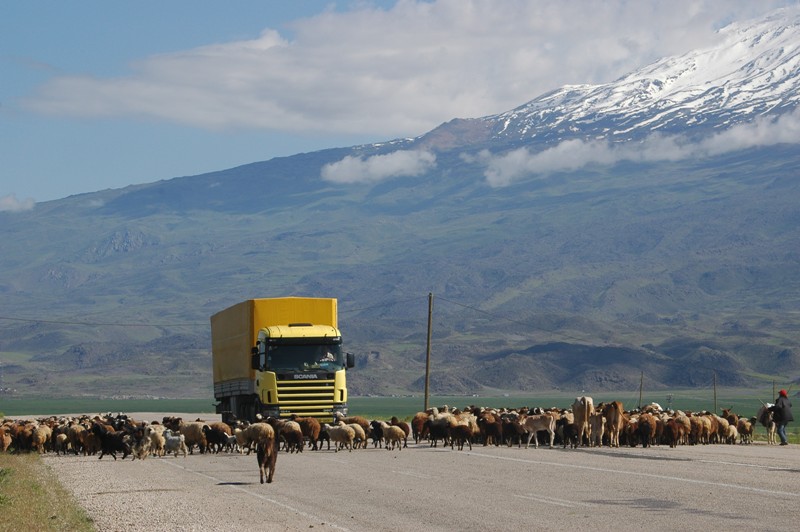
A lot of sheep and cattle are raised in Turkey. They take priority when the shepherd needs them to cross the road. Traffic just has to wait.

Ararat Traffic Jam. Photo by Leon Mauldin.

You can see Mt. Ararat in background. I love moments like this.

Click image for larger view.


Ararat (cont’d.)

August 9, 2012

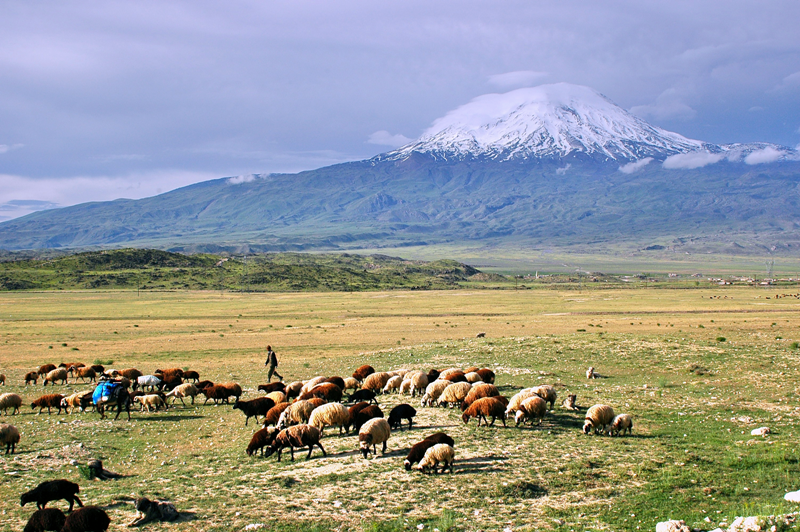
When traveling in the lands where biblical events occurred, I never tire of scenes of sheep with their shepherd. This is certainly true down from the slopes of Mt. Ararat, known as Greater Ararat, located in the mountain range where the ark came to rest.

Shepherds with sheep at Mt. Ararat. Photo by Leon Mauldin.

Mt. Ararat reaches 16,945 feet in altitude, and is snow-capped year round.

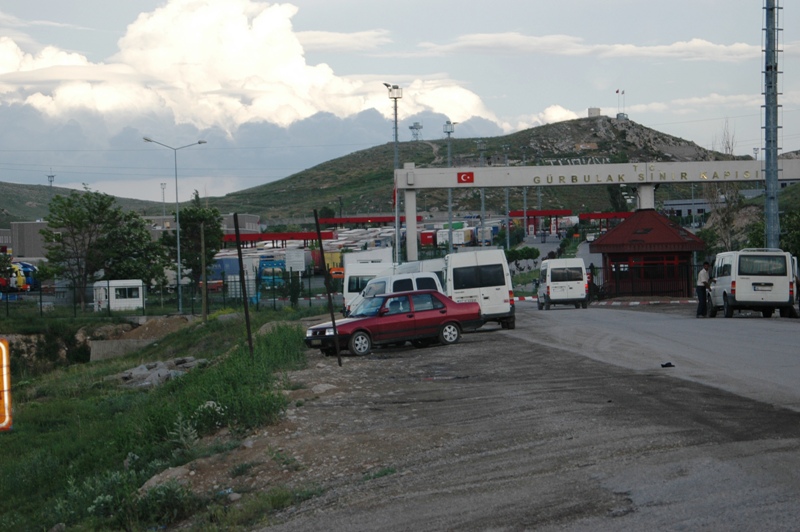
Mt. Ararat is situated near Dogubeyazit, Turkey. This peak is only 10 miles west of the border of Iran, seen in this photo:

Turkey/Iran border. Mt. Ararat is 10 miles west (to our back) from this point. Photo by Leon Mauldin.

This kind of trip makes for some wonderful memories. Four of us, Ferrell Jenkins, David Padfield, Gene Taylor and myself, made this trip to eastern Turkey in 2007.

Check yesterday’s post for biblical references to the mountains (and kingdom) of Ararat. Ferrell Jenkin’s has made numerous posts on Ararat, including here.

Click on images for larger view.


The Mountains of Ararat

August 8, 2012

One of my all-time favorite photo opportunities occurred in June 2007, in eastern Turkey, in the mountains of Ararat. It was in this region that Noah’s ark came to rest as the flood waters receded: “In the seventh month, on the seventeenth day of the month, the ark rested upon the mountains of Ararat” (Genesis 8:4).

After Noah and his family exited the ark, God said:

“I establish My covenant with you; and all flesh shall never again be cut off by the water of the flood, neither shall there again be a flood to destroy the earth.” 12 God said, “This is the sign of the covenant which I am making between Me and you and every living creature that is with you, for all successive generations; 13 I set My bow in the cloud, and it shall be for a sign of a covenant between Me and the earth. 14 “It shall come about, when I bring a cloud over the earth, that the bow will be seen in the cloud, 15 and I will remember My covenant, which is between Me and you and every living creature of all flesh; and never again shall the water become a flood to destroy all flesh. 16 “When the bow is in the cloud, then I will look upon it, to remember the everlasting covenant between God and every living creature of all flesh that is on the earth” (Genesis 9:11-16).

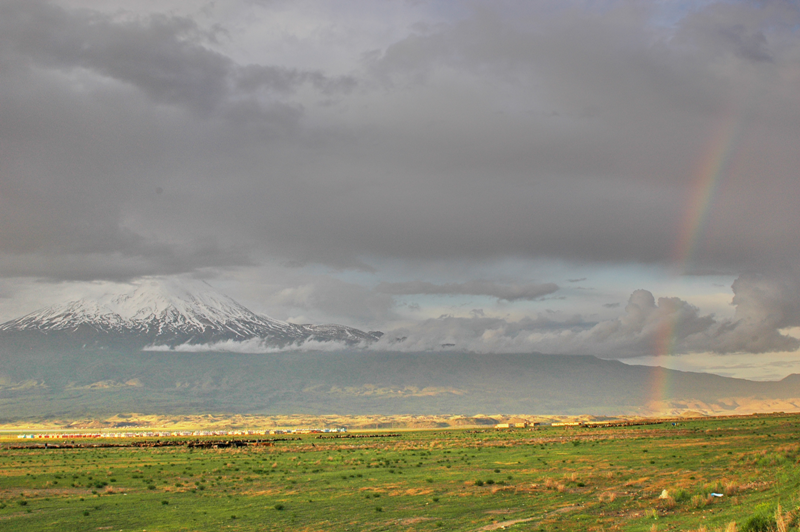
Mt. Ararat and Rainbow. The ark came to rest in this area. Photo by Leon Mauldin.

Ararat is not just one peak, but a range of mountains. The highest is called Mt. Ararat, depicted on far left in photo. Note rainbow to the right.

Other biblical texts:

1. In the aftermath of the death of the Assyrian king Sennacherib: “It came about as he was worshiping in the house of Nisroch his god, that Adrammelech and Sharezer killed him with the sword; and they escaped into the land of Ararat. And Esarhaddon his son became king in his place” (2 Kings 19:37).

2. In connection with Jeremiah’s prophecy of the destruction of Babylon he mentions the kingdom of Ararat: “Lift up a signal in the land, Blow a trumpet among the nations! Consecrate the nations against her, Summon against her the kingdoms of Ararat, Minni and Ashkenaz; Appoint a marshal against her, Bring up the horses like bristly locusts” (Jer. 51:27).

Ararat is commonly designated as Urartu in Assyrian texts.


“We Remember the Fish” (in good ole Egypt)

August 5, 2012

Memory is an amazing thing. I view it as a gift from God. One of the saddest events imaginable is for one to lose his memory, his ability to remember and recall life’s experiences, what one has learned, etc.

The ability to learn God’s word and apply it to life’s circumstances is a blessing. For that reason I encourage especially young people to spend much time in memorization of God’s word.

If one does not incline his heart Godward, memory can be amazingly quirky. When the nation of Israel was yet in Egypt, all they could think about was their harsh treatment meted out by cruel taskmasters. In their affliction they cried out to God.

God brought them out of Egypt after a mighty display of His power with the 10 plagues, referenced by God Himself as judgments against the gods of Egypt (Exodus 6:6; 12:12). They crossed the Red Sea, and made their way to Sinai, where they encamped for 11 months. During this time they received the Ten Commandments (along with its other laws), built the tabernacle, and consecrated the Aaronic priesthood (Ex. 19-Num. 10).

God was mindful of His covenant with Abraham; at that point it was time to grant Israel possession of the promised land of Canaan. At His command and direction Israel began to march (Num. 10:11ff). But immediately they lost sight of God’s lofty purpose with them and began to murmur (Num. 11:1).

One such instance of murmuring is related:

Now the mixed multitude who were among them yielded to intense craving; so the children of Israel also wept again and said: “Who will give us meat to eat? 5 “We remember the fish which we ate freely in Egypt, the cucumbers, the melons, the leeks, the onions, and the garlic; 6 “but now our whole being is dried up; there is nothing at all except this manna before our eyes!”

Talk about selective memory! Talk about rewriting history! The New Testament identified the problem as a lack of faith (Heb. 3-4). Stephen showed that the heart of the problem was a problem of the heart: “in their hearts they turned back to Egypt” (Acts 7:39).

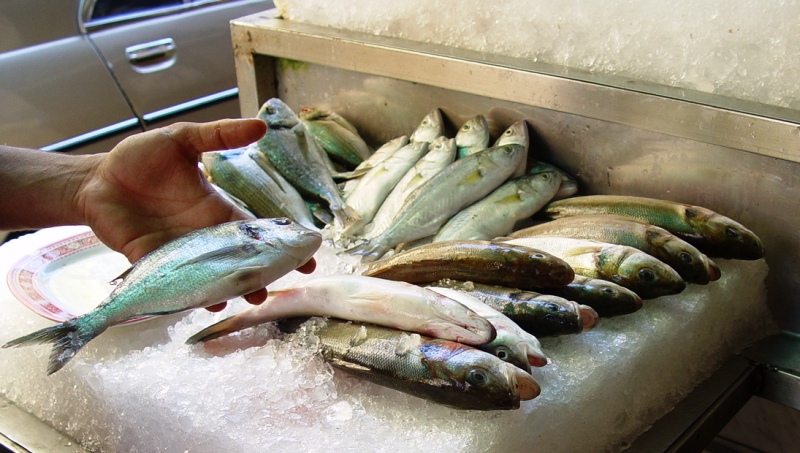
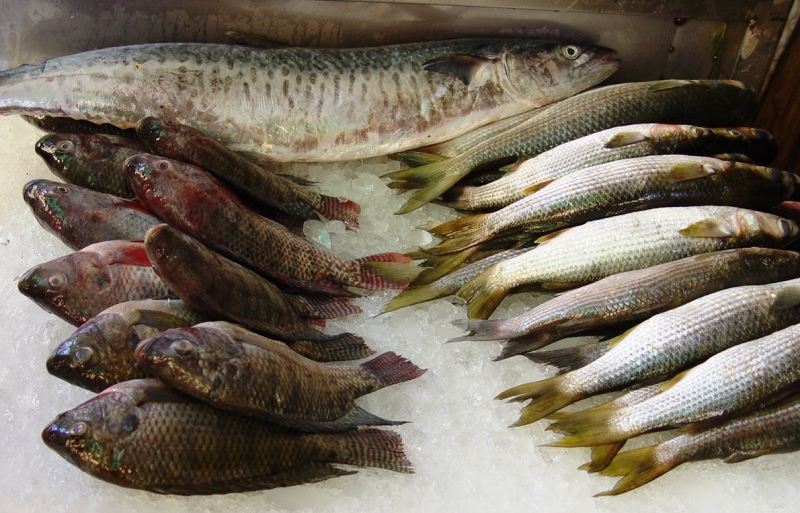
Fish in Alexandria, Egypt. Photo by Leon Mauldin.

I photographed these fresh fish at a local restaurant in Alexandria. My daughter and I dined there.

Israel remembered the fish, but forgot God’s purpose for them. Photo by Leon Mauldin.

Click images for larger view.


Court of Amenhotep III at Thebes

July 6, 2012

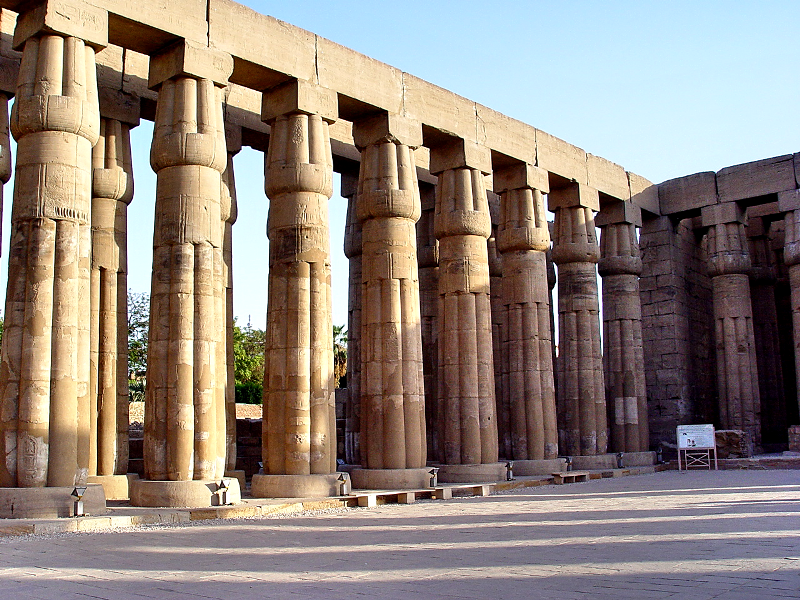
In the oracle against Egypt, God said, “I will make Pathros desolate, Set a fire in Zoan and execute judgments on Thebes” (Ezekiel 30:14). “The phenomenal city [Thebes]was the center of Upper Egypt, and the seat of government during most of the time of Egyptian world power” (Bible and Spade, Vol. 7, p. 33).

This shot of the Luxor temple at Thebes shows the court of Amenhotep III (reigned 1390-1352 BC), with its double rows of massive columns.

Court of Amenhotep III, at Luxor, biblical Thebes. Photo by Leon Mauldin.

An article in Biblical Archaeological Review entitled “Egyptian Finds Uncovered in Jaffa,” by Judith Sudilovsky contained an interesting reference to Amenhotep III. The mention of Jaffa (biblical Joppa) in this excavation report illustrates the fact that Egyptian rule/influence often included the land of Canaan (and far beyond):

. . . The team also found a 3.5-inch Egyptian scarab, dating to the reign of Pharaoh Amenhotep III (1390–1352 B.C.). The eight lines, engraved in hieroglyphs, enumerate the pharaoh’s achievements, proclaiming his prowess as a hunter and declaring that he had killed 102 lions during the first ten years of his reign. According to the team’s Egyptologist, Deborah Sweeney, such seals were typically sent to the edges of the Egyptian kingdom to praise and glorify the king (BAR 26:02 March/April 2000).

Click image for larger view.


Daniel’s Babylon

July 5, 2012

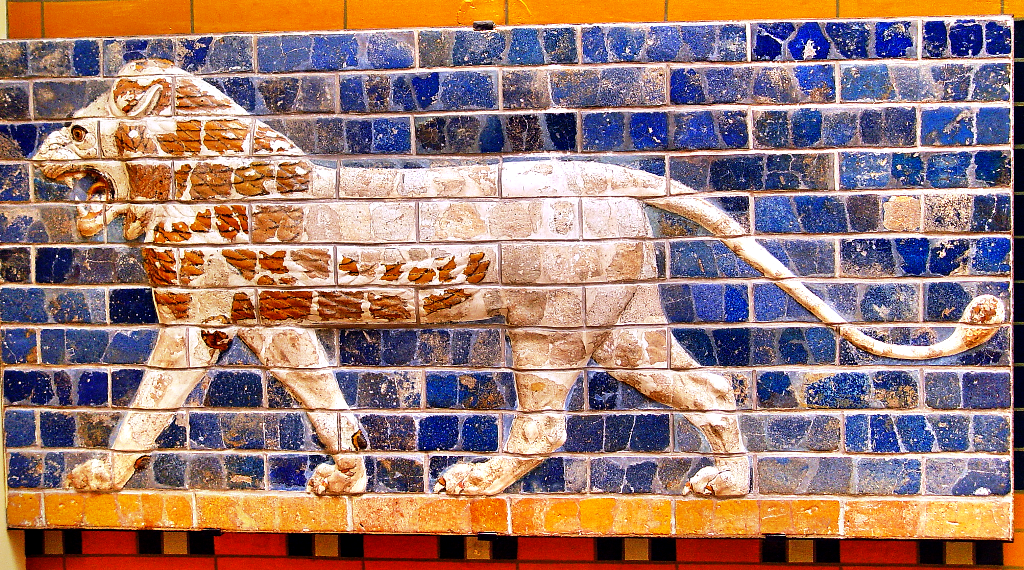
This lion in glazed brick from the Processional Way, Babylon, dates back to Nebuchadnezzar, king of Babylon 605-562 BC. This lion (among other animals) is now in the Archaeology museum in Istanbul. Perhaps this can help us visualize the challenge to Daniel’s faith as he was cast into a den of lions by the Medo-Persian king, Darius.

Lion from Processional Way, Babylon. Photo by Leon Mauldin.

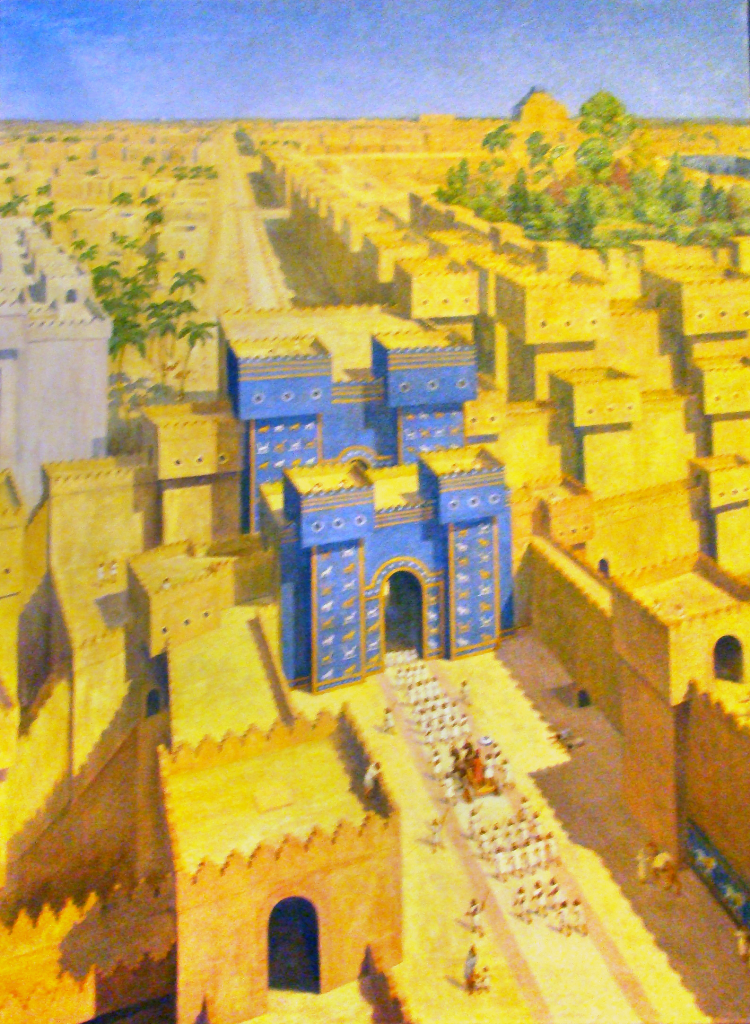
A beautiful painting of ancient Babylon, built by Nebuchadnezzar, is displayed in the Oriental Institute Museum in Chicago.

Artist conception of ancient Babylon. Photo by Leon Mauldin.


Stele of Nabonidus

June 29, 2012

The king reigning at the time of Daniel 5 is Belshazzar. Actually he had a co-regency with his father, Nabonidus (556–539 B.C.). In the context of Daniel 5, the 70 years of captivity which began in 605 B.C. are almost complete. Daniel, who was a youth as the book begins in ch. 1, now would have been an old man. When Belshazzar made a drinking feast for a thousand of his nobles, they were drinking wine out of the gold vessels taken from the Solomonic temple in Jerusalem (at the 586 B.C. destruction by Nebuchadnezzar). This is when the fingers of a man’s hand emerged, writing on the plaster of the wall of the king’s palace. The terrorized king, at the suggestion of the queen, called for Daniel to interpret the writing on the wall. He offered Daniel clothing of purple, a chain of gold and third place in the kingdom, if Daniel would give the interpretation.

This stele of Nabonidus, was discovered in Haran. He holds the scepter, while worshipping three deities, represented by the moon, the sun, and Venus. The deities represented are Sin, Shamash, and Ishtar. Nabonidus spent much of his time outside of Babylon and was out of touch with his administrative duties.

Nabonidus Stele. Discovered at Haran. Photo by Leon Mauldin.


Colossi of Memnon

June 13, 2012

Jesuit Claude Sicard (1677-1726) was commissioned by the French regent Philippe d’Orléans to investigate and identify ancient monuments in Egypt. Sicard visited Upper Egypt four times and was the first in modern times to identify the site of Thebes as well as the colossi of Memnon and the Valley of the Kings.

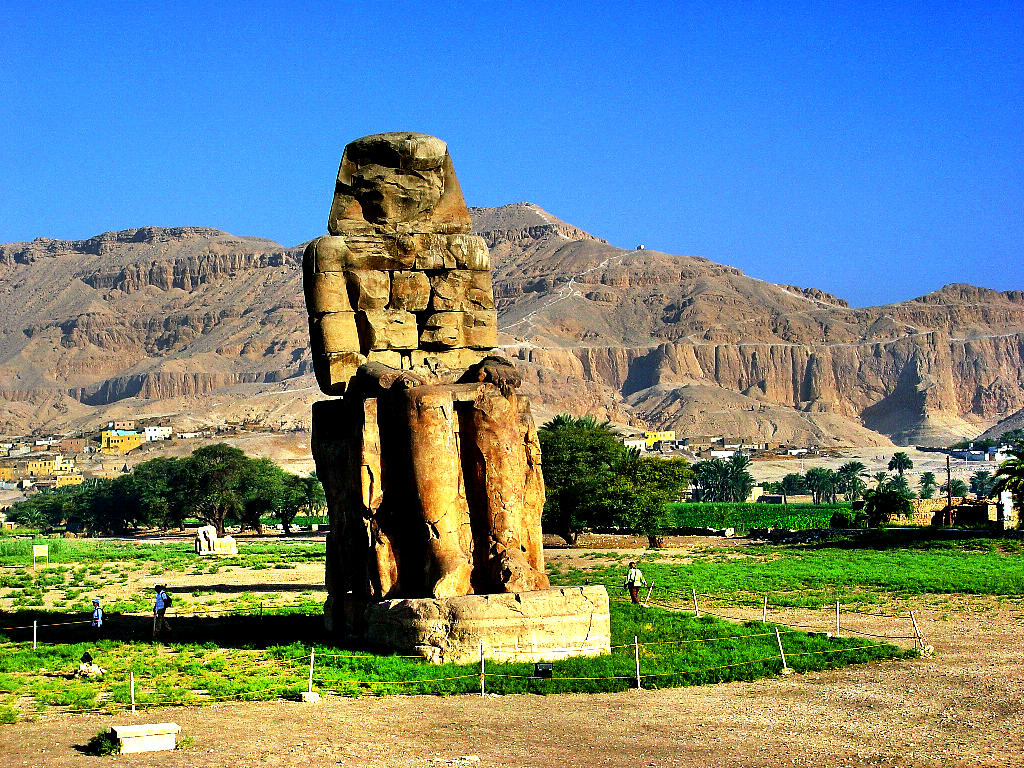
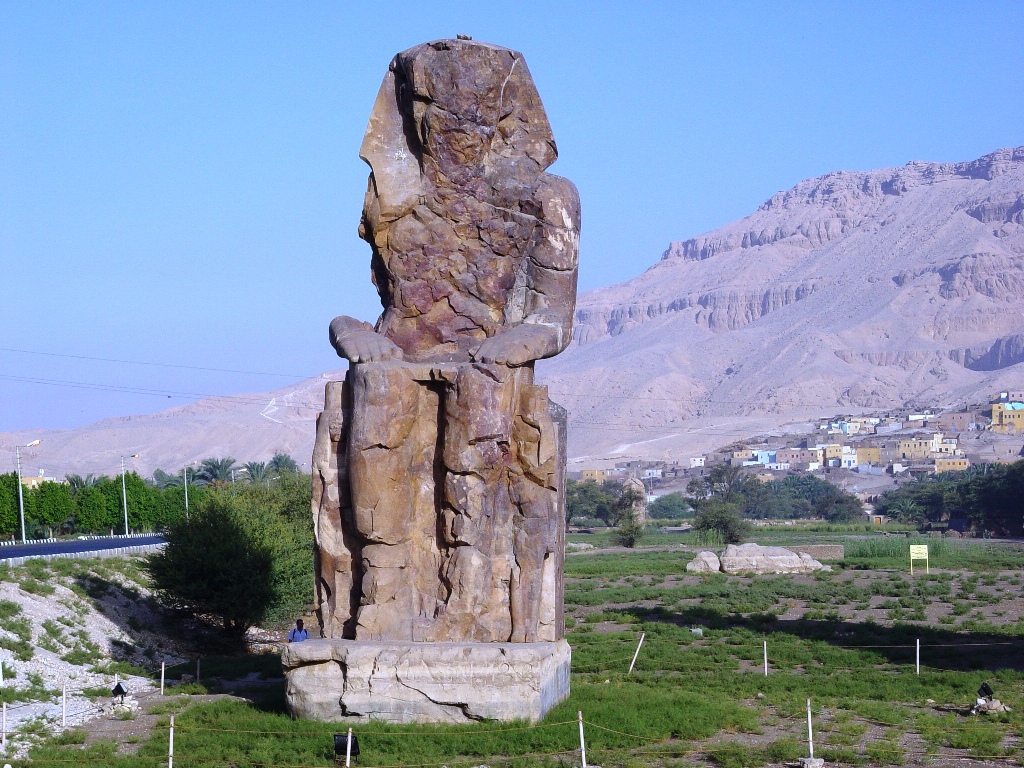
The Memnon Colossi mark the site of the temple of Pharaoh Amenophis III (reigned 1391-1353 BC, Baines & Malek, p. 36). These two massive stone statues depict the Pharaoh, and are positioned in the Theban necropolis, on the west side of the Nile across from Luxor.
Colossi of Memnon. Photo by Leon Mauldin.

This statue is 55 feet tall, on a base of about 5 feet in height. See people on ground for scale. Nebuchadnezzar’s image (Daniel 3) towered 30 feet higher than this!
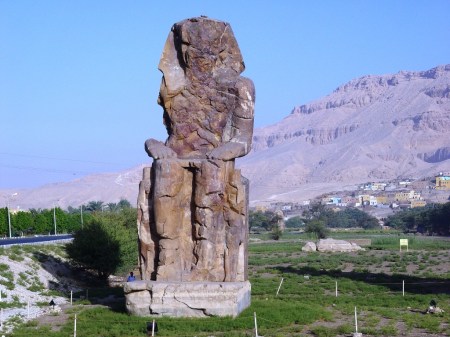
Colossi of Memnon. Photo by Leon Mauldin.

In his commentary on Daniel, Albert Barnes makes an interesting point regarding the great image Nebuchadnezzar made (Daniel 3) and the possible relation of that to the colossi of Memnon:

It is not impossible that Nebuchadnezzar was led, as the editor of Calmet’s Dictionary has remarked (Taylor, vol. iii. p. 194), to the construction of this image by what he had seen in Egypt. He had conquered and ravaged Egypt but a few years before this, and had doubtless been struck with the wonders of art which he had seen there. Colossal statues in honour of the gods abounded, and nothing would be more natural than that Nebuchadnezzar should wish to make his capital rival everything which he had seen in Thebes. Nor is it improbable that, while he sought to make his image more magnificent and costly than even those in Egypt were, the views of sculpture would be about the same, and the figure of the statue might be borrowed from what had been seen in Egypt.

It is not impossible that Nebuchadnezzar was led, as the editor of Calmet’s Dictionary has remarked (Taylor, vol. iii. p. 194), to the construction of this image by what he had seen in Egypt. He had conquered and ravaged Egypt but a few years before this, and had doubtless been struck with the wonders of art which he had seen there. Colossal statues in honour of the gods abounded, and nothing would be more natural than that Nebuchadnezzar should wish to make his capital rival everything which he had seen in Thebes. Nor is it improbable that, while he sought to make his image more magnificent and costly than even those in Egypt were, the views of sculpture would be about the same, and the figure of the statue might be borrowed from what had been seen in Egypt. An illustration of the subject before us is furnished by the preceding engraving, from a photograph, of the two celebrated colossal figures of Amunoph III. standing in the plains of Goorneh, Thebes, one of which is known as the Vocal Memnon. (Barnes, A.,  Notes on the Old Testament: Daniel, Volume 1, p.204).

Regarding the meaning of the word Memnon,

Memnon was a hero of the Trojan War, a King of Ethiopia who led his armies from Africa into Asia Minor to help defend the beleaguered city but was ultimately slain by Achilles. The name Memnon means “Ruler of the Dawn”, and was probably applied to the colossi because of the reported cry at dawn of one of the statues. Eventually, the entire Theban Necropolis became generally referred to as the Memnonium (Wikipedia).

Click images for larger view.