Egypt: Plague upon the Cattle

April 26, 2011

Exodus 9:1-7 says:

Then the LORD said to Moses, “Go to Pharaoh and tell him, ‘Thus says the LORD, the God of the Hebrews, “Release my people that they may serve me! 2 For if you refuse to release them and continue holding them, 3 then the hand of the LORD will surely bring a very terrible plague on your livestock in the field, on the horses, the donkeys, the camels, the herds, and the flocks. 4 But the Lord will distinguish between the livestock of Israel and the livestock of Egypt, and nothing will die of all that the Israelites have.”‘” 5 The LORD set an appointed time, saying, “Tomorrow the LORD will do this in the land.” 6 And the LORD did this on the next day; all the livestock of the Egyptians died, but of the Israelites’ livestock not one died. 7 Pharaoh sent representatives to investigate, and indeed, not even one of the livestock of Israel had died. But Pharaoh’s heart remained hard, and he did not release the people (NET).

In our previous post we showed how the plagues were said to be judgments against the gods of Egypt. Regarding the plague upon the cattle, Dr. David Livingston said:

This judgment was against the bull god (revered as early as the Archaic Period (35), and the sacred cattle of Hathor, the cow-headed love goddess. It was a special reproach to pharaoh who worshipped Hathor. Hathor, whose name means “house of Horus,” was sacred as early as the Old Kingdom (41, 58). Other gods associated with cattle were Ptah and Amon.
Great cemeteries of embalmed cattle have been excavated. The symbol of the bull was the symbol of pharaoh himself (Bible and Spade, Vol. 4, Num. 1, p. 10).

The museum at Alexandria, Egypt, has a display of a sacred bull.
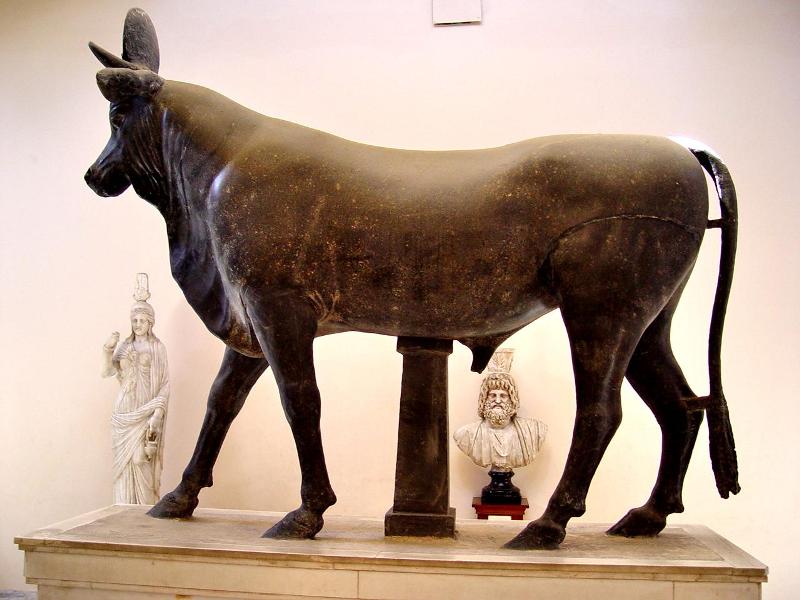
Sacred Bull at Alexandria, Egypt. Photo by Leon Mauldin.

The cow-goddess Hathor was widely worship in Egypt. This image is from Hatshepsut’s three-tiered funerary palace at Deir el-Bahari.
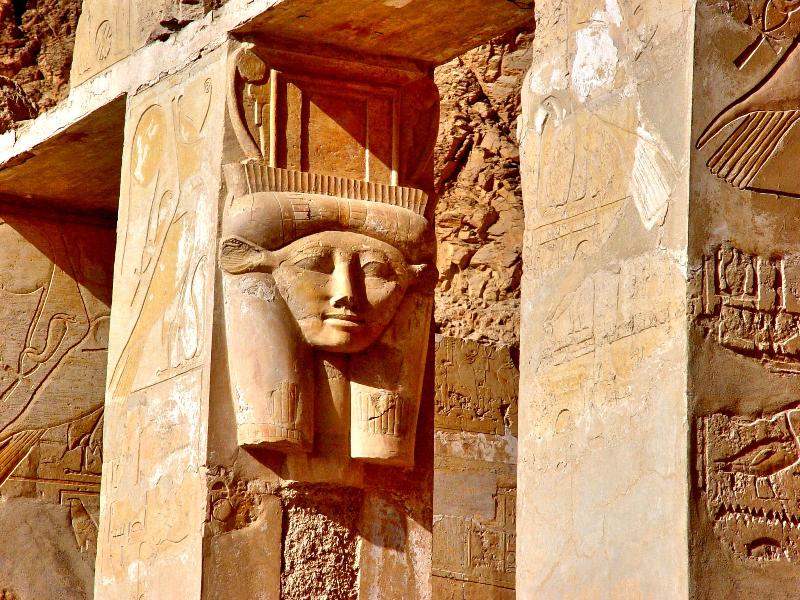
Goddess Hathor at Hatshepsut's funerary temple. Photo by Leon Mauldin.

The best evidence is that these events transpired during Egypt’s Eighteen’s Dynasty, when the nation was at the peak of its power.


Egypt: the Nile Turned to Blood

April 23, 2011

God referred to 10 plagues as “great acts of judgment” (Exodus 6:6). Prior to the 10th plague, the death of the firstborn, God warned, “For I will go through the land of Egypt on that night, and will strike down all the firstborn in the land of Egypt, both man and beast; and against all the gods of Egypt I will execute judgments– I am the LORD” (Ex. 12:12). In reality, all of the plagues showed that YHWH (the LORD) was the true God; all of the plagues were judgments against the gods of Egypt.

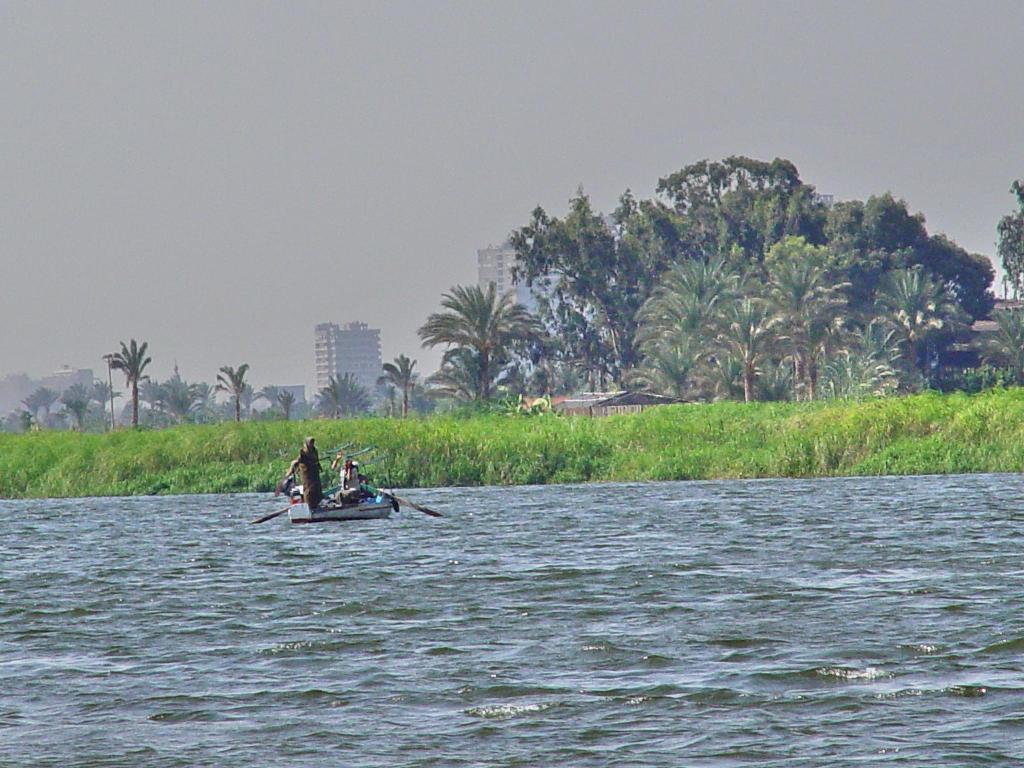
The first plague turned the water of the Nile into blood.

Nile River. Photo by Leon Mauldin.

In an article entitled, “The Plagues and the Exodus,” David Livingston wrote:

This plague was against the god Hapi, spirit of the Nile in flood and “giver of life to all men.” The annual innundation was called “the arrival of Hapi” (57). He was especially worshipped at Gebel Silsileh and Elephantine. The Nile water was the transformed life-blood of Osiris. The fact that the Nile turned to blood, which was abominable to Egyptians, was a direct affront to one of their chief gods. Although the fish-goddess was Hatmeyt, all the fish in the Nile River died! (Bible and Spade Vol. 4, No. 1, P. 4).

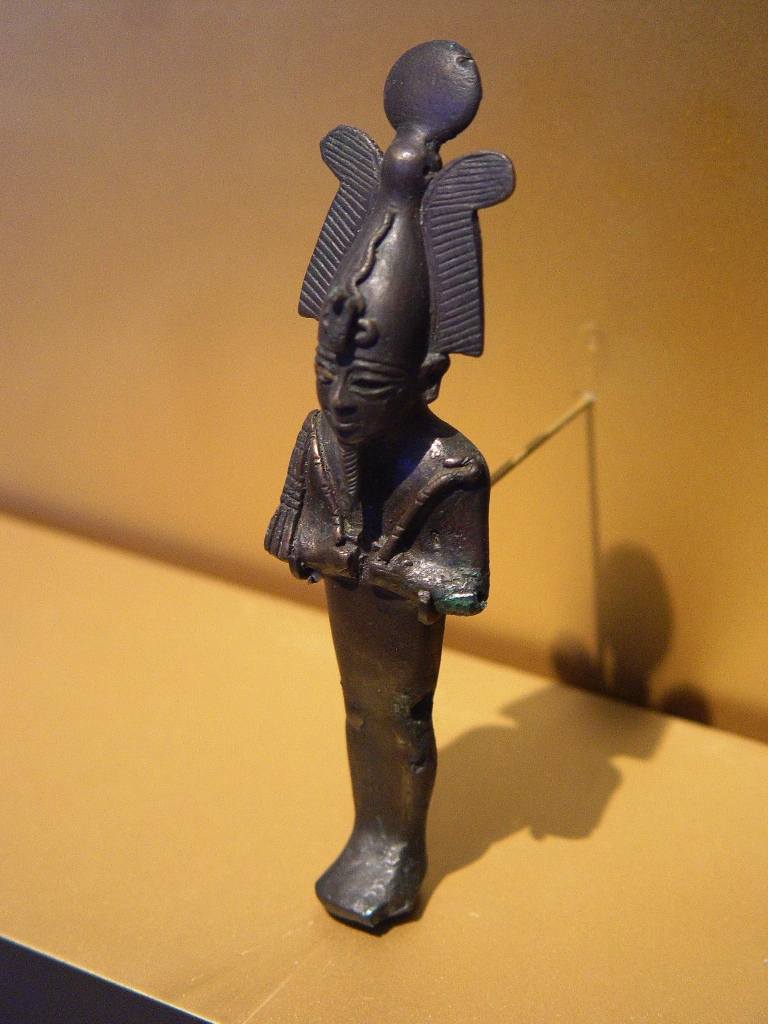
Osiris was believed to be the goddess of the afterlife.

The Goddess Osiris. Brooklyn Museum. Photo by Leon Mauldin.

By the way, I recently added the email subscription feature to this site. If you like, just enter your email address in the box provided, and you will receive notice when new posts are added to this site.


Thutmose III, Name and Titles

January 13, 2011

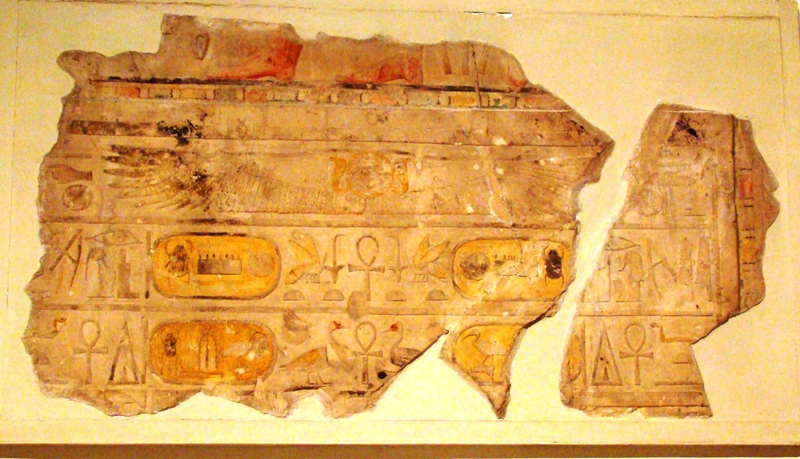
Today’s post features a relief with name and titles of Pharaoh Thutmose III.

Relief of Thutmose III, name and titles. Photo by Leon Mauldin. Boston Museum.

The accompanying informational sign at the Boston Museum explains,

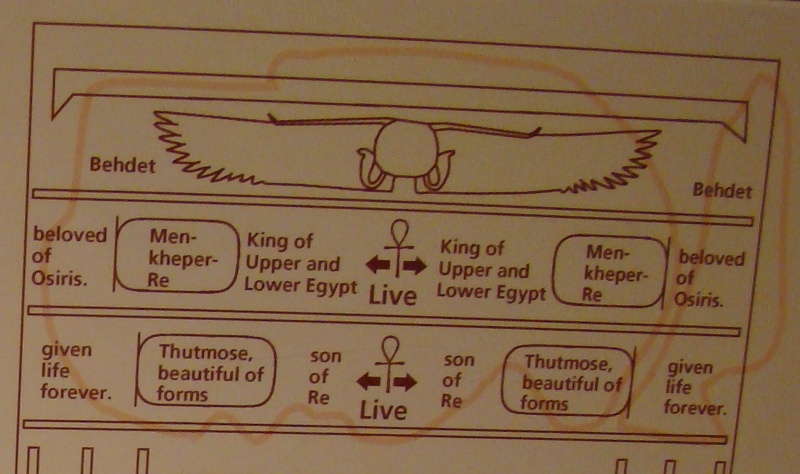
The full titulary of an Egyptian pharaoh contained five separate names. Two of the five names were enclosed in cartouches, or oval rings. The first was the prenomen, or accession name of the king, and the second was the nomen, or personal name. The prenomen (Men-kheper-Re) and nomen (Djehuty-mes, or Thutmose) of Thutmose III are carved on the painted relief above. It once formed the lintel of a doorway in the Dynasty 18 temple of Osiris at Abydos.

See diagram in photo below.

Diagram of Thutmose III name and title. Photo by Leon Mauldin.

Remember that this powerful Pharaoh would have been contemporary with Moses.

Click on images for higher resolution.


Victory Stele of Thutmose III

January 12, 2011

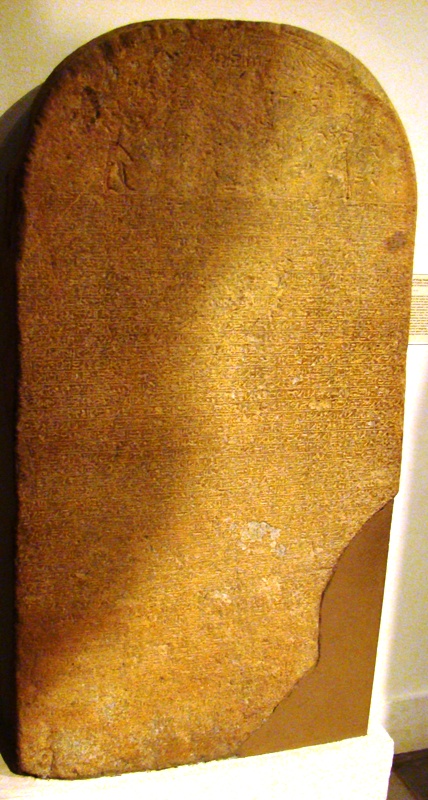
Today’s photo features the Victory Stele of Thutmose III, which was situated at Jebel Barkal in the Sudan. This location marked the extreme southern limit of the empire of this powerful Pharaoh. It has 50 lines of hieroglyphs, and includes praise of the king, his victorious conquest in Nahurin, an elephant hunt in Niy, and the Battle of Megiddo, which was referenced in our previous post.

Victory Stele of Thutmose III. Boston Museum. Photo by Leon Mauldin.

The remains of thirteen temples and three palaces have been uncovered at Jebel Barkal.


Thutmose III City Lists

January 11, 2011

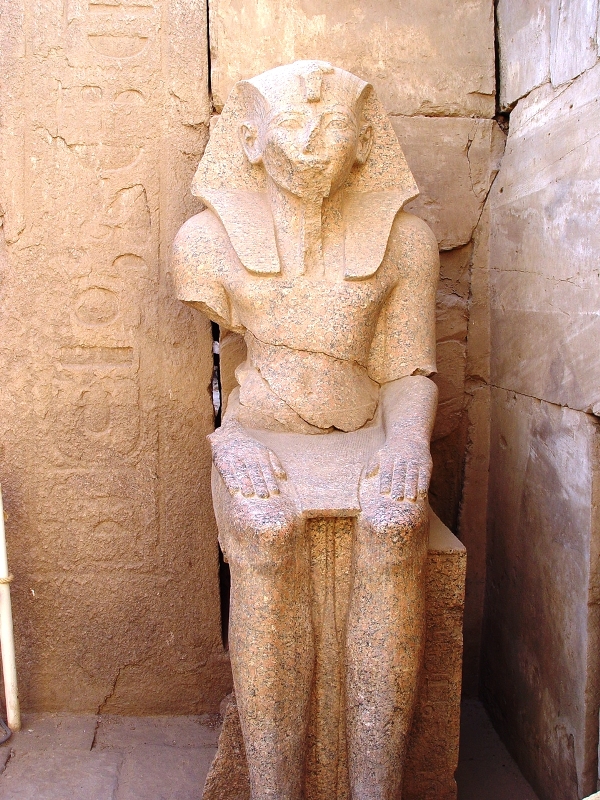
Thutmose III (ca. 1504-1450 BC) was a Pharaoh of the 18 dynasty. He was a powerful ruler who received tribute from as far away as Mesopotamia.

Thutmose III, seated by city list in Karnak. Photo by Leon Mauldin.

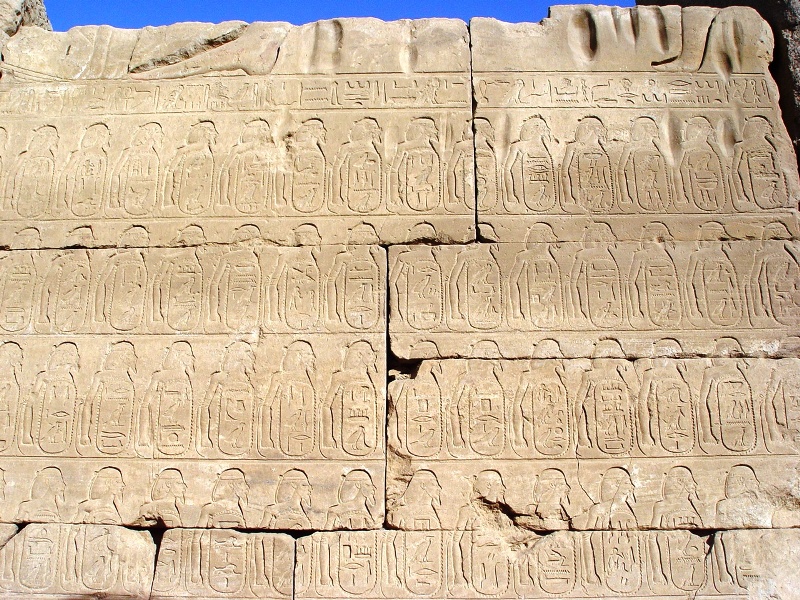
At Karnak in Egypt, Thutmose III left his listing of cities that he conquered in the Levant. Egyptian hieroglyphics list 119 place names in Canaan, Transjordan, Lebanon and Syria. Princes are depicted with hands tied behind their backs.  The rulers shown were trapped in Megiddo; when Thutmose III took the city after a seven month siege, he said it was the “capture of a thousand cities.”

Thutmose III City List. Canaanite princes were captured. Photo by Leon Mauldin.

Click on images for higher resolution.


How’s the Food Over There?

October 2, 2010

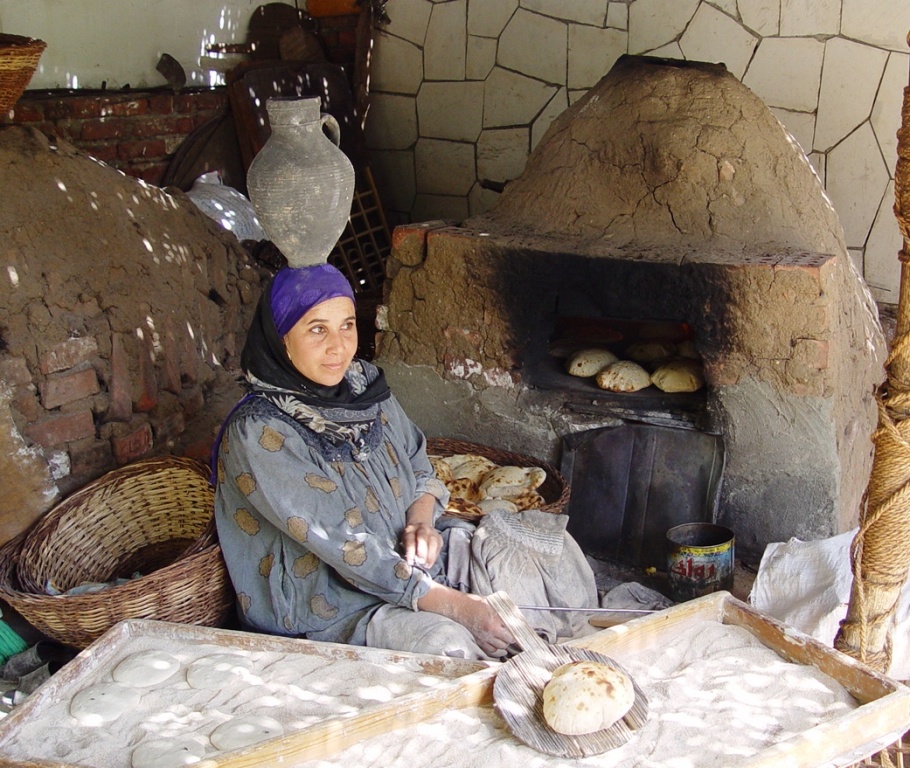
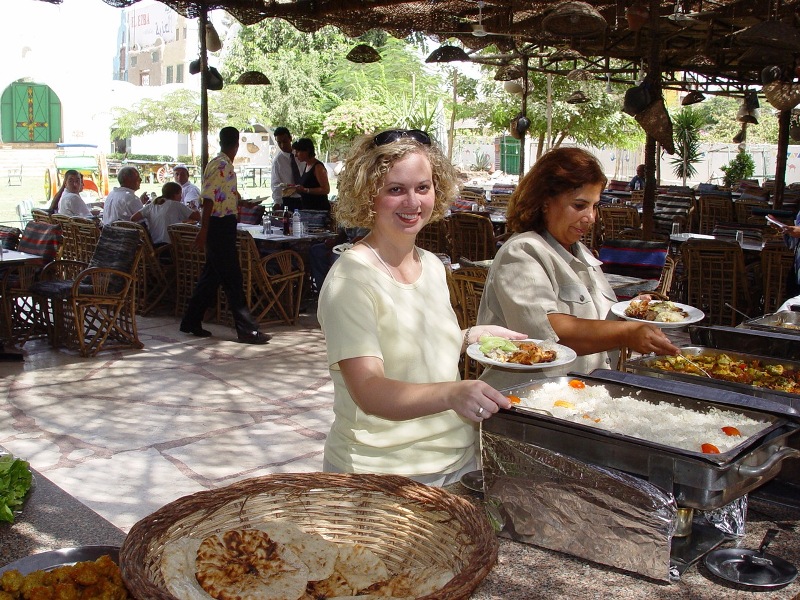
People often ask, “How’s the food over there?”, meaning in the Bible lands, including Israel and other places.  One answer is that it’s different.  If it were the same as what you have at home, why not stay home? How often do you see bread being cooked like this?

Cooking Bread in Egypt. Photo by Leon Mauldin.

Another observation is that there is variety; even somewhat “picky” eaters can find something they like.  My “problem” is that I am not a picky eater, so almost everything is good to me. I’ve been blessed; I’ve never gotten sick on a Bible lands trip. (I did one time during a preaching trip to the Ukraine, but that doesn’t count in this context).

I enjoy eating outdoors when it is feasible.

Eating Outdoors in Egypt. Photo by Leon Mauldin.

Click on images for higher resolution.


Mitri, the Egyptian Scribe

September 30, 2010

From ancient times the role of the scribe has been an important one.  The Bible has many references to Jewish scribes.  In the Old Testament, Ezra was described as “a skilled scribe in the Law of Moses” (Ezra 7:6).  He was a man whom God used for good in the biblical period of the post-captivity return and rebuilding.

Many of the New Testament references to scribes are not flattering. In fact, the scribes received some of Jesus’ sternest rebukes (see Matthew 23).

Ferrell Jenkins shares info and a photo of a modern scribe at Masada in his post at

http://ferrelljenkins.wordpress.com/2010/09/30/the-scribe/

Our photo today features a statue of an Egyptian scribe by name of Mitri, of Egypt’s 6th’s dynasty of the Old Kingdom (2345-2181 B.C.). Such men had to be very efficient at writing hieroglyphs quickly, and also be well-educated in mathematics.

Mitra the Scribe. Egyptian Museum. Photo ©Leon Mauldin.

I especially value such photos as this one because photography is no longer permitted in the Egyptian Museum.

The website Egyptopia has the following interesting information on Mitri the Scribe:

Mitri was one of the prominent figures in the 6th Dynasty who acquired numerous positions as depicted on the base of this statue including: Administrator of the Nome and Great One of the ten of Upper Egypt and Priest of Maat.

This statue of Mitri as a scribe was found in his tomb in Saqqara among other statues for him and his wife in various positions. This wood with painted stucco is used to indicate the intellectual abilities of the deceased although he did not occupy that post.

Mitri is depicted in the customary posture of the scribe in ancient Egypt with crossed legs and a papyrus role on his lap. The eyes are set in limestone and transparent stone and ringed with copper attract the attention of the observer to Mitri’s calm gaze and become the focal point of the whole sculpture. The body is colored with dark ocher color and the monotony of the color is broken by the colorful necklace around his neck.

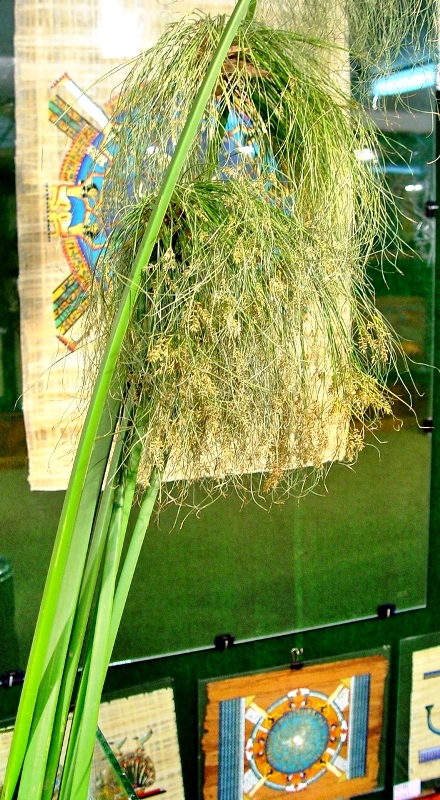
Such scribes would have written on papyrus, “paper” made from the papyrus reed, shown in photo below.

Papyrus Reed, from which papyrus was made. Photo ©Leon Mauldin.

Click on images for higher resolution.


Memphis of Egypt, cont’d.

September 28, 2010

We continue today with yesterday’s topic of Memphis of Egypt, a city which is specifically mentioned in biblical prophecy in such texts as Ezekiel 30:13. We saw that passage contextually foretold of the destruction of the images of the gods there.  Note that some translations will render the city’s name Noph.

Another biblical reference to Memphis is that of Jeremiah 44:1ff.  Jeremiah had been taken by force to Egypt after the 586 B.C. Babylonian deportation by rebellious Jews.  The Lord used Jeremiah as His faithful spokesman to “the Jews living in the land of Egypt, those who were living in Migdol, Tahpanhes, Memphis, and the land of Pathros…”

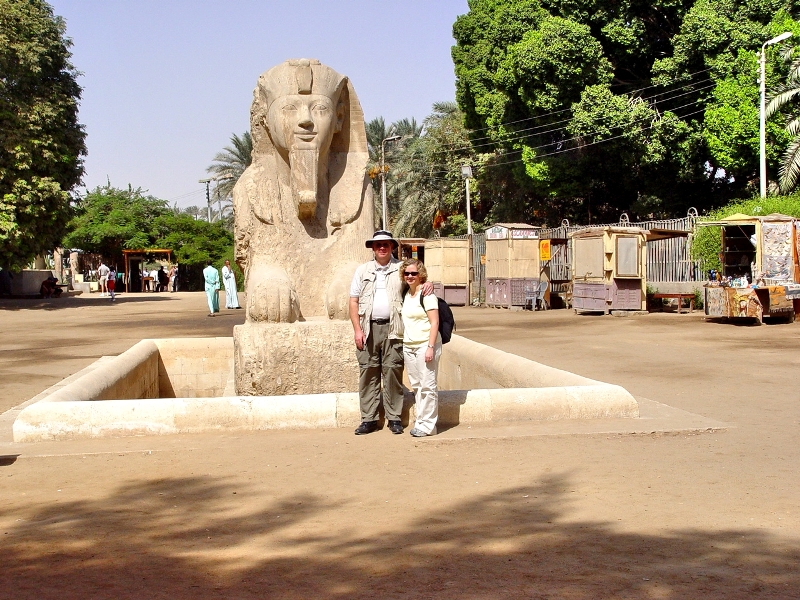
Alabaster Sphinx in Memphis. Reign of Ramesses II. Leon and daughter Alysha. Photo ©Leon Mauldin.

In yesterday’s post we showed the solid alabaster sphinx in Memphis.  Today’s photo gives some sense of scale.  This small area of Memphis is all that can be seen of antiquity of what was once one of the most important cities in the world.

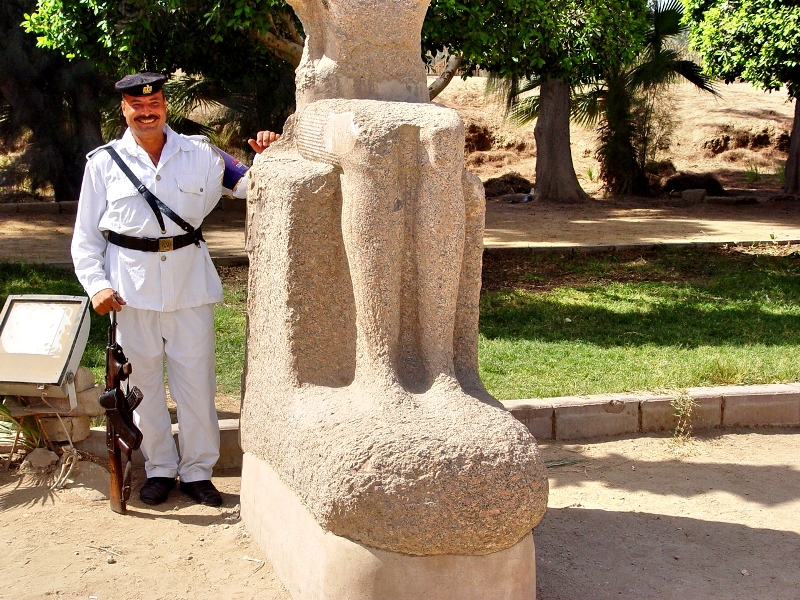
There was Egyptian police presence in Memphis.  We found them to be quite friendly.

Egyptian Police at Memphis. Photo ©Leon Mauldin.

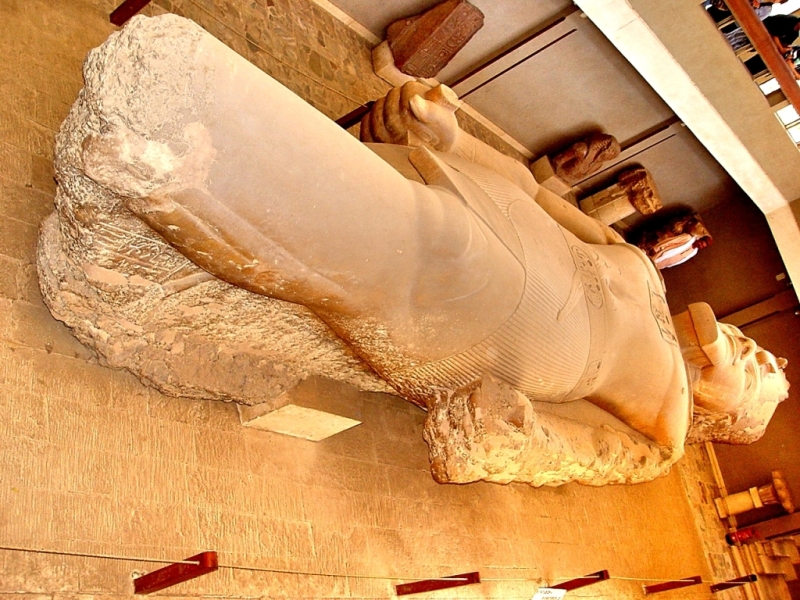
One important monument in Memphis is the fallen colossus of Ramesses II.  Ramesses II had a lengthy reign (1279-1213 B.C.), and he left his monuments and inscriptions all over the land.  No one has accused him of humility or undue modesty!

Fallen colossus of Ramesses II. Photo ©Leon Mauldin.

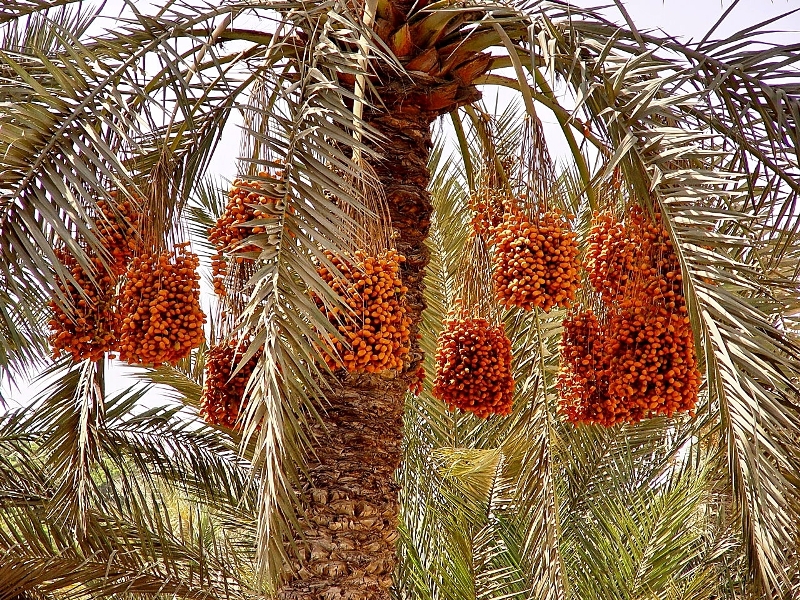
At Memphis you can see date palm trees such as the one in our photo.  You could say this tree had lots of dates!

Date palm tree at Memphis. Photo ©Leon Mauldin.

As we say frequently, the Bible is true; it is genuine history; it is not fiction. When it mentions places, such as Memphis/Noph, they are real places where real people lived, for better or worse!

Click on photos for higher resolution.


Memphis of Egypt

September 27, 2010

Today’s post will deal with Memphis of Egypt.  To give some context, let me lead into this with the following:

The message of the biblical prophets may be broadly summarized into three subject areas:

1. God’s message to His people of the prophet’s time.

2. God is the God of all the earth; His message to the nations.

3. Most importantly, the Messianic prophecies; Christ, His redemptive work, His kingdom.

Today’s post will deal with the second category; God is the God of the nations.  This is why you will find in some instances in the prophets back-to-back chapters dealing with the nations of men.  Ezekiel was one of the captivity prophets (taken to Babylon with the second deportation, 597 B.C.).  Though he had much to say to his contemporary captives (Jews), and had many Messianic prophecies, Ezekiel proclaimed the word of the LORD to the nations.

Ezekiel 30 addresses Egypt and includes specifically Memphis. “Thus says the Lord GOD, “I will also destroy the idols And make the images cease from Memphis. And there will no longer be a prince in the land of Egypt; And I will put fear in the land of Egypt” (v.13).

For so many centuries Egypt had been a world power.  Memphis had been one of the most important administrative centers.  Only Thebes in the south was comparable in economic, political and religious importance.

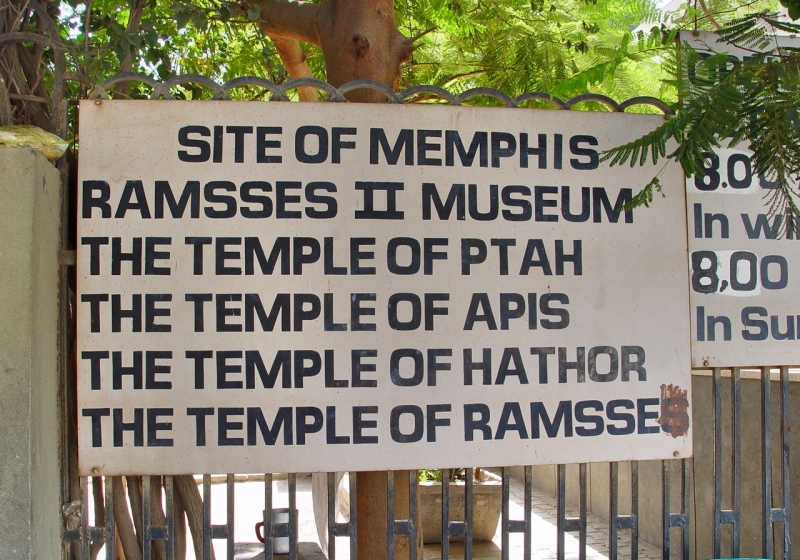
But God said He would “execute judgments on Egypt” (v.19). The prophecy was fulfilled.  Egypt fell, and the city of Memphis, royal residence and capital of Egypt, one of the renowned places of the whole ancient world, has disappeared almost completely.  The most significant ruins can be seen near the modern village of Mit Rahina.

Sign indicating site of biblical Memphis, Egypt. Near modern Mit Rahina. Photo ©Leon Mauldin.

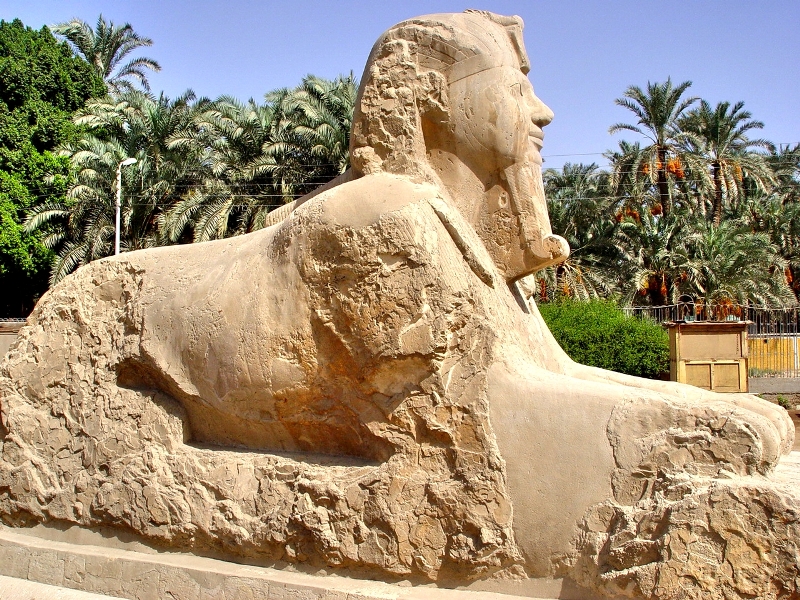
Within the enclosure of the temple of Ptah one can see a large alabaster sphinx. This dates to the reign of Ramesses II (1279-1213 B.C.).

Alabaster Sphinx in Memphis, Egypt. Dates to reign of Ramesses II. Photo ©Leon Mauldin.

Ezekiel’s prophecy was that God would “cause the images to cease from Memphis.”  Our photo below illustrates what the prophet had in mind.  This is an image of the Egyptian goddess Hathor.

Image of Egyptian goddess Hathor. Memphis, Egypt. Photo ©Leon Mauldin.

More to come on Memphis, Egypt.  Remember to click on image for higher resolution. Photos may freely be used in teaching.


Along the Nile

September 21, 2010

One of the enjoyable elements of travel to the Bible lands can be the folks you share the experience with. I have been privileged on two trips to have my daughter Alysha with me, both in Israel and in Egypt.

It’s a treat when you’re in Egypt to sail on the Nile in a Felucca. We took a short excursion one afternoon, August, 2003.

Alysha in Felucca on Nile River. Photo ©Leon Mauldin.

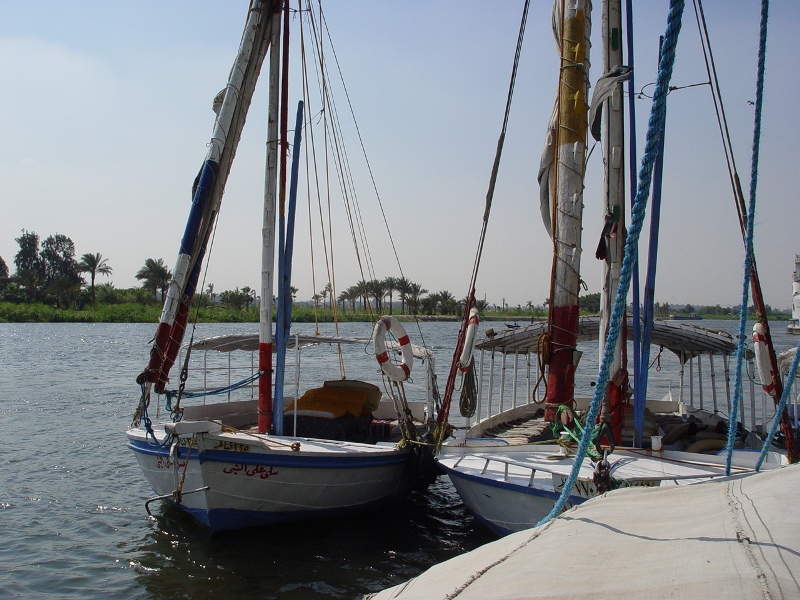
There were other feluccas along the bank, ready for use.

Feluccas along the Nile. Photo ©Leon Mauldin.

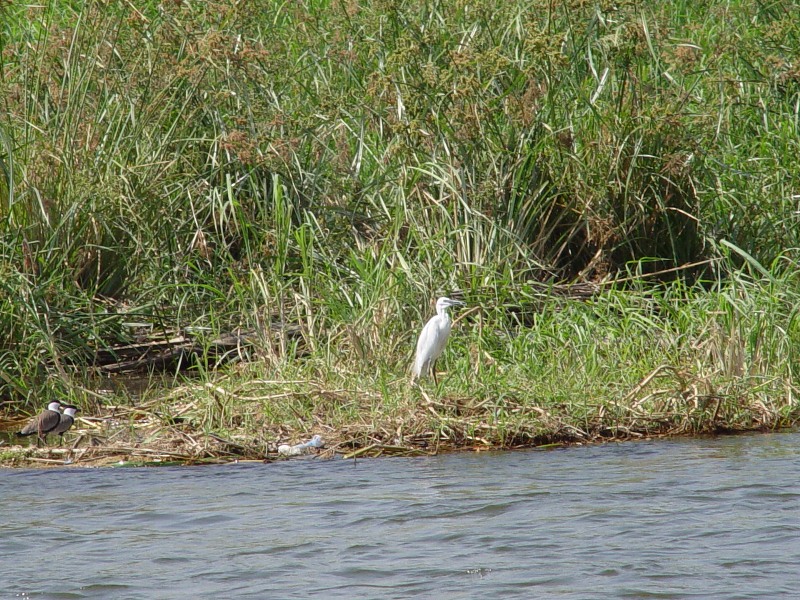
When I saw the reeds along the Nile River I thought of Moses’ experience as a baby.  Hebrew male babies born at that time were literally under a death sentence from Pharaoh.  Moses’ mother hid him three months– “But when she was no longer able to hide him, she took a papyrus basket for him and sealed it with bitumen and pitch. She put the child in it and set it among the reeds along the edge of the Nile” (Ex. 2:3, NET).  See how this text is illustrated by our photo:

Reeds along the Nile. Baby Moses was placed in a basket in a setting like this. Photo ©Leon Mauldin.

In God’s good providence Pharaoh’s daughter had compassion on the Hebrew baby, and allowed him to live. She gave him the name Moses, and secured a Hebrew nurse, Moses’ mother!

Click on images for higher resolution.