“We Remember the Fish”

November 7, 2025

Israel repeatedly murmured when the LORD was taking them from Egypt to the Promised Land of Canaan. After all the mighty works of Yahweh they had witnessed, the Ten Plagues by which they were delivered from Egyptian Bondage, hearing the voice of God at Sinai, receiving the Law and its ordinances, and being led by the Cloud by day, and the Pillar of Fire by night, He fed them with “bread from heaven,” they still in their unbelief murmured: “We remember the fish which we used to eat free in Egypt, the cucumbers and the melons and the leeks and the onions and the garlic, but now our appetite is gone. There is nothing at all to look at except this manna” (Num. 11:5-6).


Fresh Fish in Alexandria, Egypt. Photo by Leon Mauldin.
Fresh Fish in Local Restaurant in Alexandria, Egypt. Photo by Leon Mauldin.

From an article I wrote in August 2012:

Memory is an amazing thing. I view it as a gift from God. One of the saddest events imaginable is for one to lose his memory, his ability to remember and recall life’s experiences, what one has learned, etc.

The ability to learn God’s word and apply it to life’s circumstances is a blessing. For that reason I encourage especially young people to spend much time in memorization of God’s word.

If one does not incline his heart Godward, memory can be amazingly quirky. When the nation of Israel was yet in Egypt, all they could think about was their harsh treatment meted out by cruel taskmasters. In their affliction they cried out to God.

God brought them out of Egypt after a mighty display of His power with the 10 plagues, referenced by God Himself as judgments against the gods of Egypt (Exodus 6:6; 12:12). They crossed the Red Sea, and made their way to Sinai, where they encamped for 11 months. During this time they received the Ten Commandments (along with its other laws), built the tabernacle, and consecrated the Aaronic priesthood (Ex. 19-Num. 10).

God was mindful of His covenant with Abraham; at that point it was time to grant Israel possession of the promised land of Canaan. At His command and direction Israel began to march (Num. 10:11ff). But immediately they lost sight of God’s lofty purpose with them and began to murmur (Num. 11:1).

One such instance of murmuring is in the text we referenced above: “Now the mixed multitude who were among them yielded to intense craving; so the children of Israel also wept again and said: ‘Who will give us meat to eat? We remember the fish which we ate freely in Egypt, the cucumbers, the melons, the leeks, the onions, and the garlic; but now our whole being is dried up; there is nothing at all except this manna before our eyes!'” (Num. 11:4-6).

Talk about selective memory! Talk about rewriting history! The New Testament identified the problem as a lack of faith (Heb. 3-4). Stephen showed that the heart of the problem was a problem of the heart: “in their hearts they turned back to Egypt” (Acts 7:39).


Elephantine Island

April 8, 2025

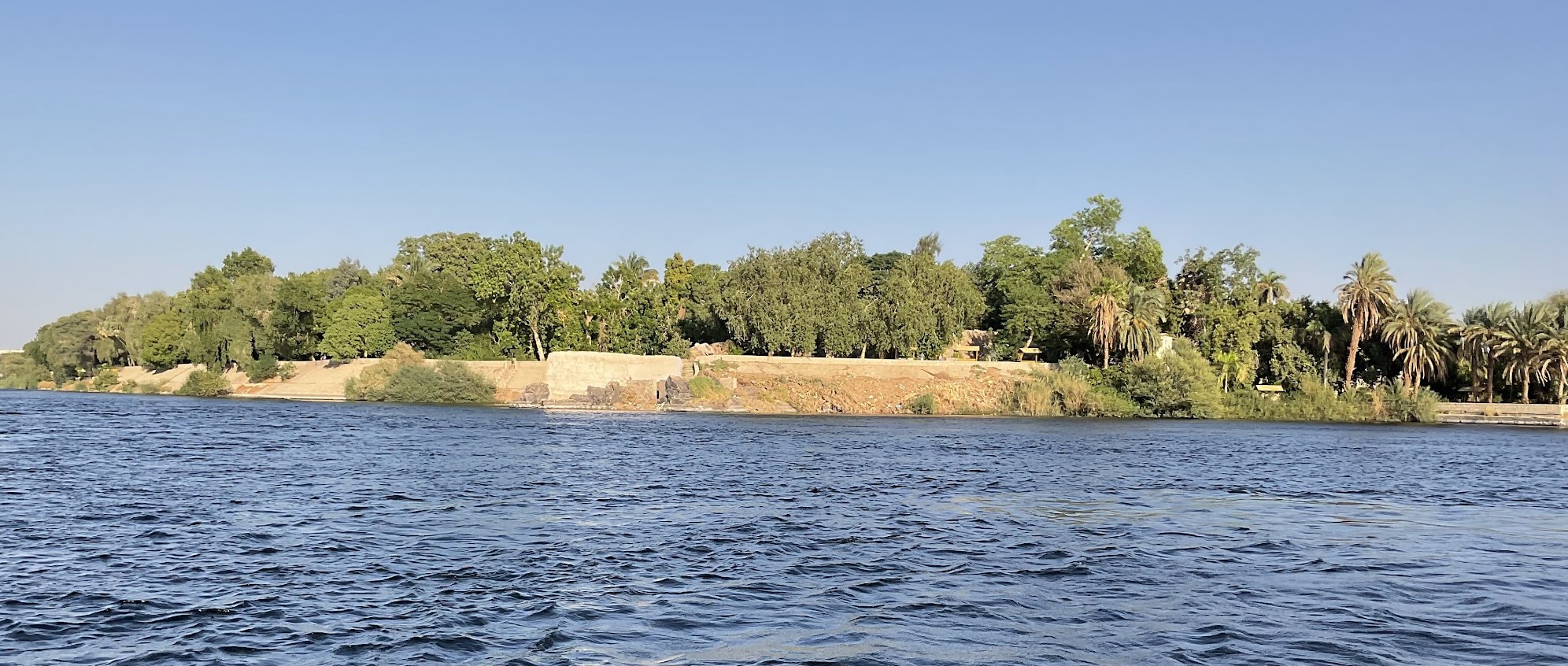
Having just returned from a 13-day tour of Greece & Turkey, I plan to share some of those photos asap. But for now, as I’m preparing for a study on Nehemiah, I wanted to post a photo of Elephantine Island, on the Nile River, as papyri discovered there has a bearing on the timeframe of the book of Nehemiah.

Elephantine Island on the Nile, in Egypt. Photo by Leon Mauldin.

The Lexham Bible Dictionary has this informative entry:

An island located along the Nile in upper Egypt, opposite modern-day Aswan. The island was named Elephantine in Greek, either because it was the center of the ivory trade between Egypt and Nubia or because it is surrounded by black rocks shaped like elephants.

Location and Dates
Elephantine is located along the first cataract of the Nile in upper Egypt. The island was important for trade and as a Persian military garrison. Jewish residents lived on the island, and there is evidence that a temple existed for Yahweh worship.
Little documentation about the island exists apart from fifth-century BC literary and legal texts—there are also inscriptions and letters documenting Elephantine correspondence with Jerusalem. Excavations of the island have revealed a Persian period complex of multistoried, mud-brick houses with earthen floors. An area with tiled flooring was also discovered and determined to be part of the temple courtyard.
It is uncertain how long the Jewish community existed at Elephantine. There are texts that claim the community arrived prior to Cambyses’ arrival in Egypt in 525 BC, but, according to MacLaurin, the community may even date back to Moses’ time (MacLaurin, “Date of the Foundation of the Jewish Colony at Elephantine,” 93–95). Porten argues for a mid-seventh century BC arrival date (Porten, “Settlement of the Jews at Elephantine,” 456–462). Documentation is limited to 495–398 BC, indicating that the community existed on the island during the height of the Persian Empire.

Biblical Relevance
The site of Elephantine is not mentioned in the Bible, but the community that lived there during the Persian period provides us with insights about Judaism. The garrison at Elephantine and neighboring Syene—ultimately controlled by Persian imperial officials—was a multicultural colony of Jews, Aramaeans, Egyptians, and Persians. Much like Jews in other parts of the empire, the inhabitants at Elephantine would have interacted with other peoples of the empire while continuing to identify with other Jews. Although they were geographically separated from Jerusalem and Judaea, they called themselves Judaeans (יהודין, yhwdyn)—the Aramaic form of the biblical word for Judaeans or Jews (יְהוּדִים, yehudim). This suggests a desired identification with other Jews and with Judaea.
In Elephantine, the temple to the Jewish deity Yahu (a variant form of the biblical names for the God of Israel, Yah and Yahweh) was destroyed in the fifth century BC. According to correspondence with the priests in Jerusalem, the destruction was caused by priests of the Egyptian ram god Khnum—to whom a temple was built on Elephantine during the 18th–19th centuries BC (or the 16th–13th centuries BC). The Jewish community responded by praying, fasting, and putting on sackcloth, which were common biblical responses to disaster. The leaders petitioned Jerusalem to permit the rebuilding of the temple, pointing out that they had made no oil, incense, or burnt offerings in the temple since it had been destroyed—indicating both an awareness of the authority of the Jerusalem priesthood and a shared practice of presenting offerings at an authorized temple. The temple was apparently never rebuilt.

(Source: Whitcomb, K. A. (2016). Elephantine. In J. D. Barry, D. Bomar, D. R. Brown, R. Klippenstein, D. Mangum, C. Sinclair Wolcott, L. Wentz, E. Ritzema, & W. Widder (Eds.), The Lexham Bible Dictionary. Lexham Press.).


El-Amarna Tablets

February 3, 2025

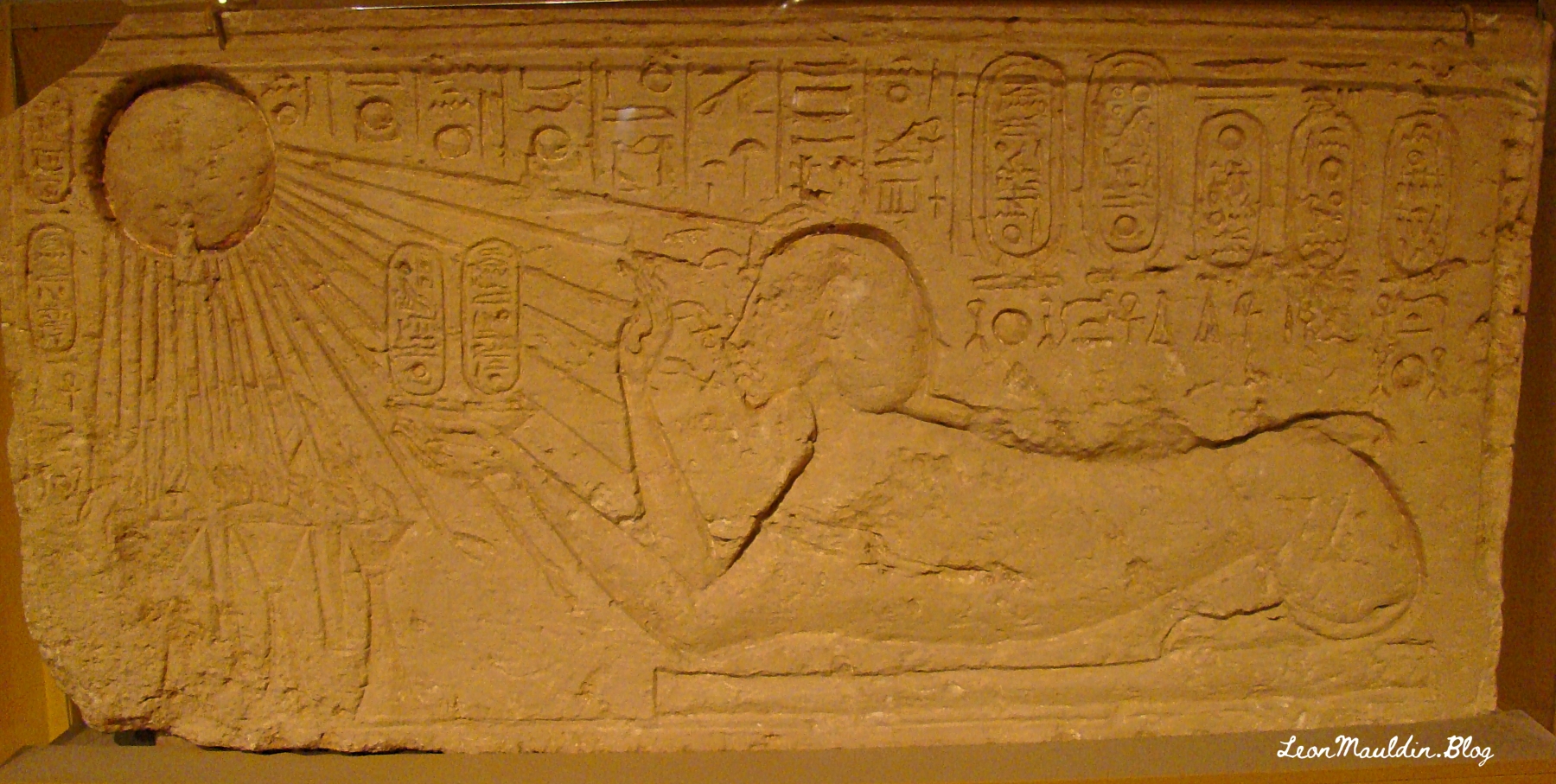
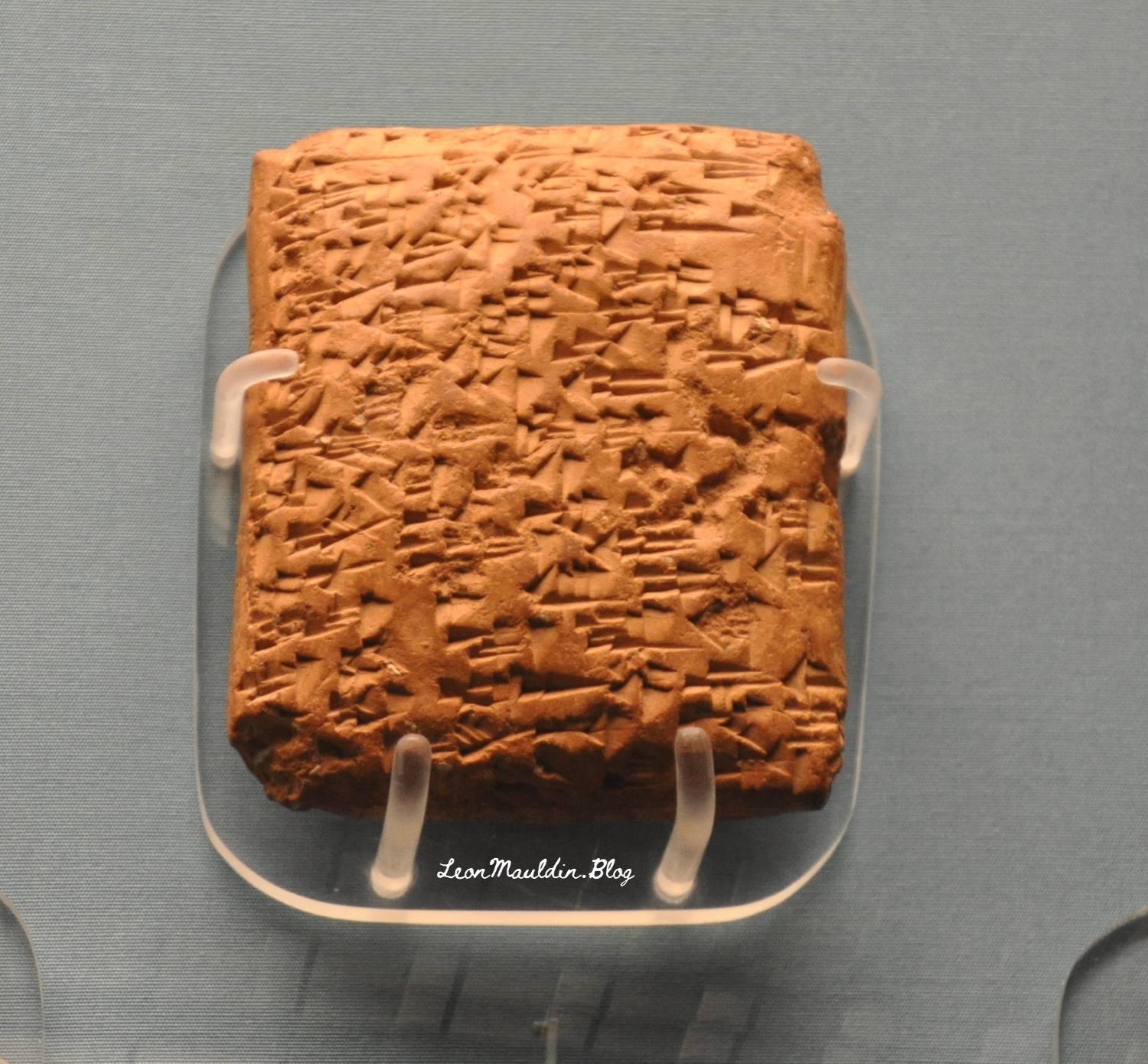
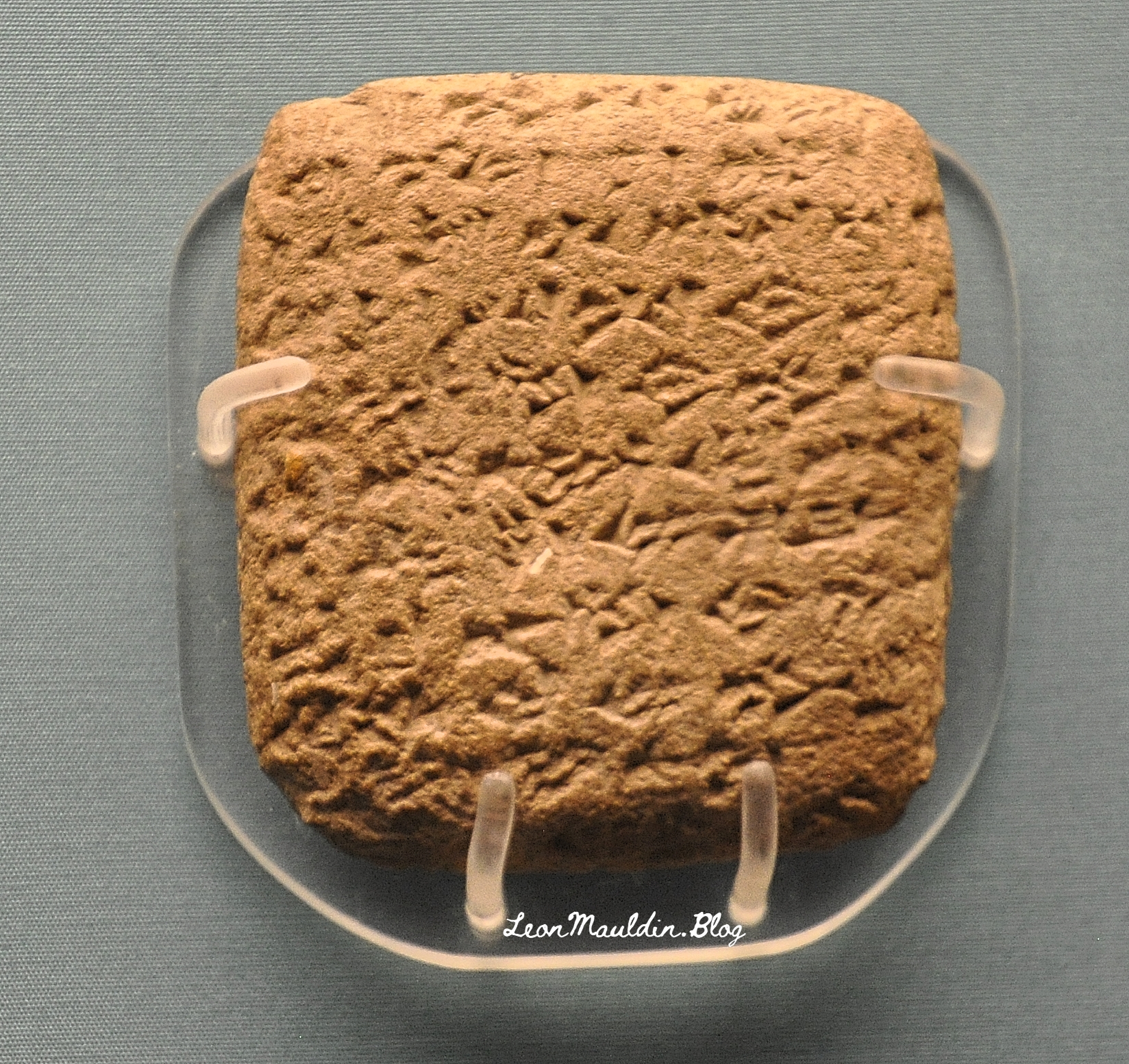
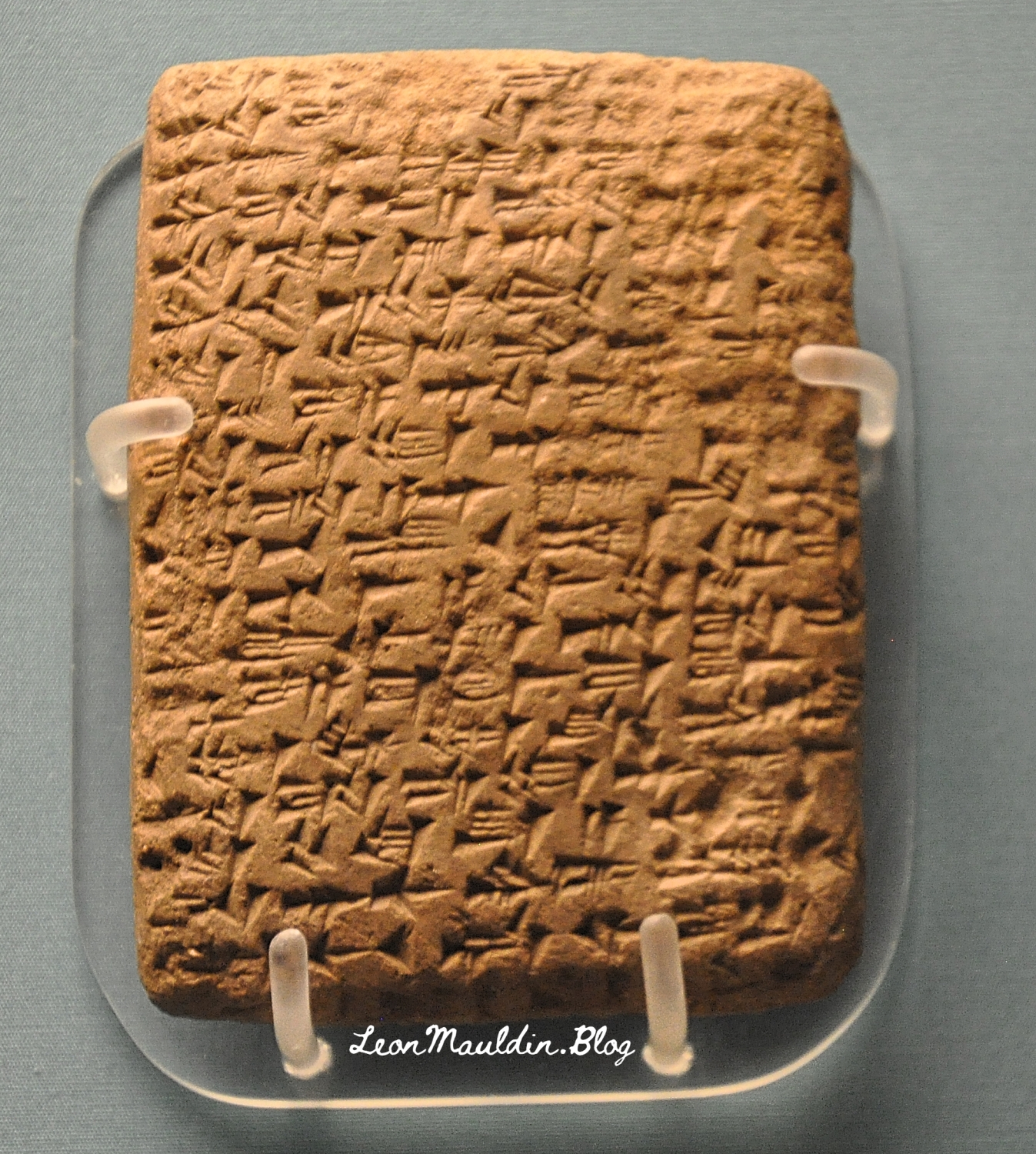
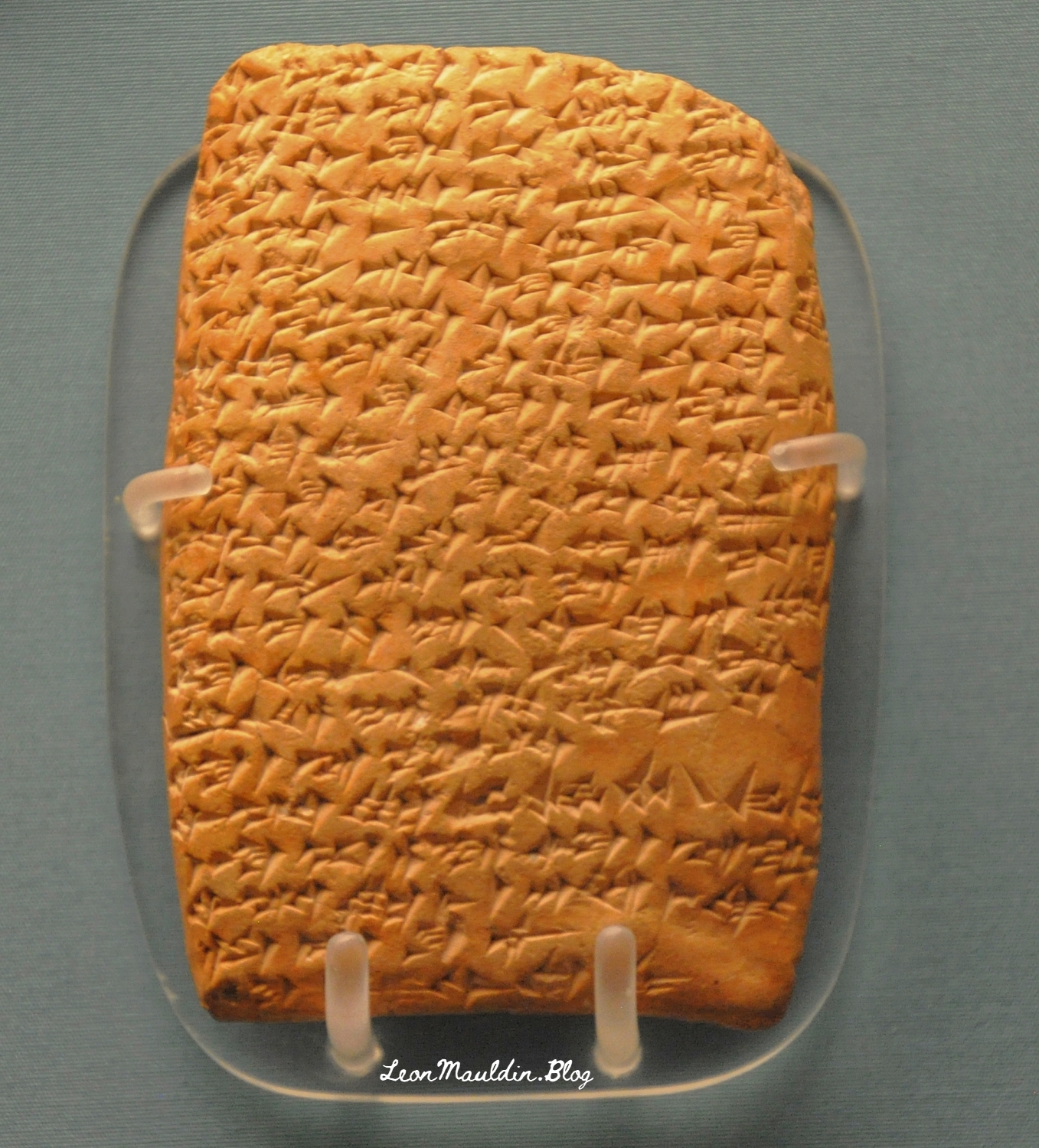
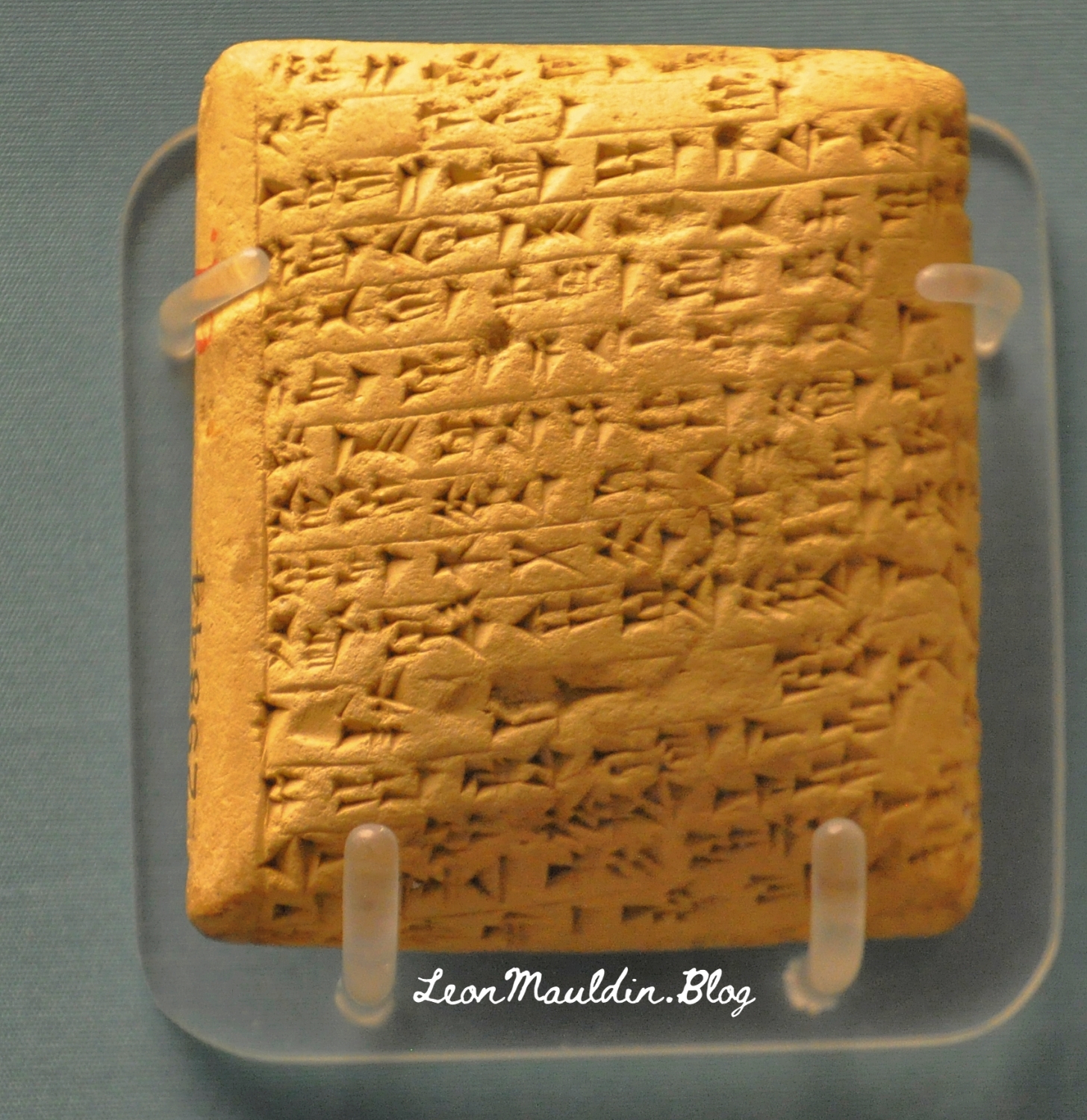
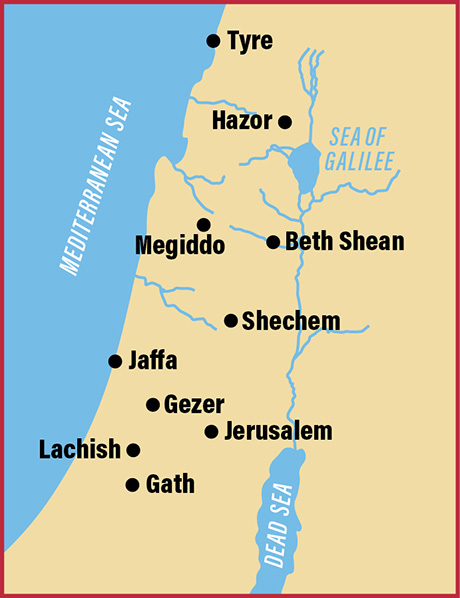
The collection of El-Amarna tablets represent diplomatic correspondence from princes/kings of from varioius parts of the Egpytian Empire during the reigns of Amenophis III, Akhenaton and Tutankhamun. These tablets were found in the ruins of Akhenaton’s (the “heretic” pharaoh) capital at El-Amarna. The British Museum displays some of the El-Amarna tablets from various locations in Canaan, which will be the focus of this post. We will feature tablets from Hazor, Lachish, Gezer, Megiddo and Shechem, all five of which were very important sites in Canaan.

King Akhenaten as a sphinx. Photo ©Leon Mauldin. Boston Museum of Fine Arts.

Alice Mandell writes in BAS:

Discovered at the site of Tell el-Amarna in Middle Egypt, these cuneiform documents are letters dating to the mid-14th century BCE that were written in varieties of Akkadian, the lingua franca of the time, by scribes from all over the ancient Near East on behalf of local kings. The letters are commonly divided into two groups: letters from the “greater” powers (the Egyptian, Mitannian, Hittite, Assyrian, and Kassite kings) and letters from the “lesser” powers (smaller kingdoms and city-states from across the Levant, including the land of Canaan). Interestingly, even though the Canaanite rulers were among the least powerful kings writing to Egypt (in fact, they were under Egyptian rule), they left behind the largest number of letters. Source: https://library.biblicalarchaeology.org/article/letters-to-pharaoh-the-canaanite-amarna-tablets/?utm_source=WhatCountsEmail&utm_medium=BHDA%20Spotlight%201-90&utm_campaign=TS%20BAS%20Scholars%20Series%208-21-24

This tablet is from Abdi-Tirshi, King of Hazor. The info sign says that he “reassures pharaoh that he is loyal and is keeping his cities in good order.”

El-Amarna tablet for Canaan’s king of Hazor. Photo ©Leon Mauldin. British Museum.

This tablet is from Shipti-Ba’al of Lachish. He also assures pharaoh of his loyalty.

From the king of Lachish. Photo ©Leon Mauldin. British Museum.

Here is the tablet from Gezer’s king Yapahu, who “begs pharaoh for help in defending his city against raids by the Hapiru.” Many scholars believe that the “Hapiru” here refer to the Hebrews.

From Gezer. Photo ©Leon Mauldin. British Museum.

Here is the tablet from Biridiya, king of Megiddo. He “accuses the king of Acco of treachery by releasing the captured Hapiru leader, Labayu, instead of sending him to Egypt.”

Tablet from king of Megiddo. Photo ©Leon Mauldin. British Museum.

Our fifth tablet is from Labayu, ruler of Shechem. Shechem occurs frequently in the Old Testament (Gen. 12:6, et al.).

From Shechem. Photo ©Leon Mauldin. British Museum.

Mandell went on the say regarding the script of these tablets, “The Amarna Letters were not written in alphabetic or Egyptian scripts. They were written in cuneiform, a wedge-shaped script that was developed in Mesopotamia in the late fourth millennium BCE to write Sumerian and, later, Akkadian. By the Amarna period, ancient people from all over the Near East wrote in this script by impressing a stylus into clay to create wedge-shaped signs” (Ibid.).

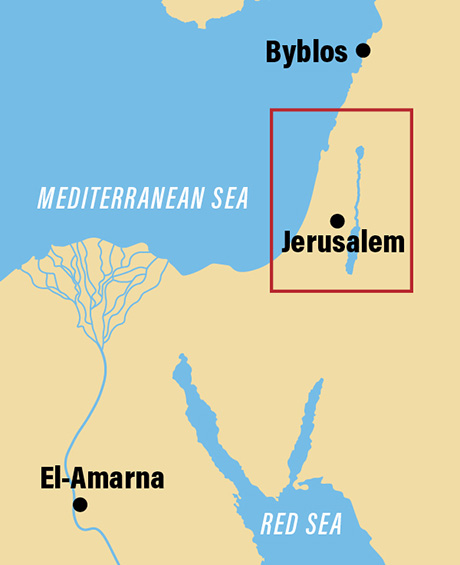
The BAS article also provided a couple of helpful maps.

Map shows the location of El-Amarna relative to Canaan.

Location of El-Amarna in Egypt. Map by BAS.

This map includes the sites of the origin of the tablets we featured above.

Cities in Canaan represented our display of tablets. Map by BAS.

Click images for larger view.


Shishak King of Egypt Came up against Jerusalem

November 9, 2023

The wording of our titles comes from 2 Chronicles 12:2, “And it happened in the fifth year of King Rehoboam, that Shishak king of Egypt came up against Jerusalem, because they had transgressed against the LORD.” As most readers know, “Pharaoh” was not a personal name but a dynastic title designating the king of Egypt. The first biblical mention of a Pharaoh is Genesis 12:15, in the days of Abraham’s sojourn into Egypt. Other subsequent pharaohs are mentioned as time goes on, including the events in Joseph’s life, and later in the time of Moses and the Exodus. But the first Pharaoh mentioned by name is Shishak (cf. 1 Kings 11:40; 14:25-26). Shishak reigned during Egypt’s 22nd dynasty, which was a Libyan dynasty. His reigned 946-924 BC. He invaded Judah in his 19/20th year, which was 927/926 BC. This lines up with the 5th year of Rehoboam, 926/5 BC (2 Chron. 12:2), r. 931/930-913 BC.

In the days of Solomon’s adversary Jeroboam (who would become Israel’s first king when the kingdom divided into Israel and Judah after Solomon’s death, 931 BC), “Jeroboam arose and fled into Egypt, to Shishak king of Egypt, and was in Egypt until the death of Solomon” (1 Kings 11:40). Solomon was succeeded by his son Rehoboam (1st king of the southern kingdom of Judah), and Pharaoh Shishak was again mentioned in scripture: “It happened in the fifth year of King Rehoboam that Shishak king of Egypt came up against Jerusalem. And he took away the treasures of the house of the LORD and the treasures of the king’s house; he took away everything. He also took away all the gold shields which Solomon had made” (14:25-26). God allowed this invasion of Jerusalem because of Judah’s unfaithfulness (2 Chron. 12:2). The text explains, “Then Shemaiah the prophet came to Rehoboam and to the princes of Judah, who had gathered at Jerusalem because of Shishak, and said to them, “Thus says the LORD, ‘You abandoned me, so I have abandoned you to the hand of Shishak'” (2 Chron. 12:5).

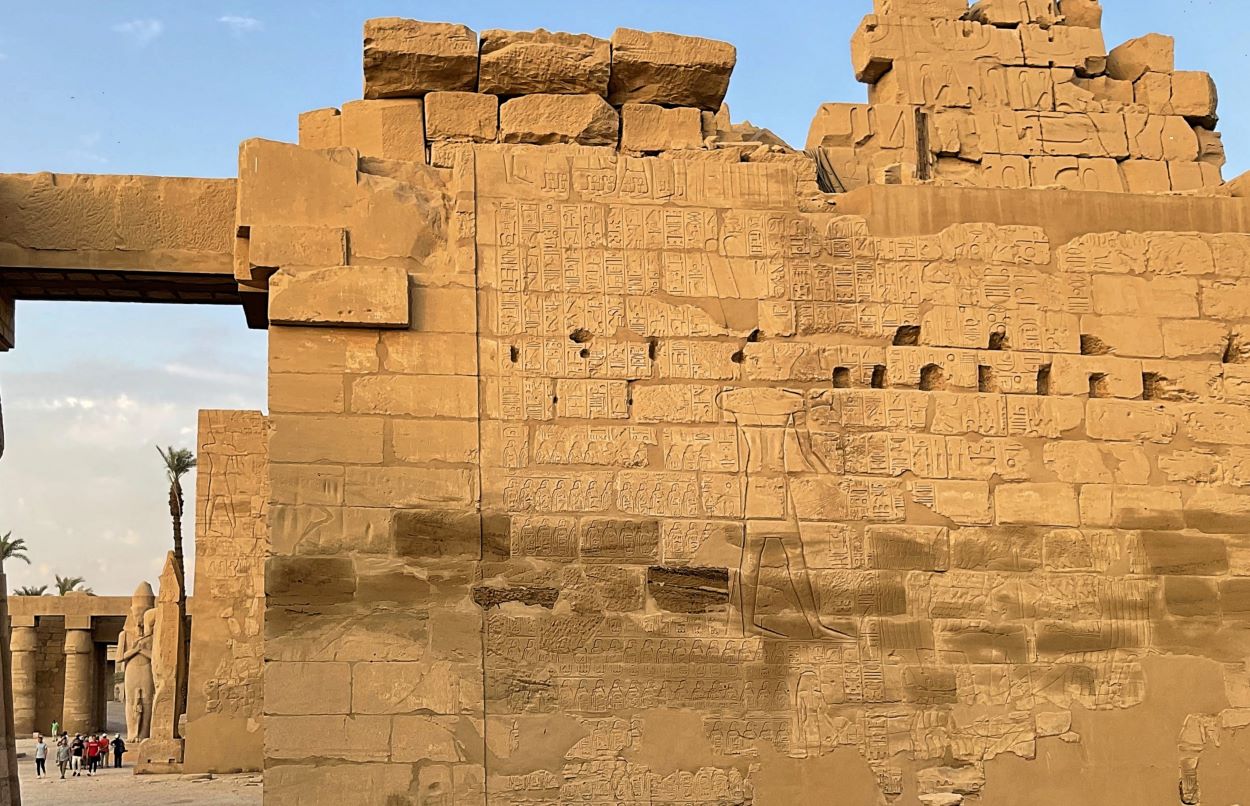
It was the 21st year of his reign when Shishak returned to the capital of Thebes (ESV, “No” in NKJV), at Karnak he recorded his victory, including the listing not only of cities of Judah, but of many Israelite cities as well. Our photo shows the Shishak Inscription. Here he lists conquests, including Yuda Melchi (kingdom of Judah). This hieroglyphic inscription contains the names of ca. 50-60 localities in Israel and about 100 in Judah which were captured on this expedition.

Shishak gate, his victory inscription at Karnak (biblical Thebes/No), Egypt. Photo ©Leon Mauldin.

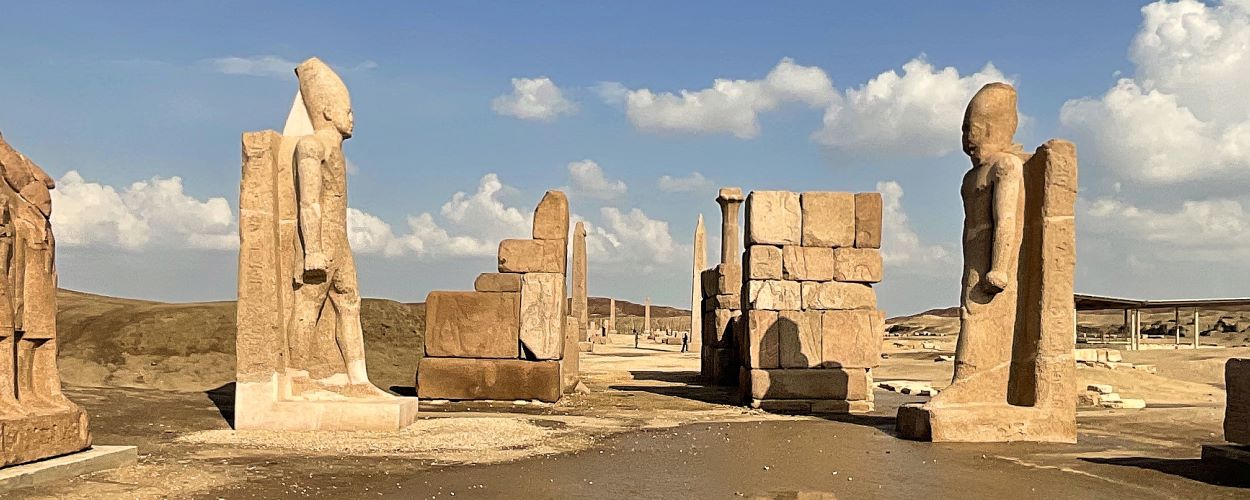
The site of Tanis/Zoan is to be associated within the area of Goshen where the Israelites had lived for some time and were living at the time of the Exodus. “Psalm 78:12 Marvelous things He did in the sight of their fathers, In the land of Egypt, in the field of Zoan” (Psa. 78:12). Tanis is the site where Shishak was entombed. Our photo here shows the entrance into Tanis:

Entrance into Tanis (biblical Zoan). Photo ©Leon Mauldin.

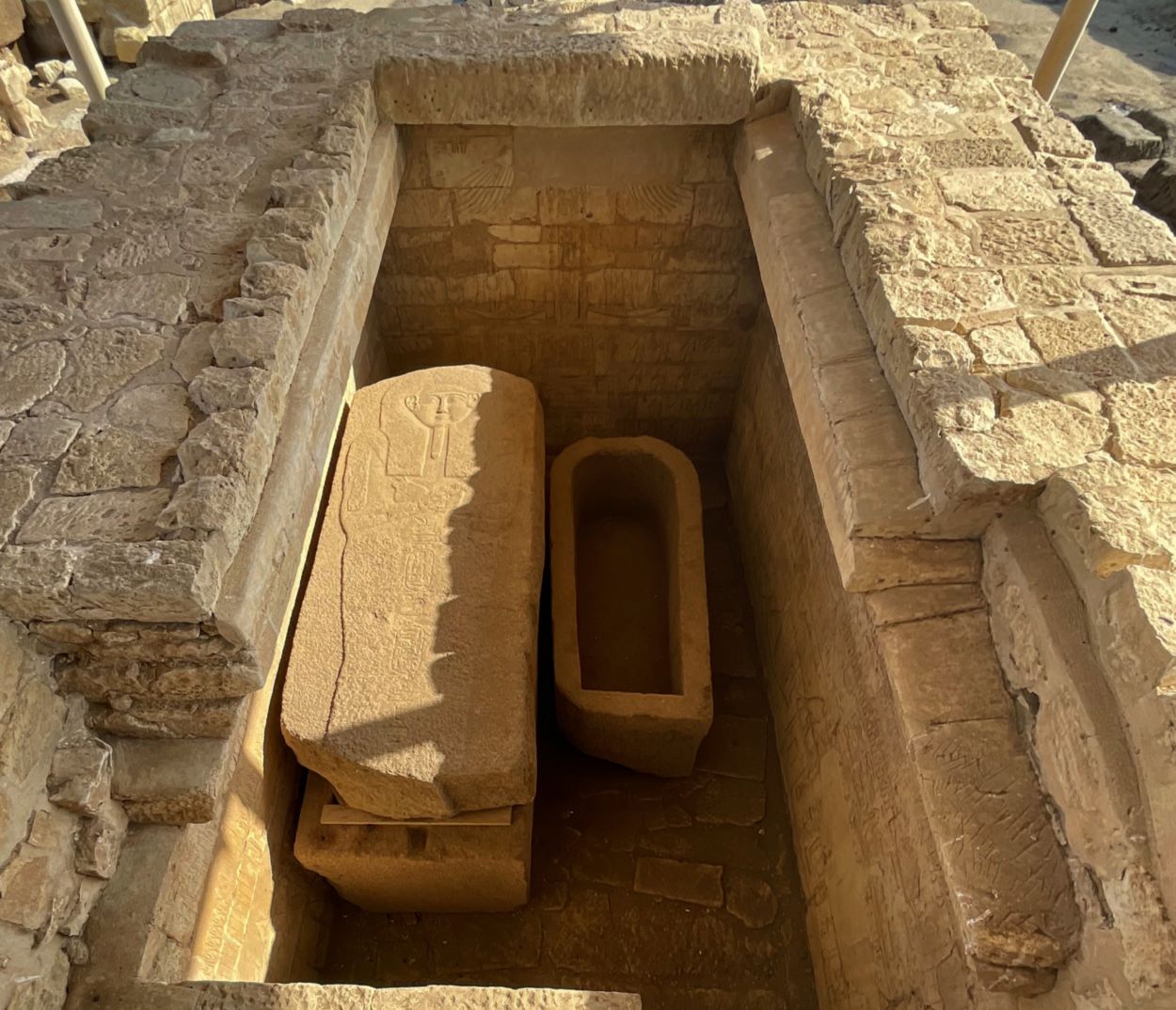
Also, the sarcophagus of Shishak is located at Tanis.

The sarcophagus of Shishak. Photo ©Leon Mauldin.

This is a fascinating example of how archaeology can enhance our understanding of the biblical text, as well as underscore the fact that the Bible is factual. While we do not depend on archaeology to “prove” the Bible, as it stands on its own merit, this “intersection” of biblical history with secular records has an important place in the discipline of apologetics.

Click images for larger view.


The Apis Bull of Ancient Egypt

September 4, 2023

When Moses was still atop Mt. Sinai, receiving the Ten Commandments, the nation of Israel grew impatient and said to Aaron, “Come, make us a god who will go before us; as for this Moses, the man who brought us up from the land of Egypt, we do not know what has become of him” (Ex. 32:1). Accordingly, Aaron fashioned a golden molten calf; and they said, “This is your god, O Israel, who brought you up from the land of Egypt” (Ex. 32:4). In the New Testament, Stephen would explain that in their hearts Israel turned back to Egypt (Acts 7:39).

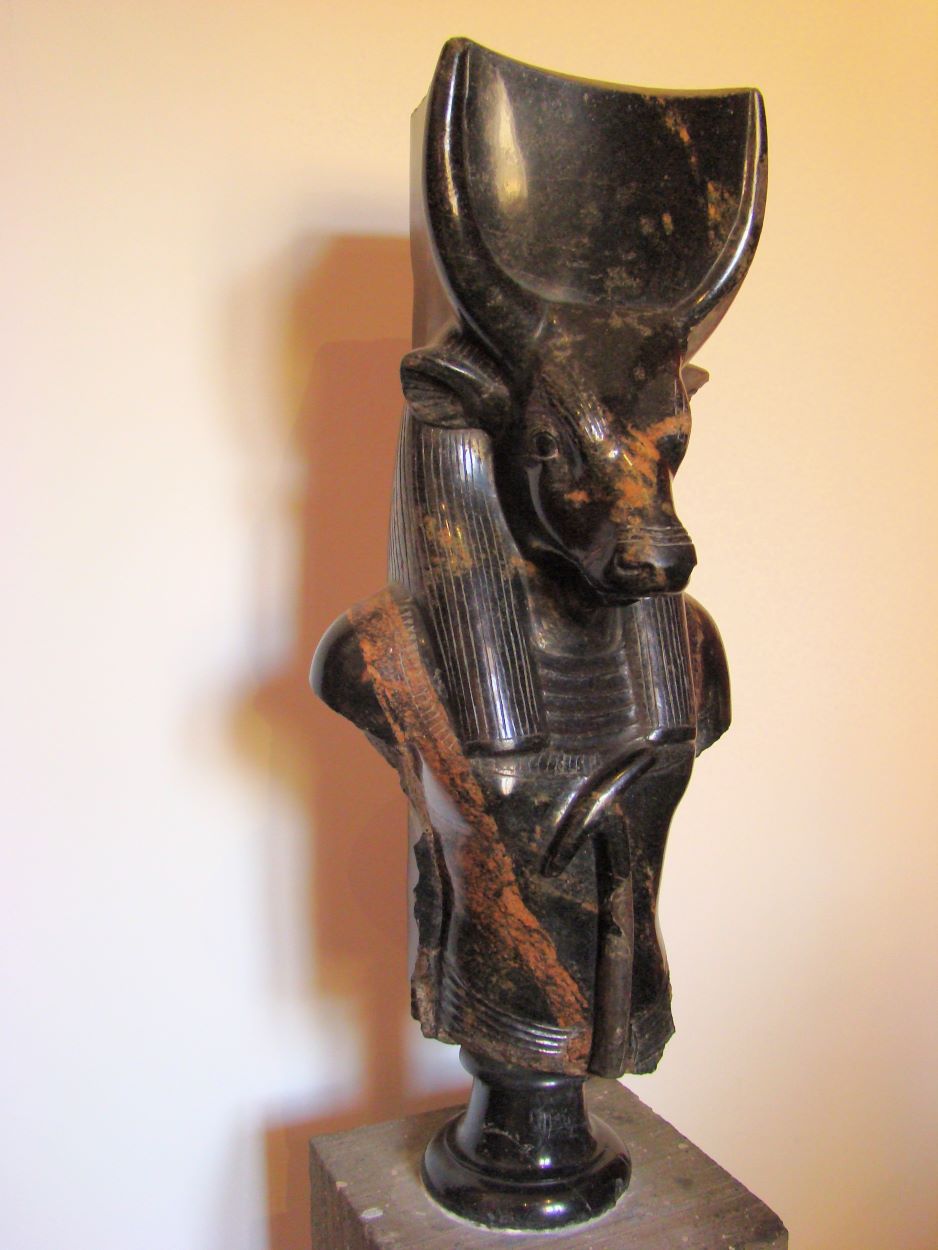
Apis Bull, Museum in Alexandria, Egypt. Photo ©Leon Mauldin.

Egyptian mythology presents the Apis bull as the incarnation of the Egyptian creator god Ptah, or the son of Hathor, the primeval goddess. Cattle represented other significant Egyptian gods.

Here is an informative article by M. Froelich, from the Lexham Bible Dictionary:

APIS (חַף, chaph; Ἄπις, Apis). Egyptian bull god of agriculture and fertility. Apis came to be associated with Ptah, chief god of Memphis, and was embodied as a live, sacred bull in the temple there.

Biblical Relevance
Although Apis does not appear in the Hebrew text of the Old Testament, the Septuagint text of Jeremiah includes him in a prophecy against Egypt. The text reflects the common understanding that cities and peoples were protected by patron gods, whose withdrawal or weakness could spell doom (e.g., Ezek 8–11; Matt 23:38–39; Homer, Iliad, 22.350–59). In this case, the king of Babylon is able to defeat Egypt because “Apis, your chosen calf,” has fled after being weakened by the Lord (Jer 26:13–15 LES). The Septuagint text does not offer specifics about the Apis cult, but it indicates that he was considered a patron or protector of Memphis, which is named in Jer 26:14 (LXX). The corresponding text in the Hebrew Bible (and in English translations) is Jer 46:13–15. Although this version mentions Memphis (Jer 46:14), it generally refers to “bulls” instead of naming Apis.
Bull worship was common in the ancient world and appears in the Old Testament. Gods such as Baal, Zeus, El, and others appear with bull imagery in mythology and in worship. The incident of the golden calf in Exod 32 is an example of Semitic bull worship. Calf worship also is mentioned in 1 Kgs 12:25–33, in which Jeroboam returns from Egypt and sets up calf statues in the northern kingdom.

Mythology and History
Apis is the bull god of the Egyptian pantheon. According to religious belief, Apis was the son of Ptah, who impregnated the mother cow via lightning bolts or moonbeams. In some myths, Apis was the son of Hathor, a heifer goddess often depicted with the sun disk between her horns; the same symbol often appears in visual representations of Apis (see Malaise, “Histoire et signification”).
Apis’ most important temple was in Memphis and dates at least as far back as Egypt’s New Kingdom (16th–11th centuries BC), though the god himself goes back to the earliest periods of Egyptian history. Apis was broadly popular, and his worship lasted at least into the late Ptolemaic period; the latest bull found buried in his temple in Memphis dates to the late second or early first century BC. In Memphis and possibly elsewhere, the worship of Serapis seems to have taken over by the Graeco-Roman era.
Like many important ancient deities, Apis was associated with the king and his powers. Because the most important of these powers was the fertility of the land, worship of Apis inspired festival traditions such as the trampling of a farm plot (Meeks and Favard-Meeks, Daily Life, 137). Plutarch states that the Egyptians revered the Apis bull “being the image of the soul of Osiris” (Plutarch, De Iside et Osire, 20). This association between Apis and Osiris was part of the process that eventually led to their assimilation in Serapis.

Cult and Worship
One of the main features of the Apis cult was the worship of the bull at the Memphis temple. The bull was believed to be the god himself. He would be selected as a calf, whose distinctive markings had to include a white triangle on the forehead and a wing pattern across the back. During his journey to Memphis, young women would gather to lift their skirts before him in order to guarantee their fertility. The animal (and often its mother) lived in luxury at the temple. Some ancient sources claim that he had a harem of cows; others emphasize that Apis had no offspring and “that a cow was selected and presented to Apis once a year, and then put to death so that no offspring would come of the match” (Meeks and Favard-Meeks, Daily Life, 137).
The bull’s death would bring elaborate funeral rites and preparation, including the mummification and burial of the animal in a nearby cemetery. Then the search for a new Apis would begin. A stele, possibly of the late Ptolemaic or early Roman period, depicts the Apis bull on a funeral vessel, being mourned by Isis and Nephthys. Although the piece was not found in situ, it most likely is from the nearby Saqqara Serapeum and represents the funeral procession for the Apis bull (Farag, “Two Serapeum Stelae,” 165–66).

Froelich, M. (2016). Apis. In J. D. Barry, D. Bomar, D. R. Brown, R. Klippenstein, D. Mangum, C. Sinclair Wolcott, L. Wentz, E. Ritzema, & W. Widder (Eds.), The Lexham Bible Dictionary. Lexham Press.

It would seem reasonable then, that when Israel worshipped the golden calf at Sinai, they rejected the true God in favor of the idols they knew. Later, when the kingdom divided, Jeroboam, first king of the northern kingdom of Israel, installed golden calves at Dan and Bethel, and called on Israel to worship. He said, “It is too much for you to go up to Jerusalem; behold your god, O Israel, that brought you up from the land of Egypt” (1 Kings 12:28).

Bust of Apis Bull. Vatican Museum. Photo ©Leon Mauldin.

“I Am Nubian”

February 25, 2023

Our last couple of posts have dealt with Pharaoh Tirhakah, the Cushite (Ethiopian) king of Egypt’s 25th dynasty, and mentioned by name in 2 Kings 19:9, in correction with Judah’s good King Hezekiah, and the Assyrian King Sennacherib. We noted, “In some translations (i.e., NKJV) Tirhakah is said to be king of Ethiopia. “Ethiopia” here refers to southern Egypt, and is rendered Cush in CSB, ESV, NASB (Hebrew is כּוּשׁ, transliterated kûš).” Cush is also called the land of Nubia, with Nubia being the more modern name.

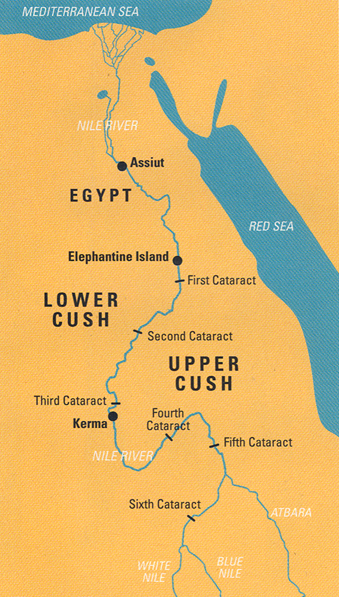
On our recent tour of Egypt (Oct. ’22) we had the opportunity to go south of Aswan (positioned “First Cataract” here on map below), where the ancient border separated Egypt from Cush.

Map of Egypt and Cush. Cush, to the south of Egypt, is biblical Ethiopia.

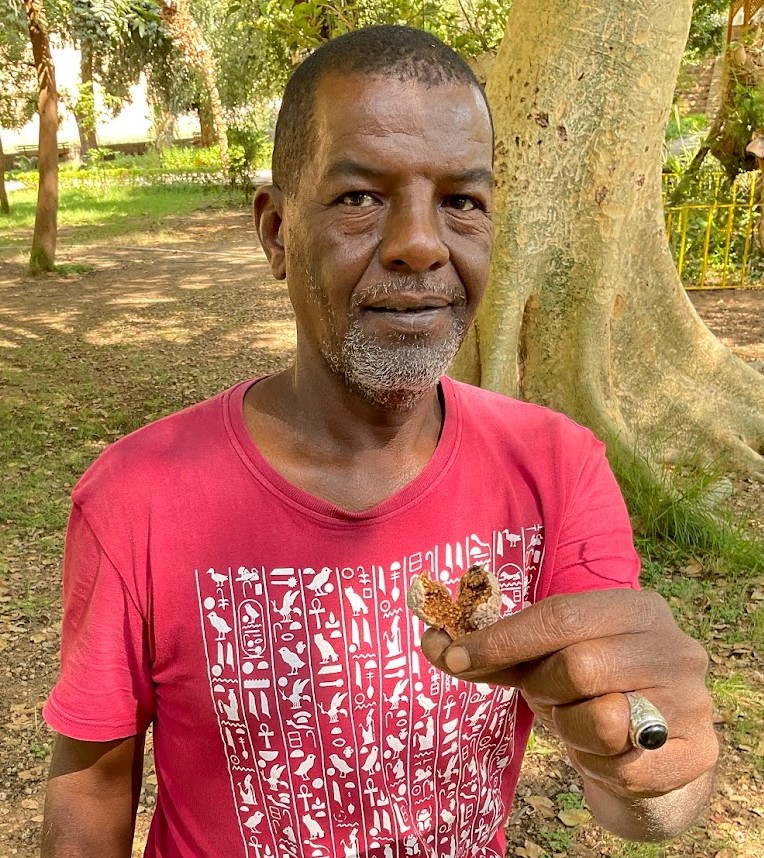
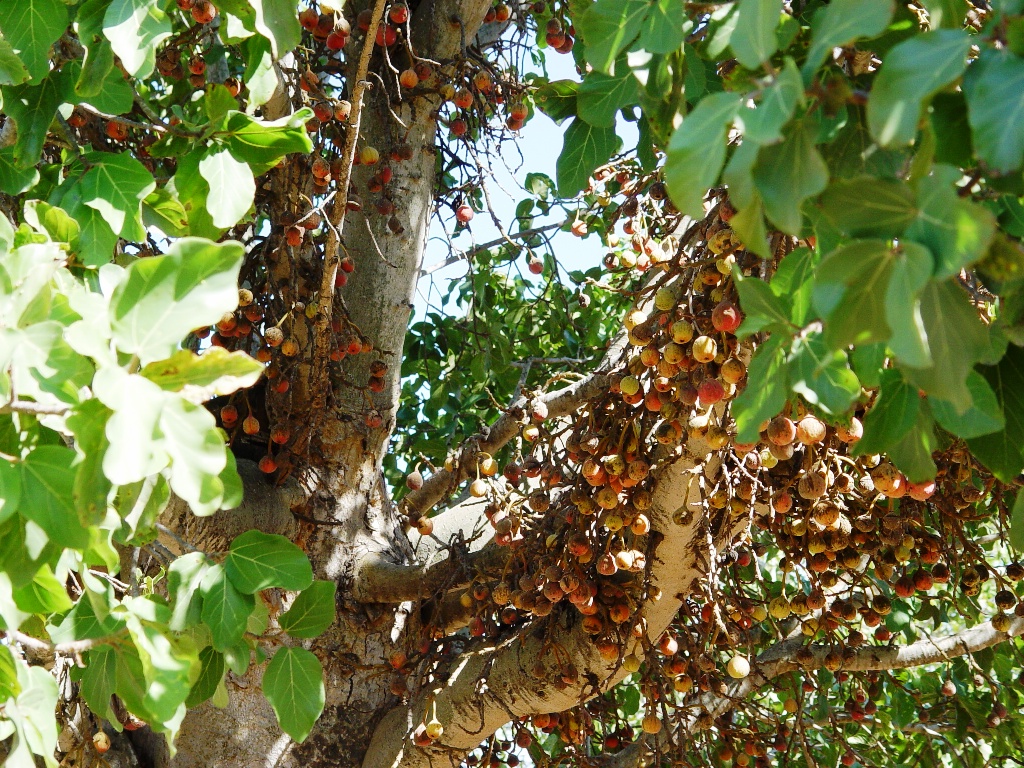
Earlier when our group stopped for a visit at Kitchener Island in the Nile, we saw trees and plants from many locations. It is used as a research station called the Botanical Research Institute. While there we saw a sycamore tree, which is referenced many times in the scripture. Unlike the sycamore tree of my home in Alabama, the biblical sycamore produced figs (see Amos 7:14-17). I was explaining to some of our group nearby as to the significance of the tree, when a gentleman who also was listening (apparently an employee) approached. He picked up a fig, broke it open, to let our folks better see. This was very helpful. He also very emphatically said, “I am Nubian.”

“I am Nubian.” Showing my group a sycamore fig. Photo ©Leon Mauldin.

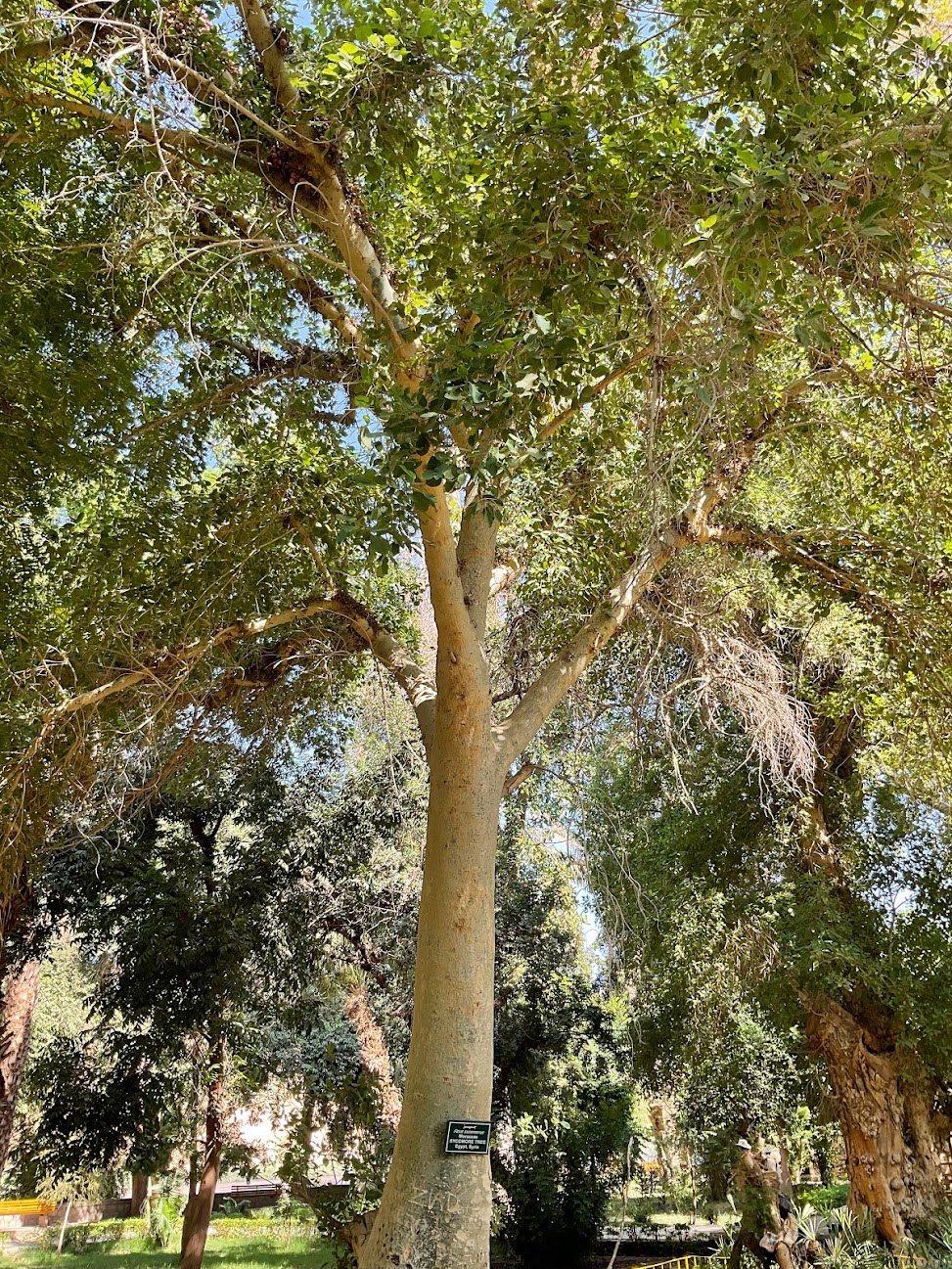
Here is the sycamore tree on site there:

Sycamore Tree on Kitchener Island, Nile River. Photo ©Leon Mauldin.

Here is a sycamore tree in Israel at Neot Kedumim, the Biblical Landscape Reserve in Israel. (Located near Modi’in, midway between Jerusalem and Tel Aviv, Israel).

Sycamore tree with figs. Photo ©Leon Mauldin.

Click photos for larger view.


Pharaoh Tirhakah, cont’d

February 18, 2023

In our present post we further consider Tirhakah, the Cushite (Ethiopian) Pharaoh mentioned in 2 Kings 19:9: “Now Sennacherib received a report that Tirhakah, the Cushite king of Egypt, was marching out to fight against him.

It is fascinating (and illuminating) when there are other historical records, inscriptions, and artifacts which coincide with biblical persons and events. The battle between the Assyrians and Egyptians mentioned in our text above was of no great or decisive consequence. The biblical text shows that Assyria’s King Sennacherib was primarily interested in conquering Judah, and Tirhakah lived to fight another day. As was seen in yesterday’s post, Sennacherib conquered many Judean cities, but Yahweh delivered Jerusalem from his hands (701 BC), and Sennacherib fled back to Nineveh.

But there would be further conflict and fighting between Egypt and Assyria. Sennacherib was succeeded by his son Esarhaddon (2 Kings 19:37). The Lexham Bible Dictionary has the following info which references additional contact/conflict with Assyria and Egypt’s Pharaoh Tirhakah:

In 677 BC, Esarhaddon invaded Egypt after settling a revolt in Ashkelon, but was held back and retreated. In 671 BC he invaded again, this time capturing and sacking Memphis. He also took several members of the royal family captive, including Tirhakah’s son, Ushankhuru. Tirhakah fled to the south while Esarhaddon established Necho I as king of Sais. After Esarhaddon left, Tirhakah attempted to destabilize Necho I. On his way back to deal with the trouble Tirhakah was causing, Esarhaddon died. His son Ashurbanipal defeated Tirhakah, causing him to flee to Thebes, where he died in 664 BC.

Nettelhorst, R. P. (2016). Tirhakah. In J. D. Barry, D. Bomar, D. R. Brown, R. Klippenstein, D. Mangum, C. Sinclair Wolcott, L. Wentz, E. Ritzema, & W. Widder (Eds.), The Lexham Bible Dictionary. Lexham Press.

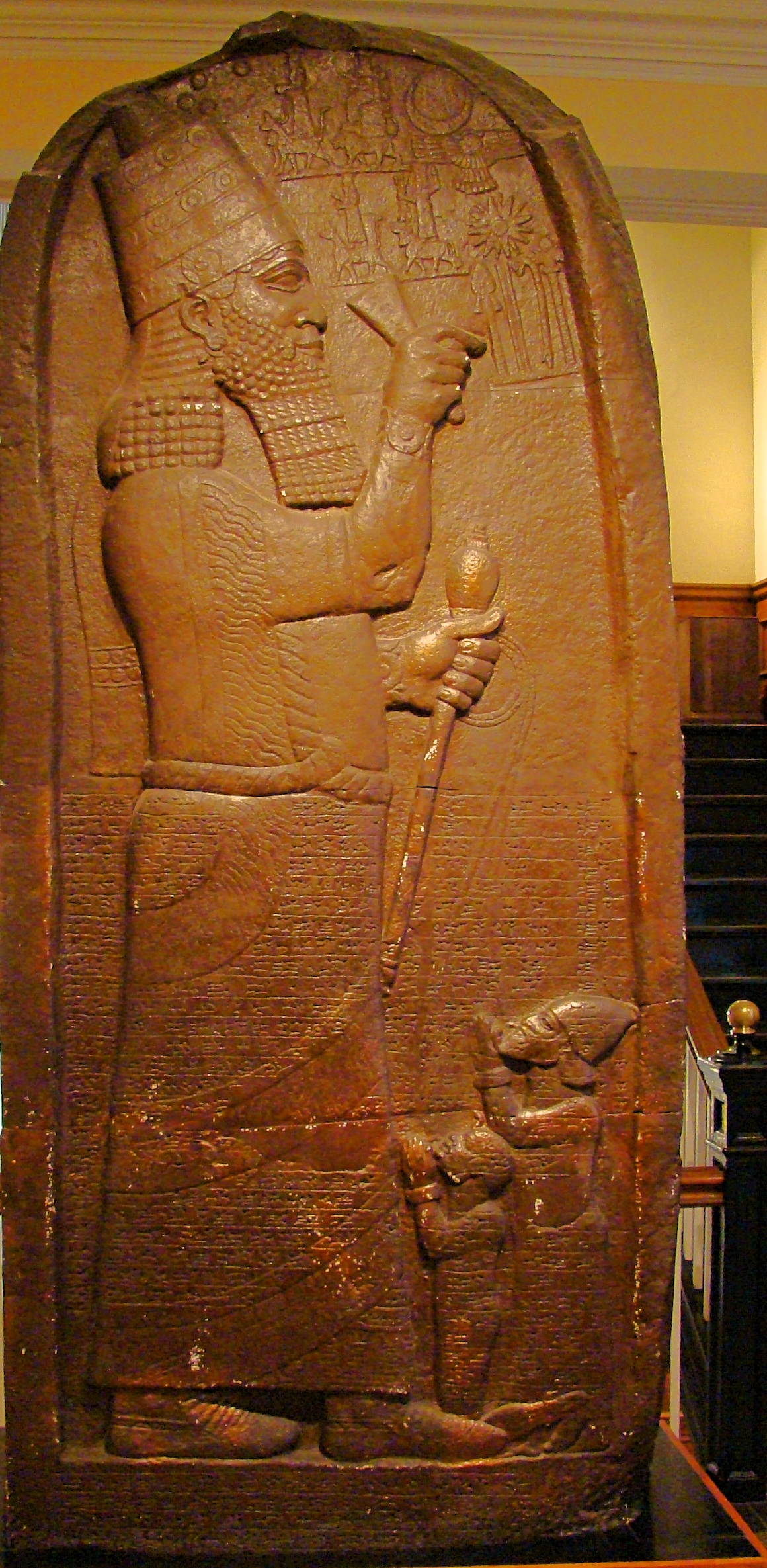
The Victory stele of Esarhaddon commemorated his 671 BC victory over Pharaoh Tirhakah (Taharqa/Taharka). Esarhaddon holds a mace club in his left hand, with a rope that passes through the lips of the two conquered kings, thought to be Pharaoh Tirharkah (lower left) and King Baal of Sidon (lower right). Esarhaddon’s right hand is addressing the gods. The script on the bottom half is in Akkadian Cuneiform.

Victory Stele of Esarhaddon. Many scholars believe Pharaoh Tirhakah to be depicted at lower left. Photo ©Leon Mauldin. Semitic Museum, Harvard.

The photo above was taken at the Semitic Museum in Harvard. The original stele is in the Pergamon Museum in Berlin.


Tirhakah, Pharaoh who Challenged Sennacherib

February 16, 2023

Tirhakah (Taharqa/Taharka) is mentioned in the context of the mighty Assyrian King Sennacherib’s attempt to take Judah’s capitol city of Jerusalem, 701 BC, during good King Hezekiah’s reign. The biblical text reads, “Now the king heard concerning Tirhakah king of Cush, ‘Behold, he has set out to fight against you.’ So he sent messengers again to Hezekiah, saying,” (2 Kings 19:9; cf. the parallel in Isa. 37:9).

The background is that Sennacherib (r. 705-681 BC) had already taken “all the fortified cities of Judah” (2 Kings 18:13). In fact, Assyrian records state that he had taken 46 fortified cities, besides unwalled towns and villages. In the context of our passage above that mentions Tirhakah, the fortress city of Lachish had been taken (cf. the displays in Lachish Room in the British Museum), and Assyrian was fighting against Libnah (2 Kings 19:8). It was at that point that Sennacherib “heard concerning Tirhakah.”

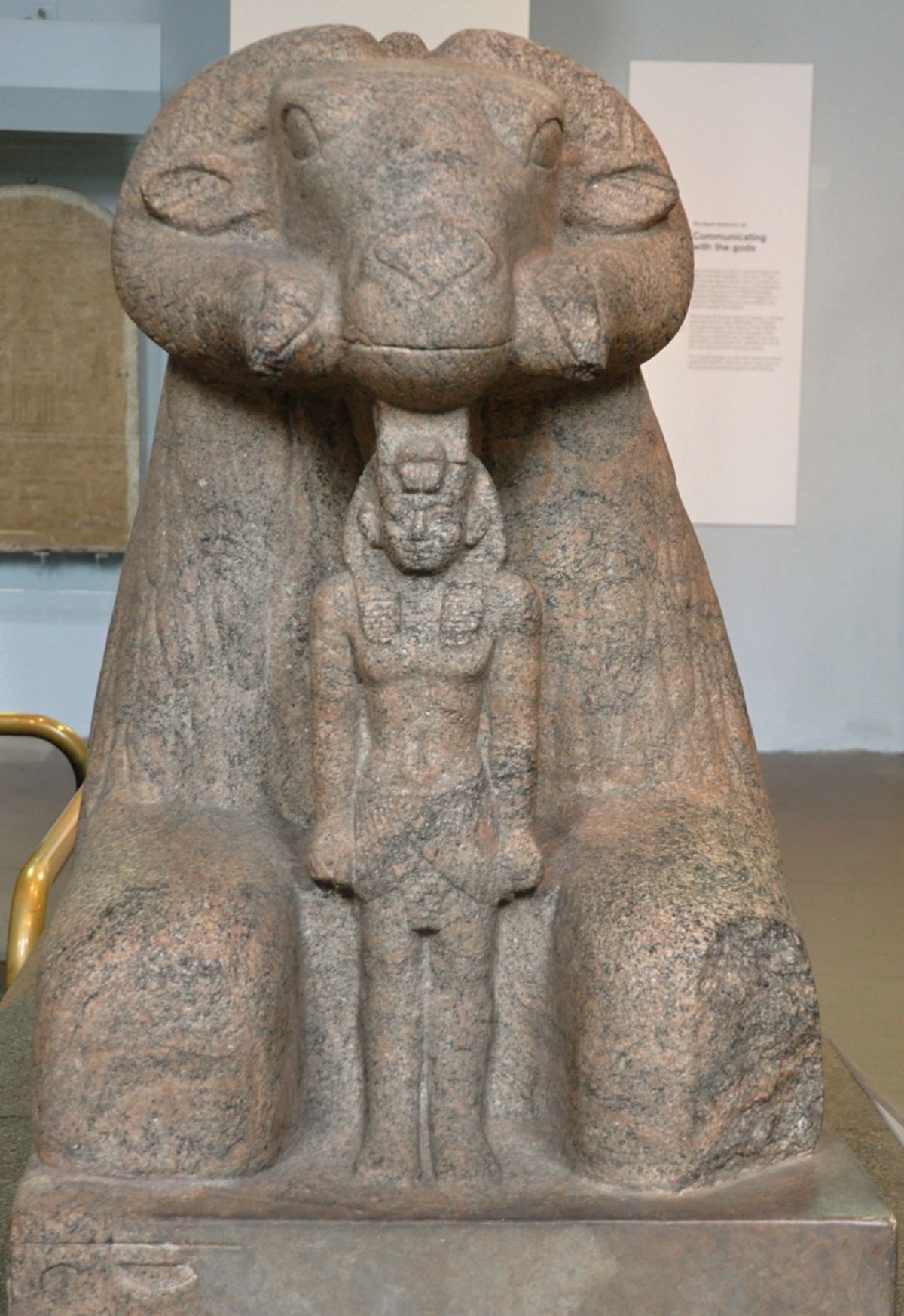
The Egyptian god Amum depicted as a ram, with Pharaoh Tirhakah seated below. Photo ©Leon Mauldin. British Museum

In some translations (i.e., NKJV) Tirhakah is said to be king of Ethiopia. “Ethiopia” here refers to southern Egypt, and is rendered Cush in CSB, ESV, NASB (Hebrew is כּוּשׁ, transliterated kûš). At the time of the battle (701 BC), Tirhakah was the commander of the Egyptian forces. He would later become Pharaoh (25th dynasty; r. 690-664 BC). Note: “Ancient Oriental writers, as well as modern, frequently referred to persons by titles acquired later than the period being described (K. A. Kitchen, Ancient Orient and Old Testament, Chicago: Inter-Varsity, 1966, pp. 82–84).” (Source: C. F. Pfeiffer, H. F. Vos, & J. Rea (Eds.), The Wycliffe Bible Encyclopedia. Moody Press.).

Todd Bolen states, 

Tirhakah meets the Assyrians in battle at Eltekeh, possibly modern Tell esh-Shallaf, 28 miles (45 kilometers) west of Jerusalem. It is not clear if Judah had sent tribute to Egypt in order to gain assistance or if the Egyptians saw an opportunity in attacking the Assyrian army when numerous battles had weakened it and it was far from home. Isaiah had warned Judah of the futility of trusting Egypt (Isa 31:1-5). (NIV Zondervan Study Bible, p. 696).

https://discoveringegypt.com/karnak-temple/karnak-temple-great-court/ has the following information:

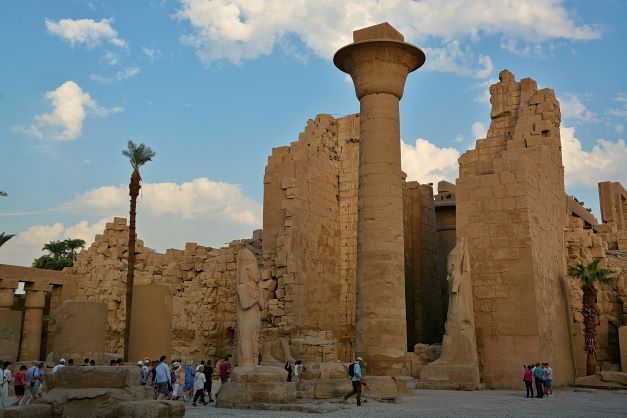
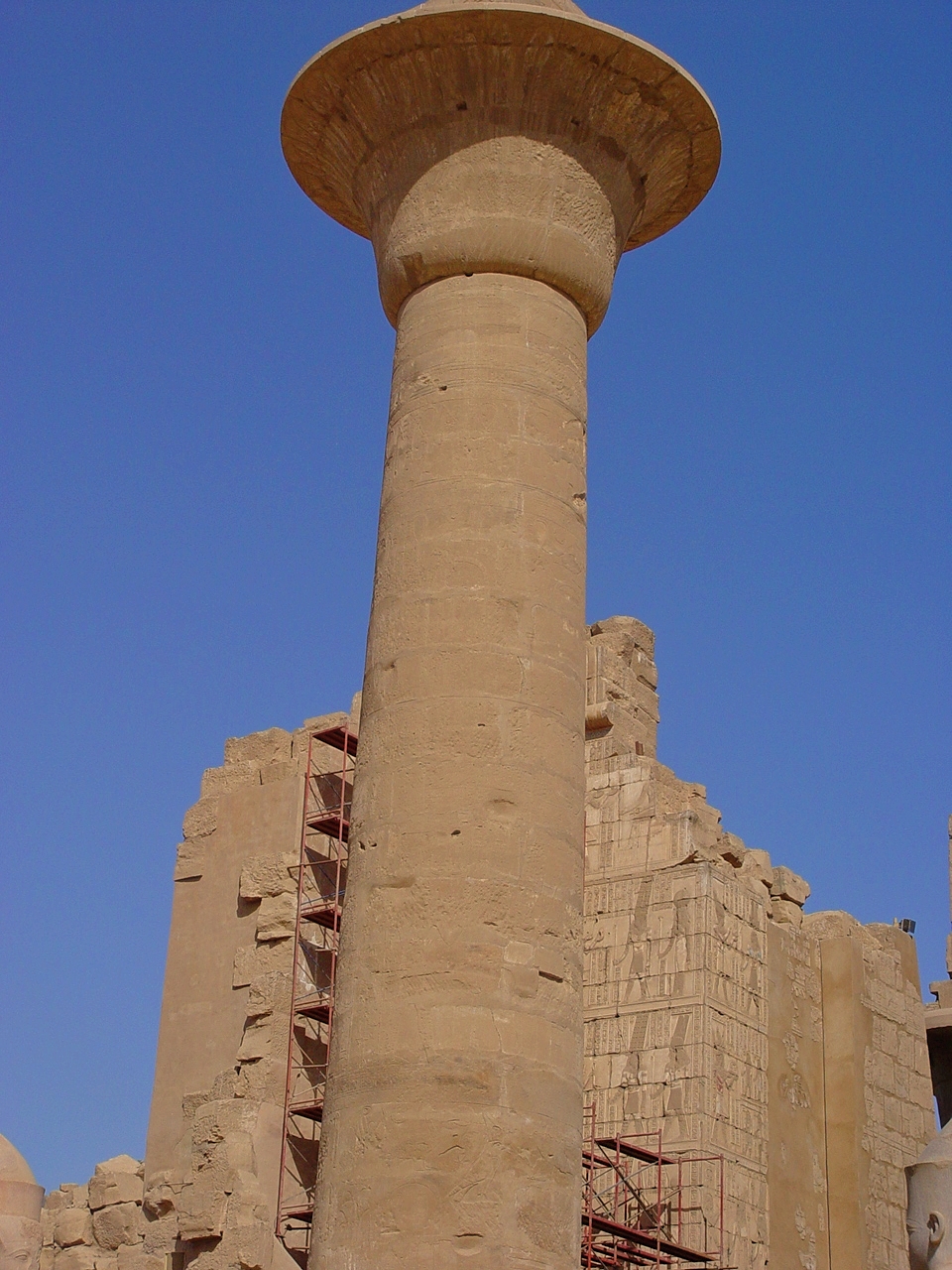
Taharqa was the fourth king of the Twenty-fifth Dynasty and also king of his native Kush; located in Northern Sudan. The remains of this huge kiosk, built by 25th Dynasty pharaoh Taharqa (690-664 B.C.) originally consisted of ten twenty-one meter high papyrus columns linked by a low screening wall. Today there is only one great column still standing. It is believed that it was a barque chapel (or Station) although some Egyptologists think it may have been used in ritual activities to join with the sun.


Right center shows column built by Tirhakah at entrance to Karnak. Photo ©Leon Mauldin.

Photo above was taken during our 2022 Fall tour of Egypt. You can see the column of Tirhakah as well as two statues of Rameses II.

Here is a closer look at that column:

Close up of Tirhakah’s column at Karnak. Photo ©Leon Mauldin. Photo taken in 2003.

Back to the text of 2 Kings 19:9, the Assyrians were only temporally diverted by the Egyptians, though it would be a bit later when Assyrian completed the task of conquering Egypt. The greater point by far as the text continues, is YHWH’s miraculous deliverance of the city of Jerusalem. Sennacherib returned to Assyria after his mighty army was devastated.

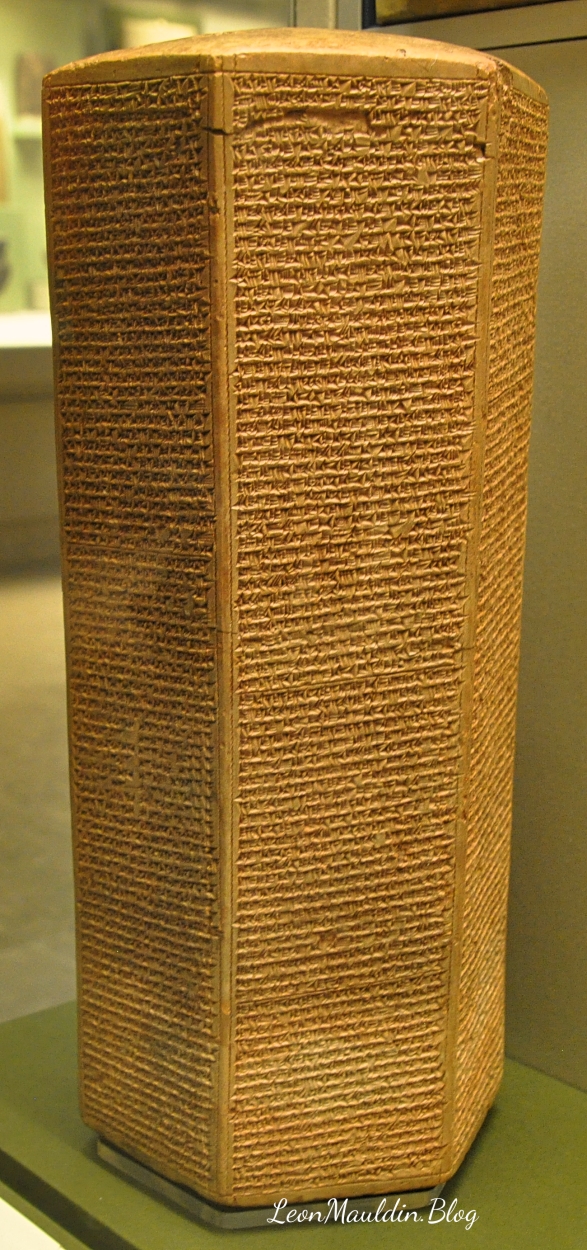
Sennacherib’s Prism. Photo ©Leon Mauldin. British Museum.

The text is in Akkadian Cuneiform, the international language of the time. The reference to Hezekiah reads:

As for Hezekiah, the Judean, I besieged forty-six of his fortified walled cities and surrounding smaller towns, which were without number. Using packed-down ramps and applying battering rams, infantry attacks by mines, breeches, and siege machines, I conquered (them). I took out 200,150 people, young and old, male and female, horses, mules, donkeys, camels, cattle, and sheep, without number, and counted them as spoil. He himself, I locked up within Jerusalem, his royal city, like a bird in a cage.

(Hallo, W. W., & Younger, K. L. (2000). Context of Scripture: Monumental Inscriptions from the Biblical World (p. 303). Leiden; Boston: Brill).

More to come re: Tirhakah. Click photos for larger view.


Anubis, the Jackal-god, the god of Embalmment

January 5, 2023

In this post we continue to look at some of the displays of the Egyptian Museum at Cairo, Egypt.

This statue of Anubis is situated on the cover of a casket in the form of a shrine. The shrine was on a litter used to carry the image of the god in processions.

Portable Simulacrum of Anubis. Egyptian Museum, Cairo. Photo ©Leon Mauldin.

The Anubis Shrine was included in the burial equipment of Pharaoh Tutankhamun, otherwise known as King Tut. His tomb was discovered in the valley of the Kings in 1922 by Howard Carter, in the Treasure Room.

ANU′BIS (Ἄνουβις), an Egyptian divinity, worshipped in the form of a dog, or of a human being with a dog’s head. In the worship of this divinity several phases must be distinguished, as in the case of Ammon. It was in all probability originally a fetish, and the object of the worship of the dog, the representative of that useful species of animals. Subsequently it was mixed up and combined with other religious systems, and Anubis assumed a symbolical or astronomical character, at least in the minds of the learned.

( In W. Smith (Ed.), Dictionary of Greek and Roman Biography and Mythology (Vol. 1, p. 218). Little, Brown, and Company.)

When this statue was discovered there was a scribe’s ivory tabled that had belonged to Meritaten, one of the six daughters of Akhenaten and Nefertiti.

In Egyptian mythology Anubis, represented with the head of a dog/hyena, often with the body of a man, was considered lord of the necropolis and oversaw embalming rites. He was responsible for guiding the dead in the underworld and presenting them before Osiris for the weighing of the heart.

The idolatrous veneration of the dog by the Egyptians is shown in the worship of their dog-god Anubis, to whom temples and priests were consecrated, and whose image was borne in all religious ceremonies. Cynopolis, the present Minieh, situated in the lower Thebais, was built in honour of Anubis. The priests celebrated his festivals there with great pomp.

(Watson, R. In A Biblical and Theological Dictionary (p. 314). Lane & Scott.).

Click image for larger view.


Hatshepsut, Egypt’s Female Pharaoh

December 30, 2022

The book of Exodus begins with the great affliction of Israel in Egypt as the setting. Hebrew male babies born at that time were literally under a death sentence from Pharaoh. Moses’s mother hid him three months– “But when she was no longer able to hide him, she took a papyrus basket for him and sealed it with bitumen and pitch. She put the child in it and set it among the reeds along the edge of the Nile” (Ex. 2:3, NET). In God’s good providence Pharaoh’s daughter had compassion on the Hebrew baby, and allowed him to live. She gave him the name Moses (2:10), and secured a Hebrew nurse, Moses’s mother! The New Testament records the faith of Moses’s parents as the motivation for their defiance of the king’s command (Heb. 11:23), as well as the faith that Moses made his own! (Heb. 11:24-28).

These events happened during Egypt’s Eighteenth Dynasty (Walter C. Kasier, Jr. dates this period, 1570-1320 BC, and dates Moses’ birth at 1526 BC, and the Exodus at 1446 BC). Using Egyptian chronology, this would place Moses’ birth during the last year of Amenhotep I (1546-1526) or the first year of Thutmose I (1526-1512). Many suggest that the princess, Pharaoh’s daughter who rescued baby Moses, was Hatshepsut, daughter of Thutmose I. Though not dogmatic, Kasier states, “There is no doubt, however, that the chronology suggested here would fit nicely with her, and that she was a most unusual person for her times, possessing a strong personality and unusual gift of leadership, which she eventually used to claim the throne for herself” (Kaiser, W. C., Jr. A History of Israel: from the Bronze Age through the Jewish Wars, p. 88. Nashville, TN: Broadman & Holman, 1998.

She reigned as Pharaoh in Egypt c. 1503-1483 BC [Note: scholarly dates on Egyptian chronology vary; this does not impact the historicity of scripture]. In his newly published Origins of the Hebrews, Douglas Petrovich concludes, “All of the evidence points to Hatshepsut as the best candidate for Moses’s stepmother” (Petrovich, Douglas. Origins of the Hebrews, p. 148. Nashville, TN: New Creation, 2021).

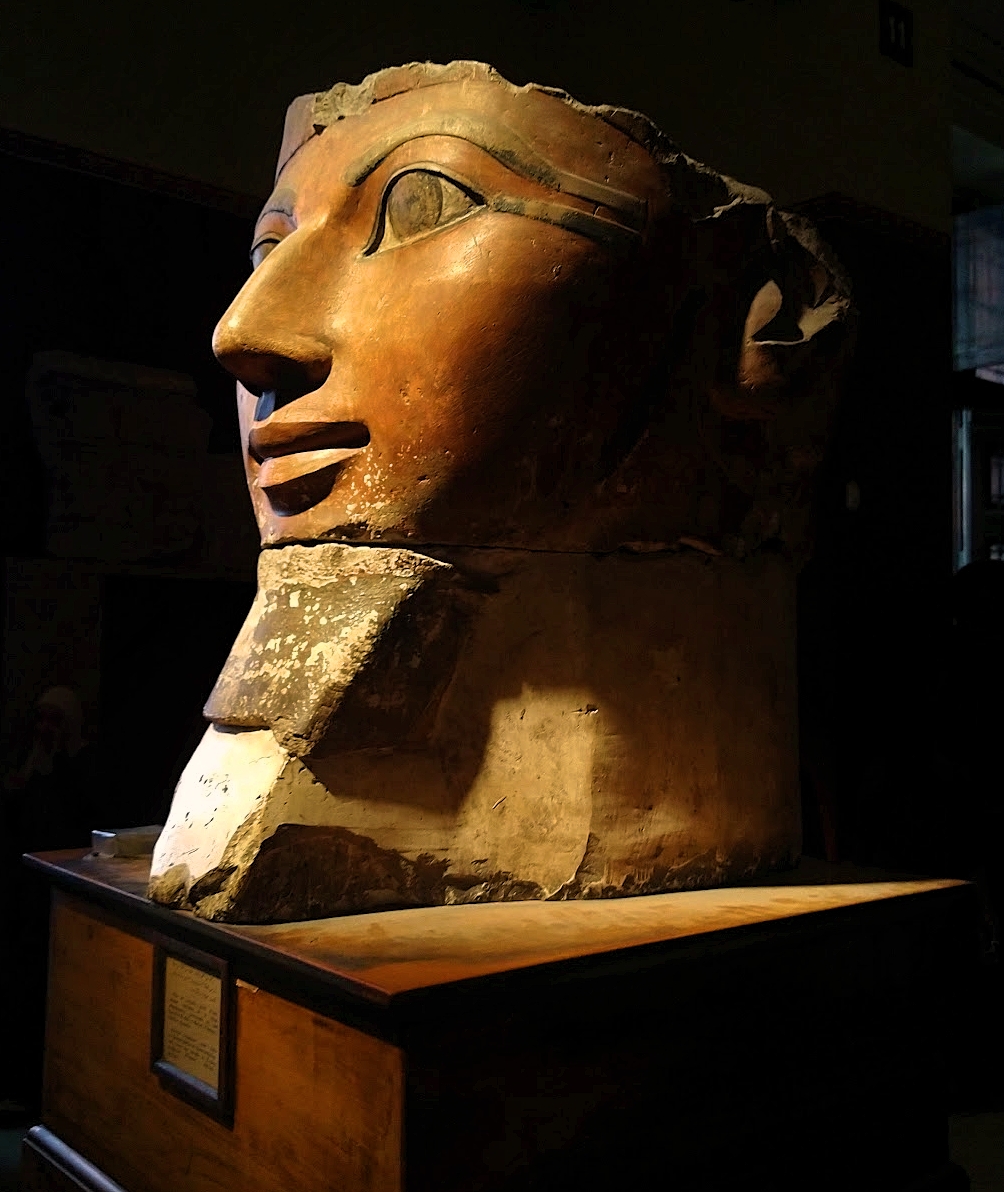
Hatshepsut, Egyptian Museum, Cairo. Photo ©Leon Mauldin

This head of Hatshepsut is from one of her Osirian statues from the pillared facade of the portico of the upper terrace of her temple at Deir el-Bahri.

It is possible that she was the pharaoh’s daughter who rescued the baby Moses (Ex. 2:1–10). If Moses was born ca. 1530, the pharaoh who decreed the death of all Hebrew male babies would have been Thutmose I, Hatshepsut’s father. Moses would have grown up during the reigns of Thutmose I and Thutmose II (Hatshepsut’s husband), and with Hatshepsut’s sponsorship he could have attained the prominence that later tradition attributed to him (cf. Acts 7:22; Josephus Ant. ii.10).

(Shea, W. H. The International Standard Bible Encyclopedia, Revised Vol. 2, p. 233).

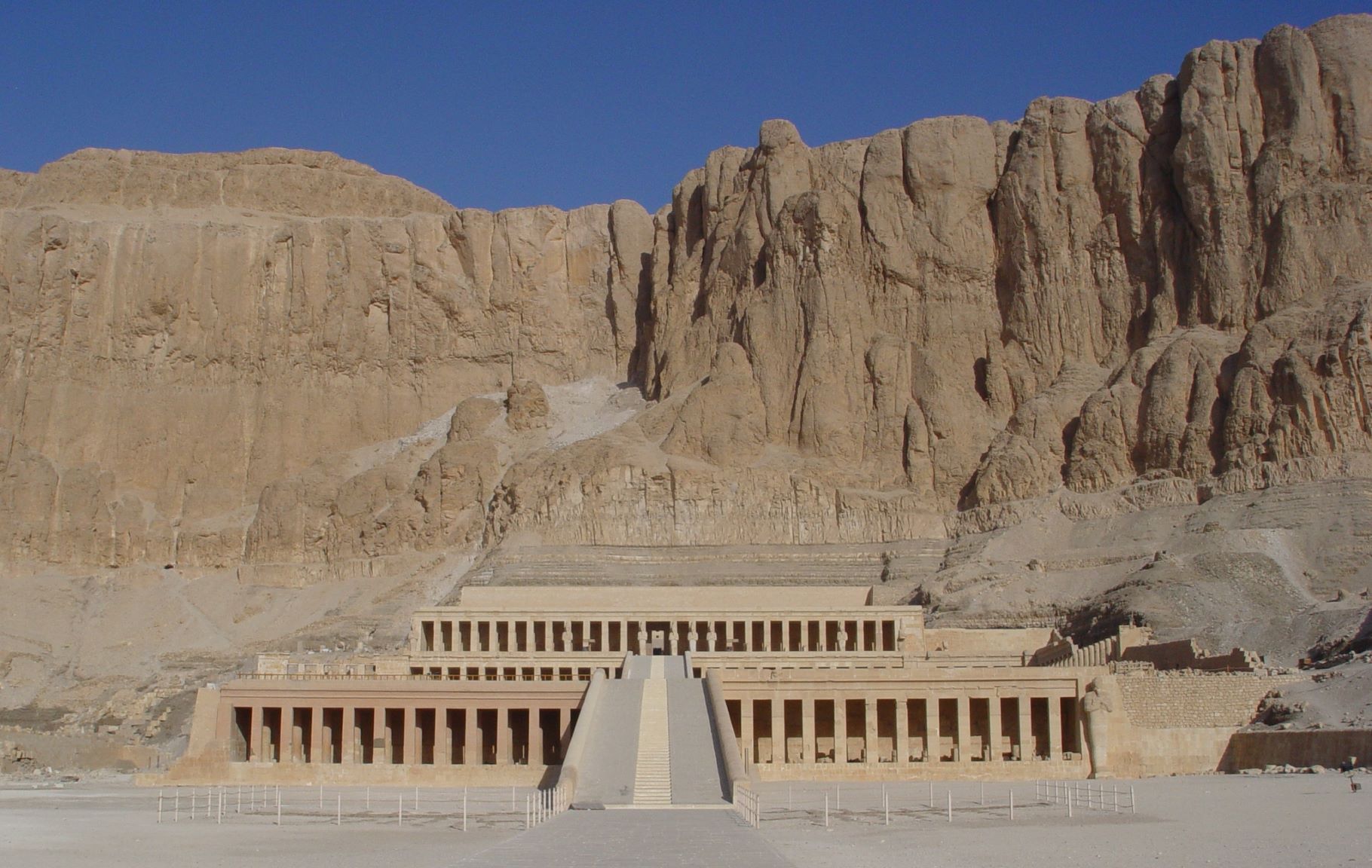
Hatshepsut certainly left her imprint, much of which can still be viewed today. Her mortuary temple is located in Thebes (at Deir el-Bahri) on the western bank of the Nile. “The temple at Deir el-Bahri remains Hatshepsut’s most enduring monument. Built of limestone and designed in a series of terraces set against the cliff wall in a bay formed naturally by river and wind action, the temple called ‘Holy of Holies’ (djeser djeseru) was Hatshepsut’s most complete statement in material form about her reign” (Shaw, Ian. The Oxford History of Ancient Egypt, p. 232. Oxford, NY: Oxford University Press, 2000).

The Valley of the Kings, burial site of the Pharaohs of the 18th Dynasty, is located behind Hatshepsut’s temple and cliff in our photo.

Hatshepsut’s Mortuary Temple at Deir el-Bahri. Photo ©Leon Mauldin.