Aphek/Antipatris

October 15, 2010

Aphek is mentioned in 1 Sam. 4:1 as the site of the Philistine camp as they prepared for battle against Israel.  This was in the last days of Eli’s tenure as High Priest and Judge of Israel.

Holman’s Bible Dictionary has this info on Aphek:

Place-name meaning “bed of brook or river” or “fortress.”  City whose king Joshua defeated (Josh. 12:18), where Philistine armies formed to face Israel in days of Samuel (1 Sam. 4:1) resulting in Philistine victory and capture of Israel’s ark of the covenant. Philistine armies including David and his men gathered in Aphek to fight Saul. The Philistine commanders forced Achish to send David back from battle (1 Sam. 29). Eventually the Philistines defeated Israel, bringing death to Saul and Jonathan. Aphek is located at modern Tell Ras elʹ Ain near the source of the Yarkon River in the Sharon plain northeast of Joppa. Egyptian execration texts from about 1900 B.C. apparently refer to Aphek.

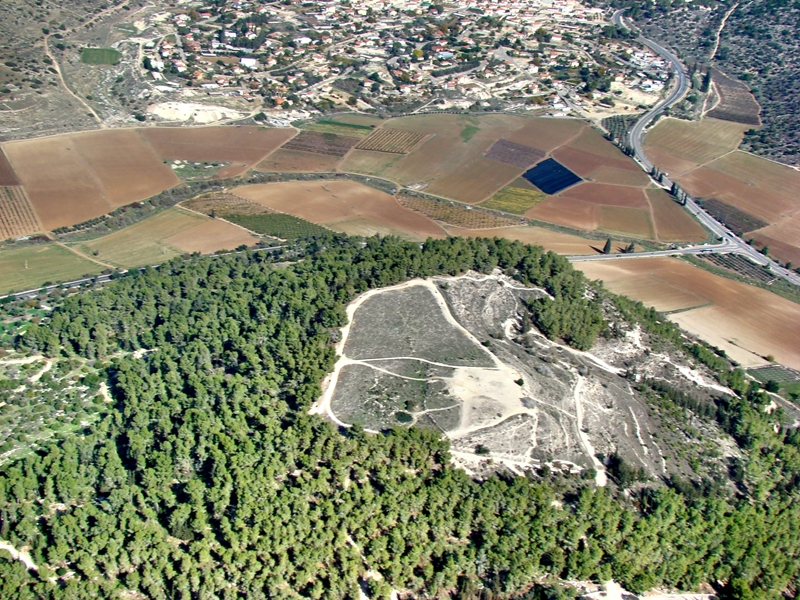
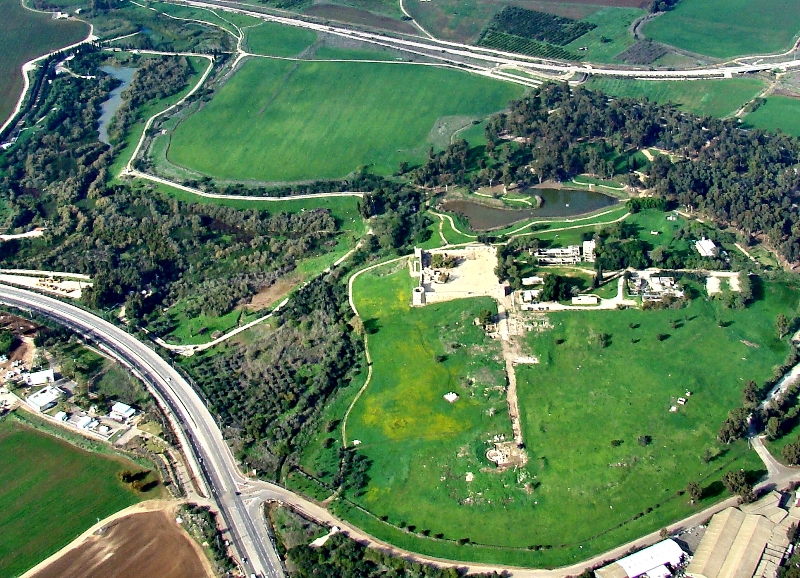
Our photo below gives an aerial view of Aphek. Click on image for higher resolution.


Aerial of Aphek. This was NT Antipatris. Photo ©Leon Mauldin.


In the New Testament this location was known as Antipatris, and is mentioned in Acts 23.  When the Roman commander Claudius Lysias became aware of an assassination plot to kill the Apostle Paul in Jerusalem, he order a military escort of Paul to Caesarea.  This was for Paul’s own protection.  The commander was thorough: two centurions were commanded to prepare 200 soldiers, 200 spearmen, and 70 horsemen.  The Roman militia departed at 9:00 PM (Acts 23:23). On the way to Caesarea, the governor’s residence, they went through Antipatris: “Then the soldiers, as they were commanded, took Paul and brought him by night to Antipatris” (v.31). The next day the horsemen went on with Paul to his destination, whereas the soldiers returned to the barracks (v.32) at Jerusalem.

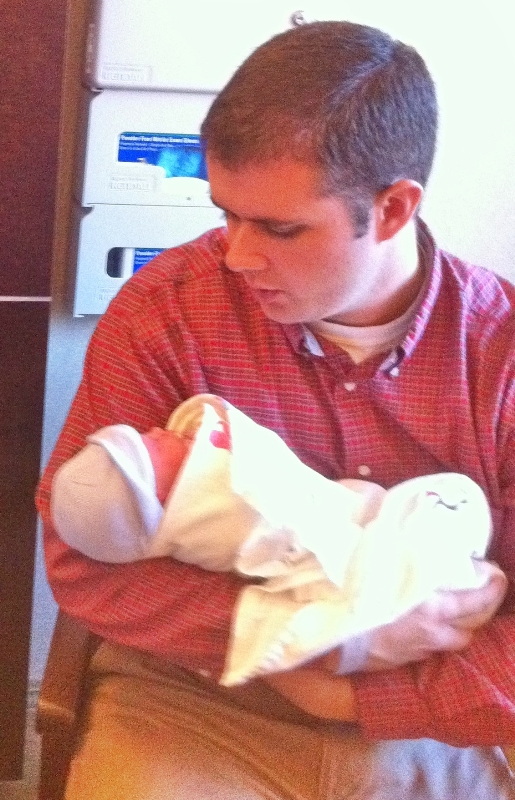
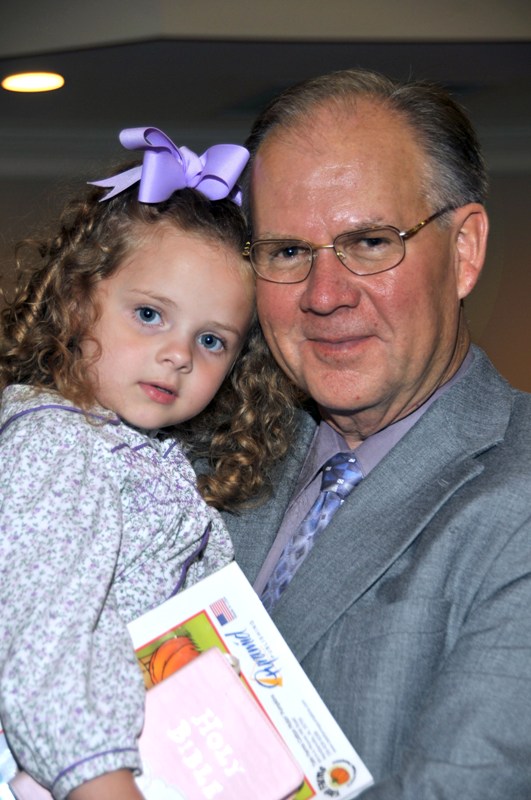
On another (personal) note, I mentioned in a previous post that we were currently conducting a meeting at Pine Lane, Birmingham, which concluded last night.  On Wed PM our granddaughter was with my wife and me. One of the members there took this photo:


Leon & Granddaughter.


Tel Azekah

October 12, 2010

Well, a lot has happened since our last post of this past Friday!  Sunday morning, 10/10/2010, we were blessed with the birth of another grandchild. I just happen to have a photo:


Brand new granddaughter. My son Seth.


Then yesterday we began a 4-day meeting with the Pine Lane church of Christ, south Birmingham.  It is good to be with the church there again.  Terry Benton serves as evangelist.

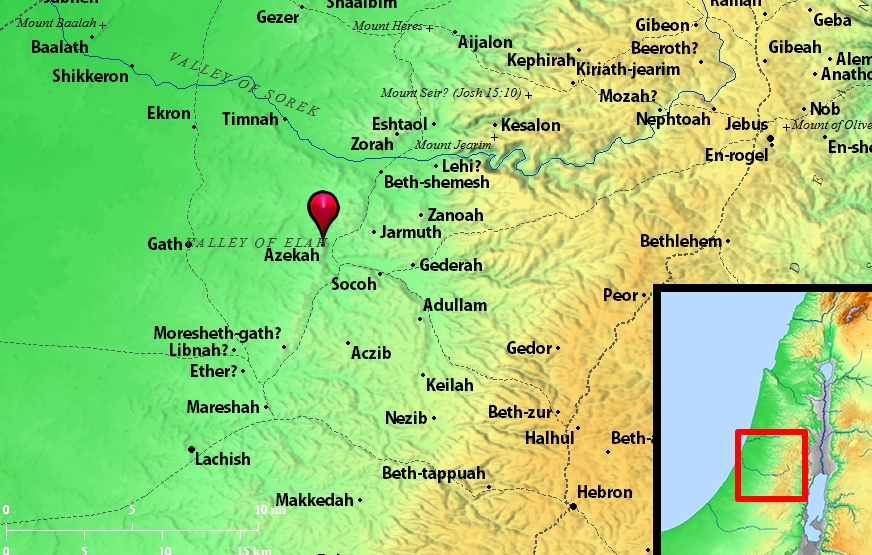
Our post today features an aerial photo of Azekah. First note the location of Azekah on the map below.


Azekah. Map by BibleAtlas.org


Azekah is mentioned in connection with the southern conquest of Canaan under Joshua:

And it happened, as they fled before Israel and were on the descent of Beth Horon, that the LORD cast down large hailstones from heaven on them as far as Azekah, and they died. There were more who died from the hailstones than the children of Israel killed with the sword. (Josh. 10:11).

Our photo below shows Tel Azekah as it overlooks the Elah Valley.


Aerial of Tel Azekah. Photo ©Leon Mauldin.


Azekah is included in the geographical setting for the stand-off between the Philistines and the Israelite army under king Saul.

Now the Philistines gathered their armies together to battle, and were gathered together at Sochoh, which belongs to Judah; they encamped between Sochoh and Azekah, in Ephes Dammim. (1 Sam. 17:1).

It was on this occasion that David killed the giant from Gath, Goliath.

(Click on images for higher resolution).


The Fertile Coastal Plain

October 8, 2010

It is not unusual for some to have the impression that today Israel is altogether a dry and rocky land, especially when one has perhaps seen photos of the rugged wilderness of Judea, or other such barren areas.

One of the distinct features of the land of Israel is the amazing variety of the land.  At the coast you are at sea level.  Thirty-five miles east of Joppa you are 2500 above sea level at Jerusalem.  Another fourteen miles NE and you are at Jericho, 800 feet below sea level. South from there you will be at the Dead Sea, the lowest point on the face of the earth, 1300 feet below sea level.  But go north to the Golan, and much of the year you will see snow at Mt. Hermon.

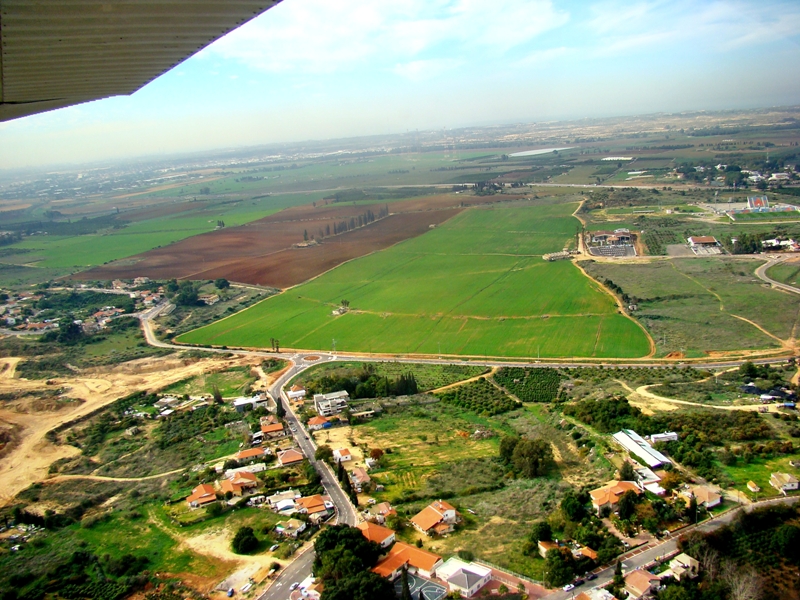
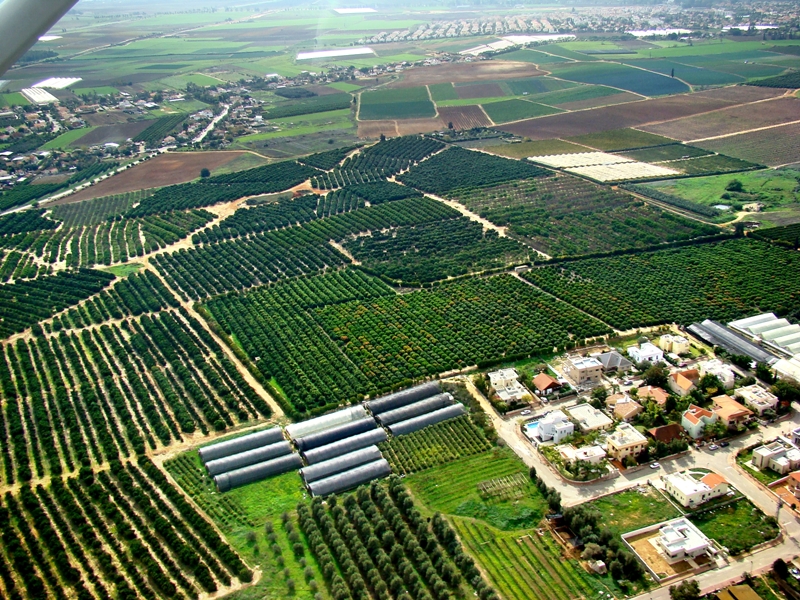
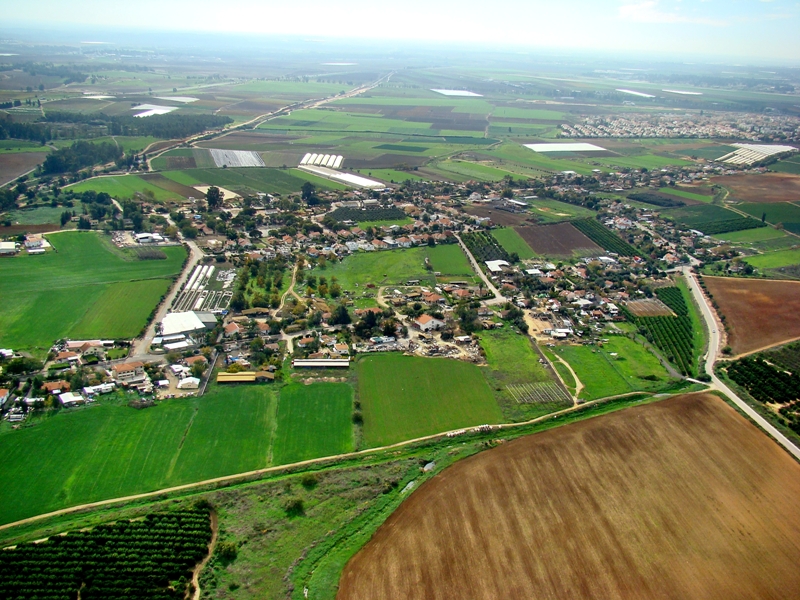
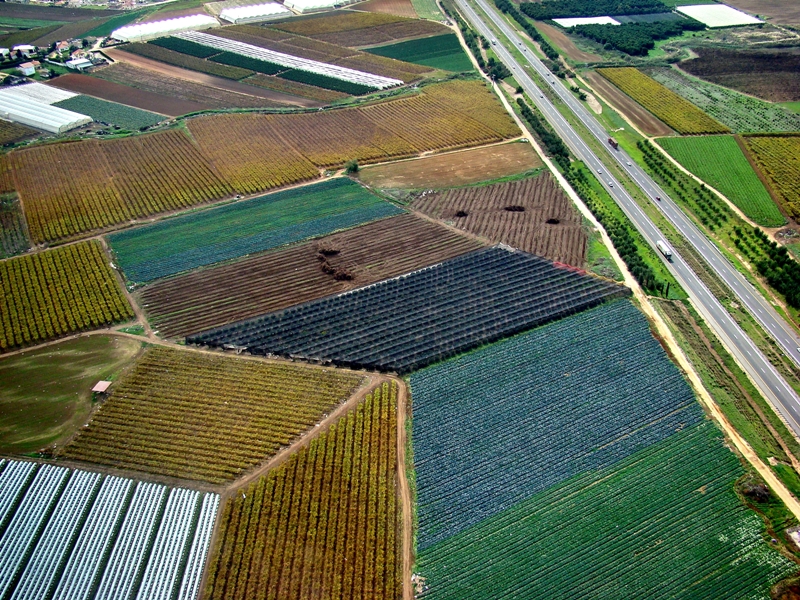
Today’s photos were taken in the southern plain going from the Joppa/Tel Aviv area going from west to east, so we are looking to the south in the photos.  These aerial shots were taken this past Dec.  and you will see greenery and evidence of agriculture. Bear in mind also that during the OT period this area would have been inhabited by the Philistines much of the time.


Southern Coastal Plain. Land of the Philistines. Photo ©Leon Mauldin.


These aerial shots certainly give one a perspective different from ground level!


Aerial Photo of Coastal Plain. Photo ©Leon Mauldin.


Again, this is typical terrain as you make your way toward the Shephelah and then on to the central hill country.


Looking south as we continue eastward. Photo ©Leon Mauldin.


Here is one more.  You get the idea.  A lot of photosynthesis is taking place here!


Aerial Coastal Plain looking south. Photo ©Leon Mauldin.


Remember to click on images for higher resolution.


Beth-shemesh

October 6, 2010

In the biblical period of the Judges, when Eli was High Priest and judge, God allowed the Philistines to defeat apostate Israel, even allowing the Philistines to capture the ark of the covenant.  But as the Philistines gloated over their “prize” they were stricken with plagues.  This continued as the ark was moved from city to city; they were getting severely sick, and some died.

The Philistine leaders then decided to try an experiment to determine whether this was some strange coincidence or if in fact they were objects of the wrath of the God of Israel. They took two cows, each of which had a calf, and harnessed the cows to a new cart.  They secured the calves in their stalls.  The natural inclination of the cows would be to go to their calves.  So the Philistine leaders reasoned in this manner:

Take the ark of the LORD and place it on the cart; and put the articles of gold which you return to Him as a guilt offering in a box by its side. Then send it away that it may go. Watch, if it goes up by the way of its own territory to Beth-shemesh, then He has done us this great evil. But if not, then we will know that it was not His hand that struck us; it happened to us by chance (1 Samuel 6:8-9).


Aerial shot of Beth-shemesh. Ark was returned here by Philistines. Photo ©Leon Mauldin.


The Philistines placed the ark on the cart along with offerings to the Lord.  The text continues, “And the cows took the straight way in the direction of Beth-shemesh; they went along the highway, lowing as they went, and did not turn aside to the right or to the left. And the lords of the Philistines followed them to the border of Beth-shemesh” (v.12).

Can you imagine those cows mooing and crying as they made a bee-line from Philistia to Israelite territory, against their instinct but forced to yield to the hand of a Sovereign God?  Our photo above shows the ruins of biblical Beth-shemesh, the site referenced in the text.

From Beth-shemesh the ark was moved to Kiriath Jearim, where it would remain until the reign of David (2 Sam. 7:1).

Click on image for higher resolution.


The Yarkon River

October 5, 2010

Today’s post features an aerial photo of the Yarkon River, a river on the western side of Israel near Joppa.  In a context setting forth the tribal allotment of Dan, Joshua 19:46 includes “Me Jarkon, and Rakkon, with the region near Joppa” (NKJV).  The term Me Jarkon means “waters of the Jarkon” (Eerdman’s Bible Dictionary). The Hebrew character for “J” is sounded as “Y,” hence the spelling Yarkon.

You can locate the Yarkon on this map, just north of Joppa: (click image for larger view)

Yarkon River, north of Joppa. BibleAtlas.org.

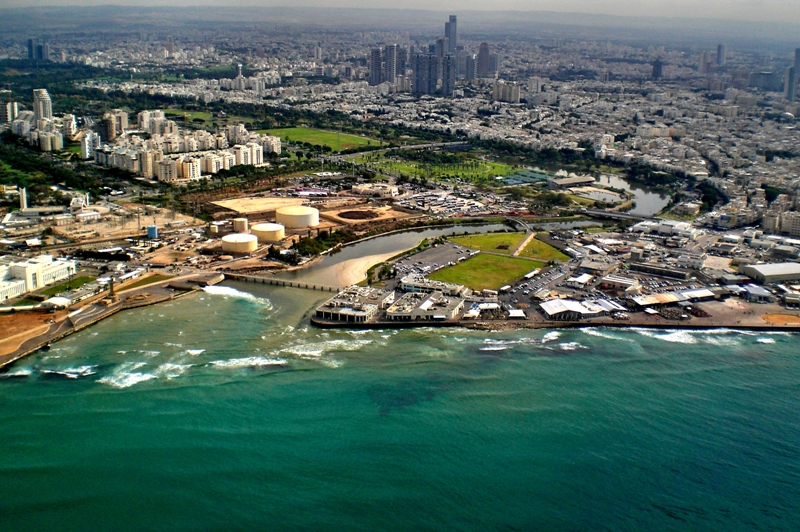
The Yarkon is the principle stream of the southern Plain of Sharon. The Yarkon’s source is near Aphek, NT Antipatris (see map), and flows west/southwest until it empties in the Mediterranean, as seen in our photo: (click image for higher resolution)

Aerial Photo of Yarkon River as it empties into the Mediterranean. Photo ©Leon Mauldin.

The Archaeological encyclopedia of the Holy Land (3rd ed) has the following info re: the Yarkon:

The Yarkon or Me-Yarkon (‘Waters of Yarkon’ in Hebrew) is a river mentioned as being in the territory of Dan (Josh. 19:46); called el-Auja in Arabic, it is a perennial river rising at the foot of Tell Ras el-Ain. The mound referred to most probably contains the remains of the ancient city of Aphek (Josh. 12:18; 1 Sam. 29:1), the Herodian Antipatris. The copious waters of the river made its valley ideal for intensive agriculture. Indeed, along its bank numerous towns and villages sprang up in all periods. It is possible that in ancient times, before the mouth of the river silted, it also served as a safe harbor, and small vessels and rafts could navigate its entire length. Running from the foothills down to the sea the Yarkon River formed a military obstacle. Alexander Jannaeus built a line of fortresses as defense against the Syrians (Josephus, War i,99).

The earlier cited text of Joshua 19:46 is the only text in the Bible which mentions the Yarkon.


How’s the Food Over There?

October 2, 2010

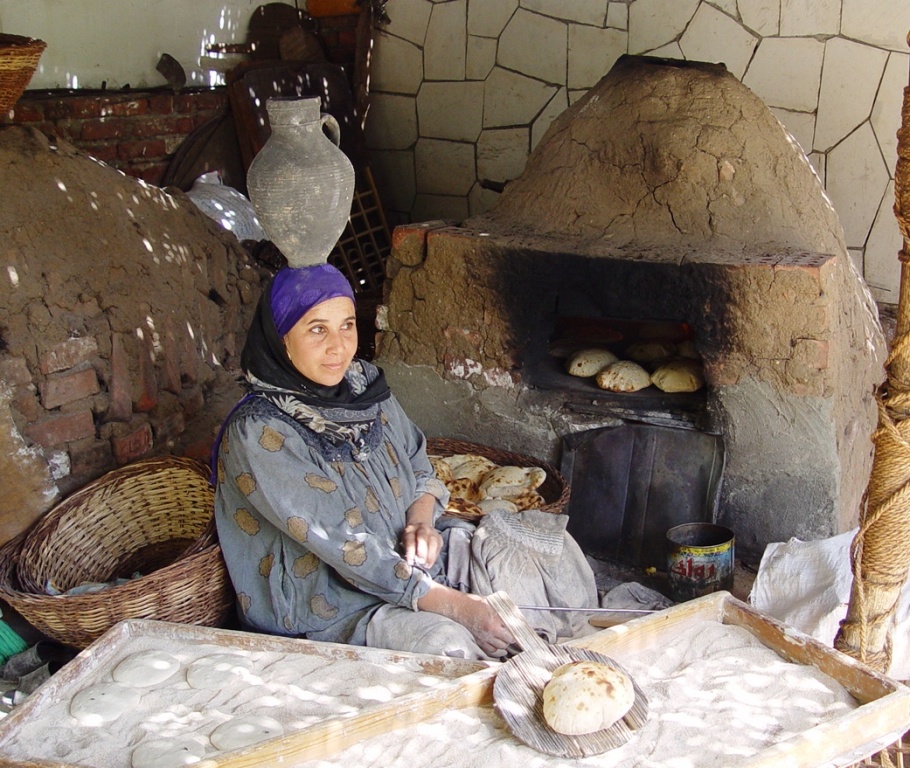
People often ask, “How’s the food over there?”, meaning in the Bible lands, including Israel and other places.  One answer is that it’s different.  If it were the same as what you have at home, why not stay home? How often do you see bread being cooked like this?

Cooking Bread in Egypt. Photo by Leon Mauldin.

Another observation is that there is variety; even somewhat “picky” eaters can find something they like.  My “problem” is that I am not a picky eater, so almost everything is good to me. I’ve been blessed; I’ve never gotten sick on a Bible lands trip. (I did one time during a preaching trip to the Ukraine, but that doesn’t count in this context).

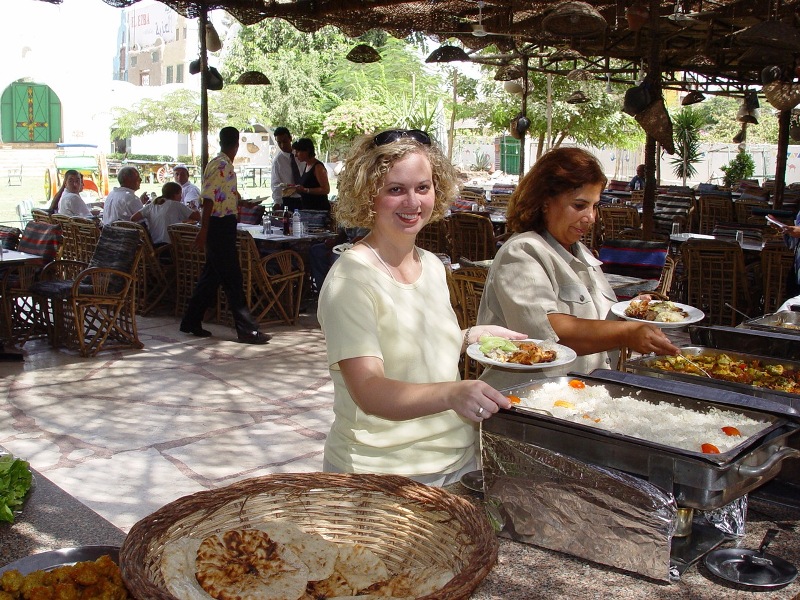
I enjoy eating outdoors when it is feasible.

Eating Outdoors in Egypt. Photo by Leon Mauldin.

Click on images for higher resolution.


Isaac Went Out To Meditate

October 1, 2010

Genesis 24:63 reads, “Isaac went out to meditate in the field toward evening; and he lifted up his eyes and looked, and behold, camels were coming” (NASB).

This lengthy chapter narrates how a faithful servant of Abraham left Canaan to travel to Mesopotamia (Abraham had family there) to procure a wife for Isaac.  Abraham did not want his son to marry one of the idolatrous Canaanites whom God condemned; Abraham’s descendants were to be a separate people.  And thus Genesis 24 tells how Rebekah willingly made the journey to marry Isaac, whom she had never met.

Our text of Gen. 24:63 takes us to the time when Isaac saw Rebekah coming. He was meditating.

Previously he had been to Beer Lahai Roi, (v.62) which means “the well of the Living One who sees me” (see Gen. 16:14).  At this time the text tells us that Isaac “dwelt in the Negev” (Gen. 24:26). The word Negev is the designation for the southern desert region of Canaan.  Gen. 23 tells us that the patriarchal family was living in Hebron (v.2). Prior to that they were living in Beersheba (22:19).  See our map to locate these sites:
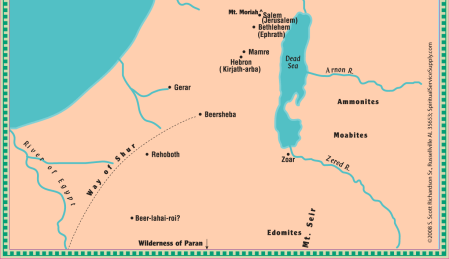
Beer lahai roi, Beersheba and Hebron. Map by Scott Richardson.

The Hebrew word for meditate in Gen. 24:63 is suach, which in this form is found only here in the Old Testament. It is derived from siach, of which the Theological Wordbook of the Old Testament says,

The basic meaning of this verb seems to be “rehearse,” repent,” or “go over a matter in one’s mind.” This meditation or contemplation may be done either inwardly or outwardly. Since English differentiates these two notions, the word is usually rendered “meditate,” or “talk” (II.875-6).

Consider first the idea of meditation as silent reflectionSiach is used of reflection on God’s works, “I will meditate with my heart” (Psa. 77:6) during a time when he was so troubled that he could not speak (v.4).  See the context: “I will meditate [here Heb. hagah] on all Your work And muse on Your deeds” (v.12, etc.).

Second, there is the idea of meditating, of silent reflection, on God’s word. Psalm 119 is that great chapter that in each of its 176 verses declares some point or principle regarding God’s word! It is not surprising that several verses speak of meditation. v. 15: “I will meditate on Your precepts And regard Your ways.” v. 48: “And I shall lift up my hands to Your commandments, Which I love; And I will meditate on Your statutes.” See also vv. 23, 27, 79, 148, each of which have our word siach.

For the use of the word siach meaning to talk, consider Proverbs 6:22, which speaks of the young man who has bound his father’s command and his mother’s law to his heart: “When you walk about, they will guide you; When you sleep, they will watch over you; And when you awake, they will talk [siach]to you.” What a beautiful picture: the son has listened, he has made wise teaching from his parents his own.  As he goes about in life, denoted by the words walk about, sleep, and awake, the teaching is always with him.  The word of the Lord talks to him!

But regarding Isaac, of what did his meditation consist?  In short, we don’t know what he was meditating about.  But from the context we can make a couple of suggestions:

1. Consider the emphasis that is given to the LORD (YHVH) in this chapter. He is referenced in vv. 3, 6, 12, 21, 26, 31, 35, 40, 42, 44, 48, 50, 51, 52, 56! This is truly a chapter about the LORD, about His will and His purpose!

2. Perhaps meditating on his future marriage? Considerable trouble and time was involved in Abraham’s servant making a journey of some 900 miles or so to obtain a wife for Isaac.  I would suggest Isaac may well have been meditating, reflecting, on the marriage he was about to enter, with a woman he had never seen before.  Isaac was a godly man, and he no doubt wanted his marriage, his home life, to be pleasing to God.

Lessons.

Time is well spent when it is devoted to meditating on God’s word. This is more than mere reading.  It means to make it your own, to let it dominate your thoughts.

Also, there is much to be said for preparation for marriage.  First, to be what God wants you to be, and second, to have a marriage that is pleasing to God, that He can bless.

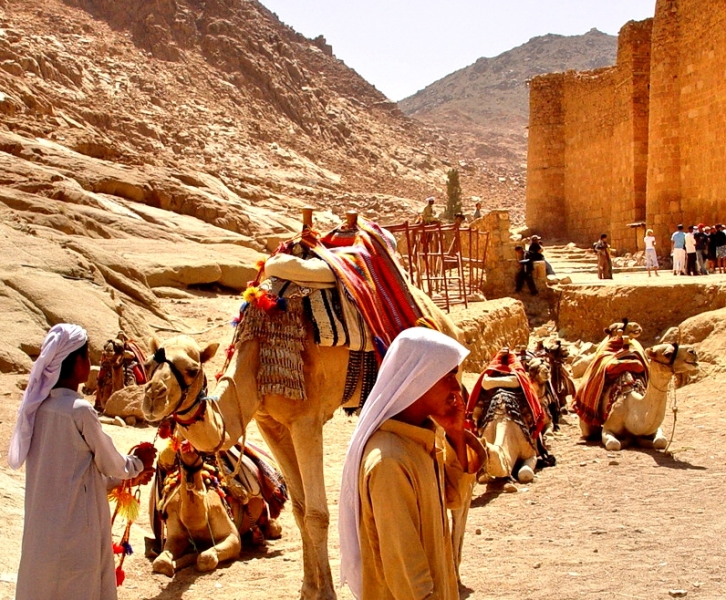
We’ll close with another camel photo, as camels are referenced in our text of Gen. 24:63.  This shot was taken at St. Catherine’s Monastery, at the foothills of Mt. Sinai.
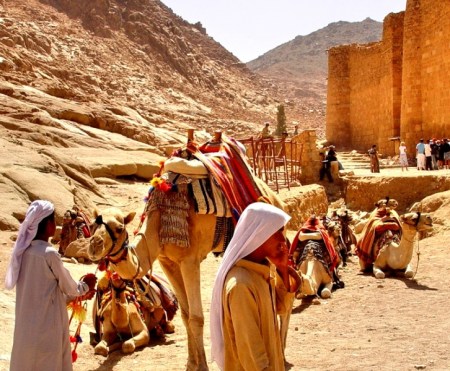
Camels at St. Catherine's at Foothills of Mt. Sinai. Photo ©Leon Mauldin.

Click on images for higher resolution.

Mitri, the Egyptian Scribe

September 30, 2010

From ancient times the role of the scribe has been an important one.  The Bible has many references to Jewish scribes.  In the Old Testament, Ezra was described as “a skilled scribe in the Law of Moses” (Ezra 7:6).  He was a man whom God used for good in the biblical period of the post-captivity return and rebuilding.

Many of the New Testament references to scribes are not flattering. In fact, the scribes received some of Jesus’ sternest rebukes (see Matthew 23).

Ferrell Jenkins shares info and a photo of a modern scribe at Masada in his post at

http://ferrelljenkins.wordpress.com/2010/09/30/the-scribe/

Our photo today features a statue of an Egyptian scribe by name of Mitri, of Egypt’s 6th’s dynasty of the Old Kingdom (2345-2181 B.C.). Such men had to be very efficient at writing hieroglyphs quickly, and also be well-educated in mathematics.

Mitra the Scribe. Egyptian Museum. Photo ©Leon Mauldin.

I especially value such photos as this one because photography is no longer permitted in the Egyptian Museum.

The website Egyptopia has the following interesting information on Mitri the Scribe:

Mitri was one of the prominent figures in the 6th Dynasty who acquired numerous positions as depicted on the base of this statue including: Administrator of the Nome and Great One of the ten of Upper Egypt and Priest of Maat.

This statue of Mitri as a scribe was found in his tomb in Saqqara among other statues for him and his wife in various positions. This wood with painted stucco is used to indicate the intellectual abilities of the deceased although he did not occupy that post.

Mitri is depicted in the customary posture of the scribe in ancient Egypt with crossed legs and a papyrus role on his lap. The eyes are set in limestone and transparent stone and ringed with copper attract the attention of the observer to Mitri’s calm gaze and become the focal point of the whole sculpture. The body is colored with dark ocher color and the monotony of the color is broken by the colorful necklace around his neck.

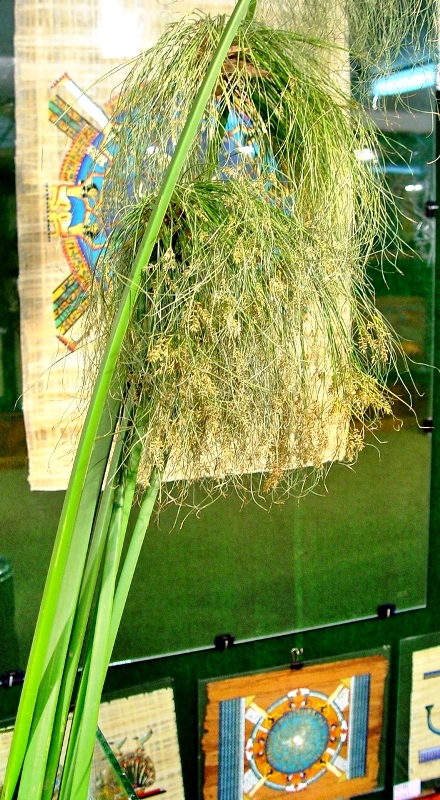
Such scribes would have written on papyrus, “paper” made from the papyrus reed, shown in photo below.

Papyrus Reed, from which papyrus was made. Photo ©Leon Mauldin.

Click on images for higher resolution.

Memphis of Egypt, cont’d.

September 28, 2010

We continue today with yesterday’s topic of Memphis of Egypt, a city which is specifically mentioned in biblical prophecy in such texts as Ezekiel 30:13. We saw that passage contextually foretold of the destruction of the images of the gods there.  Note that some translations will render the city’s name Noph.

Another biblical reference to Memphis is that of Jeremiah 44:1ff.  Jeremiah had been taken by force to Egypt after the 586 B.C. Babylonian deportation by rebellious Jews.  The Lord used Jeremiah as His faithful spokesman to “the Jews living in the land of Egypt, those who were living in Migdol, Tahpanhes, Memphis, and the land of Pathros…”

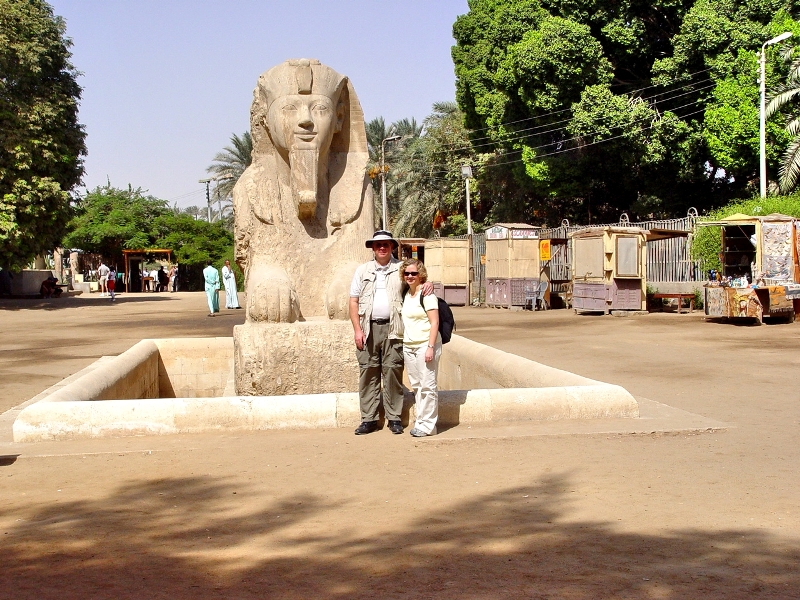
Alabaster Sphinx in Memphis. Reign of Ramesses II. Leon and daughter Alysha. Photo ©Leon Mauldin.

In yesterday’s post we showed the solid alabaster sphinx in Memphis.  Today’s photo gives some sense of scale.  This small area of Memphis is all that can be seen of antiquity of what was once one of the most important cities in the world.

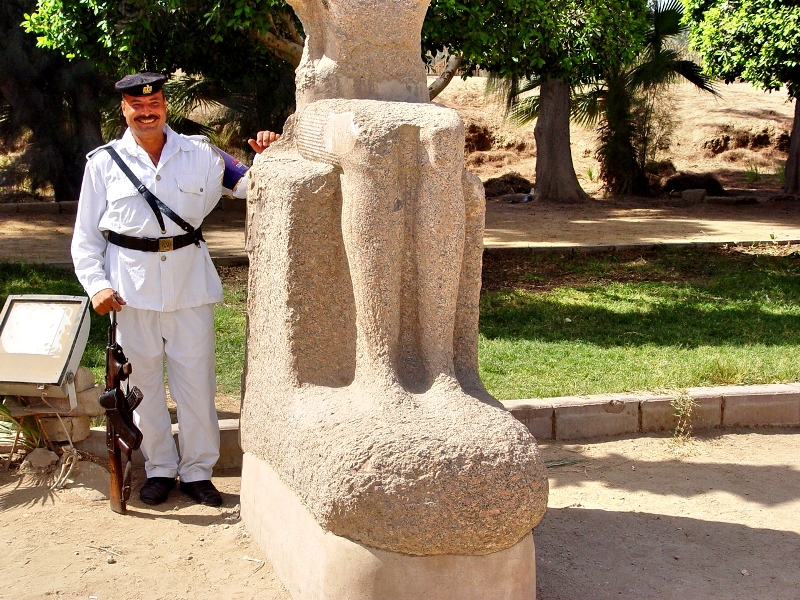
There was Egyptian police presence in Memphis.  We found them to be quite friendly.

Egyptian Police at Memphis. Photo ©Leon Mauldin.

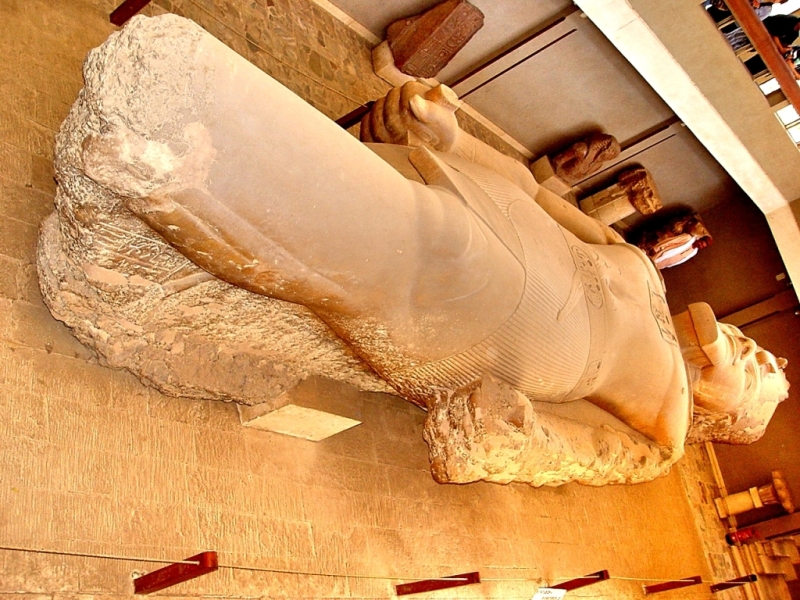
One important monument in Memphis is the fallen colossus of Ramesses II.  Ramesses II had a lengthy reign (1279-1213 B.C.), and he left his monuments and inscriptions all over the land.  No one has accused him of humility or undue modesty!

Fallen colossus of Ramesses II. Photo ©Leon Mauldin.

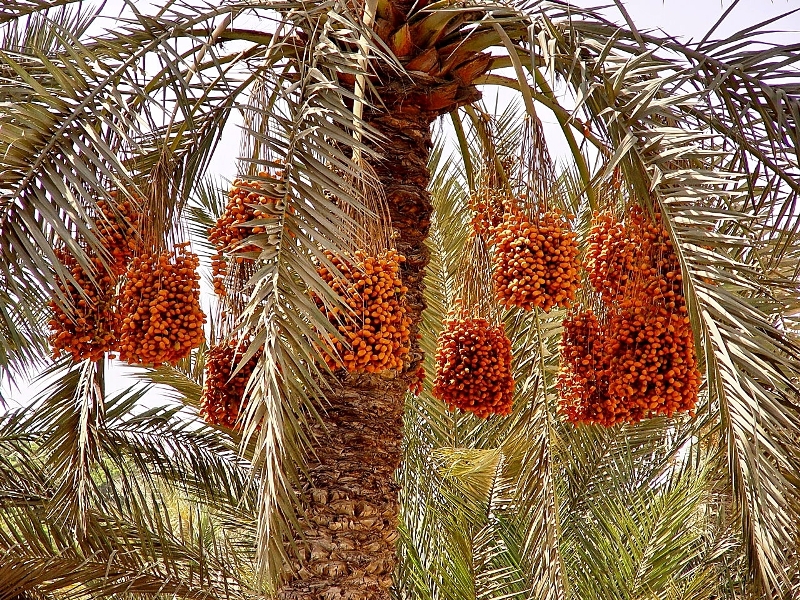
At Memphis you can see date palm trees such as the one in our photo.  You could say this tree had lots of dates!

Date palm tree at Memphis. Photo ©Leon Mauldin.

As we say frequently, the Bible is true; it is genuine history; it is not fiction. When it mentions places, such as Memphis/Noph, they are real places where real people lived, for better or worse!

Click on photos for higher resolution.


Memphis of Egypt

September 27, 2010

Today’s post will deal with Memphis of Egypt.  To give some context, let me lead into this with the following:

The message of the biblical prophets may be broadly summarized into three subject areas:

1. God’s message to His people of the prophet’s time.

2. God is the God of all the earth; His message to the nations.

3. Most importantly, the Messianic prophecies; Christ, His redemptive work, His kingdom.

Today’s post will deal with the second category; God is the God of the nations.  This is why you will find in some instances in the prophets back-to-back chapters dealing with the nations of men.  Ezekiel was one of the captivity prophets (taken to Babylon with the second deportation, 597 B.C.).  Though he had much to say to his contemporary captives (Jews), and had many Messianic prophecies, Ezekiel proclaimed the word of the LORD to the nations.

Ezekiel 30 addresses Egypt and includes specifically Memphis. “Thus says the Lord GOD, “I will also destroy the idols And make the images cease from Memphis. And there will no longer be a prince in the land of Egypt; And I will put fear in the land of Egypt” (v.13).

For so many centuries Egypt had been a world power.  Memphis had been one of the most important administrative centers.  Only Thebes in the south was comparable in economic, political and religious importance.

But God said He would “execute judgments on Egypt” (v.19). The prophecy was fulfilled.  Egypt fell, and the city of Memphis, royal residence and capital of Egypt, one of the renowned places of the whole ancient world, has disappeared almost completely.  The most significant ruins can be seen near the modern village of Mit Rahina.

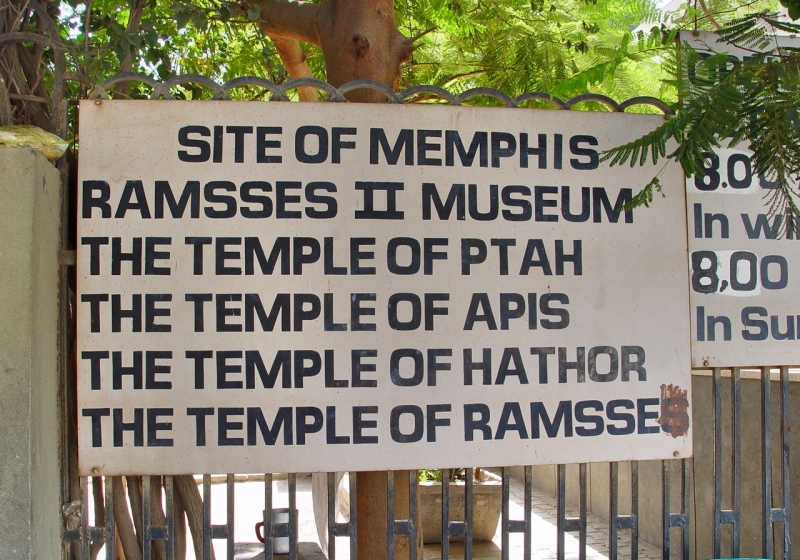
Sign indicating site of biblical Memphis, Egypt. Near modern Mit Rahina. Photo ©Leon Mauldin.

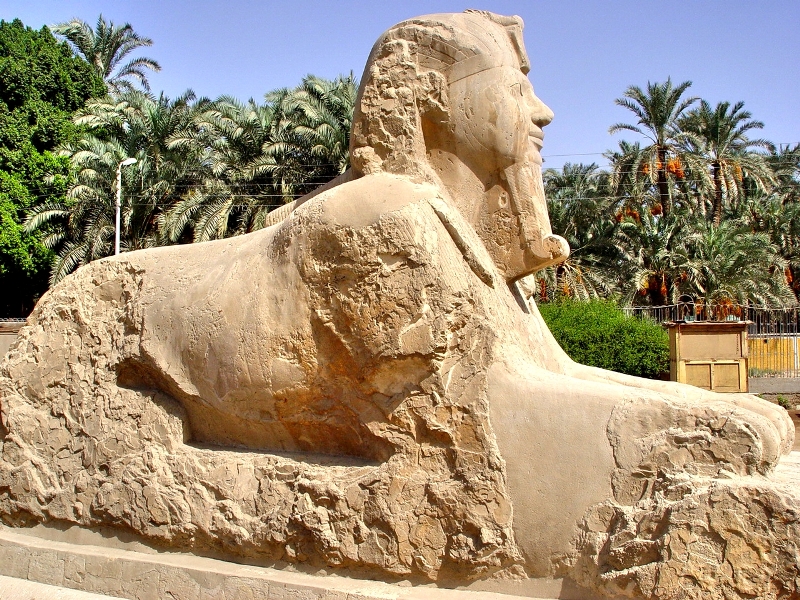
Within the enclosure of the temple of Ptah one can see a large alabaster sphinx. This dates to the reign of Ramesses II (1279-1213 B.C.).

Alabaster Sphinx in Memphis, Egypt. Dates to reign of Ramesses II. Photo ©Leon Mauldin.

Ezekiel’s prophecy was that God would “cause the images to cease from Memphis.”  Our photo below illustrates what the prophet had in mind.  This is an image of the Egyptian goddess Hathor.

Image of Egyptian goddess Hathor. Memphis, Egypt. Photo ©Leon Mauldin.

More to come on Memphis, Egypt.  Remember to click on image for higher resolution. Photos may freely be used in teaching.