“We Remember the Fish”

November 7, 2025

Israel repeatedly murmured when the LORD was taking them from Egypt to the Promised Land of Canaan. After all the mighty works of Yahweh they had witnessed, the Ten Plagues by which they were delivered from Egyptian Bondage, hearing the voice of God at Sinai, receiving the Law and its ordinances, and being led by the Cloud by day, and the Pillar of Fire by night, He fed them with “bread from heaven,” they still in their unbelief murmured: “We remember the fish which we used to eat free in Egypt, the cucumbers and the melons and the leeks and the onions and the garlic, but now our appetite is gone. There is nothing at all to look at except this manna” (Num. 11:5-6).

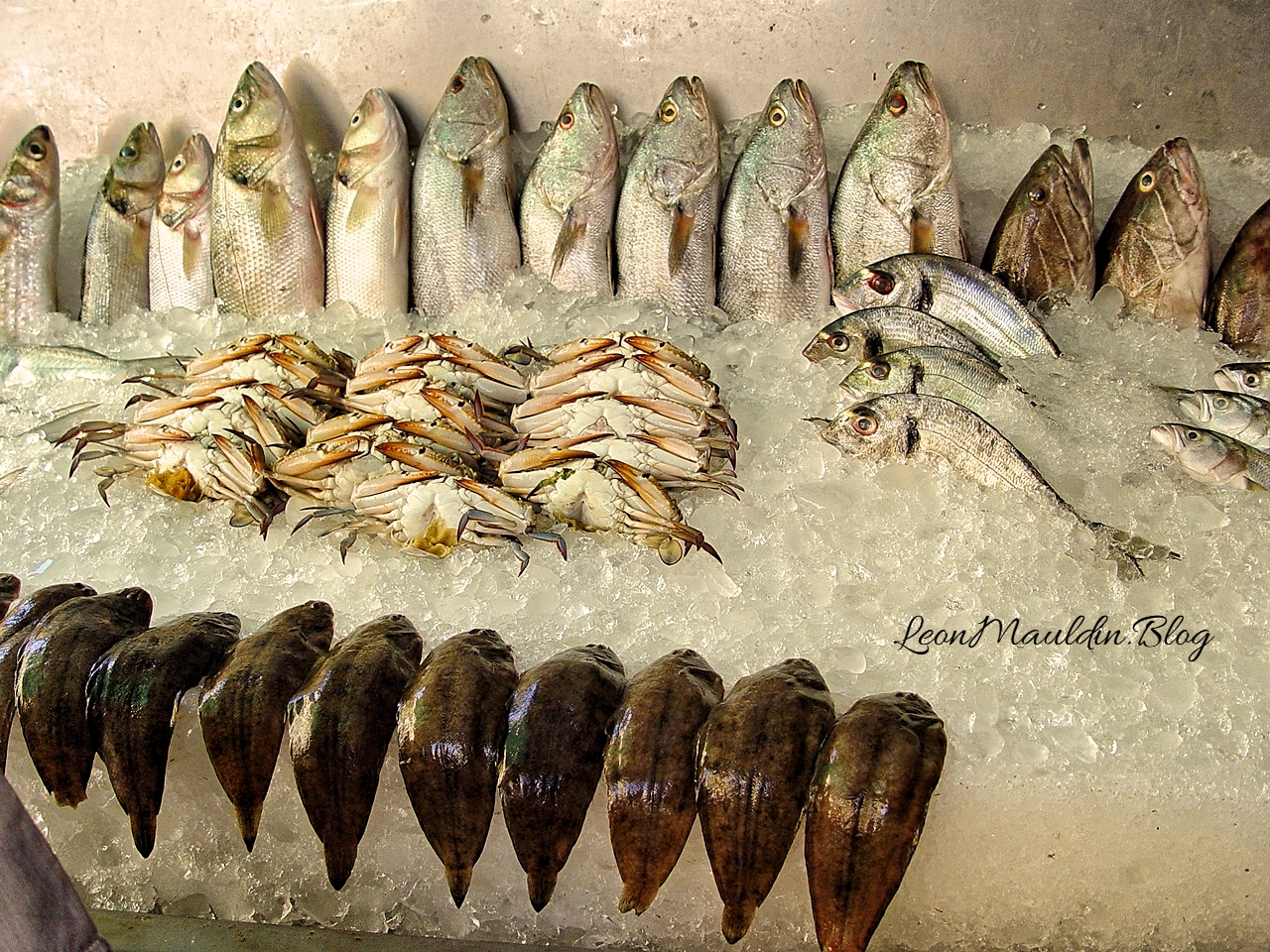
Fresh Fish in Alexandria, Egypt. Photo by Leon Mauldin.
Fresh Fish in Local Restaurant in Alexandria, Egypt. Photo by Leon Mauldin.

From an article I wrote in August 2012:

Memory is an amazing thing. I view it as a gift from God. One of the saddest events imaginable is for one to lose his memory, his ability to remember and recall life’s experiences, what one has learned, etc.

The ability to learn God’s word and apply it to life’s circumstances is a blessing. For that reason I encourage especially young people to spend much time in memorization of God’s word.

If one does not incline his heart Godward, memory can be amazingly quirky. When the nation of Israel was yet in Egypt, all they could think about was their harsh treatment meted out by cruel taskmasters. In their affliction they cried out to God.

God brought them out of Egypt after a mighty display of His power with the 10 plagues, referenced by God Himself as judgments against the gods of Egypt (Exodus 6:6; 12:12). They crossed the Red Sea, and made their way to Sinai, where they encamped for 11 months. During this time they received the Ten Commandments (along with its other laws), built the tabernacle, and consecrated the Aaronic priesthood (Ex. 19-Num. 10).

God was mindful of His covenant with Abraham; at that point it was time to grant Israel possession of the promised land of Canaan. At His command and direction Israel began to march (Num. 10:11ff). But immediately they lost sight of God’s lofty purpose with them and began to murmur (Num. 11:1).

One such instance of murmuring is in the text we referenced above: “Now the mixed multitude who were among them yielded to intense craving; so the children of Israel also wept again and said: ‘Who will give us meat to eat? We remember the fish which we ate freely in Egypt, the cucumbers, the melons, the leeks, the onions, and the garlic; but now our whole being is dried up; there is nothing at all except this manna before our eyes!'” (Num. 11:4-6).

Talk about selective memory! Talk about rewriting history! The New Testament identified the problem as a lack of faith (Heb. 3-4). Stephen showed that the heart of the problem was a problem of the heart: “in their hearts they turned back to Egypt” (Acts 7:39).


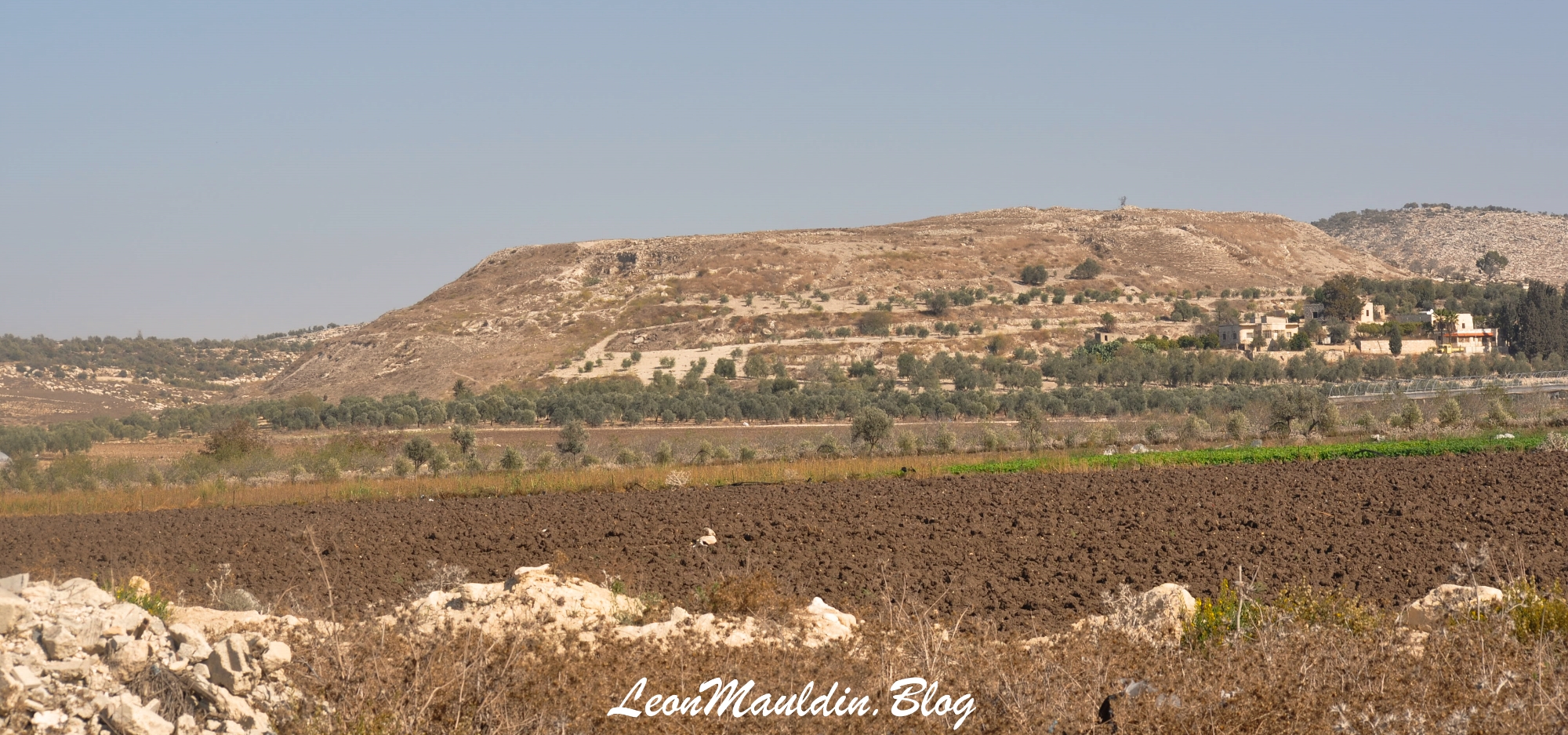
Taanach by the Waters of Megiddo

May 20, 2025

Our title comes from Judges 5:19, which contextually refers to the battle between Barak (with Deborah as Judge) and the Canaanites led by Sisera. God gave Israel a great victory (Judges 4-5).

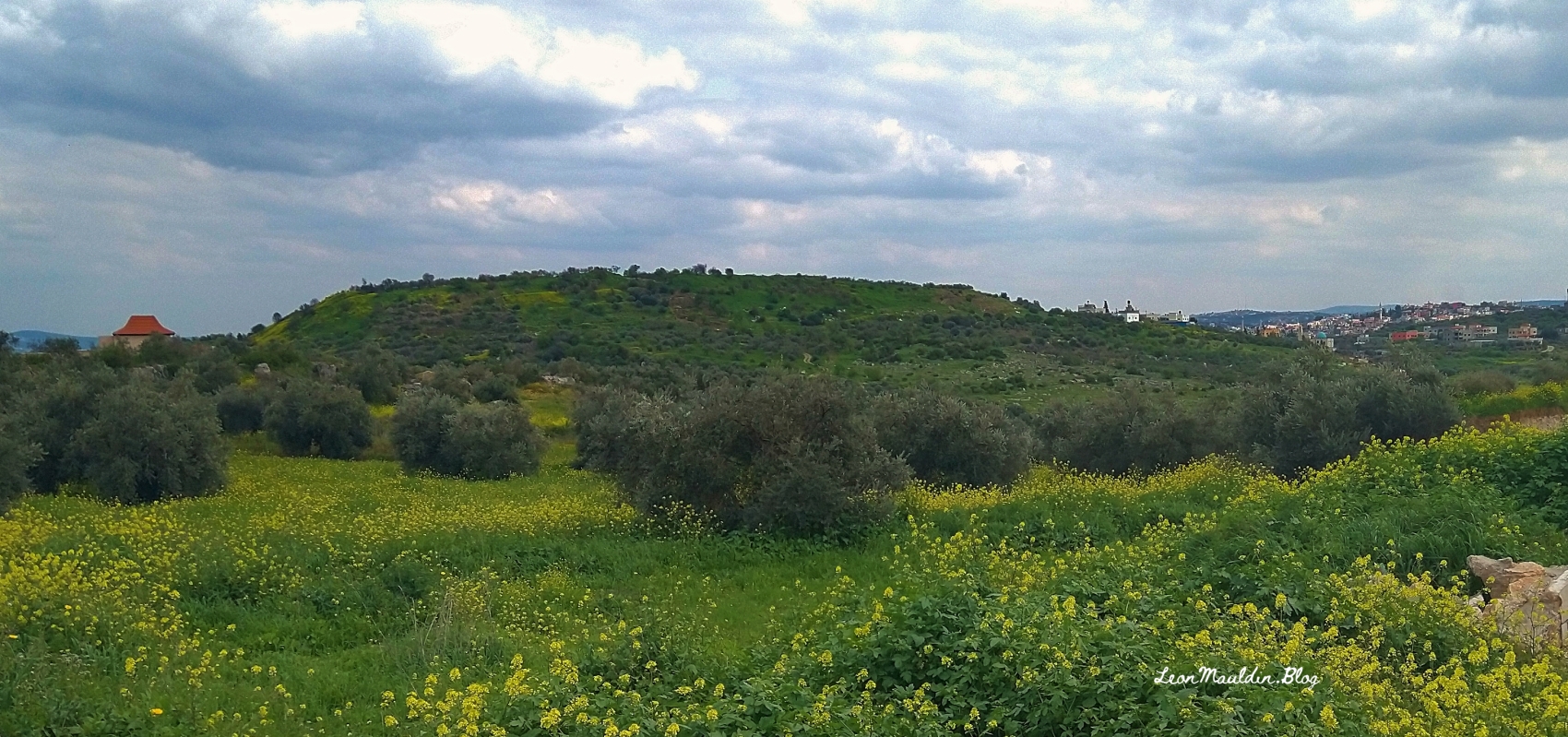
Taanach at center. Photo ©LeonMauldin.

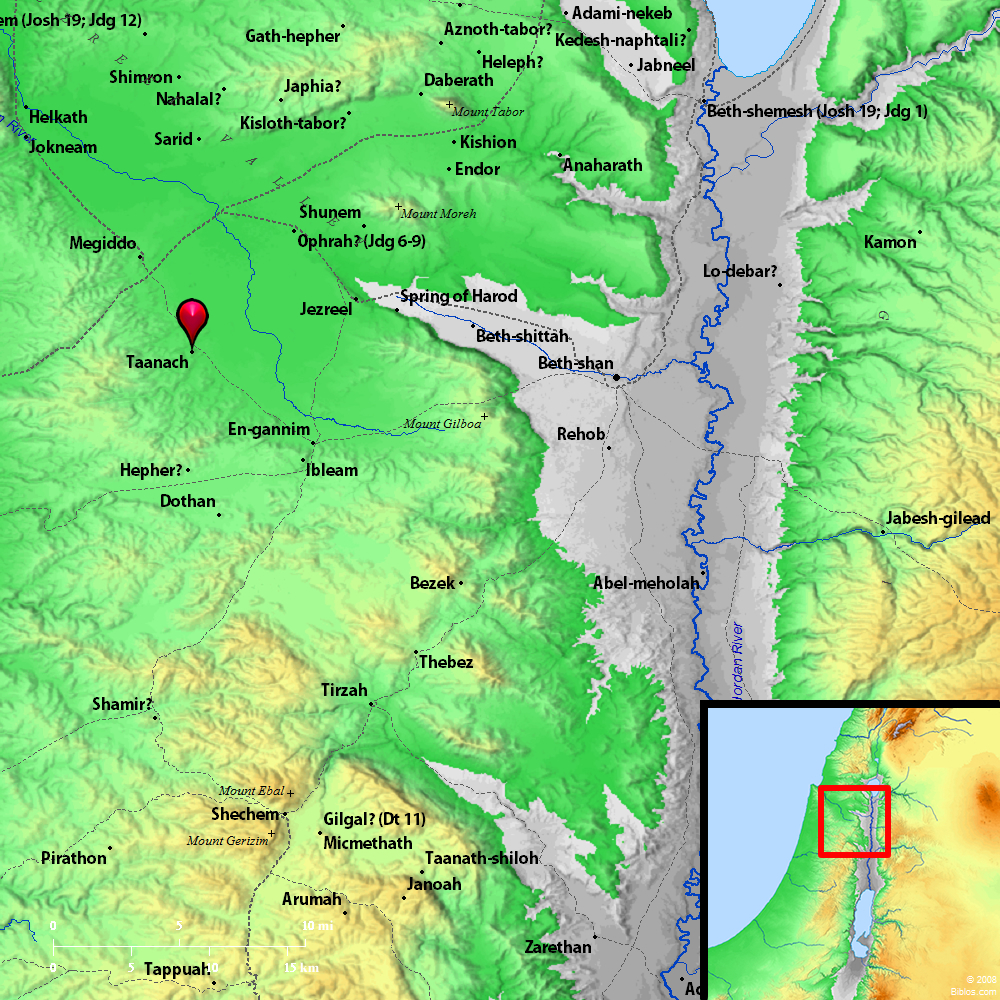
Taanach, located about 5 miles SE of Megiddo, is mentioned seven times in the Bible:

Joshua 12:21: In this summary chapter, Taanach is one of thirty-one cities taken in the conquest of Canaan, led by Joshua.

Joshua 17:11: Taanach was assigned to the western half tribe of Manasseh in the tribal allotment of land.

Judges 1:27: Manasseh did not drive out the [Canaanite] inhabitants of Taanach.

Judges 5:19: In the days of the Judges, “The kings came and fought, Then the kings of Canaan fought In Taanach, by the waters of Megiddo.”

1 Kings 4:12: King Solomon’s officers included “Baana the son of Ahilud, in Taanach, Megiddo, and all Beth Shean.”

1 Chronicles 7:29: Taanach and her towns” are listed as among the possession of Manasseh.

Location of Tanaach. Map courtesy of BibleAtlas.Org.

Lexham Bible Dictionary has some helpful information:

Taanach, or Tell Tiinik, is located approximately five miles southeast of Megiddo and northwest of Jenin in the eastern portion of the Jezreel Valley. The modern village located at the site bears the same name. The ancient city lies at an important intersection between Akko in the north, Jerusalem in the south, and the coastal cities in the west. The site encompasses at least 14 acres (Lapp, “Taanach by the Waters,” 2). Occupational evidence of the ancient city has been discovered dating from the Early Bronze Age, Intermediate Bronze Age, Middle Bronze Age, Late Bronze Age, Iron Age, Persian Period, Hellenistic Period, Roman Period, Byzantine Period, and Islamic Periods (Glock, “Taanach,” 1432–33; Lapp, “1963 Excavation at Ta’annek,” 8, 43–44) . . .

Taanach in Ancient Texts
In addition to the Bible, Taanach is mentioned in ancient texts including:

• Egyptian topographical lists dating to the reigns of Thutmose III and Shoshenq I
• possibly one Amarna Letter
• the Taanach Tablets
• other Egyptian documents from the Late Bronze Age

These documents, in addition to archaeological findings, attest to the city’s prominence and confirm occupation of the city in both periods during which the Bible mentions Taanach: the Late Bronze Age and Iron Age IIA (Ahituv, 184–185; EA 248; Lapp, “Taanach by the Waters,” 4).

Archaeological Significance
Excavations at Taanach exposed 13 Akkadian tablets dating to the 15th century BC and one Canaanite tablet that uses an alphabetic cuneiform script dating to the 12th century BC (Glock, “Taanach,” 1431–32). Although a larger total number of cuneiform tablets have been recovered at Hazor, the Taanach collection comprises the largest single cache. The content of the Akkadian tablets ranges from letters for the local king to administrative lists, while the Canaanite tablet, found in a building with stone-grinding objects, is a receipt for a grain shipment (Albright, 16–25; Lapp, “1963 Excavation at Ta’annek,” 8; Lapp, “1966 Excavations at Ta’annek,” 21; Cross, 44–45; Glock, “Taanach,” 1431–32). (Kennedy, T. M. The Lexham Bible Dictionary. Lexham Press).

Click images for larger view.


An Empty Grave Is There to Show My Savior Lives

April 20, 2025

Foundational to the Gospel message is the resurrection of Jesus Christ. Luke writes:

Now on the first day of the week, very early in the morning, they, and certain other women with them, came to the tomb bringing the spices which they had prepared. But they found the stone rolled away from the tomb. Then they went in and did not find the body of the Lord Jesus. And it happened, as they were greatly perplexed about this, that behold, two men stood by them in shining garments. Then, as they were afraid and bowed their faces to the earth, they said to them, “Why do you seek the living among the dead? “He is not here, but is risen! Remember how He spoke to you when He was still in Galilee, “saying, ‘The Son of Man must be delivered into the hands of sinful men, and be crucified, and the third day rise again.’ ” And they remembered His words. (Luke 24:1-8).

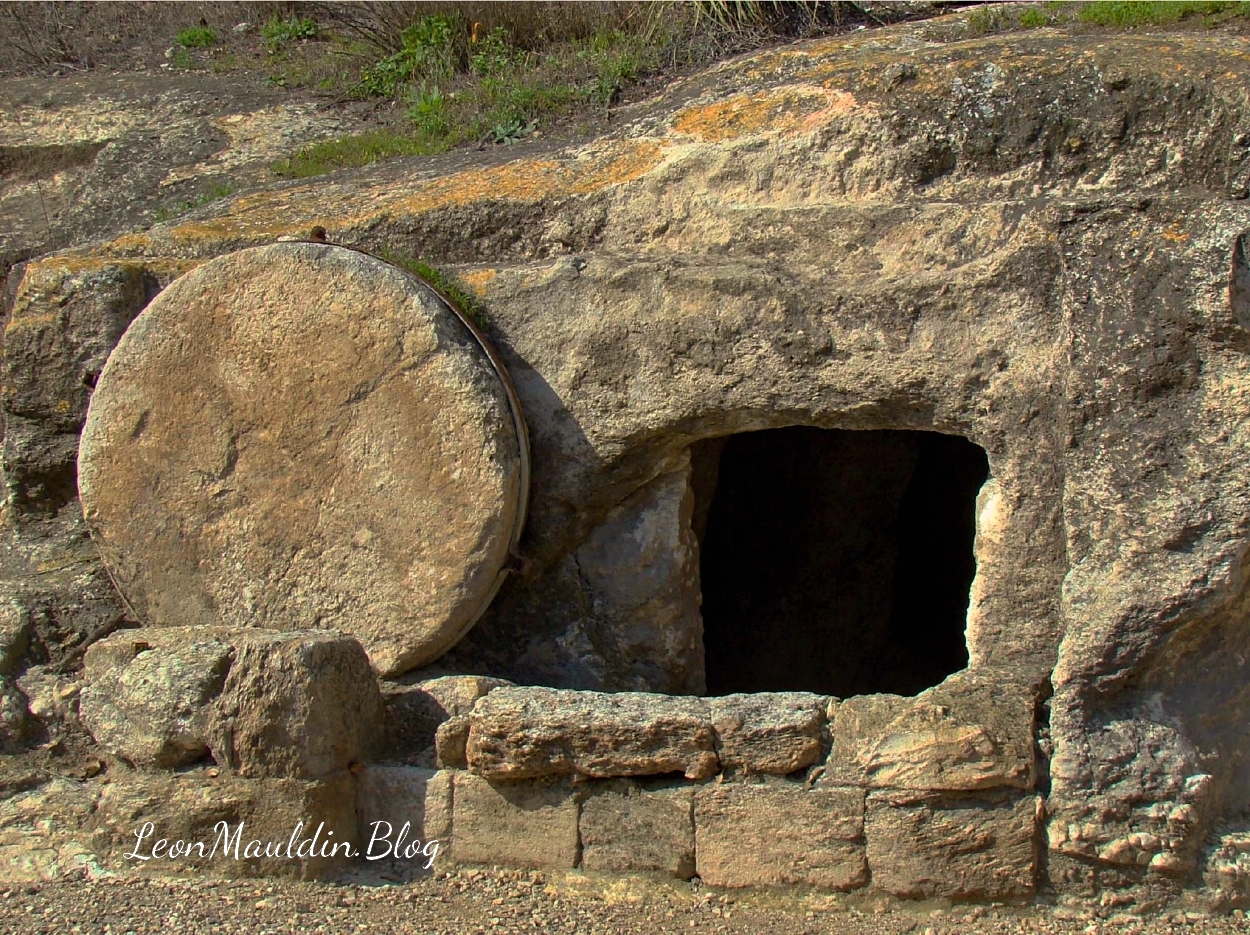
Rolling stone tomb near Megiddo. Photo ©Leon Mauldin

This tomb was discovered during road construction.  It so well illustrates the biblical texts that narrate the burial of Jesus.  Joseph of Arimathea had a new tomb (one which had not been previously used, John 19:38-42).  Assisted by Nicodemus, Joseph wrapped Jesus’ body in a clean linen cloth, “and laid it in his new tomb which he had hewn out of the rock; and he rolled a large stone against the door of the tomb, and departed” (Mt. 27:59-60). The tomb in our photo was hewn out of the rock, and you can see the large stone positioned to the left of the opening.

On Sunday, the 1st day of the week when Jesus was raised from the dead, the text says this about Peter and “the other disciple:”

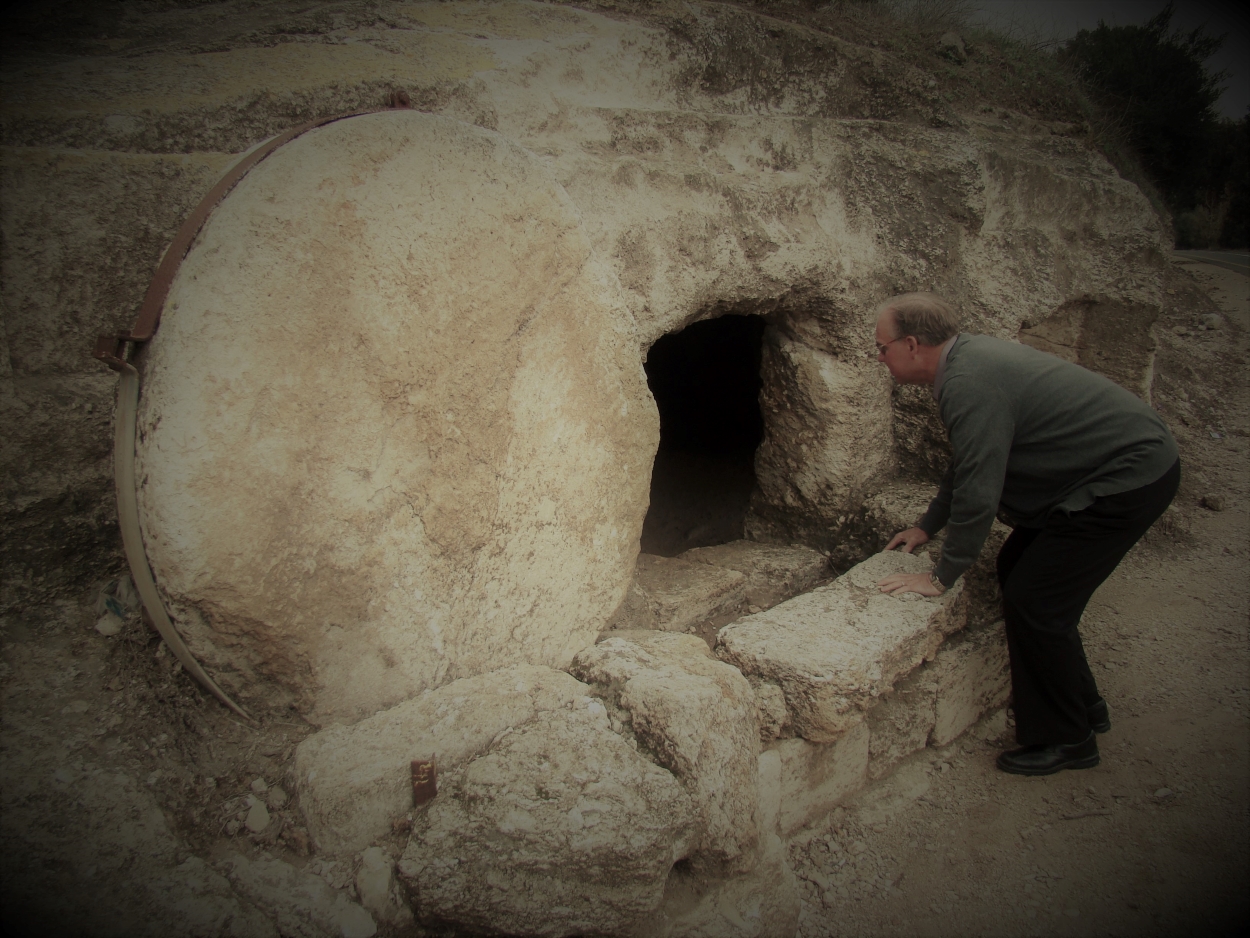
So they both ran together, and the other disciple outran Peter and came to the tomb first. And he, stooping down and looking in, saw the linen cloths lying there; yet he did not go in. Then Simon Peter came, following him, and went into the tomb; and he saw the linen cloths lying there, and the handkerchief that had been around His head, not lying with the linen cloths, but folded together in a place by itself. Then the other disciple, who came to the tomb first, went in also; and he saw and believed. (John 20:4-8).

Note the record says the disciple stooped down to look in.  The tomb in our photo shows how this would of necessity be true.

Rolling Stone Tomb. Stooping to Look Inside. Photo by Ferrell Jenkins.

Note that we are not suggesting that this is the tomb in which Jesus was buried; it does however illustrate the type of tomb that would have been used.

For New Testament Christians, each first day of the week is significant.  Christians assemble in the name of Jesus Christ to partake of His memorial feast, the Lord’s Supper.  That Supper points back to His death, His body and His blood.  But we serve a risen Savior!  We proclaim His death till He comes (1 Cor. 11:26).

Click here for an excellent post detailing “The Week of the Death and Resurrection,” by Ferrell Jenkins.

Click images for larger view.


High Place at Petra, Edomite Territory

February 11, 2025

In doing some study in the prophet Malachi this morning I came across one of the many biblical references to Esau (from whom descended the Edomites). Malachi 1:2-3 illustrates the necessity of contextual biblical study: “Jacob I have loved, But Esau I have hated.” In short, this had nothing to do with the salvation of individual Edomites, or God’s personal like or dislike of Jacob or Esau, but rather underscores God’s sovereignty in choosing to provide salvation in that descendant of Jacob, Jesus the Christ.

The territory occupied by Edom included Petra. By Roman Times the Edomites had been displaced by a people known as the Nabateans. Petra was the capital of the Roman Province of Arabia.

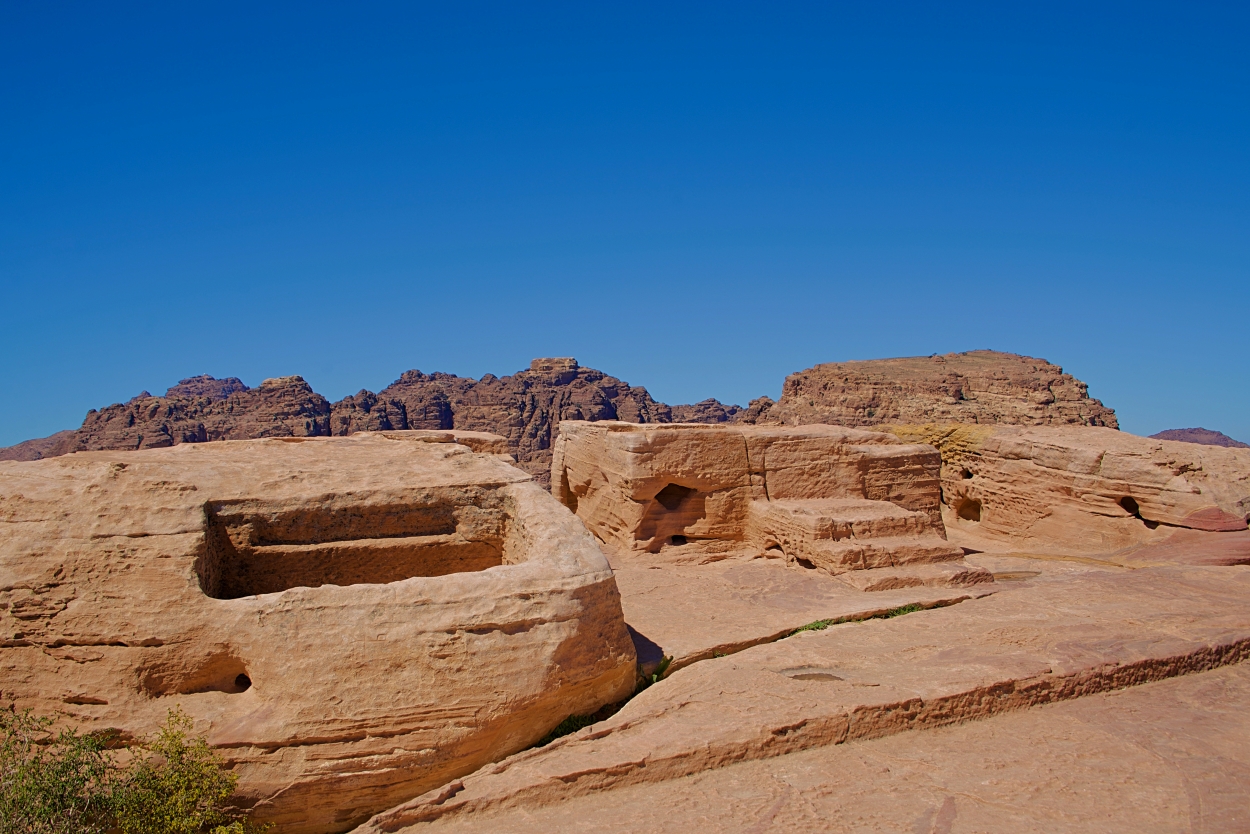
One of the many interesting archaeological finds at Petra is the High Place, including the altar for sacrifice. The photo here was taken in 2019 by tour member David Deason.

High Place at Petra. Altar at center (and slight right). Photo by David Deason.

The High Place at Petra is one of the best preserved of all such sacred installations in the ancient Near East. Its location is imposing, approximately 3,400 feet above sea level and 625 feet above the temenos. The altar platform was approached by three steps. It is situated about 3 feet above the level of an adjoining courtyard area and is equipped with drains and basins for sacrifices and ablutions.

The Biblical World in Pictures; BAS Biblical World in Pictures. (2003). Biblical Archaeology Society.

We have previously posted on Petra here and here.

Click on image for larger view.


El-Amarna Tablets

February 3, 2025

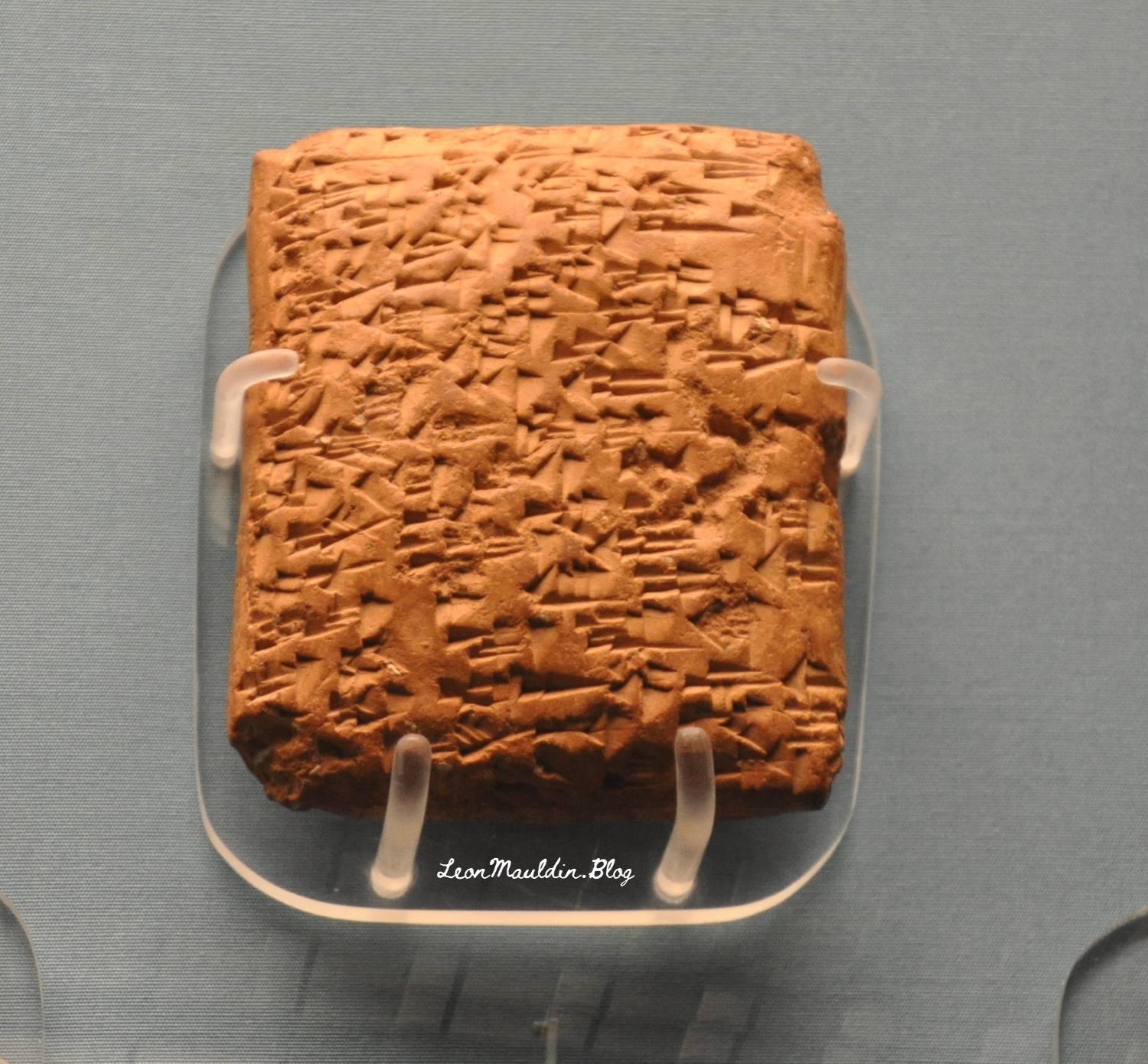
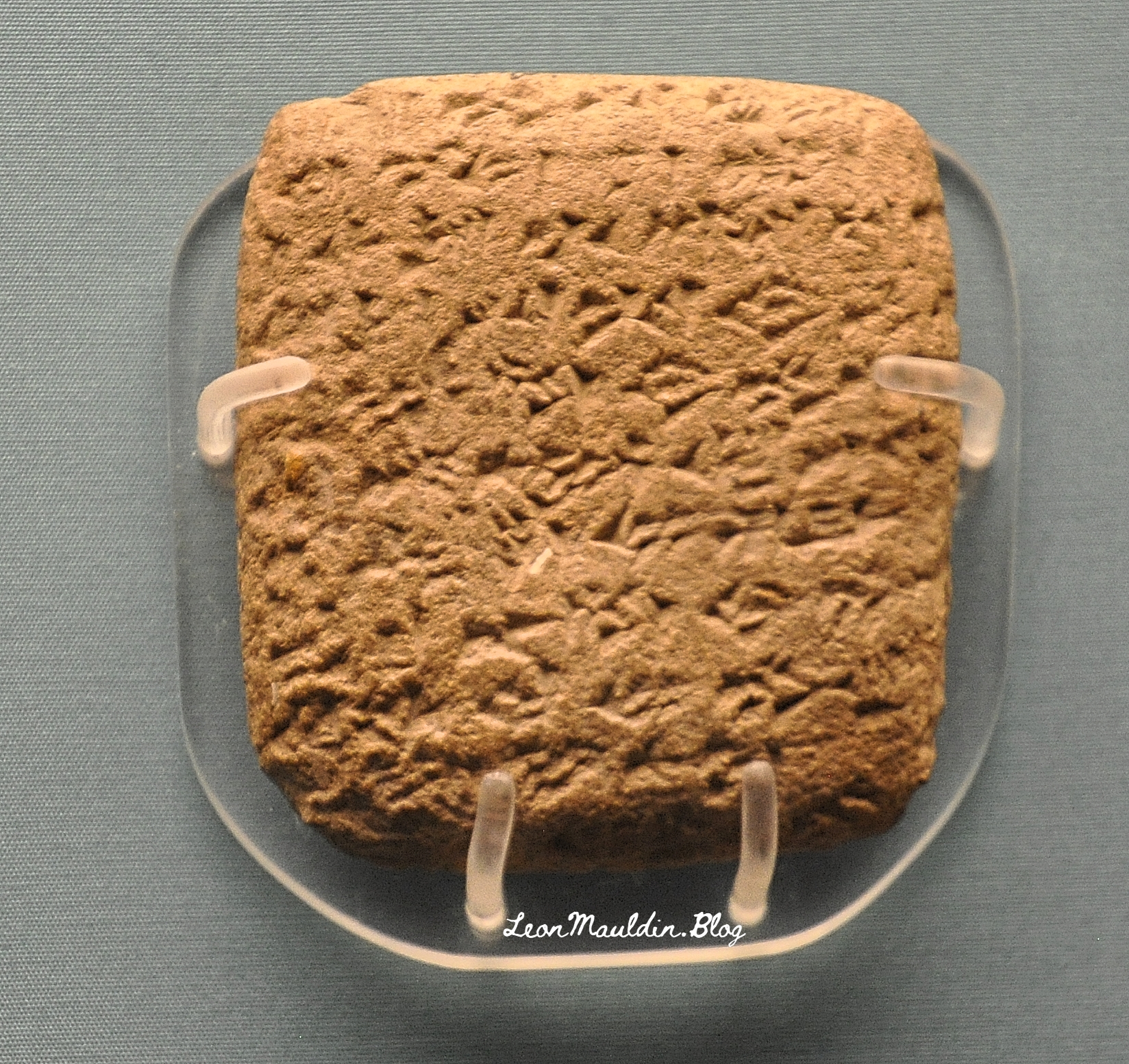
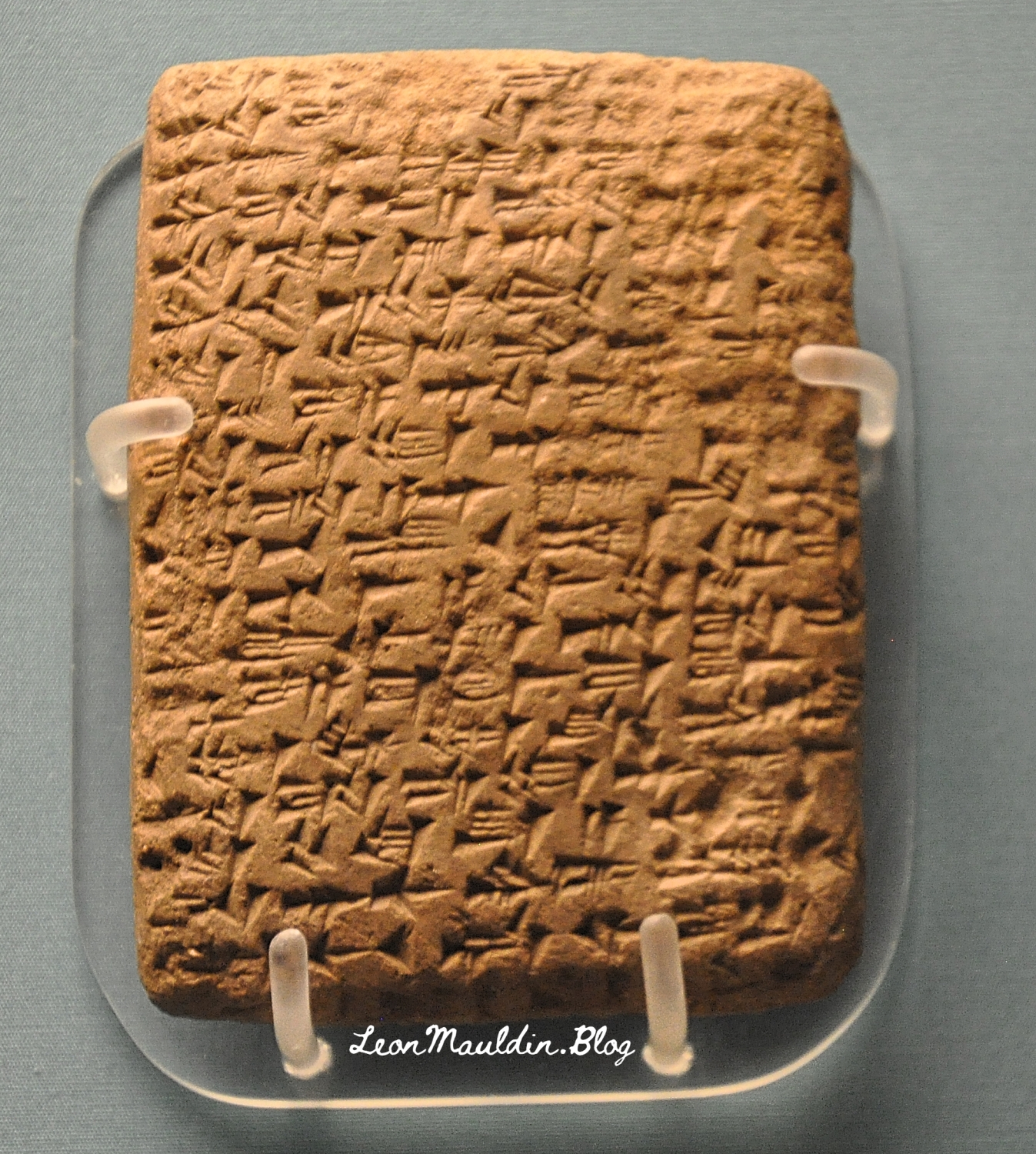
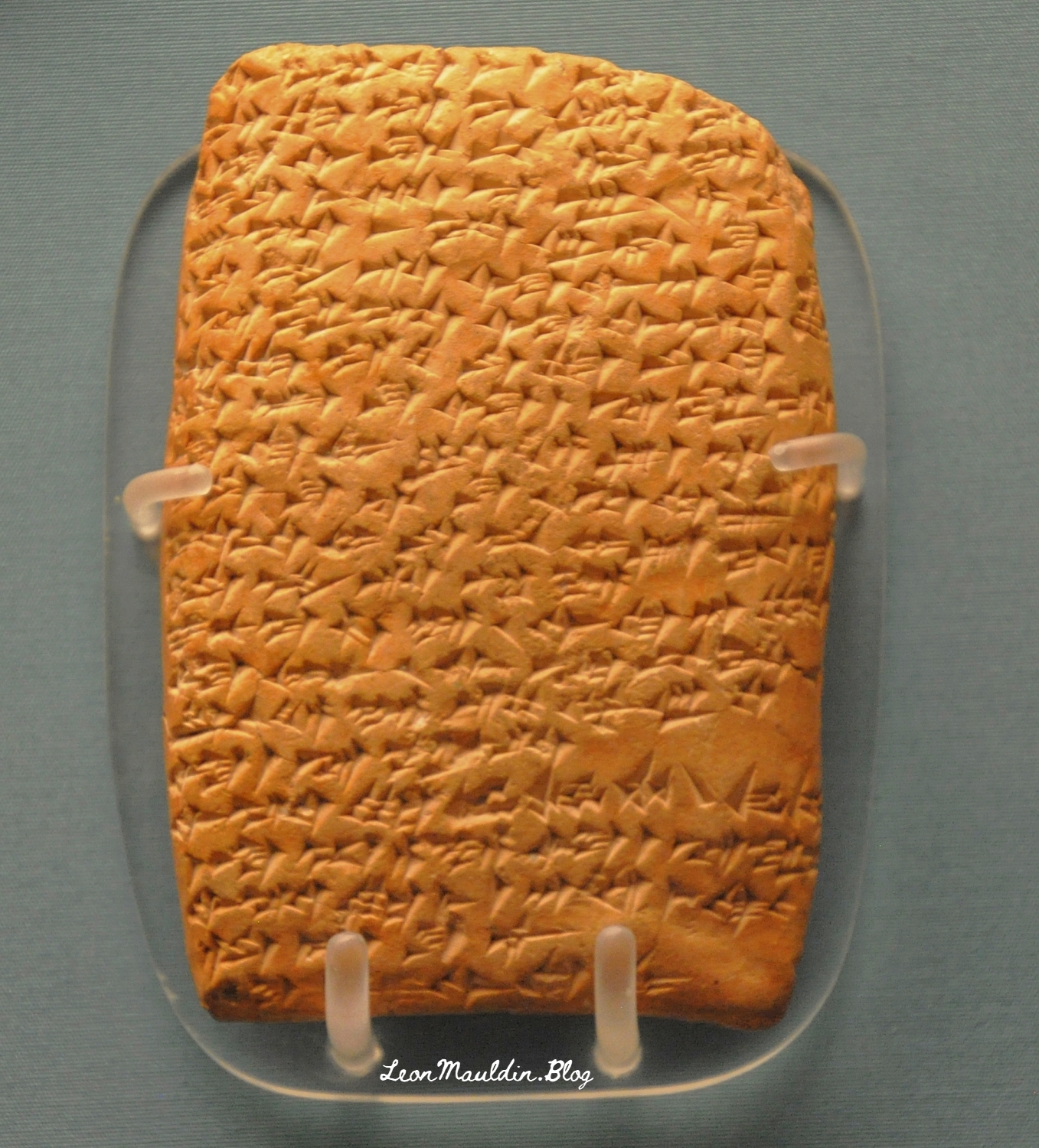
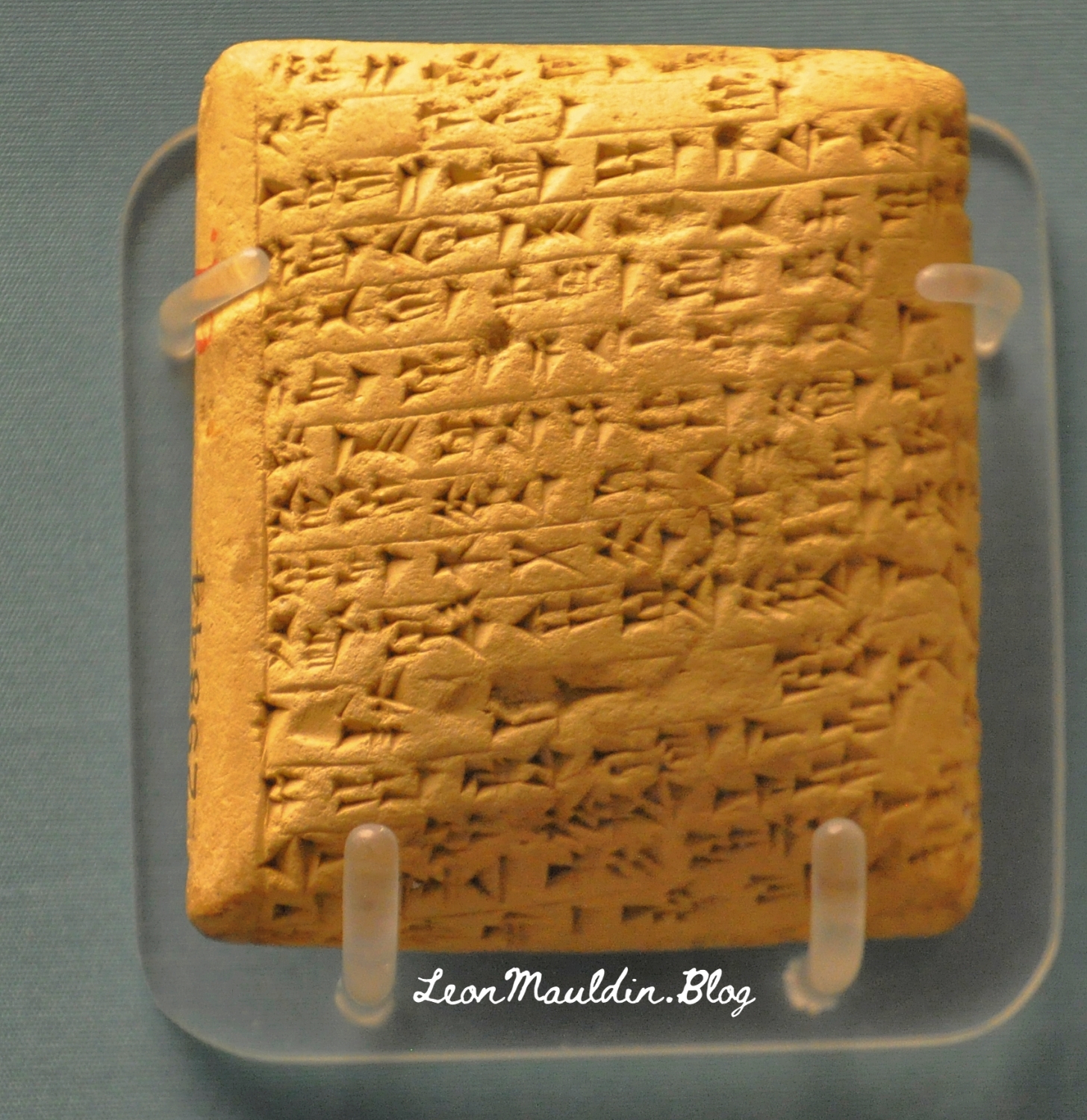
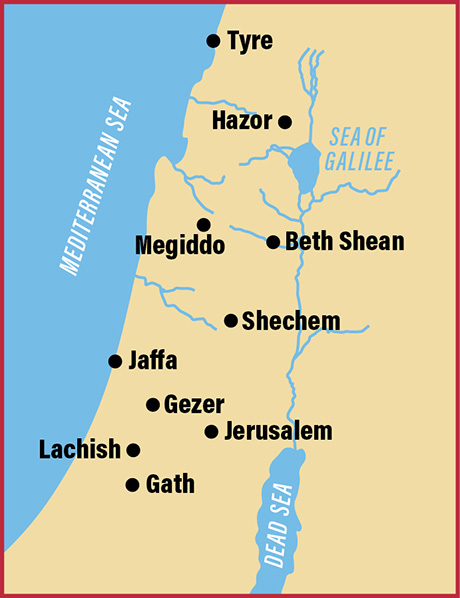
The collection of El-Amarna tablets represent diplomatic correspondence from princes/kings of from varioius parts of the Egpytian Empire during the reigns of Amenophis III, Akhenaton and Tutankhamun. These tablets were found in the ruins of Akhenaton’s (the “heretic” pharaoh) capital at El-Amarna. The British Museum displays some of the El-Amarna tablets from various locations in Canaan, which will be the focus of this post. We will feature tablets from Hazor, Lachish, Gezer, Megiddo and Shechem, all five of which were very important sites in Canaan.

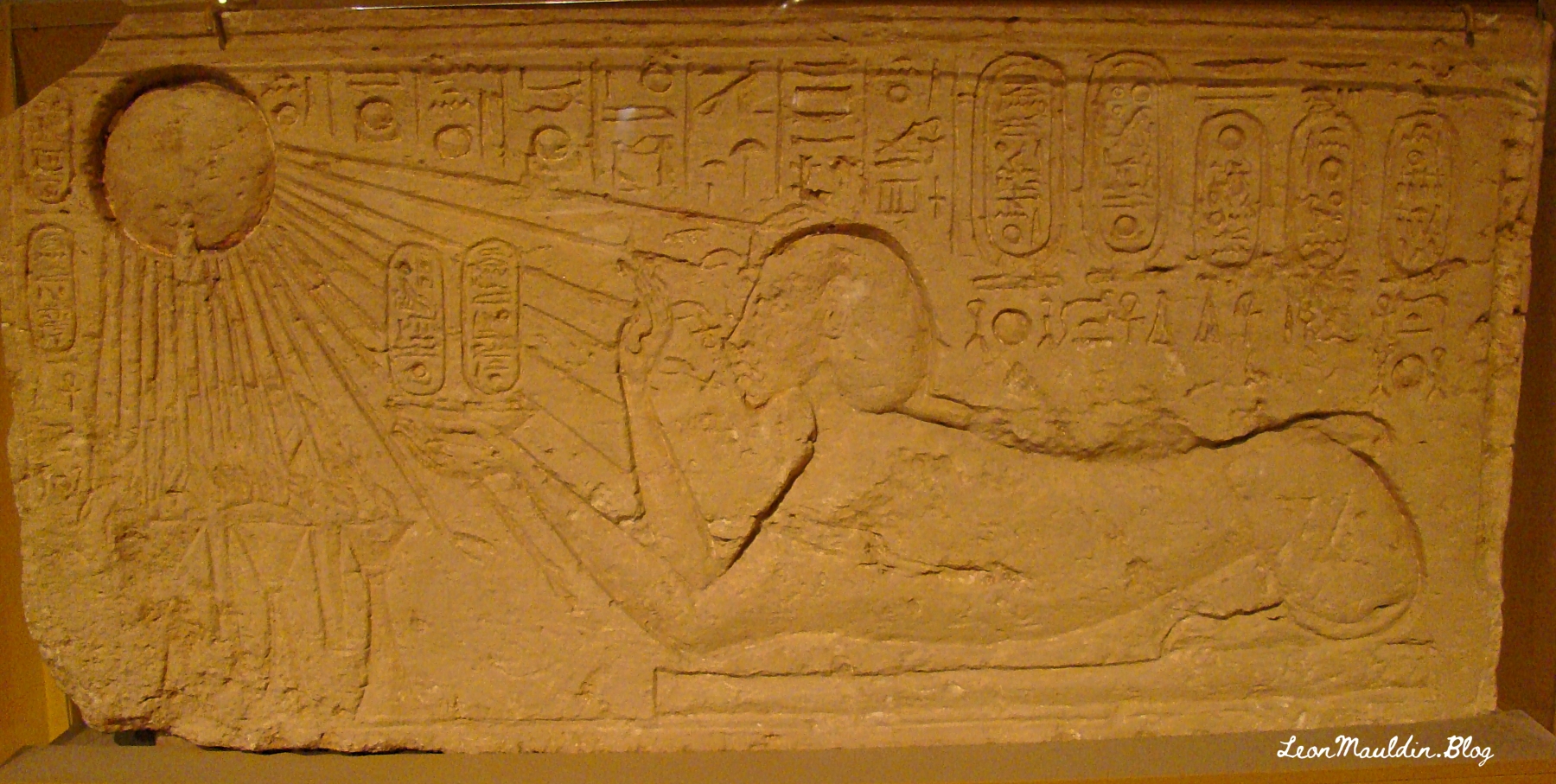
King Akhenaten as a sphinx. Photo ©Leon Mauldin. Boston Museum of Fine Arts.

Alice Mandell writes in BAS:

Discovered at the site of Tell el-Amarna in Middle Egypt, these cuneiform documents are letters dating to the mid-14th century BCE that were written in varieties of Akkadian, the lingua franca of the time, by scribes from all over the ancient Near East on behalf of local kings. The letters are commonly divided into two groups: letters from the “greater” powers (the Egyptian, Mitannian, Hittite, Assyrian, and Kassite kings) and letters from the “lesser” powers (smaller kingdoms and city-states from across the Levant, including the land of Canaan). Interestingly, even though the Canaanite rulers were among the least powerful kings writing to Egypt (in fact, they were under Egyptian rule), they left behind the largest number of letters. Source: https://library.biblicalarchaeology.org/article/letters-to-pharaoh-the-canaanite-amarna-tablets/?utm_source=WhatCountsEmail&utm_medium=BHDA%20Spotlight%201-90&utm_campaign=TS%20BAS%20Scholars%20Series%208-21-24

This tablet is from Abdi-Tirshi, King of Hazor. The info sign says that he “reassures pharaoh that he is loyal and is keeping his cities in good order.”

El-Amarna tablet for Canaan’s king of Hazor. Photo ©Leon Mauldin. British Museum.

This tablet is from Shipti-Ba’al of Lachish. He also assures pharaoh of his loyalty.

From the king of Lachish. Photo ©Leon Mauldin. British Museum.

Here is the tablet from Gezer’s king Yapahu, who “begs pharaoh for help in defending his city against raids by the Hapiru.” Many scholars believe that the “Hapiru” here refer to the Hebrews.

From Gezer. Photo ©Leon Mauldin. British Museum.

Here is the tablet from Biridiya, king of Megiddo. He “accuses the king of Acco of treachery by releasing the captured Hapiru leader, Labayu, instead of sending him to Egypt.”

Tablet from king of Megiddo. Photo ©Leon Mauldin. British Museum.

Our fifth tablet is from Labayu, ruler of Shechem. Shechem occurs frequently in the Old Testament (Gen. 12:6, et al.).

From Shechem. Photo ©Leon Mauldin. British Museum.

Mandell went on the say regarding the script of these tablets, “The Amarna Letters were not written in alphabetic or Egyptian scripts. They were written in cuneiform, a wedge-shaped script that was developed in Mesopotamia in the late fourth millennium BCE to write Sumerian and, later, Akkadian. By the Amarna period, ancient people from all over the Near East wrote in this script by impressing a stylus into clay to create wedge-shaped signs” (Ibid.).

The BAS article also provided a couple of helpful maps.

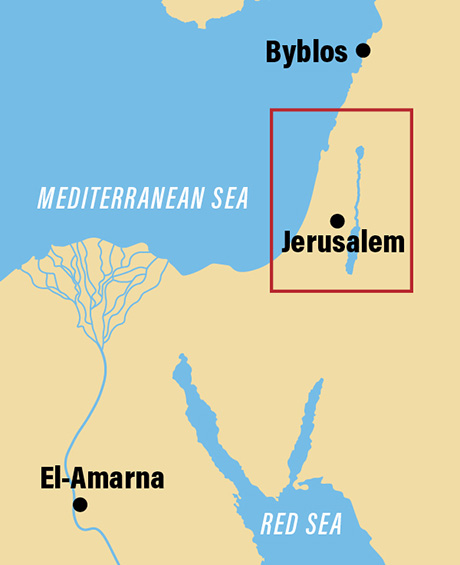
Map shows the location of El-Amarna relative to Canaan.

Location of El-Amarna in Egypt. Map by BAS.

This map includes the sites of the origin of the tablets we featured above.

Cities in Canaan represented our display of tablets. Map by BAS.

Click images for larger view.


Ekron of the Philistines

January 21, 2025

The Philistines are mentioned numerous times in the Bible, in the days of the Judges and Kings, and as well as references in the prophets. For example, Zephaniah 2:4: “For Gaza shall be deserted, and Ashkelon shall become a desolation; Ashdod’s people shall be driven out at noon, and Ekron shall be uprooted” (ESV). This text mentions four of the five cities of the Philistine Pentapolis, the fifth being Gath (see 1 Sam. 6:16).

The context of Zephaniah’s prophecy is one of judgment, of the wrath of God, called “The great day of the LORD” (1:14). Though Zephaniah is addressing the Jews of Jerusalem/Judah, God is the God of all the nations. Here the prophet was warning of the destruction of the Philistines (2:5).

This post will deal briefly with Ekron, which today is known also as Tel Miqne.

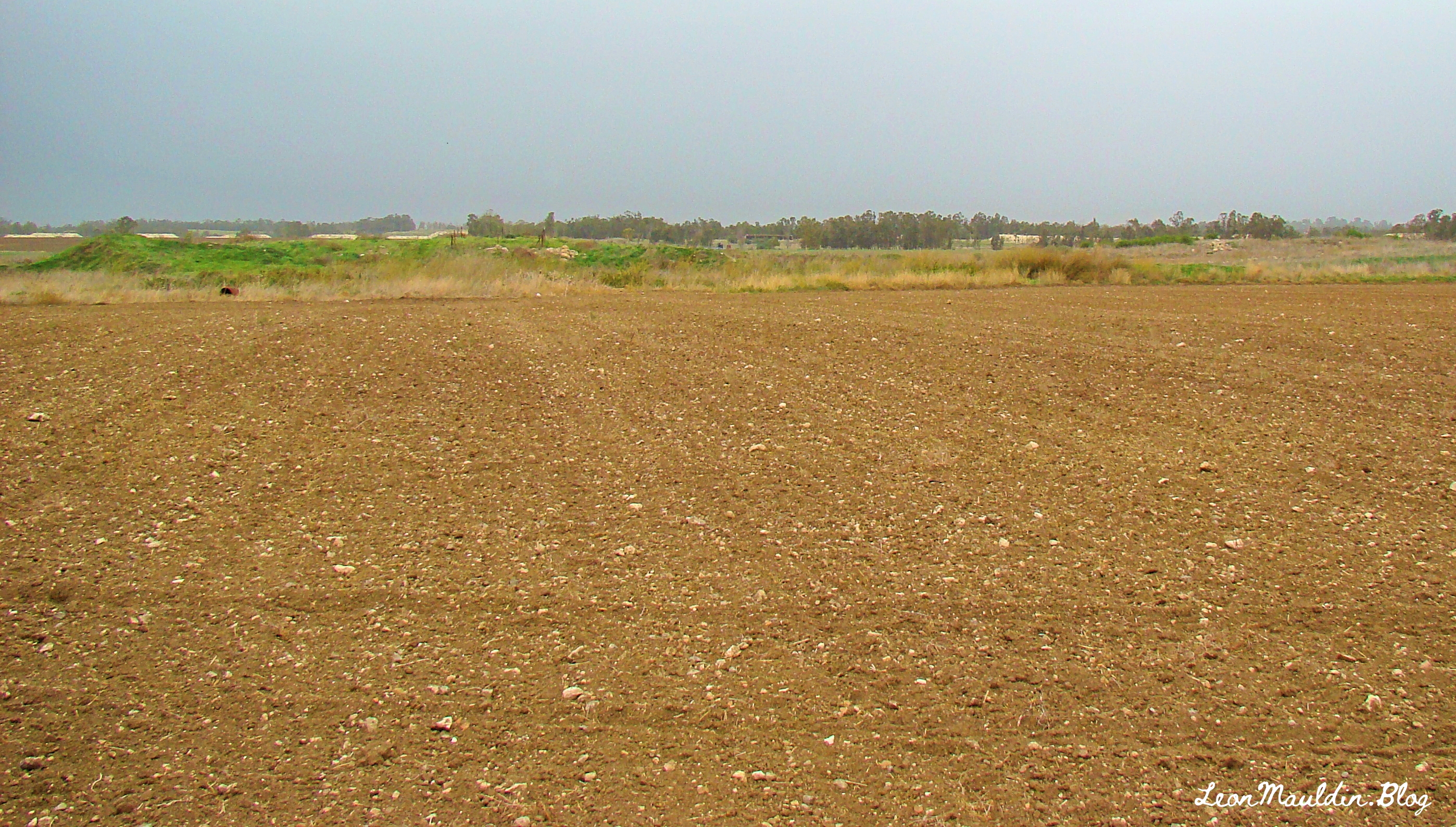
Ekron, Tel Miqne shown as horozontal low rise in upper center. Photo ©Leon Mauldin.

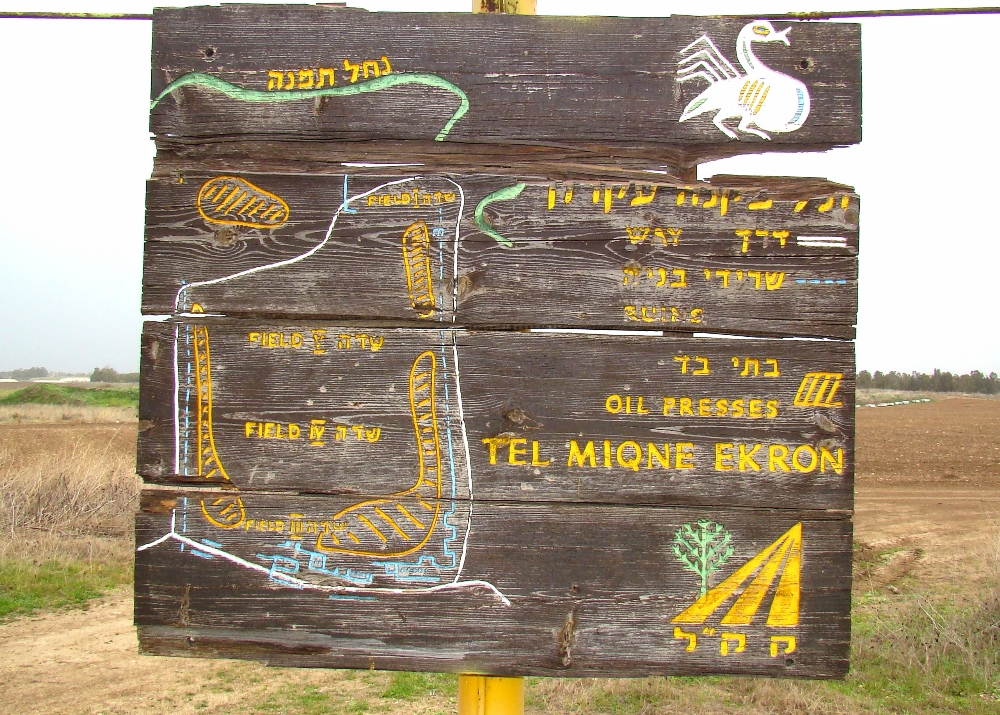
Here is a sign at the site:

Ekron info sign at site. Photo by Leon Mauldin.

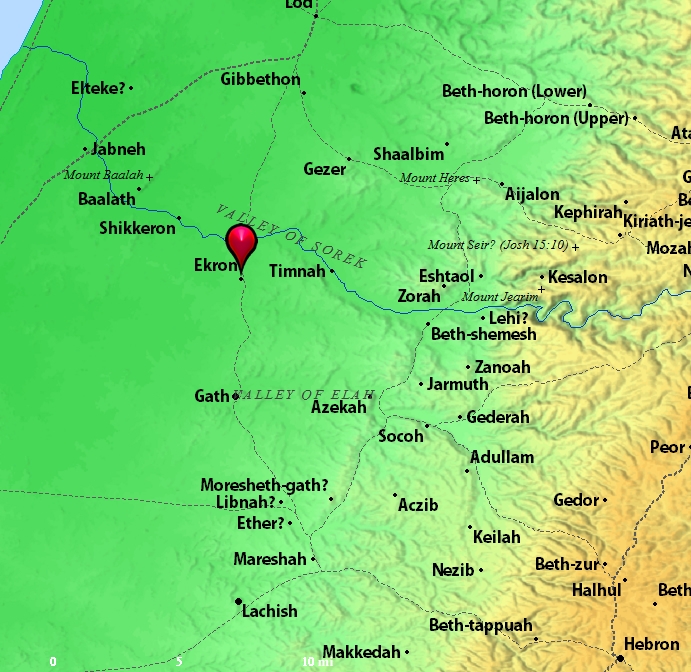
Though originally in Israel’s territory at the time of the Conquest led by Joshua (Josh. 15:11, 45-56), Ekron was later in the hands of the Philistines by the time of the Judges. Much of the territory originally taken by the Israelites in the conquest was not retained in subsequent years, largely due to Israel’s lack of diligence and compromise with the surrounding nations.

Location of Ekron. Map by BibleAtlas.Org.

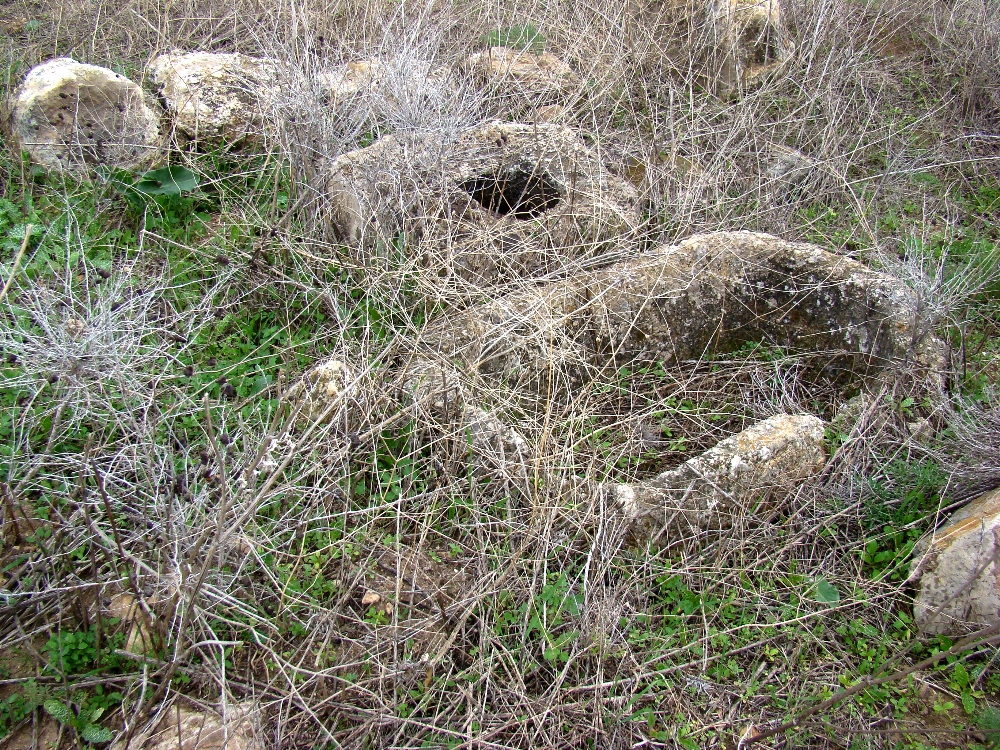
Ekron is a tel composed of about 50 acres. It was known for its olive oil industry.

Remnants of olive oil industry at Ekron. Photo ©Leon Mauldin.

Holman Illustrated Bible Dictionary has this information on Ekron:

Northernmost of the five major Philistine cities known as the Pentapolis. The site of ancient Ekron has been much debated but now is generally agreed to be modern Tell Miqne, about 14 miles inland from the Mediterranean Sea and 10 miles from Ashdod. The site is one of the largest in Palestine, covering some 50 acres. Ekron lies on the road leading from Ashdod into the Judean hill country and up to Jerusalem through the Sorek Valley.

Ekron was assigned to both Judah (Josh. 15:11, 45–46) and Dan (Josh. 19:43) in the tribal allotments. It probably lay on the border between the tribes. Judges 1:18 reports that Judah captured Ekron along with other parts of the Philistine coast, but Ekron was certainly in Philistine hands at the time the ark was captured (1 Sam. 5:10). It was also the place to which the Philistines retreated after David slew Goliath (1 Sam. 17:52). Ahaziah, the son of King Ahab of Israel, called on the god of Ekron, Baal-zebub, when he was sick (2 Kings 1:2–16).

Excavations at Tell Miqne have discovered much pottery that is typically Philistine. From the last period before Tell Miqne was destroyed by the Babylonians, the excavators found an important industrial complex near the city gate. A hoard of iron agricultural tools was found. Hundreds of whole pottery vessels were present. Perhaps most importantly, a well-preserved olive press was discovered. This press is the largest and best preserved known in Israel. A horned altar was also found during the excavations. (pp. 469–470).

I have previously posted on Ekron, Tel Miqne, here.

Click photos for larger view.