Monastery of St. Barnabas at Salamis

May 25, 2012

BAS has this information re: the island of Cyprus:

Cyprus served as a stepping stone on the trade routes that crossed the eastern Mediterranean. Archaeological remains from as early as the Early Bronze Age (3rd millennium B.C.E.) show it to have been a cultural meeting ground and “melting pot” for the successive cultures that flourished on all sides of it.

Salamis was the main port and principal city of the island in the Roman age. Located about five miles north of modern Famagusta, on its great bay, the city has yielded extensive Roman remains, including a theater, gymnasium, baths and a forum (BAS Biblical World in Pictures).

Our photo features the Monastery of St. Barnabas at Salamis.
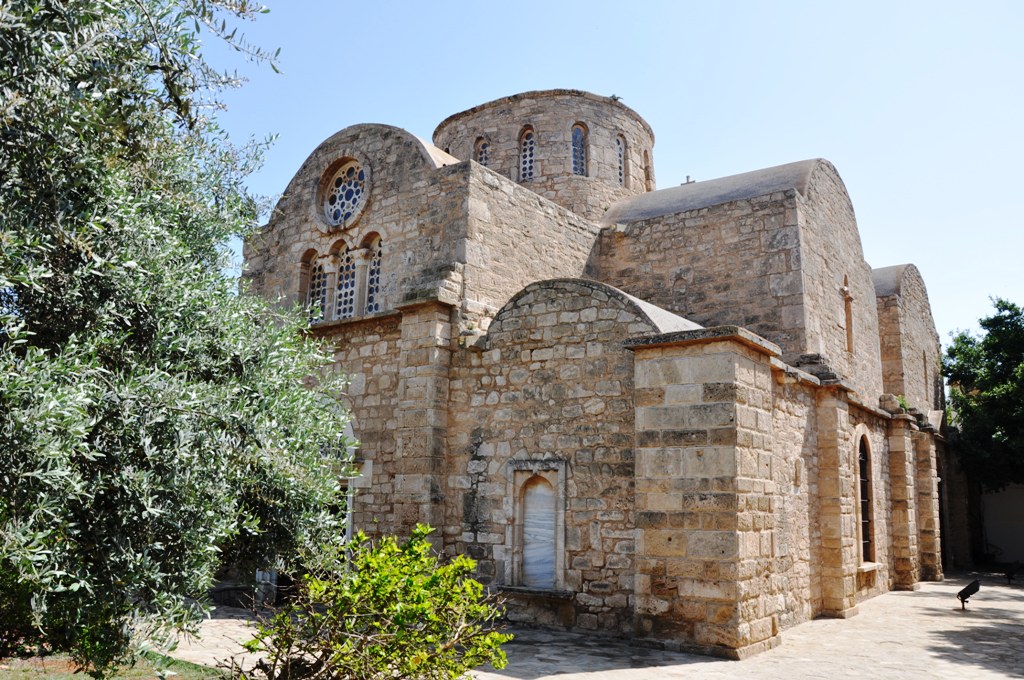
Monastery of St. Barnabas at Salamis, Cyprus. Photo by Leon Mauldin.

We are introduced to Barnabas as a “Levite of Cyprian birth” (Acts 4:36). He, along with Paul, preached at Cyprus on the 1st Missionary Journey (Acts 13:1-5). Then when it was time for the 2nd Journey, Paul traveled with Silas, revisiting Galatia and going onward to Macedonia and Greece, and Barnabas took John Mark back to Cyprus (Acts 15:39).

The earliest buildings of the monastery  date to AD 477.


Attalia, Modern Antalya, Setting for Acts 14

May 23, 2012

Narrating the return portion of Paul’s 1st Missionary Journey, Luke writes, “Now when they had preached the word in Perga, they went down to Attalia” (Acts 14:25). There is no record of preaching at Attalia, but it was there that Paul and Barnabas boarded a ship: “From there they sailed to Antioch, where they had been commended to the grace of God for the work which they had completed” (v.26).

Biblical Attalia is now Antalya, and

is a city on the Mediterranean coast of southwestern Turkey. It was the world’s third most visited city by number of international arrivals in 2011, displacing New York, and had a population of 1,001,318.[1] Antalya is the eighth most populous city in Turkey and country’s biggest international sea resort. (Wikipedia)

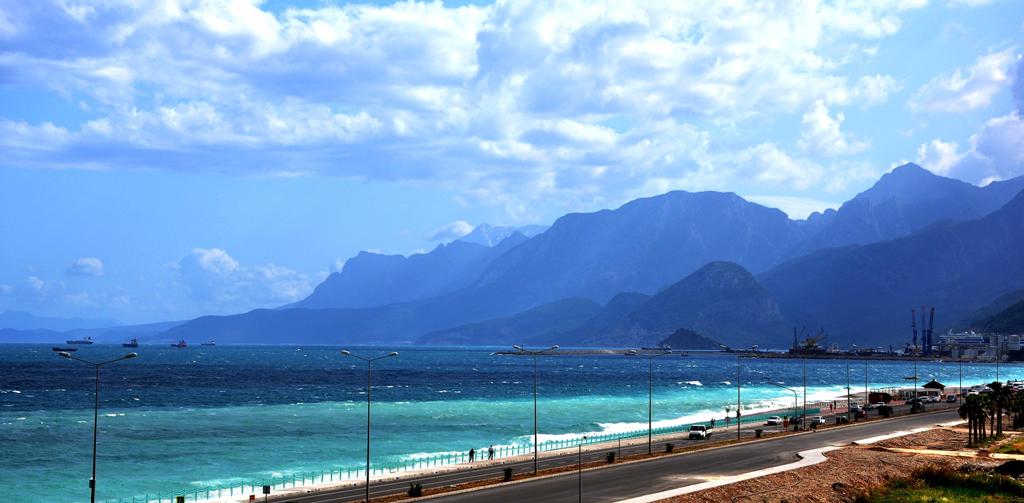
Our interest of course is in the relation of the places to the biblical text as this site provides the setting for Acts 14:25-26. At Antalya you have a view of the Lycian Mountains, which is a portion of the Taurus range.

At Biblical Attalia. View of Mediterranean Sea and Lycian Mountains. Photo by Leon Mauldin.

Click image for larger view.


Theater at Salamis, Cyprus

May 17, 2012

It was an exciting time in the early church as Luke narrates his inspired history in Acts 13:

Now in the church that was at Antioch there were certain prophets and teachers: Barnabas, Simeon who was called Niger, Lucius of Cyrene, Manaen who had been brought up with Herod the tetrarch, and Saul. 2 As they ministered to the Lord and fasted, the Holy Spirit said, “Now separate to Me Barnabas and Saul for the work to which I have called them.” 3 Then, having fasted and prayed, and laid hands on them, they sent them away. 4 So, being sent out by the Holy Spirit, they went down to Seleucia, and from there they sailed to Cyprus. 5 And when they arrived in Salamis, they preached the word of God in the synagogues of the Jews. They also had John as their assistant.

Ferrell Jenkins and I had opportunity to visit Salamis today. Fant and Reddish observe that “more than 4 miles of walking are required to cover the entire site” (A Guide to Biblical Sites in Greece and Turkey, p. 542). It is a large site, and does not have the features of your typical tel.

The apostle Paul’s pattern upon entering a city, as seen here in our text of Acts 13, was to begin his preaching in the synagogue. Though Luke almost always describes the results of the preaching, whether favorable or not, he does not do so here.

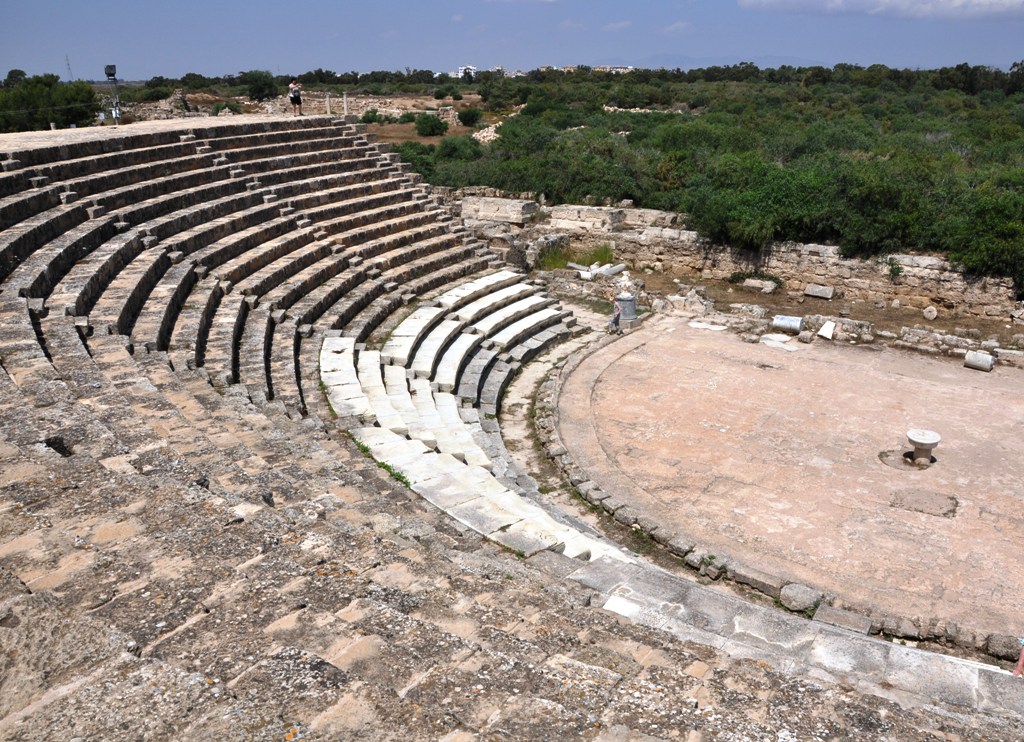
Roman cities of significance typically had a theater. Our photo shows the theater at Salamis.

Salamis Theater. Photo by Leon Mauldin.

This theater would have once seated 15,000 spectators (ibid), making it the largest on the island of Cyprus.

Click image for larger view.


Lava Fields at Tendurek Gecidi, Turkey

January 18, 2012

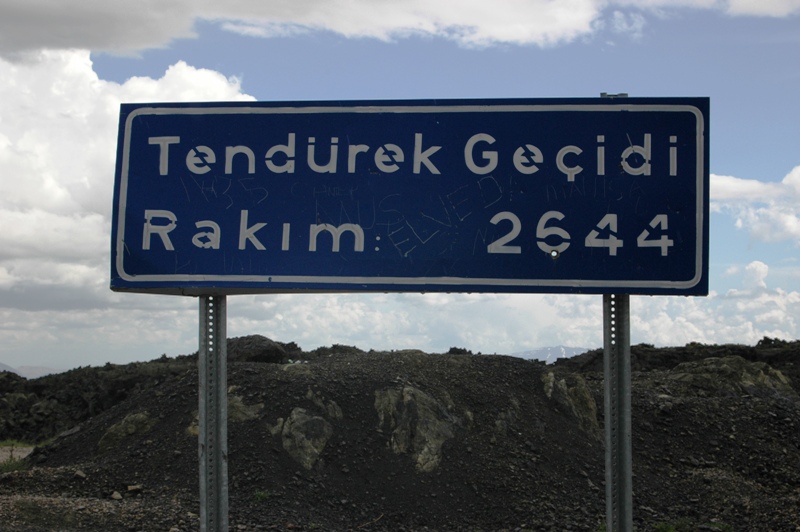
As one continues from Lake Van toward Mt. Ararat in Turkey, you pass through Tendurek Gecidi. This area has over the years been prone to earthquakes and volcanic activity.

Tendurek Gecidi, near Ararat, Turkey. Photo by Leon Mauldin.

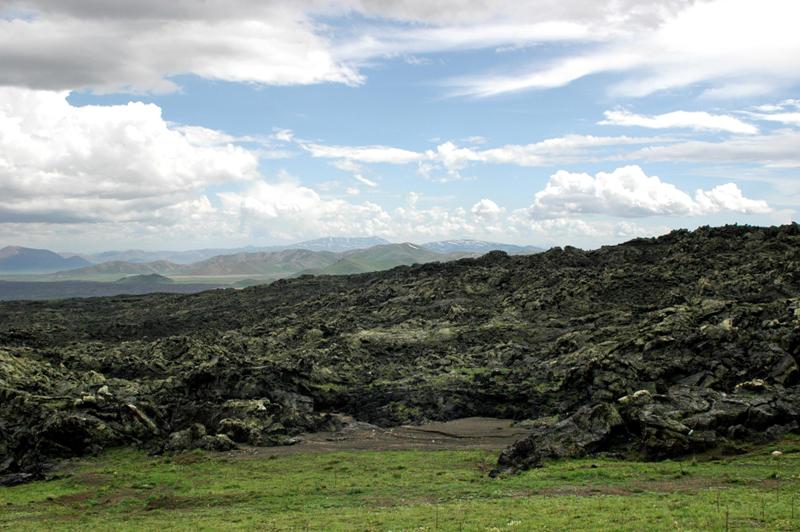
This was for me the first opportunity to see lava fields like this.

Lava Fields at Tendurek Gecidi, Turkey. Photo by Leon Mauldin.

Click on images for larger view.


Muradiye Falls, in Van District in Turkey

January 17, 2012

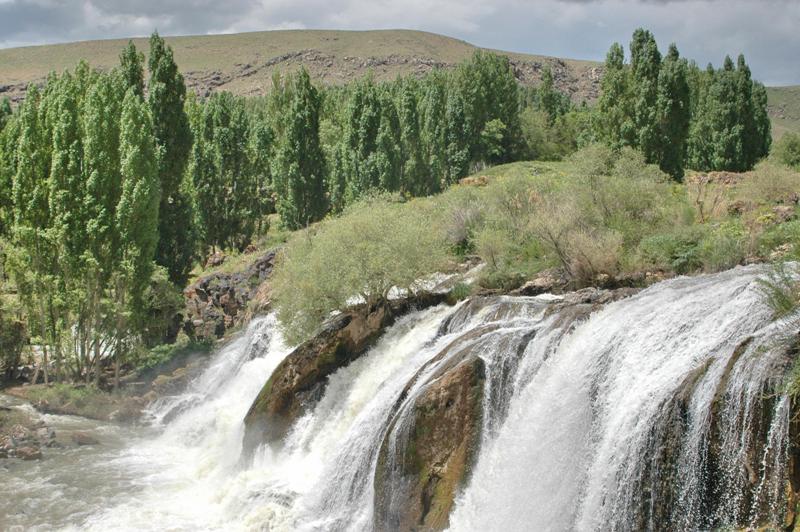
Yesterday we posted a sunset photo of Lake Van. As one passes by the lake en route to the Ararat Mountains he can enjoy the Muradiye Falls.

Muradiye Falls, in Van District of Eastern Turkey. Photo by Leon Mauldin.

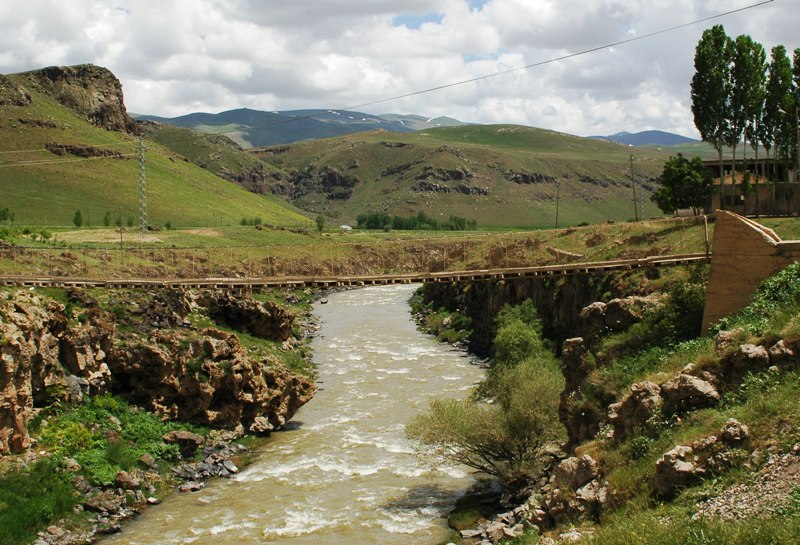
I took the above photo from this swinging bridge.

Swinging bridge below Muradiye Falls. Photo by Leon Mauldin.

You are not far from the Iranian border in this part of the world.

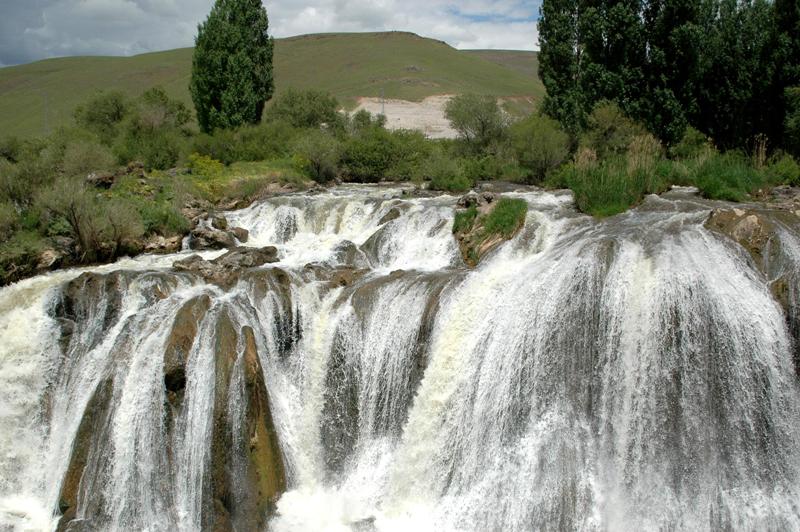
Muradiye Falls, much of which comes from snow melt. Photo by Leon Mauldin.

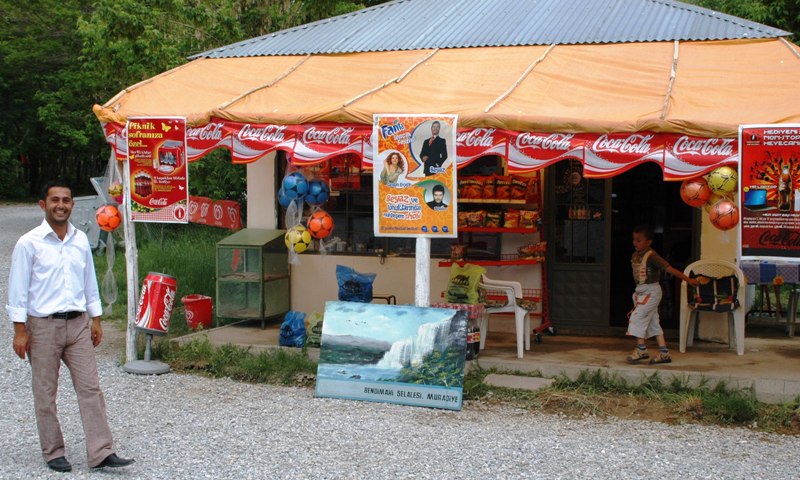
A little store is conveniently located on site.

Store at Muradiye Falls. Friendly people. Photo by Leon Mauldin.

Click on photos for larger view.


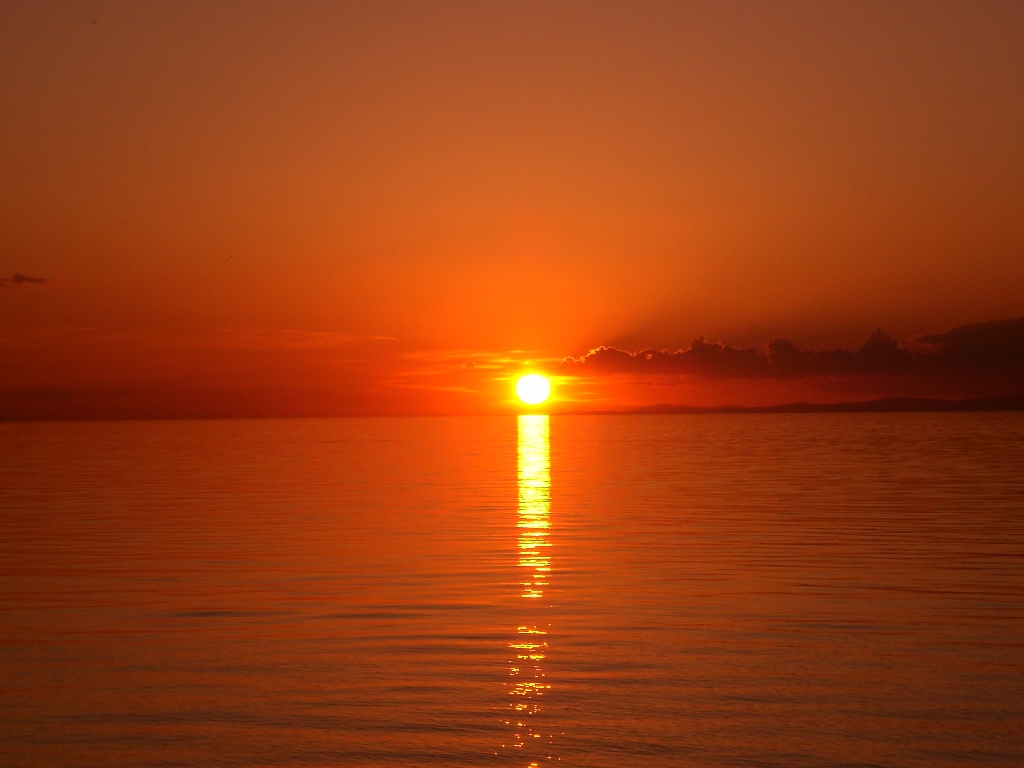
Sunset at Lake Van, Turkey

January 16, 2012

Lake Van is the largest lake in Turkey. It is located in Eastern Turkey in the Van District. This site is not far from the Ararat mountain range, where the ark came to rest (Gen. 8:4).

Lake Van at Sunset, Eastern Turkey. Photo by Leon Mauldin.

Click on photo for larger view.


Dietary Restrictions in Leviticus: The Stork

January 11, 2012

In a previous post we looked at some dietary restrictions in Leviticus, observing that God’s purpose was to shape and mold a people (Israel) into His own special possession.

Leviticus 11 includes a list of birds that were unclean for food, including the stork:

and the stork, the heron in its kinds, and the hoopoe, and the bat (v.19, NASB).

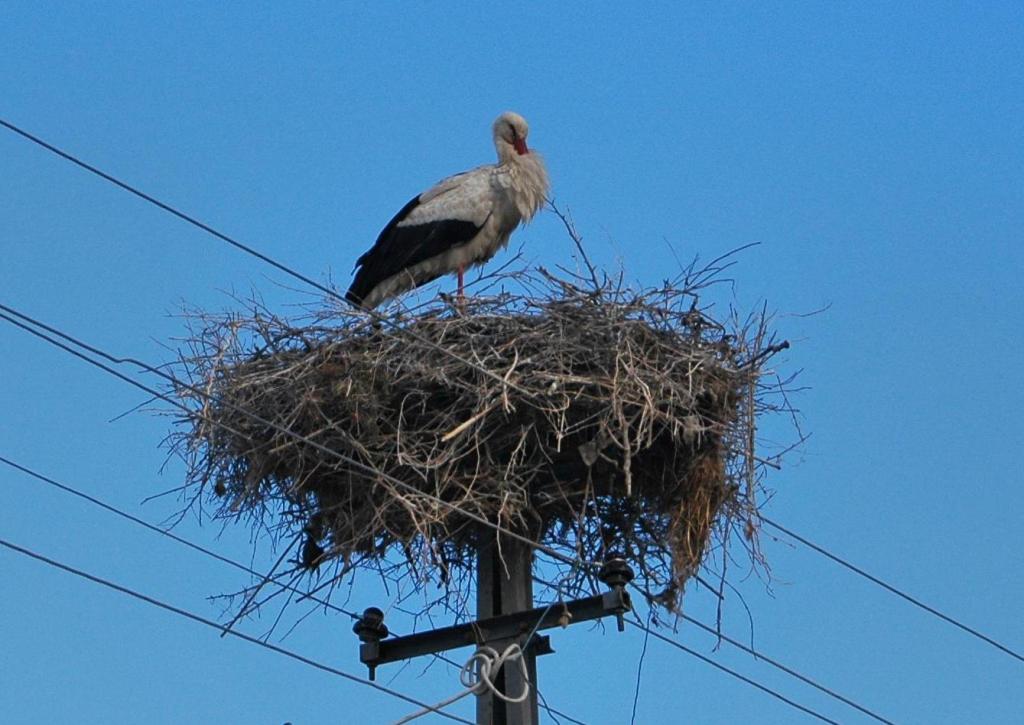
In Eastern Turkey near Mt. Ararat we photographed this stork.

Stork, listed among unclean animals in Leviticus 11. Photo by Leon Mauldin.

It is not uncommon for the stork to build its nest atop electrical poles.

The stork is mentioned in a few other biblical texts. The Lord sadly stated through the prophet Jeremiah,

Even the stork knows when it is time to move on. The turtledove, swallow, and crane recognize the normal times for their migration. But my people pay no attention to what I, the LORD, require of them (8:7, NET).

Migratory birds journey from Turkey to Africa taking the route of the “land bridge” of Israel. The Lord is saying that the birds (including the stork) obey Him, but His covenant people paid no attention.

Click on image for larger view.


Running the Race

January 4, 2012

Hebrews 12:1 states, “Therefore since we also have such a large cloud of witnesses surrounding us, let us lay aside every weight and the sin that so easily ensnares us, and run with endurance the race that lies before us” (CSB).

David McClister comments,

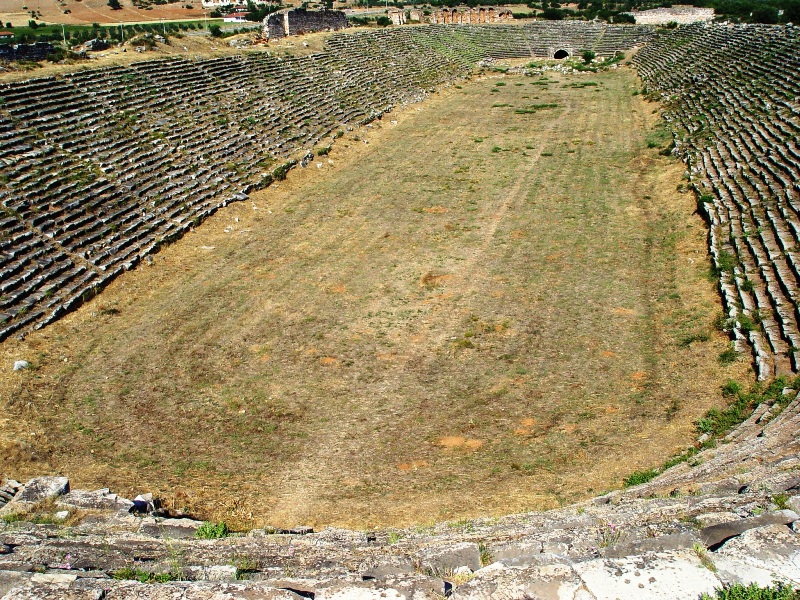
The idea of a race with a finish line in the distance before us suits well the picture of a faith that is forward-looking and that requires determination. Josephus spoke of ‘those who have a prize before them’ and how, when they are zealous about it, they do not stop working for it. Races in Greco-Roman times were held in a public venue called a stadium, of which several ancient examples survive (Olympia, Athens, Rome, Tyre, Laodicea, Pergamum, Ephesus, Priene, Miletus, Aphrodisias, Perge, Sardis, etc.). On each side of the race course was seating for spectators. The shortest races were about 210 yards, the longest were about 5,000 yards (2.8 miles), so stamina was needed for any one of them. The point of the imagery here is not about speed or who crosses first, but about endurance and running in the best possible way so as to finish what was started (A Commentary on Hebrews, p.441).

One of the best preserved Roman stadiums is at Aphrodisias (western Turkey), included in those mentioned above. This helps us understand the imagery used in the biblical text.

Roman Stadium at Aphrodisias Illustrates the text of Hebrews 12:1. Photo by Leon Mauldin.

In running this spiritual race, the inspired writer goes on to say, “keeping our eyes on Jesus, the source and perfecter of our faith, who for the joy that lay before Him endured a cross and despised the shame, and has sat down at the right hand of God’s throne” (v.2, CSB).

Click on image for larger view.


Cleopatra’s Gate in Tarsus

December 15, 2011

In our last post we mentioned that the Apostle Paul was in Tarsus from the point of Acts 9:30 until going to Antioch at the invitation of Barnabas in Acts 11:25.

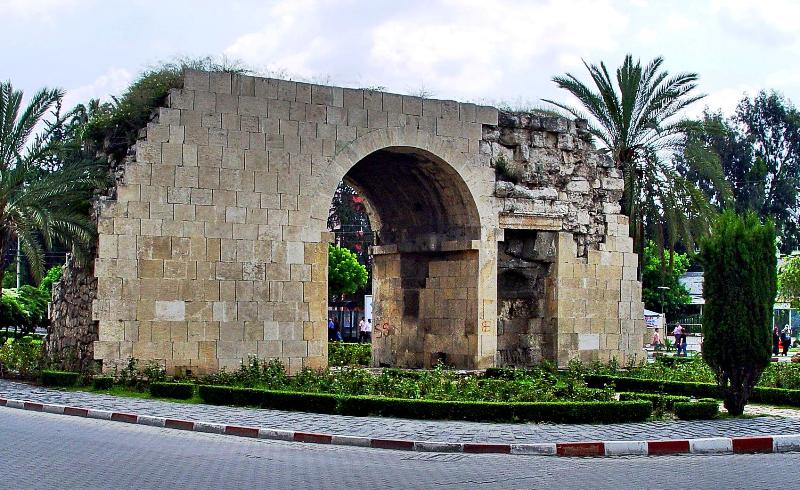
One attraction in Tarsus is “Cleopatra’s Gate,” also called the “Sea Gate,” as well as “St. Paul’s Gate.

Cleopatra's Gate in Tarsus. Photo by Leon Mauldin.

The Biblical Archaeological Society info re: this site included in The Biblical World in Pictures states:

This stone gateway is the only one of Tarsus’s three Roman city gates that has survived and is one of the few remnants of the city Paul knew that has not been destroyed or buried under the modern city of Turkish Tersous. Tarsus was connected by the Cydnus River to the Mediterranean; this was the gate that led into the city from the river. It is called Cleopatra’s Gate, commemorating a state visit that Queen Cleopatra made to Tarsus on her royal barge while Marc Antony was there in 38 B.C.E.

Others suggest that while the gate would mark the location of the Roman Gate, that the better evidence is that the structure that is visible is Byzantine.

Click image for larger view.


St. Paul’s Well

December 13, 2011

Paul is said to be a “man of Tarsus” in Acts 9:11, ASV). Tarsus was the capital of the Roman province of Cilicia, located on what is today the southern coast of Turkey. It was a cultural and intellectual center in the first century. Fant and Reddish quote Strabo’s description of Tarsus as having “surpassed Athens, Alexandria, or any other place that can be named where there have been schools and lectures of philosophers” (A Guide to Biblical Sites in Greece and Turkey, p. 324).

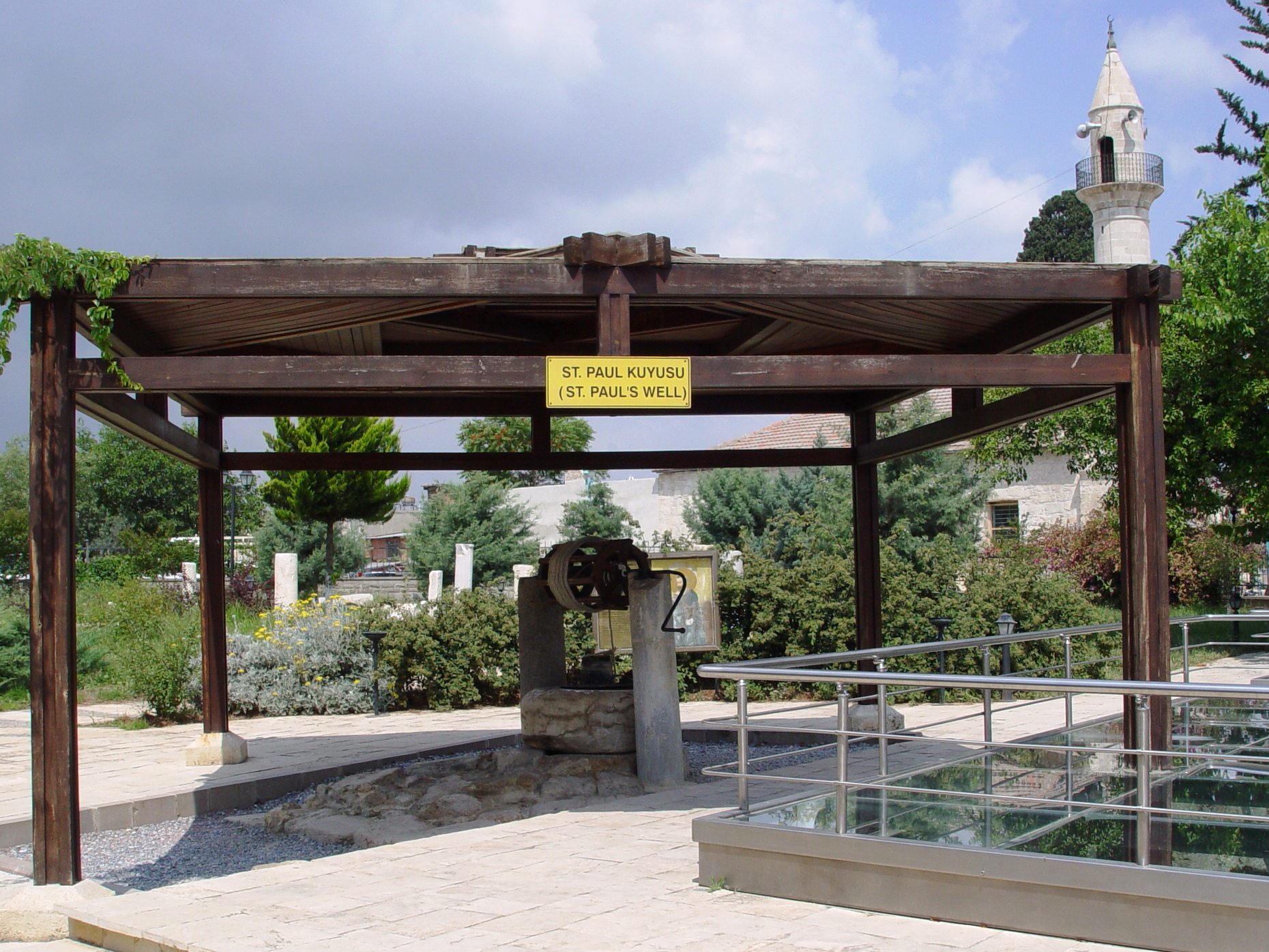
Not much can be seen of the Tarsus of Paul’s day, because the modern city with its population of 350,000+ is built on the ancient ruins. One exception to this is “St. Paul’s Well,” a well that dates back to Roman times.

"St. Paul's Well" at Tarsus. Photo by Leon Mauldin.

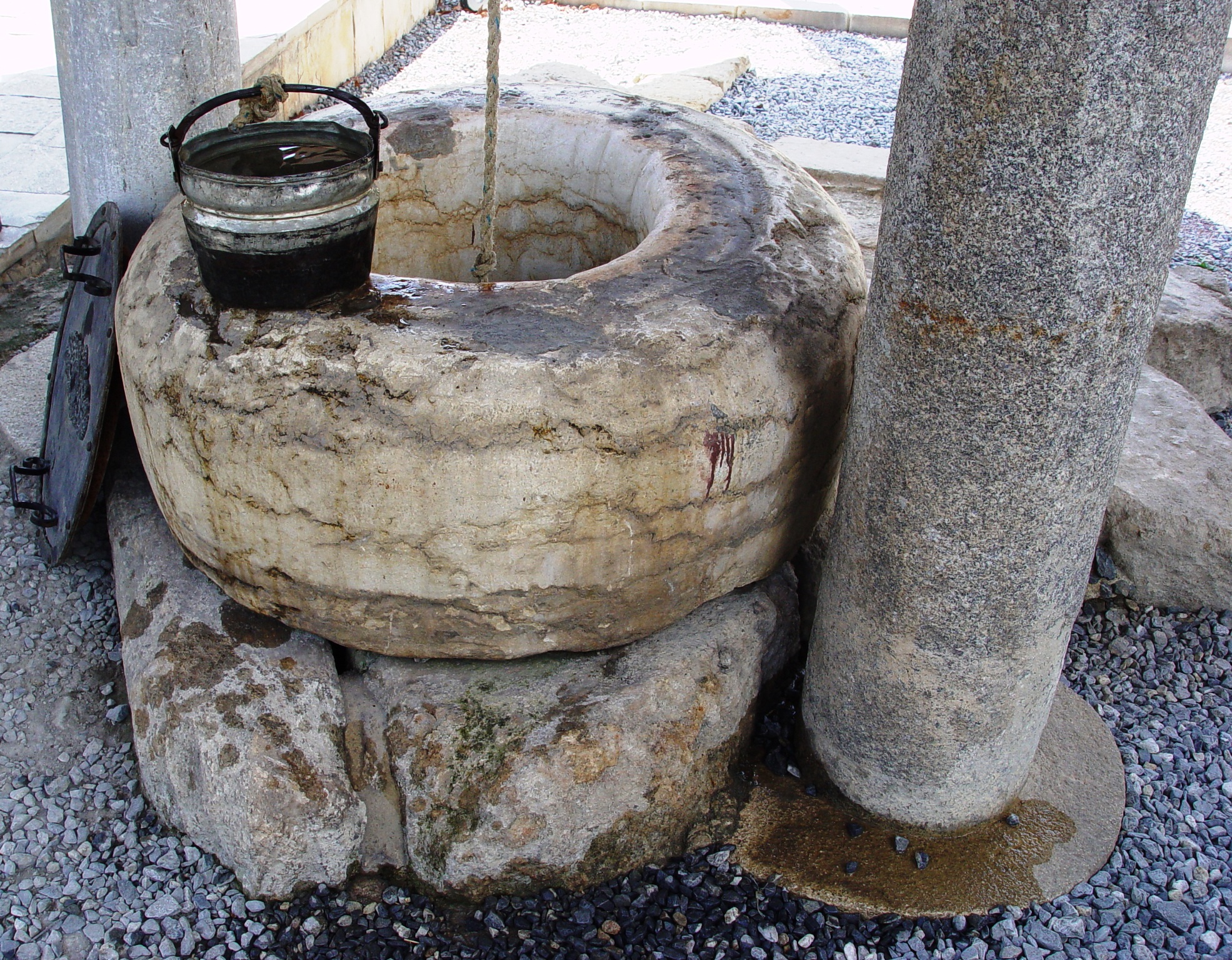
Visitors to this site are told that Paul certainly drank of this well, and therefore the waters are said to have curative properties. It would be more accurate to say that because the well certainly dates back to Roman times that Paul may have drunk from this well; the fact that it goes back to the time of Paul is what gives it special value to students of Scripture.

Well at Tarsus, Paul's home. Dates back to Roman Period. Photo by Leon Mauldin.

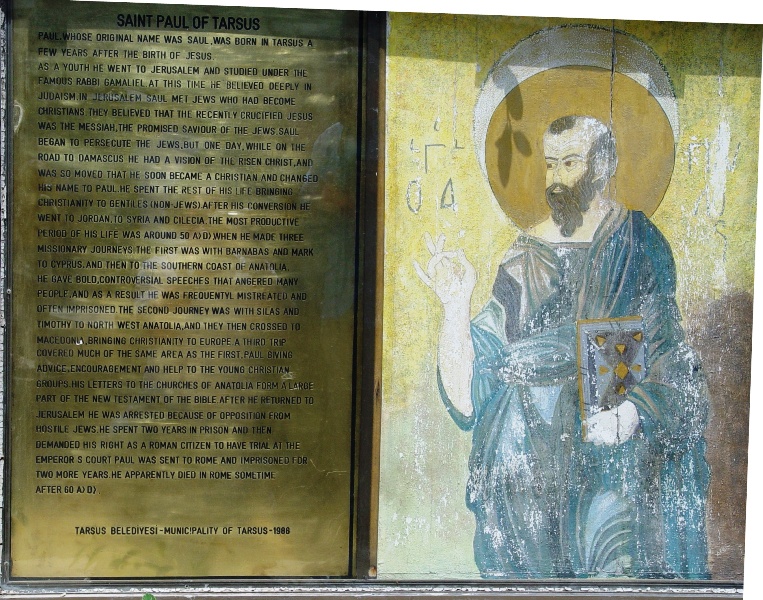
There is an info sign on the premises:

Info Sign on location near well. Photo by Leon Mauldin.

Though Tarsus was Paul’s home, as a youth he was “brought up in this city [Jerusalem], educated with strictness under Gamaliel according to the law of our ancestors” (Acts 22:3 NET). After his conversion there was a period where again Paul was in Tarsus (Acts 9:30), prior to his work in Antioch (Acts 11:25-26).

Click on images for larger view.