Shechem, a City of Refuge

November 6, 2013

See our yesterday’s post for a map showing all 6 cities of Refuge.

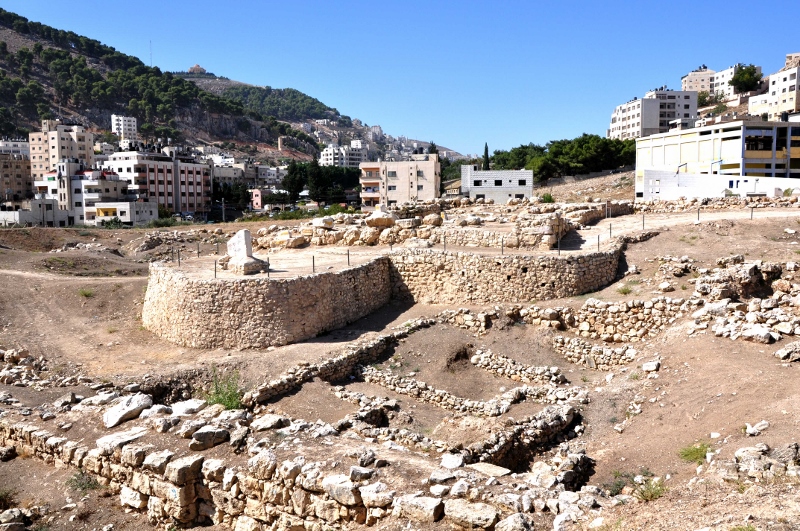
Another city of refuge was Shechem, a West Bank site known as Tel Balata.

This Old Testament city had an important history. It was here that Abraham (Abram) stood as a childless man (age 75), when God told him he would give to him (his descendants) the land of Canaan (Gen. 12:6-7).

It was here that Joshua assembled Israel with his farewell speech and uttered the famous works, “As for me and my house we will serve the Lord” (Josh. 24:15).

It was very near here that Jesus sat down weary by Jacob’s well, and skillfully led a Samaritan from a point where her only interest was drawing up the water, to a point of faith in Him as Messiah (John 4).

Shechem, a City of Refuge. Photo by Leon Mauldin.

Shechem, a City of Refuge. Photo by Leon Mauldin.

You can see the excavated ruins of the city. At center was the Temple of Baal-berith. At right you see a portion of Mt. Ebal, and at left is Mt. Gerizim. I took our group here Oct. 22, not only for them to see Shechem but also to have a good vantage point to take photos of the mount of cursing (Ebal) and Gerizim (blessing). See further on this in Josh. 8. Again, when cities of refuge were appointed in the days of the conquest, Shechem was the one for the central residents of the land west of the Jordan River.

For a previous post on Shechem see here and several other entries. Use search box and it will bring them all up.

Click on image for larger view.


You can see the excavated ruins of Shechem. At


A Dead Man Raised at Nain

October 26, 2013

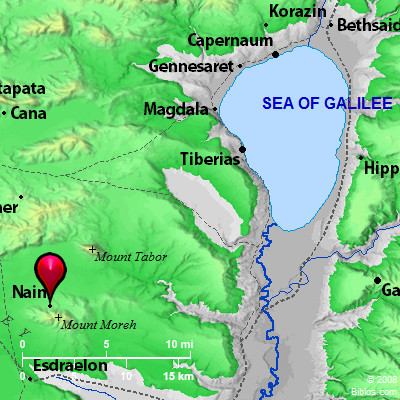
The next day after Jesus healed a centurion’s servant in Capernaum, Luke narrates how Jesus went to the Galilean city of Nain.

Location of Nain in Galilee. BibleAtlas.org.

Location of Nain in Galilee. BibleAtlas.org.

Luke narrates as follows:

Now it happened, the day after, that He went into a city called Nain; and many of His disciples went with Him, and a large crowd. 12 And when He came near the gate of the city, behold, a dead man was being carried out, the only son of his mother; and she was a widow. And a large crowd from the city was with her. 13 When the Lord saw her, He had compassion on her and said to her, “Do not weep.” 14 Then He came and touched the open coffin, and those who carried him stood still. And He said, “Young man, I say to you, arise.” 15 So he who was dead sat up and began to speak. And He presented him to his mother. 16 Then fear came upon all, and they glorified God, saying, “A great prophet has risen up among us”; and, “God has visited His people.”  (Lk. 7:11-16).

The purpose of Jesus’ miracles was to show who He was/is. The limited occasions recorded when He raised the dead give proof that He is Life, He is the source of Life. He is the resurrection and the life (John 11:25). And yet such occasions show the very real compassion of Jesus as well. The compassion He had during His ministry on earth He continues to have at this present time.

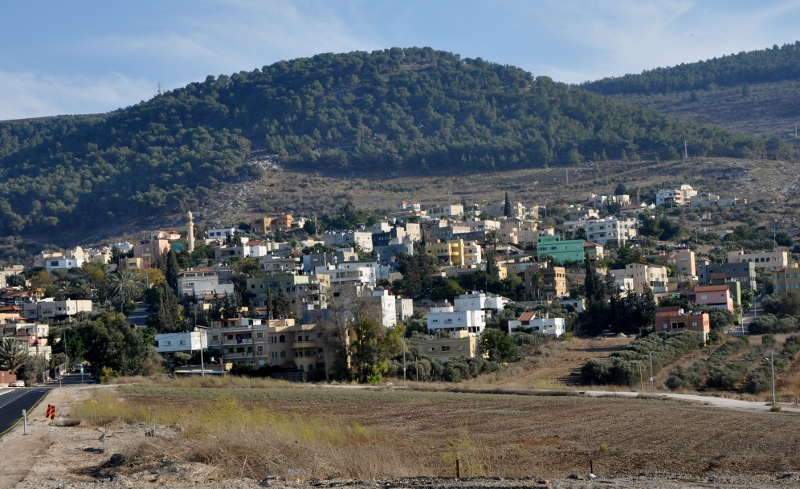
We had the opportunity to make a quick stop at Nain on the first day of our tour to Israel last week.

Nain in Galilee where Jesus raised the widow's son. Photo by Leon Mauldin.

Nain in Galilee where Jesus raised the widow’s son. Photo by Leon Mauldin.

The mountain in the background is the Hill of Moreh, mentioned in connection with the account of Gideon and his 300 men (Judges 7).


The Egyptian God Serapis

September 14, 2013

I continue to be amazed at how far-flung was the influence and reach of various gods in biblical times. For example, the god Serapis, the Egyptian god of healing, was widely worshiped, and far beyond the territory of Egypt. 
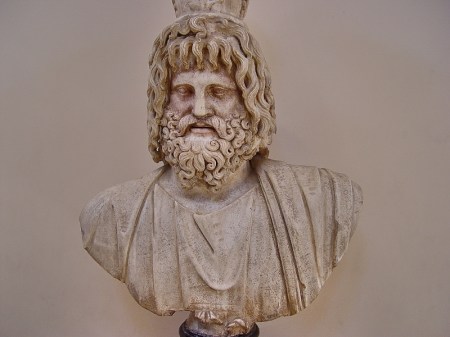
Egyptian god Serapis. Alexandria Museum, Alexandria, Egypt. Photo by Leon Mauldin.

Egyptian god Serapis. Alexandria Museum, Alexandria, Egypt. Photo by Leon Mauldin.

Serapis was worshiped at Pergamum in biblical Asia Minor, where the ruins of his impressive temple can be seen. See our post here.

In an entry, “Idols, Meats Offered to” in the New Bible Dictionary R. P. Martin gives this info under “The Background,” and note his specific reference to Serapis (the Serapeum mentioned is a temple devoted to the worship of Serapis):

Evidence for the practice of a meal in the temple is found in the following well-known Oxyrhynchus papyrus which Lietzmann regards as ‘a striking parallel’ to the reference in 1 Cor. 10:27: ‘Chaeremon invites you to dinner at the table of the lord Serapis (the name of the deity) in the Serapeum tomorrow the 15th at the 9th hour’ (= 3 p.m.) (quoted and discussed in Chan-Hie Kim’s essay, ‘The Papyrus Invitation’, JBL 94, 1975, pp. 391–402). An invitation to a meal of this character, whether in the temple or in a private house, would be commonplace in the social life of the city of Corinth, and would pose a thorny question for the believer who was so invited. Other aspects of life in such a cosmopolitan centre would be affected by the Christian’s attitude to idol-meats. Attendance at the public festivals, which opened with pagan adoration and sacrifice, would have to be considered. Membership of a trade guild, and therefore one’s commercial standing, and public-spiritedness were also involved, as such membership would entail sitting ‘at table in an idol’s temple’ (1 Cor. 8:10). Even daily shopping in the market would present a problem to the thoughtful Christian in Corinth. As much of the meat would be passed on from the temple-officials to the meat-dealers and by them exposed for sale, the question arose: was the Christian housewife at liberty to purchase this meat which, coming from sacrificial animals which had to be free from blemish, might well be the best meat in the market? Moreover, there were gratuitous banquets in the temple precincts which were a real boon to the poor. If 1 Cor. 1:26 means that some of the Corinthian church members belonged to the poorer classes, the question of whether they were free or not to avail themselves of such meals would have been a practical issue.

This information can help clarify some of the concerns expressed in the letter of 1 Corinthians.

Consider also the situation at Thessalonica, where evidence of Serapis worship (as well as other gods) has been discovered. This would illuminate 1 Thess. 1:9 which states, “For they themselves declare concerning us what manner of entry we had to you, and how you turned to God from idols to serve the living and true God.”

The 1939 discovery of a Serapeum offers an indication of the religious life in Thessalonica (Donfried, Paul, Thessalonica and Early Christianity, 22–23). Typically, a Serapeum functions as a temple dedicated to the worship of Serapis. The discovery of Egyptian idols, including Serapis, at the site has led to its generic designation as a Serapeum. Nearly seventy inscriptions related to the worship of Egyptian gods have been discovered in the city (Witt, “The Egyptian Cults,” 324–33)—35 of which come from the Serapeum. Other finds at the location include fragmentary statues of Serapis and Isis and Roman statues of Aphrodite, Isis, and Harpocrates (Hendrix, “Thessalonica,” 523; Vickers, “Hellenistic Thessaloniki,” 164–65).
The relatively diminutive size of the Serapeum (11 meters x 8 meters), coupled with the large number of artifacts related to Egyptian deities, indicates that this building could not have been the primary temple for Serapis in Thessalonica. Two inscriptions from the site to Serapis and Osiris indicate it probably functioned as a healing shrine (Koester, “Egyptian Religion,” 134–38). The early church’s emphasis on divine healing (and exclusivity) would have conflicted with the Serapis religious groups and numerous other such groups in the city. .

The mixture of deities at the Serapeum and throughout the city illustrates the syncretic tendencies of Hellenistic Thessalonica. These tendencies did not wane with the shift to Roman rulership, and accentuate the severity of Paul’s encouragement that the Thessalonian Christians “turned to God from idols to serve the living and true God” (1 Thess. 1:9) (The Lexham Bible Dictionary).

Click on image for larger view.


Roof Repair in SE Turkey

June 20, 2013

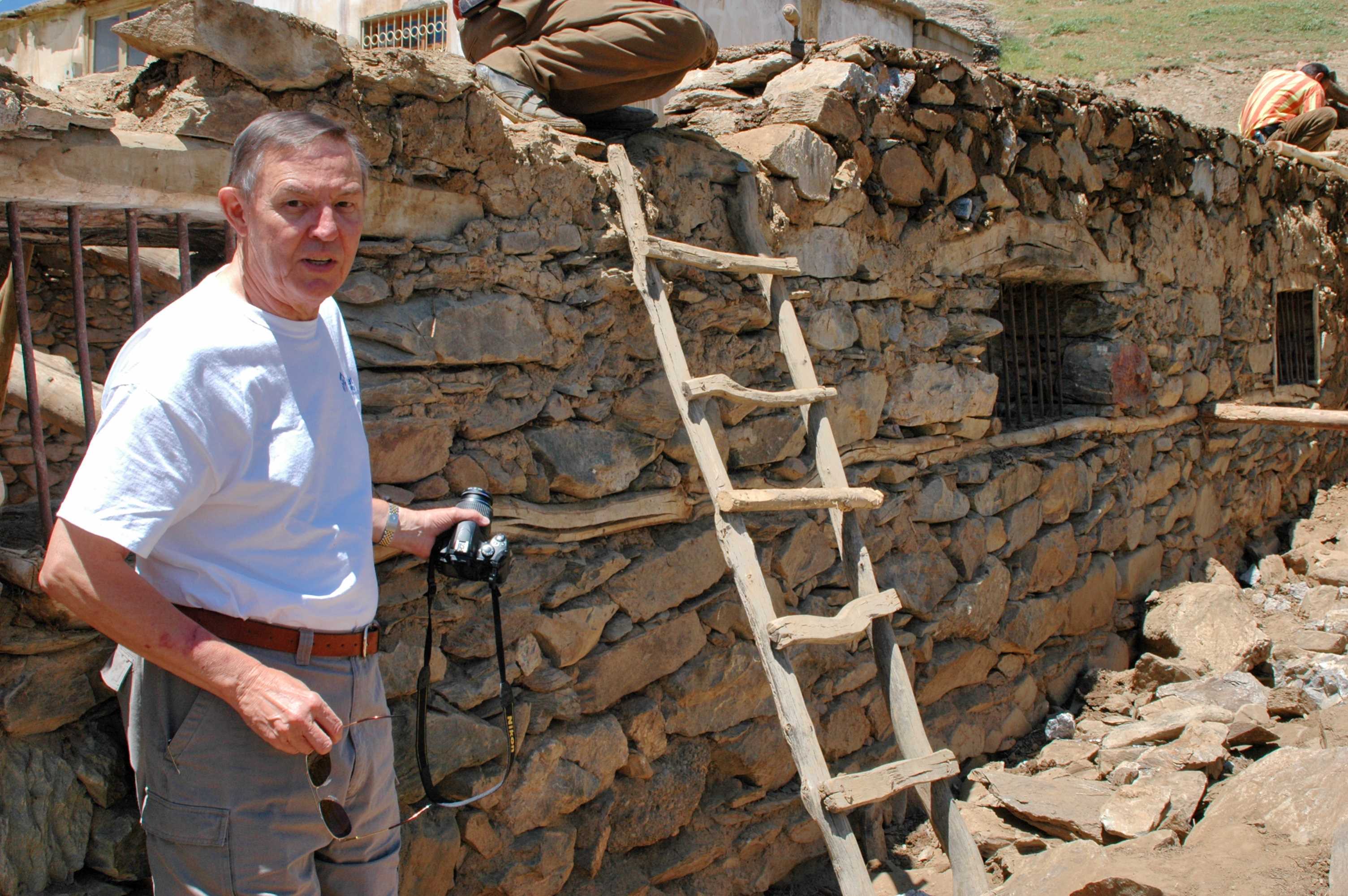
In traveling in southeast Turkey, on the road from Van to Batman, we had the occasion to stop and visit with a family doing some roof repair on their house.

House located between Van and Batman. Photo by Leon Mauldin.

House located between Van and Batman. Photo by Leon Mauldin.

Ferrell Jenkins is pointing to the layer of wood that runs across the entire course of the wall. This is functional: the area is prone to earthquakes, and the wood act as a sort of “shock absorber” to help stabilize the house in the event of tremors.

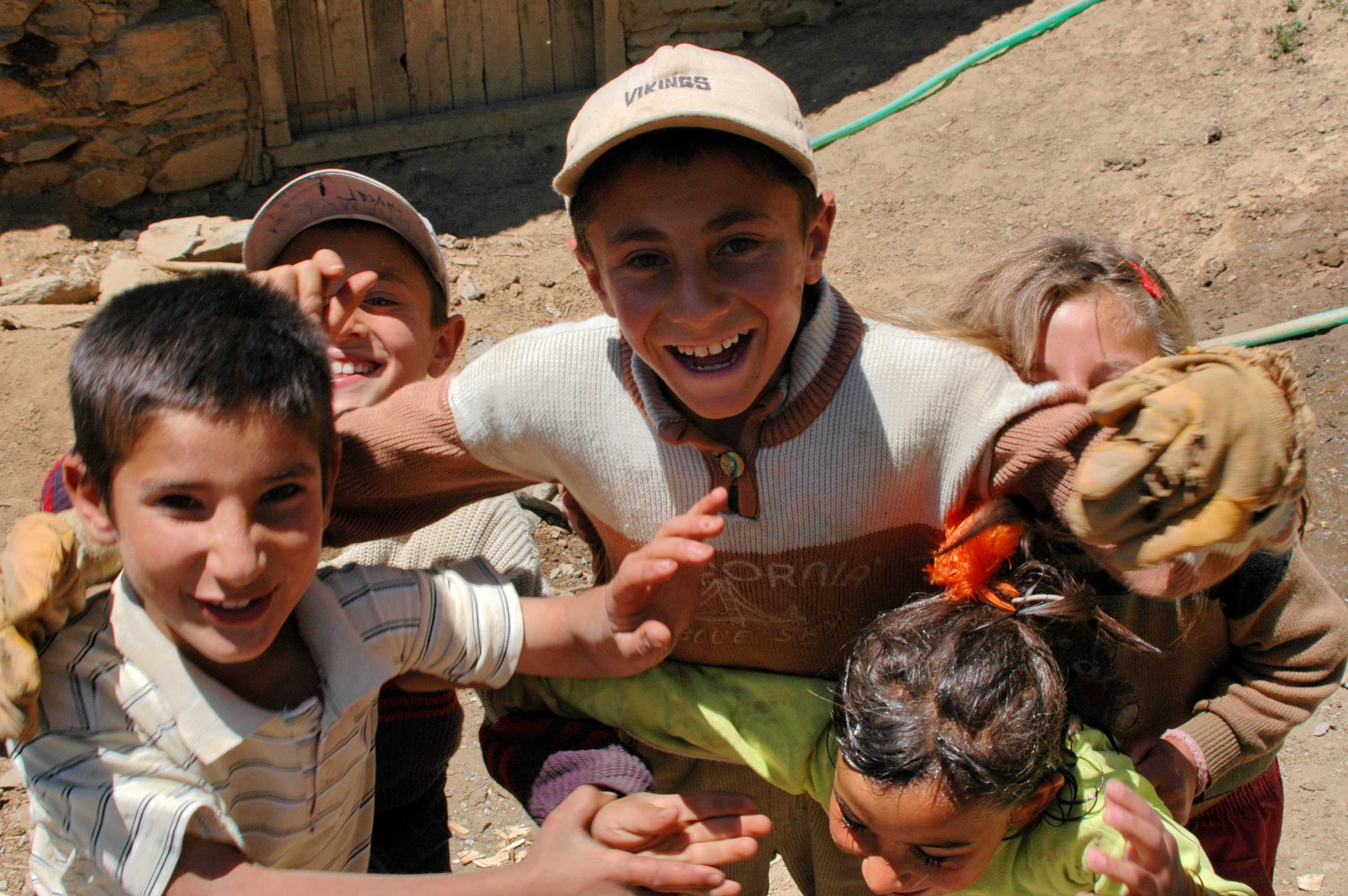
The folks here seemed pleased that we stopped by for a few minutes. I guess one could observe that kids don’t have to have a lot in order to be happy.

Turkish children posing for picture. Photo by Leon Mauldin.

Turkish children posing for picture. Photo by Leon Mauldin.

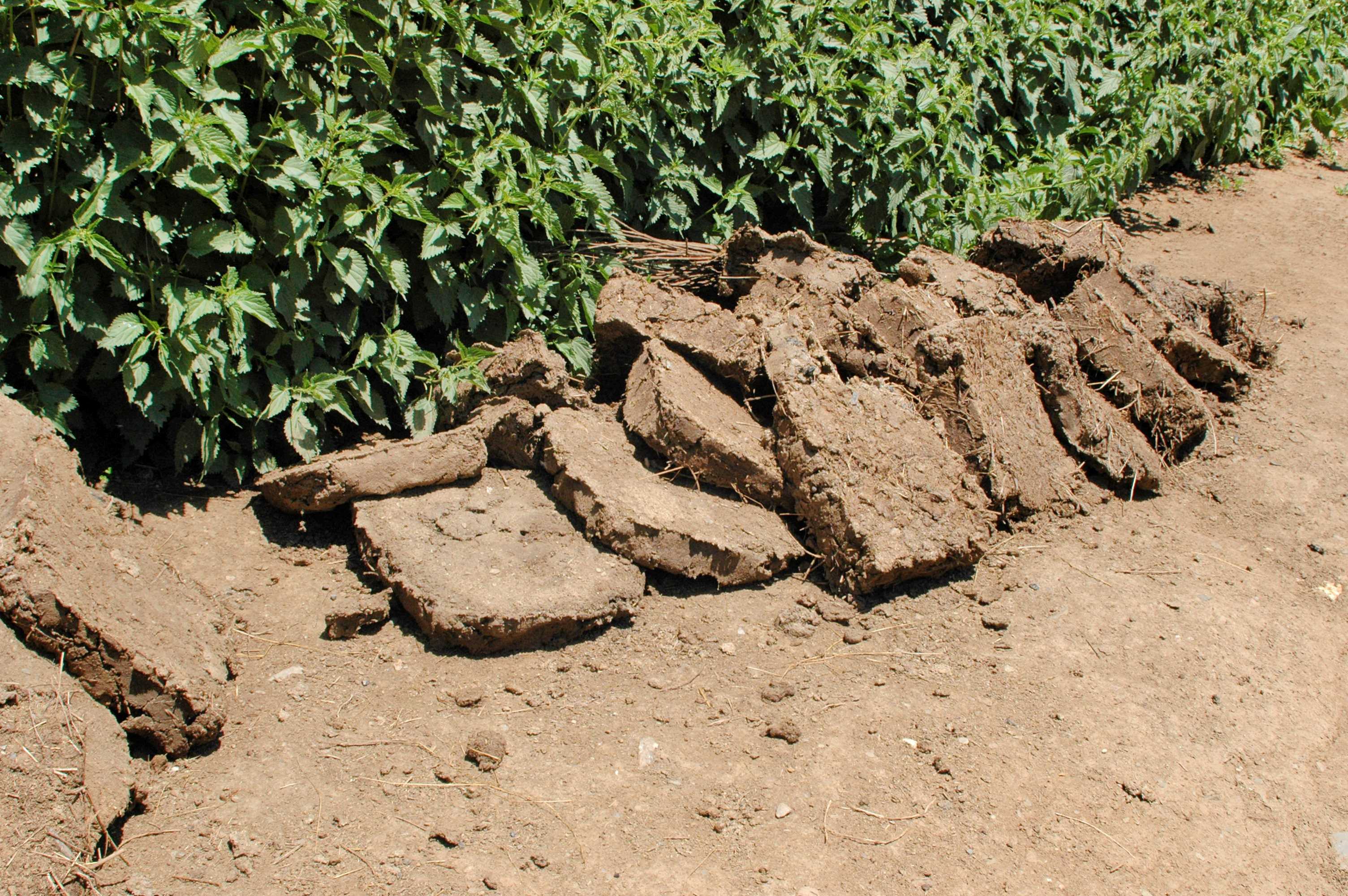
Dung-cakes were nearby to the side of the house. Such is commonly used as fuel for the fire.

Dungcakes. Photo by Leon Mauldin.

Dung-cakes. Photo by Leon Mauldin.

There is no way to “plan” on moments like this during a trip to biblical lands. But such are among the interesting and pleasant memories.

Click on images for larger view.


Pool of Bethesda

May 14, 2013

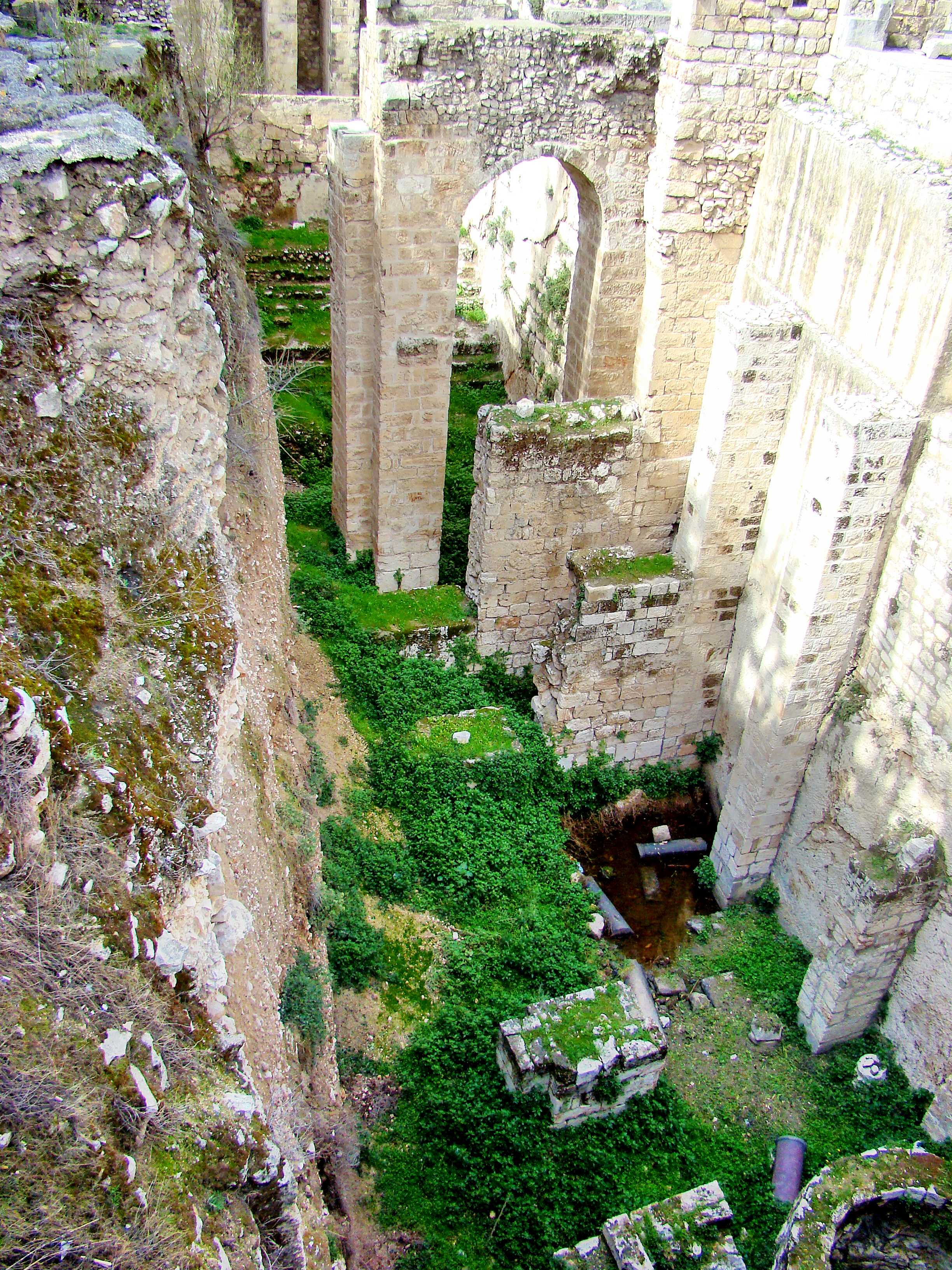
As follow-up on yesterday’s post I wanted to include a photo of the pool of Bethesda. There were actually two adjacent pools. Our photo shows excavations of the southern pool.

Southern Pool of Bethesda. Setting of John 5. Photo by Leon Mauldin.

Southern Pool of Bethesda. Setting of John 5. Photo by Leon Mauldin.

These pools date back to about 200 BC, and furnished water for the temple. As noted yesterday, this is the setting of the miracle of John 5, when Jesus healed the man who had been lame for 38 years.

Click on image for higher resolution.


Pilgrims in Cappadocia

December 18, 2012

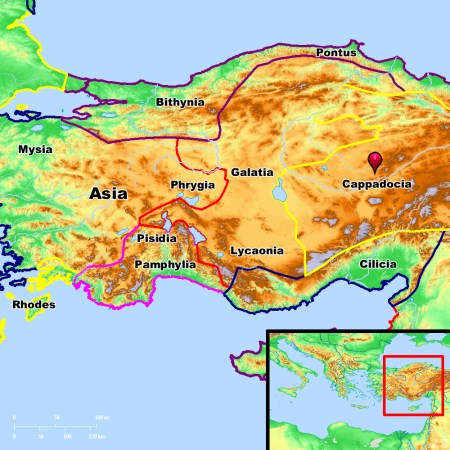
1&2 Peter were written to Christians (likely Jewish) scattered across five Roman Provinces: “To the pilgrims of the Dispersion in Pontus, Galatia, Cappadocia, Asia, and Bithynia” (1 Pet. 1:1). All of these provinces were in what is today Turkey.

The landscape of Cappadocia is fascinating. Ancient volcanic matter covered the area. When wind and rain eroded away the softer elements, the harder material was left behind, causing some really unusual formations.

Formations characteristic of Cappadocia. Photo by Leon Mauldin.

Formations characteristic of Cappadocia. Photo by Leon Mauldin.

So when you pick up your New Testament to read the epistles of Peter, remember that some of his readers lived in this area.

Cappadocia. In NT times, a Roman Province. Currently in Turkey. BibleAtlas.com

Cappadocia. In NT times, a Roman Province. Currently in Turkey. BibleAtlas.com

Click images for larger view.


Ararat Area: Ishak Pasa Palace

August 11, 2012

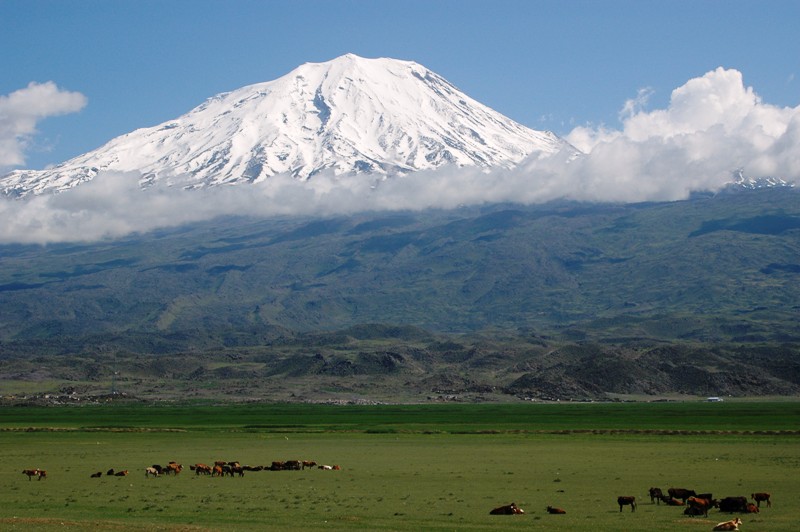
In today’s post we share another photo of Mt. Ararat.

Mount Ararat. Photo by Leon Mauldin.

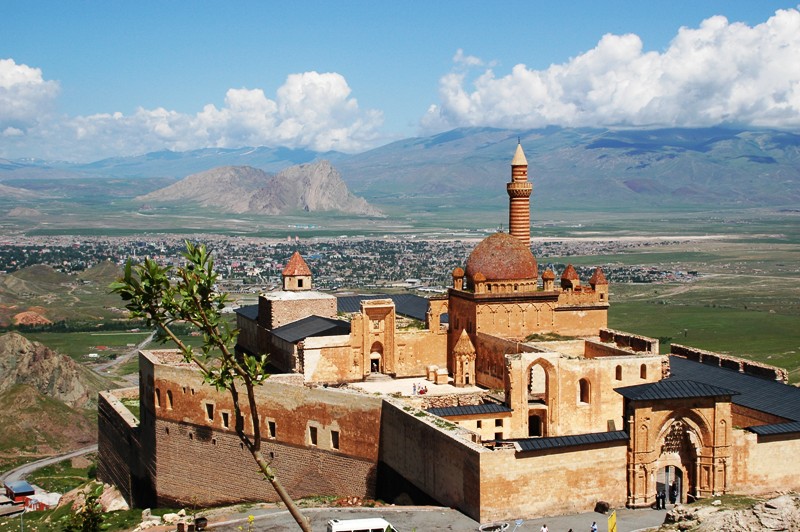
One attraction in the immediate vicinity of Mt. Ararat is Ishak Pasa Palace.

Ishak Pasa Palace. Photo by Leon Mauldin.

Wikipedia has this information:

Ishak Pasha Palace is a semi-ruined palace and administrative complex located in the Doğubeyazıt district of Ağrı province of eastern Turkey.
The Ishak Pasha palace is an Ottoman-period palace whose construction was started in 1685 by Colak Abdi Pasha, the bey of Beyazit province, continued by his son İshak Pasha and completed by his grandson Mehmet Pasha. According to the inscription on its door, the Harem Section of the palace was completed by his grandson Ishak (Isaac) Pasha in 1784.
The Palace is more of a complex than a palace; it is the second administrative campus after the Topkapı Palace in Istanbul and the most famous of the palaces built in recent decades.
The palace is built on a hill at the side of a mountain 5 km (3 mi) east of Doğubeyazıt. It was the last large monumental structure in the Ottoman Empire from the “Lale Devri” period. It is one of the most distinguished and magnificent examples of the 18th century Ottoman architecture and is very valuable in terms of art history. According to the top of the door inscription at the Harem Section it was constructed in 1784 (1199 H.).
As the ground building sits on is a valley slope, it is rocky and hard. Despite the fact that it is at the center of the Old Beyazıt city its three sides (north, west, south) are steep and sloped. There is a suitable flat area only to the east. The entrance of the palace is on that side, and it is also its narrowest façade.
As the palace was built in an age when castles ceased to be special and firearms were developed and were abundantly available, its defense towards the hills on the east is weak. Its main gate is the weakest point in that respect. The structure of the main gate is no different than those seen in the palaces built in Istanbul and elsewhere in Anatolia and has a neat stone workmanship and carving.
The Ishak Pasha Palace is a rare example of the historical Turkish palaces.
The palace was depicted on the reverse of the Turkish 100 new lira banknote of 2005-2009.

Click image for larger view.


Ararat Traffic Jam

August 10, 2012

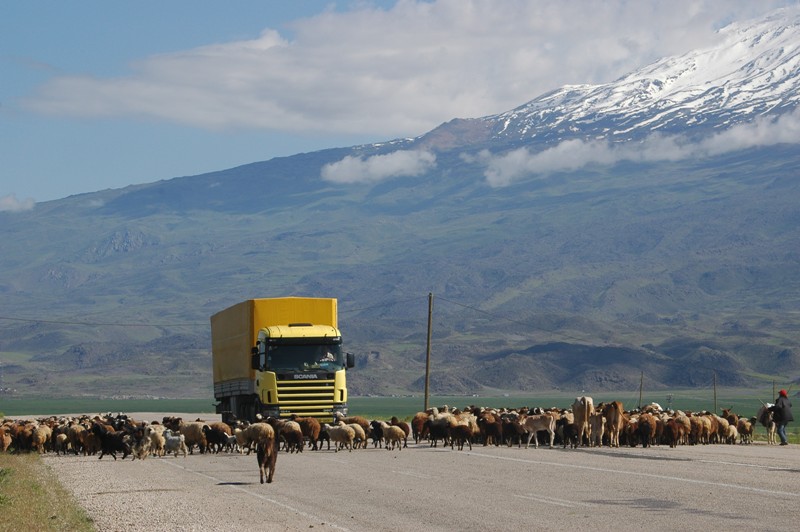
A lot of sheep and cattle are raised in Turkey. They take priority when the shepherd needs them to cross the road. Traffic just has to wait.

Ararat Traffic Jam. Photo by Leon Mauldin.

You can see Mt. Ararat in background. I love moments like this.

Click image for larger view.


Ararat (cont’d.)

August 9, 2012

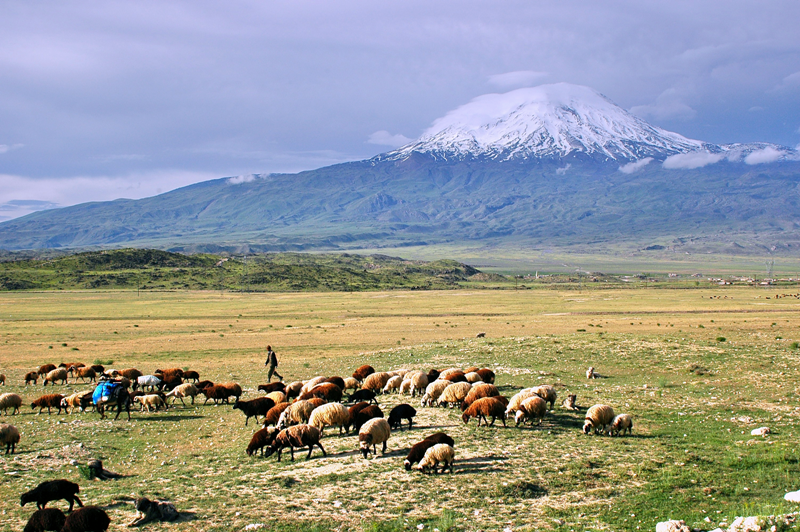
When traveling in the lands where biblical events occurred, I never tire of scenes of sheep with their shepherd. This is certainly true down from the slopes of Mt. Ararat, known as Greater Ararat, located in the mountain range where the ark came to rest.

Shepherds with sheep at Mt. Ararat. Photo by Leon Mauldin.

Mt. Ararat reaches 16,945 feet in altitude, and is snow-capped year round.

Mt. Ararat is situated near Dogubeyazit, Turkey. This peak is only 10 miles west of the border of Iran, seen in this photo:

Turkey/Iran border. Mt. Ararat is 10 miles west (to our back) from this point. Photo by Leon Mauldin.

This kind of trip makes for some wonderful memories. Four of us, Ferrell Jenkins, David Padfield, Gene Taylor and myself, made this trip to eastern Turkey in 2007.

Check yesterday’s post for biblical references to the mountains (and kingdom) of Ararat. Ferrell Jenkin’s has made numerous posts on Ararat, including here.

Click on images for larger view.


The Mountains of Ararat

August 8, 2012

One of my all-time favorite photo opportunities occurred in June 2007, in eastern Turkey, in the mountains of Ararat. It was in this region that Noah’s ark came to rest as the flood waters receded: “In the seventh month, on the seventeenth day of the month, the ark rested upon the mountains of Ararat” (Genesis 8:4).

After Noah and his family exited the ark, God said:

“I establish My covenant with you; and all flesh shall never again be cut off by the water of the flood, neither shall there again be a flood to destroy the earth.” 12 God said, “This is the sign of the covenant which I am making between Me and you and every living creature that is with you, for all successive generations; 13 I set My bow in the cloud, and it shall be for a sign of a covenant between Me and the earth. 14 “It shall come about, when I bring a cloud over the earth, that the bow will be seen in the cloud, 15 and I will remember My covenant, which is between Me and you and every living creature of all flesh; and never again shall the water become a flood to destroy all flesh. 16 “When the bow is in the cloud, then I will look upon it, to remember the everlasting covenant between God and every living creature of all flesh that is on the earth” (Genesis 9:11-16).

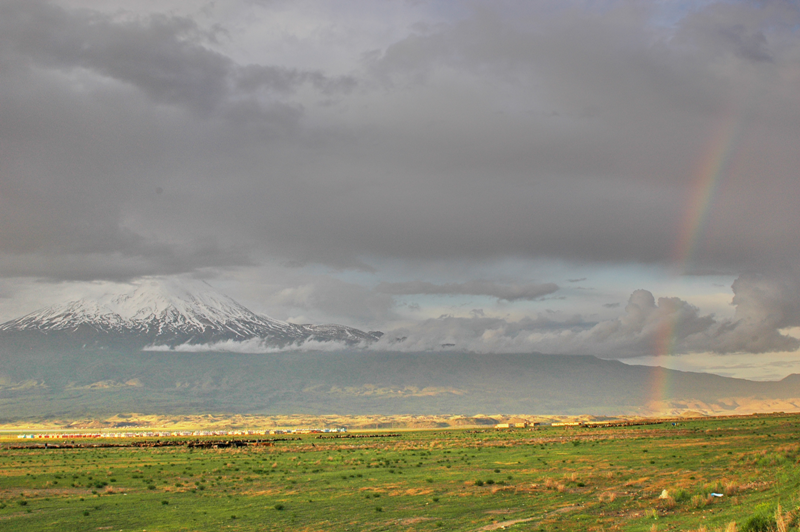
Mt. Ararat and Rainbow. The ark came to rest in this area. Photo by Leon Mauldin.

Ararat is not just one peak, but a range of mountains. The highest is called Mt. Ararat, depicted on far left in photo. Note rainbow to the right.

Other biblical texts:

1. In the aftermath of the death of the Assyrian king Sennacherib: “It came about as he was worshiping in the house of Nisroch his god, that Adrammelech and Sharezer killed him with the sword; and they escaped into the land of Ararat. And Esarhaddon his son became king in his place” (2 Kings 19:37).

2. In connection with Jeremiah’s prophecy of the destruction of Babylon he mentions the kingdom of Ararat: “Lift up a signal in the land, Blow a trumpet among the nations! Consecrate the nations against her, Summon against her the kingdoms of Ararat, Minni and Ashkenaz; Appoint a marshal against her, Bring up the horses like bristly locusts” (Jer. 51:27).

Ararat is commonly designated as Urartu in Assyrian texts.