We are happy to recommend Todd Bolen’s latest collection of biblical photos, Photo Companion for Ezra and Nehemiah. Like the previous Photo Companion volumes, a PPT is prepared for each chapter, with literally hundreds of illustrative photos. The slides are labeled, and also have informative notes. Because the setting of both Ezra and Nehemiah is that of the Persian Empire, including today’s Iran, these sets are especially helpful because of modern difficulties in obtaining photos in these sites!
Here below is a snippet from the current BiblePlaces Newsletter, which includes ordering info:
“We have been building the Photo Companion to the Bible for nine years now, and there is nothing else like it anywhere. There are a wide variety of good commentaries and Bible study guides available, but there is only one photographic resource for Ezra and Nehemiah. Today you can get the best price on the two books together: Ezra ($39), Nehemiah ($49), or Ezra and Nehemiah together for $59 as DVD+download or as download-only.”
I have been using and recommending Dr. Bolen’s materials since 2003! The new publications are welcome additions to the library of any serious Bible student!
In a class studying Hebrews in our local congregation, we are impressed with the many references to the Tabernacle (9X, NKJV). The Old Testament and its priesthood “serve the copy and shadow of the heavenly things” (Heb. 8:5), and are among the things “having a shadow of the good things to come, and not the very image of the things” (Heb. 10:1). It is a matter of typology: the OT tabernacle, its priests, its sacrifices, point forward to the High Priest Jesus, with His sacrifice (His blood), and the “true tabernacle” (Heb. 8:2) with its “holy place” which is “heaven itself” (Heb. 9:24).
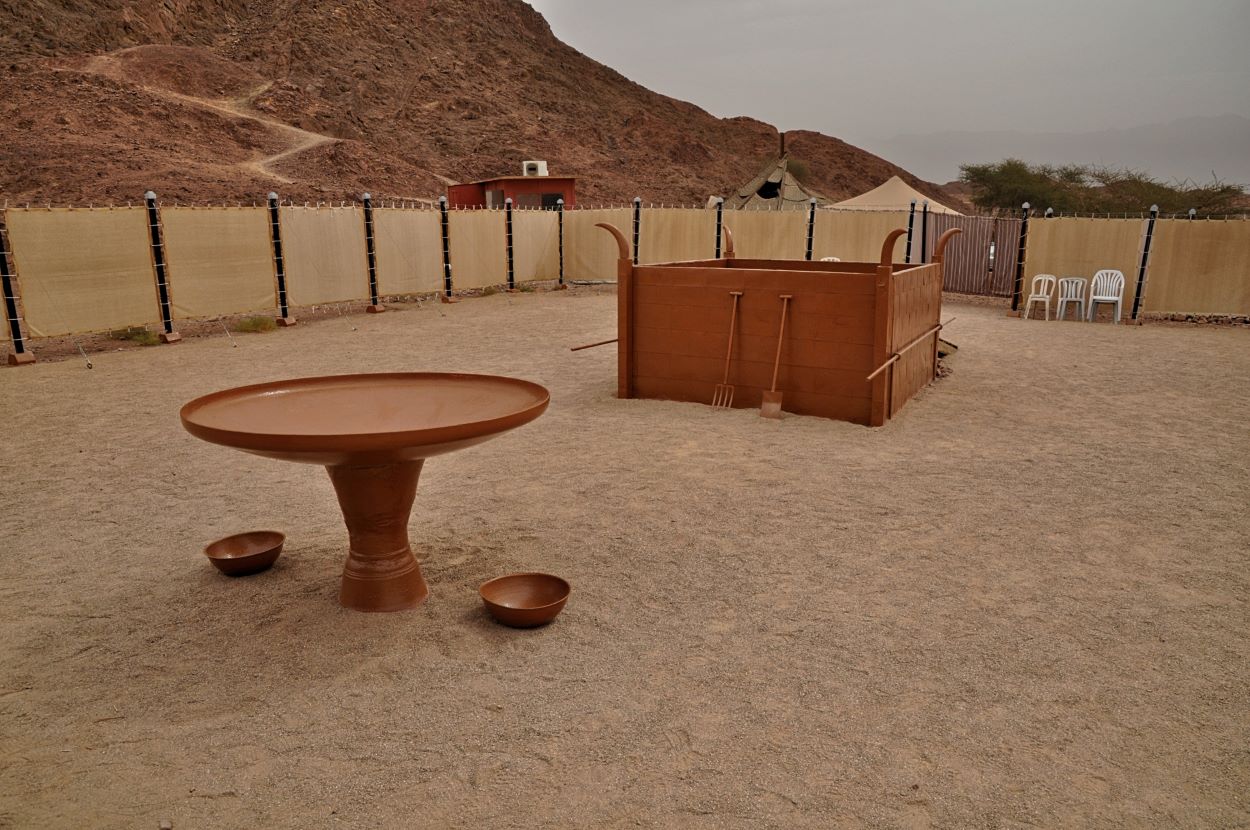
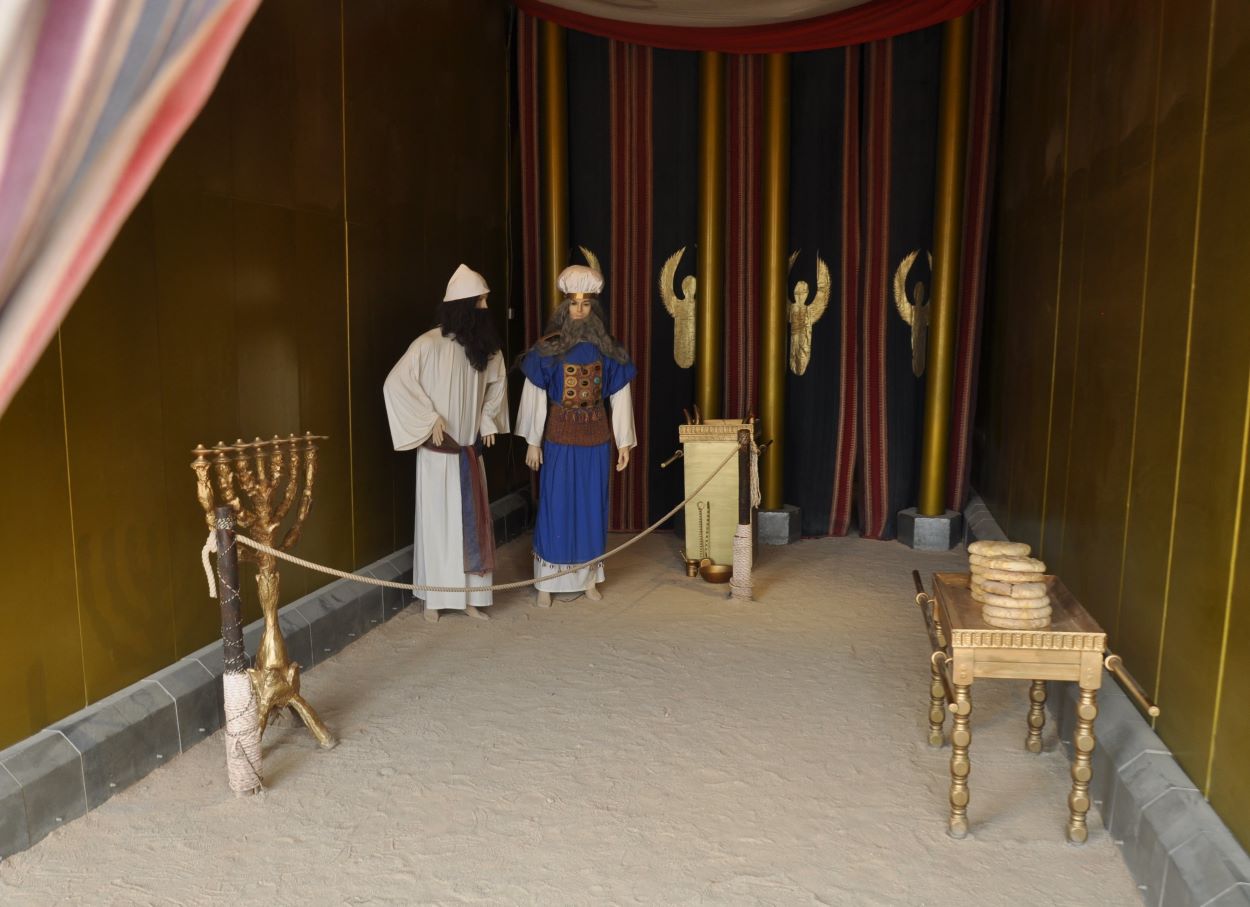
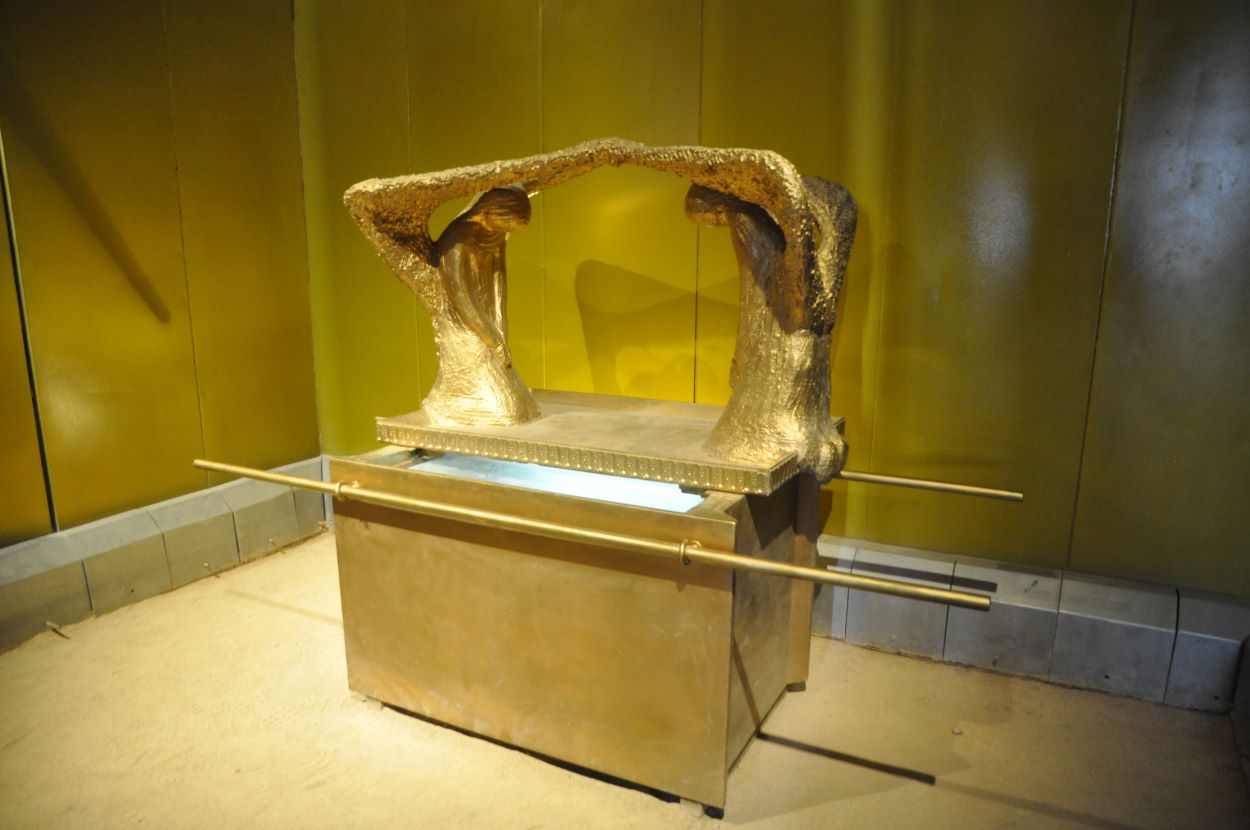
In this post we will share some visuals of the life-size model of the tabernacle in Timna, southern Israel.
Here is a view inside the tabernacle, where you see the lampstand on your left, the table of showbread on your right, and the altar of incense at back just in front of the veil. Also you can see models of the priest, and High Priest.
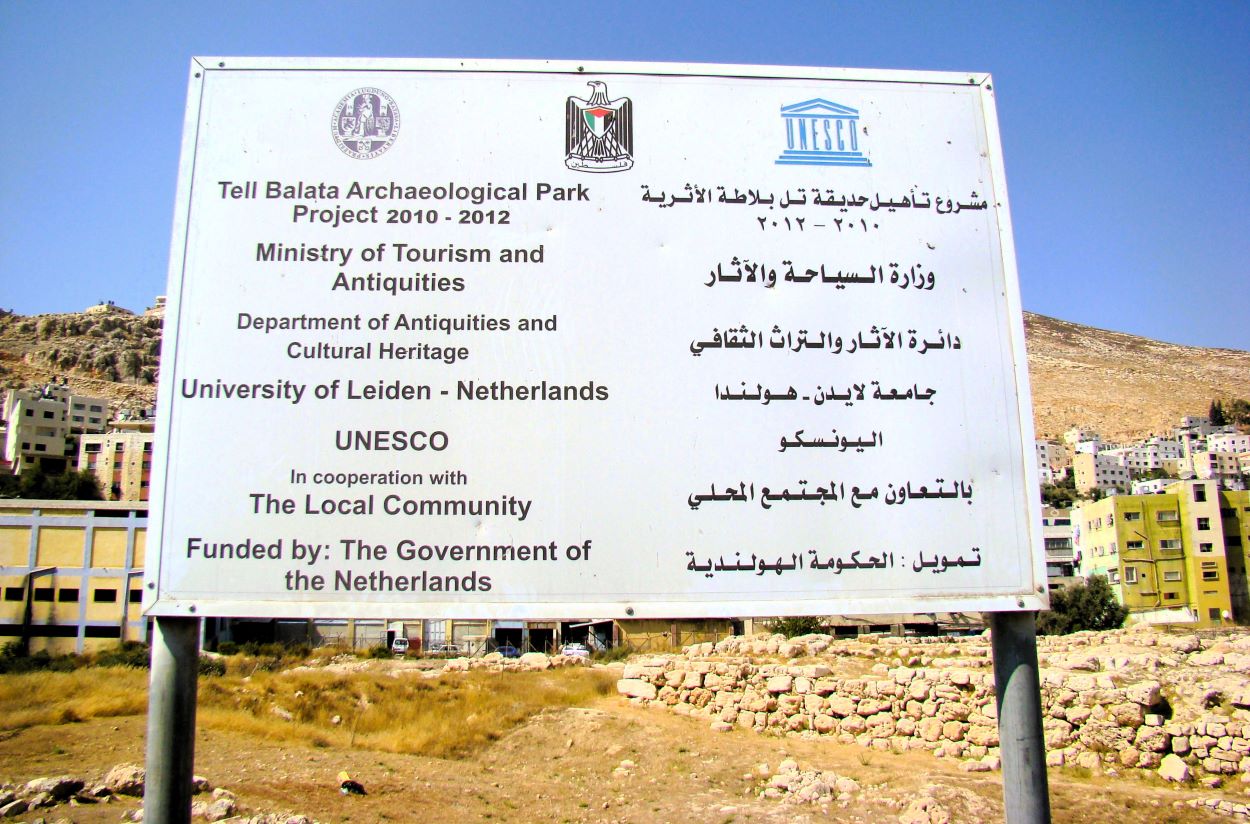
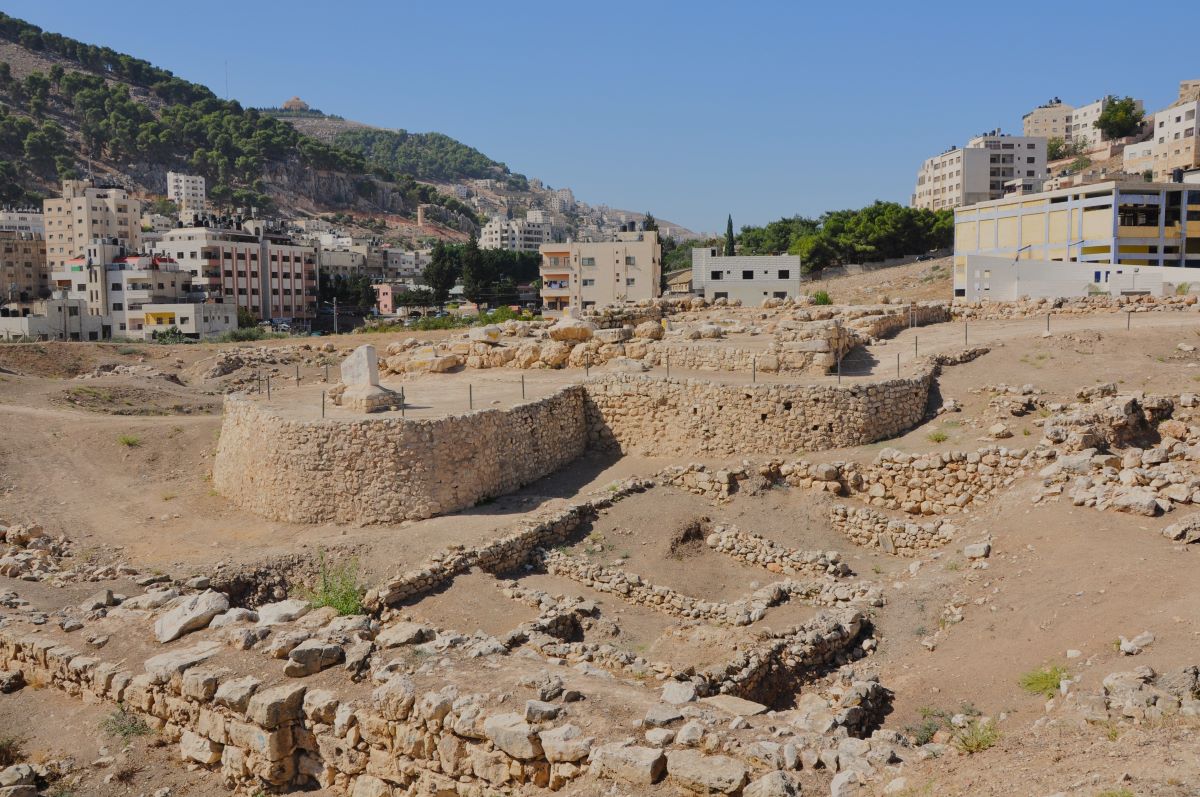
“Rehoboam went to Shechem, for all Israel had come to Shechem to make him king” (2 Chron. 10:1, ESV). Biblical Shechem is modern Tell Balata, near Nablus, in today’s West Bank. Though our text does not specify why Rehoboam went to Shechem, it was a city of great historical significance to God’s people, especially prior to the monarchy. We will briefly summarize what happened to Rehoboam at Shechem, but first let’s consider some of the biblical events that transpired at this location.
Shechem, at Israel’s geographical center. Map courtesy of biblemapper.com.
Having first entered the land of Canaan, Abraham was standing here at Shechem, with Mt. Ebal and Mt. Gerizim looming on either side, when God gave him the land promise (Gen. 12:6-7). Sadly, it was also here that Jacob’s daughter Dinah was defiled, and where Levi and Simeon savagely destroyed much of the populace in retaliation (Gen. 34).
In Joshua 8:30-35, in the early days of the Conquest of Canaan, all Israel assembled at Shechem, with six tribes on Mt. Gerizim (mount of “blessing”) and six tribes on Mt. Ebal (mount of “cursing”). At that time Joshua “read all the words of the law, the blessing and the cursings, according to all that is written in the Book of the Law” (v.34, NKJV). This was in obedience to prior instructions given by Moses in his final days (Deut. 27:11-26). In our Joshua text, that great nation who had descended from that childless couple (at the time of the promise), Abraham and Sarah, was there to lay claim to the promise. But they weren’t just there to receive the land; their reception of Canaan was grounded upon their pledge to keep the covenant of Yahweh.
Then later as Joshua’s death approached, Shechem was the location for Joshua’s last words and for Israel’s covenant renewal (Josh. 24:1-28). Shechem was also where Joseph was buried (Josh. 24:32).
In addition to its great historical significance, the site of Shechem was also a central location and thus a logical meeting place for the matter at hand, Rehoboam’s coronation. On the other hand, Maier suggests that perhaps Rehoboam sensed a bit of discontent among the northern tribes. “One clue was that they did not come to Jerusalem but wanted the meeting at another place, in Shechem, on their own turf, so to speak” (A Theological Exposition of Sacred Scripture, pub. Concordia, 1K12-22, p. 1052).
The outcome of the meeting at Shechem: The northern tribes rejected Rehoboam, with the result that the kingdom divided into Israel (north) and Judah (south). This was punitive, as a result of Solomon’s apostasy, and foretold by the prophet Ahijah (1 Kings 11; 2 Chron. 10:15; 11:1-5). The dynasty would change several times in Israel to the north, but the southern kingdom of Judah would be ruled by the Davidic dynasty, from Rehoboam (Solomon’s son) down through Zedekiah. This covers the years 931-586 BC.
It was at Shechem that Israel met with Solomon’s son Rehoboam to make him king. Shechem is located between Mount Gerizim (left) and Mount Ebal (right).
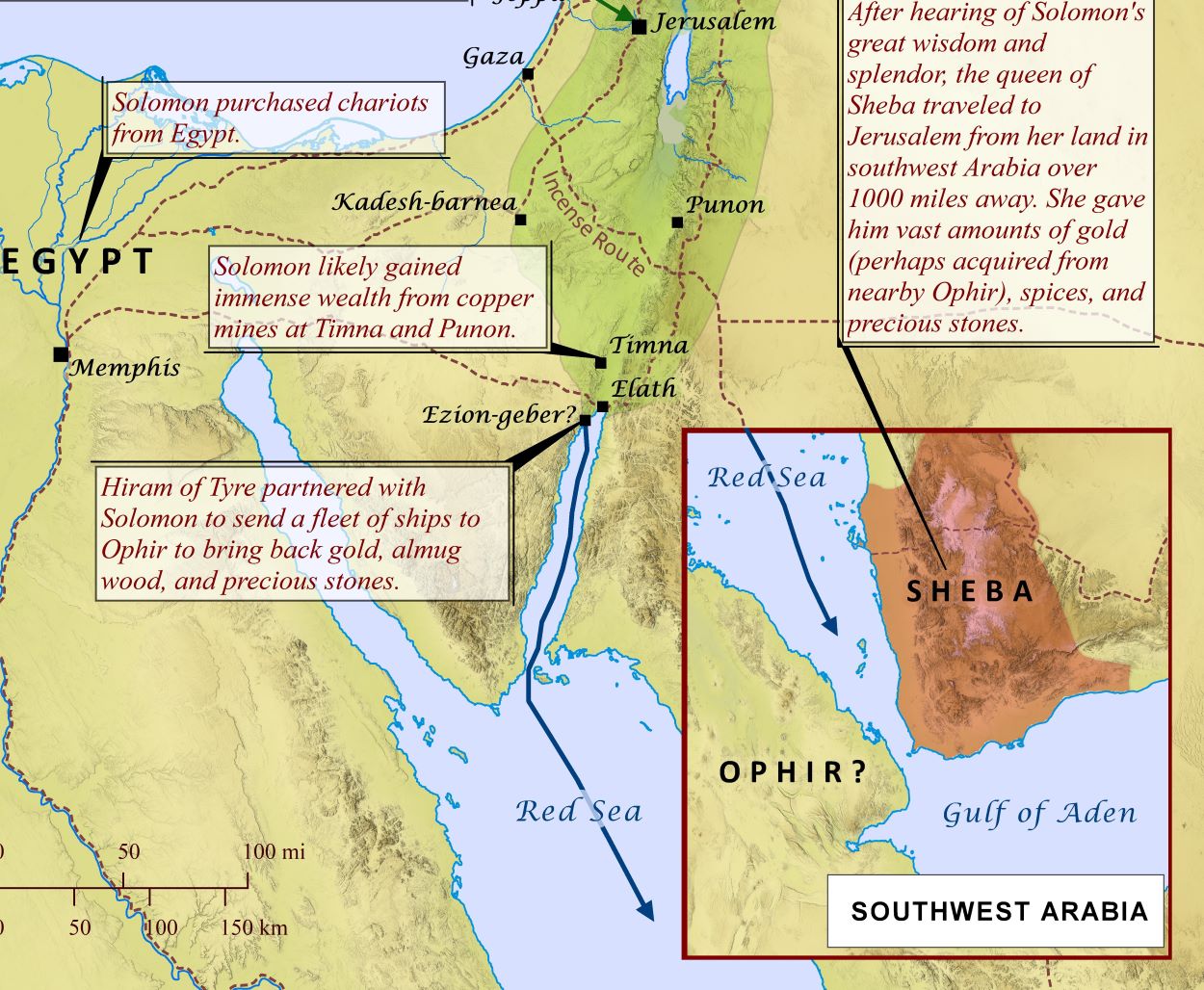
“Then Solomon went to Ezion Geber and Elath on the coast of Edom. And Hiram sent him ships commanded by his own officers, men who knew the sea. These, with Solomon’s men, sailed to Ophir and brought back four hundred and fifty talents of gold, which they delivered to King Solomon (2 Chronicles 8:17,18).
Let’s first get the geographical setting of Elath (also spelled Eloth, Eilat):
Map courtesy of biblemapper.com
The location of Elath was at the southern tip of the Arabah, and the north eastern tip of the Red Sea, at the Gulf of Aqaba. This allowed Solomon’s fleet of ships access to the Red Sea and of course, south from there into the Indian Ocean. It would seem that through this means of commerce the Queen of Sheba (see map inset) learned of Solomon, and made the journey to see for herself the incredible reports she had heard (related in the next chapter, 2 Chron. 9:1-12).
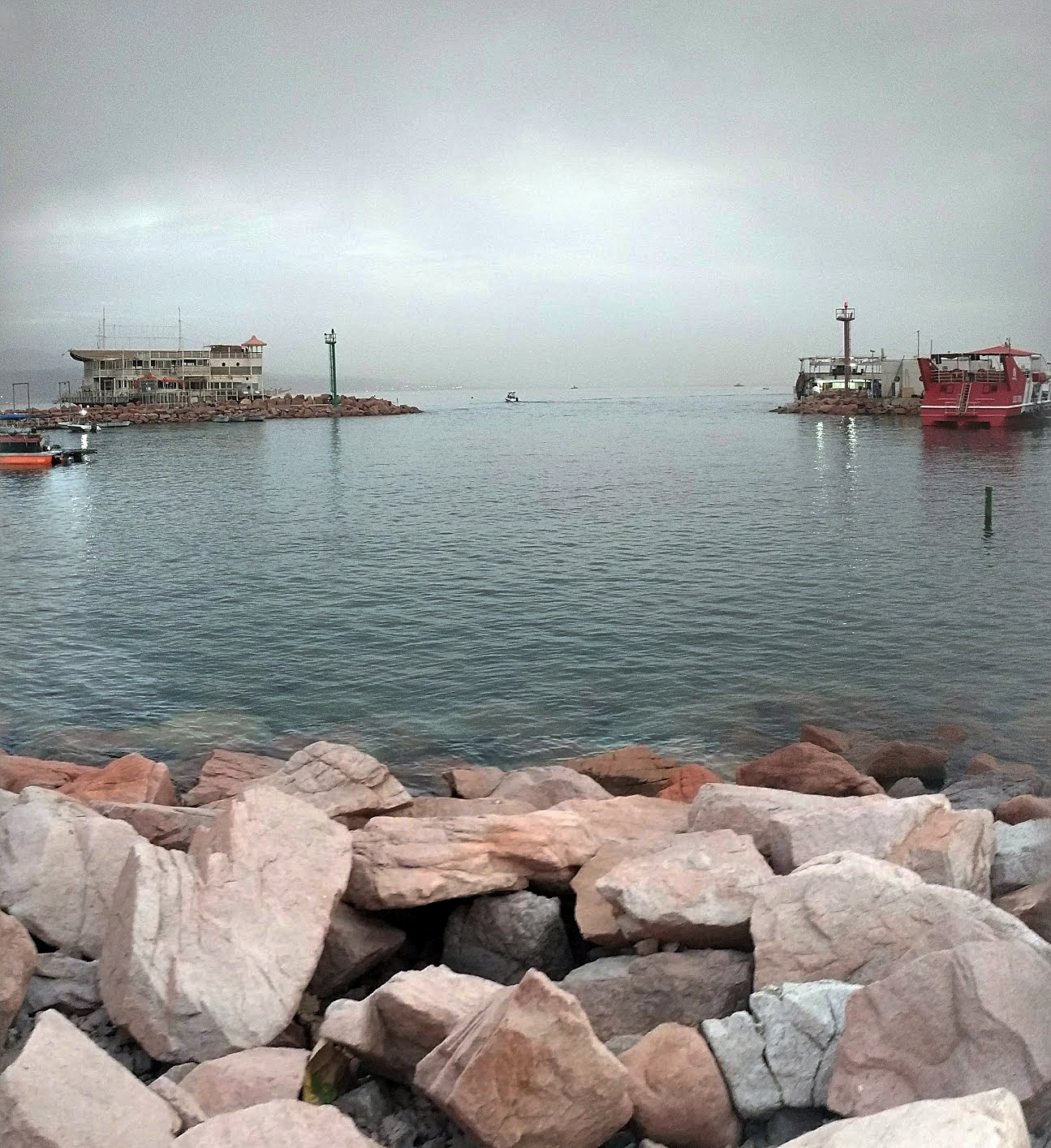
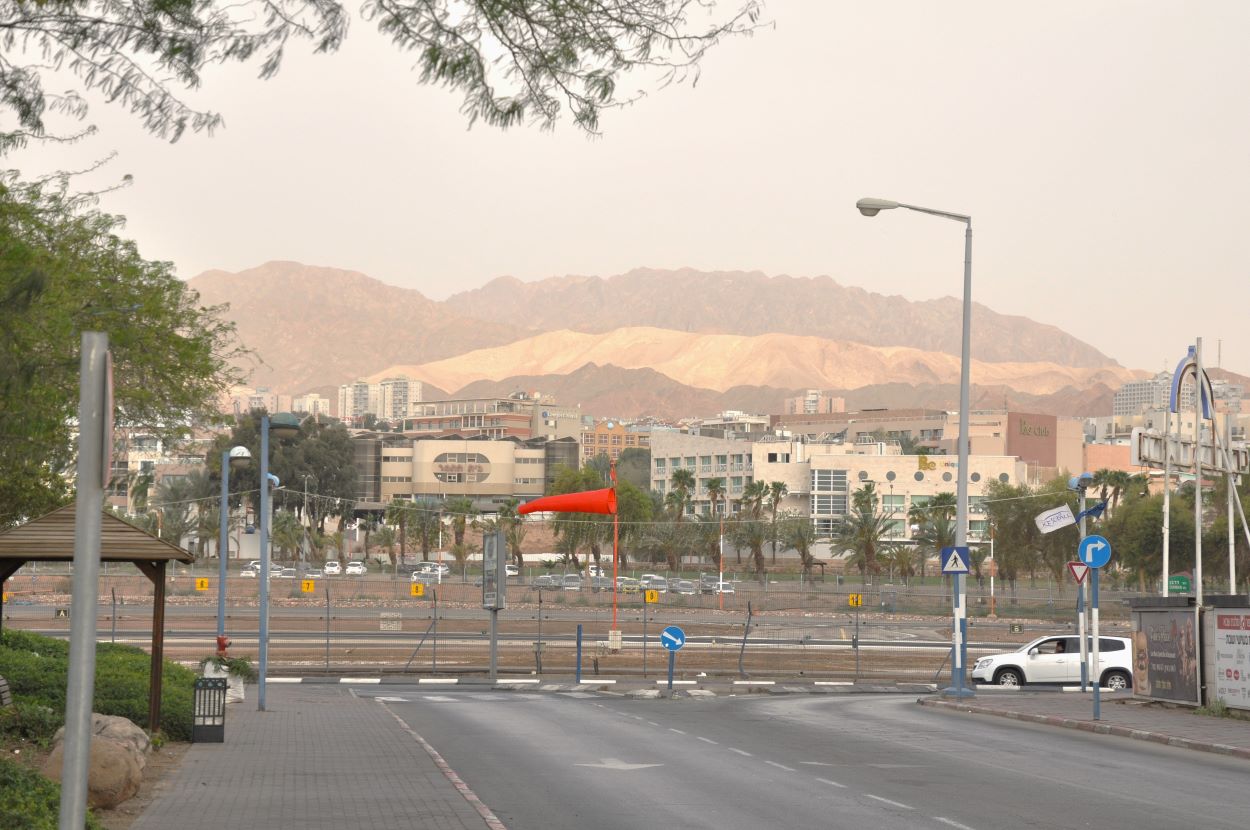
In March 2018, Ferrell Jenkins and I made a personal study trip which included this area. In this photo I am at Elath looking south.
B. S. Hummel has the following information regarding Elath:
A city and harbor at the head of the Gulf of Aqabah. Elath’s strategic position made it an important gateway for caravan and naval commerce with Arabia and eastern Africa. In the OT Elath is frequently placed in close proximity to Ezion-geber. Some scholars consider Tell el-Kheleifeh (147884), which lies between modern Elath and Aqabah, as Elath, others as Ezion-geber, and still others as the site for both Elath and Ezion-geber. The site was also known as El-paran (Gen. 14:6). The Ptolemies changed its name to Bernice. Elath was originally Edomite, possibly taking its name from the Edomite chief Elah (Gen. 36:41 = 1 Chr. 1:52; Eloth). Toward the end of the Exodus, the Israelites passed through Elath before turning north toward Edom and Moab (Deut. 2:8). David probably captured it during his campaign against the Edomites (2 Sam. 8:13–14). Solomon then established a navy of ships in Ezion-geber near Elath (1 Kgs. 9:26 = 2 Chr. 8:17). Apparently the Edomites had regained control, but Uzziah (Azariah, 2 Kgs. 14:22; 2 Chr. 26:2) recaptured and restored it (ca. 780 B.C.). However, under Aramean (Syrian) pressure during the Syro-Ephraimite War (ca. 735), Ahaz lost it to the Edomites permanently (2 Kgs. 16:6).
Hummel, B. S. (2000). Elath. In D. N. Freedman, A. C. Myers, & A. B. Beck (Eds.), Eerdmans Dictionary of the Bible (p. 388). W.B. Eerdmans.
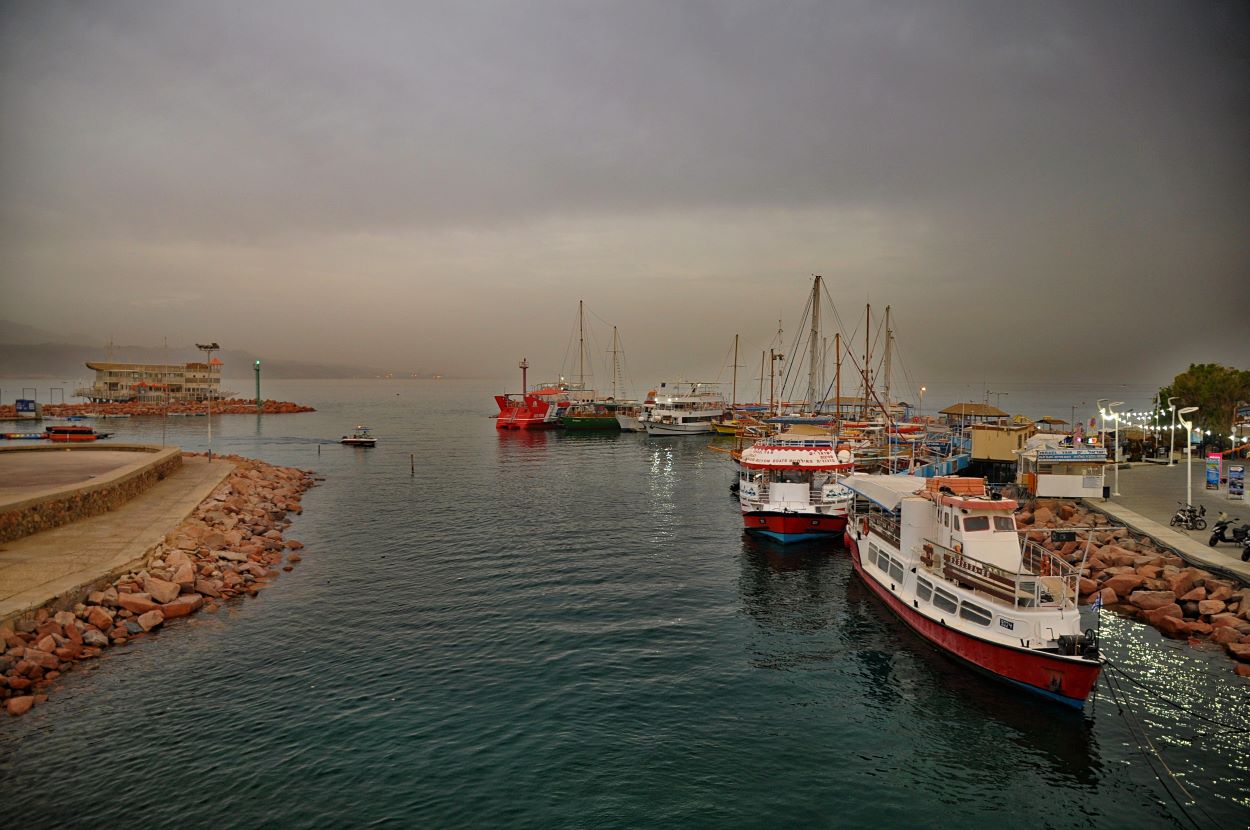
At Elath, looking east. We are of course in the Great Rift Valley here.
When Moses was still atop Mt. Sinai, receiving the Ten Commandments, the nation of Israel grew impatient and said to Aaron, “Come, make us a god who will go before us; as for this Moses, the man who brought us up from the land of Egypt, we do not know what has become of him” (Ex. 32:1). Accordingly, Aaron fashioned a golden molten calf; and they said, “This is your god, O Israel, who brought you up from the land of Egypt” (Ex. 32:4). In the New Testament, Stephen would explain that in their hearts Israel turned back to Egypt (Acts 7:39).
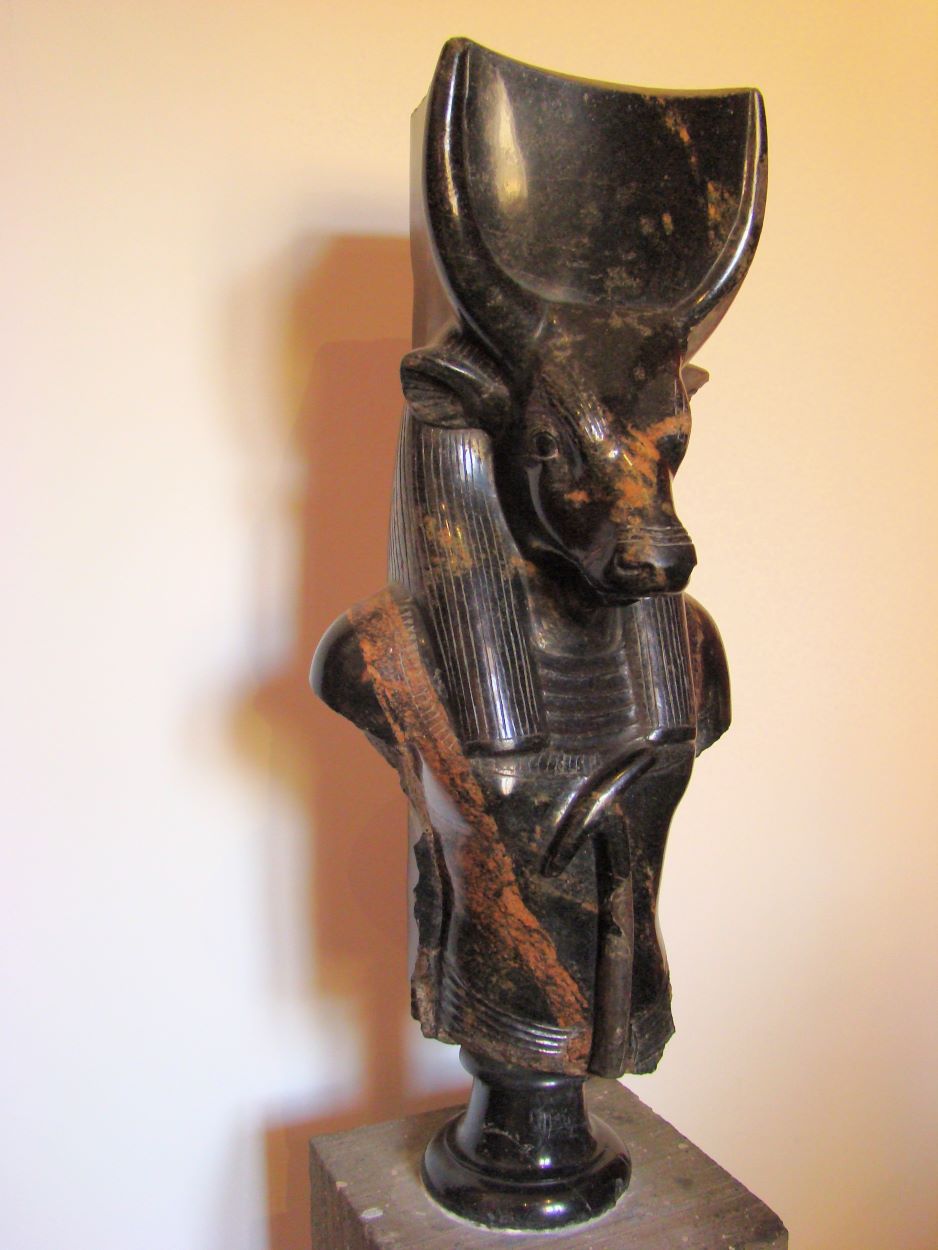
Egyptian mythology presents the Apis bull as the incarnation of the Egyptian creator god Ptah, or the son of Hathor, the primeval goddess. Cattle represented other significant Egyptian gods.
Here is an informative article by M. Froelich, from the Lexham Bible Dictionary:
APIS (חַף, chaph; Ἄπις, Apis). Egyptian bull god of agriculture and fertility. Apis came to be associated with Ptah, chief god of Memphis, and was embodied as a live, sacred bull in the temple there.
Biblical Relevance Although Apis does not appear in the Hebrew text of the Old Testament, the Septuagint text of Jeremiah includes him in a prophecy against Egypt. The text reflects the common understanding that cities and peoples were protected by patron gods, whose withdrawal or weakness could spell doom (e.g., Ezek 8–11; Matt 23:38–39; Homer, Iliad, 22.350–59). In this case, the king of Babylon is able to defeat Egypt because “Apis, your chosen calf,” has fled after being weakened by the Lord (Jer 26:13–15 LES). The Septuagint text does not offer specifics about the Apis cult, but it indicates that he was considered a patron or protector of Memphis, which is named in Jer 26:14 (LXX). The corresponding text in the Hebrew Bible (and in English translations) is Jer 46:13–15. Although this version mentions Memphis (Jer 46:14), it generally refers to “bulls” instead of naming Apis. Bull worship was common in the ancient world and appears in the Old Testament. Gods such as Baal, Zeus, El, and others appear with bull imagery in mythology and in worship. The incident of the golden calf in Exod 32 is an example of Semitic bull worship. Calf worship also is mentioned in 1 Kgs 12:25–33, in which Jeroboam returns from Egypt and sets up calf statues in the northern kingdom.
Mythology and History Apis is the bull god of the Egyptian pantheon. According to religious belief, Apis was the son of Ptah, who impregnated the mother cow via lightning bolts or moonbeams. In some myths, Apis was the son of Hathor, a heifer goddess often depicted with the sun disk between her horns; the same symbol often appears in visual representations of Apis (see Malaise, “Histoire et signification”). Apis’ most important temple was in Memphis and dates at least as far back as Egypt’s New Kingdom (16th–11th centuries BC), though the god himself goes back to the earliest periods of Egyptian history. Apis was broadly popular, and his worship lasted at least into the late Ptolemaic period; the latest bull found buried in his temple in Memphis dates to the late second or early first century BC. In Memphis and possibly elsewhere, the worship of Serapis seems to have taken over by the Graeco-Roman era. Like many important ancient deities, Apis was associated with the king and his powers. Because the most important of these powers was the fertility of the land, worship of Apis inspired festival traditions such as the trampling of a farm plot (Meeks and Favard-Meeks, Daily Life, 137). Plutarch states that the Egyptians revered the Apis bull “being the image of the soul of Osiris” (Plutarch, De Iside et Osire, 20). This association between Apis and Osiris was part of the process that eventually led to their assimilation in Serapis.
Cult and Worship One of the main features of the Apis cult was the worship of the bull at the Memphis temple. The bull was believed to be the god himself. He would be selected as a calf, whose distinctive markings had to include a white triangle on the forehead and a wing pattern across the back. During his journey to Memphis, young women would gather to lift their skirts before him in order to guarantee their fertility. The animal (and often its mother) lived in luxury at the temple. Some ancient sources claim that he had a harem of cows; others emphasize that Apis had no offspring and “that a cow was selected and presented to Apis once a year, and then put to death so that no offspring would come of the match” (Meeks and Favard-Meeks, Daily Life, 137). The bull’s death would bring elaborate funeral rites and preparation, including the mummification and burial of the animal in a nearby cemetery. Then the search for a new Apis would begin. A stele, possibly of the late Ptolemaic or early Roman period, depicts the Apis bull on a funeral vessel, being mourned by Isis and Nephthys. Although the piece was not found in situ, it most likely is from the nearby Saqqara Serapeum and represents the funeral procession for the Apis bull (Farag, “Two Serapeum Stelae,” 165–66).
Froelich, M. (2016). Apis. In J. D. Barry, D. Bomar, D. R. Brown, R. Klippenstein, D. Mangum, C. Sinclair Wolcott, L. Wentz, E. Ritzema, & W. Widder (Eds.), The Lexham Bible Dictionary. Lexham Press.
It would seem reasonable then, that when Israel worshipped the golden calf at Sinai, they rejected the true God in favor of the idols they knew. Later, when the kingdom divided, Jeroboam, first king of the northern kingdom of Israel, installed golden calves at Dan and Bethel, and called on Israel to worship. He said, “It is too much for you to go up to Jerusalem; behold your god, O Israel, that brought you up from the land of Egypt” (1 Kings 12:28).
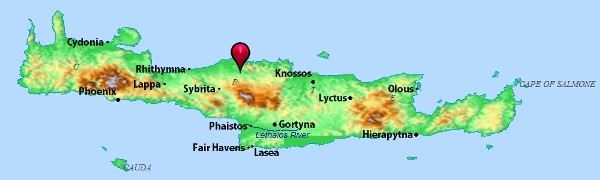
After the Apostle Paul left the younger evangelist Titus at Crete, he wrote, “For this reason I left you in Crete, that you should set in order the things that are lacking, and appoint elders in every city as I commanded you” (Titus 1:5). There were many cities (Greek polis) on the island of Crete, as can be seen from this map by bibleatlas.org:
In each of these cities where congregations of Christians were established, qualified men were to be appointed to serve as elders (bishops, pastors are biblically interchangeable terms). The list of qualifications was given as follows:
if a man is blameless, the husband of one wife, having faithful children not accused of dissipation or insubordination. For a bishop must be blameless, as a steward of God, not self-willed, not quick-tempered, not given to wine, not violent, not greedy for money, but hospitable, a lover of what is good, sober-minded, just, holy, self-controlled, holding fast the faithful word as he has been taught, that he may be able, by sound doctrine, both to exhort and convict those who contradict.
Titus 1:6-9
The archaeological excavations of Arthur Evans at Knossos got underway in 1900. He is credited with inventing the term “Minoan,” naming the civilization after King Minos, who ruled the island of Crete, according to legend.
A deity worshiped by the Minoans was the bull. In the Biblical Archaeology Society publication (2008), Island Jewels: Understanding Ancient Cyprus and Crete, we read:
Again, we rely on the evidence of frescoes and gems that show how the Minoans practiced an astonishing ritual that consisted of grasping a bull by its horns and leaping over its back. When we add this to the ubiquity of stylized bulls’ horns, so-called “horns of consecration,” as well as the bull’s head rhyta (drinking vessels; singular, rhyton) and vivid portraits of individual beasts, there can be no doubt that the Minoans treated the bull with deep reverence…The bull may well have represented the young male consort of the goddess of love, a pattern that recurs throughout the ancient near east from Tammuz and Ishtar to Venus and Adonis, although if this is the case we cannot even give names to the Cretan versions of the divine couple (pp. 49-59).
BAS
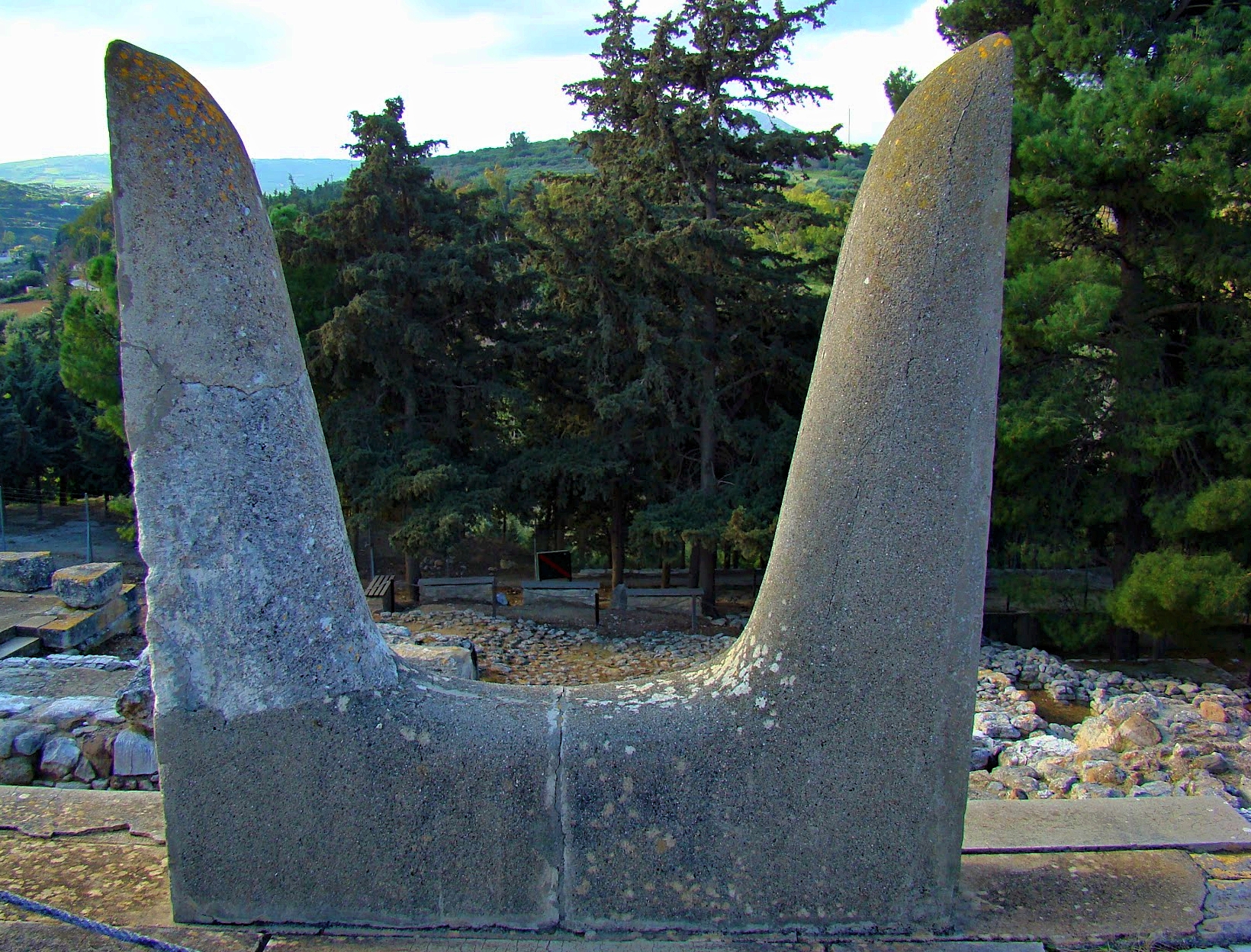
In keeping with this information, note our photo of the gigantic bull’s horns below:
It is thought by many that these restored horns symbolized the sacred bull, and that they once adorned the top of the palace at Knossos, Crete.
The palace at Knossos was the largest of the Minoan palaces and served as the home of the legendary king Minos. This palace complex was named and excavated in 1900 by the Englishman Arthur Evans. Arthur Evans is also responsible for naming this sculpture-like object which resembles the horns of a bull, as “”horns of consecration.”” The horns in this slide, which are located outside the South Propylaea at the Knossos complex, are a 20th century reconstruction. Different depictions of horns of consecration can be found throughout Minoan culture, such as on Minoan sarcophagi. Overall, the bull was considered to be a sacred animal in ancient Crete, playing a large role in religious rituals. Since Evans, scholars and archaeologists have debated the true function and meaning of the horns of consecration. One scholar has suggested that these horns were used as seats of honor for nobility or gods. Other scholars have thought that the horns originally served as a pot-support in a hearth. Today, there is still a lack of consensus among scholars as to the function of these horns.
2 Kings 23 records the zealous reforms of good king Josiah (r. 640-609 BC), who had been the object of prophecy some 300 years earlier (1 Kings 13). Josiah destroyed/defiled the sites and objects of idolatry both in Jerusalem as well as throughout the land of Israel. This included the desecration of the site Solomon had constructed for the worship of foreign gods (which had resulted from the influence of the pagan wives he accumulated, cf. 1 Kings 11).
The text states: “Then the king defiled the high places that were east of Jerusalem, which were on the south of the Mount of Corruption, which Solomon king of Israel had built for Ashtoreth the abomination of the Sidonians, for Chemosh the abomination of the Moabites, and for Milcom the abomination of the people of Ammon” (2 Kings 23:13).
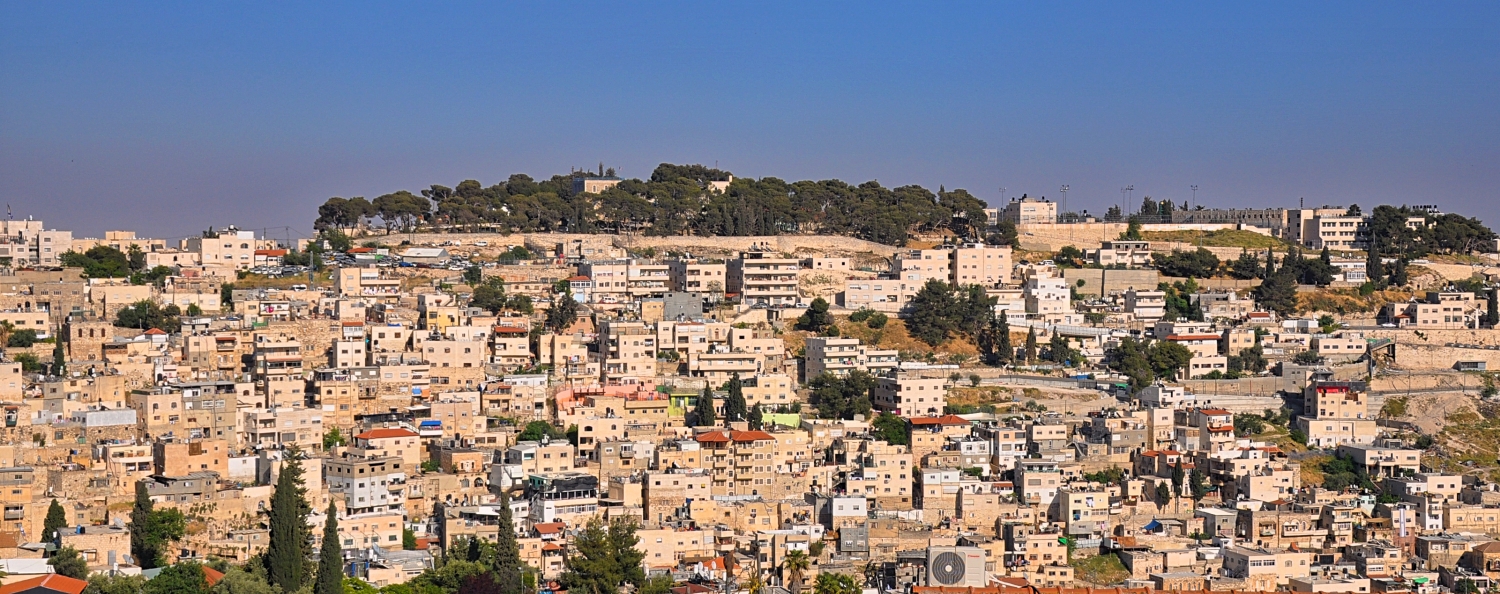
Here is the location of har hammašḥı̂t (הַר הַמַּשְׁחִית
The “Mount of Corruption” is a “derogatory name for the Mount of Olives, where Solomon had built shrines to Ashtoreth, Chemosh, and Molech. Josiah, king of Judah is described as defiling and destroying these temples in 2 Kgs 23:13” (The Lexham Bible Dictionary).
This site also came to be known as the “Mount of Offense” as well as the “Mount of Scandal.”
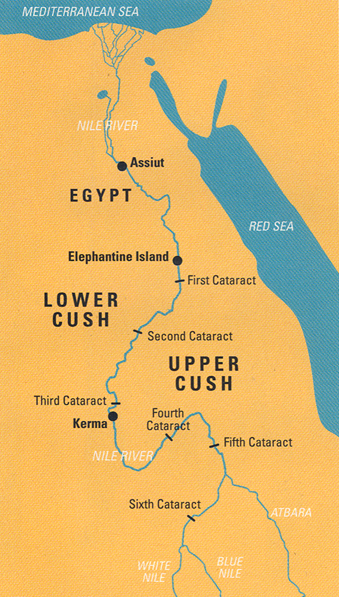
Our last couple of posts have dealt with Pharaoh Tirhakah, the Cushite (Ethiopian) king of Egypt’s 25th dynasty, and mentioned by name in 2 Kings 19:9, in correction with Judah’s good King Hezekiah, and the Assyrian King Sennacherib. We noted, “In some translations (i.e., NKJV) Tirhakah is said to be king of Ethiopia. “Ethiopia” here refers to southern Egypt, and is rendered Cush in CSB, ESV, NASB (Hebrew is כּוּשׁ, transliterated kûš).” Cush is also called the land of Nubia, with Nubia being the more modern name.
On our recent tour of Egypt (Oct. ’22) we had the opportunity to go south of Aswan (positioned “First Cataract” here on map below), where the ancient border separated Egypt from Cush.
Map of Egypt and Cush. Cush, to the south of Egypt, is biblical Ethiopia.
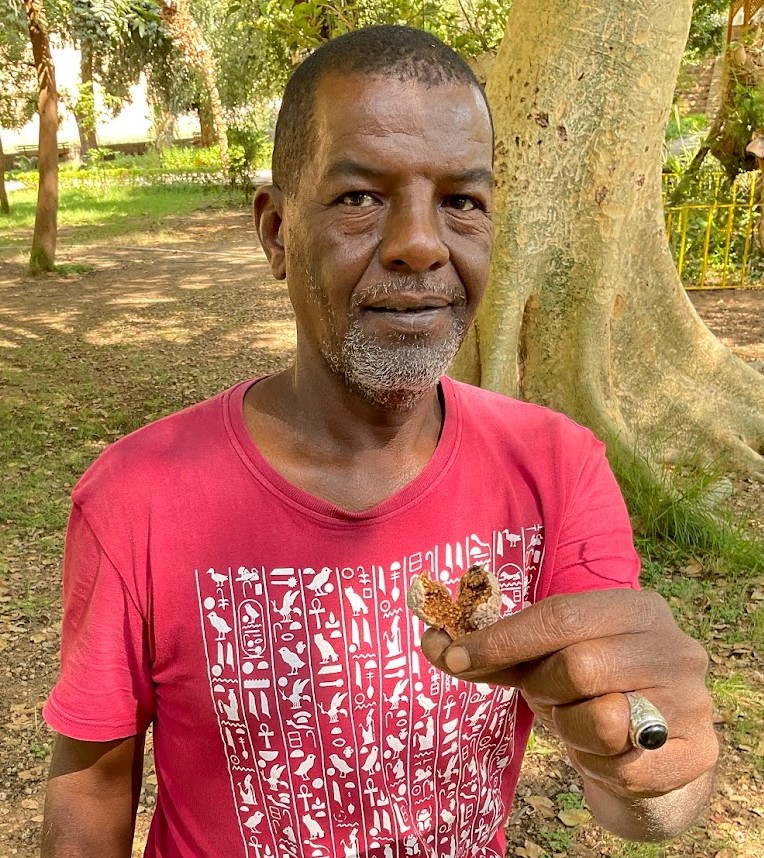
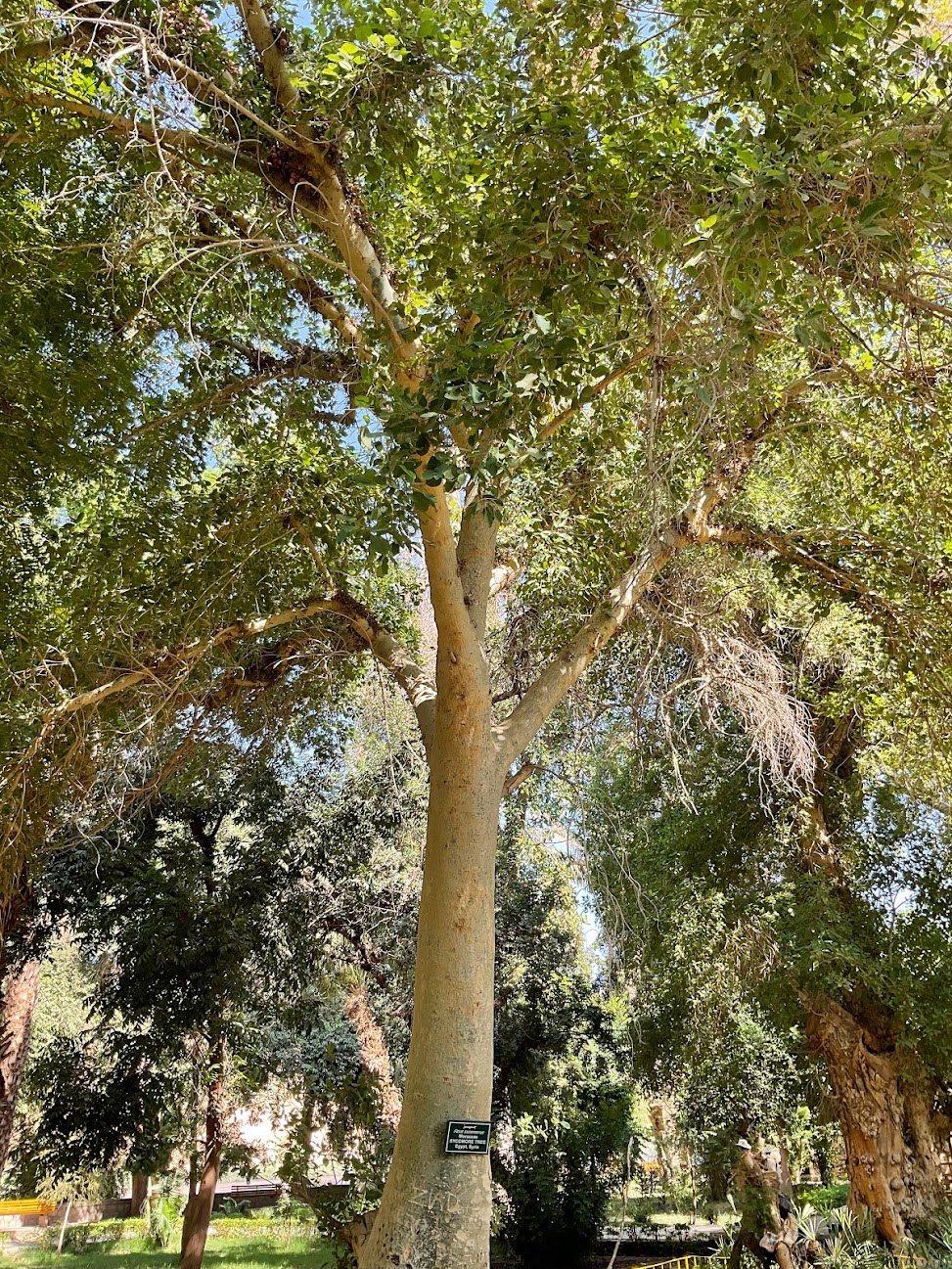
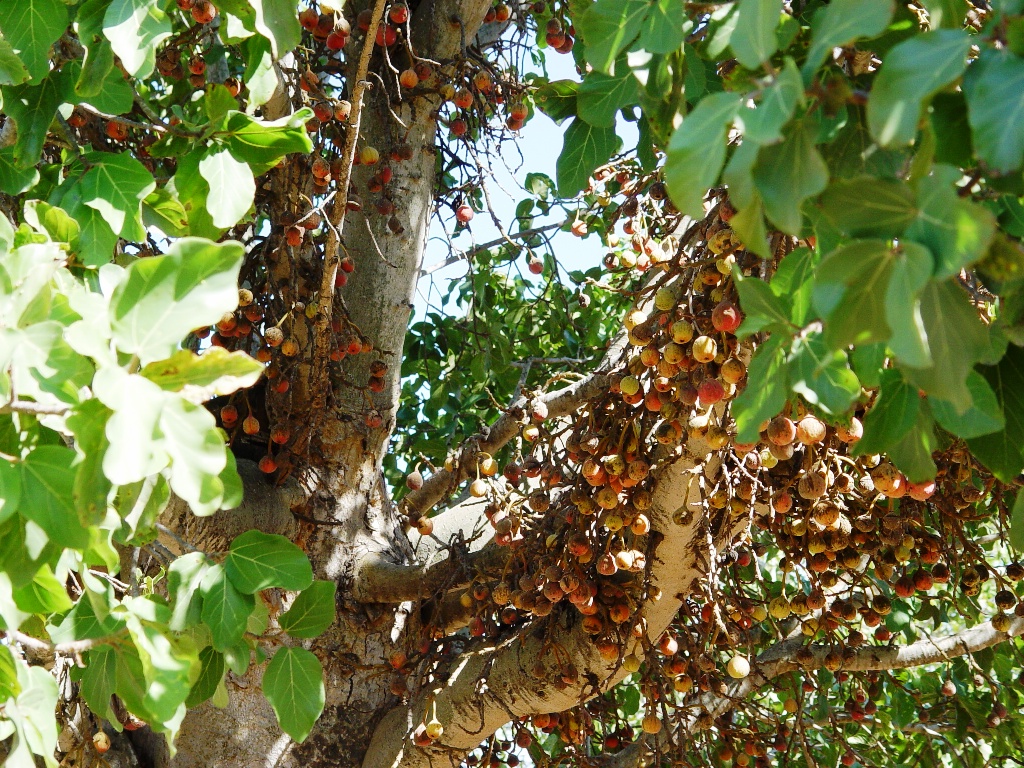
Earlier when our group stopped for a visit at Kitchener Island in the Nile, we saw trees and plants from many locations. It is used as a research station called the Botanical Research Institute. While there we saw a sycamore tree, which is referenced many times in the scripture. Unlike the sycamore tree of my home in Alabama, the biblical sycamore produced figs (see Amos 7:14-17). I was explaining to some of our group nearby as to the significance of the tree, when a gentleman who also was listening (apparently an employee) approached. He picked up a fig, broke it open, to let our folks better see. This was very helpful. He also very emphatically said, “I am Nubian.”
Here is a sycamore tree in Israel at Neot Kedumim, the Biblical Landscape Reserve in Israel. (Located near Modi’in, midway between Jerusalem and Tel Aviv, Israel).
In our present post we further consider Tirhakah, the Cushite (Ethiopian) Pharaoh mentioned in 2 Kings 19:9: “Now Sennacherib received a report that Tirhakah, the Cushite king of Egypt, was marching out to fight against him.
It is fascinating (and illuminating) when there are other historical records, inscriptions, and artifacts which coincide with biblical persons and events. The battle between the Assyrians and Egyptians mentioned in our text above was of no great or decisive consequence. The biblical text shows that Assyria’s King Sennacherib was primarily interested in conquering Judah, and Tirhakah lived to fight another day. As was seen in yesterday’s post, Sennacherib conquered many Judean cities, but Yahweh delivered Jerusalem from his hands (701 BC), and Sennacherib fled back to Nineveh.
But there would be further conflict and fighting between Egypt and Assyria. Sennacherib was succeeded by his son Esarhaddon (2 Kings 19:37). The Lexham Bible Dictionary has the following info which references additional contact/conflict with Assyria and Egypt’s Pharaoh Tirhakah:
In 677 BC, Esarhaddon invaded Egypt after settling a revolt in Ashkelon, but was held back and retreated. In 671 BC he invaded again, this time capturing and sacking Memphis. He also took several members of the royal family captive, including Tirhakah’s son, Ushankhuru. Tirhakah fled to the south while Esarhaddon established Necho I as king of Sais. After Esarhaddon left, Tirhakah attempted to destabilize Necho I. On his way back to deal with the trouble Tirhakah was causing, Esarhaddon died. His son Ashurbanipal defeated Tirhakah, causing him to flee to Thebes, where he died in 664 BC.
Nettelhorst, R. P. (2016). Tirhakah. In J. D. Barry, D. Bomar, D. R. Brown, R. Klippenstein, D. Mangum, C. Sinclair Wolcott, L. Wentz, E. Ritzema, & W. Widder (Eds.), The Lexham Bible Dictionary. Lexham Press.
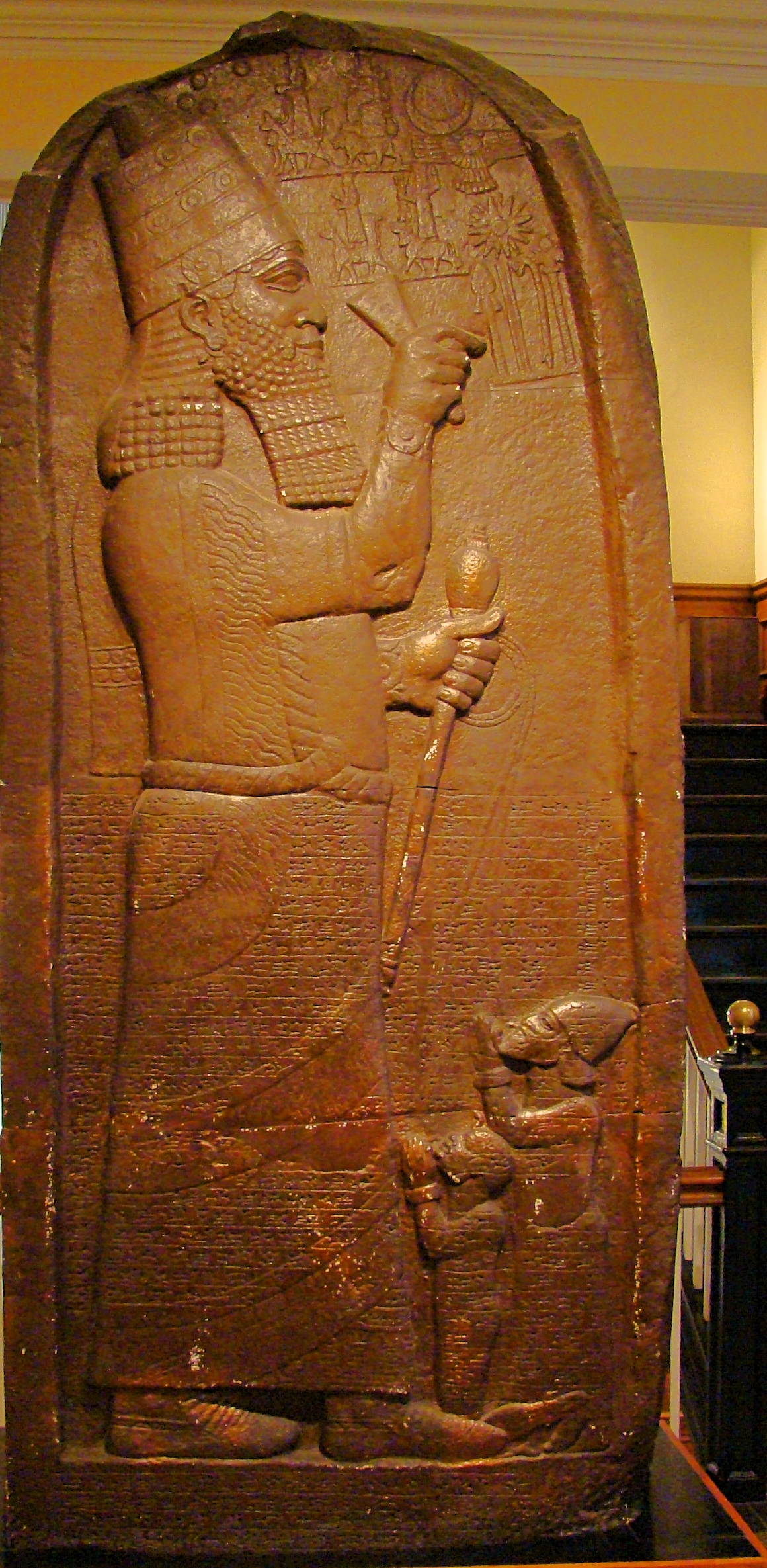
The Victory stele of Esarhaddon commemorated his 671 BC victory over Pharaoh Tirhakah (Taharqa/Taharka). Esarhaddon holds a mace club in his left hand, with a rope that passes through the lips of the two conquered kings, thought to be Pharaoh Tirharkah (lower left) and King Baal of Sidon (lower right). Esarhaddon’s right hand is addressing the gods. The script on the bottom half is in Akkadian Cuneiform.
Tirhakah (Taharqa/Taharka) is mentioned in the context of the mighty Assyrian King Sennacherib’s attempt to take Judah’s capitol city of Jerusalem, 701 BC, during good King Hezekiah’s reign. The biblical text reads, “Now the king heard concerning Tirhakah king of Cush, ‘Behold, he has set out to fight against you.’ So he sent messengers again to Hezekiah, saying,” (2 Kings 19:9; cf. the parallel in Isa. 37:9).
The background is that Sennacherib (r. 705-681 BC) had already taken “all the fortified cities of Judah” (2 Kings 18:13). In fact, Assyrian records state that he had taken 46 fortified cities, besides unwalled towns and villages. In the context of our passage above that mentions Tirhakah, the fortress city of Lachish had been taken (cf. the displays in Lachish Room in the British Museum), and Assyrian was fighting against Libnah (2 Kings 19:8). It was at that point that Sennacherib “heard concerning Tirhakah.”
In some translations (i.e., NKJV) Tirhakah is said to be king of Ethiopia. “Ethiopia” here refers to southern Egypt, and is rendered Cush in CSB, ESV, NASB (Hebrew is כּוּשׁ, transliterated kûš). At the time of the battle (701 BC), Tirhakah was the commander of the Egyptian forces. He would later become Pharaoh (25th dynasty; r. 690-664 BC). Note: “Ancient Oriental writers, as well as modern, frequently referred to persons by titles acquired later than the period being described (K. A. Kitchen, Ancient Orient and Old Testament, Chicago: Inter-Varsity, 1966, pp. 82–84).” (Source: C. F. Pfeiffer, H. F. Vos, & J. Rea (Eds.), The Wycliffe Bible Encyclopedia. Moody Press.).
Todd Bolen states,
Tirhakah meets the Assyrians in battle at Eltekeh, possibly modern Tell esh-Shallaf, 28 miles (45 kilometers) west of Jerusalem. It is not clear if Judah had sent tribute to Egypt in order to gain assistance or if the Egyptians saw an opportunity in attacking the Assyrian army when numerous battles had weakened it and it was far from home. Isaiah had warned Judah of the futility of trusting Egypt (Isa 31:1-5). (NIV Zondervan Study Bible, p. 696).
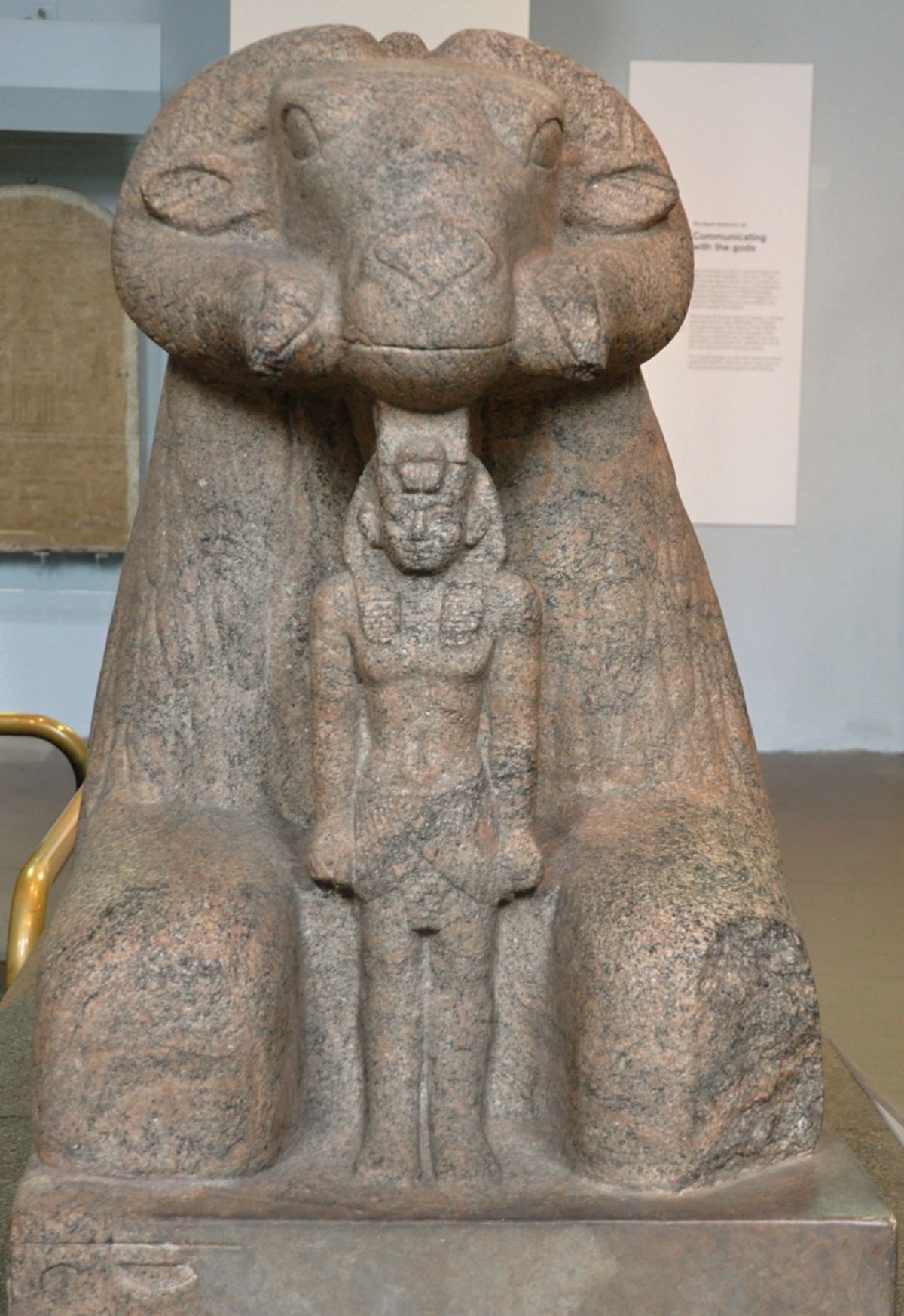
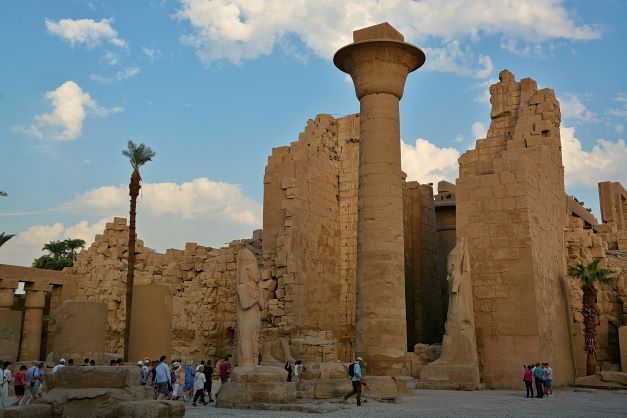
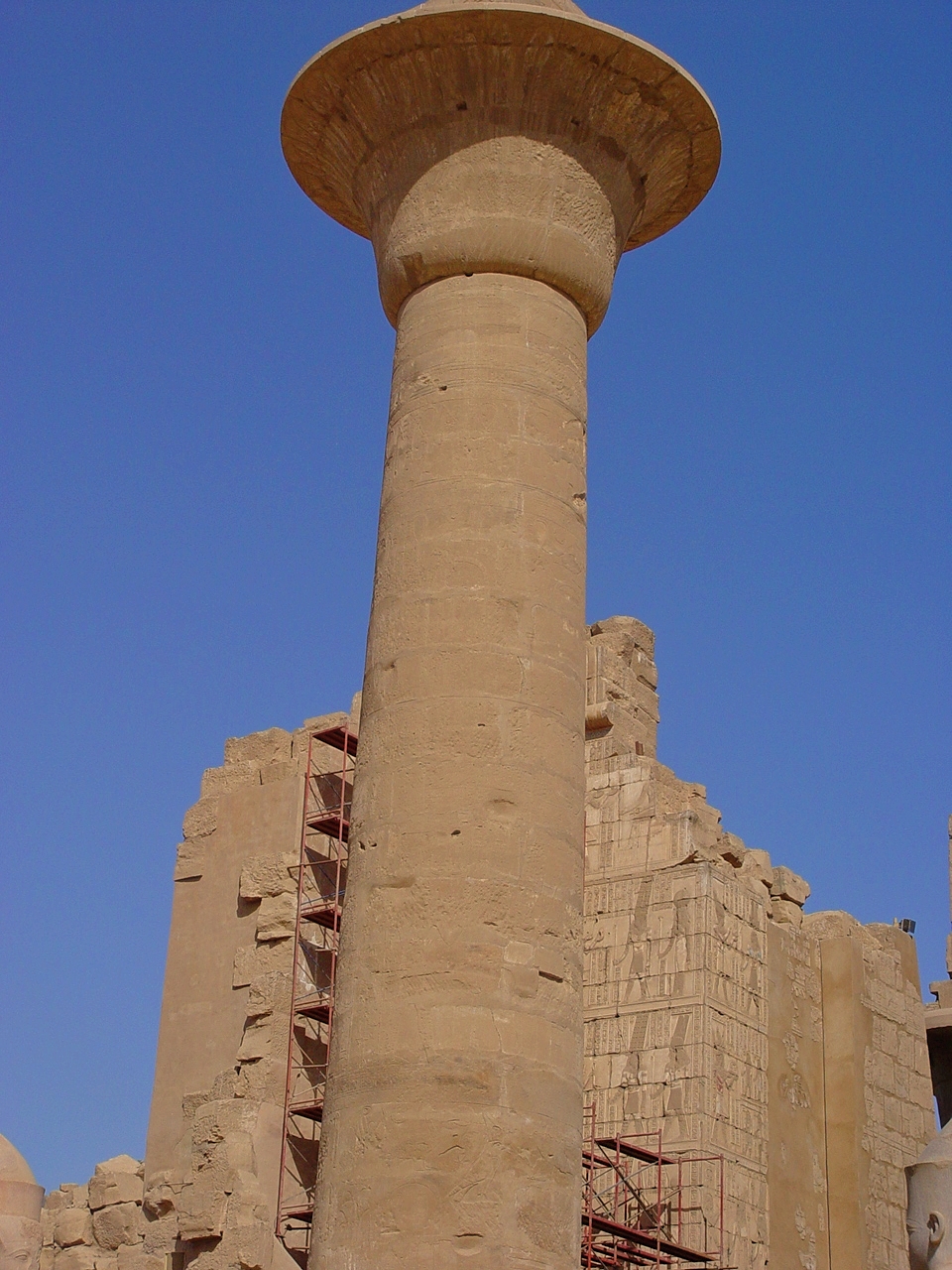
Taharqa was the fourth king of the Twenty-fifth Dynasty and also king of his native Kush; located in Northern Sudan. The remains of this huge kiosk, built by 25th Dynasty pharaoh Taharqa (690-664 B.C.) originally consisted of ten twenty-one meter high papyrus columns linked by a low screening wall. Today there is only one great column still standing. It is believed that it was a barque chapel (or Station) although some Egyptologists think it may have been used in ritual activities to join with the sun.
Back to the text of 2 Kings 19:9, the Assyrians were only temporally diverted by the Egyptians, though it would be a bit later when Assyrian completed the task of conquering Egypt. The greater point by far as the text continues, is YHWH’s miraculous deliverance of the city of Jerusalem. Sennacherib returned to Assyria after his mighty army was devastated.
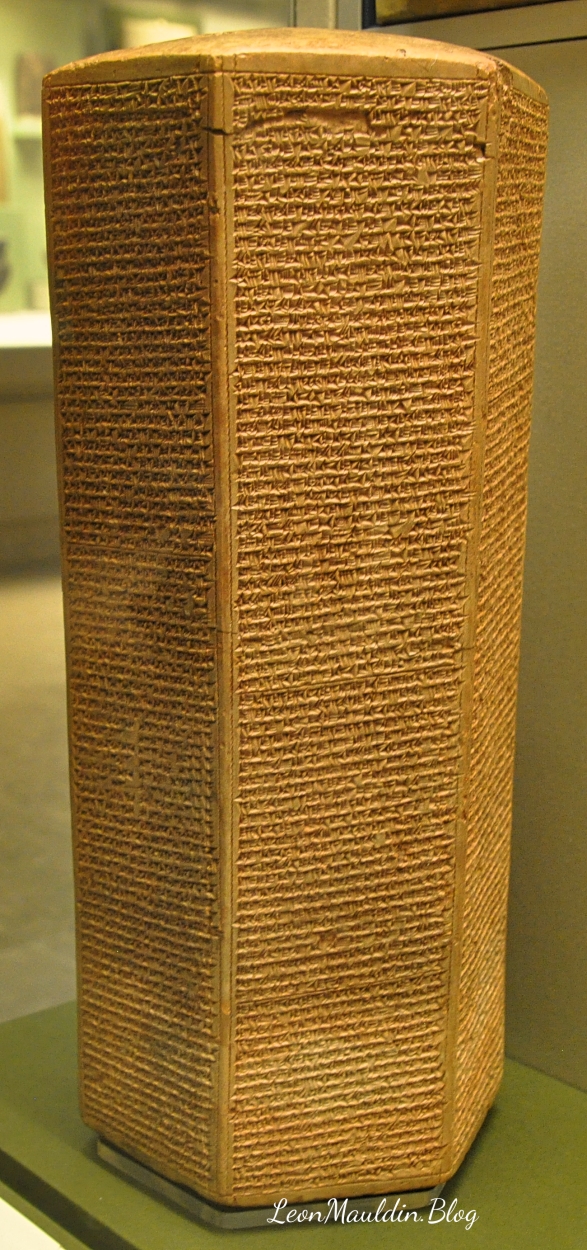
The text is in Akkadian Cuneiform, the international language of the time. The reference to Hezekiah reads:
As for Hezekiah, the Judean, I besieged forty-six of his fortified walled cities and surrounding smaller towns, which were without number. Using packed-down ramps and applying battering rams, infantry attacks by mines, breeches, and siege machines, I conquered (them). I took out 200,150 people, young and old, male and female, horses, mules, donkeys, camels, cattle, and sheep, without number, and counted them as spoil. He himself, I locked up within Jerusalem, his royal city, like a bird in a cage.
(Hallo, W. W., & Younger, K. L. (2000). Context of Scripture: Monumental Inscriptions from the Biblical World (p. 303). Leiden; Boston: Brill).
More to come re: Tirhakah. Click photos for larger view.


 Posted by Leon Mauldin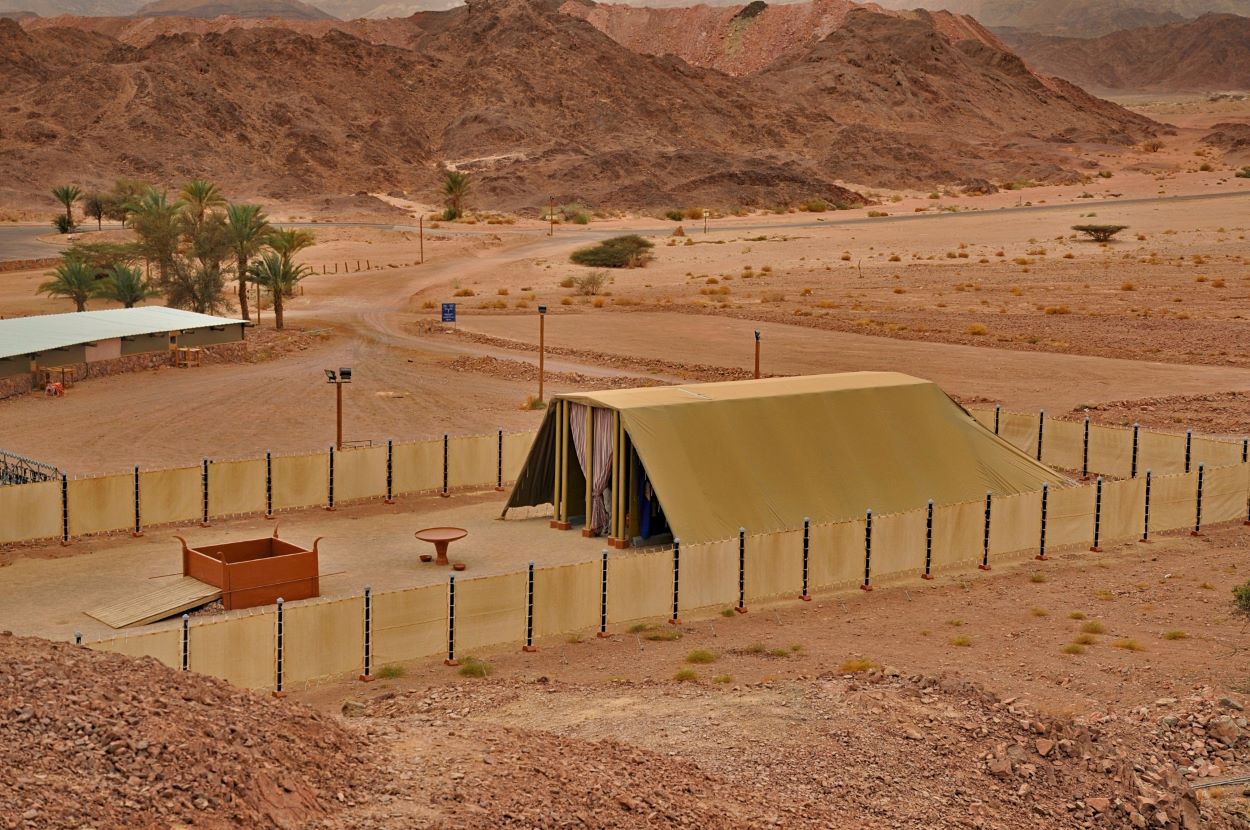



 leonmauldin.blog