“We Remember the Fish” (in good ole Egypt)

August 5, 2012

Memory is an amazing thing. I view it as a gift from God. One of the saddest events imaginable is for one to lose his memory, his ability to remember and recall life’s experiences, what one has learned, etc.

The ability to learn God’s word and apply it to life’s circumstances is a blessing. For that reason I encourage especially young people to spend much time in memorization of God’s word.

If one does not incline his heart Godward, memory can be amazingly quirky. When the nation of Israel was yet in Egypt, all they could think about was their harsh treatment meted out by cruel taskmasters. In their affliction they cried out to God.

God brought them out of Egypt after a mighty display of His power with the 10 plagues, referenced by God Himself as judgments against the gods of Egypt (Exodus 6:6; 12:12). They crossed the Red Sea, and made their way to Sinai, where they encamped for 11 months. During this time they received the Ten Commandments (along with its other laws), built the tabernacle, and consecrated the Aaronic priesthood (Ex. 19-Num. 10).

God was mindful of His covenant with Abraham; at that point it was time to grant Israel possession of the promised land of Canaan. At His command and direction Israel began to march (Num. 10:11ff). But immediately they lost sight of God’s lofty purpose with them and began to murmur (Num. 11:1).

One such instance of murmuring is related:

Now the mixed multitude who were among them yielded to intense craving; so the children of Israel also wept again and said: “Who will give us meat to eat? 5 “We remember the fish which we ate freely in Egypt, the cucumbers, the melons, the leeks, the onions, and the garlic; 6 “but now our whole being is dried up; there is nothing at all except this manna before our eyes!”

Talk about selective memory! Talk about rewriting history! The New Testament identified the problem as a lack of faith (Heb. 3-4). Stephen showed that the heart of the problem was a problem of the heart: “in their hearts they turned back to Egypt” (Acts 7:39).

Fish in Alexandria, Egypt. Photo by Leon Mauldin.

I photographed these fresh fish at a local restaurant in Alexandria. My daughter and I dined there.

Israel remembered the fish, but forgot God’s purpose for them. Photo by Leon Mauldin.

Click images for larger view.


Colossi of Memnon

June 13, 2012

Jesuit Claude Sicard (1677-1726) was commissioned by the French regent Philippe d’Orléans to investigate and identify ancient monuments in Egypt. Sicard visited Upper Egypt four times and was the first in modern times to identify the site of Thebes as well as the colossi of Memnon and the Valley of the Kings.

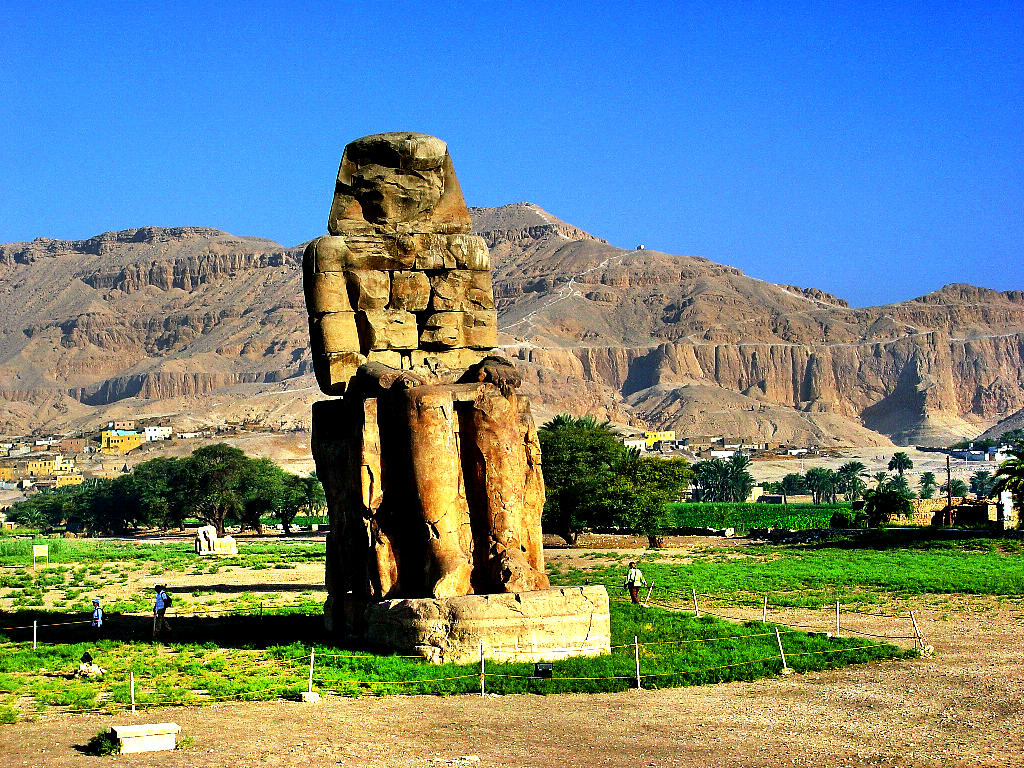
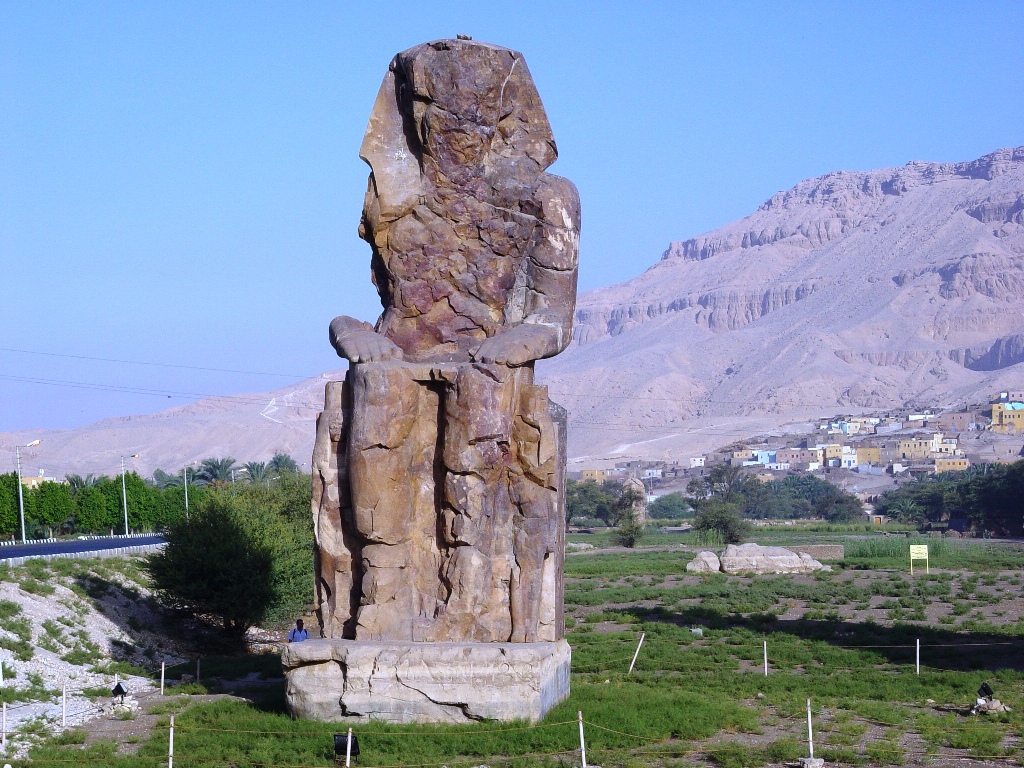
The Memnon Colossi mark the site of the temple of Pharaoh Amenophis III (reigned 1391-1353 BC, Baines & Malek, p. 36). These two massive stone statues depict the Pharaoh, and are positioned in the Theban necropolis, on the west side of the Nile across from Luxor.

Colossi of Memnon. Photo by Leon Mauldin.

This statue is 55 feet tall, on a base of about 5 feet in height. See people on ground for scale. Nebuchadnezzar’s image (Daniel 3) towered 30 feet higher than this!

Colossi of Memnon. Photo by Leon Mauldin.

In his commentary on Daniel, Albert Barnes makes an interesting point regarding the great image Nebuchadnezzar made (Daniel 3) and the possible relation of that to the colossi of Memnon:

It is not impossible that Nebuchadnezzar was led, as the editor of Calmet’s Dictionary has remarked (Taylor, vol. iii. p. 194), to the construction of this image by what he had seen in Egypt. He had conquered and ravaged Egypt but a few years before this, and had doubtless been struck with the wonders of art which he had seen there. Colossal statues in honour of the gods abounded, and nothing would be more natural than that Nebuchadnezzar should wish to make his capital rival everything which he had seen in Thebes. Nor is it improbable that, while he sought to make his image more magnificent and costly than even those in Egypt were, the views of sculpture would be about the same, and the figure of the statue might be borrowed from what had been seen in Egypt.

It is not impossible that Nebuchadnezzar was led, as the editor of Calmet’s Dictionary has remarked (Taylor, vol. iii. p. 194), to the construction of this image by what he had seen in Egypt. He had conquered and ravaged Egypt but a few years before this, and had doubtless been struck with the wonders of art which he had seen there. Colossal statues in honour of the gods abounded, and nothing would be more natural than that Nebuchadnezzar should wish to make his capital rival everything which he had seen in Thebes. Nor is it improbable that, while he sought to make his image more magnificent and costly than even those in Egypt were, the views of sculpture would be about the same, and the figure of the statue might be borrowed from what had been seen in Egypt. An illustration of the subject before us is furnished by the preceding engraving, from a photograph, of the two celebrated colossal figures of Amunoph III. standing in the plains of Goorneh, Thebes, one of which is known as the Vocal Memnon. (Barnes, A.,  Notes on the Old Testament: Daniel, Volume 1, p.204).

Regarding the meaning of the word Memnon,

Memnon was a hero of the Trojan War, a King of Ethiopia who led his armies from Africa into Asia Minor to help defend the beleaguered city but was ultimately slain by Achilles. The name Memnon means “Ruler of the Dawn”, and was probably applied to the colossi because of the reported cry at dawn of one of the statues. Eventually, the entire Theban Necropolis became generally referred to as the Memnonium (Wikipedia).

Click images for larger view.


Monastery of St. Barnabas at Salamis

May 25, 2012

BAS has this information re: the island of Cyprus:

Cyprus served as a stepping stone on the trade routes that crossed the eastern Mediterranean. Archaeological remains from as early as the Early Bronze Age (3rd millennium B.C.E.) show it to have been a cultural meeting ground and “melting pot” for the successive cultures that flourished on all sides of it.

Salamis was the main port and principal city of the island in the Roman age. Located about five miles north of modern Famagusta, on its great bay, the city has yielded extensive Roman remains, including a theater, gymnasium, baths and a forum (BAS Biblical World in Pictures).

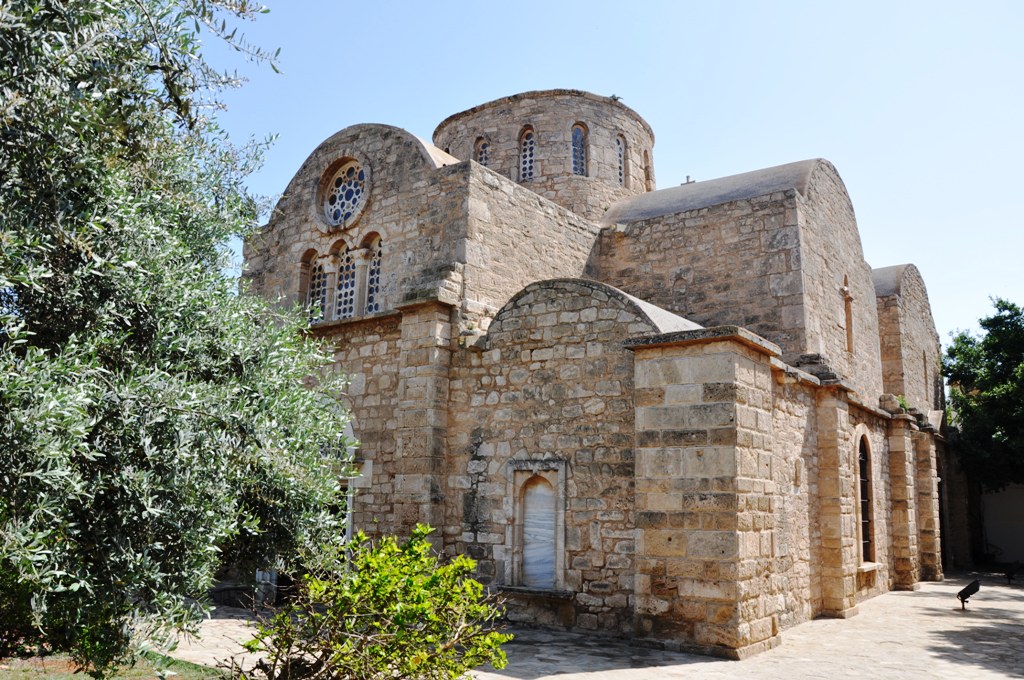
Our photo features the Monastery of St. Barnabas at Salamis.

Monastery of St. Barnabas at Salamis, Cyprus. Photo by Leon Mauldin.

We are introduced to Barnabas as a “Levite of Cyprian birth” (Acts 4:36). He, along with Paul, preached at Cyprus on the 1st Missionary Journey (Acts 13:1-5). Then when it was time for the 2nd Journey, Paul traveled with Silas, revisiting Galatia and going onward to Macedonia and Greece, and Barnabas took John Mark back to Cyprus (Acts 15:39).

The earliest buildings of the monastery  date to AD 477.


The Tabularium

May 15, 2012

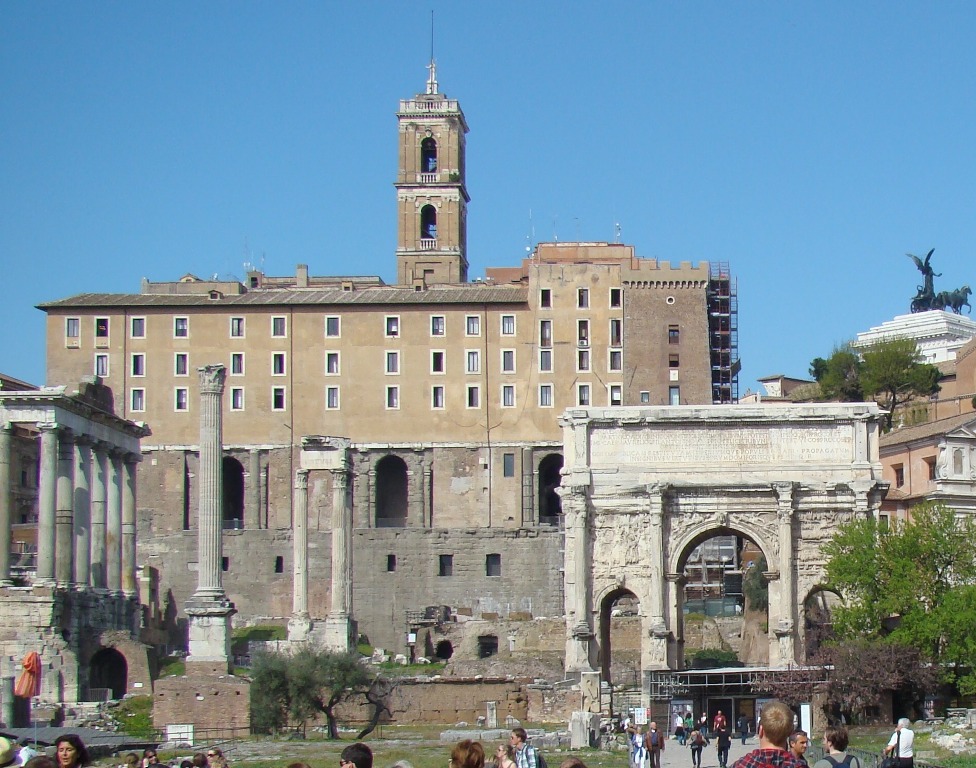
We continue to explore the Roman Forum. In our photo below we see the Tabularium, the large building in the back.

Tabularium in Roman Forum. Photo by Leon Mauldin.

“Tabularium” is a term for a record building. A number of other tabularia were scattered around Rome and other ancient Roman cities, but this article is about the prototype example.

The Tabularium was the official records office of ancient Rome, and also housed the offices of many city officials. Situated within the Roman Forum, it was on the front slope of the Capitoline Hill, below the Temple of Jupiter Optimus Maximus, to the southeast of the Arx and Tarpeian Rock.

Within the building were the remains of the temple of Veiovis. In front of it were the Temples of Vespasian & Concord, as well as the Rostra and the rest of the forum. Presently the Tabularium is only accessible from within the Capitoline Museum, although it still affords an excellent panoramic view over the Forum.

The Tabularium was first constructed around 78 BC, by order of M. Aemilius Lepidus and Q. Lutatius Catulus. It was later restored and renovated during the reign of the Emperor Claudius, about 46 AD. (Wikipedia).

The lower level, the gray portion, is the Roman period; upper level was built later.

In a entry entitled “Obtaining Citizenship,” (Roman citizenship) F.F. Bruce is referenced as stating

that legislation at the turn of the first century A.D. called for a legitimately born child of Roman citizens to be registered within thirty days of birth. Children born in the provinces would be legally acknowledged (professio) before the Roman provincial authority at the public record office (tabularium publicum). The professio was then entered in the register (album professionum). We do not know if Paul’s birth was before or after this legislation, but some such formal procedure had to have been in effect earlier. At regular intervals a citizen’s name, age, status and property holdings would thereafter be recorded by census. (Dictionary of New Testament Background: A Compendium of Contemporary Biblical Scholarship.)

At right in the photo you can see the Arch of Septimius Severus, dedicated in AD 203.

*******

At present I am en route to Cyprus to join Ferrell Jenkins for a few days of photographing biblical sites, and biblically related sites, in Cyprus and Turkey.

Click on image for larger view.


The Land of Geshur

April 14, 2012

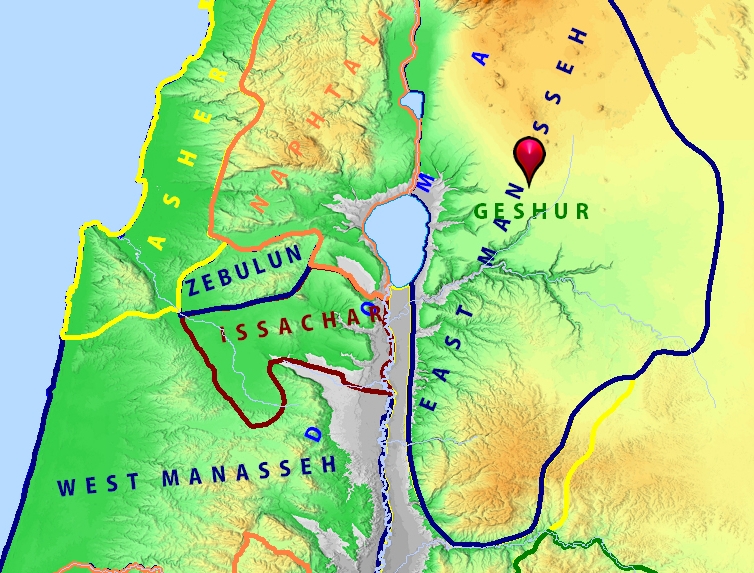
The area of Geshur figures into the biblical history of King David. David’s “third son was Absalom, the son of Maacah daughter of King Talmai of Geshur” (2 Sam. 3:3). When tragedy struck David’s family internally, as Absalom killed his half-brother Amnon, because Amnon raped Absalom’s sister Tamar, “Absalom fled and went to King Talmai son of Ammihud of Geshur” (2 Sam. 13:17). I.e., he sought and received refuge from Talmai who was his grandfather.

Note the location of Geshur here:

Old Testament Geshur. Map by BibleAtlas.Org.

Geshur is inclusive of the site usually identified as Bethsaida.

This area of Galilee was included among the sites taken by the Assyrians, about a decade before the fall of Samaria (722 BC).

During Pekah’s reign over Israel, King Tiglath-pileser of Assyria came and captured Ijon, Abel Beth Maacah, Janoah, Kedesh, Hazor, Gilead, and Galilee, including all the territory of Naphtali. He deported the people to Assyria (2 Kings 15:29).

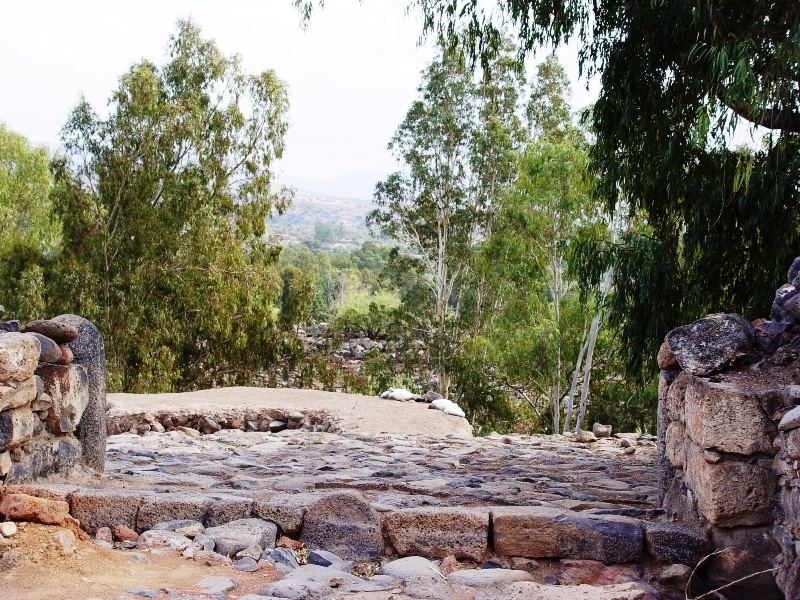
This invasion is dated at ca. 732 BC. Here is a view from inside the gate of Bethsaida, in the territory of Geshur. This Galilean site was included in the Assyrian attack in the above text. Occupants here would have seen the Assyrians setting fire to the gate.

City gate of Bethsaida. In territory of OT Geshur. Photo by Leon Mauldin.

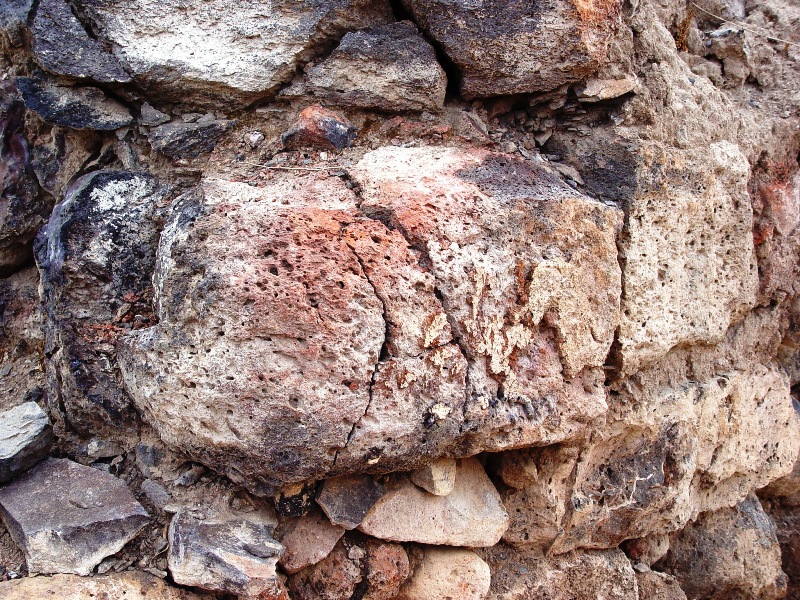
The heat intense fire caused the blocks in the gate area to burst. You can still see black carbon residue from the fire.

Blocks burst by intense fire during Assyrian invasion. Photo by Leon Mauldin.

Click images for larger view.


Greetings from Sorrento

March 17, 2012

UPDATE: Now in Rome, able to upload photos. Inserting some photos to “catch-up.”

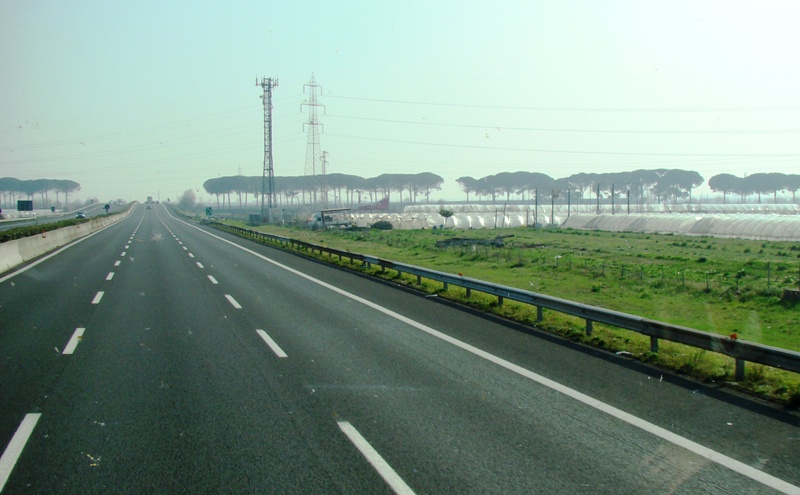
Today we traveled 300+ miles, from Florence to Sorrento. Along the way we were in the area of the ancient Appian Way. In Acts 28:18ff., Paul traveled a portion of the Appian Way when as a prisoner he was en route to Rome. The Appian way was one of the earliest and strategically most important roads of the Roman Republic.

That ancient route is marked with Umbrella Pines.

Appian Way Marked by Umbrella Pine Trees. Photo by Leon Mauldin.

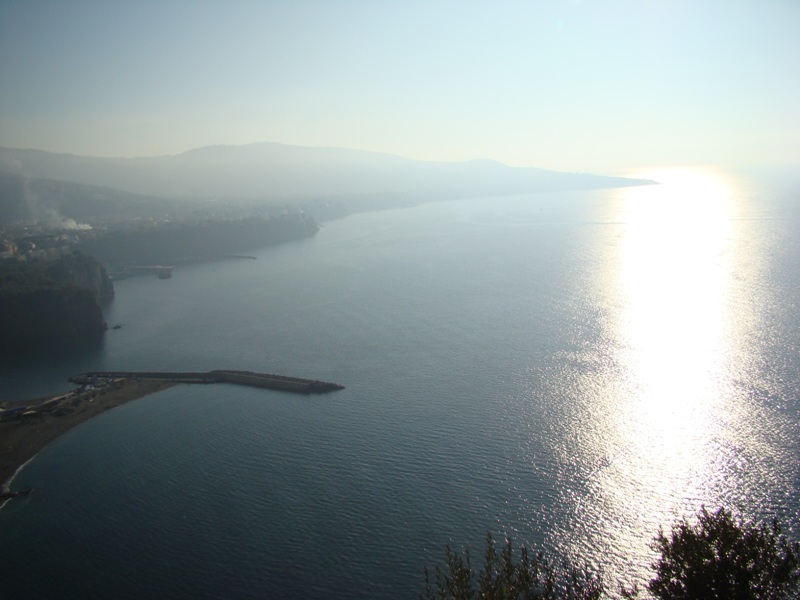
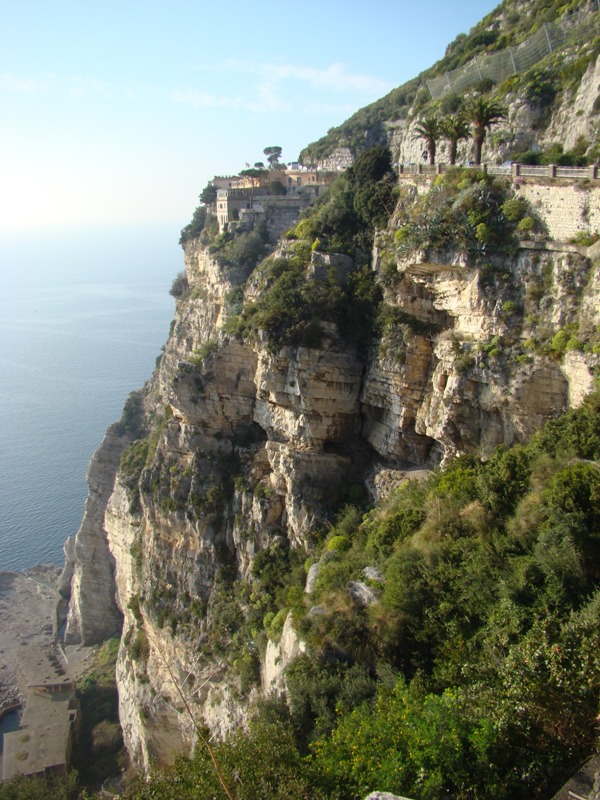
By late afternoon we arrived at Sorrento.

Sorrento in Southern Italy. Photo by Leon Mauldin.

Natural Beauty in Sorrento Area. Photo by Leon Mauldin.

We are looking forward Sun AM to meeting with brethren who comprise Chiesa di Cristo at Poggiomarino. After a period of worship we are to visit the ruins of Pompeii.

The internet somehow is not cooperative in uploading photos tonight. Hopefully tomorrow.


Arch of Titus

March 3, 2012

The Arch dedicated to Titus is in the Forum at Rome, located at the highest point of the Via Sacra. It was on this street that most of the religious processions took place.

Arch of Titus, located in Forum of Ancient Rome. Photo by Nancy Picogna.

The arch was built to commemorate the Roman defeat of Judea, including the destruction of Jerusalem and its Temple. Inside the arch, one side depicts the Roman soldiers removing the menorah, table of showbread and silver trumpets from the temple as it was destroyed in AD 70. Vespasian was Emperor and Titus was the commander of the Roman army at that time.  Titus was Emperor AD 79-81. After Titus’ death, the arch was constructed ca.AD 81 by Titus’ brother, the new Emperor Domitian.

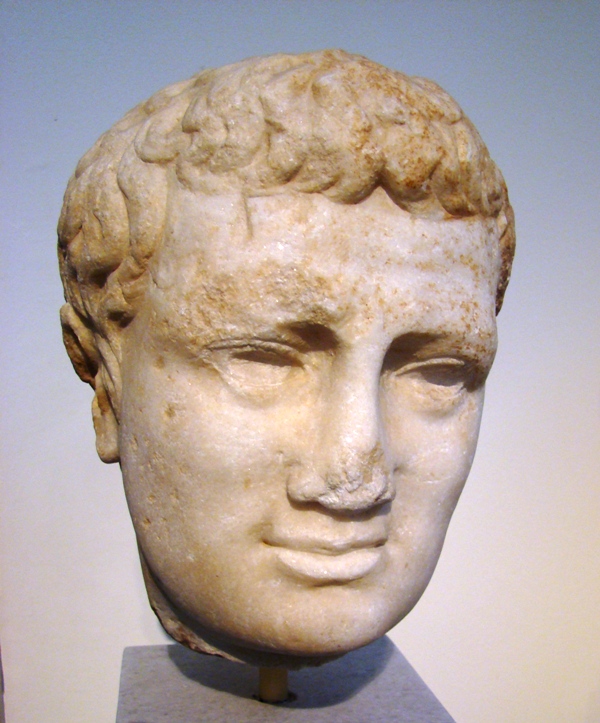
Emperor Titus, AD 79-81. Photo by Leon Mauldin.

This head of Titus (exhibit #348, Athens Museum), is made of Pentelic marble and was “probably found at Smyrna, Asia Minor. It is an earlier portrait head (possibly of the emperor Caligula) with parts reworked to render the features of Titus.”


More on Azazel

February 18, 2012

Our previous entry was on Azazel, the Scapegoat. See here. I wanted to follow-up with a bit more information on the word Azazel from The Theological Wordbook of the Old Testament (Eds. Harris, Archer, and Waltke):

The actual use and meaning of this word in Lev 16 is at best uncertain. However, regardless of its precise meaning, the significant dimension is the removal of the sins of the nation by the imposition of them on the goat. In this passage sin seems to be hypostatized [to treat or represent as concrete reality] and therefore readily transferable to the goat. Indeed vss 21 and 22 state that this goat is to bear away the sin of the people. Such a ritual would illustrate vividly the physical removal of defilement from the camp to a solitary place where it would no longer infest the nation.

A parallel to the scapegoat can be seen in the ritual for a recovered leper. Two birds were selected. One was to be killed and both the leper and the living bird were to be touched with its blood. Then the living bird was released. This bird carried away the evil, the leprosy itself, into the open field and then the leper was pronounced clean (Lev 14:1–9). . .

This concept of the removal of guilt can be seen in Ps 103:12 where God “removes” our transgressions from us.

In the NT John the Baptist identified Jesus as the Lamb of God which takes away the sins of the world (Jn 1:29, 36). This language is sacrificial, yet nowhere in the Law is a lamb spoken of as a bearer of the people’s sins. The paschal lamb is not a sin offering. The description of the Savior as a lamb is unknown to late Judaism. Furthermore, the phrase “the lamb of God” is an unparalleled genitive combination. John may have had in mind that Christ as the paschal lamb bespeaks our great deliverance from the bondage of sin. However, what seems more likely is that he had a complex of ideas in mind. Some words of Isa 53 are discernible here: “as a sheep led to the slaughter, and a lamb dumb before his shearers … whose soul was made a guilt offering … and who bore the sin of many.” But also discernible here is an allusion to the scapegoat. This fact is clearly seen in the words “taketh away” (cf. I Jn 3:5). In Christ are consummated all the atonement concepts of the OT (pp.657-658).

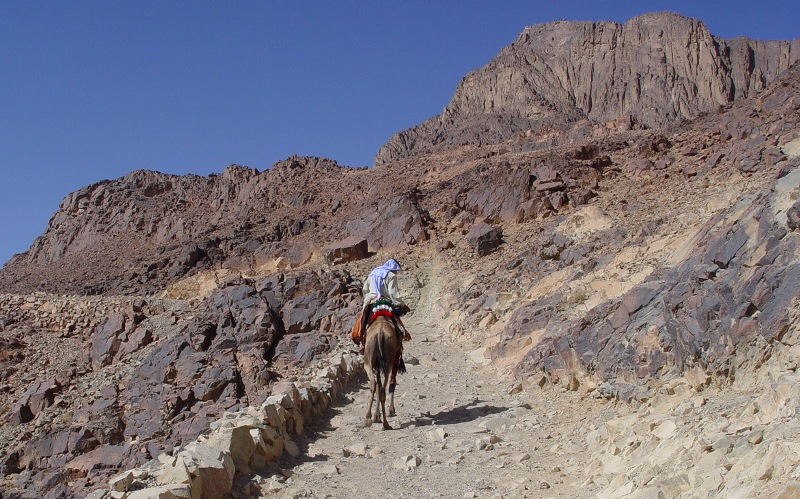
The instructions of Leviticus 16 were given while Israel was encamped at the foot of Mt. Sinai. In our photo here you can see traditional Mt. Sinai, Jebel Musa, as you look to upper right in photo.

Mt. Sinai, Jebel Musa, upper right of photo. Photo by Leon Mauldin.

Click on image for larger view.


Azazel, the Scapegoat

February 13, 2012

Leviticus 16 gives the instructions for the annual Day of Atonement. This was the one and only day during the year in which the High Priest would enter Most Holy Place in the Tabernacle, and later the temple. He would enter with sacrificial blood (a bull) first for himself and his family, and then next (a goat) on behalf of all the people of Israel.

Additionally, there was to be a second goat which was not killed; the High Priest would lay his hands on its head and confess over it all the sins of Israel (v.21). Then it would be released in the wilderness.

Lev. 16:10 states, ” But the goat chosen by lot as the scapegoat shall be presented alive before the LORD to be used for making atonement by sending it into the desert as a scapegoat” (NIV).

The NET Bible renders the Hebrew text with a transliteration: “but the goat which has been designated by lot for Azazel is to be stood alive before the LORD to make atonement on it by sending it away to Azazel into the wilderness.”

Strong defines the Hebrew word azazel as meaning “entire removal.” The NIV marginal note has “goat of removal.” “The English word scapegoat was apparently invented by William Tyndale as an attempt to translate what literally says ‘for Azazel'” (Dictionary of Biblical Imagery, p. 763).

This “visual aid” depicted God’s mercy and forgiveness as sin was removed from the camp and community of Israel. Of course this foreshadowed the vicarious suffering and death of Jesus, which made possible the remission of sins (Heb. 10:1-18; John 1:29; Eph. 1:7; 1 Pet. 2:24).

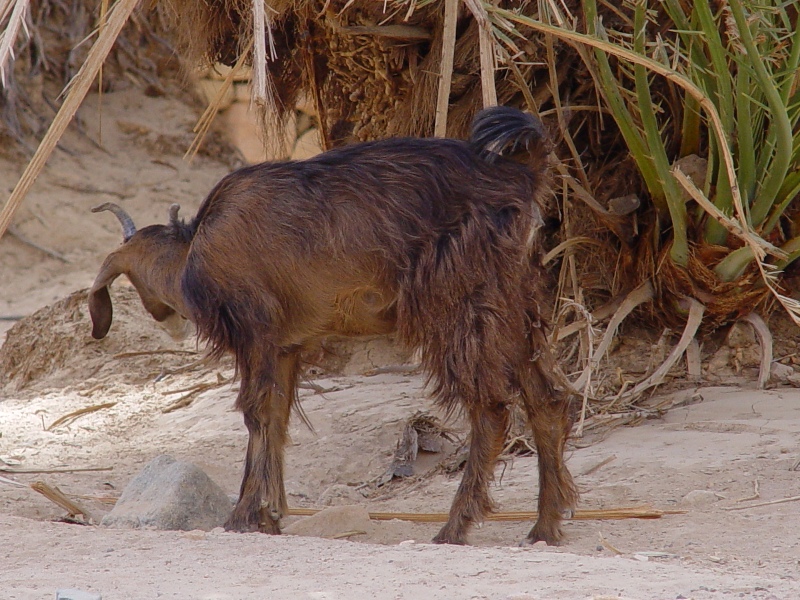
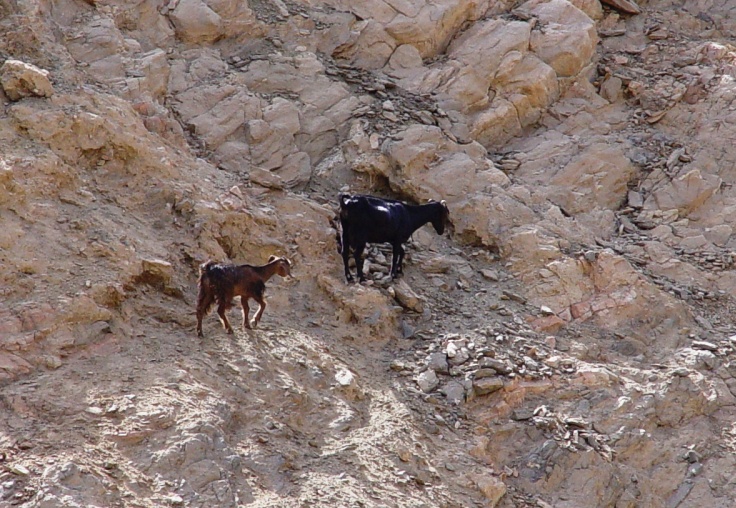
While in the Sinaitic Peninsula in 2003 I saw a couple of goats in the wilderness which help illustrate the text.

Goat in the Wilderness of Sinai. Photo by Leon Mauldin.

“As the goat goes into the wilderness, it will carry all the people’s sins upon itself into a desolate land” (v.22).

Goats in the Desert of Sinai. Photo by Leon Mauldin.

This photo below helps us to see some of the desolate country in which Israel traveled, and into which Azazel would have been released.

Wilderness of Sinai, in the south. Photo by Leon Mauldin.

Now you know the origin of the word “scapegoat,” which in modern usage denotes “a person who is blamed for the wrongdoings or mistakes of others” (Concise Oxford English Dictionary).

Click on images for larger view.


Florida College Lectures

February 8, 2012

My wife and I are enjoying the annual lectureship at Florida College, in Temple Terrace Florida.

A resource I would like to recommend is now in the making in Logos 4, that is The Florida College Annual Lectures (1974-2011).

At www.logos.com you can find the following info:

The Florida College Annual Lectures (1974–2011) brings you thirty-eight years of the college’s annual lectures series in complete written form. Prior to the first published lecture series in 1974, only content outlines were available.

Each volume includes fifteen or more lectures from contributors from various biblical fields, and focus on a specific theme. These themes deal with modern issues and are supported by recent scholarship. Learn what true worship entails. Discover how God can restore your life. Challenge yourself to share the gospel message. The Florida College Annual Lectures (1974–2011) (38 vols.) contains both informative and stimulating topics that allow you to apply the biblical principles found in its lectures to your daily walk with Christ.

With Logos, every word is essentially a link! Scripture references are linked directly to the Bibles in your library—both the original language texts and English translations. Logos Bible Software allows you to quickly move from the table of contents to your desired content and search entire volumes and collections by topic, title, or Scripture reference, making Logos the perfect software to expand your understanding of the Word.

You can read more by clicking here. The pre-order  price is a bargain: $74.95.

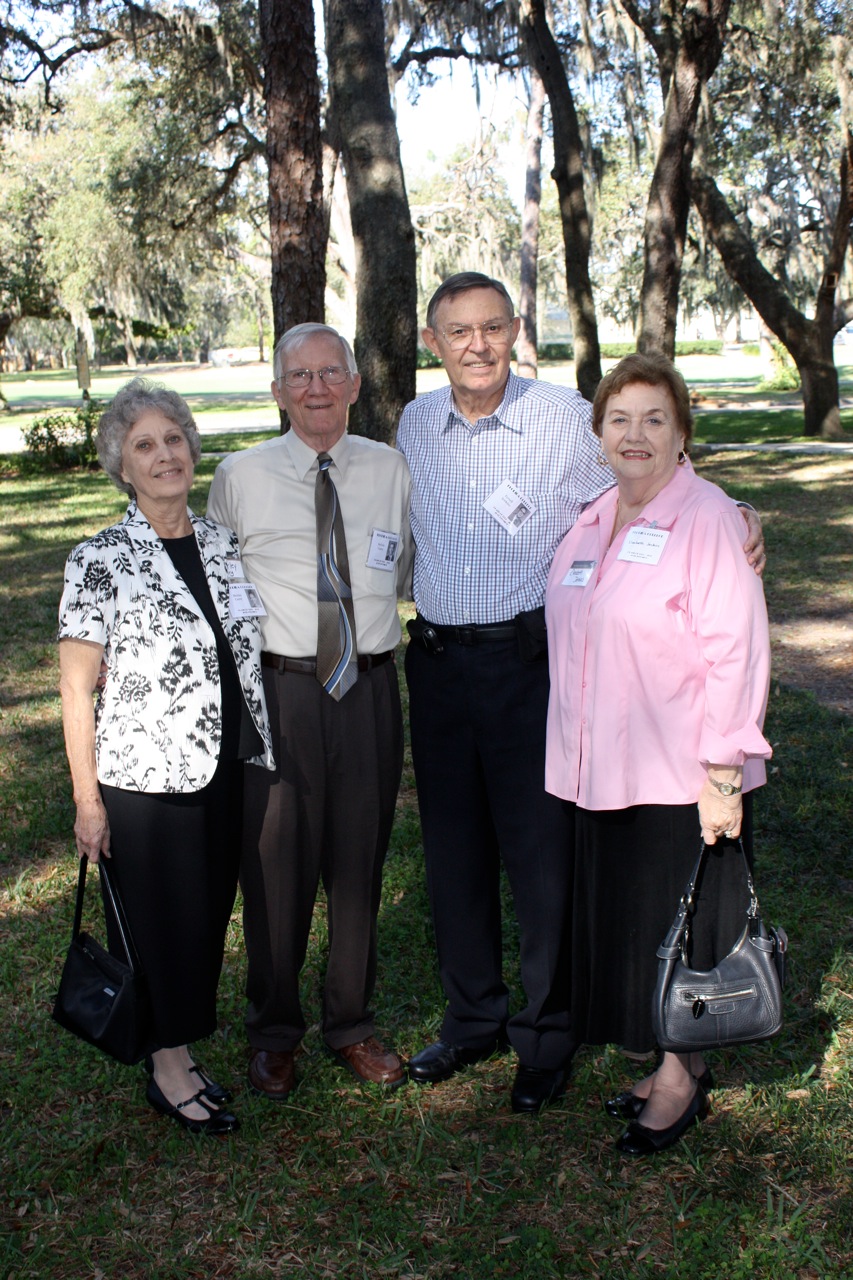
Today was the reunion of class of ’72. We invited Mr. & Mrs. Melvin Curry, and Mr. & Mrs. Ferrell Jenkins to attend. Most every one at the class reunion had been in classes  taught by Mr. Curry and Mr. Jenkins. They have been a great influence for good in our lives.

Mr. & Mrs. Melvin Curry, and Mr. & Mrs. Ferrell Jenkins. Photo by Beulah Tifton.

Earlier this week we’ve had rain, but today was a beautiful day in Temple Terrace.

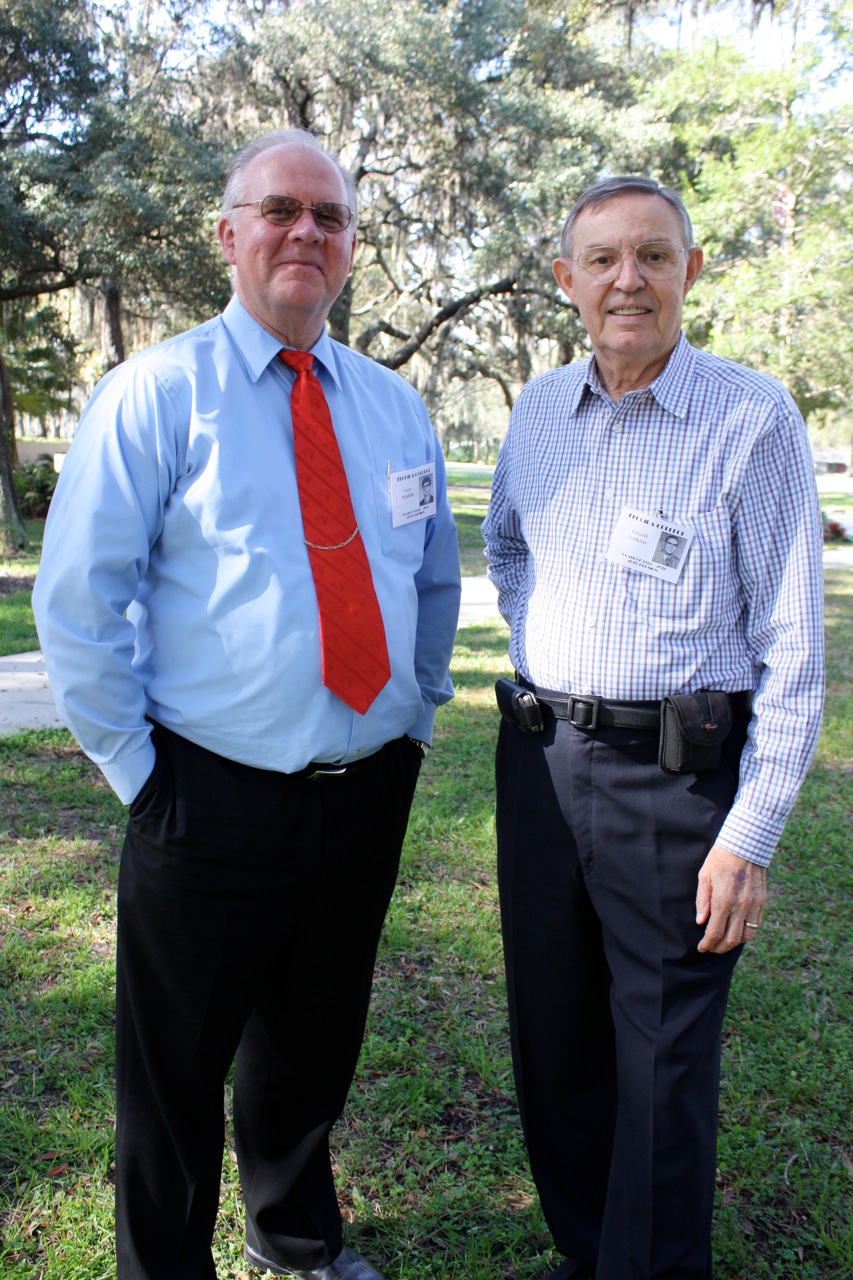
Leon Mauldin & Ferrell Jenkins. Photo by Beulah Tifton.

I’ve referenced Ferrell Jenkin’s blog many times in this site.

Click on images for larger view.