Ahab’s Water Tunnel at Megiddo

October 16, 2013

Today our group enjoyed a profitable start at Caesarea, located on the Mediterranean coast, capital of Judea during New Testament times. There is so much to see there. Leaving there we ascended Mt. Carmel, one of my personal favorites because so many biblical locations can be viewed from there. There was considerable haze in the air, so that did not lend itself to good photos.

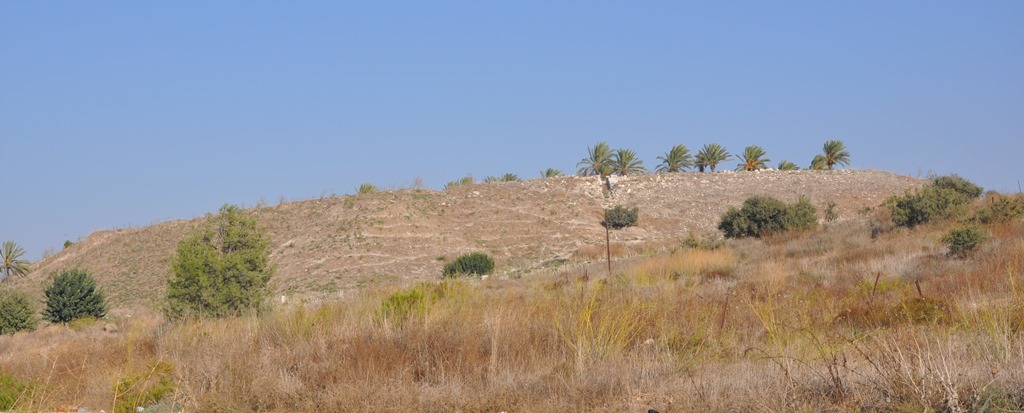
We then proceeded to Megiddo, a very strategic city formerly occupied by the Canaanites (among others) located on the international trade route which connected Egypt to Mesopotamia. Solomon made this one of his fortified cities.

Tel Megiddo. Photo by Leon Mauldin.

Tel Megiddo. Photo by Leon Mauldin.

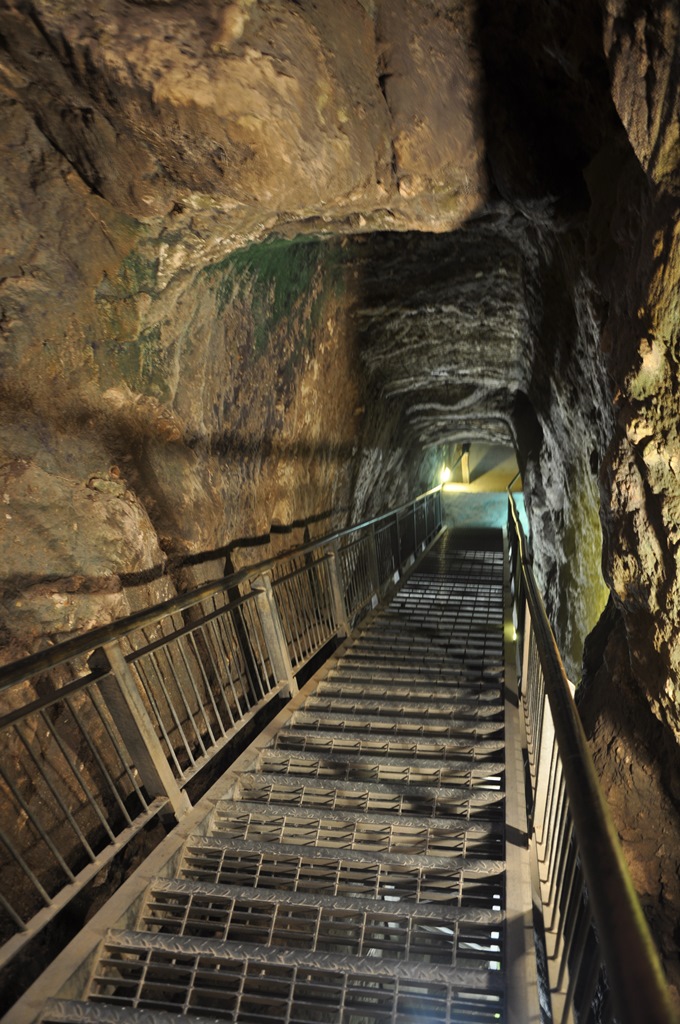
Megiddo was also an important site during the Divided Kingdom period in the days of Ahab, king of Israel. Ahab accomplished an amazing engineering feat of tunneling through solid rock down to the water supply. Our group walked through the tunnel today.

Ahab's water tunnel at Megiddo. Photo by Leon Mauldin.

Ahab’s water tunnel at Megiddo. Photo by Leon Mauldin.

We plan to post more tomorrow. Click images for larger view.


Recommended Resource for Bible Geography

October 3, 2013

In Dr. Carl Rasmusen’s post today on his WordPress blog (click here) he recommends some videos posted on YouTube by William Schlegel, which are based on Schlegel’s book, Satellite Bible Atlas. The videos are very helpful as they walk you through the land of Israel beginning with an overview, and then section by section. Here is the link to video #1. A search for 01 Satellite Bible Atlas will also get you started. There are seven videos in all.

Todd Bolen did a review of the book this past January here.

Both the book and the videos are valuable resources for anyone getting acquainted with the Bible lands, for the more experienced student to review, and learn more!

Video Satellite Bible Atlas. By Bill Schlegel.

Video Satellite Bible Atlas. By Bill Schlegel.


“The Alpha and The Omega” and Merisms

August 31, 2013

In Revelation 22:13, Jesus said, “”I am the Alpha and the Omega, the first and the last, the beginning and the end.” Revelation is filled with allusions to the Old Testament. Isaiah furnishes the background for Yahweh’s declaration that He is the “first and the last” (41:4; 44:6; 48:12). What is said of the Father is here affirmed of the Son, as He shares the divine essence. Consider the first part of the verse.

“I Am The Α

and The Ω.”  


What does this mean? Beale and McDonough observes:

These divine titles are figures of speech (merisms) in which the figurative point is to mention the opposite poles of something on order to emphasize the totality of all that lies between. The use of the first and last letters of the alphabet was typical of the ancients in expressing merisms. So the Jews could say that the law should be kept from aleph to tau. (Commentary on the NT Use of the OT, p.1055). 

The concept is that of totality, completenessInterestingly, the blessings for obedience are listed in Leviticus 26:3-8, and begin with aleph (first letter of the Hebrew alphebet) and conclude with tau (last letter).

Wikipedia has some helpful info on merisms:

In rhetoric a merism is the combination of two contrasting words, to refer to an entirety. For example, when we mean to say that someone searched thoroughly, everywhere, we often say that someone “searched high and low”. You also say “ladies and gentlemen” and the “young and old”.

Merisms also figure in a number of familiar English expressions. The phrase lock, stock, and barrel originally referred to the parts of a gun, by counting off several of its more conspicuous parts; it has come to refer to the whole of anything that has constituent parts. Basically, and everything in between – all encompassing.

In biology, a merism is a repetition of similar parts in the structure of an organism (Bateson 1894). Such features are called meristic characters, and the study of such characters is called meristics.

Merisms are conspicuous features of Biblical poetry. For example, in Genesis 1:1, when God creates “the heavens and the earth” (KJV), the two parts combine to indicate that God created the whole universe. Similarly, in Psalm 139, the psalmist declares that God knows “my downsitting and mine uprising”, indicating that God knows all the psalmist’s actions. 
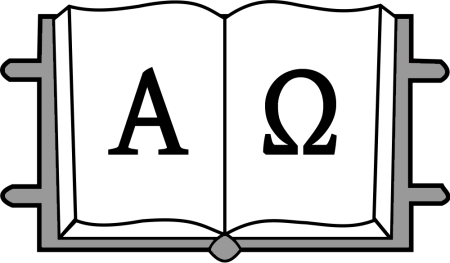

Greek Letters Alpha and Omega. commons.wikipedia.org

Greek Letters Alpha and Omega. commons.wikipedia.org

Alpha is the first letter in the Greek alphabet; omega is the last. We would say, “Everything from A to Z. What is affirmed is that everything is summed up in Jesus. He is the beginning of creation, responsible for its origin. He is the end, and will bring it to a conclusion. He is what all history is about from beginning to end. Contextually in Revelation, it was not ultimately the Roman Emperors who ruled, but rather Jesus is KING OF KINGS AND LORD OF LORDS (Rev.19:16).

Romans 11:36: “For from Him and through Him and to Him are all things. To Him be the glory forever. Amen.”

Ephesians 1:9-10: “He made known to us the mystery of His will, according to His kind intention which He purposed in Him with a view to an administration suitable to the fullness of the times, that is, the summing up of all things in Christ, things in the heavens and things on the earth.”

Col. 1:15-20: 

15 He is the image of the invisible God, the firstborn of all creation. 16 For by Him all things were created, both in the heavens and on earth, visible and invisible, whether thrones or dominions or rulers or authorities– all things have been created through Him and for Him. 17 He is before all things, and in Him all things hold together. 18 He is also head of the body, the church; and He is the beginning, the firstborn from the dead, so that He Himself will come to have first place in everything. 19 For it was the Father’s good pleasure for all the fullness to dwell in Him, 20 and through Him to reconcile all things to Himself, having made peace through the blood of His cross; through Him, I say, whether things on earth or things in heaven.

What is meant by Jesus’ being the Alpha and Omega? He is Everything! Observe:

1. Jesus’ absolute Deity is affirmed.

2. He is Creator.

3. He is Redeemer.

4. He is Sovereign Ruler over all.

5. He is Judge.

“I have found a friend in Jesus,

He’s everything to me,

He’s the fairest of ten thousand to my soul;

He’s the Lily of the Valley, in Him Alone I see

All I need to cleanse and make me fully whole. “

Mount Gerizim, the Mount of Blessing

August 24, 2013

Our previous couple of posts pertain to mounts Ebal and Gerizim, the setting of the curses and blessings of the law’s being read and accepted by all Israel as the basis of their receiving the land promise (Deut. 11:26-32; Deut. 27-28; Josh. 8:30-35).

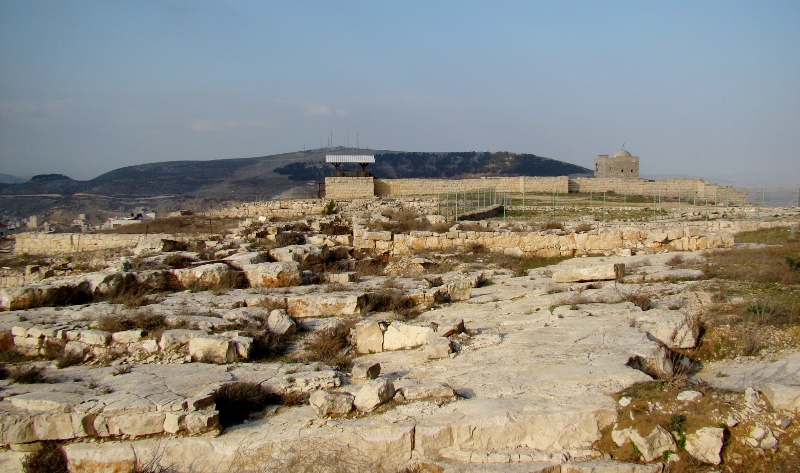
At the top of Gerizim there are archaeological ruins that date to the Persian and Hellenistic periods, as well as a Byzantine church.

Mount Gerizim, view at top. Photo by Leon Mauldin.

Mount Gerizim, view at top. Photo by Leon Mauldin.

In distance at right you are seeing the tomb of a 12th century sheikh. The mountain in background is Mt. Ebal, the mount of cursing. Out of sight below in the valley between lies Shechem.

In later times Mt. Gerizim would become sacred to the Samaritans, and still is today. In the intertestamental period there was a temple here, but it was destroyed by John Hyrcanus (Maccabean ruler) in 111-110 BC.

When Jesus conversed with the woman at the well, she said, “Our fathers worshiped on this mountain” (John 4:20). She was speaking of Mount Gerizim, which was very much in sight of Jacob’s well, where they were talking.

Click image for larger view.

Todd Bolen has an interesting post on the acoustics of mounts Ebal and Gerizim here. See also Ferrell Jenkin’s post here.

Hopefully this info and these photos will help you visualize the events of Joshua 8, at the time of the conquest under Joshua:

33 All the people, rulers, leaders, and judges were standing on either side of the ark, in front of the Levitical priests who carried the ark of the covenant of the LORD. Both resident foreigners and native Israelites were there. Half the people stood in front of Mount Gerizim and the other half in front of Mount Ebal, as Moses the LORD’s servant had previously instructed to them to do for the formal blessing ceremony. 34 Then Joshua read aloud all the words of the law, including the blessings and the curses, just as they are written in the law scroll. 35 Joshua read aloud every commandment Moses had given before the whole assembly of Israel, including the women, children, and resident foreigners who lived among them (Josh. 8:33-35, NET). 


“Conviction Versus Mercy” by Gardner Hall

May 27, 2013

I’d  like to make our readers aware of a new resource by my friend Gardner Hall, a new book entitled Conviction Versus Mercy.

Gardner writes:

Conviction or Mercy? Which characteristic should most exemplify those who want to follow Christ? Many Christians tend to emphasize one or the other but not both. This book (144 pages) emphasizes the importance of merging the two to be truly like Christ. Though combining mercy and conviction has been a challenge throughout history, it is especially difficult now as our culture is increasingly affected by a Postmodern worldview and the backlash against it.


Three formats available
 
Paperback ($8.85) – Click here to order from Amazon.com. (Also, ask for this book in any bookstore you know that is operated by brethren. I’ve found that they respond more to requests from customers than to me!)
 
Kindle (99 cents) – Click here for kindle version
 
Audio (free) – Click here for free audio. Free audio available on same page for Foy Short biography.
 
I purchased mine on Kindle Fire, and am looking forward to reading it.


“Woe Unto Thee, Chorazin!”

December 5, 2012

In Matt. 11:21, Jesus said,

Woe to you, Chorazin! Woe to you, Bethsaida! For if the mighty works which were done in you had been done in Tyre and Sidon, they would have repented long ago in sackcloth and ashes.

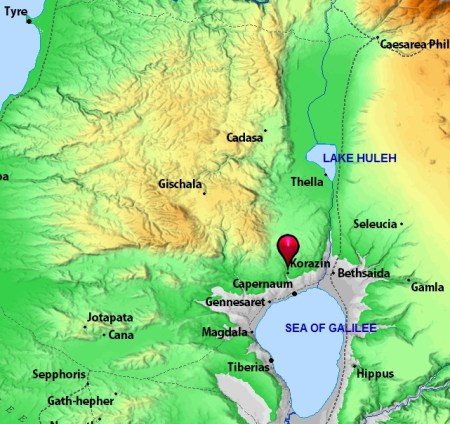
Chorazin was located just to the north of the Sea of Galilee. Note that it is spelled Korazin on our map:

Location of Chorazin, city condemned by Jesus. BibleAtlas.Org.

Location of Chorazin, city condemned by Jesus. BibleAtlas.Org.

One fascinating aspect of Jesus’ denunciation of Chorazin is that this was one of the Galilean cities in which he had done most of His mighty (miraculous) works. As the previous verse words it,

Then He began to rebuke the cities in which most of His mighty works had been done, because they did not repent: (Matt. 11:20).

While we read of many miracles Jesus did in Capernaum, and only one in Bethsaida (the two other cities cited and condemned in our context), we read of none being done in Chorazin. This does not mean something in lacking in the Bible; to the contrary, we have all we need. But it does show there was divine selectivity in that which was recorded (cf. John 20:30-31 for this same principle as stated in regard to the Gospel of John).

The site identified as Chorazin is located 2 miles north of the Sea of Galilee. The ruins that are seen post-date the time of Jesus.

Entrance Sign at Chorazin. Photo by Leon Mauldin.

Entrance Sign at Chorazin. Photo by Leon Mauldin.

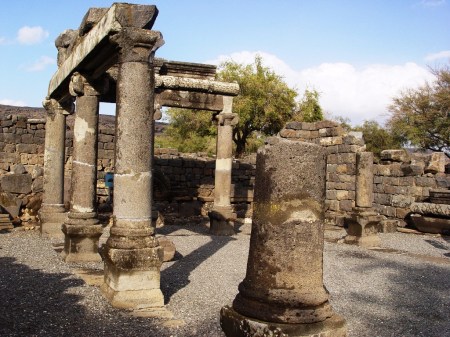
Here are the remains of the basalt synagogue at Chorazin,

Basalt synagogue at Capernaum. Photo by Leon Mauldin.

Basalt synagogue at Capernaum. Photo by Leon Mauldin.

Click on images for larger view. 


The Wicked Vinedressers

October 26, 2012

In Mark 12:1-11, in the final week of Jesus’ ministry, He told the Parable of the Wicked Vinedressers (Mark 12:1-11). The vineyard Owner sent a servant to His vineyard for fruit at the proper season. He did not receive fruit; instead, the vinedressers took the servant, beat him, and sent him away empty. Then He sent another servant, at whom they threw stones, wounded him in the head, and sent him away shamefully. Again, He sent another and him they killed. The same treatment happened to other servants sent to the vineyard.

The Owner had one Son. His Beloved Son. The Owner sent Him also. They killed Him and cast Him out of the vineyard!

What vineyard owner would do this? None! But what no one else would do is what God did! He sent His servants, the prophets, again and again to His people. They were treated shamefully; some were killed. Last of all He sent His Son! They killed the Son also, without knowing that His death was the means of our salvation from our sins.

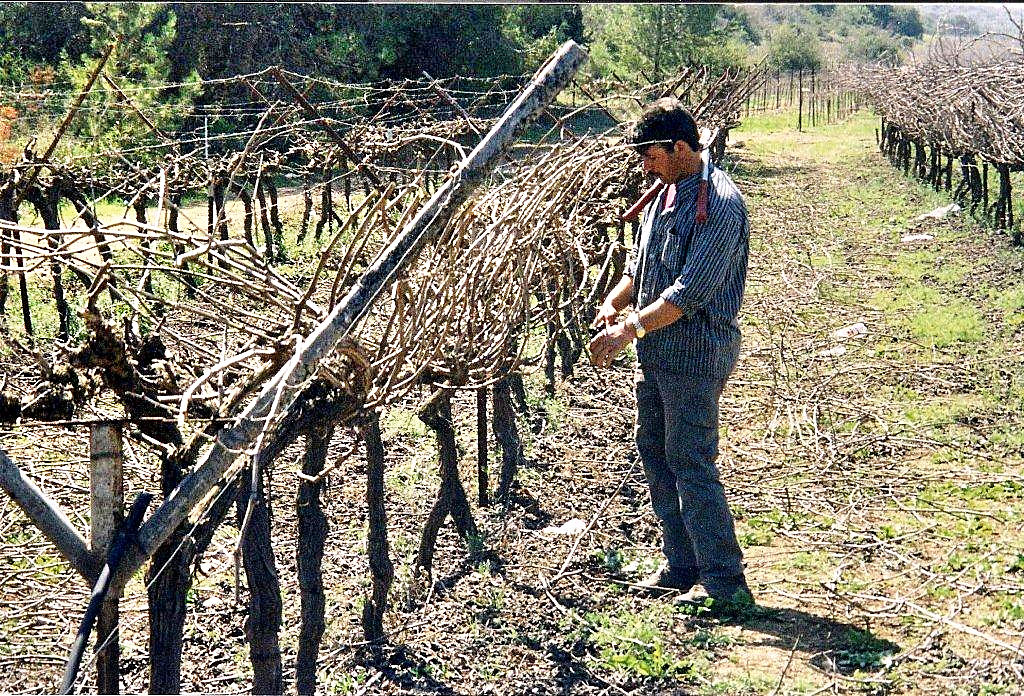
Our photo shows a vineyard at Lachish, with a vinedresser pruning and trimming the vines. This gives the setting for the parable of the text.

Vinedresser working in vineyard at Lachish in Israel. Photo by Leon Mauldin.

This photo was originally a 35 mm slide taken in 1999.

********

We have had a wonderful 6-day meeting at Trilacoochee, Fl., near Dade City, presenting a series of 9 biblical lessons. My good friend Bob Waldron is the local evangelist who works with the congregation here.


Resource: Zondervan Atlas of the Bible

September 22, 2012

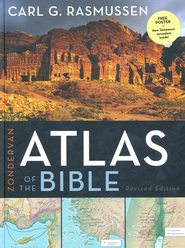
A resource I own and would recommend is Dr. Carl G. Rasmussen’s Zondervan Atlas of the Bible. It is currently on sale for the bargain price of 19.99 at Christianbook.com.  Click here to read more. Click here to order.A good resource for a great price!

Publisher’s Description:

Zondervan Atlas of the Bible … a thoroughly revised edition of the most comprehensive Bible atlas ever designed for * Students * Bible Study Groups * Adult Learners * Travelers/Pilgrims to the Lands of the Bible * Pastors * Teachers * All Lovers of the Bible This major revision of the Gold Medallion Award-winning Zondervan NIV Atlas of the Bible is a visual feast that will help you experience the geography and history of Scripture with unprecedented clarity. The first section of the Atlas introduces the ‘playing board’ of biblical history–using three–dimensional maps and photographic images to help the lands of the Bible come alive. The next section, arranged historically, begins with Eden and traces the historical progression of the Old and New Testaments. It provides an engaging, accurate, and faithful companion to God’s Word–illuminating the text with over one hundred full-color, multidimensional maps created with the help of Digital Elevation Modeling data. It concludes with chapters on the history of Jerusalem, the disciplines of historical geography, and the most complete and accurate listing and discussion of place-names found in any atlas. Throughout the Atlas, innovative graphics, chronological charts, and over one hundred specially selected images help illuminate the geographical and historical context of biblical events. The Zondervan Atlas of the Bible is destined to become a favorite guide to biblical geography for students of the Bible. This accessible and complete resource will assist you as you enter into the world of the Bible as never before.


New Resource: Captivity and Return

September 19, 2012

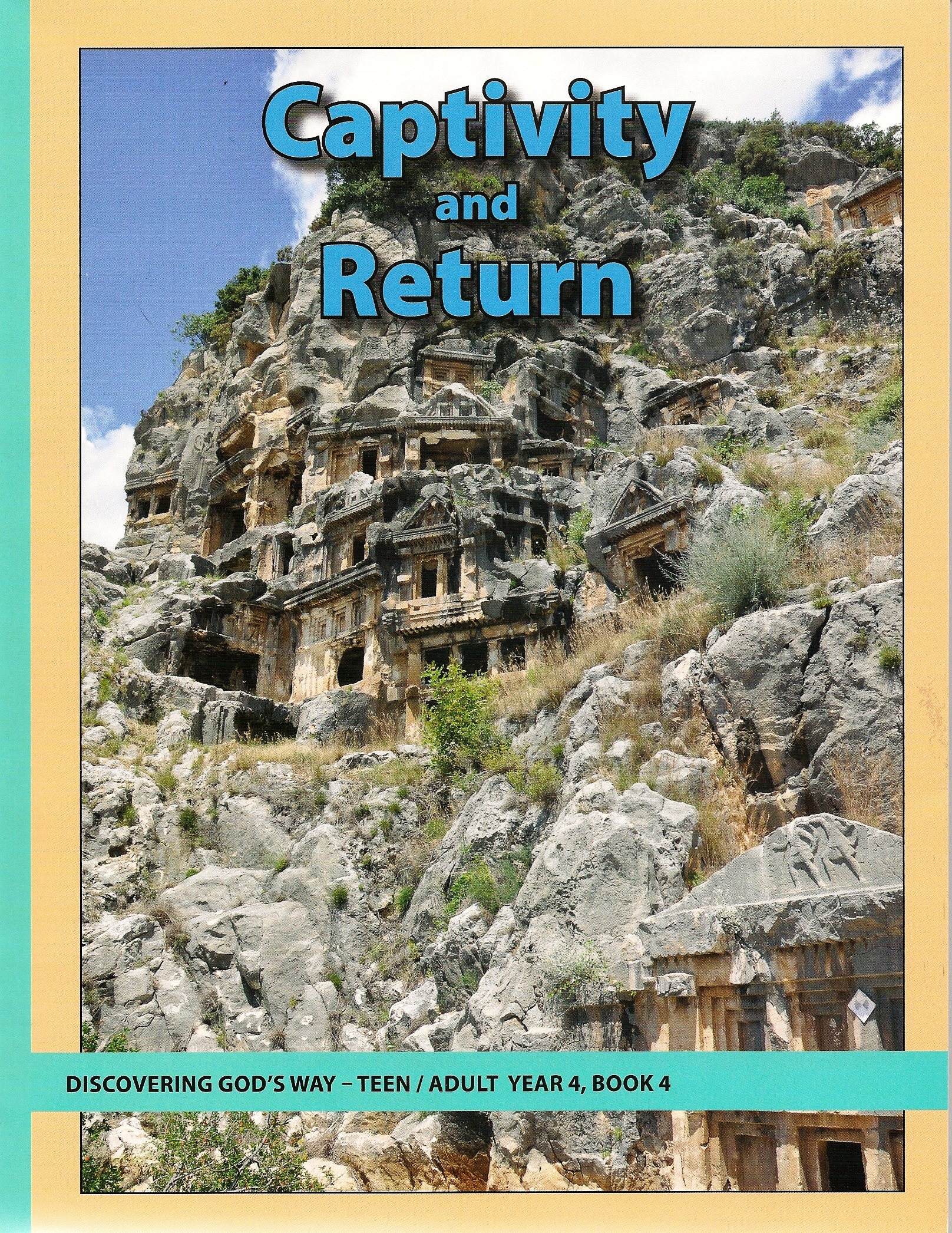
Discovering God’s Way is a Bible class curriculum for ages nursery through adult, edited by Robert Harkrider, and published by Religious Supply Center of Louisville, KY. I have written two books for the teen/adult level, Divided Kingdom, and Captivity and Return, the latter of which has just now been printed. Here is the cover:

Cover, Captivity and Return, authored by Leon Mauldin.

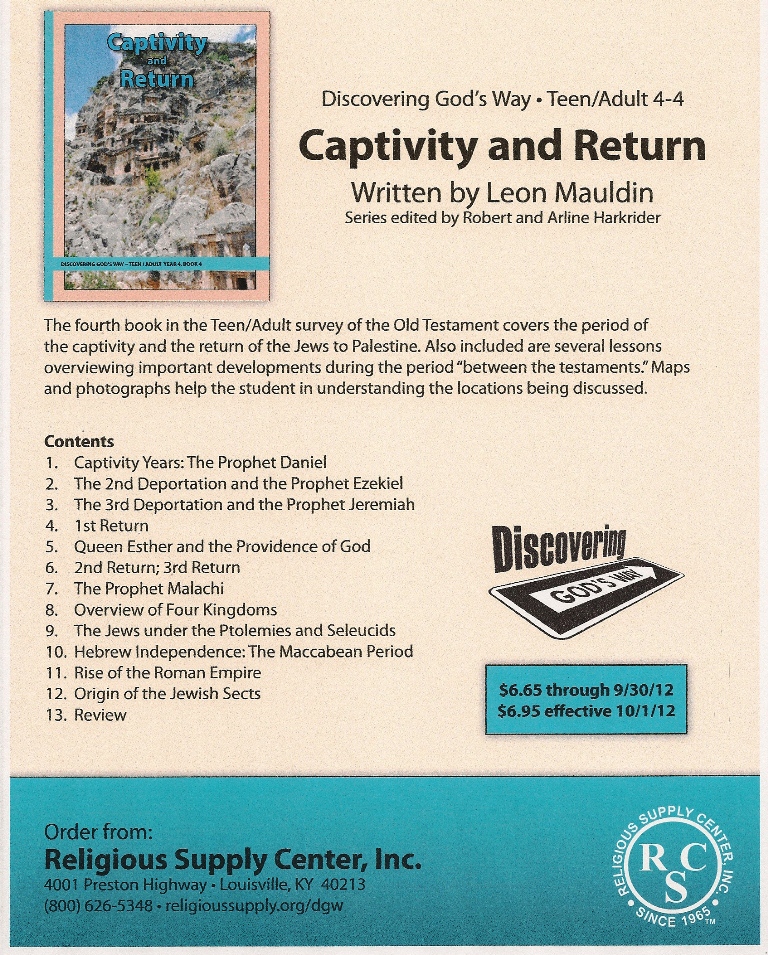
The book is 118 pages, and has 13 lessons. It is illustrated with maps, as well as color photos of biblical places and artifacts relating to the places and periods studied. Here is the table of contents:

Table of Contents for Captivity and Return, by Leon Mauldin.

The captivity and return can be a challenging period of biblical history. It is hoped that this book will help contribute to a better understanding of these times, as well as provide some background for New Testament studies.

Toll free number for orders is 1-800-626-5348. It is $6.65 through 9/30/2012, and then $6.95. Price does not include shipping.


The Disciples Were Called Christians First at Antioch

August 6, 2012

Luke narrates the preaching of the good news of salvation in the city of Antioch:

But some of them [disciples who scattered by the persecution in Jerusalem] were men from Cyprus and Cyrene, who, when they had come to Antioch, spoke to the Hellenists, preaching the Lord Jesus. 21 And the hand of the Lord was with them, and a great number believed and turned to the Lord. 22 Then news of these things came to the ears of the church in Jerusalem, and they sent out Barnabas to go as far as Antioch. 23 When he came and had seen the grace of God, he was glad, and encouraged them all that with purpose of heart they should continue with the Lord. 24 For he was a good man, full of the Holy Spirit and of faith. And a great many people were added to the Lord. 25 Then Barnabas departed for Tarsus to seek Saul. 26 And when he had found him, he brought him to Antioch. So it was that for a whole year they assembled with the church and taught a great many people. And the disciples were first called Christians in Antioch. (Acts 11:20-27).

This is a very instructive passage, helpful in defining who is a Christian. A Christian is:

1. one who has heard Jesus preached (v.20).

2. one who believes (v.21).

3. one who turns to the Lord (v.21). This would include repentance from sins (Acts 2:38), confession of faith (Rom. 10:9,10), and baptism (Acts 22:16).

4. one who has been added to the Lord (v.24).

5. one who continues with the Lord (v.23).

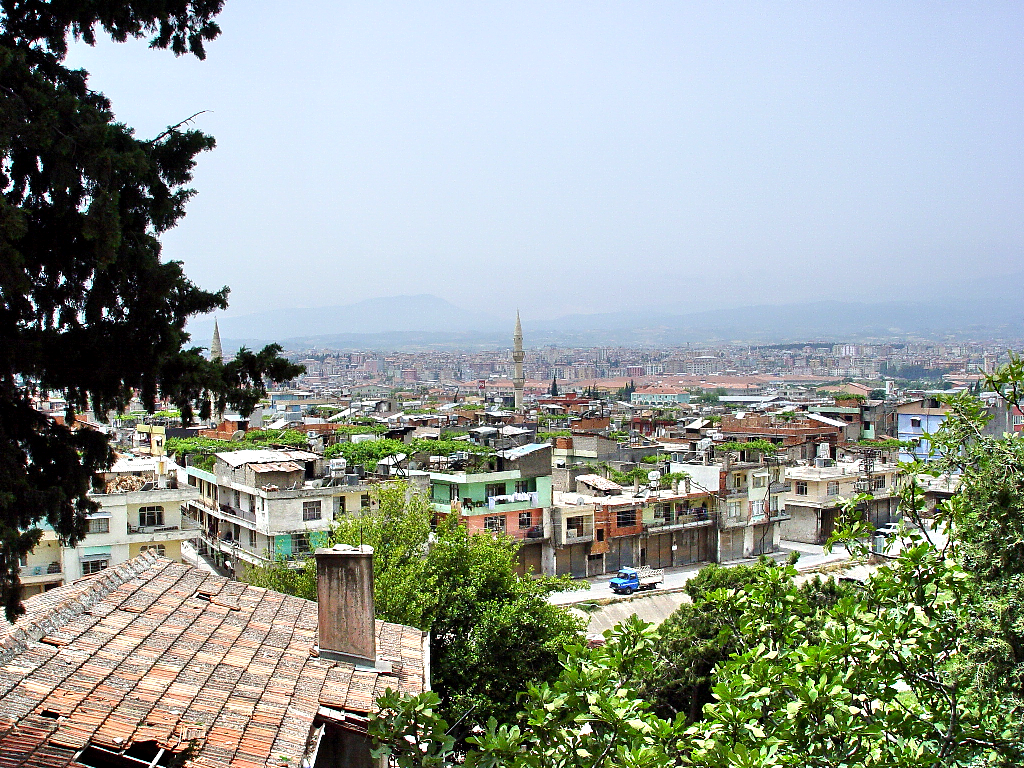
Antioch (modern Antakya) was located in Syria in biblical days, but today is within the territory of Turkey.  Antioch is twelve miles east of the Mediterranean, on the southern bank of the Orontes river and near the slopes of Mt. Silpius.

Antioch of Syria. BibleAtlas.com.

Antioch turned out to be the beginning point for Paul’s preaching journeys (Acts 13:1ff).

Antioch of Syria. Modern Antakya, Turkey. Photo by Leon Mauldin.

Eerdman’s Bible Dictionary has this info re: Antioch:

Built by Seleucus I Nicator (300 B.C.) as the capital of the Seleucid kingdom, it became the third most important city of the Roman Empire (after Rome and Alexandria). The layout of the city was a marvel. It was traversed from west to east by a colonnade of four rows of marble pillars between which lay three roads, a central road for the traffic of heavy vehicles and two outer ones for pedestrians, horses, and luxury carriages. A second colonnade began in the north at an island in the Orontes river and ran southward, and the city was thus divided into four districts by a gigantic, glittering, white-marble cross. North of the winding Orontes was the royal Seleucid palace, and on the northeast side of the city was the wall of Tiberius. The enchanting nature paradise of Daphne, where worshippers frequented the temple of Apollo, was to the south; its springs supplied ample water to the city. Archaeological excavations have uncovered mosaic floors of villas, an altar to unknown deities, a temple of Demeter, and numerous sculptures and images of deities (pp.60–61).