Q&A re: Persian Chronology in Ezra 4

May 3, 2012

A friend writes to ask that I help with the following question:

In Ezra 4-5, we read of the opposition that the Jews faced in the rebuilding of the temple. We read of Cyrus, Darius, Ahasuerus and Artaxerxes as the kings in Persia.

When Ezra jumps from Darius to Ahasuerus, is he jumping forward in history to the Ahasuerus and Artaxerxes that reigned from about 486-424, or are those titles for the son of Cyrus, Cambyses, who reigned immediately following Cyrus? Clarke suggests that these were titles for Smerdis, who reigned between Cambyses and Darius.

Is there any way to figure it out conclusively?

Here is what I believe to be the best explanation to the text:

Ezra 4:5 states that the enemies “hired counselors against them to frustrate their counsel all the days of Cyrus king of Persia, even until the reign of Darius king of Persia.”  At that point the record goes on to mention Ahasuerus (v.6), who is to be identified as Xerxes (see NAS ft. nt.).  This is the Persian king who took Esther as queen (Xerxes reigned 486-464 B.C.).  The next verse, Ezra 4:7, then says, “And in the days of Artaxerxes..,” who is the Persian king in the days of Nehemiah, cupbearer to the king (reigned 464-423 B.C.).   Ezra 4:23 makes reference to a document of King Artaxerxes. So why are these kings who reigned after Darius (522-486 B.C., under whose reign the temple was rebuilt) mentioned here?  It seems the best answer is that the current opposition which stopped (for several years) the rebuilding of the temple furnished the occasion for the writer to list similar efforts made by enemies of God’s people to hurt and halt His work including the rebuilding of the walls of Jerusalem.  As Fensham noted, the author “is referring in this chapter in chronological order to the hindrances placed in the way of the Jews to rebuild the temple and the wall of Jerusalem.  When he discussed the problems of the building of the temple in 4:1-5, it reminded him of later similar troubles with the rebuilding of the wall of Jerusalem, and so 4:6-23 has been inserted, almost parenthetically, before the argument of the building of the temple has again been taken up in 4:24ff) (The New International Commentary on the Old Testament: The Books of Ezra and Nehemiah, p.70).  “…the author of this chapter enumerated the different hostile actions against the Jews…” (ibid.71).   This explanation was earlier given by Keil in the 19th century (Vol.4, p.46), who went on to say, “v.24, so far, then, as its [subject] matter is concerned, belongs to the following chapter, to which it forms an introduction (ibid.47).

The Oriental Institute Museum has an impressive collection of Persian artifacts which relate to the biblical period.
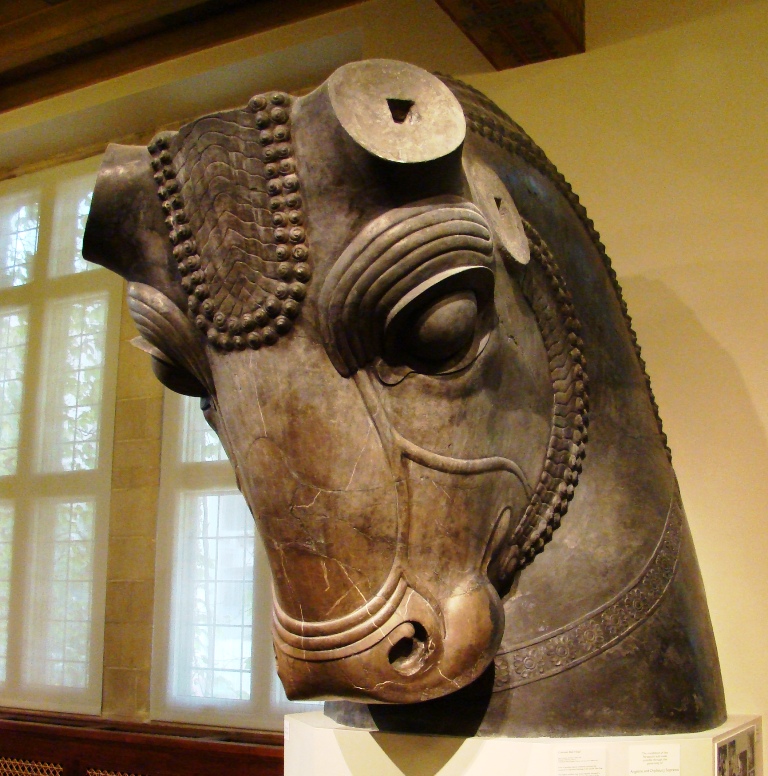
Bull from Palace at Persepolis. Dates to Persian Kings Xerxes and Artaxerxes I. Photo by Leon Mauldin.

The accompanying info sign dates this bull to the reigns of Xerxes and Artaxerxes (Xerxes married Esther and made her queen; Artaxerxes was king during the days of Nehemiah) and goes on to state:

Paris of guardian figures commonly protected the entrance to important buildings in the ancient Near East.

This highly polished stone head originally belonged to one of two guardian bulls flanking the portico of the hundred-column hall at Persepolis.

[This head] which weights approximately ten tons, was transported to Chicago and restored by Mr. Donato Bastiani, a member of the Oriental Institute Museum technical staff.

The two bulls were carved in the court style typical of the Achaemenid Empire. The ears and horns, which had been added separately, were not found.

Click image for larger view.


The Land of Geshur

April 14, 2012

The area of Geshur figures into the biblical history of King David. David’s “third son was Absalom, the son of Maacah daughter of King Talmai of Geshur” (2 Sam. 3:3). When tragedy struck David’s family internally, as Absalom killed his half-brother Amnon, because Amnon raped Absalom’s sister Tamar, “Absalom fled and went to King Talmai son of Ammihud of Geshur” (2 Sam. 13:17). I.e., he sought and received refuge from Talmai who was his grandfather.

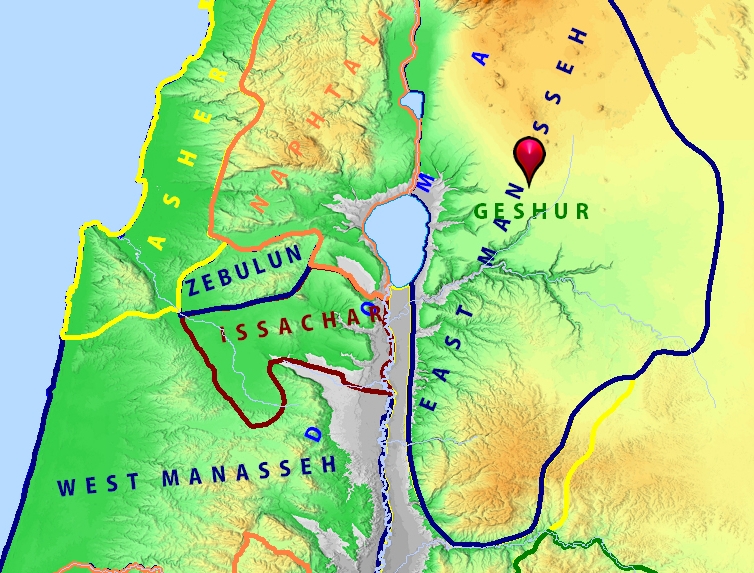
Note the location of Geshur here:

Old Testament Geshur. Map by BibleAtlas.Org.

Geshur is inclusive of the site usually identified as Bethsaida.

This area of Galilee was included among the sites taken by the Assyrians, about a decade before the fall of Samaria (722 BC).

During Pekah’s reign over Israel, King Tiglath-pileser of Assyria came and captured Ijon, Abel Beth Maacah, Janoah, Kedesh, Hazor, Gilead, and Galilee, including all the territory of Naphtali. He deported the people to Assyria (2 Kings 15:29).

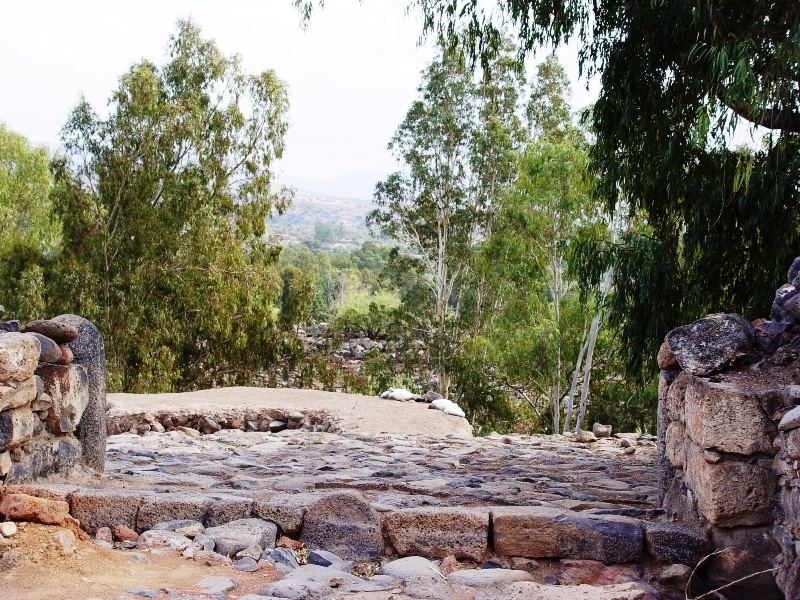
This invasion is dated at ca. 732 BC. Here is a view from inside the gate of Bethsaida, in the territory of Geshur. This Galilean site was included in the Assyrian attack in the above text. Occupants here would have seen the Assyrians setting fire to the gate.

City gate of Bethsaida. In territory of OT Geshur. Photo by Leon Mauldin.

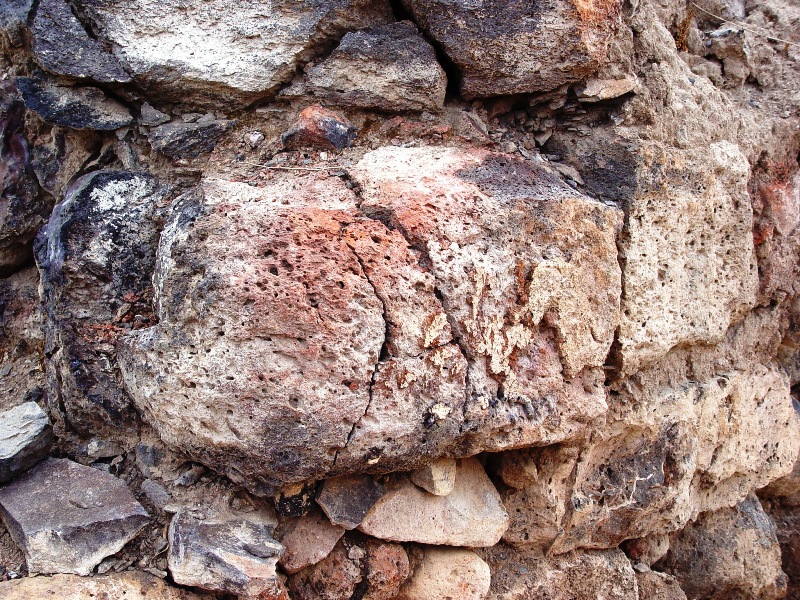
The heat intense fire caused the blocks in the gate area to burst. You can still see black carbon residue from the fire.

Blocks burst by intense fire during Assyrian invasion. Photo by Leon Mauldin.

Click images for larger view.


Beth Shean

February 20, 2012

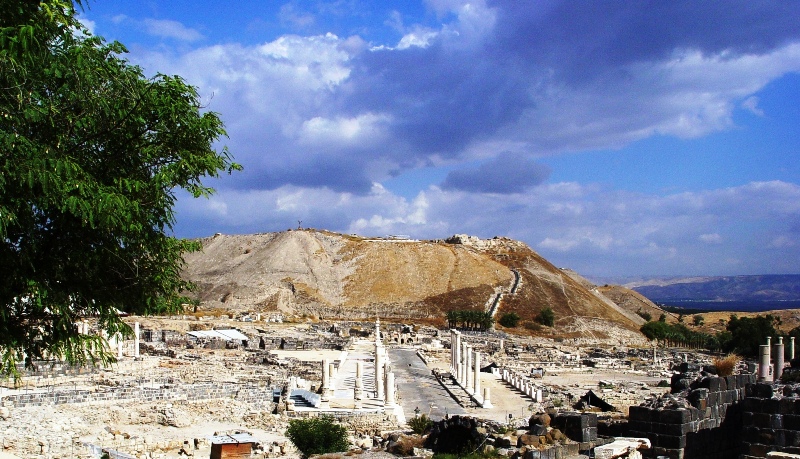
The current issue of BAR features an article entitled, “Was King Saul Impaled on the Wall of Beth Shean?” The author, Amihai Mazar, conducted nine excavation seasons in 1989-1996.

Beth Shean. Photo by Leon Mauldin.

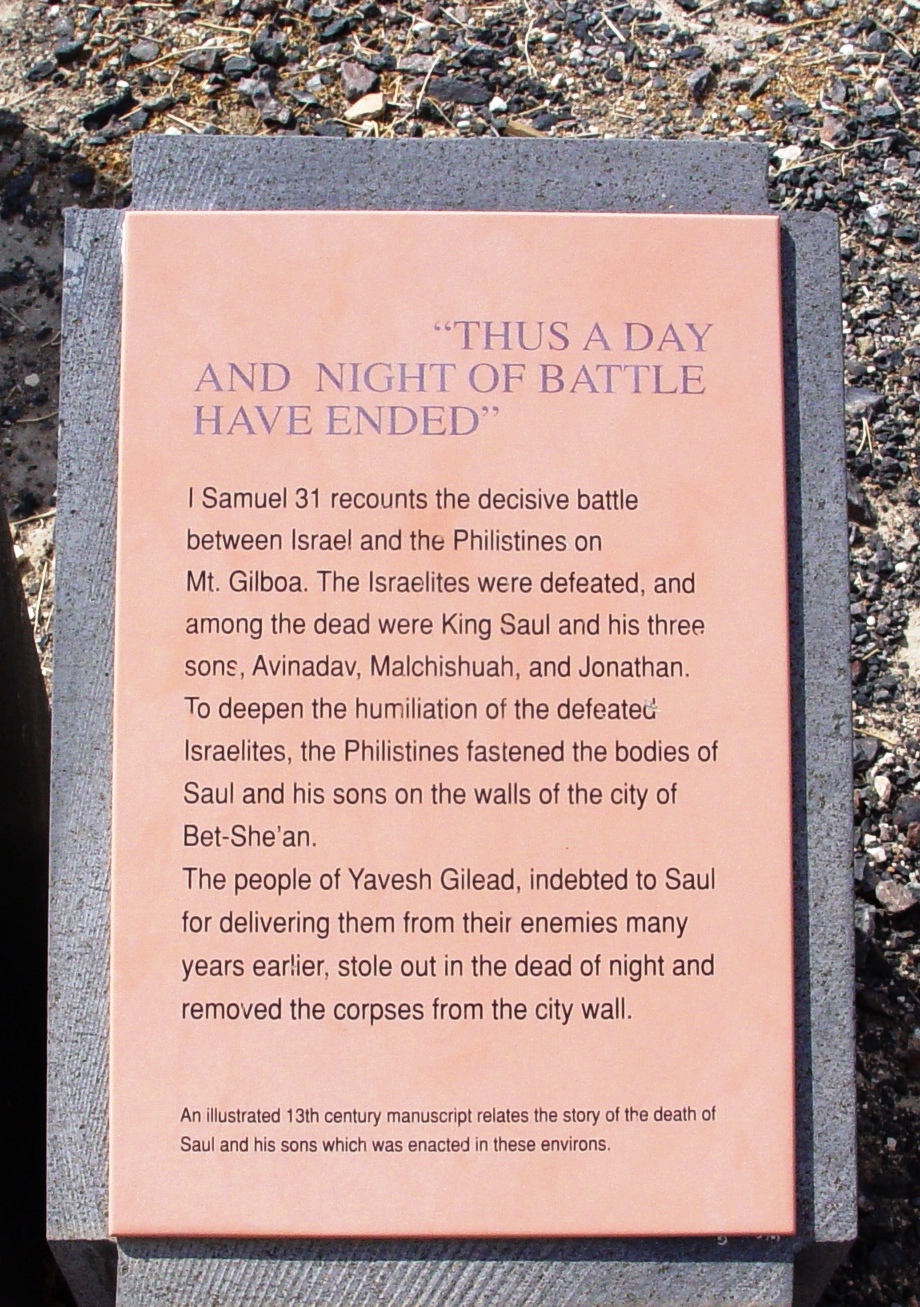
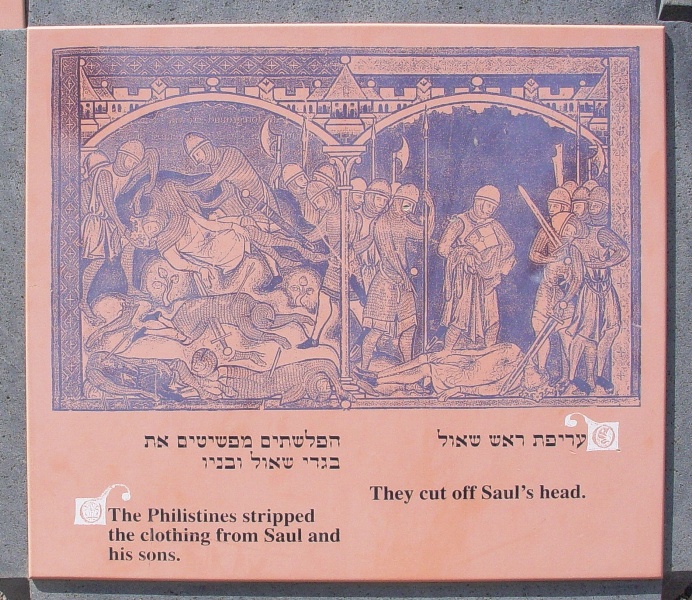
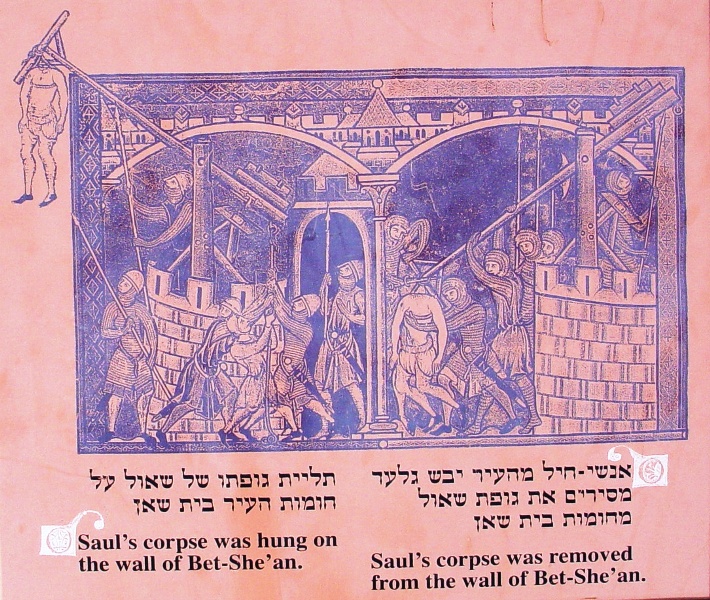
There were some interesting signs on the top of the tel that commemorate Saul’s death at nearby Mt. Gilboa, and the fastening of his body to the walls of Beth Shean (1 Sam. 31).

Info atop tel. Photo by Leon Mauldin.

Illustrations of humiliation to Saul's body. Photo by Leon Mauldin.

Biblical record is in 1 Sam. 31. Photo by Leon Mauldin.

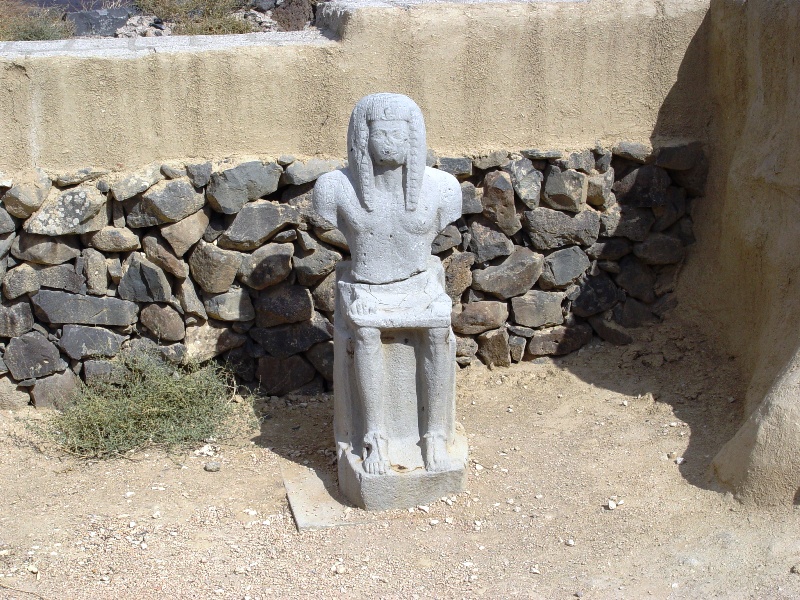
The BAR article explains that excavations have revealed many layers of occupation, including Egyptian.

Statue of Ramesses III. Egyptians occupied Beth Shean prior to Saul's death. Photo by Leon Mauldin.

This statue of Ramesses III (replica) marked the Egyptian victory over the “sea peoples” who invaded the land in the 12 century BC. The statue was made locally, in Egyptian monumental style. Original is in the Israel Museum.

I have previously written on Beth Shean and its strategic significance here.

Click on images for larger view.


More on Azazel

February 18, 2012

Our previous entry was on Azazel, the Scapegoat. See here. I wanted to follow-up with a bit more information on the word Azazel from The Theological Wordbook of the Old Testament (Eds. Harris, Archer, and Waltke):

The actual use and meaning of this word in Lev 16 is at best uncertain. However, regardless of its precise meaning, the significant dimension is the removal of the sins of the nation by the imposition of them on the goat. In this passage sin seems to be hypostatized [to treat or represent as concrete reality] and therefore readily transferable to the goat. Indeed vss 21 and 22 state that this goat is to bear away the sin of the people. Such a ritual would illustrate vividly the physical removal of defilement from the camp to a solitary place where it would no longer infest the nation.

A parallel to the scapegoat can be seen in the ritual for a recovered leper. Two birds were selected. One was to be killed and both the leper and the living bird were to be touched with its blood. Then the living bird was released. This bird carried away the evil, the leprosy itself, into the open field and then the leper was pronounced clean (Lev 14:1–9). . .

This concept of the removal of guilt can be seen in Ps 103:12 where God “removes” our transgressions from us.

In the NT John the Baptist identified Jesus as the Lamb of God which takes away the sins of the world (Jn 1:29, 36). This language is sacrificial, yet nowhere in the Law is a lamb spoken of as a bearer of the people’s sins. The paschal lamb is not a sin offering. The description of the Savior as a lamb is unknown to late Judaism. Furthermore, the phrase “the lamb of God” is an unparalleled genitive combination. John may have had in mind that Christ as the paschal lamb bespeaks our great deliverance from the bondage of sin. However, what seems more likely is that he had a complex of ideas in mind. Some words of Isa 53 are discernible here: “as a sheep led to the slaughter, and a lamb dumb before his shearers … whose soul was made a guilt offering … and who bore the sin of many.” But also discernible here is an allusion to the scapegoat. This fact is clearly seen in the words “taketh away” (cf. I Jn 3:5). In Christ are consummated all the atonement concepts of the OT (pp.657-658).

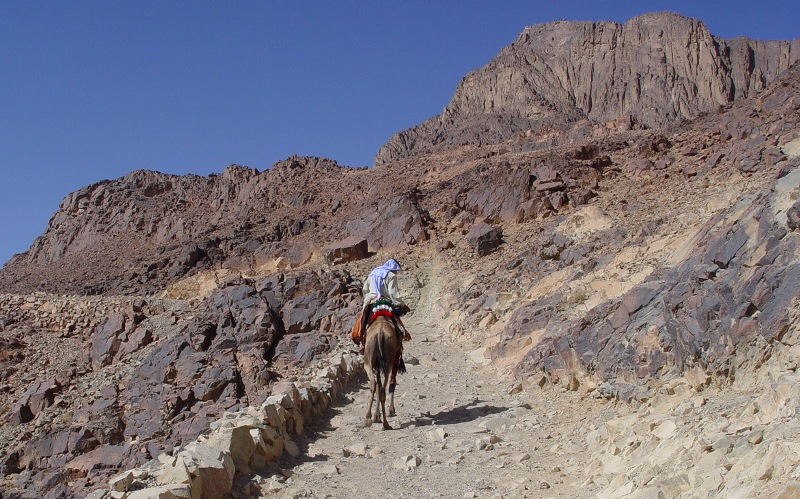
The instructions of Leviticus 16 were given while Israel was encamped at the foot of Mt. Sinai. In our photo here you can see traditional Mt. Sinai, Jebel Musa, as you look to upper right in photo.

Mt. Sinai, Jebel Musa, upper right of photo. Photo by Leon Mauldin.

Click on image for larger view.


Azazel, the Scapegoat

February 13, 2012

Leviticus 16 gives the instructions for the annual Day of Atonement. This was the one and only day during the year in which the High Priest would enter Most Holy Place in the Tabernacle, and later the temple. He would enter with sacrificial blood (a bull) first for himself and his family, and then next (a goat) on behalf of all the people of Israel.

Additionally, there was to be a second goat which was not killed; the High Priest would lay his hands on its head and confess over it all the sins of Israel (v.21). Then it would be released in the wilderness.

Lev. 16:10 states, ” But the goat chosen by lot as the scapegoat shall be presented alive before the LORD to be used for making atonement by sending it into the desert as a scapegoat” (NIV).

The NET Bible renders the Hebrew text with a transliteration: “but the goat which has been designated by lot for Azazel is to be stood alive before the LORD to make atonement on it by sending it away to Azazel into the wilderness.”

Strong defines the Hebrew word azazel as meaning “entire removal.” The NIV marginal note has “goat of removal.” “The English word scapegoat was apparently invented by William Tyndale as an attempt to translate what literally says ‘for Azazel'” (Dictionary of Biblical Imagery, p. 763).

This “visual aid” depicted God’s mercy and forgiveness as sin was removed from the camp and community of Israel. Of course this foreshadowed the vicarious suffering and death of Jesus, which made possible the remission of sins (Heb. 10:1-18; John 1:29; Eph. 1:7; 1 Pet. 2:24).

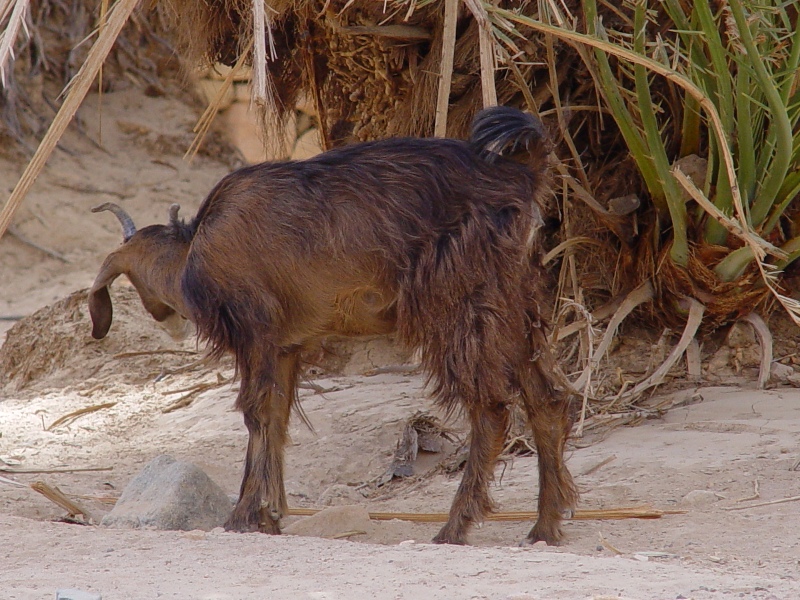
While in the Sinaitic Peninsula in 2003 I saw a couple of goats in the wilderness which help illustrate the text.

Goat in the Wilderness of Sinai. Photo by Leon Mauldin.

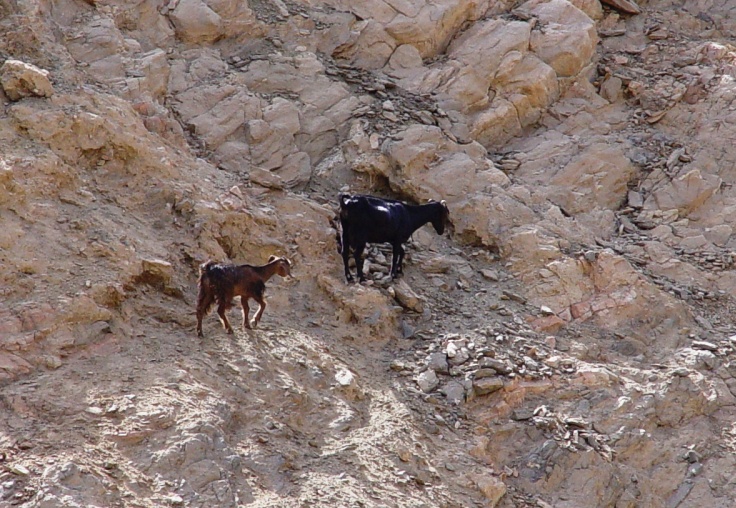
“As the goat goes into the wilderness, it will carry all the people’s sins upon itself into a desolate land” (v.22).

Goats in the Desert of Sinai. Photo by Leon Mauldin.

This photo below helps us to see some of the desolate country in which Israel traveled, and into which Azazel would have been released.

Wilderness of Sinai, in the south. Photo by Leon Mauldin.

Now you know the origin of the word “scapegoat,” which in modern usage denotes “a person who is blamed for the wrongdoings or mistakes of others” (Concise Oxford English Dictionary).

Click on images for larger view.


Dietary Restrictions in Leviticus: The Stork

January 11, 2012

In a previous post we looked at some dietary restrictions in Leviticus, observing that God’s purpose was to shape and mold a people (Israel) into His own special possession.

Leviticus 11 includes a list of birds that were unclean for food, including the stork:

and the stork, the heron in its kinds, and the hoopoe, and the bat (v.19, NASB).

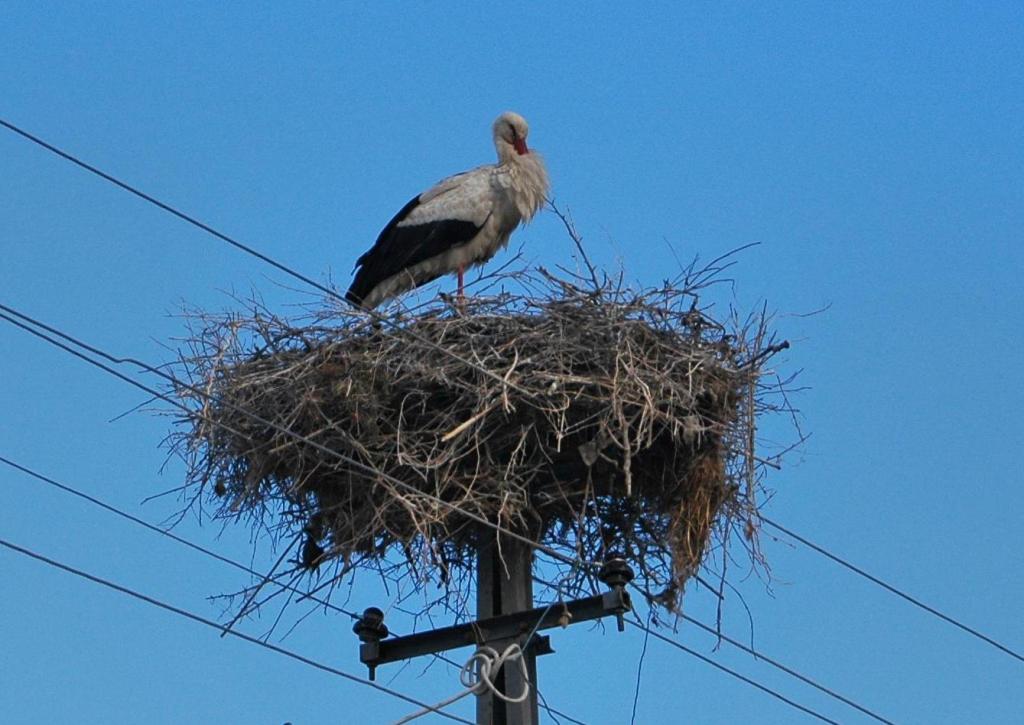
In Eastern Turkey near Mt. Ararat we photographed this stork.

Stork, listed among unclean animals in Leviticus 11. Photo by Leon Mauldin.

It is not uncommon for the stork to build its nest atop electrical poles.

The stork is mentioned in a few other biblical texts. The Lord sadly stated through the prophet Jeremiah,

Even the stork knows when it is time to move on. The turtledove, swallow, and crane recognize the normal times for their migration. But my people pay no attention to what I, the LORD, require of them (8:7, NET).

Migratory birds journey from Turkey to Africa taking the route of the “land bridge” of Israel. The Lord is saying that the birds (including the stork) obey Him, but His covenant people paid no attention.

Click on image for larger view.


Dietary Restrictions in Leviticus

January 2, 2012

We recently referenced the book of Leviticus and its theme of holiness here. Chapter 11 lists the dietary restrictions which Israel was to follow. The basic rule of thumb was this: an animal must have a divided hoof and chew the cud; both were required.

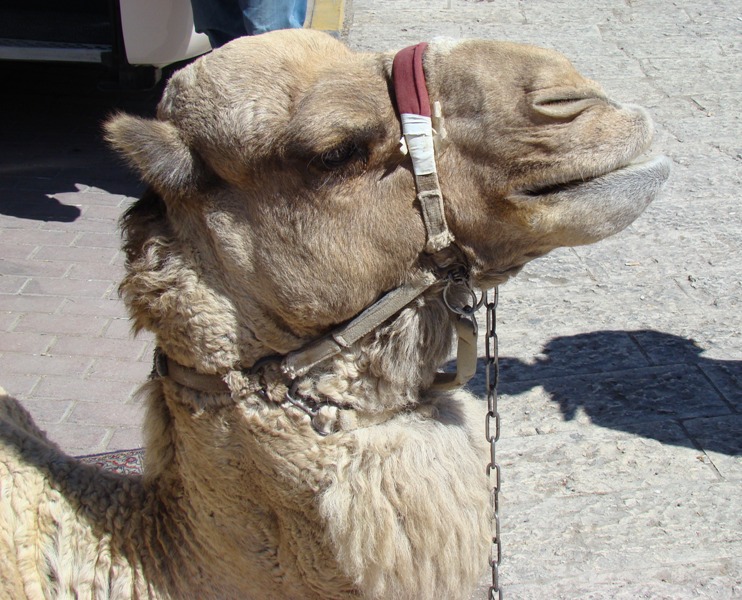
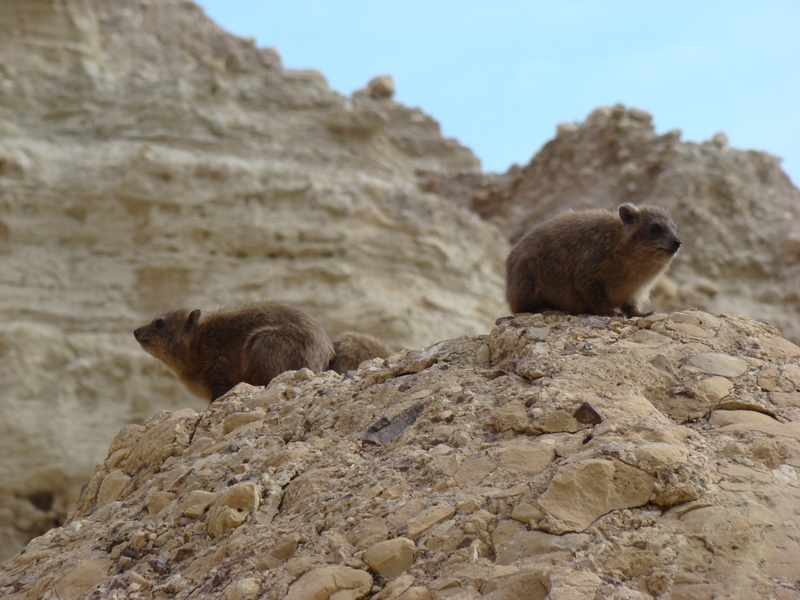
3 Whatever parts the hoof and is cloven-footed and chews the cud, among the animals, you may eat. 4 Nevertheless, among those that chew the cud or part the hoof, you shall not eat these: The camel, because it chews the cud but does not part the hoof, is unclean to you. 5 And the rock badger, because it chews the cud but does not part the hoof, is unclean to you (ESV).

Two examples of animals which met one requirement, but not both, were the camel and the rock badger.

Camel, forbidden in Israel's diet. Photo by Leon Mauldin.

This camel which I photographed in Bethany earlier this year would have been forbidden as food under Mosaic law because though it chews the cud it does not have a divided hoof.

The rock badger was also forbidden.

Rock Badgers at Ein Gedi. Photo by Leon Mauldin.

These rock badgers were at Ein Gedi, where such are commonly seen. Again, such was forbidden in ancient Israel’s diet. Like the camel, it chews the cud, but does not have a parted hoof.

On the other hand, the pig has the parted hoof, but does not chew the cud, so it was unclean also (Lev. 11:7). It occurs to me that I have not photographed any pigs in Israel.

Two observations:

1. God employed such means as these dietary restrictions to mold and shape a special people for His own possession. Such were not the end but the means to an end.

2. In the New Testament such distinctions have been removed.  Jesus said,

Do you not see that whatever goes into a person from outside cannot defile him, since it enters not his heart but his stomach, and is expelled?” ( Thus he declared all foods clean.) (Mark 7:18-19, ESV).

Click on images for larger view.


Lessons from Leviticus?

December 30, 2011

In his preface to his commentary on Leviticus in the New International Commentary on the Old Testament, Gordon Wenham wrote,

Leviticus used to be the first book that Jewish children studied in the synagogue.  In the modern Church it tends to be the last part of the Bible anyone looks at seriously (vii).

The first time I read that statement I did a double-take. Studying Leviticus first in synagogue? What did they see back then that might be overlooked today?

In my lecture at Florida College (entitled “Trusting in gods that Cannot Save,” 2010) I made reference to the above quote and then observed,

The real heart of Leviticus is contained in verses such as 20:26: “Thus you are to be holy to Me, for I the LORD am holy; and I have set you apart from the peoples to be Mine.” Everything about how to approach God in worship, what to eat, wear, plant, along with all the other laws, had to do with that one principle: by all of these things God was teaching them that they were different from the world; they were His special people; they were to partake of His holiness.  Do you agree that this is not a bad idea, to teach a child from infancy that he is special to the Lord; that we are different from the world; that our concern is to be seeking and doing God’s will? (p.76).

The book of Leviticus was not just for the priests. In the opening verses, God said,

Speak to the sons of Israel and say to them, ‘When any man of you brings an offering to the LORD, you shall bring your offering of animals from the herd or the flock (Lev. 1:2, NASB).

The instructions are to the sons of Israel. Re: “Any man of you” the NET notes,

It is the Heb “a man, human being” (‘adam), which in this case refers to any person among “mankind,” male or female, since women could also bring such offerings.

So here is a book that was for everyone during that dispensation, whether priests or other Israelites, men or women.

We are not contending that we are under the specific legislation of that time, but Romans 15:4 teaches,

For whatever was written in former days was written for our instruction, that through endurance and through the encouragement of the Scriptures we might have hope (ESV).

Perhaps you would like a brief outline and chapter content for the book of Leviticus:

Leviticus Outline and Chapter Content

I.          LAWS OF SACRIFICE 1-7

II.        HISTORICAL 8-10

III.       LAWS OF PURITY 11-15

IV.       ANNUAL DAY OF ATONEMENT

V.        HOLINESS OF PEOPLE 17-20

VI.       HOLINESS OF PRIESTS & LAWS RE: SACRIFICES 21-22

VII.     LAWS CONCERNING FEASTS 23-25

VIII.    PROMISES & WARNINGS 26

IX.       LAWS CONCERNING VOWS 27

1. Burnt offering

2. Meal offering

3. Peace offering

4. Sin offering

5. Trespass offering

6-7 Laws of Sacrifice given to priests

8. Consecration of priests

9. Priests begin to serve

10. Death of Nadab & Abihu

11. Clean & unclean foods

12. Purification after childbirth

13-14. Laws concerning Leprosy

15. Laws concerning normal & abnormal issues

16. Day of Atonement

17. Eating of blood forbidden

18. Laws of moral purity

19. Miscellaneous laws

20. Punishment for disobedience

21-22. Laws of holiness for priests; laws re: sacrifices

23. Sabbath, 3 annual feasts, day of atonement

24. Lamps, showbread; punishment for blasphemy

25. Year of Jubilee

26. Blessings of obedience; consequences of disobedience

27. Laws concerning vows


Rosh HaNiqra, cont’d.

December 23, 2011

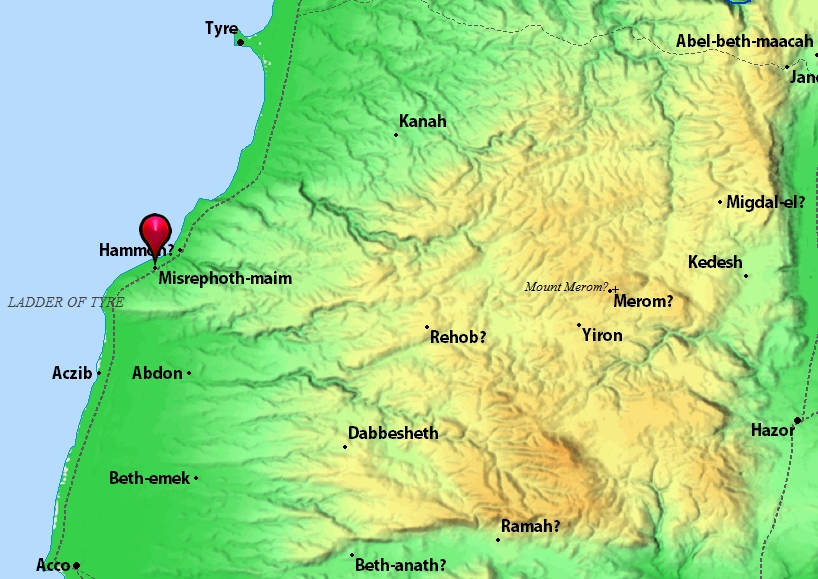
Our previous post was on Rosh HaNiqra, biblical Misrephoth Maim, which is only mentioned twice in scripture, Joshua 11:8; 13:6 (context: Israel’s Conquest of Canaan). It is always helpful to see a site’s location on a map.

Misrephoth Maim, or Rosh HaNiqra. Map by BibleAtlas.org.

Notice on the map the term Ladder of Tyre which is a reference to this portion of the coastal area south of Tyre. Rosh HaNiqra means “head of the ladder.”

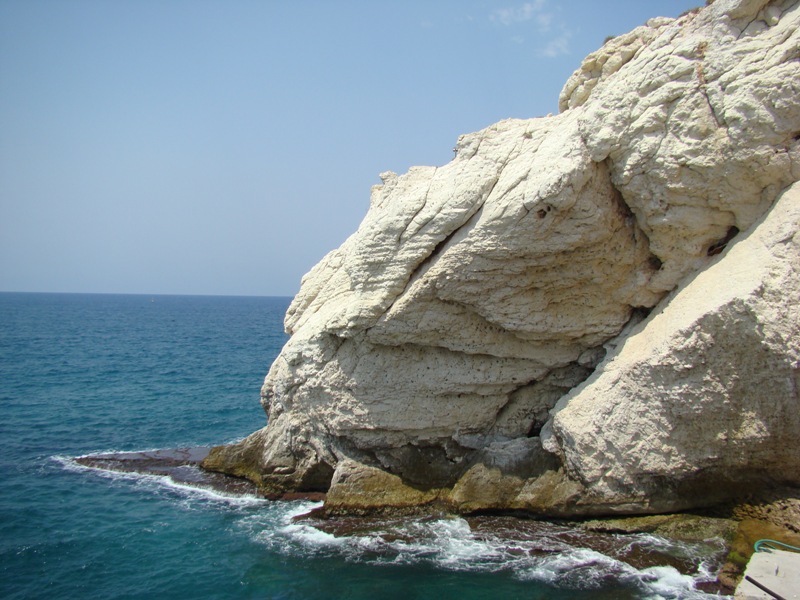
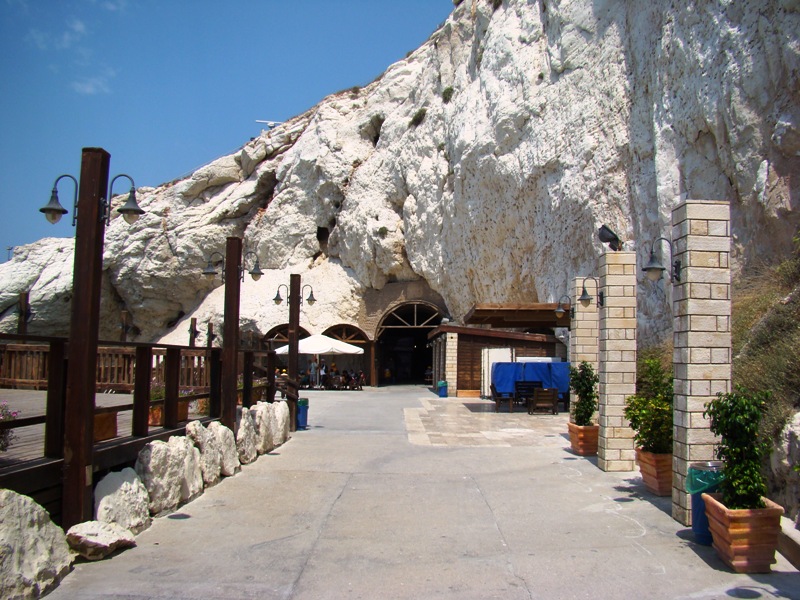
I was impressed with the area’s natural beauty, including the white chalk cliffs.

Rosh HaNiqra. Photo by Leon Mauldin.

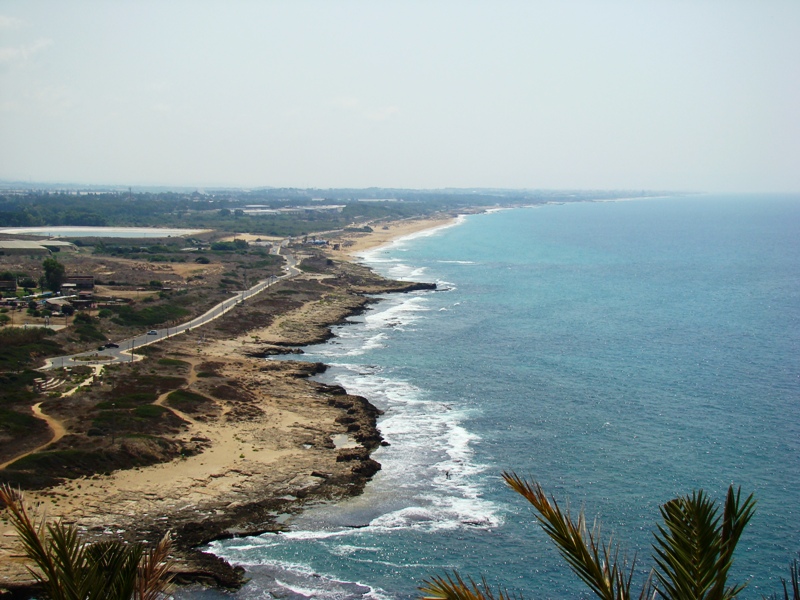
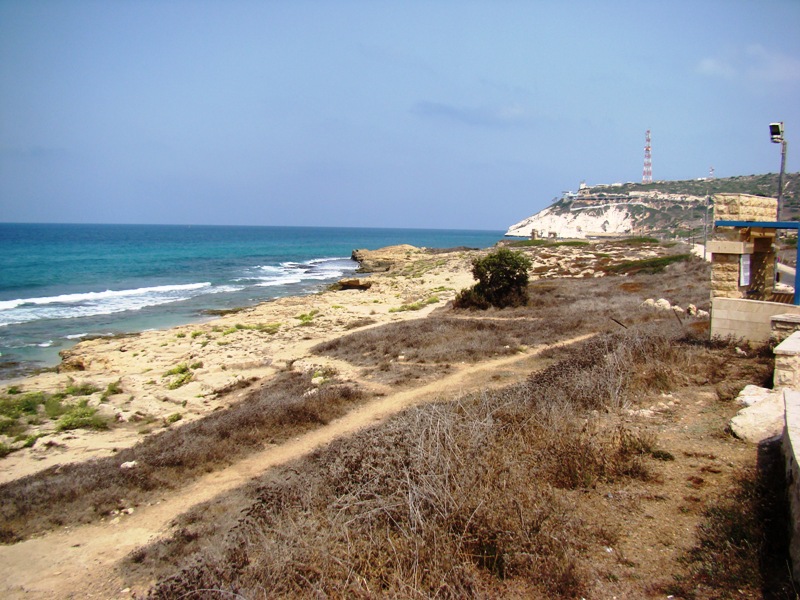
There is a good view of Israel’s northern coast looking southward from this location.

Israel's coast looking south from Rosh HaNiqra. Photo by Leon Mauldin.

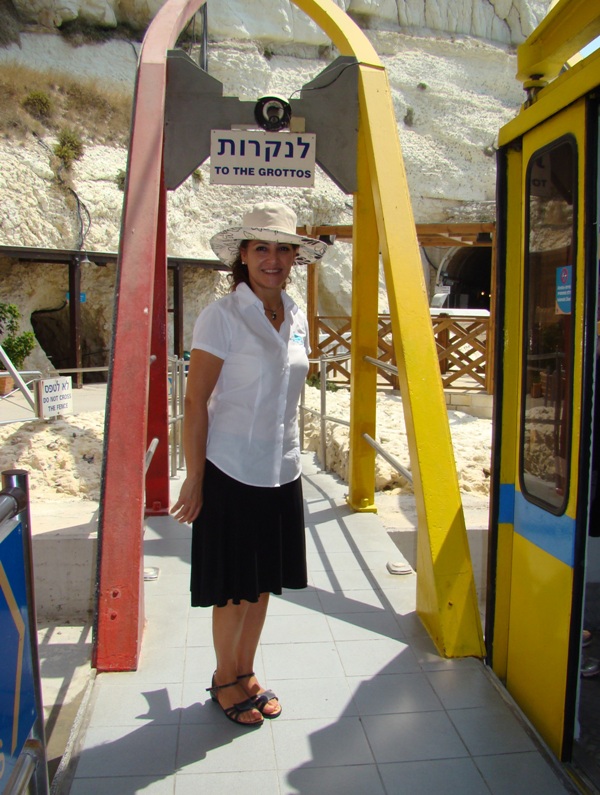
In yesterday’s post I shared a view from the cable car. While at Rosh HaNiqra in Sept., I asked one of the workers if I could take her photo.

Worker at cable car at Rosh HaNiqra. Photo by Leon Mauldin.

I find it interesting and helpful to not only become familiar with the more well-known biblical sites, but also those Bible places mentioned fewer times, even just once. If it’s part of the biblical record, I have an interest in it!

Click on images for larger view.


Misrephoth Maim (Rosh-HaNiqra), Israel’s Northern Border

December 22, 2011

Misrephoth-maim is mentioned twice in the biblical text.The first occurrence is in Joshua 11:8, which records the third phase of the Conquest, that of the north, and specifically that of Hazor, which formerly was the head of all those kingdoms (v.10). The text records the flight of the defeated Canaanites,

The LORD handed them over to Israel and they struck them down and chased them all the way to Greater Sidon, Misrephoth Maim, and the Mizpah Valley to the east. They struck them down until no survivors remained (Josh 11:8, NET).

With the initial Conquest accomplished, the Lord told Joshua,

I will drive out before the Israelites all who live in the hill country from Lebanon to Misrephoth Maim, all the Sidonians; you be sure to parcel it out to Israel as I instructed you (Joshua 13:6, NET).

We had the opportunity in September to see this interesting biblical site. Misrephoth Maim is identified with Rosh-HaNiqra, and is situated just below Israel’s border with Lebanon on the coast.

Rosh HaNiqra. Looking north to Lebanon. Photo by Leon Mauldin.

Alexander the Great tunneled through the cliffs here to bring his army from Tyre down to Israel.

Rosh HaNiqra. Alexander the Great tunneled through the mountain here. Facing north. Photo by Leon Mauldin.

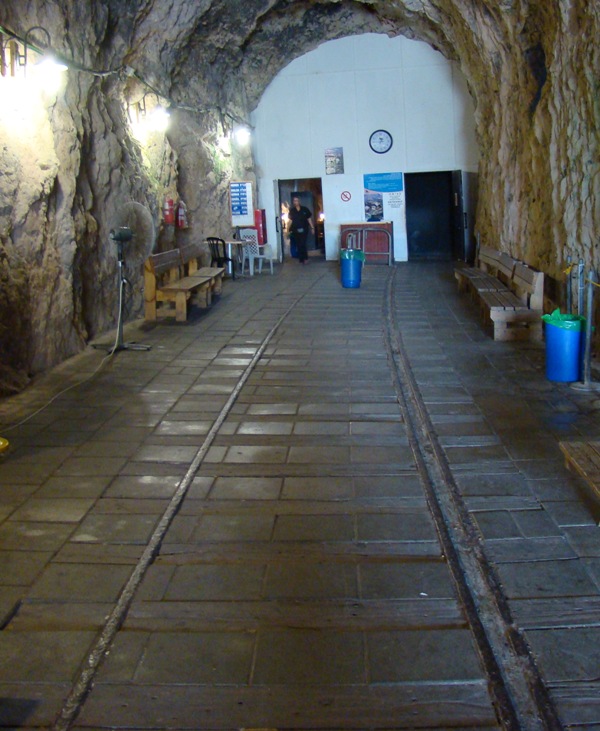
We had the occasion to go inside the tunnel.

Rosh HaNiqra inside tunnel. Photo by Leon Mauldin.

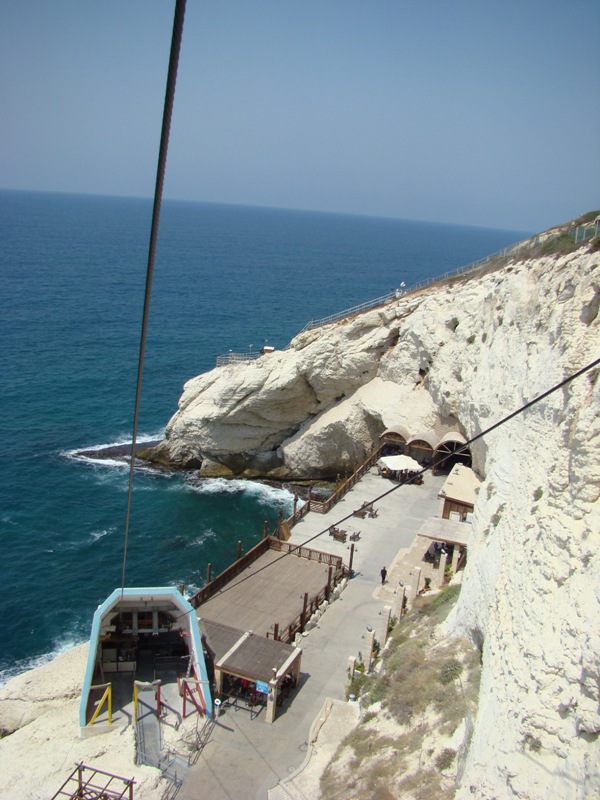
Here is a view from the cable car:

Rosh HaNiqra. View from Cable Car. Photo by Leon Mauldin.

Wikipedia has this info:

The Book of Joshua mentions ‘Misraphot Mayim’ as a place south of Rosh HaNikra that was the border of the Israelite tribes of the time (13:6). Jewish sages referred to the cliff as “The Ladder of Tyre’ (Hebrew: sullam Tzor‎).The site was later renamed A-Nawakir (“the grottos”) after an Arab conquest. The present name, Rosh HaNikra, is Hebrew for the later Arabic name ‘Ras-an-Nakura.’

Throughout human history, Rosh HaNikra served as a passage point for trade caravans and armies between Lebanon, Syria, Israel, Egypt, and Africa. The British blasted a railway tunnel through the nearby rocks for trains running along the Cairo-Istanbul line. A bridge was destroyed by Jewish underground fighters prior to 1948 during the operation Night of the bridges.

Rosh Hanikra was the site where Israeli and Lebanese officials negotiated and concluded an armistice in 1949 which ended the Lebanese-Israeli component of the 1948 War of Israeli Independence.

Click on images for larger view.