Dietary Restrictions in Leviticus

January 2, 2012

We recently referenced the book of Leviticus and its theme of holiness here. Chapter 11 lists the dietary restrictions which Israel was to follow. The basic rule of thumb was this: an animal must have a divided hoof and chew the cud; both were required.

3 Whatever parts the hoof and is cloven-footed and chews the cud, among the animals, you may eat. 4 Nevertheless, among those that chew the cud or part the hoof, you shall not eat these: The camel, because it chews the cud but does not part the hoof, is unclean to you. 5 And the rock badger, because it chews the cud but does not part the hoof, is unclean to you (ESV).

Two examples of animals which met one requirement, but not both, were the camel and the rock badger.
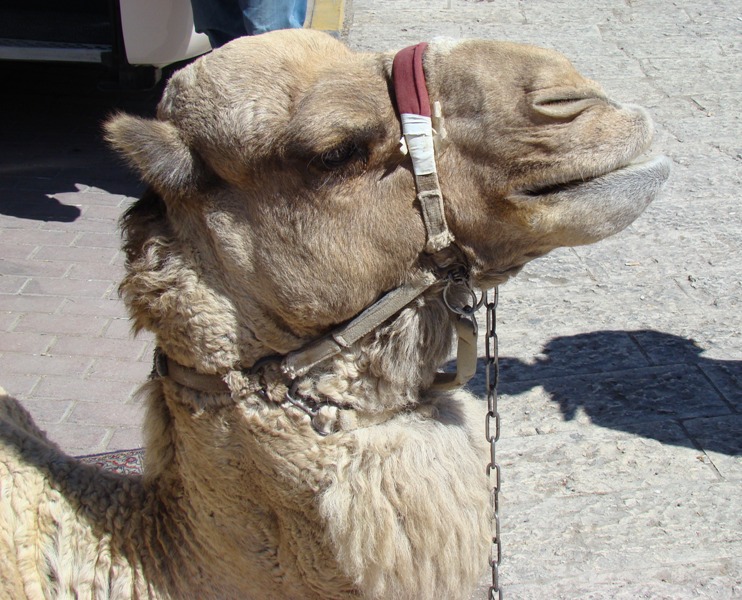
Camel, forbidden in Israel's diet. Photo by Leon Mauldin.

This camel which I photographed in Bethany earlier this year would have been forbidden as food under Mosaic law because though it chews the cud it does not have a divided hoof.

The rock badger was also forbidden.
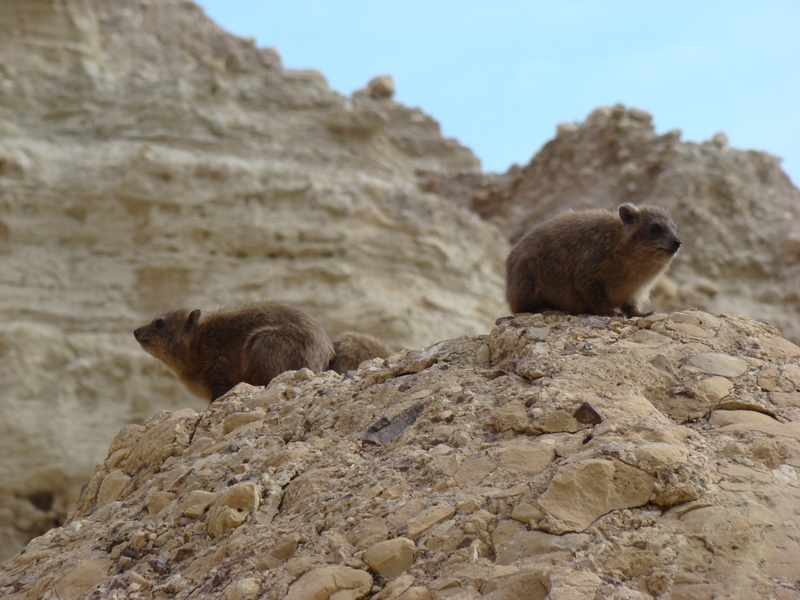
Rock Badgers at Ein Gedi. Photo by Leon Mauldin.

These rock badgers were at Ein Gedi, where such are commonly seen. Again, such was forbidden in ancient Israel’s diet. Like the camel, it chews the cud, but does not have a parted hoof.

On the other hand, the pig has the parted hoof, but does not chew the cud, so it was unclean also (Lev. 11:7). It occurs to me that I have not photographed any pigs in Israel.

Two observations:

1. God employed such means as these dietary restrictions to mold and shape a special people for His own possession. Such were not the end but the means to an end.

2. In the New Testament such distinctions have been removed.  Jesus said,

Do you not see that whatever goes into a person from outside cannot defile him, since it enters not his heart but his stomach, and is expelled?” ( Thus he declared all foods clean.) (Mark 7:18-19, ESV).

Click on images for larger view.


Lessons from Leviticus?

December 30, 2011

In his preface to his commentary on Leviticus in the New International Commentary on the Old Testament, Gordon Wenham wrote,

Leviticus used to be the first book that Jewish children studied in the synagogue.  In the modern Church it tends to be the last part of the Bible anyone looks at seriously (vii).

The first time I read that statement I did a double-take. Studying Leviticus first in synagogue? What did they see back then that might be overlooked today?

In my lecture at Florida College (entitled “Trusting in gods that Cannot Save,” 2010) I made reference to the above quote and then observed,

The real heart of Leviticus is contained in verses such as 20:26: “Thus you are to be holy to Me, for I the LORD am holy; and I have set you apart from the peoples to be Mine.” Everything about how to approach God in worship, what to eat, wear, plant, along with all the other laws, had to do with that one principle: by all of these things God was teaching them that they were different from the world; they were His special people; they were to partake of His holiness.  Do you agree that this is not a bad idea, to teach a child from infancy that he is special to the Lord; that we are different from the world; that our concern is to be seeking and doing God’s will? (p.76).

The book of Leviticus was not just for the priests. In the opening verses, God said,

Speak to the sons of Israel and say to them, ‘When any man of you brings an offering to the LORD, you shall bring your offering of animals from the herd or the flock (Lev. 1:2, NASB).

The instructions are to the sons of Israel. Re: “Any man of you” the NET notes,

It is the Heb “a man, human being” (‘adam), which in this case refers to any person among “mankind,” male or female, since women could also bring such offerings.

So here is a book that was for everyone during that dispensation, whether priests or other Israelites, men or women.

We are not contending that we are under the specific legislation of that time, but Romans 15:4 teaches,

For whatever was written in former days was written for our instruction, that through endurance and through the encouragement of the Scriptures we might have hope (ESV).

Perhaps you would like a brief outline and chapter content for the book of Leviticus:

Leviticus Outline and Chapter Content

I.          LAWS OF SACRIFICE 1-7

II.        HISTORICAL 8-10

III.       LAWS OF PURITY 11-15

IV.       ANNUAL DAY OF ATONEMENT

V.        HOLINESS OF PEOPLE 17-20

VI.       HOLINESS OF PRIESTS & LAWS RE: SACRIFICES 21-22

VII.     LAWS CONCERNING FEASTS 23-25

VIII.    PROMISES & WARNINGS 26

IX.       LAWS CONCERNING VOWS 27

1. Burnt offering

2. Meal offering

3. Peace offering

4. Sin offering

5. Trespass offering

6-7 Laws of Sacrifice given to priests

8. Consecration of priests

9. Priests begin to serve

10. Death of Nadab & Abihu

11. Clean & unclean foods

12. Purification after childbirth

13-14. Laws concerning Leprosy

15. Laws concerning normal & abnormal issues

16. Day of Atonement

17. Eating of blood forbidden

18. Laws of moral purity

19. Miscellaneous laws

20. Punishment for disobedience

21-22. Laws of holiness for priests; laws re: sacrifices

23. Sabbath, 3 annual feasts, day of atonement

24. Lamps, showbread; punishment for blasphemy

25. Year of Jubilee

26. Blessings of obedience; consequences of disobedience

27. Laws concerning vows


Rosh HaNiqra, cont’d.

December 23, 2011

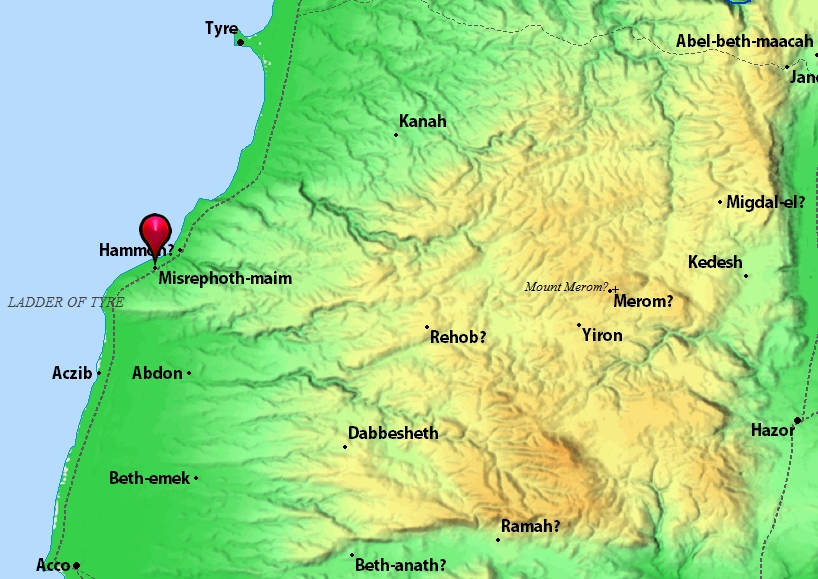
Our previous post was on Rosh HaNiqra, biblical Misrephoth Maim, which is only mentioned twice in scripture, Joshua 11:8; 13:6 (context: Israel’s Conquest of Canaan). It is always helpful to see a site’s location on a map.

Misrephoth Maim, or Rosh HaNiqra. Map by BibleAtlas.org.

Notice on the map the term Ladder of Tyre which is a reference to this portion of the coastal area south of Tyre. Rosh HaNiqra means “head of the ladder.”

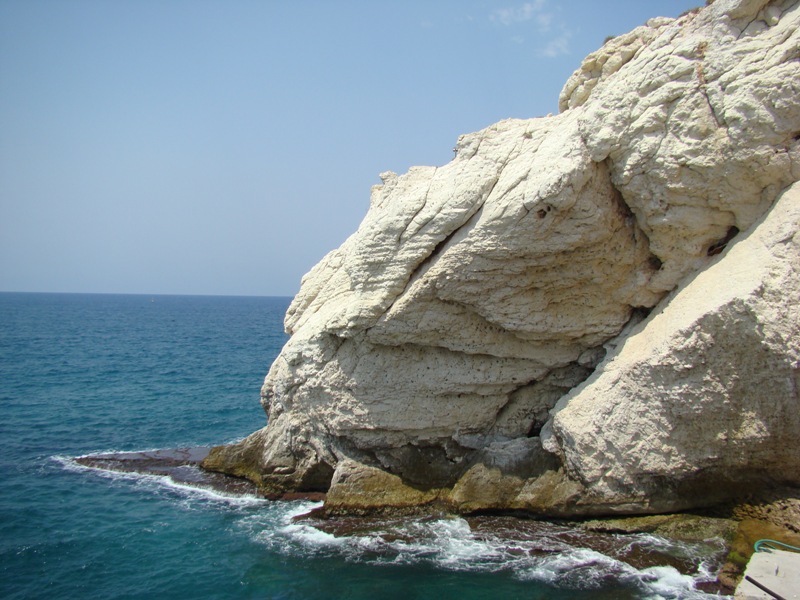
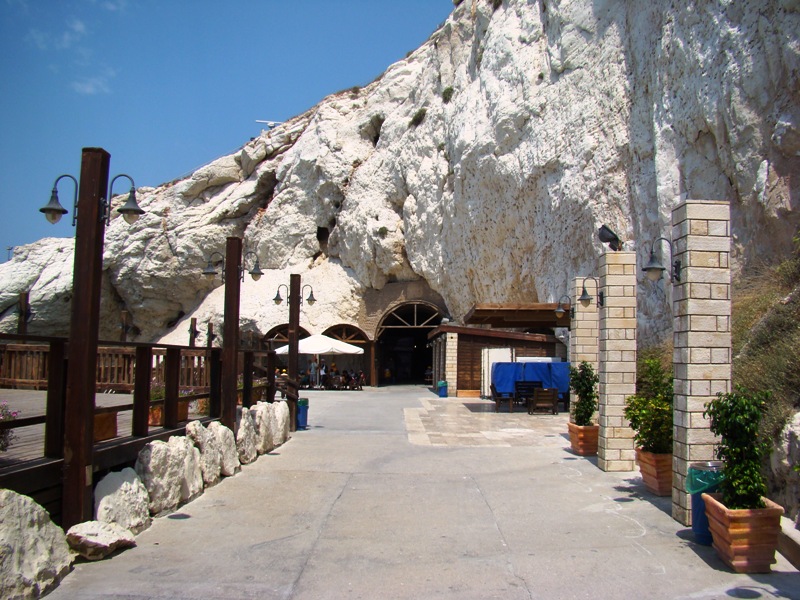
I was impressed with the area’s natural beauty, including the white chalk cliffs.

Rosh HaNiqra. Photo by Leon Mauldin.

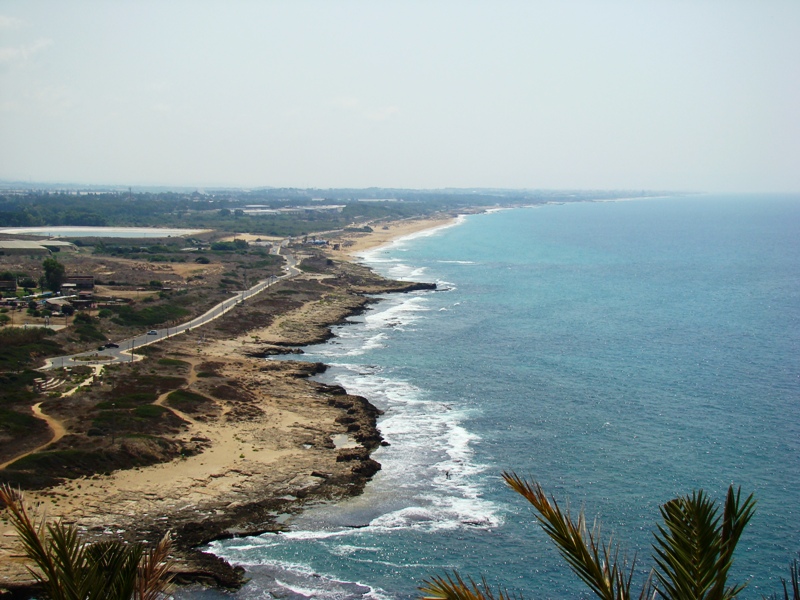
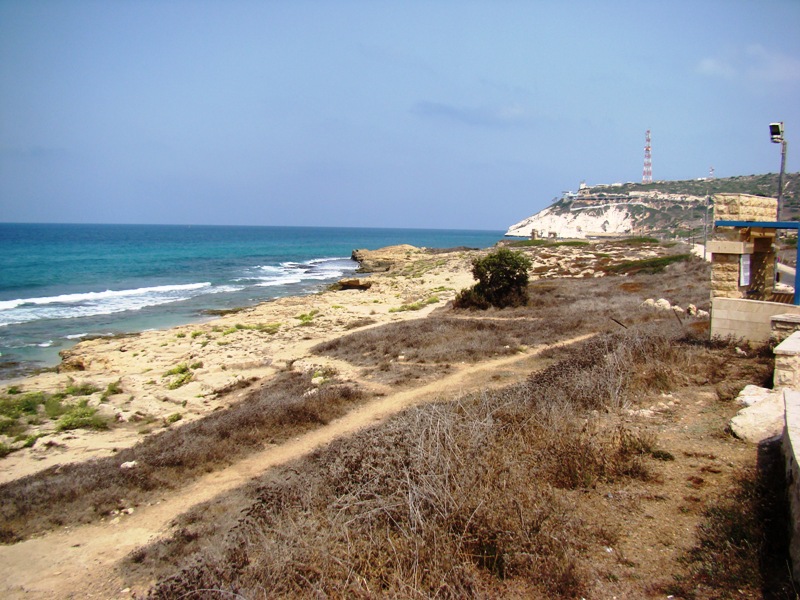
There is a good view of Israel’s northern coast looking southward from this location.

Israel's coast looking south from Rosh HaNiqra. Photo by Leon Mauldin.

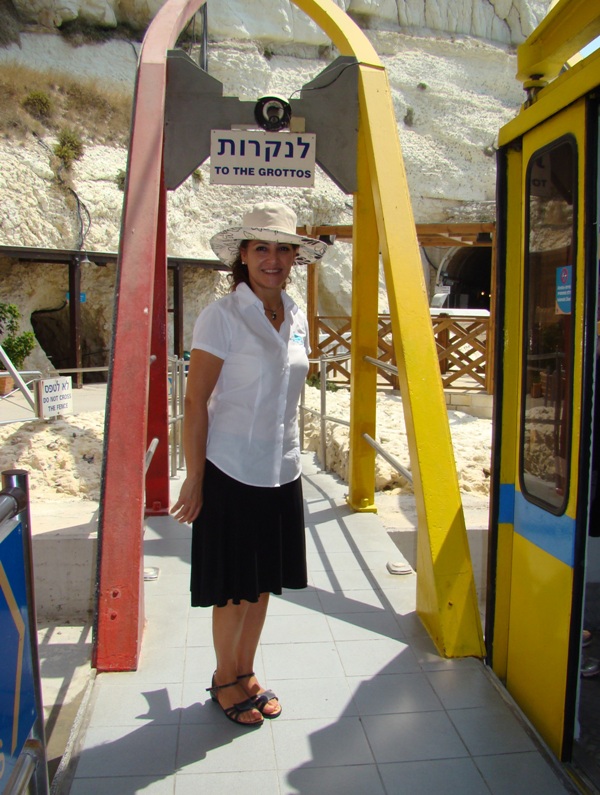
In yesterday’s post I shared a view from the cable car. While at Rosh HaNiqra in Sept., I asked one of the workers if I could take her photo.

Worker at cable car at Rosh HaNiqra. Photo by Leon Mauldin.

I find it interesting and helpful to not only become familiar with the more well-known biblical sites, but also those Bible places mentioned fewer times, even just once. If it’s part of the biblical record, I have an interest in it!

Click on images for larger view.


Misrephoth Maim (Rosh-HaNiqra), Israel’s Northern Border

December 22, 2011

Misrephoth-maim is mentioned twice in the biblical text.The first occurrence is in Joshua 11:8, which records the third phase of the Conquest, that of the north, and specifically that of Hazor, which formerly was the head of all those kingdoms (v.10). The text records the flight of the defeated Canaanites,

The LORD handed them over to Israel and they struck them down and chased them all the way to Greater Sidon, Misrephoth Maim, and the Mizpah Valley to the east. They struck them down until no survivors remained (Josh 11:8, NET).

With the initial Conquest accomplished, the Lord told Joshua,

I will drive out before the Israelites all who live in the hill country from Lebanon to Misrephoth Maim, all the Sidonians; you be sure to parcel it out to Israel as I instructed you (Joshua 13:6, NET).

We had the opportunity in September to see this interesting biblical site. Misrephoth Maim is identified with Rosh-HaNiqra, and is situated just below Israel’s border with Lebanon on the coast.

Rosh HaNiqra. Looking north to Lebanon. Photo by Leon Mauldin.

Alexander the Great tunneled through the cliffs here to bring his army from Tyre down to Israel.

Rosh HaNiqra. Alexander the Great tunneled through the mountain here. Facing north. Photo by Leon Mauldin.

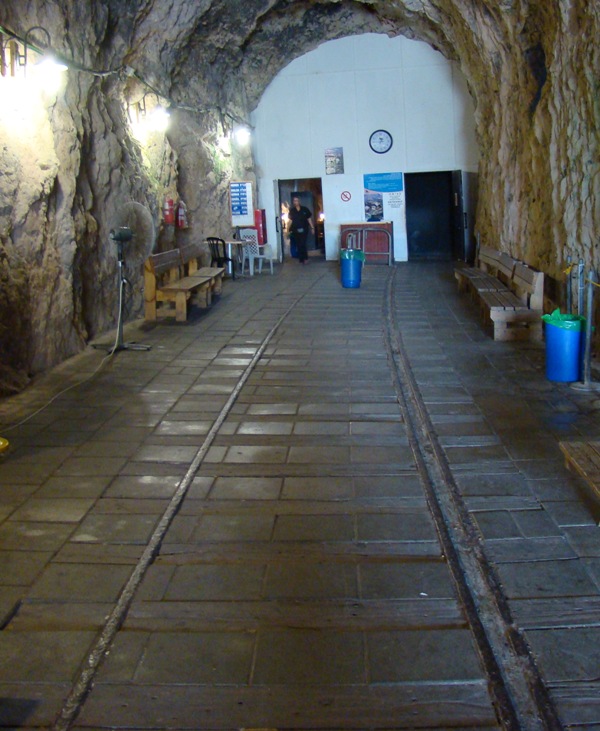
We had the occasion to go inside the tunnel.

Rosh HaNiqra inside tunnel. Photo by Leon Mauldin.

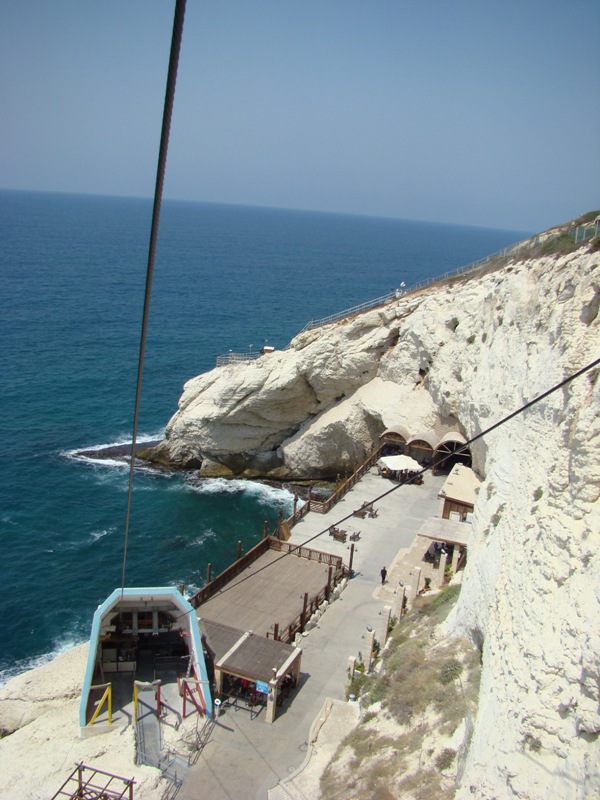
Here is a view from the cable car:

Rosh HaNiqra. View from Cable Car. Photo by Leon Mauldin.

Wikipedia has this info:

The Book of Joshua mentions ‘Misraphot Mayim’ as a place south of Rosh HaNikra that was the border of the Israelite tribes of the time (13:6). Jewish sages referred to the cliff as “The Ladder of Tyre’ (Hebrew: sullam Tzor‎).The site was later renamed A-Nawakir (“the grottos”) after an Arab conquest. The present name, Rosh HaNikra, is Hebrew for the later Arabic name ‘Ras-an-Nakura.’

Throughout human history, Rosh HaNikra served as a passage point for trade caravans and armies between Lebanon, Syria, Israel, Egypt, and Africa. The British blasted a railway tunnel through the nearby rocks for trains running along the Cairo-Istanbul line. A bridge was destroyed by Jewish underground fighters prior to 1948 during the operation Night of the bridges.

Rosh Hanikra was the site where Israeli and Lebanese officials negotiated and concluded an armistice in 1949 which ended the Lebanese-Israeli component of the 1948 War of Israeli Independence.

Click on images for larger view.


Clay in the Potter’s Hand: Video

December 7, 2011

The metaphor of clay in the potter’s hand is sometimes used in the Bible to show the sovereignty of God, and His almighty power in accomplishing His plan and purpose. Additionally it is seen that we have a choice in yielding/submitting and thus becoming vessels of honor, whereas the disobedient become vessels of dishonor (2 Tim. 2:20), described as “vessels of wrath prepared for destruction.”

Such figures as the potter and the clay were familiar to those living in the biblical world, much more so that for most of us today.

Error
This video doesn’t exist

I filmed this potter as he made a vessel of clay. This was in Lindos, on the island of Rhodes (Rhodes is mentioned in Acts 21:1, in the context of Paul’s return trip on his 3rd missionary journey).

In Jeremiah 18, the prophet Jeremiah was told to go to the potter’s house, where he was to see an object lesson: “Look, as the clay is in the potter’s hand, so are you in My hand, O house of Israel!” (v.8).

I’m mindful of the words of the song, “Have Thine Own Way, Lord”:

1. Have thine own way, Lord! Have thine own way!
Thou art the Potter, I am the clay.
Mold me and make me after Thy will,
While I am waiting, yielded and still.

2. Have thine own way, Lord! Have thine own way!
Search me and try me, Savior today!
Wash me just now Lord, wash me just now,
as in thy presence humbly I bow.

3. Have thine own way, Lord! Have thine own way!
Wounded and weary, help me I pray!
Power, all power, surely is thine!
Touch me and heal me, Savior divine!

4. Have thine own way, Lord! Have thine own way!
Hold o’er my being absolute sway.
Fill with thy Spirit till all shall see
Christ only, always, living in me!

I had earlier posts on Rhodes here, here and here.

My one desire: to be an obedient vessel molded by ‘El Shaddai, used for His glory.


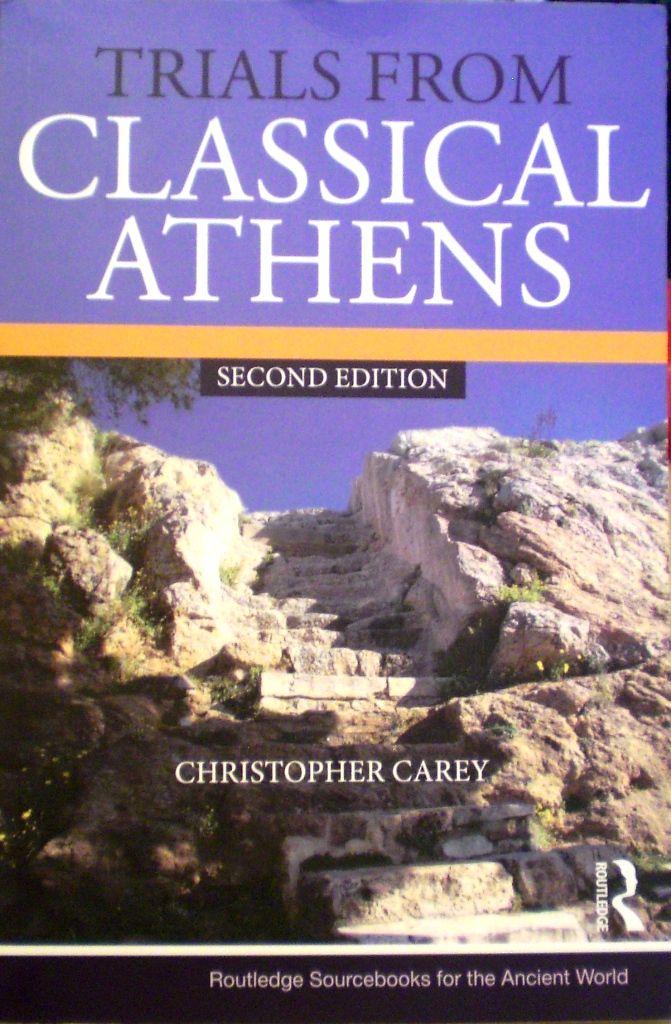
Resource: Trials from Classical Athens

December 5, 2011

The Routledge Sourcebooks for the Ancient World includes Trials From Classical Athens. The 2nd edition is to be available as of Dec. 11, according to Amazon.

The setting for the trials in classical Athens is the Areopagus. The cases in this book came before the Athenian courts in the period of classical Athenian democracy, late fifth and fourth century BC.

Bible students know that the Areopagus is also mentioned in Acts 17 in connection with Paul’s opportunity to preach to  the Athenians, including the Epicurean and Stoic philosophers (Acts 17:22f.).

I’m looking forward to reading this resource, authored by Christopher Carey, professor of Greek at University College, London, UK.

Front cover, Trials from Classical Athens. Photo by Leon Mauldin.

From the back cover:

The ancient Athenian legal system is both excitingly familiar and disturbingly alien to the modern reader. It functions within a democracy which shares many of our core values but operates in a disconcertingly different way. Trials from Classical Athens assembles a number of surviving speeches written for trials in Athenian courts, dealing with themes which range from murder and assault, through slander and sexual misconduct to property and trade disputes and minor actions for damage. The texts illuminate key aspects both of Athenian social and political life and the functioning of the Athenian legal system.

This new and revised volume adds to the existing selection of key forensic speeches with three new translations accompanied by lucid explanatory notes. The introduction is augmented with a section on Athenian democracy to make the book more accessible to those unfamiliar with the Athenian political system. To aid accessibility further a new glossary is included as well as illustrations for the first time.

Providing a unique and guided introduction to the Athenian legal system and explaining how the system reveals the values and social life of Classical Athens, Trials from Classical Athens remains a fundamental resource for students of Ancient Greek history and anyone interested in the law, social history and oratory of the Ancient Greek world.

I granted permission to the publishers usage of my photo for the front cover. It depicts the steps up the Areopagus from the back side.

Leon’s Message Board has a post on the Areopagus here, which includes the above photo.

Ferrel Jenkins has a current post which shows the Areopagus from this same side but further back. See here.

I noticed on Amazon’s site that Dr. Carey’s book sells for $35.39 in paperback and $111.52 in hardback.

(Click on images for larger view).


The Census of Numbers 1:46: 603,550 Men of War

December 3, 2011

While Israel was still encamped at Mt. Sinai a census was taken the men of war with a view of the Conquest of Canaan. Numbers 1:46 states, “all who were numbered were six hundred and three thousand five hundred and fifty.” Only those age twenty and older were counted (1:45), and the tribe of Levi was excluded.

That high number has been dismissed as improbable or even impossible by many and has given rise to numerous explanations of what is meant other than a literal reading. For example, R.D. Cole in the New American Commentary explores six possible explanations of the passage and then writes,

More recently D. Fouts has suggested that the hyperbolic use of numbers in the Book of Numbers presents a parallel to ancient Near Eastern texts from Mesopotamia that utilize large hyperbolic numbers in military conscription texts and other population counts.

Israel’s power was not in the size of their armies or their enormous population but in their God. He would send angels before them to fight their battles and confuse their enemies. The hyperbolic use of numbers was not for misrepresentation but for powerful demonstration of Yahweh’s continuing blessing upon Israel in the past, multiplying seventy persons into more than sixty thousand or six hundred thousand or three million, and the numbers were a statement of confidence in a God who would continue to multiply his people like the stars of the heaven.

I have several problems with this kind of explanation:

1. There is nothing within the text or context of Numbers 1:46 to indicate that there is a hyperbolic or poetic usage of numbers.

2. There are related passages that have a bearing on the matter. For example, each man age 20 and upward was required to pay 1/2 shekel as an offering to the Lord (Ex. 38:26). Exodus 38:25 states, “The silver of those of the congregation who were numbered was 100 talents and 1,775 shekels, according to the shekel of the sanctuary.” 1 talent equals 3,000 shekels, thus 100 talents equals 300,000 shekels. That plus the additional 1,775 shekels listed would total 301,775 shekels. Since each paid 1/2 shekels, 301,775 shekels would be payment for exactly 603,550 men. Must we now find Mesopotamian parallels or conclude that this passage also make hyperbolic usage of the numbers in this text?

3. Months earlier when the Exodus occurred, the record states, “Then the children of Israel journeyed from Rameses to Succoth, about six hundred thousand men on foot, besides children” (Ex. 12:37).

4. When the rebellion occurred, the refusal of the men to conquer Canaan, all of them died in the wilderness. In the 40th year it was necessary to take another census. That total was 601,730 (Num. 26:51), which is slightly less but for all practical purpose approximately the same as the first numbering.

Conclusion: What we see is that the numbering of Num. 1:46 is consistent with the total for the 1/2 shekel offering, the record in Ex. 12:2, as well as the second numbering. My conclusion is that the Numbers census of Num. 1:46 should be taken at face value.


More on Mt. Nebo

November 30, 2011

Todd Bolen wrote me yesterday with helpful information regarding Mt. Nebo, and my photo in our previous post (Nov. 28).

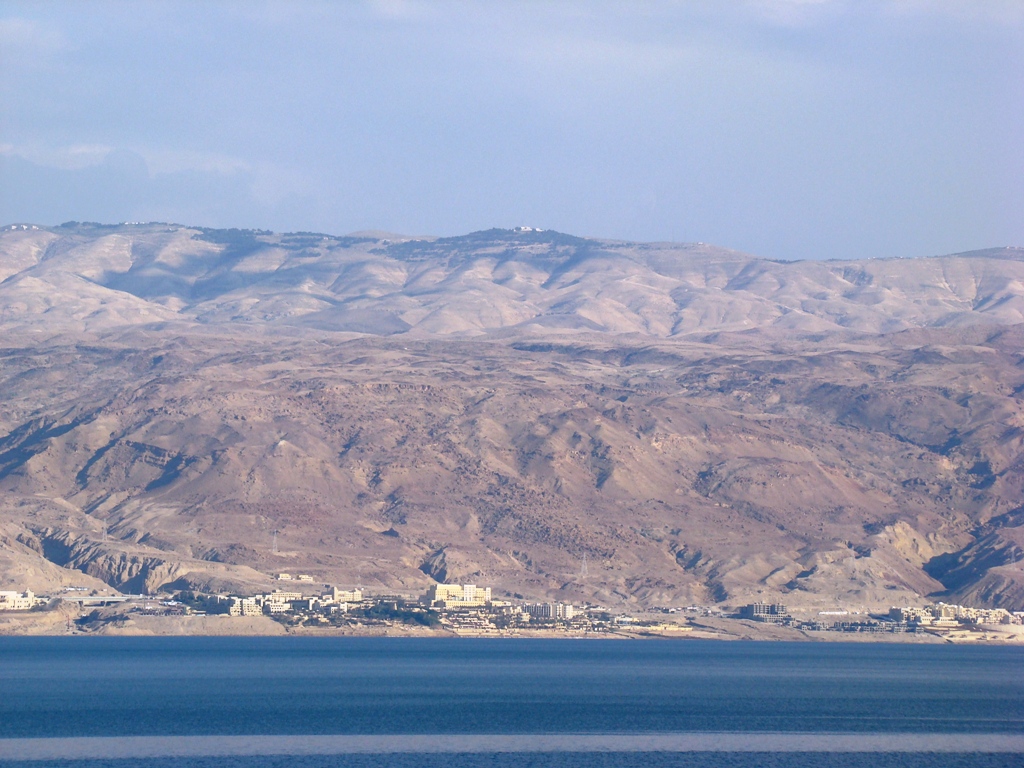
Todd suggests that Mt. Nebo is further north than depicted in Monday’s photo (i.e., to your left). I value his scholarship and input, and wanted to pass that along to my readers. Look now at this photo:

Mt. Nebo. Looking from west to east. Photo by Leon Mauldin.

Look to the upper right of photo. See the long shadow? Look to the left edge and then up to the top of the ridge.  Todd suggests the peak of Nebo is located a little behind (east of) the ridge and a bit to the left of the north side of that shadow. (Click on image for larger view).

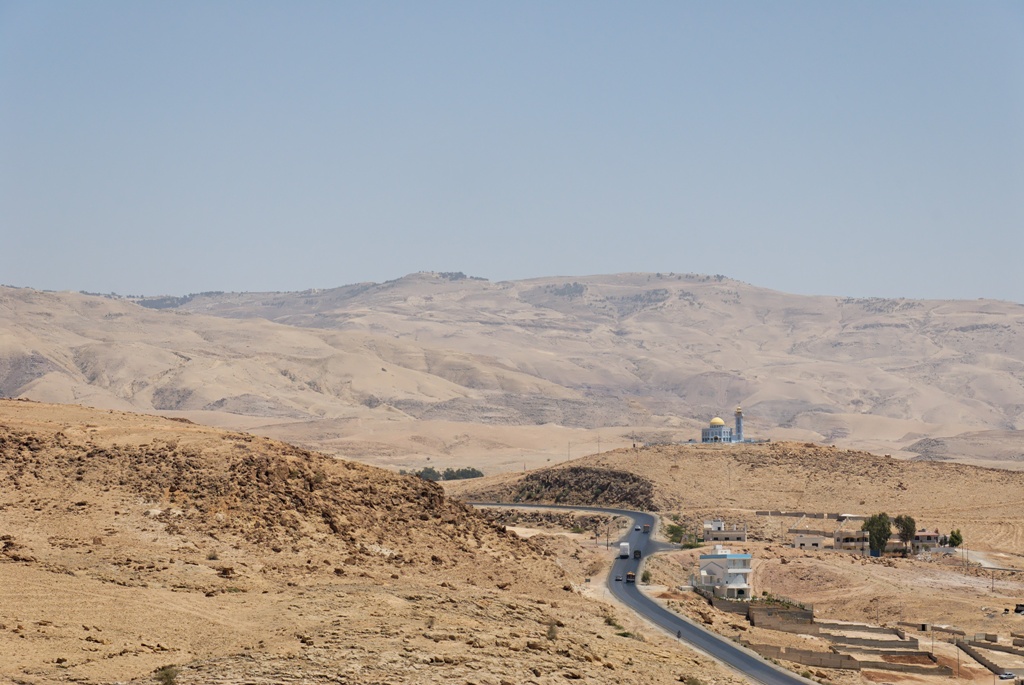
Here is a photo Todd send me showing what his present research has determined to be the location of Mt. Nebo, from a different angle:

Mt. Nebo from northwest. Photo by Todd Bolen. Used by permission.

In his photo, Todd identifies Mt. Nebo as the peak at slightly left of center (with some trees at right).

Research in biblical history and geography (as well as other disciplines) is not static; it requires much ongoing research and sometimes course correction. I value such help as that which Todd provided re: Mt. Nebo, and am glad to pass along this info and photos to you.

Ferrell Jenkins has a good article w/photos dealing with various methods by which biblical sites are identified, using Lystra for an example; see here.


Moses Ascends Mt. Nebo

November 28, 2011

The Lord’s faithful servant Moses was not permitted to cross over with Israel to the Promised Land of Canaan.

Deuteronomy 34 tells of the end of the Moses’ earthly life. He was permitted to ascend Mt. Nebo and view the land promised to the Patriarchs, and then he died.

Then Moses went up from the plains of Moab to Mount Nebo, to the top of Pisgah, which is across from Jericho. And the LORD showed him all the land of Gilead as far as Dan, 2 all Naphtali and the land of Ephraim and Manasseh, all the land of Judah as far as the Western Sea, 3 the South, and the plain of the Valley of Jericho, the city of palm trees, as far as Zoar. 4 Then the LORD said to him, “This is the land of which I swore to give Abraham, Isaac, and Jacob, saying, ‘I will give it to your descendants.’ I have caused you to see it with your eyes, but you shall not cross over there.” 5 So Moses the servant of the LORD died there in the land of Moab, according to the word of the LORD. 6 And He buried him in a valley in the land of Moab, opposite Beth Peor; but no one knows his grave to this day. 7 Moses was one hundred and twenty years old when he died. His eyes were not dim nor his natural vigor diminished (Deut. 34:1-7).

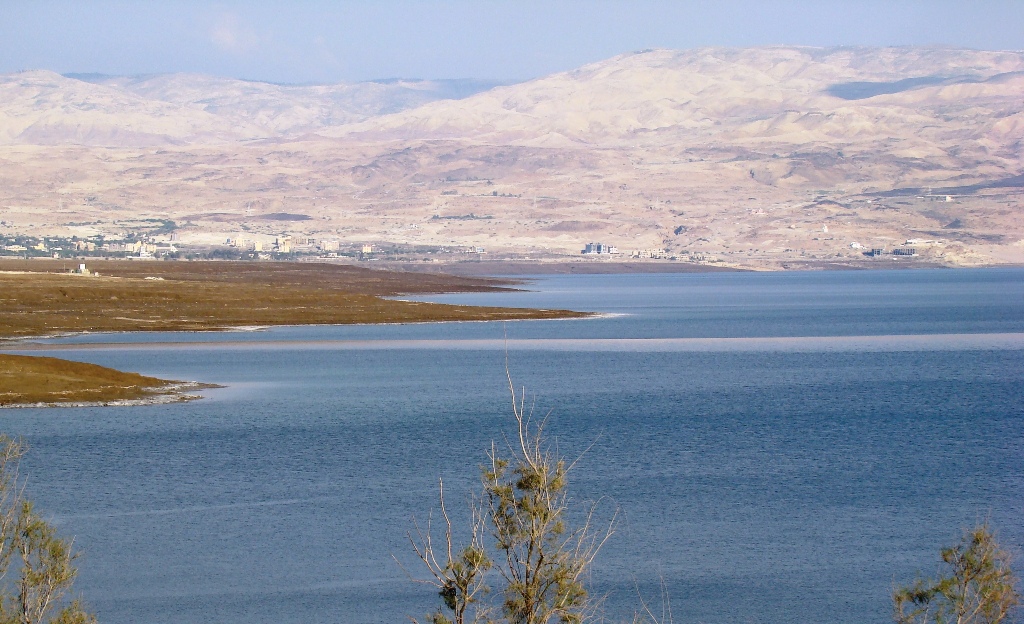
Mt. Nebo is situated in what was at that time the land of Moab. Our photo shows Mt. Nebo from the western side of the Dead Sea, looking east, i.e., the opposite of Moses’ view in our text.

Mt. Nebo from west side of Dead Sea. Photo by Leon Mauldin, Sept. 2011.

Top center of photo is Mt. Nebo, in the setting of the mountains of Moab.

Click image for larger view.


Shechem, Tel Balata, East Gate

November 17, 2011

In September we had the opportunity to revisit Shechem, Tel Balata. The site had seen further excavation and cleanup since our last visit there (Dec. 2009).

Shechem is located on the West Bank, situated 2.5 km SE of city center of Nablus. The Park brochure states,

In the past urban development and lack of appropriate management threatened the archaeological site of Tell Balata and the main goal of the Tell Balata Archaeological Park project is to safeguard it. It is a potential World Heritage Site as a part of ‘Old Town Nablus and its environs’ and is listed ont he Inventory of Cultural and Natural Sites of Potential outstanding Universal Value in Palestine.

The project aims to make a sustainable heritage management plan for the site and to make it accessible to visitors.

We previously posted on Shechem here. Review this to see somewhat of the biblical significance of this site.

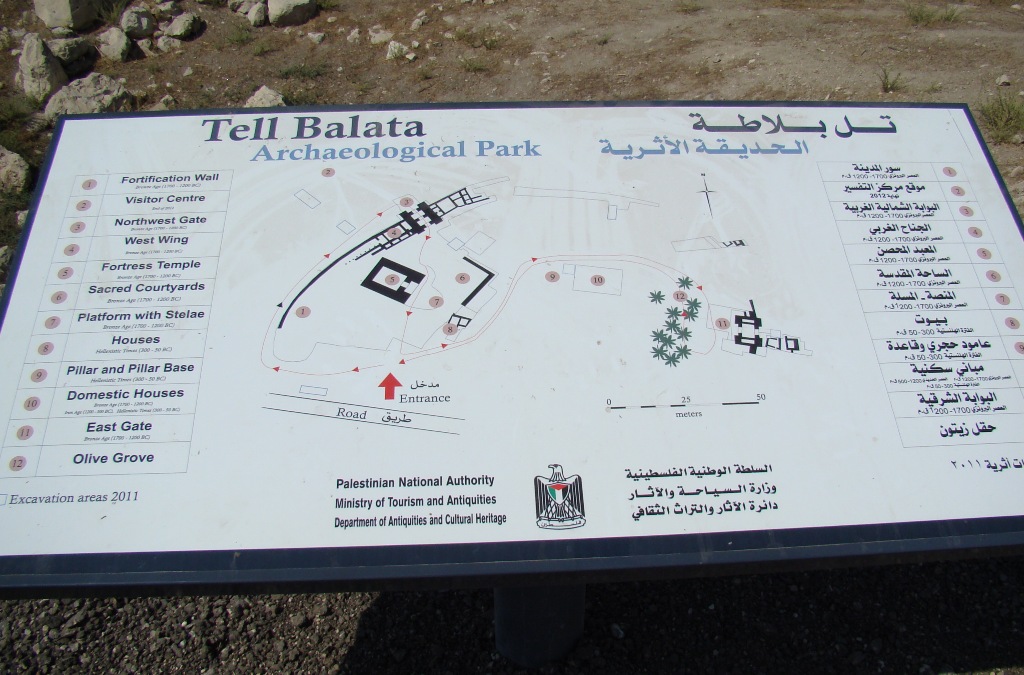
There is a helpful sign as you enter Shechem.

Shechem, Sign at Entrance. Photo by Leon Mauldin. Click for larger view.

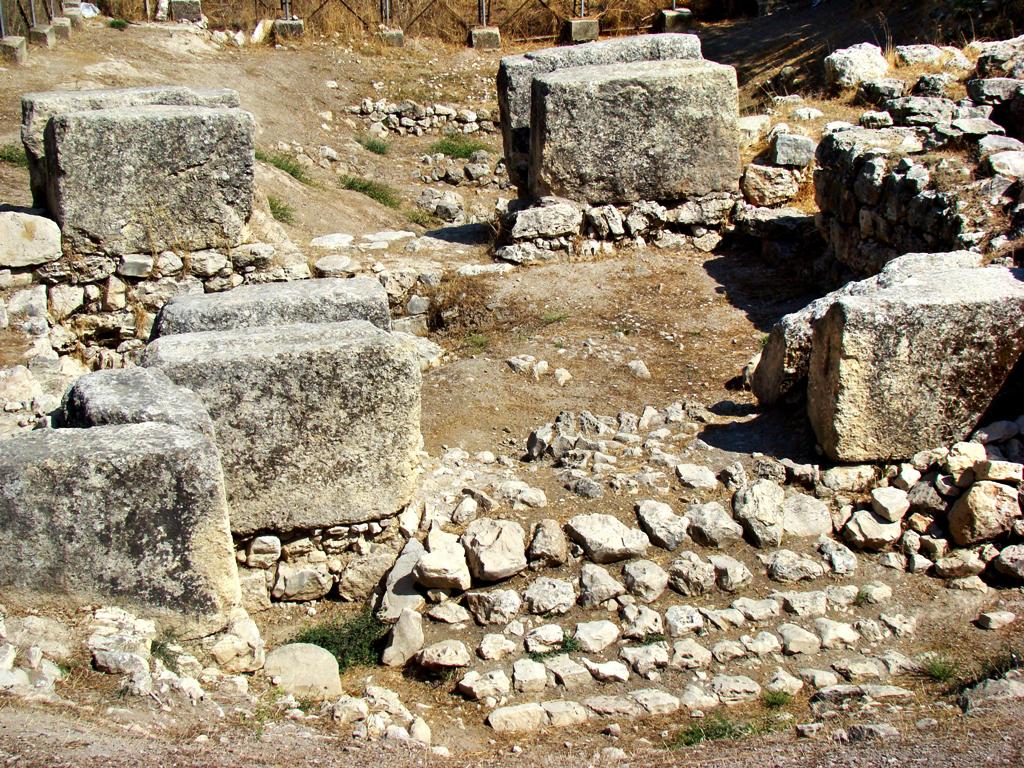
Ferrell Jenkins and I wanted to see the old Canaanite gate at the east side of the site.

Shechem, Canaanite Gate on East Side of city. Photo by Leon Mauldin.

Dr. Rasmussen observes, “The gate, like the associated Cyclopean Wall, dates to the end of the Middle Bronze Age (ca. 1650-1550 BC) and continued in use during the Late Bronze Age.”