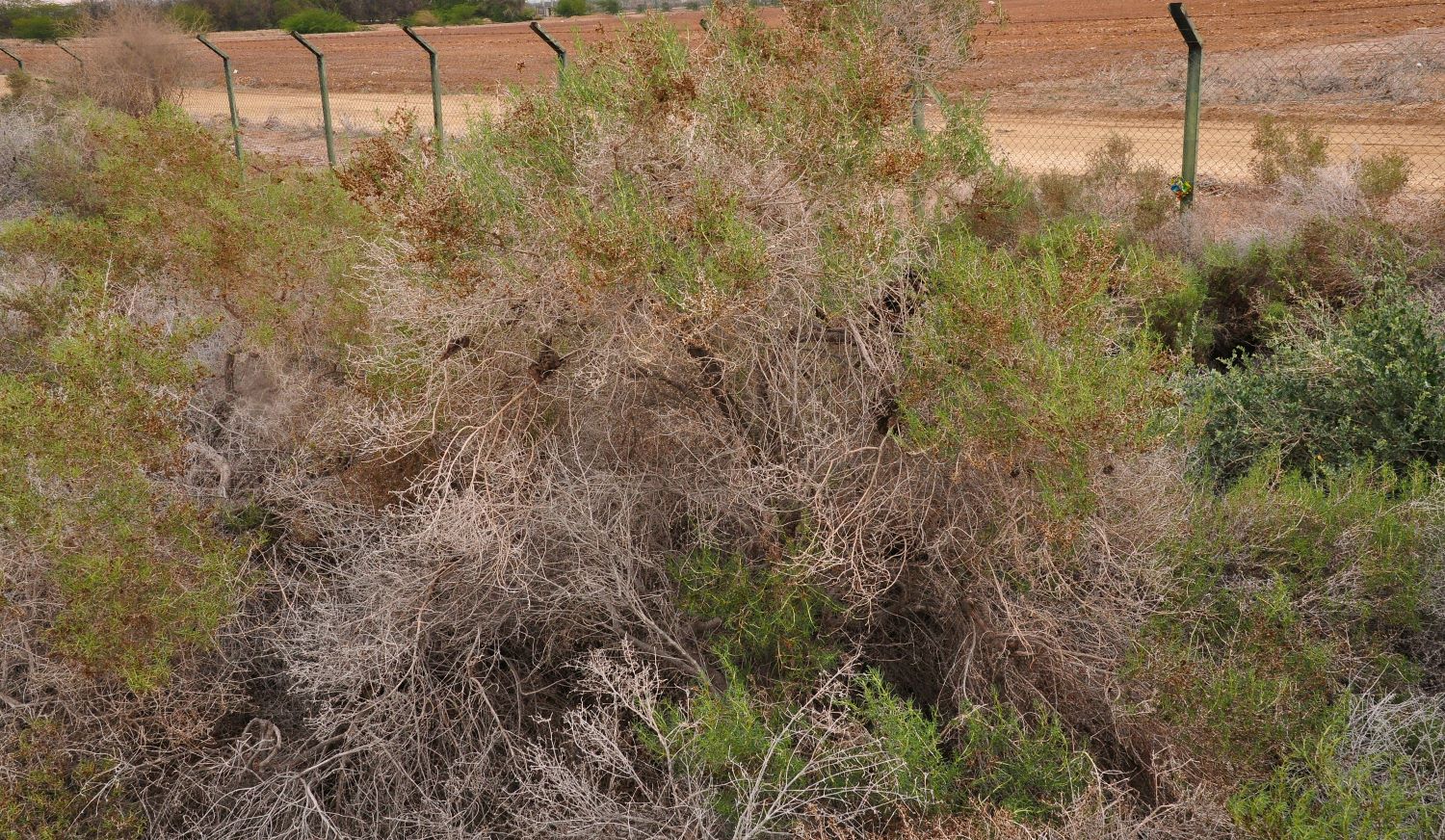
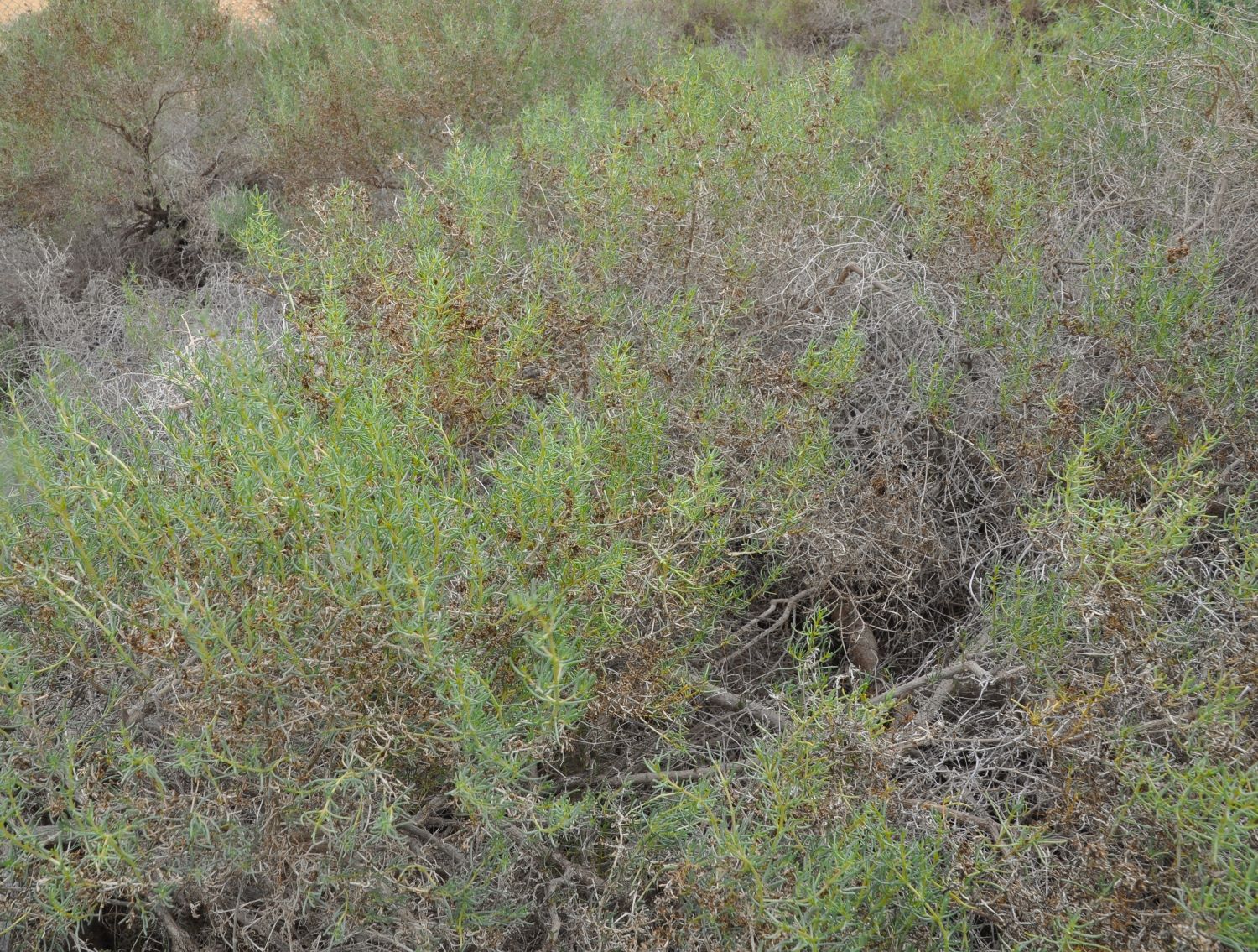
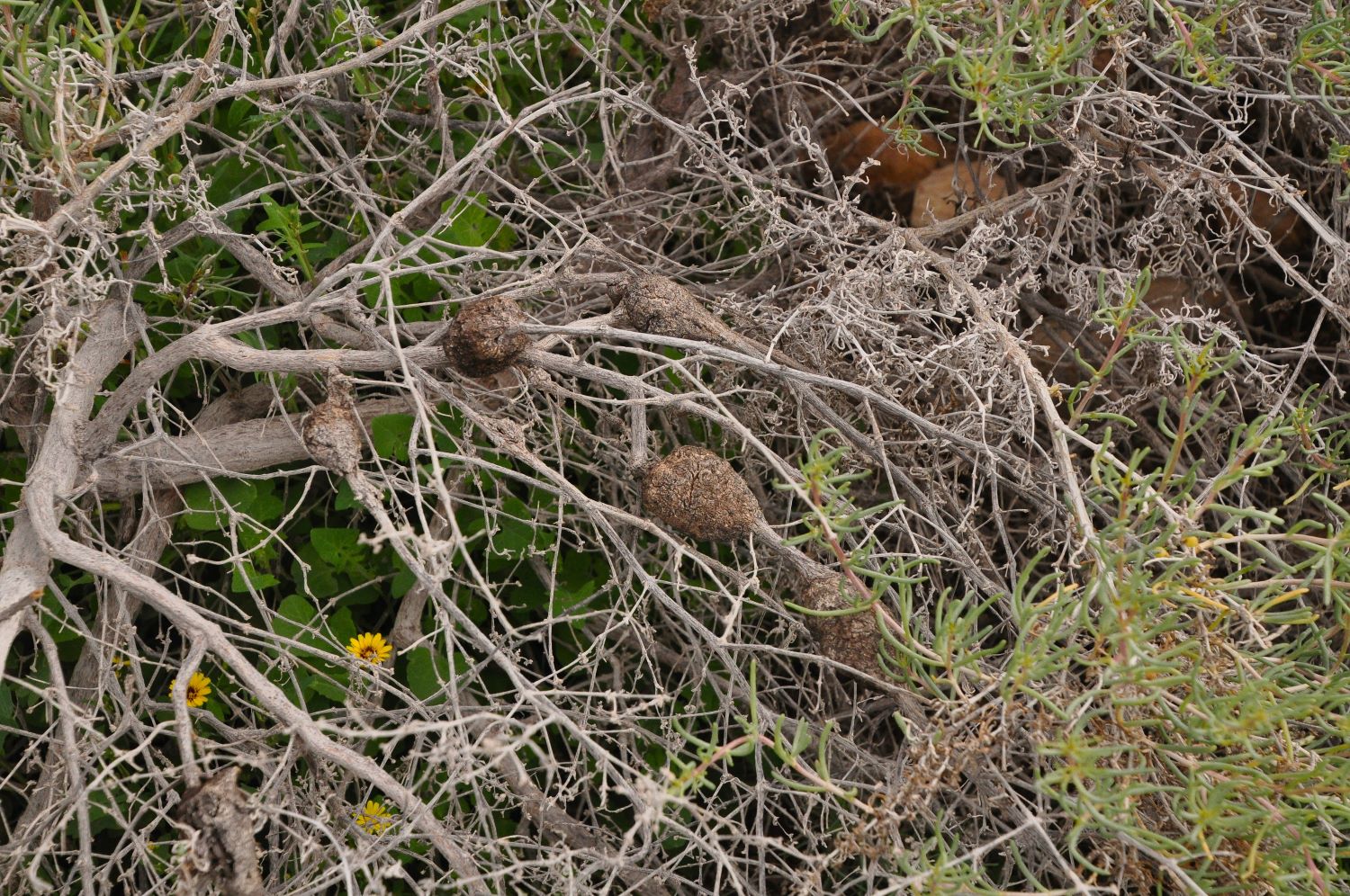
This morning while studying Revelation 8 for our Bible study tonight, I was giving attention to verses 10-11: “The third angel sounded, and a great star fell from heaven, burning like a torch, and it fell on a third of the rivers and on the springs of waters. The name of the star is called Wormwood; and a third of the waters became wormwood, and many men died from the waters, because they were made bitter.” Every passage has a context. Previously John saw the protection and care of those who have “the seal of the living God” (Rev. 7). Their prayers ascend “before God” and are heard (8:1-5). Here in our text (ch. 8) the imagery of trumpets sounding warning of judgments from God against those (rebellious) who “dwell on the earth” (8:13).
What does this imagery of wormwood portray? The text itself is helpful: “because they were made bitter” (8:11). Here is punishment/divine judgment which would be very bitter to those experiencing it. Further, the book will show that these warnings were the prelude of more (and worse) to come.
“Several plants in Palestine within the genus Artemisia, all of which are bitter in taste. Several species and varieties grow in Palestine, but those mentioned in the Bible are most likely Artemisia herba alba Asso, A. Judaica L., or A. absinthium” (ISBE, Vol. 4, p. 1117).
“Several species of artemisia grow in Palestine. The common wormwood is Artemisia Absinthium. The name always implies wormwood or something more bitter than gall. The genus artemisia belongs to the natural order Compositæ.” (Balfour, J. H. The Plants of the Bible, p. 246).
Consider the biblical references to wormwood, where its bitter, unpleasant character is alluded to.
Deut. 29:18: Moses warned Israel about a root bearing bitterness (see NIV: “bitter poison”): “Deuteronomy 29:18 “so that there will not be among you a man or woman, or family or tribe, whose heart turns away today from the LORD our God, to go and serve the gods of those nations; that there will not be among you a root bearing poisonous fruit and wormwood.
The young man is warned against the adulterous woman in Prov. 5:4: “But in the end she is bitter as wormwood, Sharp as a two-edged sword.”
Jeremiah warned God’s apostate people in Jerusalem, “therefore thus says the LORD of hosts, the God of Israel, “behold, I will feed them, this people, with wormwood and give them poisoned water to drink” (Jer. 9:15).
Later, Jeremiah wrote about his personal struggle as he witnessed the wrath of God upon Jerusalem by Babylon: “He has filled me with bitterness, He has made me drunk with wormwood” (Lam. 3:15). And he implores God, “Remember my affliction and my wandering, the wormwood and bitterness” (Lam. 3:19).
The prophet Amos rebuked the northern kingdom of Israel, describing them with the words, “For those who turn justice into wormwood And cast righteousness down to the earth” (Amos 5:7). And again, “Do horses run on rocks? Or does one plow them with oxen? Yet you have turned justice into poison And the fruit of righteousness into wormwood” (Amos 6:12).
The book of Revelation is filled with Old Testament allusions. These verses help provide the background for the imagery of wormwood in Revelation 8:11.
Foundational to the Gospel message is the resurrection of Jesus Christ. Luke writes:
Now on the first day of the week, very early in the morning, they, and certain other women with them, came to the tomb bringing the spices which they had prepared. But they found the stone rolled away from the tomb. Then they went in and did not find the body of the Lord Jesus. And it happened, as they were greatly perplexed about this, that behold, two men stood by them in shining garments. Then, as they were afraid and bowed their faces to the earth, they said to them, “Why do you seek the living among the dead? “He is not here, but is risen! Remember how He spoke to you when He was still in Galilee, “saying, ‘The Son of Man must be delivered into the hands of sinful men, and be crucified, and the third day rise again.’ ” And they remembered His words. (Luke 24:1-8).
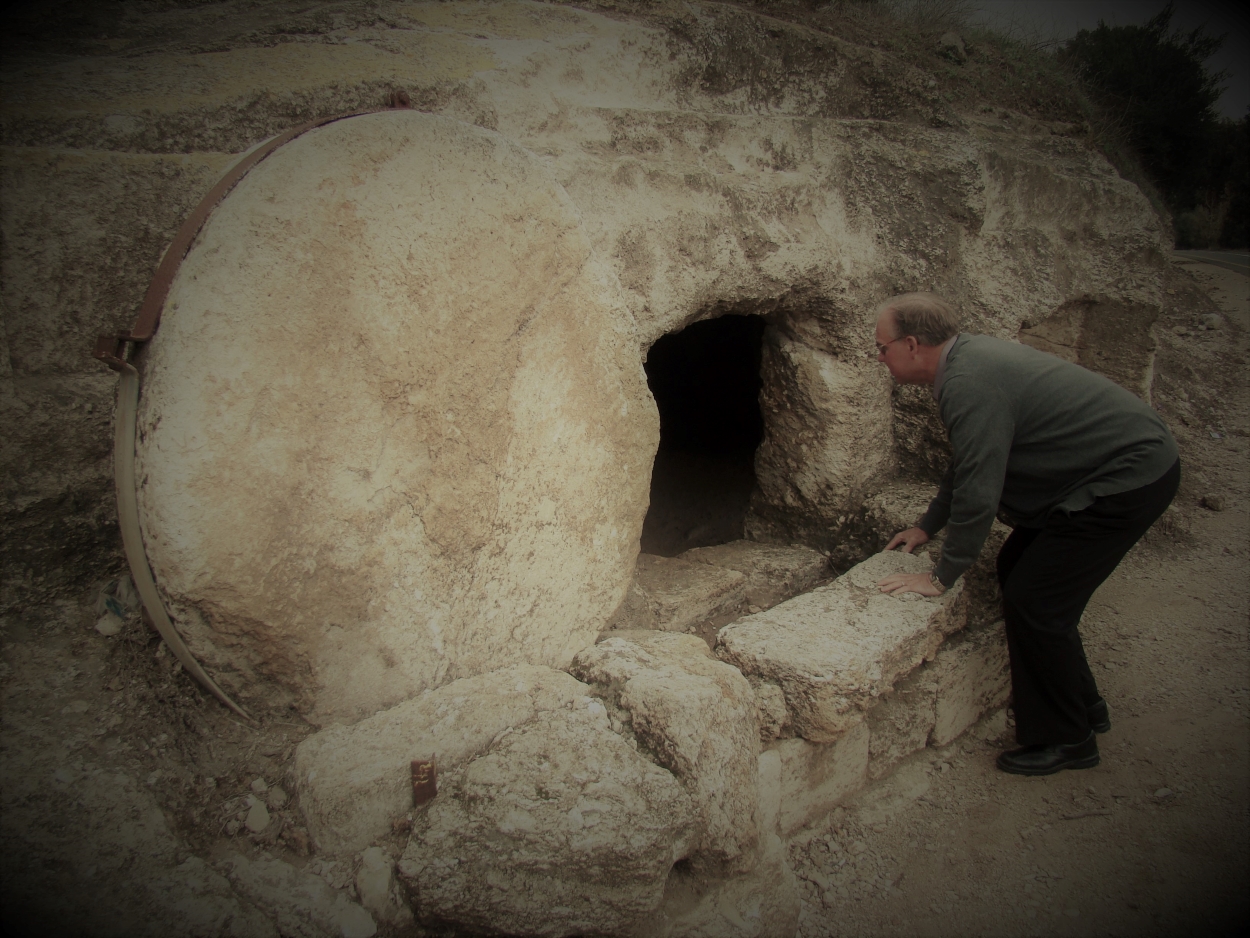
This tomb was discovered during road construction. It so well illustrates the biblical texts that narrate the burial of Jesus. Joseph of Arimathea had a new tomb (one which had not been previously used, John 19:38-42). Assisted by Nicodemus, Joseph wrapped Jesus’ body in a clean linen cloth, “and laid it in his new tomb which he had hewn out of the rock; and he rolled a large stone against the door of the tomb, and departed” (Mt. 27:59-60). The tomb in our photo was hewn out of the rock, and you can see the large stone positioned to the left of the opening.
On Sunday, the 1st day of the week when Jesus was raised from the dead, the text says this about Peter and “the other disciple:”
So they both ran together, and the other disciple outran Peter and came to the tomb first. And he, stooping down and looking in, saw the linen cloths lying there; yet he did not go in. Then Simon Peter came, following him, and went into the tomb; and he saw the linen cloths lying there, and the handkerchief that had been around His head, not lying with the linen cloths, but folded together in a place by itself. Then the other disciple, who came to the tomb first, went in also; and he saw and believed. (John 20:4-8).
Note the record says the disciple stooped down to look in. The tomb in our photo shows how this would of necessity be true.
Rolling Stone Tomb. Stooping to Look Inside. Photo by Ferrell Jenkins.
Note that we are not suggesting that this is the tomb in which Jesus was buried; it does however illustrate the type of tomb that would have been used.
For New Testament Christians, each first day of the week is significant. Christians assemble in the name of Jesus Christ to partake of His memorial feast, the Lord’s Supper. That Supper points back to His death, His body and His blood. But we serve a risen Savior! We proclaim His death till He comes (1 Cor. 11:26).
Click herefor an excellent post detailing “The Week of the Death and Resurrection,” by Ferrell Jenkins.
In doing some study in the prophet Malachi this morning I came across one of the many biblical references to Esau (from whom descended the Edomites). Malachi 1:2-3 illustrates the necessity of contextual biblical study: “Jacob I have loved, But Esau I have hated.” In short, this had nothing to do with the salvation of individual Edomites, or God’s personal like or dislike of Jacob or Esau, but rather underscores God’s sovereignty in choosing to provide salvation in that descendant of Jacob, Jesus the Christ.
The territory occupied by Edom included Petra. By Roman Times the Edomites had been displaced by a people known as the Nabateans. Petra was the capital of the Roman Province of Arabia.
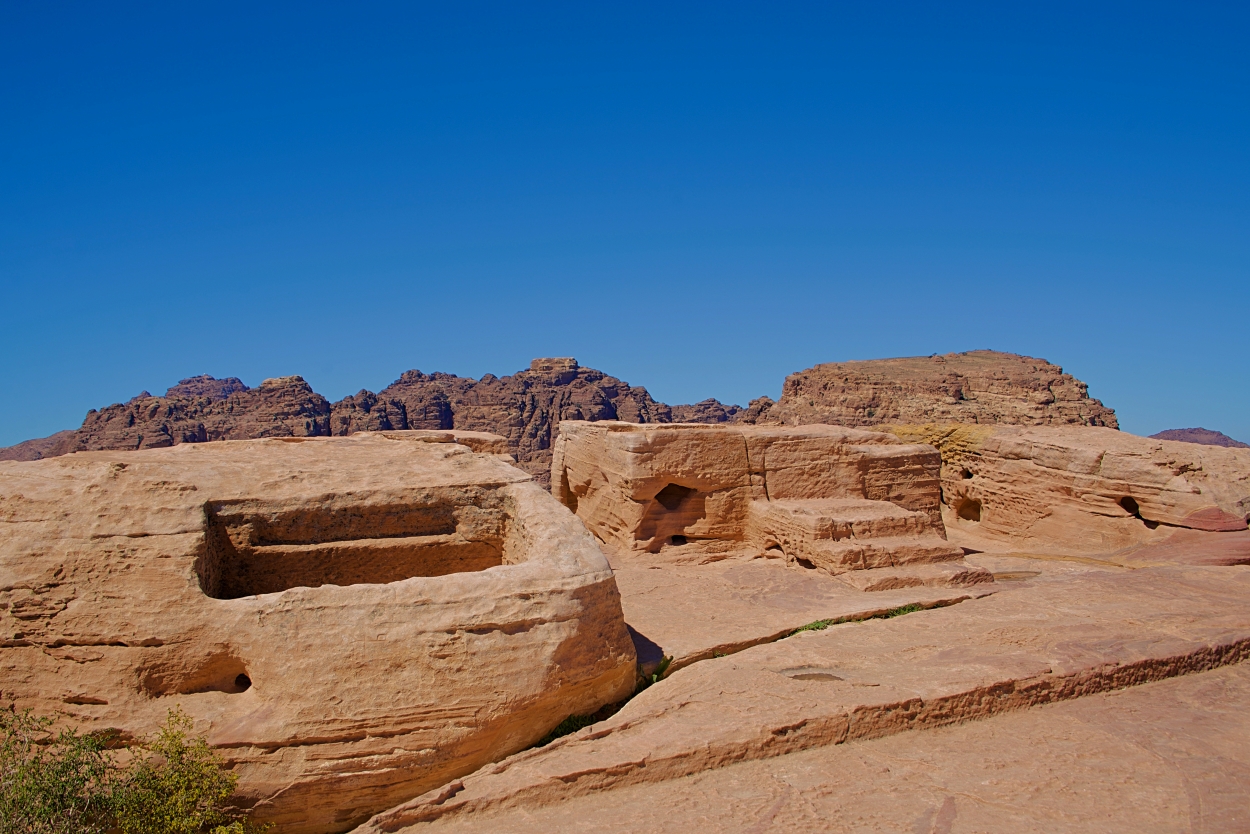
One of the many interesting archaeological finds at Petra is the High Place, including the altar for sacrifice. The photo here was taken in 2019 by tour member David Deason.
High Place at Petra. Altar at center (and slight right). Photo by David Deason.
The High Place at Petra is one of the best preserved of all such sacred installations in the ancient Near East. Its location is imposing, approximately 3,400 feet above sea level and 625 feet above the temenos. The altar platform was approached by three steps. It is situated about 3 feet above the level of an adjoining courtyard area and is equipped with drains and basins for sacrifices and ablutions.
The Biblical World in Pictures; BAS Biblical World in Pictures. (2003). Biblical Archaeology Society.
One of the most important roads in the Roman world was the Via Egnatia, which linked Dyrrhachium on the Adriatic Sea, to Byznatium, a distance of 260 miles. From the standpoint of Paul’s travels in Acts, the road crossed through Macedonia westward to Illyricum, linking the Aegean Sea to the Adriatic Sea.
Dr. Mark Wilson writes:
Around 146 BC the governor Gnaeus Egnatius began a road project across the Balkan Peninsula to link the Adriatic to his province of Macedonia on the Aegean Sea. Before 56 BC the road had been extended through Thrace to Byzantium (Cicero, On the Consular Provinces 2.4). Its length was 746 RM (696 mi. [1,120 km]). Travelers wishing to continue east from the port of Brundisium ferried across the Adriaticum (modern Adriatic) either to Dyrrachium or Apollonia (Strabo, Geography 7.7.4,8; he calls the former city by its Greek name Epidamnus). Branches of the Via Egnatia terminated at these Adriatic ports in the province of Illyricum. The remains of a mutatio are found at Ad Quintum (modern Bradashesh). Lychnidos (modern Ohrid) was the last major city in eastern Illyricum. Heraclea Lyncestis (modern Bitola) was the first major Macedonian city, then Edessa where a branch ran south to Berea. After Pella came the provincial capital Thessalonica on the Aegean coast. Eastward the road ran through Apollonia, Amphipolis, Philippi, and back to the coast at Neapolis.
Wilson, M. (2019). The Roman Road System around the Mediterranean (Acts 8:26; 20:1–3; 23:23–33; 28:13–16; Romans 15:19). In B. J. Beitzel, J. Parks, & D. Mangum (Eds.), Lexham Geographic Commentary on Acts through Revelation (pp. 180–181). Lexham Press.
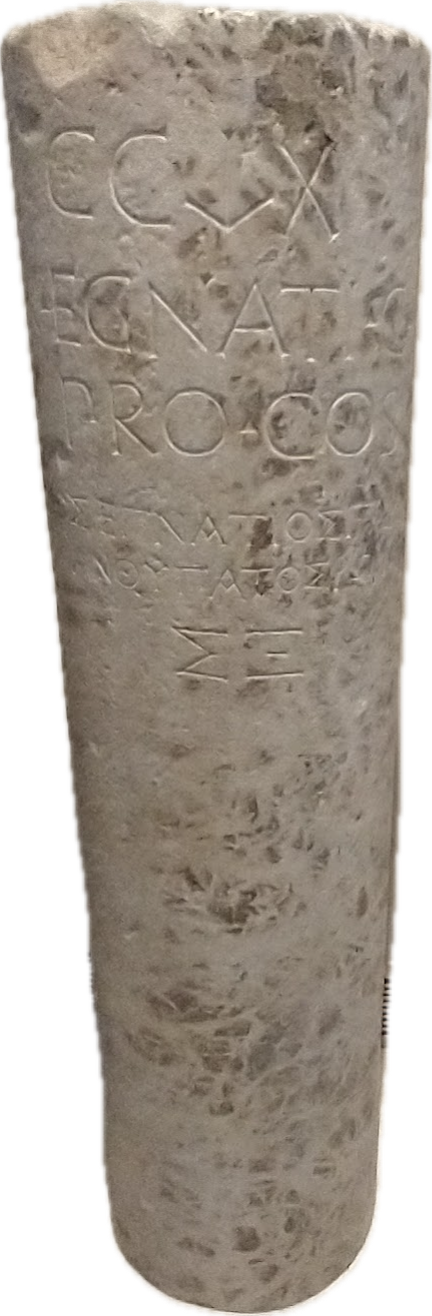
One very important archaeological find on the Via Egnatia is the milestone pictured here above. The inscription is bilingual. It contains the name of the governor of the province of Macedonia, Gnaius Egnatus (served in late 140s BC), who was responsible for the construction of this Roman road. Hence the name, Via Egnatia. The milestone was found near the point where the Via Egnatia crossed the Gallikos River, west of Thessaloniki. This inscription also accurately reports the length of the road to be 260 miles.
The Via Egnatia (like other Roman roads) was built to move the Roman army to the East. But the special significance of this road to Bible students is seen (beginning with the Second Missionary Journey) as Paul (and companions) crosses the Aegean from Troas to Neapolis, and from there gets on the Via Egnatia. Luke, the author of Acts and having joined Paul at Troas, traces the evangelist work from Philippi (Acts 16), passing through Amphipolis and Apollonia (Acts 17:1f; did not preach there) then to Thessalonica, where “a great multitude” (Acts 17:4) were persuaded to become Christians. But because of intense persecution, Paul then left the Via Egnatia and moved southward to Berea, where there was great success (Acts 17:10-15). Paul would have made use of this road again on the Third Journey (Acts 20:1-3).
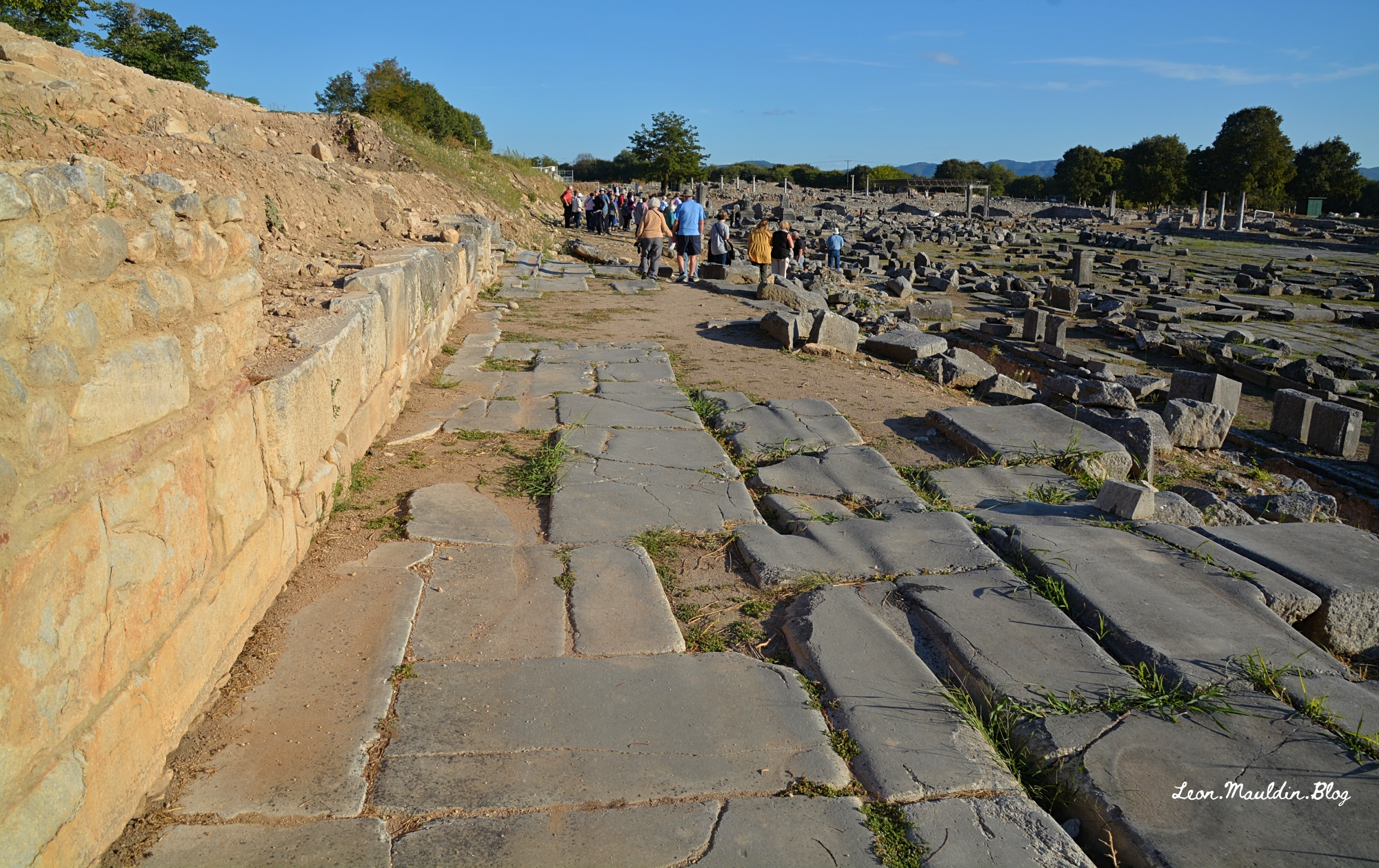
Here is a view of the Via Egnatia in Philippi, looking east. You can also see the agora to your right.
As one studies the biblical text, such as the letter to the church at Sardis (Rev. 3:1-6), one of the Seven Churches of Asia addressed in the book of Revelation, it is helpful to know somewhat of the conditions in which those first century Christians lived.
The city of Sardis has a rich history in many ways. This post will deal with just one: the Royal Road. Cyrus the Great (r. 559-529 BC) was the founder of the Persian Empire following his conquering of the Babylonian Empire. Cambyses II succeeded him (r. 529-522 BC), whose successor was Darius (r.521-486 BC). (This is the king who was defeated in 490 BC at the battle of Marathon).
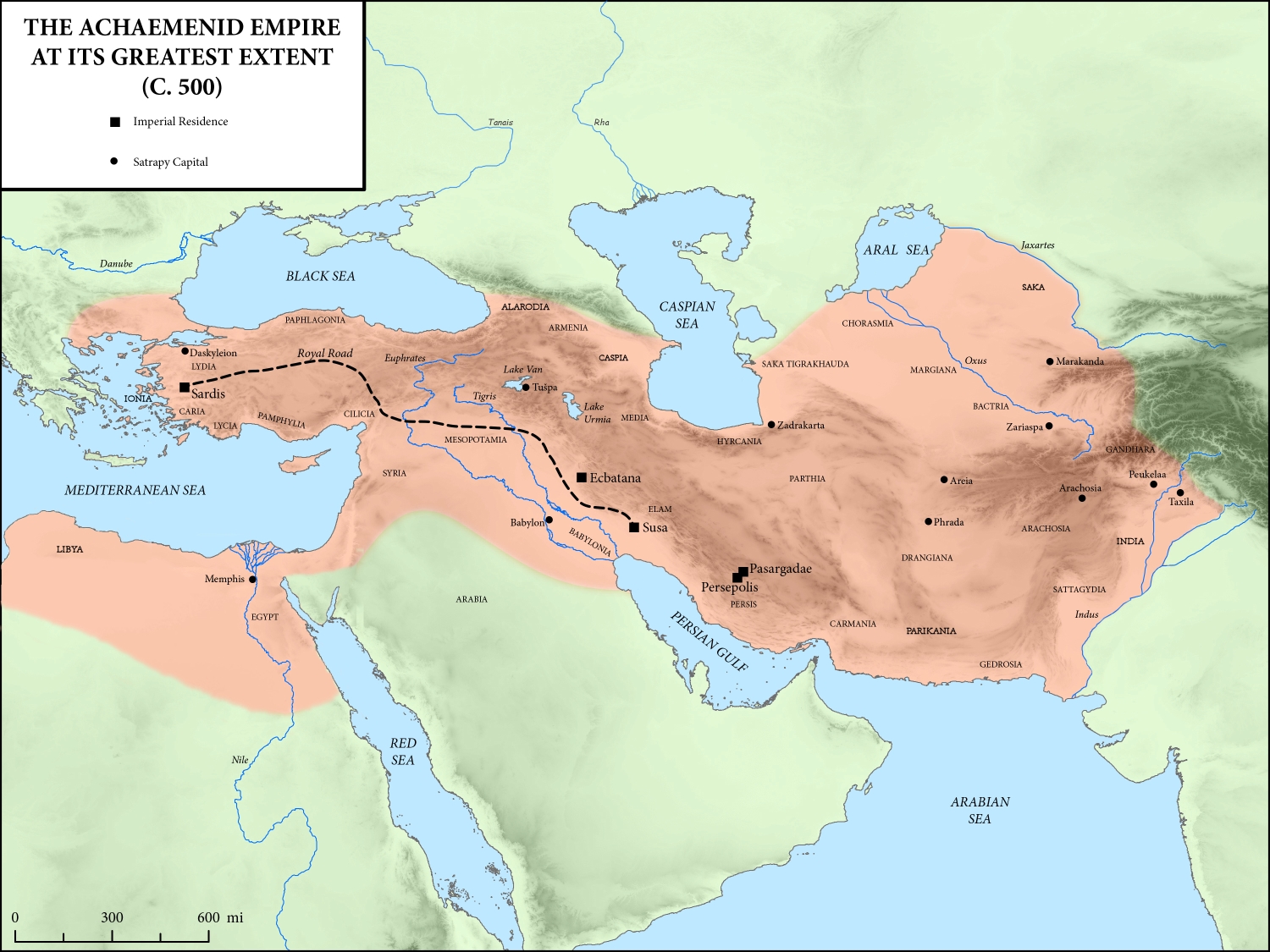
But scholars make the case that his great achievement was his construction of the Royal Road, which extended from the capitol of Susa to Sardis:
Darius is perhaps best remembered for instituting an advanced highway system throughout the empire, a route traditionally called the “Persian Royal Road.” According to Herodotus, the “father of history,” this roadway stretched from Susa (in Elam) to Sardis (in Lydia) and was comprised of a total of 111 intermediate resting-stages, passing through some six Persian provinces, and requiring a total of 90 days to travel the entire course of approximately 1,685 miles. Herodotus adds that another three days were required to journey from Sardis to the coast at Ephesus, from which some scholars have deduced that the “Royal Road” may have extended as far as the Aegean coast. At its other end, a road continued from Susa that ran to Persepolis and beyond.
Beitzel, B. J. (2009). The New Moody Atlas of the Bible (p. 206). Moody Publishers.
The following map depicts this route:
Map shows route of Royal Road from Persian capital at Susa westward to Sardis. Map courtesy of Wikipedia Commons.
This linkage from the capital to Sardis “located Sardis on a major trade and communications route that persisted into the Roman period, positioning the city for ongoing prosperity” (deSilva, Lexham Geographic Commentary, p. 667).
Official communication. The historian Herodotus said of the Persian royal messengers:
Now there is nothing mortal that accomplishes a course more swiftly than do these messengers, by the Persians’ skillful contrivance. It is said that as many days as there are in the whole journey, so many are the men and horses that stand along the road, each horse and man at the interval of a day’s journey. These are stopped neither by snow nor rain nor heat nor darkness from accomplishing their appointed course with all speed.
Herodotus. (1920). Herodotus, with an English translation by A. D. Godley (A. D. Godley, Ed.). Harvard University Press.
Administration.
Rapid Troop Movemnt.
Trace and commerce.
In later history, Alexander the Great would make use of the Royal Road in his conquest of Persia. Dr. Mark Wison notes, “After Alexander the Great captured the city from the Persians in 334 BC, Sardis served as the western capital of the Selucid Empire nor nearly a hundred years (281-190 BC)” (Biblical Turkey, p. 290). In 133 BC Sardis became a part of the Roman province of Asia.
God had his people in Sardis. The church at Sardis was the 5th of the Seven Churches addressed by John (Rev. 1-3).
Sardis is the fifth of the seven churches addressed by Jesus through the Apostle John, while John was on the Island of Patmos. In summary, Jesus’ assessment of the church there was, “I know your works, that you have a name that you are alive, but you are dead” (Rev. 3:2).
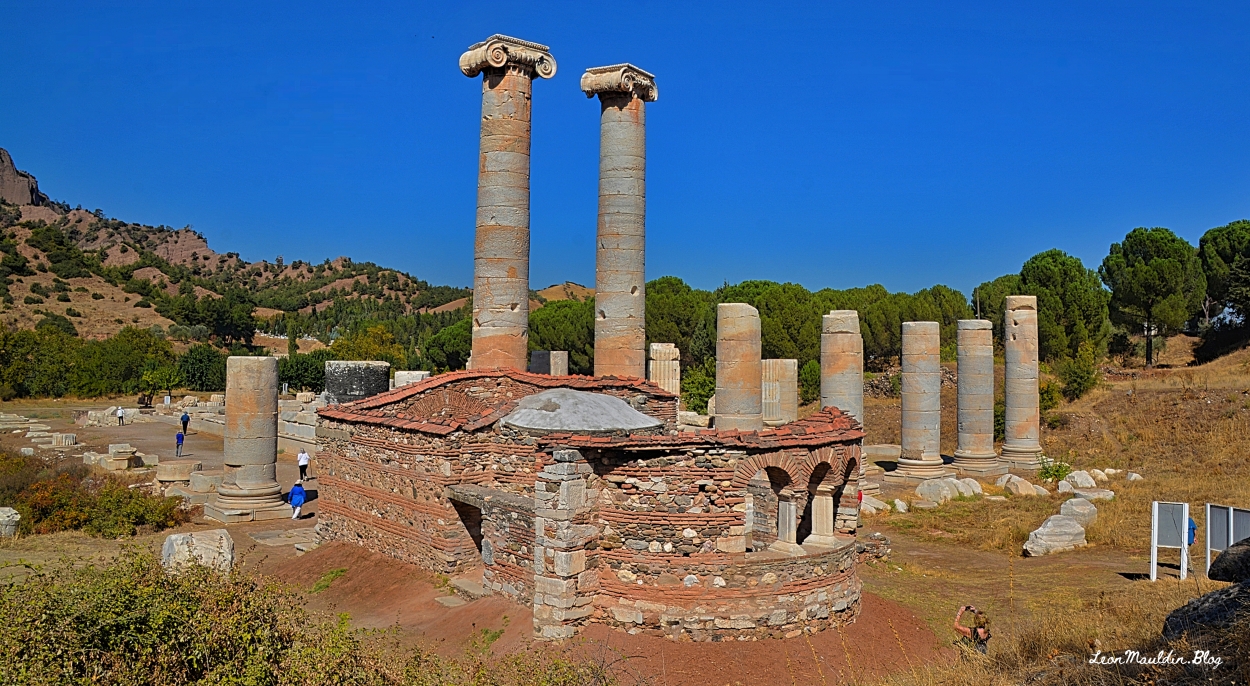
Archaeologists have uncovered and identified many structures and other items of interest at Sardis, including a Byzantine chapel in the southeast corner of the temple of Artemis.
Dr. Mark Wilson writes, “The inner western chapel dates to the 4C [4th century AD] and is one of the earliest preserved churches in western Asia Minor; the larger, outer apse dates to the 6C” (Biblical Turkey, A Guide to the cJewish and Christain sites of Asia Minor, p. 291).
The temple of Artemis, whose partial ruins are in view here, would have been in use when those Christians of the 1st century AD at Sardis received the letter (Rev. 3:1-6). It’s hard to overemphasize how pervasive idolatry was in the biblical world!
We have previously posted several articles on Sardis: click hereherehere and here.
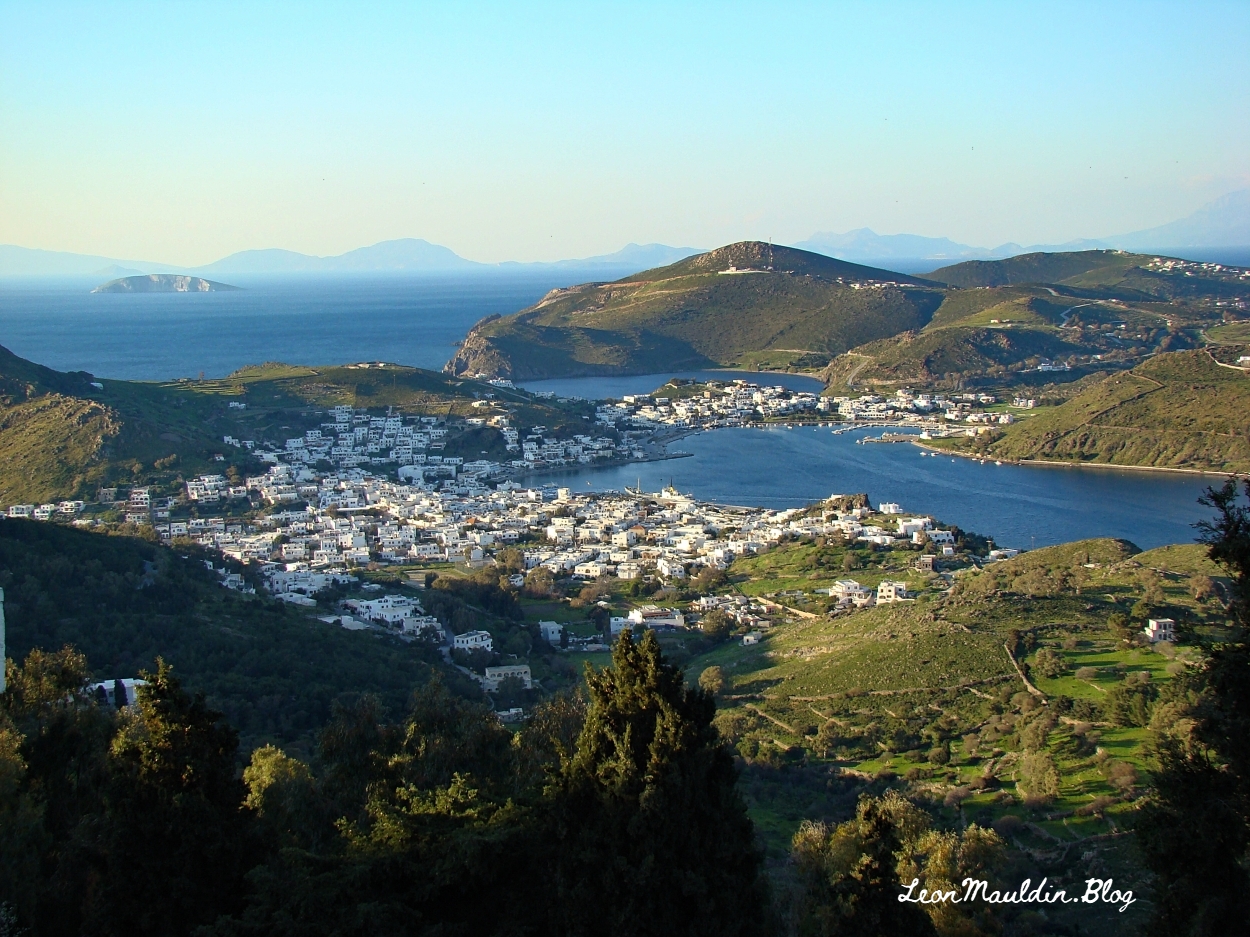
In our local congregation we are continuing to explore the Seven Churches of Asia, of Revelation 2-3. John the Apostle received the Revelation on the Island of Patmos.
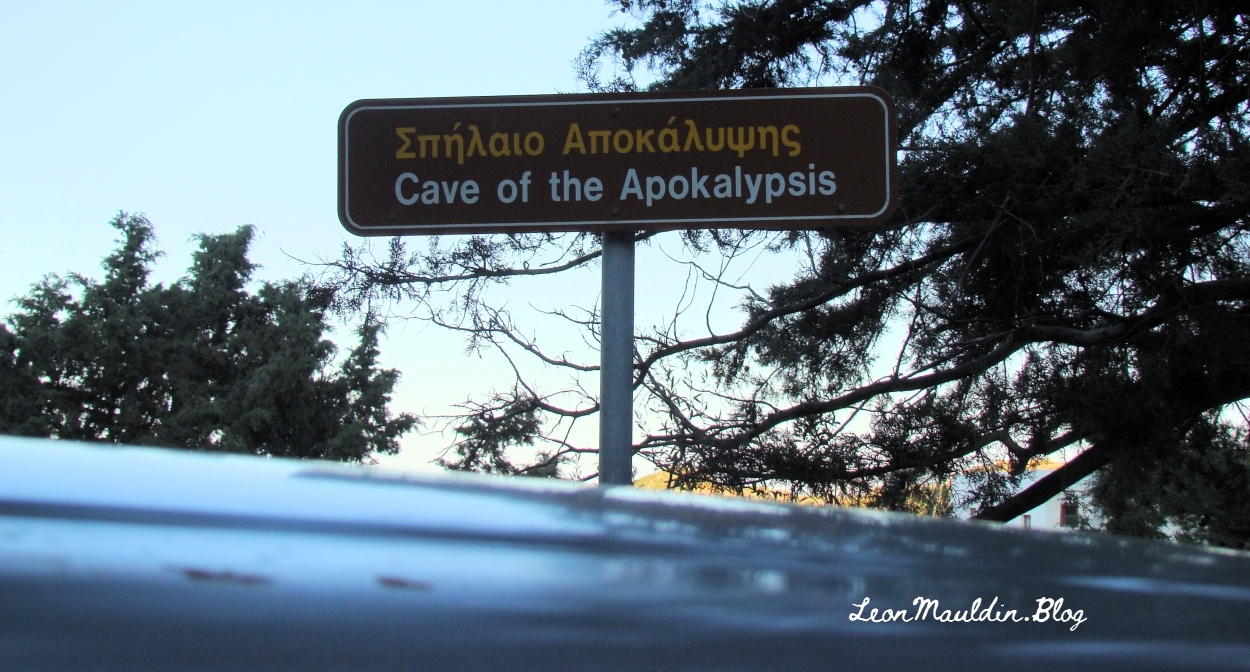
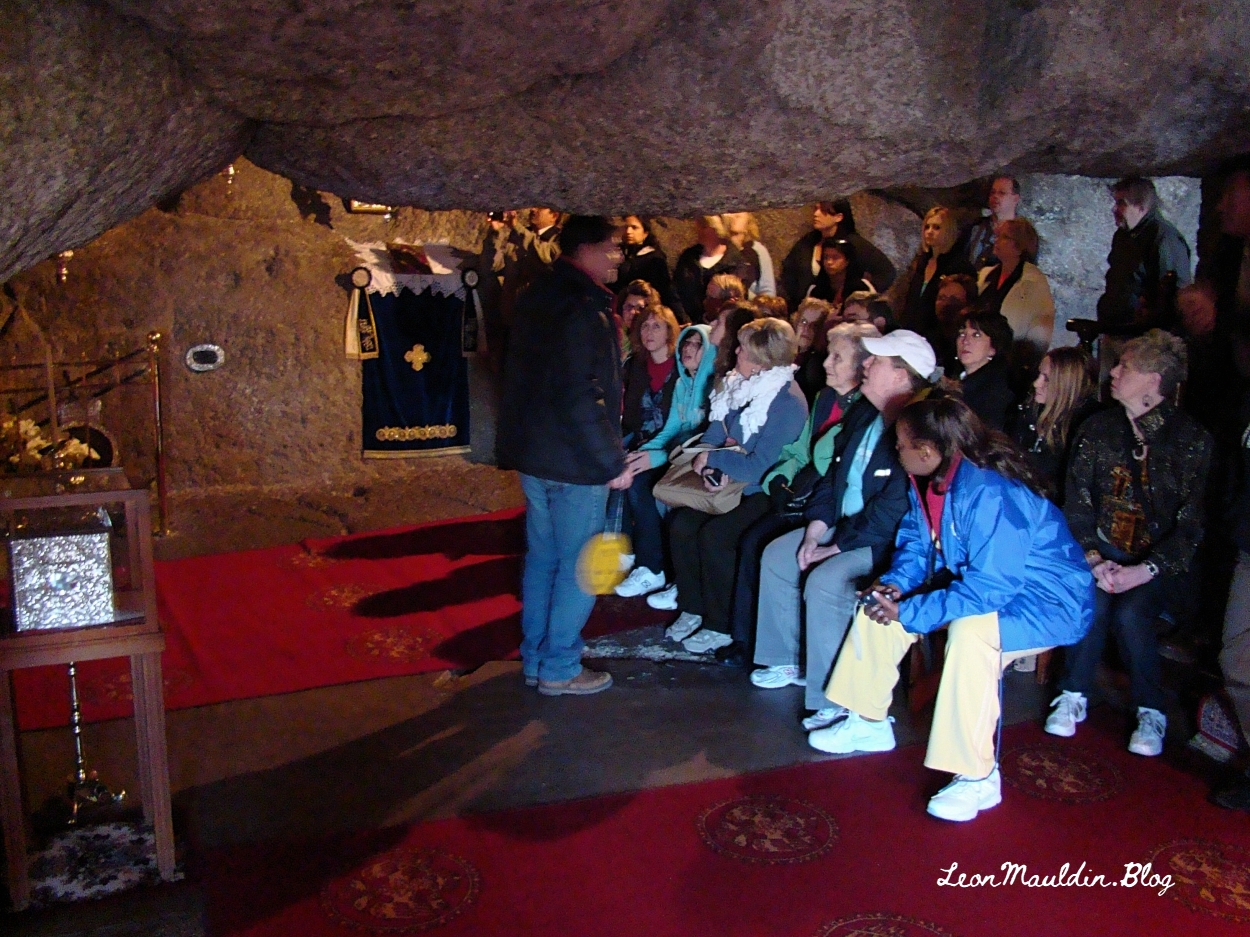
While we cannot know the exact spot on the island where John was when he was “in the Spirit on the Lord’s Day” and told, “What you see, write in a book and send it to the seven churches which are in Asia” (Rev. 1:10-11), visitors to Patmos are shown a “traditional” location, known as the “Cave of the Apocalypse.”
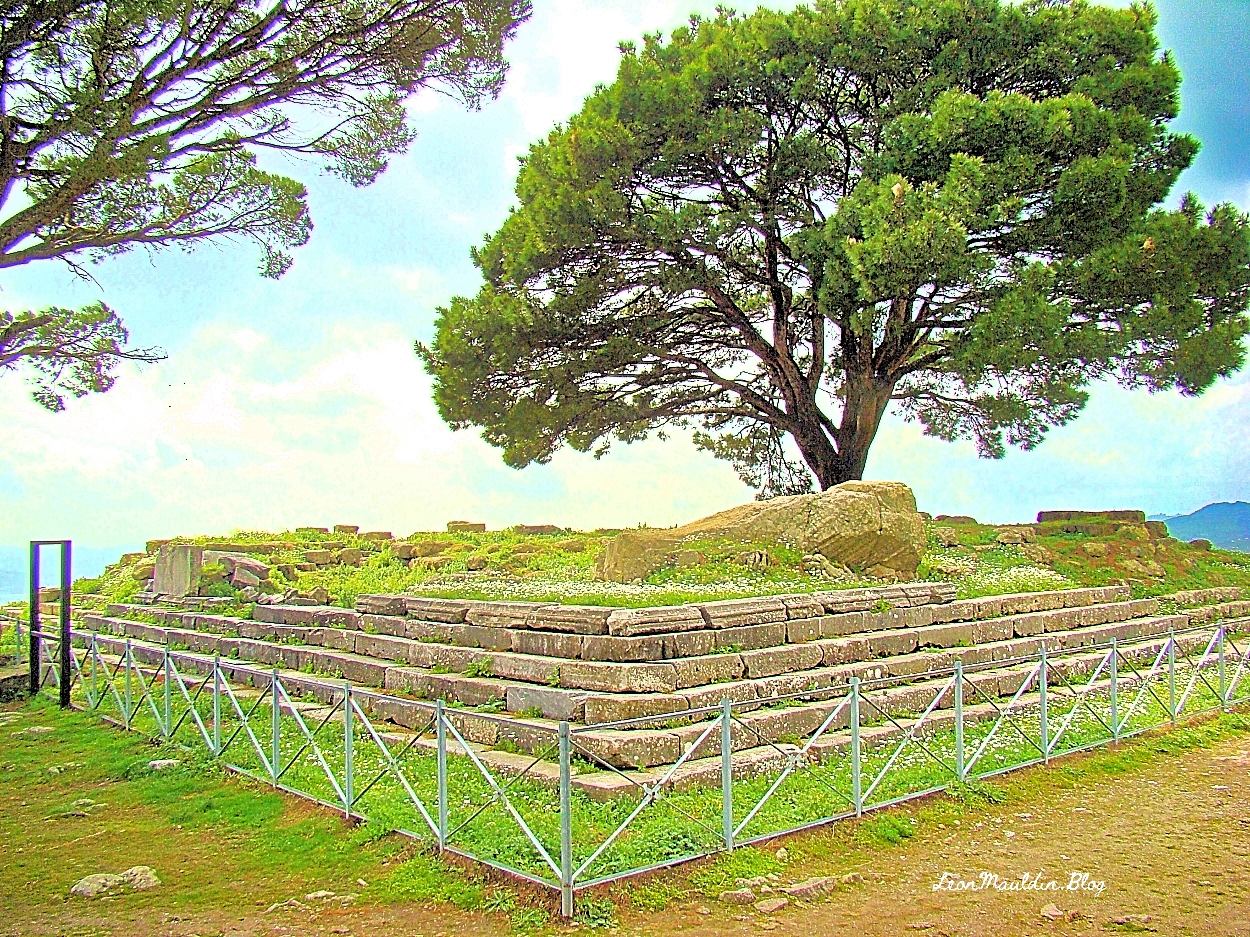
The church at Pergamum lived “where Satan’s throne is . . . where Satan dwells (Rev. 2:13). There have been many suggestions as to the basis of this designation. Pergamum was known for its worship of Asklepios (god of healing), Serapis, Athena, Dionysus, Demeter, as well as being a center for the Imperial Cult (emperor worship).
David A. DeSilva suggests: “[T]he distinctive altar of Zeus on the brow of the acropolis may have been more in John’s view” (The Social and Geographical World of Pergamum (Revelation 1:11; 2:12–17). In B. J. Beitzel, J. Parks, & D. Mangum (Eds.), Lexham Geographic Commentary on Acts through Revelation (p. 638). Lexham Press).
The altar of Zeus, located on the southern crest of the acropolis, was without a doubt the most distinctive and most prominently visible structure overlooking Pergamum. Construction was begun in the early- to mid-second century BC under Eumenes II, possibly in connection with his victory over the invading Galatians. The massive throne-like altar complex resembled an open-air temple, complete with columned porticoes surrounding its staircase and inner courtyards. The whole had a footprint of about 120 by 110 feet (36.5 × 33.5 m), and it rose to a height of 40 feet (12 m). The sacrificial altar proper sat within the inner courtyard, which was approached by a wide, grand staircase. The reconstructed monument now sits in the Pergamum Museum in Berlin. The altar was adorned with nearly four hundred linear feet (122 m) of frieze, its scenes carved about seven feet (2 m) high. The frieze around the structure’s perimeter depicted the mythological battle between the Olympian gods and the giants, with Zeus and Athena prominently featured on the front side. An interior frieze told the story of Telephus, the mythic founder of Pergamum. An L-shaped agora or forum was set just below the precincts of the altar of Zeus. The identification of some of the buildings as warehouses makes it likely that this particular forum served as a commercial center in the old city.
deSilva, D. A. (2019). The Social and Geographical World of Pergamum (Revelation 1:11; 2:12–17). In B. J. Beitzel, J. Parks, & D. Mangum (Eds.), Lexham Geographic Commentary on Acts through Revelation (pp. 645–646). Lexham Press.
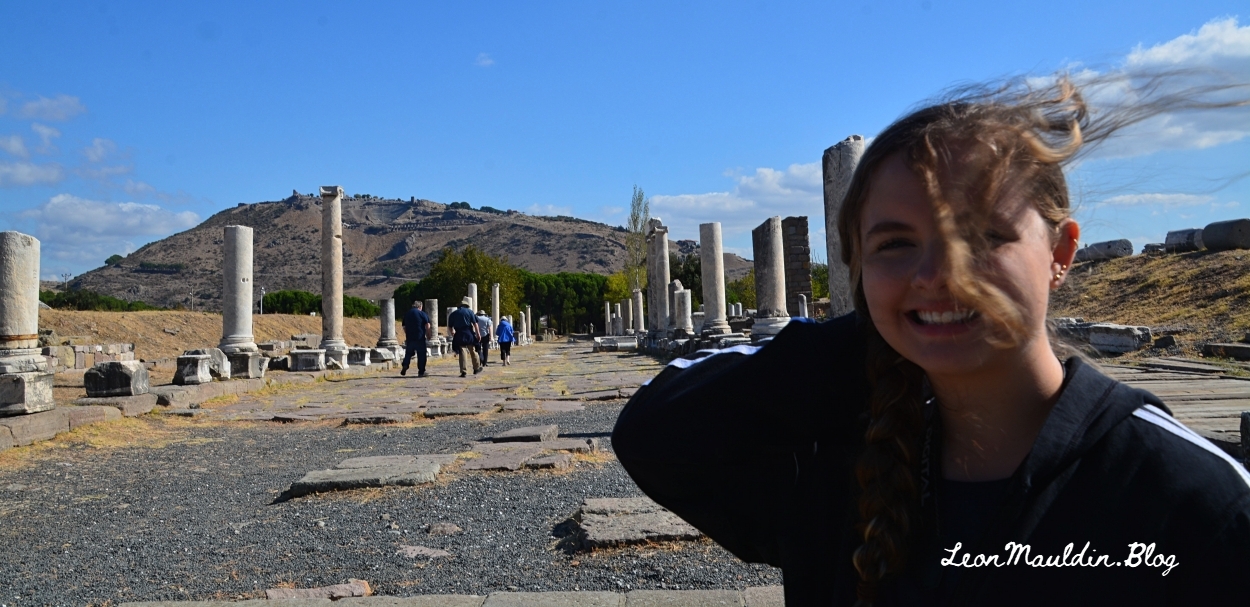
Here is a photo of the acropolis of Pergamum, with the Asklepion at our back. Sometimes it gets windy on our tours (as my granddaughter can attest).
Our preaching theme for January in our local congregation is a study of the Seven Churches of Asia (Rev. 2-3). I’m looking forward to this study. Ephesus is the first of the cities addressed (Rev. 2:1-7).
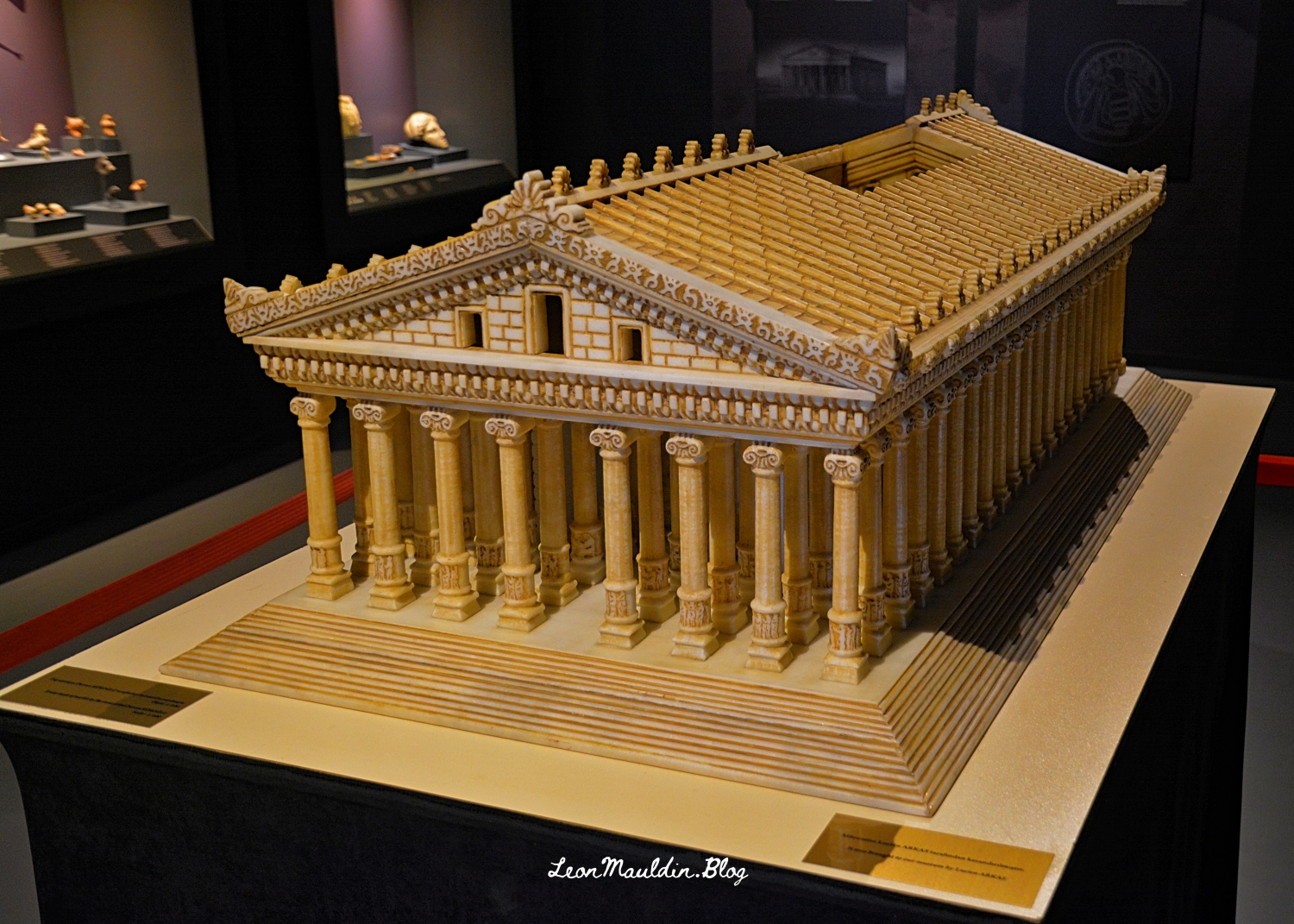
It is helpful to understand somewhat of the local conditions in which these 1st Century Christians lived. Ephesus was the city which featured the temple to the goddess Artemis (Diana), which at that time was one of the Seven Wonders of the World.
Here is a model of the temple which is housed in the museum at Ephesus:
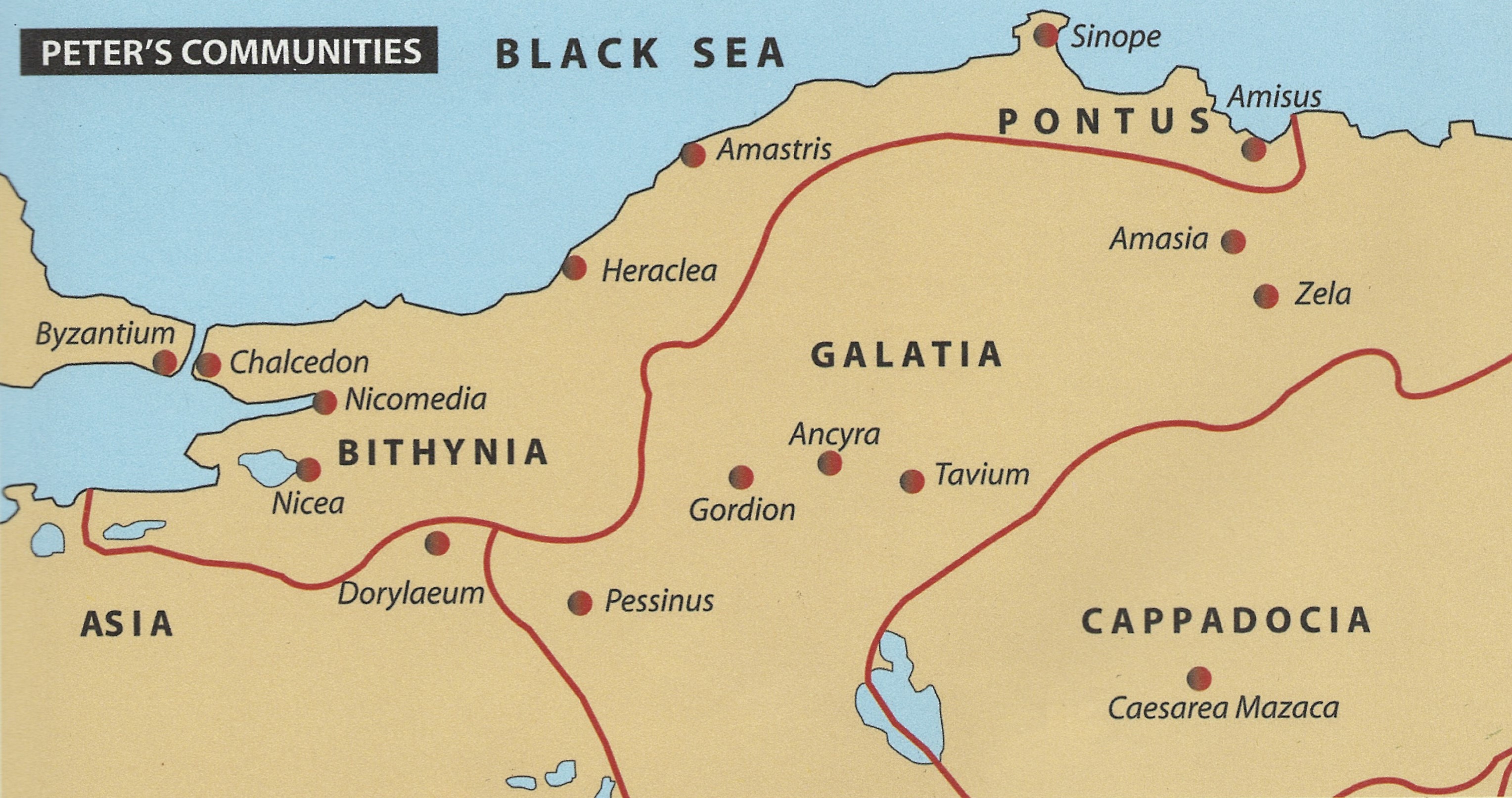
We are currently studying 1 Peter in our local congregation. Peter’s first letter was written to Christians in five Roman districts in Asia Minor, which today comprise much of modern Turkey. “Peter, an apostle of Jesus Christ, To those who are elect exiles of the dispersion in Pontus, Galatia, Cappadocia, Asia, and Bithynia” (1 Pet. 1:1, ESV). Dr. Mark Wilson has provided Bible students with a great resource in his book, Biblical Turkey.
Peter’s Communities. Map by Dr. Mark Wilson.
Christians in five Roman districts are addressed in Peter’s letter. The starting point was Pontus.
In the midst of this letter which was designed to equip/strengthen Christians who were suffering fiery trials for their faith, Peter spoke to them about enjoying life and seeing good days! (1 Pet. 3:10). It would seem that “loving life and seeing good days” would be something that everyone desires. It is also apparent that this is what God wants for us! It does not follow, however, that “whatever makes you happy” is okay. For example, some have reasoned that “God wants me to be happy, but I am not happy in my present marriage, but I’ve found someone else.” Thus they contract a marriage that God’s word says is adulterous, but have convinced (deceived) themselves that it is okay because God wants them to be happy. You can be sure that God does NOT want you to be happy by doing something He has condemned in His word! First and foremost, God wants you to be holy; God wants you to be saved.
Every passage has a context. “For ‘He who would love life And see good days, Let him refrain his tongue from evil, And his lips from speaking deceit.'” The first word in our verse, “For” (Greek gar)is often “a marker of cause or reason between events.”[i] Here it links the goal of “loving life and seeing good days,” with what has just been said in the previous verses. “Finally, all of you be of one mind, having compassion for one another; love as brothers, be tenderhearted, be courteous; not returning evil for evil or reviling for reviling, but on the contrary blessing, knowing that you were called to this, that you may inherit a blessing” (3:8-9). Additionally, the greater context, which includes God’s directives to wives and husbands (3:1-7) must be considered. That is, if you want to truly love life and see good days, it flows from the behavior just described in the above verses. In this article I want to explore some important lessons.
God wants us to enjoy life and see good days. Peter has previously called this life on earth “the time of your sojourning” (1 Pet. 1:17, KJV; “your temporary residence” NET). We often sing, “This world is not my home.” Christians recognize we are “sojourners and pilgrims” (1 Pet. 2:11). We are in the world, but “not of the world” (John 15:19; 17:14-16). Yet we see that it is right to enjoy life and see good days. Our trust is not in “uncertain riches, but in the living God, who gives us richly all things to enjoy” (1 Tim. 6:17). God intends for us to enjoy the good things He gives us, as we give thanks to Him from whom all blessings flow!
God wants us to enjoy our family. “Enjoy life with the woman whom you love all the days of your fleeting life which He has given to you under the sun; for this is your reward in life and in your toil in which you have labored under the sun” (Eccl. 9:9), NASB). “. . . And rejoice with the wife of your youth . . . And always be enraptured with her love” (Prov. 5:18-19). “Behold, children are a heritage from the LORD, The fruit of the womb is a reward. Like arrows in the hand of a warrior, So are the children of one’s youth. Happy is the man who has his quiver full of them” (Psa. 127:3-5). “Grandchildren are the crown of the aged, and the glory of children is their fathers” (Prov. 17:6, ESV). I mention the family relationship as just one example of blessings from God which He wants us to enjoy, and can contribute so much to “loving life and seeing good days.”
Hindrances to Joy. Satan has many devices (2 Cor. 2:11). He is a great “joy-stealer.” He does not want us to “rejoice in the Lord” because “the joy of the LORD is your strength” (Neh. 8:6). One hindrance can be to fail to seize the present moment; to always be thinking that once I get past this problem, or after I get this done, then I can enjoy life. That tends to always put it out of reach. God wants us right now, right here, in our present circumstances, to enjoy life and see good days, and not be waiting on something else to happen before we can do so.
Another hindrance may be what I call the “Haman complex.” Haman gathered his wife and friends. “Then Haman told them of his great riches, the multitude of his children, everything in which the king had promoted him, and how he had advanced him above the officials and servants of the king. Moreover Haman said, ‘Besides, Queen Esther invited no one but me to come in with the king to the banquet that she prepared; and tomorrow I am again invited by her, along with the king. ‘Yet all this avails me nothing, so long as I see Mordecai the Jew sitting at the king’s gate’” (Est. 5:11-13). Here was a man who “had it all” so to speak, but he could enjoy none of it because there was ONE thing that displeased him! It’s so easy for us to do the same.
Worry can so distract us and upset us that we fail to enjoy life and see good days. See Matthew 6:25-34.
Sinful behavior. Getting back to 1 Peter 3, a failure to conduct oneself in keeping with the imperatives of the passage will only result in envy, strife, and unhappiness. We can’t be guilty of doing the things that God hates, and expect to enjoy life and see good days (see Prov. 6:16-19).
Nothing should eclipse this joy. The seventy disciples returned from the limited commission” with joy, saying, “Lord, even the demons are subject to us in your name” (Lk. 10:17). Of course this was important, and showed Jesus’ coming victory over Satan, but Jesus said, “Nevertheless do not rejoice in this, that the spirits are subject to you, but rather rejoice because your names are written in heaven” (Lk. 10:20). The primary cause for our rejoicing, that exceeds all else (even the miraculous gifts of the 1st century), is our salvation in Christ Jesus!
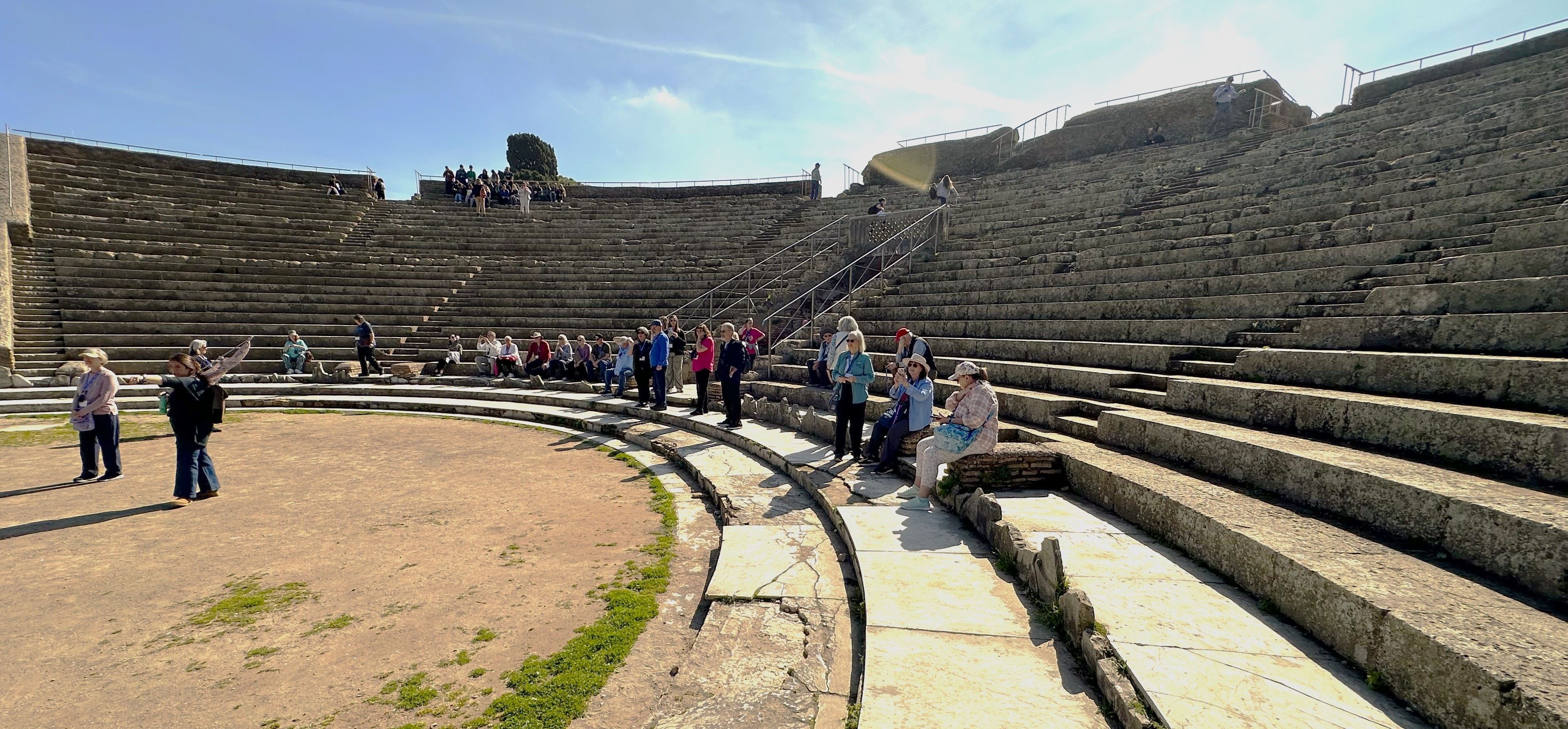
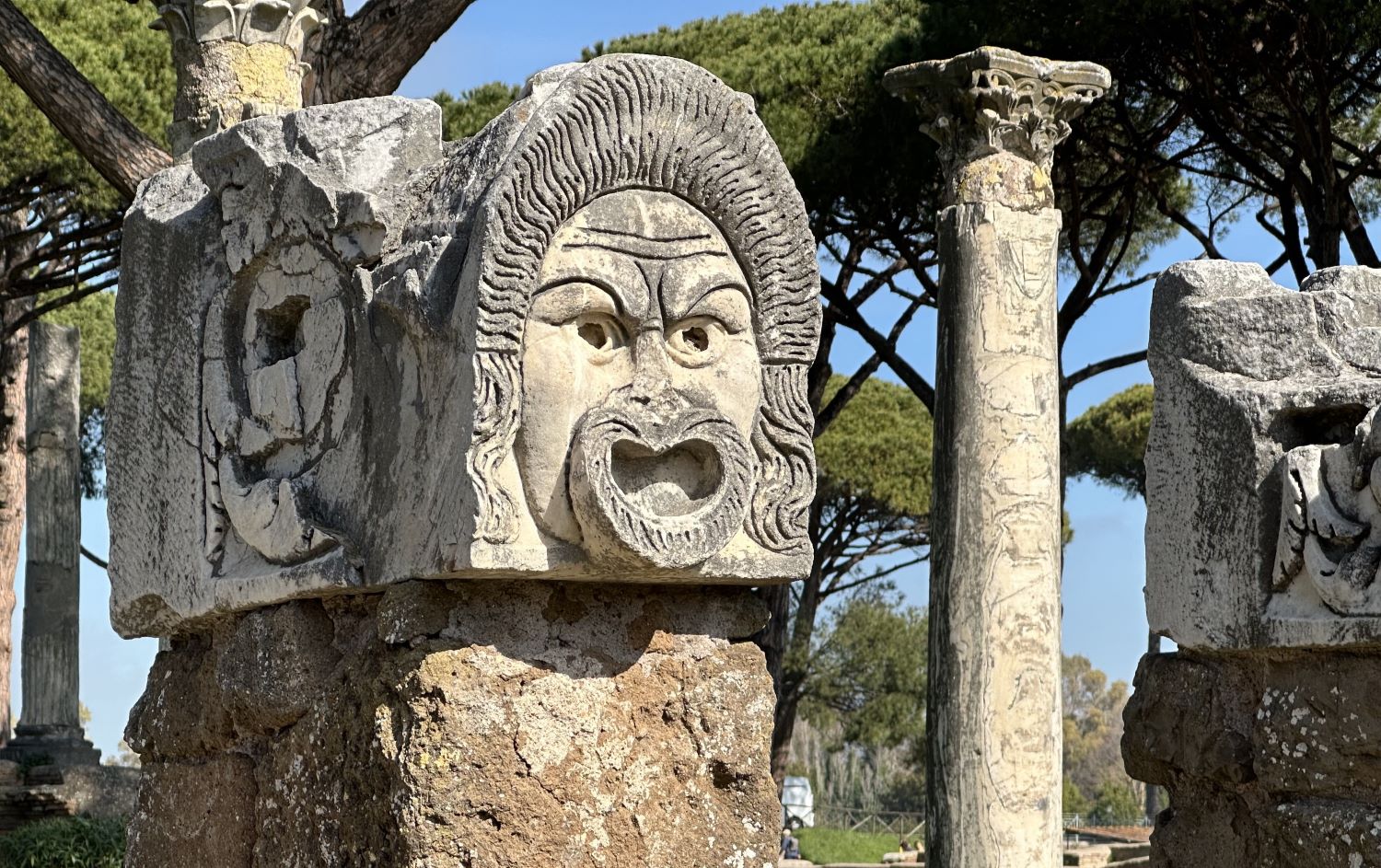
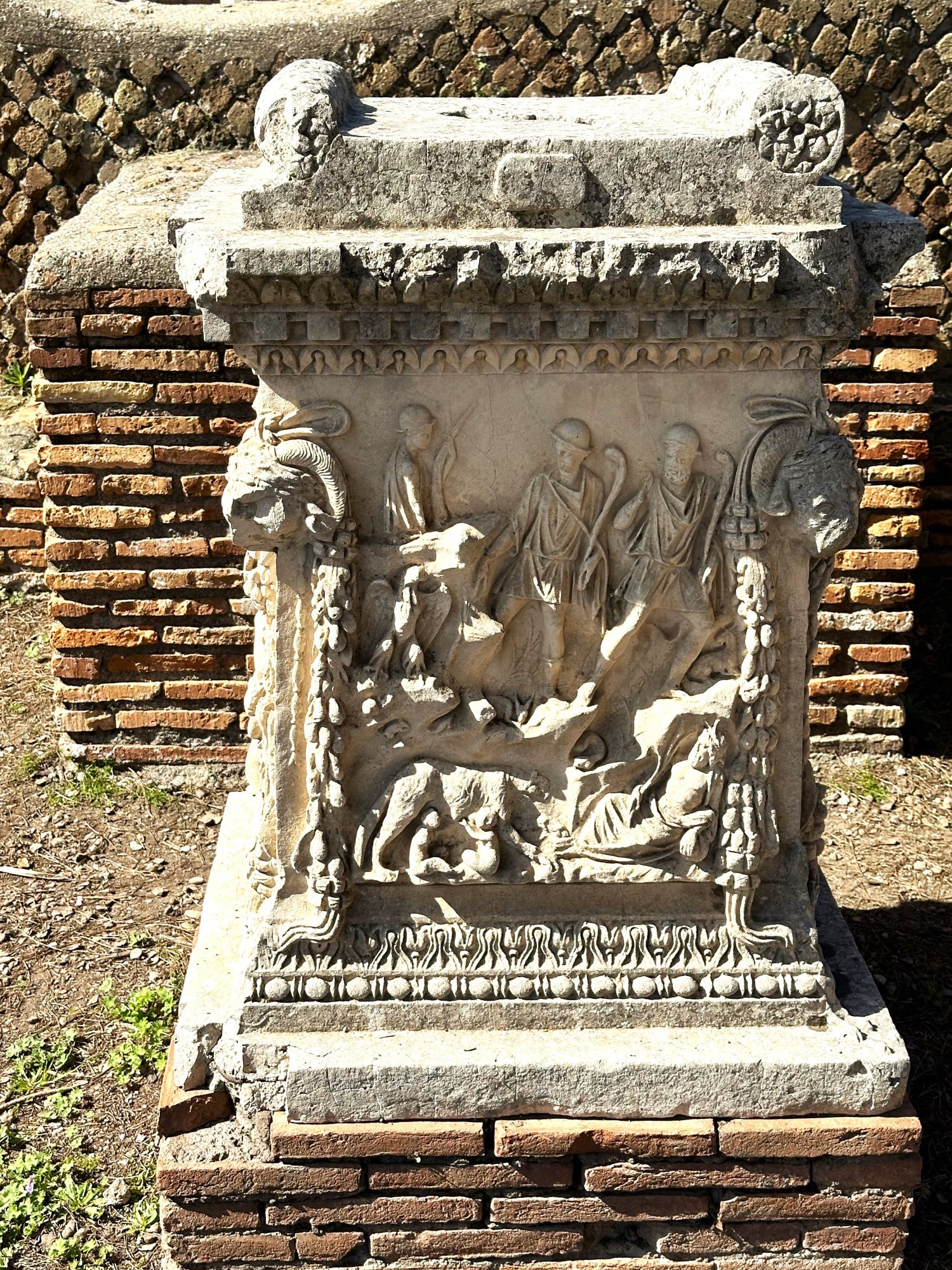
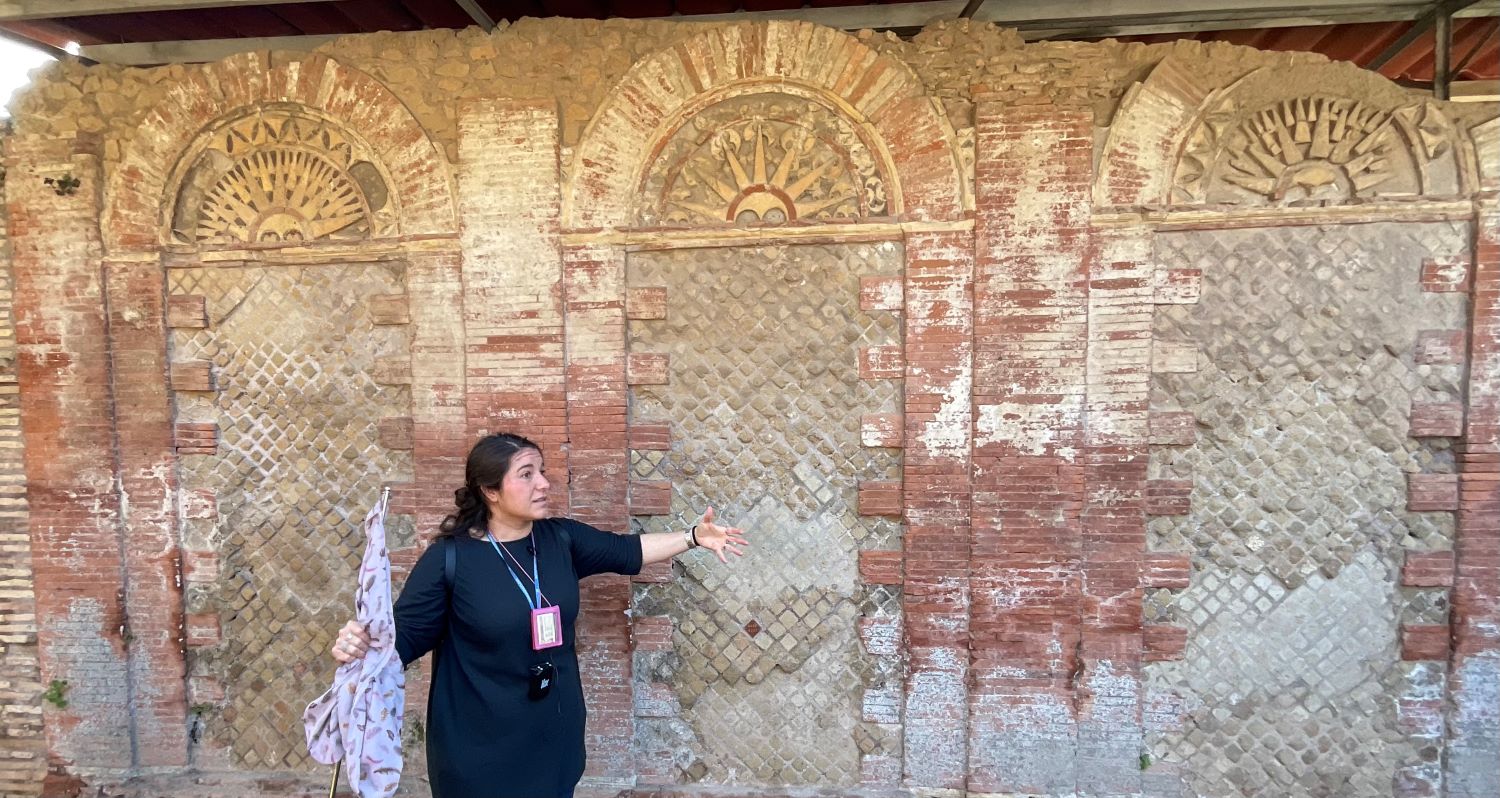
Today my tour group visited Ostia Antica, and saw some of the excavations there. Over time, the port silted up, but in antiquity it was of vital importance to Rome. The Lexham Bible Dictionary has the following information:
OSTIA An ancient port of Rome located at the mouth of the Tiber River. A vital strategic and commercial site of the Roman Empire.
Location and Biblical Relevance
Ostia was the nearest port that granted access to Rome for seafaring travelers of the New Testament world. Its name is derived from the Latin term ostium, meaning “doorway” or “entryway.” The name encapsulates the importance of the site, for it served as the maritime gateway to the capital of the Roman Empire.
The city and port of Ostia was located 22 miles (35 km) downstream from Rome at the mouth of the Tiber River. It was associated with sea trade, which brought in wares and cultural goods from throughout the Mediterranean.
Ostia was also an early base for Roman naval activities. In its first centuries, the city was hardly more than a Roman army camp populated by citizen colonists (Salmon, Roman Colonization, 26–27). Ostia was not an excellent harbor; its anchorage was exposed, leaving it vulnerable to storms and pirates. These problems would not be solved until the first and second centuries ad, when the rival port of Portus was constructed.
Brand, S. The Lexham Bible Dictionary. Lexham Press.
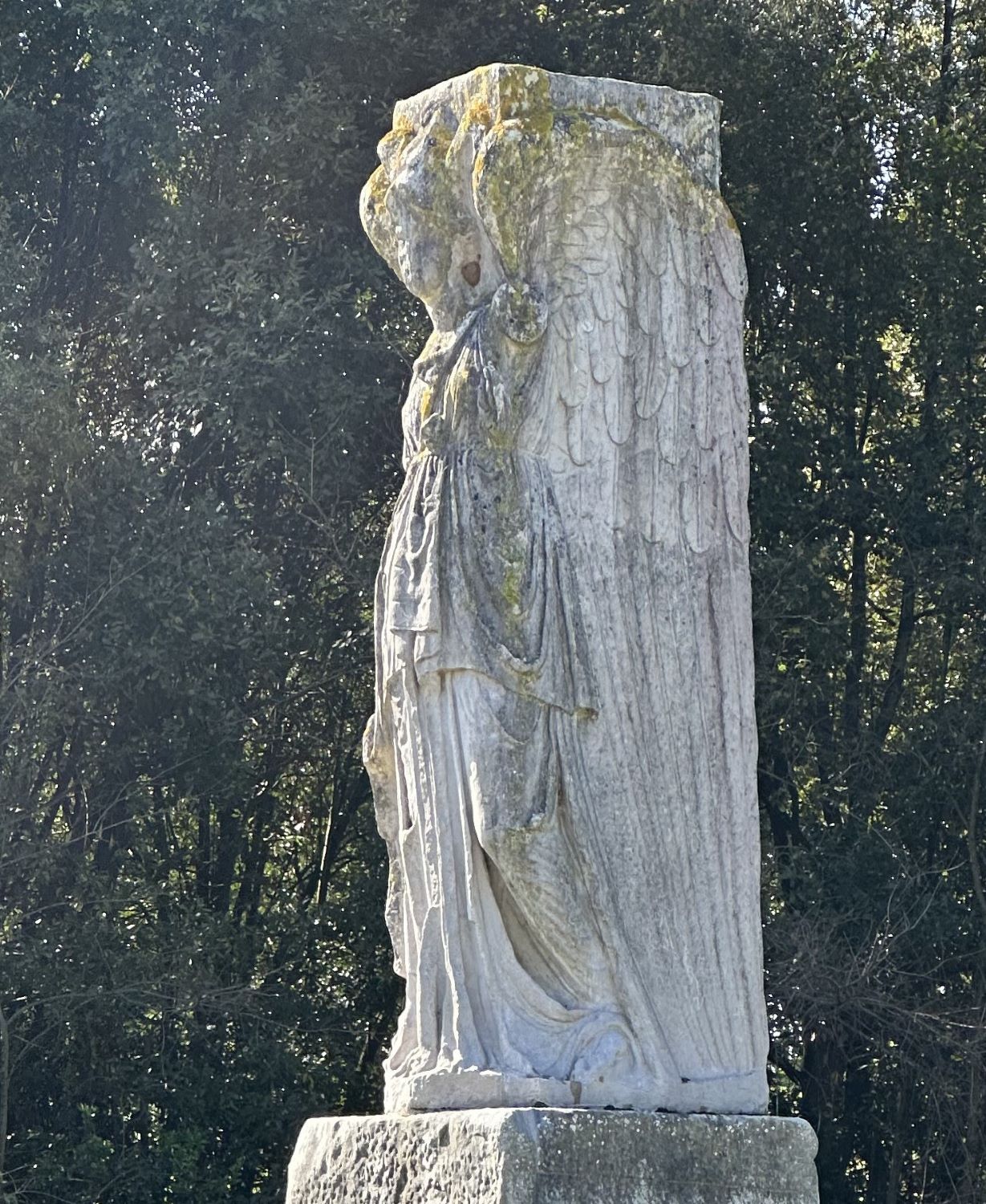
As one first enters the archaeological area, there is a statue of Minerva-Victory.


 Posted by Leon Mauldin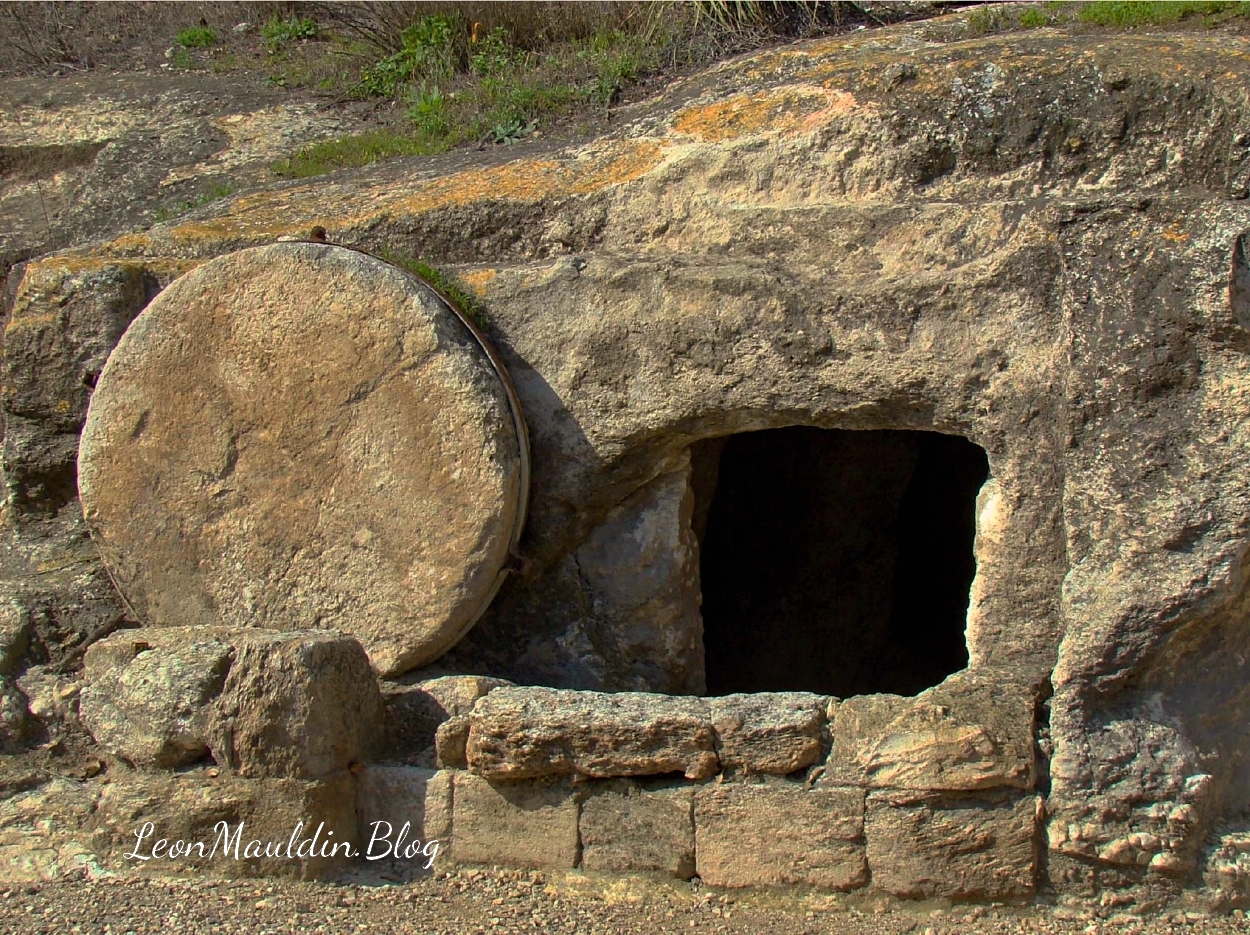


 leonmauldin.blog