Our preaching theme for January in our local congregation is a study of the Seven Churches of Asia (Rev. 2-3). I’m looking forward to this study. Ephesus is the first of the cities addressed (Rev. 2:1-7).
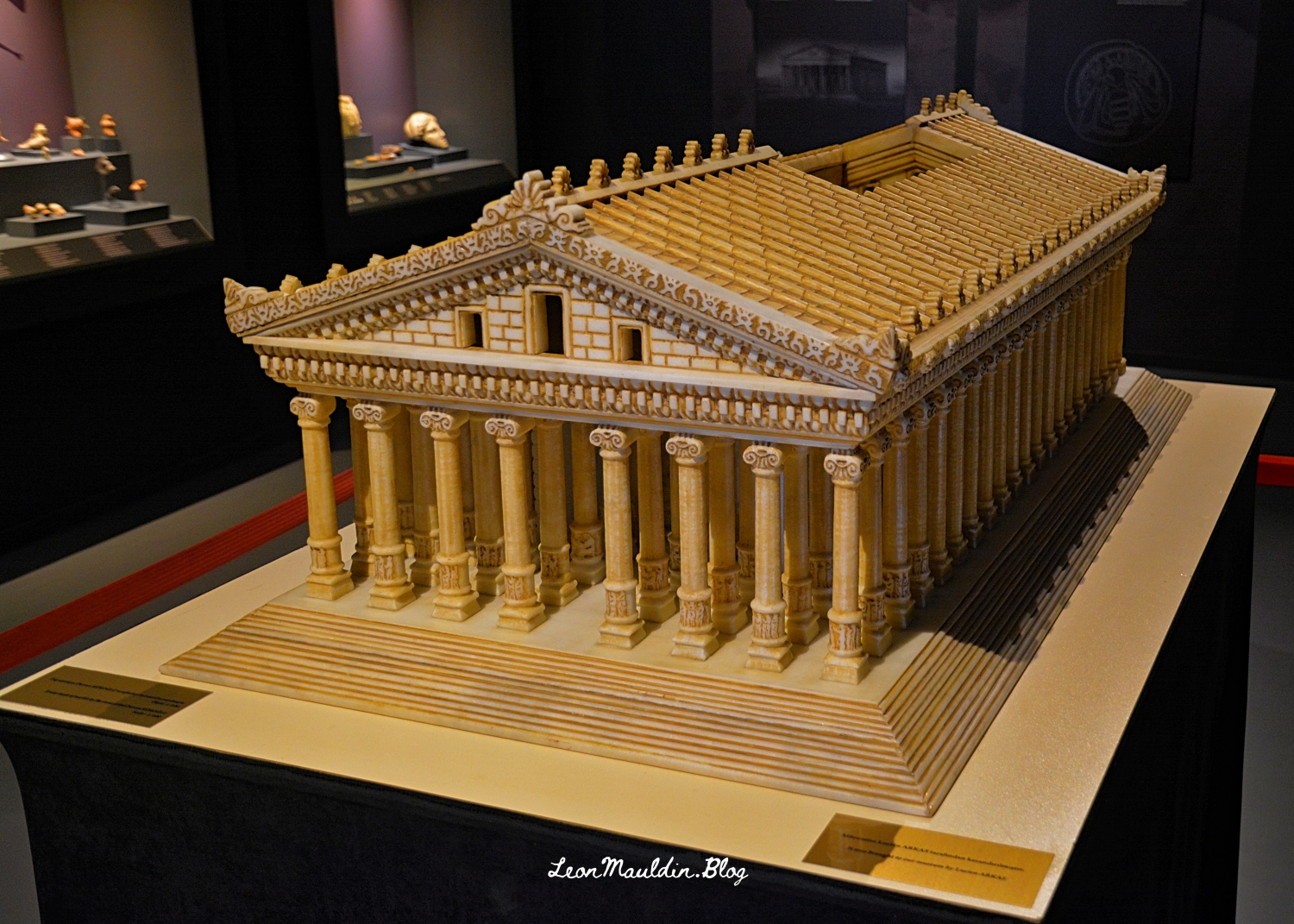
It is helpful to understand somewhat of the local conditions in which these 1st Century Christians lived. Ephesus was the city which featured the temple to the goddess Artemis (Diana), which at that time was one of the Seven Wonders of the World.
Here is a model of the temple which is housed in the museum at Ephesus:
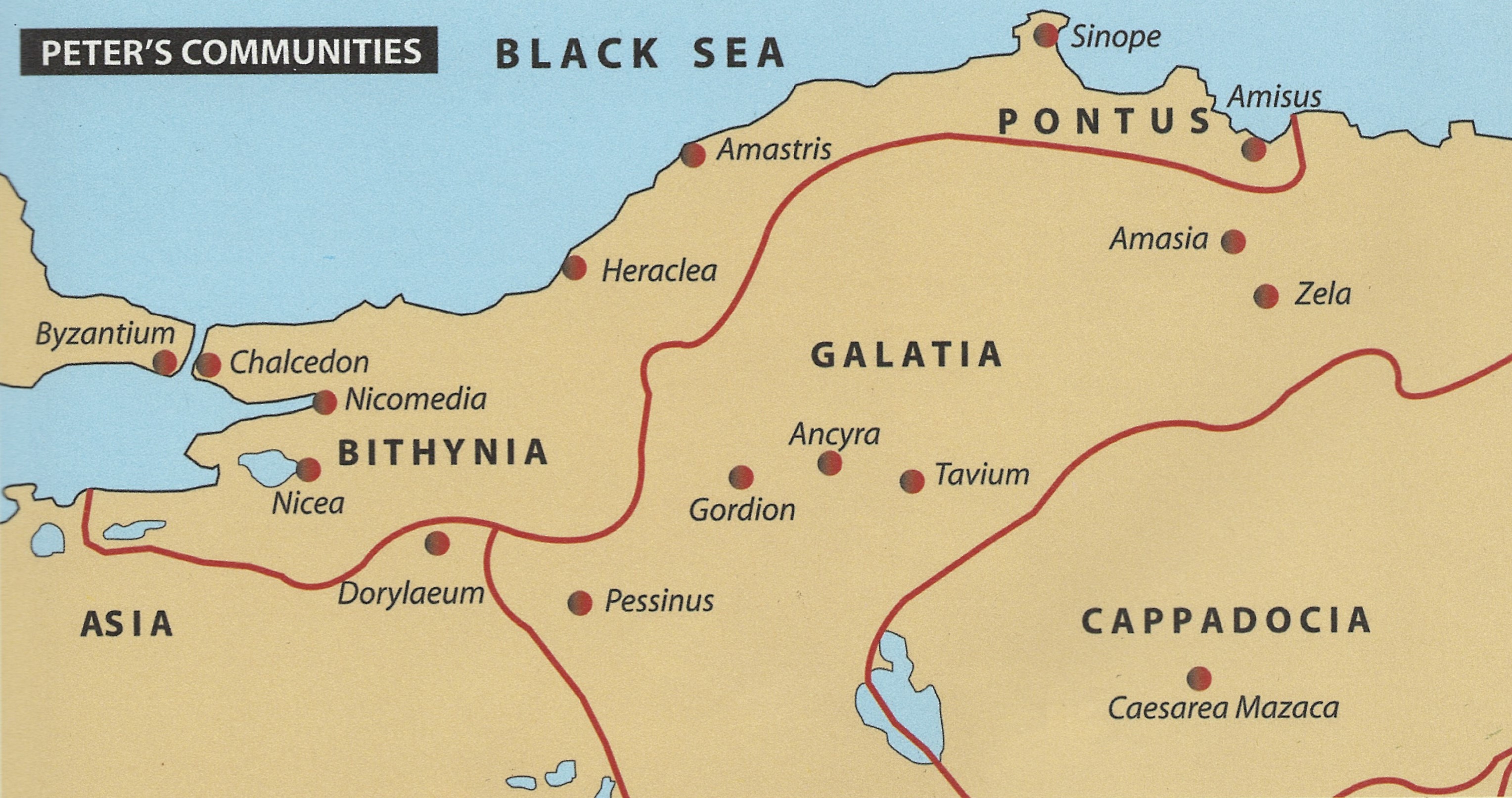
We are currently studying 1 Peter in our local congregation. Peter’s first letter was written to Christians in five Roman districts in Asia Minor, which today comprise much of modern Turkey. “Peter, an apostle of Jesus Christ, To those who are elect exiles of the dispersion in Pontus, Galatia, Cappadocia, Asia, and Bithynia” (1 Pet. 1:1, ESV). Dr. Mark Wilson has provided Bible students with a great resource in his book, Biblical Turkey.
Peter’s Communities. Map by Dr. Mark Wilson.
Christians in five Roman districts are addressed in Peter’s letter. The starting point was Pontus.
In the midst of this letter which was designed to equip/strengthen Christians who were suffering fiery trials for their faith, Peter spoke to them about enjoying life and seeing good days! (1 Pet. 3:10). It would seem that “loving life and seeing good days” would be something that everyone desires. It is also apparent that this is what God wants for us! It does not follow, however, that “whatever makes you happy” is okay. For example, some have reasoned that “God wants me to be happy, but I am not happy in my present marriage, but I’ve found someone else.” Thus they contract a marriage that God’s word says is adulterous, but have convinced (deceived) themselves that it is okay because God wants them to be happy. You can be sure that God does NOT want you to be happy by doing something He has condemned in His word! First and foremost, God wants you to be holy; God wants you to be saved.
Every passage has a context. “For ‘He who would love life And see good days, Let him refrain his tongue from evil, And his lips from speaking deceit.'” The first word in our verse, “For” (Greek gar)is often “a marker of cause or reason between events.”[i] Here it links the goal of “loving life and seeing good days,” with what has just been said in the previous verses. “Finally, all of you be of one mind, having compassion for one another; love as brothers, be tenderhearted, be courteous; not returning evil for evil or reviling for reviling, but on the contrary blessing, knowing that you were called to this, that you may inherit a blessing” (3:8-9). Additionally, the greater context, which includes God’s directives to wives and husbands (3:1-7) must be considered. That is, if you want to truly love life and see good days, it flows from the behavior just described in the above verses. In this article I want to explore some important lessons.
God wants us to enjoy life and see good days. Peter has previously called this life on earth “the time of your sojourning” (1 Pet. 1:17, KJV; “your temporary residence” NET). We often sing, “This world is not my home.” Christians recognize we are “sojourners and pilgrims” (1 Pet. 2:11). We are in the world, but “not of the world” (John 15:19; 17:14-16). Yet we see that it is right to enjoy life and see good days. Our trust is not in “uncertain riches, but in the living God, who gives us richly all things to enjoy” (1 Tim. 6:17). God intends for us to enjoy the good things He gives us, as we give thanks to Him from whom all blessings flow!
God wants us to enjoy our family. “Enjoy life with the woman whom you love all the days of your fleeting life which He has given to you under the sun; for this is your reward in life and in your toil in which you have labored under the sun” (Eccl. 9:9), NASB). “. . . And rejoice with the wife of your youth . . . And always be enraptured with her love” (Prov. 5:18-19). “Behold, children are a heritage from the LORD, The fruit of the womb is a reward. Like arrows in the hand of a warrior, So are the children of one’s youth. Happy is the man who has his quiver full of them” (Psa. 127:3-5). “Grandchildren are the crown of the aged, and the glory of children is their fathers” (Prov. 17:6, ESV). I mention the family relationship as just one example of blessings from God which He wants us to enjoy, and can contribute so much to “loving life and seeing good days.”
Hindrances to Joy. Satan has many devices (2 Cor. 2:11). He is a great “joy-stealer.” He does not want us to “rejoice in the Lord” because “the joy of the LORD is your strength” (Neh. 8:6). One hindrance can be to fail to seize the present moment; to always be thinking that once I get past this problem, or after I get this done, then I can enjoy life. That tends to always put it out of reach. God wants us right now, right here, in our present circumstances, to enjoy life and see good days, and not be waiting on something else to happen before we can do so.
Another hindrance may be what I call the “Haman complex.” Haman gathered his wife and friends. “Then Haman told them of his great riches, the multitude of his children, everything in which the king had promoted him, and how he had advanced him above the officials and servants of the king. Moreover Haman said, ‘Besides, Queen Esther invited no one but me to come in with the king to the banquet that she prepared; and tomorrow I am again invited by her, along with the king. ‘Yet all this avails me nothing, so long as I see Mordecai the Jew sitting at the king’s gate’” (Est. 5:11-13). Here was a man who “had it all” so to speak, but he could enjoy none of it because there was ONE thing that displeased him! It’s so easy for us to do the same.
Worry can so distract us and upset us that we fail to enjoy life and see good days. See Matthew 6:25-34.
Sinful behavior. Getting back to 1 Peter 3, a failure to conduct oneself in keeping with the imperatives of the passage will only result in envy, strife, and unhappiness. We can’t be guilty of doing the things that God hates, and expect to enjoy life and see good days (see Prov. 6:16-19).
Nothing should eclipse this joy. The seventy disciples returned from the limited commission” with joy, saying, “Lord, even the demons are subject to us in your name” (Lk. 10:17). Of course this was important, and showed Jesus’ coming victory over Satan, but Jesus said, “Nevertheless do not rejoice in this, that the spirits are subject to you, but rather rejoice because your names are written in heaven” (Lk. 10:20). The primary cause for our rejoicing, that exceeds all else (even the miraculous gifts of the 1st century), is our salvation in Christ Jesus!
The writer of Hebrews closes with several imperatives, including this admonition in 13:5: “Keep your life free from love of money, and be content with what you have, for he has said, “I will never leave you nor forsake you” (ESV). For comparison: “Make sure that your character is free from the love of money, being content with what you have; for He Himself has said, “I WILL NEVER DESERT YOU, NOR WILL I EVER FORSAKE YOU” (NASB). The NET renders, “Your conduct must be free from the love of money and you must be content with what you have, for he has said, “I will never leave you and I will never abandon you.”
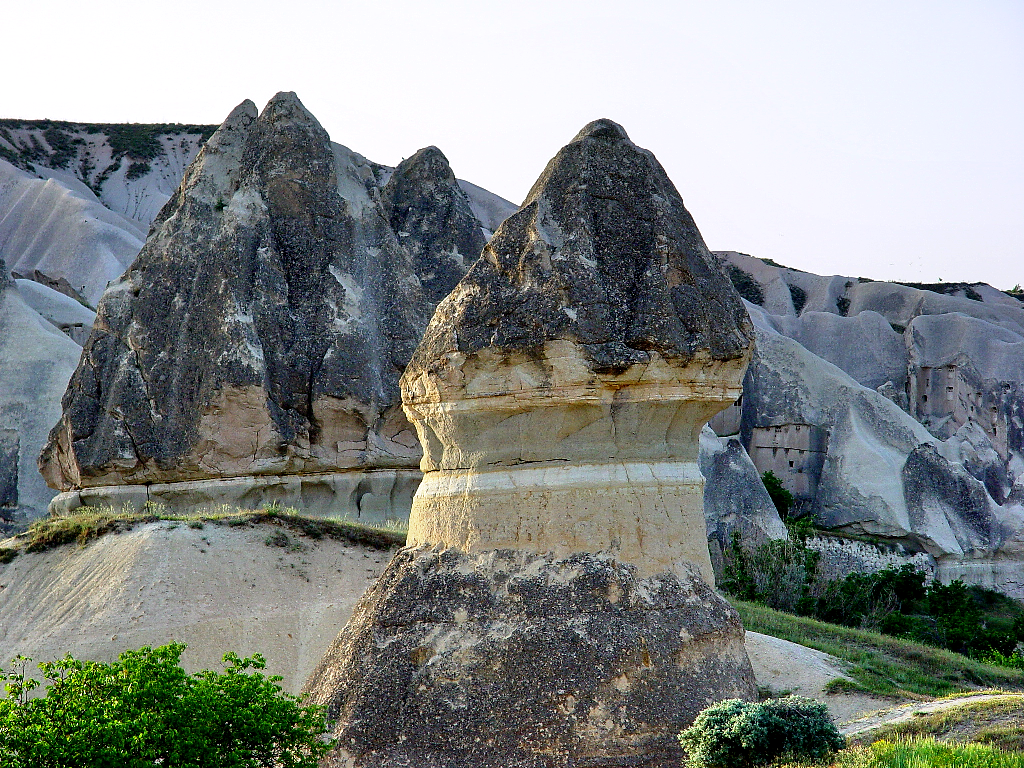
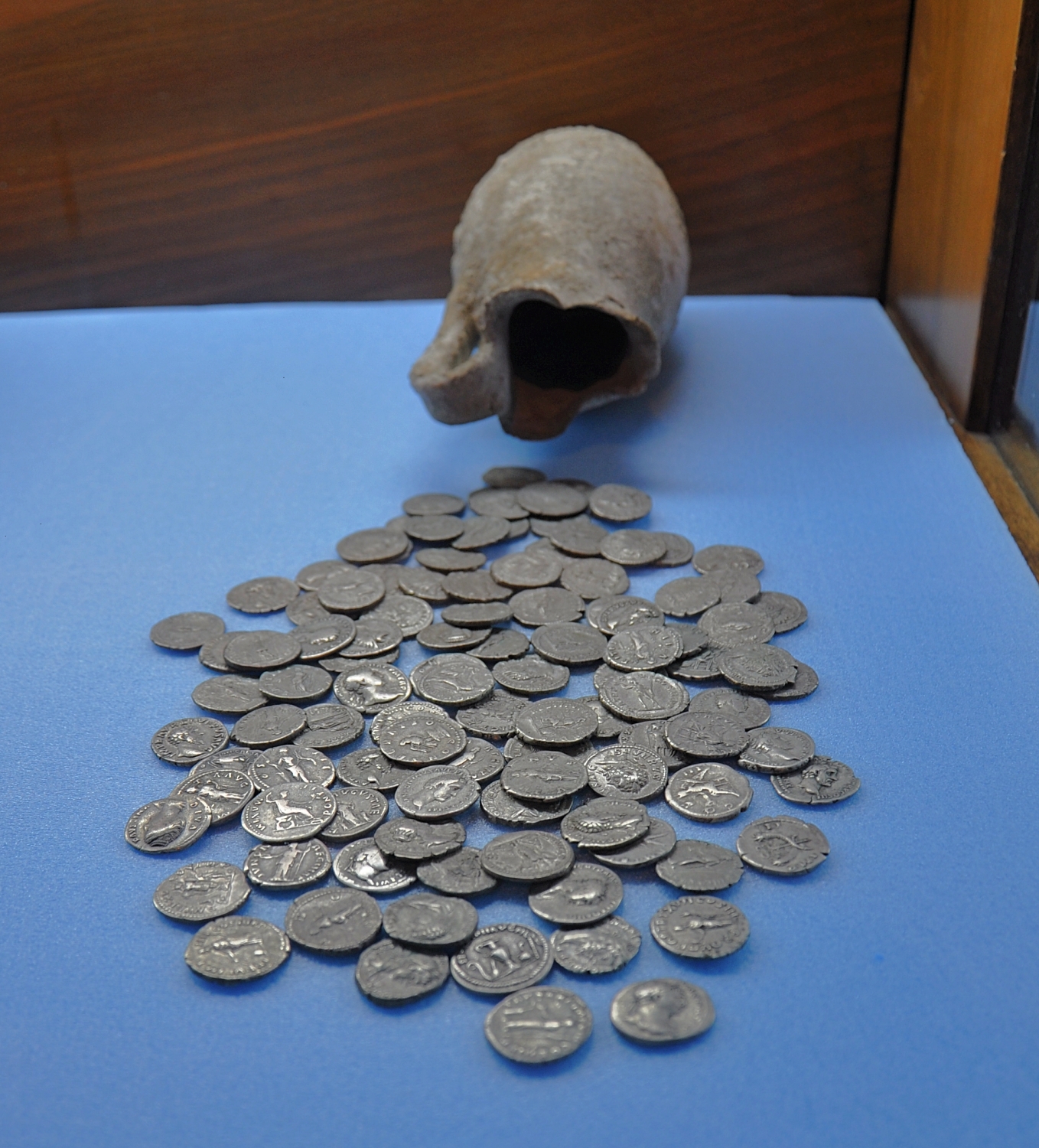
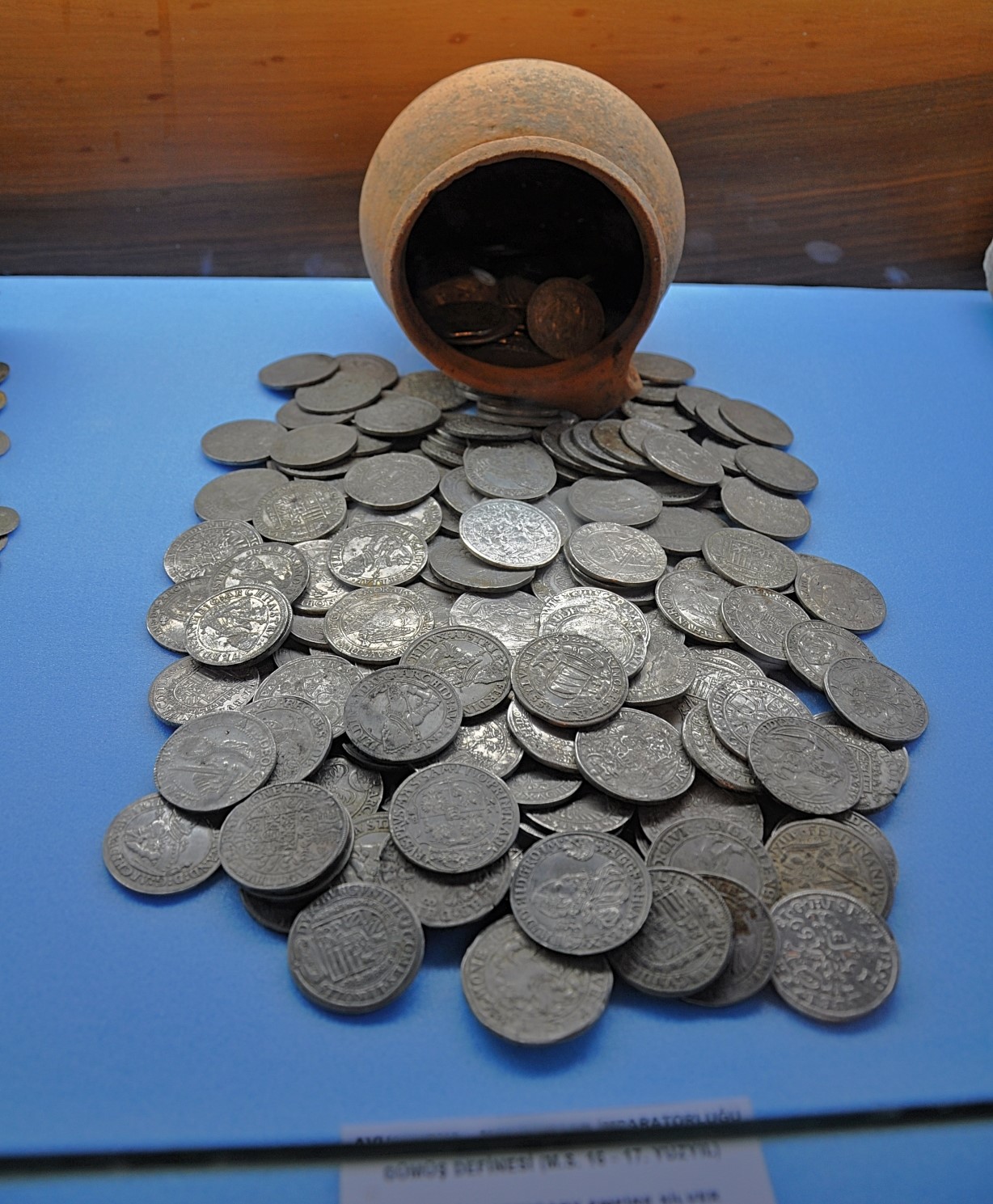
Some years ago, while at Samsun (Biblical Pontus) on the Black Sea, Ferrell Jenkins and I visited the Samsun Archaeology and Ethnography Museum there. Here are some photographs which might be helpful visuals in teaching this biblical text (Heb. 13:5):
One should note that it is not the money that is itself sinful, but the LOVE of money (compare 1 Timothy 6:10).
Also note the Hebrews 13:5 states what “He Himself” (God) has said. What follows is to be the Christian’s response: “So that WE may boldly say, ‘The LORD is my helper; I will not fear, What can man do to me?'” (v.6). This kind of “answering speech” runs throughout scripture: God takes the initiative, He speaks, He reveals Himself, and then there is to be the appropriate repsonse, the answer of faith on the disciple’s part. “Speak, LORD, thy servant heareth” (1 Samuel 3:9).
Pontus is mentioned three times in the New Testament. Jews from Pontus were present in Jerusalem on the Day of Pentecost (Acts 2:9). Aquila, one of Pau’s invaluable helpers, was from Pontus (Acts 18:2). Also the Apostle Peter addressessed Pontus (1 Pet. 1:).
Samsun (Amisus) was a leading city of Pontus. Regarding its biblical significance, Dr. Mark Wilson writes, “Amisus was at the northern terminus of the main road that ran across Asia Minor to Tarsus. Peter’s messenger undoubtedly disembarked at Amisus and initally made his way south along this route” (Biblical Turkey, pp. 334,336). Samsun is located between the deltas of the Kızıl and Yeşil rivers.
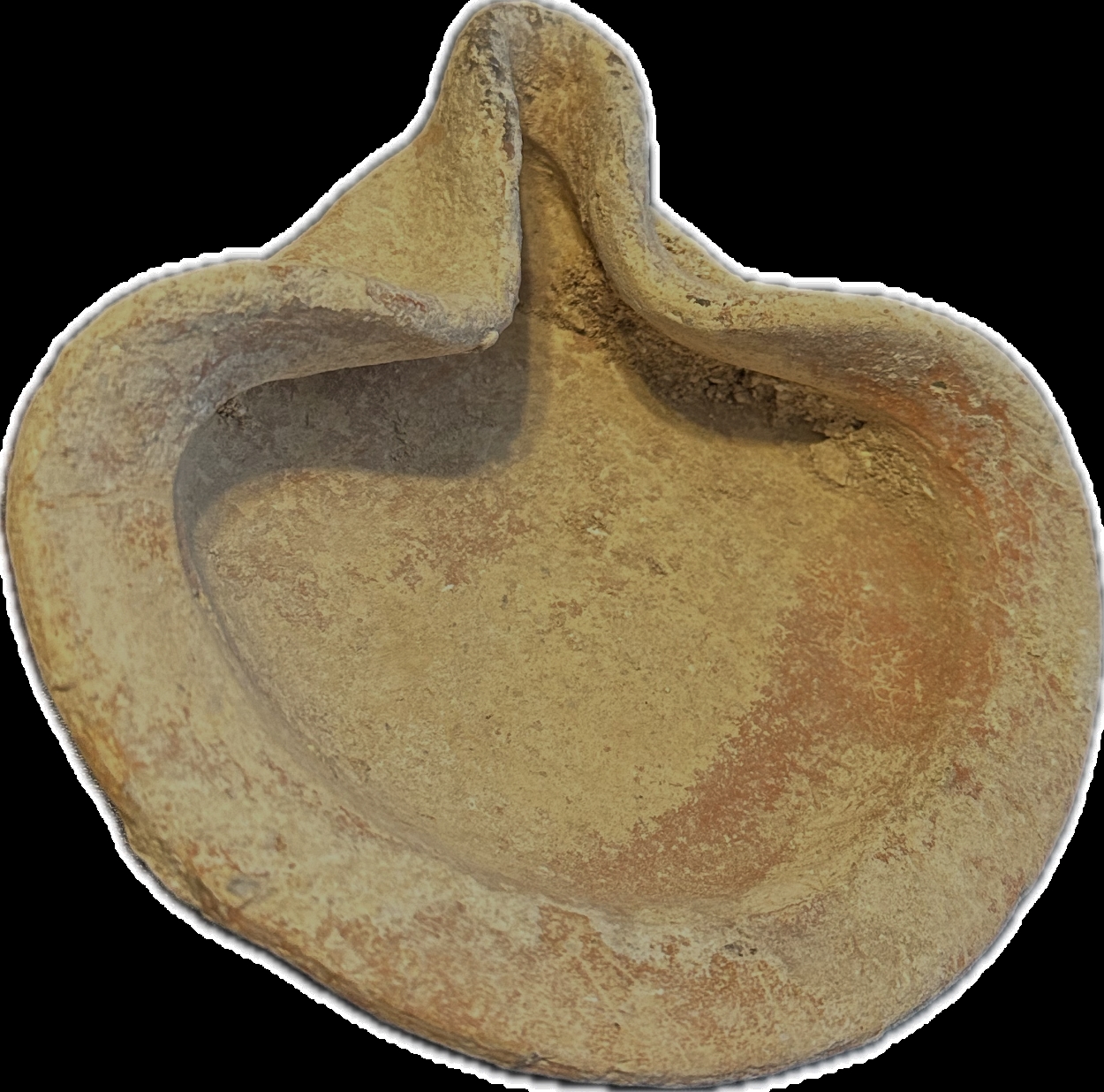
In 2 Chronicles in the context of the Divided Kingdom during the reign of Jehoram, king of Judah, the statement is made, “Yet the LORD was not willing to destroy the house of David because of the covenant which He had made with David, and since He had promised to give a lamp to him and his sons forever” (21:7). (The NET Bible reads, “But the LORD was unwilling to destroy David’s dynasty because of the promise he had made to give David a perpetual dynasty”).
To say that Jehoram was very wicked would be an understatement. His first act when his co-regency with his father Jehoshaphat (good king!) ended was to murder all six of his brothers! (21:4). Jehoram was married to Athaliah, the wicked daughter of Ahab and Jezebel, and greatly swayed by them. Though King of Judah, “he walked in the way of the kings of Israel, just as the house of Ahab had done” (21:6).
Lamp, dating to the time of the Divided Kingdom. Author’s personal collection. Photo by Leon Mauldin.
Our inspired historian is stating that although Jehoram deserved destruction, as had indeed been meted out to several dynasties in Israel, that Yahweh, the faithful God of the Covenant, would insure that the lineage of David would continue. The use of the word picture of a lamp which continues to burn, and is not extinguished, was a fitting metaphor. The Davidic lineage (here seen in the kings of Judah, both good and bad) would continue until the Messiah came to earth, God Incarnate. This fulfilled the promise made in 2 Samuel 7; cf. 1 Chron. 17, and etc.). Indeed, “the Scripture cannot be broken” (John 10:35).
I have earlier written about Judah’s King Jehoram here.
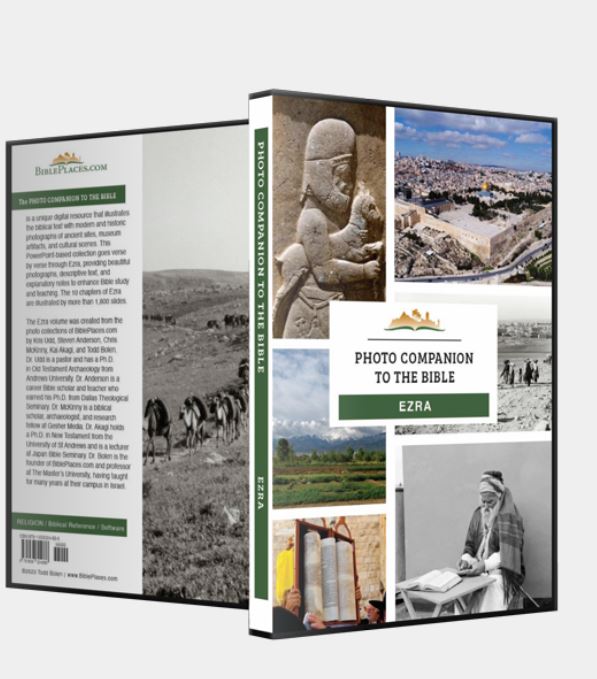
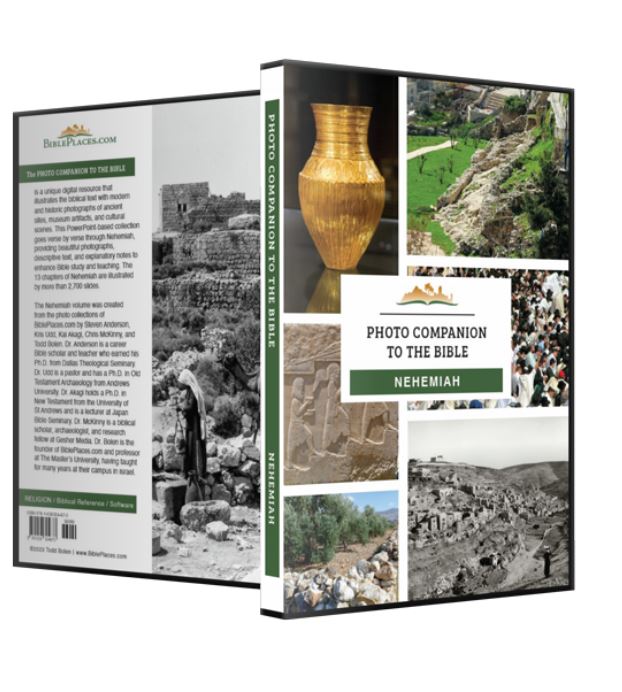
We are happy to recommend Todd Bolen’s latest collection of biblical photos, Photo Companion for Ezra and Nehemiah. Like the previous Photo Companion volumes, a PPT is prepared for each chapter, with literally hundreds of illustrative photos. The slides are labeled, and also have informative notes. Because the setting of both Ezra and Nehemiah is that of the Persian Empire, including today’s Iran, these sets are especially helpful because of modern difficulties in obtaining photos in these sites!
Here below is a snippet from the current BiblePlaces Newsletter, which includes ordering info:
“We have been building the Photo Companion to the Bible for nine years now, and there is nothing else like it anywhere. There are a wide variety of good commentaries and Bible study guides available, but there is only one photographic resource for Ezra and Nehemiah. Today you can get the best price on the two books together: Ezra ($39), Nehemiah ($49), or Ezra and Nehemiah together for $59 as DVD+download or as download-only.”
I have been using and recommending Dr. Bolen’s materials since 2003! The new publications are welcome additions to the library of any serious Bible student!
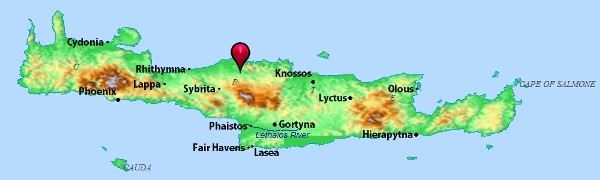
After the Apostle Paul left the younger evangelist Titus at Crete, he wrote, “For this reason I left you in Crete, that you should set in order the things that are lacking, and appoint elders in every city as I commanded you” (Titus 1:5). There were many cities (Greek polis) on the island of Crete, as can be seen from this map by bibleatlas.org:
In each of these cities where congregations of Christians were established, qualified men were to be appointed to serve as elders (bishops, pastors are biblically interchangeable terms). The list of qualifications was given as follows:
if a man is blameless, the husband of one wife, having faithful children not accused of dissipation or insubordination. For a bishop must be blameless, as a steward of God, not self-willed, not quick-tempered, not given to wine, not violent, not greedy for money, but hospitable, a lover of what is good, sober-minded, just, holy, self-controlled, holding fast the faithful word as he has been taught, that he may be able, by sound doctrine, both to exhort and convict those who contradict.
Titus 1:6-9
The archaeological excavations of Arthur Evans at Knossos got underway in 1900. He is credited with inventing the term “Minoan,” naming the civilization after King Minos, who ruled the island of Crete, according to legend.
A deity worshiped by the Minoans was the bull. In the Biblical Archaeology Society publication (2008), Island Jewels: Understanding Ancient Cyprus and Crete, we read:
Again, we rely on the evidence of frescoes and gems that show how the Minoans practiced an astonishing ritual that consisted of grasping a bull by its horns and leaping over its back. When we add this to the ubiquity of stylized bulls’ horns, so-called “horns of consecration,” as well as the bull’s head rhyta (drinking vessels; singular, rhyton) and vivid portraits of individual beasts, there can be no doubt that the Minoans treated the bull with deep reverence…The bull may well have represented the young male consort of the goddess of love, a pattern that recurs throughout the ancient near east from Tammuz and Ishtar to Venus and Adonis, although if this is the case we cannot even give names to the Cretan versions of the divine couple (pp. 49-59).
BAS
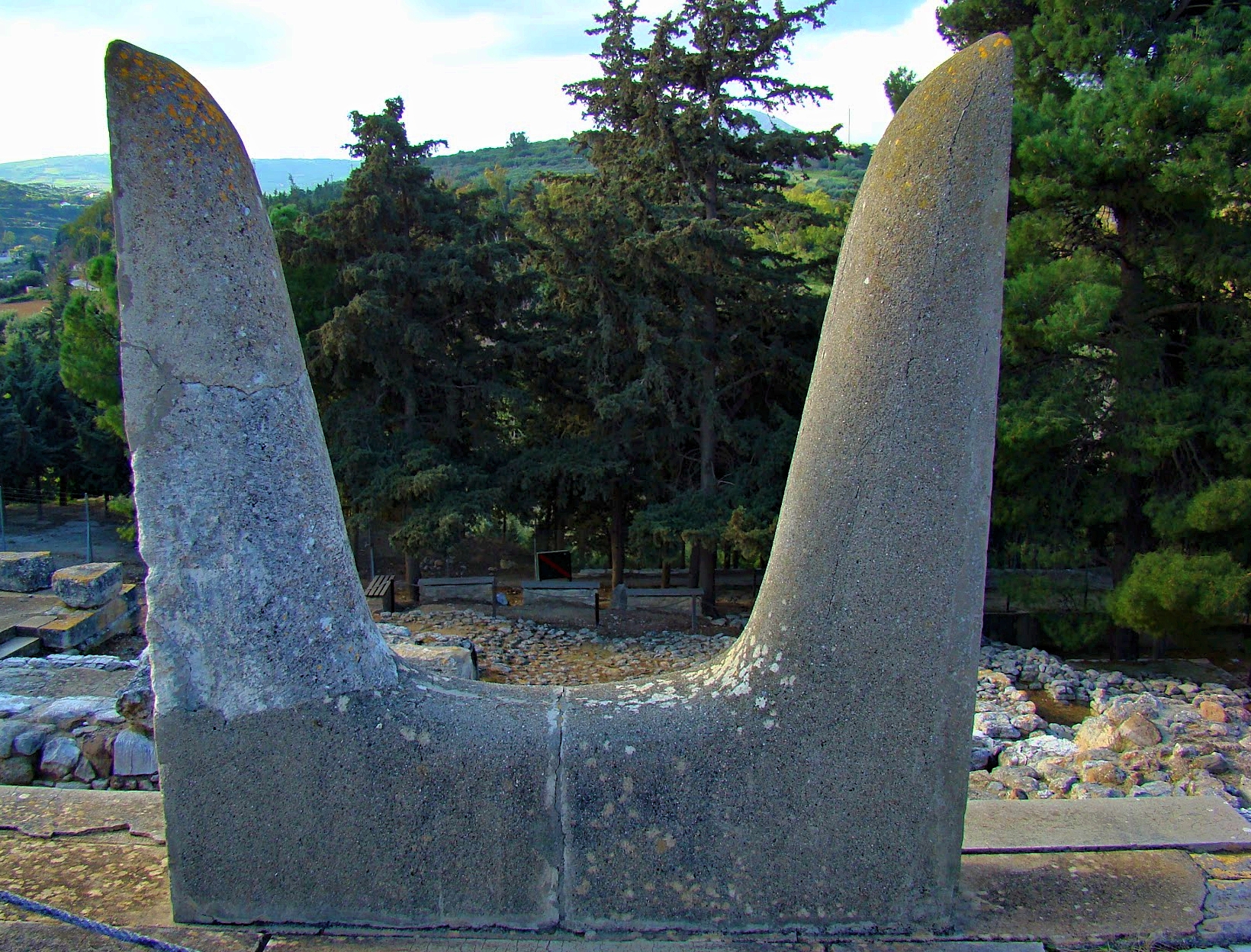
In keeping with this information, note our photo of the gigantic bull’s horns below:
It is thought by many that these restored horns symbolized the sacred bull, and that they once adorned the top of the palace at Knossos, Crete.
The palace at Knossos was the largest of the Minoan palaces and served as the home of the legendary king Minos. This palace complex was named and excavated in 1900 by the Englishman Arthur Evans. Arthur Evans is also responsible for naming this sculpture-like object which resembles the horns of a bull, as “”horns of consecration.”” The horns in this slide, which are located outside the South Propylaea at the Knossos complex, are a 20th century reconstruction. Different depictions of horns of consecration can be found throughout Minoan culture, such as on Minoan sarcophagi. Overall, the bull was considered to be a sacred animal in ancient Crete, playing a large role in religious rituals. Since Evans, scholars and archaeologists have debated the true function and meaning of the horns of consecration. One scholar has suggested that these horns were used as seats of honor for nobility or gods. Other scholars have thought that the horns originally served as a pot-support in a hearth. Today, there is still a lack of consensus among scholars as to the function of these horns.
2 Kings 23 records the zealous reforms of good king Josiah (r. 640-609 BC), who had been the object of prophecy some 300 years earlier (1 Kings 13). Josiah destroyed/defiled the sites and objects of idolatry both in Jerusalem as well as throughout the land of Israel. This included the desecration of the site Solomon had constructed for the worship of foreign gods (which had resulted from the influence of the pagan wives he accumulated, cf. 1 Kings 11).
The text states: “Then the king defiled the high places that were east of Jerusalem, which were on the south of the Mount of Corruption, which Solomon king of Israel had built for Ashtoreth the abomination of the Sidonians, for Chemosh the abomination of the Moabites, and for Milcom the abomination of the people of Ammon” (2 Kings 23:13).
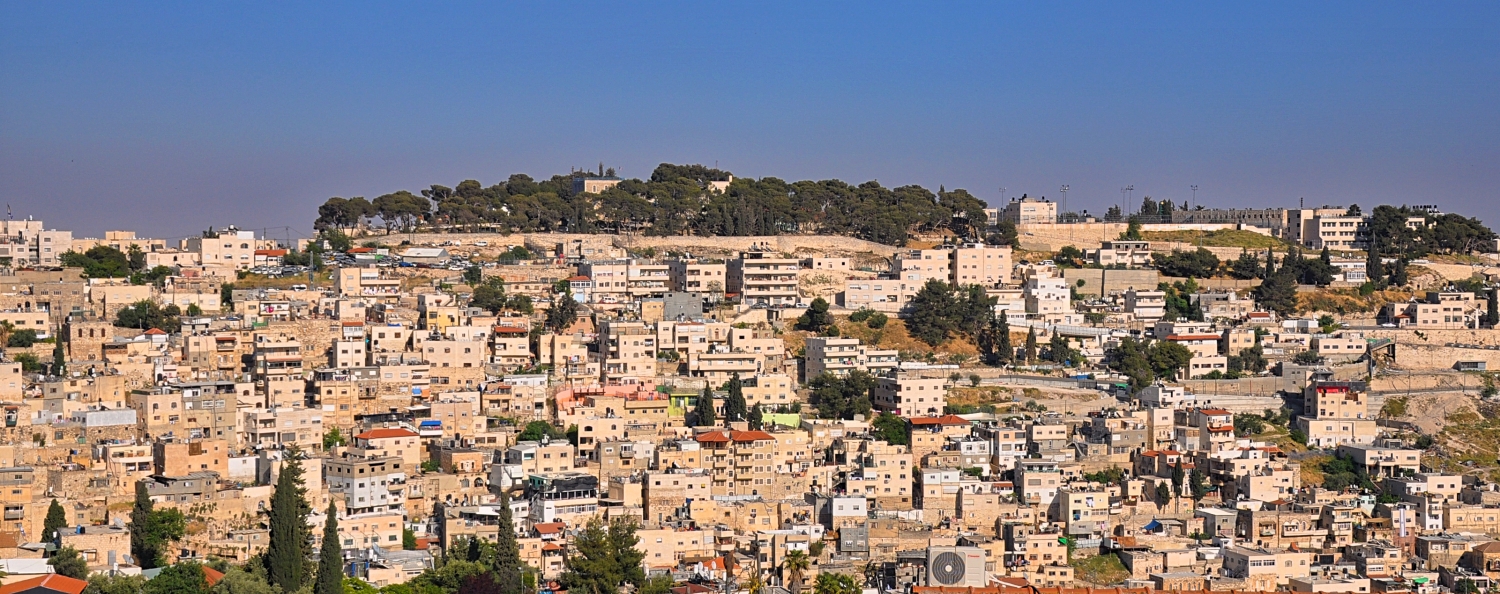
Here is the location of har hammašḥı̂t (הַר הַמַּשְׁחִית
The “Mount of Corruption” is a “derogatory name for the Mount of Olives, where Solomon had built shrines to Ashtoreth, Chemosh, and Molech. Josiah, king of Judah is described as defiling and destroying these temples in 2 Kgs 23:13” (The Lexham Bible Dictionary).
This site also came to be known as the “Mount of Offense” as well as the “Mount of Scandal.”
Our last couple of posts have dealt with Pharaoh Tirhakah, the Cushite (Ethiopian) king of Egypt’s 25th dynasty, and mentioned by name in 2 Kings 19:9, in correction with Judah’s good King Hezekiah, and the Assyrian King Sennacherib. We noted, “In some translations (i.e., NKJV) Tirhakah is said to be king of Ethiopia. “Ethiopia” here refers to southern Egypt, and is rendered Cush in CSB, ESV, NASB (Hebrew is כּוּשׁ, transliterated kûš).” Cush is also called the land of Nubia, with Nubia being the more modern name.
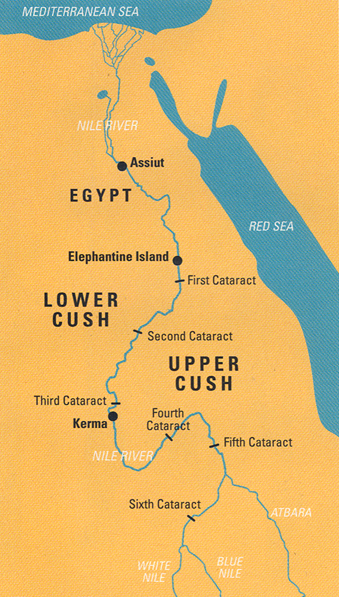
On our recent tour of Egypt (Oct. ’22) we had the opportunity to go south of Aswan (positioned “First Cataract” here on map below), where the ancient border separated Egypt from Cush.
Map of Egypt and Cush. Cush, to the south of Egypt, is biblical Ethiopia.
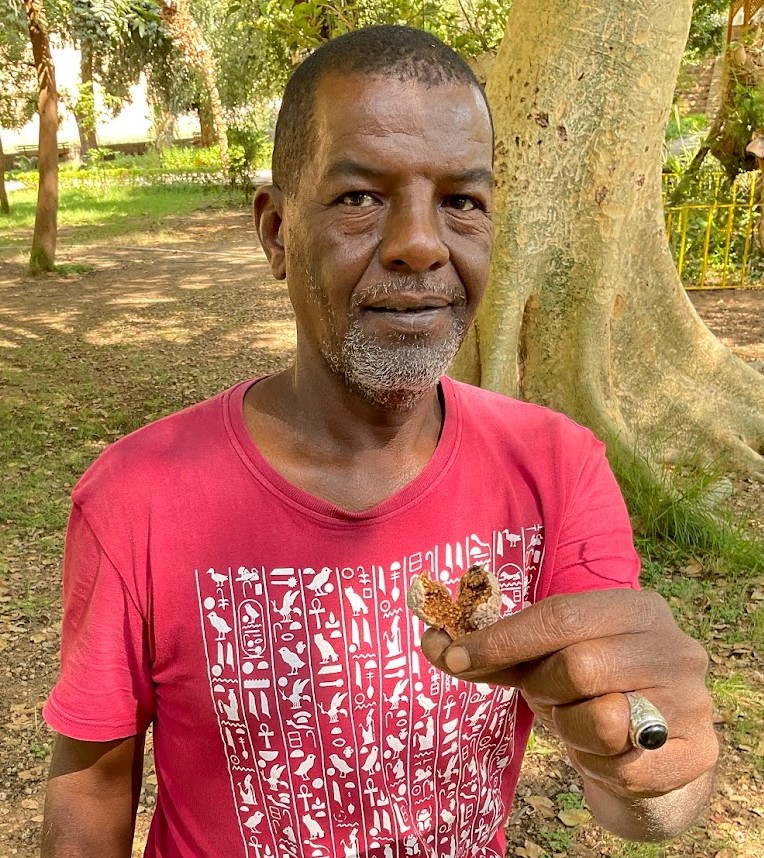
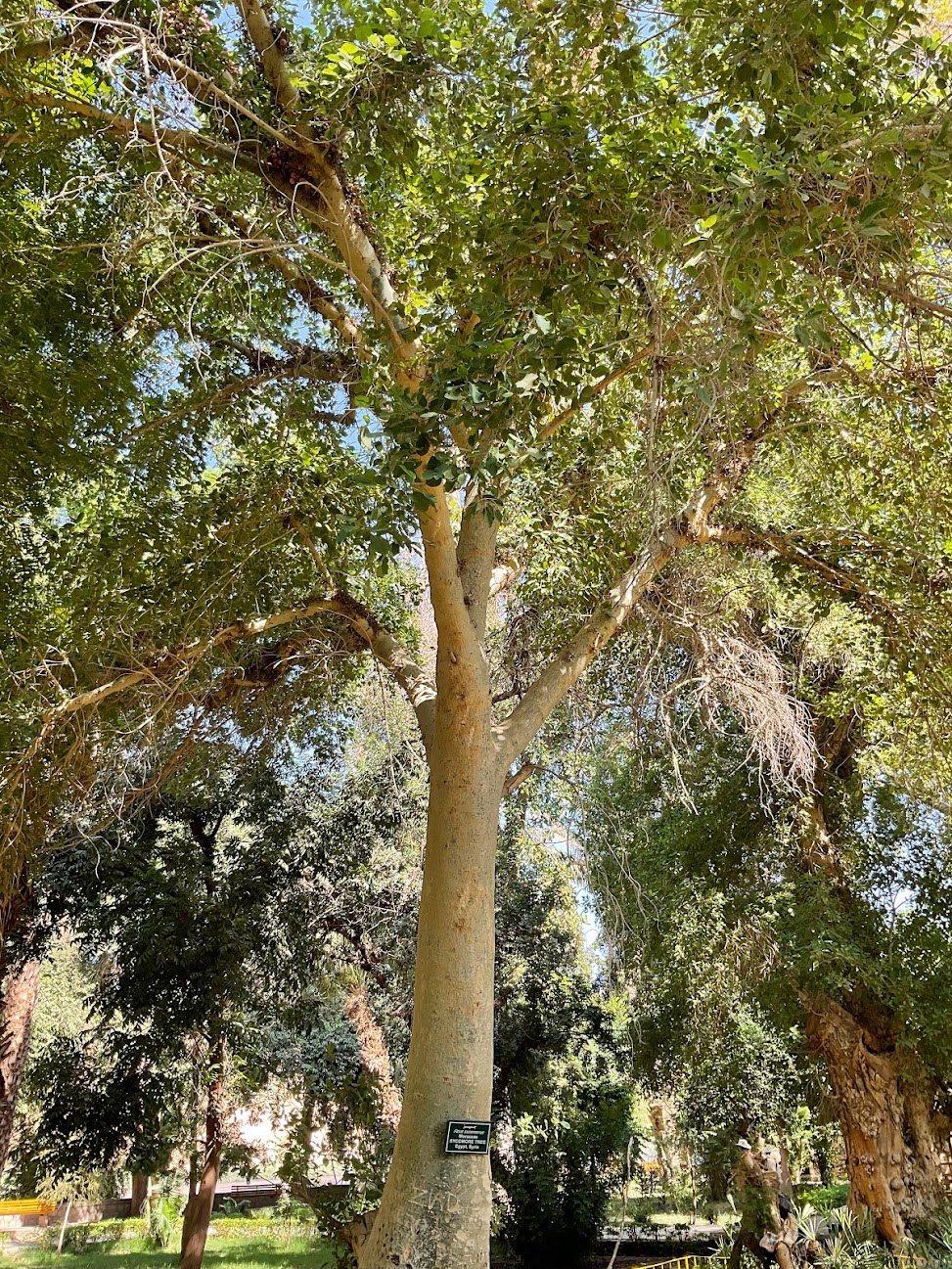
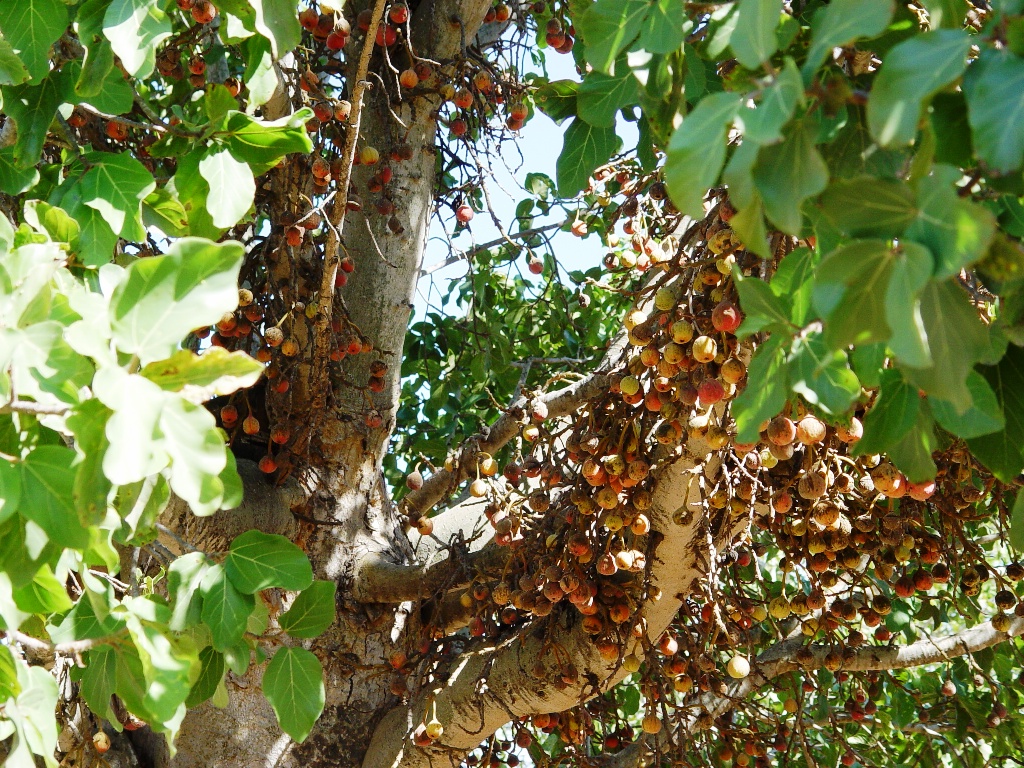
Earlier when our group stopped for a visit at Kitchener Island in the Nile, we saw trees and plants from many locations. It is used as a research station called the Botanical Research Institute. While there we saw a sycamore tree, which is referenced many times in the scripture. Unlike the sycamore tree of my home in Alabama, the biblical sycamore produced figs (see Amos 7:14-17). I was explaining to some of our group nearby as to the significance of the tree, when a gentleman who also was listening (apparently an employee) approached. He picked up a fig, broke it open, to let our folks better see. This was very helpful. He also very emphatically said, “I am Nubian.”
Here is a sycamore tree in Israel at Neot Kedumim, the Biblical Landscape Reserve in Israel. (Located near Modi’in, midway between Jerusalem and Tel Aviv, Israel).
The study of the biblical books of 1-2 Kings is a study of inspired theological history. That is to say, it is history but with an emphasis always on the divine perspective. The concern of the narrative is consistently whether the king under consideration, whether in the northern kingdom of Israel, or in Judah’s kingdom to the south, did that which was “right in the sight of the LORD.”
The Lord had promised Israel’s King Jehu (r. 841-814 BC) that his sons would reign to the fourth generation (2 Kings 10:30). Meanwhile Syria was ravaging Israel, gobbling up the territory on the eastern side of Jordan. Israel was drastically reduced in size (2 Kings 10:32). Following Jehu’s death, his son Jehoahaz reigned (814-798), and the Aramaic oppression continued (2 Kings 13:3) with its terrible devastation. The fascinating thing about this northern king is that though he was “evil” (2 Kings 13:2), “Jehoahaz pleaded with the LORD” (v. 4). What is further amazing is the mercy of God: though God permitted the Arameans to punish Israel because of national covenant unfaithfulness, “the LORD listened to him; for He saw the oppression of Israel, because the king of Syria oppressed them (Ibid.).
The next verse tells us, “Then the LORD gave Israel a deliverer, so that they escaped from under the hand of the Syrians; and the children of Israel dwelt in their tents as before” (2 Kings 13:5, NKJV). The ESV reads, “Therefore the LORD gave Israel a savior, so that they escaped from the hand of the Syrians, and the people of Israel lived in their homes as formerly.” (Note: the KJV, NRSV also render מושיע as “savior”. Most translations have “deliverer.” The hiphil participle means to deliver, to save).
This is reminiscent of the language of the Judges, where in times of punishment for sin, Israel would cry out to the LORD for deliverance, and He would send the Judge would deliver/save Israel from its oppressor. The biblical text does not name who the deliverer/savior was at the time referenced in 2 Kings 13:5.
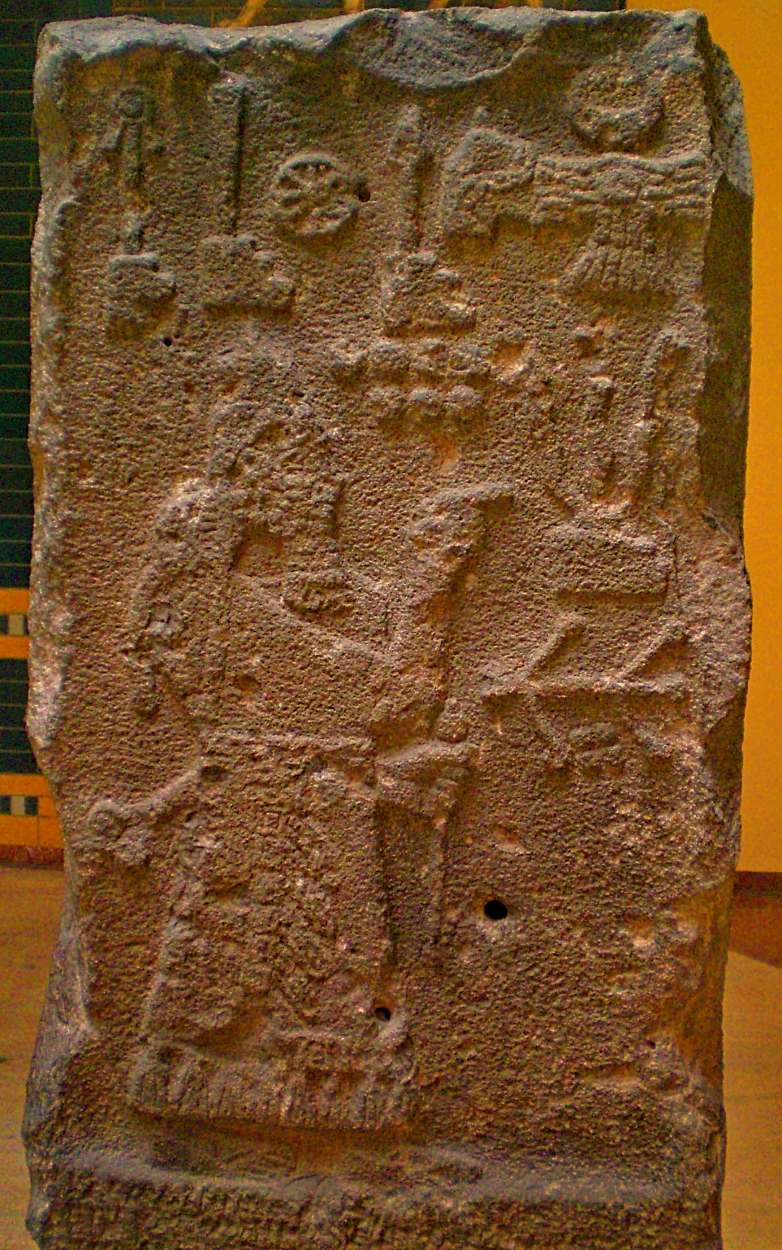
Many scholars believe that it is the Assyrian King Adad-Nirari III who is referenced here as Israel’s מושיע.
For example, “Adad-nirari III may have been the ‘savior’ bringing them freedom from Aramean oppression” (Gilboy, The Lexham Bible Dictionary). “Adad-nirari III may have been the ‘deliverer’ of Israel mentioned in 2 Kgs. 13:5” (Chavalas, Eerdmans Dictionary of the Bible, p. 18). “By intervening in the affairs of the Syrian kingdoms, Adad-nerari III put pressure on Damascus, thus relieving Israel from the heavy hand of the Arameans (Mordechai Cogan, The Raging Torrent, p. 41).
David T. Lamb, in a chapter entitled, “An Evil King Praying, Jehoahaz of Israel,” states, “Within the context of this narrative, the most reasonable deliverer for Jehoash is therefore Adad-nirari III of Assyria since, toward the end of Jehoahaz’s reign, he attacked Aram. Adad-nirari’s campaign would have diverted Aram’s attention away from Israel and toward the north. From the perspective of the text, Adad-nirari would play a similar role to Cyrus (Isa 45:1), as a foreign ruler who accomplishes a divinely appointed task” (Lamb, D. T., 1-2 Kings, T. Longman III & S. McKnight, Eds.; p. 399).
D. J. Wiseman supplies the following information regarding Adad-nirari:
Adadnirari III (810–783 B.C.) took five years to quell the widespread revolt led by nobles, high officials, and some provincial governors who, like Dayan-Aššur, the army commander of Shalmaneser, had accumulated much local power. He had to reassert Assyrian authority also over tribes to the north and east who had meanwhile withheld their taxes. This was the beginning of the internal resistance to the central authority of the king which was to recur and ultimately lead to Assyrian weakness in the following century.
When Šamši-Adad died, his queen Sammu-ramat (in part the legendary Semiramis) took over command as co-regent for five years during the minority of her son Adadnirari. In 806 B.C. the young king undertook an expedition to north Syria, reaching the Mediterranean (Arpad), and another the following year, when he took Hazazu and broke up the powerful coalition developing between Damascus and states as far afield as Malatya. In 804 he struck further southwest to Tyre and Sidon. Joash of Israel, anxious to annul the burdensome treaty imposed on him by Hazael, seems to have taken this opportunity, as had Jehu before him, to obtain Assyrian help. The evidence for this is a royal stele (from Tell ar Rimah, Iraq) in which Adadnirari lists tribute from “Joash of Samaria” (Yu’ asu mātSamerinā) before that of Tyre and Sidon. When the Assyrian entered Damascus and took spoil from Ben-hadad it is likely that Israel was allowed to strengthen trade relations with that city and recover some lost territory (2 K. 13:25).
Wiseman, D. J. (1979–1988). Assyria. In G. W. Bromiley (Ed.), The International Standard Bible Encyclopedia, Revised (Vol. 1, pp. 334–335). Wm. B. Eerdmans.
Similarly, the ESV Study Bible in its comments on our text says, “It seems likely that the ‘savior’ in question here is Assyria, whose interest in Syria-Palestine was rekindled in the closing years of the ninth century B.C., resulting in a measure of relief for Israel as the attention of Damascus necessarily turned tot he north.”
On the other hand, Keil & Delitzsch state, “but the Lord gave them the saviour in the two successors of Jehoahaz, in the kings Jehoash and Jeroboam, the former of whom wrested from the Syrians all the cities that had been conquered by them under his father (v. 25), while the latter restored the ancient boundaries of Israel (2 Kings 14:25).” (Keil, C. F., & Delitzsch, F. (1996). Commentary on the Old Testament (Vol. 3, p. 267).
Others have suggested Elisha, who foretold the three-fold victory over Aram, as the “deliverer” under consideration (2 Kings 13:14-19). Could the solution be that Elisha foretold the victory and enlargement of Israel (cf. the later reference to Jonah & Jeroboam II, 2 Kgs. 14:23-25), which was fulfilled in the days of Jehoash and Jeroboam, but was made possible by the role of Adad-nirari? Remember that God rules in the kingdoms of men (Dan. 4:17), and His providential use of the nations could well be under consideration here.
“Who says of Cyrus, ‘He is My shepherd, And he shall perform all My pleasure, Saying to Jerusalem, “You shall be built,” And to the temple, “Your foundation shall be laid.” ‘ (Isa. 44:28)
I often say that every passage has a context; the greater context of our passage here, Isaiah 40-48, addresses the incomparable greatness of YAHWEH. This is especially seen in these chapters as the true God is contrasted with the idols made by human hands. The gods created in the imaginations of men cannot see anything, or say anything, or do anything (cf. Isa. 44:9-20). But the God of Israel says, “Thus says the LORD, the King of Israel, And his Redeemer, the LORD of hosts: ‘I am the First and I am the Last; Besides Me there is no God. And who can proclaim as I do? Then let him declare it and set it in order for Me, Since I appointed the ancient people. And the things that are coming and shall come, Let them show these to them.” (Isa. 44:6-7).
One manifestation of the true God’s great power is that only He can foretell the future. So while the Assyrians were still the world power, God foretold through Isaiah (8th century BC) that it would be Babylon who would take Judah captive (Isa. 39). Then God foretold the return from Babylonian captivity (Isa. 48:20). But through Isaiah (prophetic work spanned 740-ca.690 BC) God called the future deliverer by name: it would be Cyrus, king of the Persians (r. 559-530 BC). Approximately two centuries before Cyrus ascended the throne, God called him by name, and foretold that he would be the one who would allow the Jews to return from captivity and rebuild their temple!
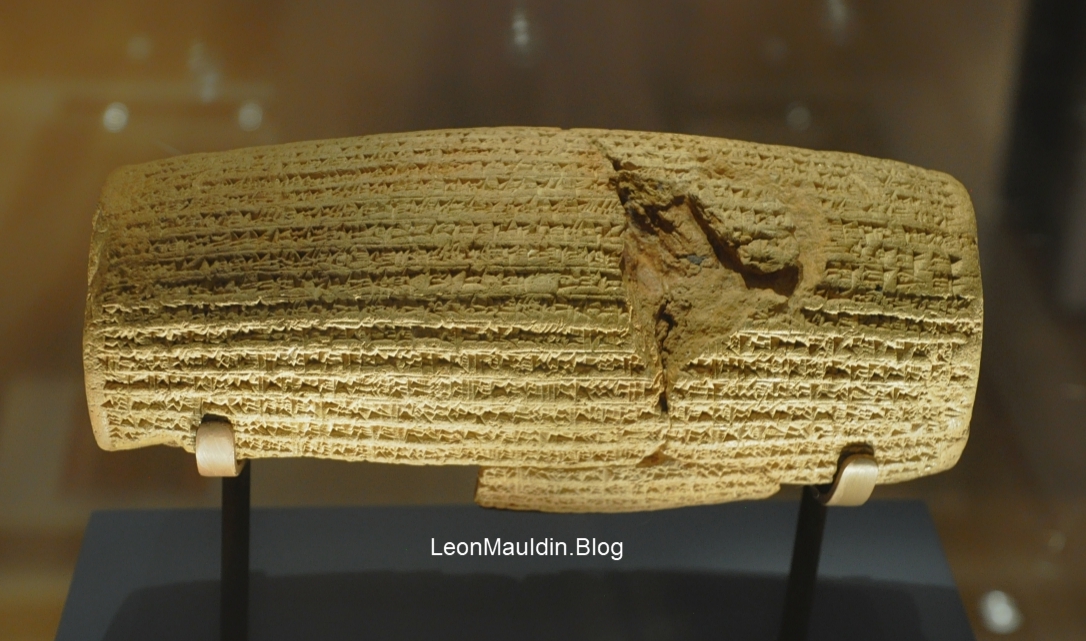
The Cyrus Cylinder. British Museum. Photo by Leon Mauldin.
In addressing the significance of the Cyrus Cylinder, the Lexham Bible Dictionary notes:
The Cyrus Cylinder is an important piece of external evidence for the fall of the Neo-Babylonian Empire. Written in Akkadian, the Cylinder is a building inscription celebrating the restoration of Babylon, which Cyrus king of Persia conquered. The Bible records that Cyrus’ conquest brought an end to the Babylonian exile and allowed for the exiled Judahites to return to their homeland (Ezra 1:3; 2:1–67). The Cyrus Cylinder does not explicitly mention the Judahites, but the book of Ezra opens with a decree from Cyrus that allows the Judahites to return from exile and promises Persian patronage for the reconstruction of the temple in Jerusalem.
Krijgsman, M. (2016). Cyrus Cylinder. In J. D. Barry, D. Bomar, D. R. Brown, R. Klippenstein, D. Mangum, C. Sinclair Wolcott, … W. Widder (Eds.), The Lexham Bible Dictionary. Bellingham, WA: Lexham Press.
Note how this ties in with Ezra’s opening verses that tell of the decree of King Cyrus:
Now in the first year of Cyrus king of Persia, that the word of the LORD by the mouth of Jeremiah might be fulfilled, the LORD stirred up the spirit of Cyrus king of Persia, so that he made a proclamation throughout all his kingdom, and also put it in writing, saying, Thus says Cyrus king of Persia: All the kingdoms of the earth the LORD God of heaven has given me. And He has commanded me to build Him a house at Jerusalem which is in Judah. Who is among you of all His people? May his God be with him, and let him go up to Jerusalem which is in Judah, and build the house of the LORD God of Israel (He is God), which is in Jerusalem. And whoever is left in any place where he dwells, let the men of his place help him with silver and gold, with goods and livestock, besides the freewill offerings for the house of God which is in Jerusalem.
Ezra 1:1-4
Indeed, the true God proclaimed “the things that are coming and shall come”!


 Posted by Leon Mauldin