Mount Ebal

August 13, 2013

The first mention of Mount Ebal is Deuteronomy 11:29: “Now it shall be, when the LORD your God has brought you into the land which you go to possess, that you shall put the blessing on Mount Gerizim and the curse on Mount Ebal.”

More instructions were to follow in Deut. 27. When Israel crossed over to receive the promised land of Canaan, they were to go to Mount Gerizim and Mount Ebal, which are situated opposite each other, with Shechem in between. Six tribes were to stand on Mount Gerizim (representing the blessings of the law, conditioned upon obedience), and the other six on Mount Ebal (representing the curses/punishment resultant from disobedience).

Joshua 8 shows Israel’s compliance with God’s instructions. The Levites and Joshua were positioned at Shechem. There all the blessings and curses of the law were read, and all the people shouted, “Amen.”

It is significant that Shechem is where childless Abraham stood when God promised Canaan to his descendants (Genesis 12:6,7). Now his descendants, the nation of Israel, were there to receive the promise, to stake their claim to the land. But more was involved than their receiving the land–it was based on their covenant relationship with their God.

Our photo shows Mount Ebal, the mount of cursing. You will notice how barren it is; very little grows there.
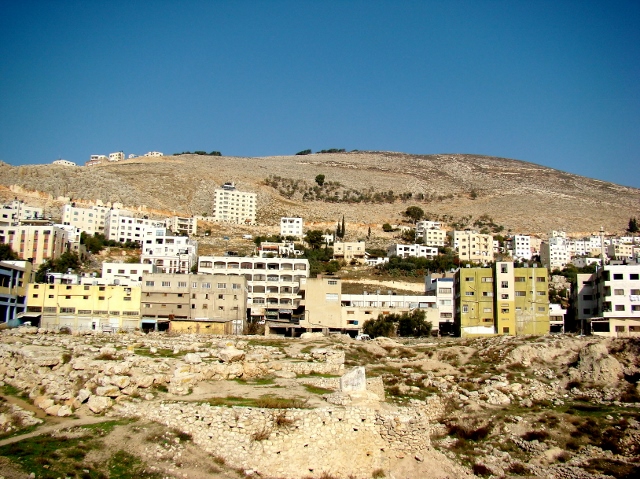
Mount Ebal, the mount of cursing. Six tribes ascended here in Josh. 8.

Mt Ebal, the mount of cursing. 6 tribes ascended here in Josh. 8. Photo: Leon Mauldin.

In the foreground you can see the ruins of ancient Shechem. Click image for larger view.


Dor on the Coastal Plain

August 13, 2013

I’ve been enjoying my Holman Bible Atlas on my Kindle Fire by Thomas V. Brisco. In his section on “Regions and Subdivisions” in the land of Israel he looks at the four major longitudinal zones that are characteristic of the  land, the first of which is the coastal plain. He includes a brief mention of the plain of Dor. “One of the most important harbors of Palestine, Dor gave the plain a strategic importance.”

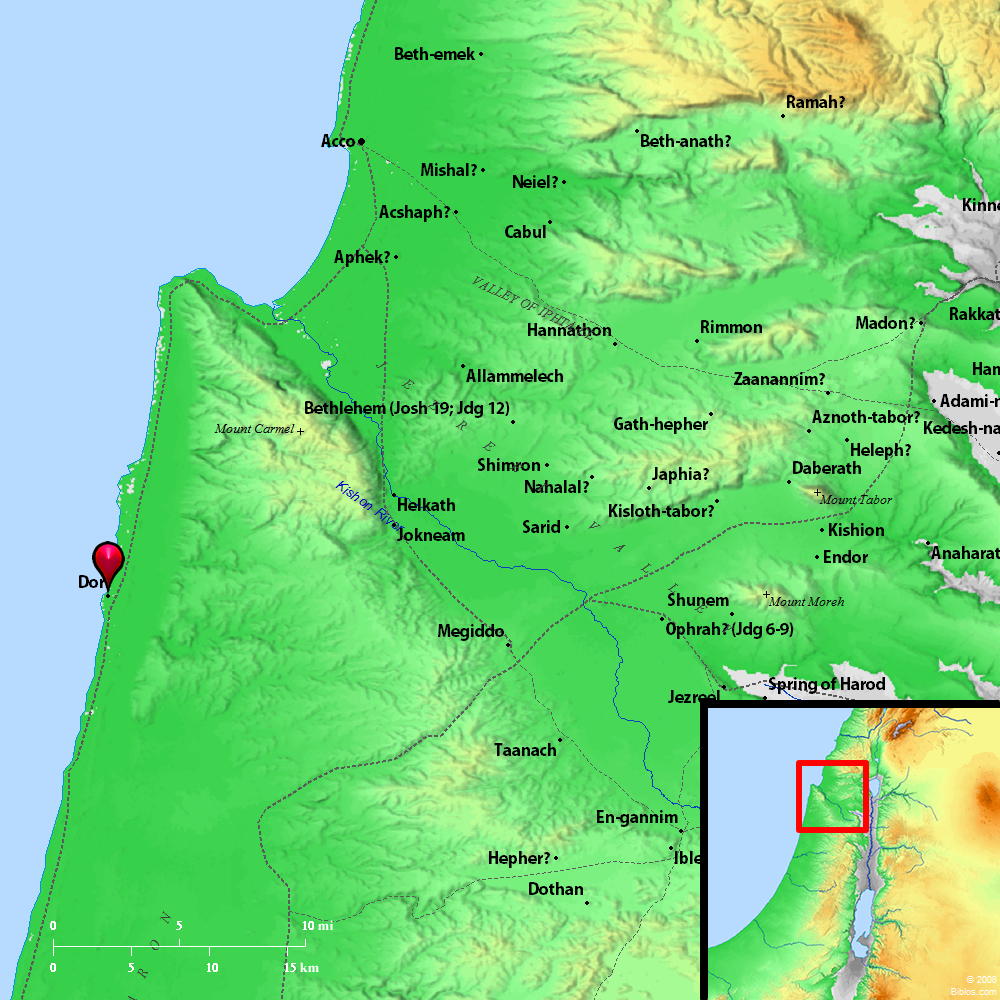
This map shows the location of Dor, the harbor city and the plain running north and south and for a short distance to the east.

Dor, an important harbor in ancient Israel. Map by Bibleatlas.com.

Dor, an important harbor in ancient Israel. Map by Bibleatlas.com.

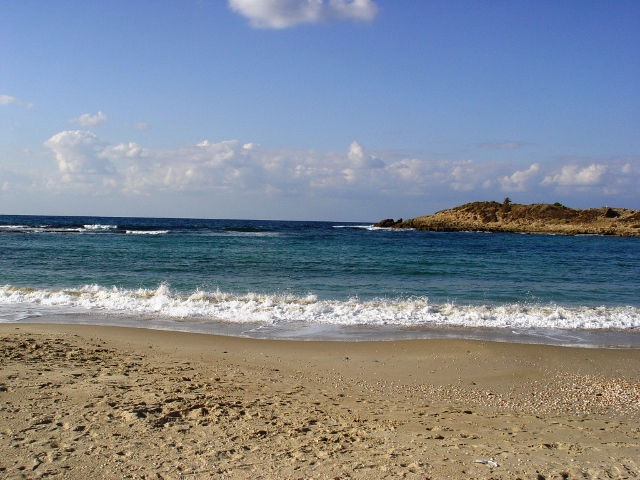
Here is a view of the harbor.

Harbor of Dor on Coast of Israel. Photo by Leon Mauldin.

Harbor of Dor on Coast of Israel. Photo by Leon Mauldin.

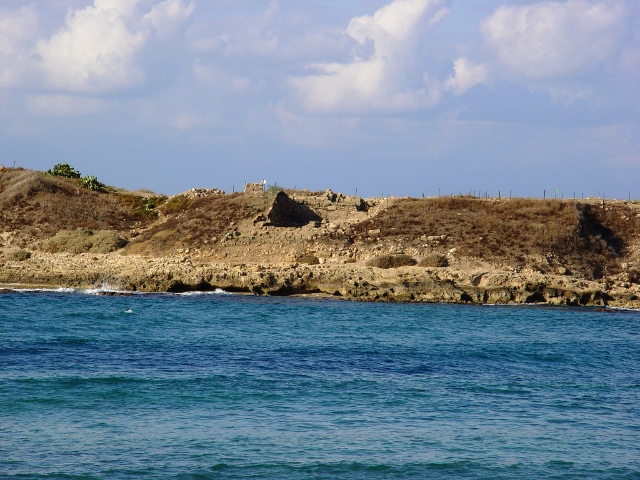
Here you can see some of the excavations (from a distance) at the city of Dor.

Excavations at Dor. Photo by Leon Mauldin.

Excavations at Dor. Photo by Leon Mauldin.

We previously posted on Dor here.

Click on images for larger view.


Duck Dynasty at Artemis Temple?

July 18, 2013

I’ve recently upgraded to Logos 5. In perusing the Faithlife Study Info Graphics, I noted their artist’s depiction of the temple of Artemis at Ephesus, with this info:

‎This temple, called Artemision, was one of the Seven Wonders of the Ancient World. Construction began in the mid-sixth century BC; more than a century later, it was the largest building in Rome, Greece, or Asia. Roughly four times the size of the Parthenon in Athens, it featured 127 columns, each measuring 60 ft. in height. It made Ephesus the center of Artemis worship.

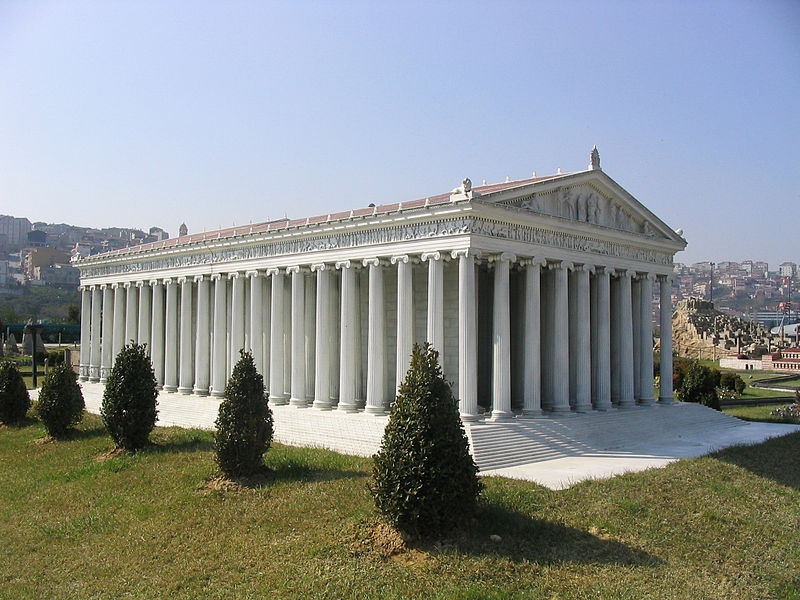
Wikipedia Commons shares this photo of a model in Istanbul.

Model of Artemis Temple at Istanbul. Wikipedia.

Model of Artemis Temple at Istanbul. Wikipedia.

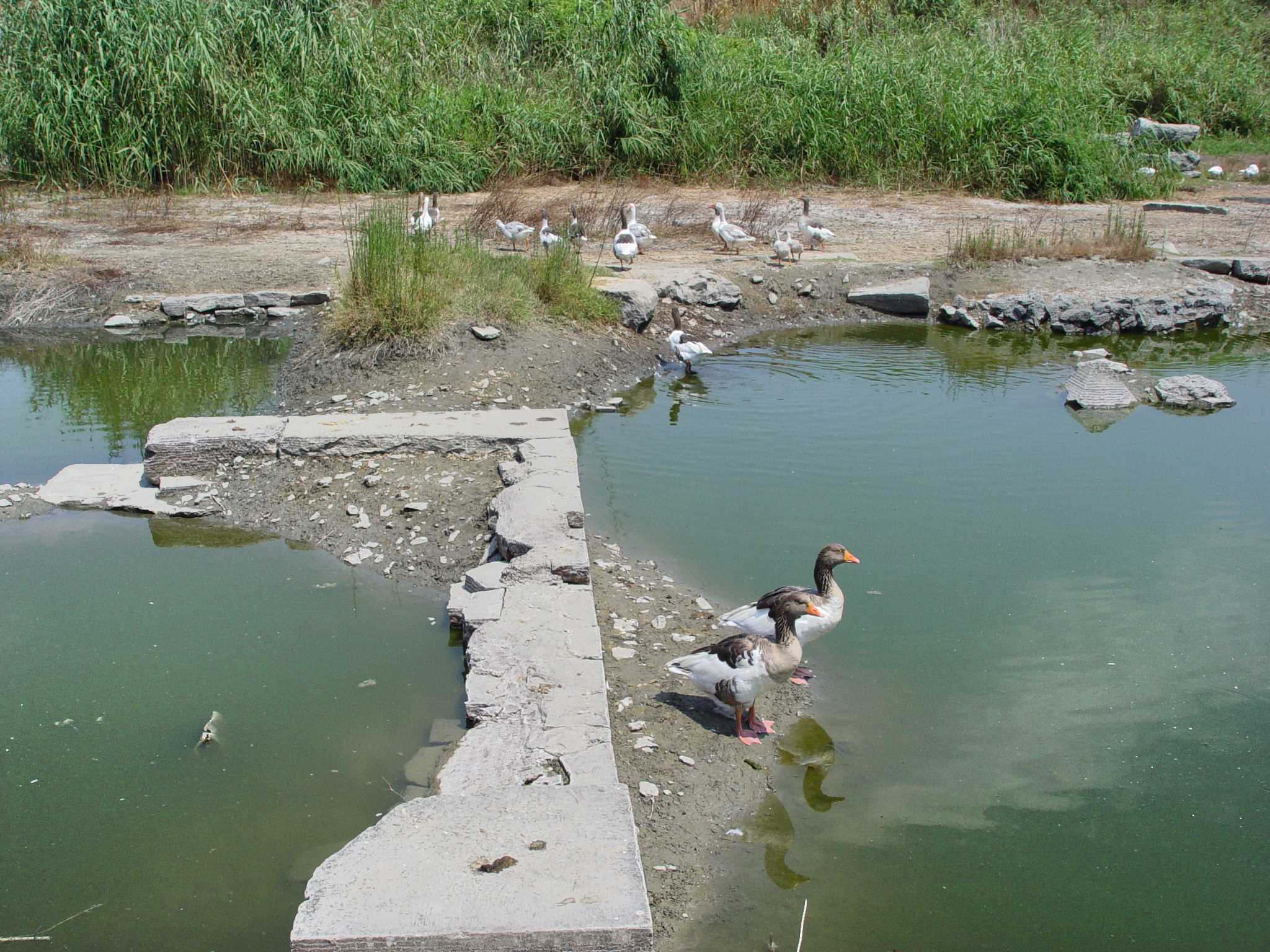
I was going through some photos of the ruins of that famous site in Ephesus when I saw this one, with ducks right at home in the swampy remains of what that ancient wonder:

Ducks at ruins of Artemis Temple in Ephesus. Photo by Leon Mauldin.

Ducks at ruins of Artemis Temple in Ephesus. Photo by Leon Mauldin.

What a difference the passing of time can make! In contrast to man’s transitory work, Daniel said that the God of heaven would set up a kingdom that would never be destroyed (Dan. 2:44). God’s eternal plan was to provide for man to be delivered from the power of darkness, and translated into the kingdom of His Son (Col. 1:13).


Kids at the Herodium

June 19, 2013

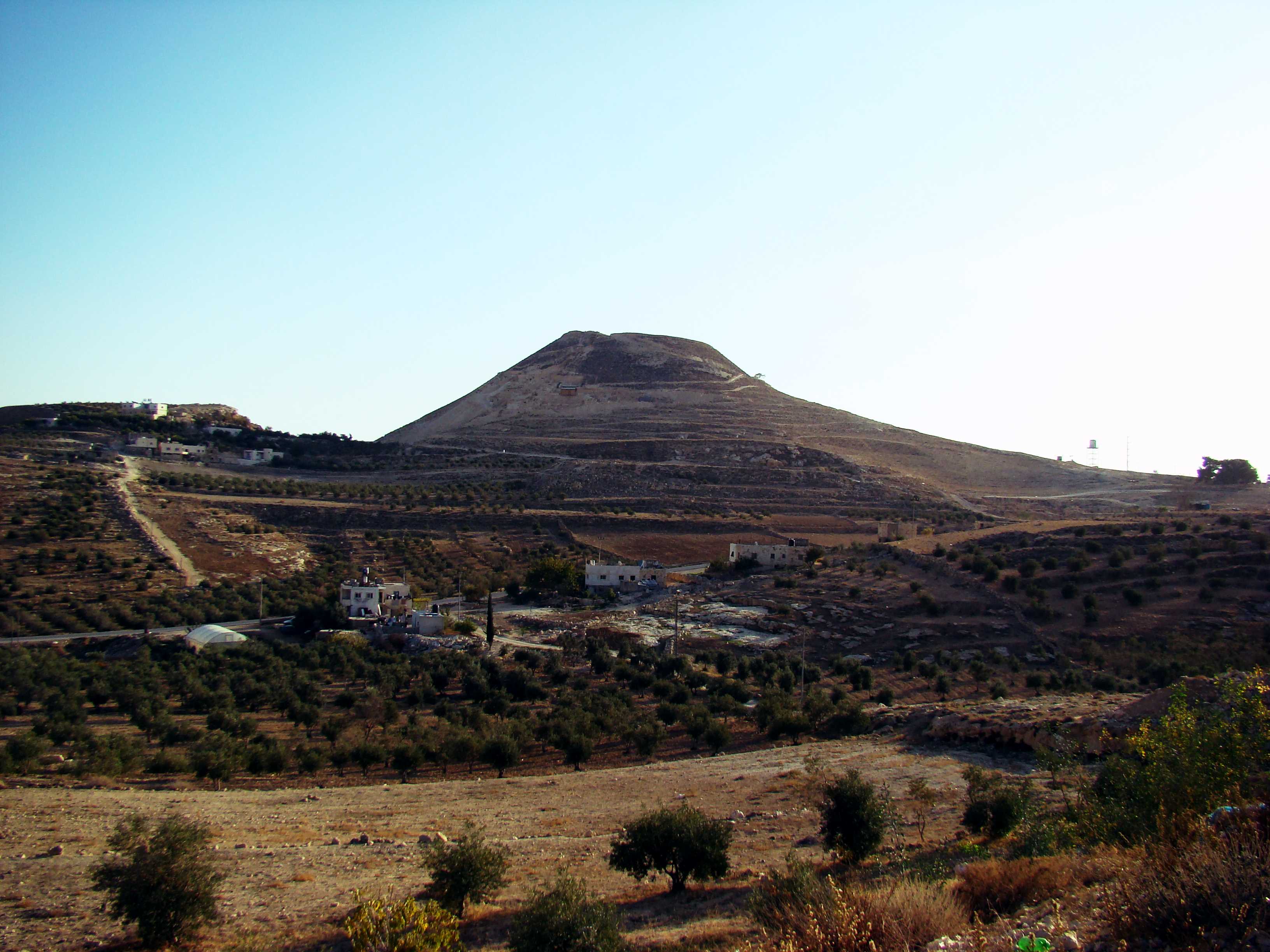
The Herodium was a fortress in sight of Bethlehem built by Herod the Great. It was also where he was buried. His tomb was discovered and excavated by Ehud Netzer, who met an untimely death resulting from a fall at the site.

Herodium, built by Herod. Photo by Leon Mauldin.

Herodium, built by Herod. Photo by Leon Mauldin.

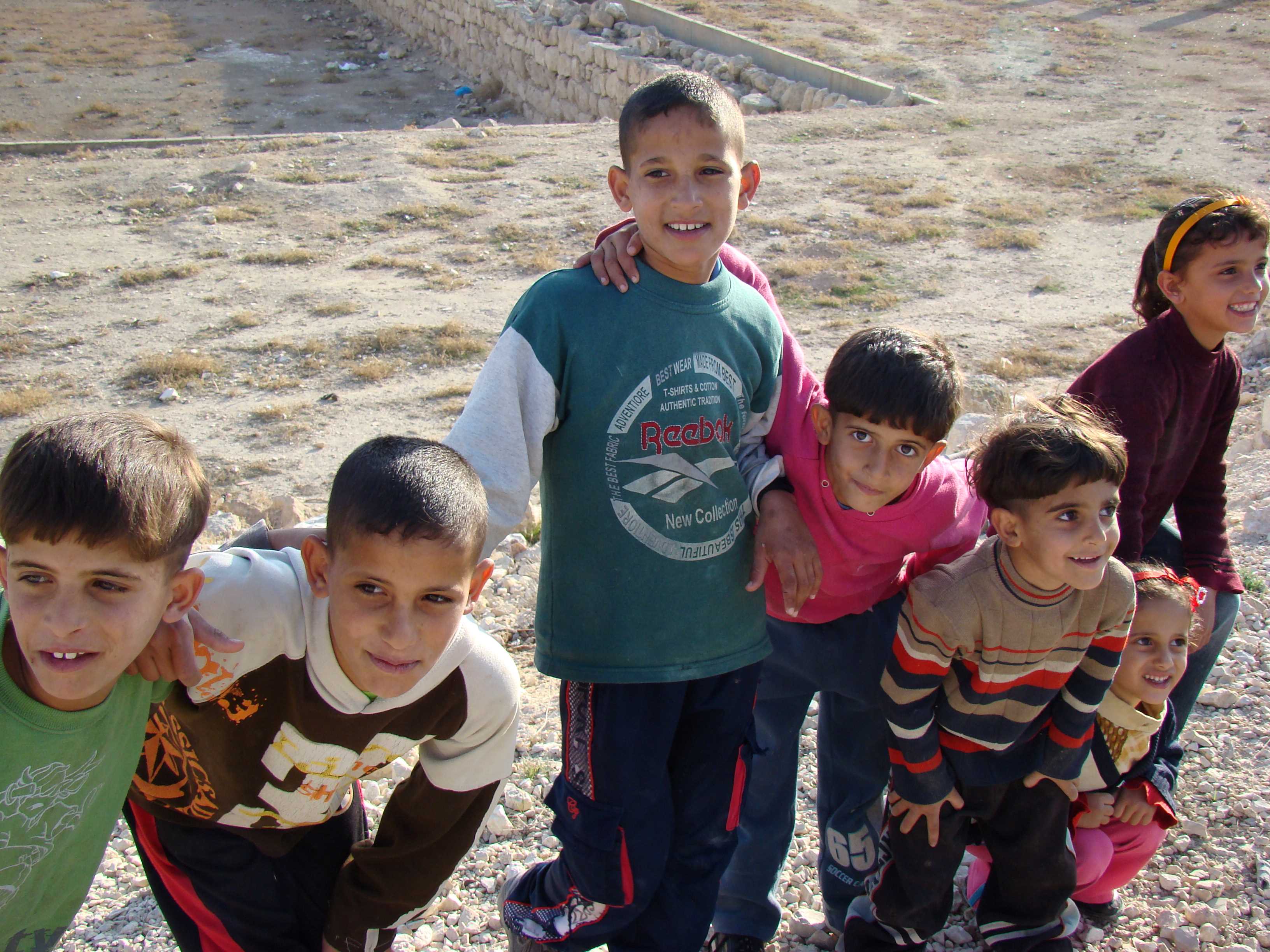
Ferrell Jenkins & I had the opportunity to visit here in 2009. When we made a stop closer to the Herodium where we had a good view for photos, a group of kids approached us. We thought we had the site to ourselves when we stopped, but they seemed to spring up from nowhere.

Kids near Herodium. Photo by Leon Mauldin.

Kids near Herodium. Photo by Leon Mauldin.

We have observed that most kids seem to like having their picture made, even when there is a language barrier.

I have a couple of previous posts on the Herodium here and here.

We are writing this from Houston, TX, where we are visiting with one of our sons and attending some of the lectures at Southside church of Christ at Pasadena. Today we heard Bob Owens, David Posey and Wilson Adams. This week’s theme: “We Would See Jesus.”


Like Trees Planted Along a Riverbank

June 12, 2013

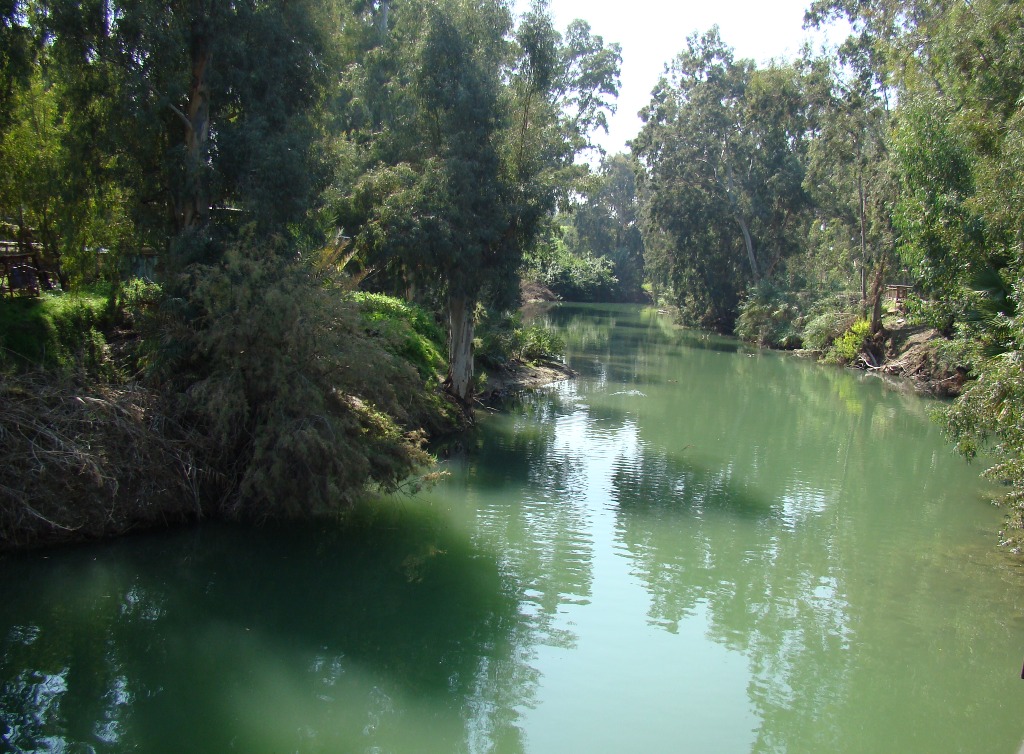
Our previous couple of posts illustrated the barrenness of a life without God, a life where God has been displaced with idolatry. The Old Testament often set forth the principle that disobedience results in divine punishment, whereas blessings are upon the obedient. Jeremiah places these concepts back to back. The “shrub in the desert” is contrasted with “trees planted along a riverbank.

Trees growing along the banks of Jordan. Photo by Leon Mauldin.

Trees growing along the banks of Jordan. Photo by Leon Mauldin.

But blessed are those who trust in the LORD and have made the LORD their hope and confidence. They are like trees planted along a riverbank, with roots that reach deep into the water. Such trees are not bothered by the heat or worried by long months of drought. Their leaves stay green, and they never stop producing fruit (Jer. 17:7,8).

That is a wonderful word picture. A fruitful, blessed life, resulting from right relationship with the One from whom all blessings flow.

Click on image for larger view.


A Shrub in the Desert (cont’d.)

June 10, 2013

We recently referenced Jeremiah 17:6-7, which refers to the consequences of a life which displaces God for idolatry, human wisdom (or anything else):

Thus says the LORD, “Cursed is the man who trusts in mankind And makes flesh his strength, And whose heart turns away from the LORD. For he will be like a bush in the desert And will not see when prosperity comes, But will live in stony wastes in the wilderness, A land of salt without inhabitant.”

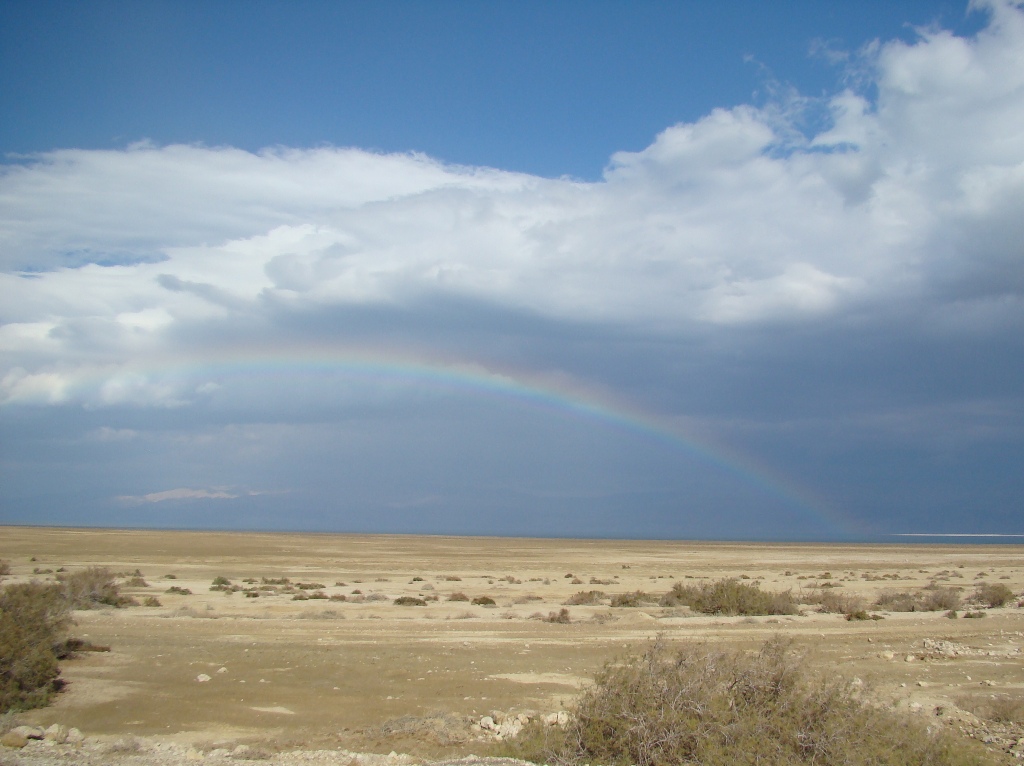
This passage reminded me of the bushes you can see along the Dead Sea area, a site that would certainly qualify as a land of salt without inhabitant.

Shrubs at Dead Sea. Photo by Leon Mauldin.

Shrubs at Dead Sea. Photo by Leon Mauldin.

This is certainly a “land of salt” as you view this area where the Dead Sea has receded. On right of photo you can see some glimmer on the Sea. Also in this photo I captured a rainbow. (It’s not everyday you see a rainbow over the Dead Sea!)

Again, the point of the text is how barren and how fruitless is a life which is not attuned to God and the doing of His will!

Click on image for larger view.


Like a Shrub in the Desert

June 5, 2013

The captivity prophet Jeremiah said, “The sin of Judah is written down with an iron stylus; With a diamond point it is engraved upon the tablet of their heart, And on the horns of their altars” (17:1), and went on to describe the idolatry that permeated the land. The result, as predicted by Moses, was to be under the curse of God (cf. Deut. 28:15-68).

Thus says the LORD, “Cursed is the man who trusts in mankind And makes flesh his strength, And whose heart turns away from the LORD. For he will be like a bush in the desert And will not see when prosperity comes, But will live in stony wastes in the wilderness, A land of salt without inhabitant” (Jer. 17:6,7).

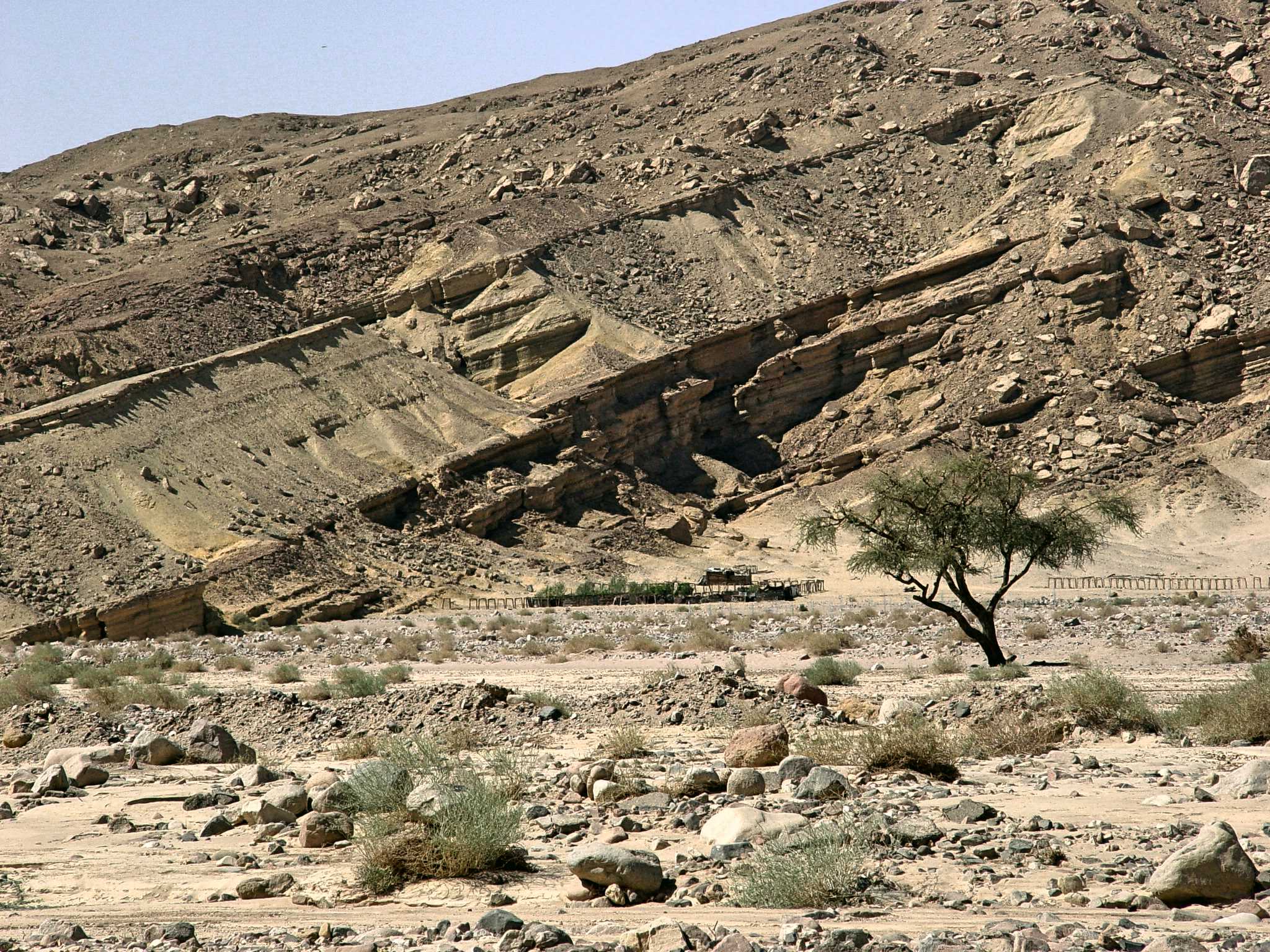
Many areas of biblical lands would illustrate the point in the text, of a bush or tree in a dry desert area. This photo was taken in the wilderness of Sinai.

Shrubs in the Desert of Sinai. Photo by Leon Mauldin.

Shrubs in the Desert of Sinai. Photo by Leon Mauldin.

Scene such as this would surely depict a barren and fruitless life.

Click on image for larger view.


“Conviction Versus Mercy” by Gardner Hall

May 27, 2013

I’d  like to make our readers aware of a new resource by my friend Gardner Hall, a new book entitled Conviction Versus Mercy.

Gardner writes:

Conviction or Mercy? Which characteristic should most exemplify those who want to follow Christ? Many Christians tend to emphasize one or the other but not both. This book (144 pages) emphasizes the importance of merging the two to be truly like Christ. Though combining mercy and conviction has been a challenge throughout history, it is especially difficult now as our culture is increasingly affected by a Postmodern worldview and the backlash against it.


Three formats available
 
Paperback ($8.85) – Click here to order from Amazon.com. (Also, ask for this book in any bookstore you know that is operated by brethren. I’ve found that they respond more to requests from customers than to me!)
 
Kindle (99 cents) – Click here for kindle version
 
Audio (free) – Click here for free audio. Free audio available on same page for Foy Short biography.
 
I purchased mine on Kindle Fire, and am looking forward to reading it.


Yodfat, cont’d

May 24, 2013

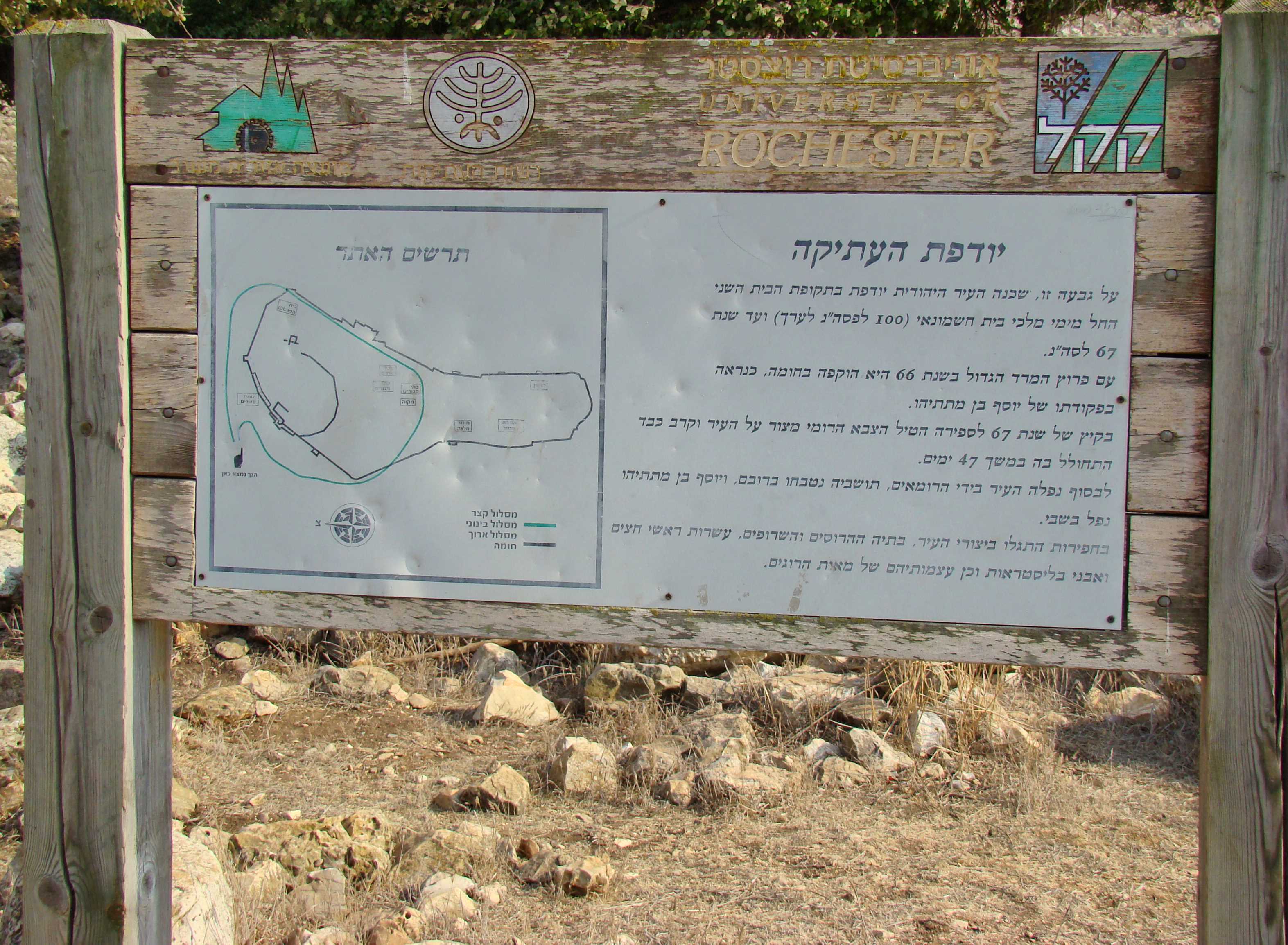
Yodfat, site of Josephus’ surrender to Vespasian’s Roman forces, was unoccupied after its destruction in AD 67. This Jewish Galilean city was considered to be very significant archaeologically, as it gives a glimpse of Jewish life just ca. 37 years after the death of Jesus. Beginning in 1993 Yodfat was excavated by a team of archaeologists led by the University of Rochester and the IAA. W.S. Green, educational director of the archaeological team, described Yodfat as a “pristine site.”

Yodfat info sign, in Hebrew. The University of Rochester led in the excavation. Photo by Leon Mauldin.

Yodfat info sign, in Hebrew. The University of Rochester led in the excavation. Photo by Leon Mauldin.

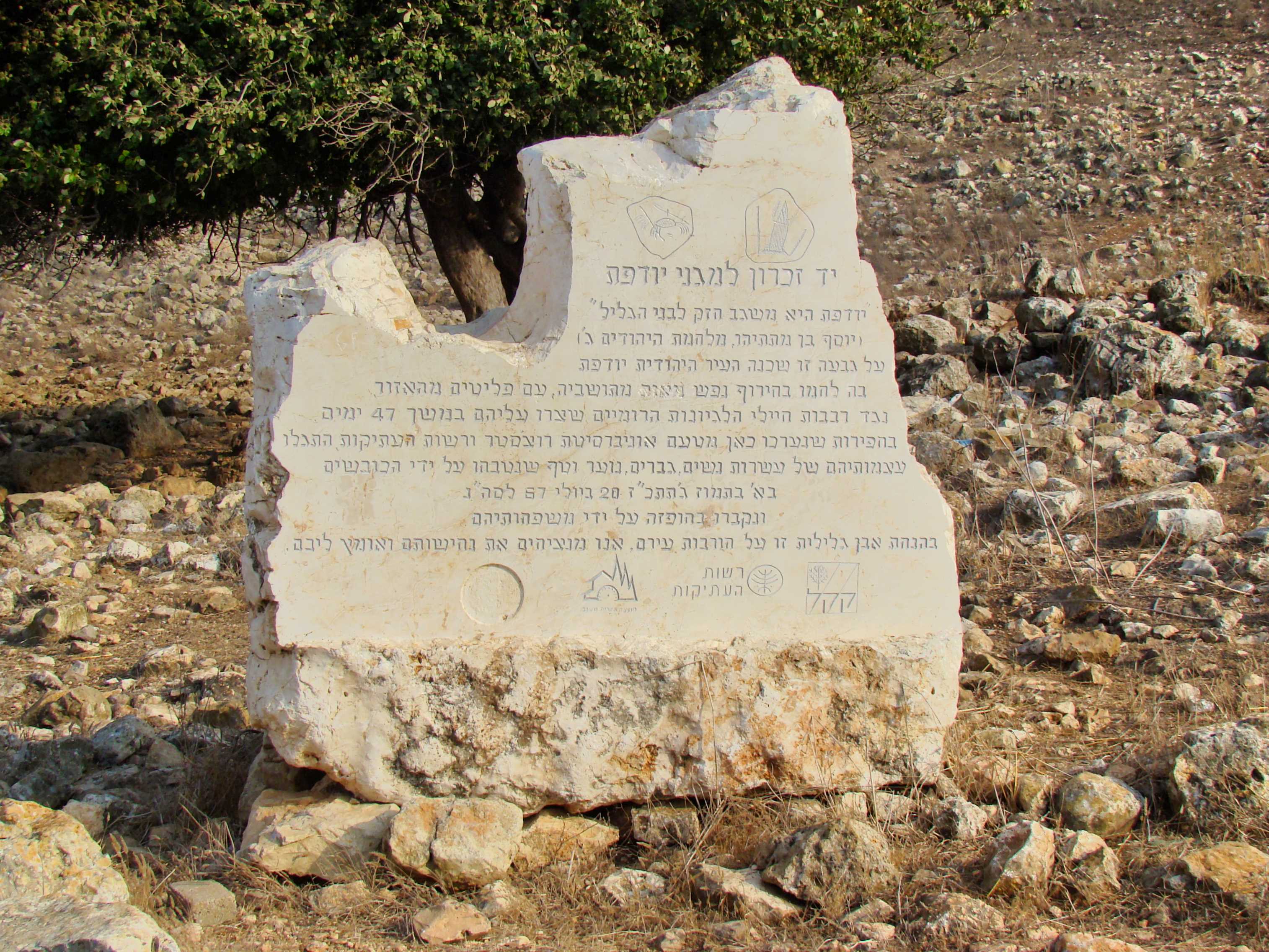
On the site is a memorial to the defenders of Yodfat.

Onsite Memorial to Defenders of Yodfat. Photo by Leon Mauldin.

Onsite Memorial to Defenders of Yodfat. Photo by Leon Mauldin.

There were numerous caves at Yodfat. Inhabitants hid in locations such as these when the Romans advanced.

Natural Caves at Yodfat. Photo by Leon Mauldin.

Natural Caves at Yodfat. Photo by Leon Mauldin.

The picture emerging at Yodfat is of a devout community that clung to Jewish observance despite its poverty and distance from the center of Jewish worship, the Temple in Jerusalem, says University of Rochester religion professor William Scott Green, educational director of the archaeological team (Bible and Spade Volume 10. 1997, p.66).

This is interesting in view of the fact that many of the Jewish Galilean cities were an admixture of Judaism and paganism.

Excavations have unearthed numerous stoneware pots and mikvaot, or ritual baths. Both items indicate that the Galilee Jews of Yodfat observed stringent laws regarding ritual purity, a dominant concern of Temple Judaism. Stoneware, unlike the more porous earthen pottery, was used by devout Jews for eating because they believed it did not transmit ritual impurity, notes Green. Ritual baths, while expensive and difficult to build, were constructed inside a number of Yodfat homes, even though the town was not particularly wealthy and other architectural embellishments were lacking.

The use of Jewish coins bereft of Roman idols, evident in the types of money unearthed at Yodfat, was another symbol of ordinary piety (ibid.67).

Click on images for higher resolution.

Yodfat of the Galilee

May 22, 2013

Yodfat (also Jotapata, Iotapata, Yodefat) was the site of a 47 day siege in AD 67 by Roman forces led by General Vespasian and his son Titus (both of whom would later be emperors). It is said that this was the second bloodiest battle of the Jewish revolt. The historian Josephus chronicled the siege. He was at that time the commander of the Jewish forces. (See The Wars of the Jews, III.7-8). The Jewish forces were killed, some died of suicide; the Romans sold the women and children into slavery.

Site of ancient Yodfat. Photo by Leon Mauldin.

Site of ancient Yodfat. Photo by Leon Mauldin.

This site gave archaeologists what can be a rare opportunity; it was never resettled or built over after its destruction in AD 67.

Click on image for higher resolution.