Tirzah (Tell el-Far’ah), Israel’s Ancient Capital

November 30, 2016

On our recent trip to Israel we included one day in the West Bank. On our itinerary among other sites for that day I included Tirzah, Israel’s capital prior to Samaria, during the earlier years of the Divided Kingdom period.

Todd Bolen, of BiblePlaces.com makes this interesting observation:

In my experience, the most important area of the biblical land that people know the least about is the hill country of Samaria. Its importance is reflected in the fact that it is easier for me to list biblical people who were not in this area than it is to name those who were.

Why is this region generally less known? Most tour groups avoid it. Yes, it is possible to come to Israel and not see Shechem, Samaria, Shiloh, and Ai. In fact, I would estimate that 95% of tourists never see these major sites. (April 28, 2014, in BiblePlaces Blog).

What Todd says here would also (and especially) be true of Tirzah! We did not visit Ai, but saw each of the other sites mentioned: Shiloh, Shechem (Tel Balata, and also Jacob’s Well at Nablus), Samaria and also Dothan.

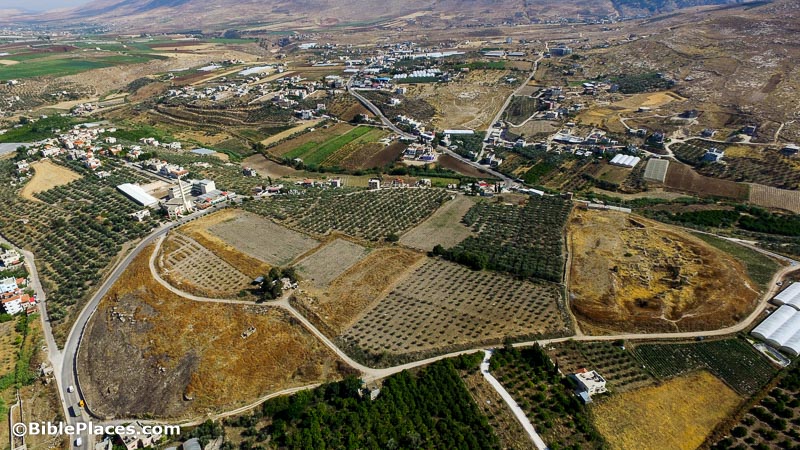
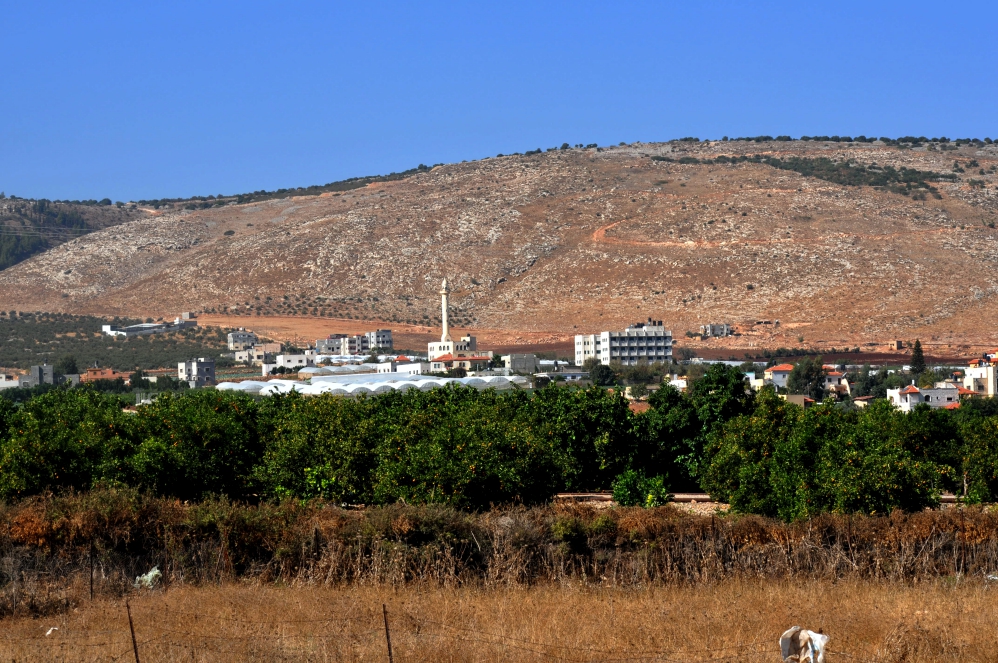
This aerial photo is the view of Tirzah from the north, used by permission of Todd Bolen.
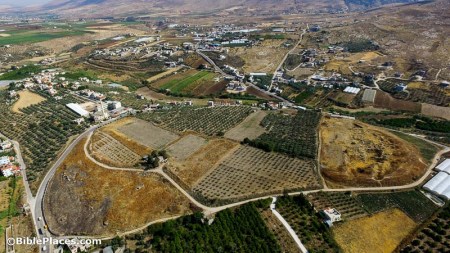
Tirzah, aerial from north. Photo ©Todd Bolen.

Tirzah, aerial from north. Photo ©Todd Bolen.

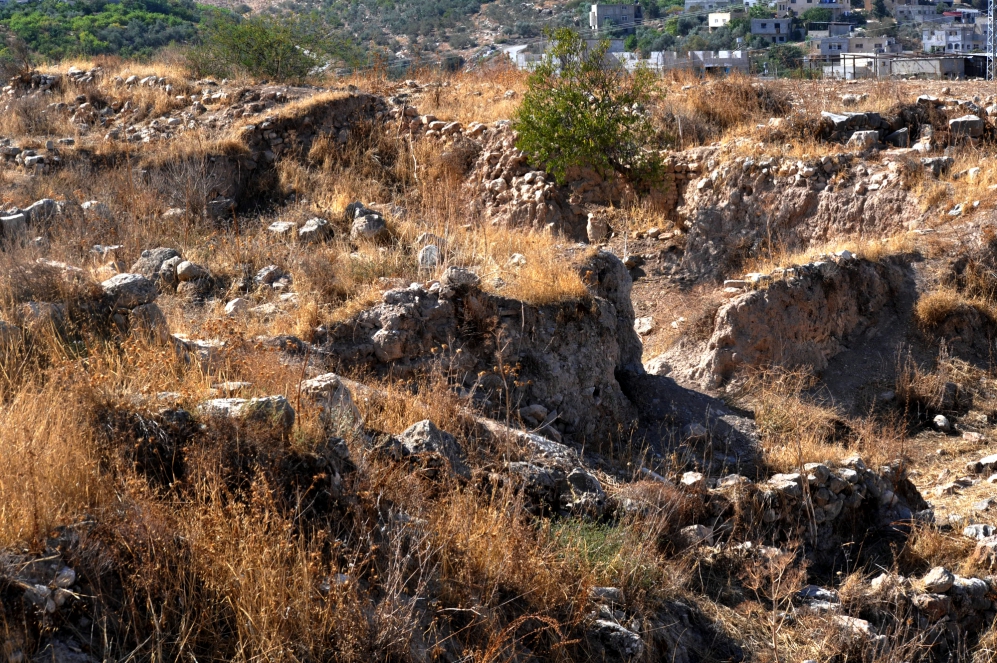
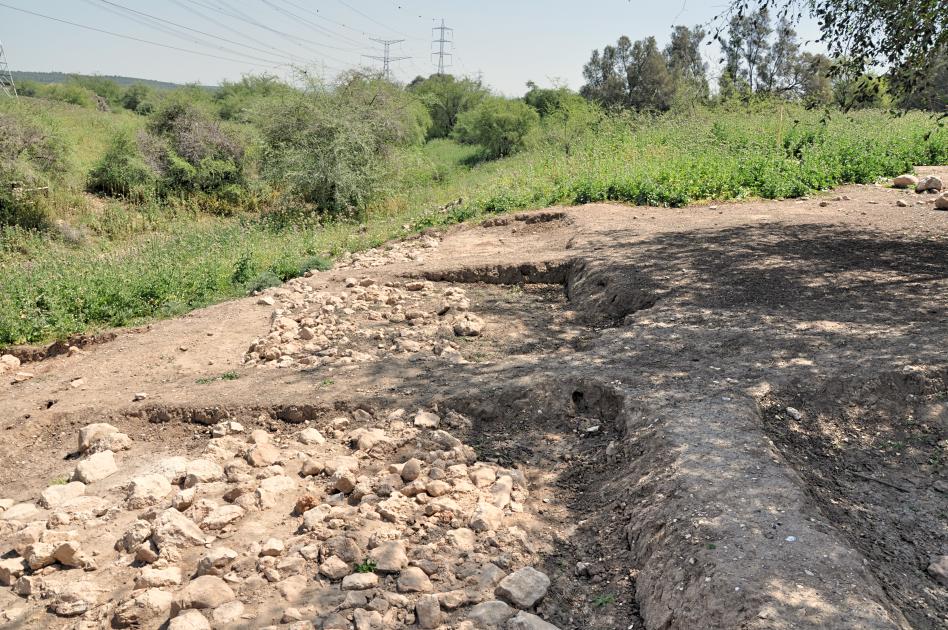
It is ironic that this important Old Testament city is today an unmarked tel. Not even a sign. Many decades have passed since the excavations here.
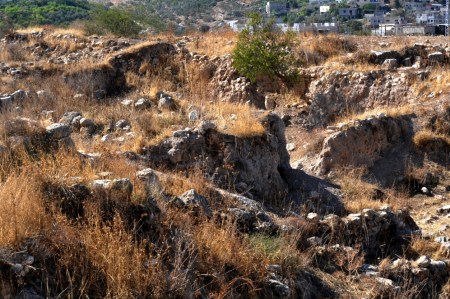
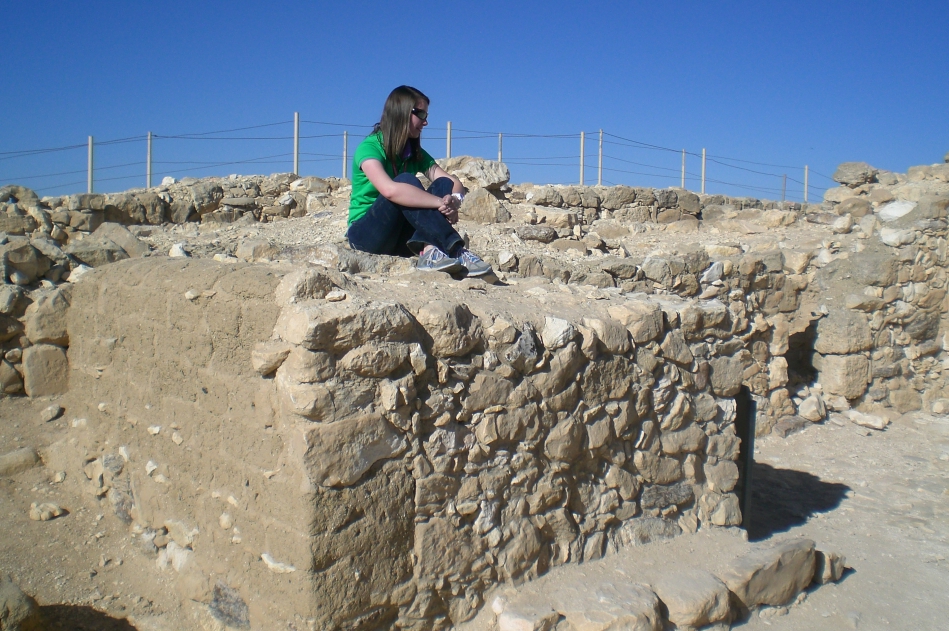
Excavations at Tirzah. Photo ©Leon Mauldin.
Excavations at Tirzah. Photo ©Leon Mauldin.

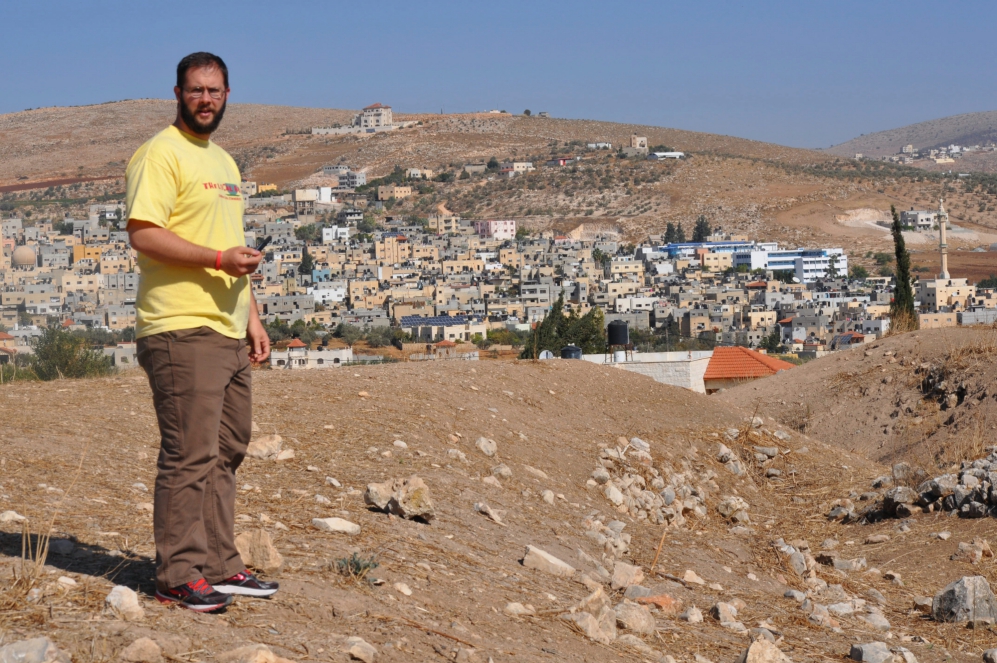
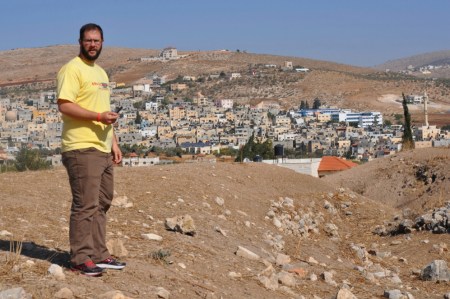
My son Seth at Tirzah. Photo ©Leon Mauldin.
My son Seth at Tirzah. Photo ©Leon Mauldin.

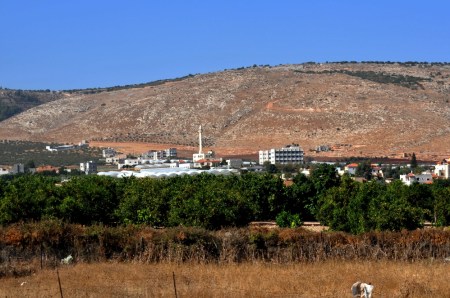
View from Tirzah. Photo ©Leon Mauldin.

View from Tirzah. Photo ©Leon Mauldin.

Biblical references to this Tirzah include:

1 Kings 14:17 Then Jeroboam‘s wife arose and departed, and came to Tirzah. When she came to the threshold of the house, the child died. Jeroboam was the first king of the Divided Kingdom following the death of Solomon.

1 Kings 15:21 Now it happened, when Baasha heard it, that he stopped building Ramah, and remained in Tirzah. Baasha was the king who destroyed all the family of the King Jeroboam.

1 Kings 15:33 In the third year of Asa king of Judah, Baasha the son of Ahijah became king over all Israel in Tirzah, and reigned twenty-four years. 

1 Kings 16:6 So Baasha rested with his fathers and was buried in Tirzah. Then Elah his son reigned in his place. 

1 Kings 16:9 Now his [Elah’s] servant Zimri, commander of half his chariots, conspired against him as he was in Tirzah drinking himself drunk in the house of Arza, steward of his house in Tirzah.

1 Kings 16:15 In the twenty-seventh year of Asa king of Judah, Zimri had reigned in Tirzah seven days. And the people were encamped against Gibbethon, which belonged to the Philistines.

1 Kings 16:17 Then Omri and all Israel with him went up from Gibbethon, and they besieged Tirzah.

1 Kings 16:23 In the thirty-first year of Asa king of Judah, Omri became king over Israel, and reigned twelve years. Six years he reigned in Tirzah.

Tirzah is located seven miles NE of Shechem; it is situated near the source of the Wadi Far’ah, which drains down to the Jordan. It was W.F. Albright who identified the site with biblical Tirzah.

Roland de Vaux gives a good summary of Tirzah’s identification and history in The New Encyclopedia of Archaeological Excavations in the Holy Land.

The stratum attributed to the Late Bronze Age shows signs of destruction, which can be regarded as the result of the Israelite conquest [of Canaan]. Tirzah, as the capital of the kingdom of Israel, corresponds to stratum III at Tell el-Far’ah. This level was devastated during the Omrid capture of the town, subsequent to Zimri’s seizure of power (c.885 BCE). The fortress in the northwestern corner may be the king’s castle mentioned in 1 Kings 16:15-18, which Zimri himself set on fire and in which he met his death. Omri was able to rebuild Tirzah and to set up his residence there only at the end of a four-year struggle with his rival, Tibni. The foundations sunk into level III probably belong to his structures. However, after two years, Omri transferred the capital to Samaria (cf. 1 Kg. 16:23-24). This explains why there are buildings in the area that were never completed. The royal household and military and state officials left Tirzah, undoubtedly followed by the artisans and merchants. It is quite possible that the town was completely abandoned for some time. This would explain the paucity of the interim stratum, apparently constructed after a short period of settlement. As the Northern Kingdom flourished under Joash and Jeroboam II, Tirzah, too, enjoyed a measure of prosperity. It is from this town that Menahem launched his attack on Samaria (2 Kg. 15:14). Stratum II represents this era with its magnificent structures and administrative headquarters. As some have suggested, these may have served Menahem, if indeed he held sway at Tirzah. During the Assyrian invasion of the Northern Kingdom (c. 732 BCE), the town was captured. The destruction in stratum II dates from that time.

The École Biblique et Archéologique Française in Jerusalem conducted nine seasons of excavations at the site, between 1946 and 1960, under the direction of R. de Vaux (Vol.2,p.433).

J.F. Drinkard Jr. notes:

Omri began his reign in Tirzah (1 Kings 16: 23), the capital of the northern kingdom during Baasha’s reign, and then built a new capital, Samaria. At Tirzah, identified as Tell el-Farah north along Wadi Farah about six miles northeast of Shechem, excavators have discovered that the Iron Age strata have a break and gap that match the point when Omri built his new capital. Apparently, he had begun new construction in Tirzah and abruptly stopped. Perhaps Omri began to rebuild Tirzah as his capital during the time of the conflict with Tibni. Once that conflict was resolved, Omri was free to establish his own new capital (IVP Dictionary of the Old Testament: Historical Books).

Click on photos for larger view.

Tel Hazor in Israel

November 18, 2016

Hazor is first mentioned in the Bible in Josh. 11 in the days of the conquest under Joshua. Having conquered the central and then southern regions of Canaan, the victory of Hazor established Israel’s “toehold” in the north, for as Josh. 11:10 explains, “Joshua turned back at that time and took Hazor, and struck its king with the sword; for Hazor was formerly the head of all those kingdoms.” Or, as the NET renders the text, “for Hazor was at that time the leader of all these kingdoms.” As such, it was the head of a confederation of several Canaanite cities in the battle against Joshua & Israel’s forces at the waters of Merom. Nelson’s NIBD says, “Hazor was one of the most important fortresses in the land (Josh. 11:10). This was due to its enormous size, its large population, and its strategic location of the main road between Egypt and Mesopotamia” (p.546).

It is recorded in the next verse, Josh. 11:11, that Joshua burned Hazor down, but not the surrounding cities. Verse 13 continues: “But as for the cities that stood on their mounds, Israel burned none of them, except Hazor only, which Joshua burned.” The standard procedure during the conquest was not to burn down the cities—God was giving them to Israel as their inheritance in which to live. Therefore it should not surprise us when the “critic” says there is not a lot of evidence of destruction, etc., to date Joshua’s conquest of Israel. There is a big difference between destruction and conquest. I.e., cities such as Jericho, Ai, and Hazor were the exceptions and not the rule.

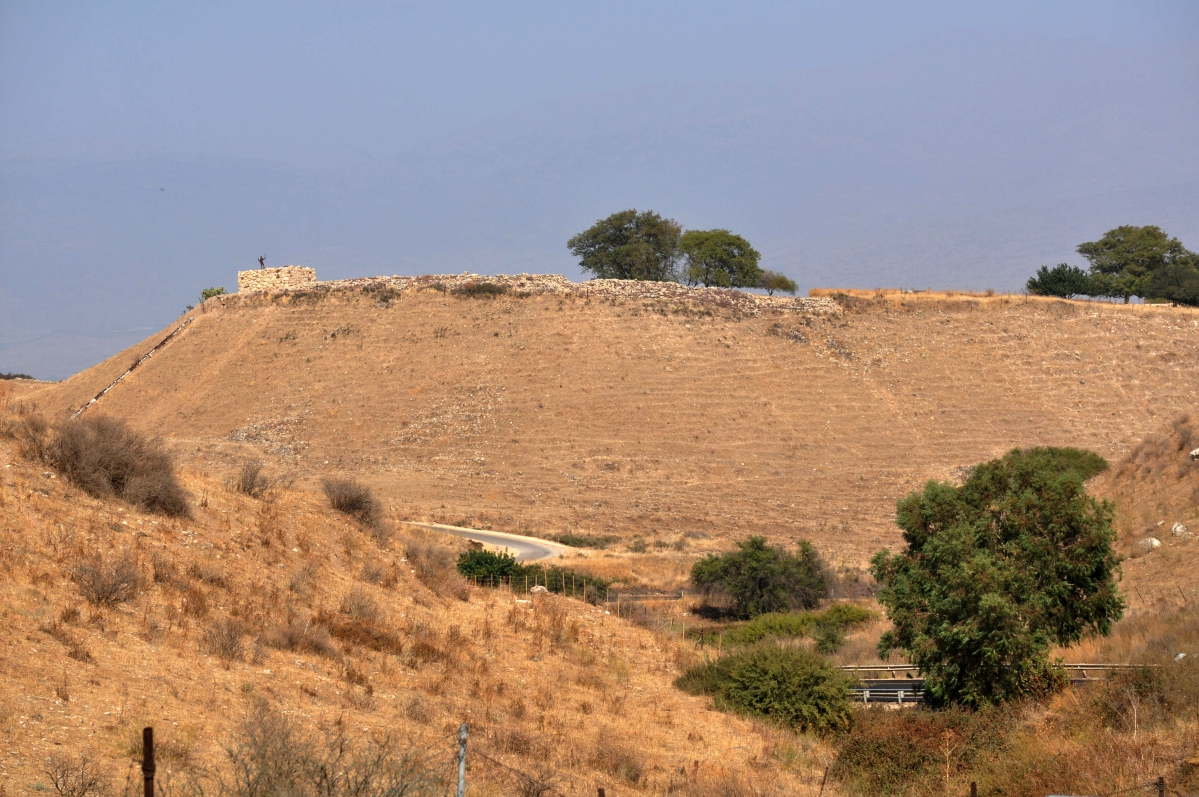
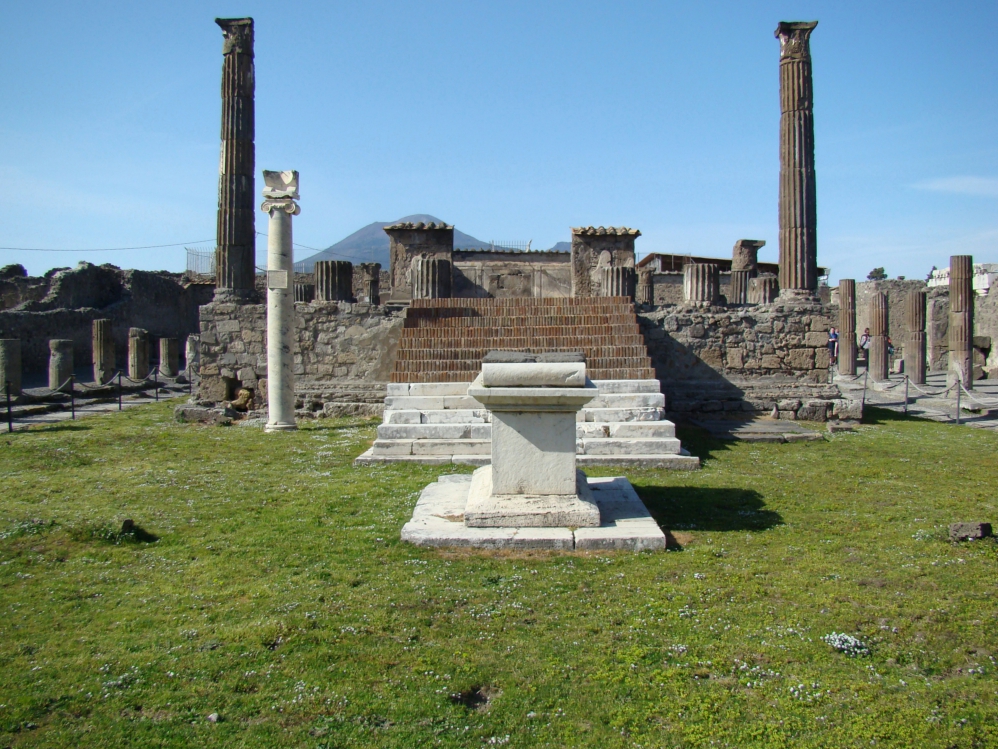
Biblical Hazor. "Formerly the head of all those kingdoms" (Josh. 11:10). Photo by Leon Mauldin.

Biblical Hazor. “Formerly the head of all those kingdoms” (Josh. 11:10). Note the watchtower at upper left. Photo by Leon Mauldin.

Between the time of the Conquest and the time of the Judges, Hazor had rallied and was again a very serious threat, as God allowed the armies of Hazor to oppress the Israelites because of Israel’s sinfulness (Judges 4:1-3). These were the days in which God raised up Deborah to be judge and prophetess; Israel’s army was led by Barak (Judges 4-5).

Solomon made Hazor one of his fortified cities, which functioned as a military outpost (1 Kings 9:15). It continued to be an important city until its destruction by Tiglath-Pileser in 732 B.C. (2 Kings 15:29). The Solomonic gates, like those at Megiddo and Gezer, were an important feature of the city.

The city of Hazor occupied some 200 acres, making it the largest city in ancient Israel. Hazor is now the largest archaeological site in Israel. Remains show not only evidence of Israel’s occupation, but also prior Canaanite structures as well.

Extra-biblical references to Hazor: Hazor is previously mentioned in the Egyptian Execration texts from the 19th or 18th century B.C. It is listed in the Mari documents of the 18th century B.C. as one of the major commercial centers in the Fertile Crescent. Hazor is also mentioned in the Egyptian documents of the New Kingdom, such as the city lists of Tutmoses III, as well as Amenhotep II and Seti I.

I’ve previously posted on Hazor here and here.


Pool of Siloam in Jerusalem

November 7, 2016

Today was a walking tour of Jerusalem. One of my favorite sites (among others) is the pool of Siloam, referenced in John 9. This site was excavated in late 2004. Jesus anointed with clay the eyes of the man born blind, and told him to go to this pool to wash his eyes. He did so, and he went away seeing. This miracle was evidence to validate Jesus’ claim that He was the light of the world (John 9:5).

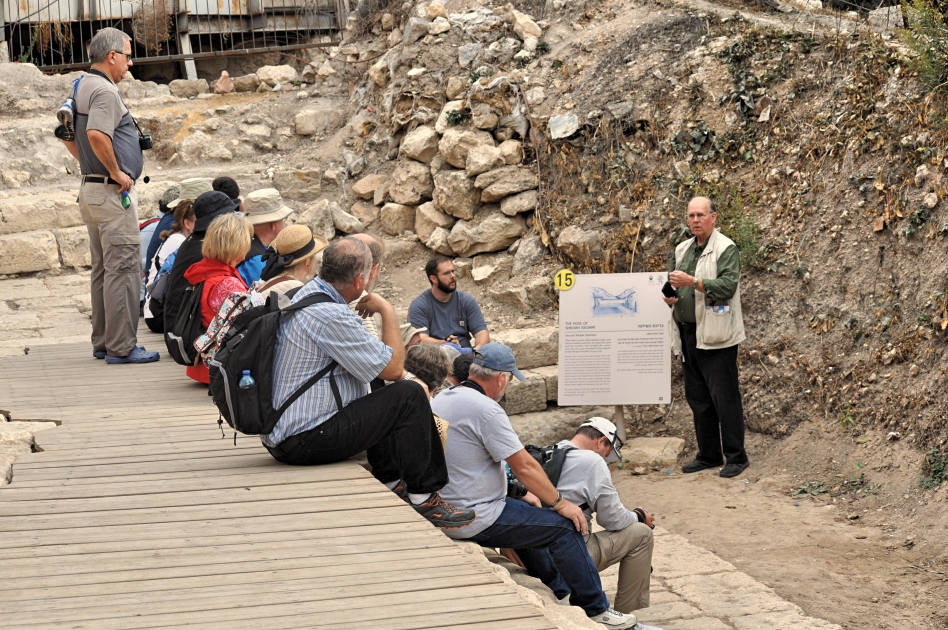
At the pool of Siloam, where the blind man received his sight (John 9). Photo by Zachary Shavin.

At the pool of Siloam, where the blind man received his sight (John 9). Photo by Zachary Shavin.

Note the text of John 9:1-7:

Now as Jesus passed by, He saw a man who was blind from birth. 2 And His disciples asked Him, saying, “Rabbi, who sinned, this man or his parents, that he was born blind?” 3 Jesus answered, “Neither this man nor his parents sinned, but that the works of God should be revealed in him. 4 “I must work the works of Him who sent Me while it is day; the night is coming when no one can work. 5 “As long as I am in the world, I am the light of the world.” 6 When He had said these things, He spat on the ground and made clay with the saliva; and He anointed the eyes of the blind man with the clay. 7 And He said to him, “Go, wash in the pool of Siloam” (which is translated, Sent). So he went and washed, and came back seeing.

This was one of seven miracles recorded in the Gospel of John. John’s stated purpose:

And truly Jesus did many other signs in the presence of His disciples, which are not written in this book; but these are written that you may believe that Jesus is the Christ, the Son of God, and that believing you may have life in His name. (John 20:30-31)

We have previously posted on Siloam here and here.

Click on image for larger view. Thanks for following our travels.


In Galilee and Environs

November 3, 2016

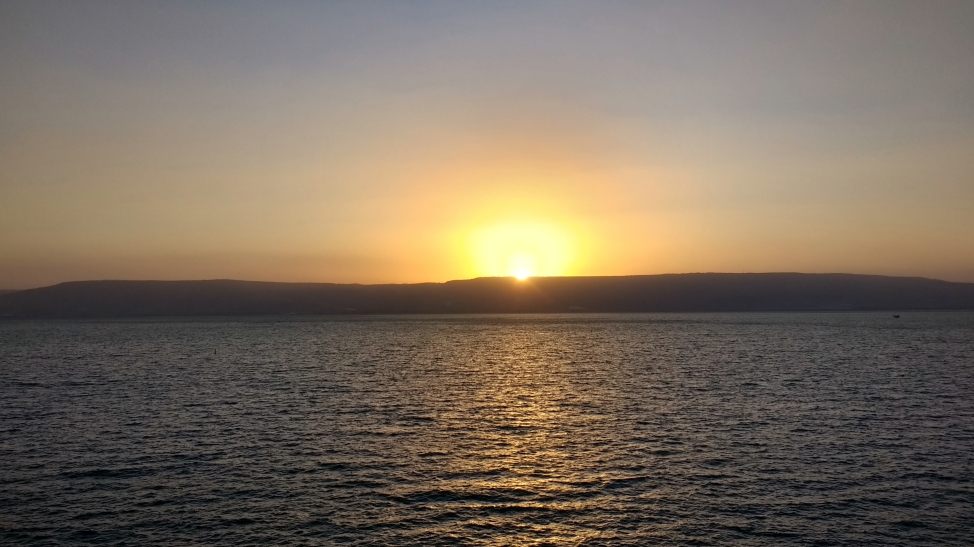
I never tire of seeing sunrise on the Sea of Galilee.

Via Maris at Arbel Pass. Photo by Leon Mauldin.

Sunrise, Sea of Galilee. Photo by Leon Mauldin.

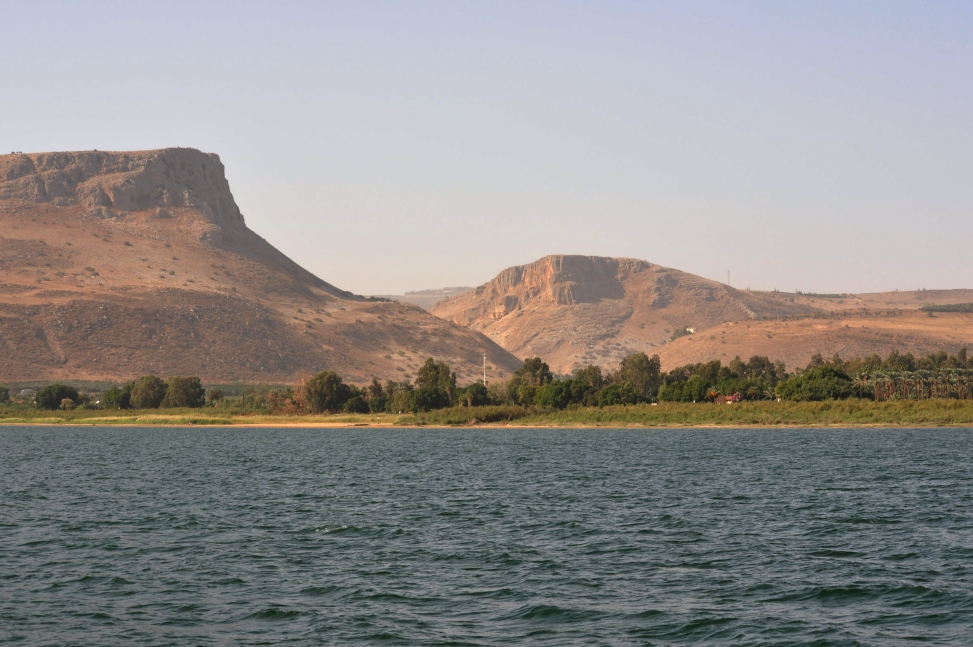
From the Sea we had a view of Mt. Arbel, where the international highway, the Via Maris, passed.

Via Maris at Mt. Arbel. Photo by Leon Mauldin.

Via Maris at Mt. Arbel. Photo by Leon Mauldin.

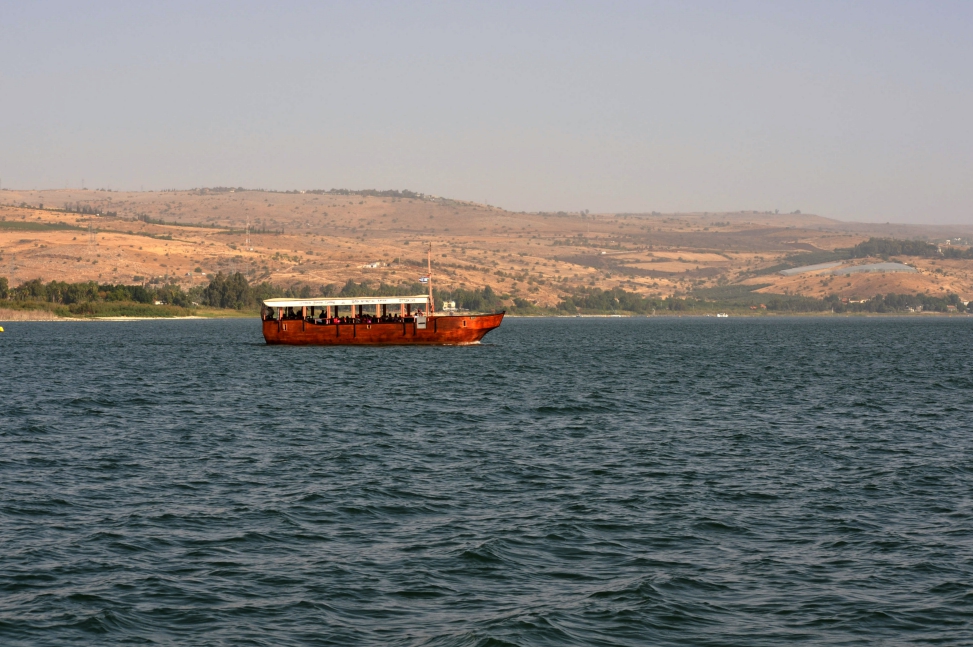
Boats such as these take passengers across the Sea of Galilee.

Photo by Leon Mauldin.

Photo by Leon Mauldin.

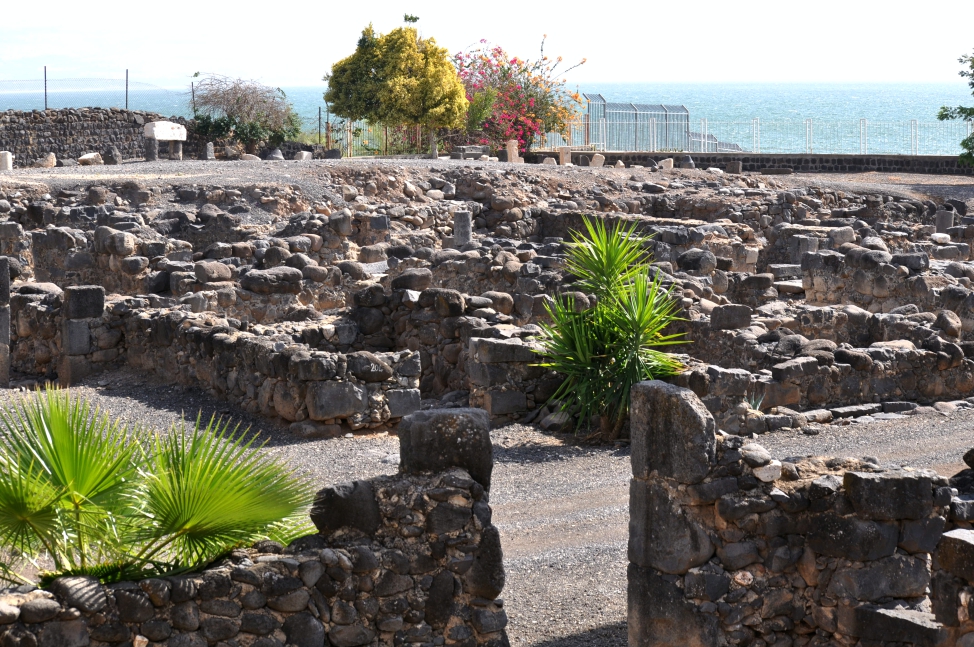
We visited Capernaum (“town of Nahum,” New Unger’s Bible Dictionary, p.209),  called “the most important city on the northern shore of the Sea of Galilee (Nelson’s New Illustrated Bible Dictionary, p. 245). Jesus’ home town was Nazareth, but Capernaum was where He lived during the Galilean ministry. Note the wording of the NET in Matt. 4:13: “While in Galilee, he moved from Nazareth to make his home in Capernaum by the sea, in the region of Zebulun and Naphtali.” To that compare Mark 2:1: “Now after some days, when he returned to Capernaum, the news spread that he was at home,” with its parallel in Mt. 9:1, which says Jesus came “to His own city.”

Here is a view of some of the excavations there.

Excavations at Capernaum, Jesus hometown. Photo by Leon Mauldin.

Excavations at Capernaum, Jesus hometown. Photo by Leon Mauldin.

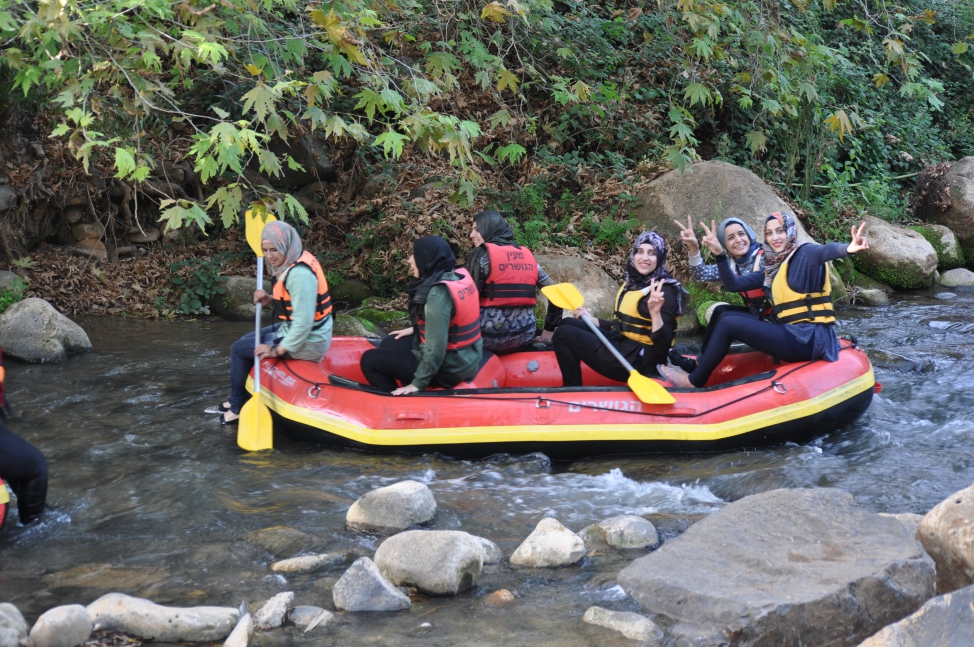
Moving north, we saw the Senir, one of the sources of the Jordan River. Some girls were rafting. Tomorrow we are to begin our journey south to Jerusalem. Thanks for following our travels.

Rafting in the Senir River. Photo by Leon Mauldin.

Rafting in the Senir River. Photo by Leon Mauldin. 


Joppa, Newly Excavated City Gate

November 1, 2016

Many of you have read of the recent excavations at biblical Joppa, published in the Oct 22, 2016 issue of Haaretz, entitled, “Previously unknown Canaanite revolt against Egypt revealed in ancient Jaffa” with subtitle, “There is no record of the Canaanites ousting their Egyptian overlords, but 3,100-year-old remains of fiery destruction suggest they did just that,” by Philippe Bohstrom.
You can read more at: http://www.haaretz.com/jewish/archaeology/1.748579

My group was able to visit Joppa as our first stop today in Israel. We enjoyed viewing the ancient harbor ruins, where long ago the prophet Jonah purchased voyage on a ship in a futile effort to run in the opposite direction from God’s charge for him to preach in Nineveh. At the traditional Church of St. Peter we read from Acts 10, remembering the events that led to the door of faith being opened to the Gentiles (Cornelius, his family & friends) by Peter, who was here at Joppa. But we were also especially interested to see the new areas of excavation.

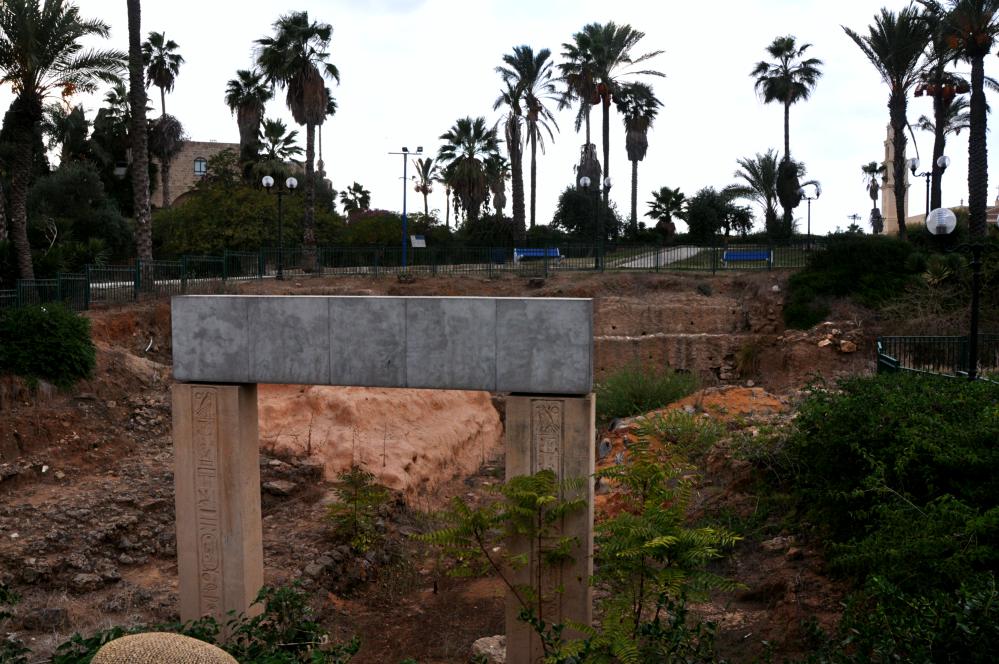
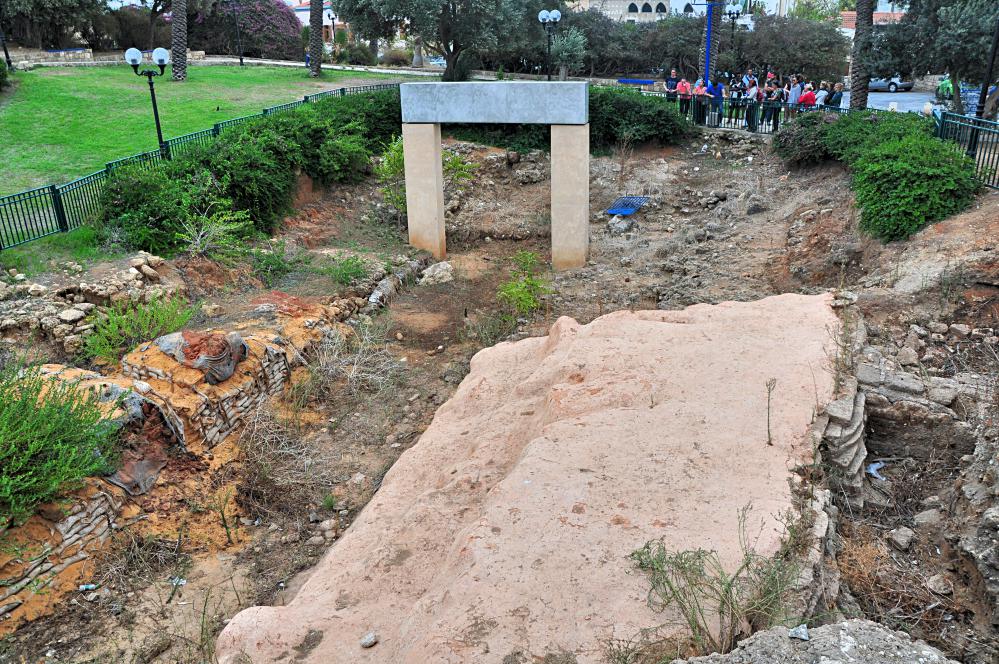
Newly Excavated gate at Joppa, Israel. Photo by Leon Mauldin..

Newly Excavated gate at Joppa, Israel. Photo by Leon Mauldin.

Excavations at Joppa. Photo by Leon Mauldin.

Excavations at Joppa. Photo by Leon Mauldin.

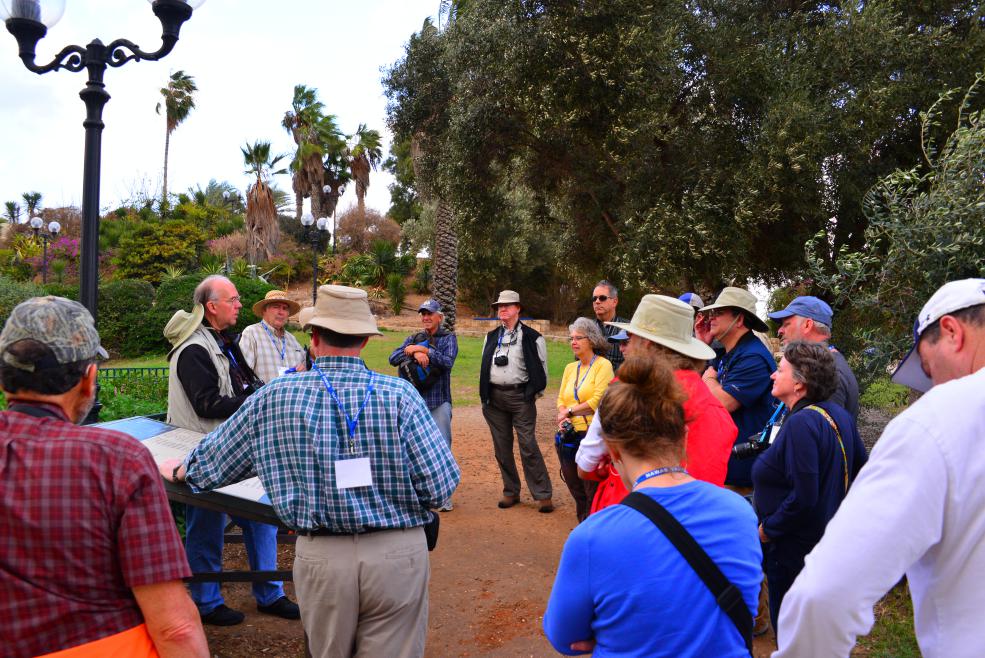
Here is a group shot at Joppa:

Leon teaching on the significance of the new excavations at Joppa gate. Photo by David Deason.

Leon teaching on the significance of the new excavations at Joppa gate. Photo by David Deason.


Altar at Arad, in Southern Israel

July 14, 2016

During the Mosaic Dispensation God specified that the central place of worship (for offering sacrifices, attending annual feasts, etc.) was to be the tabernacle, and later, the temple built by Solomon. The temple was located in Jerusalem (called by Jesus “the city of the great King,” Matt. 5:35).

Unfortunately the will of God was not always sought and obeyed. After the death of King Solomon, Jeroboam built rival shrines at Dan and Bethel. There was also a temple built at the fortress city of Arad, to the south, east of Beersheba. The temple at Arad, built by the Israelites, was used at the same time Solomon’s temple stood in Jerusalem. Here is the altar upon which sacrifices were offered at Arad. Note the use of mud-bricks.

Altar at Israelite temple at Arad. Photo by Leon Mauldin.

Altar at Israelite temple at Arad. Photo by Leon Mauldin.

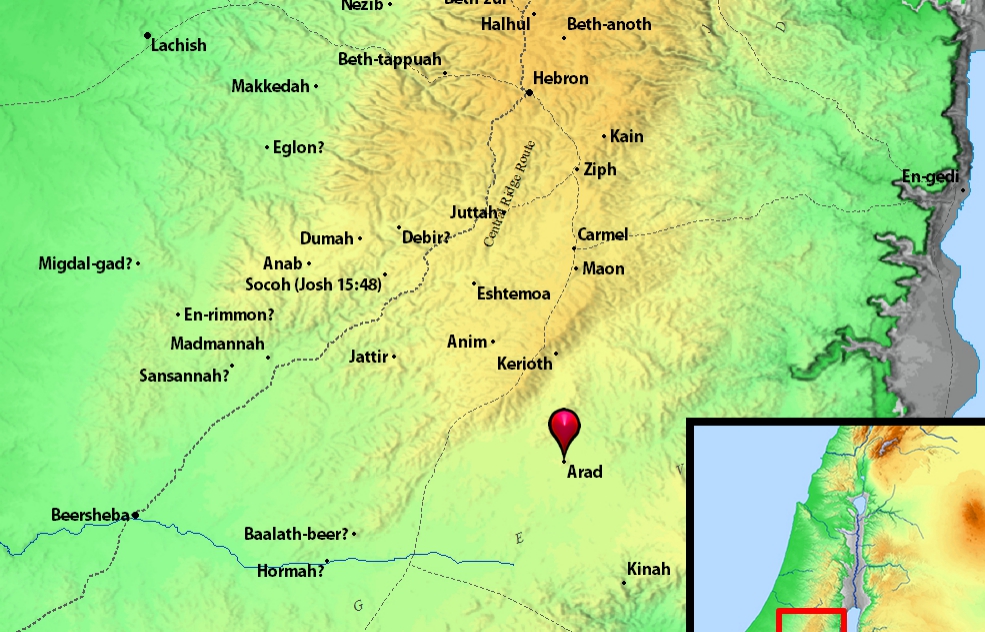
Here you can see the location of Arad.

Arad. BibleAtlas.com.

Arad. BibleAtlas.com.

Arad is mentioned five times in the Bible (Num. 21:1, etc.); however no biblical mention is made of the illicit temple there.


Ferrell Jenkins Conducts 50th Anniversary Tour: A Tribute to my Friend

April 27, 2016

The March 28 – April 8, 2016 Israel tour directed by Ferrell Jenkins was advertised as his “50th Anniversary Tour,” thus completing 50 years of Distinctive World Tours, designed and led by Mr. Jenkins. What a remarkable, incredible milestone! These tours, custom-designed with Christians in mind, have literally gone around the world, but the emphasis has been on travel to the lands where the biblical events transpired. That of course includes Israel, but also Turkey, Greece, Italy, Egypt and more; literally from Ararat (where Noah’s ark landed; book of Genesis) to Patmos (where John received the Revelation). All who have traveled with Mr. Jenkins have profited, but it is especially the Bible class teachers (men & women), preachers and elders who have made the greatest use of resources, photos and knowledge gained. In that way also the folks “back home” that do not travel have benefited as well.

His blog, Ferrell’s Travel Blog was started in 2007, to feature not only photos of Bible places but also helpful info, biblical texts and other resources/links. Since then his blog has received more than two million visits. (You will also find biblicalstudies.info to be a very helpful site).

Mr. Jenkins wrote, “I have been preaching and teaching the Word of God since 1952, and I have always loved it. Nothing gives me a greater thrill than teaching at the sites where biblical events occurred. Thanks for the memories. It is my conviction that an understanding of the Bible lands can enhance one’s Bible study and improve understanding of the text. This, in turn, must be converted to action in obedience to the will of the Lord, and in service to Him” (Biblical Insights, Dec. 2009, p.28).

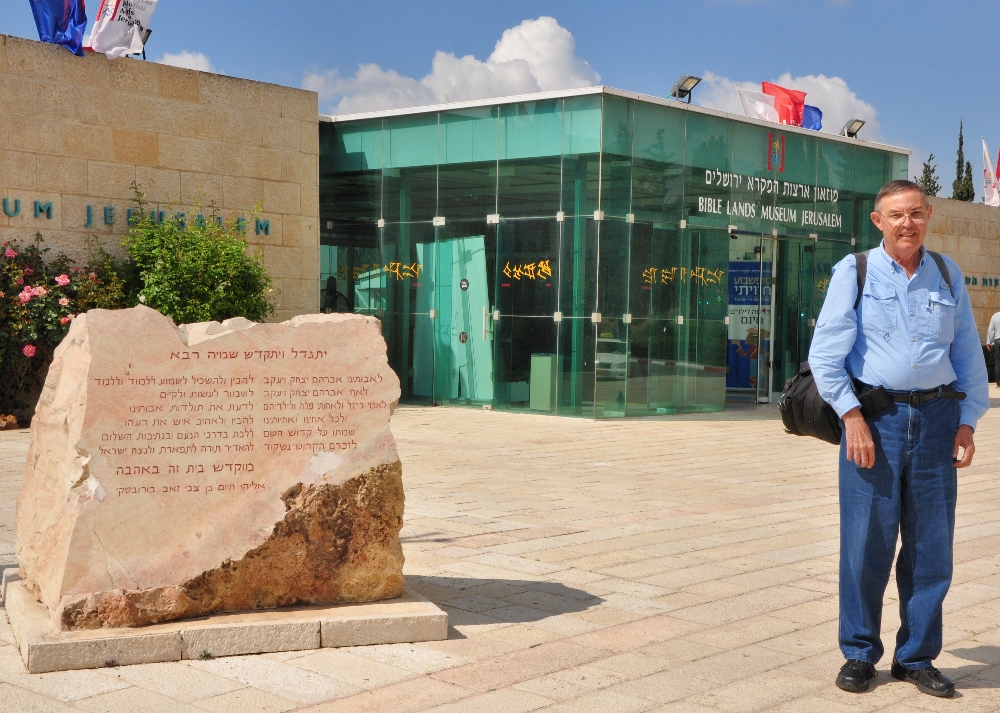
Ferrell Jenkins outside Bible Lands Museum, Jerusalem. Photo by Leon Mauldin.

Ferrell Jenkins outside Bible Lands Museum, Jerusalem (Apr. 14, 2016). Photo by Leon Mauldin.

On my part I wanted to say Thanks! for a job well done, for such an outstanding contribution to the field of biblical studies. It is amazing to look back at those last 50 years and think of the good that has been accomplished. Though retired, Mr. Jenkins continues to study several hours daily, and writes and does some teaching as time permits. He has devoted his life to helping people, especially young people, better understand and be equipped to teach the Bible. All of his work has been done with the loving support of Mrs. Elizabeth Jenkins.

On a personal note, I was able to join this 50th tour on the evening before its final day. Then after the tour group left for home, Mr. Jenkins & I rented a car, and for the next several days visited sites all over Israel, using Tiberius and Jerusalem as our “base,” especially focusing on places we had not seen before. We were also able to do some aerial photography from Joppa to the south as far as Beersheba and east to Jerusalem. I have enjoyed and profited from several personal study trips he & I have made of this nature.

So to my fellow Gospel preacher, former professor, and traveling friend, please accept this small token of my lasting gratitude, and of the high esteem in which you are held, furnished by the occasion of this extraordinary milestone! To God be the glory!


Gan Hashlosha (near biblical Beth-shan), Israel

April 12, 2016

Today’s travels took us from the Sea of Galilee down the Jordan Valley to the Dead Sea area, then west on back to Jerusalem. Along the way we made some interesting stops, including while still in the north, Gan Hashlosha, in the vicinity of Beth-shan. Beth-shan was the city where the bodies of King Saul and three of his sons were fastened after their deaths (1 Sam. 31). Amal Stream, the spring water that emerges in the western part of the park maintains a constant, year-round temperature of 28 degrees Celsius.

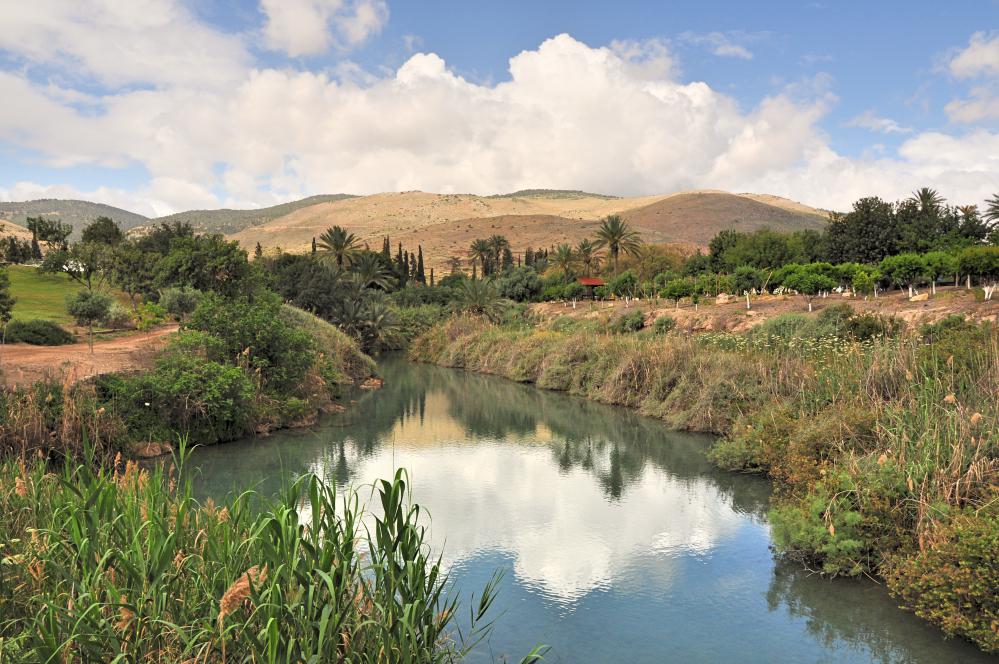
Beautiful Gan Hashlosha, Israel. Photo by Leon Mauldin.

Beautiful Gan Hashlosha, Israel. Photo by Leon Mauldin.

Our real interest in stopping here was the Museum of Regional & Mediterranean Archaeology, which has some unique artifacts from the Beth-shan area, as well as rare finds from the Mediterranean region. The displays feature Canaanite, Israelite, Grecian, Etruscan, Persian and Egyptian collections.

We also drove along the top of Mt. Gilboa, where we had some good views of the Plain of Jezreel, where so many biblical events occurred.

Click image for larger view.


Biblical Sites in Israel: Gath of the Philistines

April 9, 2016

A visit to the biblical site of Gath, Tel es Safi, on Israel’s coastal plain is worthwhile. Gath was the land of giants (Josh. 11:22). Goliath was from Gath: “Then a champion named Goliath, from Gath, came out from the Philistine camp. He was nine feet, nine inches tall” (1 Sam. 17:4, Holman’s Christian Standard Bible).

It is sad to read how that David (after killing Goliath) had to flee from Saul. He fled to Gath of the Philistines, but there, fearing for his life, pretended to be insane (1 Sam 21:10-15; cf. Psalms 34 and 56). Later David again fled to Gath and was given refuge (1 Sam. 27); the king of Gath gave David and his 600 men the city of Ziklag.

When David was residing when he heard news of the death of King Saul, and his three sons (1 Sam. 31) he composed a song which included the words “Tell it not in Gath, Proclaim it not in the streets of Ashkelon — Lest the daughters of the Philistines rejoice, Lest the daughters of the uncircumcised triumph” (2 Sam. 1:20).

Our photo here gives a view of the large tel.

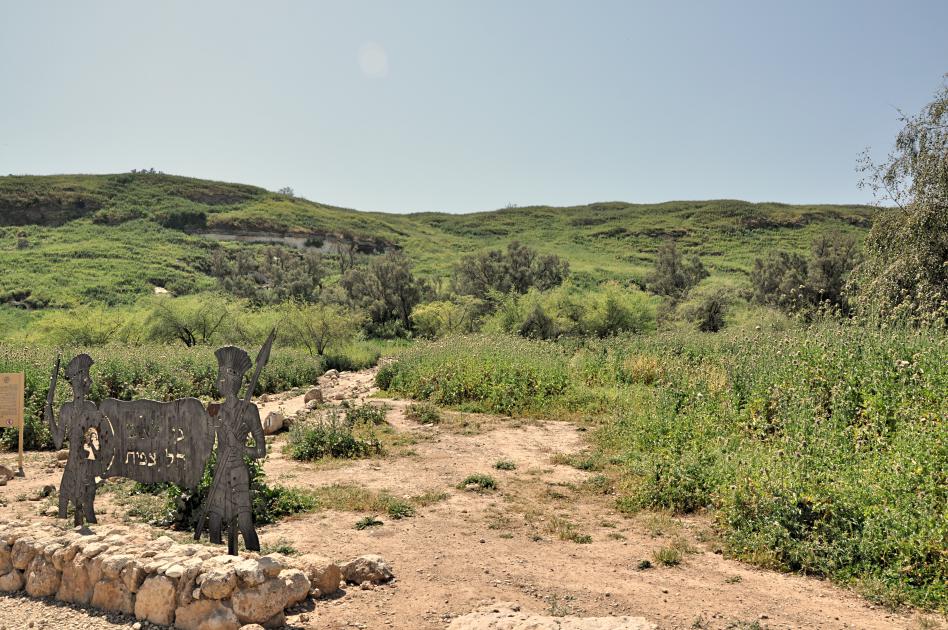
Tel Gath of the Philistines. Photo by Leon Mauldin.

Tel Gath of the Philistines. Photo by Leon Mauldin.

We were also able to see some of the excavations of the cities lower wall.

Recent Excavations at Gath. Lower wall of city. Photo by Leon Mauldin.

Recent Excavations at Gath. Lower wall of city. Photo by Leon Mauldin.

I have previously posted on Gath here (aerial photo).

Dr. Aren Maeir maintains a blog here devoted to news about Gath, Tel es Safi.

Tonight we are at Tiberias, on the Sea of Galilee; more photos and info to come. Thanks for following our travels.


Kiriath-jearim and Beth-shemesh in Israel

April 8, 2016

Today Ferrell Jenkins and I visited sites in Jerusalem, but for our post for now I wanted to note a couple of biblical sites we visited yesterday.

One was Kiriath-jearim. This location is of importance because the Ark of the Covenant was there from the days of Samuel (after Eli’s death and the Philistine destruction of Shiloh 1 Sam. 4-5). We read in 1 Samuel 6:21, “So they sent messengers to the inhabitants of Kiriath-jearim, saying, ‘The Philistines have brought back the ark of the LORD; come down and take it up to you.'”

At Kiriath-jearim. Our Lay of the Ark of the Covenant. Photo by Leon Mauldin.

At Kiriath-jearim. Our Lay of the Ark of the Covenant. Photo by Leon Mauldin.

Once the ark was returned to Israel by the Philistine enemies, ca. 1100 BC, it would remain there until King David made Jerusalem his capital, ca. 1003 BC, i.e. for 100 years. But first the ark came to Beth-shemesh. The biblical narrative explains how the hand of God was involved as two milk cows, with their calves kept behind, pulled a cart carrying the ark straight from Ekron of the Philistines to the border town of Beth-shemesh of Israel (1 Sam. 6).

Beth Shemesh, where the ark was returned from the Philistines. Photo by Leon Mauldin.

Beth-shemesh, where the ark was returned from the Philistines. Photo by Leon Mauldin.

Our photo shows the suggested site in Beth-shemesh (in foreground) where the cows pulling the ark were slain as sacrifices. Our view looks toward Philistia in the distance (left from center), the direction from which the ark would have come. As stated above (1 Sam. 6:21), from Beth-shemesh the ark was taken to Kiriath-jearim, where it remained until the days of King David.

We have previously posted here on Kiriath-jearim and here on Beth-shemesh, with aerial photo.