El-Amarna Tablets

February 3, 2025

The collection of El-Amarna tablets represent diplomatic correspondence from princes/kings of from varioius parts of the Egpytian Empire during the reigns of Amenophis III, Akhenaton and Tutankhamun. These tablets were found in the ruins of Akhenaton’s (the “heretic” pharaoh) capital at El-Amarna. The British Museum displays some of the El-Amarna tablets from various locations in Canaan, which will be the focus of this post. We will feature tablets from Hazor, Lachish, Gezer, Megiddo and Shechem, all five of which were very important sites in Canaan.
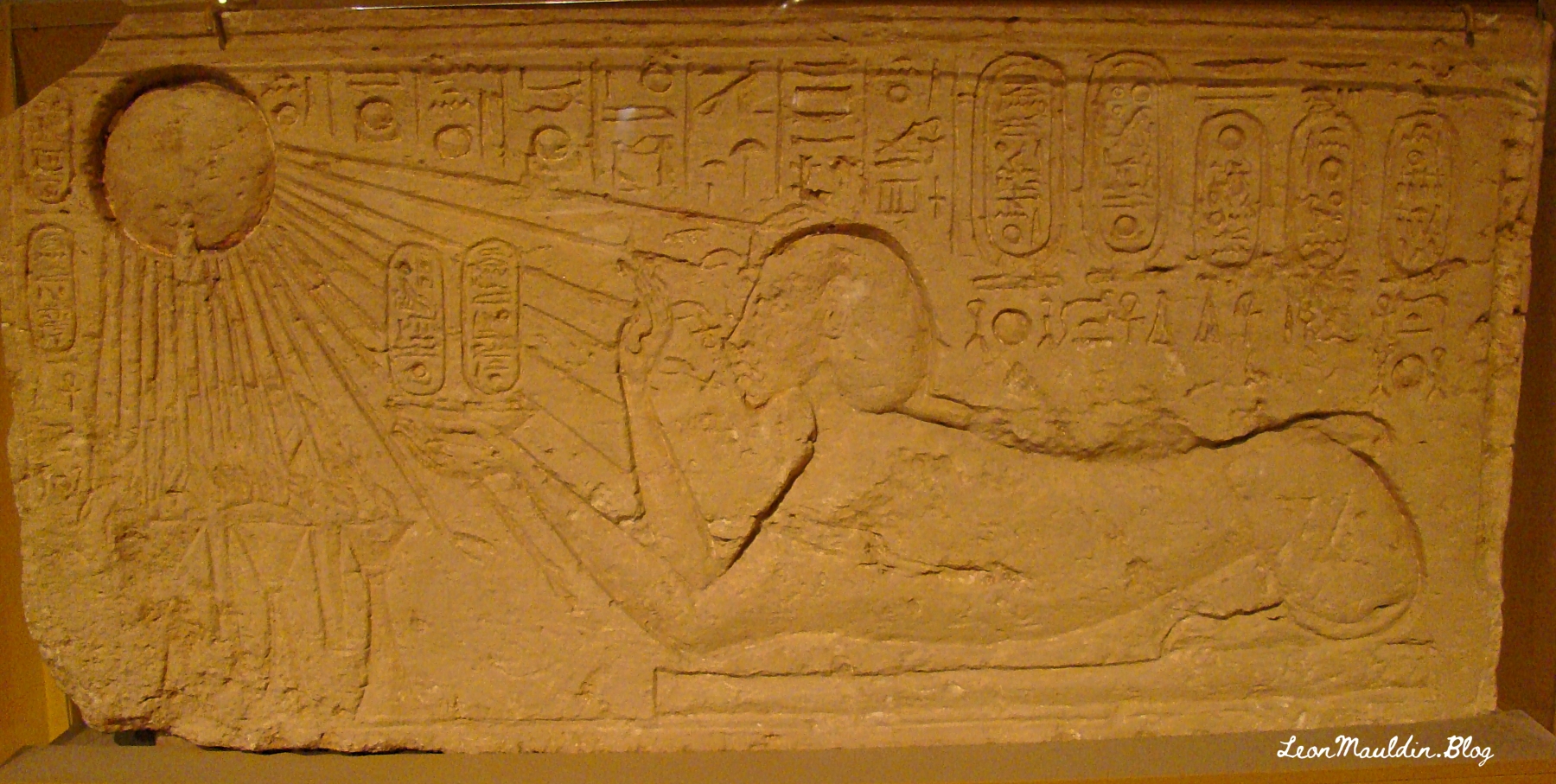
King Akhenaten as a sphinx. Photo ©Leon Mauldin. Boston Museum of Fine Arts.

Alice Mandell writes in BAS:

Discovered at the site of Tell el-Amarna in Middle Egypt, these cuneiform documents are letters dating to the mid-14th century BCE that were written in varieties of Akkadian, the lingua franca of the time, by scribes from all over the ancient Near East on behalf of local kings. The letters are commonly divided into two groups: letters from the “greater” powers (the Egyptian, Mitannian, Hittite, Assyrian, and Kassite kings) and letters from the “lesser” powers (smaller kingdoms and city-states from across the Levant, including the land of Canaan). Interestingly, even though the Canaanite rulers were among the least powerful kings writing to Egypt (in fact, they were under Egyptian rule), they left behind the largest number of letters. Source: https://library.biblicalarchaeology.org/article/letters-to-pharaoh-the-canaanite-amarna-tablets/?utm_source=WhatCountsEmail&utm_medium=BHDA%20Spotlight%201-90&utm_campaign=TS%20BAS%20Scholars%20Series%208-21-24

This tablet is from Abdi-Tirshi, King of Hazor. The info sign says that he “reassures pharaoh that he is loyal and is keeping his cities in good order.”
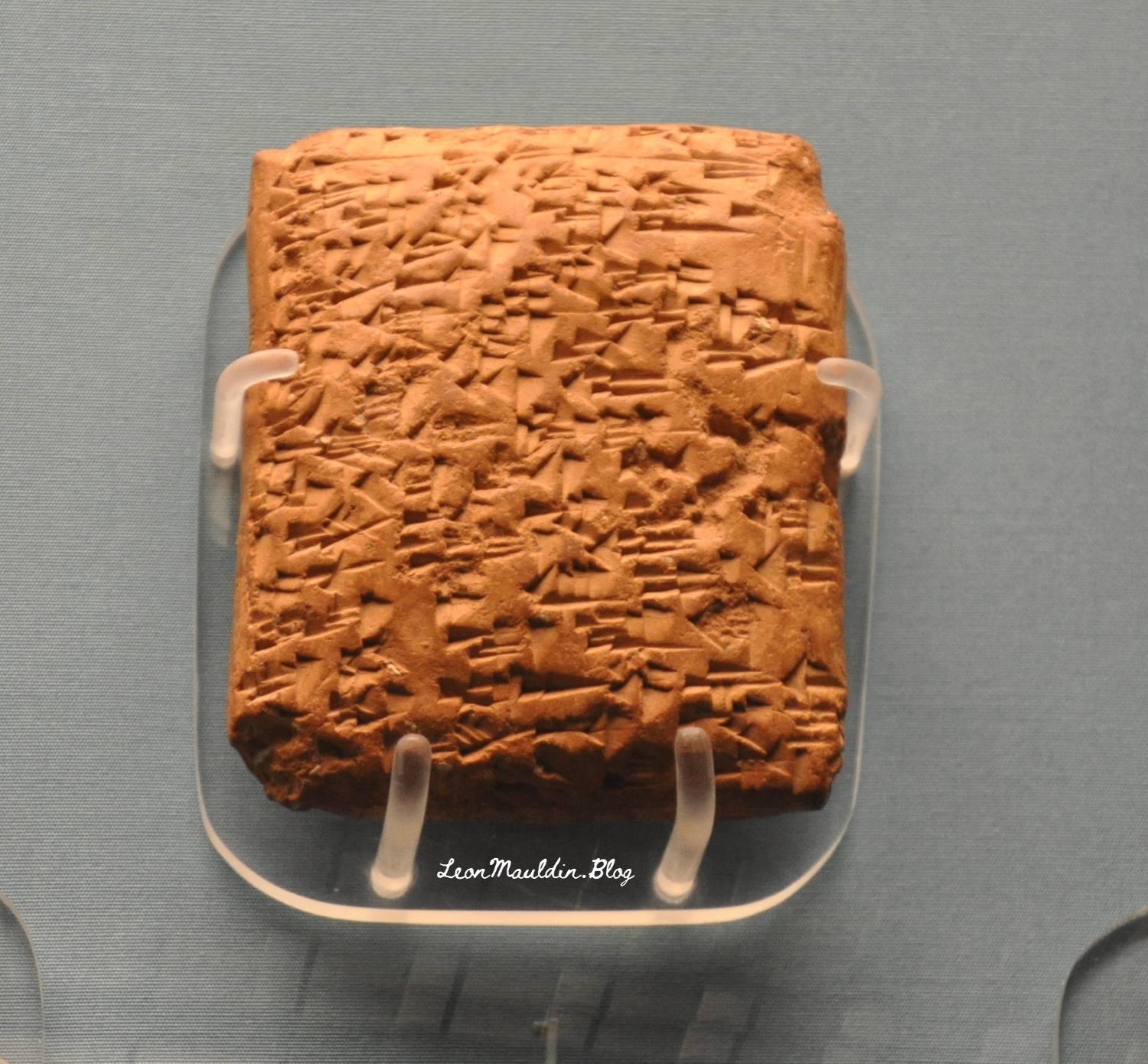
El-Amarna tablet for Canaan’s king of Hazor. Photo ©Leon Mauldin. British Museum.

This tablet is from Shipti-Ba’al of Lachish. He also assures pharaoh of his loyalty.
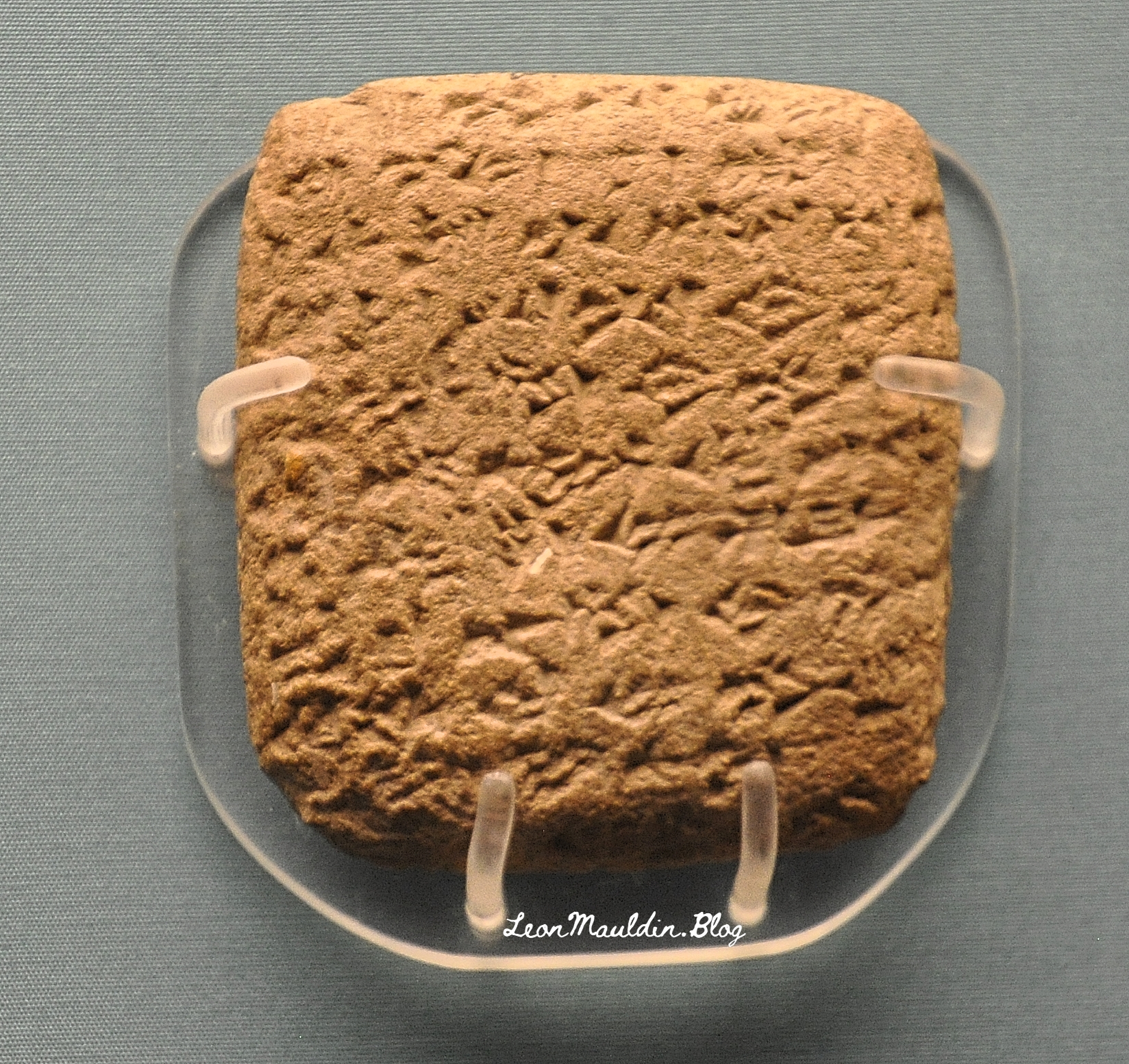
From the king of Lachish. Photo ©Leon Mauldin. British Museum.

Here is the tablet from Gezer’s king Yapahu, who “begs pharaoh for help in defending his city against raids by the Hapiru.” Many scholars believe that the “Hapiru” here refer to the Hebrews.
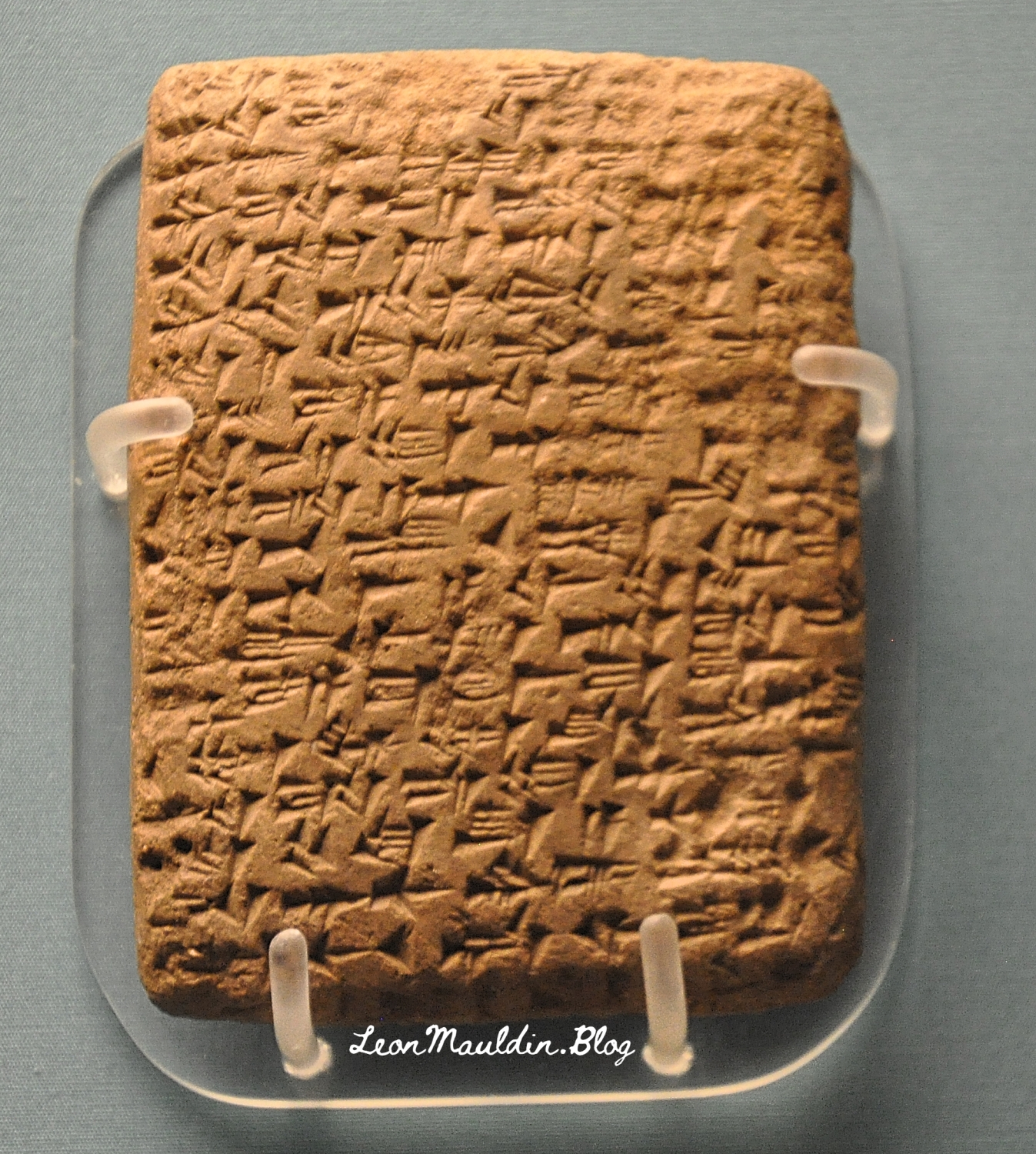
From Gezer. Photo ©Leon Mauldin. British Museum.

Here is the tablet from Biridiya, king of Megiddo. He “accuses the king of Acco of treachery by releasing the captured Hapiru leader, Labayu, instead of sending him to Egypt.”
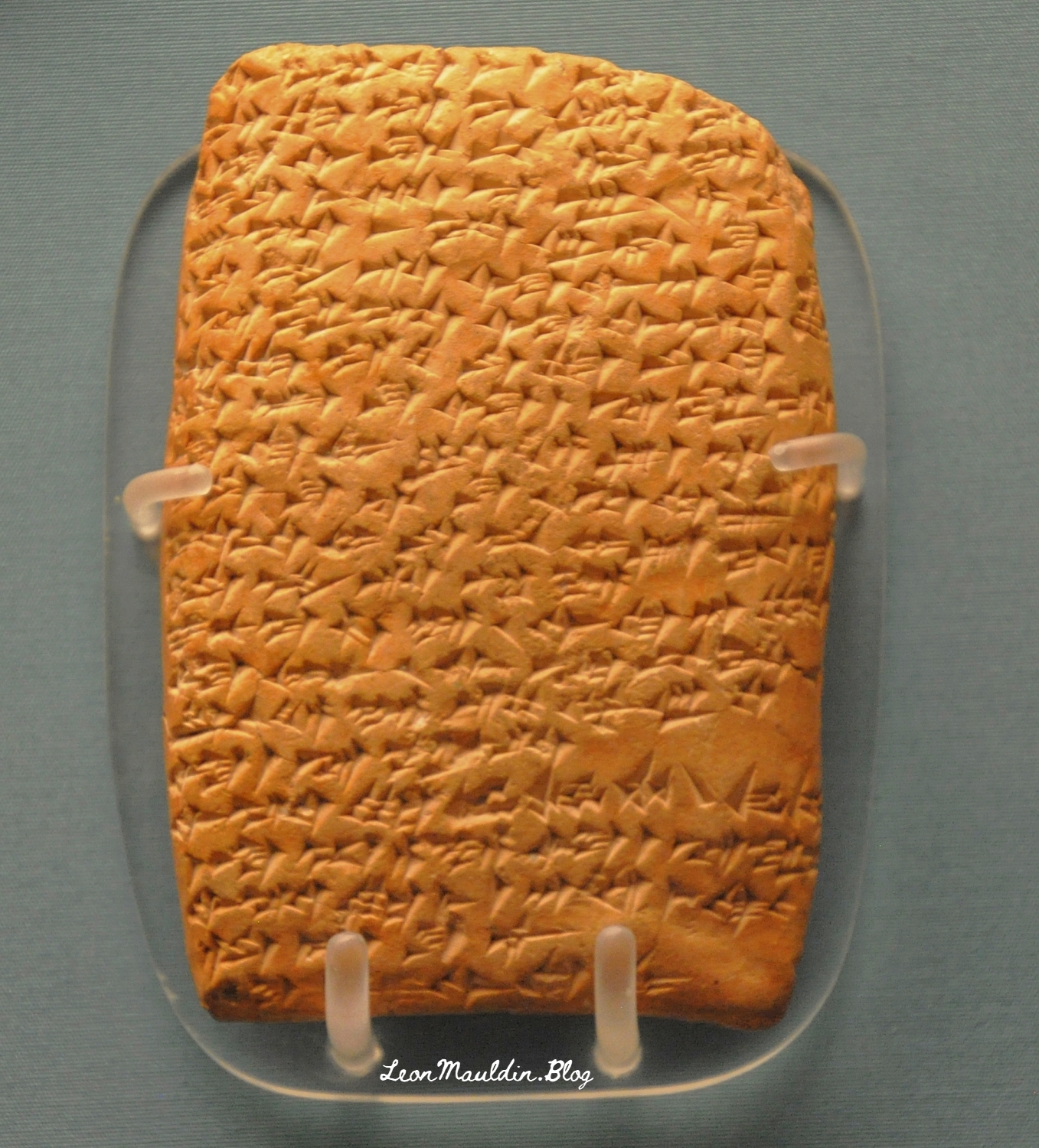
Tablet from king of Megiddo. Photo ©Leon Mauldin. British Museum.

Our fifth tablet is from Labayu, ruler of Shechem. Shechem occurs frequently in the Old Testament (Gen. 12:6, et al.).
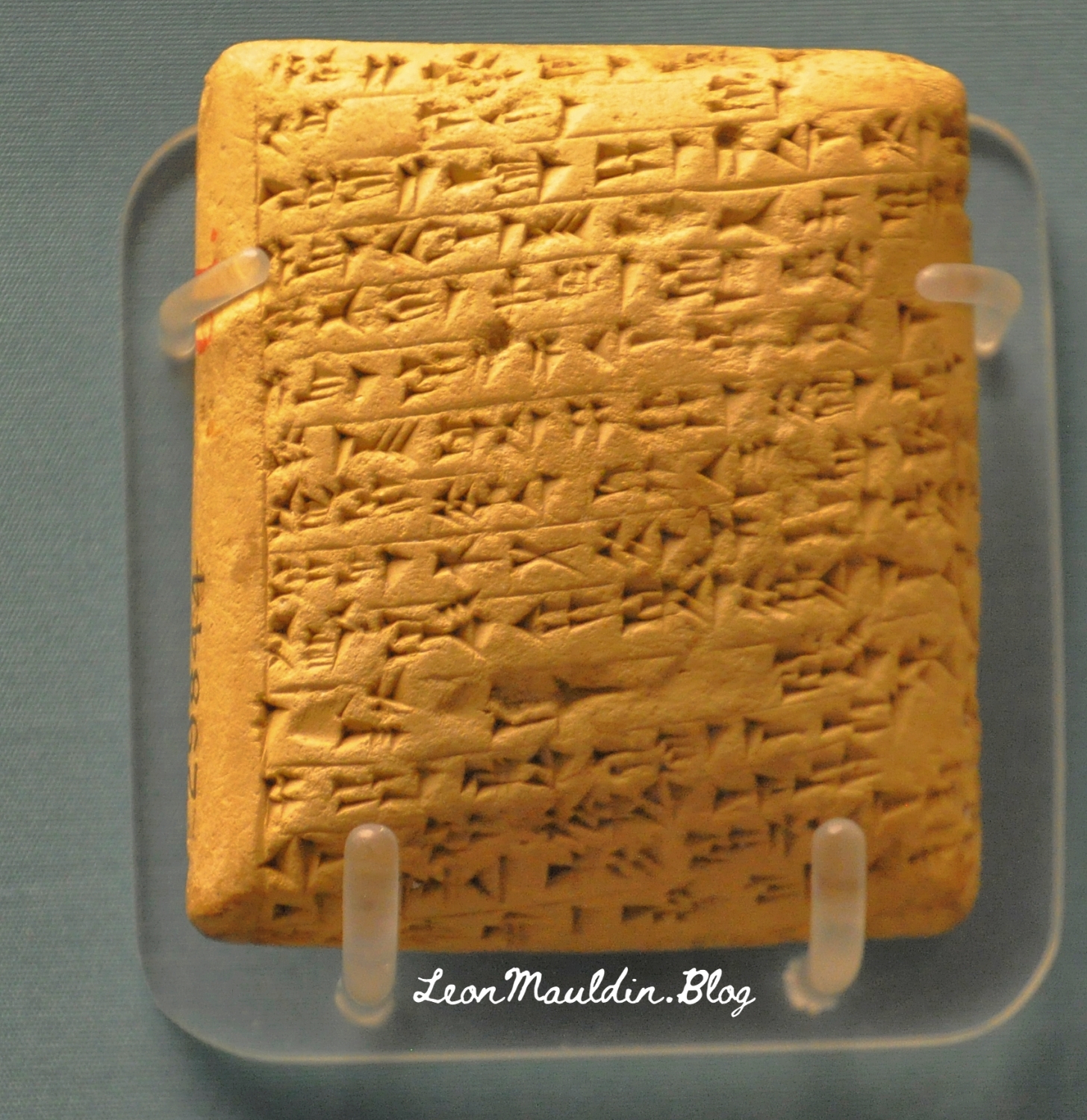
From Shechem. Photo ©Leon Mauldin. British Museum.

Mandell went on the say regarding the script of these tablets, “The Amarna Letters were not written in alphabetic or Egyptian scripts. They were written in cuneiform, a wedge-shaped script that was developed in Mesopotamia in the late fourth millennium BCE to write Sumerian and, later, Akkadian. By the Amarna period, ancient people from all over the Near East wrote in this script by impressing a stylus into clay to create wedge-shaped signs” (Ibid.).

The BAS article also provided a couple of helpful maps.

Map shows the location of El-Amarna relative to Canaan.
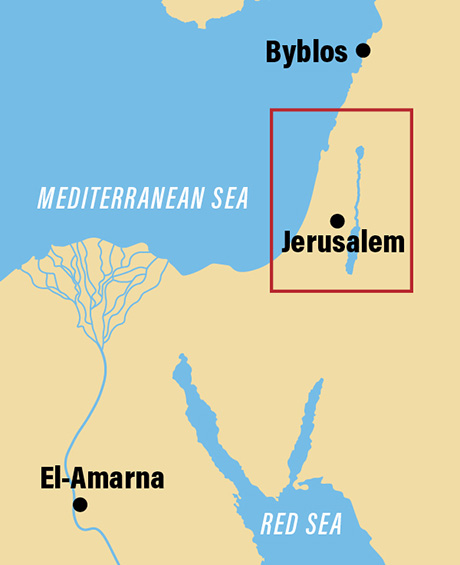
Location of El-Amarna in Egypt. Map by BAS.

This map includes the sites of the origin of the tablets we featured above.
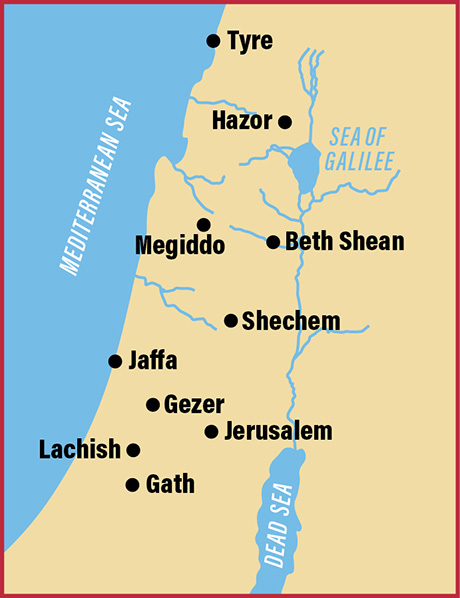
Cities in Canaan represented our display of tablets. Map by BAS.

Click images for larger view.


Rehoboam Went to Shechem

November 1, 2023

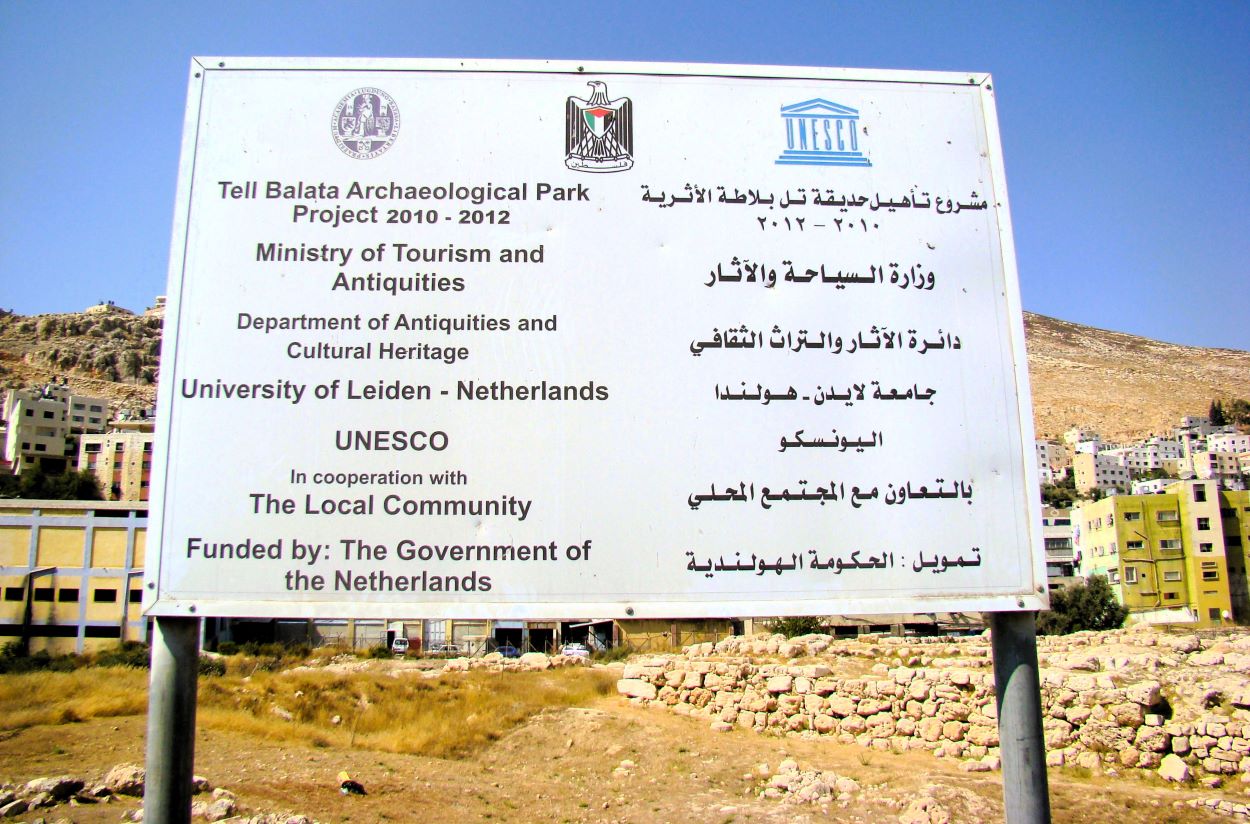
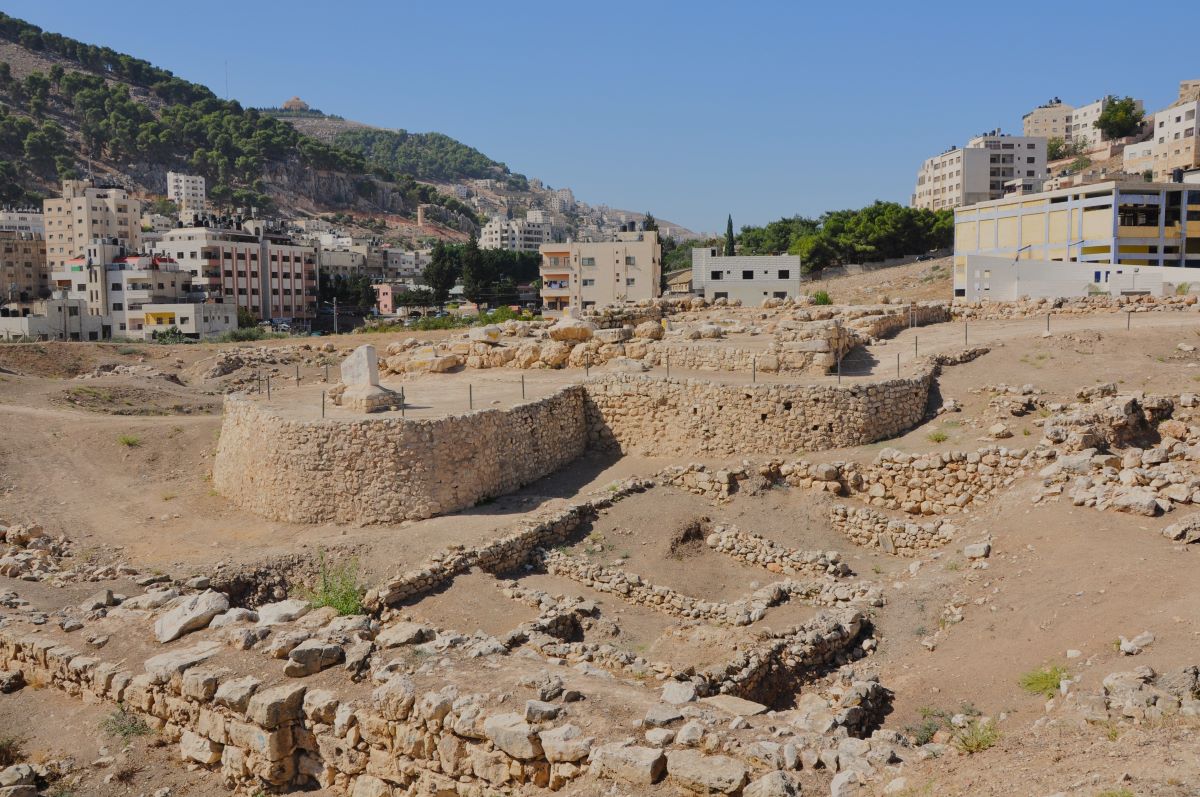
“Rehoboam went to Shechem, for all Israel had come to Shechem to make him king” (2 Chron. 10:1, ESV). Biblical Shechem is modern Tell Balata, near Nablus, in today’s West Bank. Though our text does not specify why Rehoboam went to Shechem, it was a city of great historical significance to God’s people, especially prior to the monarchy. We will briefly summarize what happened to Rehoboam at Shechem, but first let’s consider some of the biblical events that transpired at this location.

Shechem, at Israel’s geographical center. Map courtesy of biblemapper.com.

Having first entered the land of Canaan, Abraham was standing here at Shechem, with Mt. Ebal and Mt. Gerizim looming on either side, when God gave him the land promise (Gen. 12:6-7). Sadly, it was also here that Jacob’s daughter Dinah was defiled, and where Levi and Simeon savagely destroyed much of the populace in retaliation (Gen. 34).

In Joshua 8:30-35, in the early days of the Conquest of Canaan, all Israel assembled at Shechem, with six tribes on Mt. Gerizim (mount of “blessing”) and six tribes on Mt. Ebal (mount of “cursing”). At that time Joshua “read all the words of the law, the blessing and the cursings, according to all that is written in the Book of the Law” (v.34, NKJV). This was in obedience to prior instructions given by Moses in his final days (Deut. 27:11-26). In our Joshua text, that great nation who had descended from that childless couple (at the time of the promise), Abraham and Sarah, was there to lay claim to the promise. But they weren’t just there to receive the land; their reception of Canaan was grounded upon their pledge to keep the covenant of Yahweh.

Then later as Joshua’s death approached, Shechem was the location for Joshua’s last words and for Israel’s covenant renewal (Josh. 24:1-28). Shechem was also where Joseph was buried (Josh. 24:32).

In addition to its great historical significance, the site of Shechem was also a central location and thus a logical meeting place for the matter at hand, Rehoboam’s coronation. On the other hand, Maier suggests that perhaps Rehoboam sensed a bit of discontent among the northern tribes. “One clue was that they did not come to Jerusalem but wanted the meeting at another place, in Shechem, on their own turf, so to speak” (A Theological Exposition of Sacred Scripture, pub. Concordia, 1K12-22, p. 1052).

The outcome of the meeting at Shechem: The northern tribes rejected Rehoboam, with the result that the kingdom divided into Israel (north) and Judah (south). This was punitive, as a result of Solomon’s apostasy, and foretold by the prophet Ahijah (1 Kings 11; 2 Chron. 10:15; 11:1-5). The dynasty would change several times in Israel to the north, but the southern kingdom of Judah would be ruled by the Davidic dynasty, from Rehoboam (Solomon’s son) down through Zedekiah. This covers the years 931-586 BC.

Entrance to Shechem (Tell Balata) in the West Bank. Photo ©Leon Mauldin.

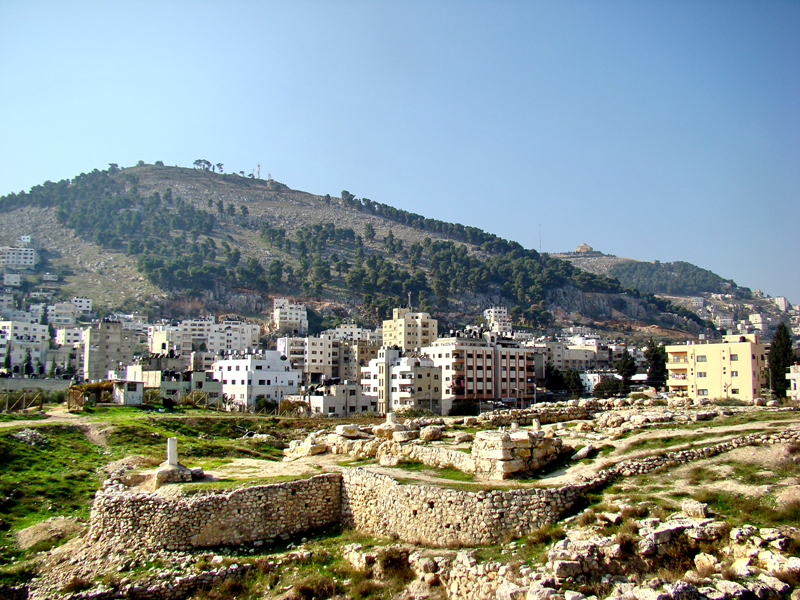
It was at Shechem that Israel met with Solomon’s son Rehoboam to make him king. Shechem is located between Mount Gerizim (left) and Mount Ebal (right).

Shechem is at the center. Mt. Gerizim, left, and Mt. Ebal, right. Photo ©Leon Mauldin.

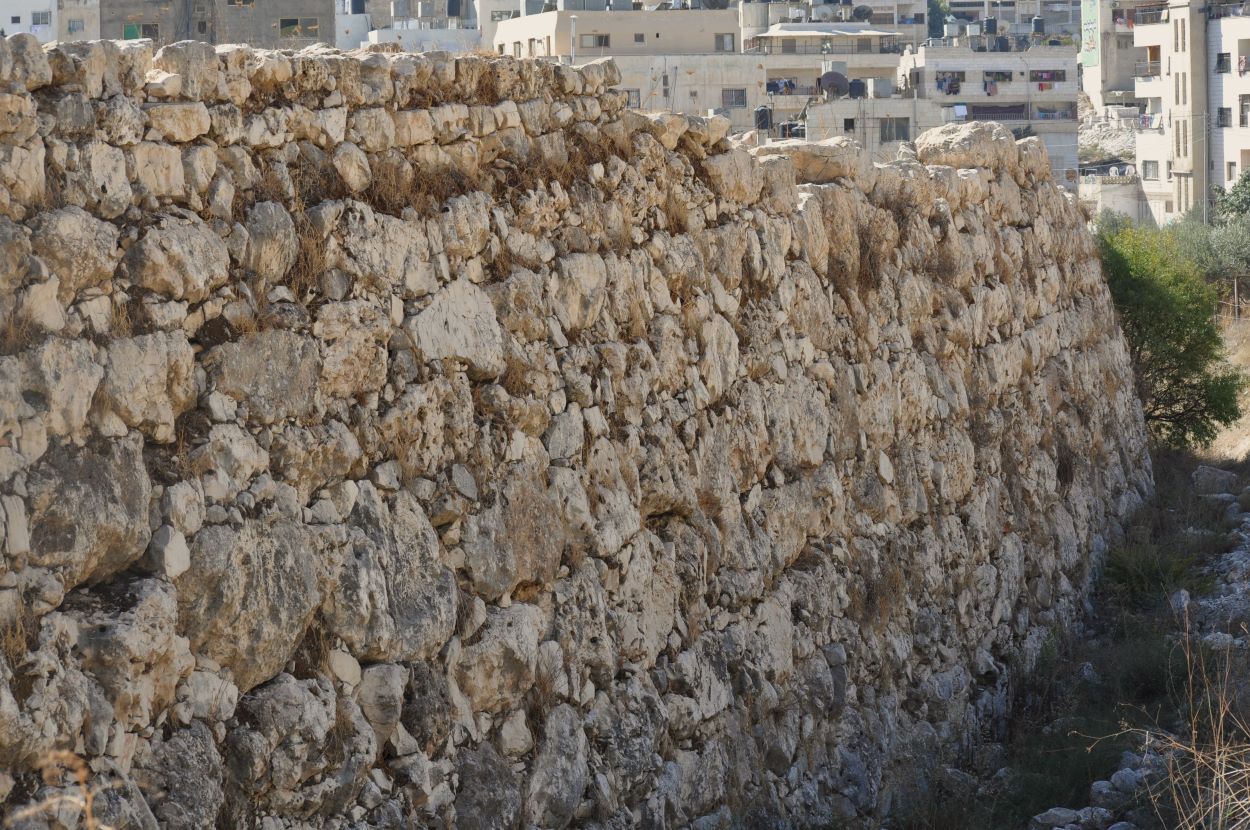
Some of the impressive fortress wall of Shechem can be seen.

Fortress wall at Shechem. Dates to Canaanite period, predating Israel’s Conquest. Photo ©Leon Mauldin.


Jacob & Family at Shechem

November 26, 2010

After Jacob and his family had a happy meeting/reunion with his brother Esau,  Jacob journeyed to Succoth and built a house there (Gen. 33:17).  The time is not specified, but it must have been some years.  Then Jacob made his way to Shechem (v.18).

Shechem was the very location where Abram was when God promised him the land of Canaan (Gen. 12:6,7). It would turn out that Shechem was the site for many significant biblical events.

Shechem was the site for many impt biblical events. Photo ©Leon Mauldin.

Our photo shows the city of Shechem in the foreground.  In the distance you can see Mt. Gerizim, the mountain referenced by the woman of Samaria as she conversed with Jesus in John 4 (v.20).

Jacob bought a parcel of land at Shechem (Gen. 33:19); it was here to his sorrow that his daughter Dinah was violated (Gen. 34:2). Later when the family was residing to the south in Hebron, the sons of Jacob tended sheep at Shechem before moving their flocks on to Dothan where they sold Joseph into slavery (Gen. 37:12-28).

One of the more fascinating events at Shechem was the confirmation of the covenant during the Conquest of Canaan. Shechem is situated between Mt. Ebal and Mt. Gerizim.  Prior to the Conquest, Moses instructed the nation of Israel that when they crossed over the Jordan, they were to journey to this location.  Six tribes were to stand on Mt. Gerizim (for blessing), and the other six on Mt. Ebal (for cursing).  All of the words of the law, the blessings and the curses, were to be read.  All the people were to answer, “Amen.”  Immediately, after the conquest of Jericho and Ai (Josh.6-8), Joshua led the people north to these two mountains, where they obeyed God’s instructions (Deut. 27; Josh 8:30-35).  Think of it! At the very spot where childless Abram stood when God made the land promise, now were 701,730 men of war, plus women and children, there to stake their claim on the land!

Shechem would also be the gathering point for all of Israel for Joshua’s farewell address.  It was here that he challenged the people to fear the LORD and serve Him in sincerity and in truth, and to put away all the idols and false gods that were among them.  His own choice has been an encouragement to many down through the years: “but as for me and my house, we will serve the LORD” (Josh. 24:14,15). Their covenant with God was then renewed there at Shechem (Josh. 24:25). Later in that same chapter, notation is made that Joseph was buried in Shechem (Josh. 24:32).

Click image for higher resolution.


From Gilead to Shechem

November 15, 2010

After Jacob lived in Haran for a total of twenty years (see our previous couple of posts) he made his way back to Canaan.  Besides the fact that he was ready to leave Haran for personal reasons (Gen. 31:1-2), the Lord instructed him, “Return to the land of your fathers and to your kindred, and I will be with you” (Gen. 31:3). He left, along with his wives (four!) and eleven sons (plus Dinah), picking the opportune time when Laban was gone shearing his sheep (Gen. 31:19).

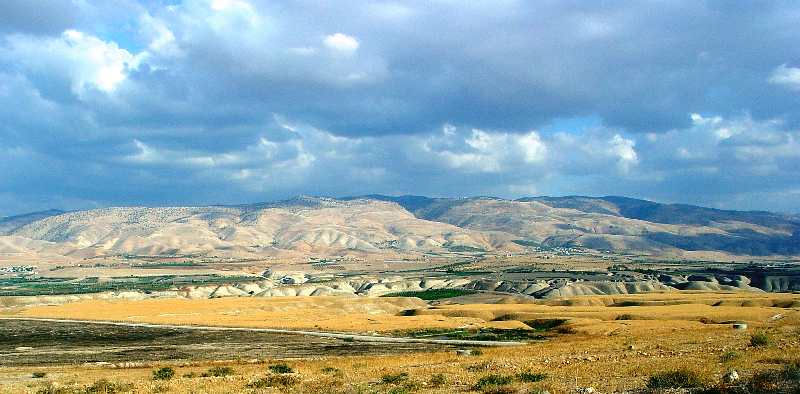
It was on the third day that his father-in-law Laban learned of these events. It took seven days’ travel to overtake Jacob. The text says, “and he overtook him in the mountains of Gilead” (Gen. 31:23). Our photo below shows a view of some of the mountains of Gilead, as viewed from the west side of the Jordan.


Mountains of Gilead. Photo ©Leon Mauldin.


After he and Laban came to an understanding, Laban returned home to Haran and Jacob continued his journey to Canaan. After what turned out to be a cordial meeting with his formerly estranged brother Esau, Jacob lived a while in Succoth, then made his way to Shechem.

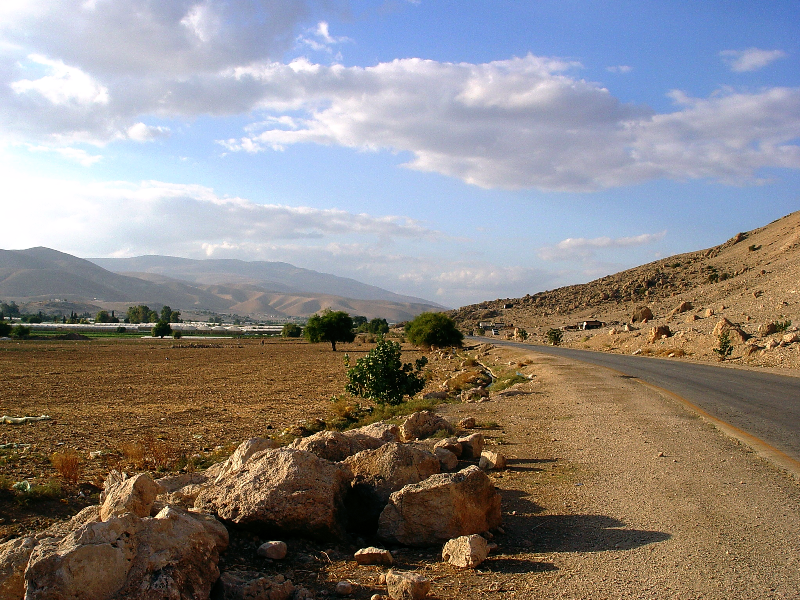
Our photo below shows the pass that leads from the area of Succoth (which would be to our backs) toward Shechem.  This is the route Jacob and his family and servants would have taken to Shechem.  On the right of the photo you can see the modern road which follows this ancient pass.


Pass to Shechem. Jacob would have taken this route. Photo ©Leon Mauldin.

Click on images for larger view.