El-Amarna Tablets

February 3, 2025

The collection of El-Amarna tablets represent diplomatic correspondence from princes/kings of from varioius parts of the Egpytian Empire during the reigns of Amenophis III, Akhenaton and Tutankhamun. These tablets were found in the ruins of Akhenaton’s (the “heretic” pharaoh) capital at El-Amarna. The British Museum displays some of the El-Amarna tablets from various locations in Canaan, which will be the focus of this post. We will feature tablets from Hazor, Lachish, Gezer, Megiddo and Shechem, all five of which were very important sites in Canaan.
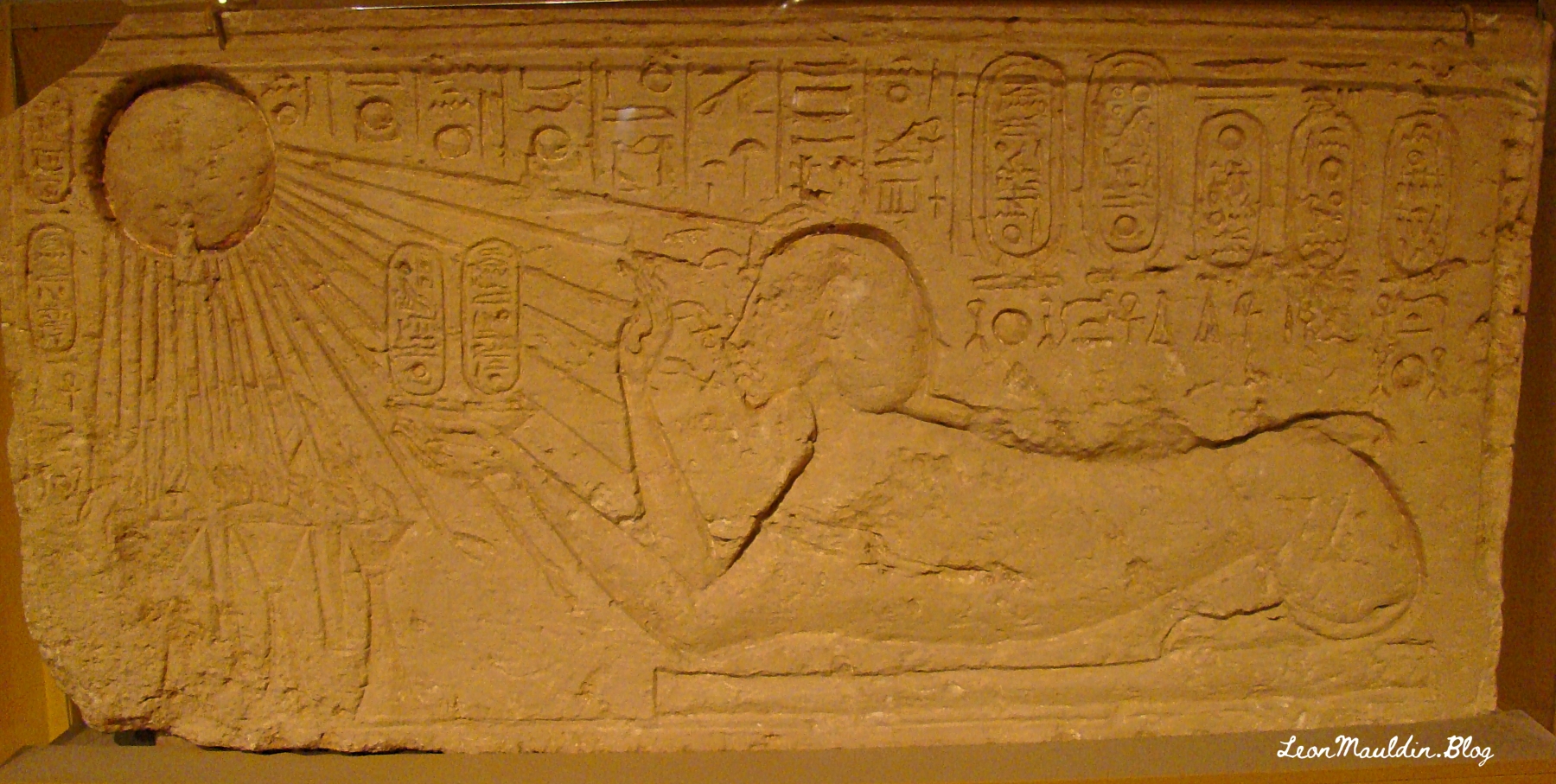
King Akhenaten as a sphinx. Photo ©Leon Mauldin. Boston Museum of Fine Arts.

Alice Mandell writes in BAS:

Discovered at the site of Tell el-Amarna in Middle Egypt, these cuneiform documents are letters dating to the mid-14th century BCE that were written in varieties of Akkadian, the lingua franca of the time, by scribes from all over the ancient Near East on behalf of local kings. The letters are commonly divided into two groups: letters from the “greater” powers (the Egyptian, Mitannian, Hittite, Assyrian, and Kassite kings) and letters from the “lesser” powers (smaller kingdoms and city-states from across the Levant, including the land of Canaan). Interestingly, even though the Canaanite rulers were among the least powerful kings writing to Egypt (in fact, they were under Egyptian rule), they left behind the largest number of letters. Source: https://library.biblicalarchaeology.org/article/letters-to-pharaoh-the-canaanite-amarna-tablets/?utm_source=WhatCountsEmail&utm_medium=BHDA%20Spotlight%201-90&utm_campaign=TS%20BAS%20Scholars%20Series%208-21-24

This tablet is from Abdi-Tirshi, King of Hazor. The info sign says that he “reassures pharaoh that he is loyal and is keeping his cities in good order.”
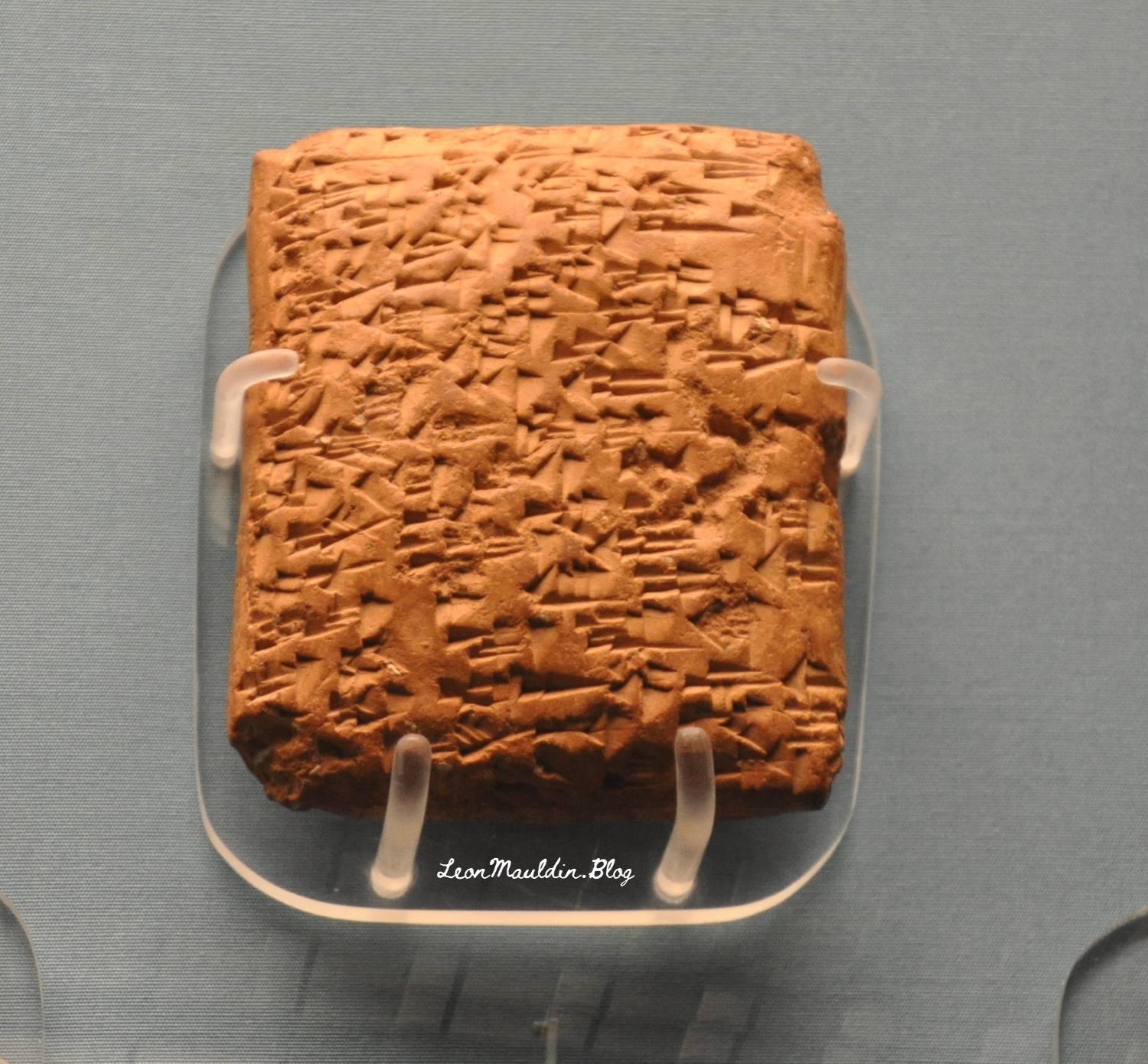
El-Amarna tablet for Canaan’s king of Hazor. Photo ©Leon Mauldin. British Museum.

This tablet is from Shipti-Ba’al of Lachish. He also assures pharaoh of his loyalty.
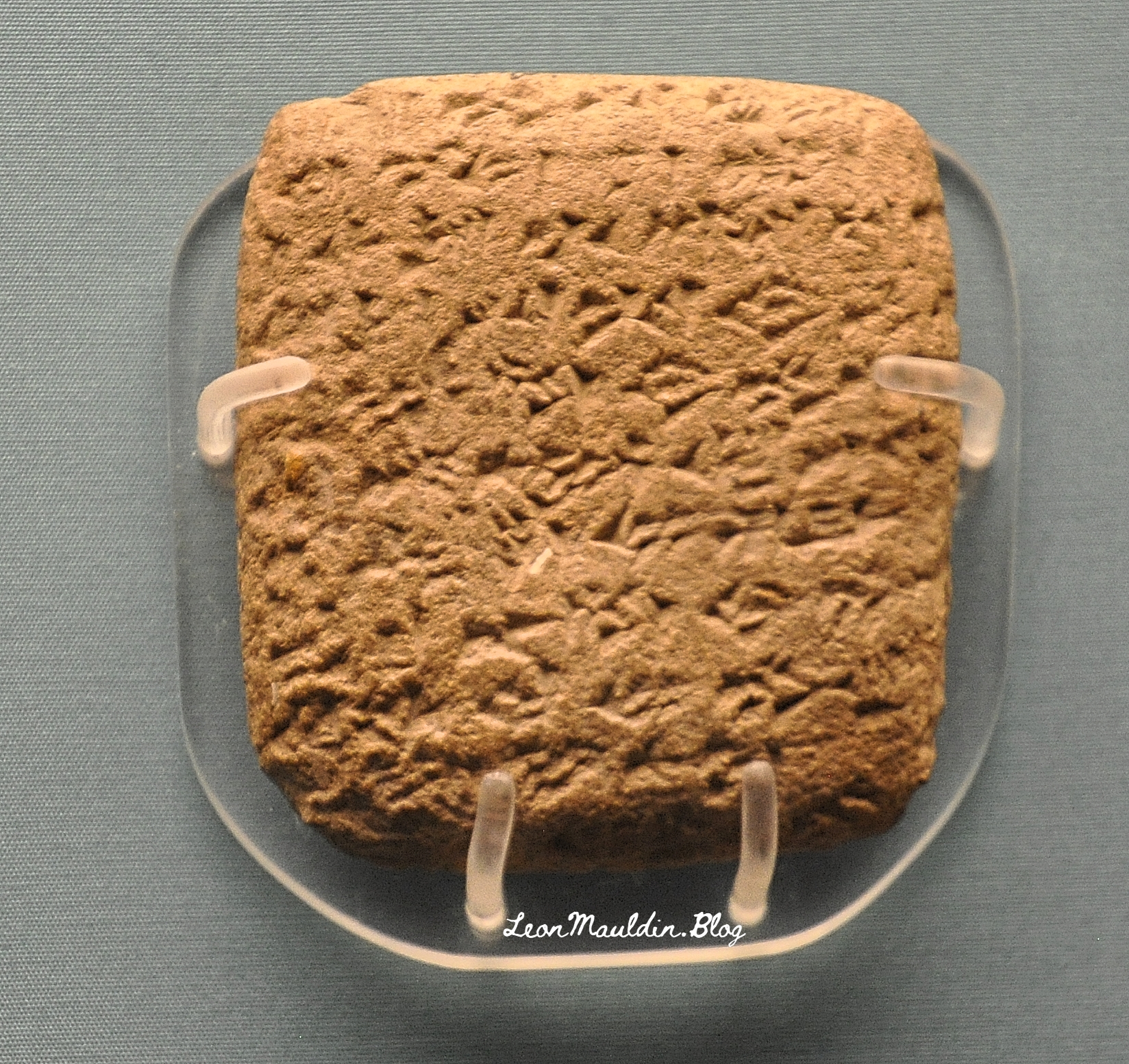
From the king of Lachish. Photo ©Leon Mauldin. British Museum.

Here is the tablet from Gezer’s king Yapahu, who “begs pharaoh for help in defending his city against raids by the Hapiru.” Many scholars believe that the “Hapiru” here refer to the Hebrews.
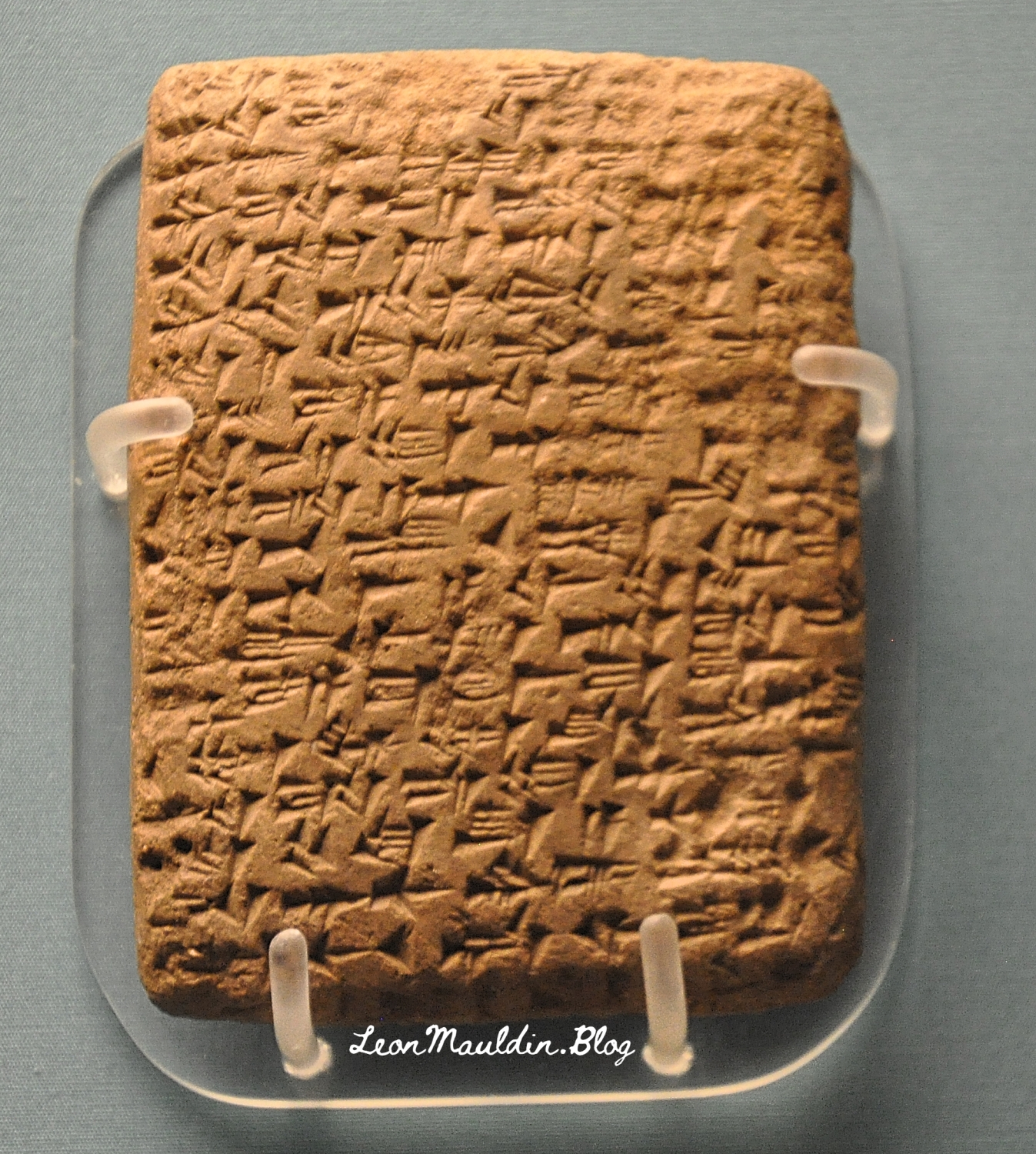
From Gezer. Photo ©Leon Mauldin. British Museum.

Here is the tablet from Biridiya, king of Megiddo. He “accuses the king of Acco of treachery by releasing the captured Hapiru leader, Labayu, instead of sending him to Egypt.”
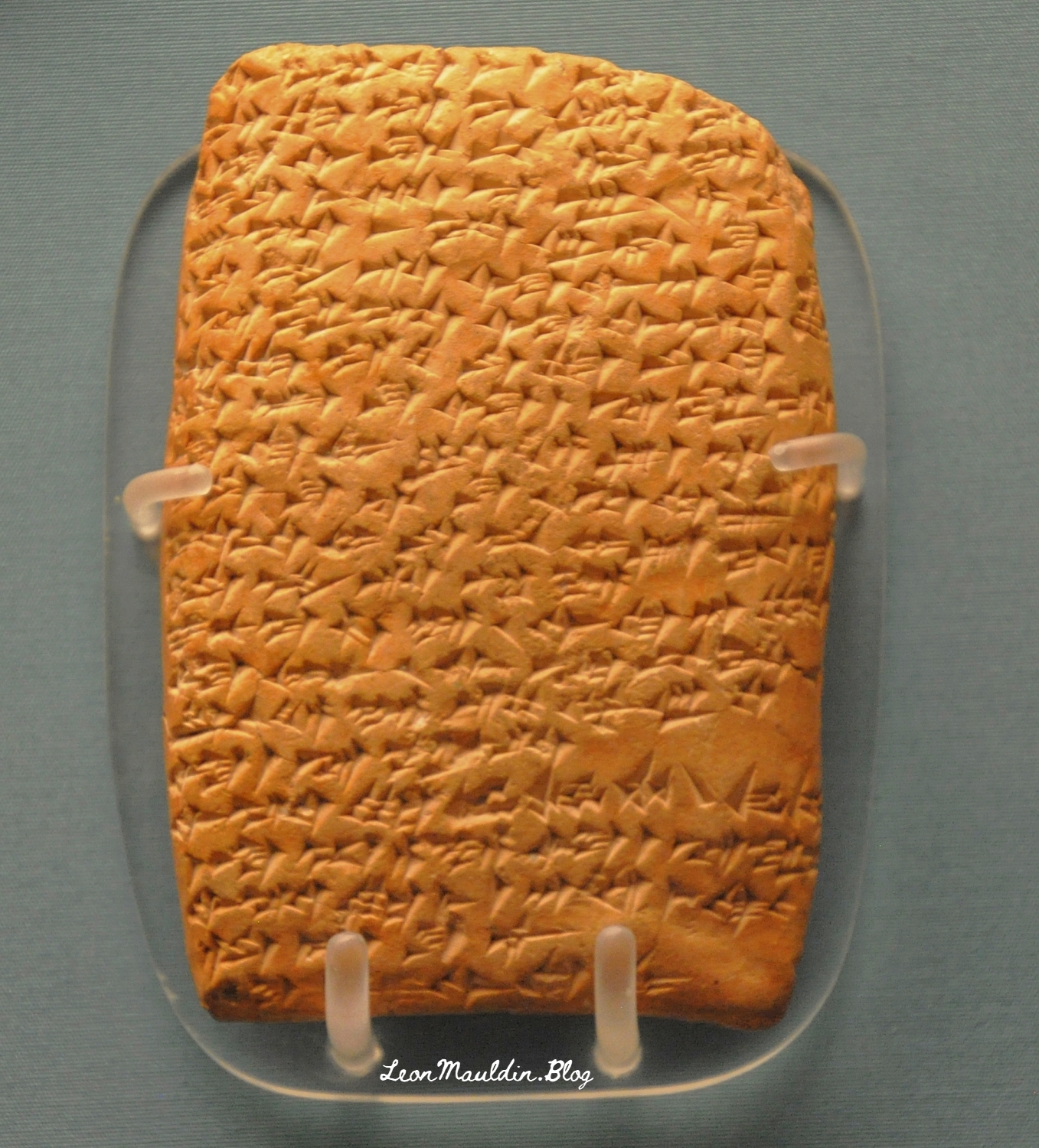
Tablet from king of Megiddo. Photo ©Leon Mauldin. British Museum.

Our fifth tablet is from Labayu, ruler of Shechem. Shechem occurs frequently in the Old Testament (Gen. 12:6, et al.).
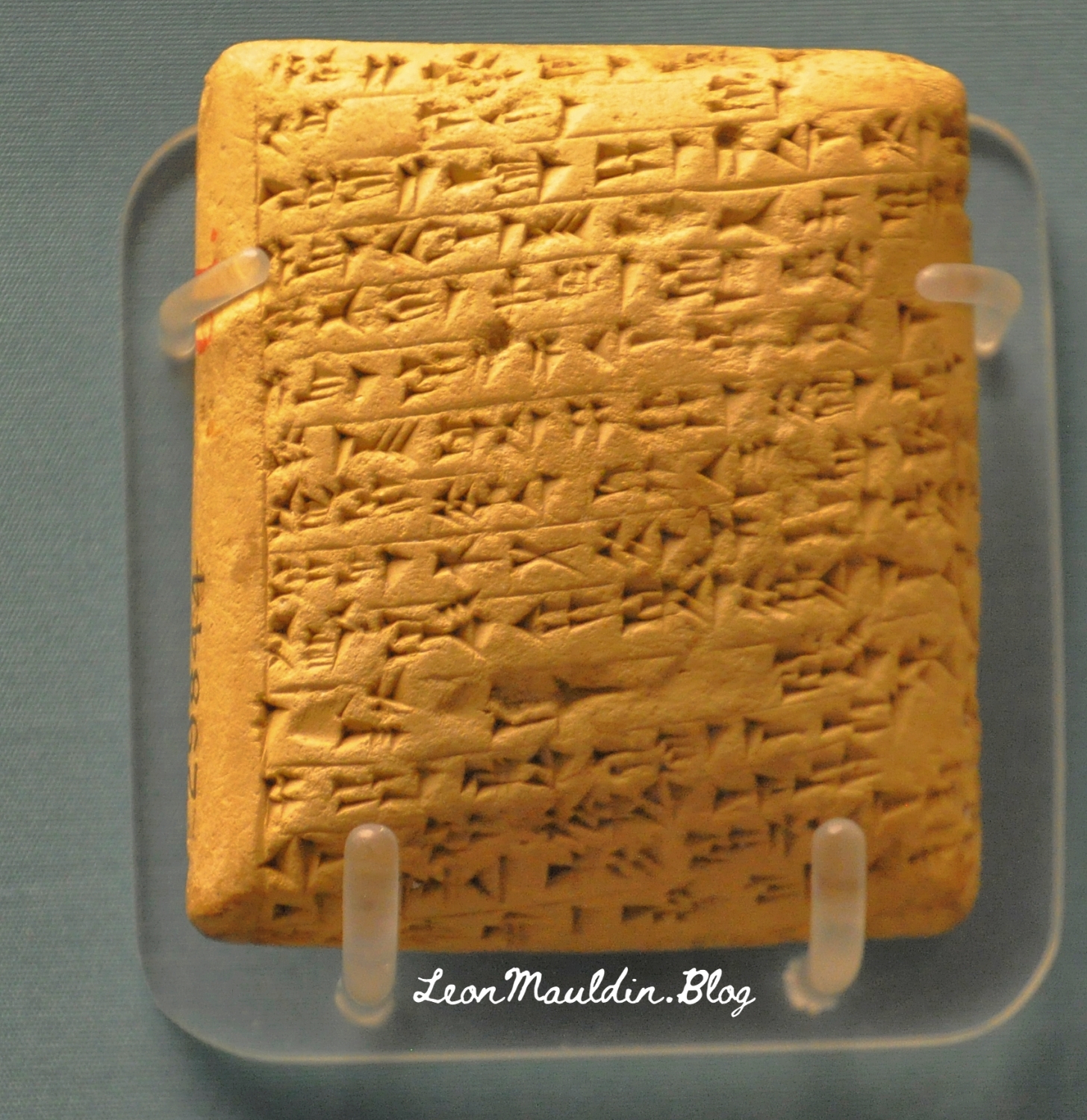
From Shechem. Photo ©Leon Mauldin. British Museum.

Mandell went on the say regarding the script of these tablets, “The Amarna Letters were not written in alphabetic or Egyptian scripts. They were written in cuneiform, a wedge-shaped script that was developed in Mesopotamia in the late fourth millennium BCE to write Sumerian and, later, Akkadian. By the Amarna period, ancient people from all over the Near East wrote in this script by impressing a stylus into clay to create wedge-shaped signs” (Ibid.).

The BAS article also provided a couple of helpful maps.

Map shows the location of El-Amarna relative to Canaan.
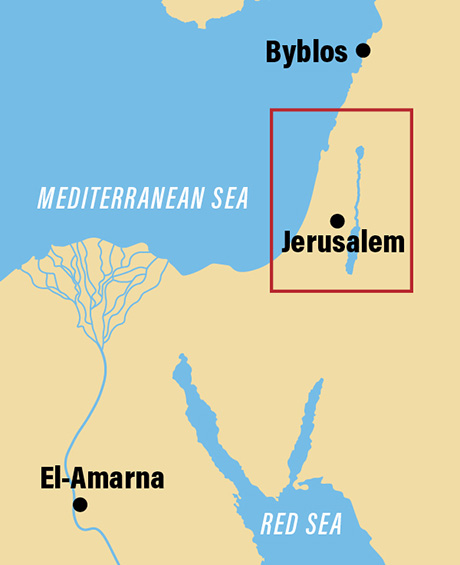
Location of El-Amarna in Egypt. Map by BAS.

This map includes the sites of the origin of the tablets we featured above.
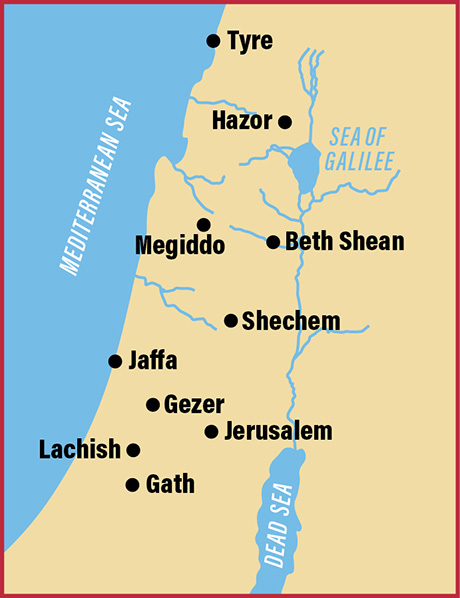
Cities in Canaan represented our display of tablets. Map by BAS.

Click images for larger view.


Tel Lachish, where King Amaziah of Judah Was Killed

April 22, 2017

“From the time Amaziah turned from following the LORD, conspirators plotted against him in Jerusalem, so he fled to Lachish. But they sent assassins after him and they killed him there” (2 Chronicles 25:27, NET).

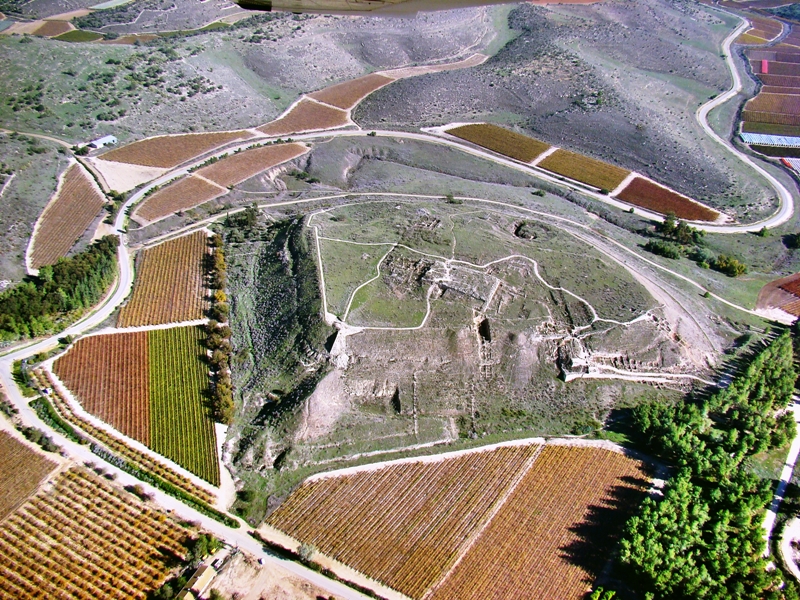
Tel Lachish at center. View is from the southwest. Photo ©Leon Mauldin.

Our photo gives the geographical setting for the biblical text, which tells of the assassination of one of Judah’s kings during the “Divided Kingdom” period. Amaziah reigned 796-767 BC. He is described by one author as “a mediocre king who suffered the consequences of his compromises” (Shepherds Notes, The Kings of Judah, p.79).

Later the city of Lachish would be one of 46 fortified cities captured by the Assyrian king Sennacherib, in 701 BC. His siege-mound formed for that invasion can still be seen at the southwest corner of tel Lachish.

Click photo for larger view.

We previously wrote about Lachish here and here.


The Wicked Vinedressers

October 26, 2012

In Mark 12:1-11, in the final week of Jesus’ ministry, He told the Parable of the Wicked Vinedressers (Mark 12:1-11). The vineyard Owner sent a servant to His vineyard for fruit at the proper season. He did not receive fruit; instead, the vinedressers took the servant, beat him, and sent him away empty. Then He sent another servant, at whom they threw stones, wounded him in the head, and sent him away shamefully. Again, He sent another and him they killed. The same treatment happened to other servants sent to the vineyard.

The Owner had one Son. His Beloved Son. The Owner sent Him also. They killed Him and cast Him out of the vineyard!

What vineyard owner would do this? None! But what no one else would do is what God did! He sent His servants, the prophets, again and again to His people. They were treated shamefully; some were killed. Last of all He sent His Son! They killed the Son also, without knowing that His death was the means of our salvation from our sins.

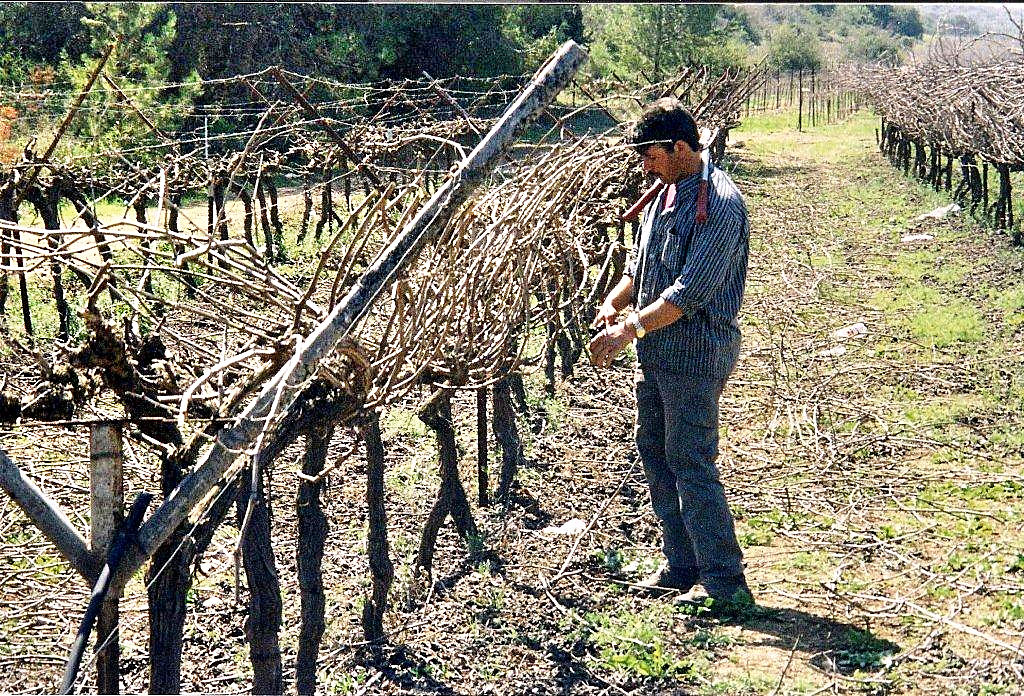
Our photo shows a vineyard at Lachish, with a vinedresser pruning and trimming the vines. This gives the setting for the parable of the text.

Vinedresser working in vineyard at Lachish in Israel. Photo by Leon Mauldin.

This photo was originally a 35 mm slide taken in 1999.

********

We have had a wonderful 6-day meeting at Trilacoochee, Fl., near Dade City, presenting a series of 9 biblical lessons. My good friend Bob Waldron is the local evangelist who works with the congregation here.


Lachish, cont’d.

December 3, 2010

Our previous post shows an aerial shot of Lachish.  Today’s post will get us back on ground level.

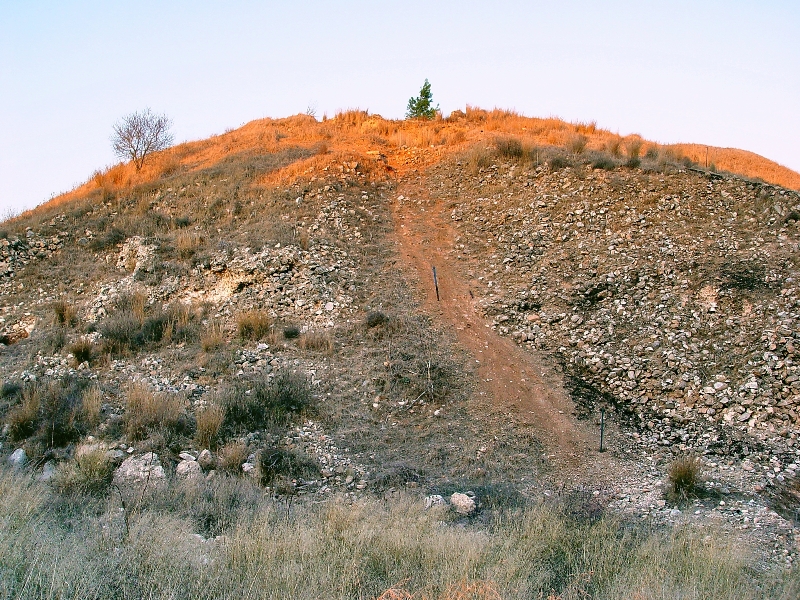
I mentioned in that previous post that you can see the siege mound laid by the Assyrians in 701 BC.  Our photo below shows the mound.


Siege Mound at Lachish. Sennacherib was the Assyrian King. Photo by Leon Mauldin


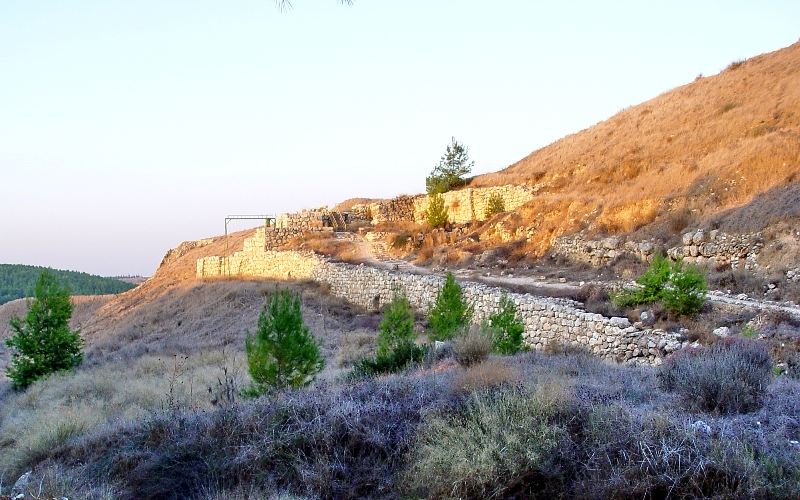
As you ascend the western side of the city, you can see a portion of the ancient wall, as well as the entrance to the city gate.


Western Wall of Lachish. Photo by Leon Mauldin


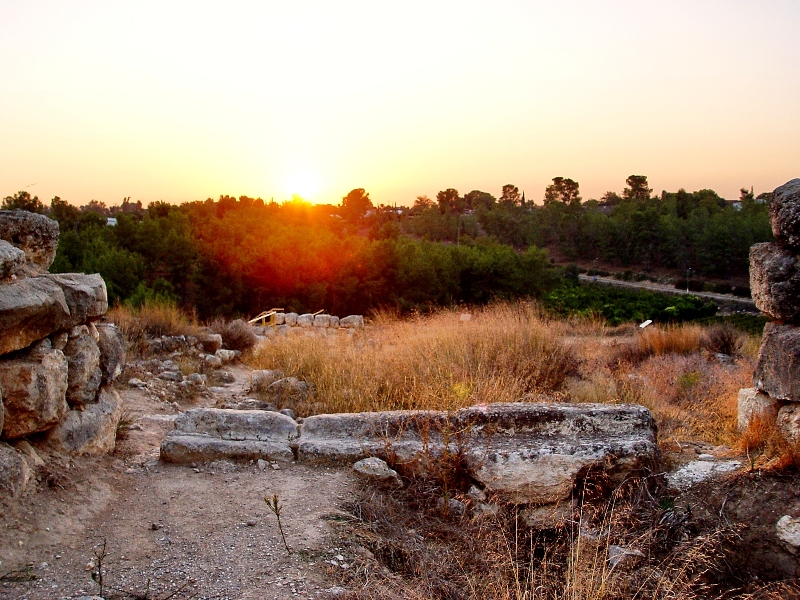
Finally, here is a sunset view from inside the city gate of Lachish.


City Gate at Lachish at Sunset. Photo by Leon Mauldin.

Click on images for higher resolution.


Lachish

November 30, 2010

The city of Lachish (Tell ed-Duweir in Arabic) was located about 30 miles southwest of Jerusalem, nestled in the foothills, the Shephelah, of Judah.  The site covers about 18 acres. It was previously a principle Canaanite city and then after the conquest under Joshua, it was one of the most important Israelite cities.

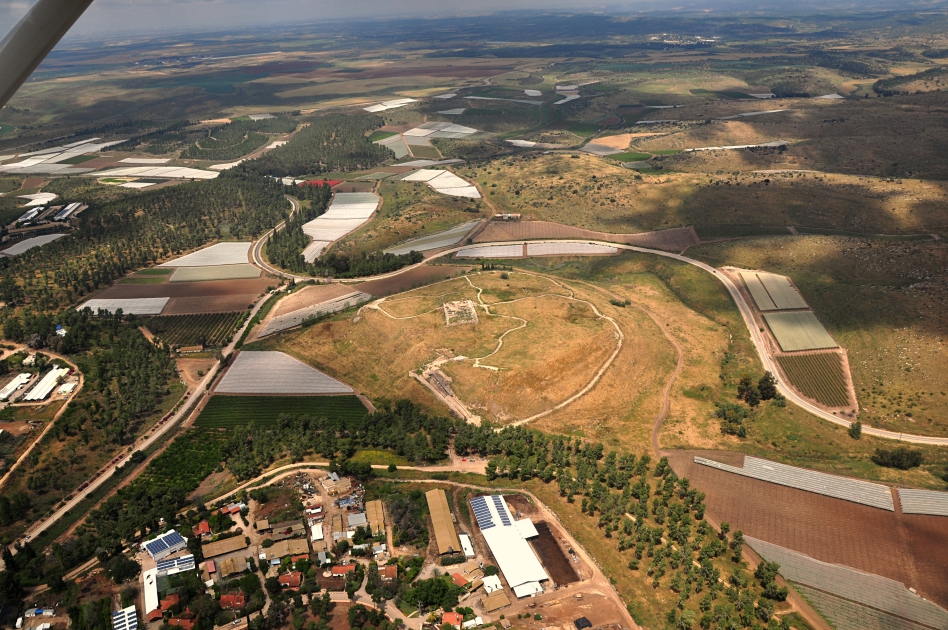
Our photo gives an aerial view of biblical Lachish.

Aerial of Lachish, one of Judah's most important cities. Photo ©Leon Mauldin.

On the far right the siege mound built by the Assyrians under Sennacherib in 701 B.C. can still be seen. You can also see the ancient wall of the city and the gate complex.

Passages:

1. Rehoboam, Solomon’s son, rebuilt Lachish as a city for defense, a fortified city (2 Chron. 11:5-11).

2. Later, King Amaziah of Judah, following his apostasy from God (he began worshiping the gods of Edom), was killed while hiding in Lachish (2 Kgs. 14:19; 2 Chron. 25:27).

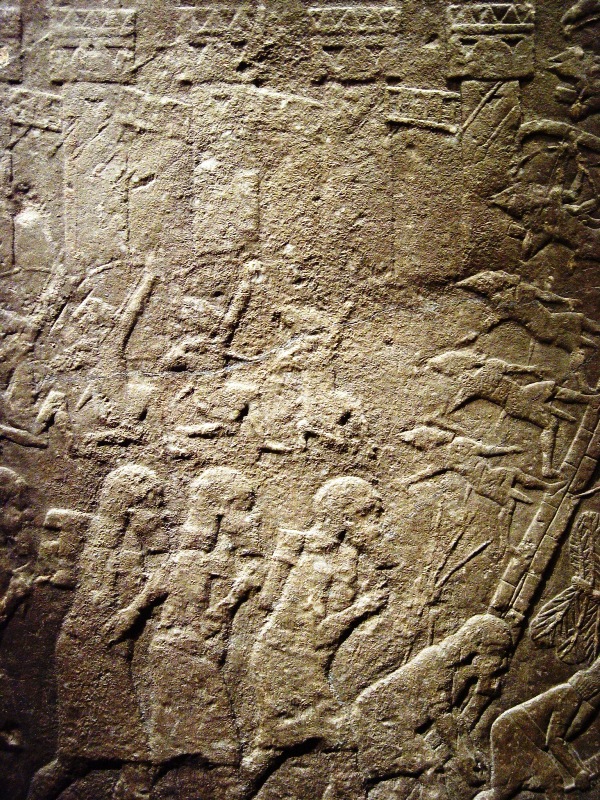
3. Sennacherib, king of Assyria, captured Lachish (2 Kgs.18:13-17; 2 Chron. 32:9).  He considered its capture to be of such significance that he depicted it in elaborate relief on the wall of his palace at Nineveh, as illustrated in our photo here below.  Note the Assyrian archers; others are scaling the wall by means of a ladder.

Lachish Relief. Metro Museum NY. Photo ©Leon Mauldin.

Additionally, Lachish is known for the “Lachish Letters,” twenty-one pottery sherds on which were written letters in clear Hebrew information regarding the attack on Lachish and Jerusalem by Babylon in 586 B.C. One of those letters says that the signal fires from Azekah could no longer be seen. Just prior to that, Jeremiah had observed that only Lachish and Azekah were left as fortified cities in Judah (Jer. 34:7).

Click on images for higher resolution.