El-Amarna Tablets

February 3, 2025

The collection of El-Amarna tablets represent diplomatic correspondence from princes/kings of from varioius parts of the Egpytian Empire during the reigns of Amenophis III, Akhenaton and Tutankhamun. These tablets were found in the ruins of Akhenaton’s (the “heretic” pharaoh) capital at El-Amarna. The British Museum displays some of the El-Amarna tablets from various locations in Canaan, which will be the focus of this post. We will feature tablets from Hazor, Lachish, Gezer, Megiddo and Shechem, all five of which were very important sites in Canaan.
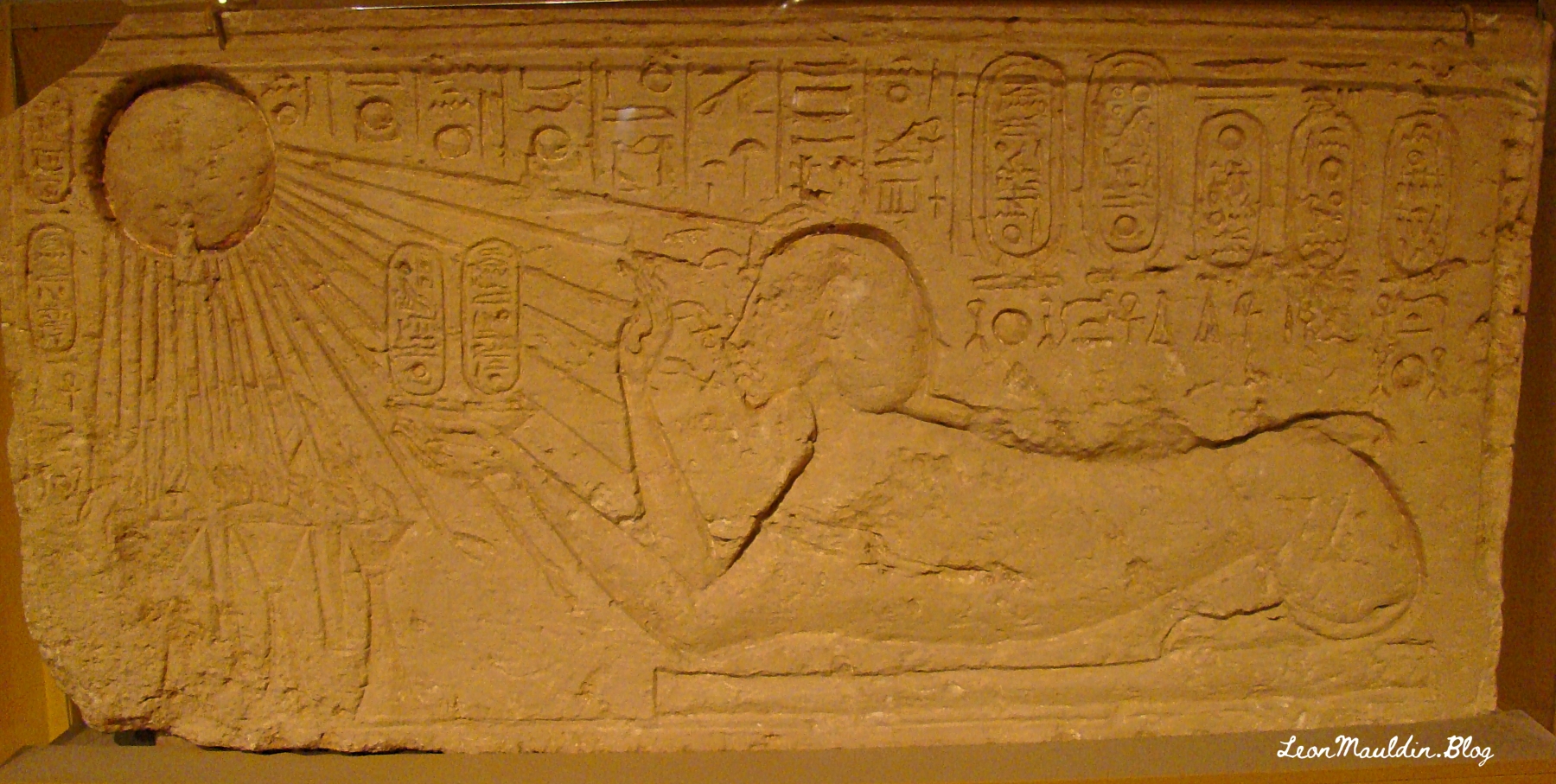
King Akhenaten as a sphinx. Photo ©Leon Mauldin. Boston Museum of Fine Arts.

Alice Mandell writes in BAS:

Discovered at the site of Tell el-Amarna in Middle Egypt, these cuneiform documents are letters dating to the mid-14th century BCE that were written in varieties of Akkadian, the lingua franca of the time, by scribes from all over the ancient Near East on behalf of local kings. The letters are commonly divided into two groups: letters from the “greater” powers (the Egyptian, Mitannian, Hittite, Assyrian, and Kassite kings) and letters from the “lesser” powers (smaller kingdoms and city-states from across the Levant, including the land of Canaan). Interestingly, even though the Canaanite rulers were among the least powerful kings writing to Egypt (in fact, they were under Egyptian rule), they left behind the largest number of letters. Source: https://library.biblicalarchaeology.org/article/letters-to-pharaoh-the-canaanite-amarna-tablets/?utm_source=WhatCountsEmail&utm_medium=BHDA%20Spotlight%201-90&utm_campaign=TS%20BAS%20Scholars%20Series%208-21-24

This tablet is from Abdi-Tirshi, King of Hazor. The info sign says that he “reassures pharaoh that he is loyal and is keeping his cities in good order.”
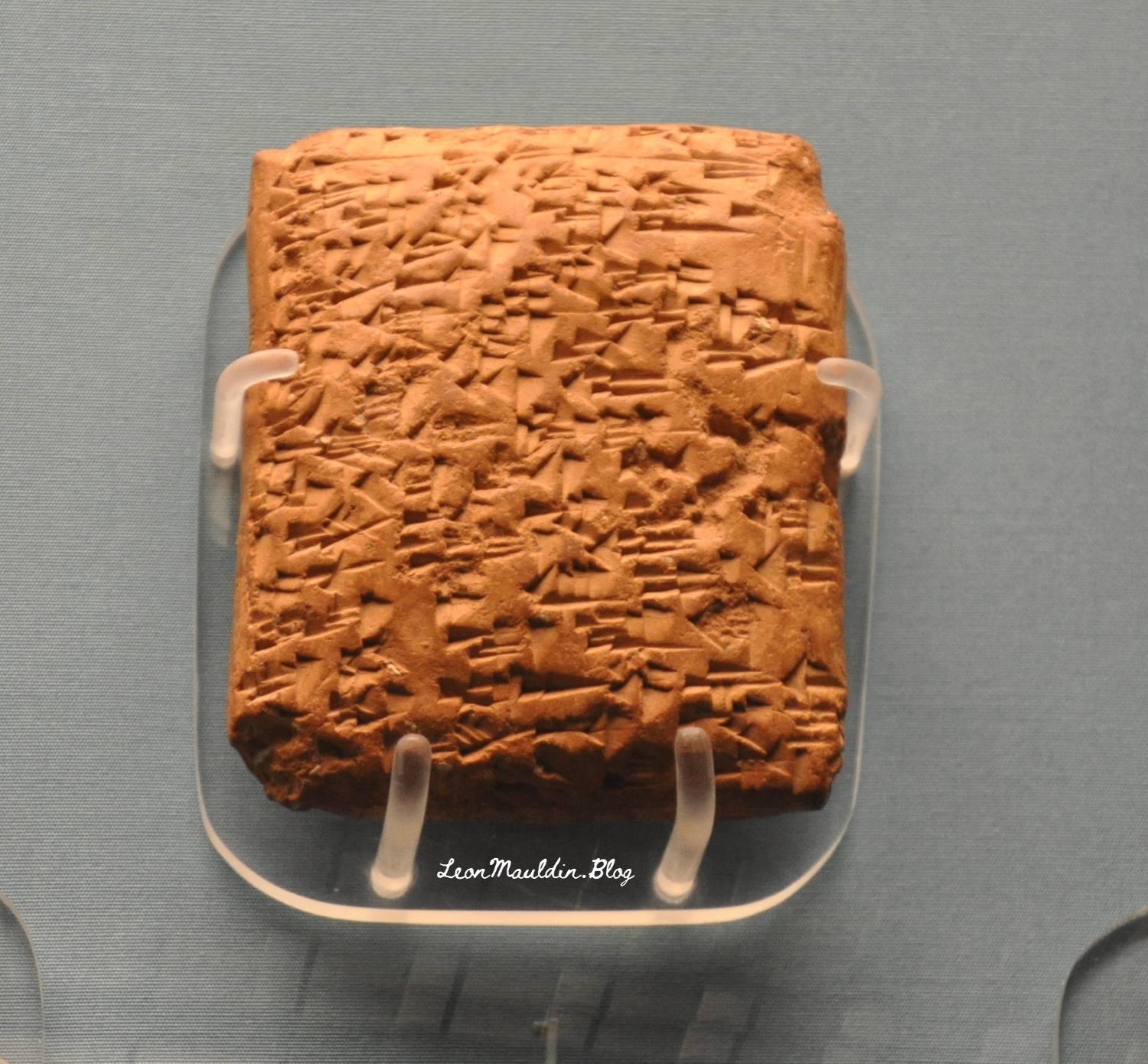
El-Amarna tablet for Canaan’s king of Hazor. Photo ©Leon Mauldin. British Museum.

This tablet is from Shipti-Ba’al of Lachish. He also assures pharaoh of his loyalty.
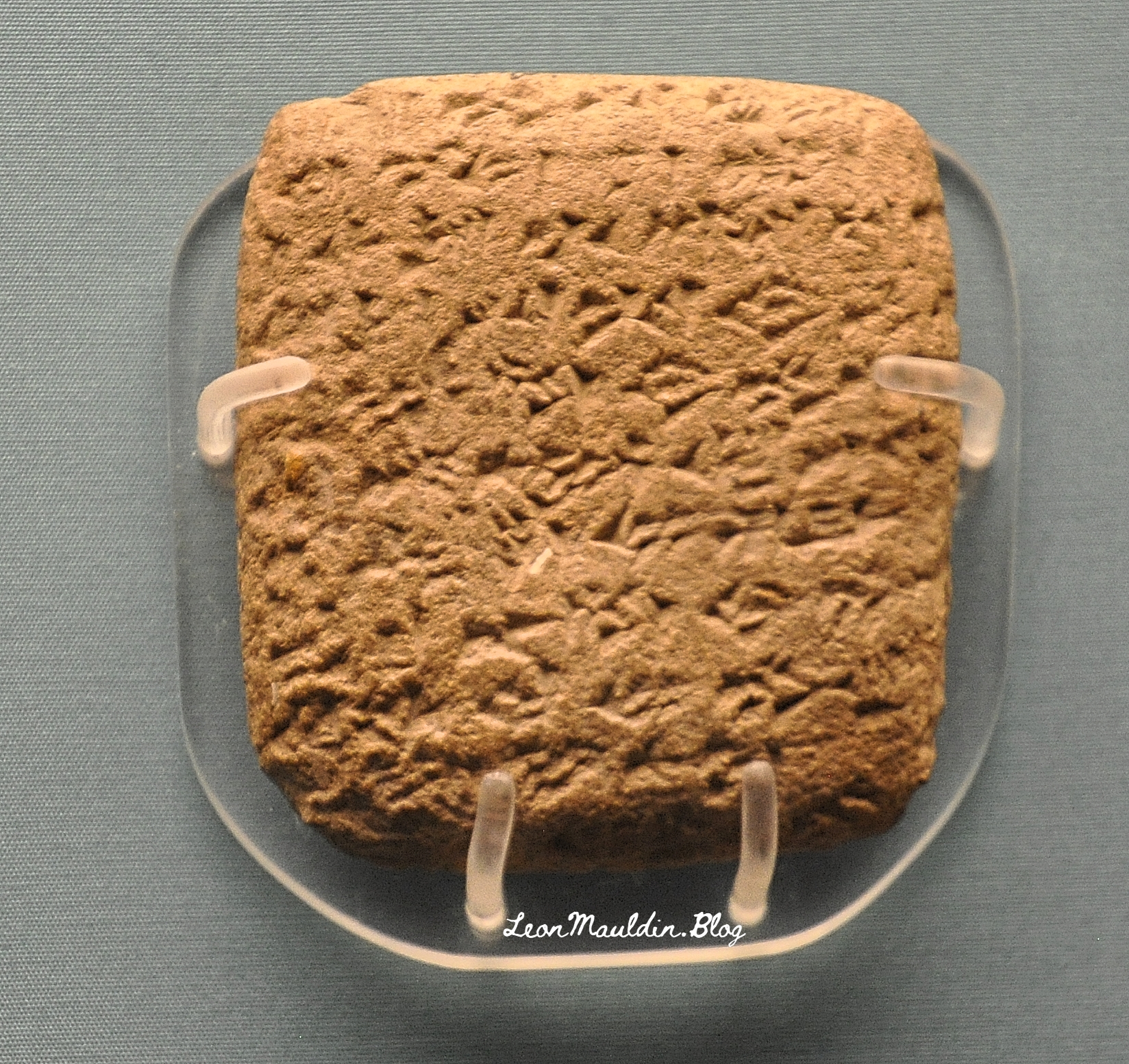
From the king of Lachish. Photo ©Leon Mauldin. British Museum.

Here is the tablet from Gezer’s king Yapahu, who “begs pharaoh for help in defending his city against raids by the Hapiru.” Many scholars believe that the “Hapiru” here refer to the Hebrews.
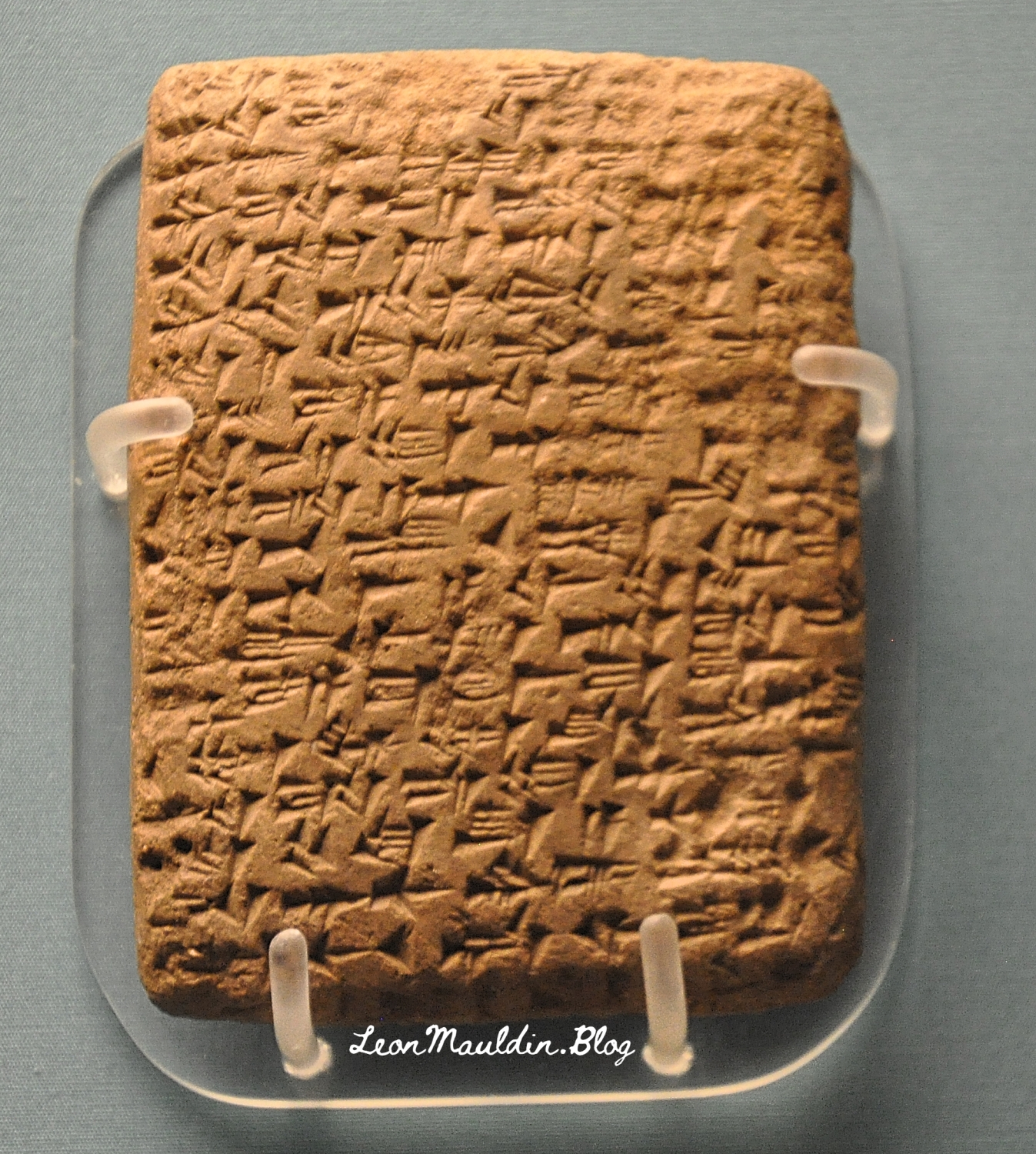
From Gezer. Photo ©Leon Mauldin. British Museum.

Here is the tablet from Biridiya, king of Megiddo. He “accuses the king of Acco of treachery by releasing the captured Hapiru leader, Labayu, instead of sending him to Egypt.”
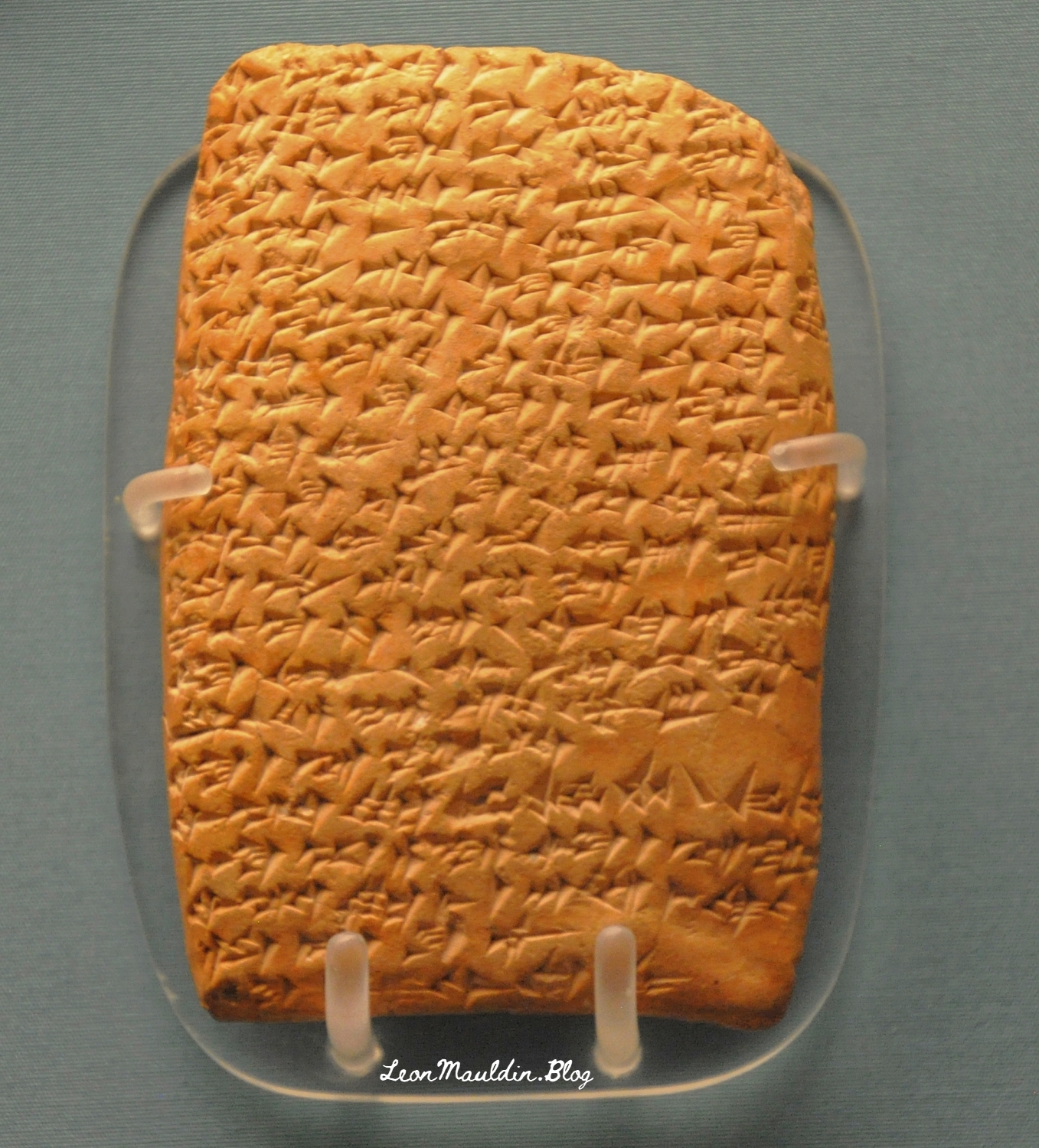
Tablet from king of Megiddo. Photo ©Leon Mauldin. British Museum.

Our fifth tablet is from Labayu, ruler of Shechem. Shechem occurs frequently in the Old Testament (Gen. 12:6, et al.).
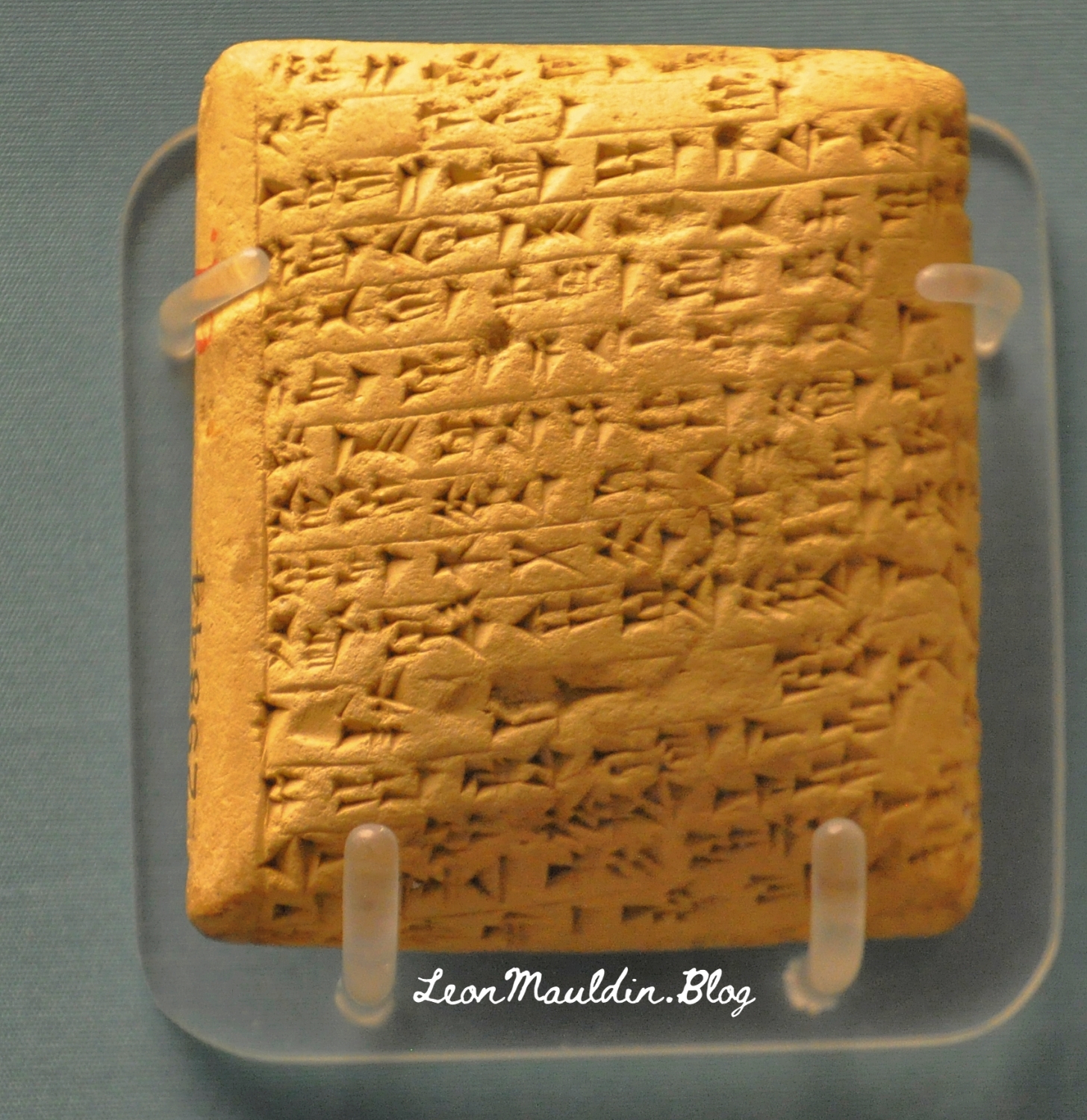
From Shechem. Photo ©Leon Mauldin. British Museum.

Mandell went on the say regarding the script of these tablets, “The Amarna Letters were not written in alphabetic or Egyptian scripts. They were written in cuneiform, a wedge-shaped script that was developed in Mesopotamia in the late fourth millennium BCE to write Sumerian and, later, Akkadian. By the Amarna period, ancient people from all over the Near East wrote in this script by impressing a stylus into clay to create wedge-shaped signs” (Ibid.).

The BAS article also provided a couple of helpful maps.

Map shows the location of El-Amarna relative to Canaan.
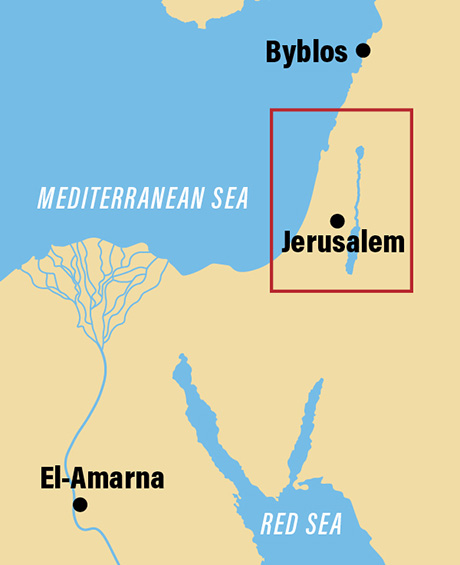
Location of El-Amarna in Egypt. Map by BAS.

This map includes the sites of the origin of the tablets we featured above.
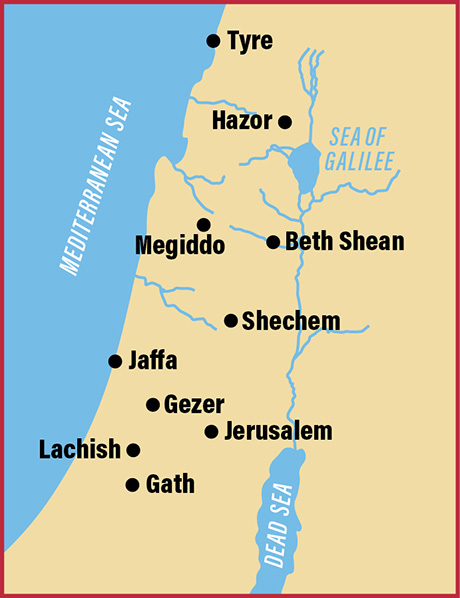
Cities in Canaan represented our display of tablets. Map by BAS.

Click images for larger view.


Tel Hazor in Israel

November 18, 2016

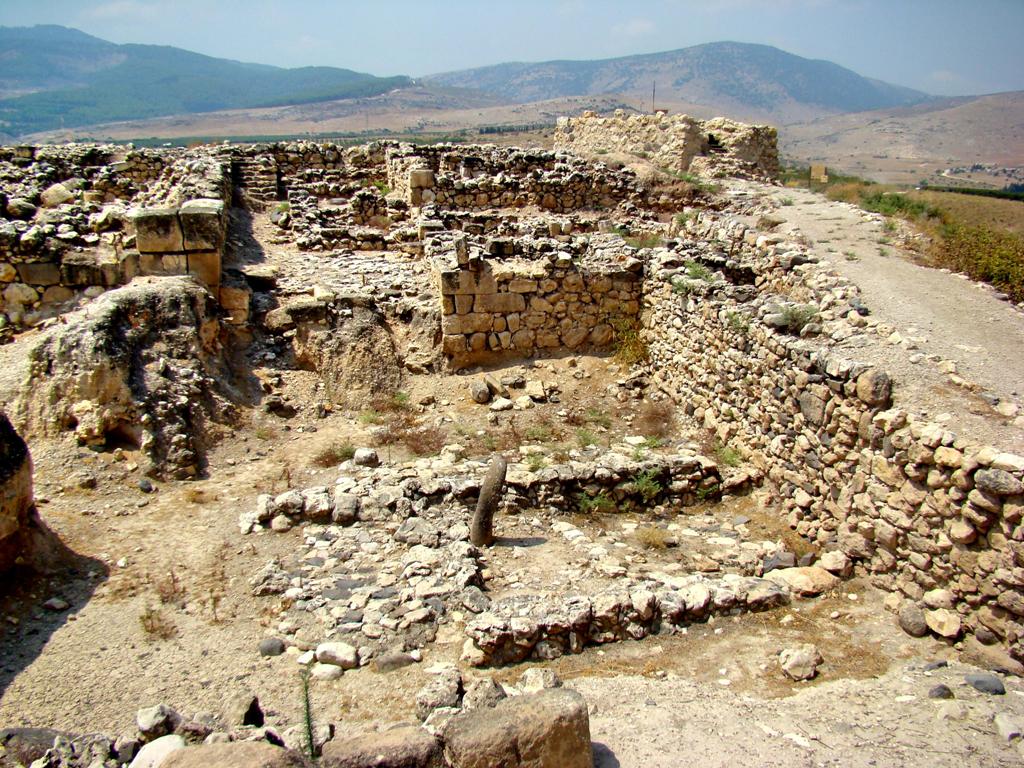
Hazor is first mentioned in the Bible in Josh. 11 in the days of the conquest under Joshua. Having conquered the central and then southern regions of Canaan, the victory of Hazor established Israel’s “toehold” in the north, for as Josh. 11:10 explains, “Joshua turned back at that time and took Hazor, and struck its king with the sword; for Hazor was formerly the head of all those kingdoms.” Or, as the NET renders the text, “for Hazor was at that time the leader of all these kingdoms.” As such, it was the head of a confederation of several Canaanite cities in the battle against Joshua & Israel’s forces at the waters of Merom. Nelson’s NIBD says, “Hazor was one of the most important fortresses in the land (Josh. 11:10). This was due to its enormous size, its large population, and its strategic location of the main road between Egypt and Mesopotamia” (p.546).

It is recorded in the next verse, Josh. 11:11, that Joshua burned Hazor down, but not the surrounding cities. Verse 13 continues: “But as for the cities that stood on their mounds, Israel burned none of them, except Hazor only, which Joshua burned.” The standard procedure during the conquest was not to burn down the cities—God was giving them to Israel as their inheritance in which to live. Therefore it should not surprise us when the “critic” says there is not a lot of evidence of destruction, etc., to date Joshua’s conquest of Israel. There is a big difference between destruction and conquest. I.e., cities such as Jericho, Ai, and Hazor were the exceptions and not the rule.

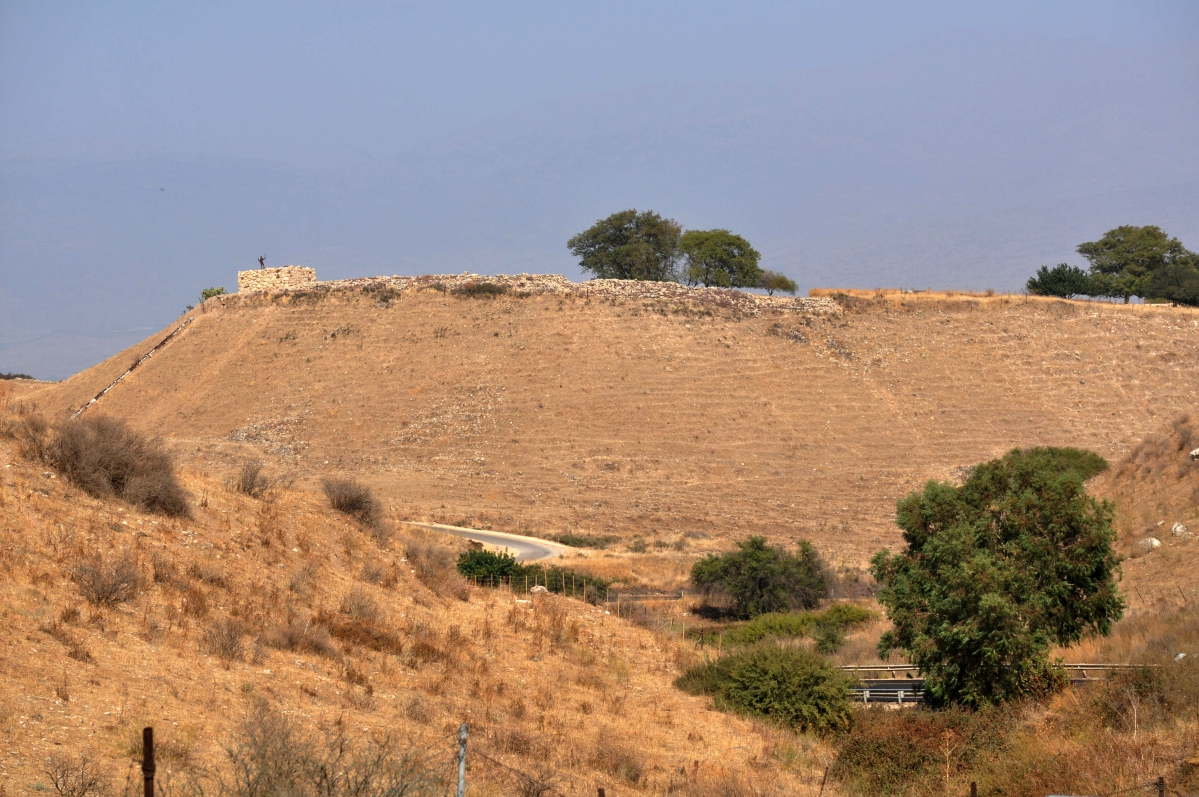
Biblical Hazor. "Formerly the head of all those kingdoms" (Josh. 11:10). Photo by Leon Mauldin.

Biblical Hazor. “Formerly the head of all those kingdoms” (Josh. 11:10). Note the watchtower at upper left. Photo by Leon Mauldin.

Between the time of the Conquest and the time of the Judges, Hazor had rallied and was again a very serious threat, as God allowed the armies of Hazor to oppress the Israelites because of Israel’s sinfulness (Judges 4:1-3). These were the days in which God raised up Deborah to be judge and prophetess; Israel’s army was led by Barak (Judges 4-5).

Solomon made Hazor one of his fortified cities, which functioned as a military outpost (1 Kings 9:15). It continued to be an important city until its destruction by Tiglath-Pileser in 732 B.C. (2 Kings 15:29). The Solomonic gates, like those at Megiddo and Gezer, were an important feature of the city.

The city of Hazor occupied some 200 acres, making it the largest city in ancient Israel. Hazor is now the largest archaeological site in Israel. Remains show not only evidence of Israel’s occupation, but also prior Canaanite structures as well.

Extra-biblical references to Hazor: Hazor is previously mentioned in the Egyptian Execration texts from the 19th or 18th century B.C. It is listed in the Mari documents of the 18th century B.C. as one of the major commercial centers in the Fertile Crescent. Hazor is also mentioned in the Egyptian documents of the New Kingdom, such as the city lists of Tutmoses III, as well as Amenhotep II and Seti I.

I’ve previously posted on Hazor here and here.


Hazor, One of Solomon’s Fortress Cities

February 13, 2016

1 Kings 9:15 reads, “Now this is the account of the forced labor which King Solomon levied to build the house of the LORD, his own house, the Millo, the wall of Jerusalem, Hazor, Megiddo, and Gezer.

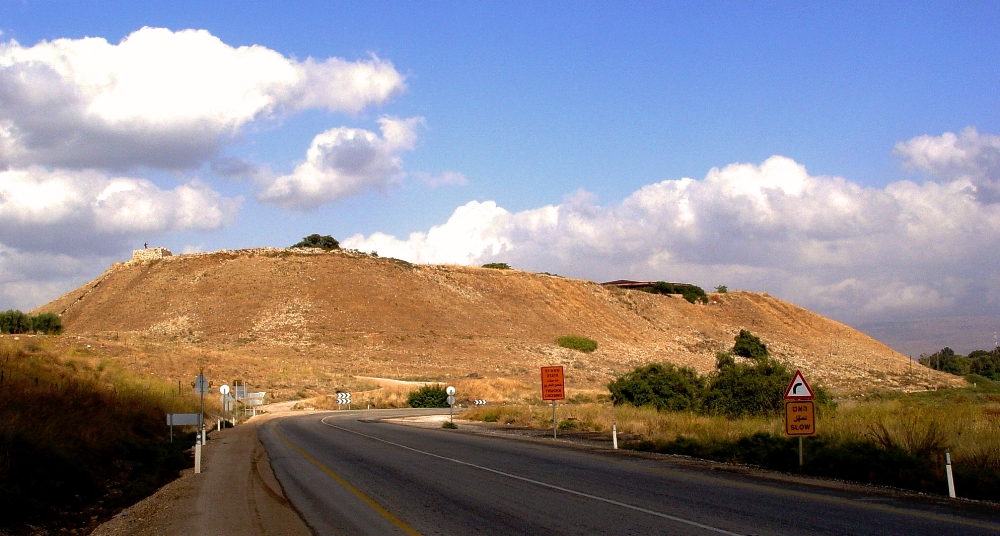
During the time of pre-conquest Canaanite occupation, “Hazor formerly was the head of all these kingdoms” (Josh. 11:10), a reference to the city states of northern Canaan. It was located on the strategic Via Maris. This is a view of the tel:

Tel Hazor, one of the cities Solomon fortified. Photo by Leon Mauldin.

Tel Hazor, one of the cities Solomon fortified. Photo by Leon Mauldin.

I have previously written on Hazor here.

Click image for larger view.


Hazor, Head of All These Kingdoms

September 5, 2011

As we have mentioned, our purpose on this current trip to Israel is to visits sites we have not seen before, many of which would not be practical to visit with a tour group. We were successful again today in doing so.

One place Ferrell Jenkins and I have seen previously many times is Hazor, but we included that city because recent visits have been either during or immediately following rain. Today it was dry and sunny. It was hot but it was nice not to have to walk in mud.

The signifance of this city which was conquered during Israel’s conquest of Canaan led by Joshua is seen in Josh. 11:10:

Then Joshua turned back at that time, and captured Hazor and struck its king with the sword; for Hazor formerly was the head of all these kingdoms.

Later during the days of the United Monarchy of Israel, King Solomon fortified this city.

Now this is the account of the forced labor which King Solomon levied to build the house of the LORD, his own house, the Millo, the wall of Jerusalem, Hazor, Megiddo, and Gezer (1 Kings 9:15).

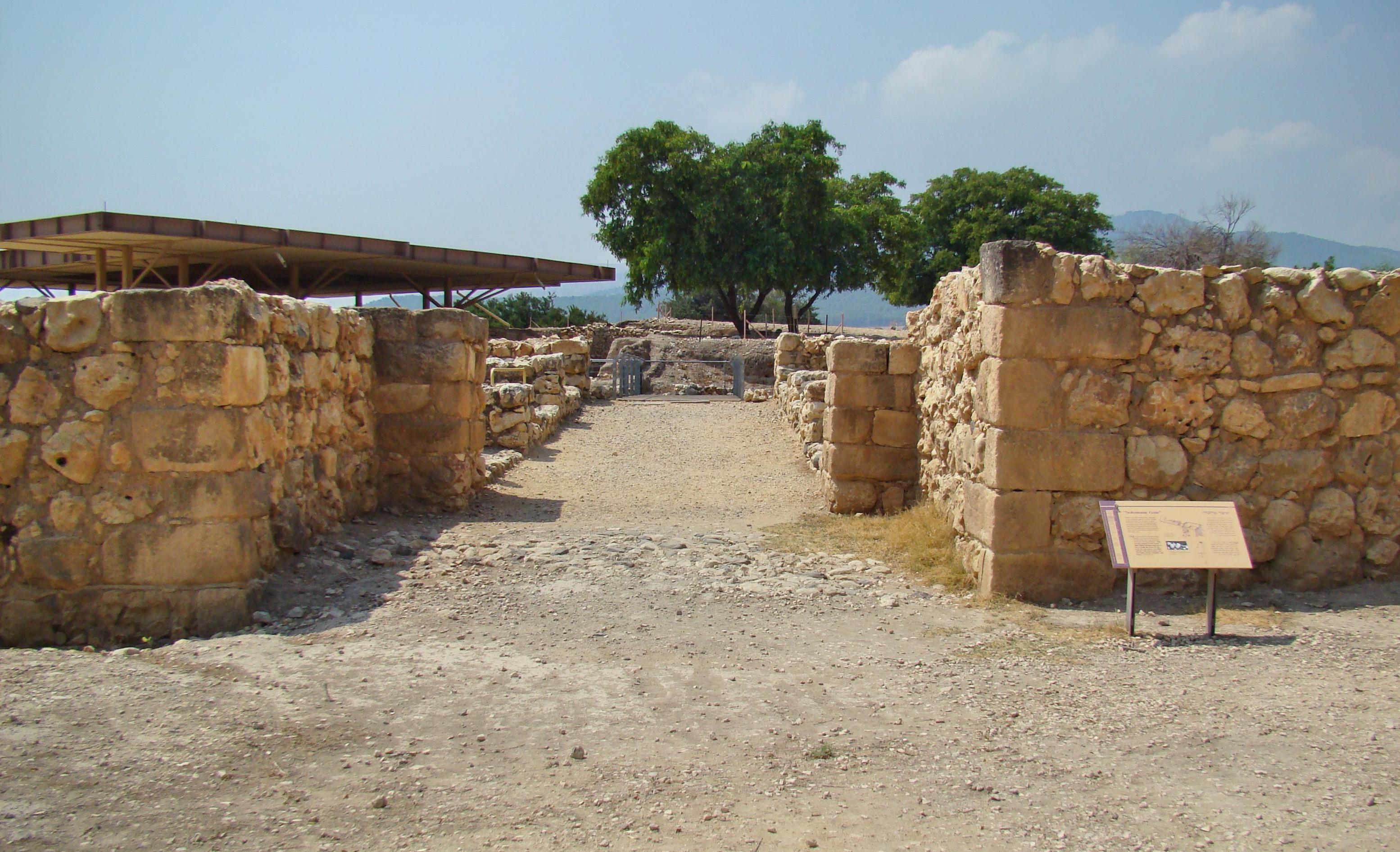
Solomonic City Gate at Hazor. Photo by Leon Mauldin.

All of these cities of this text were fortress cities. Solomon used the same “blueprint” for the gates: the six chambered gate.

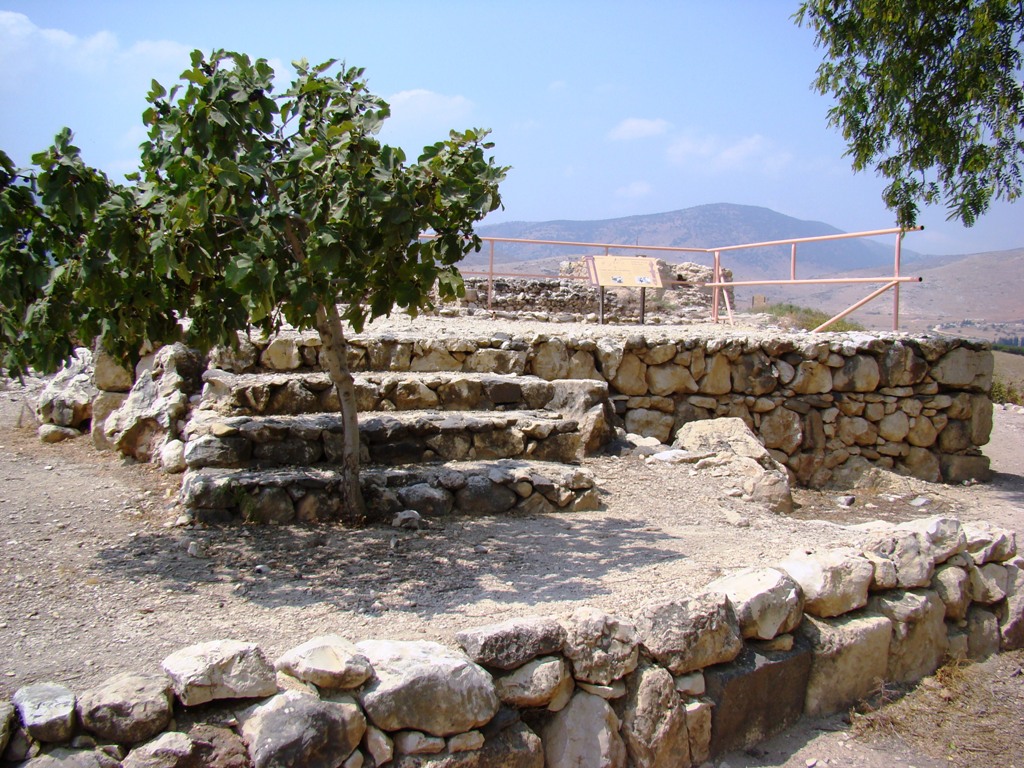
Unfortunately, in the process of time, Hazor became a center of cultic worship. Our photo shows the “high place” of Hazor.

High Place at Hazor. Sacrifice to pagan gods occurred here. Photo by Leon Mauldin.

Our photo below further shows an area where pagan worship occurred.

Site of pagan worship at Hazor. Photo by Leon Mauldin.

The forbidden massebah (sacred pillar) can be seen in foreground of photo. On the right hand corner of the tel you can see what was the base of the watchtower of Hazor.

Remember to click on photos for higher resolution.
*************
On a personal note I regret to report the death of a close personal friend, Sandra Waldron, wife of Bob Waldron. She died Sun. PM as the result of a massive heart attack, following some months of illness. The Waldrons have had a tremendous impact on my life, and I mourn this loss.