El-Amarna Tablets

February 3, 2025

The collection of El-Amarna tablets represent diplomatic correspondence from princes/kings of from varioius parts of the Egpytian Empire during the reigns of Amenophis III, Akhenaton and Tutankhamun. These tablets were found in the ruins of Akhenaton’s (the “heretic” pharaoh) capital at El-Amarna. The British Museum displays some of the El-Amarna tablets from various locations in Canaan, which will be the focus of this post. We will feature tablets from Hazor, Lachish, Gezer, Megiddo and Shechem, all five of which were very important sites in Canaan.
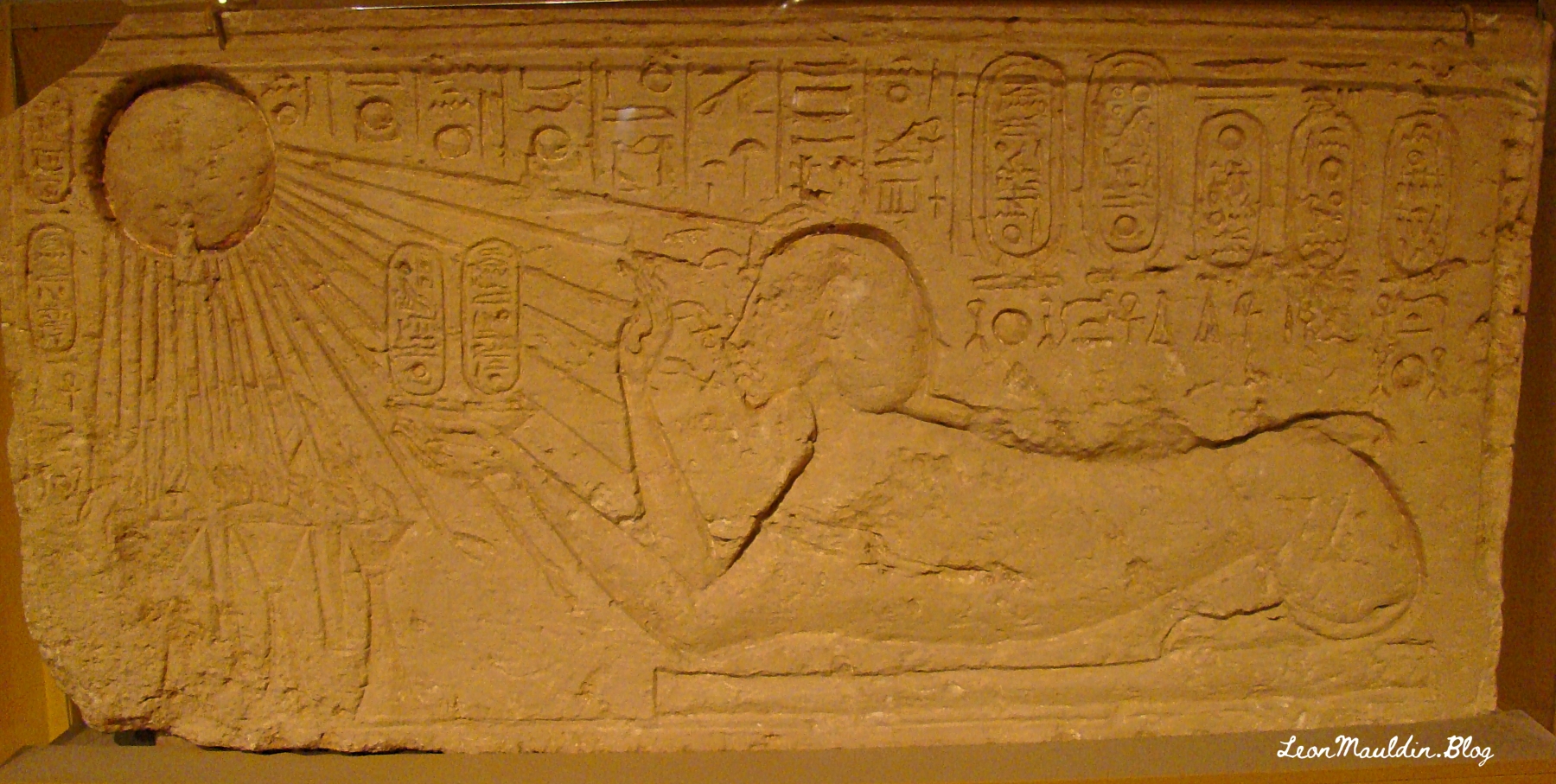
King Akhenaten as a sphinx. Photo ©Leon Mauldin. Boston Museum of Fine Arts.

Alice Mandell writes in BAS:

Discovered at the site of Tell el-Amarna in Middle Egypt, these cuneiform documents are letters dating to the mid-14th century BCE that were written in varieties of Akkadian, the lingua franca of the time, by scribes from all over the ancient Near East on behalf of local kings. The letters are commonly divided into two groups: letters from the “greater” powers (the Egyptian, Mitannian, Hittite, Assyrian, and Kassite kings) and letters from the “lesser” powers (smaller kingdoms and city-states from across the Levant, including the land of Canaan). Interestingly, even though the Canaanite rulers were among the least powerful kings writing to Egypt (in fact, they were under Egyptian rule), they left behind the largest number of letters. Source: https://library.biblicalarchaeology.org/article/letters-to-pharaoh-the-canaanite-amarna-tablets/?utm_source=WhatCountsEmail&utm_medium=BHDA%20Spotlight%201-90&utm_campaign=TS%20BAS%20Scholars%20Series%208-21-24

This tablet is from Abdi-Tirshi, King of Hazor. The info sign says that he “reassures pharaoh that he is loyal and is keeping his cities in good order.”
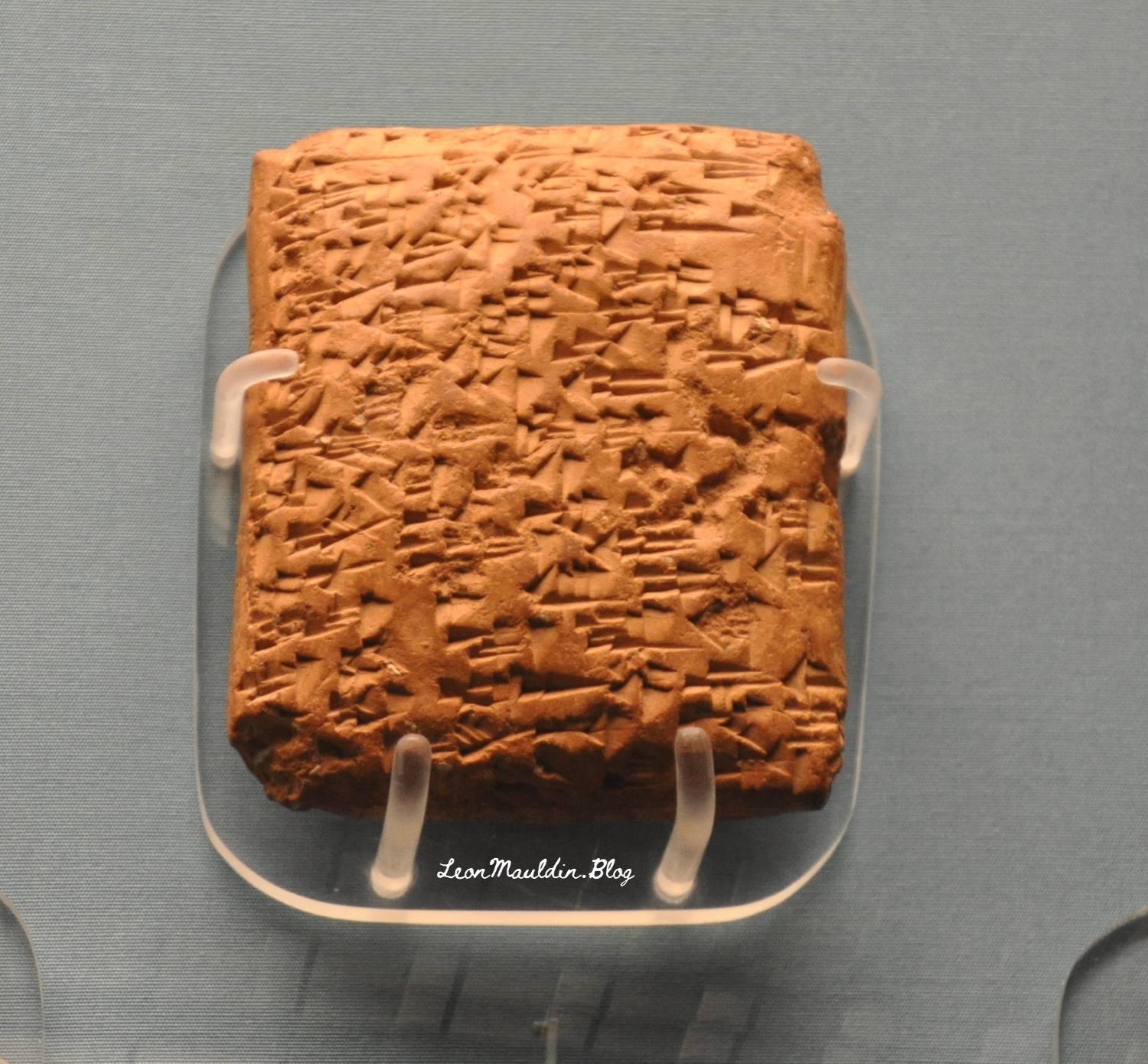
El-Amarna tablet for Canaan’s king of Hazor. Photo ©Leon Mauldin. British Museum.

This tablet is from Shipti-Ba’al of Lachish. He also assures pharaoh of his loyalty.
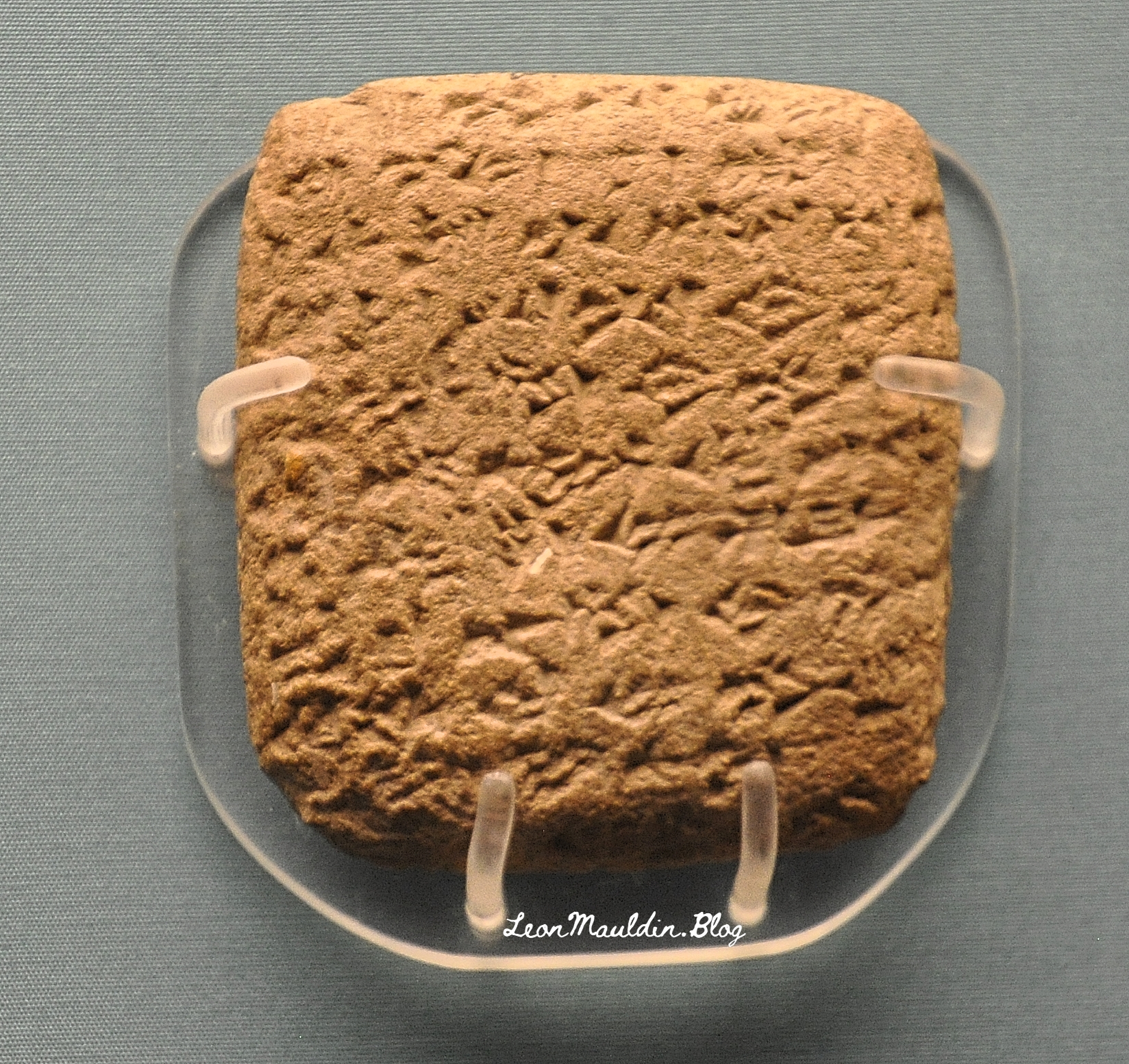
From the king of Lachish. Photo ©Leon Mauldin. British Museum.

Here is the tablet from Gezer’s king Yapahu, who “begs pharaoh for help in defending his city against raids by the Hapiru.” Many scholars believe that the “Hapiru” here refer to the Hebrews.
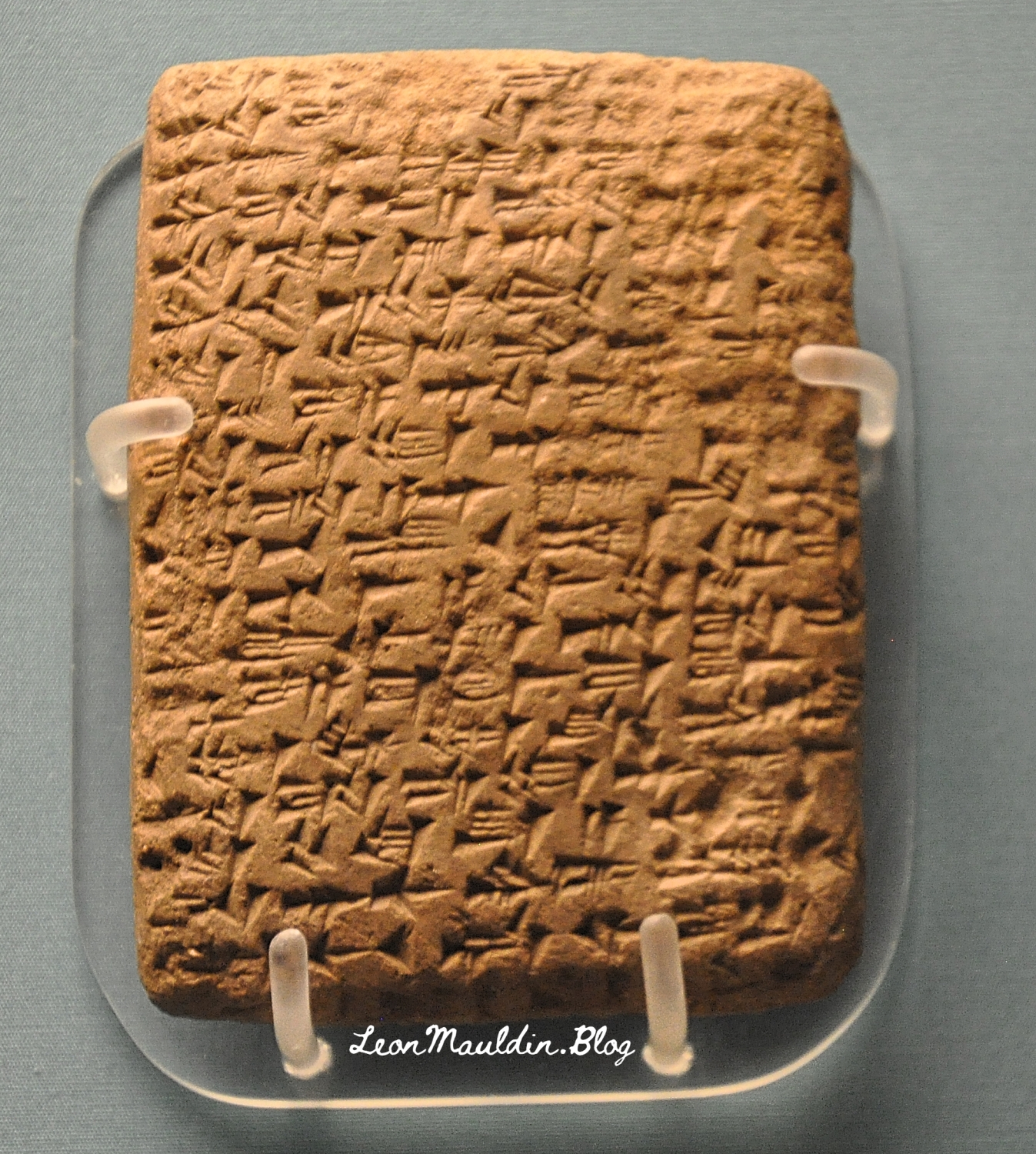
From Gezer. Photo ©Leon Mauldin. British Museum.

Here is the tablet from Biridiya, king of Megiddo. He “accuses the king of Acco of treachery by releasing the captured Hapiru leader, Labayu, instead of sending him to Egypt.”
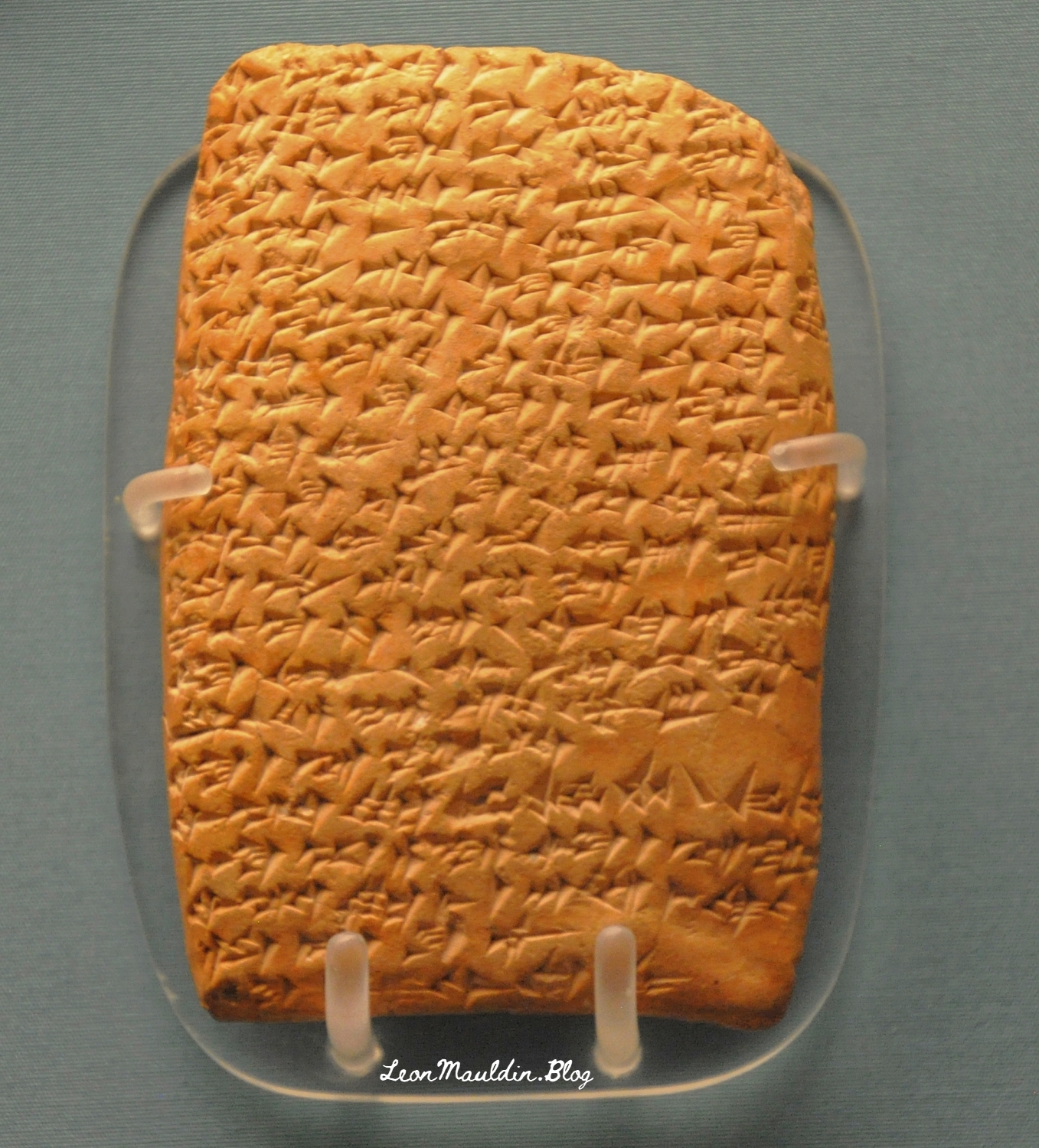
Tablet from king of Megiddo. Photo ©Leon Mauldin. British Museum.

Our fifth tablet is from Labayu, ruler of Shechem. Shechem occurs frequently in the Old Testament (Gen. 12:6, et al.).
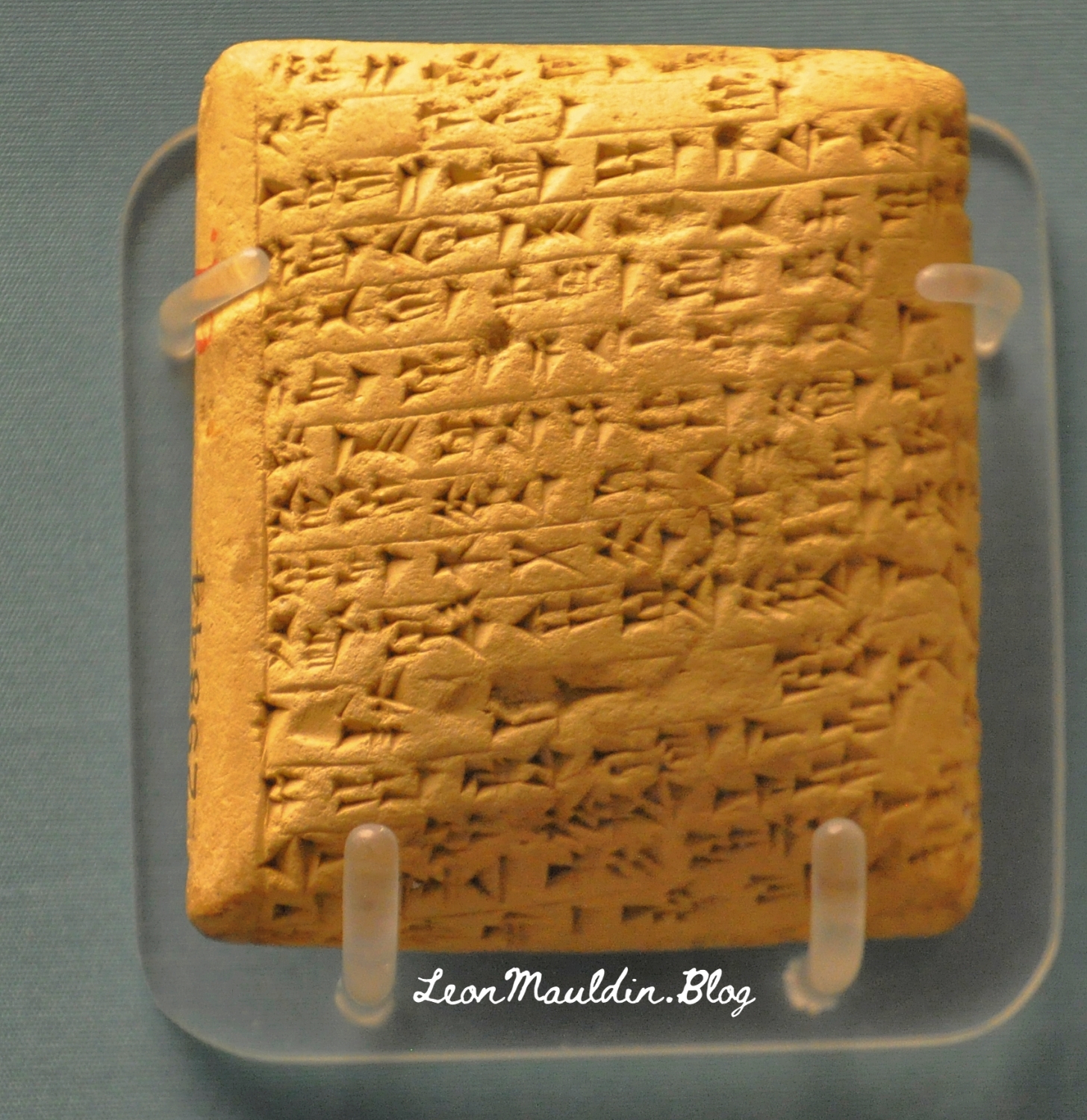
From Shechem. Photo ©Leon Mauldin. British Museum.

Mandell went on the say regarding the script of these tablets, “The Amarna Letters were not written in alphabetic or Egyptian scripts. They were written in cuneiform, a wedge-shaped script that was developed in Mesopotamia in the late fourth millennium BCE to write Sumerian and, later, Akkadian. By the Amarna period, ancient people from all over the Near East wrote in this script by impressing a stylus into clay to create wedge-shaped signs” (Ibid.).

The BAS article also provided a couple of helpful maps.

Map shows the location of El-Amarna relative to Canaan.
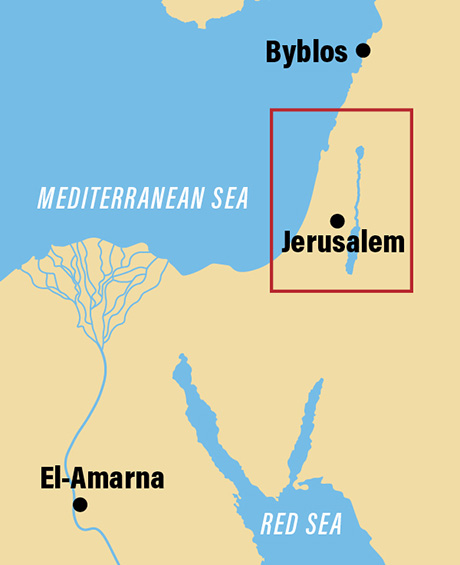
Location of El-Amarna in Egypt. Map by BAS.

This map includes the sites of the origin of the tablets we featured above.
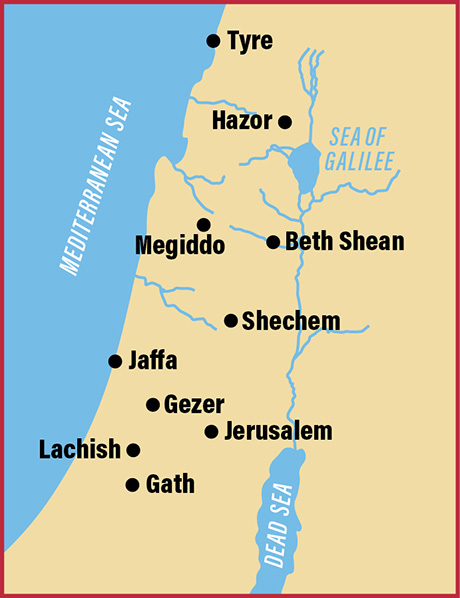
Cities in Canaan represented our display of tablets. Map by BAS.

Click images for larger view.


Pharaoh Amenemhat III, cont’d.

May 20, 2022

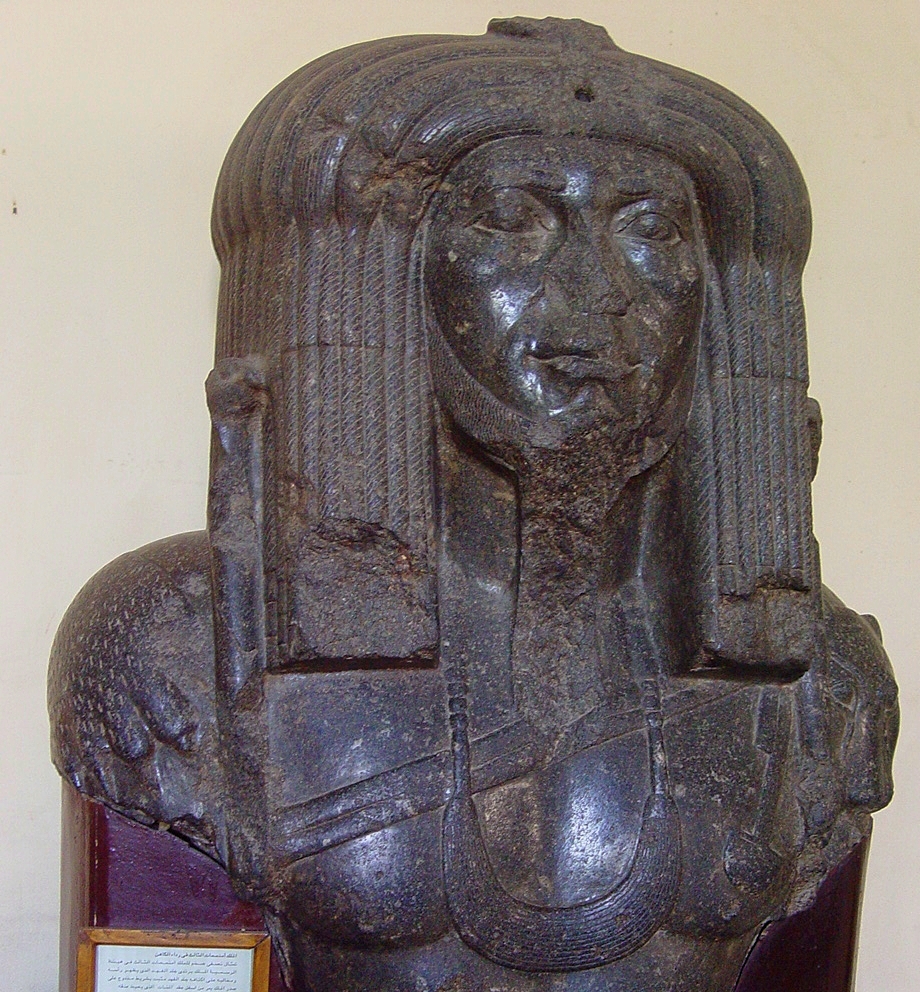
In our previous post we featured the Sphinx of Amenemhat III (ca. 1859-1813), who ruled during the time of the biblical patriarchs. This unique colossal bust of Amenemhat III was found on the site of the ancient capital of The Fayum, Shedet (the Crocodilopolis of the Greeks). The Pharaoh is dressed in a panther skin, with its head and paws lying on the king’s shoulders. A double band across his chest passes under the menat collar worn about his neck. The upper portion of two scepters terminating in falcon heads are visible on each side of his head.

Amenemhat III in priestly attire. Photo ©Leon Mauldin. Egyptian Museum, Cairo.

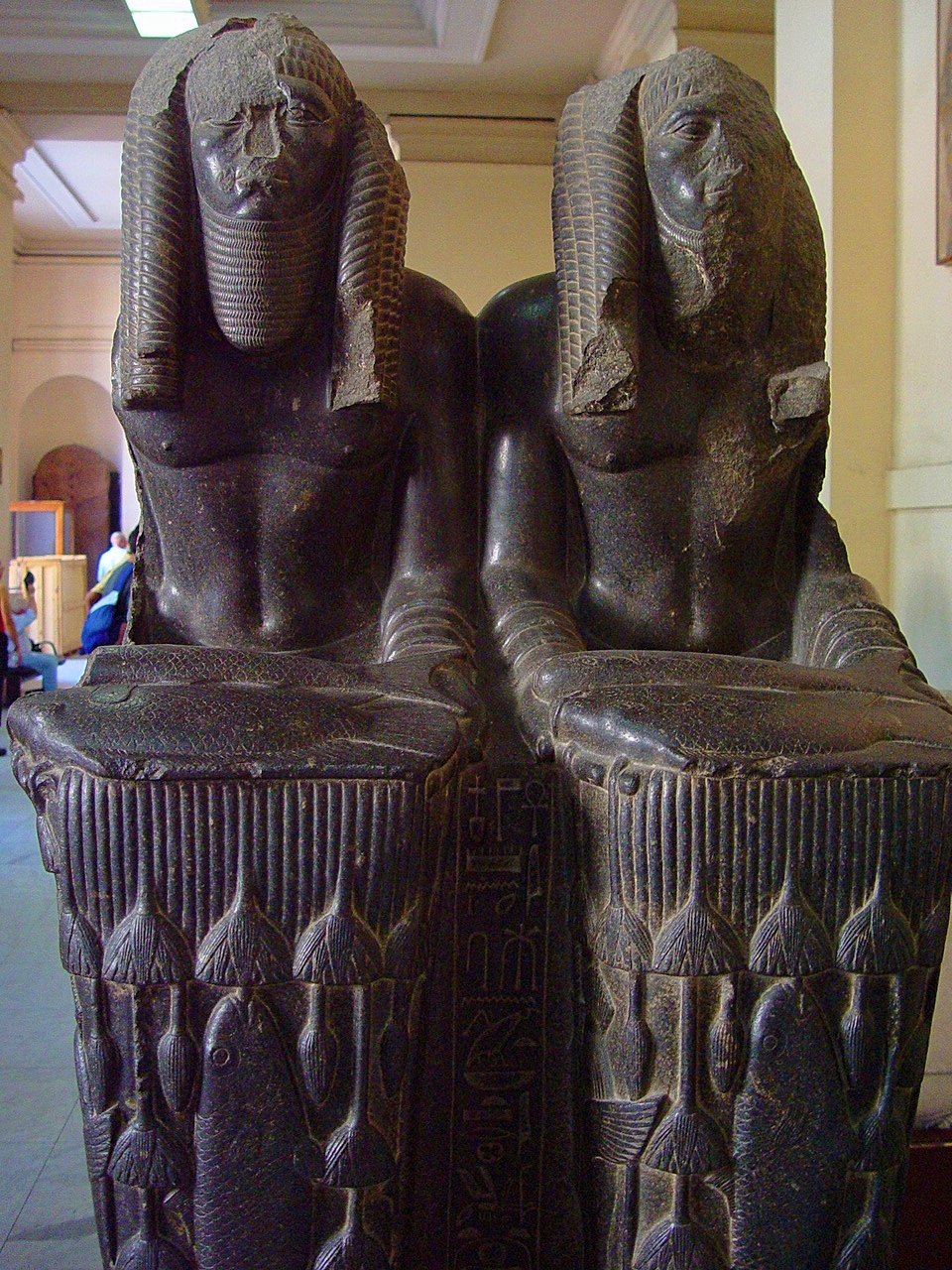
The Egyptian Museum also displays a double statue of Amenemhat III as a Nile god, “The offering bearers of Tanis.”

Double Statue of Amenemhat III bearing lotus flowers, fish and geese. Photo ©Leon Mauldin.

In this double statue, Amenemhat III is represented as the Nile god bearing all the nourishment indispensable to life. One explanation of the doubling of the king is that the two figures represent him as ruler of both Upper and Lower Egypt. Others suggest that one image depicts the reigning king and the other his deified counterpart.

During his long reign, Amenemhet III had almost continual turquoise mining expeditions in the Sinai. More than fifty rock inscriptions have been found there referencing this. He was the last great ruler of the Middle Kingdom.


Sphinx of King Amenemhet III

May 14, 2022

The Egyptian Museum in Cairo displays the sphinx of King Amenemhet III, who ruled in the Middle Kingdom, 12th dynasty. This is one of seven sphinxes of Amenemhat III that were found in Tanis in the eastern Delta.

Sphinx of King Amenemhet III. Photo ©Leon Mauldin.

The sphinx has the head of the king and the body of a lion, symbolizing the vitality and power of the pharaoh.

Amenemhet III reigned for 45 years (ca. 1859-1813 BC), which included a long coregency with his father Sesostris III. Dr. Douglas Petrovich states:

The major project of his reign was the reclamation of more arable land in the Fayyum by manipulating the water level of Lake Moeris, which led to his veneration in the Fayyum. His long and peaceful reign is viewed as the time when the MK [Middle Kingdom] reached its cultural peak. He also strengthened the border at Semna and enlarged some of the fortresses, in addition to constructing a large temple to Sobek at the site of Crocodilopolis, in the Fayyum.

(Origins of the Hebrews, p. 13).

Petrovich identifies Sesostris III (ca. 1878-1840 BC) as the pharaoh of the famine at the time Joseph (Ibid., 29). The patriarch Jacob’s death is dated as 1859 BC (Ibid., cf. Andrew E. Steinmann, From Abraham to Paul, p. 74). “Amenemhet III ascended the throne as coregent with his father in ca. 1860/59 BC, which took place either just before so soon after Jacob’s death” (Petrovich, 29).

Click photo for larger view.

, , , , , ,

The Suez Canal

November 10, 2017

On most Friday afternoons I teach some homeschoolers (brilliant students) two subjects, Bible and History. Currently their world history is dealing with the 19th century. One of the topics in that time-frame is the construction of the Suez Canal. Said Pasha  gave a concession to Ferdinand de Lesseps who created a French company, The Suez Canal Company, to join the Mediterranean Sea with the Red Sea. The canal opened under French control on November 17, 1869. (Said was Wāli of Egypt and Sudan from 1854 until 1863, officially owing allegiance to the Ottoman Sultan but in practice exercising virtual independence. 4th son of Muhammad Ali Pasha).

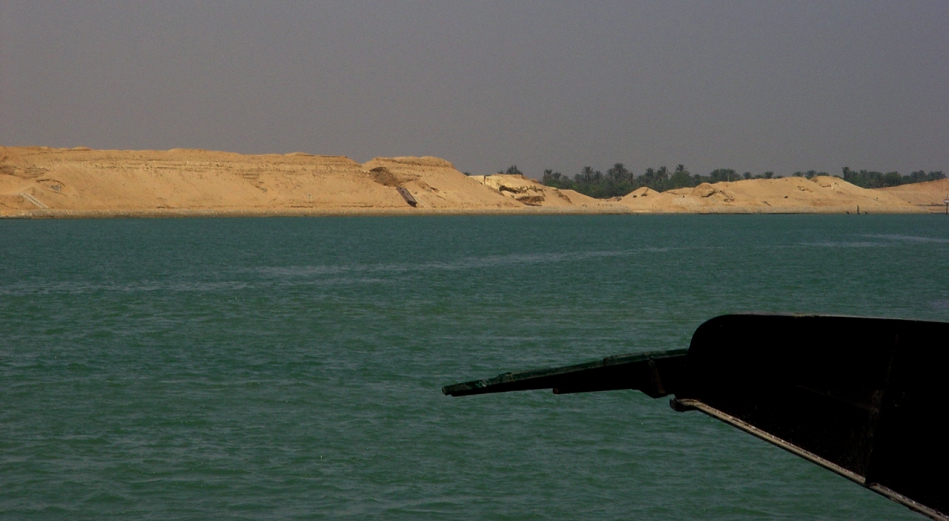
The Suez Canal. The Sinai Peninsula is at our back, looking across to Egypt. Photo ©Leon Mauldin.

Our text says:

Naturally, the countries of Europe were very interested in this canal–the Suez Canal. The canal could change the way that European countries traded with China, Japan, and the other countries of the Far East. Instead of travelling all the way down the coast of Africa, around the tip of that enormous continent, and then heading east, European ships could sail from the Mediterranean Sea straight down into the Red Sea and then turn east. When the canal was finished,it would be a hundred miles long, about twenty-six feet deep, and it would make the trip from Europe to the  East six thousand miles shorter! (The Story of the World: History for the Classical Child. Vol.4, p. 109).

This area is of tremendous biblical importance as it pertains to Israel’s crossing of the Red Sea en route to the promised land of Canaan. I have previously written here and here on the Suez.

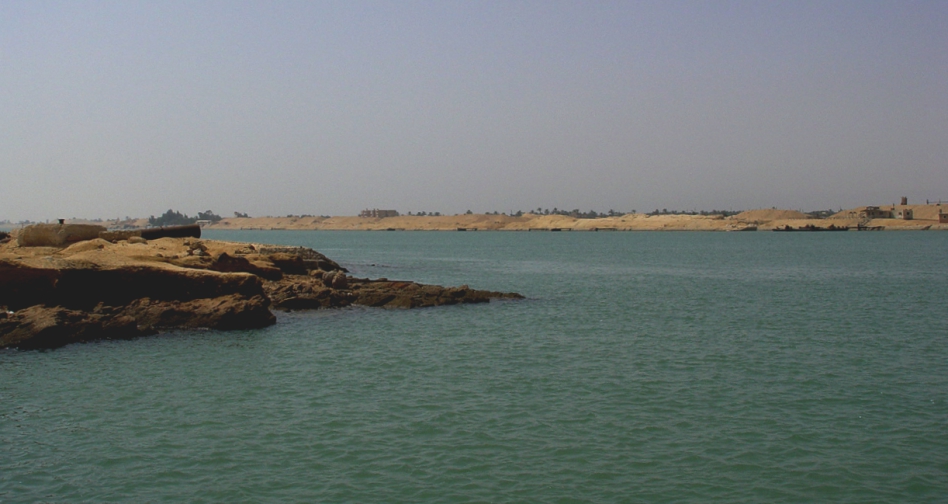
Another view of the Suez. Photo ©Leon Mauldin.

The canal separates the African continent from Asia, and it provides the shortest maritime route between Europe and the lands lying around the Indian and western Pacific oceans. It is one of the world’s most heavily used shipping lanes. The Suez Canal is one of the most important waterways in the world.

The canal is extensively used by modern ships , as it is the fastest crossing from the Atlantic Ocean to the Indian Ocean . Tolls paid by the vessels represent an important source of income for the Egyptian government.

Railway and a sweet water canal are run on the west bank parallel to the Suez Canal. The Canal runs between Port Said harbor and the Gulf of Suez, through soils which vary according to the region. At Port Said and the surrounding area, the soil is composed over thousands of years of silt and clay sedimentations deposited by the Nile waters drifted by Damietta branch. This formation extends to Kantara, 40 km to the south of Port Said , where silt mixes with sand. The central region of the Canal between Kantara and Kabret consists of fine and coarse sands, while the southern region contains dispersed layers of rocks, varying in texture from soft sand to some calcium rocks, The side gradient of the water cross-section differs according to the nature of the soil, which is 4:1 in the north and 3:1 in the south.

The Suez Canal is a sea level Canal and the height of water level differs slightly and the extreme tidal range is 65 cm in the north and 1.9 m in the south. The banks of the Canal are protected against the wash and waves, generated by the transit of ships, by revetments of hard stones and steel sheet piles corresponding to the nature of soil in every area. On both sides of the Canal, there are mooring bollards every 125 m for the mooring of vessel in case of emergency, and kilometric sign posts helping locate the position of ships in the waterway. The navigable channel is bordered by light and reflecting buoys as navigational aids to night traffic. (http://www.suezcanal.gov.eg).

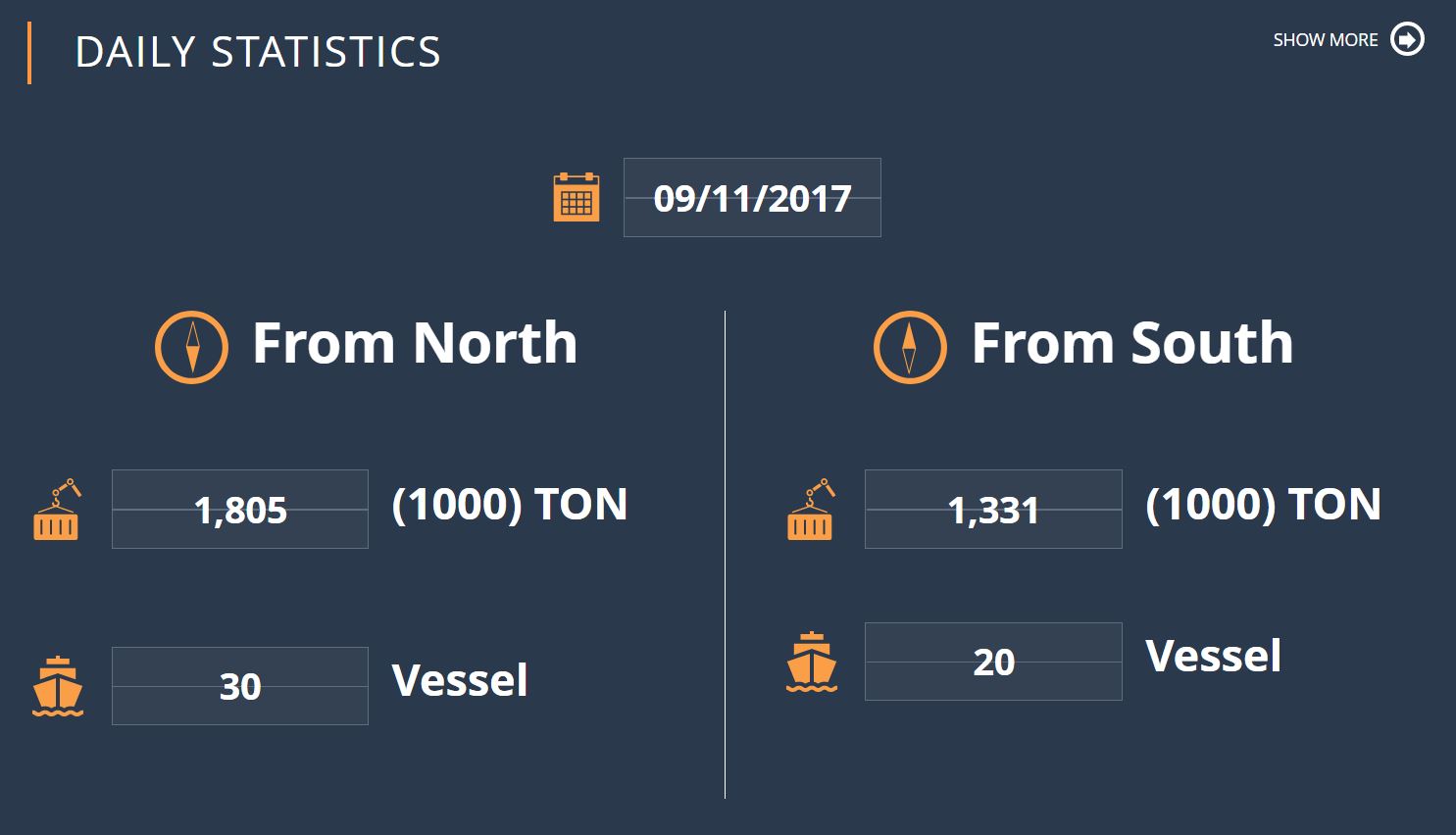
Some current stats of the use of the Suez.

Click photos for larger view. Oh BTW did I mention that the home-school students I teach on Fridays are my grandchildren?


King Tut

September 7, 2010

This month’s issue of National Geographic features King Tut, with a report on recent findings resulting from DNA testing.

In Egyptian chronology, King Tut (Tutankhamun) fits in the 18th dynasty, and the New Kingdom, 1550-1070 B.C.  This most famous pharaoh was really a minor king; he ascended the throne at age 9 and died at age 18 (1333-1323 B.C.). But it is because his tomb escaped the attention of centuries of grave robbers and when finally discovered (1922) was still intact and replete with thousands of artifacts valued in the millions of dollars, that King Tut is so well known.

The National Geographic article documents the results of DNA testing on King Tut and other mummies believed to have been family members.

…our team was able to establish with a probability of better than 99.99 percent that Amenhotep III was the father of the individual in KV55, who was in turn the father of Tutankhamum

…the KV55 mummy, the son of Amenhotep III and Tiye and the father of Tutankhamun, is almost certainly Akhentaten.

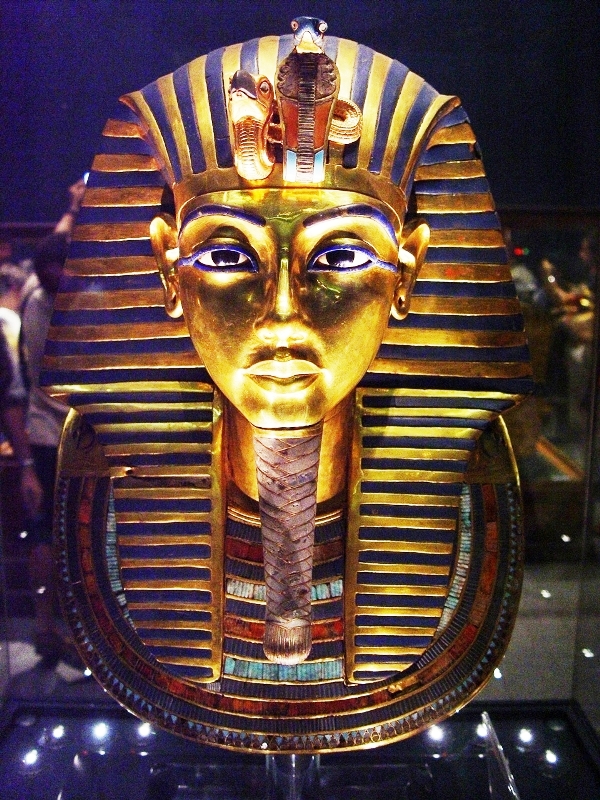
The article makes an interesting read.  We photographed Tut’s funeral mast, crafted of gold, in the Egyptian Museum in 2003.

King Tut's Funeral Mask. Egyptian Museum. Photo ©Leon Mauldin.

Since our visit at that time, it is no longer permitted to take photos in the museum.  Hopefully, that prohibition will be lifted in the future.

Biblically, the reign of this king would have transpired during the period of the Judges.

Click on image for higher resolution.