San Jacinto Monument

October 7, 2011

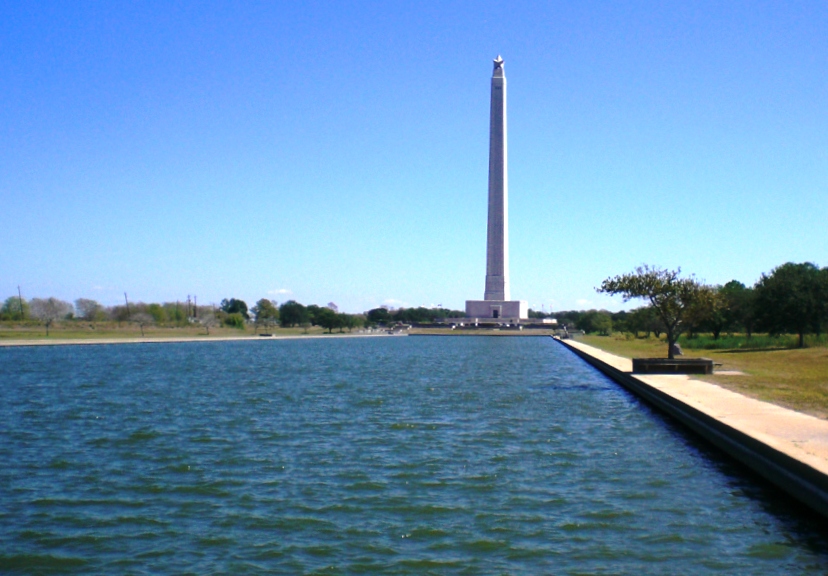
While here in Texas for our series of lessons we want to smell the roses, or see the monuments, as the case may be.

San Jacinto Monument. Click for larger view. Photo by Leon Mauldin.

From Wikipedia:

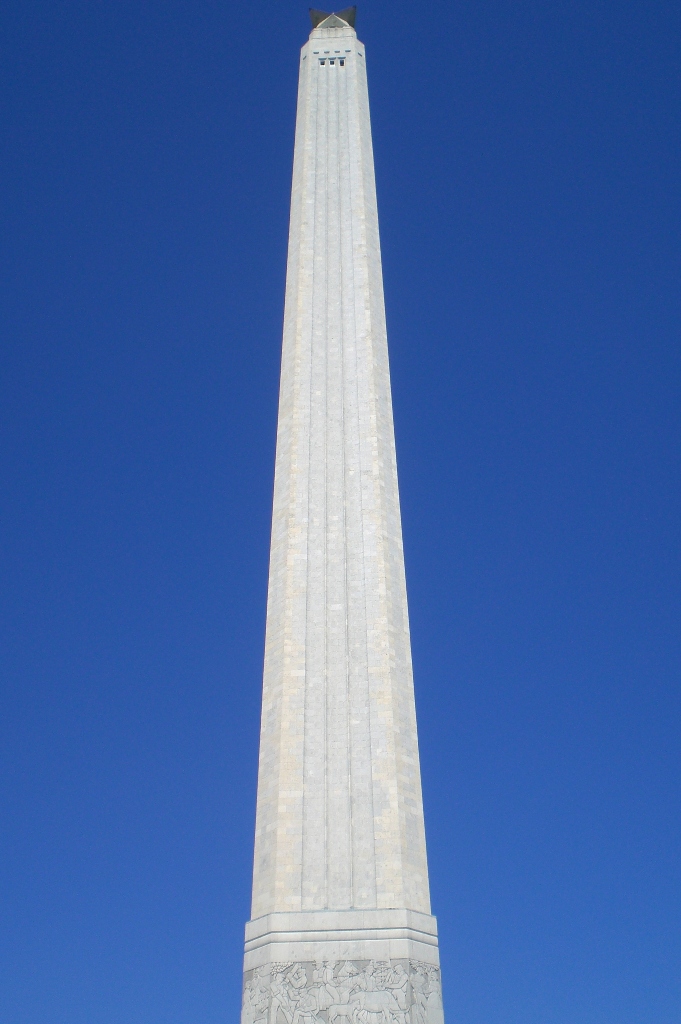
The San Jacinto Monument is a 567.31-foot (172.92 m) high column located on the Houston Ship Channel in Harris County, Texas near the city of La Porte. The monument is topped with a 220-ton star that commemorates the site of the Battle of San Jacinto, the decisive battle of the Texas Revolution. The monument, constructed between 1936 and 1939 and dedicated on April 21, 1939, is the world’s tallest monumental column and is part of the San Jacinto Battleground State Historic Site. By comparison, the Washington Monument is 555.427 feet (169.294 m) tall. The column is an octagonal shaft faced with Texas Cordova shellstone, topped with a 34-foot (10 m) Lone Star—the symbol of Texas. Visitors can take an elevator to the monument’s observation deck for a view of Houston and the USS Texas.

The San Jacinto Museum of History is located inside the base of the monument, and focuses on the history of the Battle of San Jacinto and Texas culture and heritage.

The San Jacinto Battlefield, of which the monument is a part, was designated a National Historic Landmark on December 19, 1960, and is therefore also automatically listed on the National Register of Historic Places. It was designated an Historic Civil Engineering Landmark in 1992.

I had always heard that everything is bigger in Texas.

San Jacinto Monument. Closer View. Photo by Leon Mauldin.

Tonight will conclude our series of lessons at Southside in Pasadena, a suburb of Houston. We have really enjoyed being with the folks here.


Jonah Was From Gath hepher

October 5, 2011

During the days of the Divided Kingdom of Israel’s history, the northern kingdom of Israel had shrunk down to nearly nothing, as noted in 2 Kings 10:32: “In those days [Jehu’s reign] the LORD began to reduce the size of Israel’s territory.” Here’s what it looked like:

Tiny Israel as Jehoahaz ascends throne. Map by Scott Richardson.

This would change in the days of Jeroboam II. 2 Kings 14:25 reads:

He restored the border of Israel from Lebo Hamath in the north to the sea of the Arabah in the south, in accordance with the word of the LORD God of Israel announced through his servant Jonah son of Amittai, the prophet from Gath Hepher (NET).

At this time with the borders restored, it looked like this:

Israel during Jeroboam II. Map by Scott Richardson.

Note that this restoration of Israel’s territory was foretold by Jonah the prophet. We usually think of Jonah in regard to his reluctant mission to Nineveh, as seen in the book of Jonah. But we learn from the 2 Kings 14:25 reference that God also used the prophet to address the situation with His people Israel. Jonah was from Gath hepher, which was in the Galilee.

Gath hepher. Map by BibleAtlas.org.

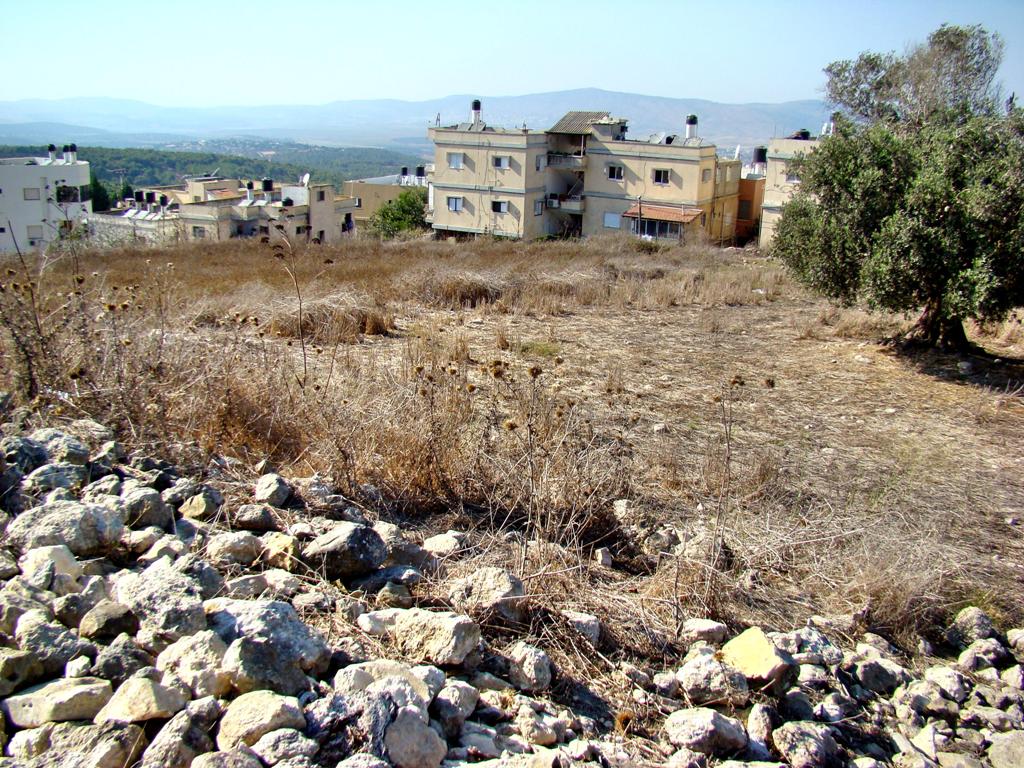
I recently had opportunity to visit Jonah’s hometown.

Gath hepher. Home of the prophet Jonah. Photo by Leon Mauldin.

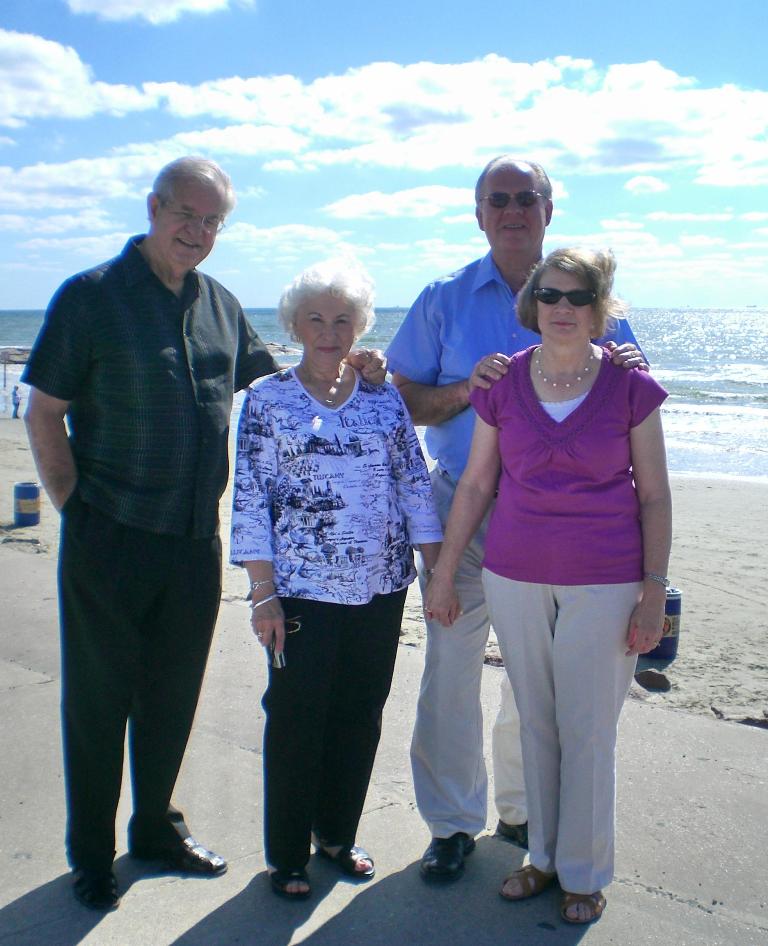
Our Visualized Survey of the Bible is going well here at Pasadena. It is good to be with Dee & Norma Bowman, and all the folks here.

Dee & Norma Bowman, and Leon & Linda Mauldin at Galveston, TX.

Click on images for higher resolution.


Made in China, Repaired in Israel

September 29, 2011

I think there’s something to be said for taking seriously matters of import, while one doesn’t take himself too seriously. That being said, Ferrell Jenkins and I seriously wanted to see the tel of Adullam, as well as the cave (he posted on that earlier this month here).

The biblical narrative of 2 Sam. 23:13-17 has impressed me with the concept of loyalty and devotion. At the cave of Adullam (which David was using as his stronghold) three of David’s men heard him verbalize how he would like a drink of water from the well of his home town Bethlehem. The problem was that the Philistines had a garrison posted there. That did not matter. Those three left the cave and “broke through the camp of the Philistines, drew water from the well . . . and took it and brought it to David” (v.16). David was so overcome with emotion and gratitude that he could not drink it, but instead poured it out as an offering to YHVH (vv.16-17).

These men loved David so much that they were willing to risk everything, including their lives, to do what they perceived that David wanted.  I’ve often said that if we loved the Lord just about half as much as they loved David, we’d be well on our way in the right direction.

Those concepts I take seriously. But back to the part about not taking yourself too seriously. Of course I wanted to go inside the cave, which we did. I had on a brand new pair of pants. In the process of bending around and getting in position to take photos from inside the cave I heard an unmistakable ripping sound. It wasn’t a neat rip. It wasn’t even in the seam. It was say from the knee all the way up to the zipper. What do you do in a situation like that? By the way, Adullam was to be our first stop of the day.

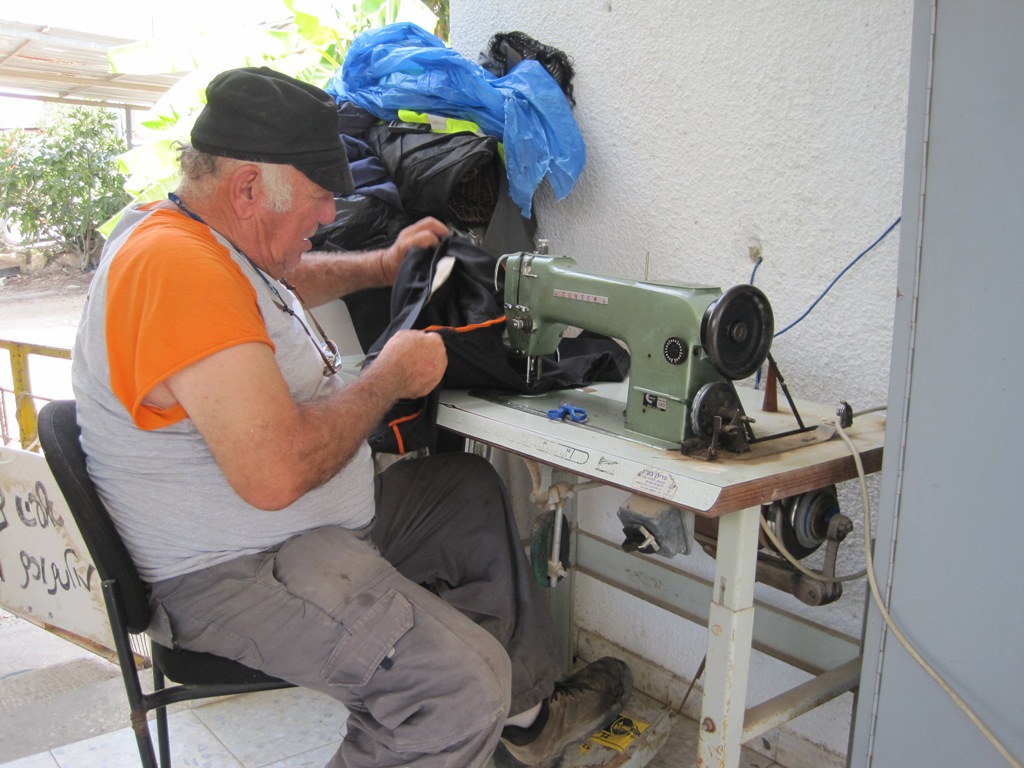
Another question, what are the odds of finding a sewing machine at Adullam or nearby?

Emergency Pants Repair at Adullam. "Made in China, Repaired in Israel." Photo by Ferrell Jenkins.

Our driver/guide we had secured for this excursion which required 4-wheel drive, Daphna (see above reference in Jenkin’s post), helped secure my dignity. Among the equipment possessed by Haelah Desert Tours was indeed a sewing machine, and there was also a very helpful worker who knew how to use it. As I waited inside the (thankfully unoccupied) office, Mr. Jenkins recorded the moment with the above photo.

Things like that give you something to smile about (after it’s over), and also to remember about your visit. I could never forget Adullam, especially not now.

Another BTW, Mr. Jenkins said that for me to be a good steward it would be essential to take those pants back for a refund. I complied. Actually my wife did, but she got a full refund for the pants that were made in China and repaired in Israel.

************

On a personal note, I’m glad and thankful to God to be making this post tonight. I’ve had a  two-day hospitalization, due to what turned out to be a very low potassium level and a med that needed changing, but all seems well and progressing at present.

I’m looking forward, the Lord willing, to being with the Southside church of Christ in Pasadena, TX, for a 5-day meeting, Mon-Fri. This will be my Visualized Survey of the Bible, which emphasizes the theme of the Bible, and narrates the record in survey form from Genesis to Revelation. I am thankful for such opportunities. In such lessons we make use of numerous photos of the Bible lands, showing the geographical context for the events of Scripture.


“Go To Shiloh” (Jer. 7:12)

September 20, 2011

The professed people of God of Jeremiah’s day had a serious problem–they weren’t listening to God. They convinced themselves they could do as they pleased and claim allegiance to God, and everything would be OK; after all, they had the temple.

Jeremiah addressed this:

7 If you stop doing these things, I will allow you to continue to live in this land which I gave to your ancestors as a lasting possession. 8 But just look at you! You are putting your confidence in a false belief that will not deliver you. 9 You steal. You murder. You commit adultery. You lie when you swear on oath. You sacrifice to the god Baal. You pay allegiance to other gods whom you have not previously known. 10 Then you come and stand in my presence in this temple I have claimed as my own and say, “We are safe!” You think you are so safe that you go on doing all those hateful sins! 11 Do you think this temple I have claimed as my own is to be a hideout for robbers? You had better take note! I have seen for myself what you have done! says the LORD. 12 So, go to the place in Shiloh where I allowed myself to be worshiped in the early days. See what I did to it because of the wicked things my people Israel did. 13 You also have done all these things, says the LORD, and I have spoken to you over and over again. But you have not listened! You have refused to respond when I called you to repent! 14 So I will destroy this temple which I have claimed as my own, this temple that you are trusting to protect you. I will destroy this place that I gave to you and your ancestors, just like I destroyed Shiloh (Jer. 7:7-14, NET).

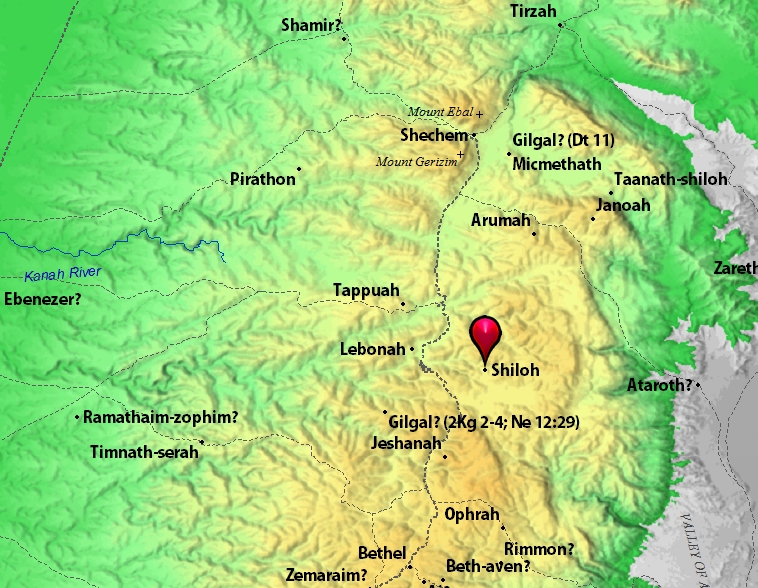
The tabernacle had previously been in Shiloh (Josh. 18; 1 Sam. 1-4, etc.), but God had allowed it to be destroyed because of Israel’s disobedience. Jeremiah warned that the same fate was awaiting the temple, for the same reason.
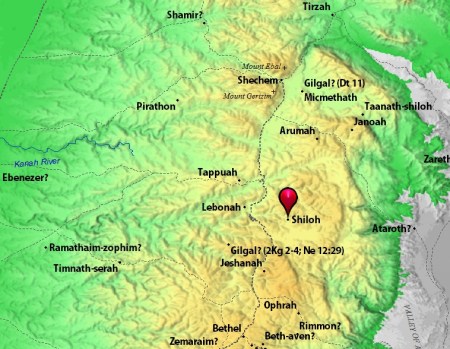
Location of Shiloh. Map courtesy of BibleAtlas.org

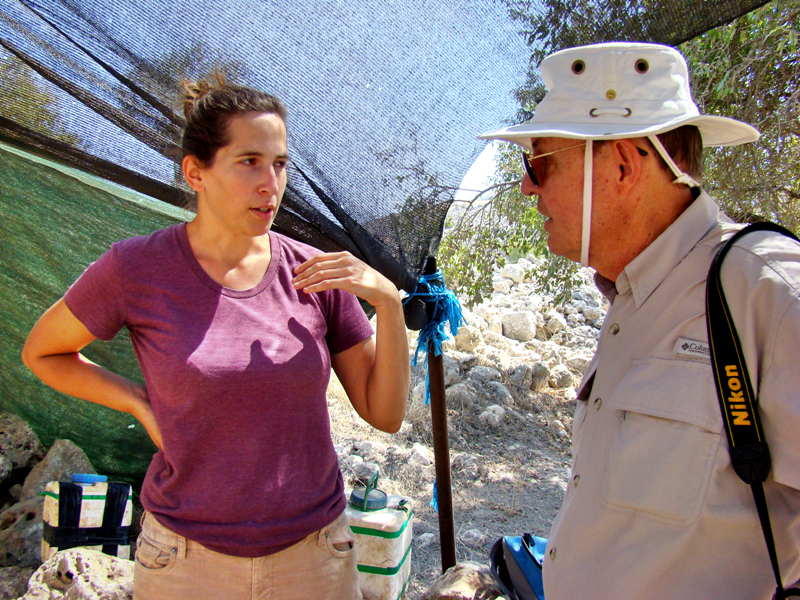
We recently had the opportunity to visit Shiloh. Some archaeological excavations were taking place at the time.
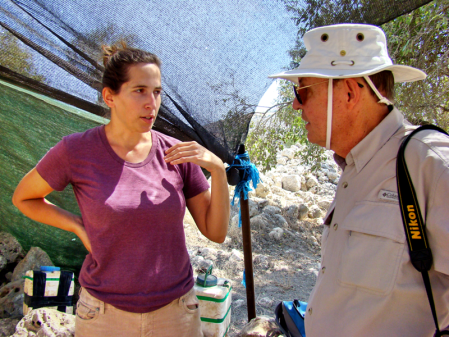
Michal Haber, IAA staff member, and Ferrell Jenkins. Photo by Leon Mauldin.

Mr. Jenkins mentioned to Michal Haber of the Israeli Antiquities Authority, who was supervising the excavation  that he and I are members of the Society of Biblical Literature, Near East Archaeological Society, etc., and had an interest in what they were doing there at Shiloh. She graciously showed us around. What was being uncovered at this level was Byzantine and Islamic. The older remains (what she called “the good stuff”) were higher up.

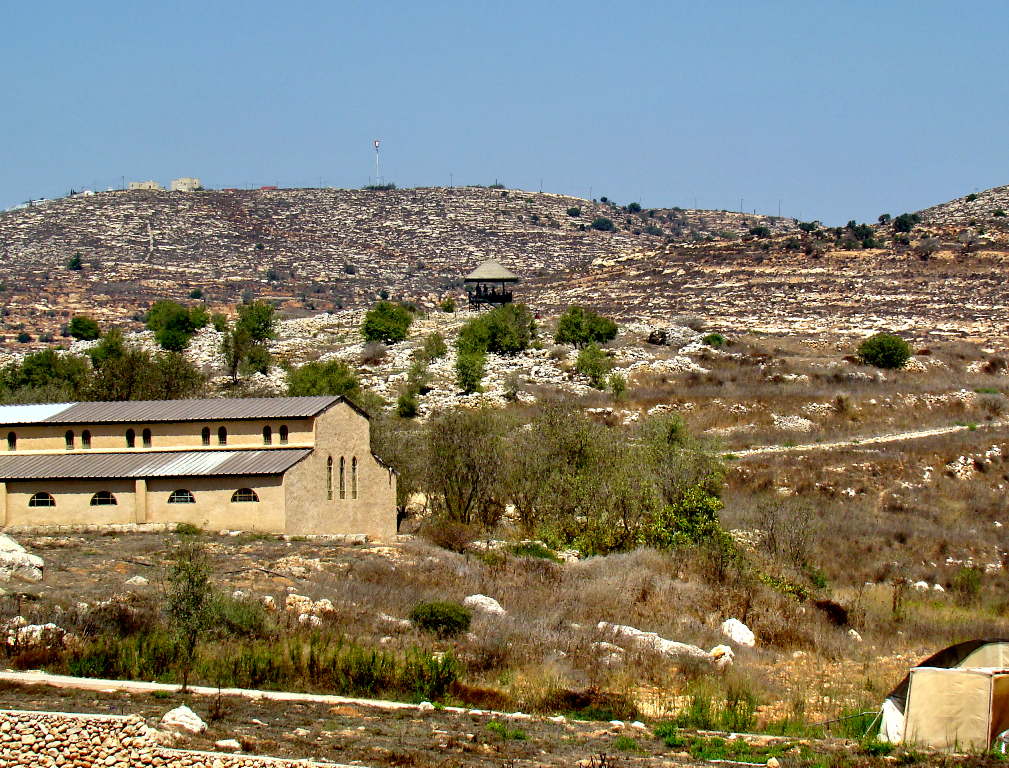
There is a covered platform conveniently situated that is helpful in giving a good view of the ruins of Shiloh. Note the upper center in photo below.
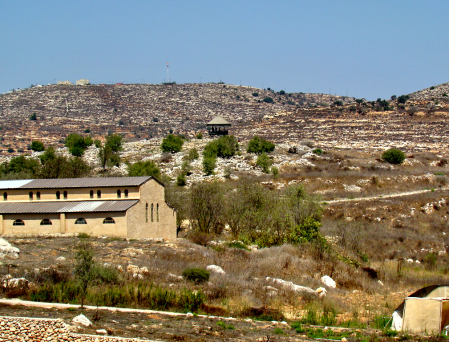
 

Ancient Shiloh. At center is a covered platform helpful in viewing the site. Photo by Leon Mauldin.

Several biblical texts flooded my mind while here. Early on during the Conquest of Canaan, the tabernacle was pitched here (Josh. 18:1ff). Then I thought of the days of the Judges, and of barren Hannah, praying here silently, when Eli the Judge and High Priest misjudged her to be drunken. She explained that she was praying that God would give her a son, and if He would do so, she would give him back to the Lord. That prayer was honored and Samuel was born (1 Sam. 1).

Then I thought of the day that the Israelites battled the Philistines and were defeated (1 Sam. 4). Word came back to Shiloh that the Philistines had killed both of Eli’s sons (wicked sons, but they were priests). That was bad news, but then when Eli was told that the Philistines had taken the ark of God, he fell off his seat, breaking his neck and dying.

It was at this point also that one of Eli’s daughters-in-law was in childbirth. When she heard that the ark of God was taken, as well as the news of her husband’s death and Eli’s death, with her dying words she said to name the boy Ichabod, which means “no glory.” Indeed, when God cannot dwell among His people because of sinfulness and stubborn rebellion, there is no glory.

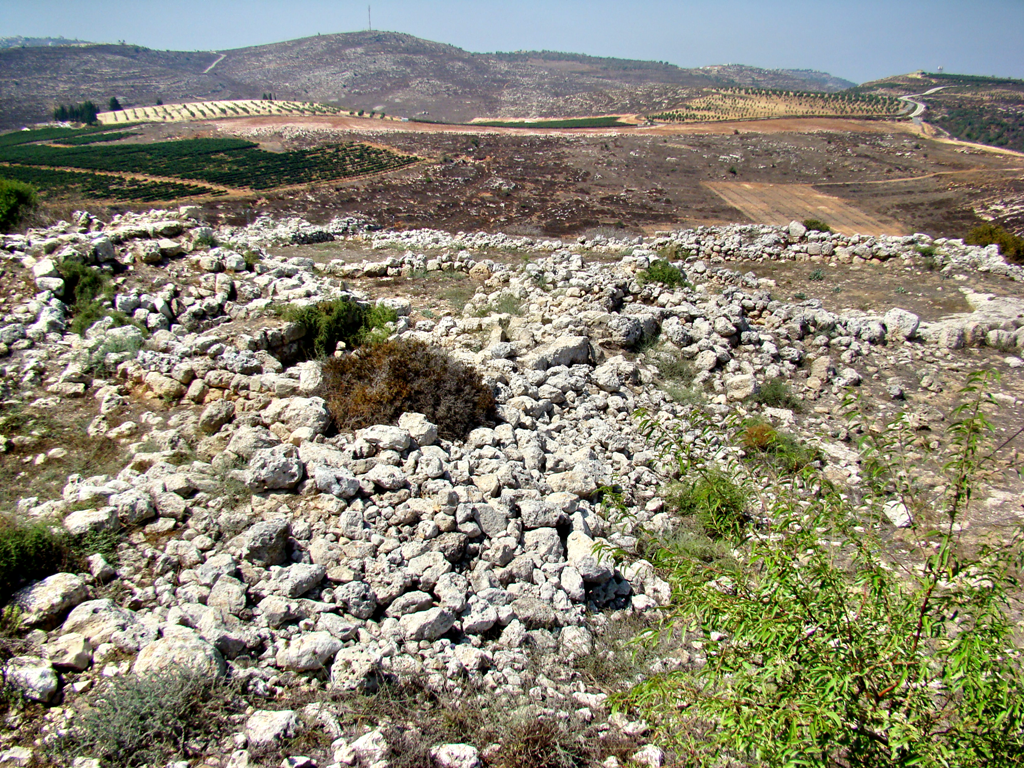
These and other texts come into play at this site. In our photo below you can see Shiloh in foreground, and then surroundings in the distance.
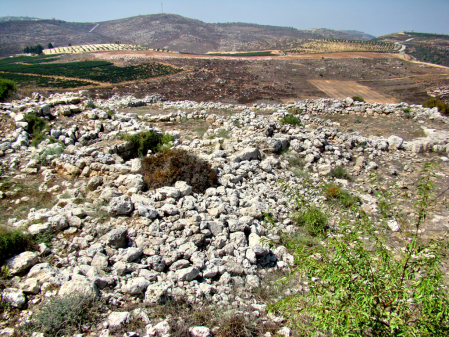
Ruins at Shiloh. Photo by Leon Mauldin.

Click on images for higher resolution.

Grinding a Fool in a Mortar?

August 30, 2011

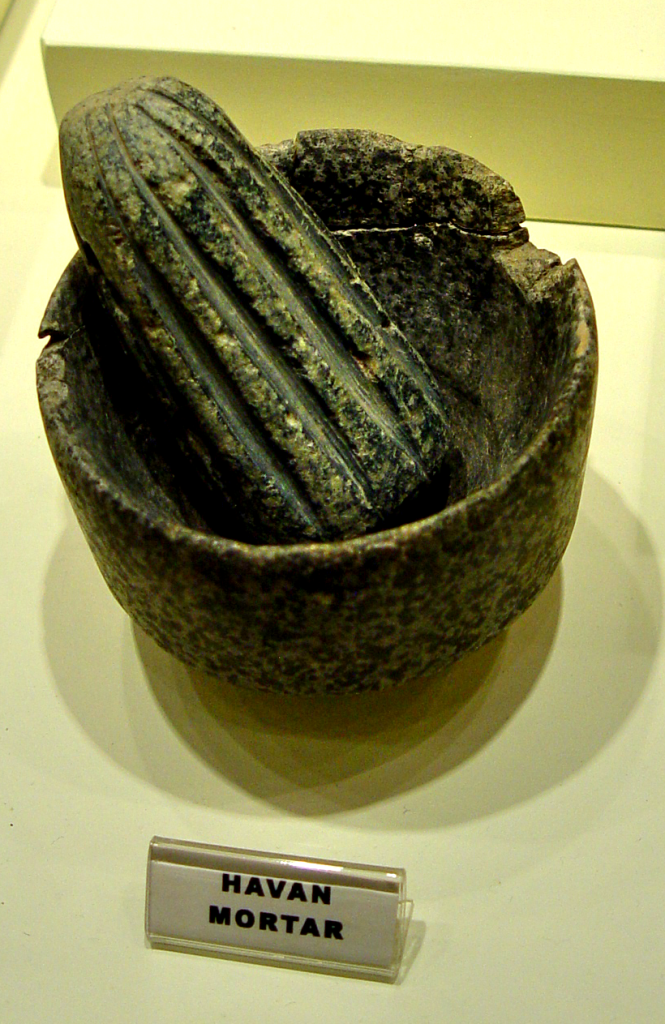
“Though you grind a fool in a mortar with a pestle along with crushed grain, Yet his foolishness will not depart from him” ( Proverbs 27:22, NKV). I suppose one could say, “It is possible to practice folly until it becomes a part of one’s nature.” But instead the wise man used a word picture.

Mortar and pestle. Antioch Museum. Photo by Leon Mauldin.

Do you see the imagery. Can you imagine a fool being ground up with pestle and mortar and yet retaining his folly?

The book of Proverbs is a book about wisdom. Our heart, our choices, our habits form character which then determines whether one is wise of foolish.

This post is being sent from Jerusalem. Ferrell Jenkins & I arrived this evening for a study & photographic trip. We’ll be posting photos as time permits.

Click on image for larger view.


Shepherds in a Dry and Thirsty Land

August 11, 2011

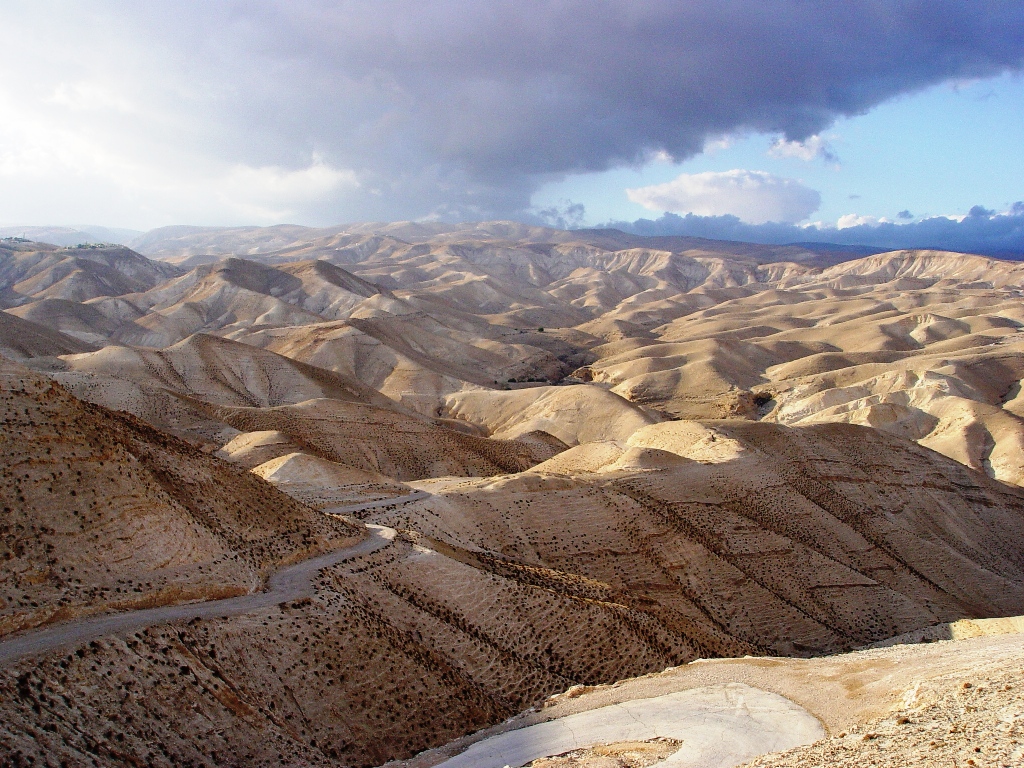
In our last post we mentioned the obvious fact that sheep need shepherds. When you consider the terrain and climate of the wilderness of Judea, it becomes even more clear that shepherds were/are needed to lead sheep to pasturage and water.

Judean Desert. Shepherds are needed to lead sheep to grazing and water. Photo ©Leon Mauldin.

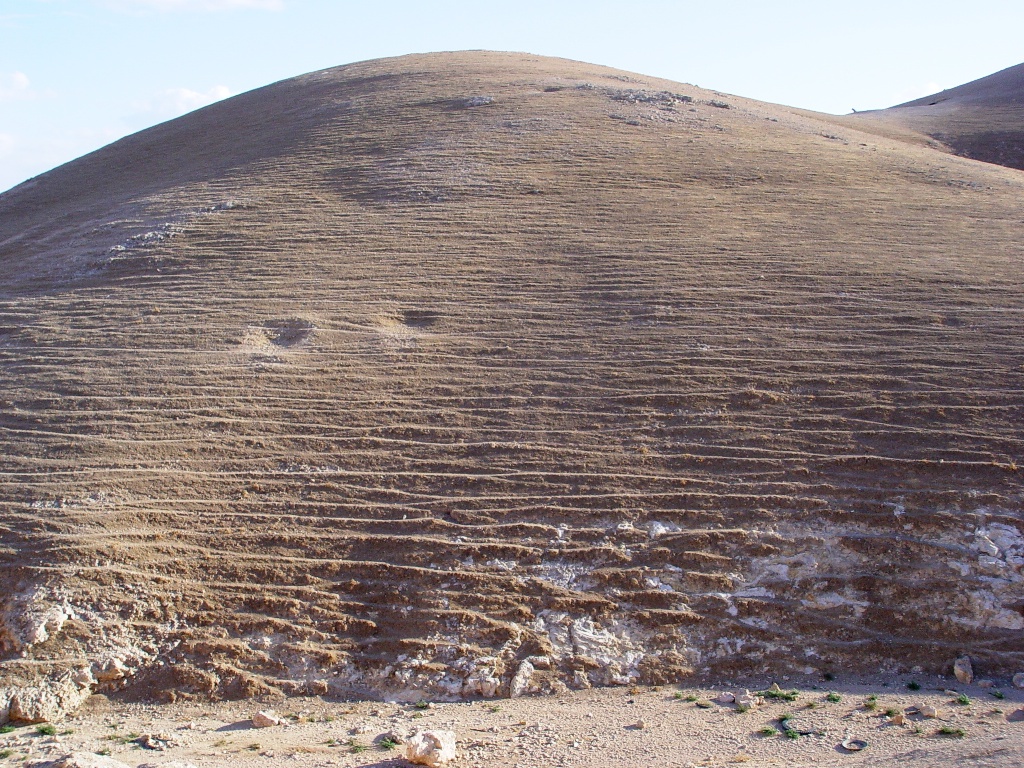
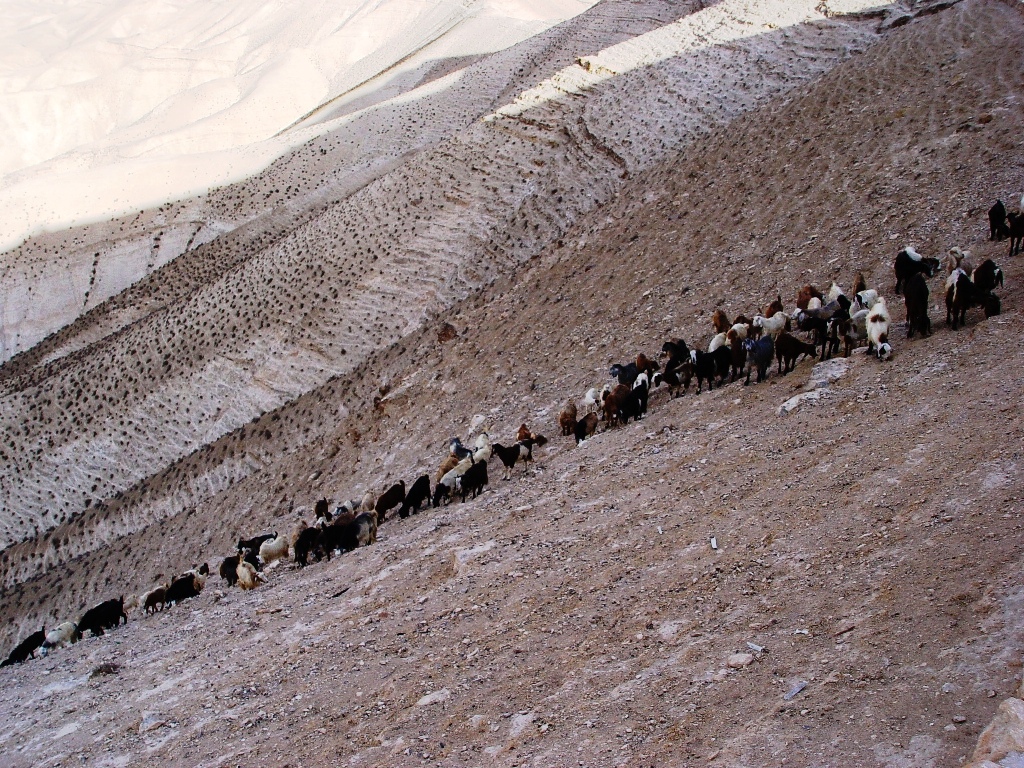
Over the years the sheep as well as goats carve out paths in the rugged terrain.

Trails worn by sheep & goat in Judean Desert. Photo ©Leon Mauldin.

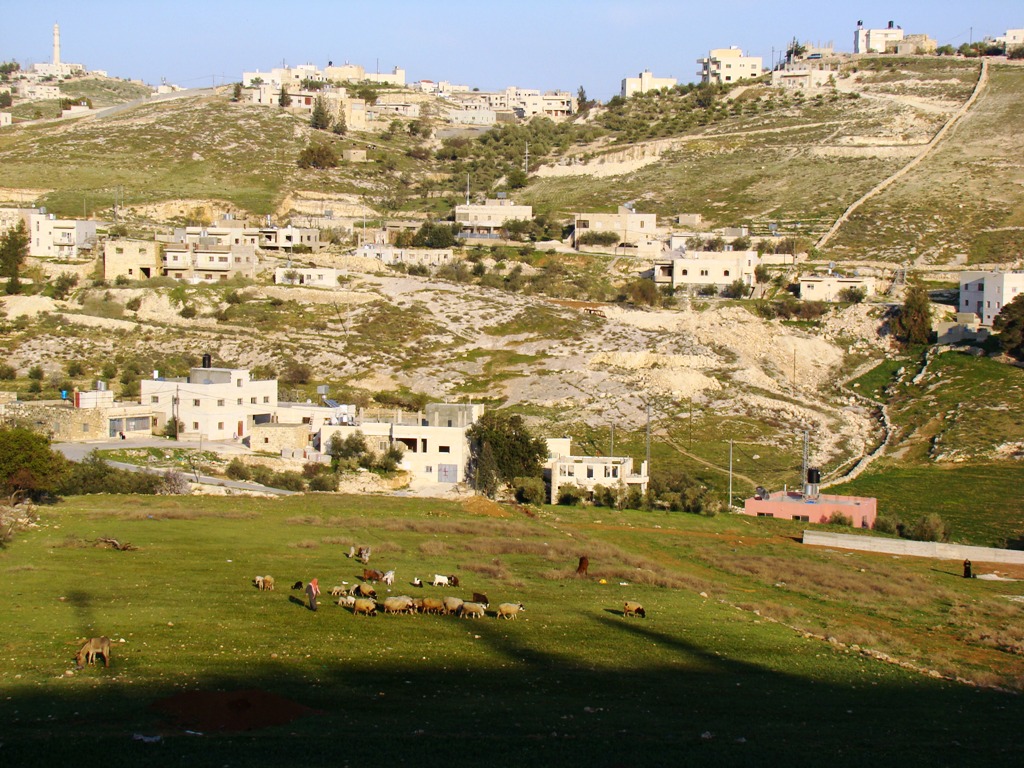
Scenes such as this below are basically unchanged from the days of the patriarchs thousands of years ago.

Such scenes illustrate life in biblical times. Photo ©Leon Mauldin.

Click on images for higher resolution.

Not a Prophet or a Prophet’s Son

August 3, 2011

In our last post we introduced the prophet Amos of Tekoa. God sent him from Judah to Israel to cry out against the idolatry there, centered in such locations as Judah. A false prophet named Amaziah tried to intimidate Amos, and told him to go back home to Judah, i.e., we don’t need your kind of preaching here! Amos’ response:

14 Then Amos answered, and said to Amaziah: “I was no prophet, Nor was I a son of a prophet, But I was a sheepbreeder And a tender of sycamore fruit. 15 Then the LORD took me as I followed the flock, And the LORD said to me, ‘Go, prophesy to My people Israel.’ 16 Now therefore, hear the word of the LORD: You say, ‘Do not prophesy against Israel, And do not spout against the house of Isaac.’ 17 “Therefore thus says the LORD: ‘Your wife shall be a harlot in the city; Your sons and daughters shall fall by the sword; Your land shall be divided by survey line; You shall die in a defiled land; And Israel shall surely be led away captive From his own land.'” (Amos 7:14-17).

Our photo below was taken on the road between Tekoa and Bethlehem. You can see the sheep in the distance, which illustrate the kind of work Amos would have done in this general area before being called to the prophetic office.

Sheep near Tekoa. Amos was a sheepherder. Photo by Leon Mauldin.

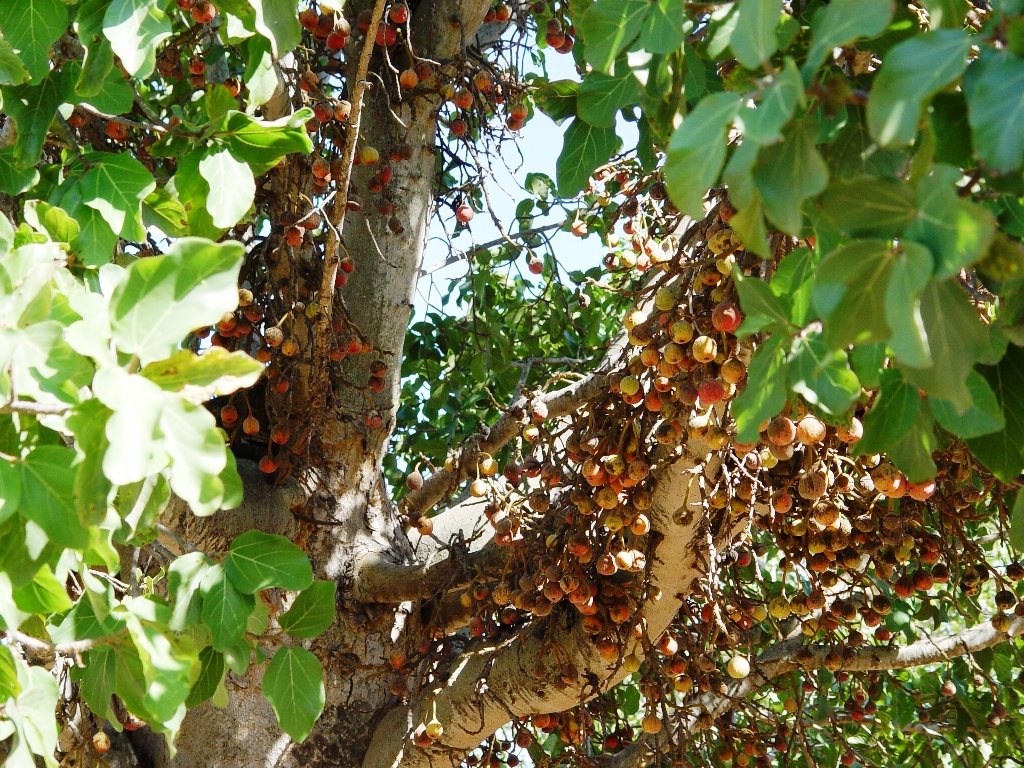
Note also that Amos said that he was a “tender of sycamore fruit” (NASB: “a grower of sycamore figs” and NET: “I was a herdsman who also took care of sycamore fig trees”). Below is a photo of the biblical sycamore tree.

Sycamore tree, which produces figs. Amos tended trees like this. Photo by Leon Mauldin.

Here is a close up of the fruit. The sycamore fig is inferior to the fig produced by the fig tree, and was eaten by the poorer people of the land.

Close-up of sycamore figs. Photo by Leon Mauldin.

*******

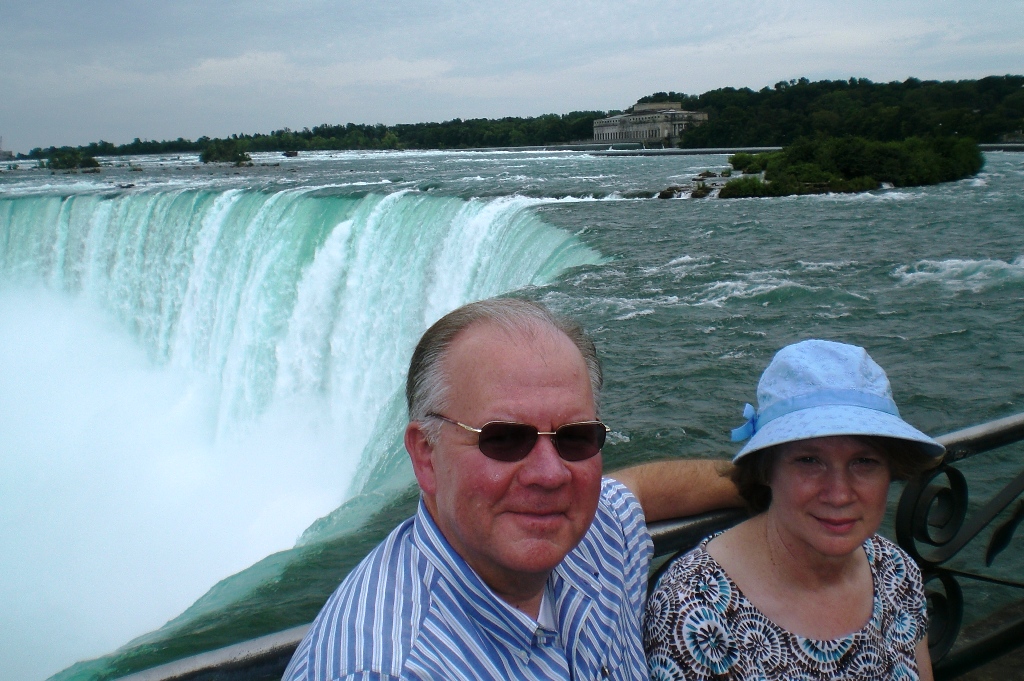
A pleasant surprise: our friends John and Lisa Hains of Jordan, Ontario, invited us to spend the night in their home (when our Sudbury meeting concluded) and then get us to the Toronto airport for our flight home (to “Sweet Home Alabama”). John met us when I turned in our rental car at Toronto, and en route to his home took Linda & me to see Niagara Falls, which was our first time to do so. The Falls are only about 20-25 minutes away from his house.  John took this photo.

Leon & Linda at Niagara Falls. Photo by John Hains.

 Click on images for higher resolution.


Megiddo, Another Key Site Not Taken During the Conquest

May 24, 2011

A text we have referenced in the past few posts is Joshua 17:11-12, in a context giving the borders of some of the tribes, especially Manasseh:

In Issachar and in Asher, Manasseh had Beth-shean and its towns and Ibleam and its towns, and the inhabitants of Dor and its towns, and the inhabitants of En-dor and its towns, and the inhabitants of Taanach and its towns, and the inhabitants of Megiddo and its towns, the third is Napheth.

But the sons of Manasseh could not take possession of these cities, because the Canaanites persisted in living in that land (NASB).

We are not at all wanting to downplay the significance of the Conquest led by Joshua, as God fulfilled His promise to give Israel possession of the land of Canaan. Our purpose in recent posts has been to highlight the significance of those sites NOT captured or retained, so that the discerning reader does not merely read over such text without realizing their import.

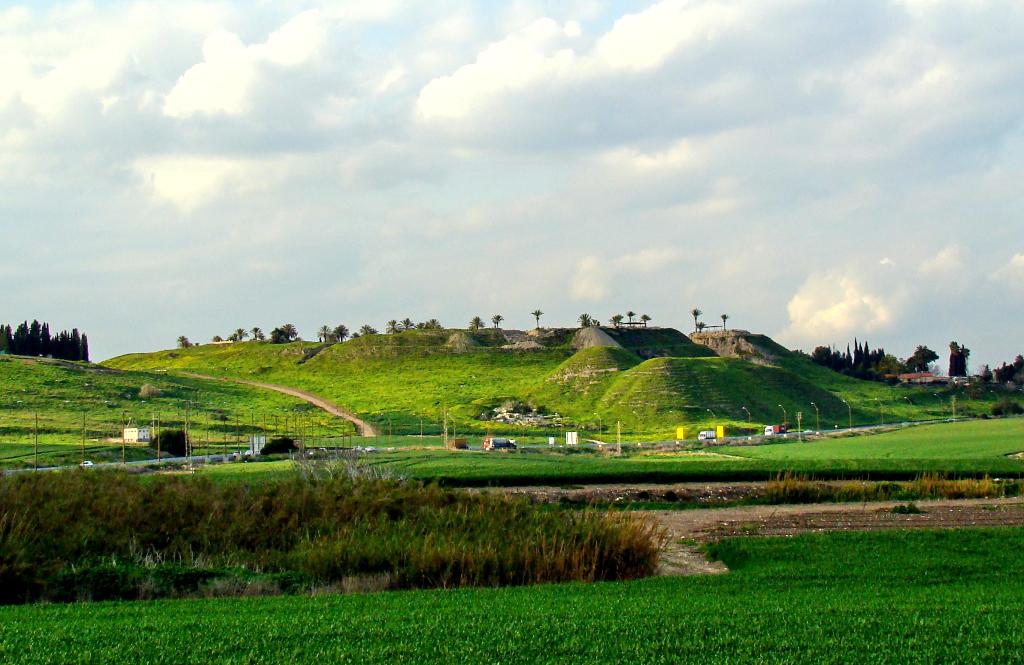
Note that among the cities not taken was Megiddo.

Megiddo, Strategic Site Not Taken During Conquest. Photo by Leon Mauldin.

Recent posts on Megiddo have appeared on our blog here and here and here as well as here.

In an article entitled The Case of Megiddo: Understanding the Importance of Geography in Biblical Study, Colonel David Hanson wrote:

Since earliest times, people with mutual commercial or agricultural interests have searched for naturally occurring defensive locations where they could safely pursue their enterprises. Towns were constructed to protect the inhabitants from unfriendly neighbors and marauding armies. Considerations which prompted the early settlers to select town sites have not changed over the centuries and many of the most favorable locations grew to great size. Megiddo is one such place and it attests that “What has been will be again, what has been done will be done again; there is nothing new under the sun.” [Eccl 1:9 (NIV)…

What made Megiddo so important that it has been the focus of military activities for millennia? Yohanan Aharoni provides a framework for investigating this question. In his comprehensive historical geography of the Holy Land, he lists four reasons early settlers chose a particular piece of terrain.

They are:
•       Thoroughfares: Important towns flourished along the main lines of travel and their principal intersections.
•       Strategic locations: Hills or other geographic features which would provide protection to the settlers and could be fortified.
•       Water sources: Accessibility of, or to, a water supply.
•       Agricultural lands: Economies from earliest times have been based upon agriculture; thus, the nearness of fertile fields has been important (Bible and Spade, Vol. 4. No. 3, P. 89).

In his article Hanson goes on to show how Megiddo meets each of the above requirements.

Megiddo later came to be under the control of Israel. Solomon made it one of his fortified cities (1 Kings 9:15-19).

Nelson’s New Illustrated Bible Dictionary says, “Megiddo was one of the most strategic cities in Palestine. All major traffic through northern Palestine traveled past Megiddo, making it a strategic military strong-hold.”

Click on image for larger view.


Caleb Inherits Hebron

May 17, 2011

The book of Joshua details the fulfillment of the Land Promise God made to Israel (Josh. 21:43,45). The book consists of twenty-four chapters, and divides exactly in half regarding subject matter. The first twelve chapters record the conquest of Canaan, and the last twelve record the division of the land to each of the tribes of Israel.

Josh 14-15 deal with the inheritance of Judah. It is within that context that the inheritance of Caleb is discussed. Caleb and Joshua were the only two of the 603,550 men of war who were faithful to the Lord and stood their ground at Kadesh-Barnea (Num. 13). All of those men died in the wilderness because of their refusal to take possession of the land (Num. 14ff), except Joshua and Caleb. That was the period of 40 years of wandering in the wilderness of Sinai.

That period passed. At the point where Josh. 14 takes up is 45+ years later; now Caleb is age 85 (v.10). Israel had control of the land, but there was still much to be conquered and possessed.

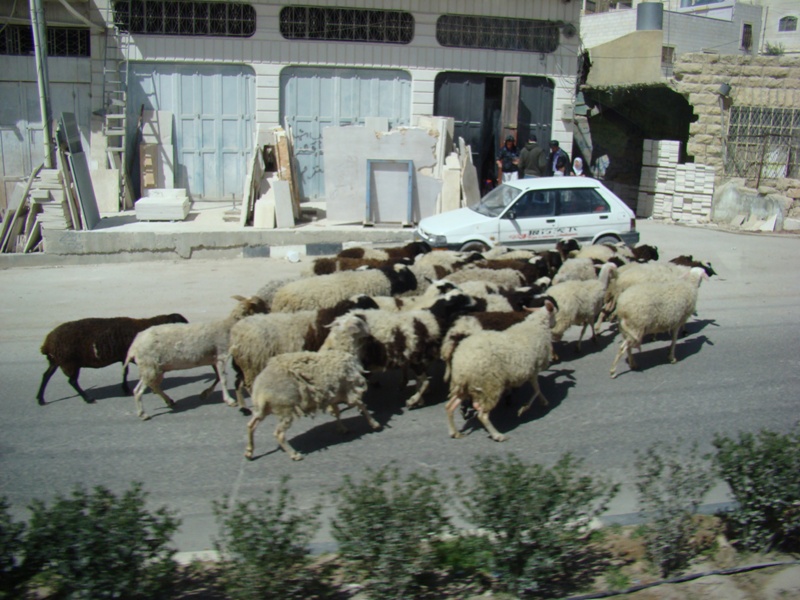
Sheep in street in Hebron. Photo by Leon Mauldin.

The biblical text of Josh. 14:6-13 records Caleb’s inheritance request as well as the background and context of that request:

And Caleb the son of Jephunneh the Kenizzite said to him, “You know what the LORD said to Moses the man of God in Kadesh-barnea concerning you and me. 7 I was forty years old when Moses the servant of the LORD sent me from Kadesh-barnea to spy out the land, and I brought him word again as it was in my heart. 8 But my brothers who went up with me made the heart of the people melt; yet I wholly followed the LORD my God. 9 And Moses swore on that day, saying, ‘Surely the land on which your foot has trodden shall be an inheritance for you and your children forever, because you have wholly followed the LORD my God.’ 10 And now, behold, the LORD has kept me alive, just as he said, these forty-five years since the time that the LORD spoke this word to Moses, while Israel walked in the wilderness. And now, behold, I am this day eighty-five years old. 11 I am still as strong today as I was in the day that Moses sent me; my strength now is as my strength was then, for war and for going and coming. 12 So now give me this hill country of which the LORD spoke on that day, for you heard on that day how the Anakim were there, with great fortified cities. It may be that the LORD will be with me, and I shall drive them out just as the LORD said.” 13 Then Joshua blessed him, and he gave Hebron to Caleb the son of Jephunneh for an inheritance (ESV).

Lessons:

  1. Caleb’s character. Characterized by wholehearted devotion to God (Josh. 14:8,9,14).
  2. Forty-five years earlier during the crisis at Kadesh-Barnea (Num. 13-14), Caleb discerned what was right and was faithful to it. He did not swerve from this principle.
  3. He was basing his request on the promise of God (v.9).
  4. Perhaps one of the greatest lessons is to notice what Caleb was asking for. There were still giants in the land (Anakim, v.12). There were still fortified cities. Caleb was not asking that land already conquered be given to him. He was asking for the opportunity to fight, to seek to defeat and drive out the Canaanite inhabitants, that the territory of Hebron would thus be his inheritance. At age 85, Caleb was not asking for an easy inheritance, but one full of danger. Yet he looked upon it as an opportunity.
  5. His source of strength in battle was the Lord. His victory was predicated upon the Lord’s being with him (v.12).

Our photo here shows a view of modern Hebron as we look out from the cave of Machpelah.

Hebron as seen from cave of Machpelah. Photo by Leon Mauldin.

The chapter concludes,

Therefore Hebron became the inheritance of Caleb the son of Jephunneh the Kenizzite to this day, because he wholly followed the LORD, the God of Israel. 15 Now the name of Hebron formerly was Kiriath-arba. (Arba was the greatest man among the Anakim.) And the land had rest from war (Josh. 14:14-15, ESV).

Remember to click on images for larger view.


Megiddo

April 6, 2011

Megiddo is first mentioned in Scripture in Joshua 12:21 as one of the cities captured under the leadership of Joshua and assigned to the tribe of Manasseh (17:11). Nelson’s NIBD speaks of the importance of this site:

Megiddo was situated on the main road that linked Egypt and Syria. Overlooking the Valley of Jezreel (Plain of Esdraelon), Megiddo was one of the most strategic cities in Palestine. All major traffic through northern Palestine traveled past Megiddo, making it a strategic military strong-hold.

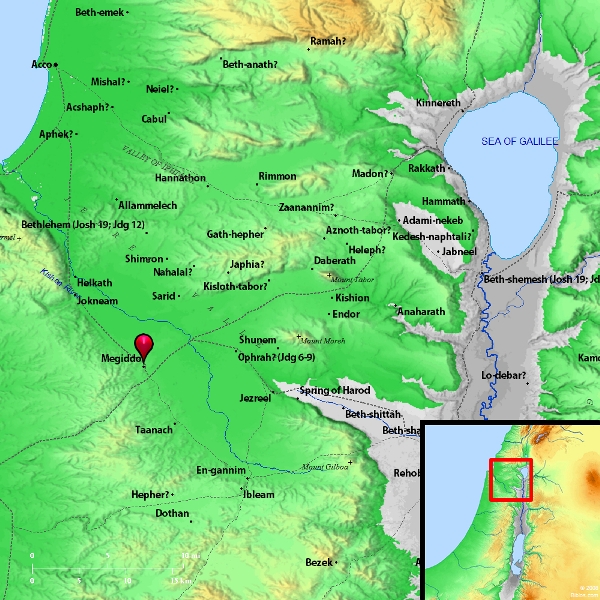
Therefore it was a great loss when Israel subsequently did not retain this city (Judges 1:27), whose location can be seen in the map below:

Megiddo. Map courtesy of BibleAtlas.org

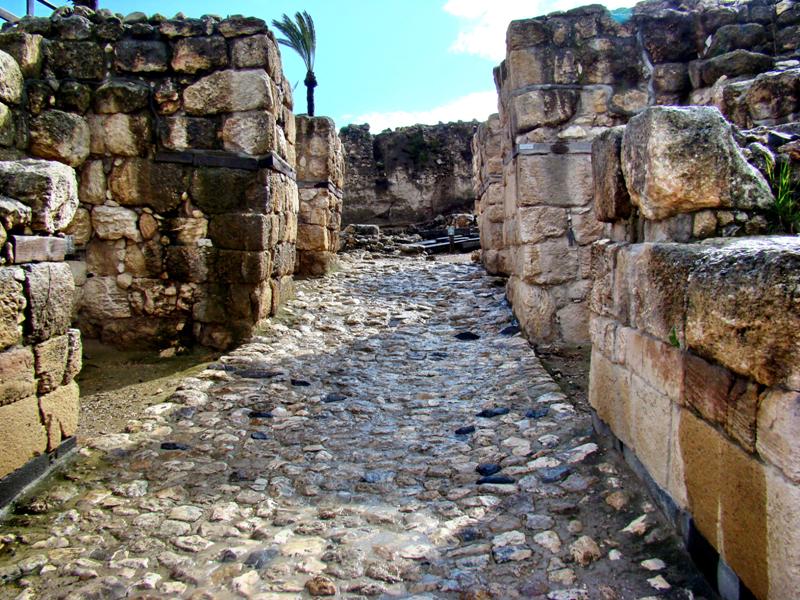
Megiddo was a city of great antiquity. The impressive Canaanite gate can be seen here in our photo:

Canaanite Gate at Megiddo. Photo by Leon Mauldin.

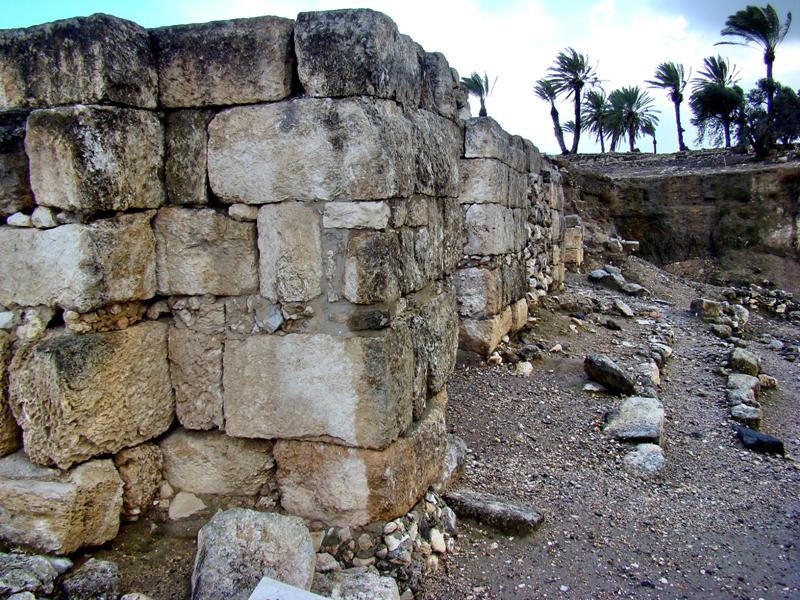
This was one of the cities later fortified by King Solomon (1 Kings 9:15) during the United Kingdom period (Iron Age). The Solomonic gate was here:

Solomonic Gate at Megiddo, a fortress city. Photo by Leon Mauldin.

Crucial battles were fought here or near here.

1.During the time of the Judges, Barak’s forces (Deborah was the Judge and Prophetess) defeated the Canaanite enemy near here (Judges 4-5). From Megiddo one can easily see Mt. Tabor, mentioned in the account (4:14) ; Judges 5:19 refers to the “waters of Megiddo.”

2. In 2 Kings 9:27, Judah’s king Ahaziah died here by the hand of Jehu; the year was 841 BC.

3. Good King Josiah (also of Judah) was killed here by Pharaoh Necho of Egypt; the year was 609 BC.

4. The word Armageddon (Rev. 16:16) is rendered Har-Magedon by the NASB and means The Mount of Magedon, i.e., Mt. Megiddo.

Click on images for higher resolution.