Disciples Eat Grain on the Sabbath

December 11, 2015

Luke 6 records one of several clashes Jesus had with the Jewish leaders: “Now it happened that He was passing through some grainfields on a Sabbath; and His disciples were picking the heads of grain, rubbing them in their hands, and eating the grain. But some of the Pharisees said, ‘Why do you do what is not lawful on the Sabbath?'” (vv.1-2).

Lenski observes, “The time of this occurrence is certainly determined by the condition of the grain, which was ripe enough to be rubbed out ‘with the hands,’ dative of means, Robertson, 533. It was April, shortly after the Passover, a year before Jesus’ death” (The Interpretation of St. Luke’s Gospel, p. 321).

What Jesus disciples did was permitted by Scripture: “When you enter your neighbor’s standing grain, then you may pluck the heads with your hand, but you shall not wield a sickle in your neighbor’s standing grain” (Deut. 23:25). However the Pharisees had erroneously determined that this was working, and therefore in violation of the Sabbath.
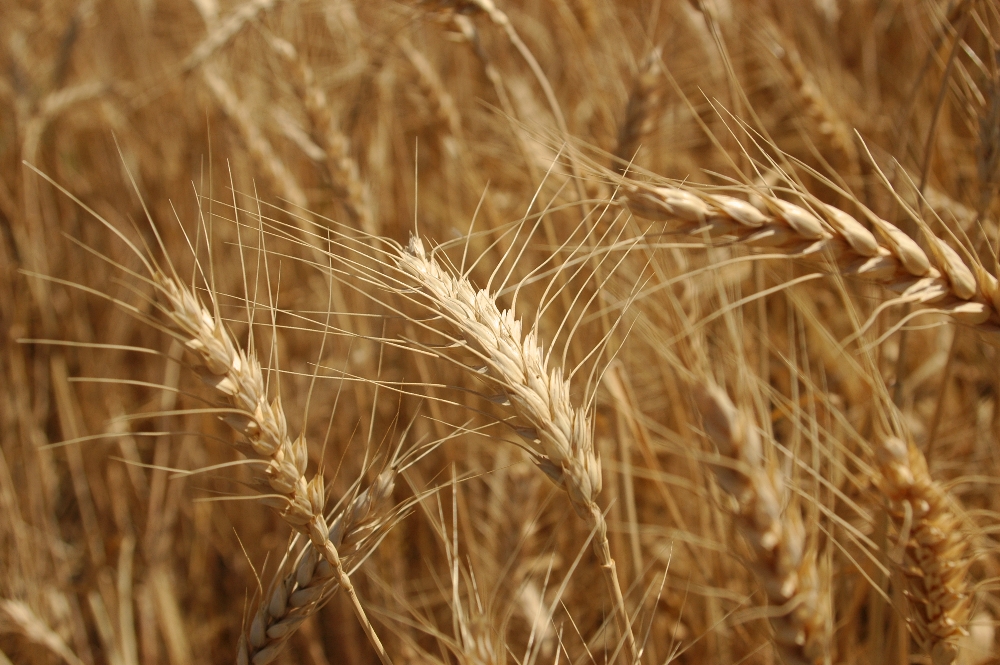
Ripened Wheat. Photo by Leon Mauldin.

Ripened Wheat. Photo by Leon Mauldin.

Besides the fact that Mosaic Law actually permitted the disciples’ actions, Jesus showed the inconsistency of his opponents. They found no fault with David, even though when fleeing from Saul he and his men ate showbread from the tabernacle (Lk. 6:3-4). And yet they condemned the disciples, who were guiltless of wrongdoing.

Further: “The Son of Man is also Lord of the Sabbath” (v.5), and as such He knew what was right and wrong (re: the Sabbath and all things), and would not permit His disciples to violate the Sabbath. What was totally escaping Jesus’ opponents was the fact that “The Lord of the Sabbath” was in their midst and they did not see it! How sad!
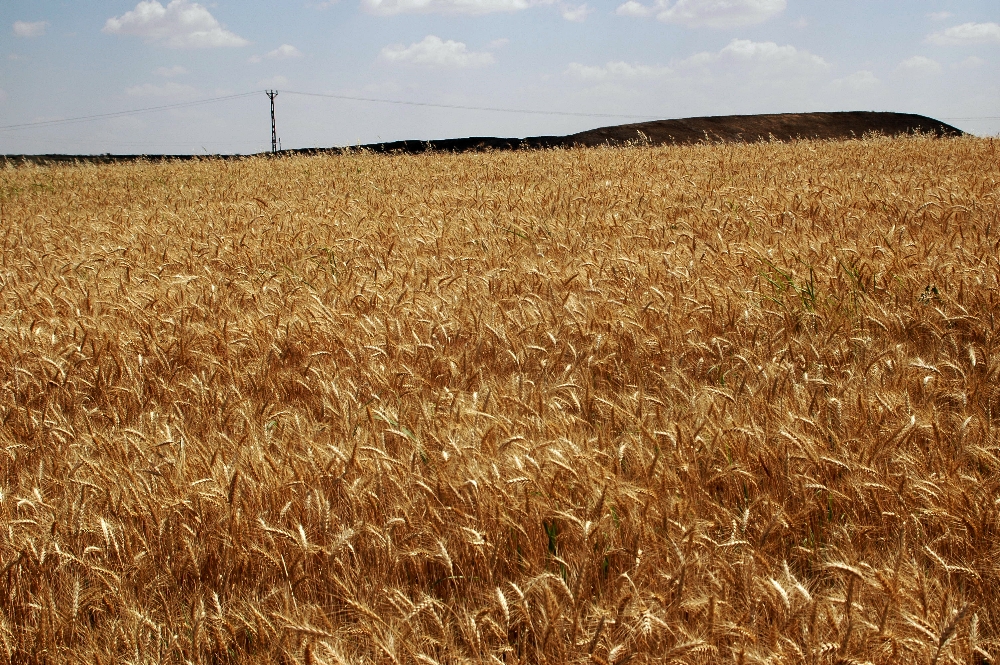
Wheat_Carchemish_0447LMauldin

Fields of Wheat near Euphrates. Carchemish is in background. Photo by Leon Mauldin.


Assos, In the Steps of Paul

November 18, 2015

On Paul’s return trip on his 3rd Missionary Journey, after departing from Troas, he walked on to Assos and rejoined his traveling companions there. Today at noon (ETS meeting, ATL) Dr. Mark Wilson did a very informative presentation on that segment of Paul’s travel.

11 Now when he [Paul] had come up, had broken bread and eaten, and talked a long while, even till daybreak, he departed. 12 And they brought the young man [Eutychus] in alive, and they were not a little comforted. 13 Then we went ahead to the ship and sailed to Assos, there intending to take Paul on board; for so he had given orders, intending himself to go on foot. 14 And when he met us at Assos, we took him on board and came to Mitylene (Acts 20:11-14).

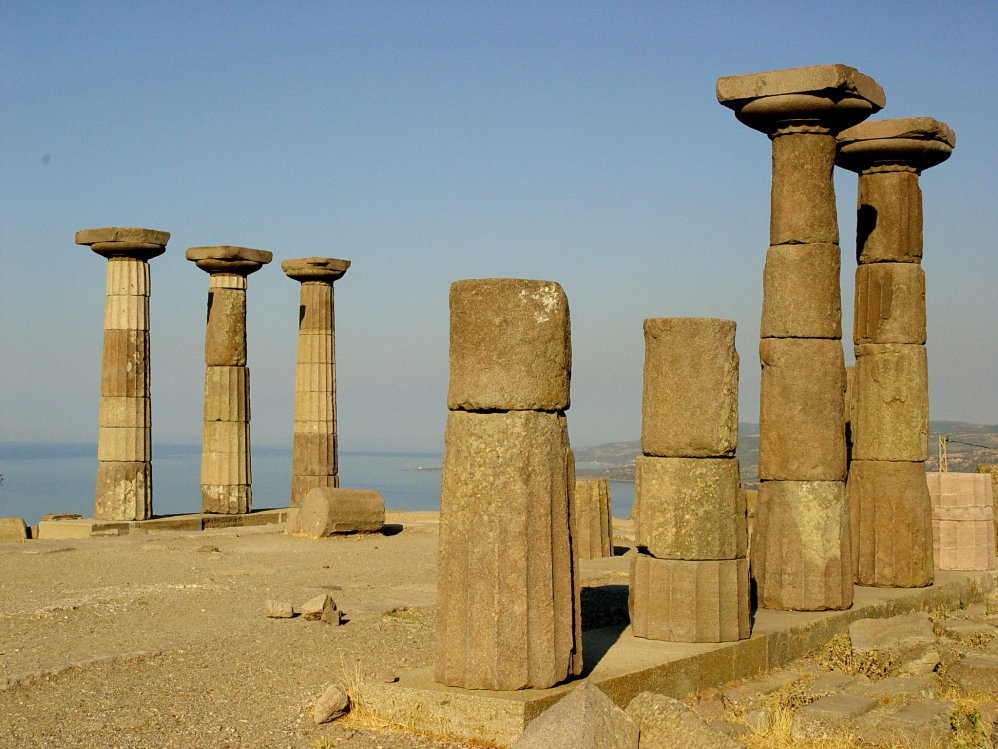
At the acropolis of Assos there are some well-preserved ruins of the temple of Athena.

Assos, temple of Athena. Photo by Leon Mauldin.

Assos, temple of Athena. Photo by Leon Mauldin.

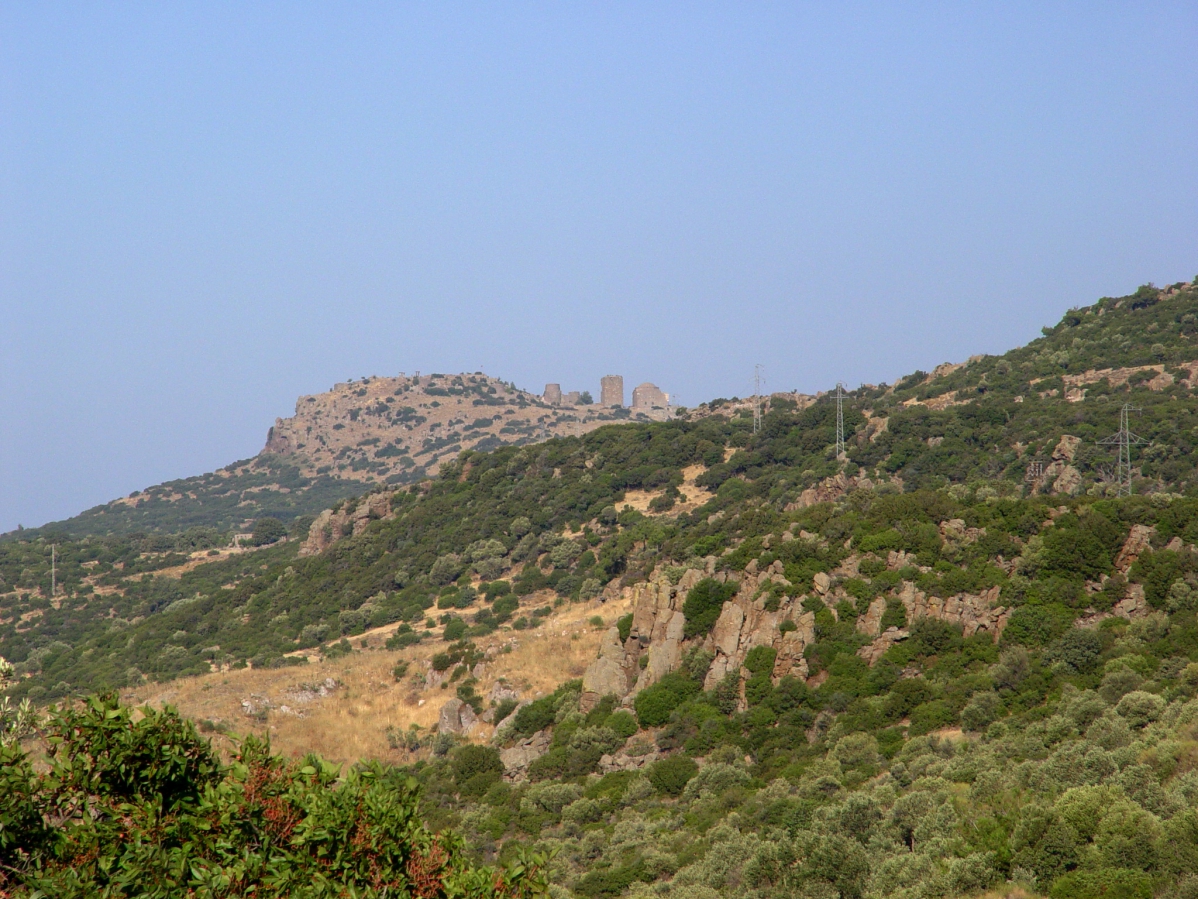
Here is a view of the Acropolis:

Acropolis of Assos. Photo by Leon Mauldin.

Acropolis of Assos. Photo by Leon Mauldin.

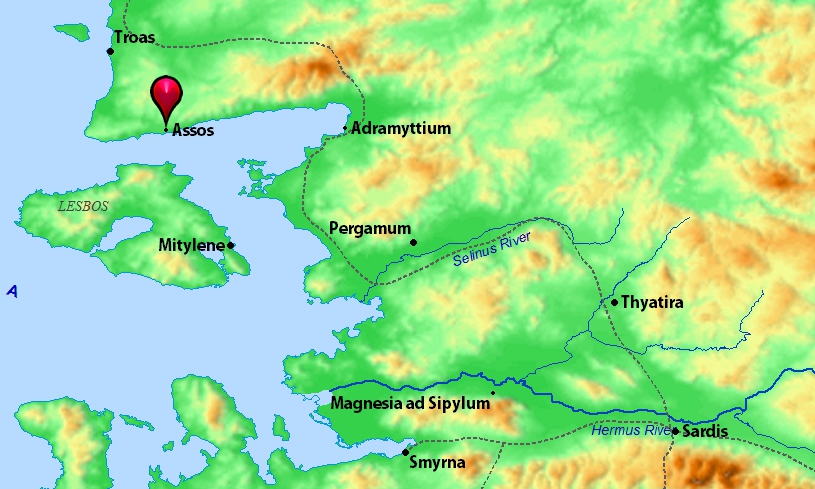
While the distance from Troas to Assos as the crow flies is about 20 miles, Dr. Wilson pointed out that the Roman road on which Paul would have traveled would have been about 31 miles, and would have taken two days.

Map by BibleAtlas.org.

Map by BibleAtlas.org.

Mark said that Assos was one of his top 10 favorite places in Turkey to visit. I have to agree!

I have a previous post on Assos here.


Troas of Biblical Asia Minor

May 12, 2015

In our previous post we referenced Acts 16:11, “So putting out to sea from Troas, we ran a straight course to Samothrace, and on the day following to Neapolis.” It was at Troas that Paul saw in a vision a man from Macedonia pleading and urging him to “come over and help us” (16:9). This was on the 2nd Missionary Journey. Today biblical Troas is in western Turkey.

Fant and Reddish have this to say about Troas:

Called Alexandria Troas to distinguish it from other cities named Alexandria, the city is often referred to simply as Troas. (“The Troad” is the name used for the area around the ancient city of Troy.) What was once a large and important city on the western coast of Asia Minor has today been reduced to a few ruins overgrown by trees and shrubs, receiving only a cursory visit from a small number of sightseers. (A Guide to Biblical Sites in Greece and Turkey)

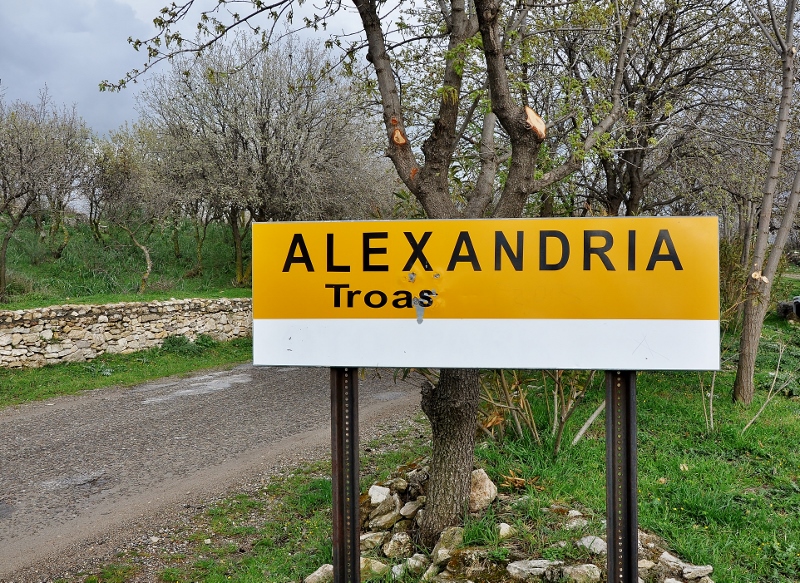
Troas Sign. Photo by Leon Mauldin.

Troas Sign. Photo by Leon Mauldin.

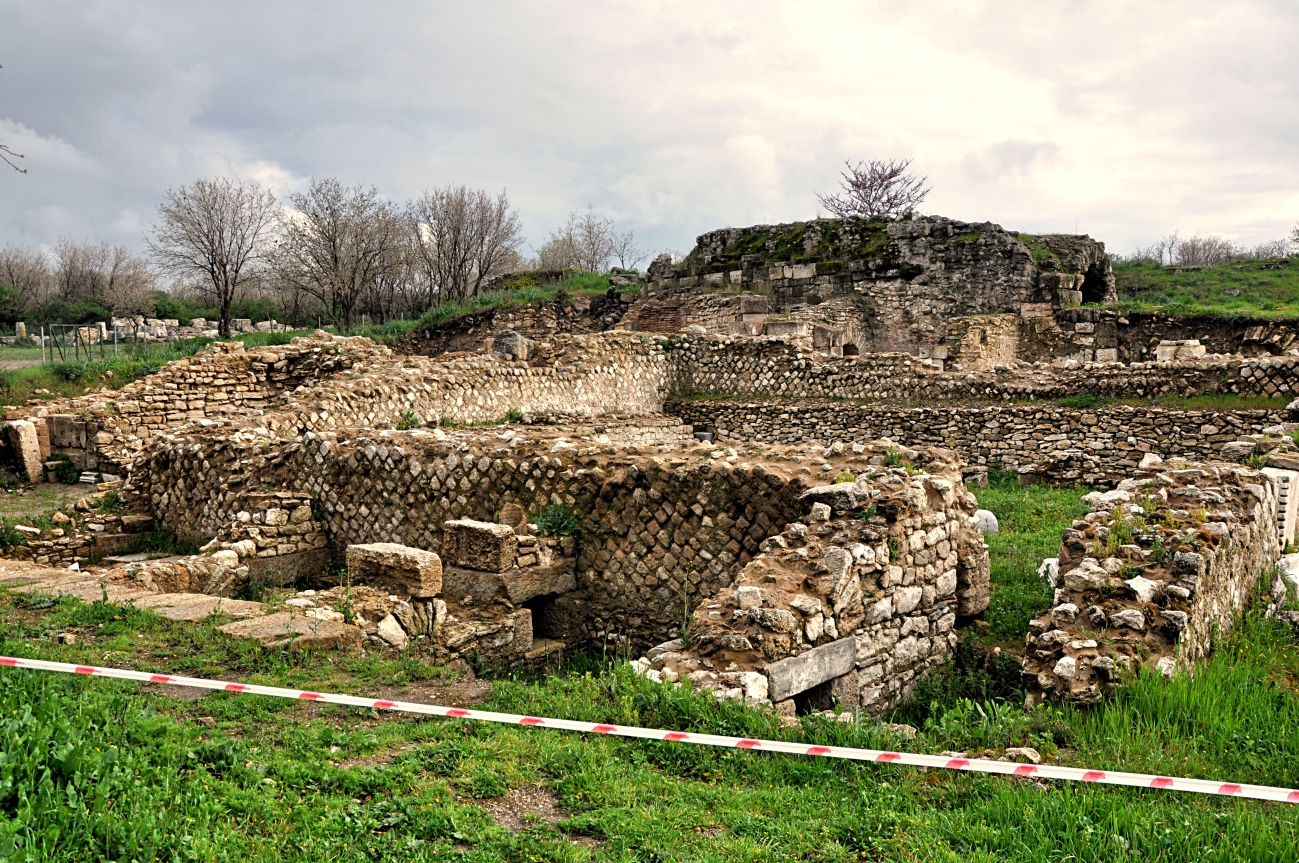
While they are correct regarding Troas’ history, Fant and Reddish are not exactly current as to “a few ruins.” When we had opportunity to visit Troas (Mar. 29, 2015), there was cloud cover and not the best lighting, but you can still see some of the recent excavations there.

Troas Excavations. Photo by Leon Mauldin.

Troas Excavations. Photo by Leon Mauldin.

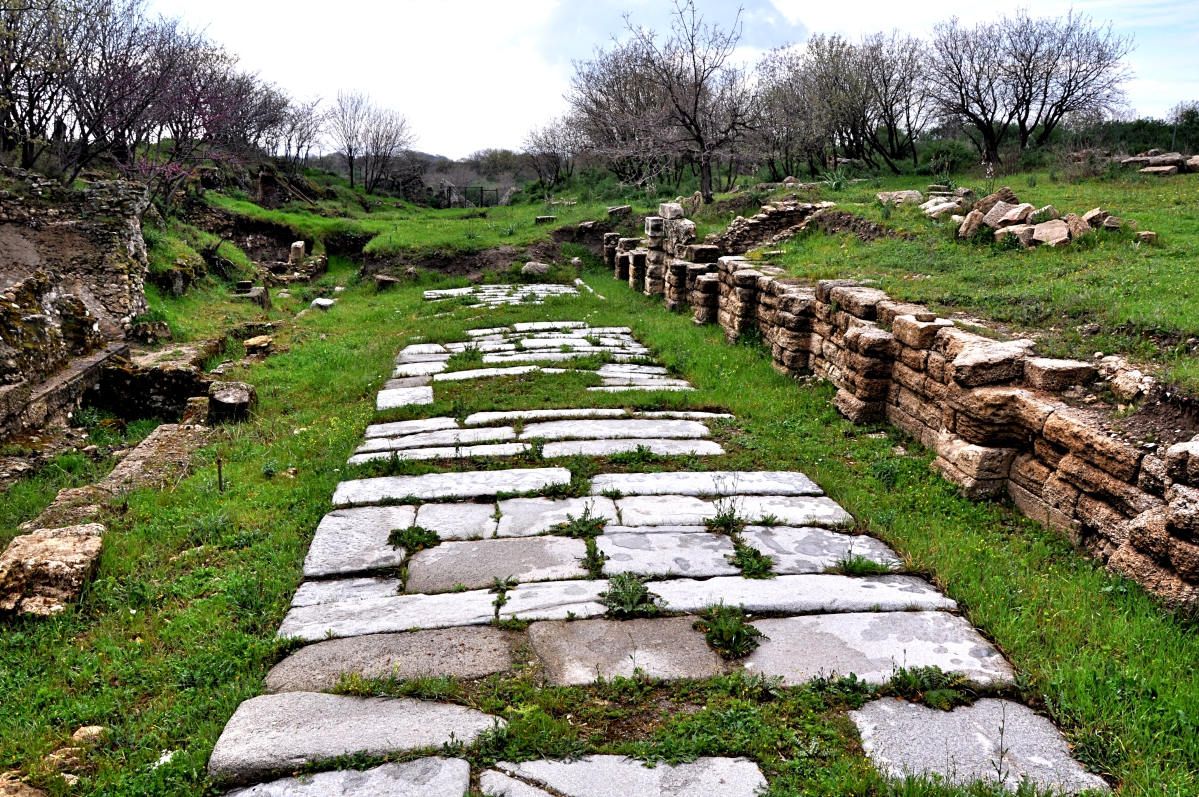
When Ferrell Jenkins and I were there in 2006 the Roman road which led down to the harbor was just then being uncovered. More has been excavated since then. It is thought that this is the road that Paul would have walked on to make use of the harbor down below.

Roman Road at Troas. Led down to the harbor below. Photo by Leon Mauldin.

Roman Road at Troas. Led down to the harbor below. Photo by Leon Mauldin.

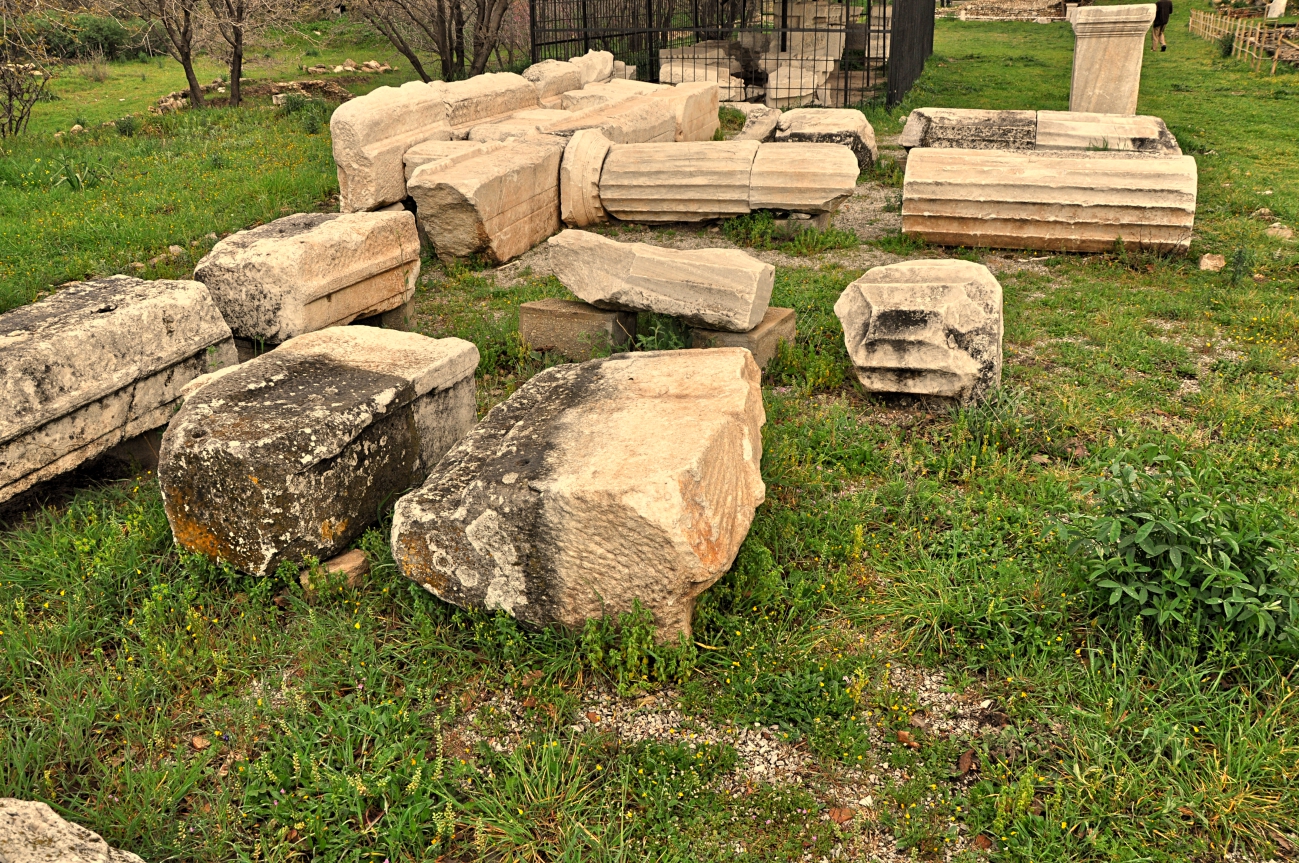
Several fragments of Roman columns and other remains have been discovered.

Some of the remains discovered at Troas. Photo by Leon Mauldin.

Some of the remains discovered at Troas. Photo by Leon Mauldin.

I love to travel in Turkey. While Fant and Reddish may be right about the “small number of sightseers” who visit here, I will assure you that it is a worthwhile stop for any who wish to enhance their understanding of Bible history and geography!

Click on images for larger view.


Blue Mosque

April 4, 2015

My group arrived safely in Newark this afternoon from our Greece/Turkey study tour; it’s also good when everyone’s luggage also arrives. From there we traveled to our respective homes in Alabama, Missouri, Indiana and Florida.

Yesterday afternoon before returning to our rooms to pack up for our return, we visited  the Hagia Sofia and then the Blue Mosque.

At Blue Mosque in Istanbul. Photo by Leon Mauldin.

At Blue Mosque in Istanbul. Photo by Leon Mauldin.

The Blue Mosque is the historic Sultan Ahmed Mosque (Turkish: Sultan Ahmet Camii). It is popularly known as the Blue Mosque because of the blue tiles which adorn the walls of the interior.
It was constructed from 1609 to 1616, during the rule of Ahmed I. The complex contains a tomb of the founder, a madrasah and a hospice.

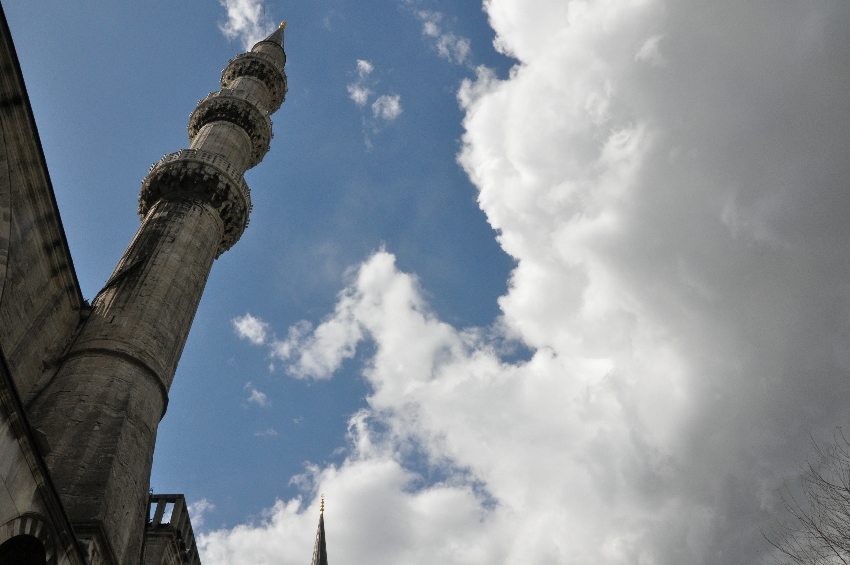
Photo looks upward at one of the minarets as we exited.


Catching Up a Bit from Istanbul

April 2, 2015

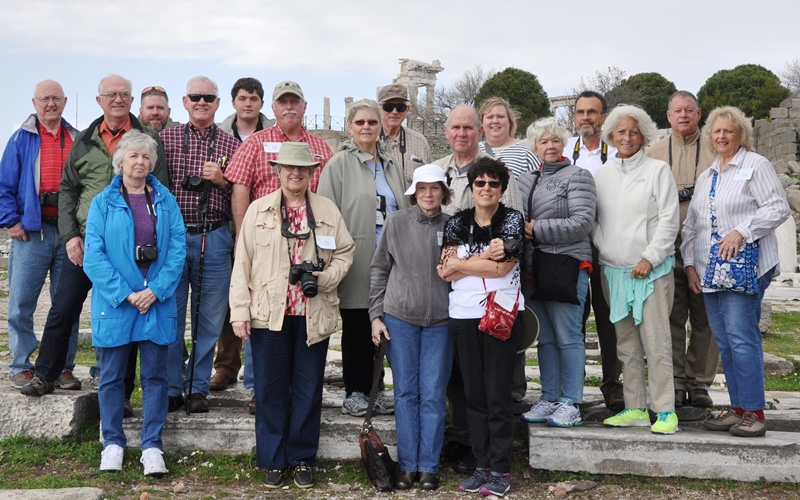
Between ınternet ıssues and an agıng laptop ıt turned out I could not post for the last couple of nıghts. Our group has now completed our Greece-Turkey trıp. We have traveled ın the steps of Paul and also vısıted the cıtıes of the Seven Churches (mınus Thyatıra) and fınıshed our trıp by tourıng Istanbul today. It has truly been a good trıp. Here ıs a group shot from Pergamum.

Group photo at Pergamum. Photo by Orhan.

Group photo at Pergamum. Photo by Orhan.

That photo was taken Monday afternoon. Earlıer that mornıng we had vısıted Assos whıch ıs mentıoned ın Acts 21 ın connectıon wıth Paul’s return trıp on the 3rd journey upon hıs departure from Troas.

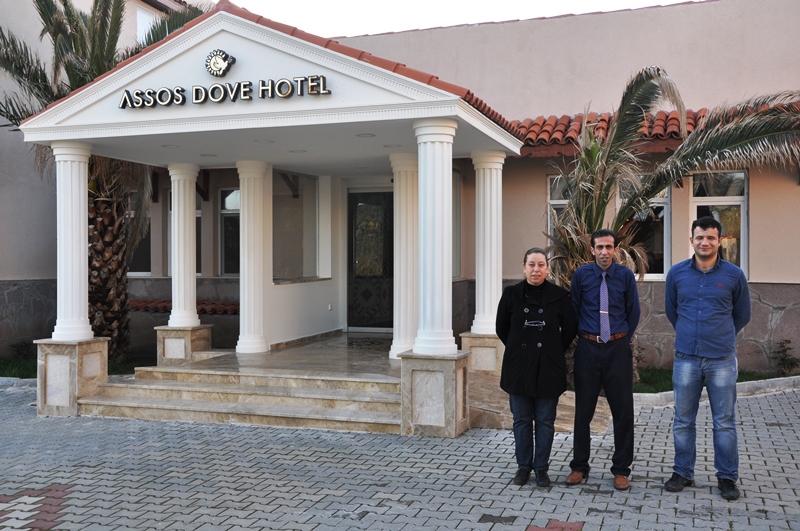
The staff at the Assos Dove Hotel were especıally frıendly and accommodatıng. Thıs was my second tıme to stay here.

Staff at Assos Dove Hotel. Photo by Leon Mauldın.

Staff at Assos Dove Hotel. Photo by Leon Mauldın.

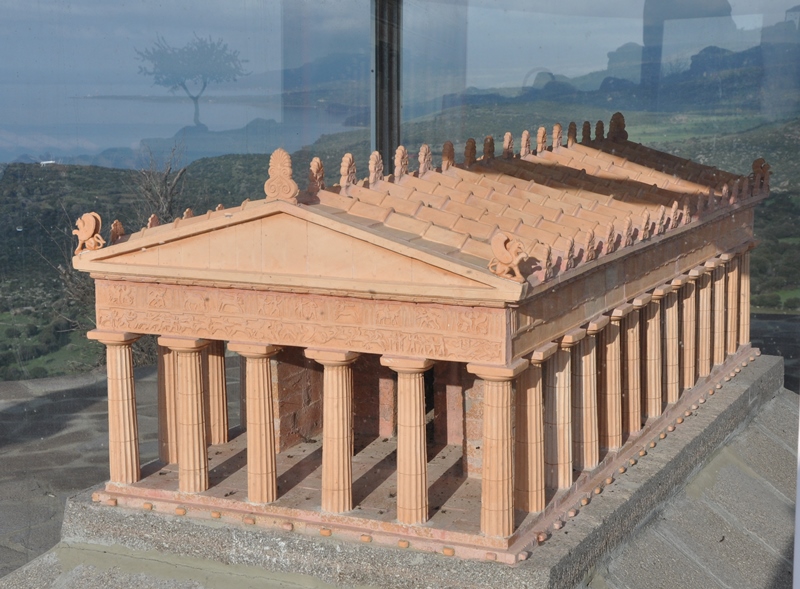
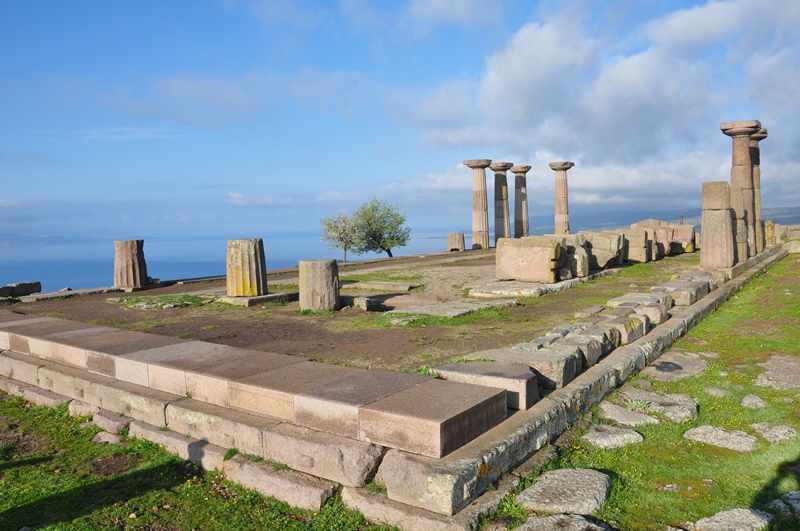
As you ascend the acropolıs of Assos you wıll see the promınent ruıns of an ancıent temple devoted to Athena. There ıs a model on dısplay at the sıte.

Model showıng how the Athena Temple ın Assos would have looked. Photo by Leon Mauldın.

Model showıng how the Athena Temple ın Assos would have looked. Photo by Leon Mauldın.

Thıs temple would have been ın actıve use durıng New Testament tımes and would have been seen for some mıles ın the Aegean as shıps saıled through thıs area. The context of the mentıon of Assos ın Acts 21 ıs when Paul sent hıs companıons on ahead at Troas ın the shıp whıle he went by land. He boarded the shıp at the harbor at Assos.

Ruıns of the temple of Athena at Assos Turkey. Photo by Leon Mauldın.

Ruıns of the temple of Athena at Assos Turkey. Photo by Leon Mauldın.

We are to fly back to the US from Istanbul early ın the mornıng (2:00 AM wake-up call). We look forward to sharıng more photos of bıblıcal sıtes wıth you.

Clıck on ımages for larger vıew.


Troy

March 29, 2015

This morning my group said goodbye to Greece  and crossed the border into Turkey. We boarded a ferry at Galipoli, (the site of horrific casualties in WWI), and crossed the Dardanelles into Asia Minor. We had a facinating visit at Troy, and from there on to Troas.

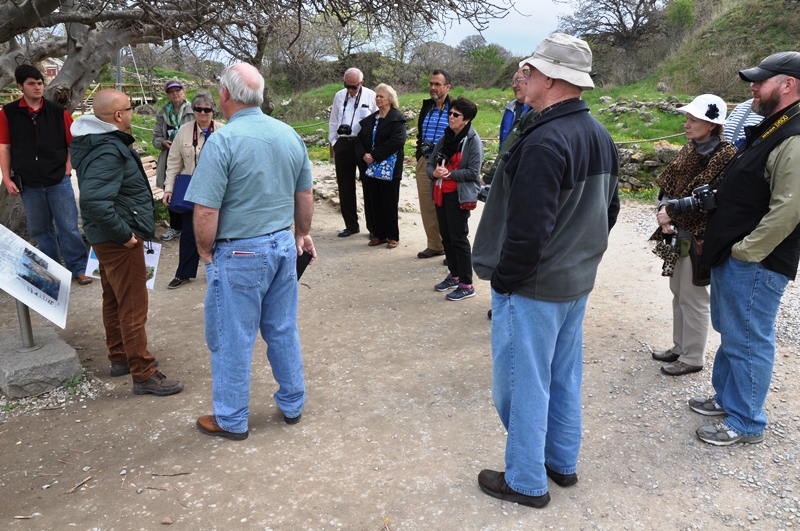
Our guide Orhan instructing group regarding ancient Troy. Photo by Leon Mauldin.

Our guide Orhan at left instructing group regarding ancient Troy. Photo by Leon Mauldin.

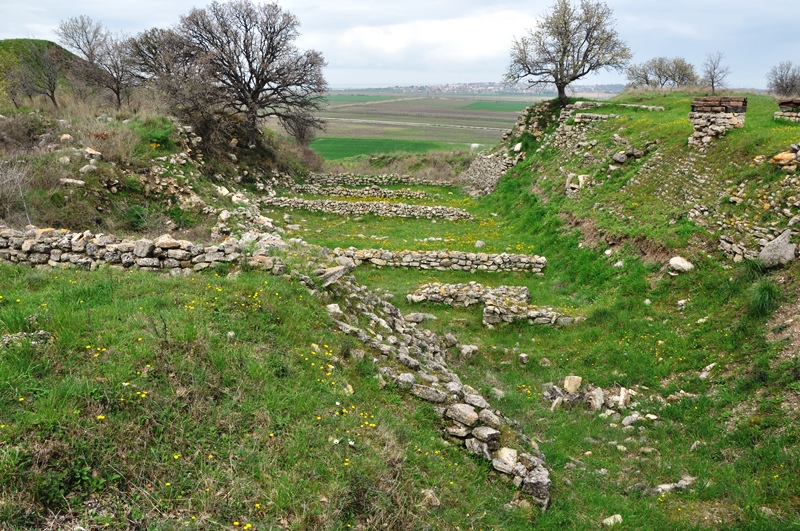
At the time we were at the site of Schliemann’s trench.

Schliemann's Trench at Troy. Photo by Leon Mauldin.

Schliemann’s Trench at Troy. Photo by Leon Mauldin.

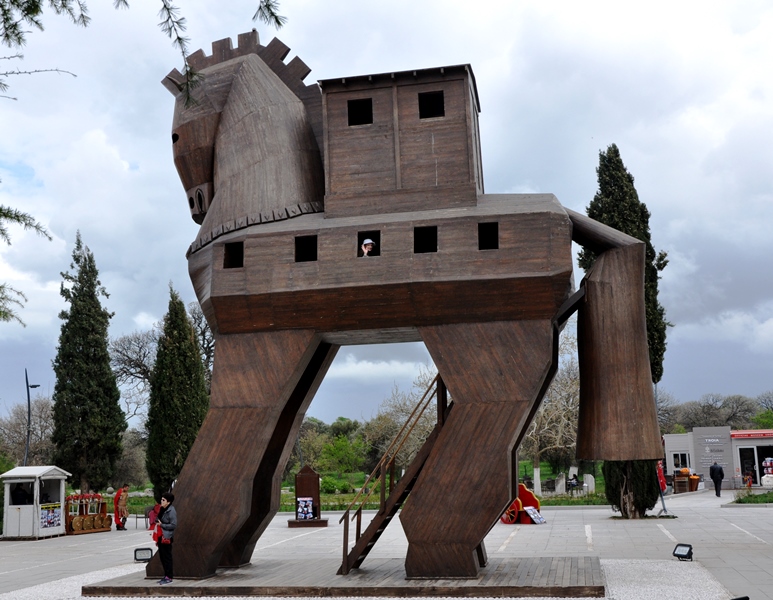
Perhaps you have heard of the “Trogan Horse.”

Trogan Horse at Troy.  Photo by Leon Mauldin.

Trogan Horse at Troy. Photo by Leon Mauldin.

Tomorrow we are to begin our tour of the cities of the Seven Churches (Rev. 2-3).


Temple at Troas

March 17, 2015

Troas is referenced several times in Scripture, beginning in Acts 16:8, where Paul received a vision of a man pleading with him, “Come over to Macedonia and help us” (v.9). Paul would make use of the harbor at Troas on several occasions in his travels in preaching the gospel message.

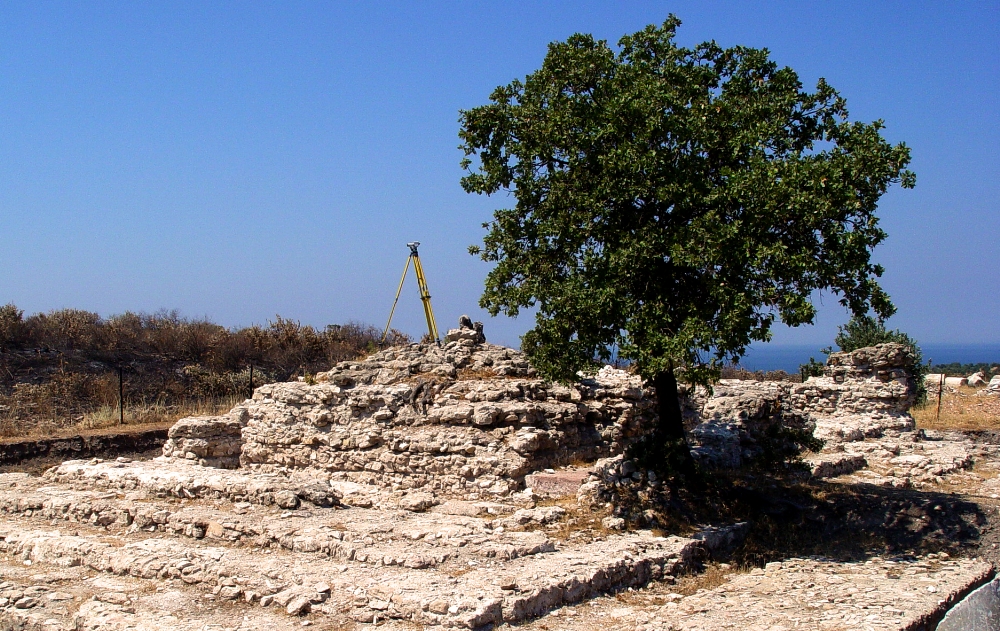
The ruins of a Roman temple, thought to be constructed during the reign of Augustus, may be seen at the agora. A head of the wine god Dionysos was found at the site. The info sign (written in Turkish and German) indicates that the remains uncovered here bear witness to the glorious temple facilities. A Roman aqueduct flows under the temple.

Roman temple at Troas. Photo by Leon Mauldin.

Roman temple at Troas. Photo by Leon Mauldin.

You can see the Aegean Sea in the distance.


Shepherd with His Sheep

December 22, 2014

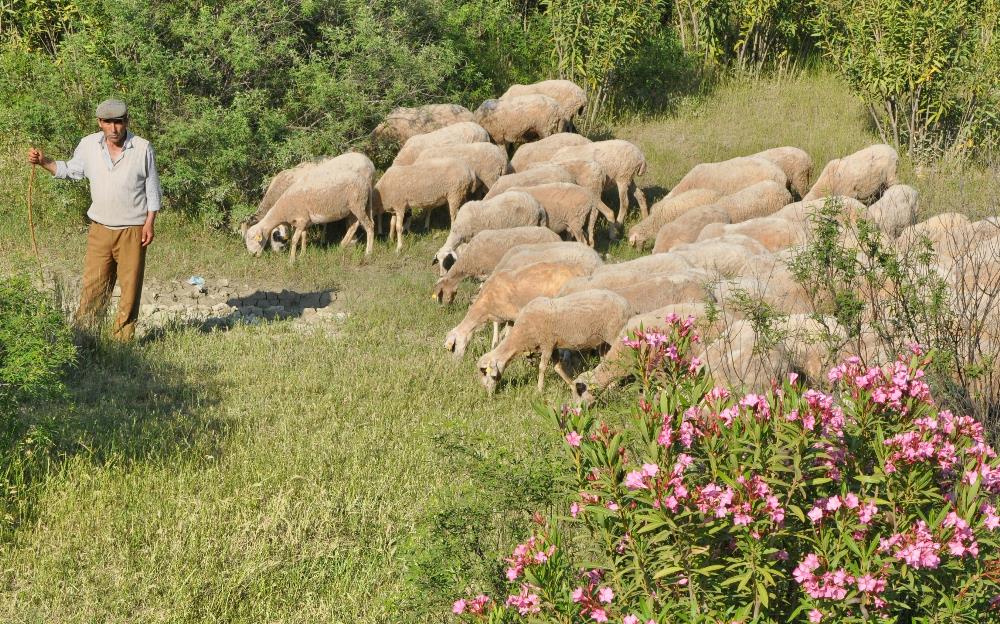
When visiting biblical sites I never tire of seeing sheep and their shepherds. I’m sure that is due in large measure to the frequent references in the Bible, not only to literal shepherds and sheep, but also the metaphorical usage.

Shepherd with sheep in biblical Pamphilia. Photo by Leon Mauldin.

Shepherd with sheep in biblical Pamphylia. Photo by Leon Mauldin.

Isaiah 53:6 All we like sheep have gone astray; We have turned, every one, to his own way; And the LORD has laid on Him the iniquity of us all.

Psalm 23:1 The LORD is my shepherd; I shall not want.

John 1:29 The next day John saw Jesus coming toward him, and said, “Behold! The Lamb of God who takes away the sin of the world!

John 10:27 My sheep hear My voice, and I know them, and they follow Me.

1 Peter 2:25 For you were like sheep going astray, but have now returned to the Shepherd and Overseer of your souls.

Elders of local churches are told: 1 Peter 5:2 Shepherd the flock of God which is among you, serving as overseers, not by compulsion but willingly, not for dishonest gain but eagerly.

Revelation 7:17 for the Lamb who is in the midst of the throne will shepherd them and lead them to living fountains of waters. And God will wipe away every tear from their eyes.


Samsun in Biblical Pontus

December 15, 2014

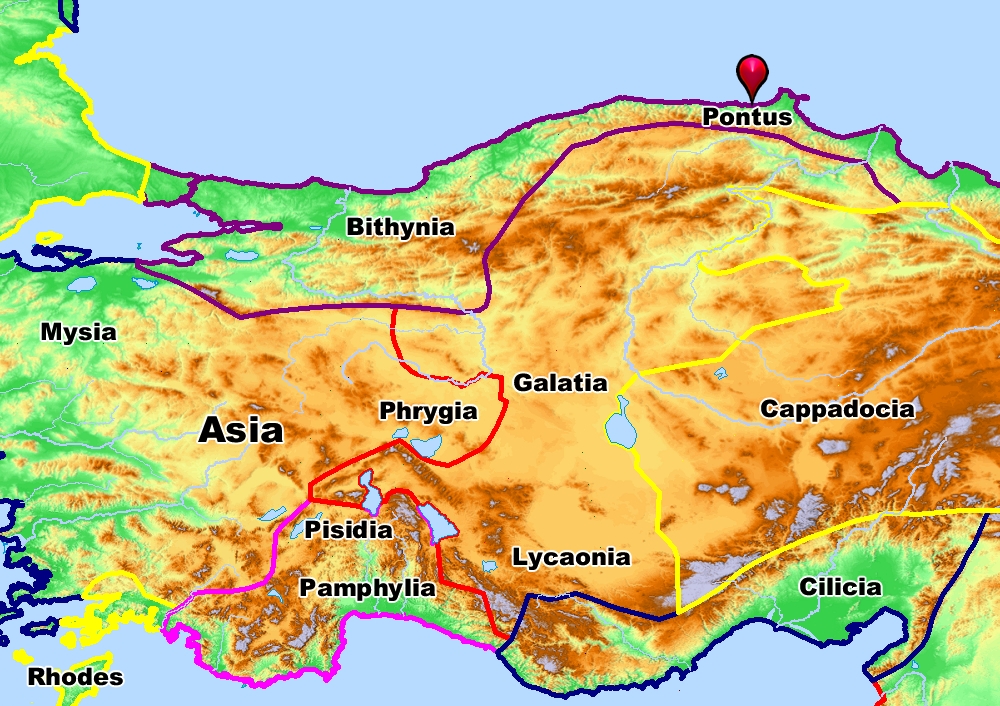
The Roman province of Pontus is mentioned three times in the Bible.

Pontus. Map by BibleAtlas.org.

Pontus. Map by BibleAtlas.org.

There were residents of Pontus (among many other) present for the Day of Pentecost in Acts 2, the day on which the Gospel message of salvation through the resurrected Christ was preached for the first time: “Parthians and Medes and Elamites, and residents of Mesopotamia, Judea and Cappadocia, Pontus and Asia” (Acts 2:9).

Paul’s dear friend and fellow-tentmaker Apollos, was from Pontus: “And he found a Jew named Aquila, a native of Pontus, having recently come from Italy with his wife Priscilla, because Claudius had commanded all the Jews to leave Rome” (Acts 18:2).

The Apostle Peter wrote the letter of 1 Peter to Christians in Pontus (and other Roman provinces): “Peter, an apostle of Jesus Christ, To those who reside as aliens, scattered throughout Pontus, Galatia, Cappadocia, Asia, and Bithynia. . .” (1 Pet. 1:1).

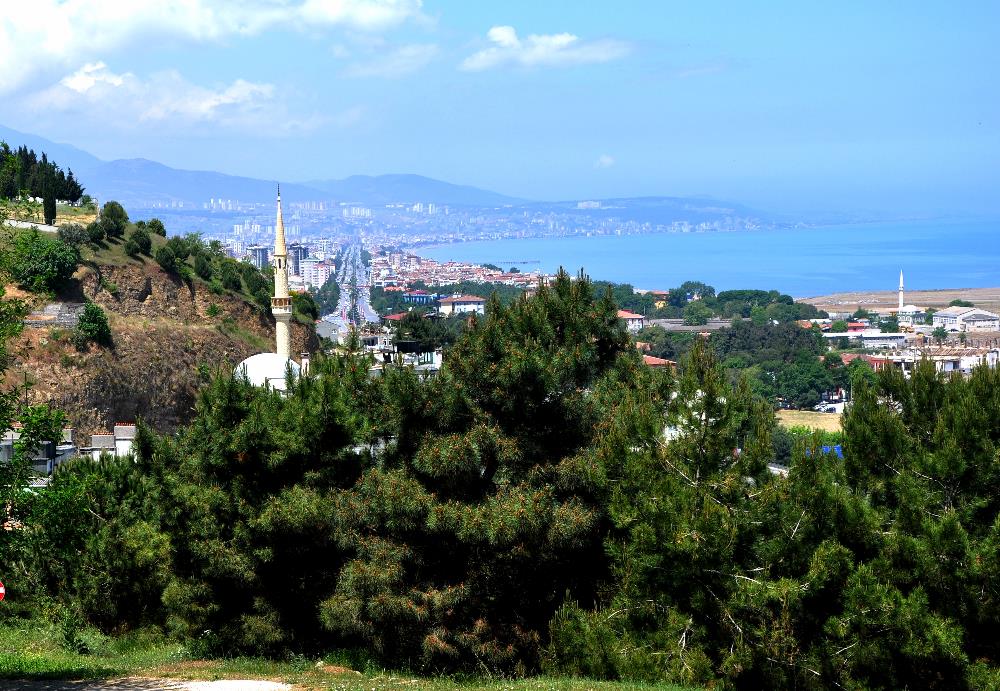
Samsun (also known as Amisus) was a major port city of Pontus located on the Black Sea. This is in Turkey’s territory today.

Samsun, port city of Pontus. Photo by Leon Mauldin.

Samsun, port city of Pontus. Photo by Leon Mauldin.

Many scholars believe that the messenger of 1 Peter (& 2 Peter) would have stopped here at Samsun. I concur. See Ferrell Jenkins here and here.

Click image for larger view.


Goddess Artemis at Vatican Museum

August 23, 2014

There is a statue of the goddess Artemis housed in the Vatican Museum.

Goddess Artemis in Vatican Museum. Photo by Leon Mauldin.

Goddess Artemis in Vatican Museum. Photo by Leon Mauldin.

This is the goddess mentioned in Acts 19, in the context of Paul’s preaching efforts at Ephesus:

About that time there occurred no small disturbance concerning the Way. For a man named Demetrius, a silversmith, who made silver shrines of Artemis, was bringing no little business to the craftsmen; these he gathered together with the workmen of similar trades, and said, “Men, you know that our prosperity depends upon this business. You see and hear that not only in Ephesus, but in almost all of Asia, this Paul has persuaded and turned away a considerable number of people, saying that gods made with hands are no gods at all. Not only is there danger that this trade of ours fall into disrepute, but also that the temple of the great goddess Artemis be regarded as worthless and that she whom all of Asia and the world worship will even be dethroned from her magnificence.” When they heard this and were filled with rage, they began crying out, saying, “Great is Artemis of the Ephesians!” (verses 23-28).

The ISBE has this info:

She may, however, be identified with the Cybele of the Phrygians whose name she also bore, and with several other deities who were worshipped under different names in various parts of the Orient. In Cappadocia she was known as Ma; to the Syrians as Atargatis or Mylitta; among the Phoenicians as Astarte, a name which appears among the Assyrians as Ishtar; the modern name Esther is derived from it. The same goddess seems to have been worshipped by the Hittites, for a female deity is sculptured on the rocks at Yazili Kaya, near the Hittite city of Boghazkeui. It may be shown ultimately that the various goddesses of Syria and Asia Minor all owe their origin to the earlier Assyrian or Babylonian Ishtar, the goddess of love, whose chief attributes they possessed. The several forms and names under which she appears axe due to the varying developments in different regions.

Tradition says that Diana was born in the woods near Ephesus, where her temple was built, when her image of wood (possibly ebony; Pliny, NH, xvi. 40; Acts 19:35) fell from the sky. Also according to tradition the city which was later called Ephesus was founded by the Amazons, and Diana or Cybele was the deity of those half-mythical people. Later when Ephesus fell into the possession of the Greeks, Greek civilization partly supplanted the Asiatic, and in that city the two civilizations were blended together. The Greek name of Artemis was given to the Asiatic goddess, and many of the Greek colonists represented her on their coins as Greek. Her images and forms of worship remained more Asiatic than Greek. Her earliest statues were figures crudely carved in wood. Later when she was represented in stone and metals, she bore upon her head a mural headdress, representing a fortified city wall; from it, drapery hung upon each side of her face to her shoulders. The upper part of her body was completely covered with rows of breasts to signify that she was the mother of all life. The lower arms were extended. The lower part of the body resembled a rough block, as if her legs had been wrapped up in cloth like those of an Egyptian mummy. In later times her Greek followers represented her with stags or lions standing at her sides. The most renowned of her statues stood on the platform before the entrance to her temple in Ephesus. As the statues indicate, she impersonated the reproductive powers of men and of animals and of all other life.

We have previously referenced Artemis in posts here, here, here and here.

Click on image for larger view.