Moses Ascends Mt. Nebo

November 28, 2011

The Lord’s faithful servant Moses was not permitted to cross over with Israel to the Promised Land of Canaan.

Deuteronomy 34 tells of the end of the Moses’ earthly life. He was permitted to ascend Mt. Nebo and view the land promised to the Patriarchs, and then he died.

Then Moses went up from the plains of Moab to Mount Nebo, to the top of Pisgah, which is across from Jericho. And the LORD showed him all the land of Gilead as far as Dan, 2 all Naphtali and the land of Ephraim and Manasseh, all the land of Judah as far as the Western Sea, 3 the South, and the plain of the Valley of Jericho, the city of palm trees, as far as Zoar. 4 Then the LORD said to him, “This is the land of which I swore to give Abraham, Isaac, and Jacob, saying, ‘I will give it to your descendants.’ I have caused you to see it with your eyes, but you shall not cross over there.” 5 So Moses the servant of the LORD died there in the land of Moab, according to the word of the LORD. 6 And He buried him in a valley in the land of Moab, opposite Beth Peor; but no one knows his grave to this day. 7 Moses was one hundred and twenty years old when he died. His eyes were not dim nor his natural vigor diminished (Deut. 34:1-7).

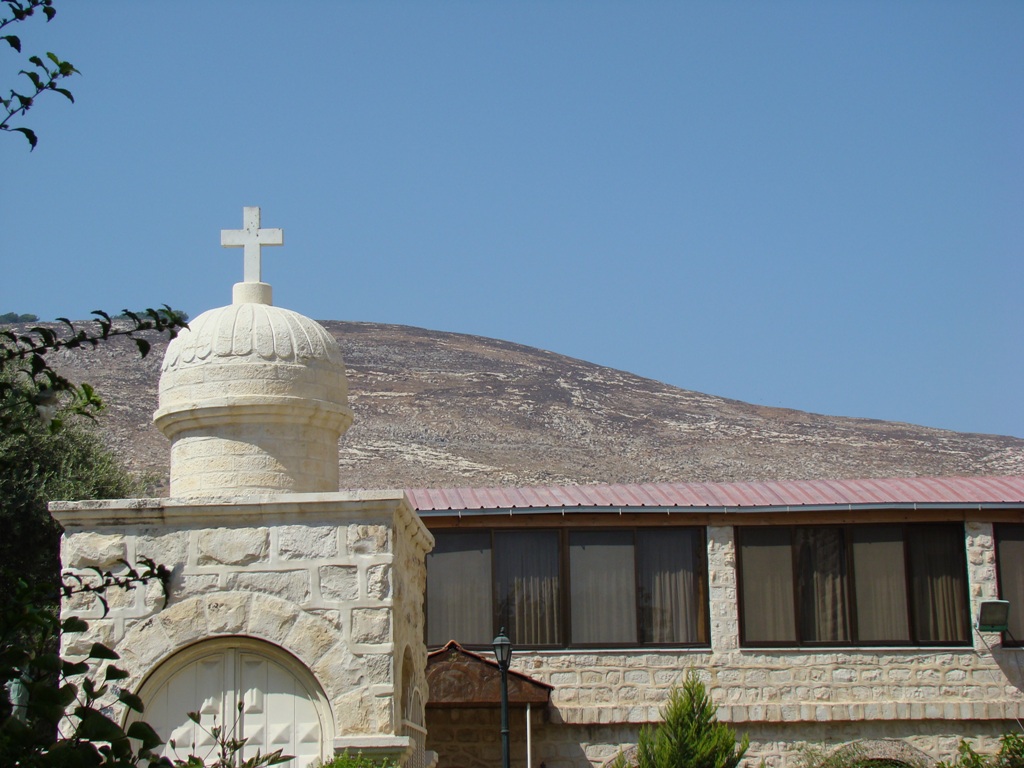
Mt. Nebo is situated in what was at that time the land of Moab. Our photo shows Mt. Nebo from the western side of the Dead Sea, looking east, i.e., the opposite of Moses’ view in our text.
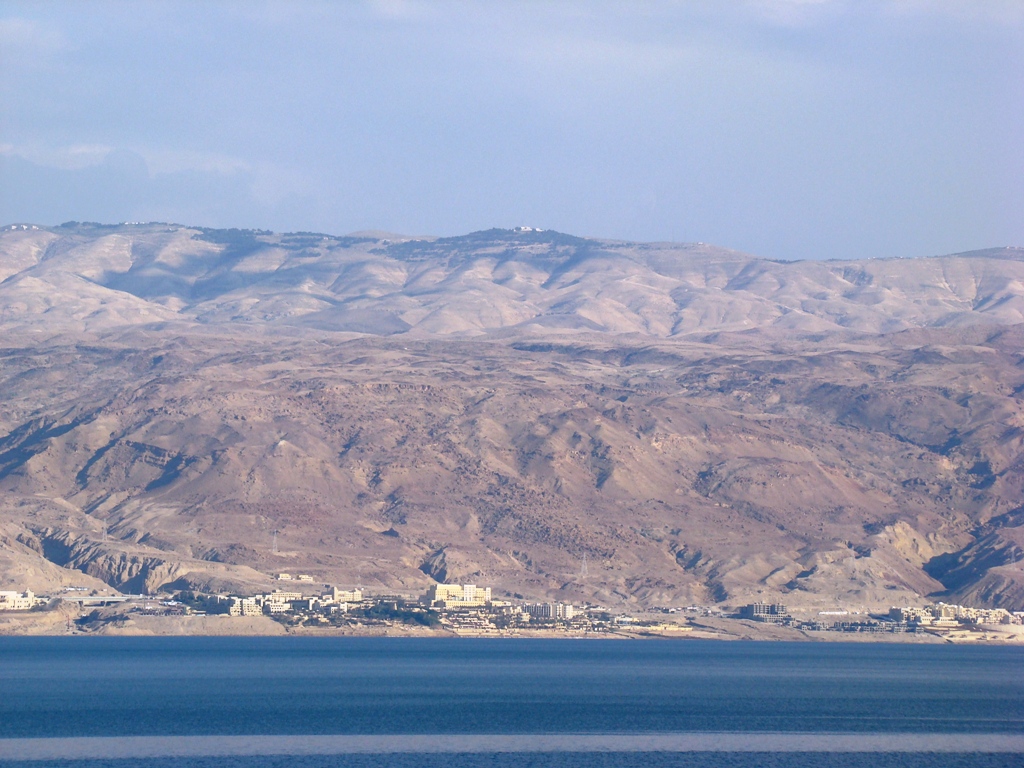
Mt. Nebo from west side of Dead Sea. Photo by Leon Mauldin, Sept. 2011.

Top center of photo is Mt. Nebo, in the setting of the mountains of Moab.

Click image for larger view.


“Be Not As the Hypocrites”

November 1, 2011

In Matthew 6:5 Jesus said,

And when you pray, you shall not be like the hypocrites. For they love to pray standing in the synagogues and on the corners of the streets, that they may be seen by men. Assuredly, I say to you, they have their reward.

To say, “they have their reward,” means that the only reward such will receive is the praise of men; they will not be rewarded by God. Regarding the words “hypocrite,” and “hypocrisy,” the ISBE states

‘Hypocrisy,’ ‘hypocrite’ are frequent in the New Testament, chiefly in Christ’s discourses in the Gospels. The word hupokrisis (primarily, “an answer,” “response”) meant generally, in classical Greek, stageplaying, acting, the histrionic art; hence, it came to mean acting a part in life, etc. . . but, in general, the meaning is acting a part, false, deceptive and deceived, formally and outwardly religious and good, but inwardly insincere and unrighteous; the hypocrite may come to deceive himself as well as others, but ‘the hypocrite’s hope shall perish’ (Job 8:13, KJV). On no class did our Lord pronounce such severe condemnation as on the hypocrites of His day.

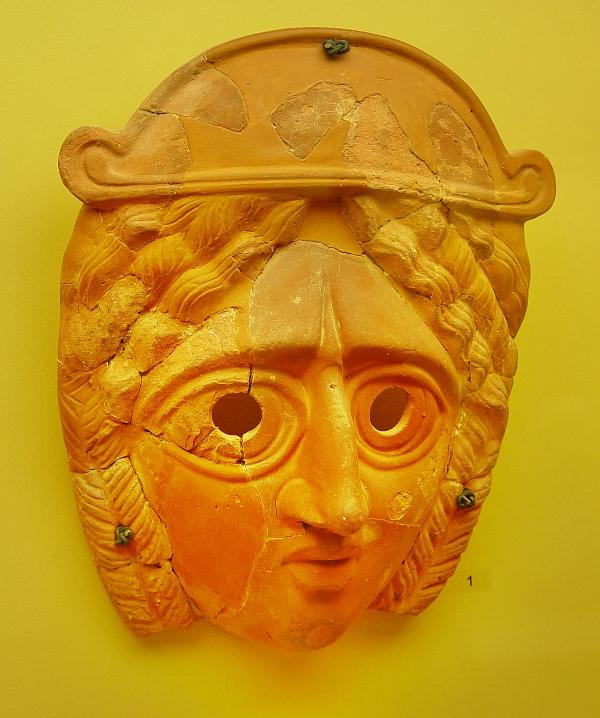
These actors’ masks in our photos below are displayed in Athens near the ancient agora. If the actor were a tragedian, he/she might have a mask like this:

Tragic Mask. Athens, Greece. Photo by Leon Mauldin.

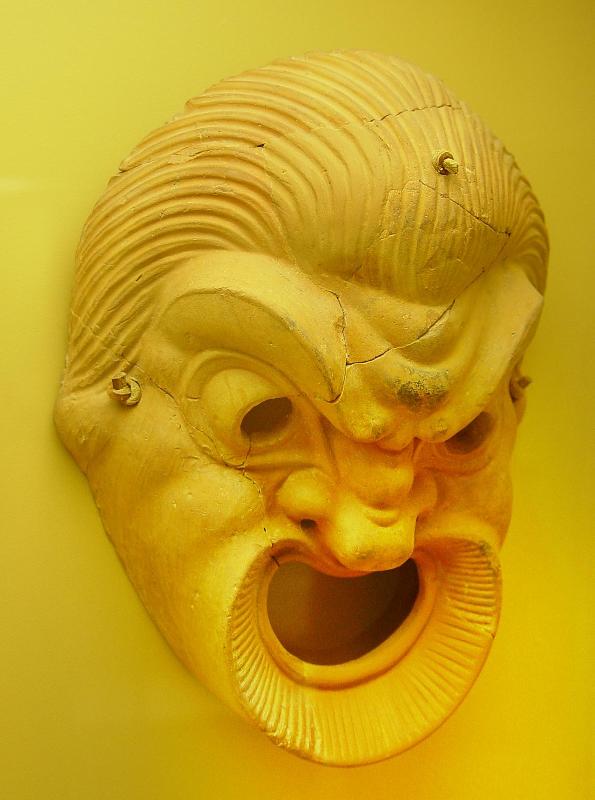
On the other hand, if he were a comic, the mask might look like this:

Comic mask. Athens, Greece. Photo by Leon Mauldin.

Jesus does not want His followers to be actors, playing a part, all the while playing a role that is not real. He requires total, genuine, sincere conversion and commitment to Him. “Be not as the hypocrites.”


Mt. Ebal from Jacob’s Well

October 28, 2011

In Deuteronomy 27:111-26, Moses commanded the people to arrange six tribes on Mount Gerizim (blessing), and six tribes on Mount Ebal (cursing). The blessings and the curses of the Law were to be read–blessing conditioned upon obedience, and curses consequential of disobedience. These instructions were given just before Israel entered Canaan, in anticipation of the Conquest under Joshua.

When they arrived in the land, after taking Jericho and Ai, they immediately went north to obey these instructions. The record is in Joshua 8:30-35.

 Afterwards, Joshua read aloud all the words of the law– the blessings as well as the curses– according to all that is written in the book of the law. There was not a word of all that Moses had commanded that Joshua did not read before the entire assembly of Israel, including the women, little children, and foreigners who were with them (Josh. 8:34-35, CSB).

Joshua also built an altar there (Josh. 8:30), made of whole stones (v.31), on which he wrote the law of Moses (v.32).

Today’s photo shows Mt. Ebal from Jacob’s well (well is to our right and out of sight).

Mt. Ebal from Jacob's Well. Photo by Leon Mauldin.

Jacob’s well is mentioned in the New Testament as the setting for the conversation between Jesus and the Samaritan woman (John 4).

*******

Our 6-day meeting presenting the Visualized Survey of the Bible here in Lincoln, NE., with the Eastside church of Christ concludes tonight. I’m always thankful to God for such opportunities. Our son Seth preaches here, along with Nathan Quinn. So a special treat was our getting to be with family, including our daughter and her four children who were also here (from AL.) through Thurs. morning.

Our schedule this week has not allowed for frequent posting. Thanks for your understanding, and thanks for reading our blog!


Cistern at Adullam

October 20, 2011

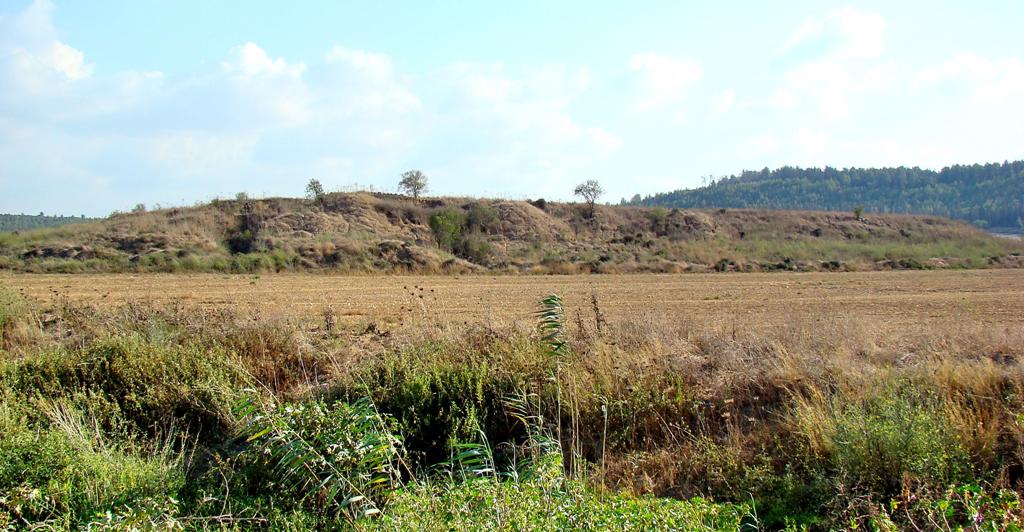
Last month we had the occasion to visit Adullam. Ferrell Jenkins posted on this here. Earlier I did a post dealing especially with the narrative of 2 Samuel 23:13-17, where David and some of his men were at the cave of Adullam, when he longed for water from the well by the gate at Bethlehem. See here for post, “David’s Mighty Men.”

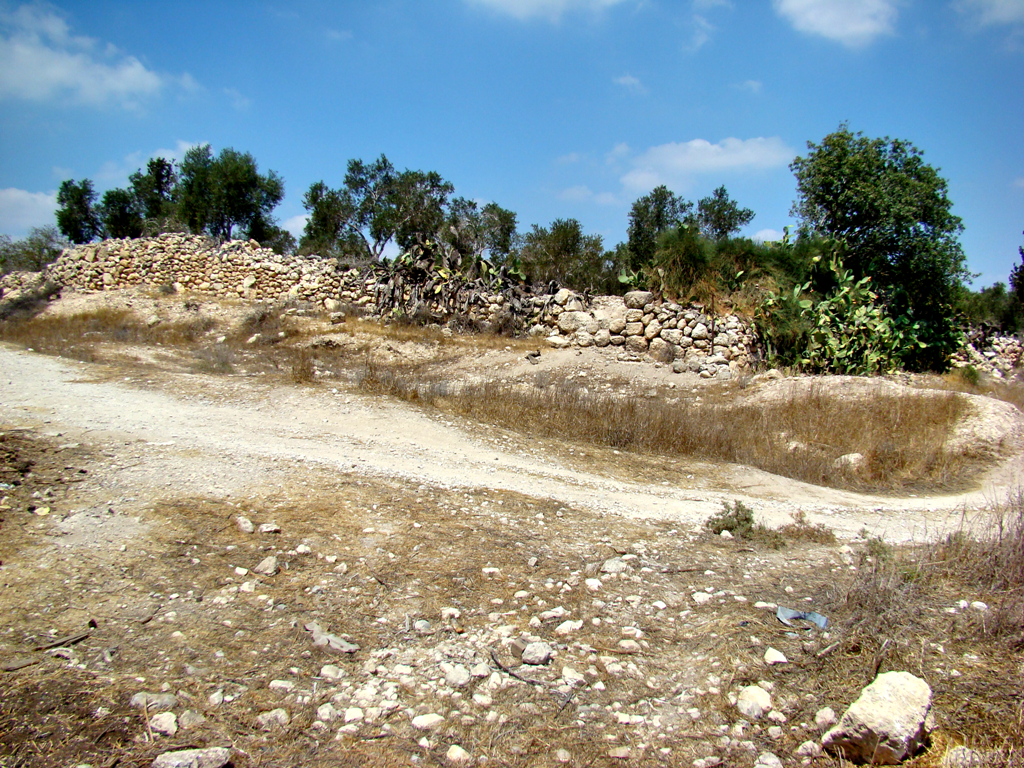
While seeing the biblical site of Adullam it became apparent why David would have longed for the water from Bethlehem. Adullam is on a hill.

Tell Adullam. Photo by Leon Mauldin.

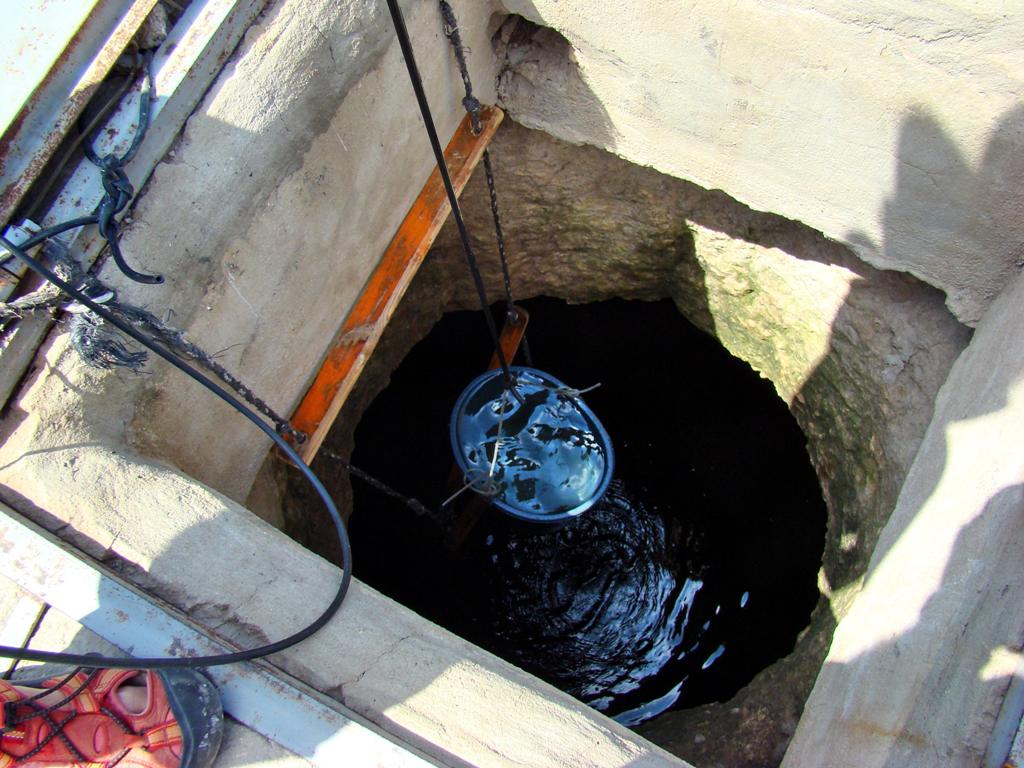
There was water at Adullam. Like so many sites in Israel, water was collected in cisterns.

Cistern at Adullam. Photo by Leon Mauldin.

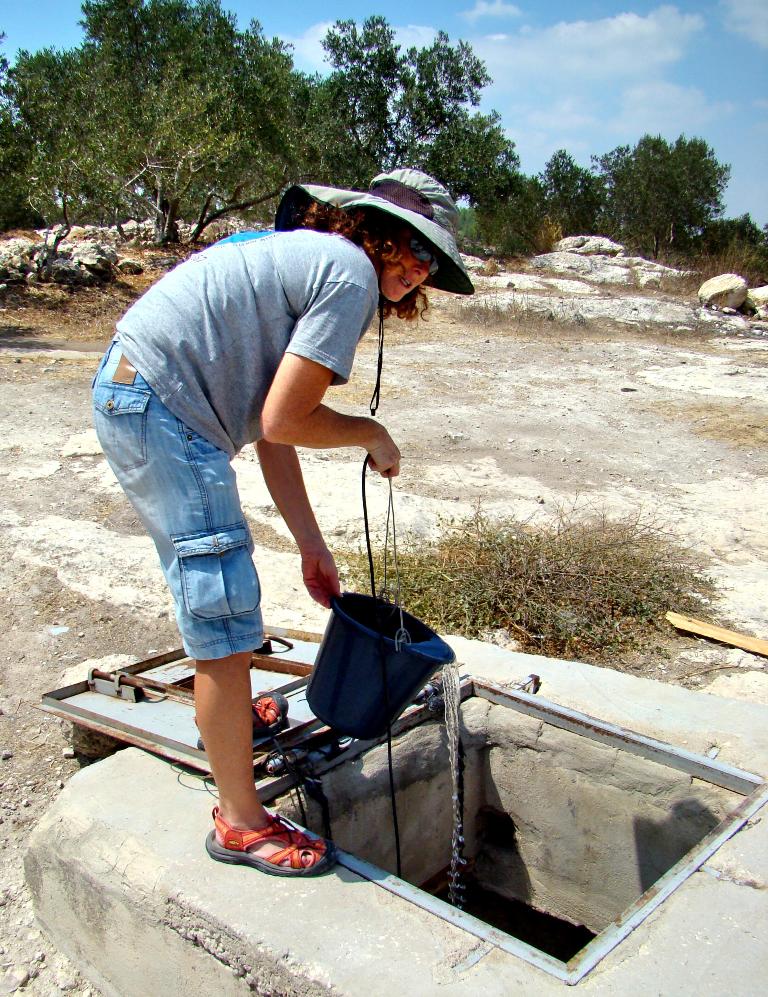
Our driver and guide Daphna drew some water from the cistern and then poured it back. We did not take a drink so I cannot vouch for its taste.

Daphna draws water and pours it back into the cistern at Adullam. Photo by Leon Mauldin.

David’s three men traveled 13 miles to the east to get to Bethlehem from Adullam.

Bethlehem would be to our far right, 13 miles distant from Adullam. Photo by Leon Mauldin.

David knew the difference between water that was living and fresh, like that at Bethlehem, and water collected in a cistern.

This distinction is helpful in understanding the Lord’s admonition to Judah through Jeremiah the prophet:

For My people have committed two evils: They have forsaken Me, The fountain of living waters, To hew for themselves cisterns, Broken cisterns That can hold no water (Jeremiah 2:13).

Click images for higher resolution.


Timnah and the Samson Narrative

October 14, 2011

Nelson’s New Illustrate Bible Dictionary tells us,

Timnah was allotted to the tribe of Dan (Josh. 19:43; Thimnathah, KJV). Some scholars identify it with Tell el-Batashi, about six kilometers (four miles) northwest of Beth Shemesh. At Timnah Samson married a Philistine woman and later told her his riddle of the lion and the honey (Judges 14).

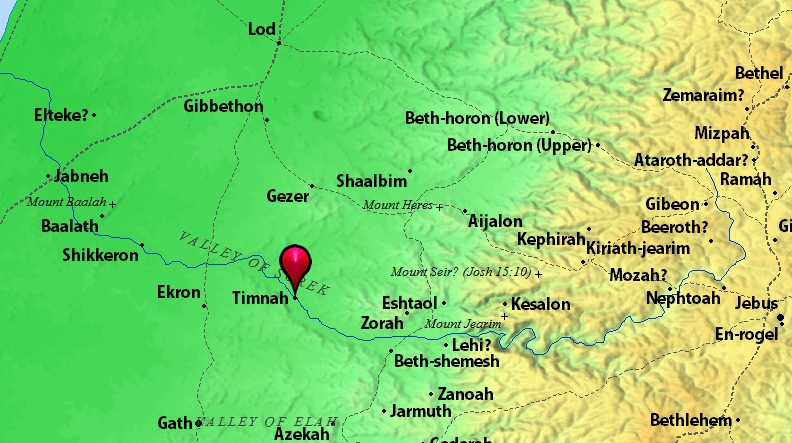
See map for location.

Timnah. Map by BibleAtlas.org

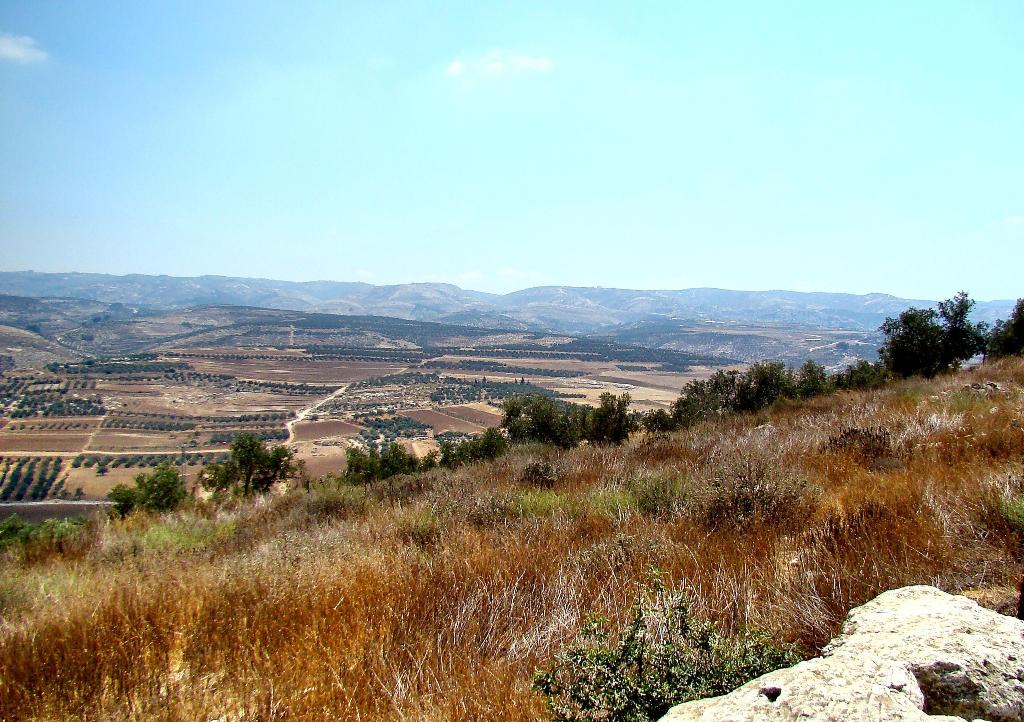
We had the opportunity while in Israel last month to see Timnah. You can see the tel in center of photo.

Timnah. Tel is in center. Photo by Leon Mauldin.

Samson was one of Israel’s judges in the biblical period usually designated “judges,” which preceded Israel’s having a king. Some of the other judges led an army to deliver Israel; Samson WAS the army.

But regarding Timnah, the text reads,

Samson went down to Timnah, where a Philistine girl caught his eye. 2 When he got home, he told his father and mother, “A Philistine girl in Timnah has caught my eye. Now get her for my wife.” 3 But his father and mother said to him, “Certainly you can find a wife among your relatives or among all our people! You should not have to go and get a wife from the uncircumcised Philistines.” But Samson said to his father, “Get her for me, because she is the right one for me” (Judges 14:1-3, NET).

It was here at Timnah (at the vineyards) that a young lion roared against Samson, and he killed it with his bare hands (vv. 5-6).  The verses that follow tell of bees making honey in the carcass of the lion which Samson ate and shared with his parents. He omitted to tell them the source of the honey.

Samson told a riddle which would require the wedding guests (30) at Timnah to each give him a set of clothing. The men could not figure out his riddle,  “Out of the one who eats came something to eat; out of the strong one came something sweet” (v.14). They threatened Samson’s wife who finally got the answer from Samson (the lion).  Samson was angry with his wife, and went home to his parents.  Meanwhile his father-in-law gave Samson’s wife to his “best man” (v. 20 ESV, NET).

Not knowing what had happened Samson went back to Timnah to “make up” with his wife. Upon learning of this new set of circumstances,

4 Samson went and captured three hundred jackals and got some torches. He tied the jackals in pairs by their tails and then tied a torch to each pair. 5 He lit the torches and set the jackals loose in the Philistines’ standing grain. He burned up the grain heaps and the standing grain, as well as the vineyards and olive groves. (Judges 15:4-5, NET).

The biblical narrative continues, with subsequent retaliation both on the part of the Philistines as well as Samson.

We are glad to see such Bible places as Timnah, as such sites provide the geographical setting for the events of Scripture.

Click image for higher resolution.


San Jacinto Monument

October 7, 2011

While here in Texas for our series of lessons we want to smell the roses, or see the monuments, as the case may be.

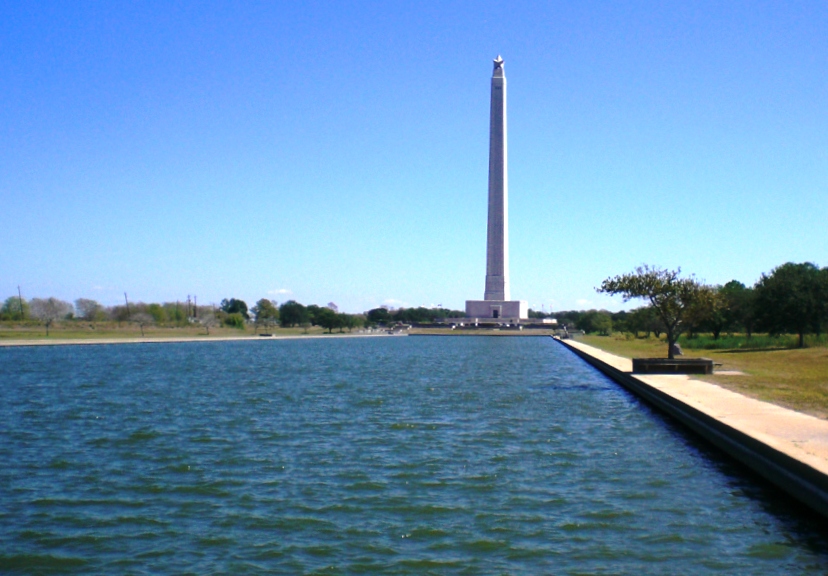
San Jacinto Monument. Click for larger view. Photo by Leon Mauldin.

From Wikipedia:

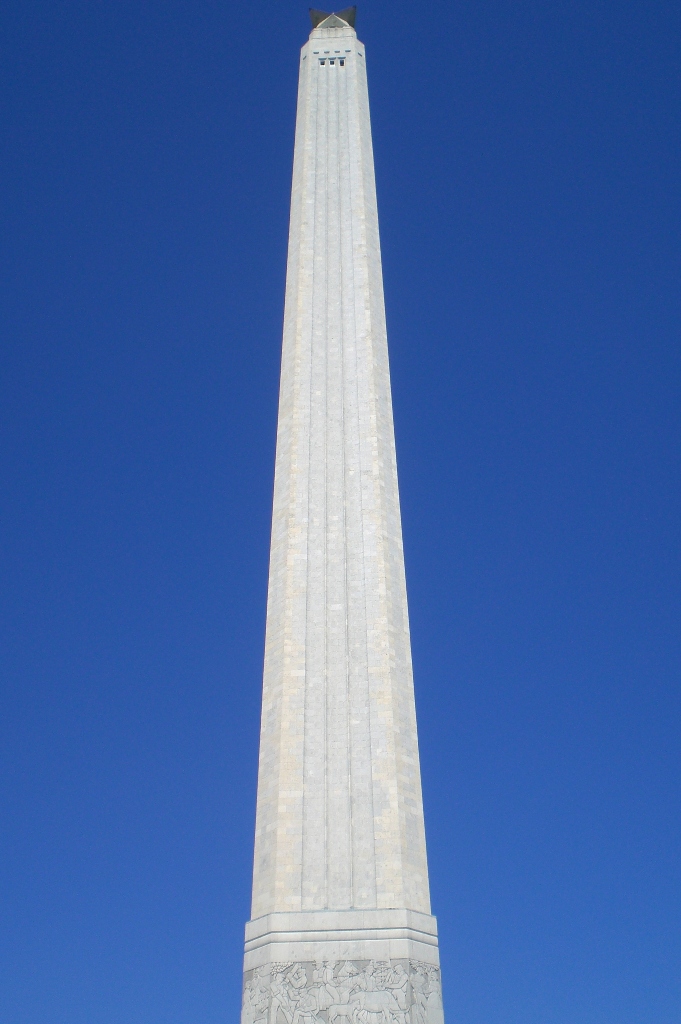
The San Jacinto Monument is a 567.31-foot (172.92 m) high column located on the Houston Ship Channel in Harris County, Texas near the city of La Porte. The monument is topped with a 220-ton star that commemorates the site of the Battle of San Jacinto, the decisive battle of the Texas Revolution. The monument, constructed between 1936 and 1939 and dedicated on April 21, 1939, is the world’s tallest monumental column and is part of the San Jacinto Battleground State Historic Site. By comparison, the Washington Monument is 555.427 feet (169.294 m) tall. The column is an octagonal shaft faced with Texas Cordova shellstone, topped with a 34-foot (10 m) Lone Star—the symbol of Texas. Visitors can take an elevator to the monument’s observation deck for a view of Houston and the USS Texas.

The San Jacinto Museum of History is located inside the base of the monument, and focuses on the history of the Battle of San Jacinto and Texas culture and heritage.

The San Jacinto Battlefield, of which the monument is a part, was designated a National Historic Landmark on December 19, 1960, and is therefore also automatically listed on the National Register of Historic Places. It was designated an Historic Civil Engineering Landmark in 1992.

I had always heard that everything is bigger in Texas.

San Jacinto Monument. Closer View. Photo by Leon Mauldin.

Tonight will conclude our series of lessons at Southside in Pasadena, a suburb of Houston. We have really enjoyed being with the folks here.


Sabras, It’s What’s For Dinner

September 15, 2011

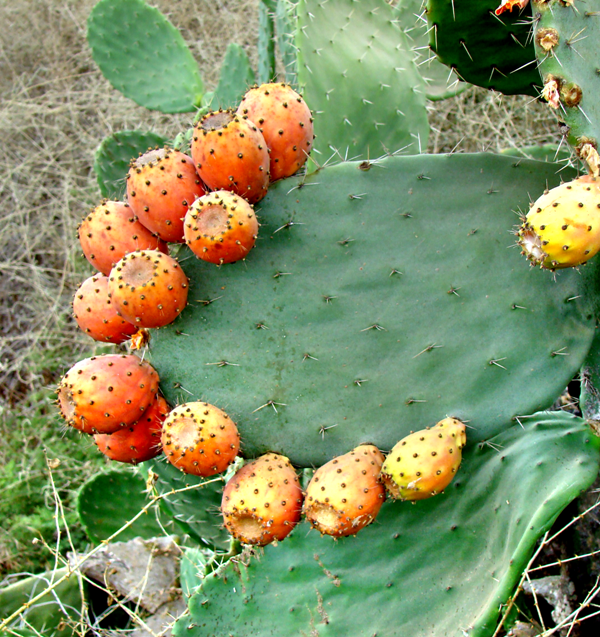
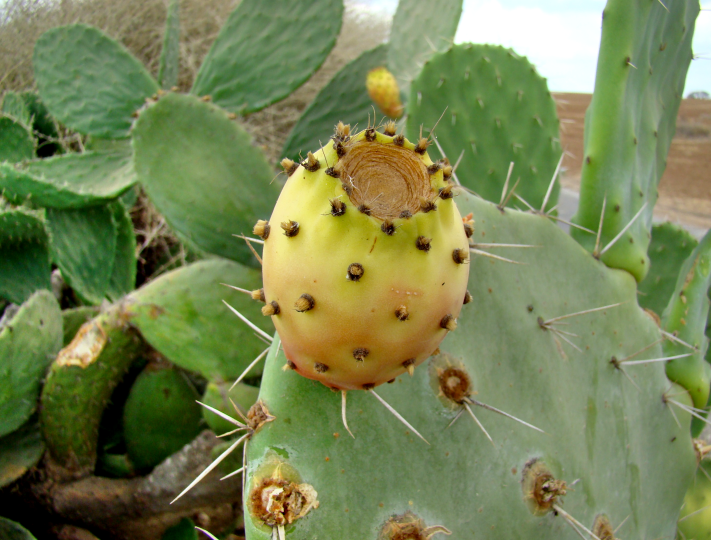
Sabras is the Hebrew word for the prickly pear cactus. It is commonly seen in Israel in the summer.

Sabras in the Shephelah. Photo by Leon Mauldin.

I found a site with some recipes for the Sabra for those who may be interested: http://kosherfood.about.com/od/kosherisraelifood/a/sabras.htm

The following tips are included:

  • Choose sabras with even color that give slightly to pressure.
  • Ripen sabras at room temperature until soft.
  • Store sabras in the refrigerator for up to a week.
  • Peel sabras carefully to remove the small spines on the outer skin.
  • Section sabras and remove seeds
  • Serve sabras cold.

In an article entitled, “Persimmon,  loquat,  fig,  pomegranate  and  prickly  pear in Israel,” A. Blumefeld of the Institute of Horticulture, A.R.O. Volcani Center, Bet Dagan, Israel, writes:

Prickly  pear  is widespread  in  Israel,  mainly  as  a fence  plant  in  Arab  villages  where it  separates  fields.  As such it  is an extensive  non-irrigated  crop.  The  fruit  which  begins to  mature  in early  July  is consumed  locally  and  until  recently,  only  very  small  amounts of fruit  reached  organized  markets.

The main extensively  grown  cultivar is a thorny,  orange  cultivar.  The propagation of  the prickly  pear is vegetative  and  most  of  the  plants are similar.  However,  other types  occur  among  the  plants  which  show  different  types  of  “leaves”  and  fruits.

Growers  have  selected  some  with  a different  appearance,  mainly  for  home  gardens, with  some  for  large-scale  cultivation.  One  of  the  selections  is  almost  thornless;  it has been  named  ‘Offer’  and forms  the  basis  for  modern  cultivation  of  the prickly  pear.

Orchards  of  this  cultivar  are  planted  in rows  4×5 m apart  and  irrigation  and  fertilizers are applied. The  fruit  is brushed  in  packing  houses  and  is sold in fruit  shops  like  any other fruit.

On our recent trip to Israel Ferrell Jenkins did not offer to peel me one of these sabras for a snack. I’m sure it was only because he was too busy taking photos 🙂

Sabra, close-up. Photo by Leon Mauldin.

Click on images for higher resolution.

Welcome to new subscribers. In the last couple of days several have subscribed to our blog. It is user-friendly to do so. Go to the box provided under the calendar on this page, type in your email address, and you will be notified via email of new posts to Leon’s Message Board. Thanks for reading!


The French River, Ontario

August 8, 2011

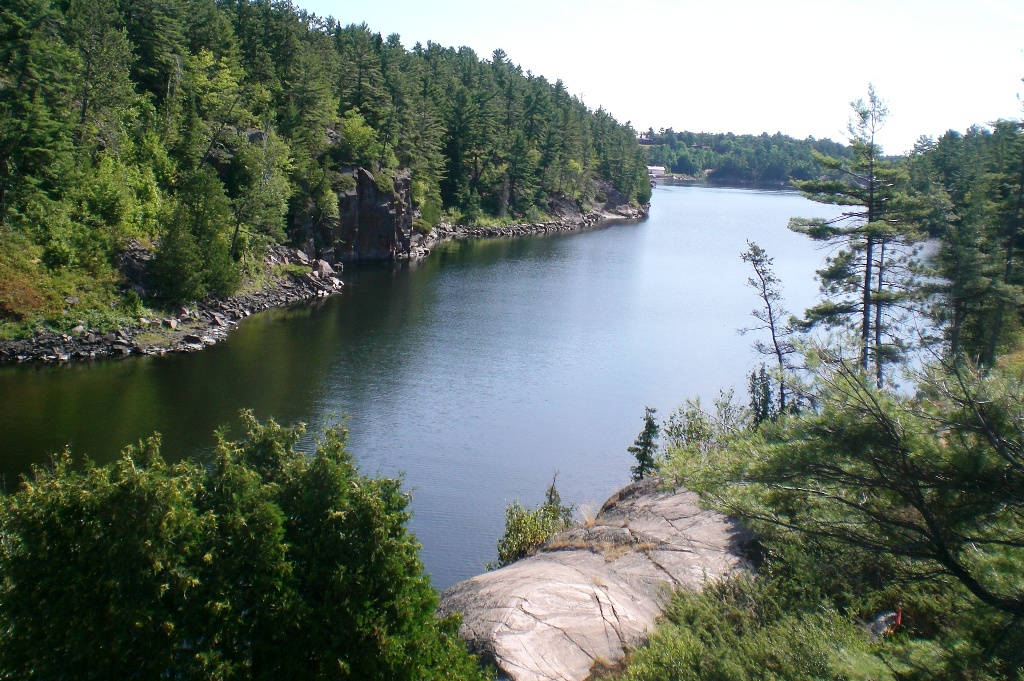
In our recent preaching trip to Sudbury, Canada, we had the occasion to cross the French River.

French River, Ontario. Photo by Leon Mauldin.

Wikipedia has this info:

The French River (Rivière des Français) is a river in Central Ontario, Canada. It flows 110 kilometres (68 mi) from Lake Nipissing west to Georgian Bay. The river largely follows the boundary between the Parry Sound District and the Sudbury District, and in most contexts is considered the dividing line between Northern Ontario and Southern Ontario.

The Wikipedia entry continues:

It was used as a transportation corridor by the Algonquian peoples of this region. The Ojibwa named this the “French River” because it became associated with French explorers of the 17th century, including Étienne Brûlé, Samuel de Champlain and Pierre-Esprit Radisson, and missionaries.

Other explorers who later followed this route included Simon Fraser, Alexander Mackenzie and David Thompson.

Together with the Ottawa and Mattawa Rivers, the French River formed part of the water highway from Montreal to Lake Superior in the days of the fur trade. It remained a major canoe route until about 1820. It was later settled as a summer tourist and recreation area. For this reason, the French River was designated a Canadian Heritage River in 1986.

Near the end of the 19th century, logging became the primary activity in the area. Because of the rugged nature of the Canadian Shield country surrounding this river, large parts of this river remain relatively untouched and it is now a popular location for recreational canoeing, kayaking, fishing and boating.

Following bouts of overfishing in the 1990’s, the Ontario Ministry of Natural Resources placed a partial ban on fishing in the river.

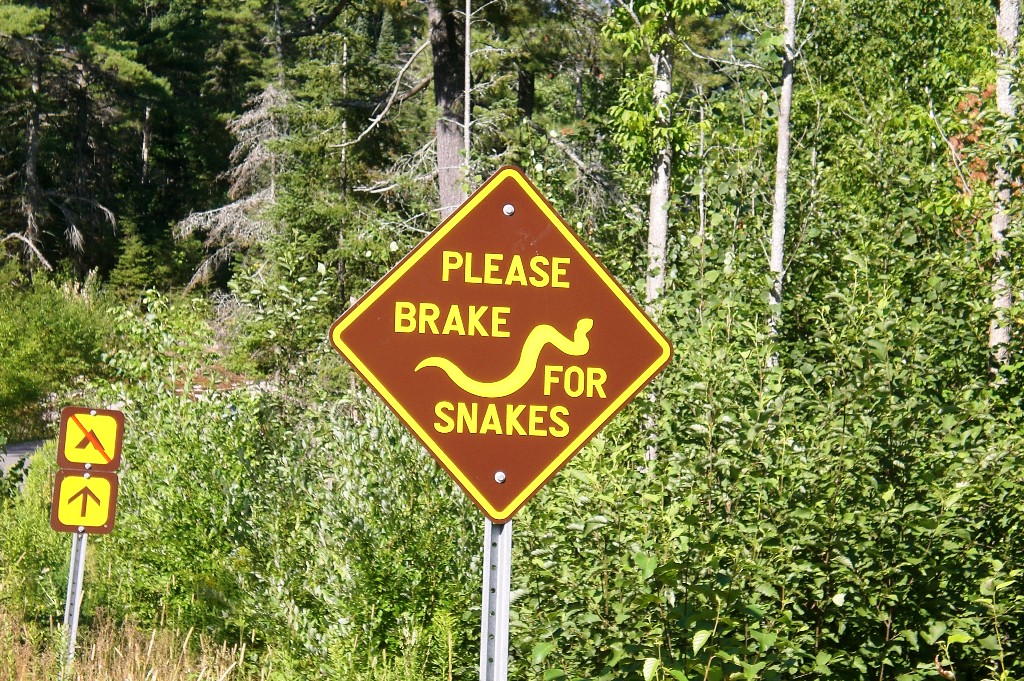
At a rest stop near the river my wife and I saw a sign you don’t see every day:

French River Snake Sign. Photo by Leon Mauldin.

In a previous meeting in Sudbury we had flown from Toronto to Sudbury, but driving that stretch allows one to see more of the country and have a better “feel” for the area.

Click photos for larger view.


Not a Prophet or a Prophet’s Son

August 3, 2011

In our last post we introduced the prophet Amos of Tekoa. God sent him from Judah to Israel to cry out against the idolatry there, centered in such locations as Judah. A false prophet named Amaziah tried to intimidate Amos, and told him to go back home to Judah, i.e., we don’t need your kind of preaching here! Amos’ response:

14 Then Amos answered, and said to Amaziah: “I was no prophet, Nor was I a son of a prophet, But I was a sheepbreeder And a tender of sycamore fruit. 15 Then the LORD took me as I followed the flock, And the LORD said to me, ‘Go, prophesy to My people Israel.’ 16 Now therefore, hear the word of the LORD: You say, ‘Do not prophesy against Israel, And do not spout against the house of Isaac.’ 17 “Therefore thus says the LORD: ‘Your wife shall be a harlot in the city; Your sons and daughters shall fall by the sword; Your land shall be divided by survey line; You shall die in a defiled land; And Israel shall surely be led away captive From his own land.'” (Amos 7:14-17).

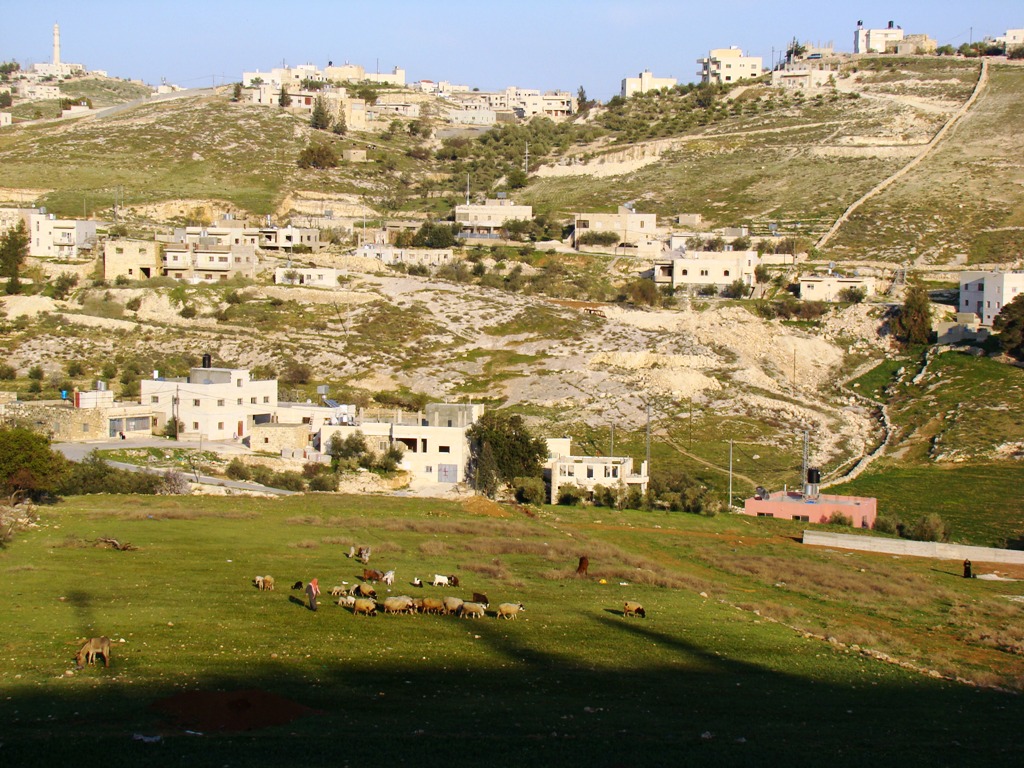
Our photo below was taken on the road between Tekoa and Bethlehem. You can see the sheep in the distance, which illustrate the kind of work Amos would have done in this general area before being called to the prophetic office.

Sheep near Tekoa. Amos was a sheepherder. Photo by Leon Mauldin.

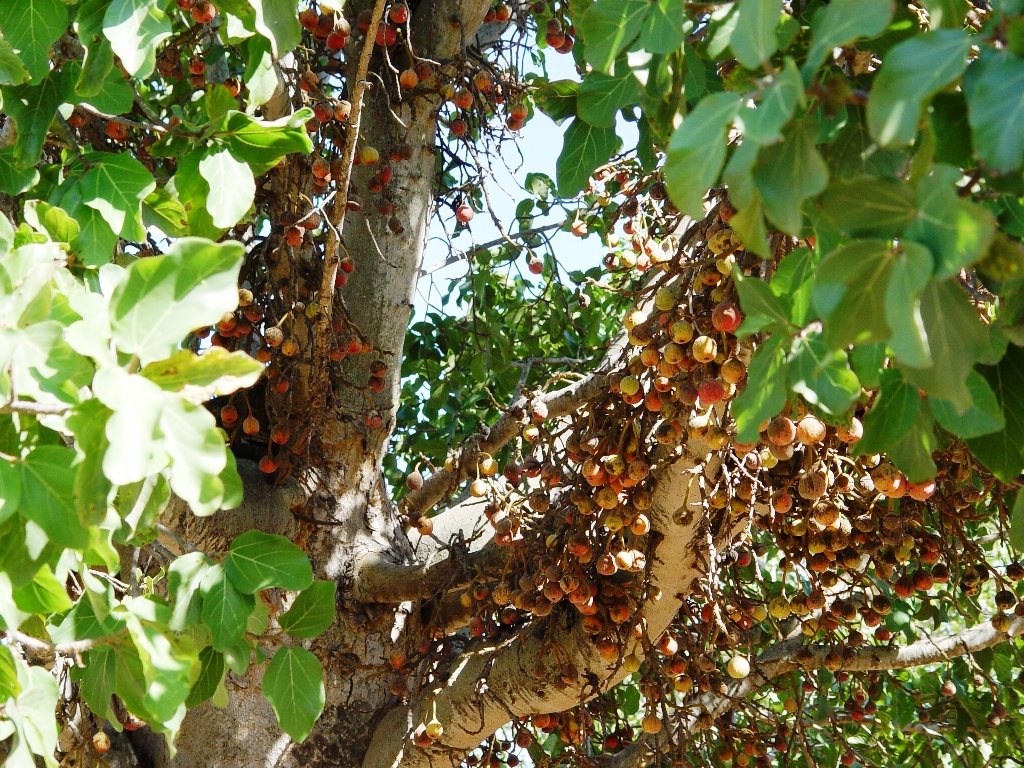
Note also that Amos said that he was a “tender of sycamore fruit” (NASB: “a grower of sycamore figs” and NET: “I was a herdsman who also took care of sycamore fig trees”). Below is a photo of the biblical sycamore tree.

Sycamore tree, which produces figs. Amos tended trees like this. Photo by Leon Mauldin.

Here is a close up of the fruit. The sycamore fig is inferior to the fig produced by the fig tree, and was eaten by the poorer people of the land.

Close-up of sycamore figs. Photo by Leon Mauldin.

*******

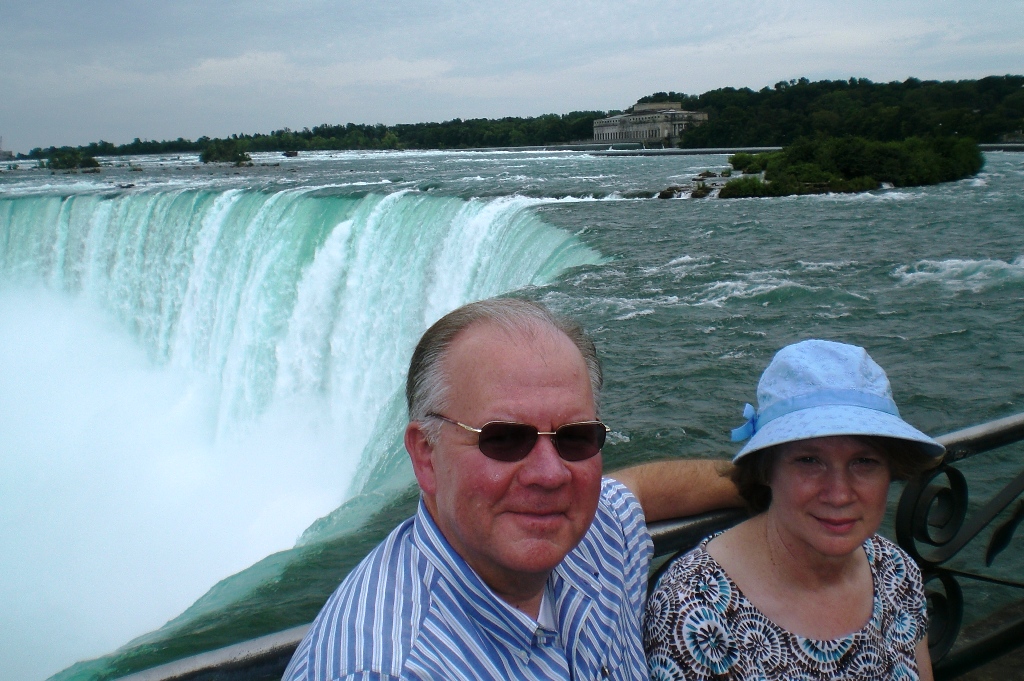
A pleasant surprise: our friends John and Lisa Hains of Jordan, Ontario, invited us to spend the night in their home (when our Sudbury meeting concluded) and then get us to the Toronto airport for our flight home (to “Sweet Home Alabama”). John met us when I turned in our rental car at Toronto, and en route to his home took Linda & me to see Niagara Falls, which was our first time to do so. The Falls are only about 20-25 minutes away from his house.  John took this photo.

Leon & Linda at Niagara Falls. Photo by John Hains.

 Click on images for higher resolution.


In Sudbury

July 30, 2011

Our meeting for biblical studies in Sudbury, Canada got off to a good start last night. We are dealing with the theme, “Challenges Faced by the Early Church,” and making application to the church of the 21st century.

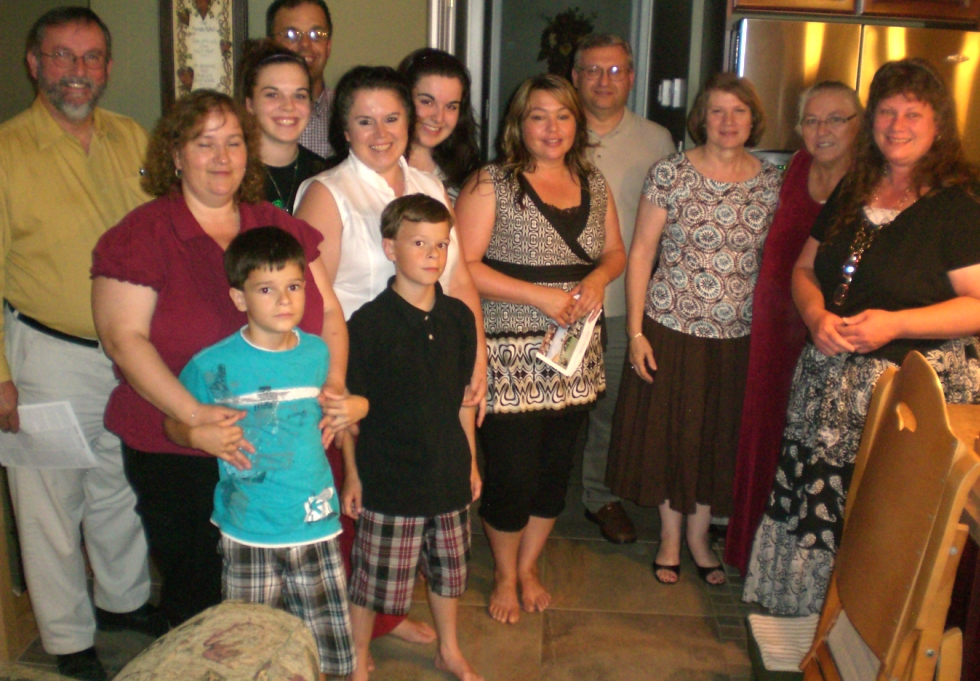
After last night’s meeting we gathered at the home of Denis and Danny Veilleux.

Sudbury, Canada. Gathering at home after meeting. Photo by Leon Mauldin.

John and Lisa Hains are the “bookends” in the photo. They drove up from Jordan. I asked John how long of a drive that was. His answer: “6 1/2 or 7 hours, not bad.”

I consider every such teaching opportunity to be a genuine privilege.

Click on image for larger view.