Joppa, Newly Excavated City Gate

November 1, 2016

Many of you have read of the recent excavations at biblical Joppa, published in the Oct 22, 2016 issue of Haaretz, entitled, “Previously unknown Canaanite revolt against Egypt revealed in ancient Jaffa” with subtitle, “There is no record of the Canaanites ousting their Egyptian overlords, but 3,100-year-old remains of fiery destruction suggest they did just that,” by Philippe Bohstrom.
You can read more at: http://www.haaretz.com/jewish/archaeology/1.748579

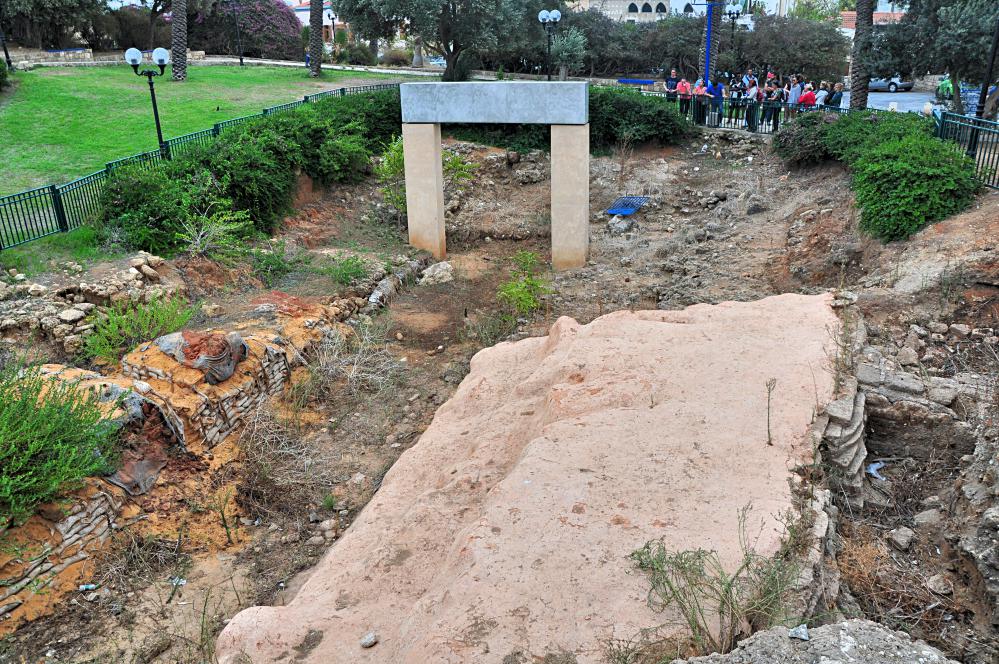
My group was able to visit Joppa as our first stop today in Israel. We enjoyed viewing the ancient harbor ruins, where long ago the prophet Jonah purchased voyage on a ship in a futile effort to run in the opposite direction from God’s charge for him to preach in Nineveh. At the traditional Church of St. Peter we read from Acts 10, remembering the events that led to the door of faith being opened to the Gentiles (Cornelius, his family & friends) by Peter, who was here at Joppa. But we were also especially interested to see the new areas of excavation.

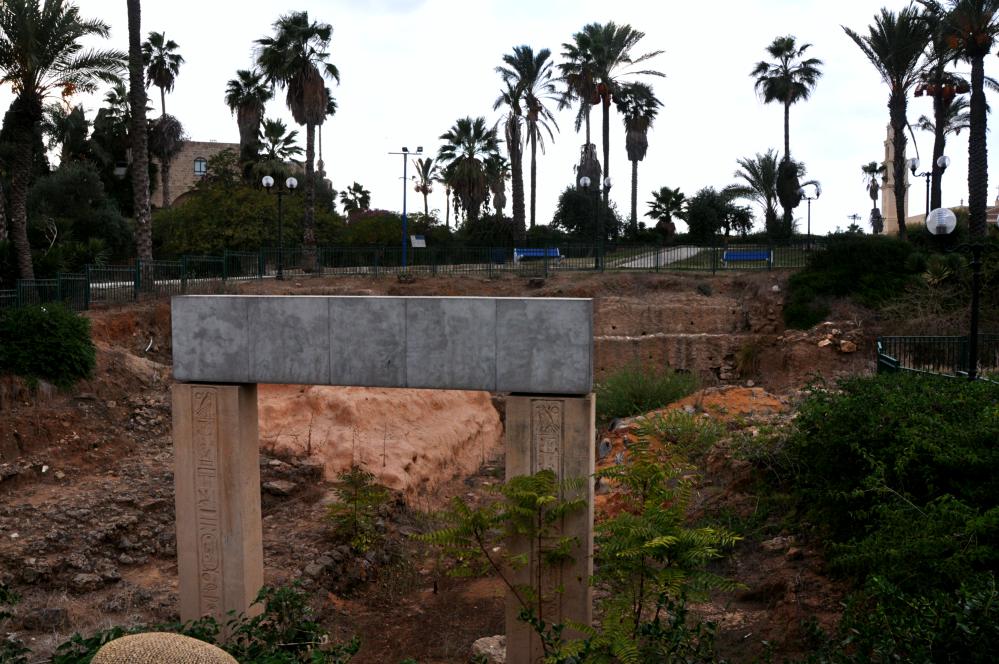
Newly Excavated gate at Joppa, Israel. Photo by Leon Mauldin..

Newly Excavated gate at Joppa, Israel. Photo by Leon Mauldin.

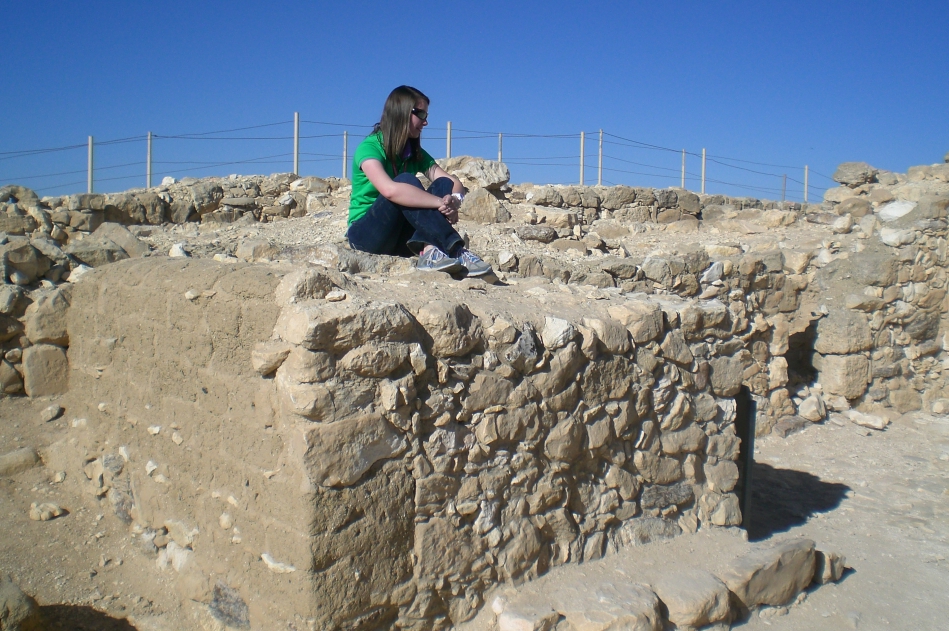
Excavations at Joppa. Photo by Leon Mauldin.

Excavations at Joppa. Photo by Leon Mauldin.

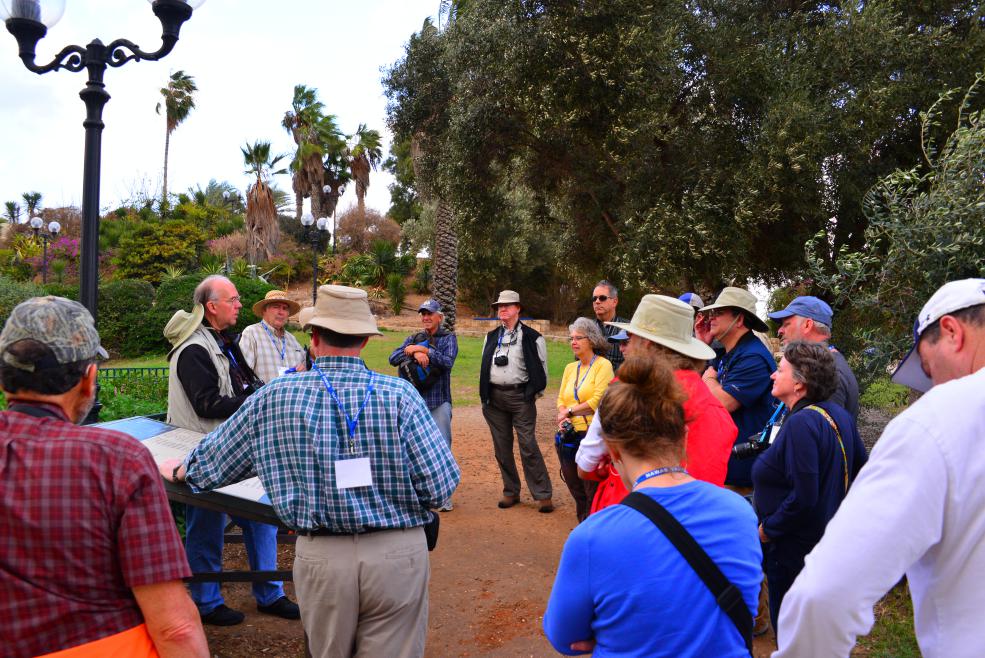
Here is a group shot at Joppa:

Leon teaching on the significance of the new excavations at Joppa gate. Photo by David Deason.

Leon teaching on the significance of the new excavations at Joppa gate. Photo by David Deason.


The End of Wicked Athaliah

August 16, 2016

When Jehu (841 BC) killed King Jehoram (Israel) and King Ahaziah (Judah), Ahaziah’s mother, Queen-mother Athaliah (daughter of Ahab and Jezebel) moved quickly to position herself in power as ruler of Judah. Called “that wicked woman Athaliah” (2 Chron. 24:7, NIV), she killed all of her son Ahaziah’s children, her own grandchildren, and proclaimed herself ruler of Judah. Only one-year-old Joash was spared (unknown to Athaliah) by faithful priest Jehoiada and his wife Jehosheba (sister to Ahaziah! (2 Kings 1:1-3)

Jehoiada waited six years to make his move:

Now in the seventh year Jehoiada sent and brought the captains of hundreds of the Carites and of the guard, and brought them to him in the house of the LORD. Then he made a covenant with them and put them under oath in the house of the LORD, and showed them the king’s son (2 Kings 11:4).

Then on a Sabbath at the time of the shift change, so as to include all who were finishing their duties as well as those who were arriving, armed with swords, spears and shields, and surrounding young Joash, Jehoiada “put the crown on him and gave him the testimony; and they made him king and anointed him, and they clapped their hands and said, ‘Long live the king!'”

Model of Temple Mount and city of David. Bible Lands Museum, Jerusalem. Photo by Leon Mauldin.

Model of Temple Mount and city of David. Bible Lands Museum, Jerusalem. Photo by Leon Mauldin.

The inspired historian continues:

When Athaliah heard the noise of the guard and of the people, she came to the people in the house of the LORD. 14 She looked and behold, the king was standing by the pillar, according to the custom, with the captains and the trumpeters beside the king; and all the people of the land rejoiced and blew trumpets. Then Athaliah tore her clothes and cried, “Treason! Treason!” 15 And Jehoiada the priest commanded the captains of hundreds who were appointed over the army and said to them, “Bring her out between the ranks, and whoever follows her put to death with the sword.” For the priest said, “Let her not be put to death in the house of the LORD.” 16 So they seized her, and when she arrived at the horses’ entrance of the king’s house, she was put to death there. 17 Then Jehoiada made a covenant between the LORD and the king and the people, that they would be the LORD’S people, also between the king and the people. 2 Kings 11:13-17.

Our photo shows a very nice model of the temple and city of David, featured at the Bible Lands Museum in Jerusalem. This can help us visualize the setting for the events of our text of 2 Kings 11.


Jezebel’s Violent Death

August 7, 2016

I am enjoying being with the church of Christ in Chipley, FL, for a 3-day meeting conducting a Visualized Survey of the Bible. This morning we will include that challenging period of Israel’s Divided Kingdom.

Once Jehu was anointed to be king of Israel (841 BC) he immediately killed King Jehoram. But the Queen-mother Jezebel (wife of deceased King Ahab) had to be reckoned with also.

Woman Looking Out Window. Phoenician Art. Hecht Museum. Photo by Leon Mauldin

Woman Looking Out Window. Phoenician Art. Hecht Museum. Photo by Leon Mauldin

The biblical text reads:

30 When Jehu came to Jezreel, Jezebel heard of it, and she painted her eyes and adorned her head and looked out the window. 31 As Jehu entered the gate, she said, “Is it well, Zimri, your master’s murderer?” 32 Then he lifted up his face to the window and said, “Who is on my side? Who?” And two or three officials looked down at him. 33 He said, “Throw her down.” So they threw her down, and some of her blood was sprinkled on the wall and on the horses, and he trampled her under foot. 34 When he came in, he ate and drank; and he said, “See now to this cursed woman and bury her, for she is a king’s daughter.” 35 They went to bury her, but they found nothing more of her than the skull and the feet and the palms of her hands. 36 Therefore they returned and told him. And he said, “This is the word of the LORD, which He spoke by His servant Elijah the Tishbite, saying, ‘In the property of Jezreel the dogs shall eat the flesh of Jezebel; 37 and the corpse of Jezebel will be as dung on the face of the field in the property of Jezreel, so they cannot say, This is Jezebel.'” (2 Kings 9:30-37).

For the prophecy referenced by Jehu, see 1 Kings 21:23.

Our photo is from the Phoenician exhibit at the Hecht Museum at the University of Haifa, Israel. The placard dated this artifact at 8th century bc, which would be just slightly after the time of Jezebel. It well illustrates her looking out the window at Jehu before she was thrown to her death below.

Click image for larger view.


Altar at Arad, in Southern Israel

July 14, 2016

During the Mosaic Dispensation God specified that the central place of worship (for offering sacrifices, attending annual feasts, etc.) was to be the tabernacle, and later, the temple built by Solomon. The temple was located in Jerusalem (called by Jesus “the city of the great King,” Matt. 5:35).

Unfortunately the will of God was not always sought and obeyed. After the death of King Solomon, Jeroboam built rival shrines at Dan and Bethel. There was also a temple built at the fortress city of Arad, to the south, east of Beersheba. The temple at Arad, built by the Israelites, was used at the same time Solomon’s temple stood in Jerusalem. Here is the altar upon which sacrifices were offered at Arad. Note the use of mud-bricks.

Altar at Israelite temple at Arad. Photo by Leon Mauldin.

Altar at Israelite temple at Arad. Photo by Leon Mauldin.

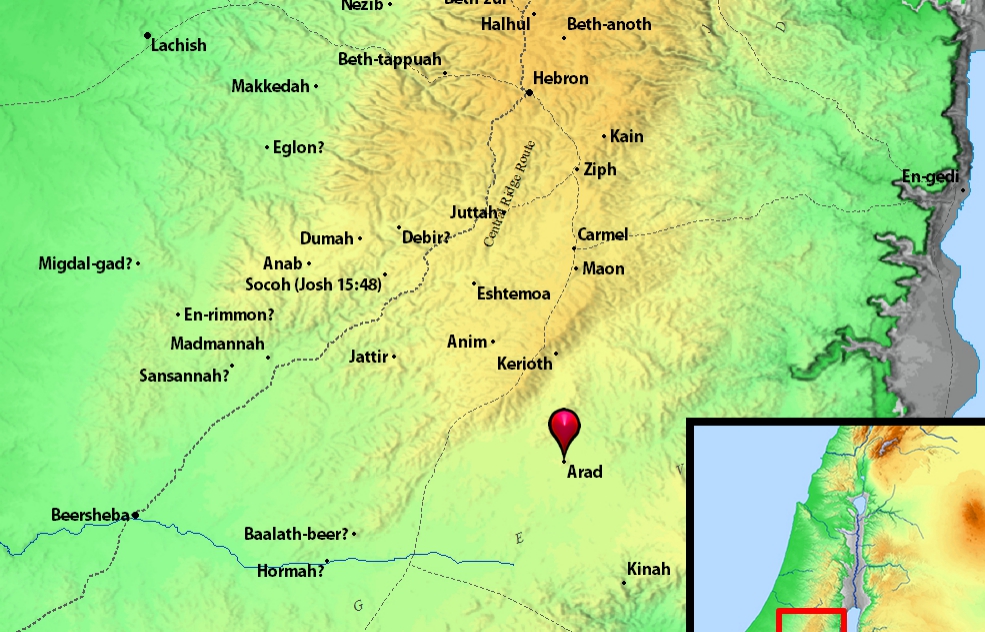
Here you can see the location of Arad.

Arad. BibleAtlas.com.

Arad. BibleAtlas.com.

Arad is mentioned five times in the Bible (Num. 21:1, etc.); however no biblical mention is made of the illicit temple there.


Elijah Fled to Beersheba

May 1, 2016

In the 1 Kings narrative of the prophet Elijah and his dealings with wicked Ahab & Jezebel, YHWH proved dramatically on Mt. Carmel that He was the true God, answering Elijah’s prayer by sending fire on the mountain to devour the sacrifice. The Baal prophets who were present were destroyed. The 3 1/2 year drought ended, showing God, not Baal, controlled the rain (1 Kings 18).

While one might expect that this would be a real turning point for the spiritual condition of Israel, such was not the case. Jezebel’s response: “Then Jezebel sent a messenger to Elijah, saying, “So may the gods do to me and even more, if I do not make your life as the life of one of them by tomorrow about this time” (19:2).

Elijah then had a very real struggle with fear and depression. His response: “And he was afraid and arose and ran for his life and came to Beersheba, which belongs to Judah, and left his servant there. But he himself went a day’s journey into the wilderness, and came and sat down under a juniper tree; and he requested for himself that he might die, and said, ‘It is enough; now, O LORD, take my life, for I am not better than my fathers'” (19:3-4).

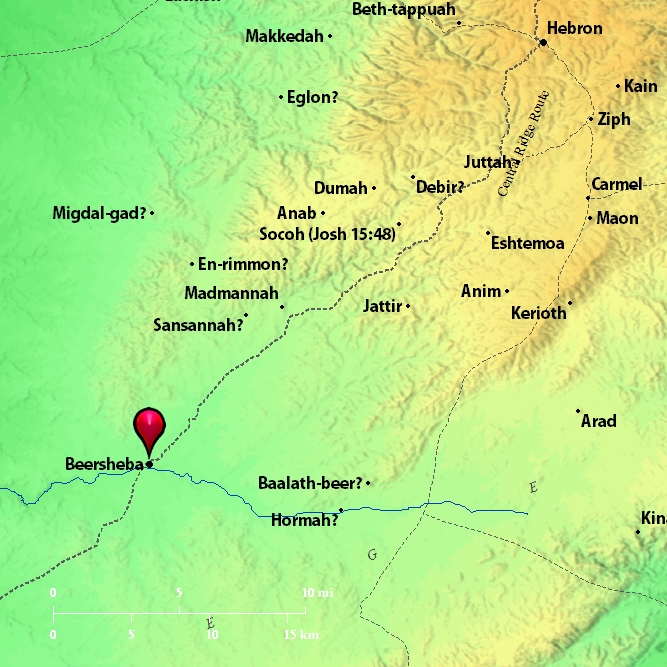
Beersheba is located in the Negeb, the south of Israel.

Beersheba. BibleAtlas.com

Beersheba. BibleAtlas.com

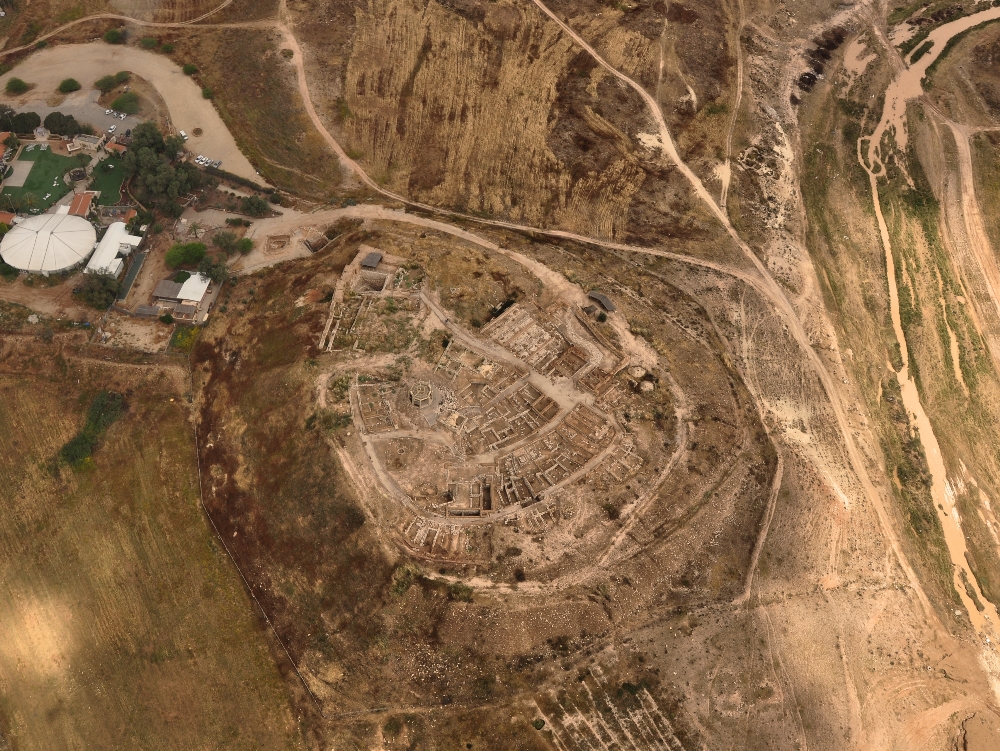
Last month I had opportunity to take some aerial photos of Beersheba.

Aerial photo of Beersheba. Photo by Leon Mauldin.

Aerial photo of Beersheba. Photo by Leon Mauldin.

We have previously posted on Beersheba here here here and here.


Abel-meholah, Elisha’s Home

April 29, 2016

We’re continuing the study of the Divided Kingdom in our local congregation in our auditorium class, using the text of 1 Kings. We have found this period to be one of not only the history of the kings but also there is much emphasis on prophetic activity. This is particularly true of the prophets Elijah and Elisha (the latter in 2 Kings).

During the reign of Ahab (Israel), God told Elijah, “Also you shall anoint Jehu the son of Nimshi as king over Israel. And Elisha the son of Shaphat of Abel Meholah you shall anoint as prophet in your place” (1 Kgs. 19:16).

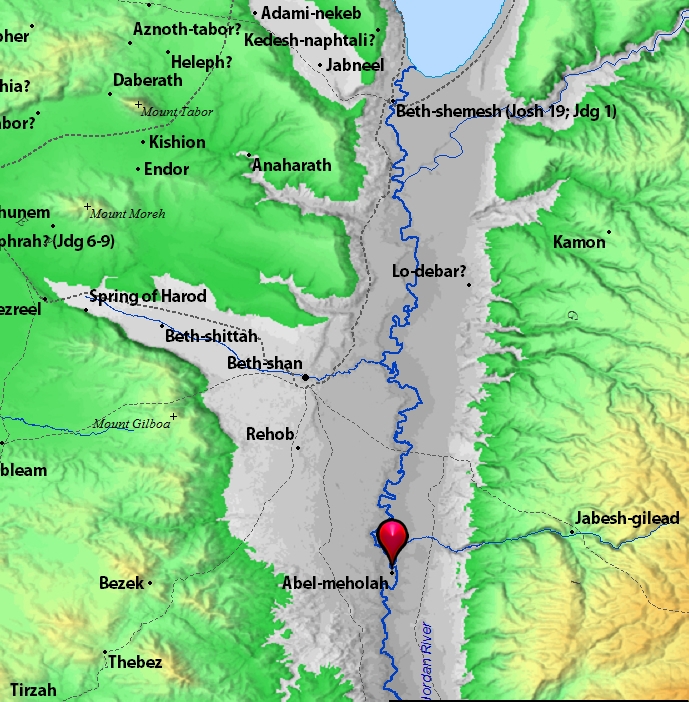
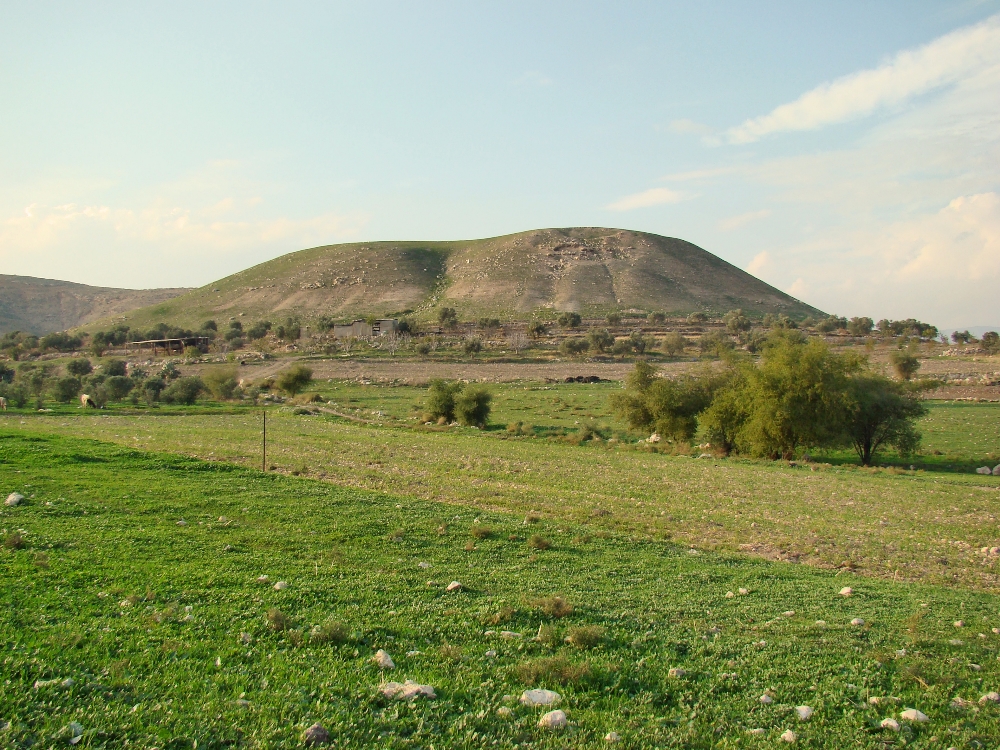
Abel-Meholah is located in the Jordan Valley in Israel.

Abel-meholah. BibleAtlas.com.

Abel-meholah. BibleAtlas.com.

Though I saw Abel-meholah earlier this month, I’m sharing a photo I took in December 2009.

Abel-meholah in the Jordan Valley, proposed site of Elisha's home. Photo by Leon Mauldin.

Abel-meholah in the Jordan Valley, proposed site of Elisha’s home. Photo by Leon Mauldin.

Such maps and photos provide the setting for the text of 1 Kings 19:16.


Ferrell Jenkins Conducts 50th Anniversary Tour: A Tribute to my Friend

April 27, 2016

The March 28 – April 8, 2016 Israel tour directed by Ferrell Jenkins was advertised as his “50th Anniversary Tour,” thus completing 50 years of Distinctive World Tours, designed and led by Mr. Jenkins. What a remarkable, incredible milestone! These tours, custom-designed with Christians in mind, have literally gone around the world, but the emphasis has been on travel to the lands where the biblical events transpired. That of course includes Israel, but also Turkey, Greece, Italy, Egypt and more; literally from Ararat (where Noah’s ark landed; book of Genesis) to Patmos (where John received the Revelation). All who have traveled with Mr. Jenkins have profited, but it is especially the Bible class teachers (men & women), preachers and elders who have made the greatest use of resources, photos and knowledge gained. In that way also the folks “back home” that do not travel have benefited as well.

His blog, Ferrell’s Travel Blog was started in 2007, to feature not only photos of Bible places but also helpful info, biblical texts and other resources/links. Since then his blog has received more than two million visits. (You will also find biblicalstudies.info to be a very helpful site).

Mr. Jenkins wrote, “I have been preaching and teaching the Word of God since 1952, and I have always loved it. Nothing gives me a greater thrill than teaching at the sites where biblical events occurred. Thanks for the memories. It is my conviction that an understanding of the Bible lands can enhance one’s Bible study and improve understanding of the text. This, in turn, must be converted to action in obedience to the will of the Lord, and in service to Him” (Biblical Insights, Dec. 2009, p.28).

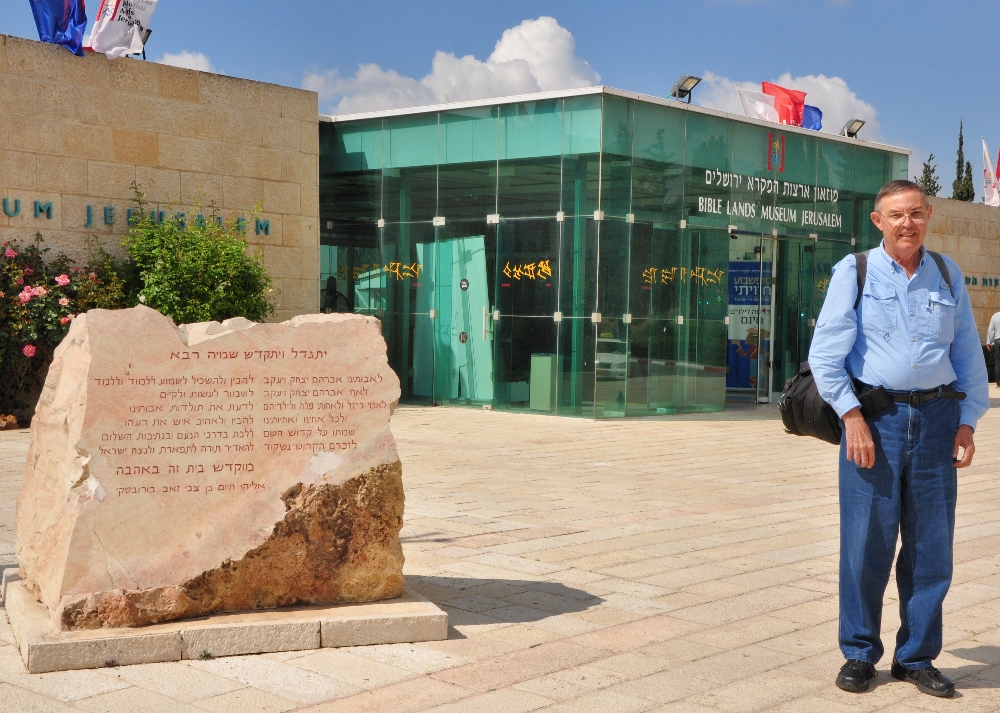
Ferrell Jenkins outside Bible Lands Museum, Jerusalem. Photo by Leon Mauldin.

Ferrell Jenkins outside Bible Lands Museum, Jerusalem (Apr. 14, 2016). Photo by Leon Mauldin.

On my part I wanted to say Thanks! for a job well done, for such an outstanding contribution to the field of biblical studies. It is amazing to look back at those last 50 years and think of the good that has been accomplished. Though retired, Mr. Jenkins continues to study several hours daily, and writes and does some teaching as time permits. He has devoted his life to helping people, especially young people, better understand and be equipped to teach the Bible. All of his work has been done with the loving support of Mrs. Elizabeth Jenkins.

On a personal note, I was able to join this 50th tour on the evening before its final day. Then after the tour group left for home, Mr. Jenkins & I rented a car, and for the next several days visited sites all over Israel, using Tiberius and Jerusalem as our “base,” especially focusing on places we had not seen before. We were also able to do some aerial photography from Joppa to the south as far as Beersheba and east to Jerusalem. I have enjoyed and profited from several personal study trips he & I have made of this nature.

So to my fellow Gospel preacher, former professor, and traveling friend, please accept this small token of my lasting gratitude, and of the high esteem in which you are held, furnished by the occasion of this extraordinary milestone! To God be the glory!


Baal Worship

April 26, 2016

The Ten Commandments began with the words, “You shall have no other gods before Me. You shall not make for yourself an idol, or any likeness of what is in heaven above or on the earth beneath or in the water under the earth” (Ex. 20:3-4). This prohibition of idolatry, perhaps more than any other single thing, set apart the people of God from other nations.

Baal, displayed at Hecht Museum at Haifa University, Israel. Photo by Leon Mauldin.

Baal, displayed at Hecht Museum at Haifa University, Israel. Photo by Leon Mauldin.

Note this info from Nelson’s NIBD: 

The pagan peoples who inhabited the land of Canaan before the Israelites arrived also worshiped many gods and goddesses. The Canaanite literature discovered at RAS SHAMRA (on the site of the ancient city of Ugarit) on the Syrian coast provides abundant information about several gods mentioned in the Bible.

The Canaanite god most often referred to is Baal, which means “lord” or “master.” The word could be used as a title for any person who owned something, or any god considered to be a lord or master. But the word Baal soon became identified with various regional gods that were thought to provide fertility for crops and livestock. As a god who symbolized the productive forces of nature, Baal was worshiped with much sensuality (Num. 22:41; Judg. 2:13; 1 Kin. 16:31–32).

Baal appeared in many forms and under many different names. The Bible often makes reference to the Baalim (the plural of Baal, KJV) or to the Baals (NKJV; Judg. 2:11; 1 Kin. 18:18; Jer. 2:23). (Youngblood, Bruce, & Harrison. Nelson’s New Illustrated Bible Dictionary).

We have previously posted on Baal worship here.


Neither Dew Nor Rain

April 23, 2016

In the days of King Ahab (874-853 BC) of Israel, Elijah the prophet dramatically and suddenly came on the scene with the word of the Lord. He said to Ahab, “As the LORD, the God of Israel lives, before whom I stand, surely there shall be neither dew nor rain these years, except by my word” (1 Kings 17:1). Earlier the text had said of Ahab that he “married Jezebel the daughter of Ethbaal king of the Sidonians, and went to serve Baal and worshiped him. So he erected an altar for Baal in the house of Baal which he built in Samaria” (1 Kings 16:31-32).

Baal, the god of rain in Canaanite mythology. Bible Lands Museum, Jerusalem. Photo by Leon Mauldin.

Baal, the god of rain in Canaanite mythology. Bible Lands Museum, Jerusalem. Photo by Leon Mauldin.

In Canaanite mythology, which had invaded the land of Israel and had become the state religion, Baal, the storm god, was the giver of rain, crops and fertility. Elijah’s bold declaration was that there would be no rain or dew until YHWH, the LORD, the God of Israel said so. “In contrast to those who were not gods, whose idols Ahab ignorantly worshiped, the living Lord, who was truly Israel’s God, would withhold both dew and rain for the next several years” (The Expositor’s Bible Commentary: Vol. 4, p. 138).

Click image for larger view.


Gan Hashlosha (near biblical Beth-shan), Israel

April 12, 2016

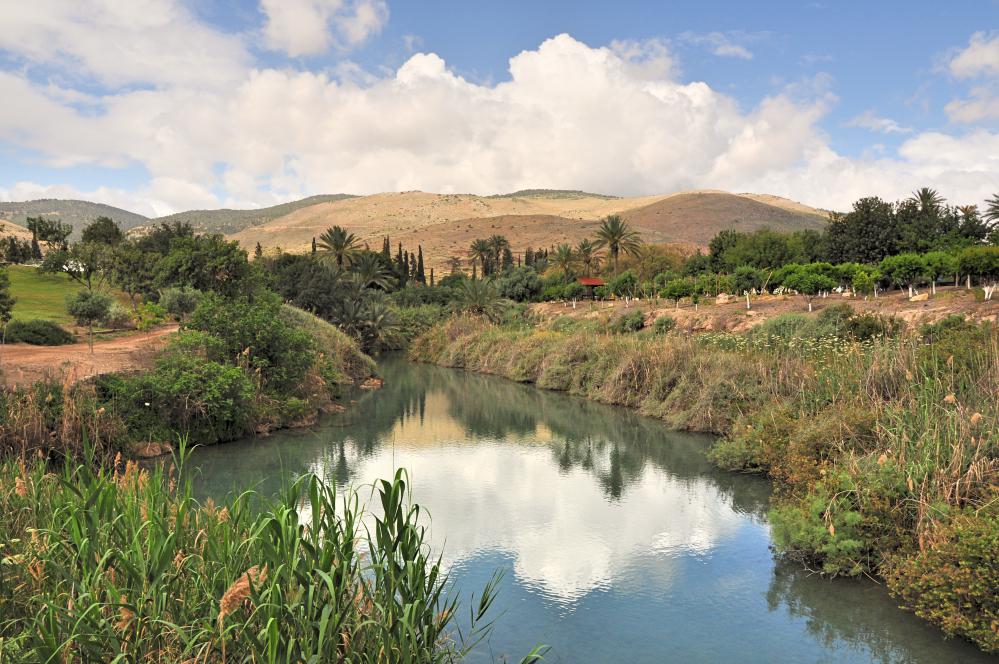
Today’s travels took us from the Sea of Galilee down the Jordan Valley to the Dead Sea area, then west on back to Jerusalem. Along the way we made some interesting stops, including while still in the north, Gan Hashlosha, in the vicinity of Beth-shan. Beth-shan was the city where the bodies of King Saul and three of his sons were fastened after their deaths (1 Sam. 31). Amal Stream, the spring water that emerges in the western part of the park maintains a constant, year-round temperature of 28 degrees Celsius.

Beautiful Gan Hashlosha, Israel. Photo by Leon Mauldin.

Beautiful Gan Hashlosha, Israel. Photo by Leon Mauldin.

Our real interest in stopping here was the Museum of Regional & Mediterranean Archaeology, which has some unique artifacts from the Beth-shan area, as well as rare finds from the Mediterranean region. The displays feature Canaanite, Israelite, Grecian, Etruscan, Persian and Egyptian collections.

We also drove along the top of Mt. Gilboa, where we had some good views of the Plain of Jezreel, where so many biblical events occurred.

Click image for larger view.