Nain, in Galilee, where Jesus Raised the Dead

August 4, 2018

I love to read the account of the time Jesus went to the Galilean city of Nain, raising a young man from the dead. How the widowed mother must have rejoiced!

Luke narrates as follows:

Now it happened, the day after, that He went into a city called Nain; and many of His disciples went with Him, and a large crowd. 12 And when He came near the gate of the city, behold, a dead man was being carried out, the only son of his mother; and she was a widow. And a large crowd from the city was with her. 13 When the Lord saw her, He had compassion on her and said to her, “Do not weep.” 14 Then He came and touched the open coffin, and those who carried him stood still. And He said, “Young man, I say to you, arise.” 15 So he who was dead sat up and began to speak. And He presented him to his mother. 16 Then fear came upon all, and they glorified God, saying, “A great prophet has risen up among us”; and, “God has visited His people.” (Lk. 7:11-16).

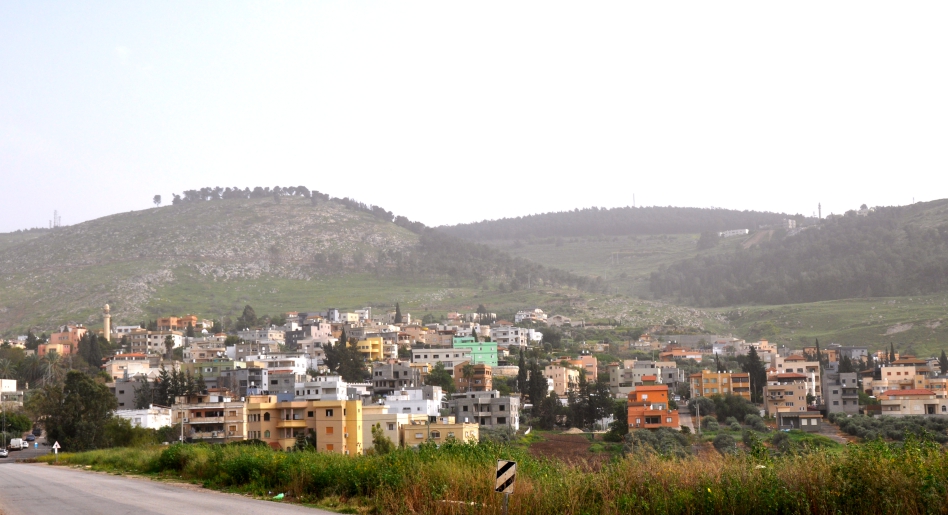
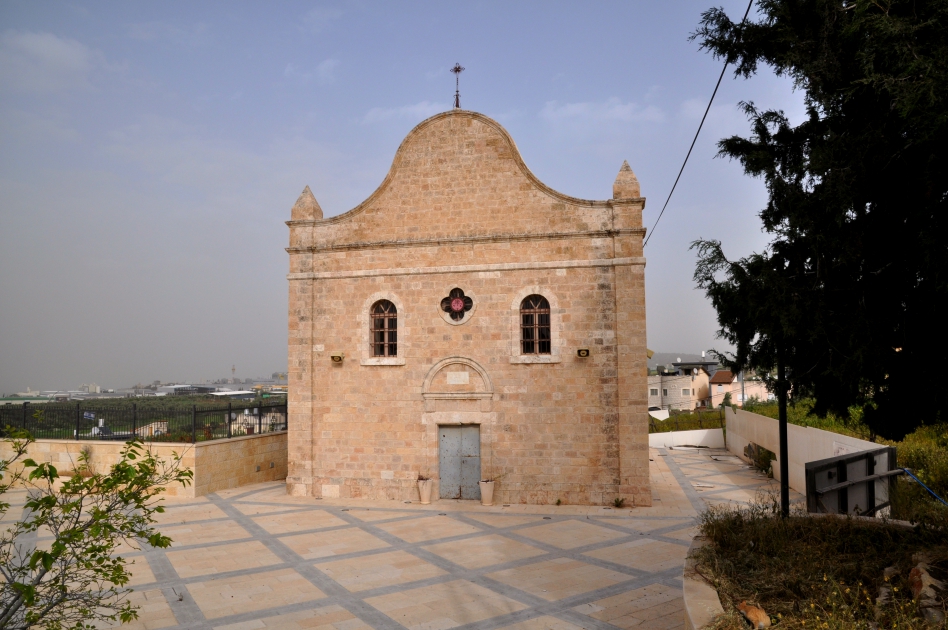
This tiny village is still remembered as the site where this resurrection occurred. A Franciscan church commemorates the event. (It is reported that the church is seldom open. The key is held by the Franciscans on Mount Tabor.)

Franciscan Church at Nain, the city where Jesus resurrected the widow’s son, Lk. 7:11-17. Photo by Leon Mauldin.

The purpose of Jesus’ miracles was to show who He was/is. The limited occasions recorded when He raised the dead give proof that He is Life, He is the source of Life. He is the resurrection and the life (John 11:25). And yet such occasions show the very real compassion of Jesus as well. The compassion He had during His ministry on earth He continues to have at this present time.

Ferrell Jenkins and I had the opportunity to make a quick stop at Nain during our study tour in Israel in March, 2018.

Nain in Galilee. Photo by Leon Mauldin.

Click images for larger view.


“They Let Go the Anchors”

August 1, 2018

Acts 27 is tells the exciting (and scary)  narrative of Paul’s (along with 276 passengers on the ship, v.37) voyage in the storm, shipwrecking at Malta in the Mediterranean en route to Rome. As they approached land, Luke writes, “Fearing that we might run aground somewhere on the rocks, they cast four anchors from the stern and wished for daybreak” (v.29). Then when it was day and they could see land, “And casting off the anchors, they left them in the sea while at the same time they were loosening the ropes of the rudders; and hoisting the foresail to the wind, they were heading for the beach” (v.40). There was no loss of life, and the group wintered at what turned out to be Malta (28:1ff.).

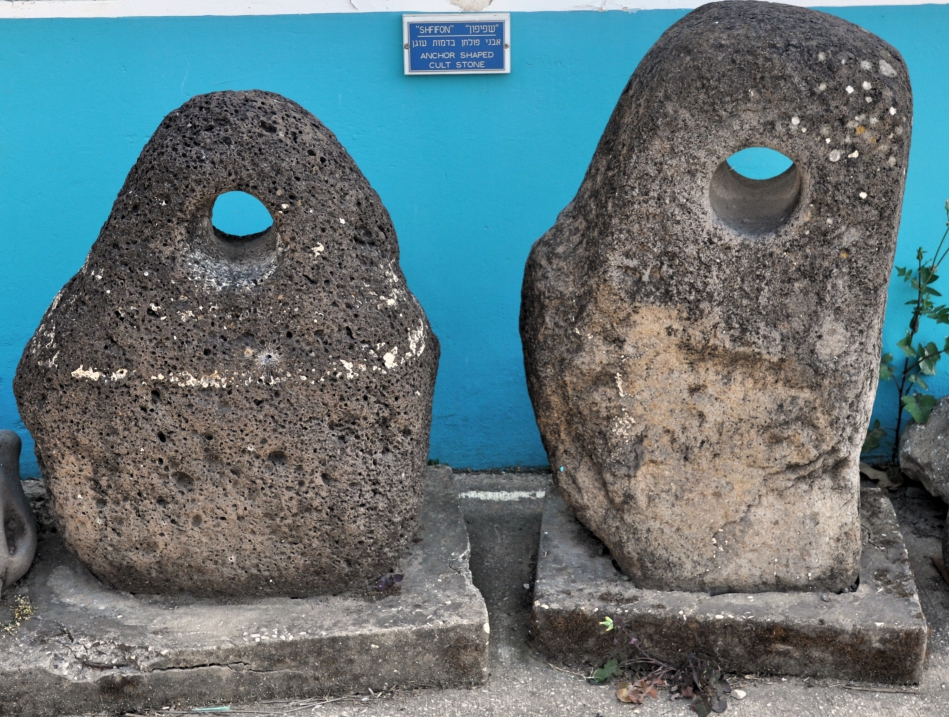
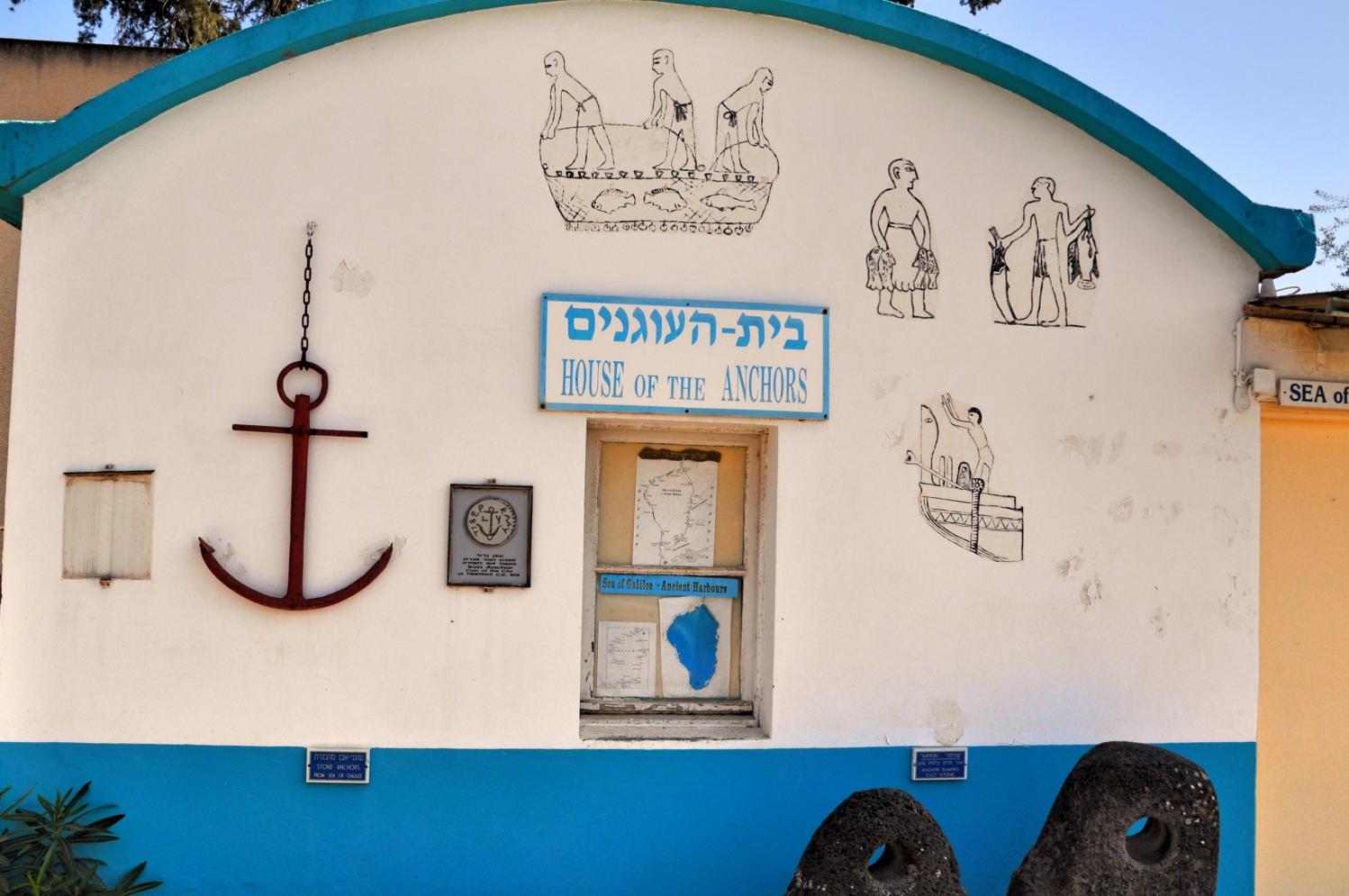
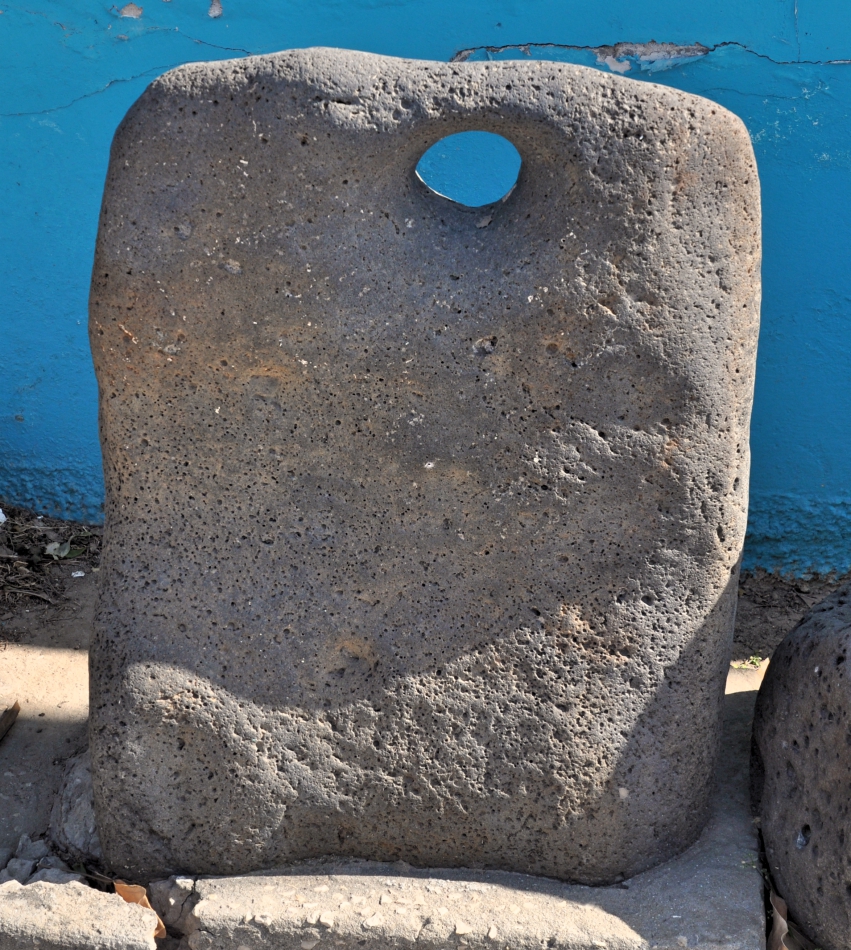
At En Gev on the Sea of Galilee I photographed some anchors which can serve as good illustrations of the Acts 27 text.

Anchors displayed at Ein Gev, Israel. Photo ©Leon Mauldin.

House of the Anchors. Photo ©Leon Mauldin.

Such artifacts are useful in helping to visualize the text and may be used in PPT or printed as handouts.

Anchor at Ein Gev, Israel. Photo ©Leon Mauldin.

Click image for larger view.


Cities of the Decapolis

July 18, 2018

I’m currently presenting a visualized survey of the Bible, with tonight’s lesson dealing with the Life of Christ. Following Jesus’ Galilean Ministry, He pursued a plan to invest more time alone with the Apostles, preparing them for the great work they were to do. This period is known as the Retirement Ministry, “retiring” from the crowds to be with the apostles. One region Jesus traveled during this time was the Decapolis. “Again He went out from the region of Tyre, and came through Sidon to the Sea of Galilee, within the region of Decapolis” (Mark 7:31). This largely Gentile area was comprised of ten cities (hence the name) which were given autonomy by Rome.

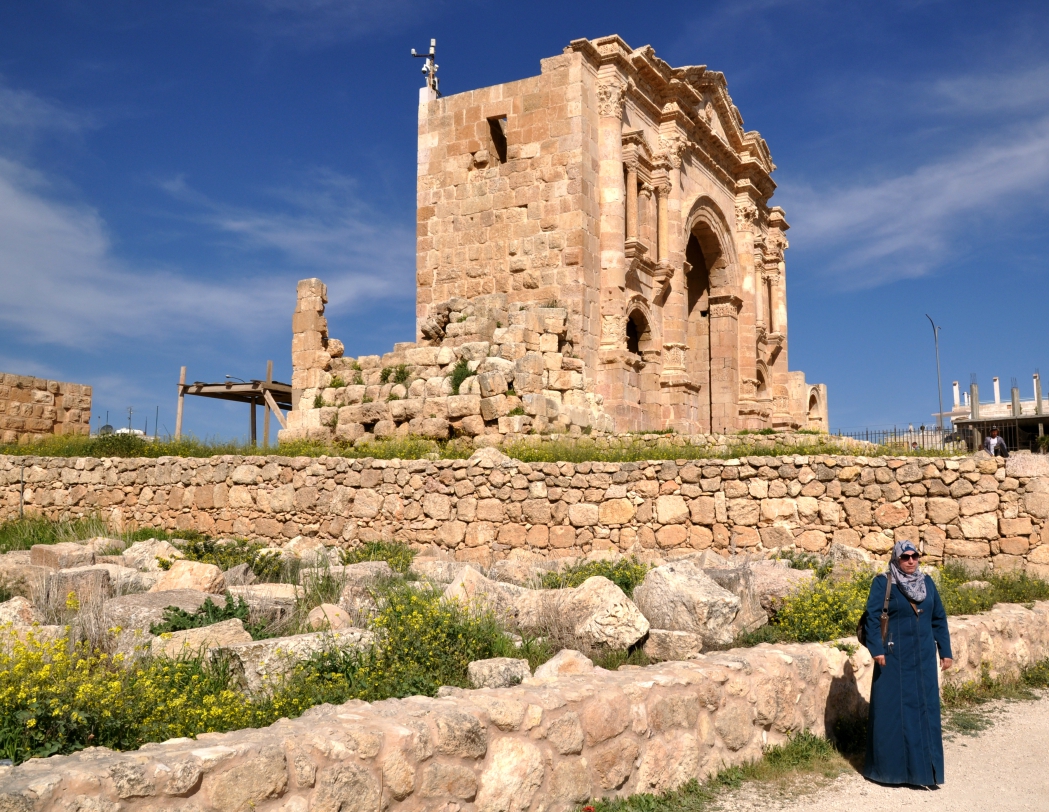
One of the cities of the Decapolis was Jerash (Gerasa).

Hadrian Gate at entrance to Jerash, one of the cities of the Decapolis. Photo ©Leon Mauldin.

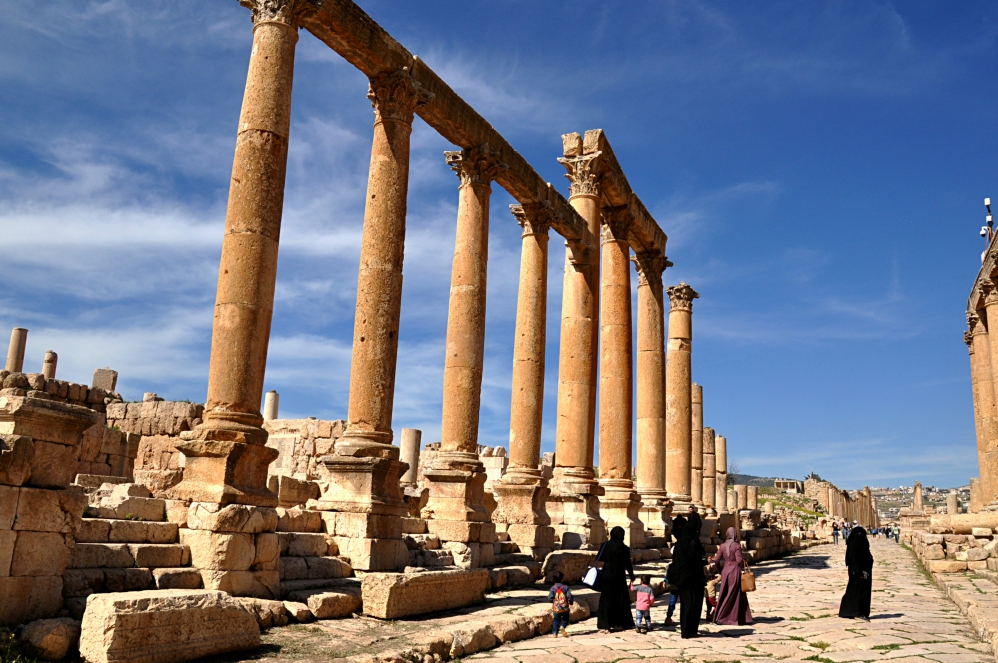
Here is a view down the Cardo of Jerash.

Cardo at Jerash. Photo ©Leon Mauldin.

Another city of the Decapolis was Hippos. From here you can see the Sea of Galilee.

Hippos of the Decapolis. Photo ©Leon Mauldin.

We’ve previously written here on Hippos.

Back to our text of Mark 7:31. Here was the site of one of Jesus’ many miracles, which gave proof of His deity:

Again He went out from the region of Tyre, and came through Sidon to the Sea of Galilee, within the region of Decapolis. 32 They brought to Him one who was deaf and spoke with difficulty, and they implored Him to lay His hand on him. 33 Jesus took him aside from the crowd, by himself, and put His fingers into his ears, and after spitting, He touched his tongue with the saliva; 34 and looking up to heaven with a deep sigh, He said to him, “Ephphatha!” that is, “Be opened!” 35 And his ears were opened, and the impediment of his tongue was removed, and he began speaking plainly. 36 And He gave them orders not to tell anyone; but the more He ordered them, the more widely they continued to proclaim it. 37 They were utterly astonished, saying, “He has done all things well; He makes even the deaf to hear and the mute to speak.” (Mark 7:31-37).

Click images for larger view.


Paul’s Military Escort: From Jerusalem to Caesarea via Antipatris

June 20, 2018

Acts 23 records how Claudius Lysias, the Roman commander stationed in Jerusalem, upon learning of a Jewish plot to kill his prisoner, the Apostle Paul, provided for a military escort to Caesarea, the Capital. “And he called to him two of the centurions and said, ‘Get two hundred soldiers ready by the third hour of the night to proceed to Caesarea, with seventy horsemen and two hundred spearmen.’ 24 They were also to provide mounts to put Paul on and bring him safely to Felix the governor” (vv.23-24). These unusual measures were taken because Paul, although a Jew, was also a Roman citizen. It was upon previously learning that fact (Acts 22:25-29), that the Commander provided for Paul’s safe transport to the Governor’s residence, Herod’s Praetorium. Claudius Lysias certainly did not want responsibility for the assassination of a Roman citizen on his watch!

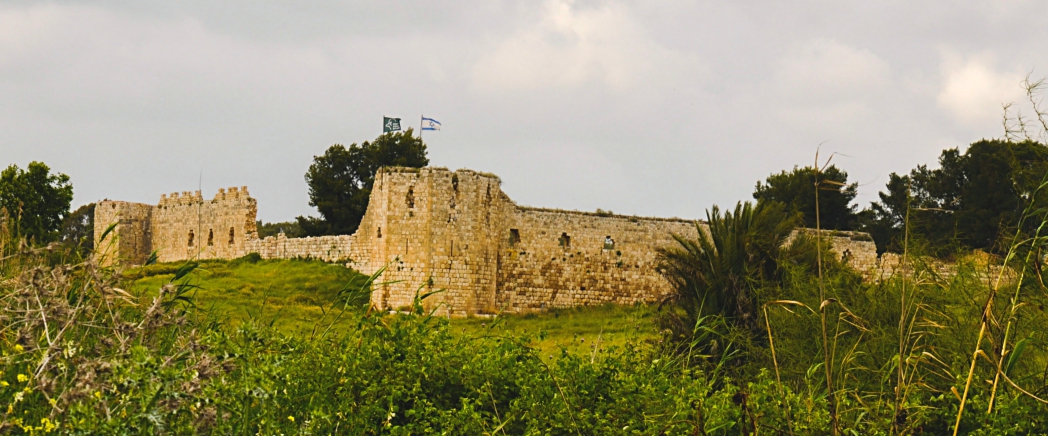
Their route from Jerusalem to Caesarea took them through Antipatris: “So the soldiers, in accordance with their orders, took Paul and brought him by night to Antipatris” (Acts 23:31).

Antipatris, a stopping point on Paul’s escort to Caesarea. Photo ©Leon Mauldin.

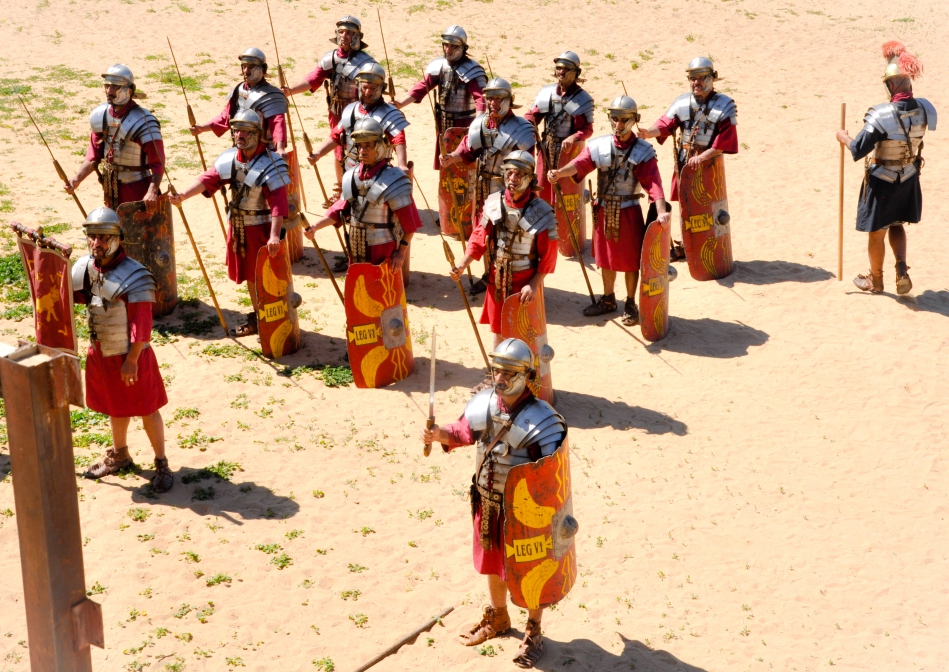
This past March, Ferrell Jenkins and I saw the RACE Show (Roman Army and Chariot Experience) in the Roman amphitheater at Jerash of the Decapolis (in today’s Jordan). This helps us visualize the Roman soldiers/spearmen that would have accompanied Paul.

Roman soldiers (actors) at Jerash of the Decapolis. Photo ©Leon Mauldin.

From there Paul was taken on to Caesarea: “But the next day, leaving the horsemen to go on with him, they returned to the barracks. When these had come to Caesarea and delivered the letter to the governor, they also presented Paul to him” (Acts 23:32-33).

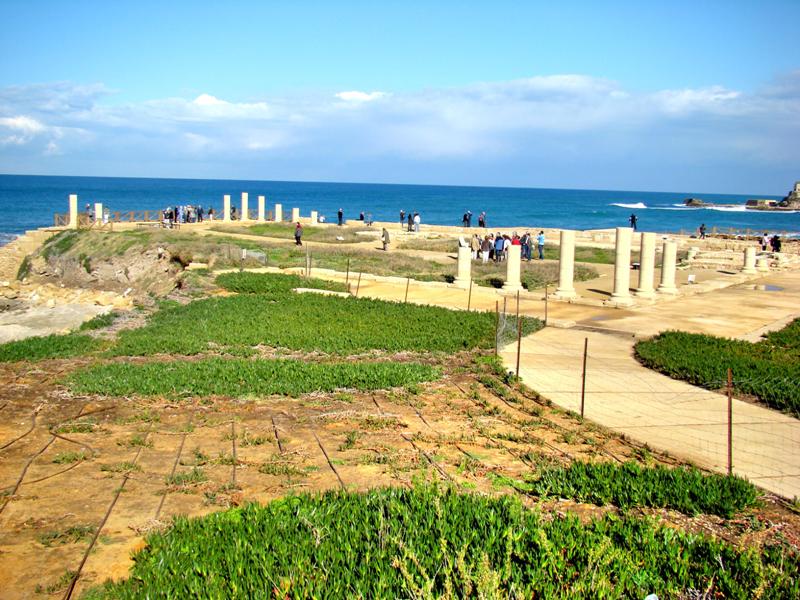
Caesarea on the Mediterranean coast. Ruins of the Palace. Paul was taken here. Photo ©Leon Mauldin.

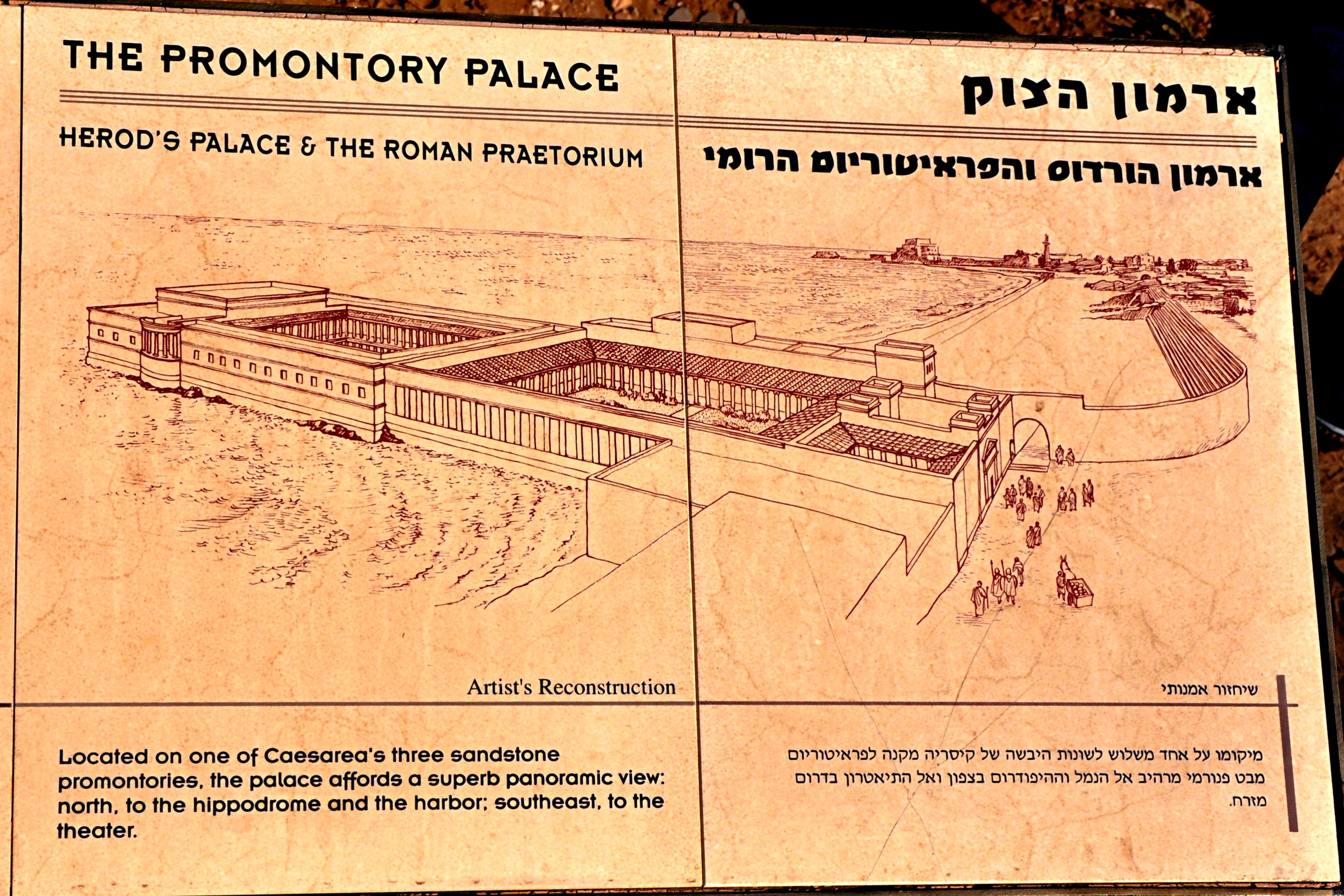
The closing verse of Acts 23 records the Governor’s (Felix) reception of Paul: “‘I will give you a hearing after your accusers arrive also,’ giving orders for him to be kept in Herod’s Praetorium” (v.35). There is on-site at Caesarea some artwork that helps us to visualize the Praetorium.

Artwork showing Herod’s Palace at Caesarea. Photo ©Leon Mauldin.

Click images for larger view.


Paul’s Journey to Jerusalem and the Role of the Spirit

May 16, 2018

As Paul’s 3rd Missionary Journey draws to a close, the text states, “After looking up the disciples [at Tyre], we stayed there seven days; and they kept telling Paul through the Spirit not to set foot in Jerusalem” (Acts 21:4). At first glance it would seem that the Holy Spirit is instructing Paul not to go to Jerusalem. Is that what the passage means?

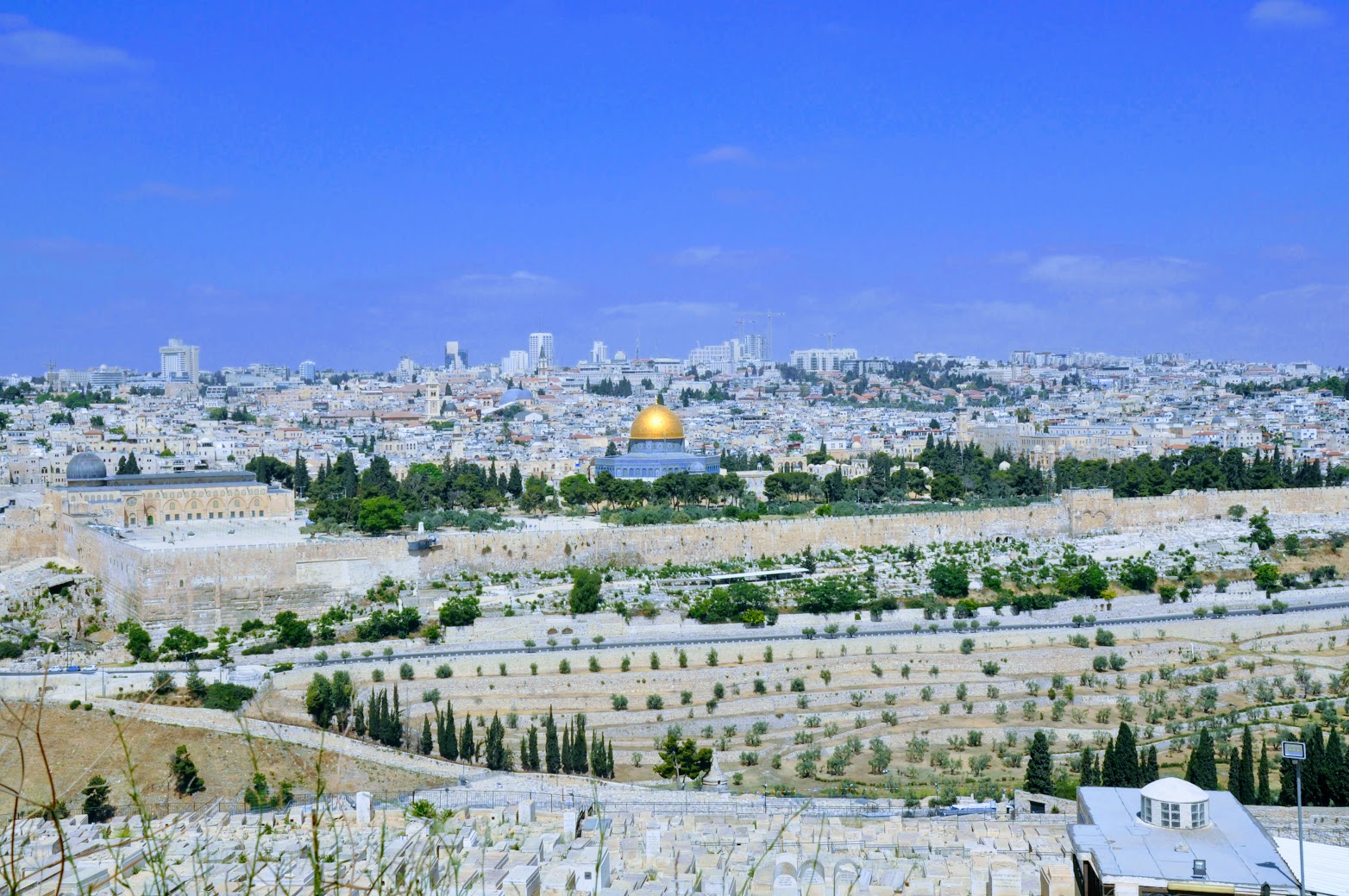
View of Jerusalem, looking west, from Mt. of Olives. Photo ©Leon Mauldin.

Every passage of Scripture has a context. Previously Luke recorded, “Now after these events Paul resolved in the Spirit to pass through Macedonia and Achaia and go to Jerusalem, saying, “After I have been there, I must also see Rome” (Acts 19:21, ESV). Then a few verses later, ” And now, behold, I am going to Jerusalem, constrained by the Spirit, not knowing what will happen to me there” (20:22, ESV). We know that capitalization is supplied by the translators but you see that the English Standard Version, along with many others, indicate this is the Holy Spirit, not Paul’s spirit, in these texts, Who is directing Paul. Further, that Paul’s journey to Jerusalem was clearly endorsed by the Lord is seen in 23:11, “The following night the Lord stood by him and said, “Take courage, for as you have testified to the facts about me in Jerusalem, so you must testify also in Rome” (ESV). Additionally, when Paul and his companions were forbidden by the Holy Spirit (on the 2nd Journey) to preach in Asia, Mysia and Bithynia, they did not resist the Spirit, but passed through those regions on to Macedonia (Acts 16:1-10). These passage furnish the surrounding context in which Acts 21:4 must be viewed.

J.W. McGarvey wrote, “We are not to understand that these entreaties [in our opening text, 21:4] were dictated by the Spirit; for this would have made it Paul’s duty to desist from his purpose; but the statement means that they were enabled to advise him not to go, by knowing, through the Spirit, what awaited him. The knowledge was supernatural; the advice was the result of their own judgment” (A Commentary on Acts of the Apostles, p.255).

Bob & Sandra Waldron explained, “The Spirit is telling Paul there will be trouble, but it is the people who are begging him not to go” (Go Tell the Good News, p.184).

I do believe that this gives the best explanation of Acts 21:4, as any other view would contradict the related texts immediately before and after the passage. I’m convinced this must be the approach when approaching a challenging text–explanations must be ruled out which contradict other plain passages of scripture.


Caesarea Philippi

March 23, 2018

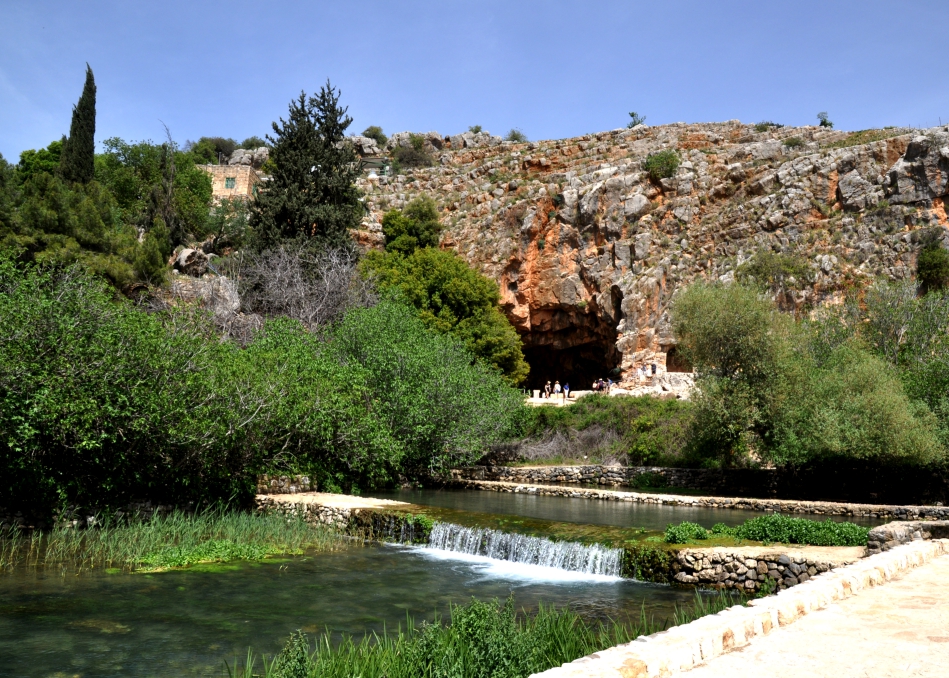
The Banias Spring emanates at Caesarea Philippi. At center of our photo you can see the Grotto of the god Pan.

Banias River at Caesarea Philippi. Photo by Leon Mauldin.

Jesus was in this area during the latter part of His earthly ministry, in that time-frame when He was trying to spend more private teaching/training time with the apostles for the great evangelistic work for which He had chosen them. Text–Matthew 16:

13 Now when Jesus came into the district of Caesarea Philippi, He was asking His disciples, “Who do people say that the Son of Man is?” 14 And they said, “Some say John the Baptist; and others, Elijah; but still others, Jeremiah, or one of the prophets.” 15 He said to them, “But who do you say that I am?” 16 Simon Peter answered, “You are the Christ, the Son of the living God.” 17 And Jesus said to him, “Blessed are you, Simon Barjona, because flesh and blood did not reveal this to you, but My Father who is in heaven. 18 “I also say to you that you are Peter, and upon this rock I will build My church; and the gates of Hades will not overpower it. 19 “I will give you the keys of the kingdom of heaven; and whatever you bind on earth shall have been bound in heaven, and whatever you loose on earth shall have been loosed in heaven.”

Downstream are the Banias Falls, one of the primary sources of the Jordan.

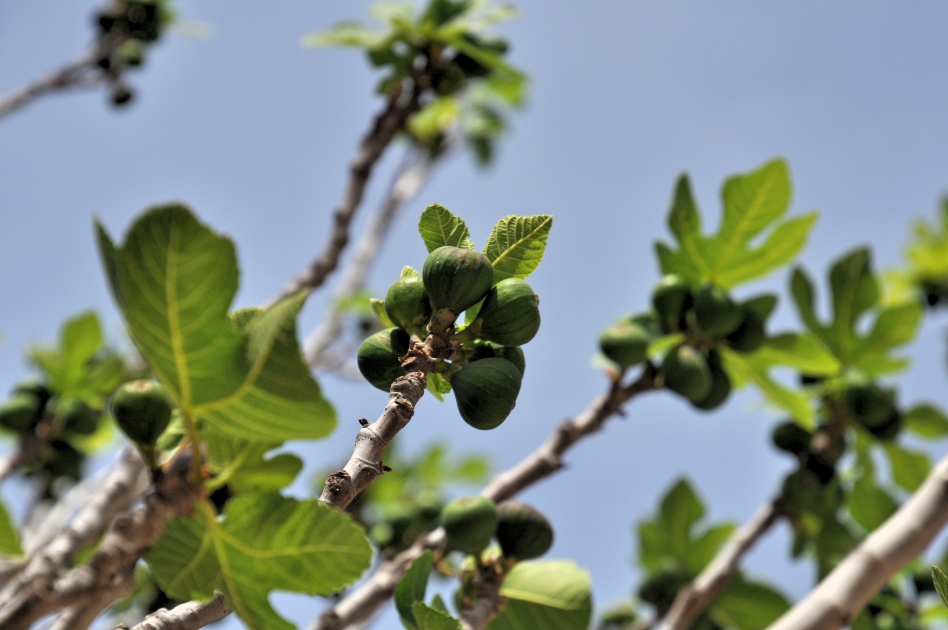
Also while at Caesarea we saw some figs today.

Figs at Caesarea Philippi. Photo by Leon Mauldin.

Click images for larger view.


The Treasury at Petra

March 19, 2018

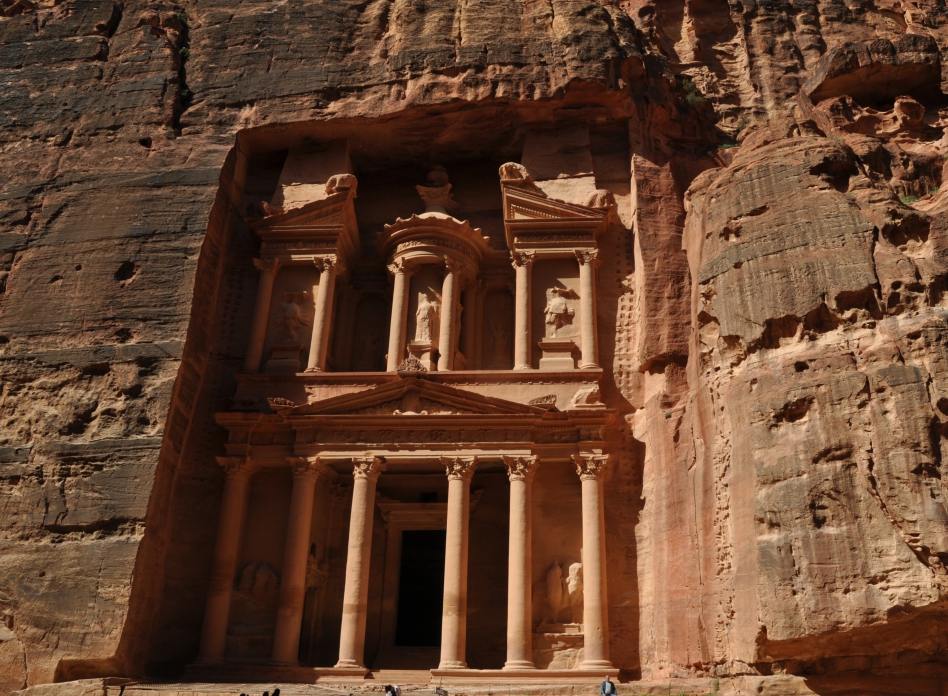
This morning we enjoyed a visit to Petra, the capital of the Roman province of Arabia during the time of Christ. During Old Testament times Petra was in the territory of Edom. There is so much to see. For now I will share a photo of the “Treasury.”

“Treasury” at Petra. Photo by Leon Mauldin.

Known locally as the Treasury, this tomb is where most visitors fall in love with Petra. The Hellenistic facade is an astonishing piece of craftsmanship. Although carved out of iron-laden sandstone to serve as a tomb for the Nabataean King Aretas III (c 100 BC– AD 200), the Treasury derives its name from the story that an Egyptian pharaoh hid his treasure here (in the facade urn) while pursuing the Israelites. Some locals clearly believed the tale because the 3.5m-high urn is pockmarked by rifle shots. As with all rock-hewn monuments in Petra, the interior is unadorned. (Lonely Planet).

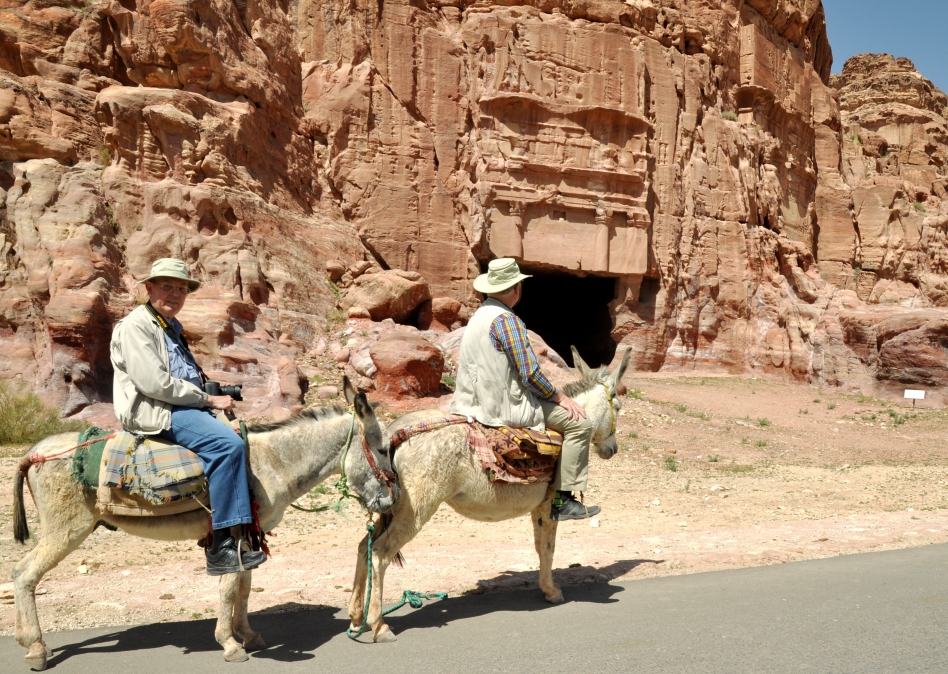
It’s been a while since I’ve been on horseback, and I had never ridden a donkey, but I did both today.

Ferrell Jenkins and Leon Mauldin riding donkeys at Petra. Photo by local Bedouin.

Tonight we’re on the eastern shore of the Dead Sea as we continue to explore and photograph Jordan.

Click images for larger view.


On the Banks of Jordan

March 18, 2018

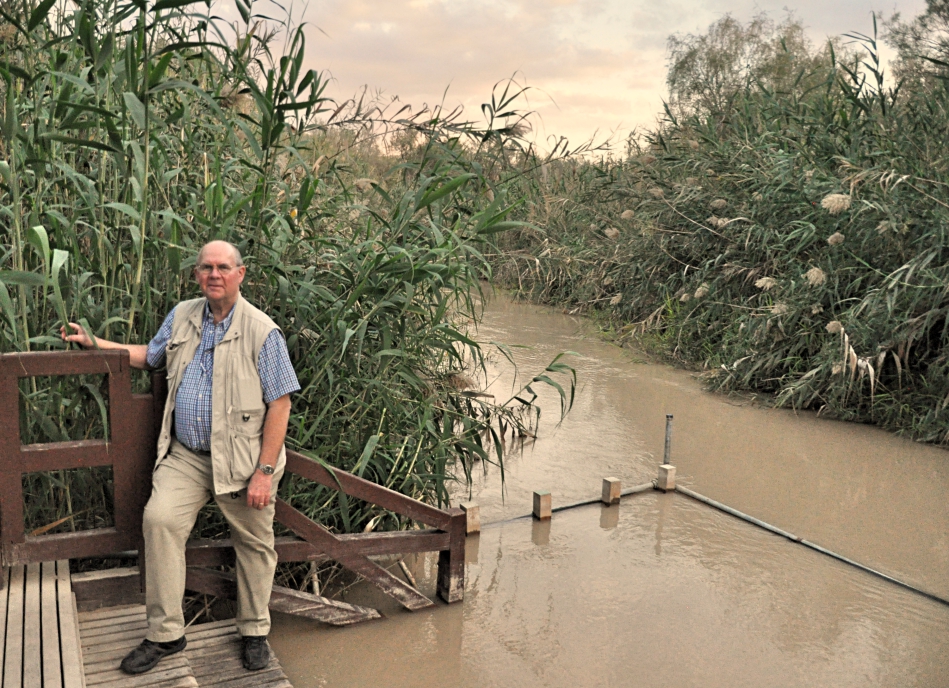
On the banks of the Jordan River: Ferrell Jenkins and I are enjoying an opportunity to explore biblical sites in Israel/Jordan, currently in Jordan. We have seen Pella and Jerash, which were cities of the Decapolis. The past two nights we stayed at Bethany, within easy walking distance of the Jordan.

On the banks of the Jordan at Bethany, the traditional location of Jesus’ baptism. Photo by Ferrell Jenkins.

Seeing the reeds here along the Jordan reminded me of some biblical references. Jesus asked the people regarding John: “As these men were going away, Jesus began to speak to the crowds about John, “What did you go out into the wilderness to see? A reed shaken by the wind?” (Mt. 11:7). John was certainly no reed shaken by the wind!

Today we saw Mt. Nebo, where Moses stood when he looked across to see the Promise Land, then Dibon, where the famous Moabite stone was discovered. We had stunning views of the Arnon gorge, and made our way on the King’s Highway to Petra, arriving after dark.

I’ve previously posted on the Jordan River here, here, and here.

I’ve not posted until now due to internet issues, but plan to be able now to share more photos.


Thessalonian Politarch Inscription & its Bearing on Acts 17:6,8

February 21, 2018

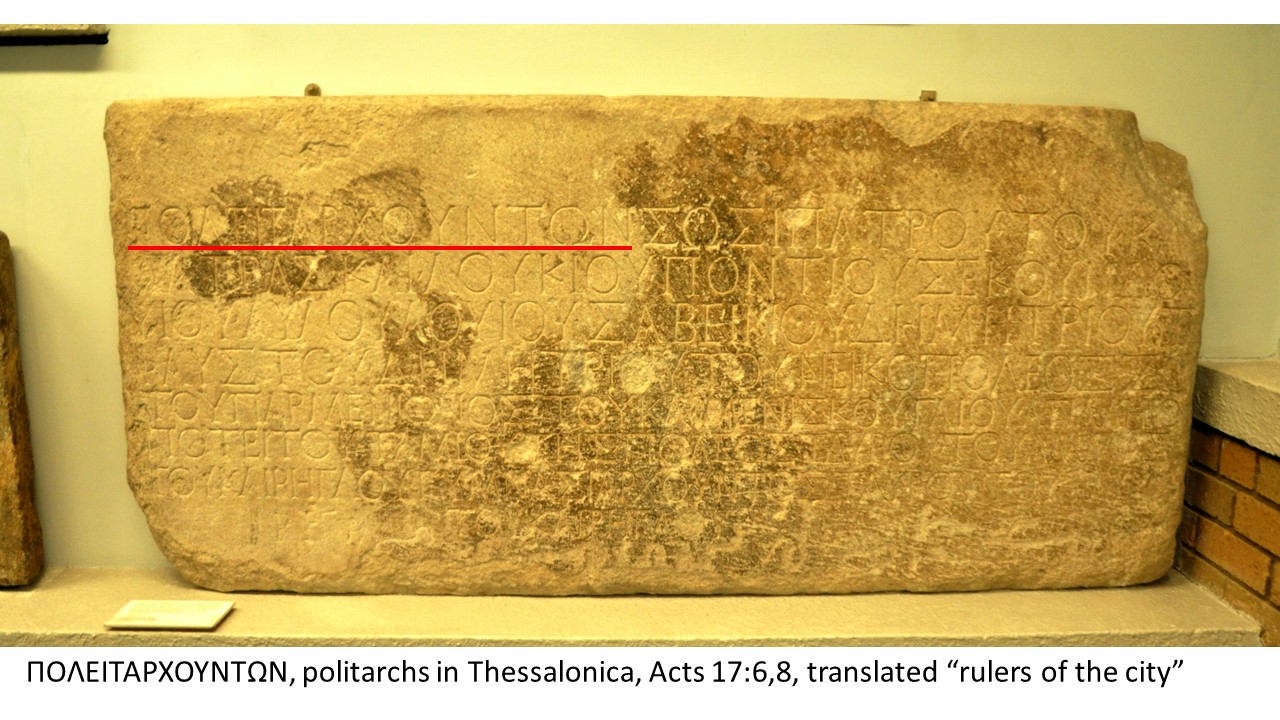
Acts 17:6,8 mention the “rulers of the city” of Thessalonica, who beat and imprisoned Paul and Silas. Luke, the inspired writer of Acts, is a most careful historian. Different cities/districts used specific words to designate their rulers. Here Luke uses the word “politarch” (πολιτάρχης) which was a “very rare title for magistrates” (see Schaff below). Was Luke correct or was he mistaken?

Last month in London I was able to photograph a very important inscription, the Politarch Inscription of Thessalonica, removed from a Roman gateway of the city.
Inscription from Thessalonica using the word “politarchs” to designate rulers, as found in Acts 17:6,8. Photo ©Leon Mauldin. British Museum.

Church historian Philip Schaff, in a section entitled “The Acts and Secular History,” wrote:

The “politarchs” of Thessalonica, 17:6, 8 (Greek text: τοὺς πολιτάρχας, i.e., τοὺς ἄρχοντας τῶν πολιτῶν, praefectos civitatis, the rulers of the city).

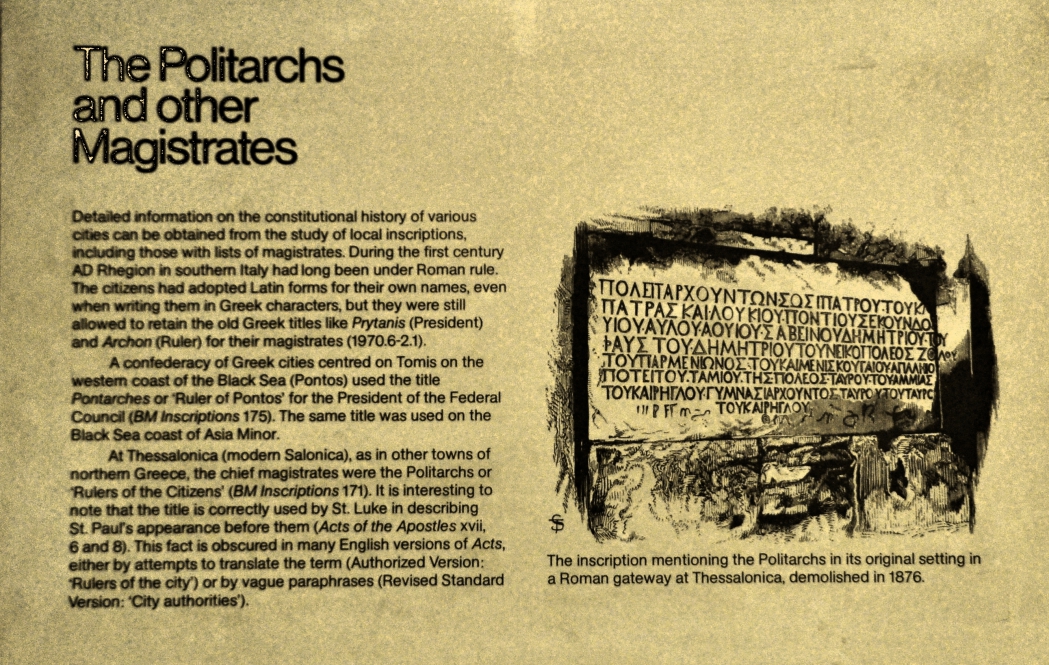
This was a very rare title for magistrates, and might easily be confounded with the more usual designation “poliarchs.” But Luke’s accuracy has been confirmed by an inscription still legible on an archway in Thessalonica, giving the names of seven “politarchs” who governed before the visit of Paul.

The Thessalonian inscription in Greek letters is given by Boeckh. Leake, and Howson (in Conybeare and Howson’s Life and Letters of St. Paul, ch. IX., large Lond. ed., I. 860). Three of the names are identical, with those of Paul’s friends in that region-Sopater of Beraea (Acts 20:4), Gaius of Macedonia (19:29), and Secundus of Thessalonica (20:4). I will only give the first line:

ΠΟΛΕΙΤΑΡΧΟΥΝΤΩΝ ΣΩΣΙΠΑΤΡΟΥ ΤΟΥ ΚΛΕΟ. (Schaff, P., & Schaff, D. S. (1910). History of the Christian church (Vol. 1, p. 735). New York: Charles Scribner’s Sons.
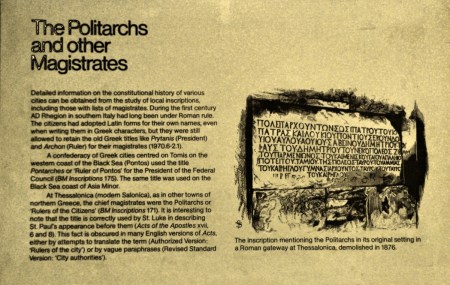
Inscription in its original setting in Thessalonica. Photo ©Leon Mauldin. British Museum.

Schaff earlier in that section mentioned the significance and importance of such artifacts as pertains to the book of Acts:

Bishop Lightfoot asserts that no ancient work [as that of Acts, L.M.] affords so many tests of veracity, because no other has such numerous points of contact in all directions with contemporary history, politics, and typography, whether Jewish or Greek or Roman. The description of persons introduced in the Acts such as Gamaliel, Herod, Agrippa I., Bernice, Felix, Festus, Gallio, agrees as far as it goes entirely with what we know from contemporary sources. The allusions to countries, cities, islands, in Syria, Asia Minor, Greece, and Italy are without exception correct and reveal an experienced traveler. Ibid.732)

In other words, time and time again, Luke has been proven to be right! You can trust the Bible!

The British Museum Curator’s comments are interesting:

This large stone was built into a wall at the Vardar Gate of Thessalonica and was removed in 1877. The stone has been assumed to name city officials of the era. The inscription is important to New Testament scholars because it is one of the few stones that attests the existence of the office of politarch, mentioned in the Bible (Acts 17:6 and 8) and in only a few other literary sources. It is also curious because it mentions the mothers as well as the fathers of two of the politarchs. How the number of politarchs in this inscription should be counted varies among the modern editions; the translation here presents the usual interpretation of the inscription (see vom Brocke). (http://www.britishmuseum.org/research/collection_online/collection_object_details.aspx?objectId=398975&partId=1)

I should mention that this inscription is not regularly on display. It took three days to get an appointment to go into the room where is it housed, but it was worth it!

Click images for larger view.


Jerusalem, SW Temple Mount Panaroma

January 26, 2018

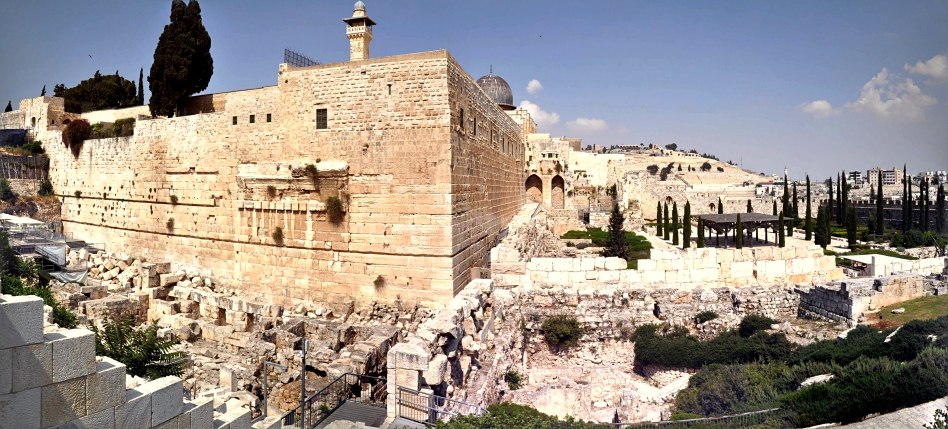
A panoramic view looking toward the SW corner of the Temple Mount in Jerusalem.

Panorama of Jerusalem, SW corner of Temple Mount. Photo by Leon Mauldin.

At the base of the ancient wall on your left (western side) you can see stones lying in place. These were from the Herodian Temple of Jesus day, falling down to their present position in the 70 AD Roman destruction of Jerusalem. Though seemingly small in our photo, some of these broken stones weight tons.

The view straight across shows southern side of temple mount. The distant view at right center is the Mount of Olives, across from the Kidron Valley (which cannot be seen from this view.

This photo is from Spring, 2017.

Click image for larger view.