Fields White unto Harvest

April 30, 2017

Early in Jesus’ ministry, He traveled from Jerusalem to Galilee, and went through Samaria. It was at the well at Sychar (today’s Nablus) that Jesus had a conversation with a woman who had come to the well to draw water. Jesus skillfully led her from a starting point of a request for a drink of water, step by step, to the point of faith in Him as Messiah! (John 4:1-26).

Field of wheat in the Galilee. Photo by Leon Mauldin.

When the disciples returned, having gone into the city to buy food, this interesting conversation took place:

27 And at this point His disciples came, and they marveled that He talked with a woman; yet no one said, “What do You seek?” or, “Why are You talking with her?” 28 The woman then left her waterpot, went her way into the city, and said to the men, 29 “Come, see a Man who told me all things that I ever did. Could this be the Christ?” 30 Then they went out of the city and came to Him. 31 In the meantime His disciples urged Him, saying, “Rabbi, eat.” 32 But He said to them, “I have food to eat of which you do not know.” 33 Therefore the disciples said to one another, “Has anyone brought Him anything to eat?” 34 Jesus said to them, “My food is to do the will of Him who sent Me, and to finish His work. 35 “Do you not say, ‘There are still four months and then comes the harvest’? Behold, I say to you, lift up your eyes and look at the fields, for they are already white for harvest! 36 “And he who reaps receives wages, and gathers fruit for eternal life, that both he who sows and he who reaps may rejoice together. 37 “For in this the saying is true: ‘One sows and another reaps.’ 38 “I sent you to reap that for which you have not labored; others have labored, and you have entered into their labors.” (John 4:27-38, ESV).

Today I photographed this field of wheat in the Galilee, near the Horns of Hattin. Jesus used the image of fields that were ready for harvest to illustrate lost souls that will be receptive to the call of the Gospel, with its hope and promises!

Click image for larger view.


“Ye Kine of Bashan” (Amos 4:1)

April 29, 2017

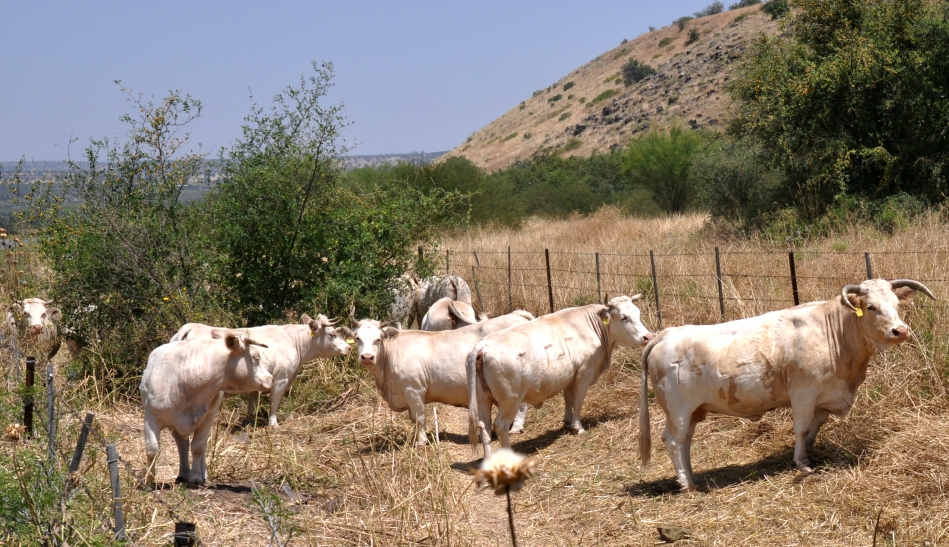
The fearless prophet Amos was sent by Yahweh to the northern kingdom of Israel in the days of the Divided Kingdom. He cried out against the idolatry there. In this prosperous (albeit short-lived) time when Jeroboam II reigned (8th century BC), Amos also rebuked the luxury-loving women in Israel who cared nothing about God and His will: “Hear this word, ye kine of Bashan, that are in the mountain of Samaria, which oppress the poor, which crush the needy, which say to their masters, Bring, and let us drink.” (Amos 4:1, KJV).

Cattle in Bashan, Israel. Photo ©Leon Mauldin.

The word kine as used in the KJV is old English; it is archaic plural for “cow.” The ESV renders the text, “Hear this word, you cows of Bashan, who are on the mountain of Samaria, who oppress the poor, who crush the needy, who say to your husbands, ‘Bring, that we may drink!'”

The women were not left in doubt as to the meaning of the imagery–they were behaving with no more concern for spiritual matters than a bunch of fat cows!

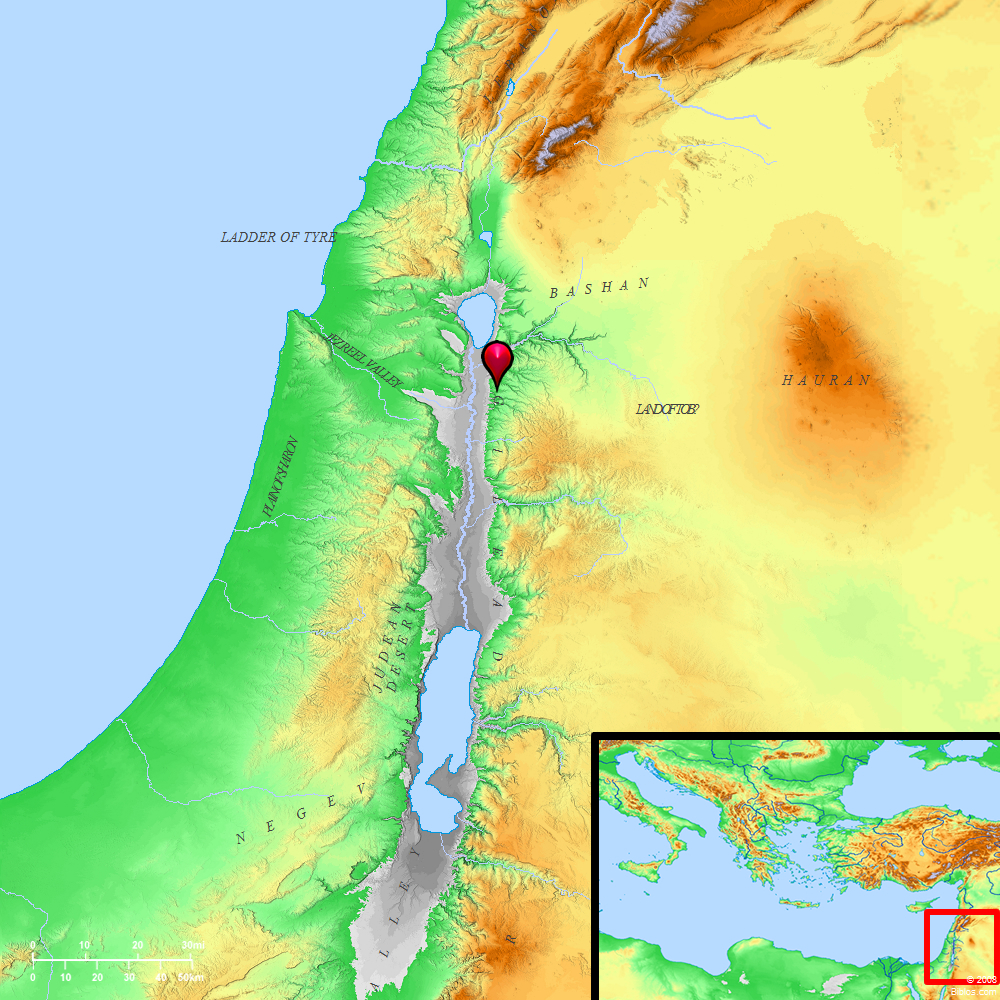
The background for Amos’ reference to cows of Bashan takes us back to Numbers 21, when Israel conquered the land of Og of Bashan, north and east of the Jordan (as well as the land of Sihon, to the south of Bashan). Then Numbers 32 tells how two and one half tribes (Reuben, Gad, and 1/2 tribe of Manasseh) asked that they might settle on the eastern side of the Jordan. That request was granted (conditioned upon the men of war helping with the conquest of Canaan). The reason given for the request: these lands “were ideal for cattle” (v.1, NET).

Land of Bashan, good for cattle. BibleAtlas.org.

The women Amos addressed did not live in Bashan, east of the Jordan. The text refers to their being in Samaria, which was the capital of Israel. But they were acting like cattle in that place which was so noted for its cattle.

Today I was in what was the OT land of Bashan when I photographed these cattle. I was put in mind of our text in Amos.

I do not know how the women in Israel responded to the preaching of Amos. We do know that the nation as a whole did not listen, and God would soon allow the Assyrians to destroy the northern kingdom. One can hope that at least some individuals may have responded appropriately and repented. Though they may have felt insulted, in reality Amos was their friend, their best friend.

“All Scripture is given by inspiration of God, and is profitable for doctrine, for reproof, for correction, for instruction in righteousness, that the man of God may be complete, thoroughly equipped for every good work” (2 Tim. 3:16,17).


The Jordan River

April 28, 2017

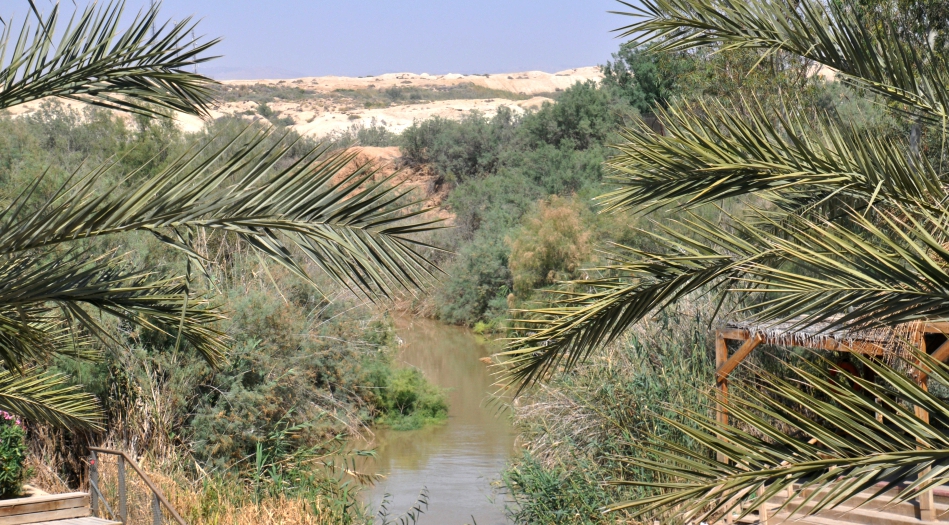
Today after leaving Jerusalem I made a stop at the Jordan before heading up the Rift Valley for the Galilee. This location is thought by many to be the area in the Jordan River where Jesus was baptized by John.

Jordan River. Traditional location of Jesus’ baptism. Photo by Leon Mauldin.

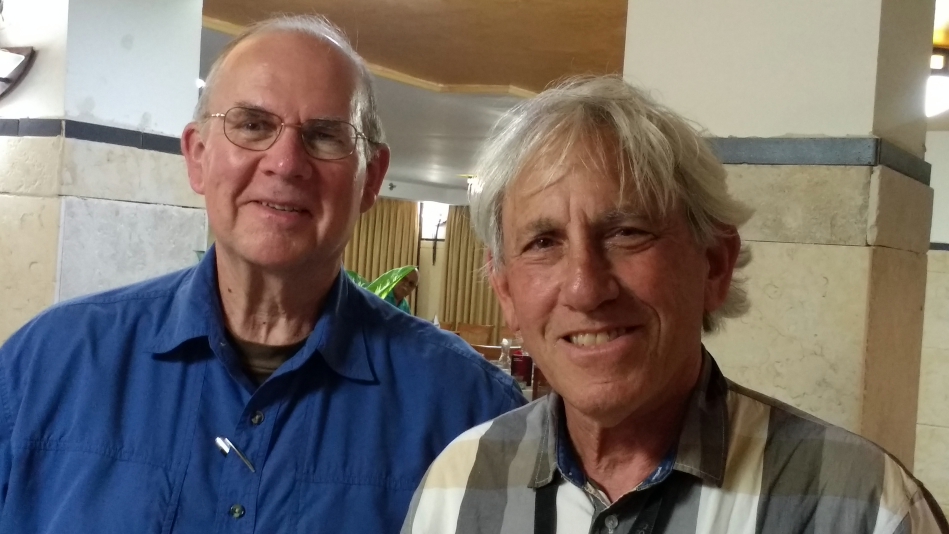
We had a safe late afternoon arrival at Tiberias, situated on the Sea of Galilee. While having dinner, Zachary Shavin, who is presently directing a tour, came by to visit a while and “talk shop.” Zack served as our guide for my Israel tour in November. His website is www.landofisraeltours.com

Leon Mauldin and Zachary Shavin.

To view my previous posts about the Jordan River, go up to search box and enter “Jordan.”

Click images for larger view.


Jesus Walked through Bethphage

April 27, 2017

In the Final Week of Jesus’ ministry, Bethany and Bethphage (cities located on the slope of the Mount of Olives) are mentioned. It was from here that Jesus arranged for the donkey on which He would ride triumphantly into Jerusalem (Mark 11:1ff.). That final week would find Jesus walking back and forth from Bethany to Jerusalem.

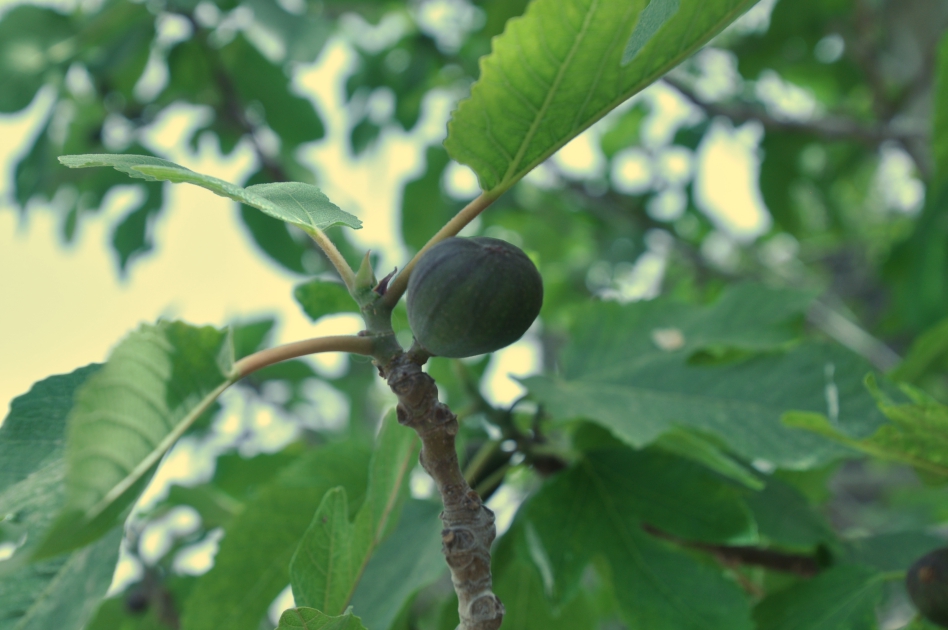
Fig close up at Bethphage. Photo © Leon Mauldin.

An interesting event happened in this area at this time:

And leaving them, he went out of the city to Bethany and lodged there. In the morning, as he was returning to the city, he became hungry. And seeing a fig tree by the wayside, he went to it and found nothing on it but only leaves. And he said to it, “May no fruit ever come from you again!” And the fig tree withered at once. (Matt. 21:17-19).

Unlike our photo above, that fig tree in our text received a curse because though it had a pretense of leaves, it was barren; there was no fruit. This was a great object lesson for Jesus’ disciples.

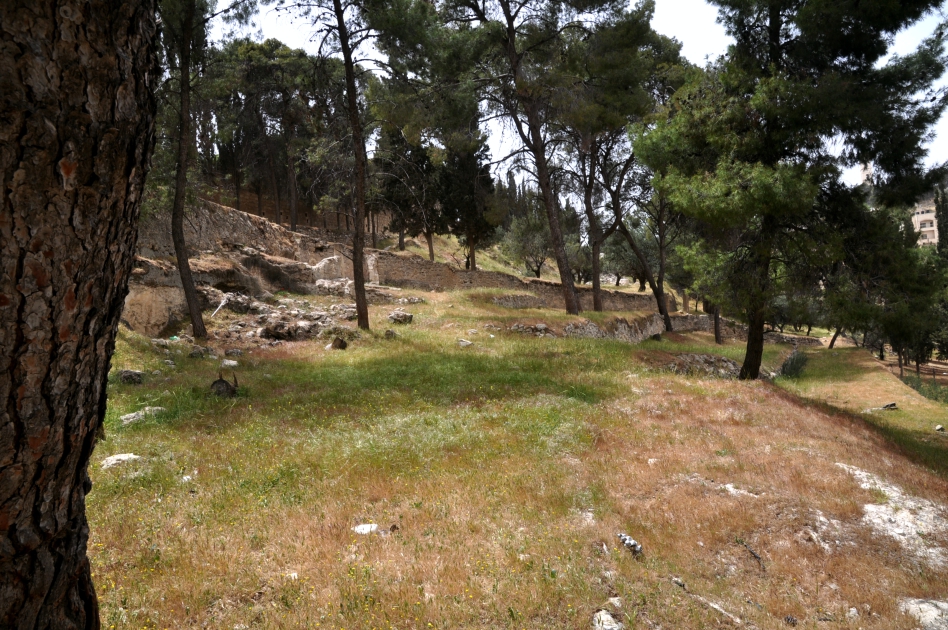
Here is a view of the terrain at Bethphage, with Bethany behind, and the Mount of Olives continuing to rise ahead.

Bethphage. Jesus passed through this area during His Final Week of ministry. Photo ©Leon Mauldin.

I was glad to have the opportunity to visit Bethphage yesterday. There are also several ancient tombs located there.

Click images for larger view.


King David’s Tomb in Jerusalem (Traditional)

April 26, 2017

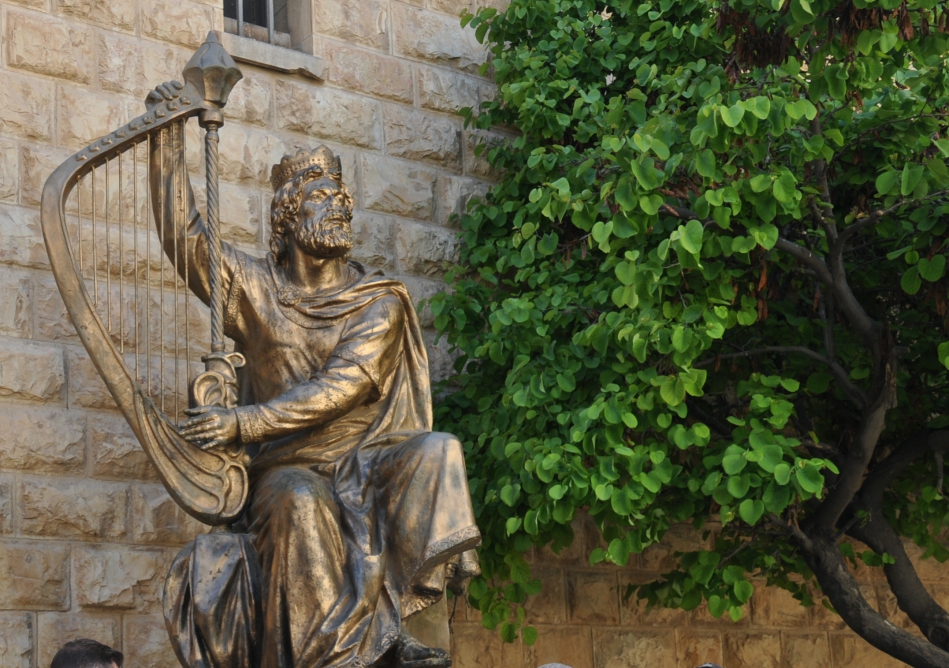
David was described as the “sweet psalmist of Israel” (2 Sam. 23:1) and authored about half of the collection of the 150 psalms.

Sculpture of David near site of traditional tomb in Jerusalem. Photo ©Leon Mauldin.

Approximately 2,000 years ago on the Day of Pentecost (Acts 2), Peter said, “Brothers, I may say to you with confidence about the patriarch David that he both died and was buried, and his tomb is with us to this day” (v.29, ESV).

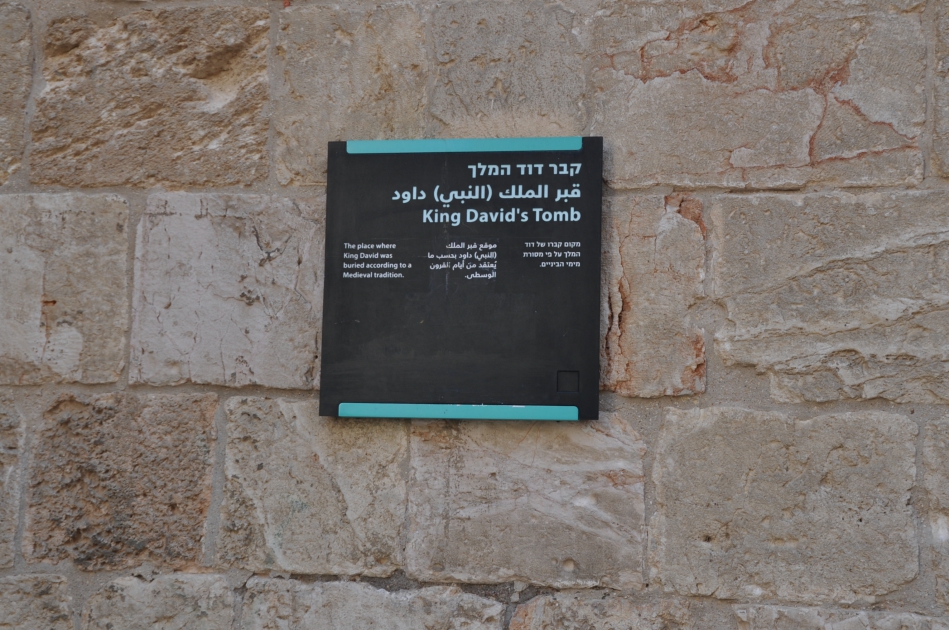
Yesterday I had the opportunity to visit the traditional tomb of David in Jerusalem.

Sign designating David’s Tomb. Photo ©Leon Mauldin.

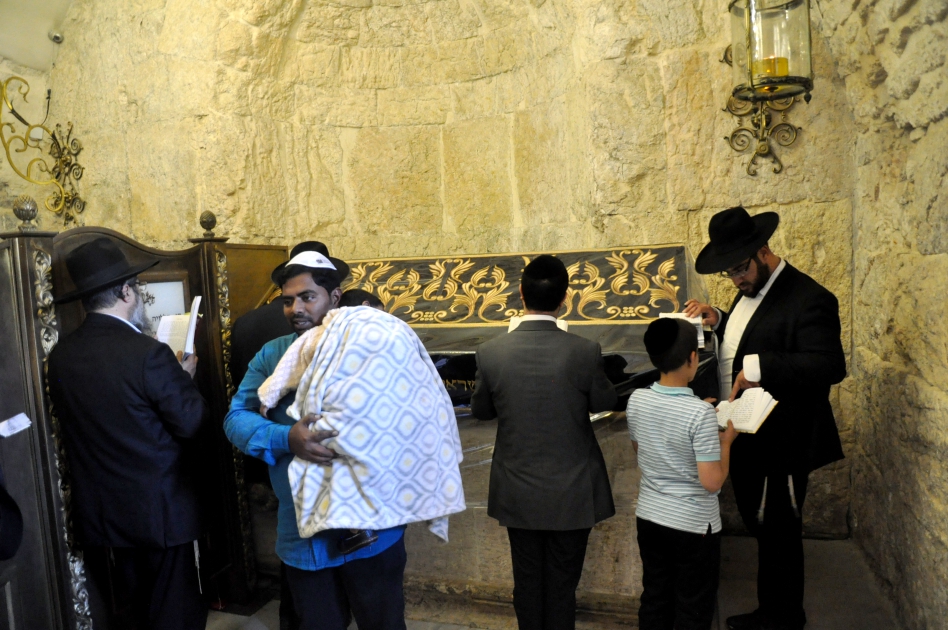
This location is said to be a pilgrimage for Jews, Muslims, and Christians. Inside is a massive cenotaph where visitors pay respect.

Inside David’s Tomb in Jerusalem. Photo ©Leon Mauldin.

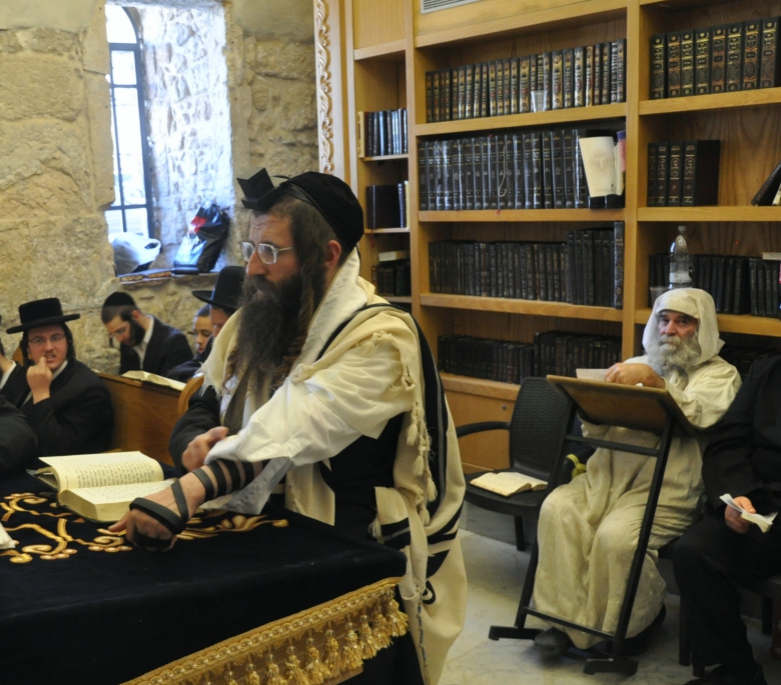
The adjoining room is dedicated to reading/study.

Adjoining reading room. Photo ©Leon Mauldin.

Another text referencing David’s death is Acts 13:36: “For David, after he had served the purpose of God in his own generation, fell asleep and was laid with his fathers and saw corruption” (ESV).

We mentioned this is the “traditional site” of David’s tomb:

In the 10th century a belief that David’s tomb was on the present Mount Zion began to develop among Christian pilgrims, who celebrated David’s memory along with that of St James, the first bishop of Jerusalem.

It was actually the Christian Crusaders who built the present Tomb of David with its large stone cenotaph. However, three of the walls of the room where the cenotaph stands are much older — apparently from a synagogue-church used by first-century Judaeo-Christians, which became known as the Church of the Apostles.

Gradually this memorial came to be accepted as David’s tomb, first by the Jews and later also by Muslims. (http://www.seetheholyland.net/tomb-of-king-david/)

The real point of the two passages cited in Acts above is that David, having served God’s purpose, died, was buried, and his body experienced decay. He was not the subject of those prophecies he uttered that spoke of a coming resurrection–he was speaking of the resurrection of Jesus, which is at the very heart of the Gospel message. Apart from the resurrection of Jesus there IS no Gospel!

In the first century in Jerusalem Peter said the actual tomb of David could be seen. David had died, his flesh went through the normal decaying process. I like the old English translation of Acts 2:24 in the KJV, “Whom God hath raised up, having loosed the pains of death: because it was not possible that he should be holden of it. Where David’s earthly remains are today at this point is not of primary importance to one’s faith or salvation. But the point was that it was certain that he could not be the object of those Messianic passages that foretold the resurrection–only Jesus could and did fulfill those resurrection prophecies!

Click image for larger view.


Tel Lachish, where King Amaziah of Judah Was Killed

April 22, 2017

“From the time Amaziah turned from following the LORD, conspirators plotted against him in Jerusalem, so he fled to Lachish. But they sent assassins after him and they killed him there” (2 Chronicles 25:27, NET).

Tel Lachish at center. View is from the southwest. Photo ©Leon Mauldin.

Our photo gives the geographical setting for the biblical text, which tells of the assassination of one of Judah’s kings during the “Divided Kingdom” period. Amaziah reigned 796-767 BC. He is described by one author as “a mediocre king who suffered the consequences of his compromises” (Shepherds Notes, The Kings of Judah, p.79).

Later the city of Lachish would be one of 46 fortified cities captured by the Assyrian king Sennacherib, in 701 BC. His siege-mound formed for that invasion can still be seen at the southwest corner of tel Lachish.

Click photo for larger view.

We previously wrote about Lachish here and here.


The Nile River in Egypt

April 5, 2017

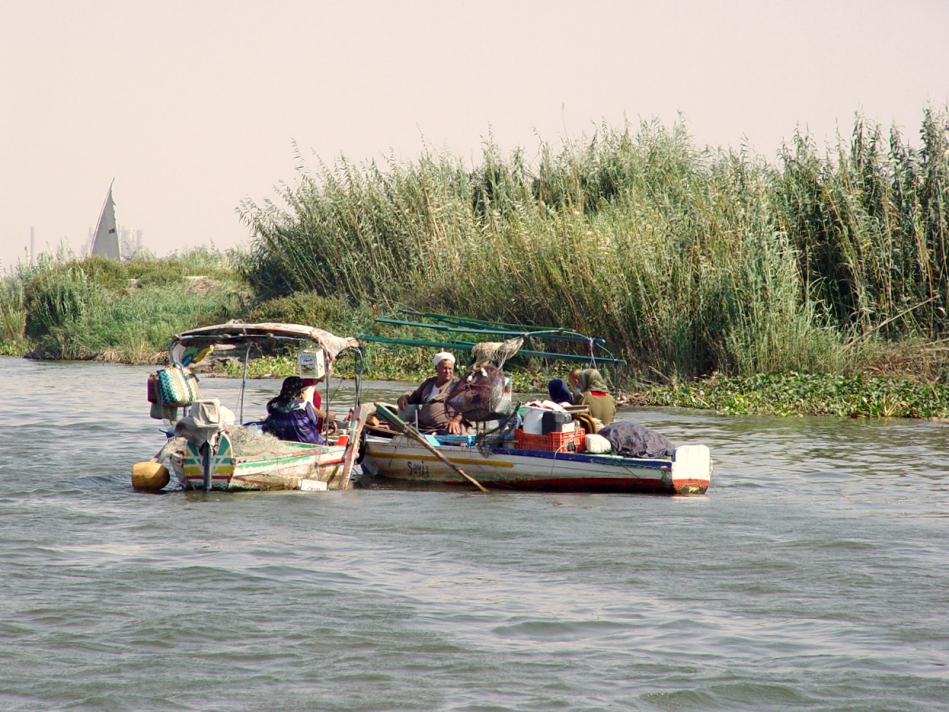
The Nile River is mentioned numerous times in the Bible. It was truly the “lifeblood” of Egypt.

Nile River. Photo by Leon Mauldin.

These folks in the two boats in the photo had either been fishing or were about to go, as they had fishing nets with them.

From Harper’s Bible Dictionary we have this info on the Nile:

the great river of Egypt flowing north from its sources in Lake Victoria in Uganda and in the highlands of Ethiopia, a distance of 4,037 miles, the entire length of the Sudan and Egypt, to the Mediterranean. The two major branches, the White Nile (from Lake Victoria) and the Blue Nile (from Ethiopia), merge at Khartoum, with one modest tributary somewhat farther to the north and none at all in Egypt itself. Beyond Khartoum the Nile flows through several cataracts, inhibiting navigation but not preventing it. The last cataract is at Aswan, the beginning of the Nile Valley proper. (Because the Nile flows from south to north, the southern Nile valley is referred to as Upper Egypt.) From here on the Nile flows north in a well-developed valley with cliffs on either side almost as far as Cairo, and the river becomes important for its overflow and the hydraulic irrigation of the adjoining floodplain. Within the Nile Valley the river is fairly constant at about six-tenths of a mile in width, whereas the valley varies from six to nine miles across (p.705).

The land of Egypt has great significance for the biblical narrative. God told Jacob, father of the twelve tribes of Israel, that He would make of him a great nation in Egypt (Gen. 46:3). As the book of Exodus opens, Israel is already a numerous people, and the new pharaoh of Egypt felt he had to take oppressive measures against them (Ex. 1).

While a young child, Jesus, along with Joseph and Mary, were told to leave Bethlehem (where Herod would seek to kill them), and flee to Egypt. “Now when they [the wise men from the East] had gone, behold, an angel of the Lord appeared to Joseph in a dream and said, “Get up! Take the Child and His mother and flee to Egypt, and remain there until I tell you; for Herod is going to search for the Child to destroy Him” (Matt. 2:13)

The Nile River makes life in Egypt possible, both in ancient as well as modern times.

I’ve previously written on the Nile here and here.


Valley of Beracah

March 24, 2017

Jehoshaphat (873-848 BC) was the fourth king of the southern kingdom of Judah during the Divided Kingdom period. His war with the combined forces of the Ammonites, Moabites and Edomites is described in 2 Chronicles 20. It was reported to the king that a great multitude was encamped at En-gedi (v.2), located on the western shore of the Dead Sea.

This good king prayed to God for deliverance (vv.4-13). God answered by a prophet named Jahaziel: “You will not need to fight in this battle. Stand firm, hold your position, and see the salvation of the LORD on your behalf, O Judah and Jerusalem. Do not be afraid and do not be dismayed. Tomorrow go out against them, and the LORD will be with you” (v.17, ESV).

Encouraged by this word, the text narrates what happened next: “And they rose early in the morning and went out into the wilderness of Tekoa. And when they went out, Jehoshaphat stood and said, ‘Hear me, Judah and inhabitants of Jerusalem! Believe in the LORD your God, and you will be established; believe his prophets, and you will succeed'” (v.20).

God overruled on Israel’s behalf:

And when they [Jehoshaphat and the people of Judah] began to sing and praise, the LORD set an ambush against the men of Ammon, Moab, and Mount Seir, who had come against Judah, so that they were routed. For the men of Ammon and Moab rose against the inhabitants of Mount Seir, devoting them to destruction, and when they had made an end of the inhabitants of Seir, they all helped to destroy one another (vv.22-23).

All that remained was for Israel to gather the spoil: “When Jehoshaphat and his people came to take their spoil, they found among them, in great numbers, goods, clothing, and precious things, which they took for themselves until they could carry no more. They were three days in taking the spoil, it was so much” (v.25).

The site where this occurred is known as the Valley of Beracah (meaning: Valley of Blessing).

Valley of Beracah, near Tekoa. Facing east toward the Dead Sea, and Edom & Moab. Photo ©Leon Mauldin.

The text reads, “On the fourth day they assembled in the Valley of Beracah, for there they blessed the LORD. Therefore the name of that place has been called the Valley of Beracah to this day” (v.26).

Photos such as this are helpful in visualizing the setting of the historical events narrated in Scripture. Click on photo for larger view.

Back in 2010 Ferrell Jenkins did a post on the Valley of Beracah. He and I visited this site in Dec. 2009.


Ye Are the Light of the World

March 14, 2017

In the Sermon on the Mount (Matt. 5-7), Jesus told His disciples:

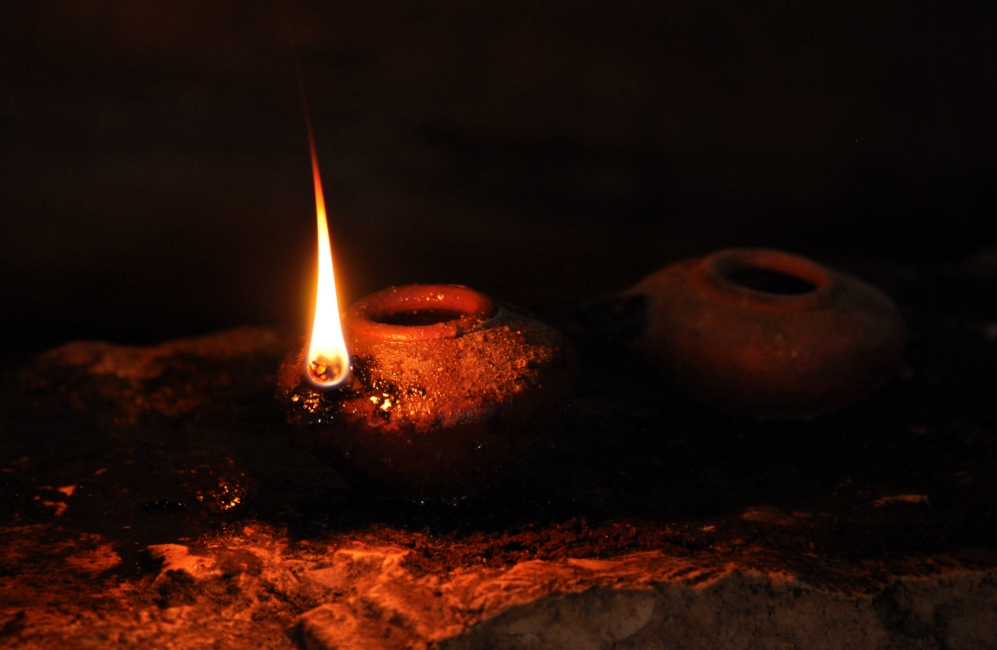
You are the light of the world. A city set on a hill cannot be hidden. Nor do people light a lamp and put it under a basket, but on a stand, and it gives light to all in the house. In the same way, let your light shine before others, so that they may see your good works and give glory to your Father who is in heaven (5:14-16, ESV).

Oil Lamp in Nazareth. Photo by Leon Mauldin.

Jesus, ever the Master Teacher, often used similes and metaphors to create vivid word pictures as he communicated spiritual and eternal truths. Jesus’s disciples are those men and women who have been illuminated by the Light of the World. They hear His voice and follow Him. They have the qualities enumerated in the “beatitudes” which is in the immediate context of our text above (Matt. 5:3-12). As such Jesus’ disciples are light in a world of darkness, pointing others to the way of Jesus and His Word, and ultimately the path to heaven.

Click photo for larger view.


Dothan, Where Joseph Was Sold by His Brothers

March 11, 2017

The rivalry and jealousy that existed between Jacob’s wives (four) and sons (twelve) provides proof that polygamy was something God tolerated during the Old Testament period. It does not reflect His will as seen in the Garden of Eden (Gen. 2:24; Matt. 19:1-6). But God overruled for good to accomplish His will, and through Jacob’s wives and children the 12 tribes of Israel originated, as set forth in Genesis.

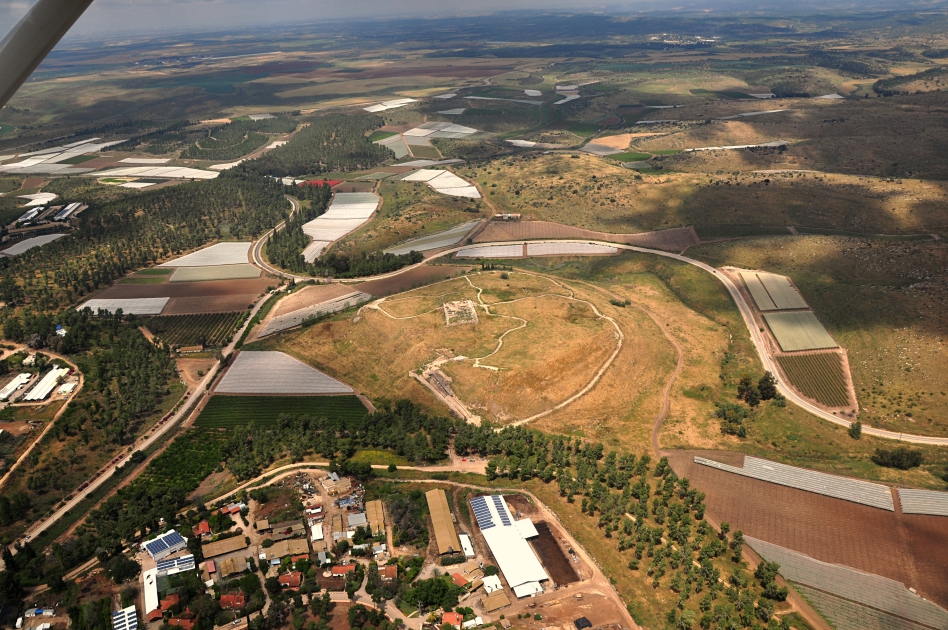
The book of Genesis does not fabricate a narrative that portrays the patriarch in an idealistic light. Rather their sins and foibles are included. Genesis 37 relates how Joseph’s envious brothers sold him to a traders in a caravan who were en route to Egypt, where they sold Joseph into slavery. The location where that occurred was Dothan in Canaan, on the international trade route which connected Mesopotamia to Egypt. We had the occasion to see Dothan in November ’16.

Tel Dothan, where Joseph was sold by his brothers. Photo by Leon Mauldin.

Here is the account in Genesis:

13 And Israel [Jacob] said to Joseph, “Are not your brothers pasturing the flock at Shechem? Come, I will send you to them.” And he said to him, “Here I am.” 14 So he said to him, “Go now, see if it is well with your brothers and with the flock, and bring me word.” So he sent him from the Valley of Hebron, and he came to Shechem. 15 And a man found him wandering in the fields. And the man asked him, “What are you seeking?” 16 “I am seeking my brothers,” he said. “Tell me, please, where they are pasturing the flock.” 17 And the man said, “They have gone away, for I heard them say, ‘Let us go to Dothan.'” So Joseph went after his brothers and found them at Dothan. 18 They saw him from afar, and before he came near to them they conspired against him to kill him. 19 They said to one another, “Here comes this dreamer. 20 Come now, let us kill him and throw him into one of the pits. Then we will say that a fierce animal has devoured him, and we will see what will become of his dreams.” 21 But when Reuben heard it, he rescued him out of their hands, saying, “Let us not take his life.” 22 And Reuben said to them, “Shed no blood; cast him into this pit here in the wilderness, but do not lay a hand on him”- that he might rescue him out of their hand to restore him to his father. 23 So when Joseph came to his brothers, they stripped him of his robe, the robe of many colors that he wore. 24 And they took him and cast him into a pit. The pit was empty; there was no water in it. 25 Then they sat down to eat. And looking up they saw a caravan of Ishmaelites coming from Gilead, with their camels bearing gum, balm, and myrrh, on their way to carry it down to Egypt. 26 Then Judah said to his brothers, “What profit is it if we kill our brother and conceal his blood? 27 Come, let us sell him to the Ishmaelites, and let not our hand be upon him, for he is our brother, our own flesh.” And his brothers listened to him. 28 Then Midianite traders passed by. And they drew Joseph up and lifted him out of the pit, and sold him to the Ishmaelites for twenty shekels of silver. They took Joseph to Egypt. 29 When Reuben returned to the pit and saw that Joseph was not in the pit, he tore his clothes 30 and returned to his brothers and said, “The boy is gone, and I, where shall I go?” 31 Then they took Joseph’s robe and slaughtered a goat and dipped the robe in the blood. 32 And they sent the robe of many colors and brought it to their father and said, “This we have found; please identify whether it is your son’s robe or not.” 33 And he identified it and said, “It is my son’s robe. A fierce animal has devoured him. Joseph is without doubt torn to pieces.” 34 Then Jacob tore his garments and put sackcloth on his loins and mourned for his son many days. 35 All his sons and all his daughters rose up to comfort him, but he refused to be comforted and said, “No, I shall go down to Sheol to my son, mourning.” Thus his father wept for him. 36 Meanwhile the Midianites had sold him in Egypt to Potiphar, an officer of Pharaoh, the captain of the guard.

Truly envy is as rottenness of the bones (Prov. 14:30).

Click photo for larger view.