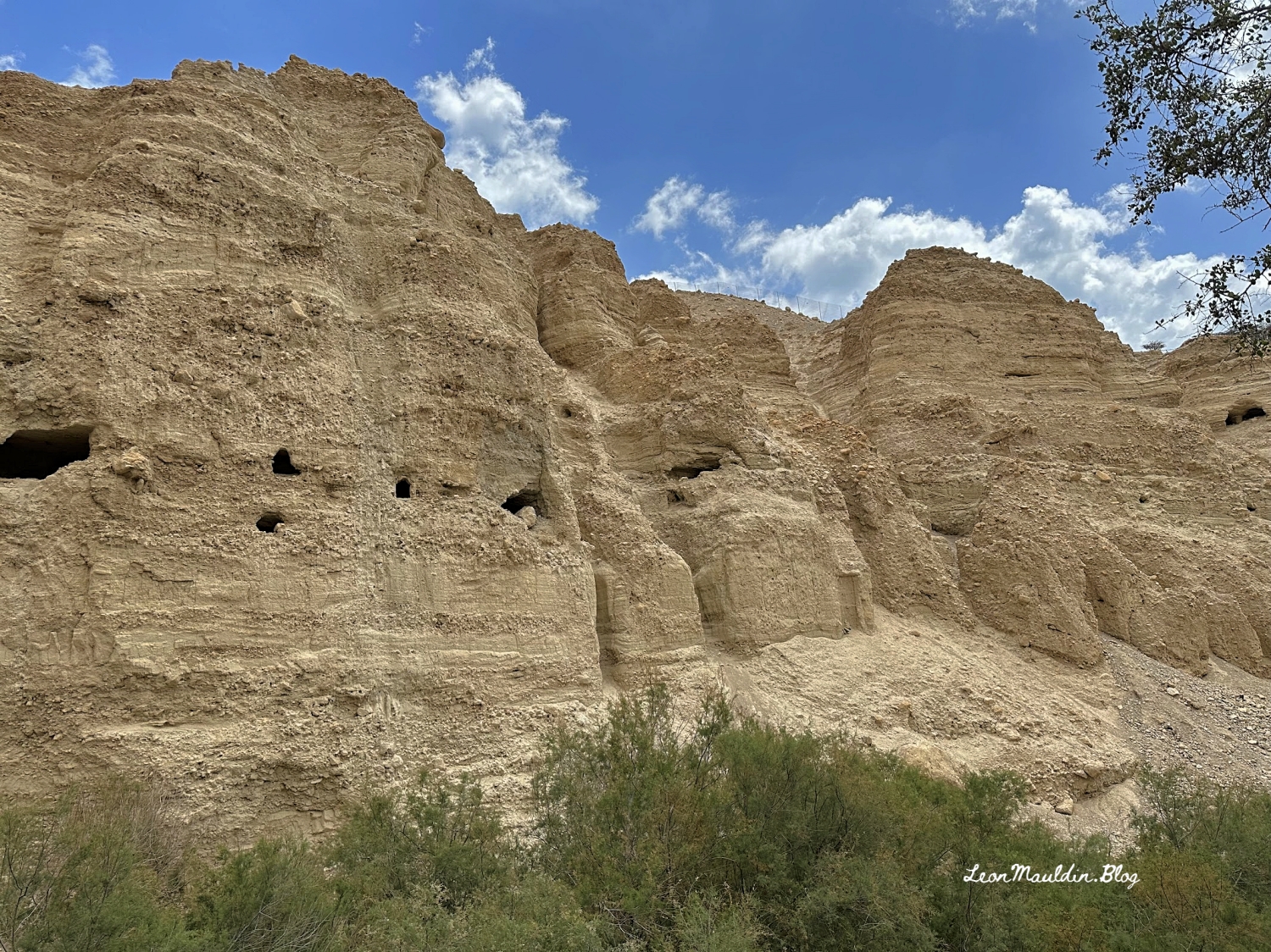
Judah’s King Jehoshaphat (r. 873-848) faced an invasion by a coalition of forces from Moab and Ammon and others (2 Chron. 20:1). The text states: “Messengers arrived and reported to Jehoshaphat, “A huge army is attacking you from the other side of the Dead Sea, from the direction of Edom. Look, they are in Hazezon Tamar (that is, En Gedi)” (v.2, NET). This location is on the western shore of the Dead Sea, so the enemy was already in Judah’s territory. The text will go on to narrate a great victory which YHWH granted because His people relied upon Him (see the remainder of 2 Chron. 20).
Hazazon Tamar, En Gedi in southern Israel. Photo by Leon Mauldin.
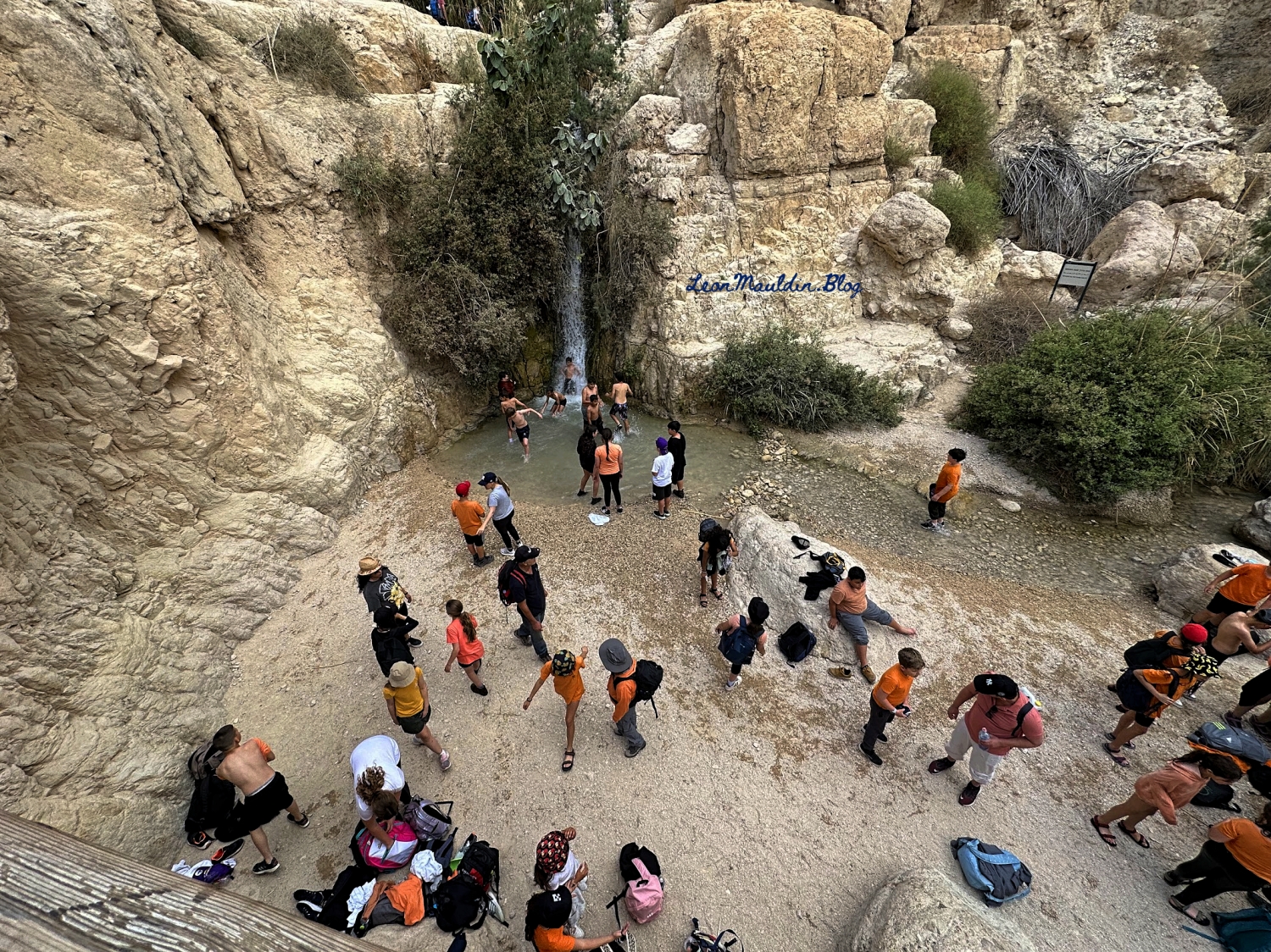
One of the fresh water falls at En Gedi. Photo by Leon Mauldin.
Photos like these help us to better visualize our text.
This is an apt title for a book authored by M.B. Van’t Veer, a 440-page work that focuses on the text of 1 Kings 16:34-19:21. The days of Elijah, when Ahab and Jezebel ruled Israel, were times of unprecedented corruption. God raised up Elijah to show the awesome power of Israel’s true God YAHWEH, and the power of His word. Great emphasis and purposeful repetition is given in this section of scripture on “the word of the LORD.” Elijah was unapologetically His spokesman; his very name means, “My God is YAHWEH”! The name YAHWEH, in Paleo-Hebrew script, is on the inscription here below:
Paleo-Hebrew Inscription with divine name YAHWEH. From Mt. Gerizim. Photo by Leon Mauldin.
The above inscription is displayed at the Good Samaritan Museum, located between Jericho and Jerusalem.
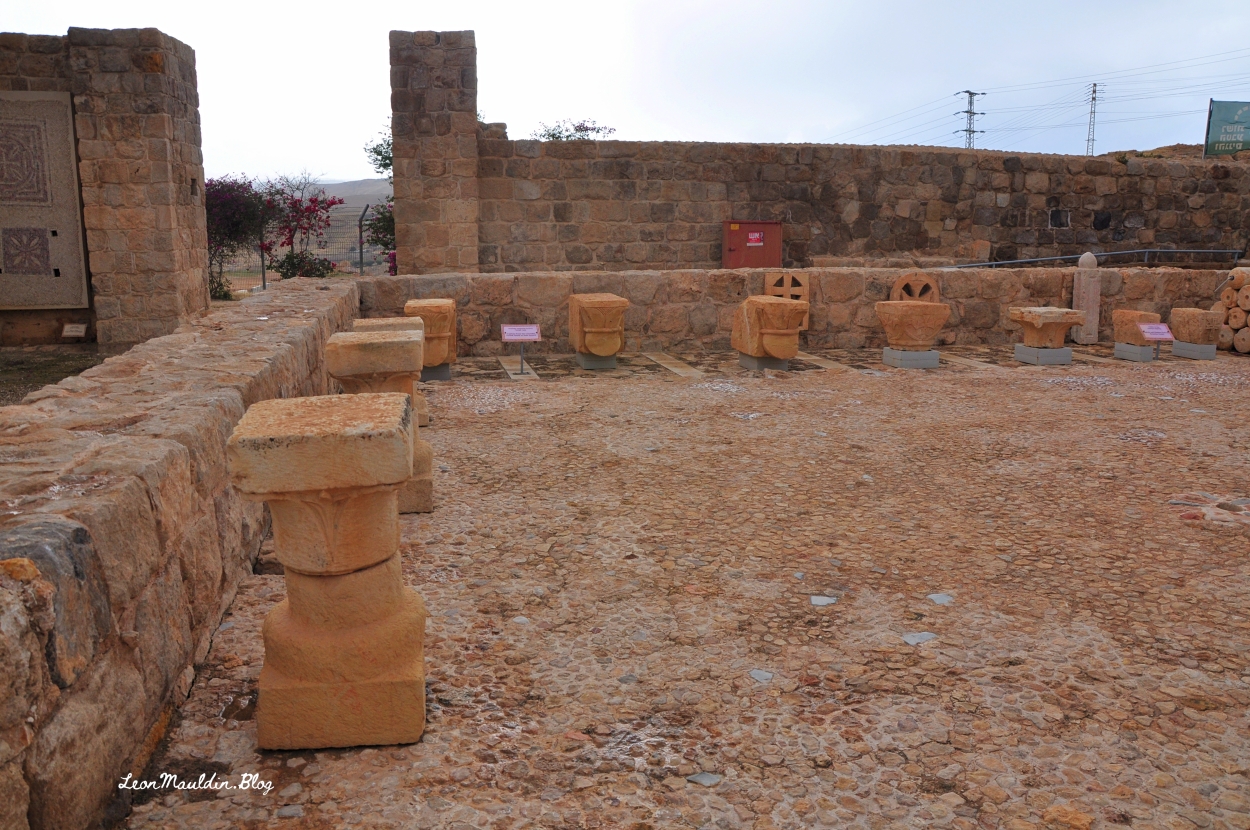
Church at Good Samaritan Inn.
Here is the view from the Good Samaritan Inn looking toward Jerusalem:
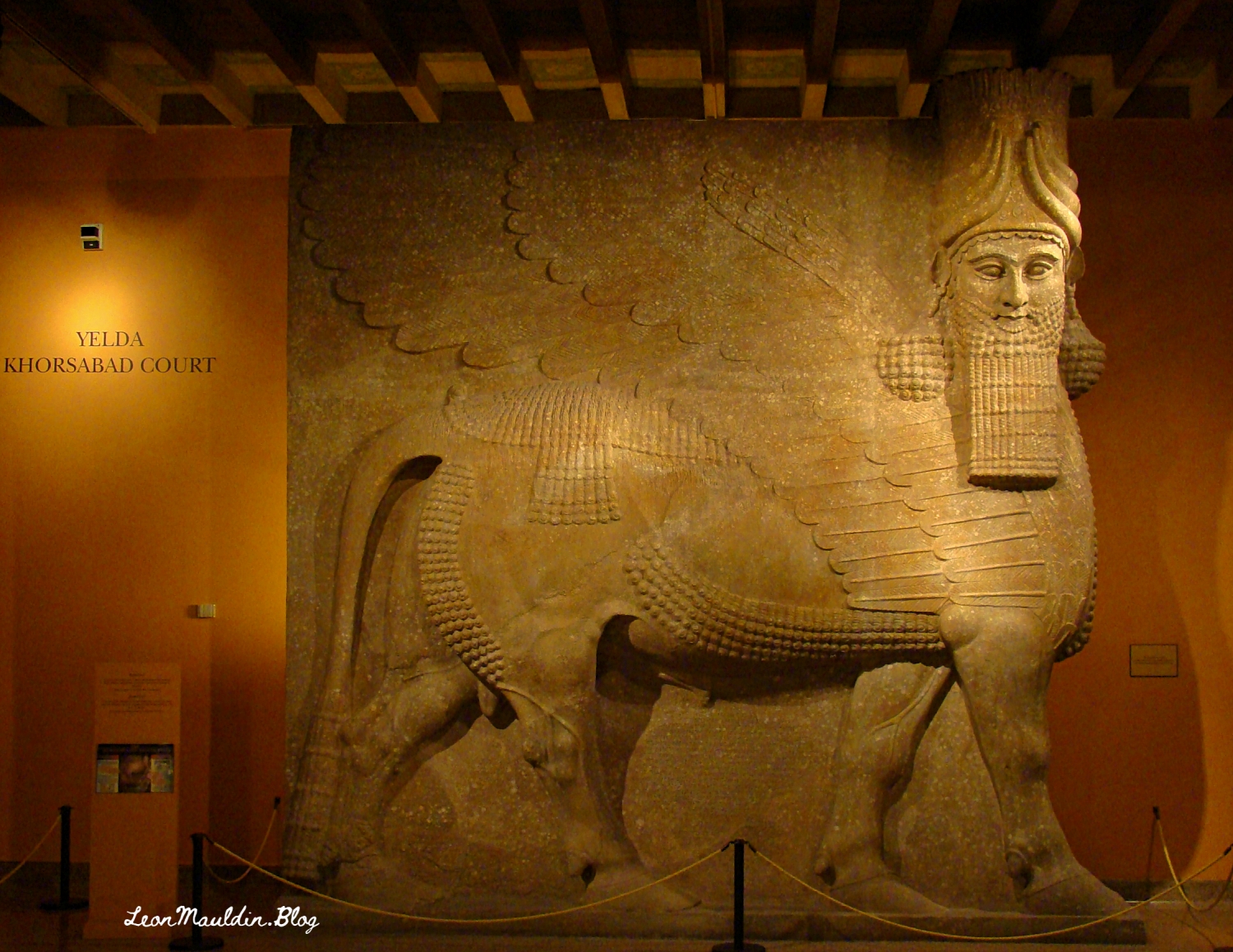
2 Kings 17 records the sad, catastrophic fall of the northern Kingdom of Israel (722 BC), as well as the reasons for that calamity: their sin and rebellion against Yahweh. The siege of Israel’s capital city Samaria, begun by Assyrian King Shalmaneser (r. 726-722 named in v. 3), lasted three years (v.5). The text continues to narrate that “the king of Assyria took Samaria and carried Israel away to Assyria. . .” (v.6). According to Assyrian records, Shalmaneser V died just before the siege was finished; the conquest was completed by his successor Sargon II (r. 722-705).
Though not mentioned by name in the 2 Kings text, Sargon II is cited in Isaiah 20:1, in the context of his capturing Ashdod of Philistia.
When you study the Scriptures, you’re reading about real events, real people, real places! The Bible is not a book of fiction. It is the inspired word of God.
A scheduled study for today includes 1 Kings 19, the chapter which follows the triumph on Mt. Carmel (1 Kings 18) which showed that Elijah was the true servant of God, and Yahweh was the true God; Baal was nothing! But in 1 Kings 19, a discouraged Elijah leaves Jezebel & Ahab’s jurisdiction (northern Kingdom of Israel) and travels hundreds of miles south.
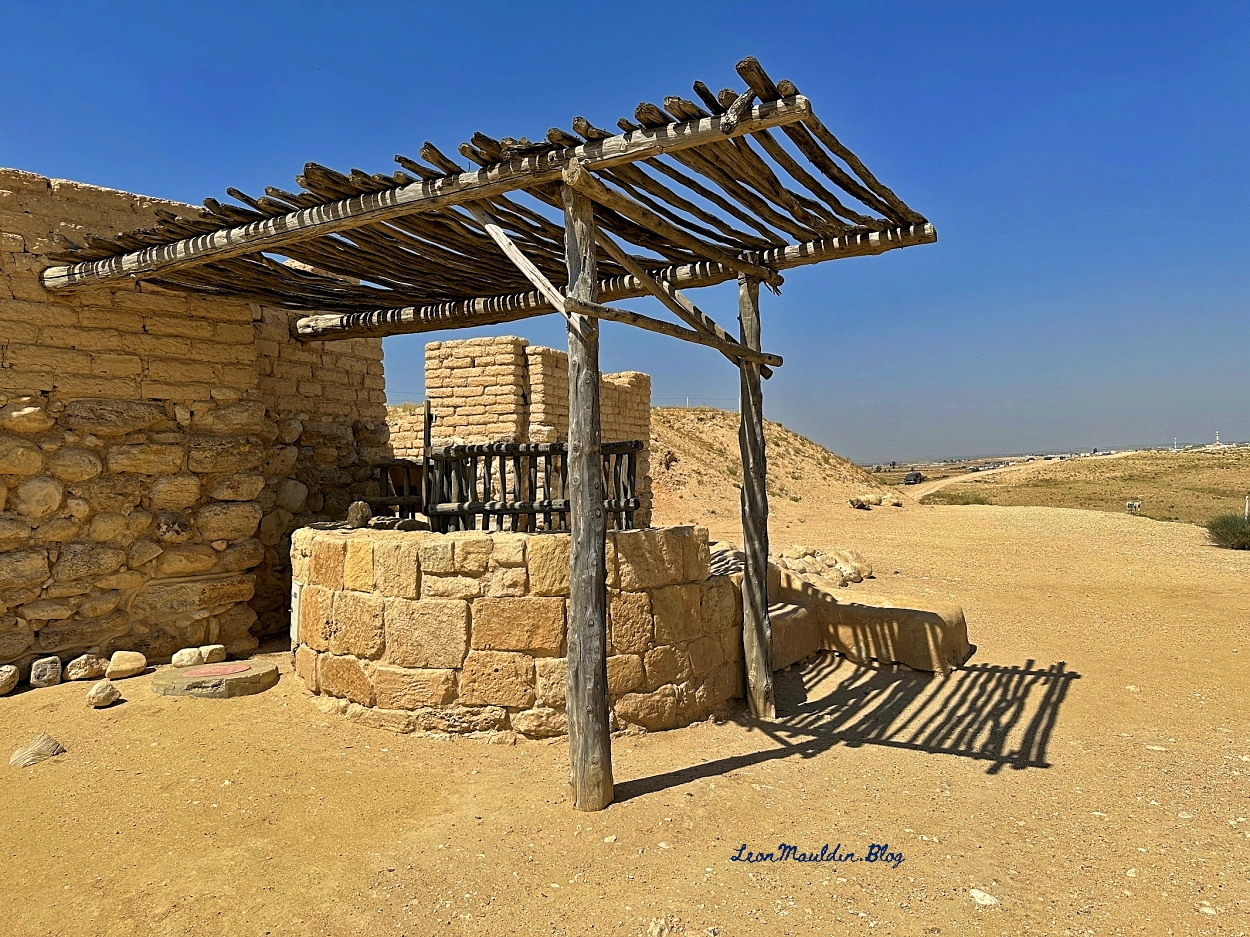
1 Kings 19:3 notes that he first traveled as far as Beersheba, which was the southernmost extent of Judah’s border.
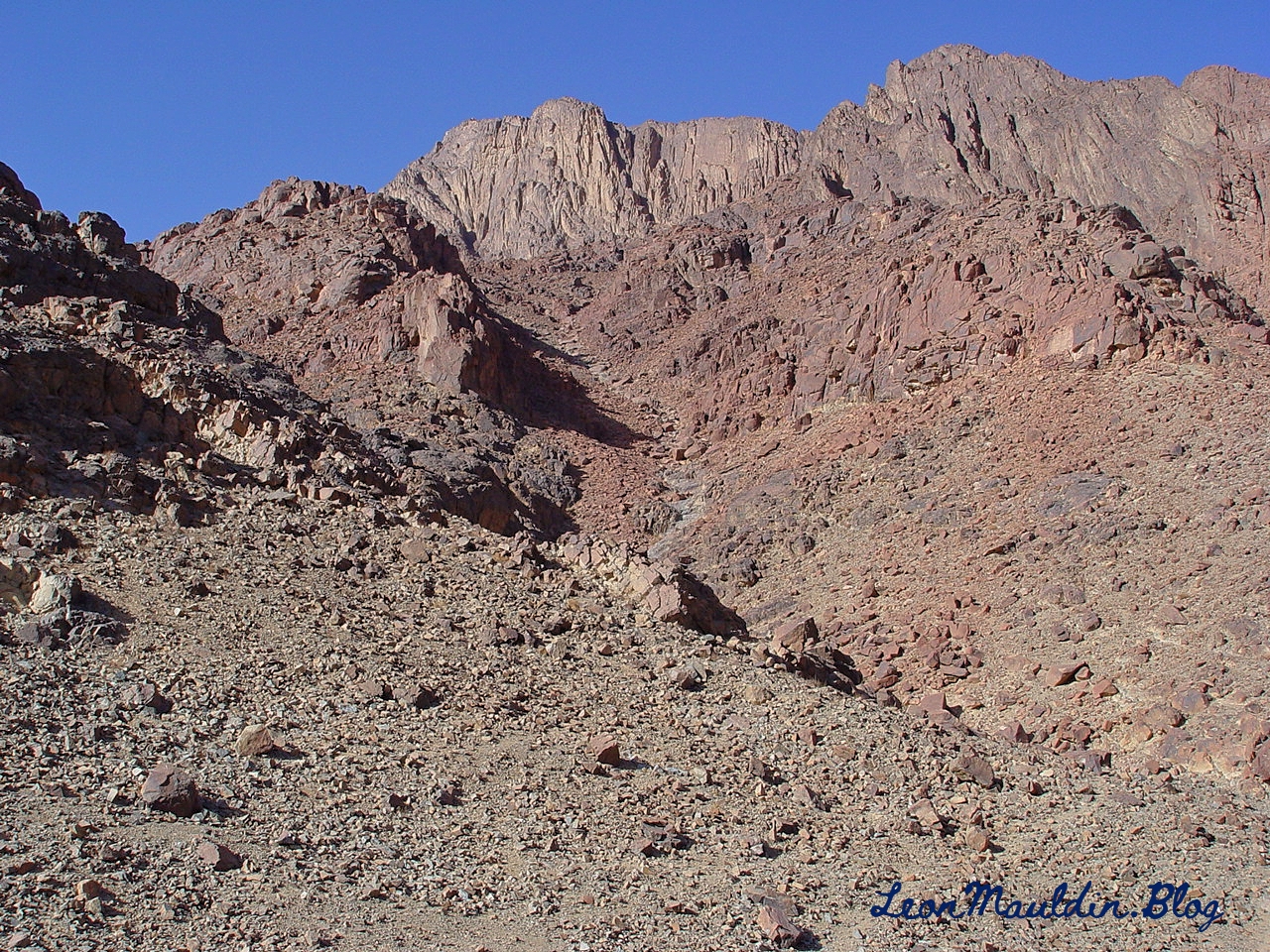
After some food and rest, Elijah continued his journey down to Mt. Sinai, here designated as “Horeb, the mountain of God” (1 Kings 19:8). Earlier at Mt. Sinai when God brought Israel out of Egypt by His servant Moses, He gave the Israelites the 10 Commandments (along with the other laws and ordinances) to Israel. (Note rendering of NLT is “Mount Sinai.”).
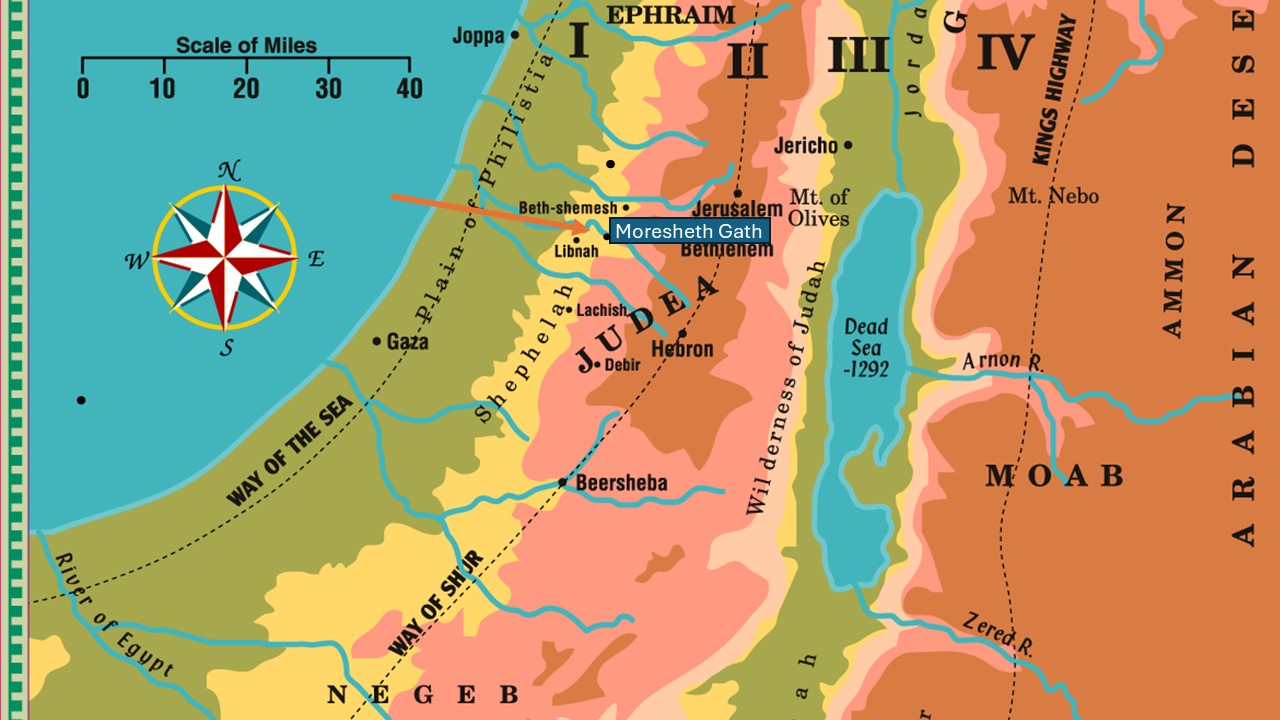
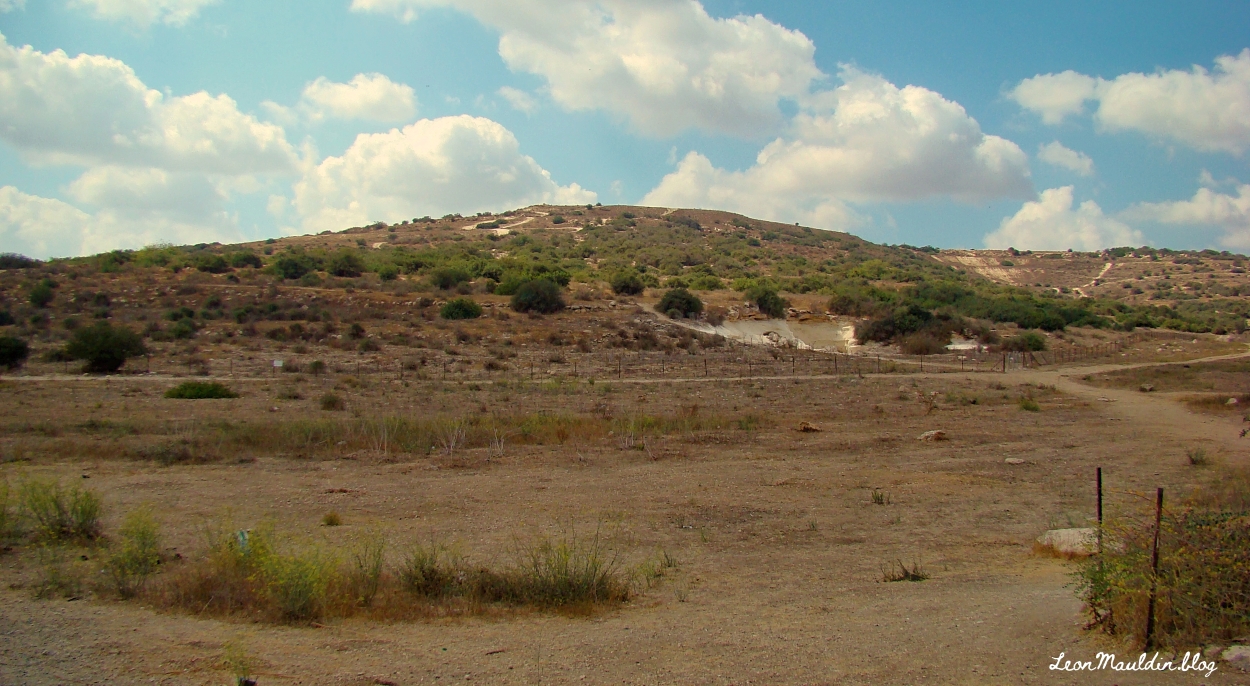
The 8th century BC prophet Micah identifies himself as “Micah of Moresheth” (Mic. 1:1). As his message continues in chapter one, he references “Moresheth Gath” (1:14). Moresheth Gath is tentatively identified by many scholars as Tel Goded (Tell ej-Judeideh).
The geography of Israel is defined by four longitudinal zones: The Coastal Plain, the Central Hill Country, the Jordan Valley, and the Transjordan Plateau. As one goes east from the coastal plain, before arriving in the hill country, one passes through the Shephelah (שְׁפֵלָה, usually rendered “lowland” in Scripture), which consists of gently rolling hills (see Deut. 1:7, etc.). See map here:
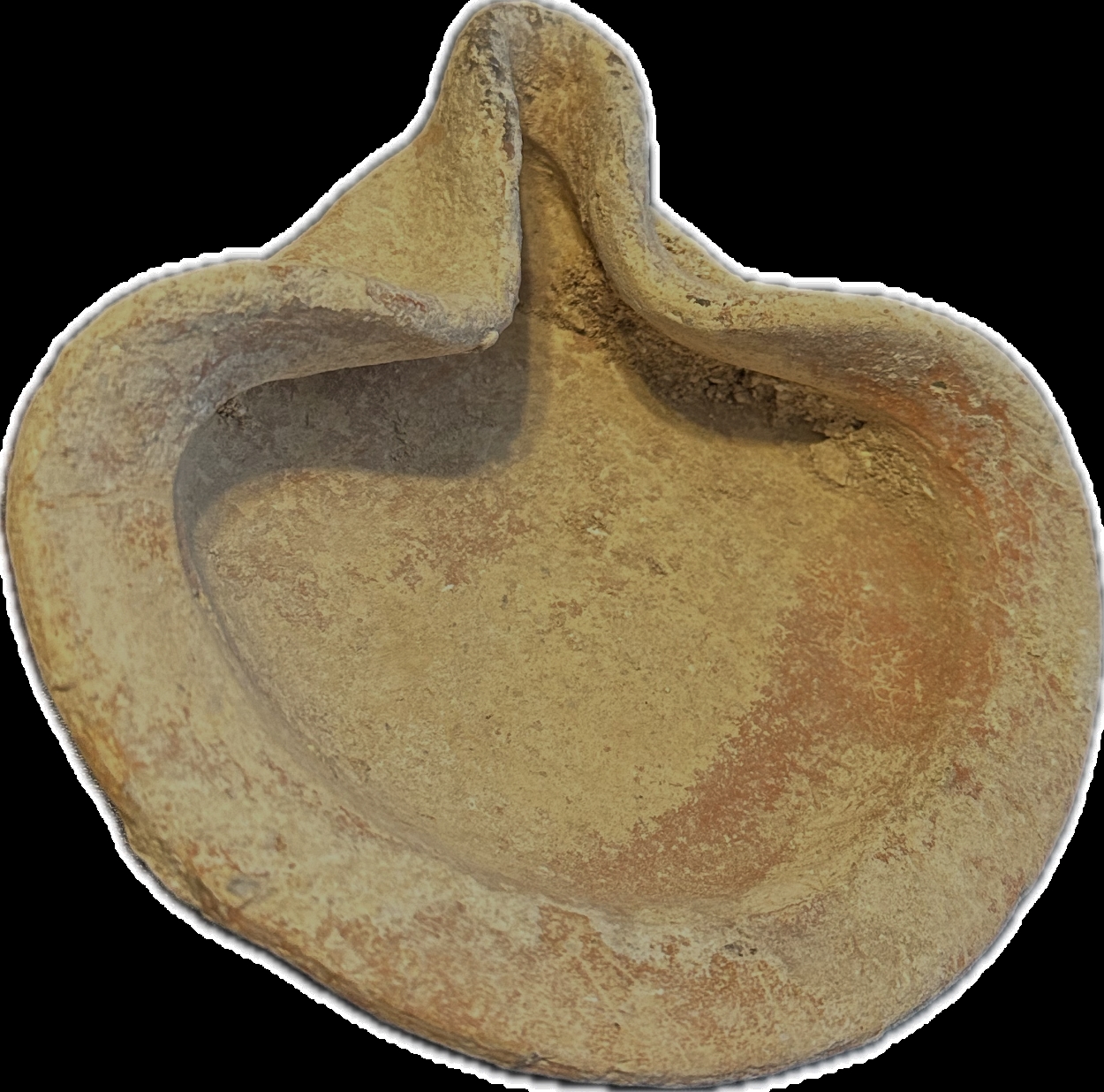
In 2 Chronicles in the context of the Divided Kingdom during the reign of Jehoram, king of Judah, the statement is made, “Yet the LORD was not willing to destroy the house of David because of the covenant which He had made with David, and since He had promised to give a lamp to him and his sons forever” (21:7). (The NET Bible reads, “But the LORD was unwilling to destroy David’s dynasty because of the promise he had made to give David a perpetual dynasty”).
To say that Jehoram was very wicked would be an understatement. His first act when his co-regency with his father Jehoshaphat (good king!) ended was to murder all six of his brothers! (21:4). Jehoram was married to Athaliah, the wicked daughter of Ahab and Jezebel, and greatly swayed by them. Though King of Judah, “he walked in the way of the kings of Israel, just as the house of Ahab had done” (21:6).
Lamp, dating to the time of the Divided Kingdom. Author’s personal collection. Photo by Leon Mauldin.
Our inspired historian is stating that although Jehoram deserved destruction, as had indeed been meted out to several dynasties in Israel, that Yahweh, the faithful God of the Covenant, would insure that the lineage of David would continue. The use of the word picture of a lamp which continues to burn, and is not extinguished, was a fitting metaphor. The Davidic lineage (here seen in the kings of Judah, both good and bad) would continue until the Messiah came to earth, God Incarnate. This fulfilled the promise made in 2 Samuel 7; cf. 1 Chron. 17, and etc.). Indeed, “the Scripture cannot be broken” (John 10:35).
I have earlier written about Judah’s King Jehoram here.
Some context: Mareshah in southern Israel was a city which Solomon’s son, King Rehoboam fortified (2 Chronicles 11:8). Later Judah’s King Asa met a military force of Cushites which greatly outnumbered Judah’s forces, but YAHWEH granted deliverance (2 Chronicles 14:9ff). Here is a photo of a Blessed Milkthistle I took while there a few years ago:
The wording of our titles comes from 2 Chronicles 12:2, “And it happened in the fifth year of King Rehoboam, that Shishak king of Egypt came up against Jerusalem, because they had transgressed against the LORD.” As most readers know, “Pharaoh” was not a personal name but a dynastic title designating the king of Egypt. The first biblical mention of a Pharaoh is Genesis 12:15, in the days of Abraham’s sojourn into Egypt. Other subsequent pharaohs are mentioned as time goes on, including the events in Joseph’s life, and later in the time of Moses and the Exodus. But the first Pharaoh mentioned by name is Shishak (cf. 1 Kings 11:40; 14:25-26). Shishak reigned during Egypt’s 22nd dynasty, which was a Libyan dynasty. His reigned 946-924 BC. He invaded Judah in his 19/20th year, which was 927/926 BC. This lines up with the 5th year of Rehoboam, 926/5 BC (2 Chron. 12:2), r. 931/930-913 BC.
In the days of Solomon’s adversary Jeroboam (who would become Israel’s first king when the kingdom divided into Israel and Judah after Solomon’s death, 931 BC), “Jeroboam arose and fled into Egypt, to Shishak king of Egypt, and was in Egypt until the death of Solomon” (1 Kings 11:40). Solomon was succeeded by his son Rehoboam (1st king of the southern kingdom of Judah), and Pharaoh Shishak was again mentioned in scripture: “It happened in the fifth year of King Rehoboam that Shishak king of Egypt came up against Jerusalem. And he took away the treasures of the house of the LORD and the treasures of the king’s house; he took away everything. He also took away all the gold shields which Solomon had made” (14:25-26). God allowed this invasion of Jerusalem because of Judah’s unfaithfulness (2 Chron. 12:2). The text explains, “Then Shemaiah the prophet came to Rehoboam and to the princes of Judah, who had gathered at Jerusalem because of Shishak, and said to them, “Thus says the LORD, ‘You abandoned me, so I have abandoned you to the hand of Shishak'” (2 Chron. 12:5).
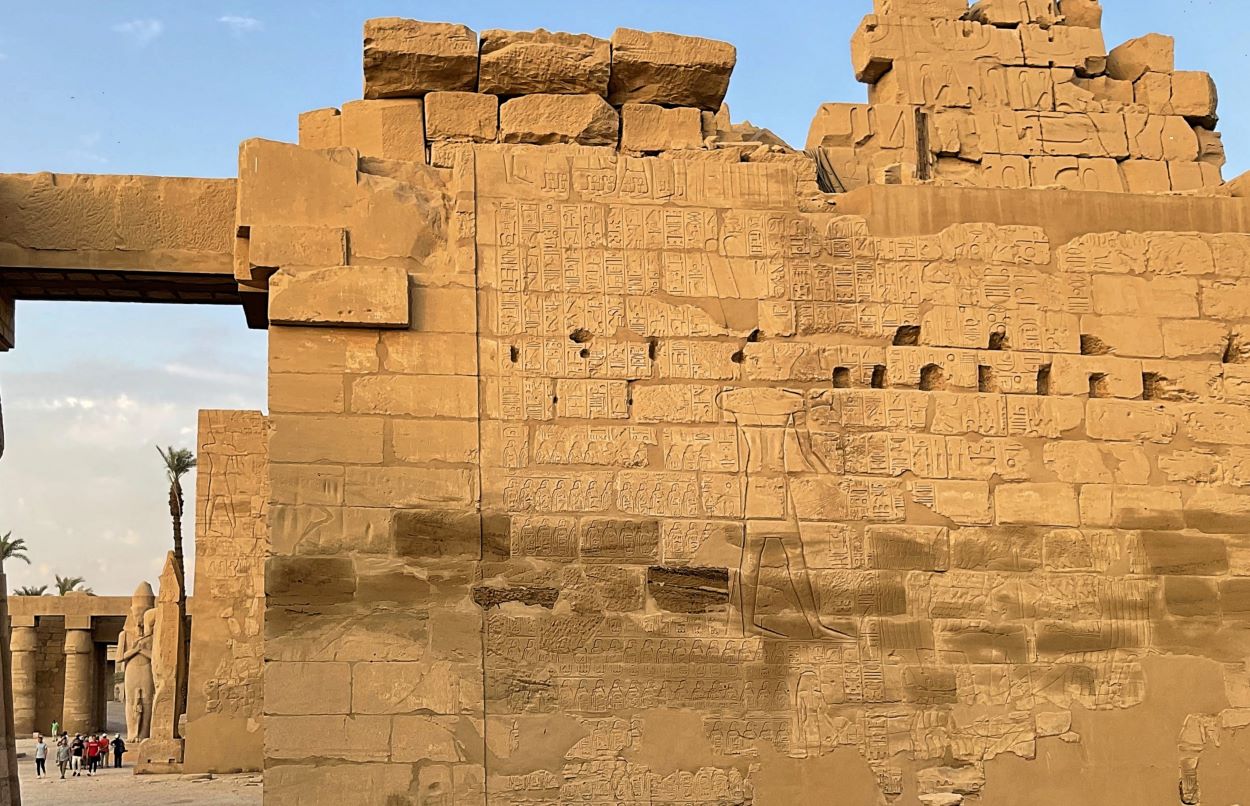
It was the 21st year of his reign when Shishak returned to the capital of Thebes (ESV, “No” in NKJV), at Karnak he recorded his victory, including the listing not only of cities of Judah, but of many Israelite cities as well. Our photo shows the Shishak Inscription. Here he lists conquests, including Yuda Melchi (kingdom of Judah). This hieroglyphic inscription contains the names of ca. 50-60 localities in Israel and about 100 in Judah which were captured on this expedition.
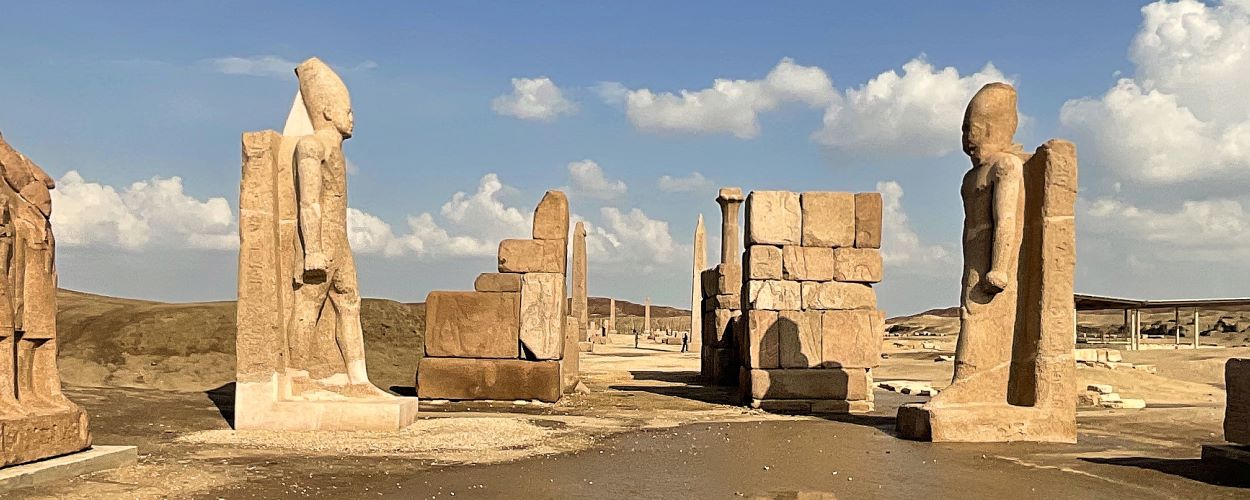
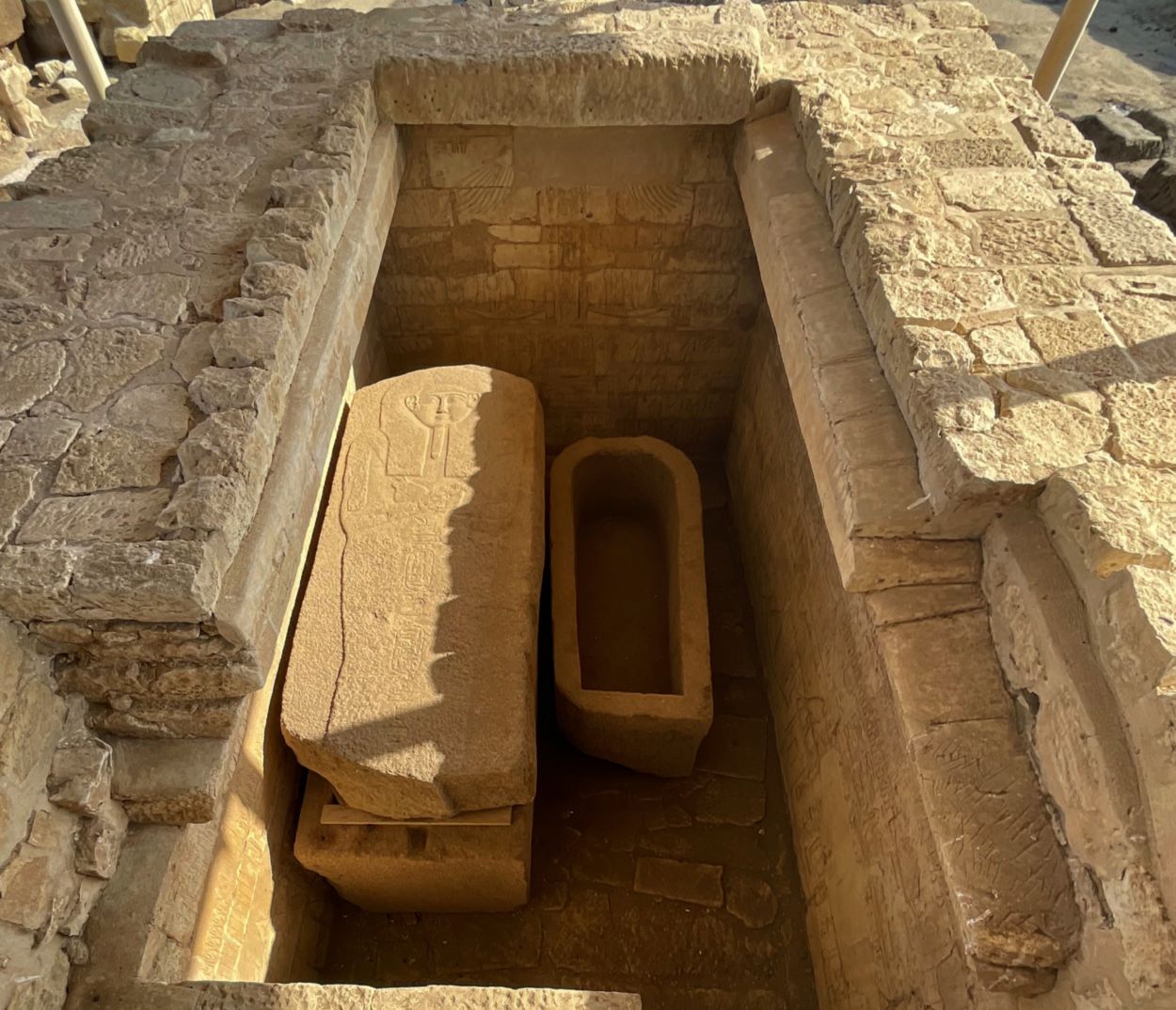
The site of Tanis/Zoan is to be associated within the area of Goshen where the Israelites had lived for some time and were living at the time of the Exodus. “Psalm 78:12 Marvelous things He did in the sight of their fathers, In the land of Egypt, in the field of Zoan” (Psa. 78:12). Tanis is the site where Shishak was entombed. Our photo here shows the entrance into Tanis:
This is a fascinating example of how archaeology can enhance our understanding of the biblical text, as well as underscore the fact that the Bible is factual. While we do not depend on archaeology to “prove” the Bible, as it stands on its own merit, this “intersection” of biblical history with secular records has an important place in the discipline of apologetics.
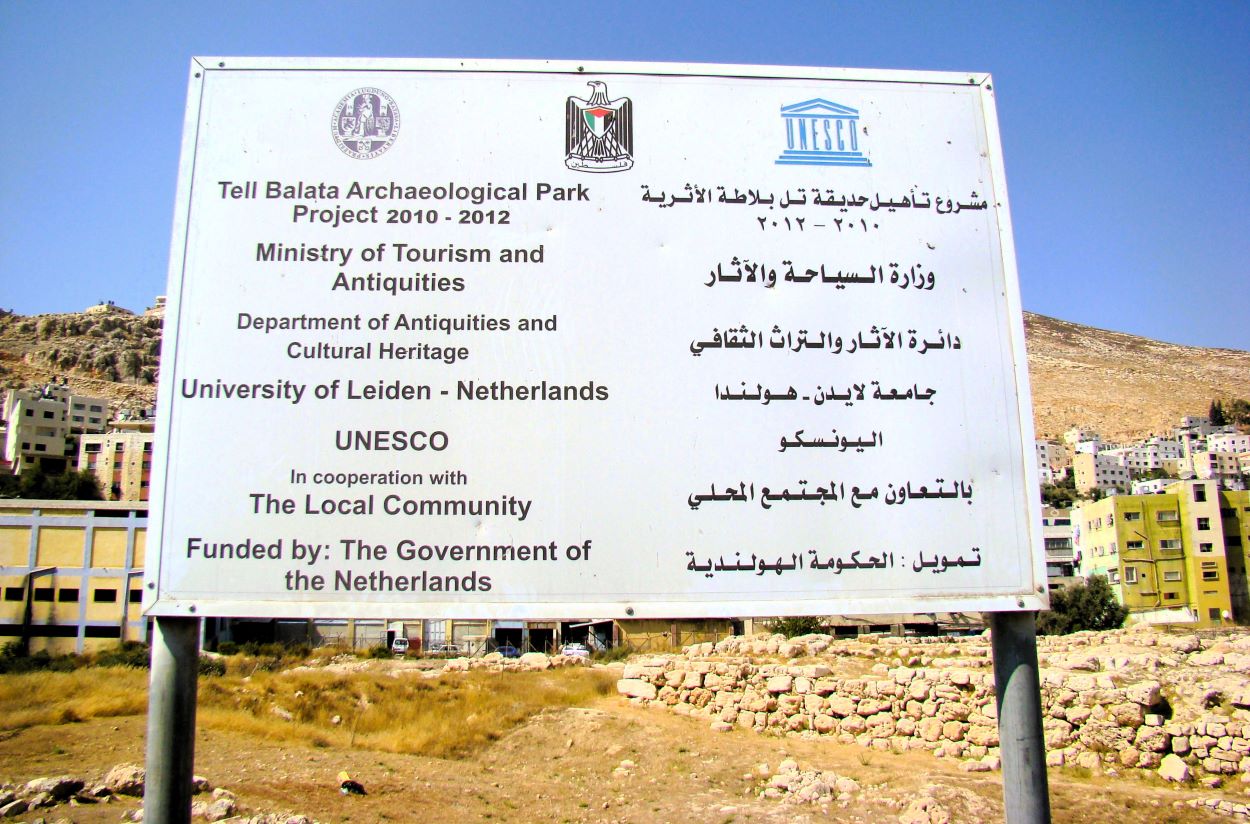
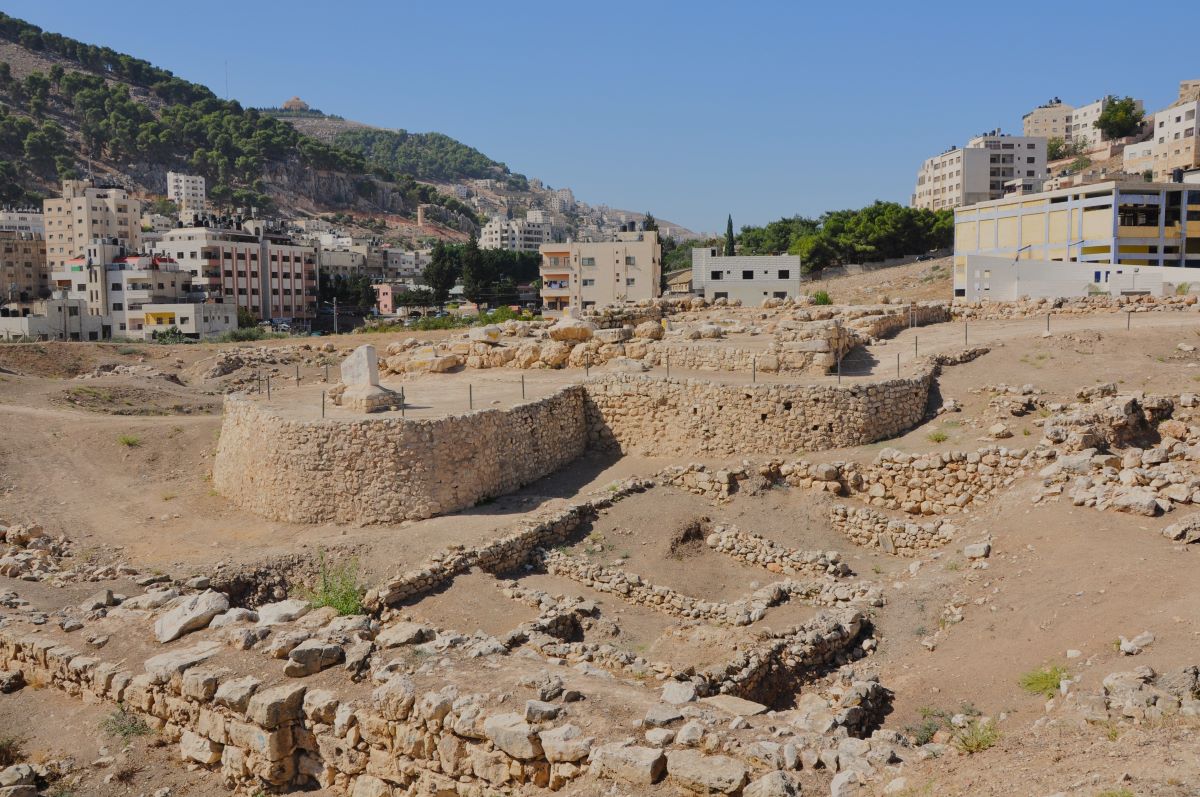
“Rehoboam went to Shechem, for all Israel had come to Shechem to make him king” (2 Chron. 10:1, ESV). Biblical Shechem is modern Tell Balata, near Nablus, in today’s West Bank. Though our text does not specify why Rehoboam went to Shechem, it was a city of great historical significance to God’s people, especially prior to the monarchy. We will briefly summarize what happened to Rehoboam at Shechem, but first let’s consider some of the biblical events that transpired at this location.
Shechem, at Israel’s geographical center. Map courtesy of biblemapper.com.
Having first entered the land of Canaan, Abraham was standing here at Shechem, with Mt. Ebal and Mt. Gerizim looming on either side, when God gave him the land promise (Gen. 12:6-7). Sadly, it was also here that Jacob’s daughter Dinah was defiled, and where Levi and Simeon savagely destroyed much of the populace in retaliation (Gen. 34).
In Joshua 8:30-35, in the early days of the Conquest of Canaan, all Israel assembled at Shechem, with six tribes on Mt. Gerizim (mount of “blessing”) and six tribes on Mt. Ebal (mount of “cursing”). At that time Joshua “read all the words of the law, the blessing and the cursings, according to all that is written in the Book of the Law” (v.34, NKJV). This was in obedience to prior instructions given by Moses in his final days (Deut. 27:11-26). In our Joshua text, that great nation who had descended from that childless couple (at the time of the promise), Abraham and Sarah, was there to lay claim to the promise. But they weren’t just there to receive the land; their reception of Canaan was grounded upon their pledge to keep the covenant of Yahweh.
Then later as Joshua’s death approached, Shechem was the location for Joshua’s last words and for Israel’s covenant renewal (Josh. 24:1-28). Shechem was also where Joseph was buried (Josh. 24:32).
In addition to its great historical significance, the site of Shechem was also a central location and thus a logical meeting place for the matter at hand, Rehoboam’s coronation. On the other hand, Maier suggests that perhaps Rehoboam sensed a bit of discontent among the northern tribes. “One clue was that they did not come to Jerusalem but wanted the meeting at another place, in Shechem, on their own turf, so to speak” (A Theological Exposition of Sacred Scripture, pub. Concordia, 1K12-22, p. 1052).
The outcome of the meeting at Shechem: The northern tribes rejected Rehoboam, with the result that the kingdom divided into Israel (north) and Judah (south). This was punitive, as a result of Solomon’s apostasy, and foretold by the prophet Ahijah (1 Kings 11; 2 Chron. 10:15; 11:1-5). The dynasty would change several times in Israel to the north, but the southern kingdom of Judah would be ruled by the Davidic dynasty, from Rehoboam (Solomon’s son) down through Zedekiah. This covers the years 931-586 BC.
It was at Shechem that Israel met with Solomon’s son Rehoboam to make him king. Shechem is located between Mount Gerizim (left) and Mount Ebal (right).
The study of the biblical books of 1-2 Kings is a study of inspired theological history. That is to say, it is history but with an emphasis always on the divine perspective. The concern of the narrative is consistently whether the king under consideration, whether in the northern kingdom of Israel, or in Judah’s kingdom to the south, did that which was “right in the sight of the LORD.”
The Lord had promised Israel’s King Jehu (r. 841-814 BC) that his sons would reign to the fourth generation (2 Kings 10:30). Meanwhile Syria was ravaging Israel, gobbling up the territory on the eastern side of Jordan. Israel was drastically reduced in size (2 Kings 10:32). Following Jehu’s death, his son Jehoahaz reigned (814-798), and the Aramaic oppression continued (2 Kings 13:3) with its terrible devastation. The fascinating thing about this northern king is that though he was “evil” (2 Kings 13:2), “Jehoahaz pleaded with the LORD” (v. 4). What is further amazing is the mercy of God: though God permitted the Arameans to punish Israel because of national covenant unfaithfulness, “the LORD listened to him; for He saw the oppression of Israel, because the king of Syria oppressed them (Ibid.).
The next verse tells us, “Then the LORD gave Israel a deliverer, so that they escaped from under the hand of the Syrians; and the children of Israel dwelt in their tents as before” (2 Kings 13:5, NKJV). The ESV reads, “Therefore the LORD gave Israel a savior, so that they escaped from the hand of the Syrians, and the people of Israel lived in their homes as formerly.” (Note: the KJV, NRSV also render מושיע as “savior”. Most translations have “deliverer.” The hiphil participle means to deliver, to save).
This is reminiscent of the language of the Judges, where in times of punishment for sin, Israel would cry out to the LORD for deliverance, and He would send the Judge would deliver/save Israel from its oppressor. The biblical text does not name who the deliverer/savior was at the time referenced in 2 Kings 13:5.
Many scholars believe that it is the Assyrian King Adad-Nirari III who is referenced here as Israel’s מושיע.
For example, “Adad-nirari III may have been the ‘savior’ bringing them freedom from Aramean oppression” (Gilboy, The Lexham Bible Dictionary). “Adad-nirari III may have been the ‘deliverer’ of Israel mentioned in 2 Kgs. 13:5” (Chavalas, Eerdmans Dictionary of the Bible, p. 18). “By intervening in the affairs of the Syrian kingdoms, Adad-nerari III put pressure on Damascus, thus relieving Israel from the heavy hand of the Arameans (Mordechai Cogan, The Raging Torrent, p. 41).
David T. Lamb, in a chapter entitled, “An Evil King Praying, Jehoahaz of Israel,” states, “Within the context of this narrative, the most reasonable deliverer for Jehoash is therefore Adad-nirari III of Assyria since, toward the end of Jehoahaz’s reign, he attacked Aram. Adad-nirari’s campaign would have diverted Aram’s attention away from Israel and toward the north. From the perspective of the text, Adad-nirari would play a similar role to Cyrus (Isa 45:1), as a foreign ruler who accomplishes a divinely appointed task” (Lamb, D. T., 1-2 Kings, T. Longman III & S. McKnight, Eds.; p. 399).
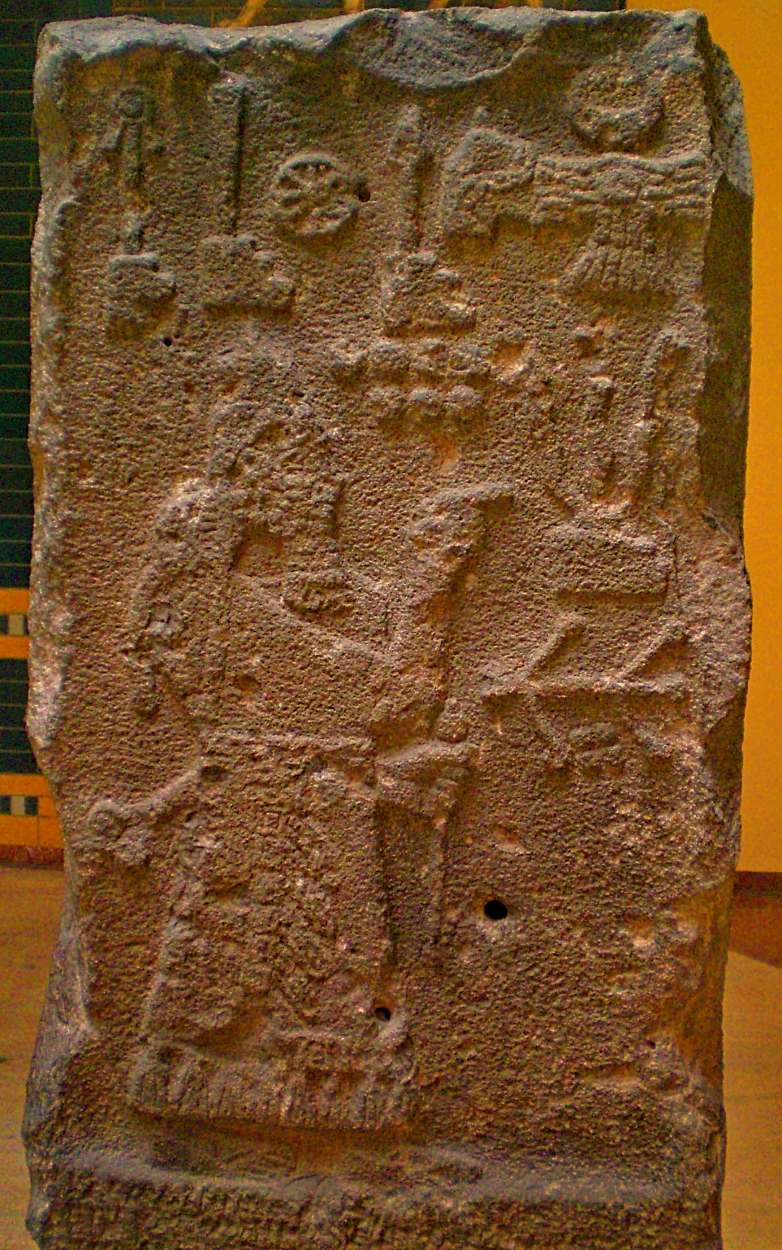
D. J. Wiseman supplies the following information regarding Adad-nirari:
Adadnirari III (810–783 B.C.) took five years to quell the widespread revolt led by nobles, high officials, and some provincial governors who, like Dayan-Aššur, the army commander of Shalmaneser, had accumulated much local power. He had to reassert Assyrian authority also over tribes to the north and east who had meanwhile withheld their taxes. This was the beginning of the internal resistance to the central authority of the king which was to recur and ultimately lead to Assyrian weakness in the following century.
When Šamši-Adad died, his queen Sammu-ramat (in part the legendary Semiramis) took over command as co-regent for five years during the minority of her son Adadnirari. In 806 B.C. the young king undertook an expedition to north Syria, reaching the Mediterranean (Arpad), and another the following year, when he took Hazazu and broke up the powerful coalition developing between Damascus and states as far afield as Malatya. In 804 he struck further southwest to Tyre and Sidon. Joash of Israel, anxious to annul the burdensome treaty imposed on him by Hazael, seems to have taken this opportunity, as had Jehu before him, to obtain Assyrian help. The evidence for this is a royal stele (from Tell ar Rimah, Iraq) in which Adadnirari lists tribute from “Joash of Samaria” (Yu’ asu mātSamerinā) before that of Tyre and Sidon. When the Assyrian entered Damascus and took spoil from Ben-hadad it is likely that Israel was allowed to strengthen trade relations with that city and recover some lost territory (2 K. 13:25).
Wiseman, D. J. (1979–1988). Assyria. In G. W. Bromiley (Ed.), The International Standard Bible Encyclopedia, Revised (Vol. 1, pp. 334–335). Wm. B. Eerdmans.
Similarly, the ESV Study Bible in its comments on our text says, “It seems likely that the ‘savior’ in question here is Assyria, whose interest in Syria-Palestine was rekindled in the closing years of the ninth century B.C., resulting in a measure of relief for Israel as the attention of Damascus necessarily turned tot he north.”
On the other hand, Keil & Delitzsch state, “but the Lord gave them the saviour in the two successors of Jehoahaz, in the kings Jehoash and Jeroboam, the former of whom wrested from the Syrians all the cities that had been conquered by them under his father (v. 25), while the latter restored the ancient boundaries of Israel (2 Kings 14:25).” (Keil, C. F., & Delitzsch, F. (1996). Commentary on the Old Testament (Vol. 3, p. 267).
Others have suggested Elisha, who foretold the three-fold victory over Aram, as the “deliverer” under consideration (2 Kings 13:14-19). Could the solution be that Elisha foretold the victory and enlargement of Israel (cf. the later reference to Jonah & Jeroboam II, 2 Kgs. 14:23-25), which was fulfilled in the days of Jehoash and Jeroboam, but was made possible by the role of Adad-nirari? Remember that God rules in the kingdoms of men (Dan. 4:17), and His providential use of the nations could well be under consideration here.


 Posted by Leon Mauldin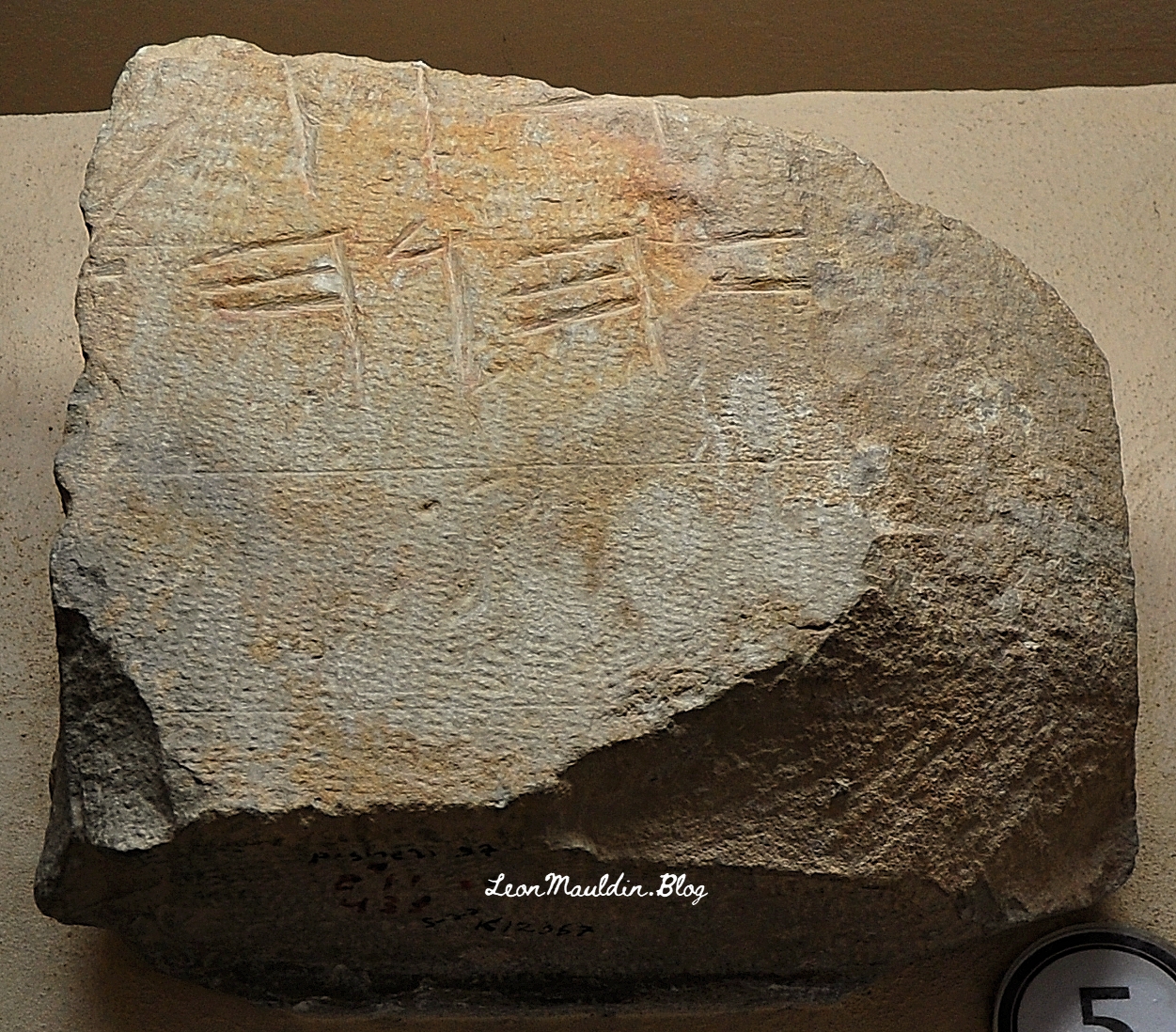



 leonmauldin.blog