Visiting the Dead Sea in Israel

November 15, 2016

A few days ago our group was able to see the Dead Sea, among other sites to the south of Jerusalem. The Dead Sea is:

a large lake in southern Israel at the lowest point on earth. In the Old Testament it is called the Salt Sea (Gen. 14:3; Josh. 3:16); the Sea of the Arabah (Deut. 3:17); and the Eastern Sea (Ezek. 47:18; Joel 2:20). Josephus, the Jewish historian, referred to this buoyant body as Lake Asphaltitis. The Arabic name is Bahr Lut, meaning, “Sea of Lot.” But from the second Christian century onward, Dead Sea has been the most common name for this unusual body of water.

The topography of the Middle East is dominated by a geologic fault that extends from Syria south through Palestine, all the way to Nyasa Lake in east-central Africa. The Dead Sea is located at the southern end of the Jordan valley at the deepest depression of this geologic fault. With a water level approximately 390 meters (1,300 feet) below sea level, the surface of the Dead Sea is the lowest point on earth. At the deepest point of the sea, on the northeast corner at the foot of the Moab mountains, the bottom is 390 meters (1,300 feet) deeper still. (Nelson’s New Illustrated Bible Dictionary).

Dead Sea at Sunset. Looking east to the mountains of Moab. Photo by Leon Mauldin.
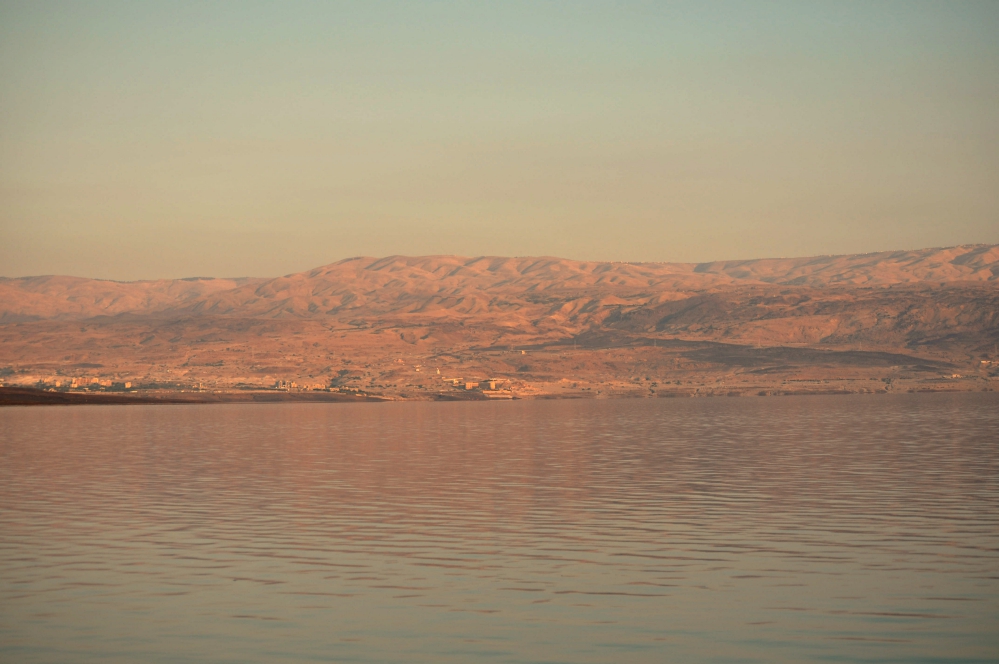
Dead Sea at Sunset. Looking east to the mountains of Moab. Photo by Leon Mauldin.


The Dead Sea is actually a lake into which the river Jordan flows, but once entering the Sea there is no outlet. Because of its high mineral content (25 percent), and the fact that the water is ten times saltier than the ocean, the Dead Sea does not support marine life. These unusual geographical facts became the basis of a thought-provoking song by Lula Zahn (words are now public domain) that makes spiritual application. It has been my experience that this is not the easiest song (musically speaking) for congregational use, but it’s worth the effort to try!

“There is a Sea”

by Lula Klingman Zahn

There is a sea which day by day
Receives the rippling rills
And streams that spring from wells of God
Or fall from cedared hills
But what it thus receives it gives
With glad unsparing hand
A stream more wide, with deeper tide
Flows on to lower land

There is a sea which day by day
Receives a fuller tide
But all its store it keeps, nor gives
To shore nor sea beside
It’s Jordan stream, now turned to brine
Lies heavy as molten lead
It’s dreadful name doth e’er proclaim
That sea is waste and dead

Which shall it be for you and me
Who God’s good gifts obtain?
Shall we accept for self alone
Or take to give again?
For He who once was rich indeed
Laid all His glory down
That by His grace, our ransomed race
Should share His wealth and crown

Click on image for larger view.


Jezebel’s Violent Death

August 7, 2016

I am enjoying being with the church of Christ in Chipley, FL, for a 3-day meeting conducting a Visualized Survey of the Bible. This morning we will include that challenging period of Israel’s Divided Kingdom.

Once Jehu was anointed to be king of Israel (841 BC) he immediately killed King Jehoram. But the Queen-mother Jezebel (wife of deceased King Ahab) had to be reckoned with also.

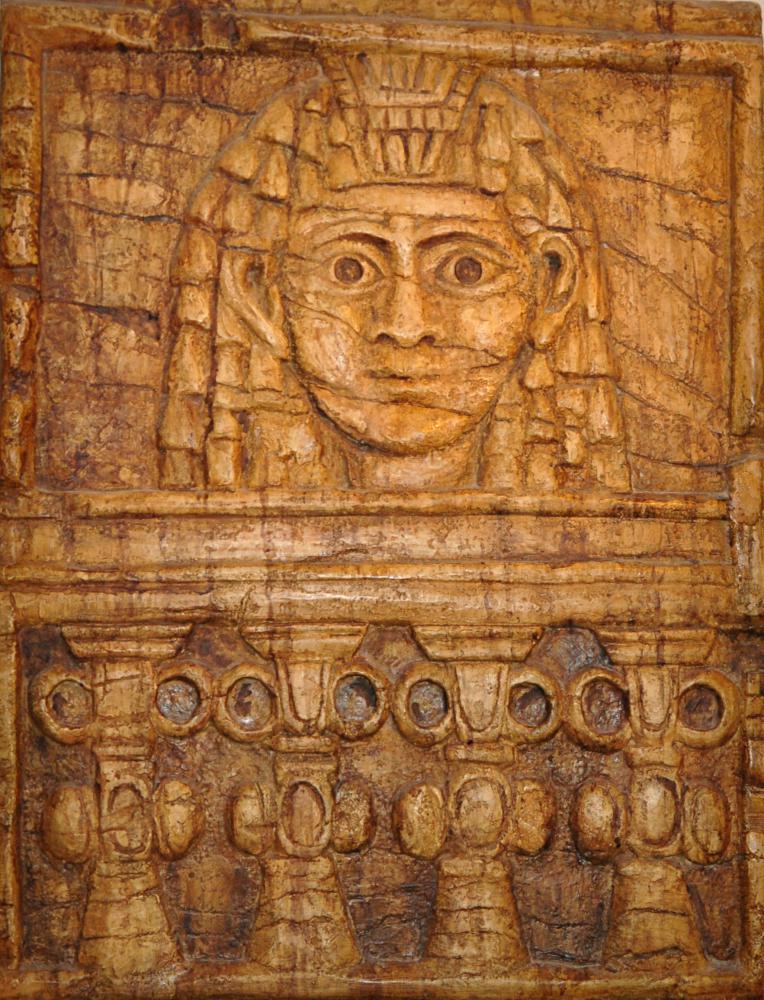
Woman Looking Out Window. Phoenician Art. Hecht Museum. Photo by Leon Mauldin

Woman Looking Out Window. Phoenician Art. Hecht Museum. Photo by Leon Mauldin

The biblical text reads:

30 When Jehu came to Jezreel, Jezebel heard of it, and she painted her eyes and adorned her head and looked out the window. 31 As Jehu entered the gate, she said, “Is it well, Zimri, your master’s murderer?” 32 Then he lifted up his face to the window and said, “Who is on my side? Who?” And two or three officials looked down at him. 33 He said, “Throw her down.” So they threw her down, and some of her blood was sprinkled on the wall and on the horses, and he trampled her under foot. 34 When he came in, he ate and drank; and he said, “See now to this cursed woman and bury her, for she is a king’s daughter.” 35 They went to bury her, but they found nothing more of her than the skull and the feet and the palms of her hands. 36 Therefore they returned and told him. And he said, “This is the word of the LORD, which He spoke by His servant Elijah the Tishbite, saying, ‘In the property of Jezreel the dogs shall eat the flesh of Jezebel; 37 and the corpse of Jezebel will be as dung on the face of the field in the property of Jezreel, so they cannot say, This is Jezebel.'” (2 Kings 9:30-37).

For the prophecy referenced by Jehu, see 1 Kings 21:23.

Our photo is from the Phoenician exhibit at the Hecht Museum at the University of Haifa, Israel. The placard dated this artifact at 8th century bc, which would be just slightly after the time of Jezebel. It well illustrates her looking out the window at Jehu before she was thrown to her death below.

Click image for larger view.


Jesus and the Money-changers

February 10, 2016

John records the beginning of Jesus’ ministry, including this visit to Jerusalem for Passover:

The Passover of the Jews was near, and Jesus went up to Jerusalem. And He found in the temple those who were selling oxen and sheep and doves, and the money changers seated at their tables. And He made a scourge of cords, and drove them all out of the temple, with the sheep and the oxen; and He poured out the coins of the money changers and overturned their tables; and to those who were selling the doves He said, “Take these things away; stop making My Father’s house a place of business.” (John 2:13-16).

It is noteworthy that Jesus both began (above text) and concluded (Matt. 21:12-13) His ministry by cleansing the temple (hieros), “My Father’s house,” of its abuses–of its being turned into a “house of merchandise.”

I’ve thought of these biblical texts when walking through Old Jerusalem and seeing signs such as this one:

Money-changers in Jerusalem. Photo by Leon Mauldin.

Money-changers in Jerusalem. Photo by Leon Mauldin.

Money-changers were:

bankers who exchanged one nation’s currency, or one size of coin, for another. These people provided a convenience, charging a fee (often exorbitant) for their services. Some moneychangers operated in the temple area (the Court of the Gentiles), because all money given to the Temple had to be in the Tyrian silver coin. According to Exodus 30:11–16, every Israelite 20 years old or older was required to pay an annual tax of a half-shekel into the treasury of the sanctuary (Nelson’s New Illustrated Bible Dictionary).

Note the location is the hieros (temple area with its spacious courts, John 2:14-15) and not the naos, or sanctuary, where only the priests could go.
What do you think Jesus might do if He were to walk among “modern churches” today? (I know the church in the biblical sense is not the physical church building/meeting place, but rather is the people of God).

Click image for larger view.


Disciples Eat Grain on the Sabbath

December 11, 2015

Luke 6 records one of several clashes Jesus had with the Jewish leaders: “Now it happened that He was passing through some grainfields on a Sabbath; and His disciples were picking the heads of grain, rubbing them in their hands, and eating the grain. But some of the Pharisees said, ‘Why do you do what is not lawful on the Sabbath?'” (vv.1-2).

Lenski observes, “The time of this occurrence is certainly determined by the condition of the grain, which was ripe enough to be rubbed out ‘with the hands,’ dative of means, Robertson, 533. It was April, shortly after the Passover, a year before Jesus’ death” (The Interpretation of St. Luke’s Gospel, p. 321).

What Jesus disciples did was permitted by Scripture: “When you enter your neighbor’s standing grain, then you may pluck the heads with your hand, but you shall not wield a sickle in your neighbor’s standing grain” (Deut. 23:25). However the Pharisees had erroneously determined that this was working, and therefore in violation of the Sabbath.

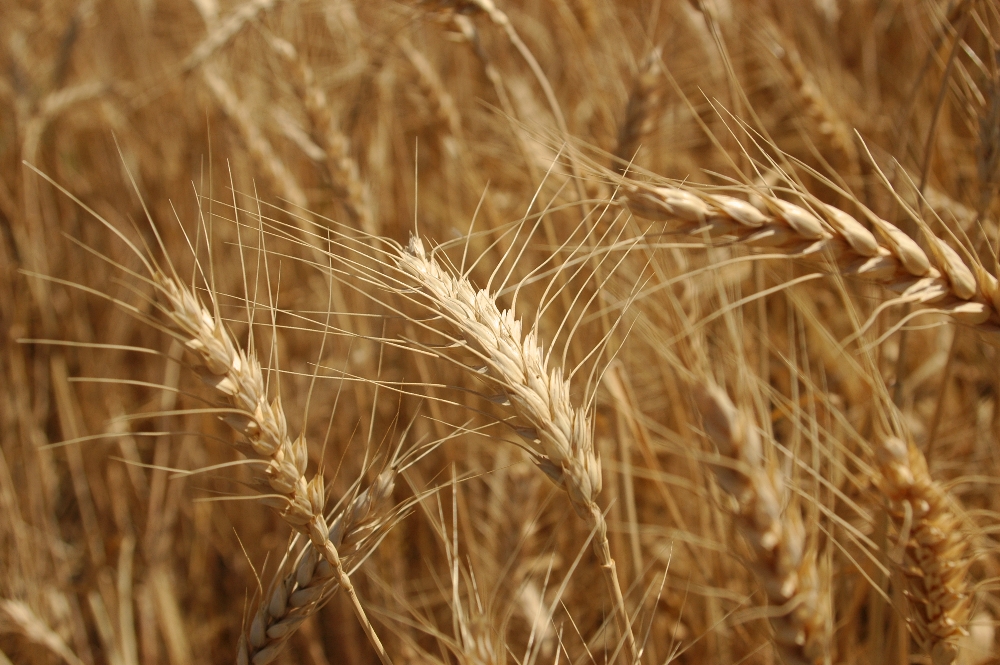
Ripened Wheat. Photo by Leon Mauldin.

Ripened Wheat. Photo by Leon Mauldin.

Besides the fact that Mosaic Law actually permitted the disciples’ actions, Jesus showed the inconsistency of his opponents. They found no fault with David, even though when fleeing from Saul he and his men ate showbread from the tabernacle (Lk. 6:3-4). And yet they condemned the disciples, who were guiltless of wrongdoing.

Further: “The Son of Man is also Lord of the Sabbath” (v.5), and as such He knew what was right and wrong (re: the Sabbath and all things), and would not permit His disciples to violate the Sabbath. What was totally escaping Jesus’ opponents was the fact that “The Lord of the Sabbath” was in their midst and they did not see it! How sad!

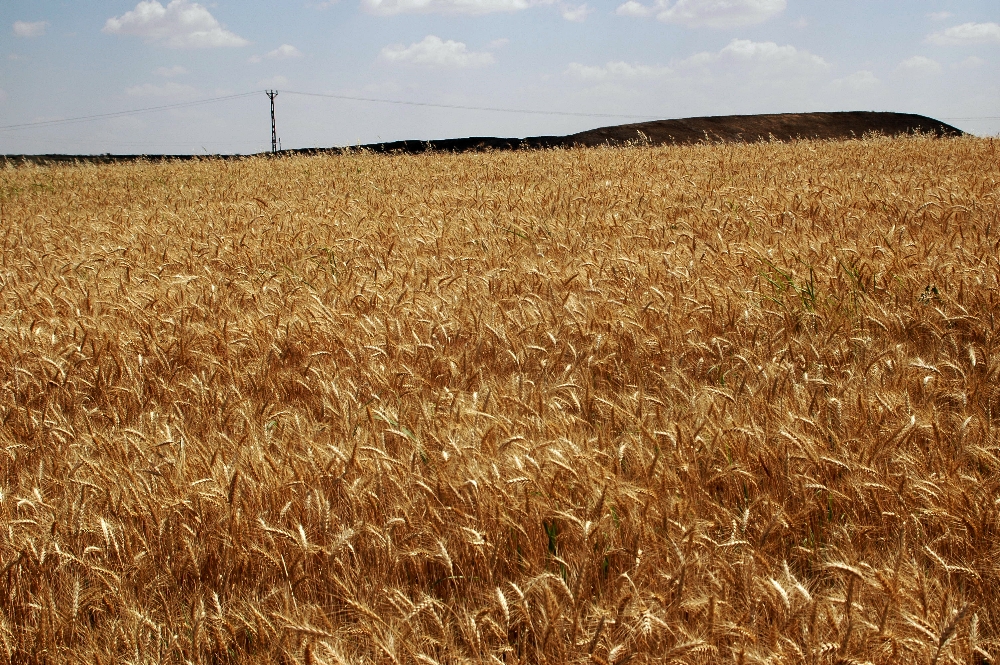
Wheat_Carchemish_0447LMauldin

Fields of Wheat near Euphrates. Carchemish is in background. Photo by Leon Mauldin.


Qumran and the Dead Sea Scrolls

December 2, 2015

“The Dead Sea Scrolls are undoubtedly the most important discovery found in Israel in the field of the Bible and history of Judaism and Christianity.”1 Fragments of about 900 scrolls from the 2nd Temple period (some dating as early as 3rd century BC) were found in the Qumran caves (NW shore of Dead Sea), between 1947 and 1956. Every book of the Old Testament (except Esther) were represented in the finds, including one complete copy of Isaiah.

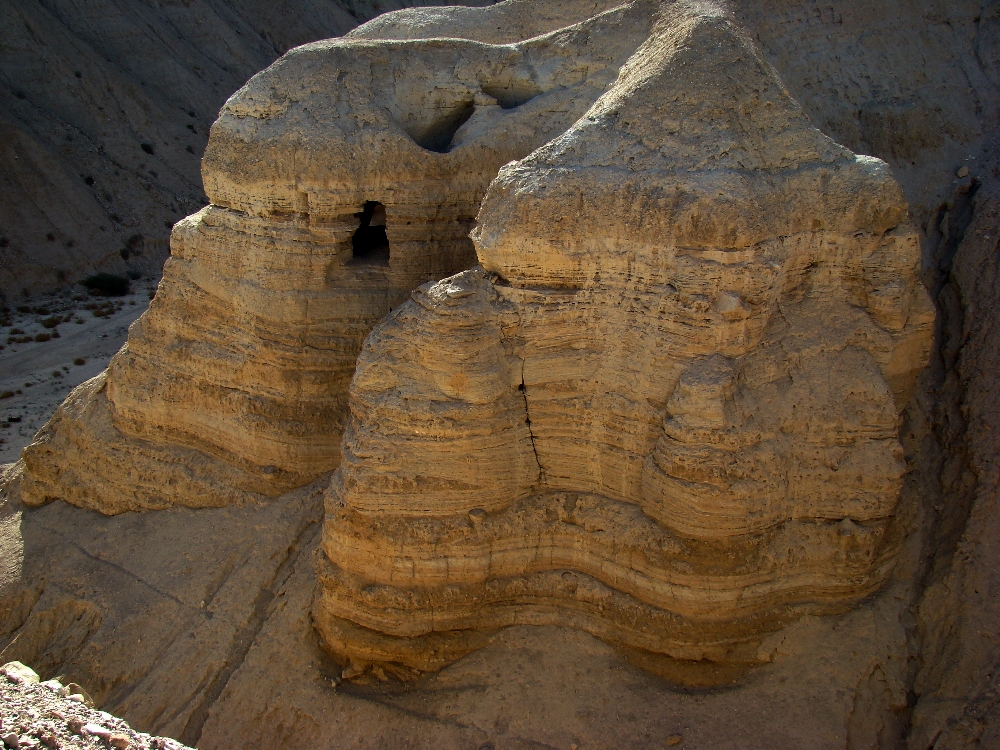
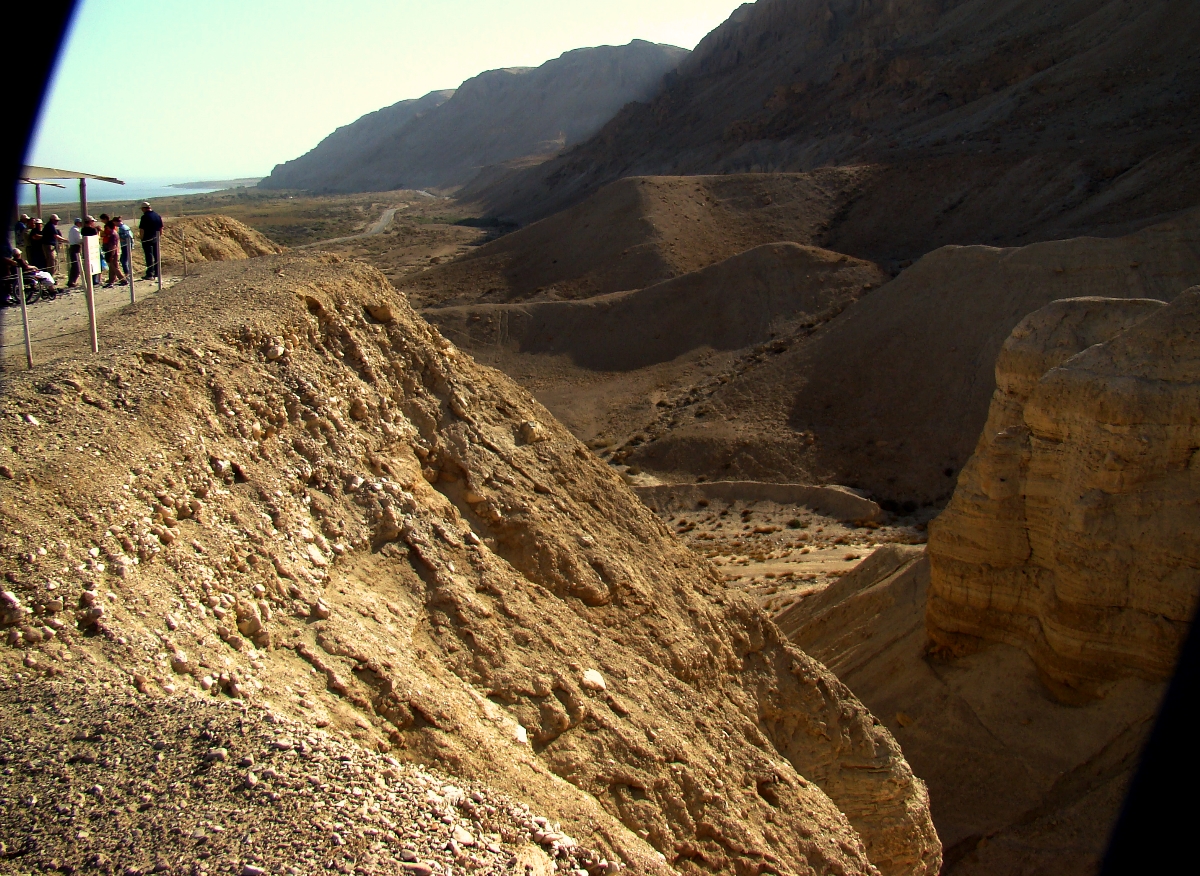
Some of the Qumran Caves where the Dead Sea Scrolls were discovered (1946ff.). Photo by Leon Mauldin.

Some of the Qumran Caves where the Dead Sea Scrolls were discovered (1946ff.). Photo by Leon Mauldin.

I remember when studying archaeology under the late Dr. James Hodges that he said the main value of the Dead Sea Scrolls was in the discipline of apologetics. The scrolls were about 1,000 years older (!) than the previously available manuscripts with which translators had to work. The huge find of fragments provided abundant samples with which to compare our Hebrew manuscripts. The result was:

it may now be more confidently asserted than ever before that the modern Hebrew text faithfully represents the Hebrew text as originally written by the authors of the Old Testament. Dead Sea discoveries have enabled us to answer this question with much greater assurance than was possible before 1948.2

Dr. Hodges pointed out that no new translations had to be made as a result of the discovery of the scrolls; they confirmed the accuracy of transmission of what we already have.

Another contribution:

“As a result of Dead Sea Scroll discoveries, it is no longer possible to date portions or entire Old Testament books as late as some scholars used to do. It is impossible to date any biblical work or any extensive part of one later than the early second century B.C. Fragments of the Pentateuch and the prophets date from the second century B.C. Ecclesiastes, sometimes believed to have been composed in the second or first century B.C., appears in a Cave 4 manuscript dating from 175 to 150 B.C. A second-century B.C. Copy of the Psalms indicates that the collection of Psalms was fixed by Maccabean times. A manuscript of Daniel dating about 120 B.C. brings into question the alleged Maccabean date of its composition. Moreover, the Dead Sea Scrolls do not support the existence of a deutero- or trito-Isaiah, at least during the second century B.C. The complete Isaiah and the long fragment of Isaiah from Cave 1 (second century B.C.) treat the book as a unit.”

View from Qumran looking south. Dead Sea is in upper left of photo. Photo by Leon Mauldin.

View from Qumran looking south. Dead Sea is in upper left of photo. Photo by Leon Mauldin.


Click photos for larger view.

1 Yigael Yadin quoted by Hanan Eshel in Qumran: Scrolls∙Caves∙History (p.7)

2 See F. B. Bruce, Second Thoughts on the Dead Sea Scrolls (pp.61-69)

3 Bible and Spade (1978), 7(1), pp.12–14.


Aqueduct at Beit Hananya

September 25, 2015

In perusing some homeschooling curriculum on the Roman Empire there was a heading entitled “Amazing Architects.”

The Romans were among the best builders in history. They built things that served practical purposes, such as canals, bridges, sewers, harbors, and roads. But it was perhaps in constructing aqueducts that their engineering skills were most impressive.

Aqueducts were developed by the Romans. They are channels for carrying water that were mostly dug into the earth, following the contours of hills. Where this was not possible, the Romans build arches made of concrete and stone. It took great skill to build an aqueduct. The water channels had to slop at exactly the right angle all the way along its length to give a steady flow of water. (Peter Chrisp, Ancient Rome, p.46).

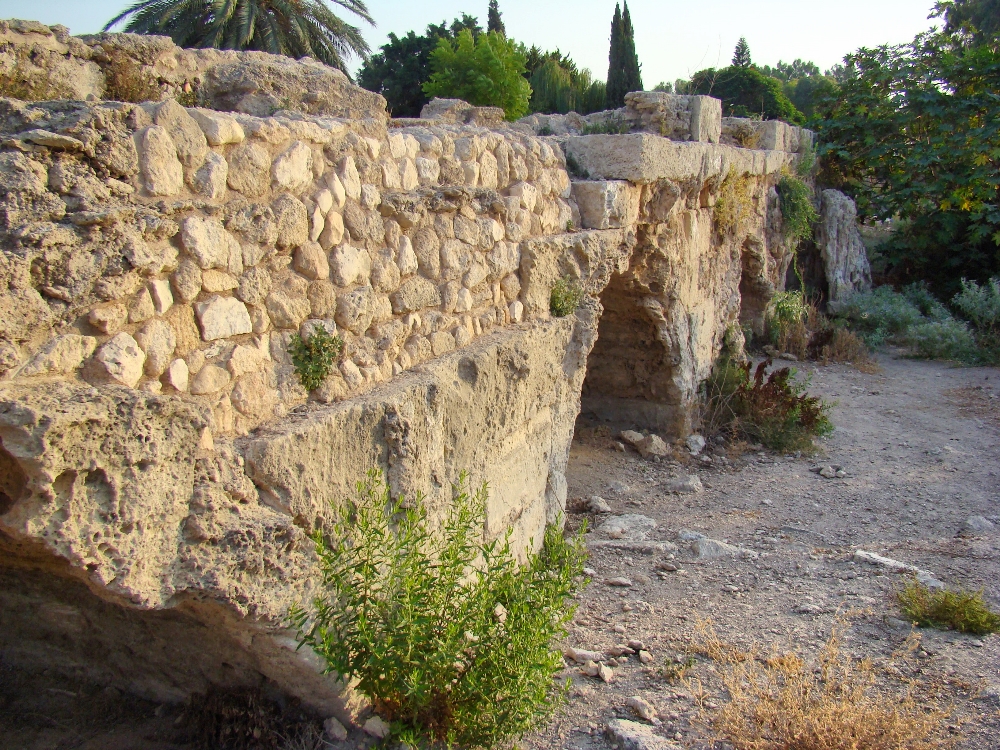
Many sections of the ancient Roman aqueducts still survive in various parts of the former Roman Empire. The aqueduct that emptied into Caesarea on Israel’s coast is a prime example. Caesarea was the capital of Judea during the ministry of Jesus. See our post here.

In Sept. 2011, Ferrell Jenkins & I made a personal study trip to Israel that included a stop at Beit Hananya, in the biblical “Plain of Sharon,” where a portion of the aqueduct can still be seen. This is north of Caesarea by a few miles. (Fresh water was channeled to Caesarea  from a distance of 8.5 miles).

Roman Aqueduct at Beit Hananya, north of Caesarea. Photo by Leon Mauldin.

Roman Aqueduct at Beit Hananya, north of Caesarea. Photo by Leon Mauldin.

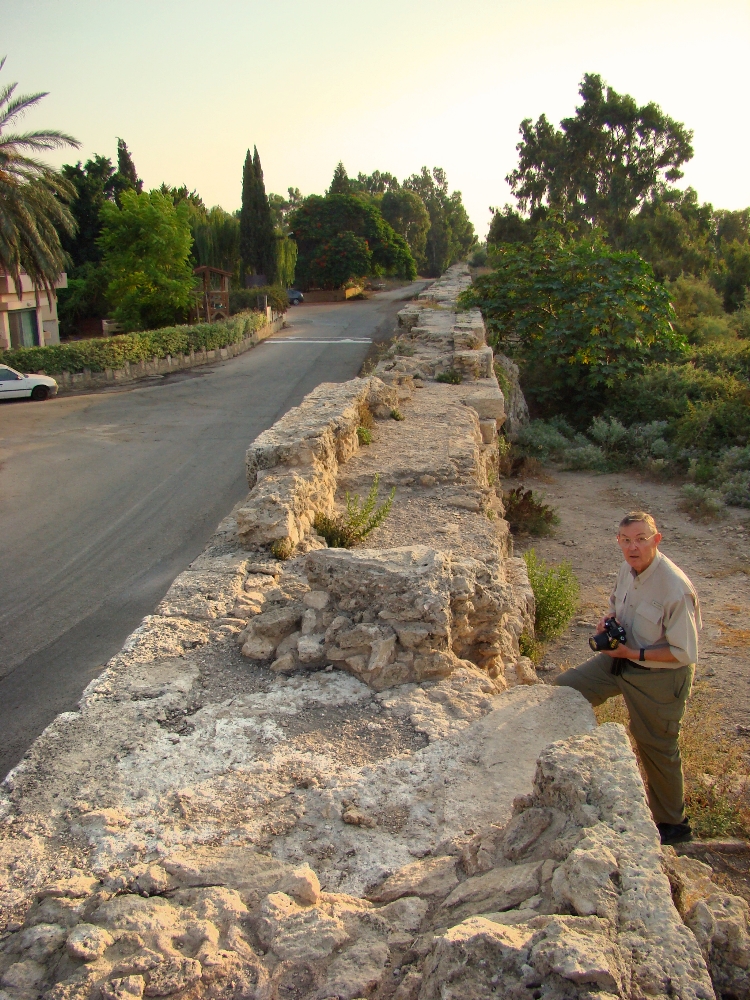
Beit Hananya Aqueduct as seen from top. Photo by Leon Mauldin.

Beit Hananya Aqueduct as seen from top. Photo by Leon Mauldin.

The water was channeled to course down the top of the aqueduct.

Click photos for larger view.


“Like a Cylinder Seal over Your Heart”

July 17, 2015

While running some biblical references yesterday I came across a text in Song of Solomon 8:6: “Set me like a cylinder seal over your heart, like a signet on your arm. For love is as strong as death, passion is as unrelenting as Sheol. Its flames burst forth, it is a blazing flame” (NET Bible).

The NET Bible with its translation notes has some very useful material on the significance of the similes cylinder seal and signet as used in this passage:

In the ancient Near East (khotam “seal”) was used to denote ownership and was thus very valuable (Jer 22:24; Hag 2:23; Eccl 17:22). Seals were used to make a stamp impression to identify the object as the property of the seal’s owner (HALOT 300). Seals were made of semi-precious stone upon which was engraved a unique design and an inscription, e.g., LMLK [PN] “belonging to king […].” The impression could be placed upon wet clay of a jar or on a writing tablet by rolling the seal across the clay. Because it was a valuable possession its owner would take careful precautions to not lose it and would keep it close to him at all times.

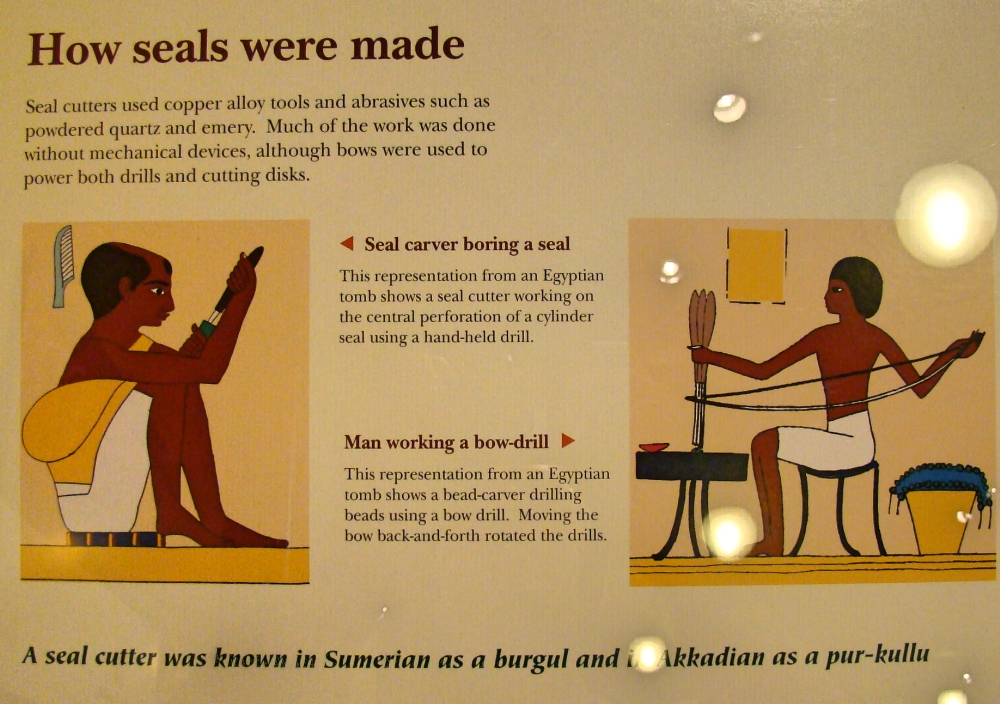
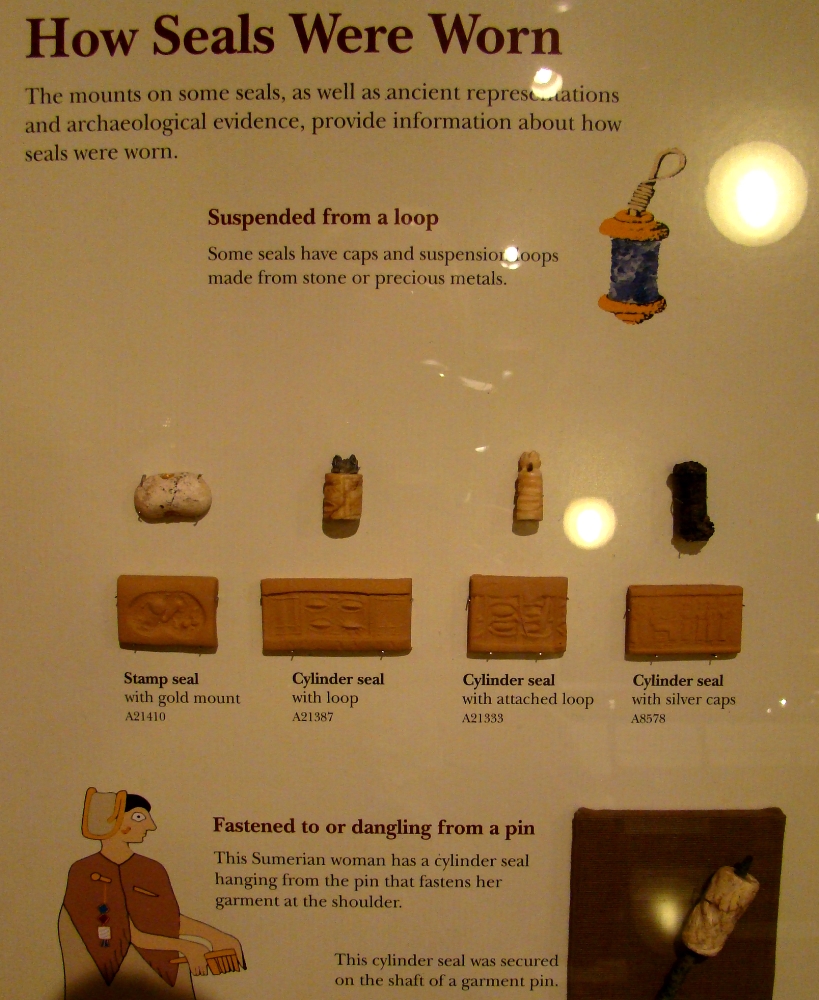
The Oriental Institute Museum of the University of Chicago has some helpful displays of ancient seals, how they were made, how worn, along with several examples of actual seals and their imprints.

How Seals Were Made. Oriental Museum Chicago. Photo by Leon Mauldin.

How Seals Were Made. Oriental Museum Chicago. Photo by Leon Mauldin.

Seals, How Worn.  Oriental Institute. Photo by Leon Mauldin.

Seals, How Worn. Oriental Institute. Photo by Leon Mauldin.

Note that this above display shows both the stamp seal as well as cylinder seal. The Hebrew word for seal, khotam or chothamoccurs twice in our text, characteristic of the parallelism of Hebrew poetry. The NET Bible renders the same word khotam as cylinder seal and then signet in the verse (Song of Solomon 8:6).

There were two kinds of cylinder seals in the ancient Near East, namely, those worn around one’s neck and those worn around one’s wrist. The typical Mesopotamian seal was mounted on a pin and hung on a string or necklace around one’s neck. The cylinder seal hung around one’s neck would, figuratively speaking, rest over the heart (metonymy of association). The Beloved wished to be to Solomon like a cylinder seal worn over his heart. She wanted to be as intimate with her lover as the seal worn by him (W. W. Hallo, “‘As the Seal Upon Thy Heart’: Glyptic Roles in the Biblical World,” BRev 2 [1985]: 26). (NET notes).

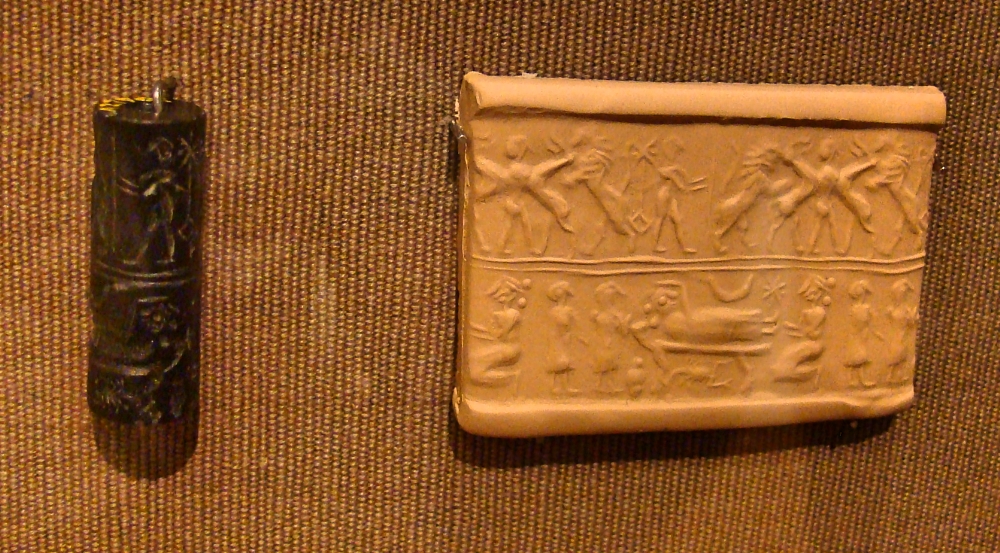
Seal on display, Oriental Institute. Photo by Leon Mauldin.

Seal on display, Oriental Institute. Photo by Leon Mauldin.

This cylinder above has a contest scene at top and what may be a childbirth scene at bottom.

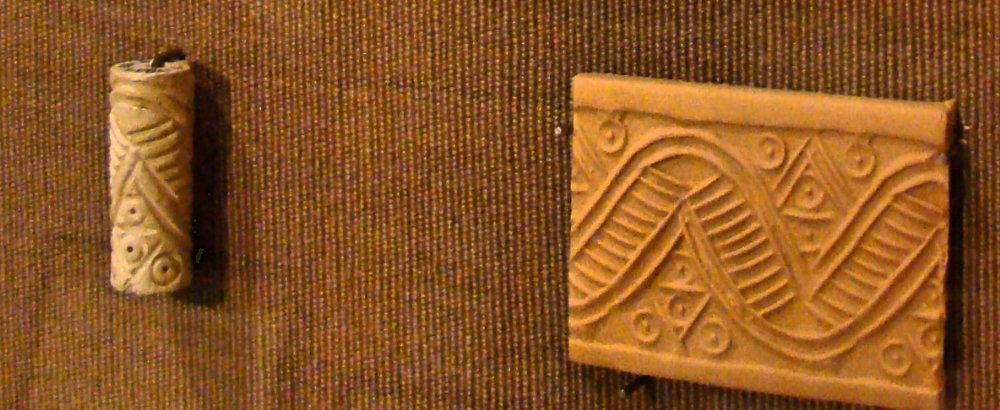
Ancient seal Oriental Institute. Photo by Leon Mauldin.

Ancient seal Oriental Institute. Photo by Leon Mauldin.

This seal is dated at 2,900-2,750 BC according to its accompanying placard.

More on Khotam:

Literally “cylinder-seal” or “seal.” The term (khotam, “cylinder-seal”) is repeated in Sol 8:6 for emphasis. The translation above uses the terms “cylinder seal” and “signet” simply for the sake of poetic variation. The Beloved wanted to be as safe and secure as a cylinder seal worn on the arm or around the neck, hanging down over the heart. She also wanted to be placed on his heart (emotions), like the impression of a cylinder seal is written on a document. She wanted to be “written” on his heart like the impression of a cylinder seal, and kept secure in his love as a signet ring is worn around his arm/hand to keep it safe. (NET notes).

Finally re: the word rendered “arm,” (Song of Solomon 8:6) zeroa:

Alternately, “wrist.” In Palestine cylinder seals were often hung on a bracelet worn around one’s wrist. The cylinder seal was mounted on a pin hanging from a bracelet. The cylinder seal in view in Song 8:6 could be a stamp seal hung from a bracelet of a type known from excavations in Israel. (NET notes).

Click images for larger view.


Setting of King Saul’s Final Battle

June 25, 2015

1 Sam. 28:4: “So the Philistines gathered together and came and camped in Shunem; and Saul gathered all Israel together and they camped in Gilboa.”

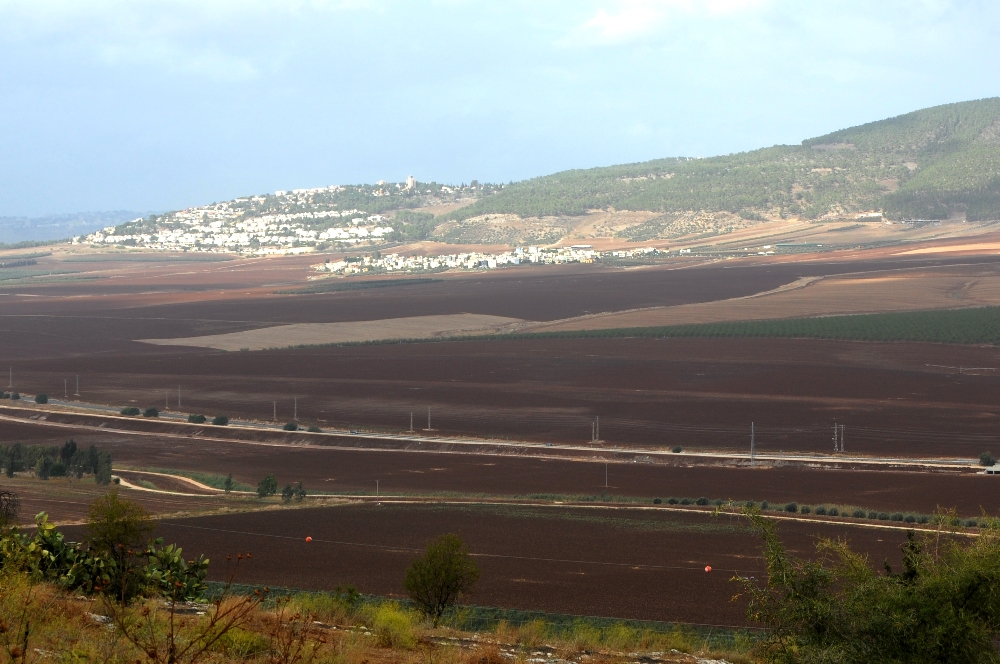
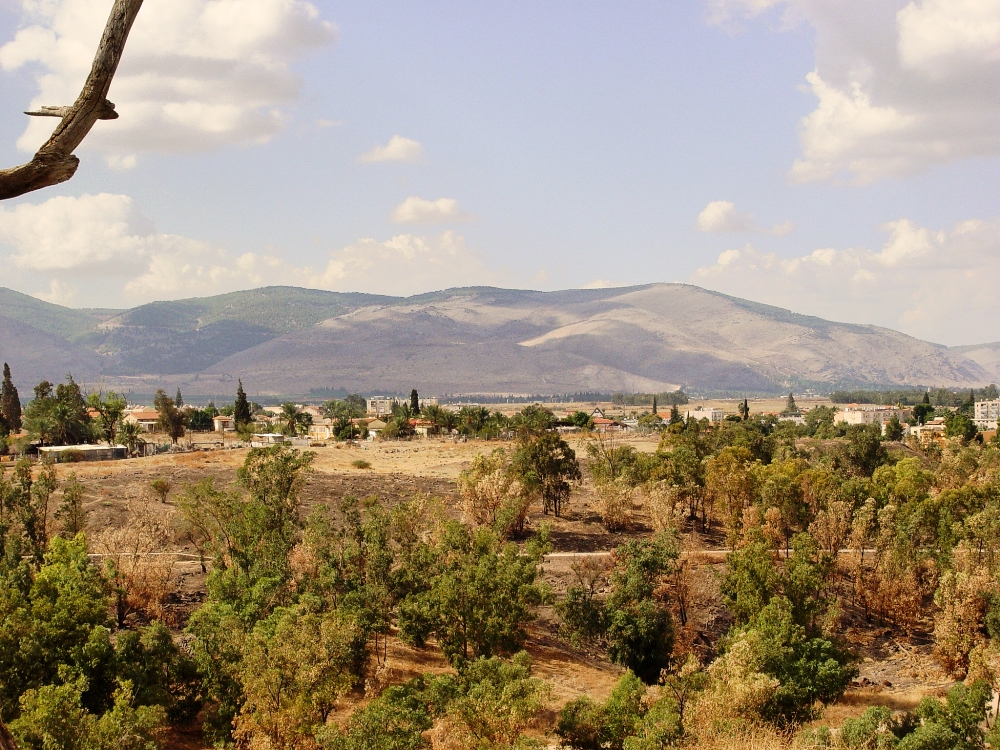
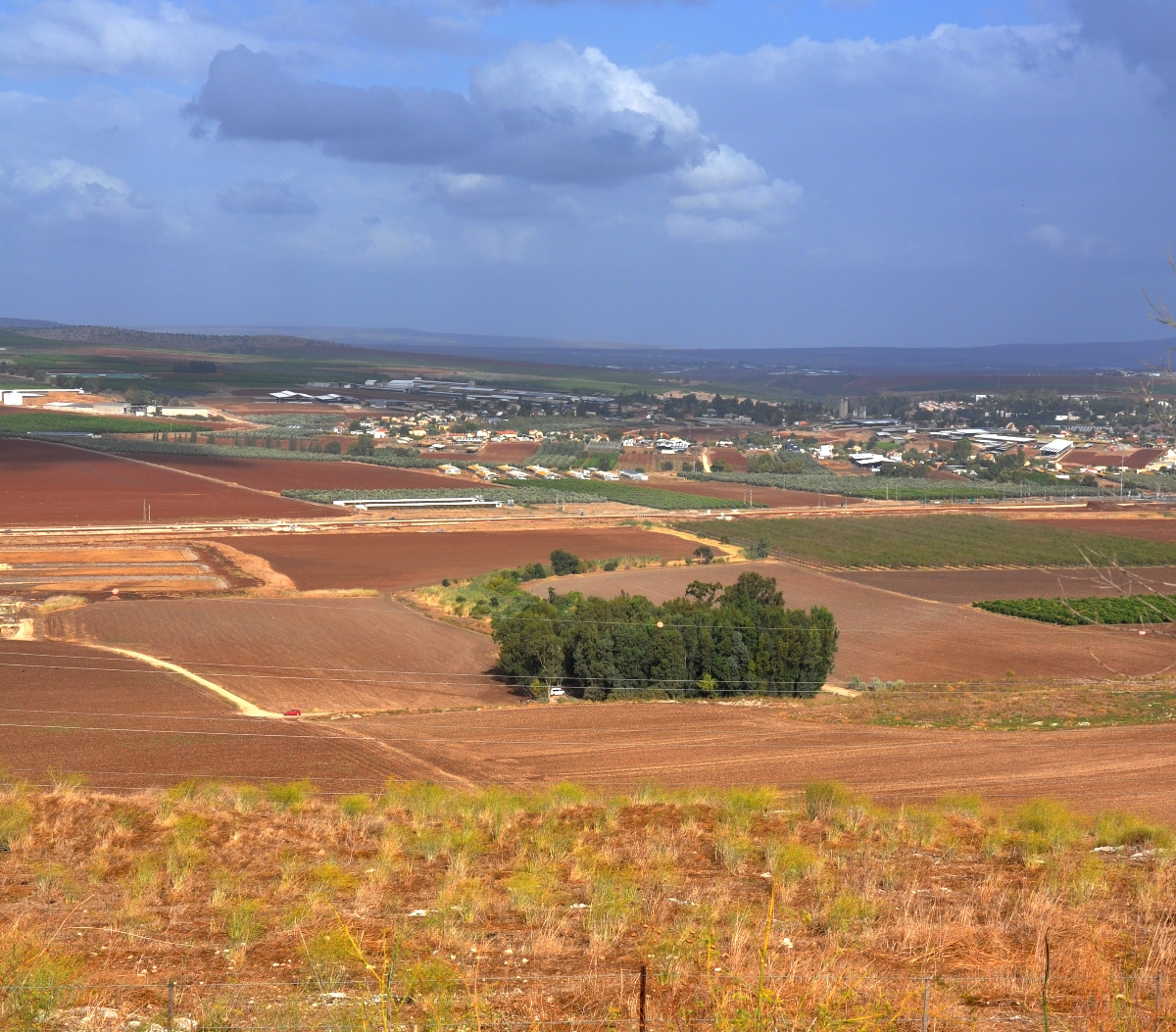
The horizontal cluster of white buildings in the upper center of photo mark the spot of ancient Shunem, the site of the Philistine encampment referenced in our text.

Shunem, note white buildings upper center. Photo by Leon Mauldin.

Shunem, note white buildings upper center. Photo by Leon Mauldin.

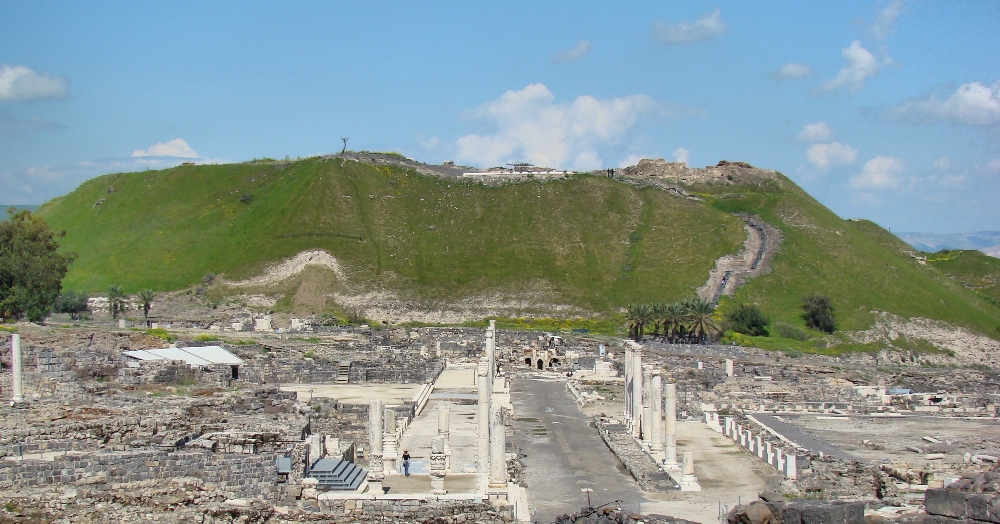
Saul and the forces of Israel were encamped at Gilboa. This view of Gilboa is from Beth Shan.

Gilboa as seen from Beth Shan. Photo by Leon Mauldin.

Gilboa as seen from Beth Shan. Photo by Leon Mauldin.

As the 1 Samuel narrative continues, the next chapter states, ” Now the Philistines gathered together all their armies to Aphek, while the Israelites were camping by the spring which is in Jezreel” (29:1) We have previously posted photos/articles on Aphek here and here, where the Philistines at this time gathered all their armies. At Jezreel one can see the spring mentioned here in 1 Sam. 29:1.

Jezreel Spring. Note greenery at center.  Tel Jezreel is in foreground. Photo by Leon Mauldin.

Jezreel Spring. Note greenery at center. Tel Jezreel is in foreground. Photo by Leon Mauldin.

Saul and his three sons (including David’s best friend Jonathan) died at Mt. Gilboa, a great victory for the Philistines. It was a sad day for Israel:

8 It came about on the next day when the Philistines came to strip the slain, that they found Saul and his three sons fallen on Mount Gilboa. 9 They cut off his head and stripped off his weapons, and sent them throughout the land of the Philistines, to carry the good news to the house of their idols and to the people. 10 They put his weapons in the temple of Ashtaroth, and they fastened his body to the wall of Beth-shan. (1 Sam. 31:8-10).

We are told that also the bodies of Saul’s sons were nailed to the walls of Beth Shan (1 Sam. 31:12).

Beth Shan, where the Philistines nailed the bodies of Saul & sons. Photo by Leon Mauldin.

Beth Shan, where the Philistines nailed the bodies of Saul & sons. Photo by Leon Mauldin.

These photos may be used along with maps to show where the events of 1 Sam. 28-31 transpired. Click on images for larger view.


Neapolis, Greece, Port City to Philippi

May 9, 2015

During the 2nd Missionary Journey, a milestone was reached when Paul left Troas (of Asia Minor) to sail across the Aegean to preach on European soil. The text reads, “So putting out to sea from Troas, we ran a straight course to Samothrace, and on the day following to Neapolis” (Acts 16:11).

We had the occasion recently to visit Neapolis, modern Kavala. Neapolis was colonized by the Athenians in the 5th Century BC.  It was taken by Philip of Macedon in the 4th century BC. Neapolis served as the port to Philippi, where Paul first preached on European soil, and it continues to serve as an important port today.

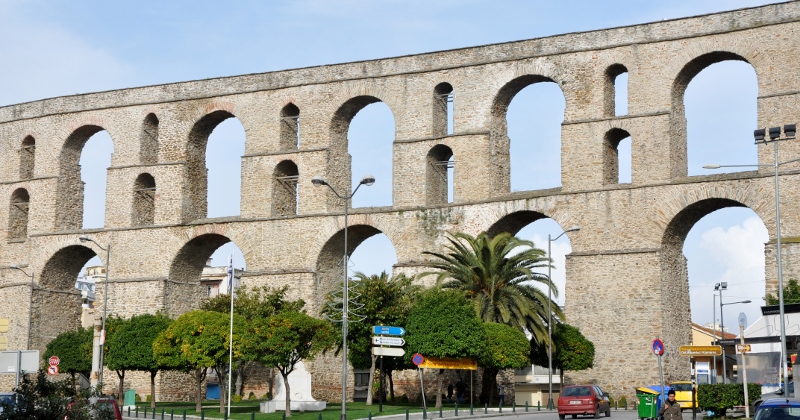
One impressive site is the aqueduct of  Suleiman the Magnificent, AD 16th century built. This landmark was built on the remains of the previous Roman aqueduct.

Aqueduct of Suleiman the Magnificent at Neapolis.

Aqueduct of Suleiman the Magnificent at Neapolis. Photo by Leon Mauldin.

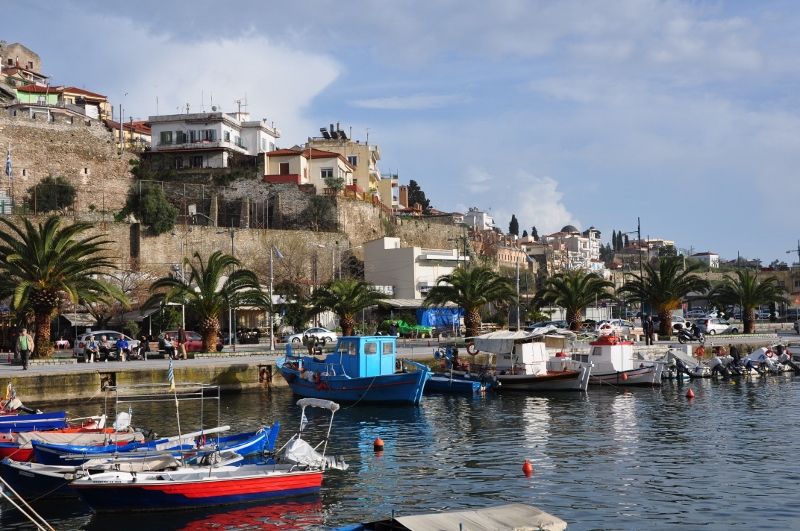
Here is a view of the harbor of Neapolis/Kavala. It is thrilling to know that Paul used this port city in his travels.

Neapolis Harbor. The site mentioned in Paul's travels in Acts 16:11. Photo by Leon Mauldin.

Neapolis Harbor. The site mentioned in Paul’s travels in Acts 16:11. Photo by Leon Mauldin.

A portion of the acropolis may be seen in background at left.

Click on images for larger view.


At Amphipolis, the Strymon River

April 6, 2015

Our recent Greece/Turkey tour included Amphipolis, briefly mentioned in Acts 17:1: “Now when they had passed through Amphipolis and Apollonia, they came to Thessalonica, where there was a synagogue of the Jews.” This biblical reference takes up where Paul and his companions left Philippi and were on their way to Thessalonica, 2nd Missionary Journey.

Fant and Reddish observe:

The modern, small village of Amphipolis belies the importance of the ancient city whose name it bears. Located strategically along the Strymon River and on the Via Egnatia, Amphipolis was one of the most important cities of Macedonia in antiquity. The site of ancient Amphipolis is located between Thessaloniki and Kavala, about 65 miles east of Thessaloniki. From highway E90 there are signs that point the way to Amphipolis. The ancient city sits on a bend on the east bank of the Strymon River, surrounded by the river on three sides. This geographical feature gave rise to the name of the city, since Amphipolis means “around the city.”

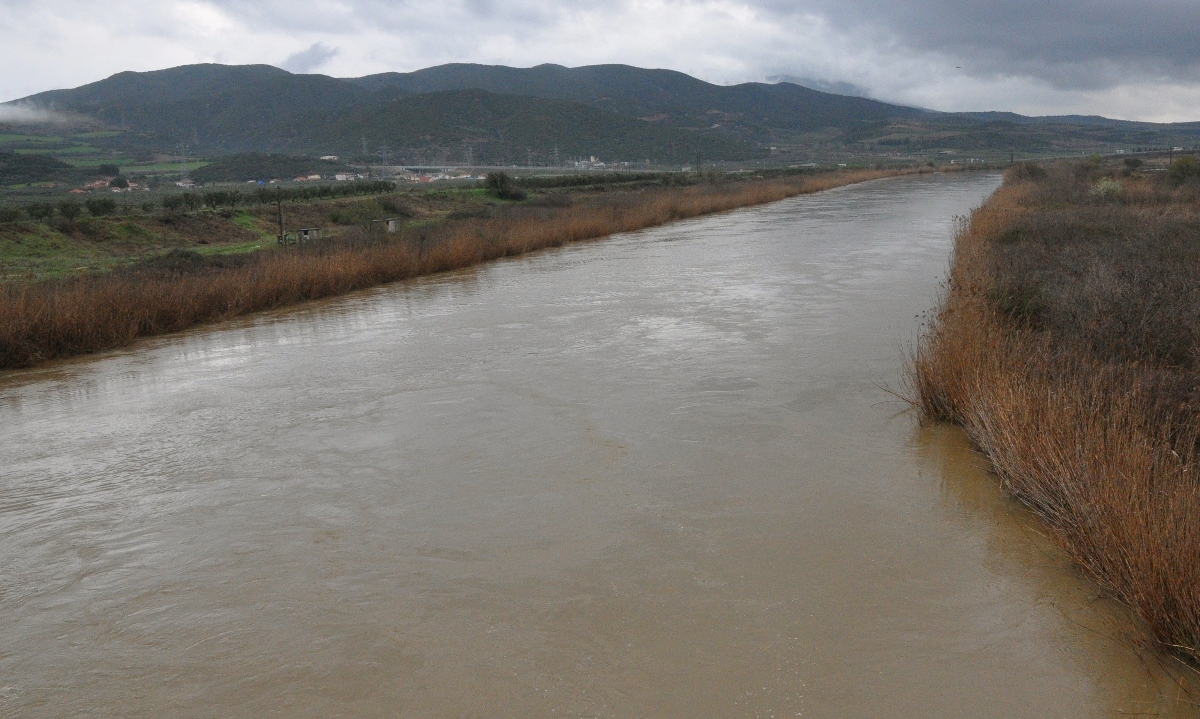
Here is a view of the Strymon River.

Strymon River at Amphipolis. Photo by Leon Mauldin.

Strymon River at Amphipolis. Photo by Leon Mauldin.

In addition to our above Acts 17:1 reference which specifically mentions Amphipolis, Todd Bolen in his notes in his excellent Pictorial Library collection quotes Acts 20:1-3, 6a (KJV) “And after the uproar was ceased, Paul called unto him the disciples, and embraced them, and departed for to go into Macedonia. And when he had gone over those parts, and had given them much exhortation, he came into Greece, and there abode three months. And when the Jews laid wait for him, as he was about to sail into Syria, he purposed to return through Macedonia…And we sailed away from Philippi after the days of unleavened bread.” Then Bolen notes: “Although no details are given of the stops Paul made during his 3rd missionary journey in this region, it is probable that he passed through Amphipolis, both on his way into and out of Macedonia as he left via Philippi.”

Click photo for larger view.