Tel Hazor in Israel

November 18, 2016

Hazor is first mentioned in the Bible in Josh. 11 in the days of the conquest under Joshua. Having conquered the central and then southern regions of Canaan, the victory of Hazor established Israel’s “toehold” in the north, for as Josh. 11:10 explains, “Joshua turned back at that time and took Hazor, and struck its king with the sword; for Hazor was formerly the head of all those kingdoms.” Or, as the NET renders the text, “for Hazor was at that time the leader of all these kingdoms.” As such, it was the head of a confederation of several Canaanite cities in the battle against Joshua & Israel’s forces at the waters of Merom. Nelson’s NIBD says, “Hazor was one of the most important fortresses in the land (Josh. 11:10). This was due to its enormous size, its large population, and its strategic location of the main road between Egypt and Mesopotamia” (p.546).

It is recorded in the next verse, Josh. 11:11, that Joshua burned Hazor down, but not the surrounding cities. Verse 13 continues: “But as for the cities that stood on their mounds, Israel burned none of them, except Hazor only, which Joshua burned.” The standard procedure during the conquest was not to burn down the cities—God was giving them to Israel as their inheritance in which to live. Therefore it should not surprise us when the “critic” says there is not a lot of evidence of destruction, etc., to date Joshua’s conquest of Israel. There is a big difference between destruction and conquest. I.e., cities such as Jericho, Ai, and Hazor were the exceptions and not the rule.
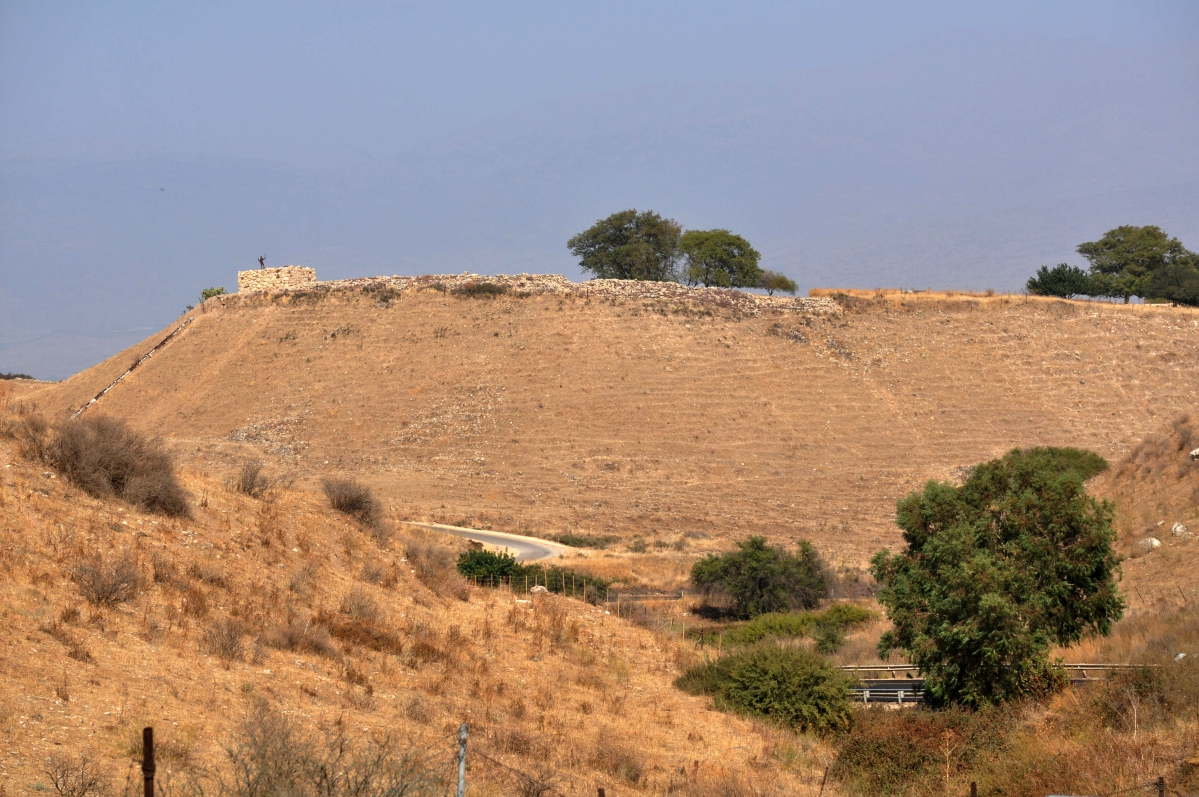
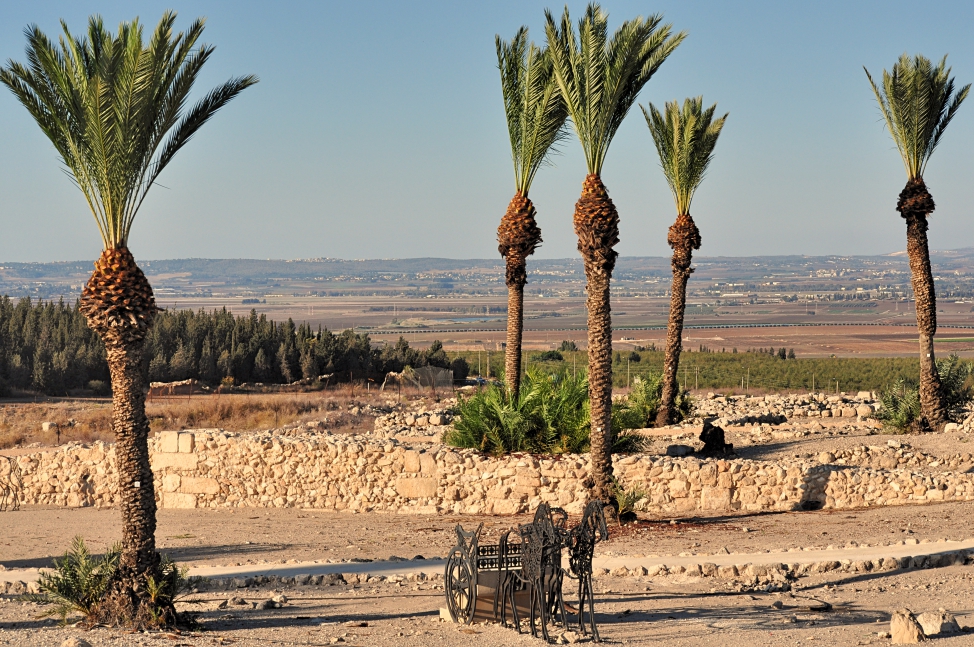
Biblical Hazor. "Formerly the head of all those kingdoms" (Josh. 11:10). Photo by Leon Mauldin.

Biblical Hazor. “Formerly the head of all those kingdoms” (Josh. 11:10). Note the watchtower at upper left. Photo by Leon Mauldin.

Between the time of the Conquest and the time of the Judges, Hazor had rallied and was again a very serious threat, as God allowed the armies of Hazor to oppress the Israelites because of Israel’s sinfulness (Judges 4:1-3). These were the days in which God raised up Deborah to be judge and prophetess; Israel’s army was led by Barak (Judges 4-5).

Solomon made Hazor one of his fortified cities, which functioned as a military outpost (1 Kings 9:15). It continued to be an important city until its destruction by Tiglath-Pileser in 732 B.C. (2 Kings 15:29). The Solomonic gates, like those at Megiddo and Gezer, were an important feature of the city.

The city of Hazor occupied some 200 acres, making it the largest city in ancient Israel. Hazor is now the largest archaeological site in Israel. Remains show not only evidence of Israel’s occupation, but also prior Canaanite structures as well.

Extra-biblical references to Hazor: Hazor is previously mentioned in the Egyptian Execration texts from the 19th or 18th century B.C. It is listed in the Mari documents of the 18th century B.C. as one of the major commercial centers in the Fertile Crescent. Hazor is also mentioned in the Egyptian documents of the New Kingdom, such as the city lists of Tutmoses III, as well as Amenhotep II and Seti I.

I’ve previously posted on Hazor here and here.


Fauna, etc., in Israel

November 6, 2016

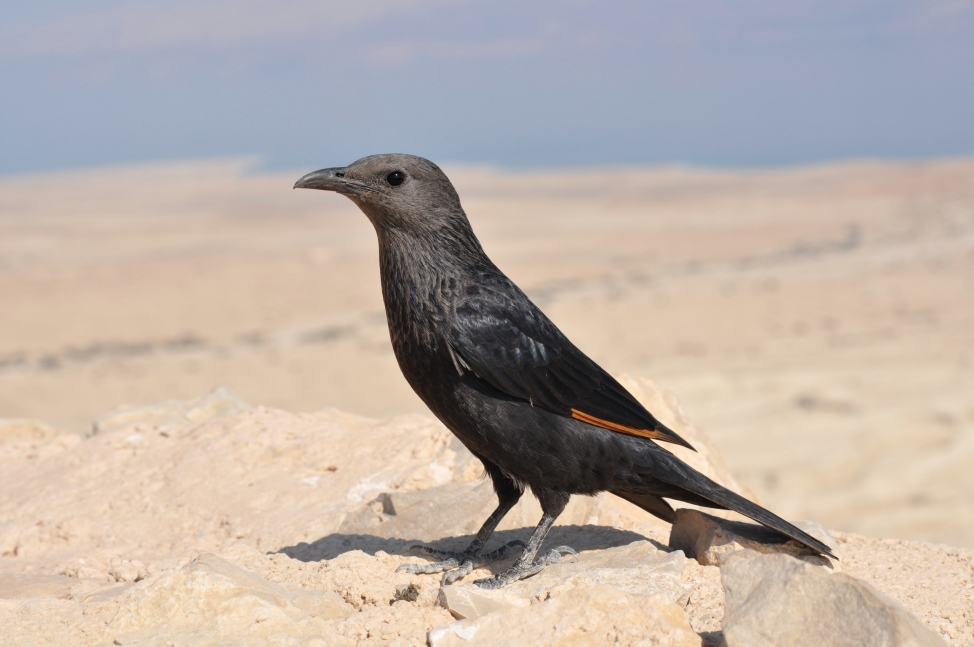
Today we made a trip to Masada, the site of the Jewish zealots last stand (AD 73) after the AD 70 destruction of Jerusalem. Tristram’s Starling, also called Tristram’s Grackle, were in abundance.

Tristram's Starling at Masada. Photo ©Leon Mauldin.

Tristram’s Starling at Masada. Photo ©Leon Mauldin.

This species is named after Henry Baker Tristram.

The males have glossy iridescent black plumage with orange patches on the outer wing, which are particularly noticeable in flight. The bill and legs are black. Females and young birds are similar but duller and with a greyish head, lacking the plumage gloss.
It is gregarious and noisy, with a call that resembles a wolf whistle. They are omnivorous, feeding on fruit and invertebrates, and can also be observed grooming Nubian ibex and domestic livestock for parasites. (Wikipedia)

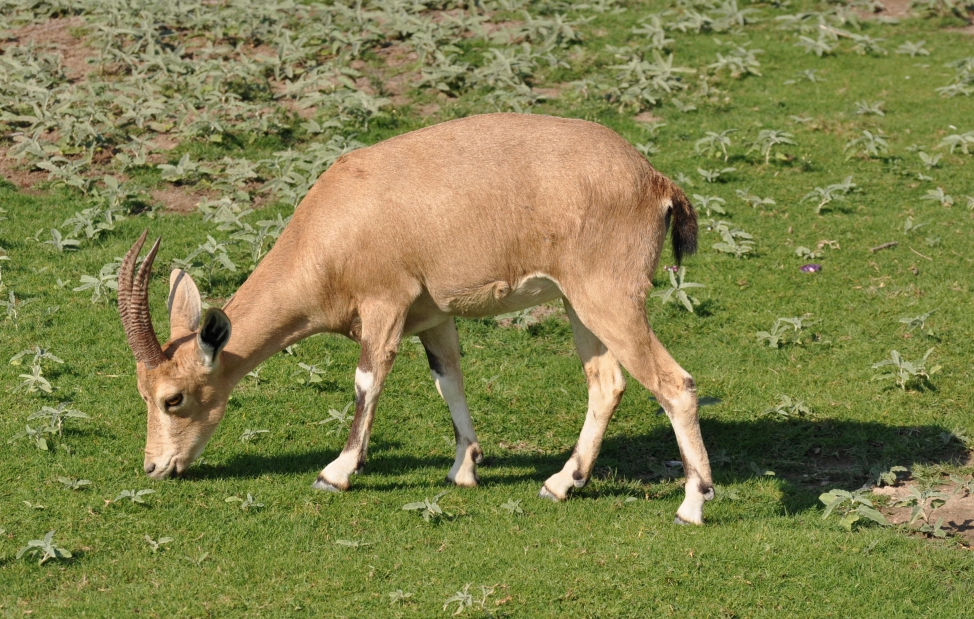
We also saw En Gedi, the site where David hid from King Saul, who was pursuing David with the intention of killing him (1 Sam. 23:29ff.). Here we photographed an ibex, the biblical “wild goat”of Psa. 104:18: “The high hills are for the wild goats; The cliffs are a refuge for the rock badgers.”

Ibex at En Gedi. Photo ©Leon Mauldin.

Ibex at En Gedi. Photo ©Leon Mauldin.

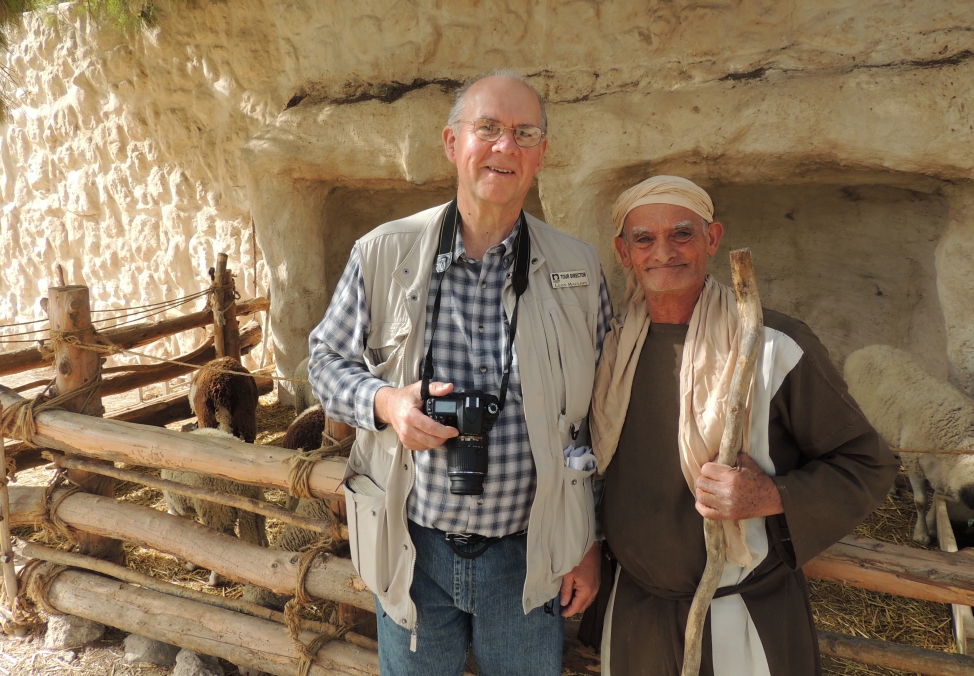
Tour member Mike Eison shared this photo he took this past Friday at Nazareth, at the Nazareth Village. The shepherd, his sheep in the fold behind.

Shepherd at Nazareth Village. Photo by Mike Eison.

Shepherd at Nazareth Village. Photo by Mike Eison.

Thanks for following our travels. Tomorrow is a walking tour in Jerusalem.


Down the Jordan Valley

November 4, 2016

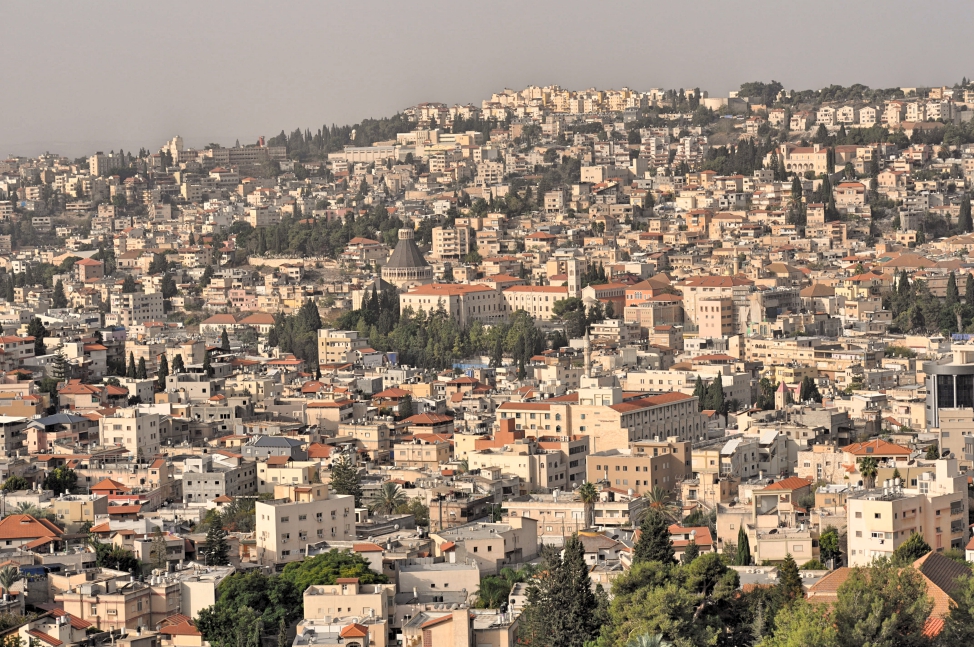
We said “Good-bye” to Tiberias on the Sea of Galilee this morning and made our way down (biblically “up” in altitude) to Jerusalem. We made a stop at Nazareth, Jesus’ hometown.

Nazareth in Galilee, Jesus' hometown. Photo ©Leon Mauldin.

Nazareth in Galilee, Jesus’ hometown. Photo ©Leon Mauldin.

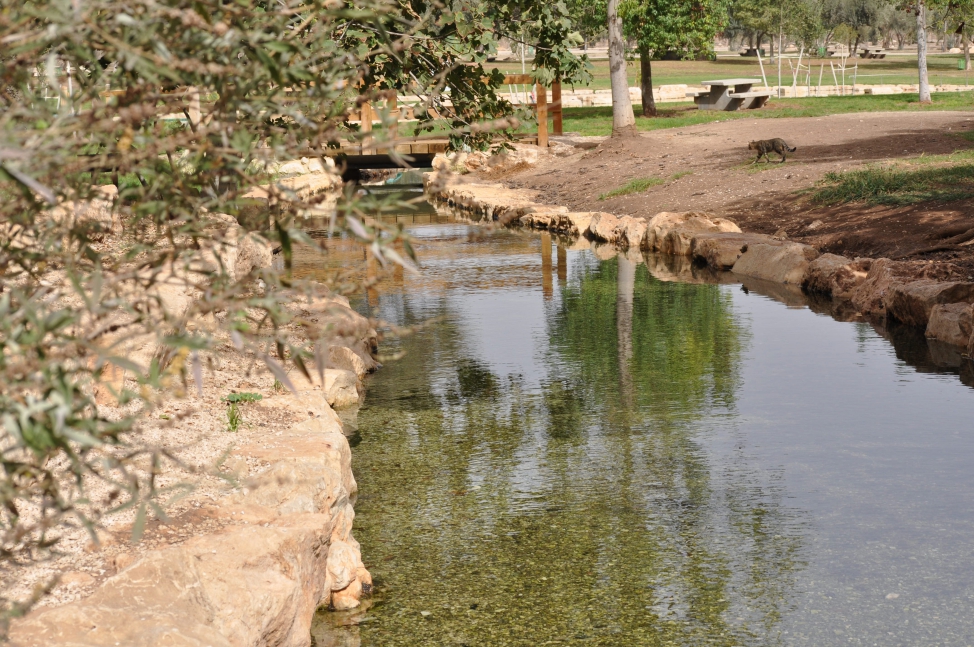
We also made a stop at the Spring of Harod,where Gideon’s army was reduced to 300 men, by which God gave Israel victory over the Midianites (Judges 7-8).

Spring of Harod. Photo ©Leon Mauldin.

Spring of Harod. Photo ©Leon Mauldin.

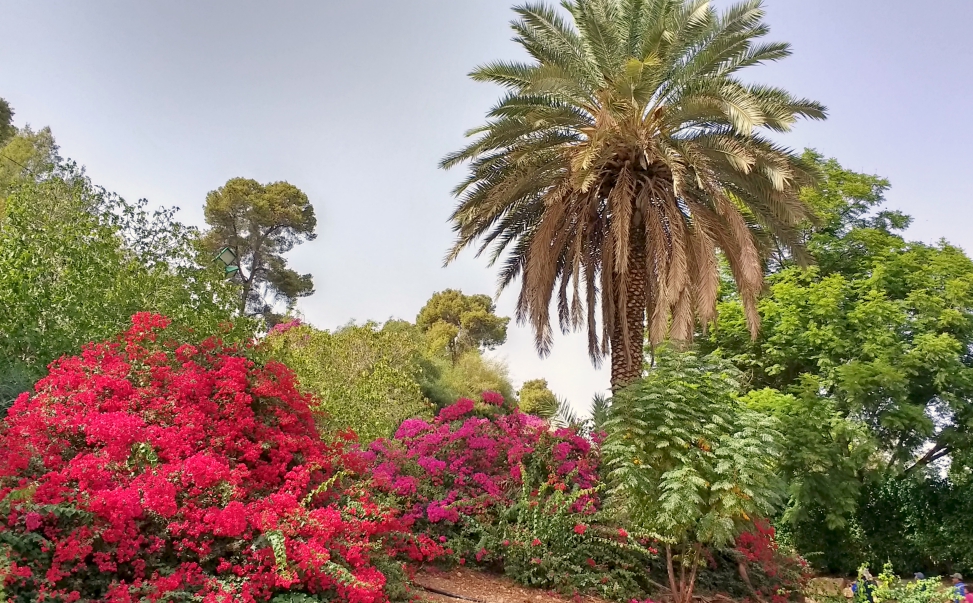
Colorful flora at the site:

Flora at the Spring of Harod. Photo ©Leon Mauldin.

Flora at the Spring of Harod. Photo ©Leon Mauldin.

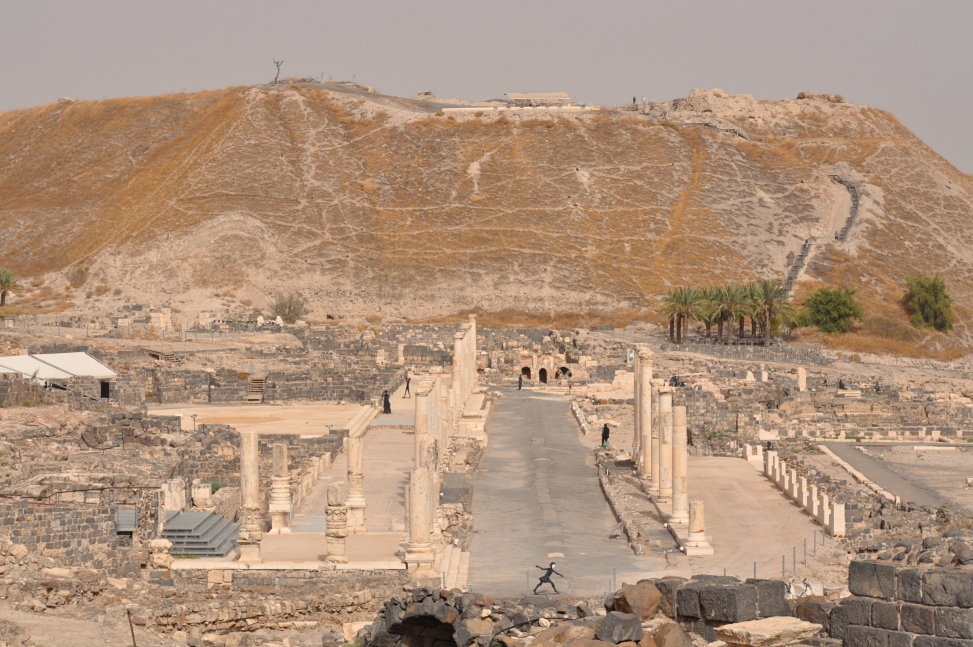
We also saw Beth-Shean, mentioned in 1 Sam. 31 as the site where the victorious Philistines took the bodies of King Saul and his three sons, fastening them to the walls of the city. This was Scythopolis in New Testament times, one of the cities of the Decapolis.

Beth-shean. OT tel in background; Roman ruins in foreground. Photo ©Leon Mauldin.

Beth-shean. OT tel in background; Roman ruins in foreground. Photo ©Leon Mauldin.

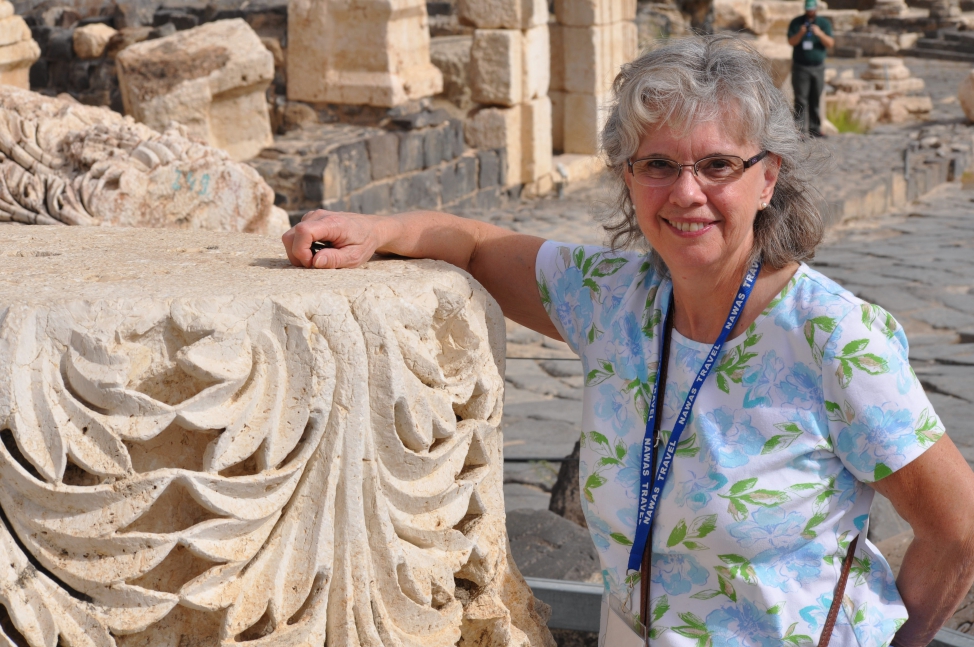
Good friend and tour member Lynn Clayton.

Lynn at Beth-shean. Photo ©Leon Mauldin.

Lynn at Beth-shean. Photo ©Leon Mauldin.

Click photos for larger image. Thanks for following our travels in the Bible lands.


Caesarea, and on to Galilee

November 2, 2016

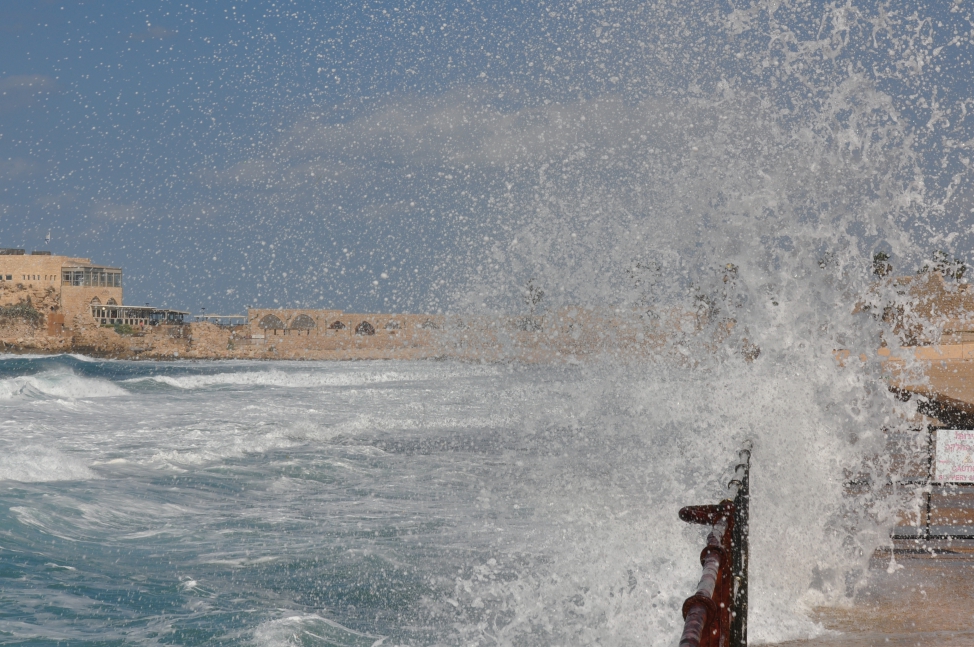
This morning upon leaving Natana with its beautiful view of the Mediterranean, we first visited Caesarea, the Roman capitol of Israel during Jesus’ Ministry. We saw lots of wave action.

Waves at Caesarea. Photo by Leon Mauldin.

Waves at Caesarea. Photo by Leon Mauldin.

Caesarea is mentioned numerous times in the New Testament. This became the home of Philip the evangelist (Acts 8:40; 21:8). Cornelius, the first Gentile convert, resided here (Acts 10-11). Paul used the port when leaving for Tarsus (Acts 9:30), and when returning from 2nd and 3rd journeys (Acts 18:22; 21:8). Later Paul was imprisoned here for two years (Acts 24:27), during which time he stood before Felix and Drusilla (Acts 24), Festus (Acts 25) and Herod Agrippa II (Acts 26). Paul left for Rome still as a prisoner from here (Acts 27).

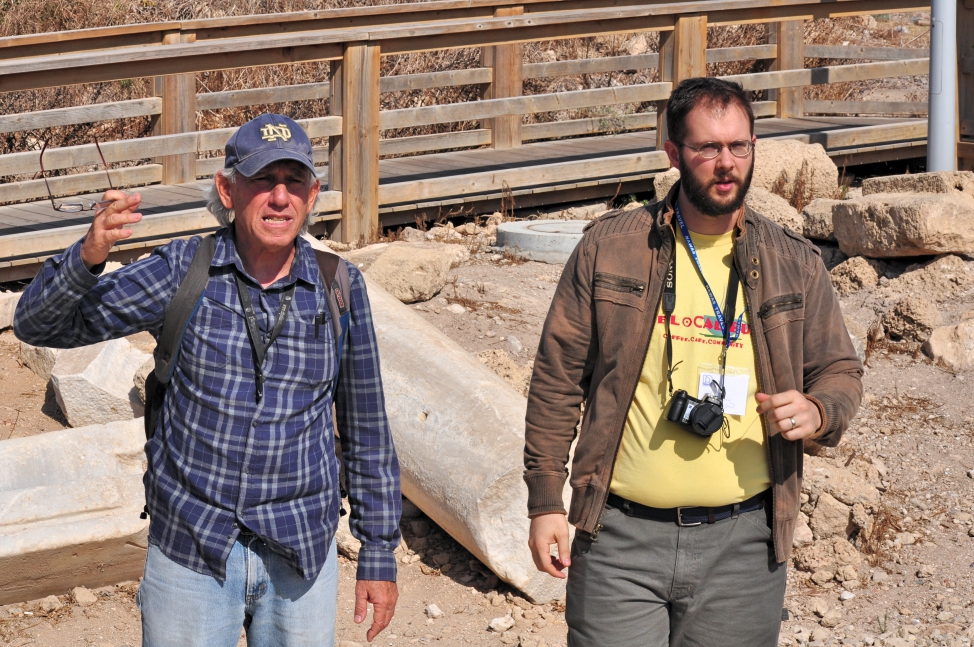
Our Israeli guide, Zack, and my son, Seth. Photo by Leon Mauldin.

Our Israeli guide, Zack (left), and my son, Seth, at Caesarea. Photo by Leon Mauldin.

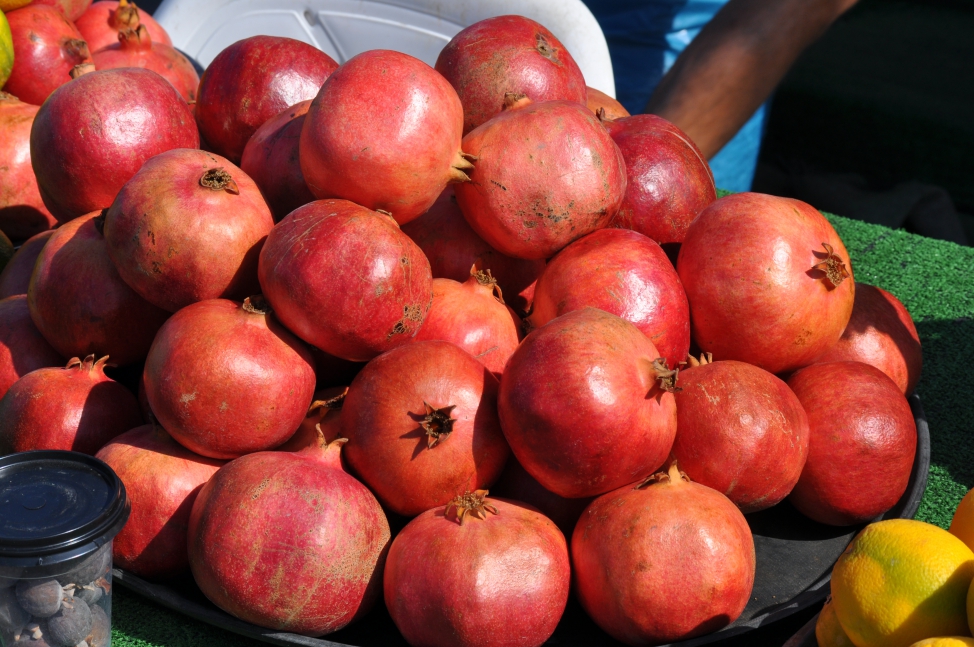
As we were leaving Caesarea I noticed some pomegranates. I was compelled to drink a glass of a couple of these, freshly squeezed.

Pomegranates at Caesarea. Photo by Leon Mauldin.

Pomegranates at Caesarea. Photo by Leon Mauldin.

Later at the strategic city of Megiddo we saw several points of interest, including Solomon’s stables.

Solomon's Stables at Megiddo. Photo by Leon Mauldin.

Solomon’s Stables at Megiddo. Photo by Leon Mauldin.

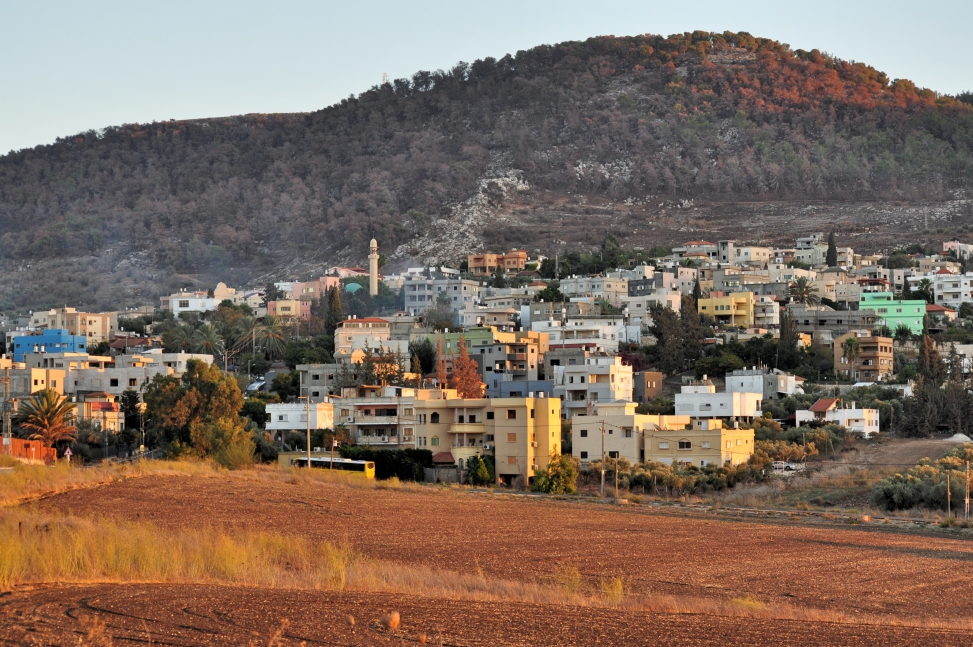
As we headed on the way to Tiberias we stopped briefly for a photo of Nain of Galilee, the village where Jesus raised from the dead a young man, the only son of a widow (Luke 7:11-17).

Nain, of Galilee, where Jesus raised a young man from the dead. Photo by Leon Mauldin.

Nain, of Galilee, where Jesus raised a young man from the dead. Photo by Leon Mauldin.

Thanks for following our travels. I’m writing this from Tiberias, on the Sea of Galilee. More to come!


Altar at Arad, in Southern Israel

July 14, 2016

During the Mosaic Dispensation God specified that the central place of worship (for offering sacrifices, attending annual feasts, etc.) was to be the tabernacle, and later, the temple built by Solomon. The temple was located in Jerusalem (called by Jesus “the city of the great King,” Matt. 5:35).

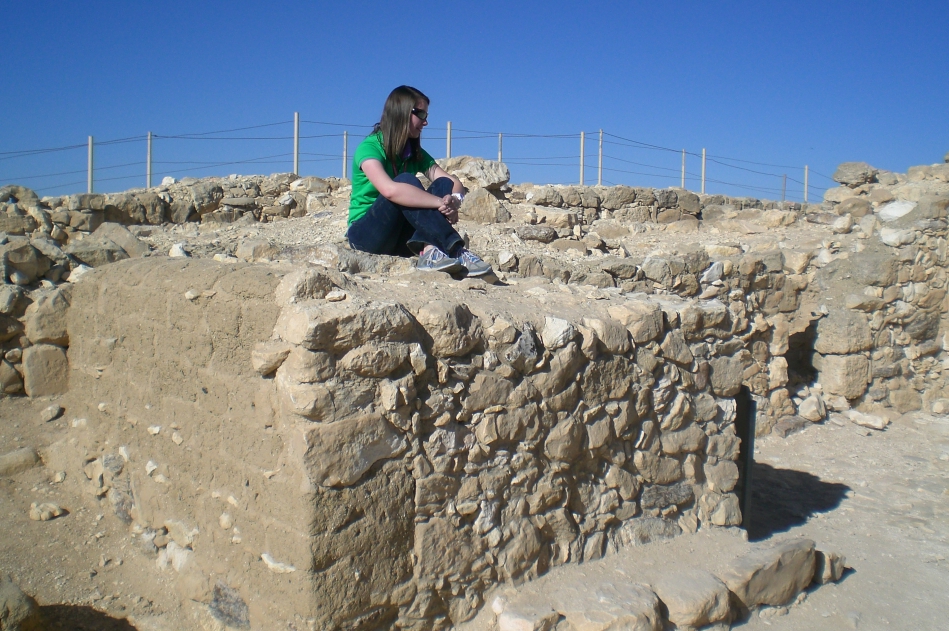
Unfortunately the will of God was not always sought and obeyed. After the death of King Solomon, Jeroboam built rival shrines at Dan and Bethel. There was also a temple built at the fortress city of Arad, to the south, east of Beersheba. The temple at Arad, built by the Israelites, was used at the same time Solomon’s temple stood in Jerusalem. Here is the altar upon which sacrifices were offered at Arad. Note the use of mud-bricks.

Altar at Israelite temple at Arad. Photo by Leon Mauldin.

Altar at Israelite temple at Arad. Photo by Leon Mauldin.

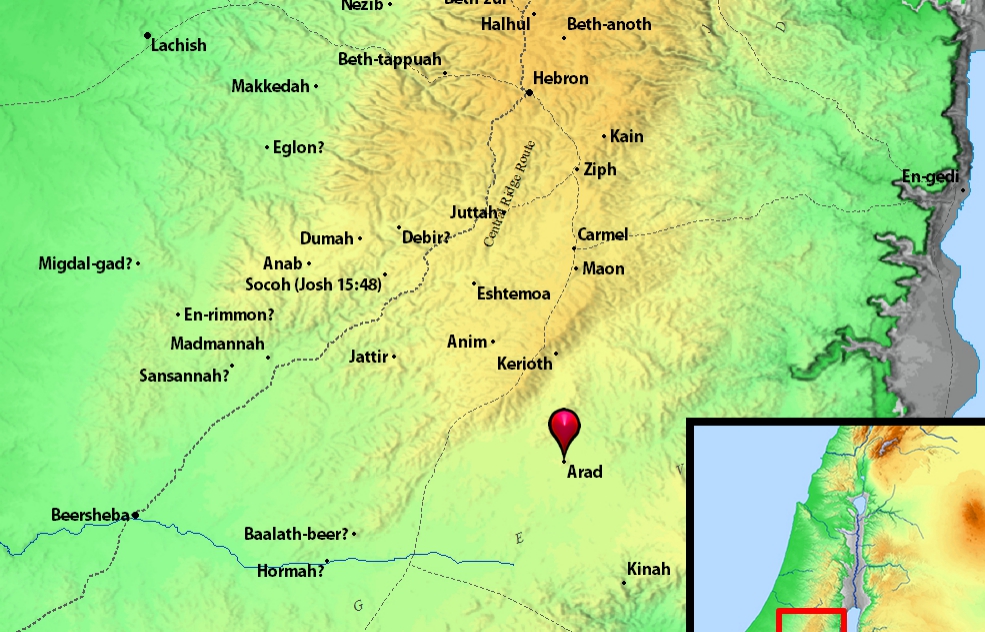
Here you can see the location of Arad.

Arad. BibleAtlas.com.

Arad. BibleAtlas.com.

Arad is mentioned five times in the Bible (Num. 21:1, etc.); however no biblical mention is made of the illicit temple there.


Sea of Galilee, at Capernaum

June 9, 2016

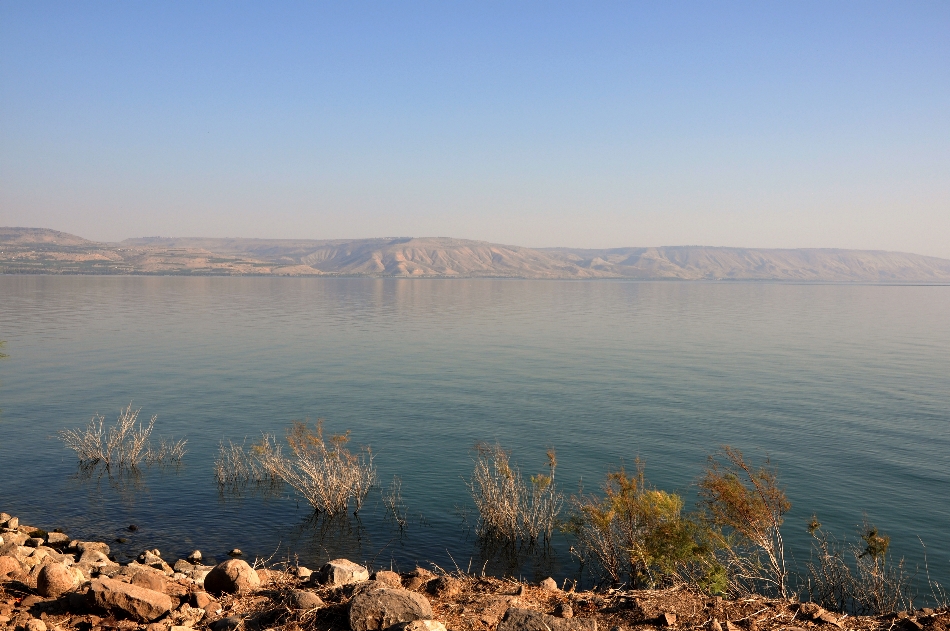
This past week was a busy week in our local congregation — our annual Vacation Bible School. The theme was “Soaring to Bible Places” and included lessons from three Old Testament and two New Testament texts. Our studies took us to Capernaum, where Jesus healed a Centurion’s servant, and commended the Centurion for his great faith (Jesus marveled!, Matt. 8:5-13). From Capernaum you have a beautiful view of the Sea of Galilee.

Sea of Galilee, looking east from Capernaum. Photo by Leon Mauldin.

Sea of Galilee, looking east from Capernaum. Photo by Leon Mauldin.

I enjoy showing photos such as this to children and adults alike, to help us visualize the setting of the biblical world. It was in this very area that Jesus did so much of His earthly ministry.


Jesus’ Galilean Ministry

May 4, 2016

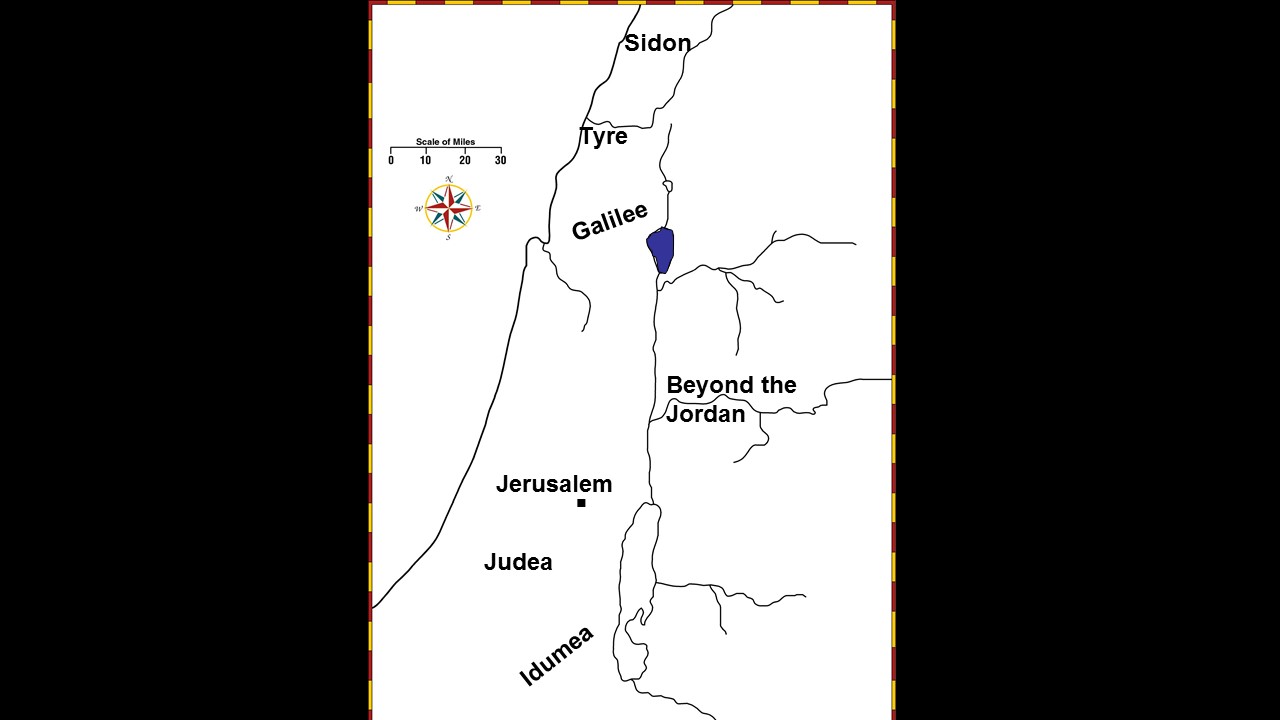
Frequently the Bible will have “summary statements,” such as is found regarding Jesus’ Galilean Ministry: ” Jesus withdrew to the sea with His disciples; and a great multitude from Galilee followed; and also from Judea, and from Jerusalem, and from Idumea, and beyond the Jordan, and the vicinity of Tyre and Sidon, a great number of people heard of all that He was doing and came to Him” (Mark 3:7-8, NASB).

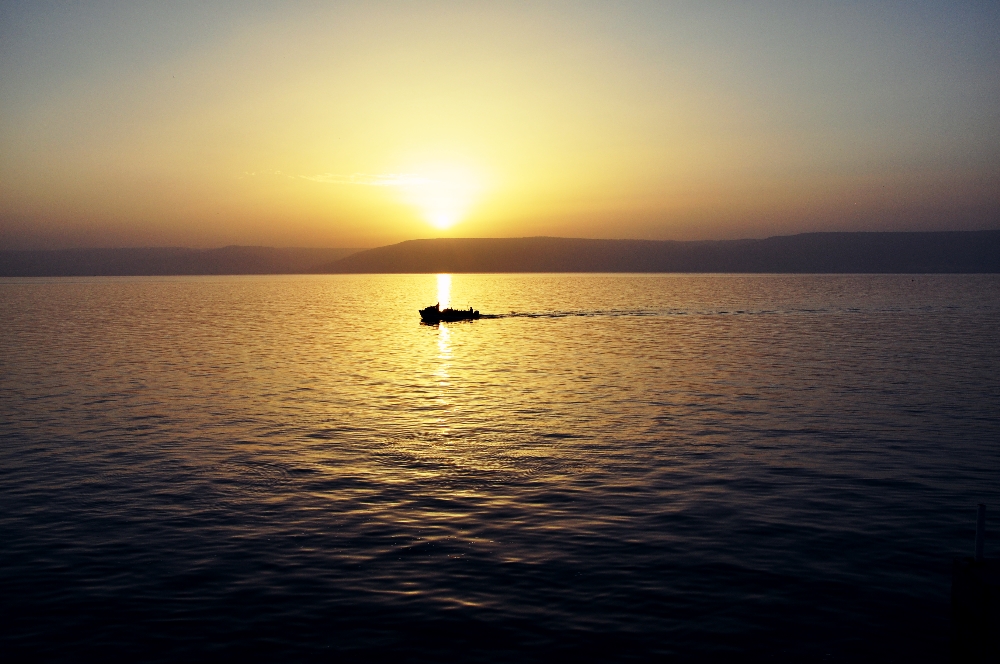
Note Jesus “withdrew to the sea,” meaning the Sea of Galilee, which is really a fresh water lake fed by the Upper Jordan. Its surface is currently 696 feet below sea level. Here see a sunrise view I photographed last month:

Sunrise at the Sea of Galilee. Photo ©Leon Mauldin.

Sunrise at the Sea of Galilee. Photo ©Leon Mauldin.

I labeled this blank map to show all the sites mentioned in these two verses.

Map, areas mentioned in Mark 3:7-8. Blank map by Bob Waldron & Scott Richardson.

Map, areas mentioned in Mark 3:7-8. Blank map by Bob Waldron & Scott Richardson.

The text is saying that people from all of these areas came to hear and see Jesus when He “withdrew to the sea.” Mark records the above portion of Jesus’ ministry immediately before he narrates Jesus’ selection and appointment of the twelve apostles.


Ferrell Jenkins Conducts 50th Anniversary Tour: A Tribute to my Friend

April 27, 2016

The March 28 – April 8, 2016 Israel tour directed by Ferrell Jenkins was advertised as his “50th Anniversary Tour,” thus completing 50 years of Distinctive World Tours, designed and led by Mr. Jenkins. What a remarkable, incredible milestone! These tours, custom-designed with Christians in mind, have literally gone around the world, but the emphasis has been on travel to the lands where the biblical events transpired. That of course includes Israel, but also Turkey, Greece, Italy, Egypt and more; literally from Ararat (where Noah’s ark landed; book of Genesis) to Patmos (where John received the Revelation). All who have traveled with Mr. Jenkins have profited, but it is especially the Bible class teachers (men & women), preachers and elders who have made the greatest use of resources, photos and knowledge gained. In that way also the folks “back home” that do not travel have benefited as well.

His blog, Ferrell’s Travel Blog was started in 2007, to feature not only photos of Bible places but also helpful info, biblical texts and other resources/links. Since then his blog has received more than two million visits. (You will also find biblicalstudies.info to be a very helpful site).

Mr. Jenkins wrote, “I have been preaching and teaching the Word of God since 1952, and I have always loved it. Nothing gives me a greater thrill than teaching at the sites where biblical events occurred. Thanks for the memories. It is my conviction that an understanding of the Bible lands can enhance one’s Bible study and improve understanding of the text. This, in turn, must be converted to action in obedience to the will of the Lord, and in service to Him” (Biblical Insights, Dec. 2009, p.28).

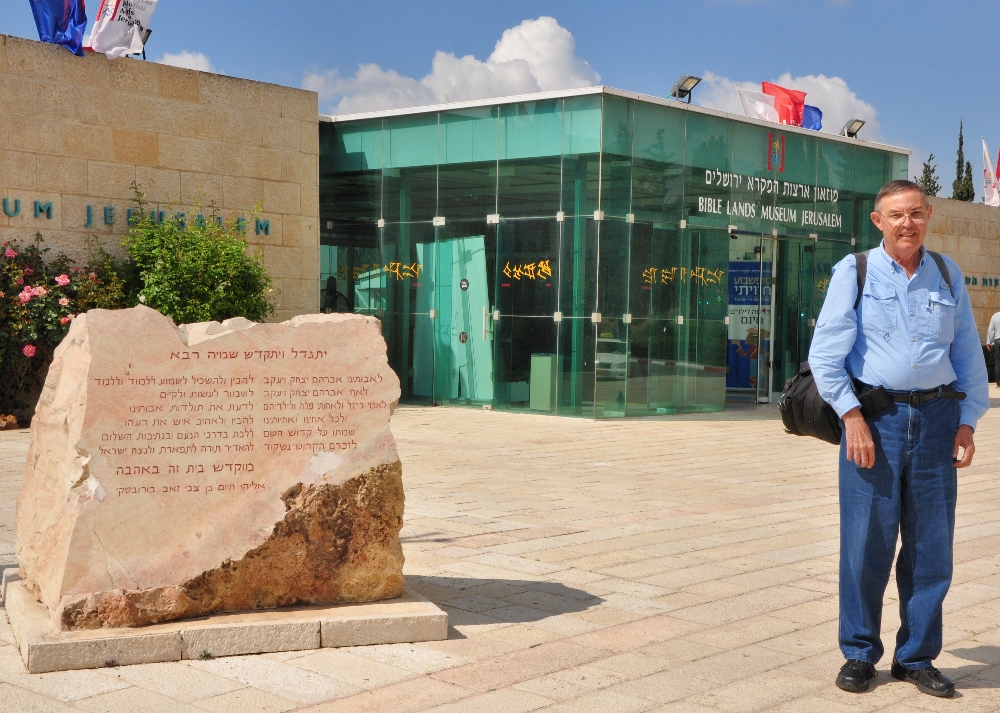
Ferrell Jenkins outside Bible Lands Museum, Jerusalem. Photo by Leon Mauldin.

Ferrell Jenkins outside Bible Lands Museum, Jerusalem (Apr. 14, 2016). Photo by Leon Mauldin.

On my part I wanted to say Thanks! for a job well done, for such an outstanding contribution to the field of biblical studies. It is amazing to look back at those last 50 years and think of the good that has been accomplished. Though retired, Mr. Jenkins continues to study several hours daily, and writes and does some teaching as time permits. He has devoted his life to helping people, especially young people, better understand and be equipped to teach the Bible. All of his work has been done with the loving support of Mrs. Elizabeth Jenkins.

On a personal note, I was able to join this 50th tour on the evening before its final day. Then after the tour group left for home, Mr. Jenkins & I rented a car, and for the next several days visited sites all over Israel, using Tiberius and Jerusalem as our “base,” especially focusing on places we had not seen before. We were also able to do some aerial photography from Joppa to the south as far as Beersheba and east to Jerusalem. I have enjoyed and profited from several personal study trips he & I have made of this nature.

So to my fellow Gospel preacher, former professor, and traveling friend, please accept this small token of my lasting gratitude, and of the high esteem in which you are held, furnished by the occasion of this extraordinary milestone! To God be the glory!


High Place at Dan

October 1, 2015

A study of the biblical “Divided Kingdom” period is challenging, (1 Kgs. 11ff. and 2 Chron. 11ff.) to say the least. The 1st of Israel’s kings, Jeroboam, made several (unauthorized) changes in the pattern for worship that Yahweh had revealed (see our previous post here). Jeroboam’s motive was to solidify his power, and to prevent his subjects from going south to Jerusalem to worship, which he thought would likely cause their loyalty to shift.

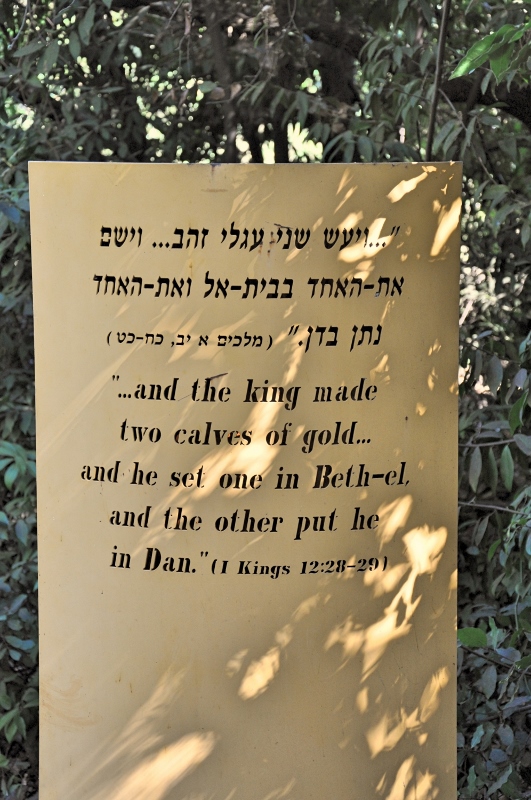
At Dan it is possible today to see the site referenced so many times in scripture, that of the high place where Jeroboam placed his golden calf. cf. 1 Kings 12:30: “Now this thing became a sin, for the people went to worship before the one [golden calf] at Dan.” “This event became sin to the house of Jeroboam, even to blot it out and destroy it from off the face of the earth” (13:34). Reference is made to the sins of Jeroboam “which he committed and with which he made Israel to sin” (14:16).

Info Sign at High Place at Dan. Photo by Leon Mauldin.

Info Sign at High Place at Dan. Photo by Leon Mauldin.

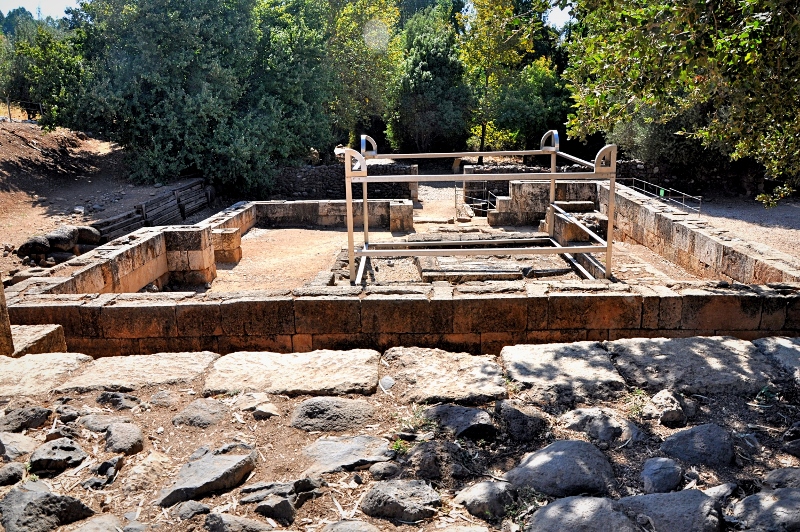
View of the altar where sacrifices were offered. Photo by Leon Mauldin.

View of the altar where sacrifices were offered. Photo by Leon Mauldin.

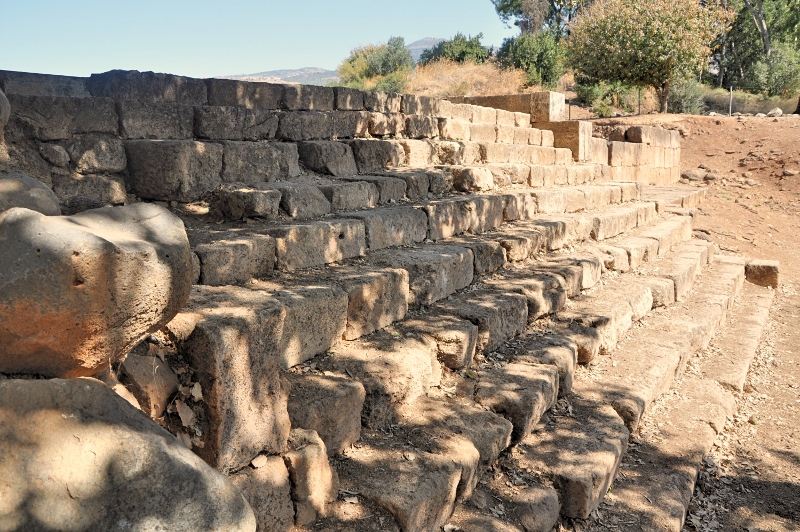
Steps leading up to the platform where the golden calf was enshrined. Photo by Leon Mauldin.

Steps leading up to the platform where the golden calf was enshrined. Photo by Leon Mauldin.

Click images for larger view.


Catching Up a Bit from Istanbul

April 2, 2015

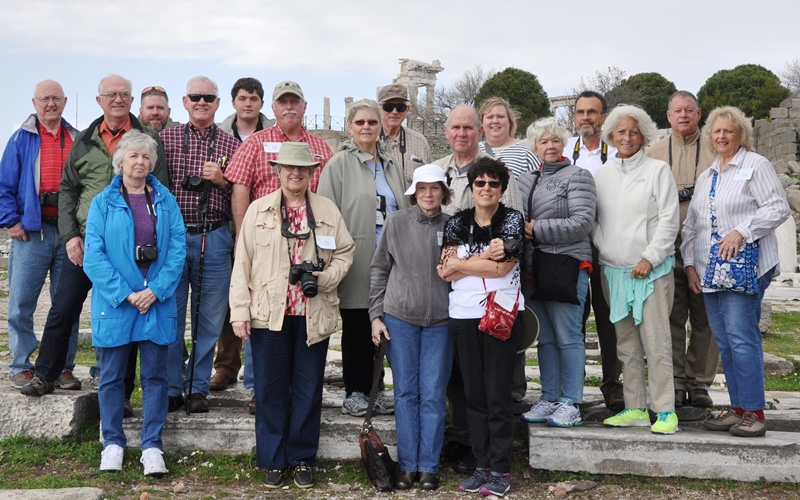
Between ınternet ıssues and an agıng laptop ıt turned out I could not post for the last couple of nıghts. Our group has now completed our Greece-Turkey trıp. We have traveled ın the steps of Paul and also vısıted the cıtıes of the Seven Churches (mınus Thyatıra) and fınıshed our trıp by tourıng Istanbul today. It has truly been a good trıp. Here ıs a group shot from Pergamum.

Group photo at Pergamum. Photo by Orhan.

Group photo at Pergamum. Photo by Orhan.

That photo was taken Monday afternoon. Earlıer that mornıng we had vısıted Assos whıch ıs mentıoned ın Acts 21 ın connectıon wıth Paul’s return trıp on the 3rd journey upon hıs departure from Troas.

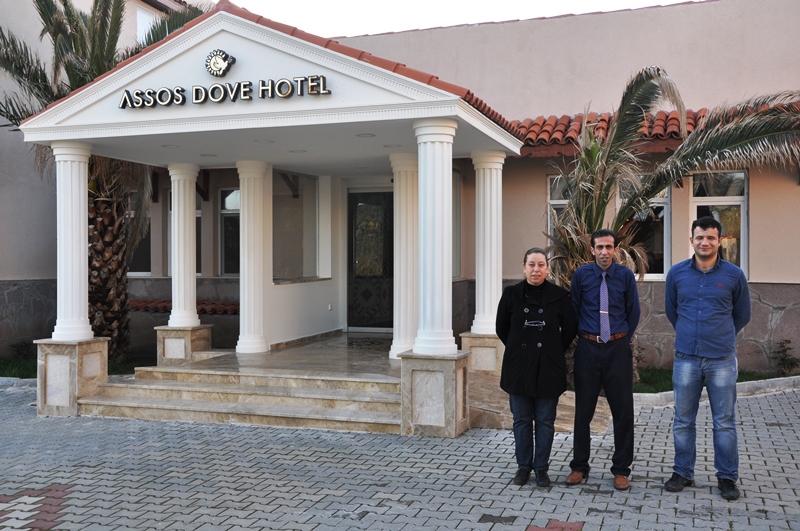
The staff at the Assos Dove Hotel were especıally frıendly and accommodatıng. Thıs was my second tıme to stay here.

Staff at Assos Dove Hotel. Photo by Leon Mauldın.

Staff at Assos Dove Hotel. Photo by Leon Mauldın.

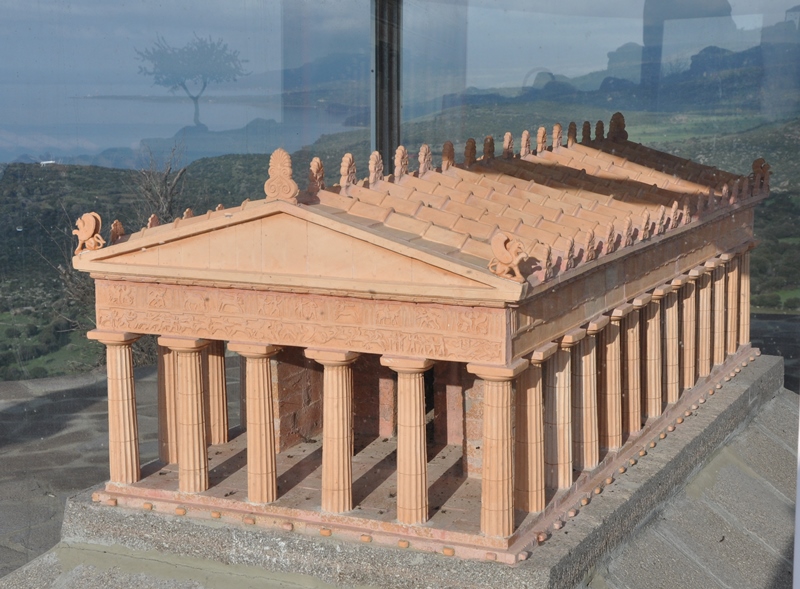
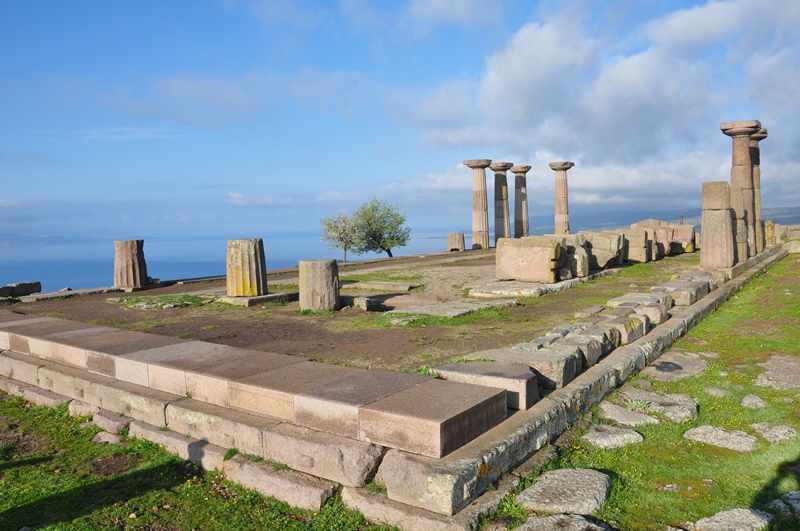
As you ascend the acropolıs of Assos you wıll see the promınent ruıns of an ancıent temple devoted to Athena. There ıs a model on dısplay at the sıte.

Model showıng how the Athena Temple ın Assos would have looked. Photo by Leon Mauldın.

Model showıng how the Athena Temple ın Assos would have looked. Photo by Leon Mauldın.

Thıs temple would have been ın actıve use durıng New Testament tımes and would have been seen for some mıles ın the Aegean as shıps saıled through thıs area. The context of the mentıon of Assos ın Acts 21 ıs when Paul sent hıs companıons on ahead at Troas ın the shıp whıle he went by land. He boarded the shıp at the harbor at Assos.

Ruıns of the temple of Athena at Assos Turkey. Photo by Leon Mauldın.

Ruıns of the temple of Athena at Assos Turkey. Photo by Leon Mauldın.

We are to fly back to the US from Istanbul early ın the mornıng (2:00 AM wake-up call). We look forward to sharıng more photos of bıblıcal sıtes wıth you.

Clıck on ımages for larger vıew.