Muradiye Falls, in Van District in Turkey

January 17, 2012

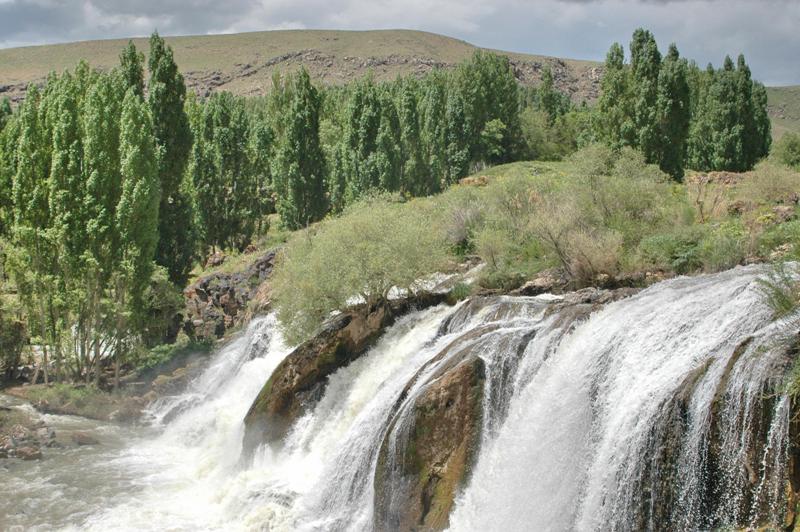
Yesterday we posted a sunset photo of Lake Van. As one passes by the lake en route to the Ararat Mountains he can enjoy the Muradiye Falls.

Muradiye Falls, in Van District of Eastern Turkey. Photo by Leon Mauldin.

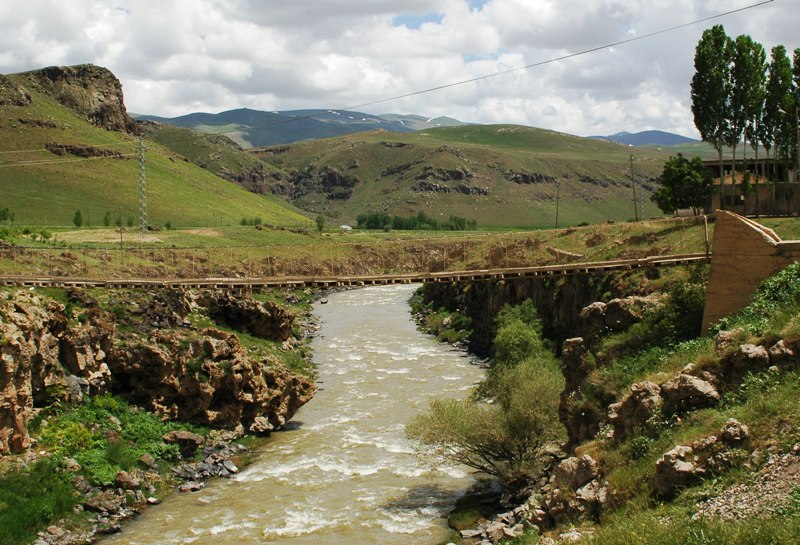
I took the above photo from this swinging bridge.

Swinging bridge below Muradiye Falls. Photo by Leon Mauldin.

You are not far from the Iranian border in this part of the world.

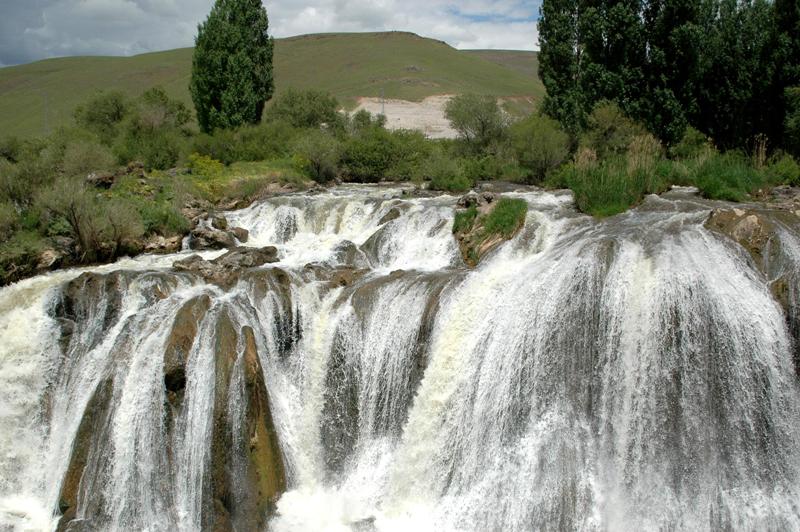
Muradiye Falls, much of which comes from snow melt. Photo by Leon Mauldin.

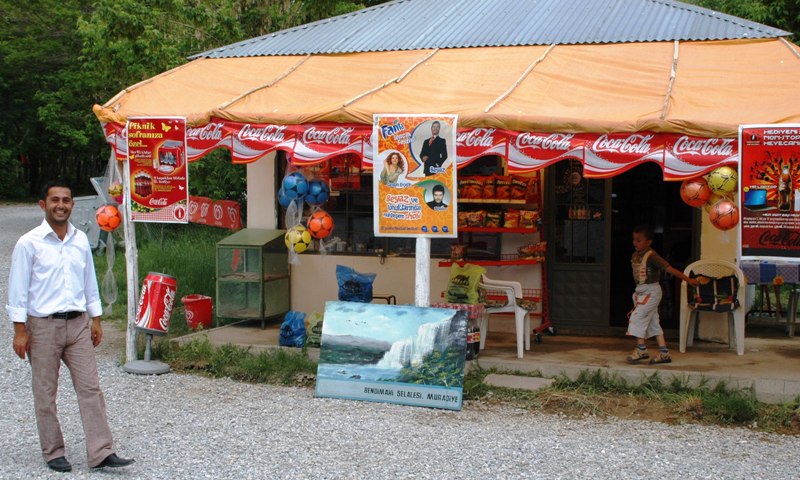
A little store is conveniently located on site.

Store at Muradiye Falls. Friendly people. Photo by Leon Mauldin.

Click on photos for larger view.


Sunset at Lake Van, Turkey

January 16, 2012

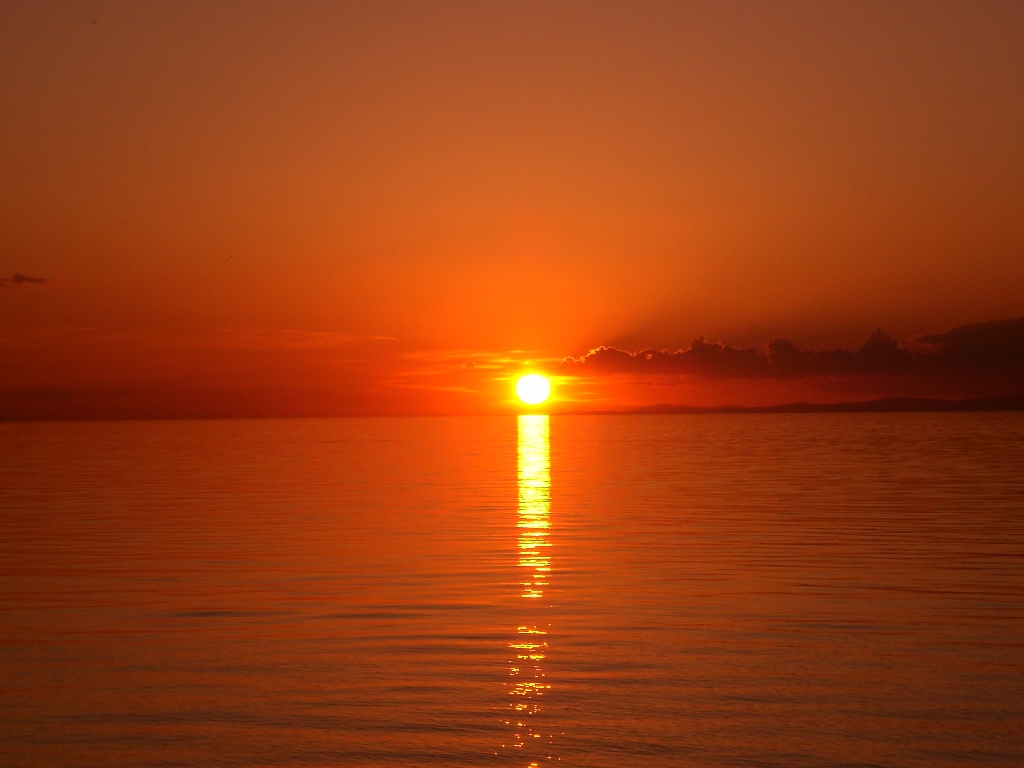
Lake Van is the largest lake in Turkey. It is located in Eastern Turkey in the Van District. This site is not far from the Ararat mountain range, where the ark came to rest (Gen. 8:4).

Lake Van at Sunset, Eastern Turkey. Photo by Leon Mauldin.

Click on photo for larger view.


Dietary Restrictions in Leviticus: The Stork

January 11, 2012

In a previous post we looked at some dietary restrictions in Leviticus, observing that God’s purpose was to shape and mold a people (Israel) into His own special possession.

Leviticus 11 includes a list of birds that were unclean for food, including the stork:

and the stork, the heron in its kinds, and the hoopoe, and the bat (v.19, NASB).

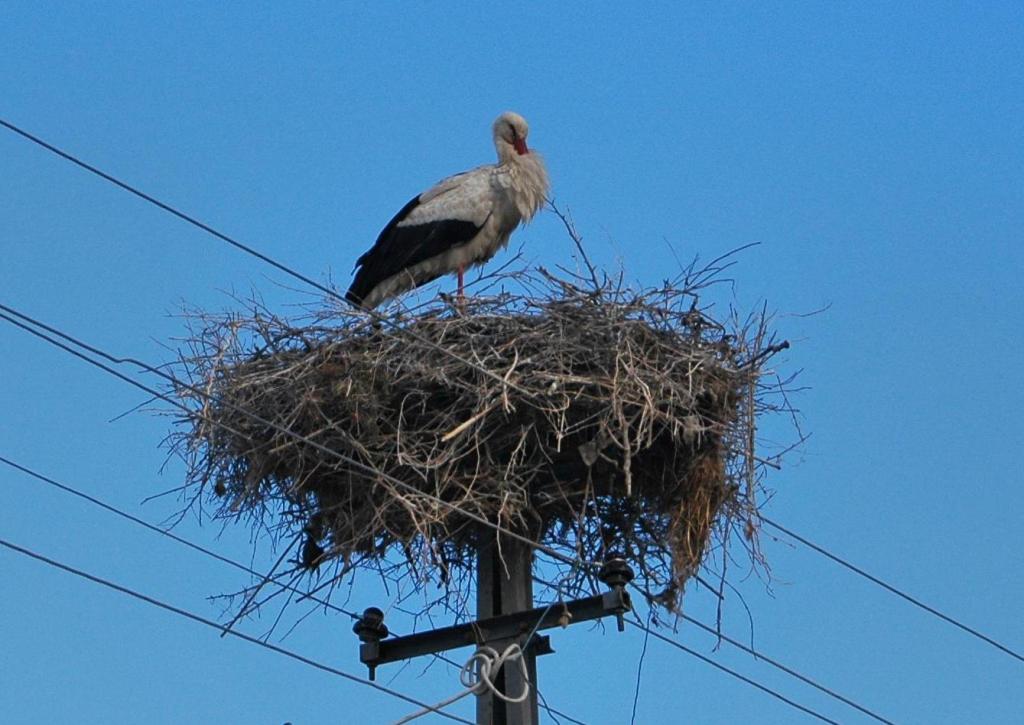
In Eastern Turkey near Mt. Ararat we photographed this stork.

Stork, listed among unclean animals in Leviticus 11. Photo by Leon Mauldin.

It is not uncommon for the stork to build its nest atop electrical poles.

The stork is mentioned in a few other biblical texts. The Lord sadly stated through the prophet Jeremiah,

Even the stork knows when it is time to move on. The turtledove, swallow, and crane recognize the normal times for their migration. But my people pay no attention to what I, the LORD, require of them (8:7, NET).

Migratory birds journey from Turkey to Africa taking the route of the “land bridge” of Israel. The Lord is saying that the birds (including the stork) obey Him, but His covenant people paid no attention.

Click on image for larger view.


Running the Race

January 4, 2012

Hebrews 12:1 states, “Therefore since we also have such a large cloud of witnesses surrounding us, let us lay aside every weight and the sin that so easily ensnares us, and run with endurance the race that lies before us” (CSB).

David McClister comments,

The idea of a race with a finish line in the distance before us suits well the picture of a faith that is forward-looking and that requires determination. Josephus spoke of ‘those who have a prize before them’ and how, when they are zealous about it, they do not stop working for it. Races in Greco-Roman times were held in a public venue called a stadium, of which several ancient examples survive (Olympia, Athens, Rome, Tyre, Laodicea, Pergamum, Ephesus, Priene, Miletus, Aphrodisias, Perge, Sardis, etc.). On each side of the race course was seating for spectators. The shortest races were about 210 yards, the longest were about 5,000 yards (2.8 miles), so stamina was needed for any one of them. The point of the imagery here is not about speed or who crosses first, but about endurance and running in the best possible way so as to finish what was started (A Commentary on Hebrews, p.441).

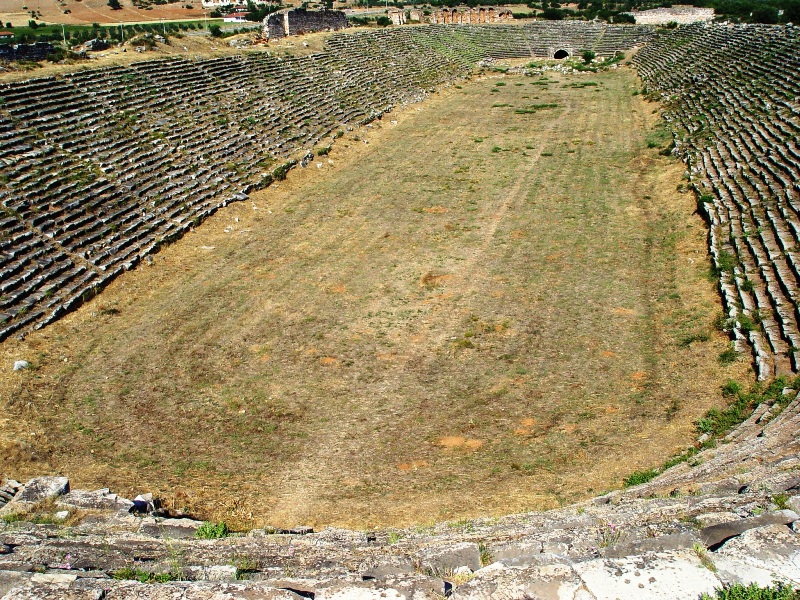
One of the best preserved Roman stadiums is at Aphrodisias (western Turkey), included in those mentioned above. This helps us understand the imagery used in the biblical text.

Roman Stadium at Aphrodisias Illustrates the text of Hebrews 12:1. Photo by Leon Mauldin.

In running this spiritual race, the inspired writer goes on to say, “keeping our eyes on Jesus, the source and perfecter of our faith, who for the joy that lay before Him endured a cross and despised the shame, and has sat down at the right hand of God’s throne” (v.2, CSB).

Click on image for larger view.


Dietary Restrictions in Leviticus

January 2, 2012

We recently referenced the book of Leviticus and its theme of holiness here. Chapter 11 lists the dietary restrictions which Israel was to follow. The basic rule of thumb was this: an animal must have a divided hoof and chew the cud; both were required.

3 Whatever parts the hoof and is cloven-footed and chews the cud, among the animals, you may eat. 4 Nevertheless, among those that chew the cud or part the hoof, you shall not eat these: The camel, because it chews the cud but does not part the hoof, is unclean to you. 5 And the rock badger, because it chews the cud but does not part the hoof, is unclean to you (ESV).

Two examples of animals which met one requirement, but not both, were the camel and the rock badger.

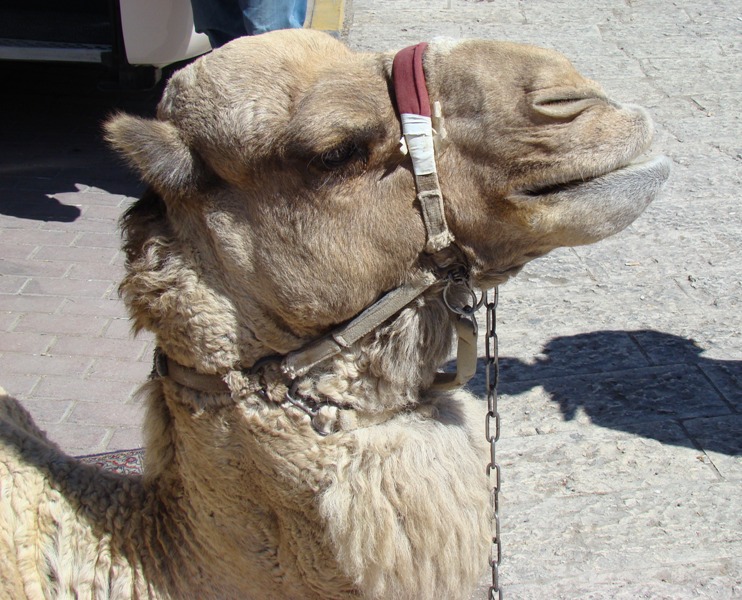
Camel, forbidden in Israel's diet. Photo by Leon Mauldin.

This camel which I photographed in Bethany earlier this year would have been forbidden as food under Mosaic law because though it chews the cud it does not have a divided hoof.

The rock badger was also forbidden.

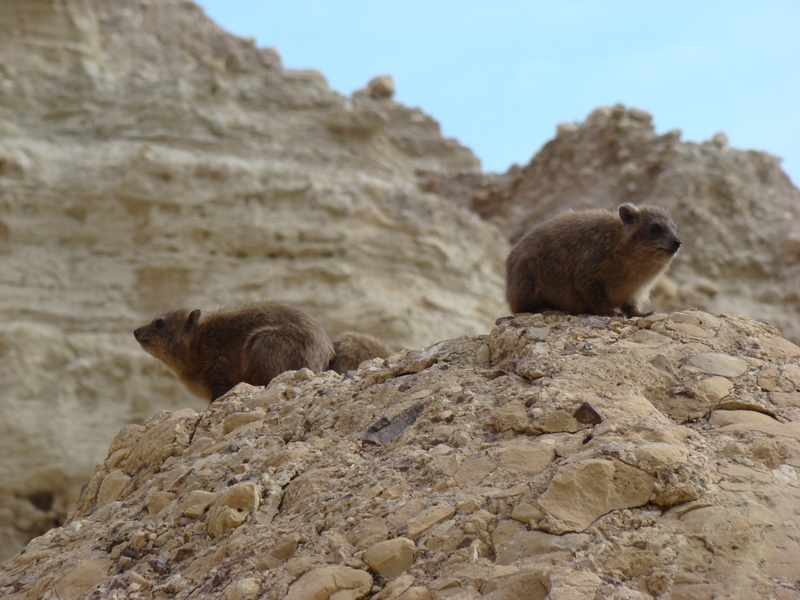
Rock Badgers at Ein Gedi. Photo by Leon Mauldin.

These rock badgers were at Ein Gedi, where such are commonly seen. Again, such was forbidden in ancient Israel’s diet. Like the camel, it chews the cud, but does not have a parted hoof.

On the other hand, the pig has the parted hoof, but does not chew the cud, so it was unclean also (Lev. 11:7). It occurs to me that I have not photographed any pigs in Israel.

Two observations:

1. God employed such means as these dietary restrictions to mold and shape a special people for His own possession. Such were not the end but the means to an end.

2. In the New Testament such distinctions have been removed.  Jesus said,

Do you not see that whatever goes into a person from outside cannot defile him, since it enters not his heart but his stomach, and is expelled?” ( Thus he declared all foods clean.) (Mark 7:18-19, ESV).

Click on images for larger view.


2011 in Review–Thank You to our Readers

January 1, 2012

The WordPress.com stats helper monkeys prepared a 2011 annual report for this blog.

Here’s an excerpt:

The concert hall at the Syndey Opera House holds 2,700 people. This blog was viewed about 49,000 times in 2011. If it were a concert at Sydney Opera House, it would take about 18 sold-out performances for that many people to see it.

Click here to see the complete report.


Rosh HaNiqra, cont’d.

December 23, 2011

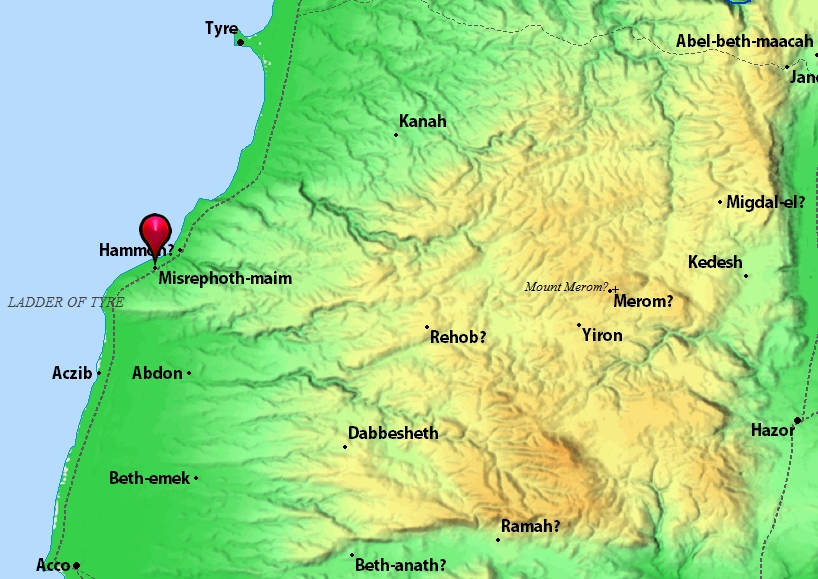
Our previous post was on Rosh HaNiqra, biblical Misrephoth Maim, which is only mentioned twice in scripture, Joshua 11:8; 13:6 (context: Israel’s Conquest of Canaan). It is always helpful to see a site’s location on a map.

Misrephoth Maim, or Rosh HaNiqra. Map by BibleAtlas.org.

Notice on the map the term Ladder of Tyre which is a reference to this portion of the coastal area south of Tyre. Rosh HaNiqra means “head of the ladder.”

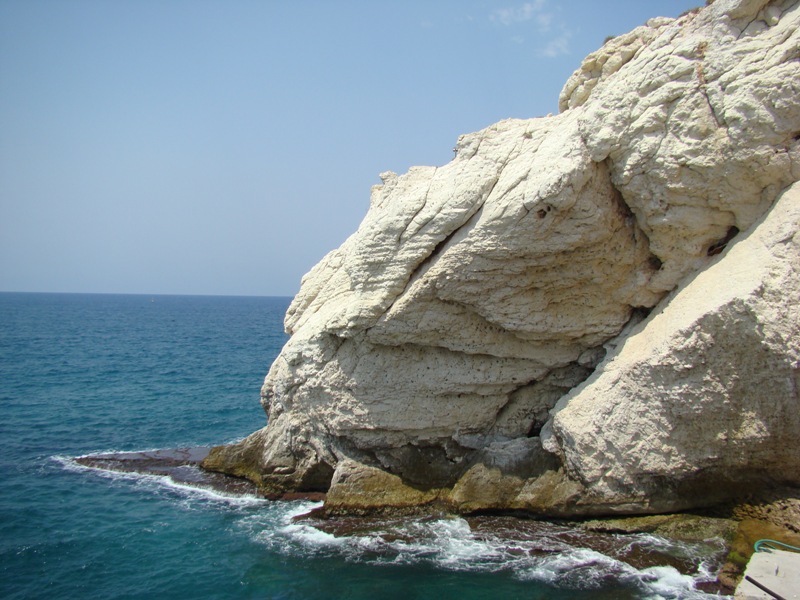
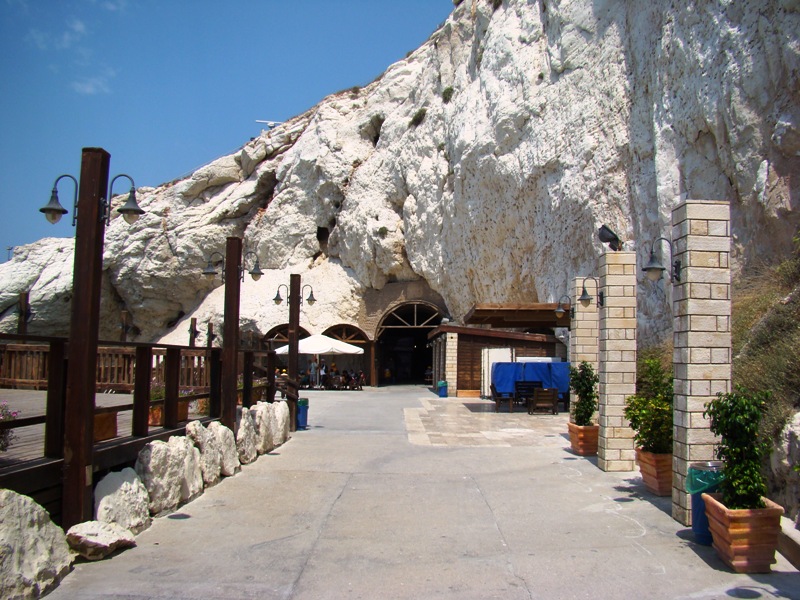
I was impressed with the area’s natural beauty, including the white chalk cliffs.

Rosh HaNiqra. Photo by Leon Mauldin.

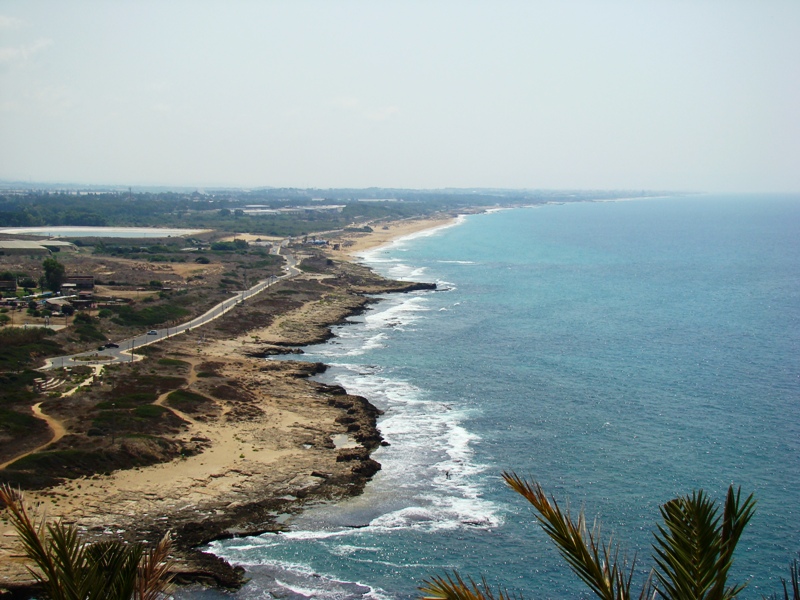
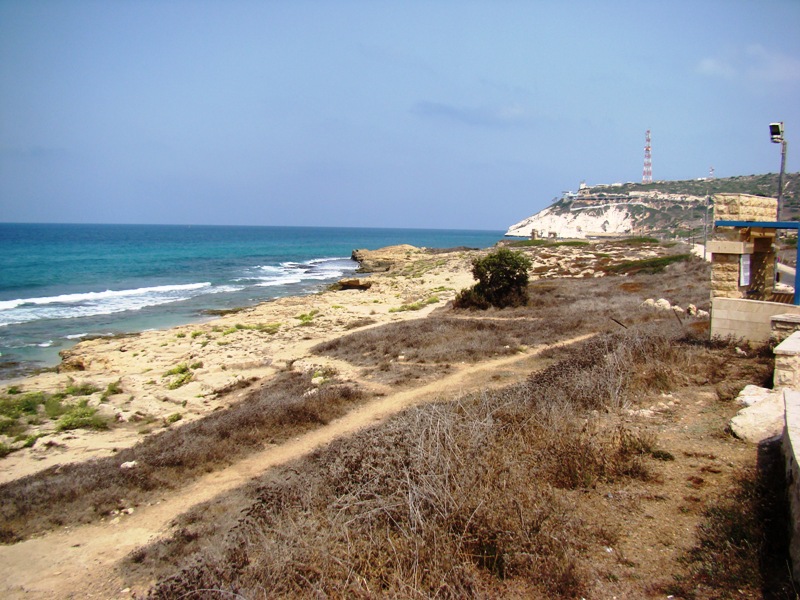
There is a good view of Israel’s northern coast looking southward from this location.

Israel's coast looking south from Rosh HaNiqra. Photo by Leon Mauldin.

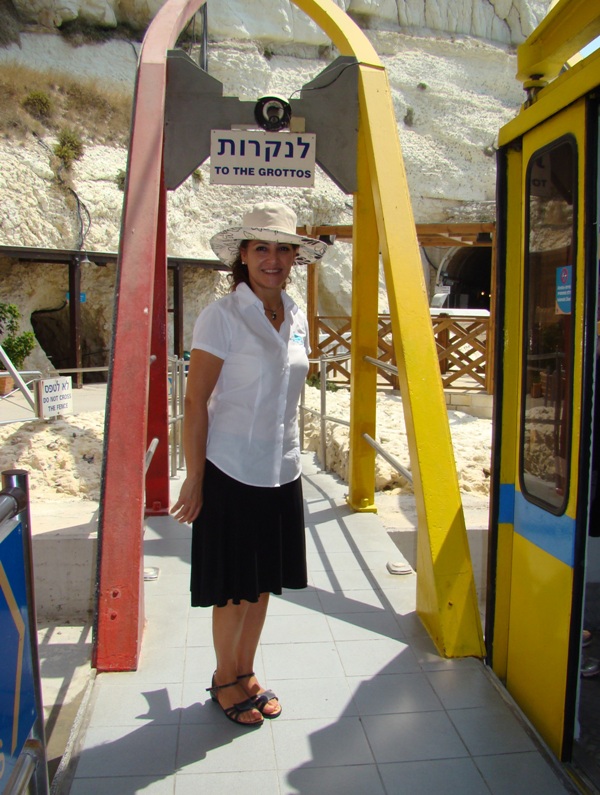
In yesterday’s post I shared a view from the cable car. While at Rosh HaNiqra in Sept., I asked one of the workers if I could take her photo.

Worker at cable car at Rosh HaNiqra. Photo by Leon Mauldin.

I find it interesting and helpful to not only become familiar with the more well-known biblical sites, but also those Bible places mentioned fewer times, even just once. If it’s part of the biblical record, I have an interest in it!

Click on images for larger view.


Misrephoth Maim (Rosh-HaNiqra), Israel’s Northern Border

December 22, 2011

Misrephoth-maim is mentioned twice in the biblical text.The first occurrence is in Joshua 11:8, which records the third phase of the Conquest, that of the north, and specifically that of Hazor, which formerly was the head of all those kingdoms (v.10). The text records the flight of the defeated Canaanites,

The LORD handed them over to Israel and they struck them down and chased them all the way to Greater Sidon, Misrephoth Maim, and the Mizpah Valley to the east. They struck them down until no survivors remained (Josh 11:8, NET).

With the initial Conquest accomplished, the Lord told Joshua,

I will drive out before the Israelites all who live in the hill country from Lebanon to Misrephoth Maim, all the Sidonians; you be sure to parcel it out to Israel as I instructed you (Joshua 13:6, NET).

We had the opportunity in September to see this interesting biblical site. Misrephoth Maim is identified with Rosh-HaNiqra, and is situated just below Israel’s border with Lebanon on the coast.

Rosh HaNiqra. Looking north to Lebanon. Photo by Leon Mauldin.

Alexander the Great tunneled through the cliffs here to bring his army from Tyre down to Israel.

Rosh HaNiqra. Alexander the Great tunneled through the mountain here. Facing north. Photo by Leon Mauldin.

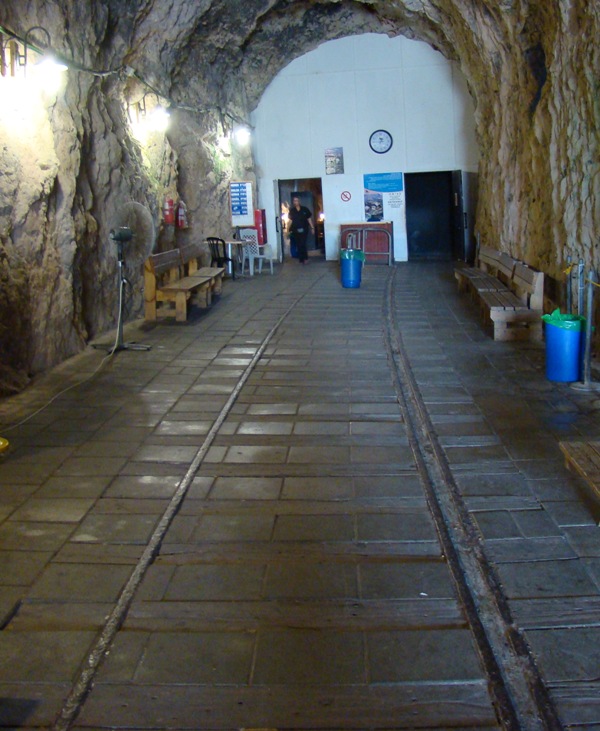
We had the occasion to go inside the tunnel.

Rosh HaNiqra inside tunnel. Photo by Leon Mauldin.

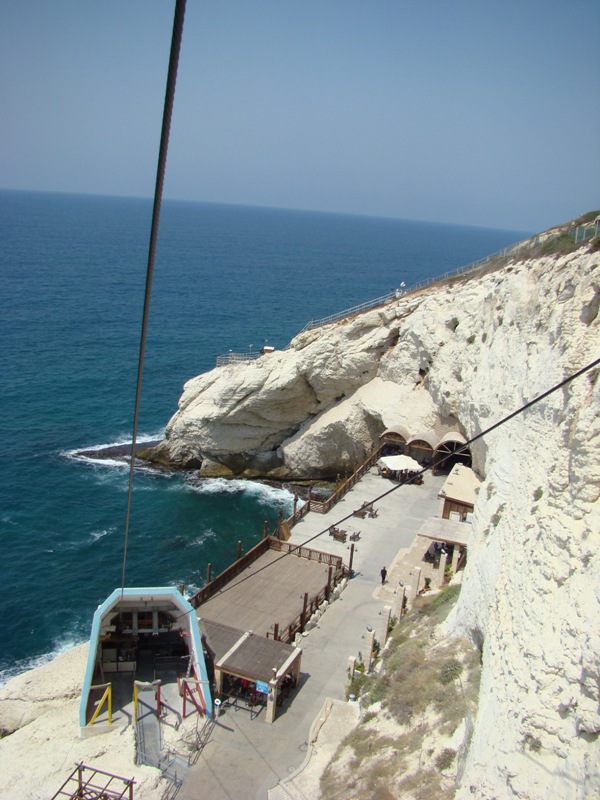
Here is a view from the cable car:

Rosh HaNiqra. View from Cable Car. Photo by Leon Mauldin.

Wikipedia has this info:

The Book of Joshua mentions ‘Misraphot Mayim’ as a place south of Rosh HaNikra that was the border of the Israelite tribes of the time (13:6). Jewish sages referred to the cliff as “The Ladder of Tyre’ (Hebrew: sullam Tzor‎).The site was later renamed A-Nawakir (“the grottos”) after an Arab conquest. The present name, Rosh HaNikra, is Hebrew for the later Arabic name ‘Ras-an-Nakura.’

Throughout human history, Rosh HaNikra served as a passage point for trade caravans and armies between Lebanon, Syria, Israel, Egypt, and Africa. The British blasted a railway tunnel through the nearby rocks for trains running along the Cairo-Istanbul line. A bridge was destroyed by Jewish underground fighters prior to 1948 during the operation Night of the bridges.

Rosh Hanikra was the site where Israeli and Lebanese officials negotiated and concluded an armistice in 1949 which ended the Lebanese-Israeli component of the 1948 War of Israeli Independence.

Click on images for larger view.


Traditional Site of Jesus’ Birth in Bethlehem

December 18, 2011

Justin Martyr (c.103-165 AD), wrote in Dialogue with the Jew Trypho:

But when the Child was born in Bethlehem, since Joseph could not find a lodging in that village, he took up his quarters in a certain cave near the village; and while they were there Mary brought forth the Christ and placed Him in a manger . . . (The Ante-Nicene Fathers Vol. I, p. 237).

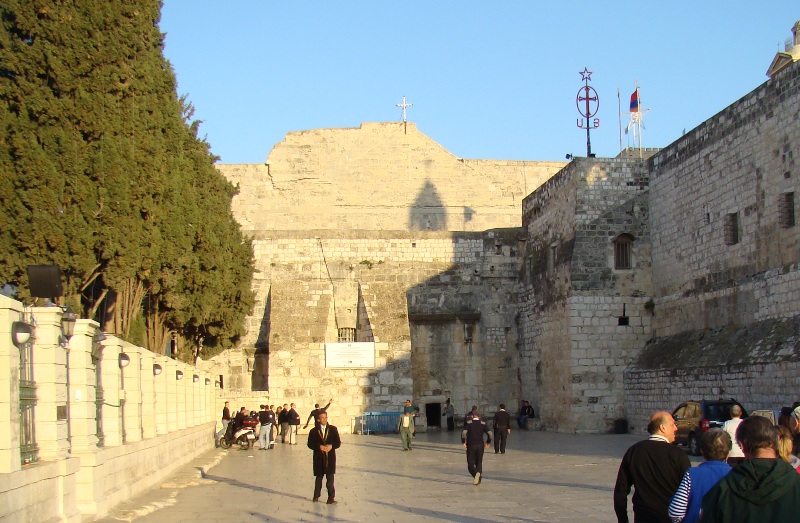
The Church of the Nativity was built by Helena, Constantine’s mother in 339 AD. It was built above the traditional cave which is associated with Jesus’ birth. This photo shows the approach to the church.

Church of the Nativity in Bethlehem. Photo by Leon Mauldin.

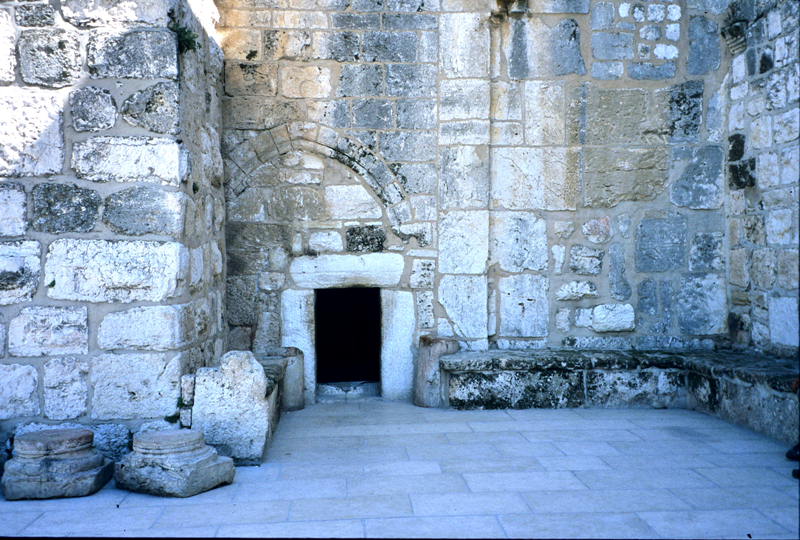
Here is a close-up of the entrance to the church.

Church of Nativity Entrance. Bethlehem. Photo by Leon Mauldin.

The above photo is a scanned slide I took in 1999.

Inside you can see the cave, the traditional place of Jesus’ birth.

Star Marking the Place of Jesus' Birth in Bethlehem. Photo by Leon Mauldin.

Other early evidence pointing to this spot as the location of Jesus’ birth includes that of Origen and Jerome.

For some thoughts on the useful purpose of shrines in this context, see Ferrell Jenkin’s post here.

Click on images for larger view.


Humble Birth: the Manger

December 17, 2011

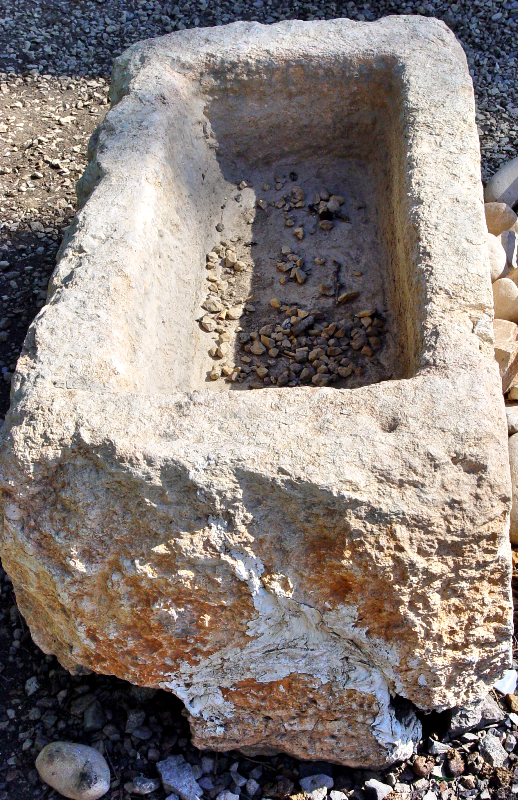
This time of year the word manger is at the top of the list of search words that brings folks to this site. Here is a manger we photographed in Jericho back in November, 2005. This was among other artifacts visitors could see; there was no info available as to where the manger was actually discovered, whether near Jericho or elsewhere.
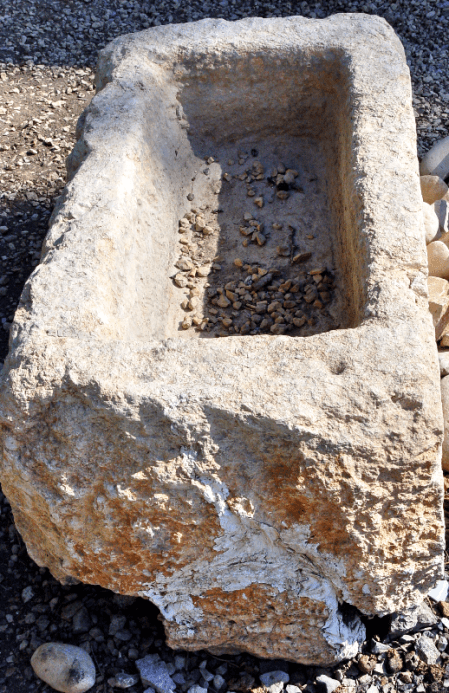
Manger at Jericho. Photo by Leon Mauldin.

Other posts on Jesus’ becoming flesh and being placed in a manger may be seen here and here. I continue to stand amazed at the thought of our eternal Creator becoming flesh, and having a feeding trough as a bassinet! It thrills my soul to think of God becoming flesh!

Luke 2:7 And she gave birth to her firstborn son; and she wrapped Him in cloths, and laid Him in a manger, because there was no room for them in the inn. (NASB).

Note the rendering of the CSB: Then she gave birth to her firstborn Son, and she wrapped Him snugly in cloth and laid Him in a feeding trough– because there was no room for them at the inn.

John 1:14 And the Word became flesh, and dwelt among us, and we saw His glory, glory as of the only begotten from the Father, full of grace and truth. (NASB).

It was necessary in God’s Redemptive Plan that the Eternal Word should become flesh, that he might defeat Satan, and become the propitiation for our sins.

It is also helpful to remember that when the Apostle John saw the resurrected Christ, the Son of God in His present glory, he did not see a baby in a manger. At Patmos, John wrote, “When I saw Him, I fell at His feet like a dead man. And He placed His right hand on me, saying, ‘Do not be afraid; I am the first and the last, and the living One; and I was dead, and behold, I am alive forevermore, and I have the keys of death and of Hades'” (Rev. 1:17-18, NASB).

Likewise we would do well not to limit our thoughts of Jesus to a baby in a manger, but see Him also as the Lord of lords and King of kings, the One before Whom all shall give account on the last day.

Click on image for larger view.