“For this reason I left you in Crete…”

July 14, 2010

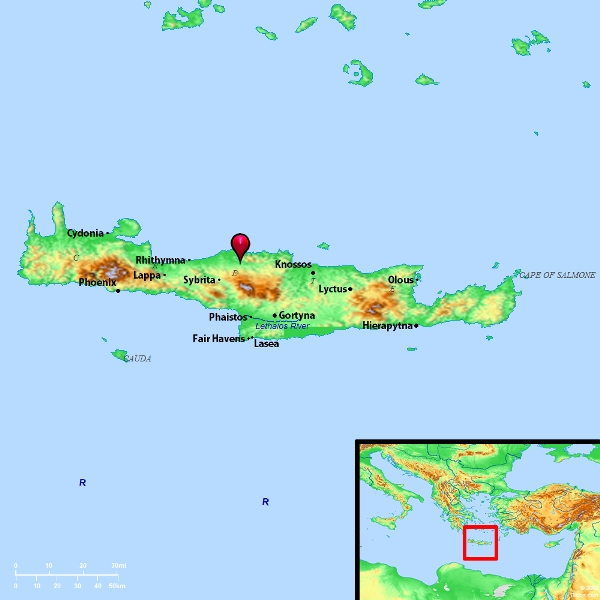
With our previous post on Laodicea we completed our look at the cities of the seven churches addressed in Revelation 2-3, sites which we visited in March of this year.  We were also able to see some of the biblical islands, including Crete.

Crete is mentioned on two occasions in the New Testament; in Acts 27:7ff., in connection with Paul’s journey (as a prisoner) to Rome, and then later in Titus 1:5. Additionally, Cretans are mentioned as being among those present on the Day on Pentecost (Acts 2:11). In the Titus text Paul wrote the evangelist, “For this reason I left you in Crete, that you should set in order the things that are lacking, and appoint elders in every city as I commanded you.”

Crete is the fourth largest island in the Mediterranean, following Sicily, Sardinia and Cyprus.  Excavations at Knossos, Crete have  confirmed the existence of well established civilizations dating back to the time of Abraham (ca. 2000 B.C.), and beyond.

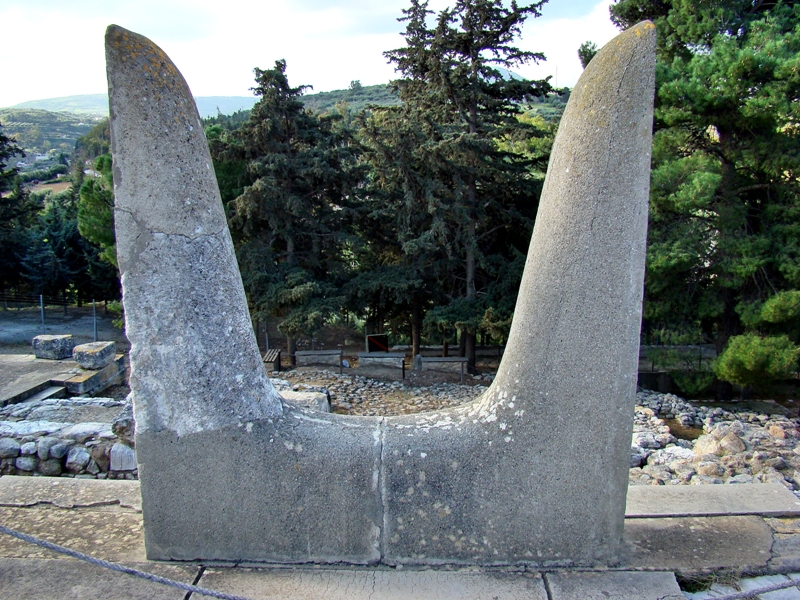
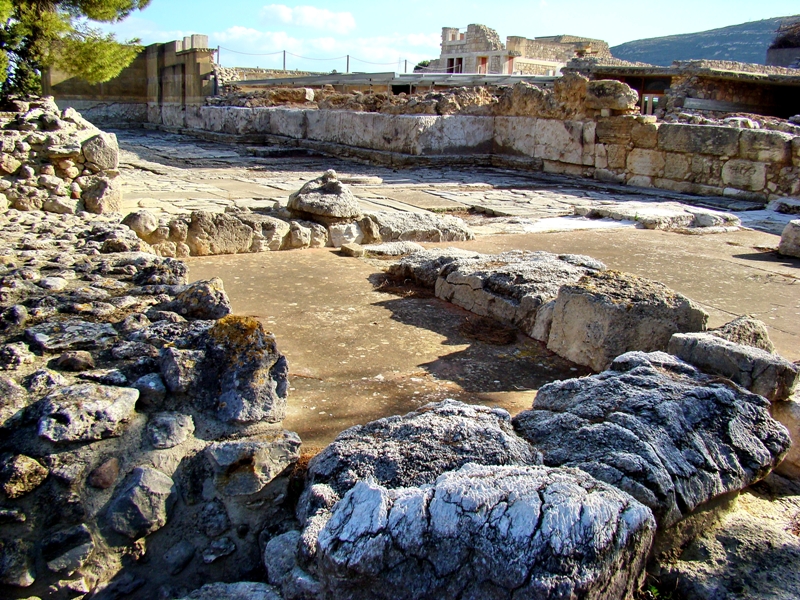
Palaces were located at such coastline cities as Knossos, which served as the heart of economic, political and religious life.

Palace of Knossos at Crete. Photo ©Leon Mauldin.

Sir Arthur Evans, British archaeologist, excavated this site beginning in 1900. He used what was then newly developed methods of stratigraphy, and kept accurate and careful records of his findings.  His many years of work were published in a four-volumes, The Palace of Minos (1921-1936), Minos being the ancient legendary king.

Large storage jars at Knossos, Crete. Photo by Leon Mauldin.

More to come on Knossos, Crete.  Remember to click on image for larger view.


Laodicea, I wish you were cold or hot!

July 6, 2010

This is the wording to the lukewarm church at Laodicea (Rev. 3:14), one of the seven churches in the Roman province of Asia addressed in Rev. 2-3.  At first glance it would seem plausible to assign the meaning of fervent and zealous to “hot,” and “cold” would mean to just quit altogether.  However, a look at the setting and characteristics of the city may well be the basis for this statement of Jesus.

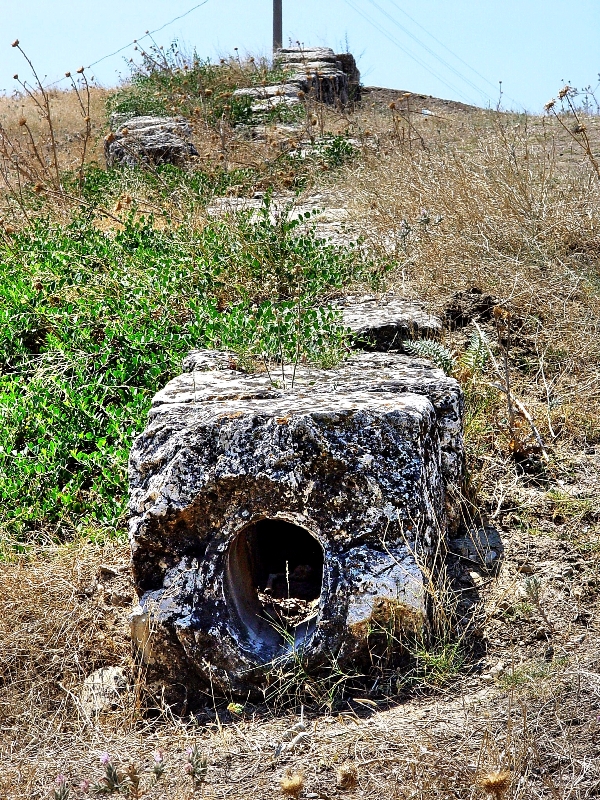
Laodicea, though a wealthy city, was known for its tepid, lukewarm water, which was brought in from the south of the city, five miles distant.

Laodicea. Water was piped in from the south. Photo ©Leon Mauldin.

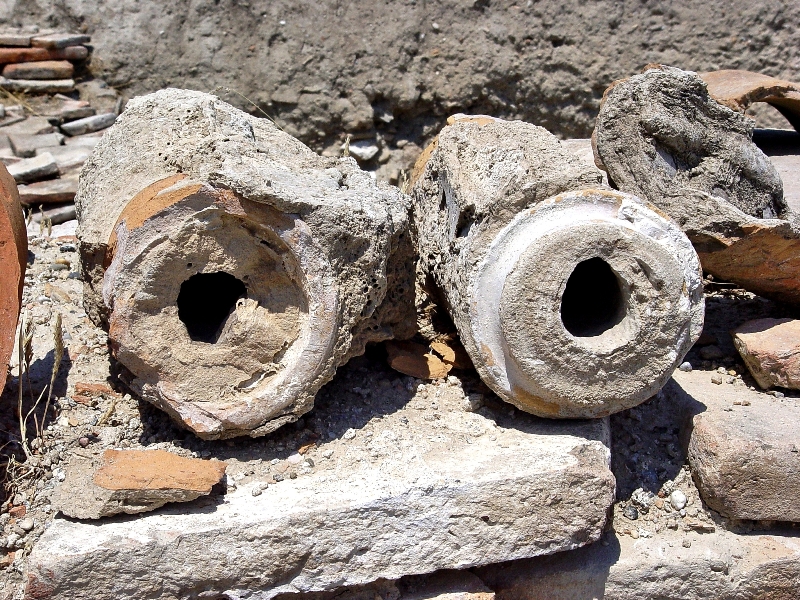
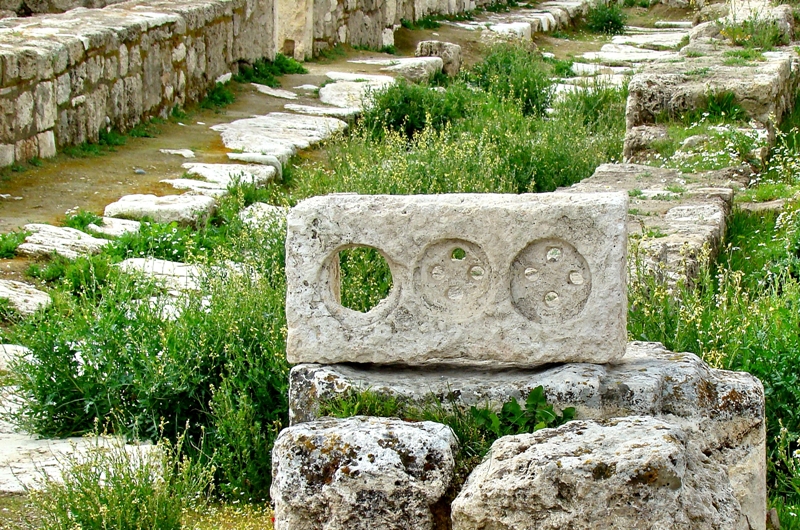
It doesn’t appear that it was too appetizing as you see the tendency of the pipes to clog, as illustrated in our photo. These are some sections of pipe excavated by archaeologists.

Laodicea Clogged Pipes. Photo ©Leon Mauldin.

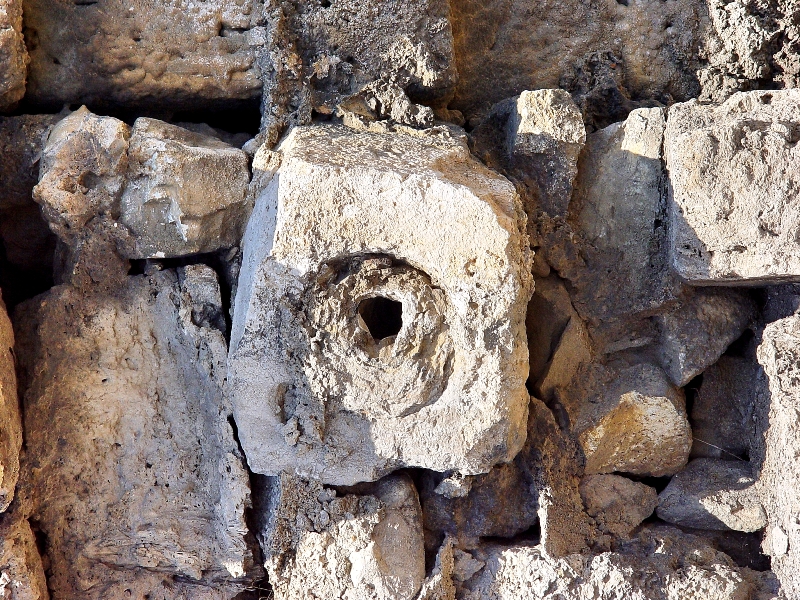
The water distribution tower shows the poor quality of Laodicea’s water.

Clogged Pipe at Laodidea's Water Distribution Tower. Photo ©Leon Mauldin.

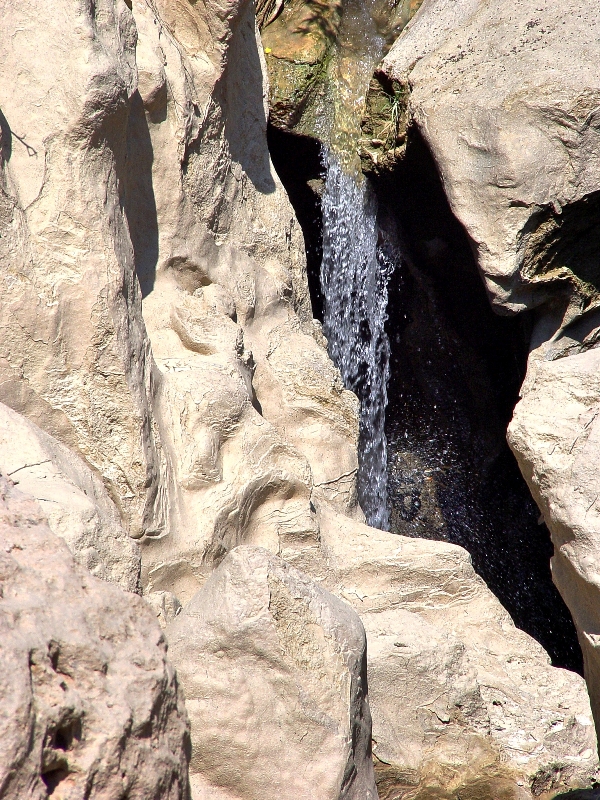
But back to our point about the setting of Laodicea.  Nearby to the east Colossae was known for its cold refreshing water.  Cold can be a good thing!

Cold refreshing water at Colossae. Photo ©Leon Mauldin.

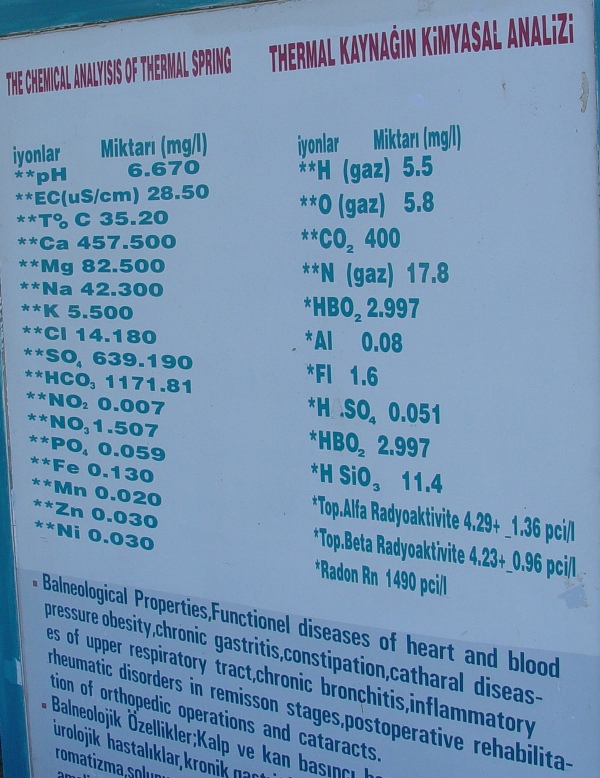
Just to the north and within sight of Laodicea is Hierapolis.  It was known for its hot thermal springs.  Hot is good!  Hot water has medicinal value; Hierapolis became a healing centers. The sign below was photographed there listing all sorts of benefits.  Roman emperors were among those who made the journey here.

Hieraoplis. Hot thermal springs have medicinal value. Photo ©Leon Mauldin.

Again, cold water is good and refreshing; hot water is good for healing, but lukewarm, what good is that?  The church had taken on the characteristic of the city, and had likewise become lukewarm. What Jesus wanted the church to do was not to become cold in the sense of quitting; he wanted them to “be zealous and repent,” to turn from their lukewarmness.

Study and see if you think this fits.  It is consistent with Jesus’ other references to Laodicea’s wool, wealth, and eye care and using these as the basis of His admonitions (Rev. 3:18).

Remember to click on image for larger view.


More on Laodicea

June 28, 2010

One interesting find at Laodicea in a large house just off Syria Street, was this filter connected to indoor plumbing.

Water Filter at Laodicea. Photo ©Leon Mauldin.

The right side and center is for water entering the building, while the left side is designed for water leaving the building. In another post we want to discuss further the water situation at Laodicea.

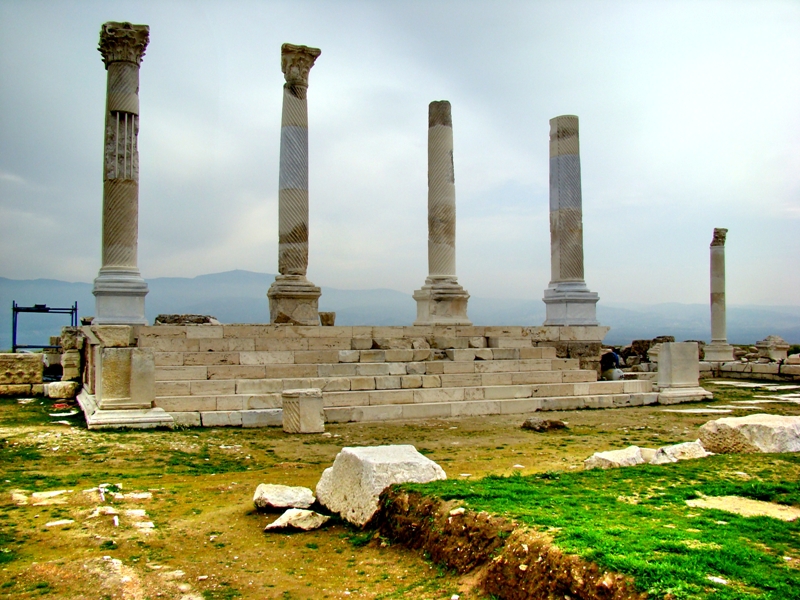
In our articles/photos posted on the Seven Churches of Rev. 2-3, we have repeatedly seen evidence of temples devoted to various pagan gods.  It is difficult to overstate how widespread and pervasive idolatry was in the biblical world, in both Old Testament as well as New Testament times.  At Laodicea one can see the remains of a temple, known as Temple A, located on the north side of the city.

Temple A. Laodicea. Photo ©Leon Mauldin.

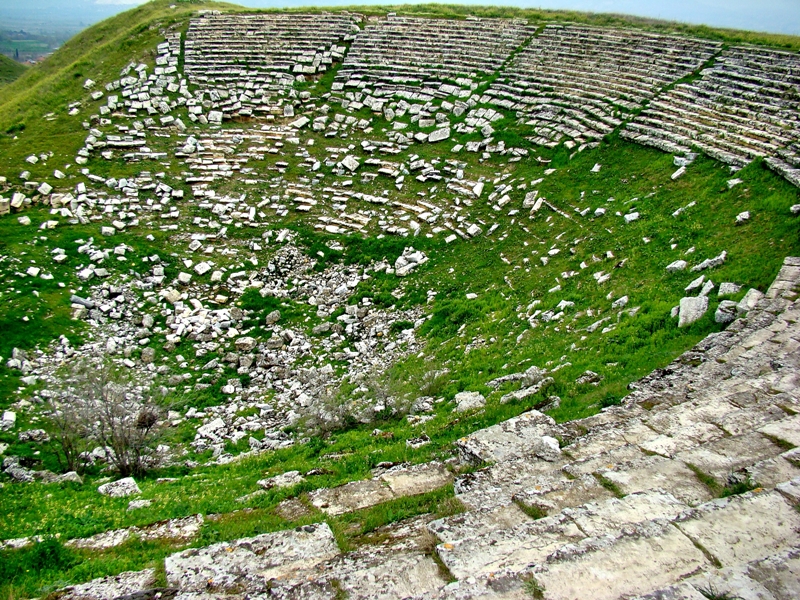
Of course, every city of significance had a theater.  Pictured here is the Hellenistic theater, located on the west side of the city.

Hellenistic Theater at Laodicea. Photo ©Leon Mauldin.

Click on image for larger view.  More to come.


Laodicea, cont’d.

June 26, 2010

In our previous post we saw a startling difference between the Laodiceans’ assessment of themselves, and the Lord’s evaluation.  They thought they were rich and in need of nothing; Jesus said that spiritually they were “wretched, pitiful, poor, blind, and naked” (Rev.3:17).  They were blissfully unaware of their true condition before God! Further, their lukewarmness was a condition that nauseated the Lord.

That’s why we have the Bible. Therein is revealed how to be saved by the provisions of God in Jesus Christ, and then further teaching furnishes the Christian with what God wants His people to be.  In other words, to avoid the condemnation of the Lord, and to have His approval, requires constant looking at the Scriptures as the standard, and examining self in light of that Word.

But we want to explore further the city itself where the church addressed in Rev. 3 was located.

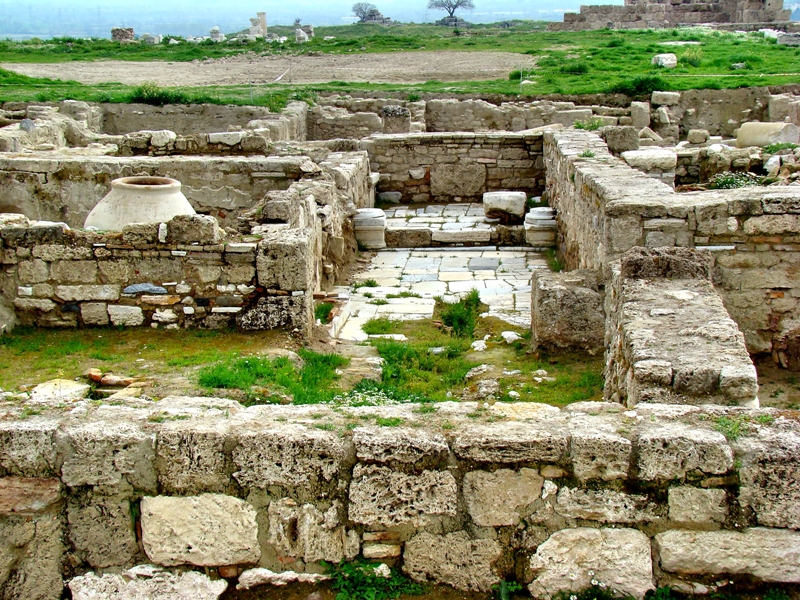
Besides the evidence of many public buildings and facilities, archaeologist have also excavated some private residences, such as the one in this photo. Note the storage jar at left center.

Private Residence at Laodicea. Photo ©Leon Mauldin.

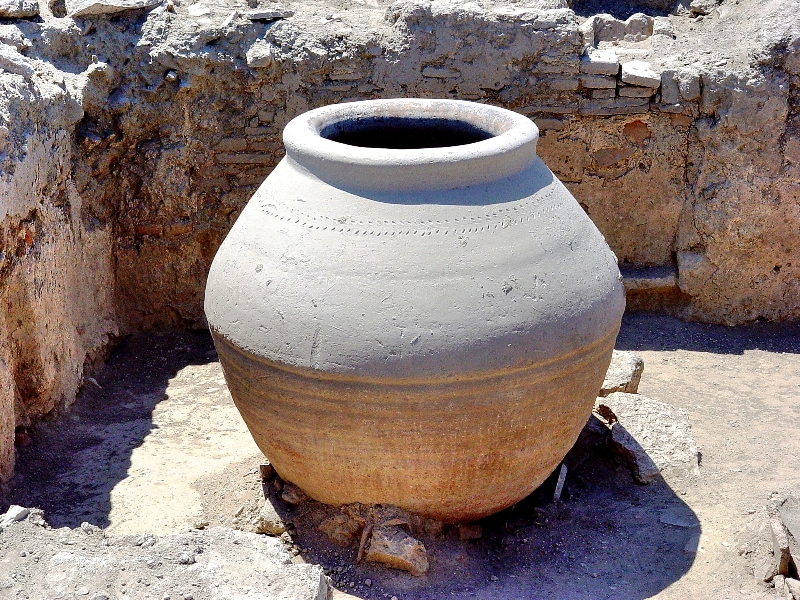
Such storage jars would have been used in homes for storage of grain and other such items.  Such items are indicative of considerable purchasing power.

Storage Jar in Private Residence at Laodicea. Photo ©Leon Mauldin.

Still more to come on Laodicea.  Click on image for larger view.


Laodicea, the Church that Nauseated the Lord

June 25, 2010

Laodicea is the seventh of the seven churches addressed in Revelation 2-3. Laodicea was a biblical city of great importance: it was a wealthy banking center, it was known for its black raven wool and the manufacture of clothing; also it was known for its invention of eye salve.   Located in the Lycus River Valley, Laodicea was strategically situated on an east-west travel route.  Nearby Hierapolis was known for its medicinal hot springs; neighboring Colossae was known for its cold refreshing water.  Laodicea was noted for neither; its water was tepid, lukewarm and sickening. With these things in mind, consider Jesus’ assessment of the church, which had taken on the lukewarm characteristics of the wealthy city:

15 ‘I know your deeds, that you are neither cold nor hot. I wish you were either cold or hot! 16 So because you are lukewarm, and neither hot nor cold, I am going to vomit you out of my mouth! 17 Because you say, “I am rich and have acquired great wealth, and need nothing,” but do not realize that you are wretched, pitiful, poor, blind, and naked, 18 take my advice and buy gold from me refined by fire so you can become rich! Buy from me white clothing so you can be clothed and your shameful nakedness will not be exposed, and buy eye salve to put on your eyes so you can see! (Rev. 3:15-18, NET).

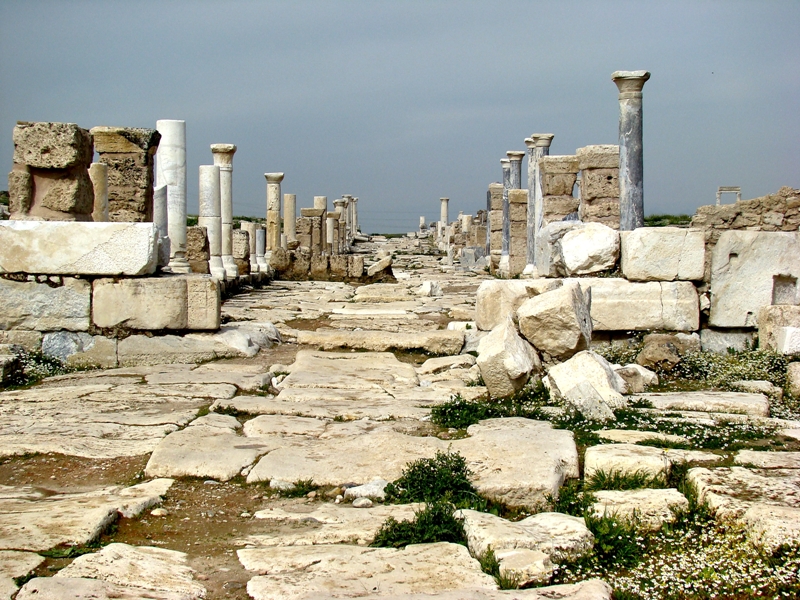
Since 2000, extensive excavation has been done at Laodicea, and continues through the present. Much of the work has been to reveal some of the major streets of the city, including the main street featured in our photo here. This street was called Syria Street.

Laodicea Syria Street. Main Street in City. Photo ©Leon Mauldin.

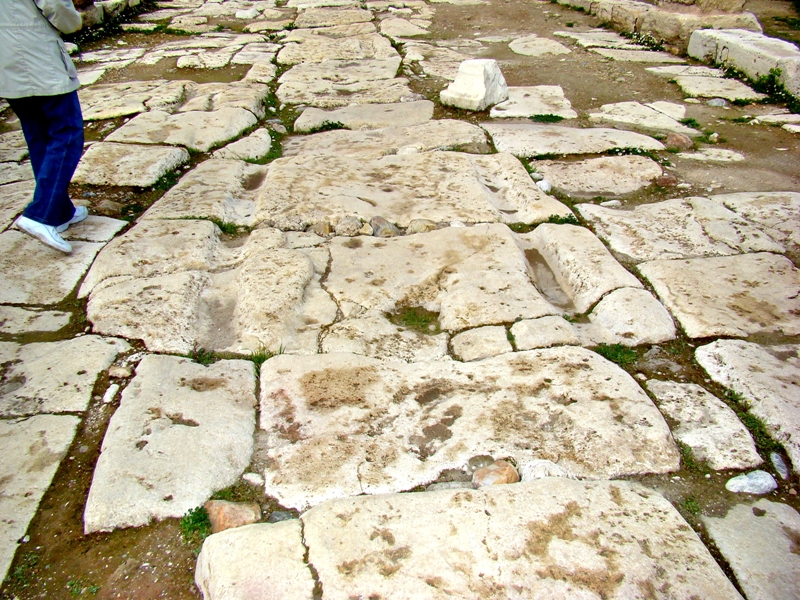
The scoring of pavement stones made by chariot wheels may be seen at some points in the street.

Grooves in Street Made by Chariot Wheels. Photo ©Leon Mauldin.

Syria Street as well as other streets would have been lined with shops on either side.  Our photo below depicts a mosaic at the entrance of an ancient shop.

Laodicea Mosaic at Shop Entrance. Photo ©Leon Mauldin.

More to come on Laodicea.  Remember to click on photo for larger view.


Philadelphia, Oxen and Garlands

June 21, 2010

Recent posts have featured the biblical city of Philadelphia, one of the cities with churches addressed in Rev. 2-3.  The Lord had only good things to say about two of those churches — Smyrna and Philadelphia.

Bear in mind that when we speak of churches we are not referring to church buildings, but the people, Christians, who made up those local congregations.

Note this artifact found at Philadelphia.

Oxen and Garlands at Philadelphia. Photo ©Leon Mauldin.

The oxen and garlands featured here put us in mind of Paul’s preaching at Lystra, as recorded in Acts 14:11-18, when the priest of Zeus intended to offer sacrifices of oxen and garlands to Paul and Barnabas, following Paul’s healing of the lame man:

When the crowds saw what Paul had done, they raised their voice, saying in the Lycaonian language, “The gods have become like men and have come down to us.” And they began calling Barnabas, Zeus, and Paul, Hermes, because he was the chief speaker. The priest of Zeus, whose temple was just outside the city, brought oxen and garlands to the gates, and wanted to offer sacrifice with the crowds. 14 But when the apostles Barnabas and Paul heard of it, they tore their robes and rushed out into the crowd, crying out and saying, “Men, why are you doing these things? We are also men of the same nature as you, and preach the gospel to you that you should turn from these vain things to a living God, WHO MADE THE HEAVEN AND THE EARTH AND THE SEA AND ALL THAT IS IN THEM. “In the generations gone by He permitted all the nations to go their own ways;  and yet He did not leave Himself without witness, in that He did good and gave you rains from heaven and fruitful seasons, satisfying your hearts with food and gladness.”  Even saying these things, with difficulty they restrained the crowds from offering sacrifice to them.

A couple of observations: Our text is from the New American Standard Bible, which makes us of capital letters, not for emphasis, but to indicate a quotation from the Old Testament(here cf. Psa. 146:6; Isa. 45:18).  Also, for “oxen and garlands,” the NIV renders, “bulls and wreaths.”

This was not an uncommon motif, as you can see from our photo below, taken in the Ephesus Museum:

Oxen and Garlands. Ephesus Museum. Photo ©Leon Mauldin.

In this photo, note that rams appear on either side, with the ox in the middle. Click on image for larger view.

Next we plan to visit Laodicia.


Philadelphia, its Environs, cont’d

June 15, 2010

We continue in today’s post to explore biblical Philadelphia, the sixth of the seven cities with churches addressed in Rev. 2-3.

Nelson’s New Illustrated Bible Dictionary gives this info regarding Philadelphia:

Philadelphia was situated on the Cogamus River, a tributary of the Hermus (modern Gediz) and was about 45 kilometers (28 miles) southeast of Sardis. It was founded by Attalus II (Philadelphus), who reigned as king of Pergamos from 159 B.C. until 138 B.C. Philadelphia was a center of the wine industry. Its chief deity was Dionysus, in Greek mythology the god of wine (the Roman Bacchus).

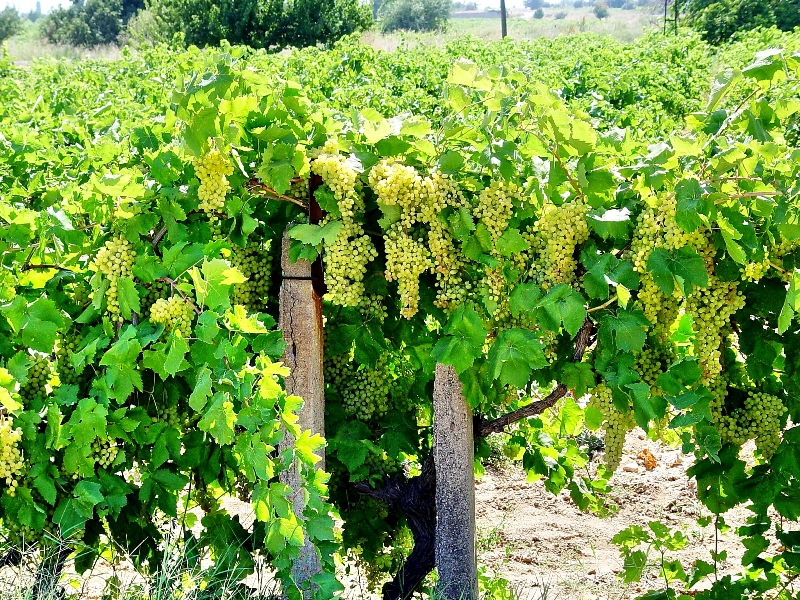
Volcanic activity has contributed to the fertility of the soil.  In ancient times as well as the present, Philadelphia is well suited for vineyards.  See our photo below.

Vineyards at Philadelphia. Photo ©Leon Mauldin.

Philadelphia and its environs were prone to earthquake.  Bible and Spade (1976, vol. 5) quotes the Greek geographer Stabo:

…the city Philadelphia [is] ever subject to earthquakes. Incessantly the walls of the houses are cracked, different parts of the city being thus affected at different times. For this reason but few people live in the city, and most of them spend their lives as farmers in the country, since they have a fertile soil. Yet one may be surprised at the few, that they are so fond of the place when their dwellings are so insecure; and one might marvel still more at those who founded the city. (Strabo 13.4.10; trans. Jones)

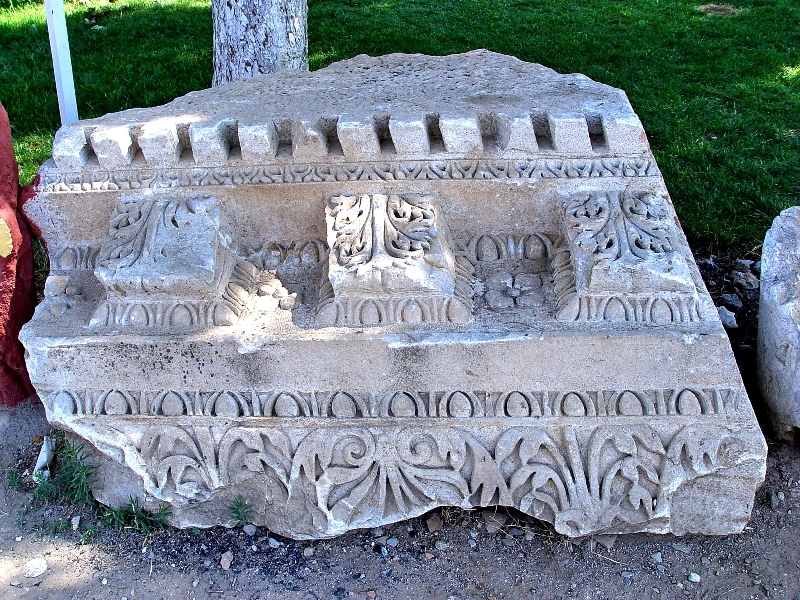
At the acropolis one may see a few artifacts of interest, such as this architrave fragment.

Architrave Fragment at Philadelphia. Photo ©Leon Mauldin.

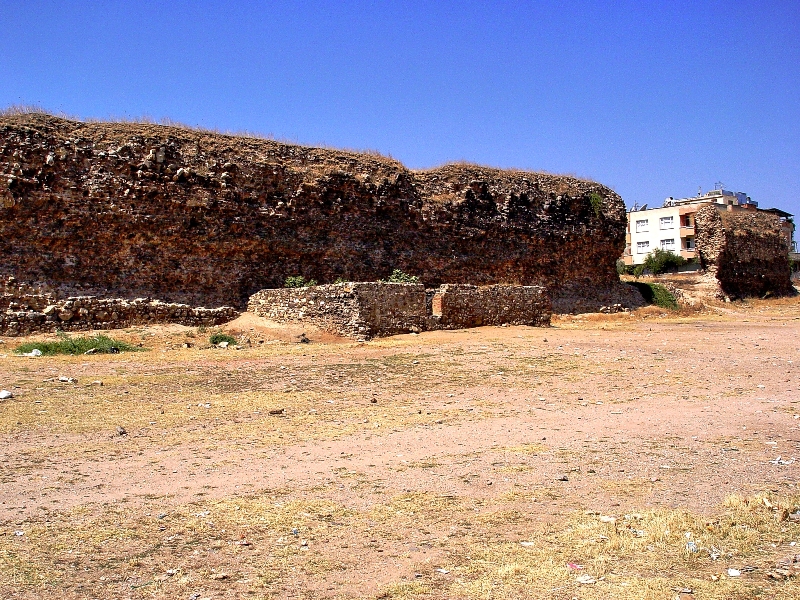
One may also view an ancient wall, as seen in our photo.

Ancient Wall in Philadelphia. Photo ©Leon Mauldin.

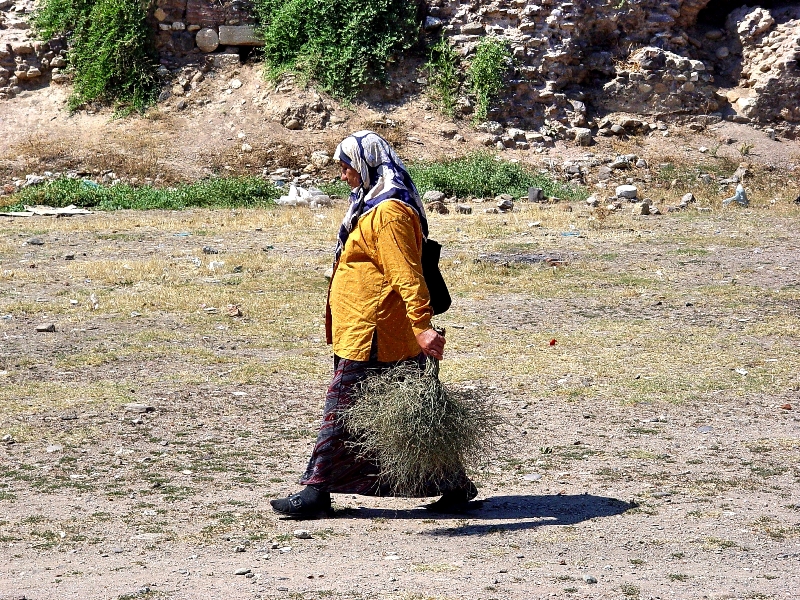
A woman walked by in front of that wall.  Apparently she was gathering material for a broom.

Woman with broom materials at Philadelphia. Photo ©Leon Mauldin.

Every ancient city of significance had a theater.  The one at Philadelphia has not been excavated, but its slope and semi-circular form can easily be detected.

Unexcavated Theater at Philadelphia. Photo ©Leon Mauldin.


Philadelphia, the Church with an Open Door

June 14, 2010

We continue to give attention to the cities of the Seven Churches addressed in Rev. 2-3, looking now at Philadelphia, modern Alasehir.  The churches at Philadelphia and Smyrna were both commended by the Lord; there were no charges of wrong doing against either congregation.

Further, Jesus said, “Look! I have put in front of you an open door that no one can shut” (Rev.3:8).  Many biblical students believe that the “open door” refers to Philadelphia’s location, on the great trade-route from Smyrna to the highlands of Phrygia.  Their faithfulness would be rewarded by further opportunities to proclaim the gospel to the many merchants and other travelers passing through this strategic site.

Our photo below shows view from the lower city, looking between Byzantine columns (Church of St. John), looking up to the acropolis.

Philadelphia. View from lower city facing acropolis. Photo by Leon Mauldin.

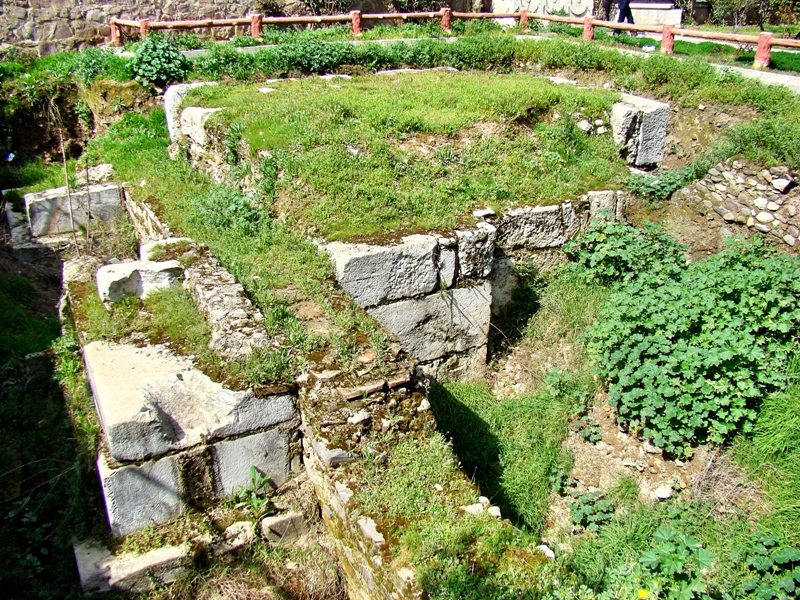
Very little excavation has been done in Philadelphia.  In photo below you can see some of the excavated area.

Limited excavations at Philidelphia. Photo by Leon Mauldin.

From the acropolis looking down one has a good view of Philadelphia.

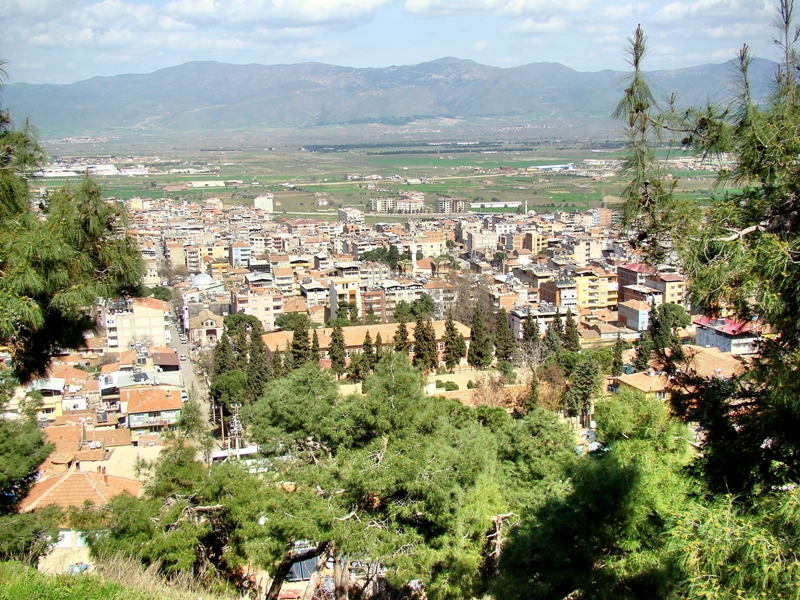
Philadelphia modern Alasehir. View from acropolis. Photo by Leon Mauldin.

Click on image for larger view.  More to come on Philadelphia.


Sardis: Baptistry, Gymnasium, Sheep

June 9, 2010

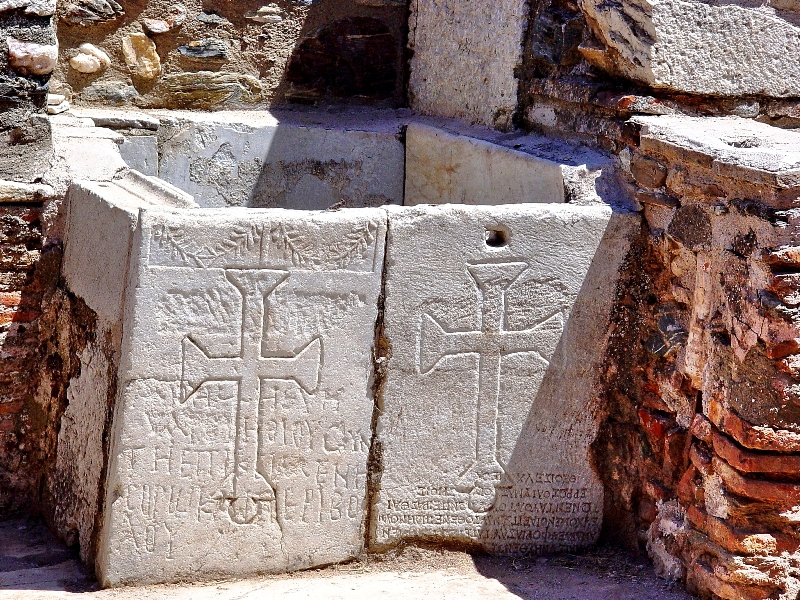
The concept of recycling is ancient; when visiting biblical sites it is common to see evidence of secondary usage of materials.  In our photo below, Fatih Cimok explains that this marble object is made of  “reused material from the Byzantine shops situated next to the synagogue in Sardis.”  This is believed to have been a baptistry.

Sardis Baptistry. Photo ©Leon Mauldin.

Cimok goes on to say, “The crosses were superimposed over pagan inscriptions and decorations” (A Guide to the Seven Churches, p.76).

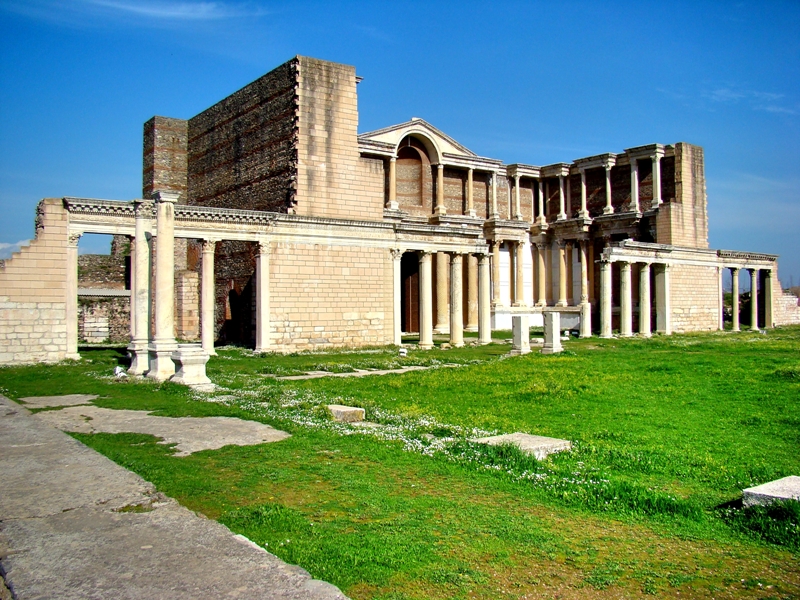
Sardis also had an impressive gymnasium and bath complex that comprised about five acres.

Sardis Gymnasium. Photo ©Leon Mauldin.

The open courtyard in front was for exercise; the bathhouse was directly behind the gymnasium. This complex is dated as 2nd century A.D.

Another interesting topic while we are featuring Sardis is the matter of its wool-dyeing. In his Pictorial Library of Bible Lands, Todd Bolen writes,

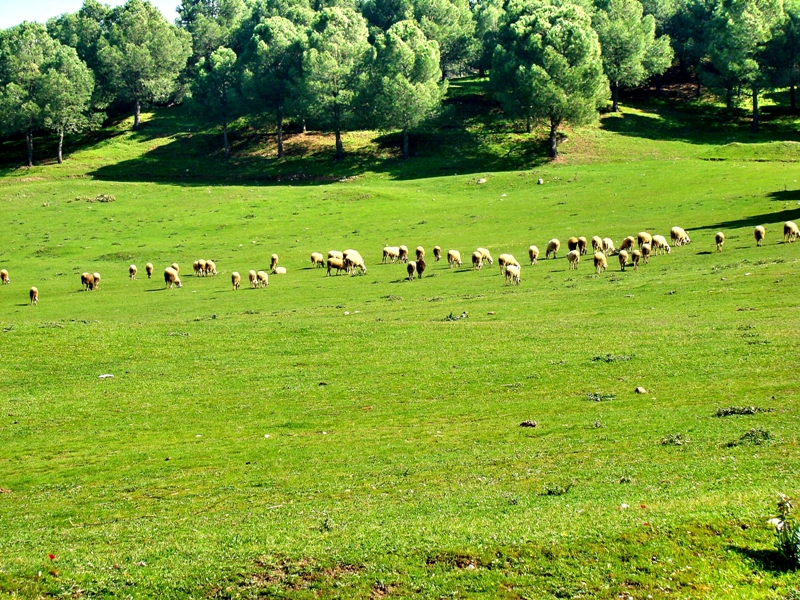
Sardis was known for the invention of wool-dyeing.  Even today sheep are a commonplace appearance at the ruins of Sardis, a city once known for its luxury textile and clothing trade.  John’s reference to soiled garments and the white raiments of Christ in Revelation 3:4 would have been significant to the church at Sardis in light of the city’s trade: “Thou hast a few names even in Sardis which have not defiled their garments; and they shall walk with me in white: for they are worthy” (KJV).

Our photo below, taken in March 2010, shows sheep grazing at Sardis, a view essentially unchanged over thousands of years.

Sheep at Sardis. Photo ©Leon Mauldin.

A frequent question that arises is, “What are the people like over there?” For the most part, people are quite friendly.  When our group was at Sardis there was apparently a school outing that was taking place there.  Some of the students wanted me to take their photo.

School Outing at Sardis. Photo ©Leon Mauldin.

Remember to click on photo for larger image.


Sardis Synagogue

June 3, 2010

There is evidence that each of the Seven Churches address in Rev. 2-3 were in cities which included Jewish populations. The synagogue at Sardis has been excavated. Fatih Cimok, in A Guide to the Seven Churches, writes:

The synagogue in Sardis is the largest of its type known to date.  Excavations show that the building was originally a civic basilica which was built between the main street and the gymnasium and converted into a synagogue sometime between 150-350 C.E.  Its unusually large dimensions and rich decoration, as well as the titles of the Jews mentioned in the inscriptions here, show the high status that the Jewish community in Sardis held.

In its final form the synagogue which is thought to date from about 320-40 CE consisted of a colonnaded entrance court and a long assembly hall (p.81).

Pictured below is the Sardis synagogue:

Sardis Synagogue. Photo ©Leon Mauldin.

Click on photo for larger view. In our photo you can see the forecourt fountain.  In the distance you can see the main hall with table.  Cimok gives the seating capacity of the main hall as one thousand occupants.

More to come.