Yazılıkaya, Eskişehir, Sanctuary of Hattuşa

February 21, 2025

Yazılıkaya is an open-air rock sanctuary located about 1 mile NE of the Great Temple of Hattuşa, in the heart of Hittite country (New Kingdom). It consists of two chambers (A and B) formed inside a group of rock outcrops.
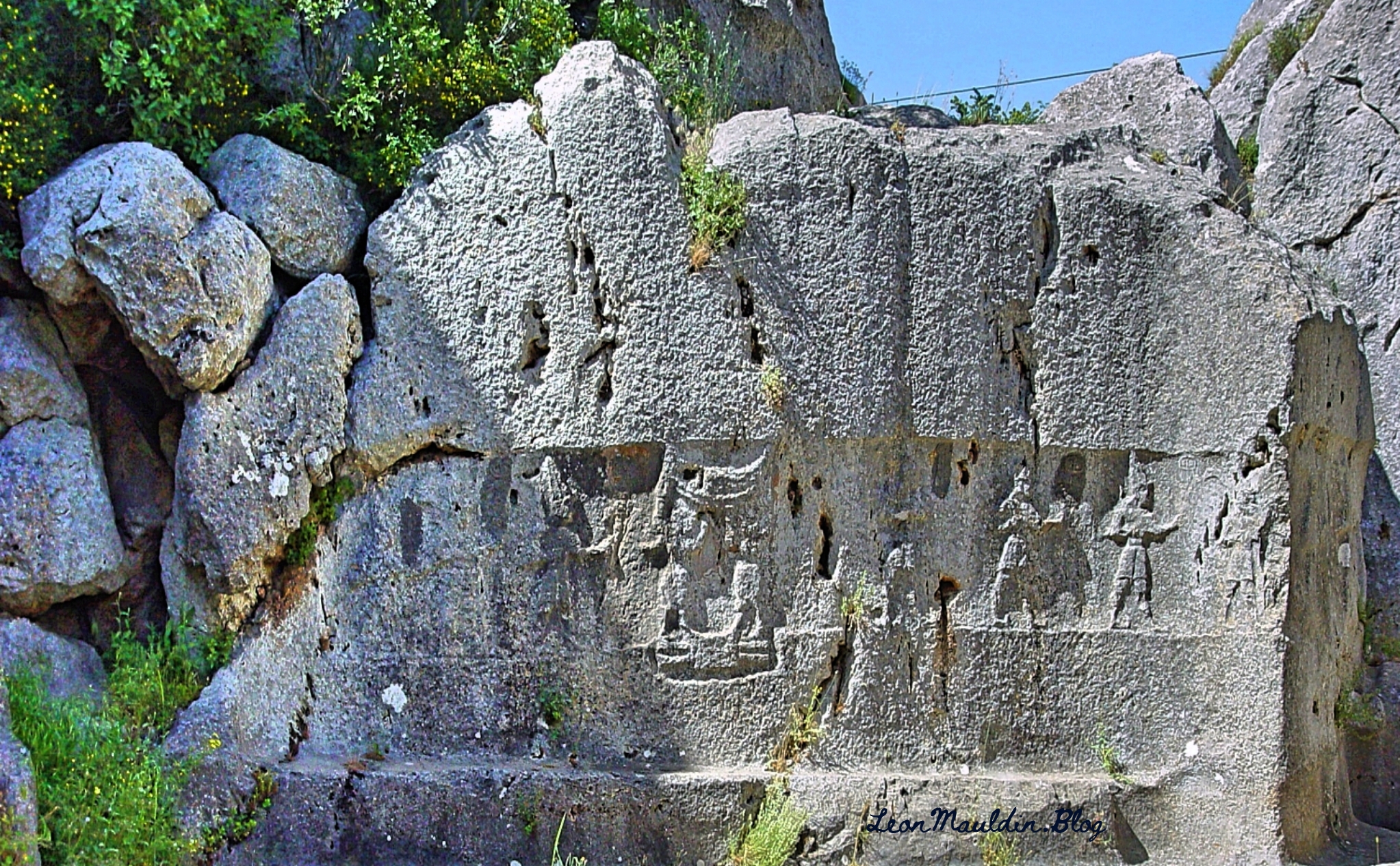
Chamber A. Relief figures were carved into the rock walls during the reign of the Hittite King Tudhaliya IV (ca. 1237-1209 BC). Photo ©Leon Mauldin.

Hittite King Tudhaliya IV reigned 1245-1215 BC (Middle Chronology), or 1237-1209 BC (Short Chronology).

Trevor Bryce writes:

This renovation of the city was the inspiration of King Hattusili III (c. 1267–1237 B.C.), though his son and successor, Tudhaliya IV (c. 1237–1209 B.C.), did most of the work. Not only did Tudhaliya substantially renovate the acropolis; he more than doubled the city’s size, developing a new area lying south of and rising above the old city. In the new “Upper City,” a great temple complex arose. Hattusa could now boast at least 31 temples within its walls, many built during Tudhaliya’s reign. Though individually dwarfed by the enormous Temple of the Storm God in the “Lower City,” the new temples left no doubt about Hattusa’s grandeur, impressing upon all who visited the capital that it was the religious as well as the political and administrative heart of the Hittite empire.

Tudhaliya also constructed massive new fortifications. The main casemate wall was built upon an earthen rampart to a height of 35 feet, punctuated by towers at 70-foot intervals along its entire length. The wall twice crossed a deep gorge to enclose the Lower City, the Upper City and an area to the northeast; this was surely one of the most impressive engineering achievements of the Late Bronze Age. (https://library.biblicalarchaeology.org/article/the-last-days-of-hattusa/)

Here inscribed on the rock wall at Yazılıkaya is the cartouch of Great King Tudhaliya IV:
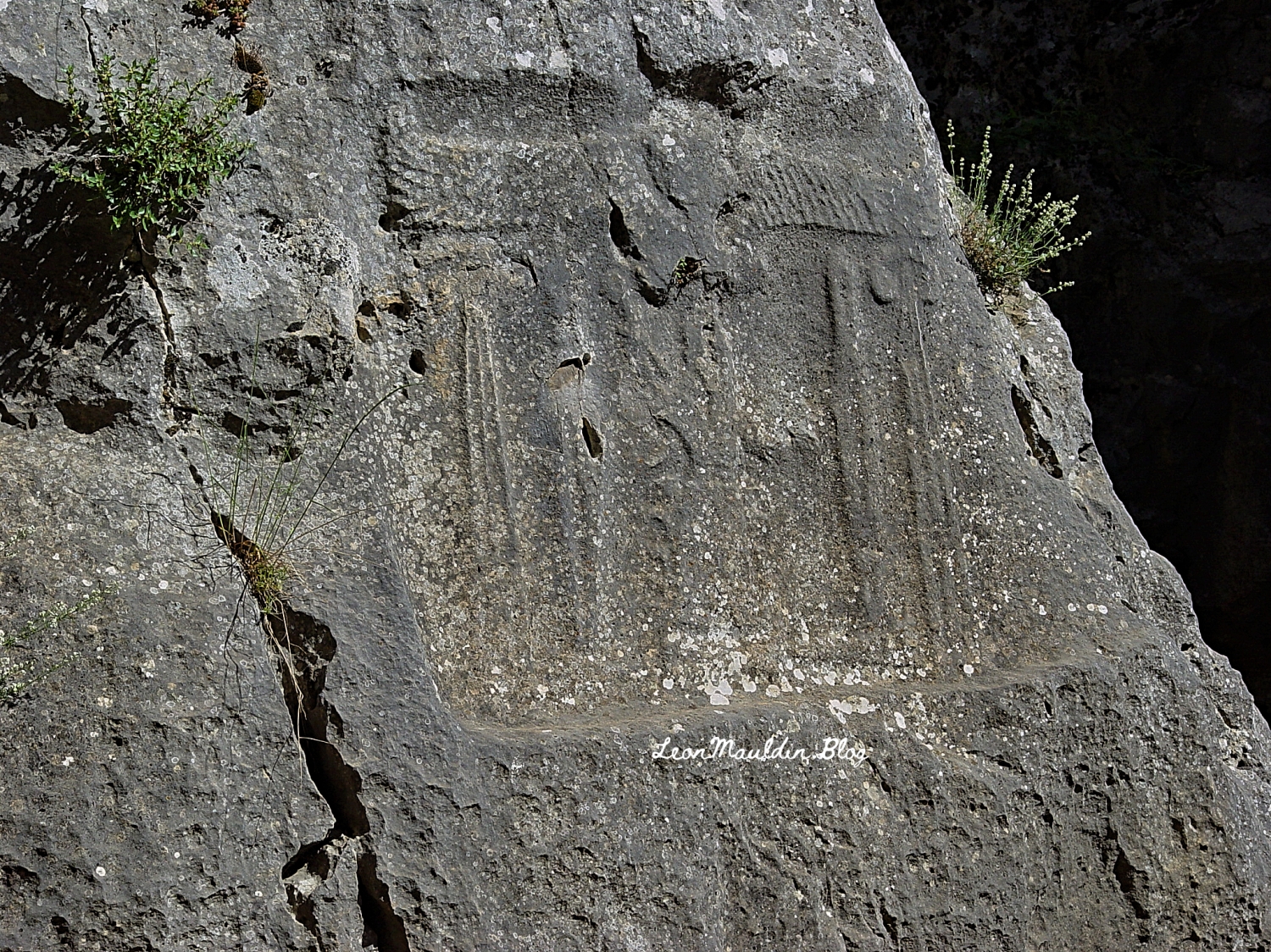
Cartouche of King Tudhaliya IV. Photo ©Leon Mauldin.

In 2007 I photographed this relief of Tudhaliya IV (dated to 13th century BC), at the Archaeological Museum in Antakya. Antakya is in Turkey, but in New Testament times was Antioch of Syria (Acts 11:20, etc.).
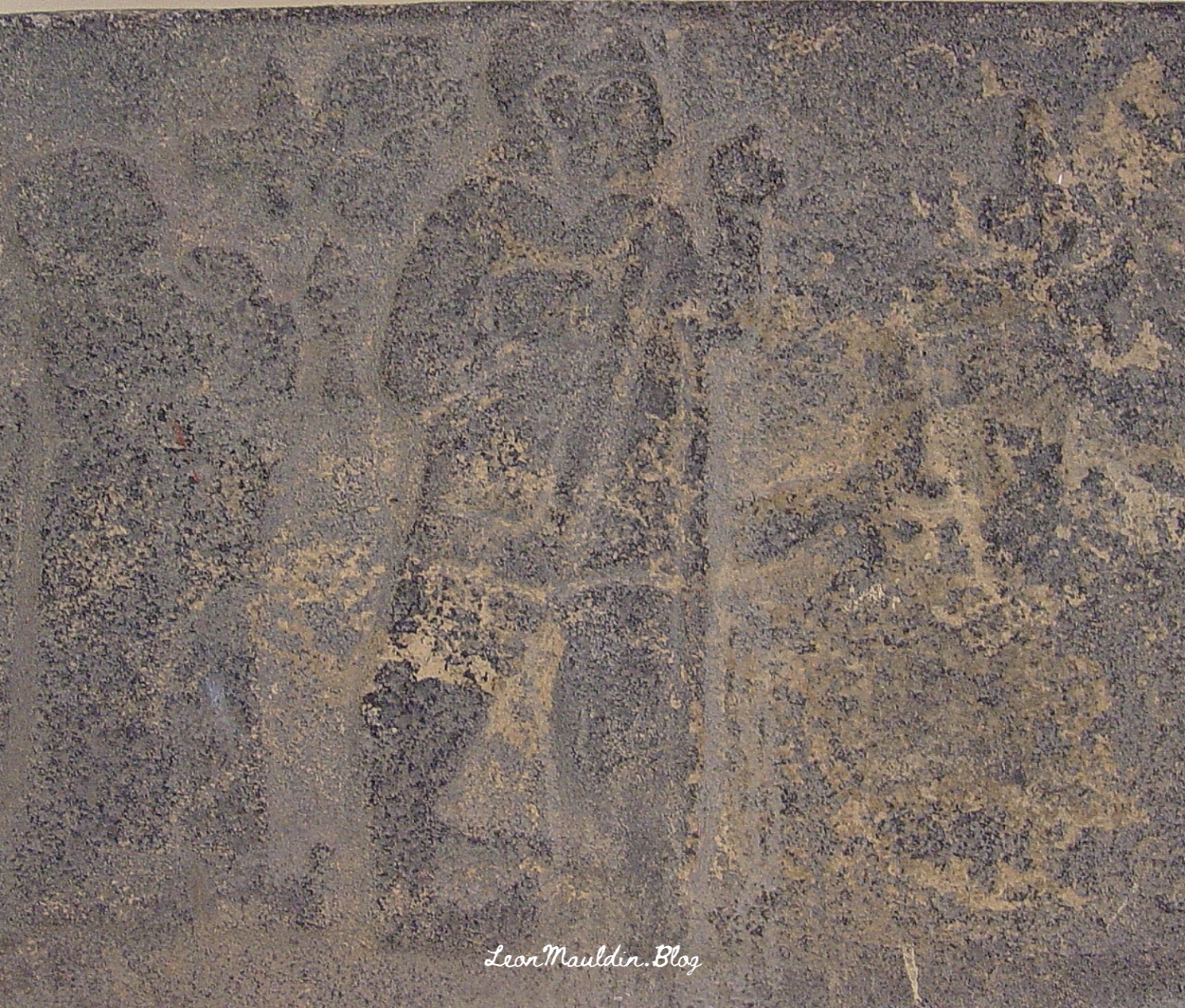
Tudhaliya IV. Photo ©Leon Mauldin.

The artifacts in the museum (of 2007) have been moved to a new facility there in Antakya. Here is the former Archaeological Museum in Antakya.
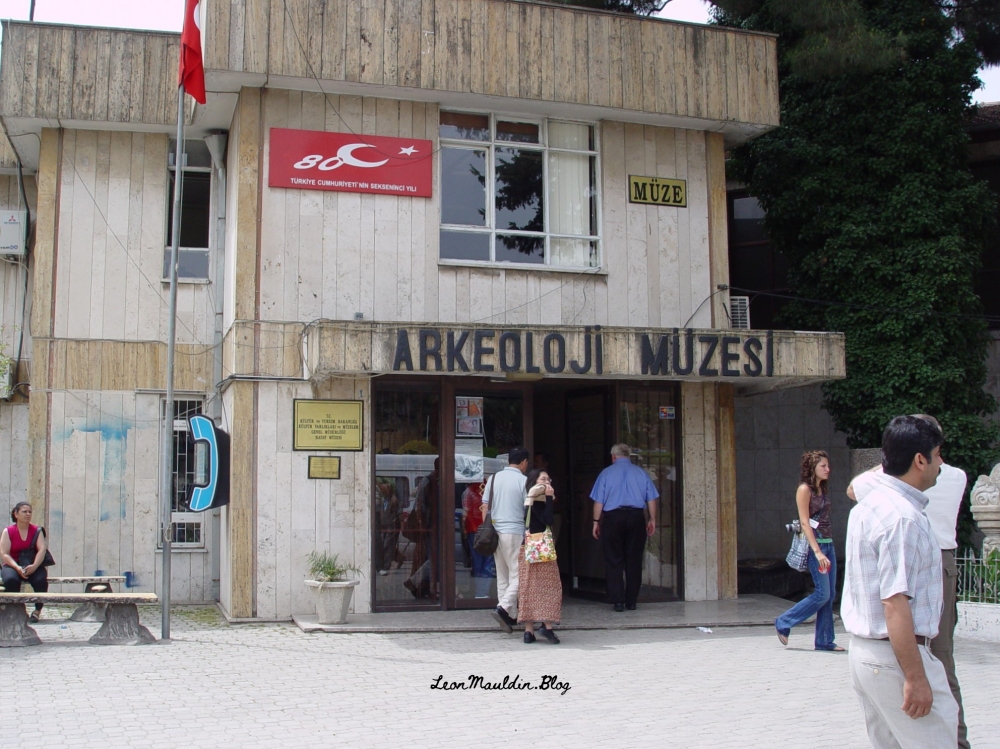
Antakya Archaeological Museum, Antakya, Turkey. Photo taken in 2007. Photo ©Leon Mauldin.

Click photos for larger view.


The Mystery of Cretan Writing

February 14, 2025

Early Aegean civilization developed on island of Crete. The king was called “minos” and the people of Crete became known as Minoans.

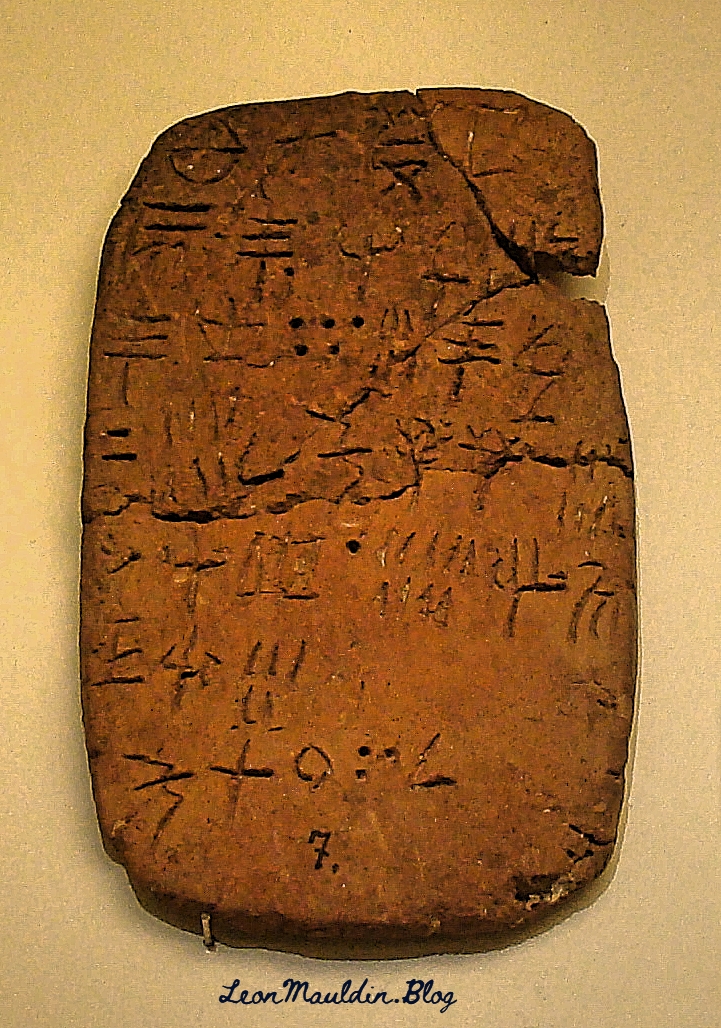
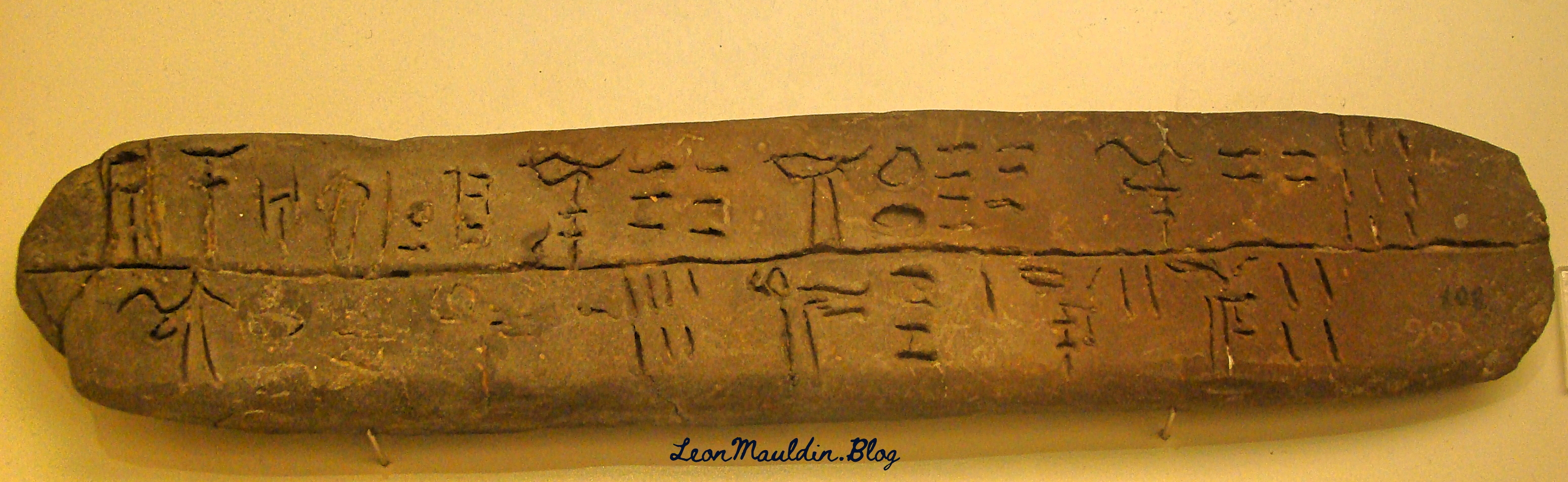
Some of the earliest writing can be traced to the Minoans. They developed three types of writing which included Linear Script A, B, and C. Linear Script B was a combination of Cretan and Greek scripts and is the only one to be translated.

The Heraklion Archaeological Museum in Knossos, Crete, has displays of some of these early scripts.

Linear Script A. This writing system was used by the Minoans of Crete from ca. 1800 to 1450 BC. This writing system was not in the Egyptian and Mesopotamian systems.

Linear Script A. Heraklion Archaeological Museum. Photo ©Leon Mauldin.

Linear Script B. This is script is said to be the earliest attested form of the Greek language. The earliest known examples are dated ca. 1450 BC. This script was deciphered in 1952 by Michael Ventris, who based his work on that of Alice Kober.

Linear Script B. Heraklion Archaeological Museum. Photo ©Leon Mauldin.

Click images for larger view.


High Place at Petra, Edomite Territory

February 11, 2025

In doing some study in the prophet Malachi this morning I came across one of the many biblical references to Esau (from whom descended the Edomites). Malachi 1:2-3 illustrates the necessity of contextual biblical study: “Jacob I have loved, But Esau I have hated.” In short, this had nothing to do with the salvation of individual Edomites, or God’s personal like or dislike of Jacob or Esau, but rather underscores God’s sovereignty in choosing to provide salvation in that descendant of Jacob, Jesus the Christ.

The territory occupied by Edom included Petra. By Roman Times the Edomites had been displaced by a people known as the Nabateans. Petra was the capital of the Roman Province of Arabia.

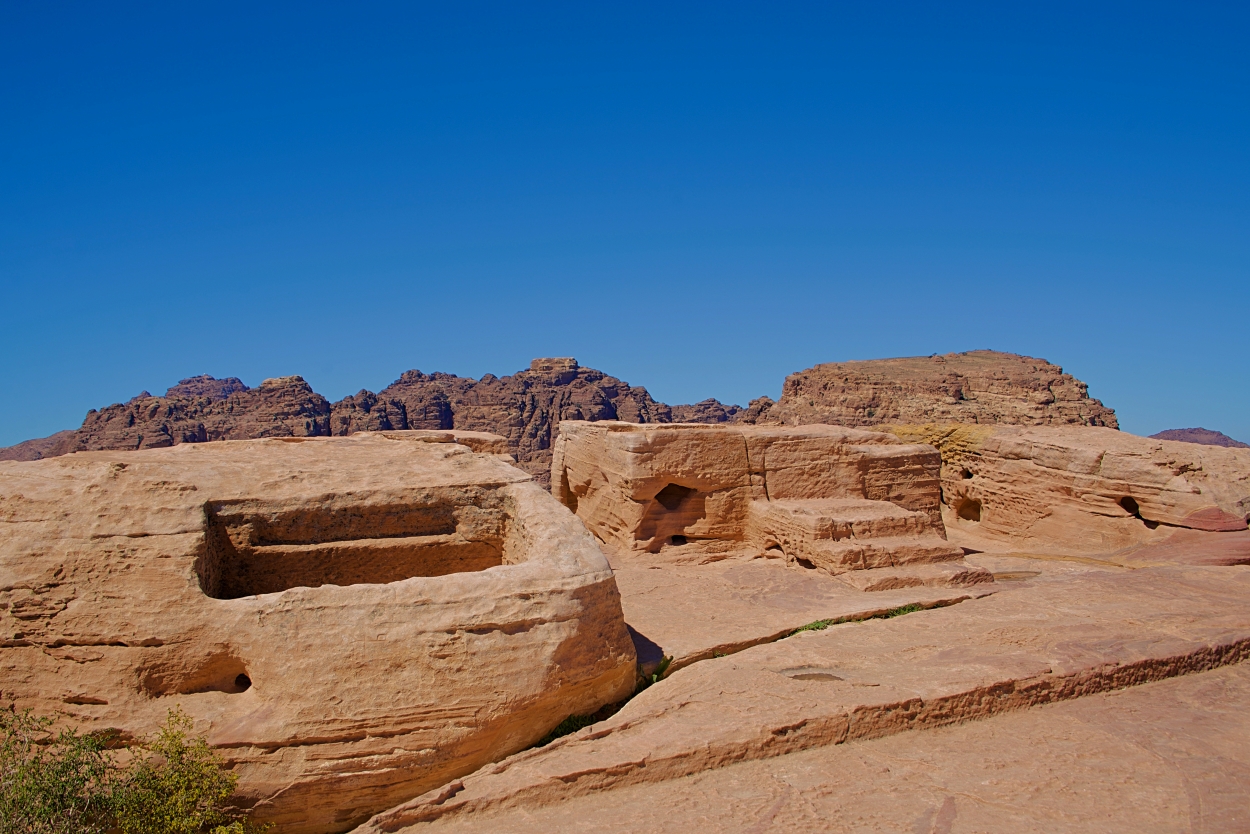
One of the many interesting archaeological finds at Petra is the High Place, including the altar for sacrifice. The photo here was taken in 2019 by tour member David Deason.

High Place at Petra. Altar at center (and slight right). Photo by David Deason.

The High Place at Petra is one of the best preserved of all such sacred installations in the ancient Near East. Its location is imposing, approximately 3,400 feet above sea level and 625 feet above the temenos. The altar platform was approached by three steps. It is situated about 3 feet above the level of an adjoining courtyard area and is equipped with drains and basins for sacrifices and ablutions.

The Biblical World in Pictures; BAS Biblical World in Pictures. (2003). Biblical Archaeology Society.

We have previously posted on Petra here and here.

Click on image for larger view.


Lion Gate at Hattusa, Land of the Hittites

February 7, 2025

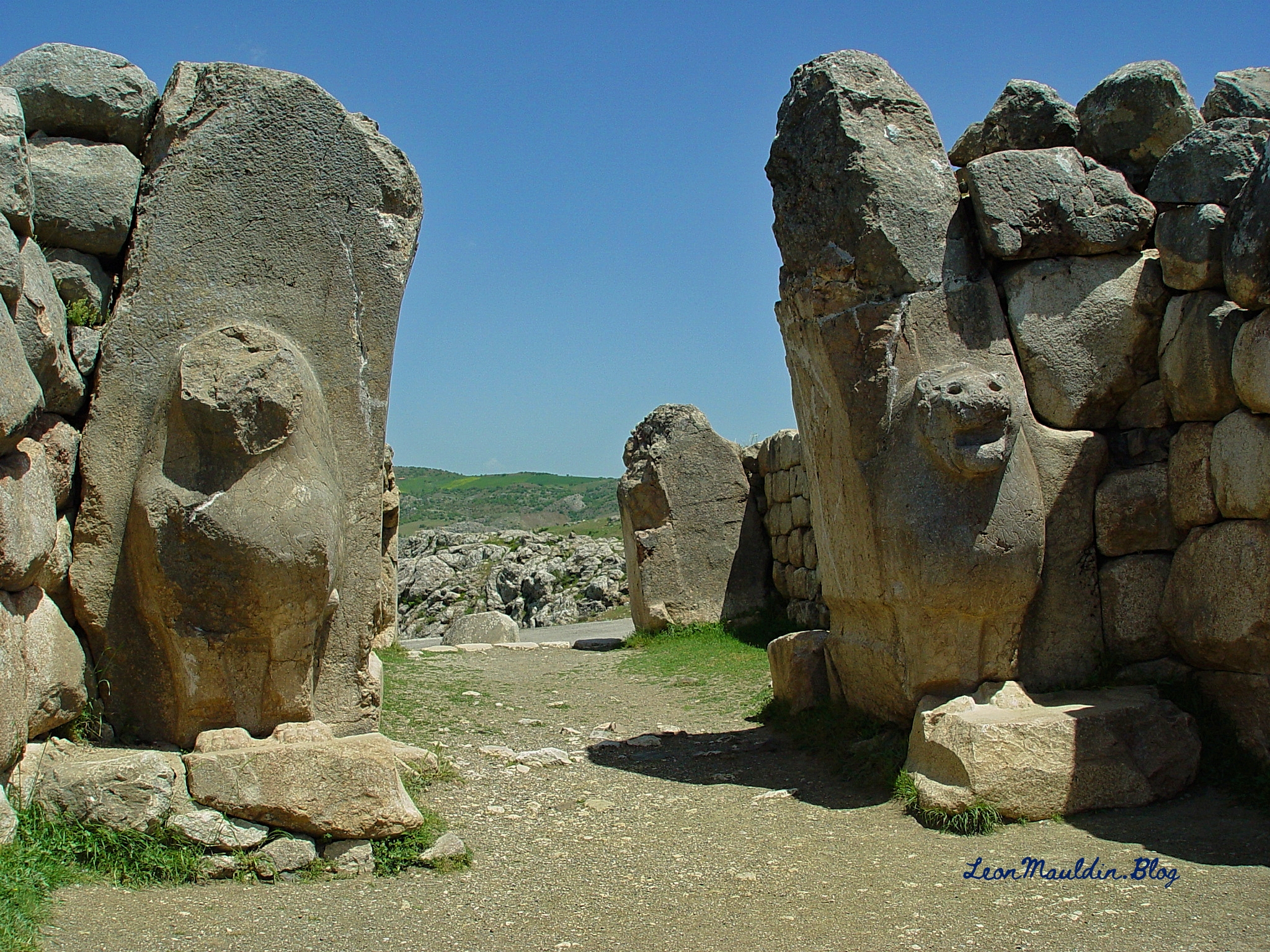
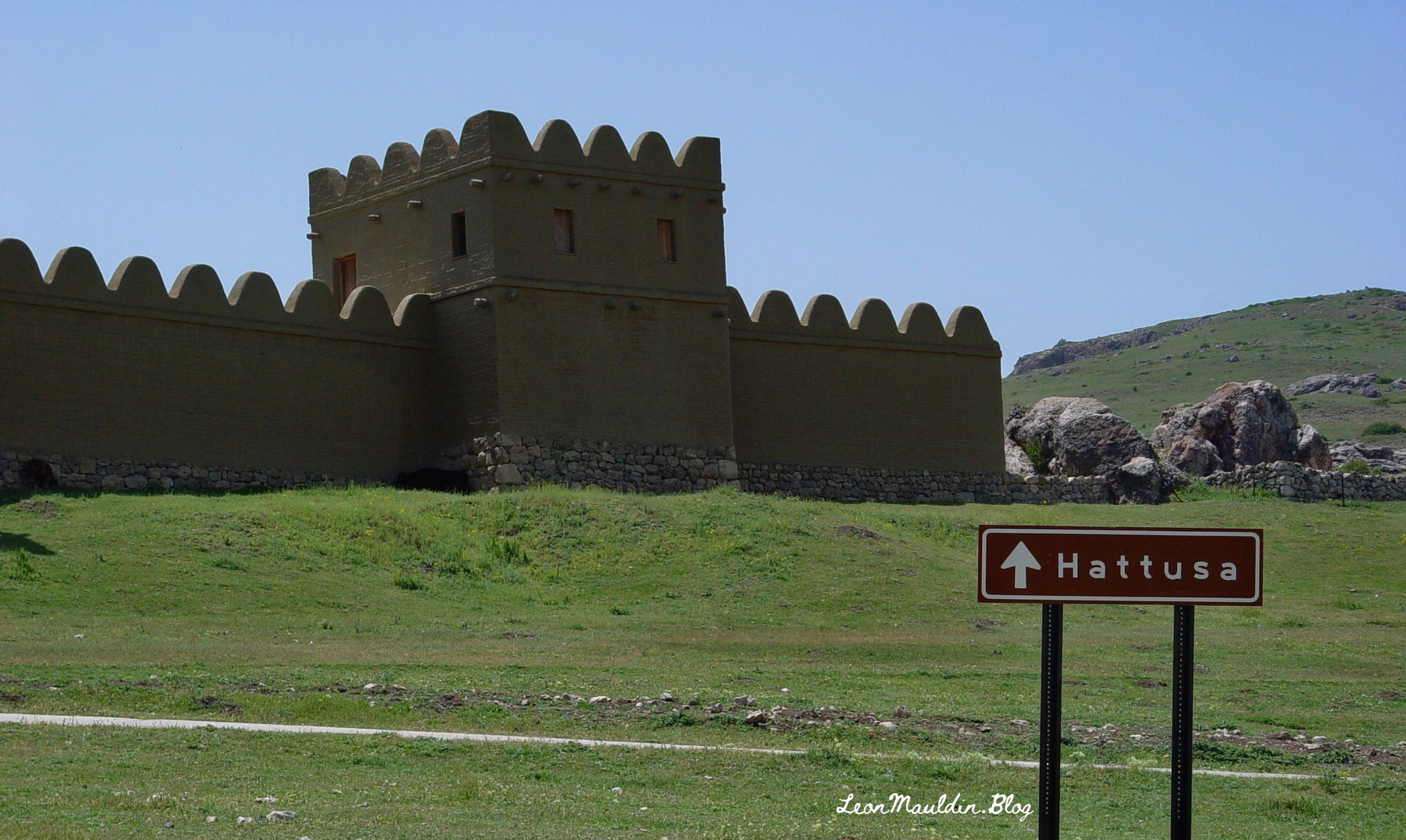
Numerous biblical references are made to the ancient Hittites. Hattuşa was the ancient capital of the Hittite Empire in the Late Bronze Age. Its location is near Boğazkale, Çorum Province, Turkey. One amazing archaeological find is the Lion Gate which features two sculptures of standing lions at the entrance. Previously there would have been an arch above the lions.

Lion Gate at entrance to Hattuşa. Photo ©Leon Mauldin.
View as you approach Hattuşa. Photo ©Leon Mauldin.

Click images for larger view.


El-Amarna Tablets

February 3, 2025

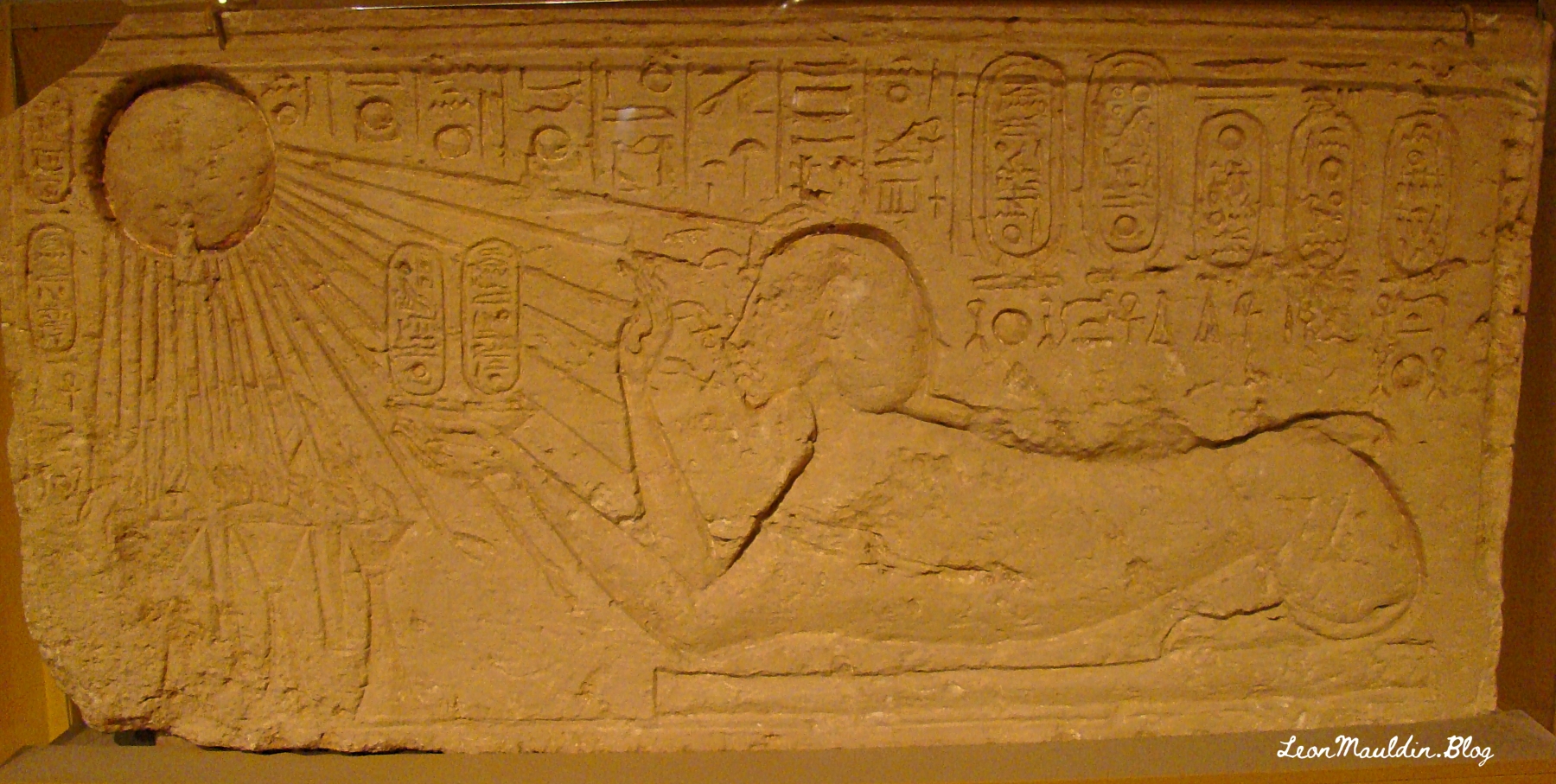
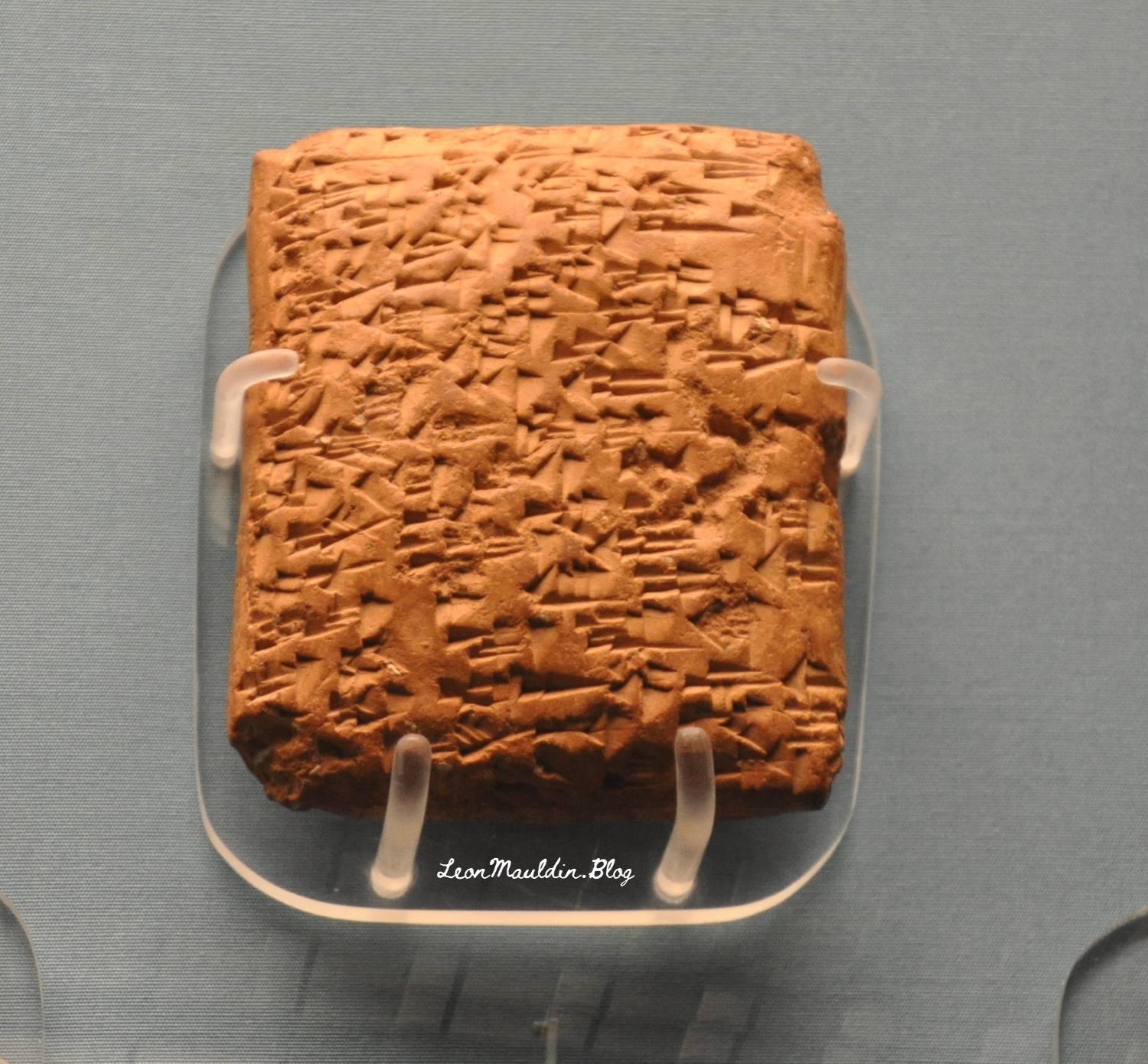
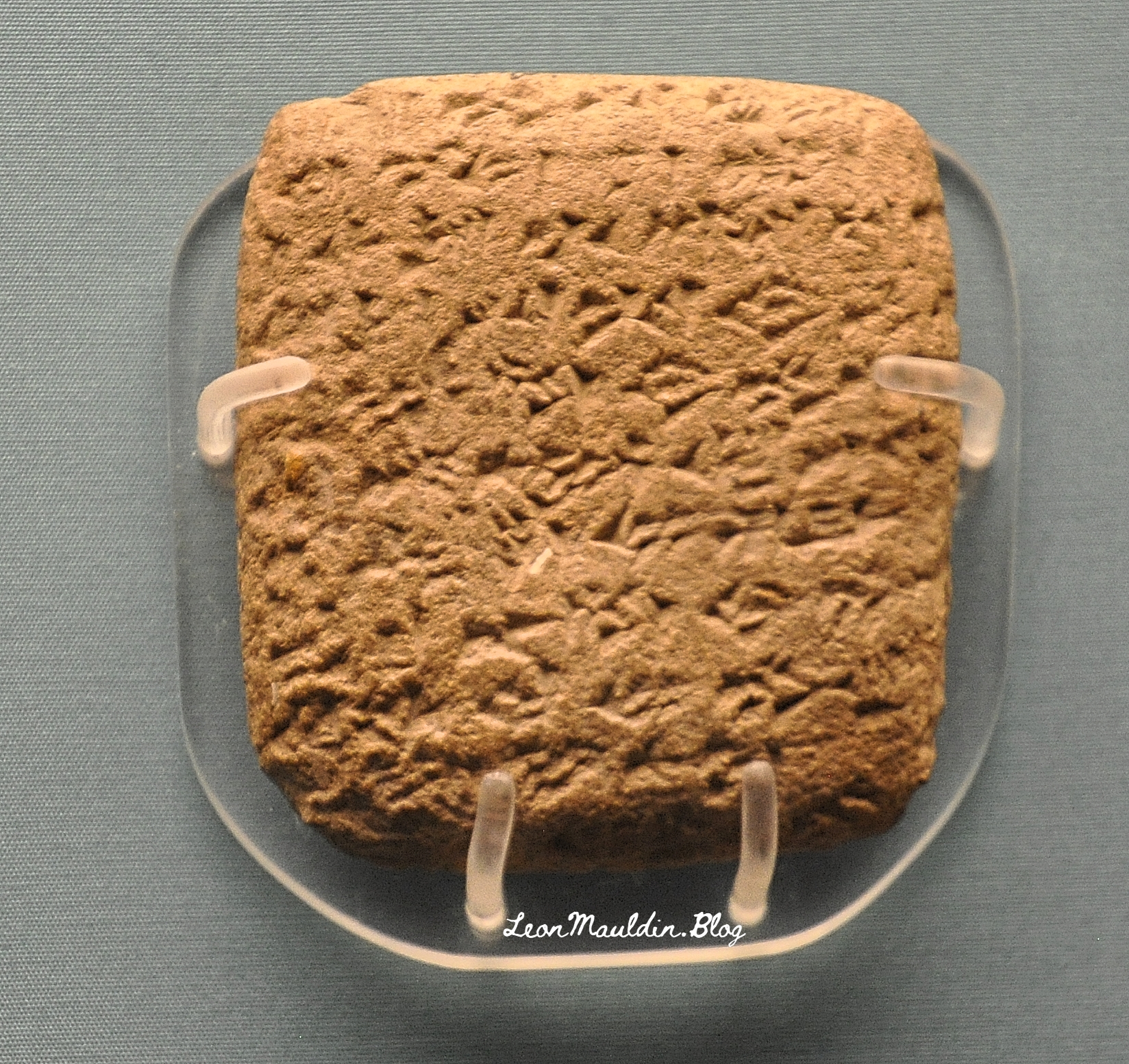
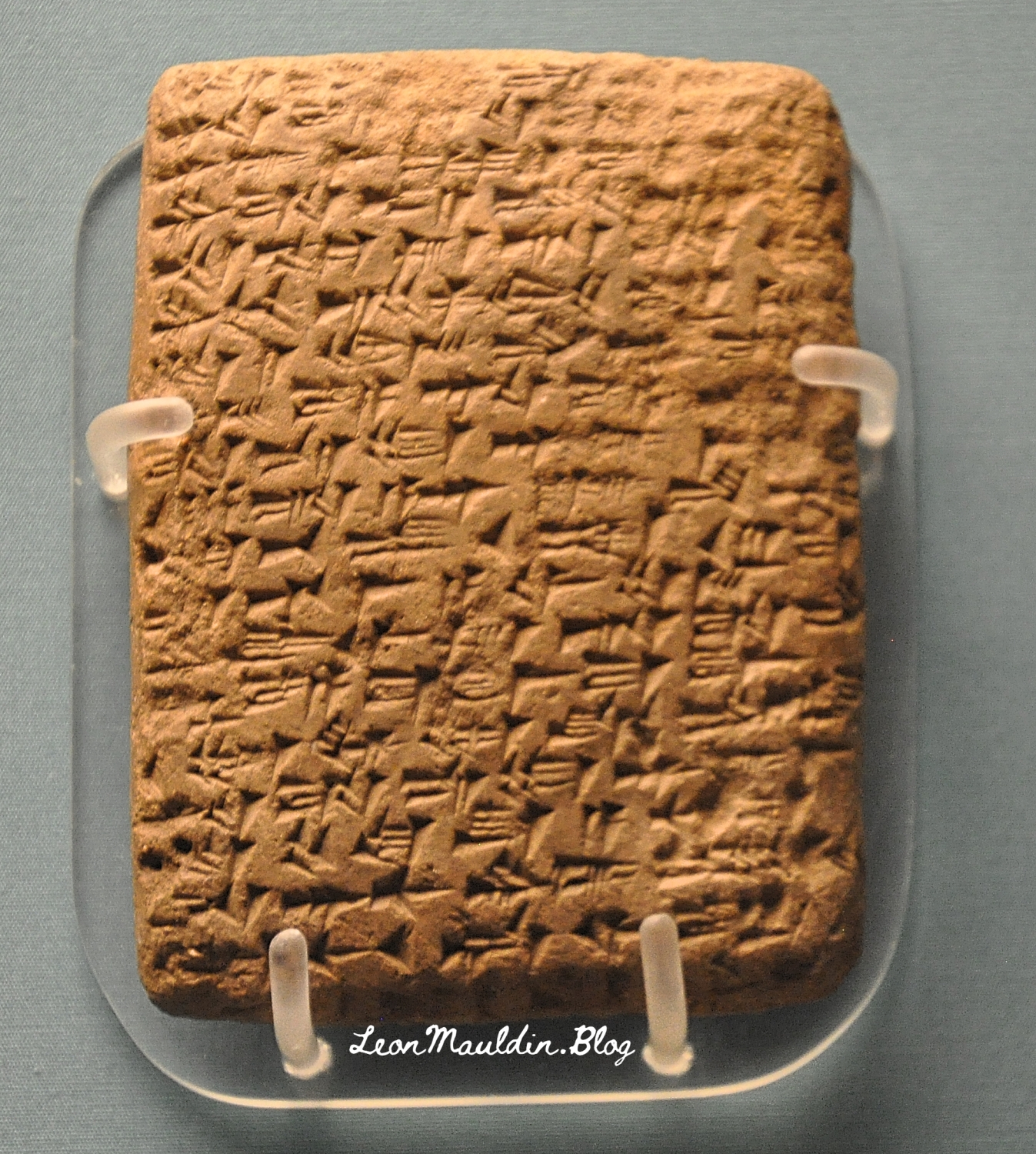
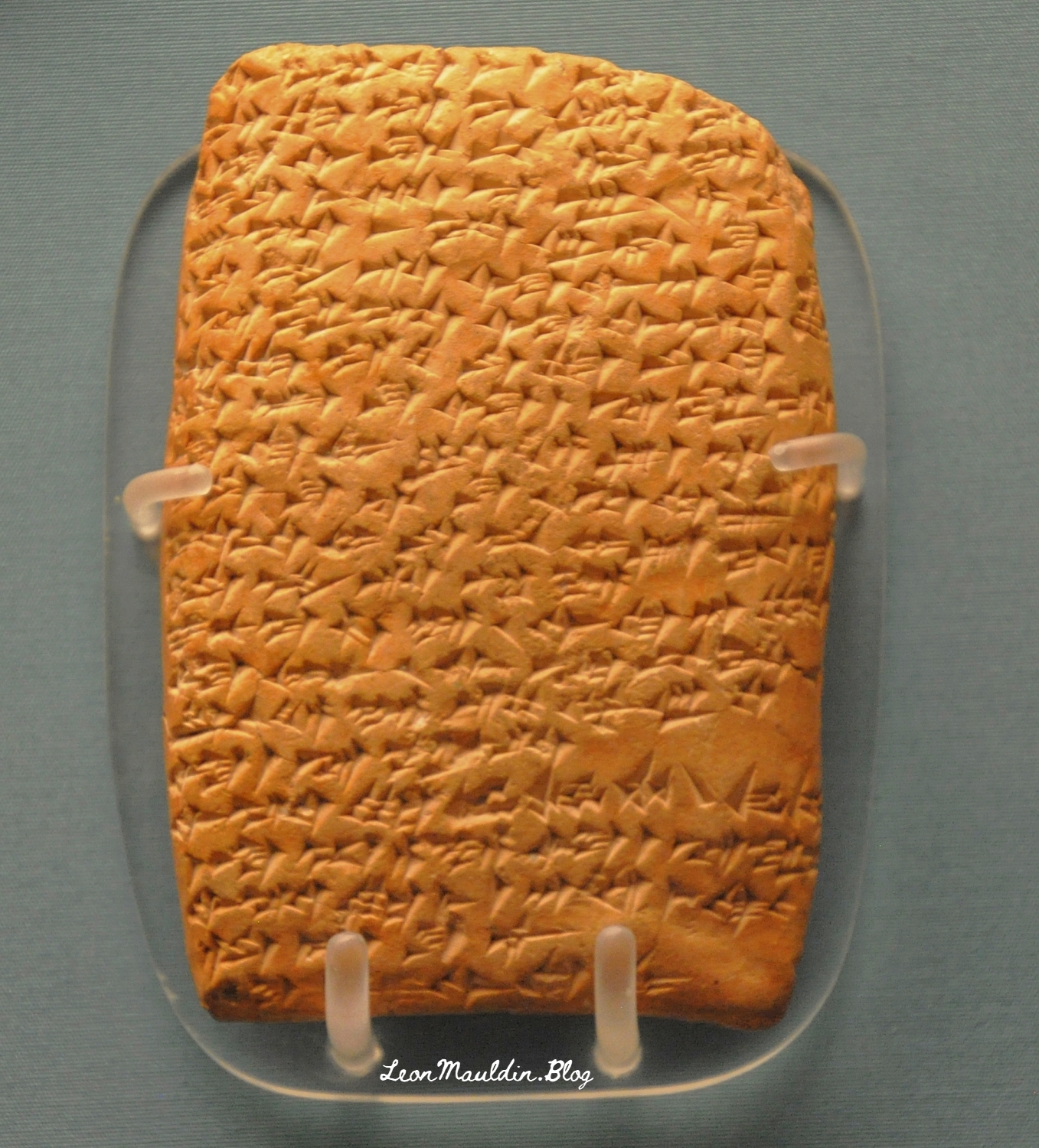
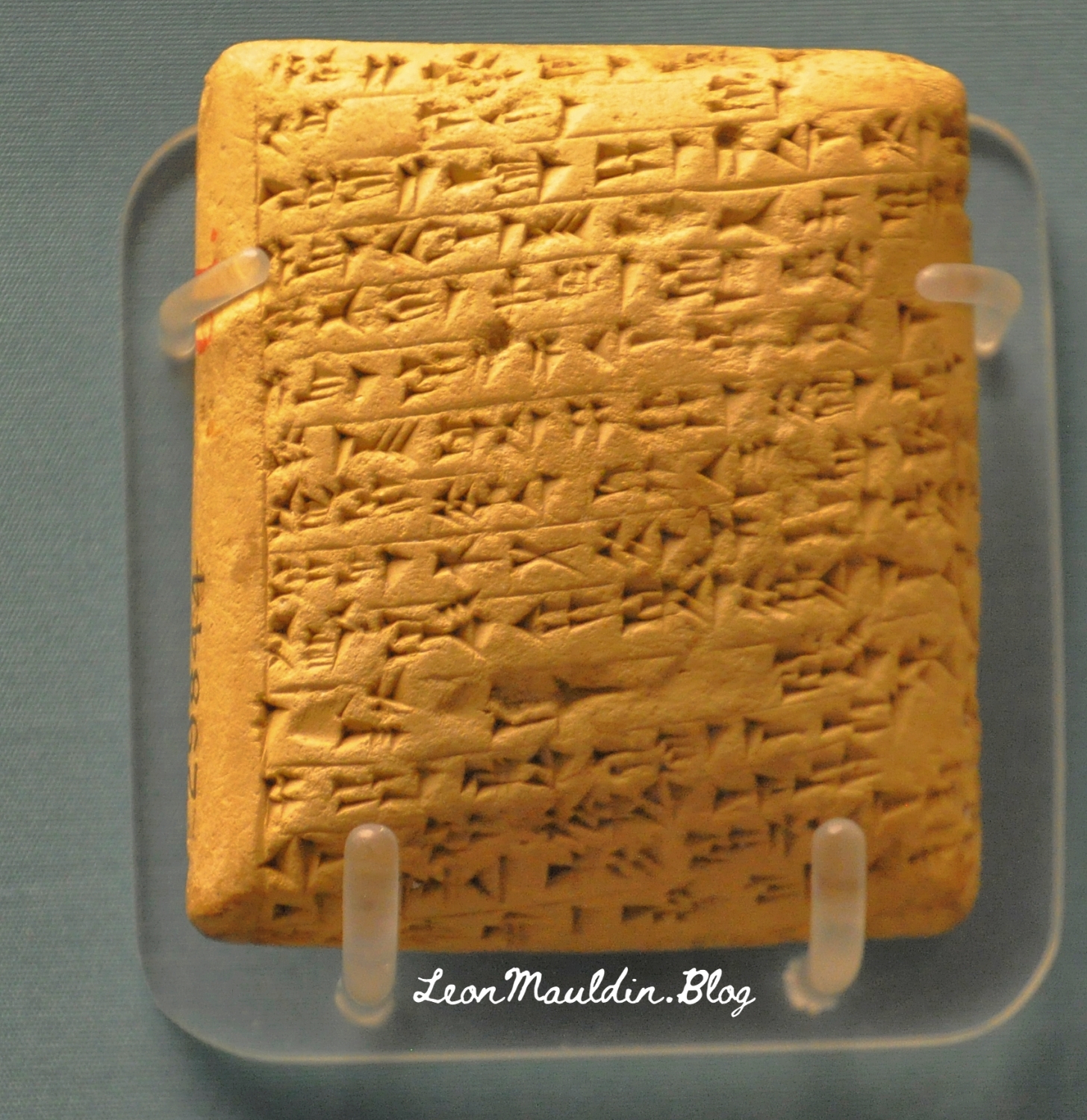
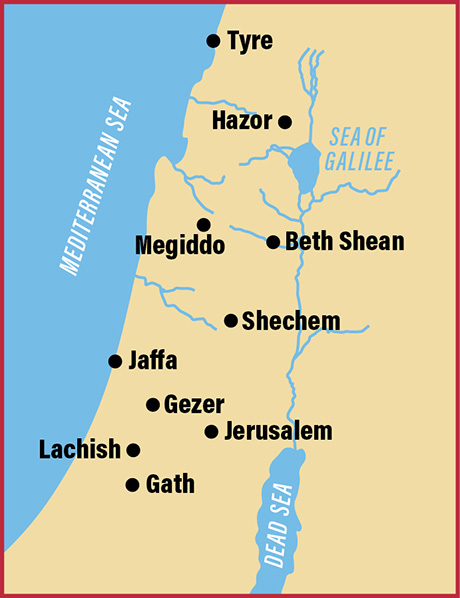
The collection of El-Amarna tablets represent diplomatic correspondence from princes/kings of from varioius parts of the Egpytian Empire during the reigns of Amenophis III, Akhenaton and Tutankhamun. These tablets were found in the ruins of Akhenaton’s (the “heretic” pharaoh) capital at El-Amarna. The British Museum displays some of the El-Amarna tablets from various locations in Canaan, which will be the focus of this post. We will feature tablets from Hazor, Lachish, Gezer, Megiddo and Shechem, all five of which were very important sites in Canaan.

King Akhenaten as a sphinx. Photo ©Leon Mauldin. Boston Museum of Fine Arts.

Alice Mandell writes in BAS:

Discovered at the site of Tell el-Amarna in Middle Egypt, these cuneiform documents are letters dating to the mid-14th century BCE that were written in varieties of Akkadian, the lingua franca of the time, by scribes from all over the ancient Near East on behalf of local kings. The letters are commonly divided into two groups: letters from the “greater” powers (the Egyptian, Mitannian, Hittite, Assyrian, and Kassite kings) and letters from the “lesser” powers (smaller kingdoms and city-states from across the Levant, including the land of Canaan). Interestingly, even though the Canaanite rulers were among the least powerful kings writing to Egypt (in fact, they were under Egyptian rule), they left behind the largest number of letters. Source: https://library.biblicalarchaeology.org/article/letters-to-pharaoh-the-canaanite-amarna-tablets/?utm_source=WhatCountsEmail&utm_medium=BHDA%20Spotlight%201-90&utm_campaign=TS%20BAS%20Scholars%20Series%208-21-24

This tablet is from Abdi-Tirshi, King of Hazor. The info sign says that he “reassures pharaoh that he is loyal and is keeping his cities in good order.”

El-Amarna tablet for Canaan’s king of Hazor. Photo ©Leon Mauldin. British Museum.

This tablet is from Shipti-Ba’al of Lachish. He also assures pharaoh of his loyalty.

From the king of Lachish. Photo ©Leon Mauldin. British Museum.

Here is the tablet from Gezer’s king Yapahu, who “begs pharaoh for help in defending his city against raids by the Hapiru.” Many scholars believe that the “Hapiru” here refer to the Hebrews.

From Gezer. Photo ©Leon Mauldin. British Museum.

Here is the tablet from Biridiya, king of Megiddo. He “accuses the king of Acco of treachery by releasing the captured Hapiru leader, Labayu, instead of sending him to Egypt.”

Tablet from king of Megiddo. Photo ©Leon Mauldin. British Museum.

Our fifth tablet is from Labayu, ruler of Shechem. Shechem occurs frequently in the Old Testament (Gen. 12:6, et al.).

From Shechem. Photo ©Leon Mauldin. British Museum.

Mandell went on the say regarding the script of these tablets, “The Amarna Letters were not written in alphabetic or Egyptian scripts. They were written in cuneiform, a wedge-shaped script that was developed in Mesopotamia in the late fourth millennium BCE to write Sumerian and, later, Akkadian. By the Amarna period, ancient people from all over the Near East wrote in this script by impressing a stylus into clay to create wedge-shaped signs” (Ibid.).

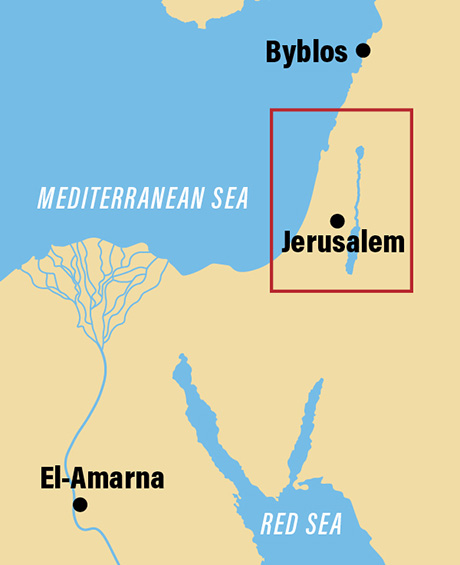
The BAS article also provided a couple of helpful maps.

Map shows the location of El-Amarna relative to Canaan.

Location of El-Amarna in Egypt. Map by BAS.

This map includes the sites of the origin of the tablets we featured above.

Cities in Canaan represented our display of tablets. Map by BAS.

Click images for larger view.