In our local congregation we are continuing to explore the Seven Churches of Asia, of Revelation 2-3. John the Apostle received the Revelation on the Island of Patmos.
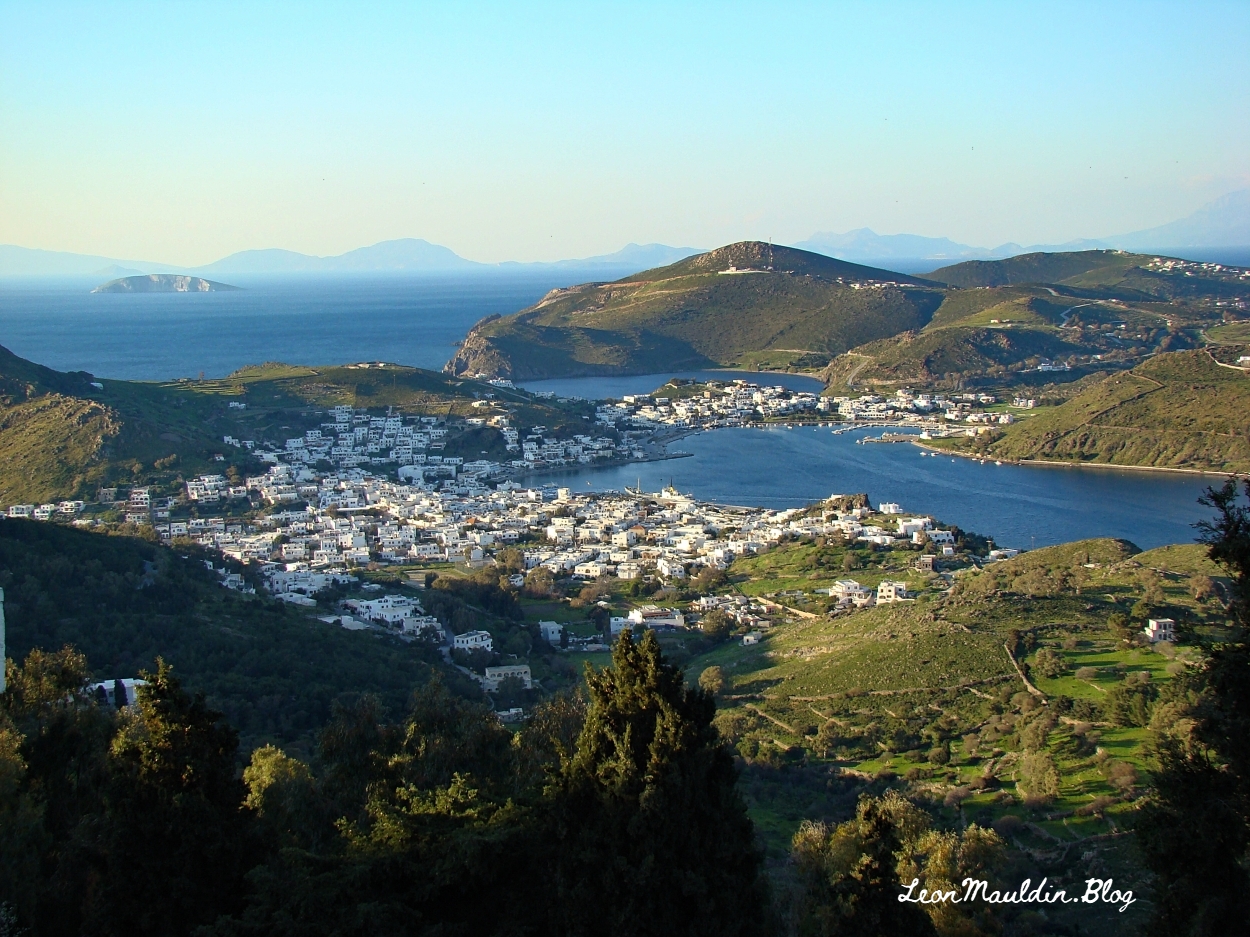
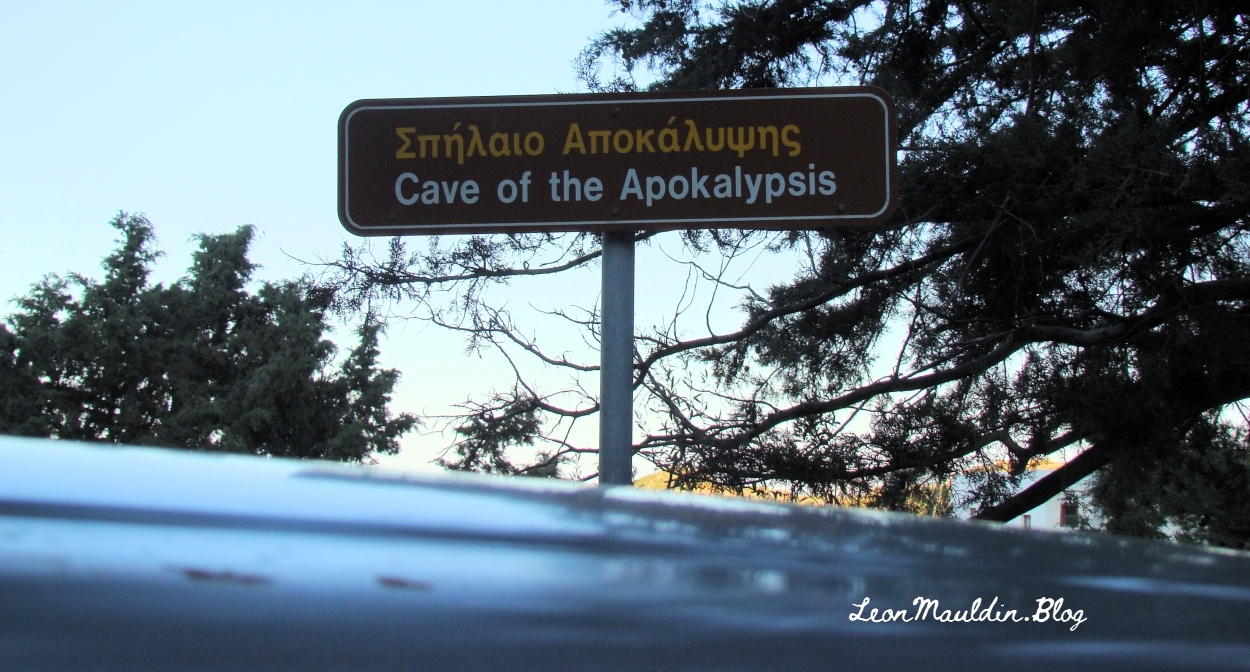
While we cannot know the exact spot on the island where John was when he was “in the Spirit on the Lord’s Day” and told, “What you see, write in a book and send it to the seven churches which are in Asia” (Rev. 1:10-11), visitors to Patmos are shown a “traditional” location, known as the “Cave of the Apocalypse.”
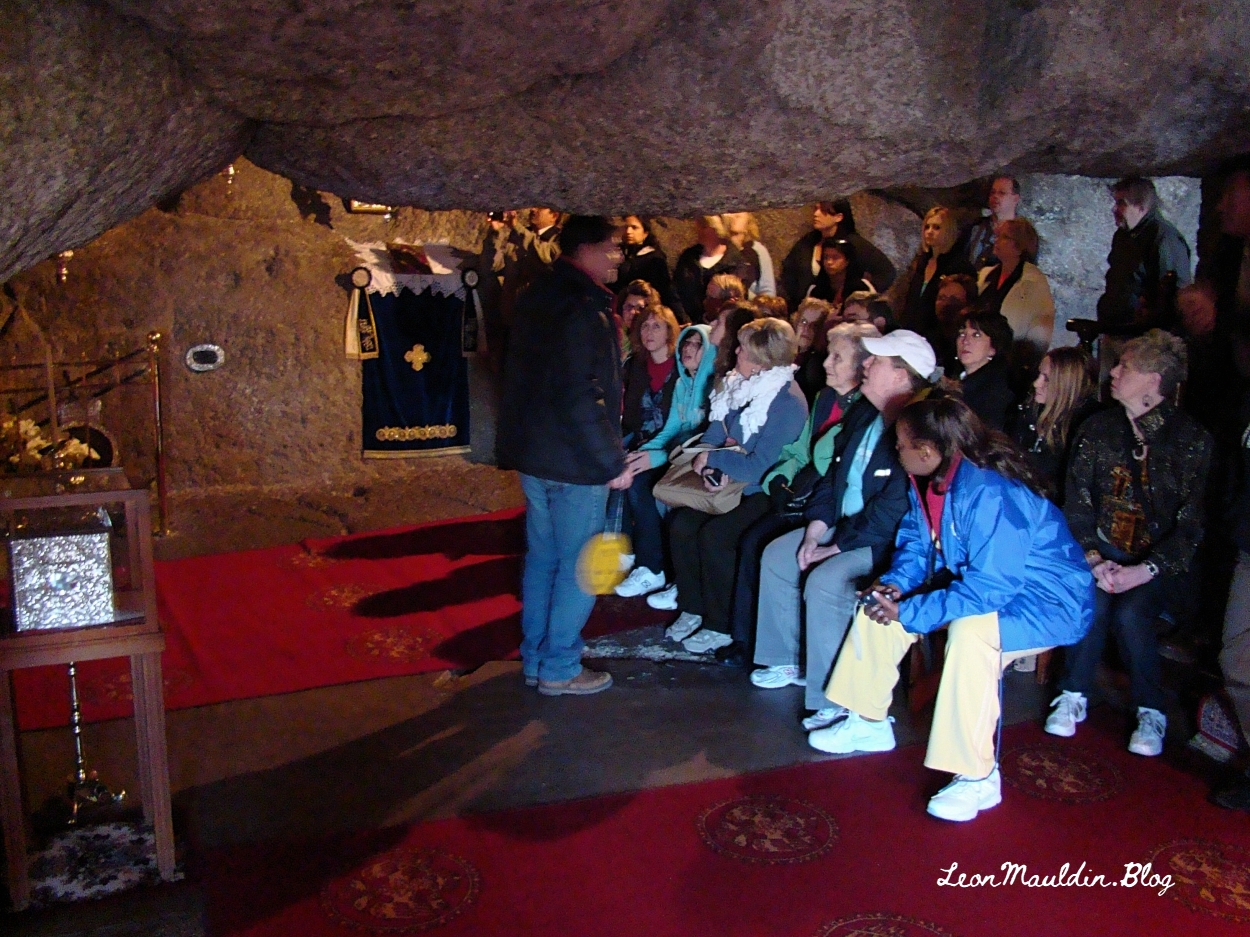
Here is a photo I took inside the cave:
The church at Pergamum lived “where Satan’s throne is . . . where Satan dwells (Rev. 2:13). There have been many suggestions as to the basis of this designation. Pergamum was known for its worship of Asklepios (god of healing), Serapis, Athena, Dionysus, Demeter, as well as being a center for the Imperial Cult (emperor worship).
David A. DeSilva suggests: “[T]he distinctive altar of Zeus on the brow of the acropolis may have been more in John’s view” (The Social and Geographical World of Pergamum (Revelation 1:11; 2:12–17). In B. J. Beitzel, J. Parks, & D. Mangum (Eds.), Lexham Geographic Commentary on Acts through Revelation (p. 638). Lexham Press).
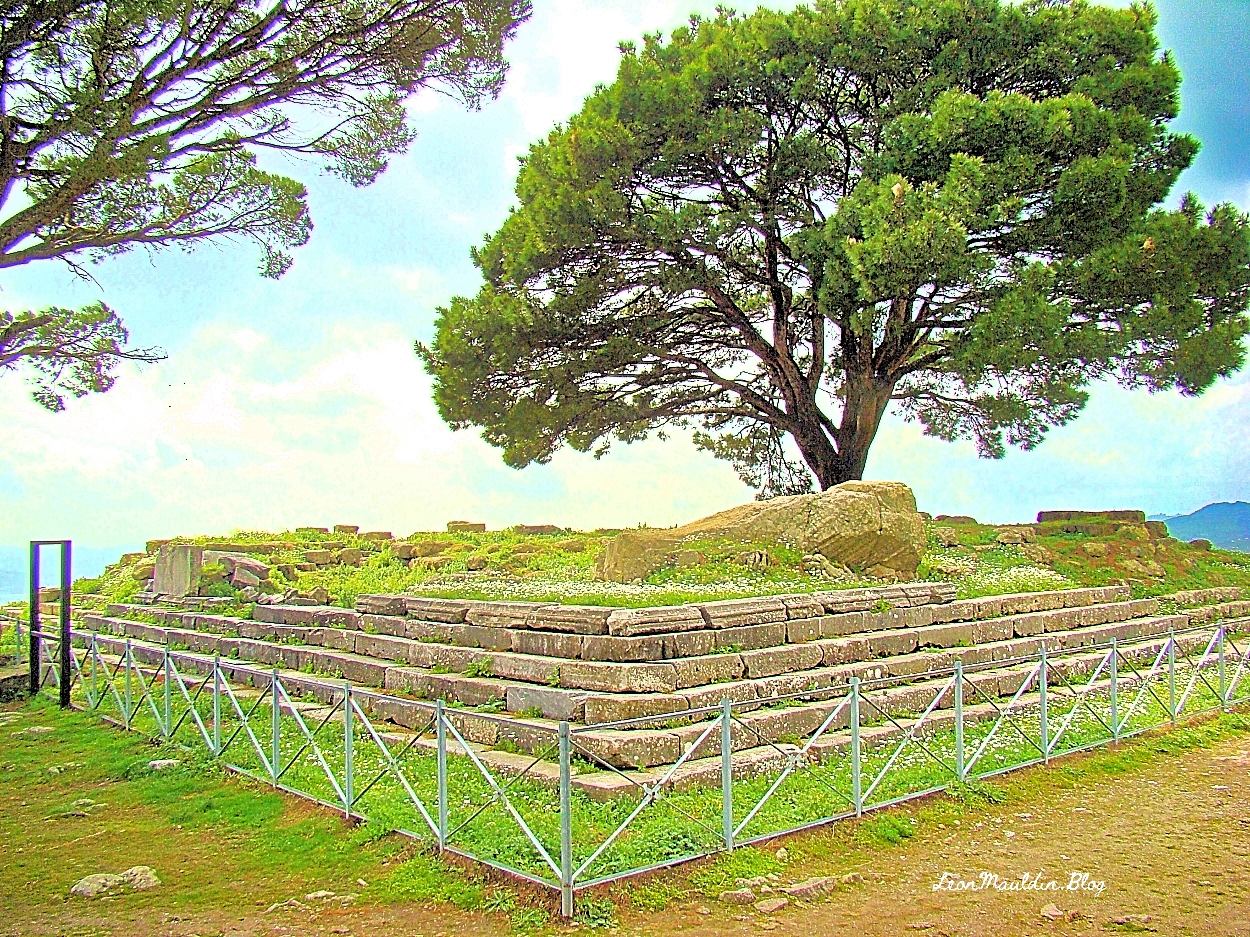
The altar of Zeus, located on the southern crest of the acropolis, was without a doubt the most distinctive and most prominently visible structure overlooking Pergamum. Construction was begun in the early- to mid-second century BC under Eumenes II, possibly in connection with his victory over the invading Galatians. The massive throne-like altar complex resembled an open-air temple, complete with columned porticoes surrounding its staircase and inner courtyards. The whole had a footprint of about 120 by 110 feet (36.5 × 33.5 m), and it rose to a height of 40 feet (12 m). The sacrificial altar proper sat within the inner courtyard, which was approached by a wide, grand staircase. The reconstructed monument now sits in the Pergamum Museum in Berlin. The altar was adorned with nearly four hundred linear feet (122 m) of frieze, its scenes carved about seven feet (2 m) high. The frieze around the structure’s perimeter depicted the mythological battle between the Olympian gods and the giants, with Zeus and Athena prominently featured on the front side. An interior frieze told the story of Telephus, the mythic founder of Pergamum. An L-shaped agora or forum was set just below the precincts of the altar of Zeus. The identification of some of the buildings as warehouses makes it likely that this particular forum served as a commercial center in the old city.
deSilva, D. A. (2019). The Social and Geographical World of Pergamum (Revelation 1:11; 2:12–17). In B. J. Beitzel, J. Parks, & D. Mangum (Eds.), Lexham Geographic Commentary on Acts through Revelation (pp. 645–646). Lexham Press.
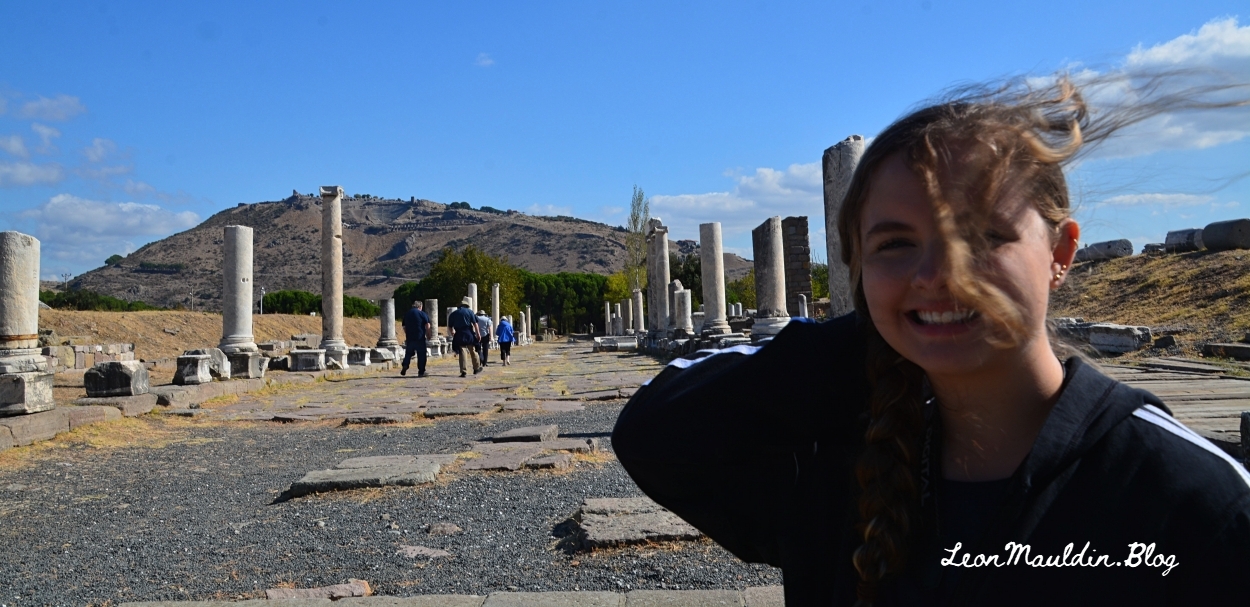
Here is a photo of the acropolis of Pergamum, with the Asklepion at our back. Sometimes it gets windy on our tours (as my granddaughter can attest).
Click photos for larger view.


 Posted by Leon Mauldin

 leonmauldin.blog