More Re: Omrit

September 13, 2012

Archaeologists have determined there were three building phases at Omrit: first, the temple built by Herod the Great, second, the temple built probably by Trajan (AD 98-117), and third, an industrial complex to the north constructed in the Byzantine period.
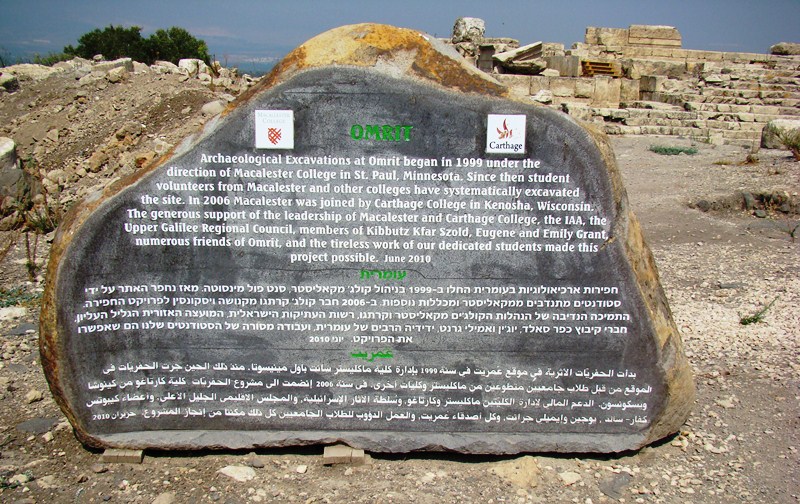
Entrance to Omrit. Photo by Leon Mauldin.

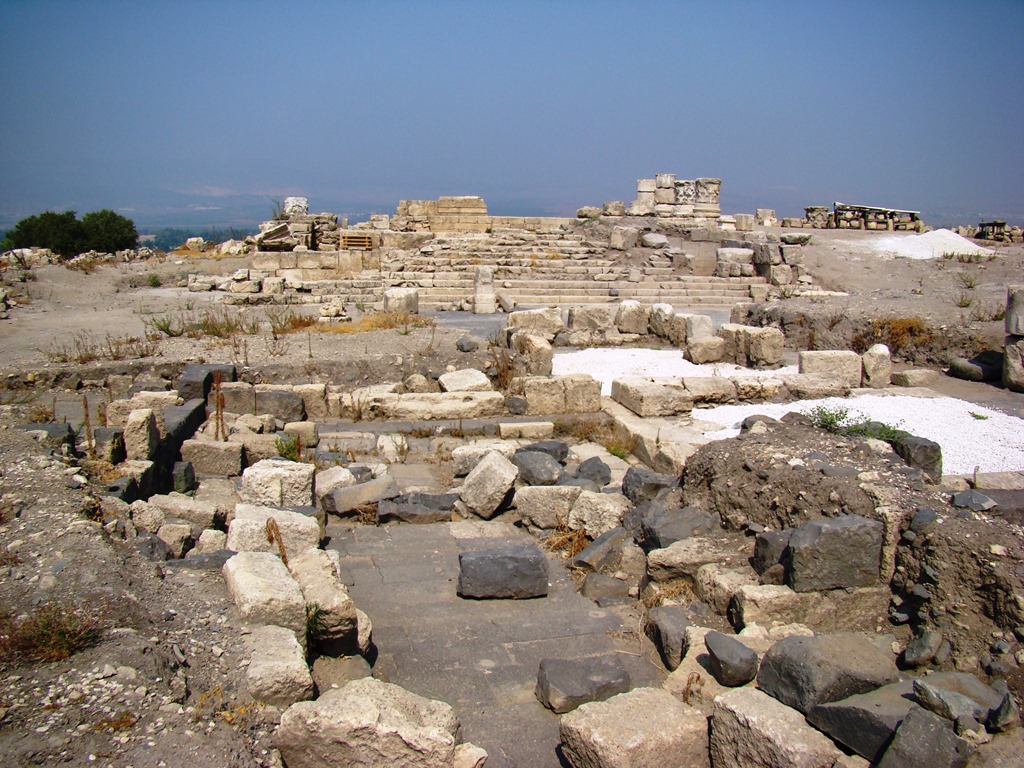
Here you can see the steps leading up to the temple. This site has been identified as a location for Imperial Cult Worship.
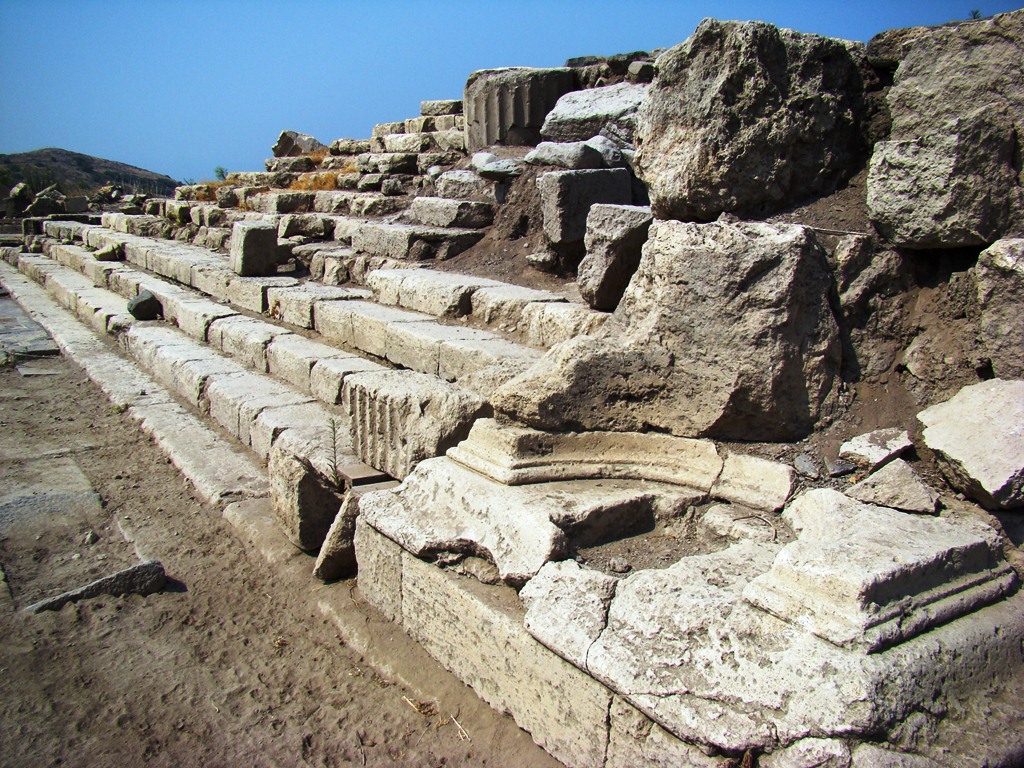
Steps to Imperial Temple at Omrit. Photo by Leon Mauldin.

This photo shows the southwest corner of the temple. The large stones horizontally placed at center have been identified as Herodian. Herod was a politician and he overtly courted the favor of the Emperor Augustus.
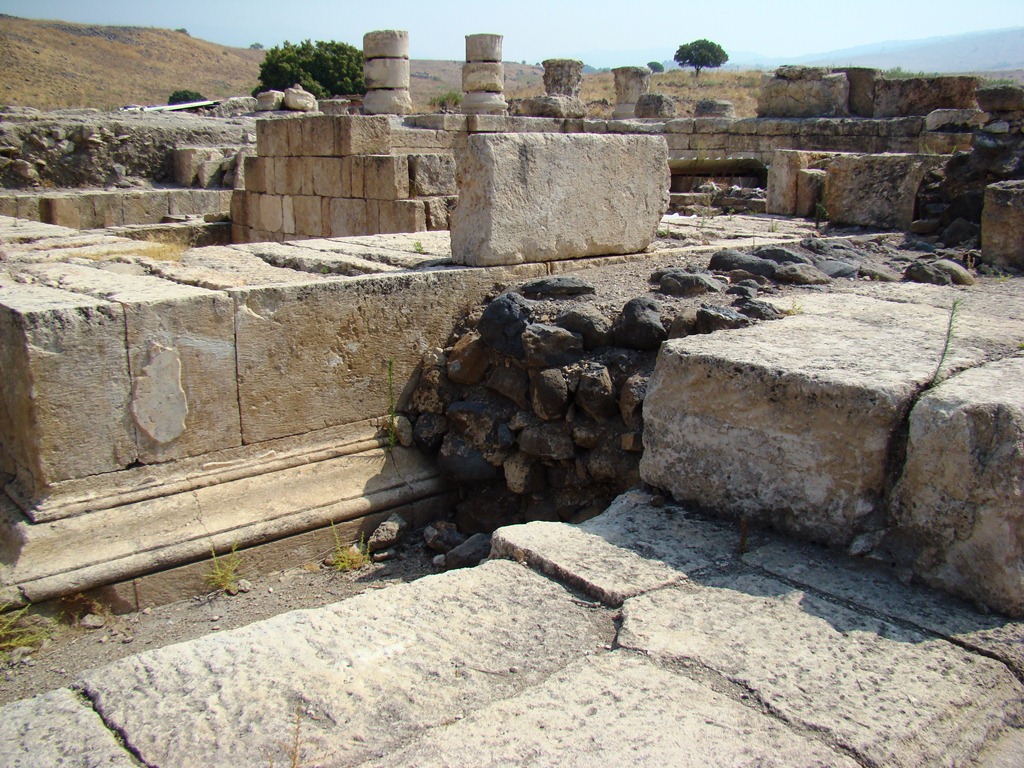
Section of Herodian stones in Omrit Temple. Photo by Leon Mauldin.

The site abounds with interesting architectural fragments.
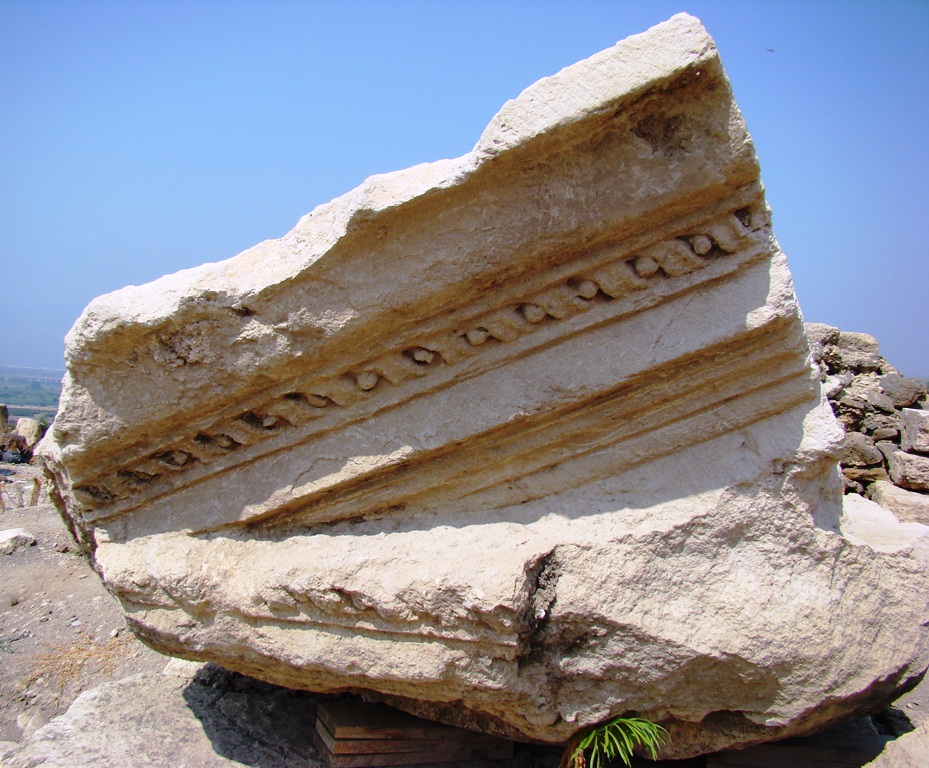
Architectural fragment at Omrit. Photo by Leon Mauldin.

Click on images for larger view.


Omrit, cont’d.

September 11, 2012

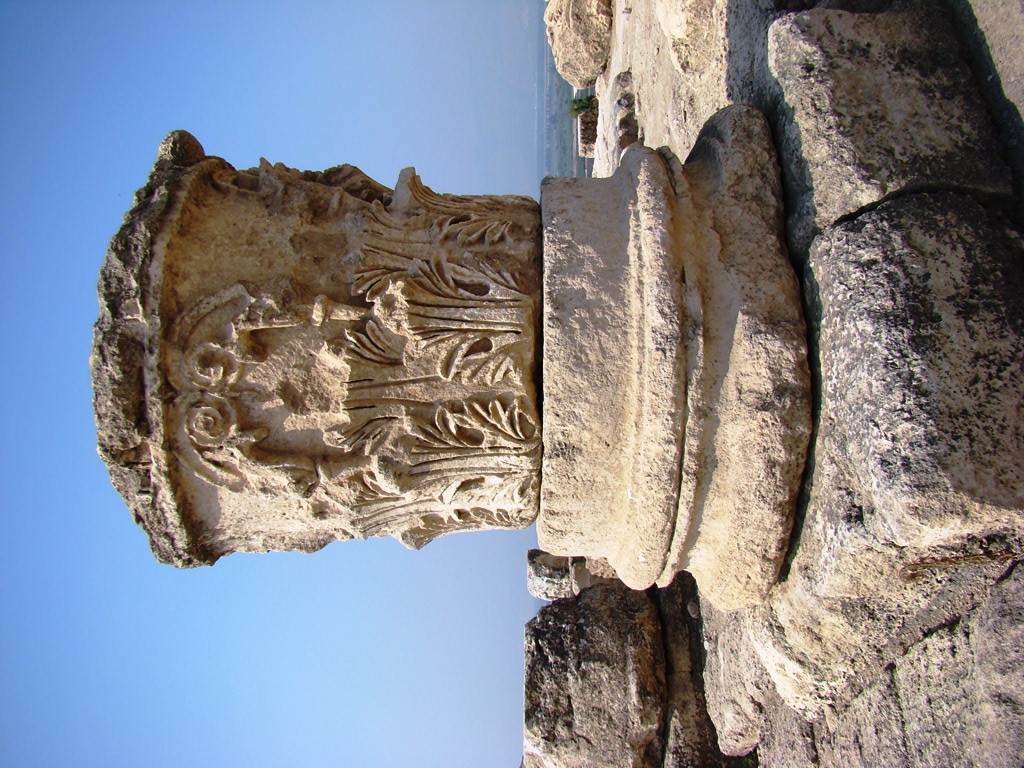
Among the interesting ruins at Omrit are several composite capitals. These are a combination of Corinthians and Ionic orders.

Composite Capital at Omrit. Photo by Leon Mauldin.

Note the beautiful acanthus leaves.

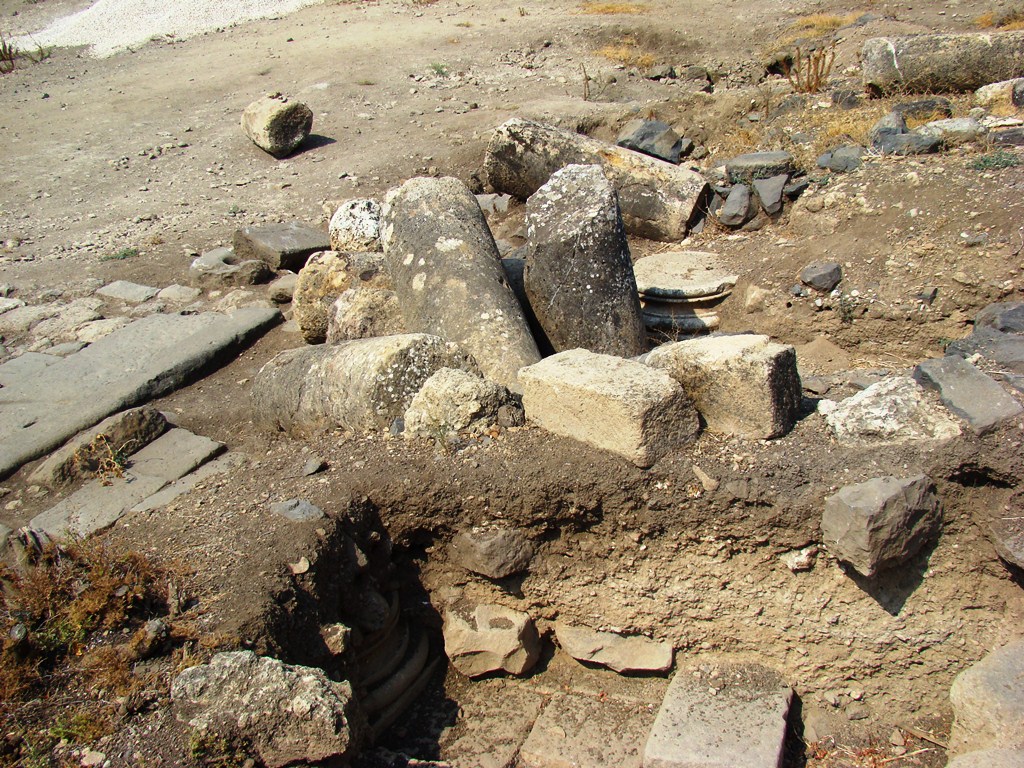
Omrit was destroyed by earthquakes in the 4th and 8th centuries AD.

Evidence of Earthquake at Omrit. Photo by Leon Mauldin.

Click on images for larger view.


Herodian Imperial Cult Temple at Omrit

September 10, 2012

Omrit is located at the foothills of the Hermon Range, and is 2.5 miles from Caesarea Philippi (Banias). It was strategically situated near the crossroads of the Tyre-Damascus and Scythopolis (Beth-shean)-Damascus roads. Impressive remains of a temple devoted to Emperor worship may be seen here.

Herodian Imperial Cult Temple at Omrit. Excavators believe this temple was built by Herod to honor Caesar Augustus. Photo by Leon Mauldin.

I have enjoyed Dr. Carl Rasmussen’s recent posts re: Omrit. He said this was his “favorite site in Israel” (a statement I found very interesting) and just today posted another article on the site, dealing with Emperor worship that took place here in the Bible land. There are interesting implication of Peter’s confession that Jesus was the Christ, the Son of the living God so near a site where the Roman Emperor was worshiped as a “son of god.”

I was glad to visit this site this past September 2011, along with Ferrell Jenkins when he and I made a personal study trip at that time. BTW, Mr. Jenkins is currently directing a tour in Israel. You can follow their journeys here.