Daniel 8 gives the chronological notation of Daniel’s vision as the third year of the reign of King Belshazzar. Because it was known that Nabonidus (r. 556-539 BC) was Babylon’s last king, many “scholars” thought that Belshazzar was just a figment of the author’s imagination. But archaeologists uncovered clay cylinders in southern Iraq, written in cuneiform, which shed light on this matter. The answer turned out to be that Belshazzar shared a co-regency with his father Nabonidus.
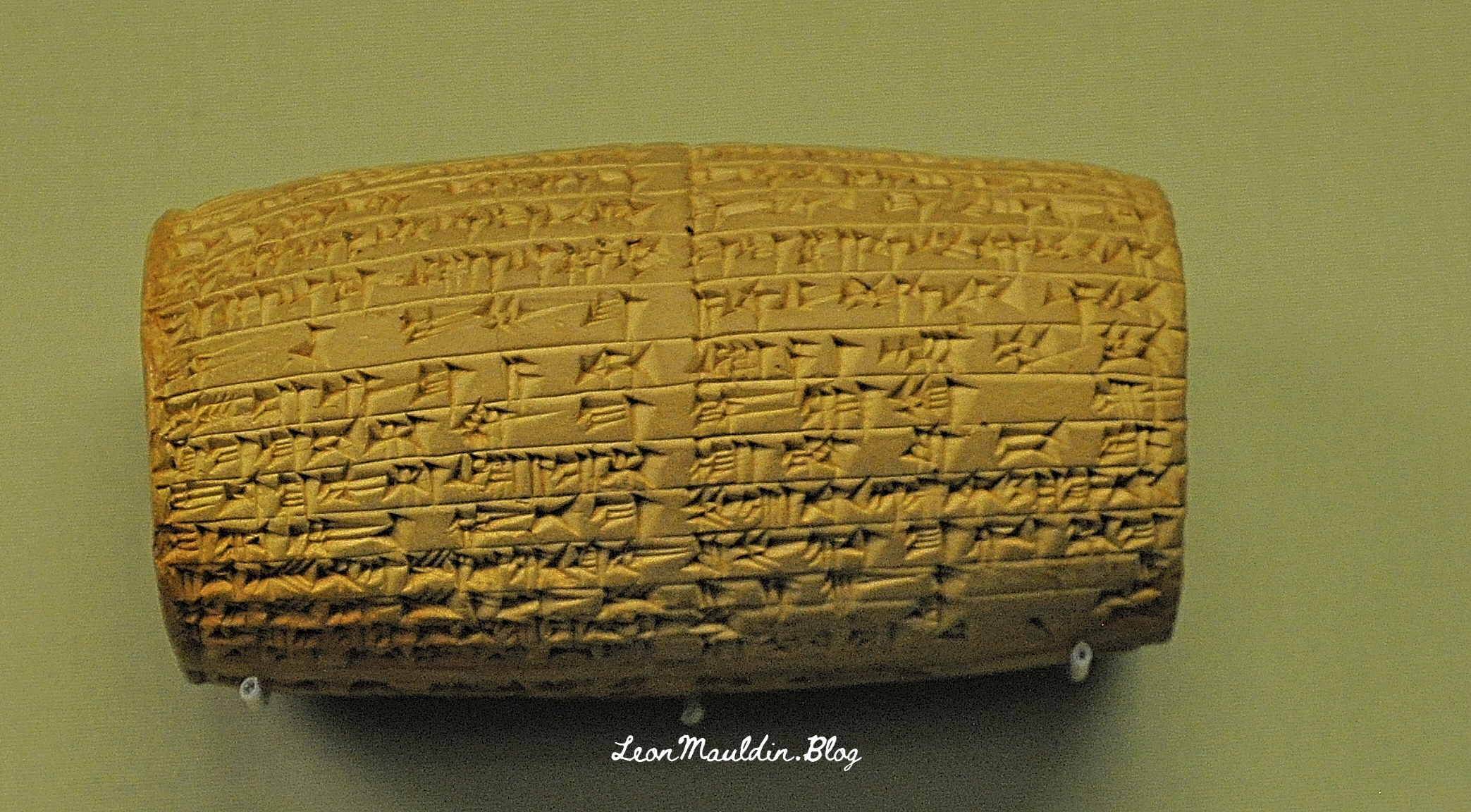
This cylinder records the restoration of Sin’s ziggurat at Ur. Sin was the Babylonian moon god. The inscription also includes the request that the god would protect Nabonidus and his son, Belshazzar.
It was this king, Belshazzar, that saw the “handwriting on the wall” (Dan. 5). Note that the events of Daniel 5 are after those of chapter 8.
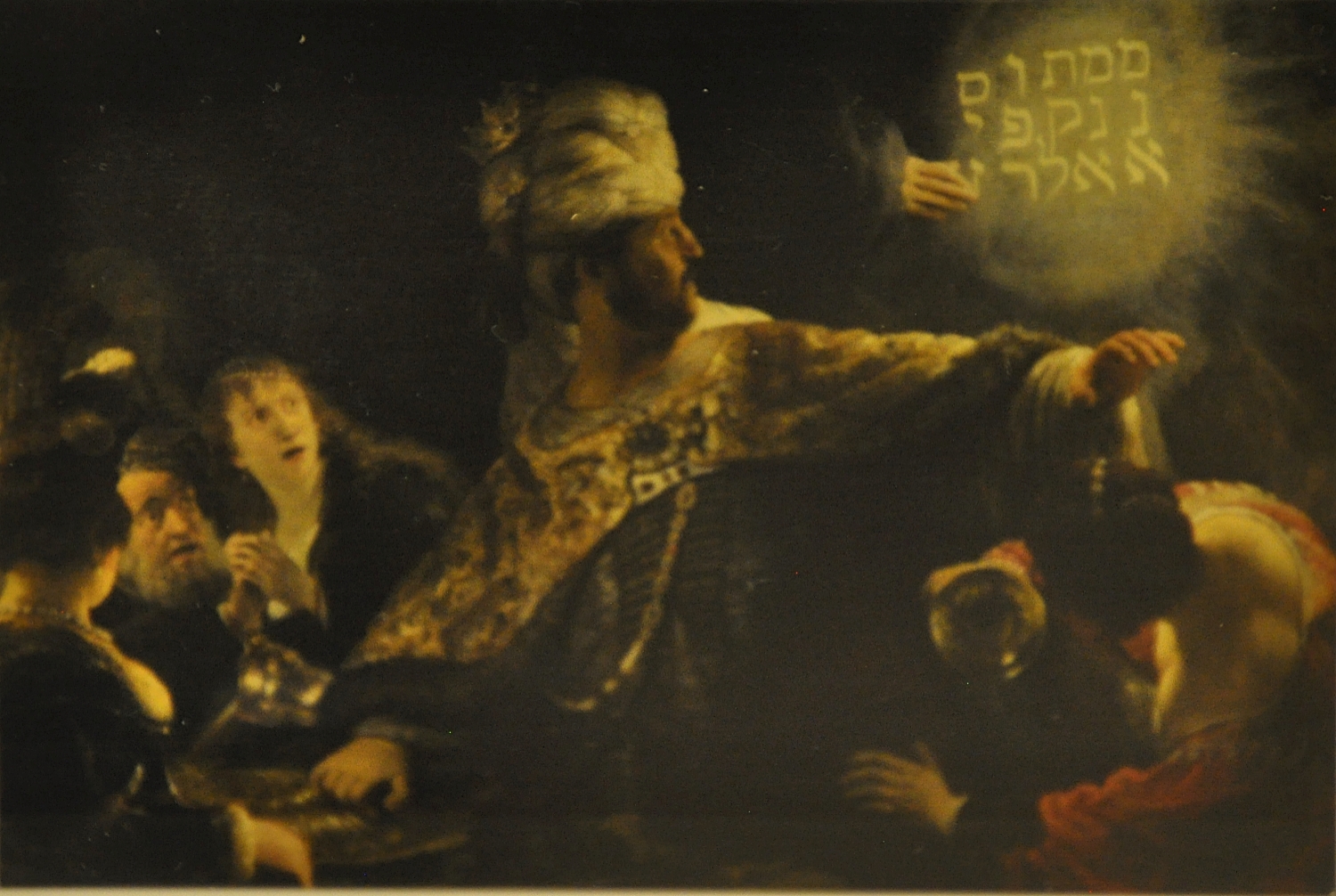
The writing depicted in Rembrandt’s artwork is from Daniel 5:25 (he painted the Hebrew letters vertically) “Mene, Mene, Tekel, Upharsin.” מְנֵ֥א מְנֵ֖א תְּקֵ֥ל וּפַרְסִֽין God has numbered your kingdom, and finished it. You have been weighed in the balances, and found wanting. Your kingdom has been divided, and given to the Medes and Persians. (Dan. 5:26-28).
Belshazzar had promised Daniel that he would be “third ruler in the kingdom” if he could interpret the writing (Dan. 5:16). Why third? That makes perfect sense since we now know that Belshazzar had “second place” as co-regent with his father; the next highest position would be third place. Though Daniel interpreted the writing, he cared nothing for the king’s reward: “Let your gifts be for yourself, and give your rewards to another” (v.17).
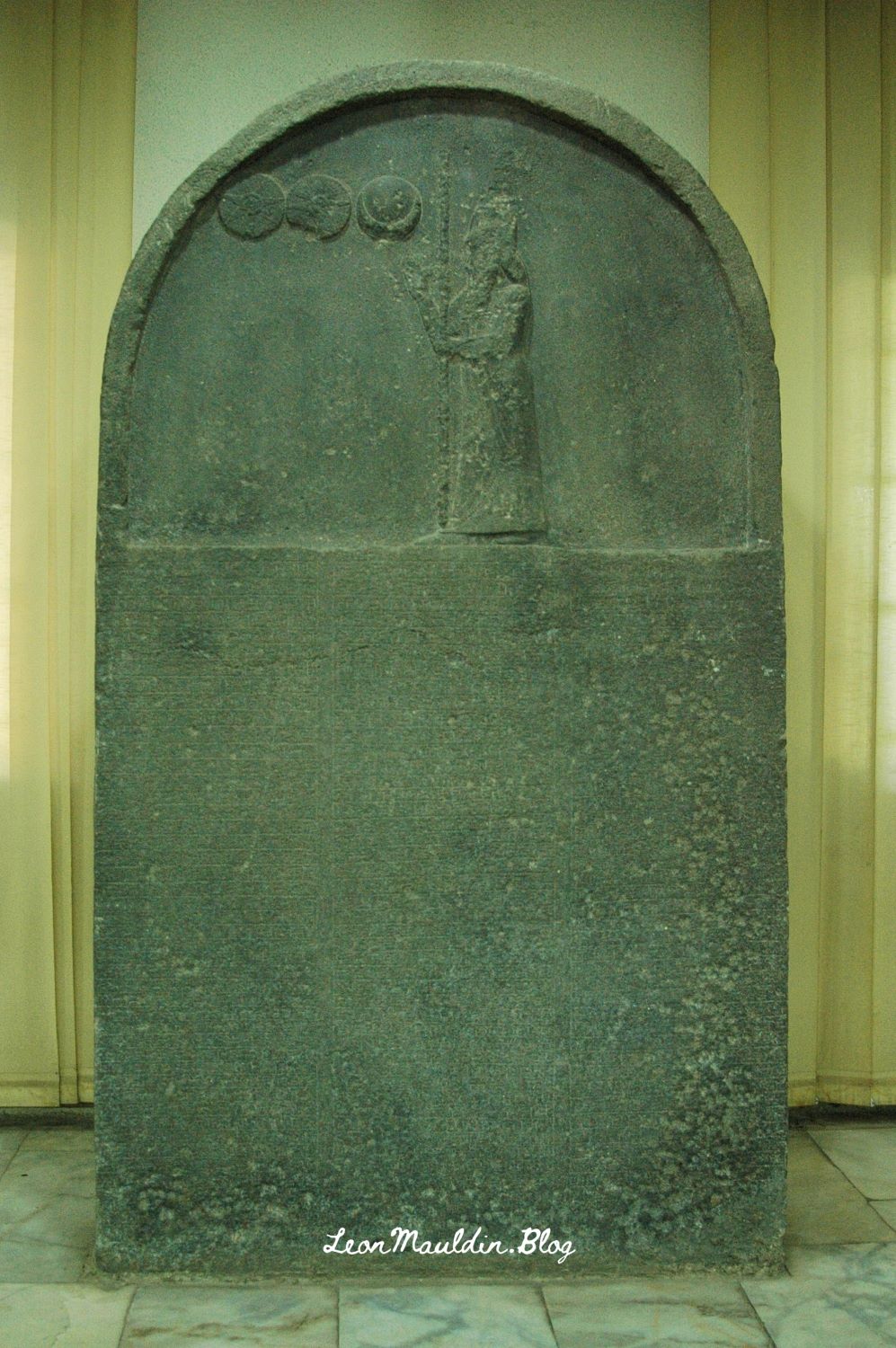
Here below we see a stele of King Nabonidus, father of King Belshazzar:
The Bible is rooted in genuine history. It is not fiction. You can trust your Bible!


 Posted by Leon Mauldin

 leonmauldin.blog