The Tigris River is mentioned twice in Scripture. The first time is in the beginning of Creation, as one of the four rivers which defined the Garden of Eden. In Genesis 2:14: “The name of the third river is Tigris; it flows east of Assyria. And the fourth river is the Euphrates” (NASB). The KJV/NKJV transliterates the Hebrew [חִדֶּקֶל] as “Hiddekel.” The Septuagint (LXX) has Τίγρις (from which we get the English: Tigris).
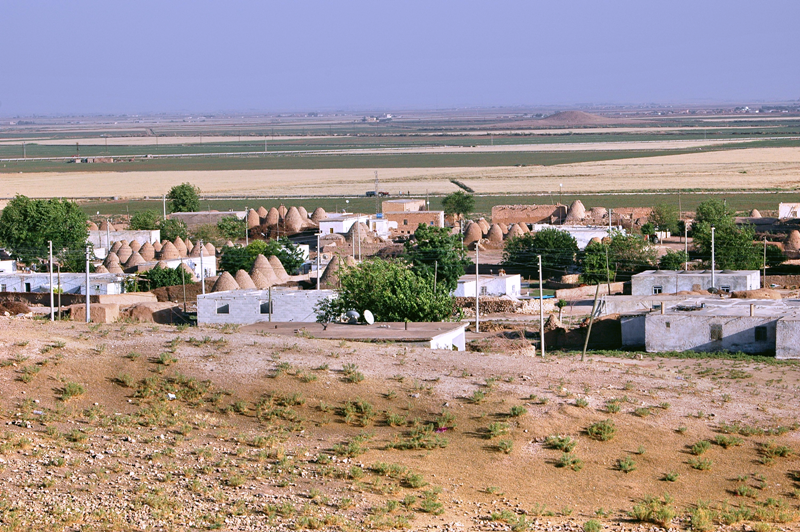
Our photo here is at Hansankeyf, in upper Mesopotamia (which means the land between the rivers: Tigris and Euphrates).
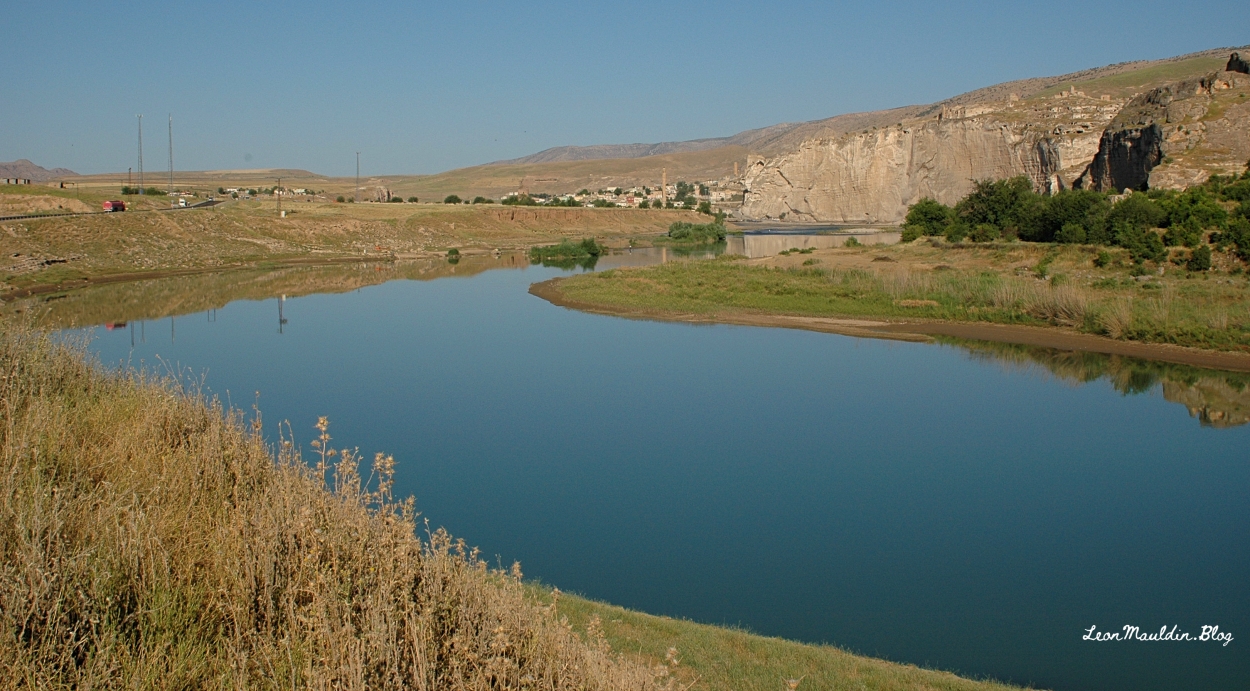
The second mention of the Tigris is found in Daniel 10:4: “On the twenty-fourth day of the first month, while I was by the bank of the great river, that is, the Tigris.” In this vision, it was revealed to Daniel what would transpire, especially during the Intertestamental Period, that historical period following the death of Alexander the Great, and reaching down in time to the Roman Empire. Of special interest was how these events would impact the Jewish people.
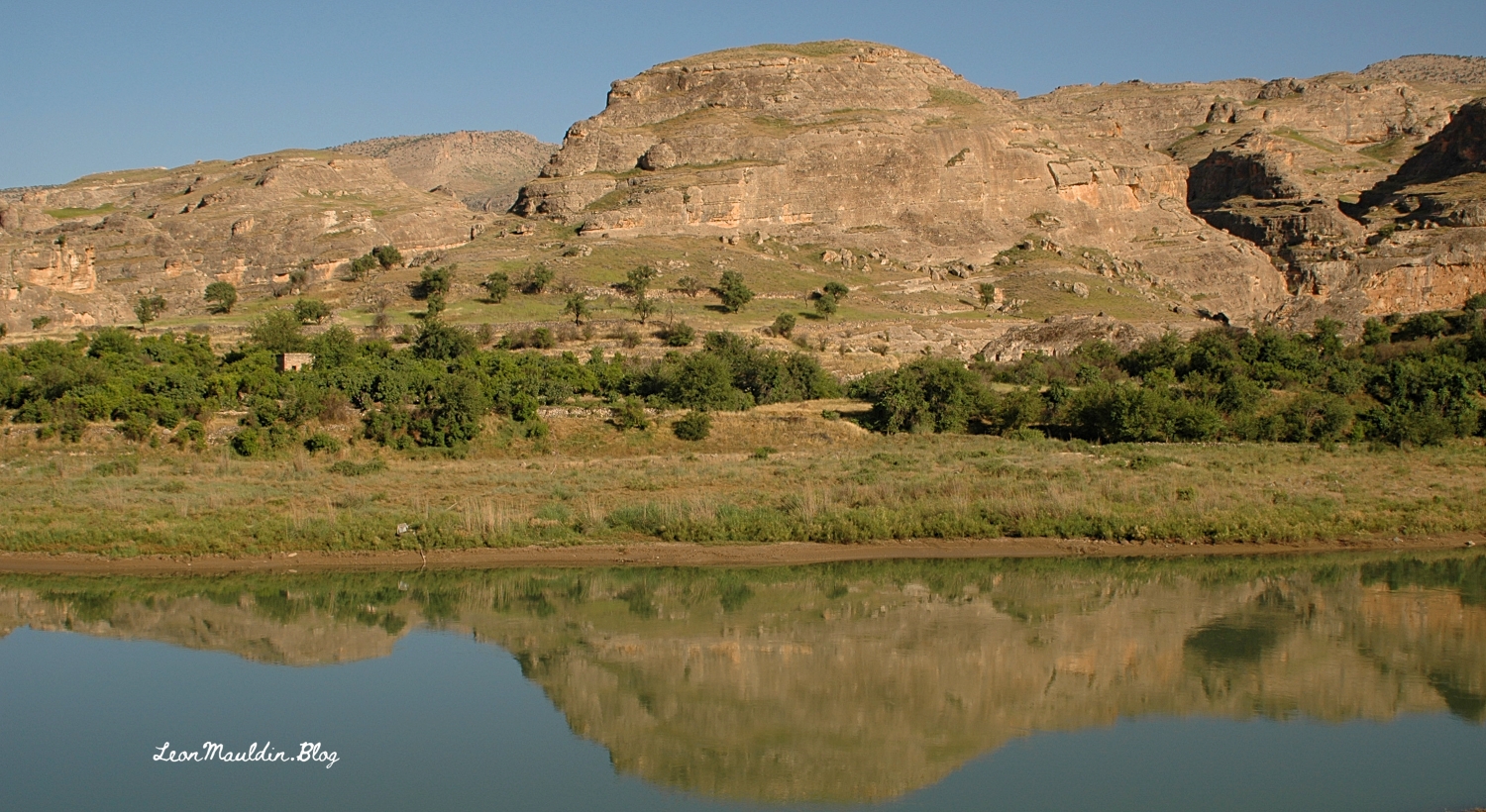
Since these photos were taken the area has been flooded by the Ilısu Dam construction. This photo below shows the Mausoleum of Zeynel Bey, son of Sultan Uzun Hasan of the Aq Qoyunlu dynasty (1378-1508).
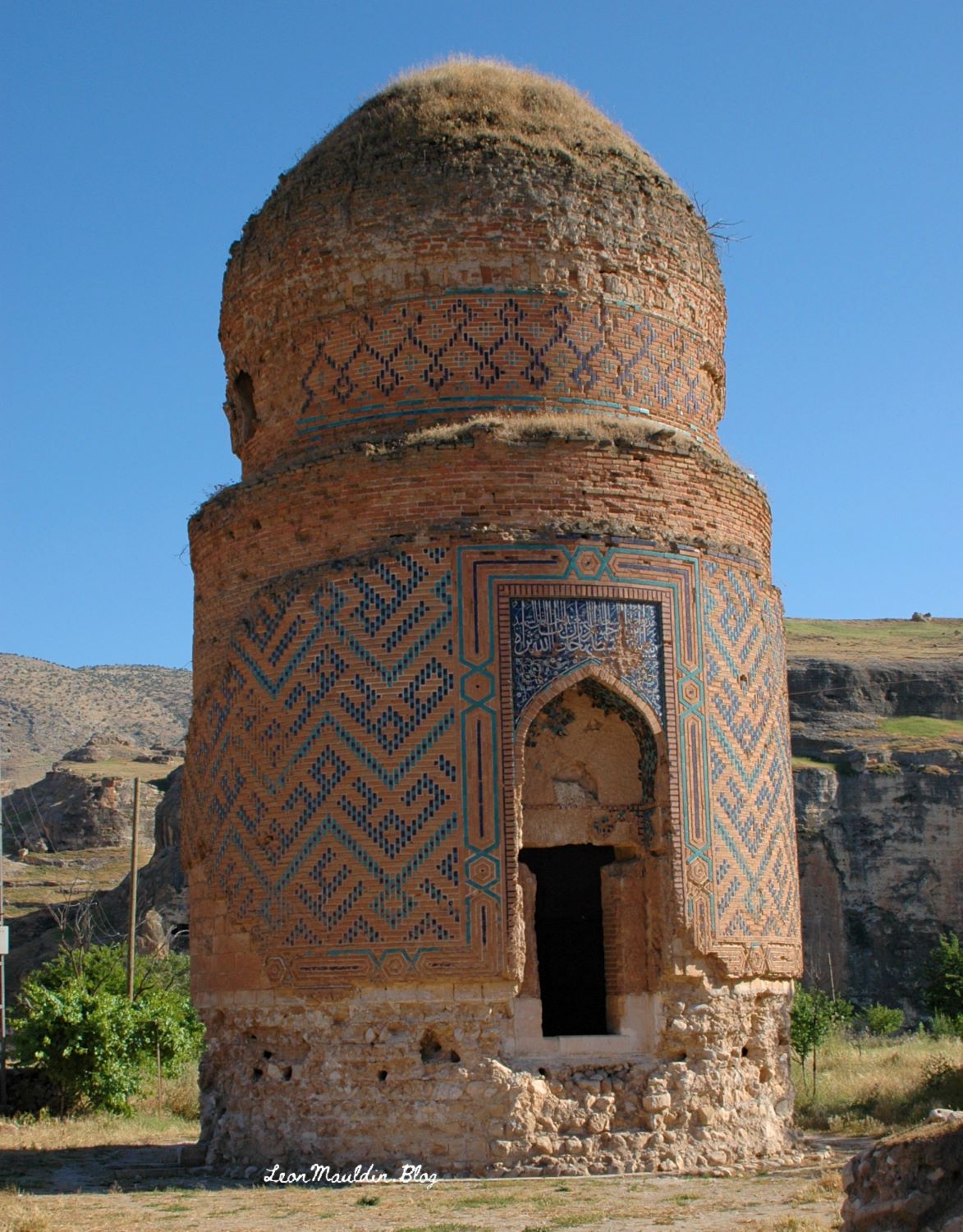
This mausoleum has since been relocated to the new Hasankeyf Cultural Park.
Click images for larger view.


 Posted by Leon Mauldin

 leonmauldin.blog