Acts 27:39-Acts 28:1 describes the shipwreck on which the Apostle Paul was a prisoner en route to Rome:
When it was day, they did not recognize the land; but they observed a bay with a beach, onto which they planned to run the ship if possible. And they let go the anchors and left them in the sea, meanwhile loosing the rudder ropes; and they hoisted the mainsail to the wind and made for shore. But striking a place where two seas met, they ran the ship aground; and the prow stuck fast and remained immovable, but the stern was being broken up by the violence of the waves. And the soldiers’ plan was to kill the prisoners, lest any of them should swim away and escape. But the centurion, wanting to save Paul, kept them from their purpose, and commanded that those who could swim should jump overboard first and get to land, and the rest, some on boards and some on parts of the ship. And so it was that they all escaped safely to land. Now when they had escaped, they then found out that the island was called Malta.
Acts 27:39-Acts 28:1
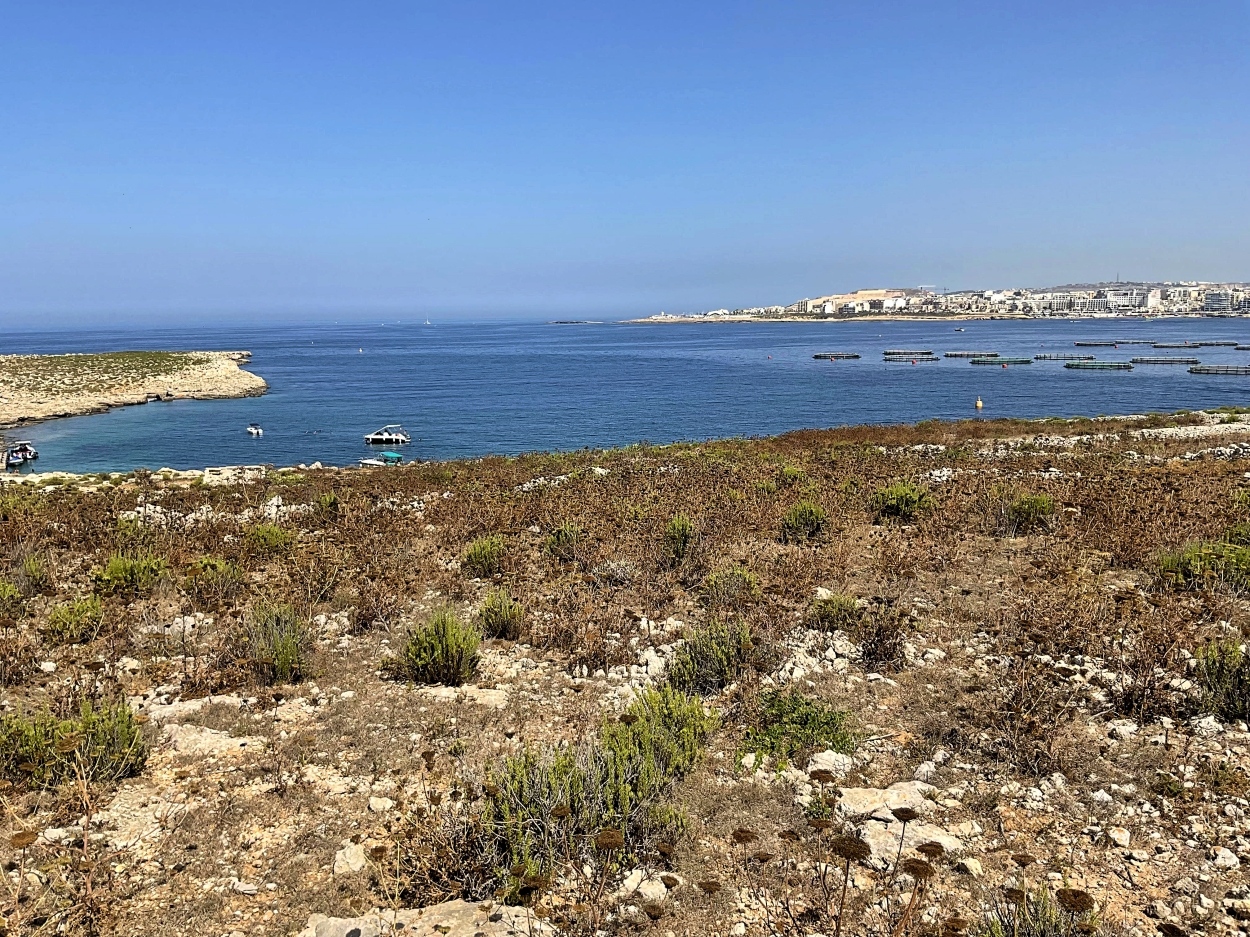
Here is the site proposed by many scholars of that area, known as St. Paul’s Bay:
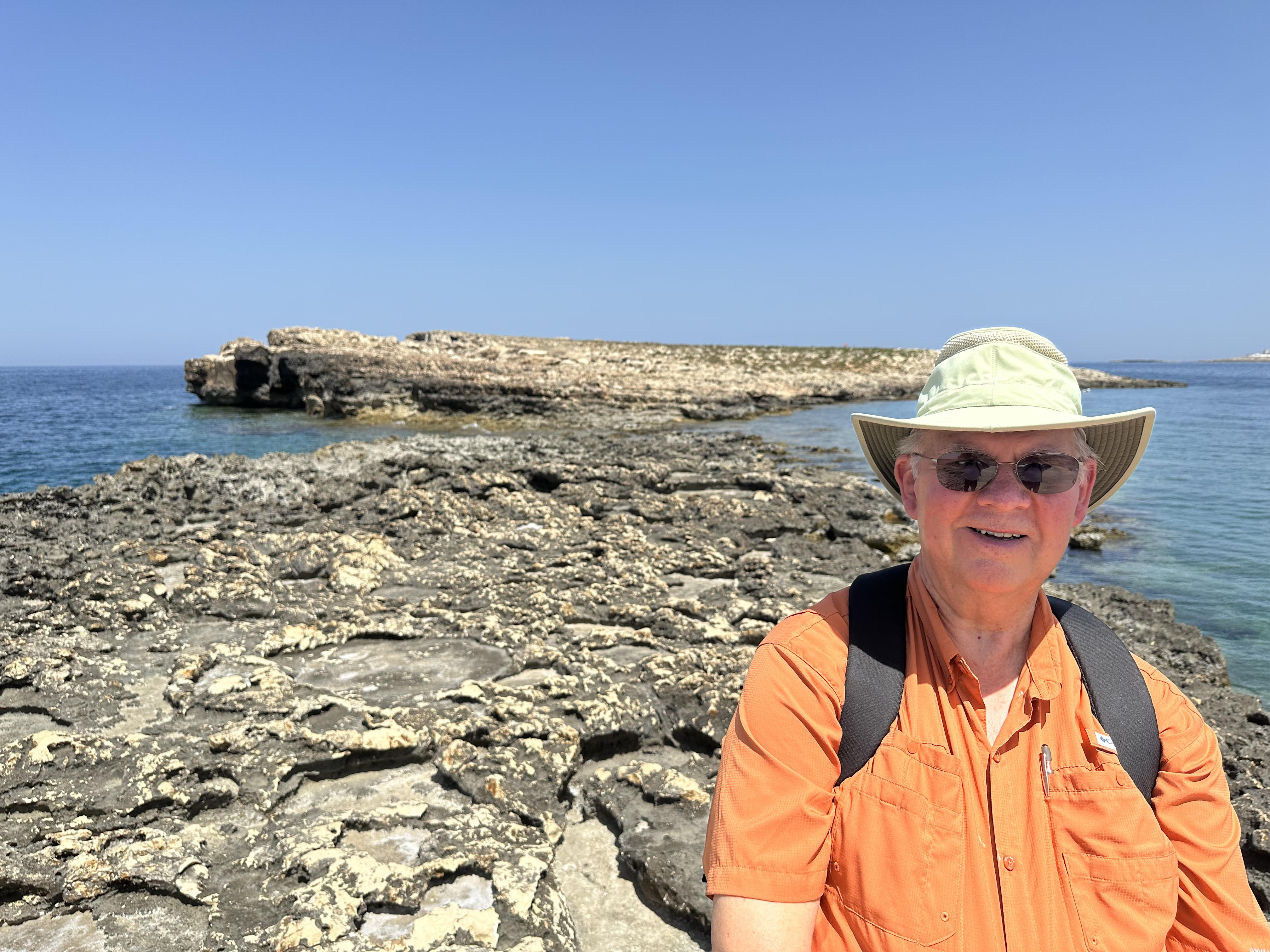
Here I’m standing by the very rugged reef that would be devastating to a ship.
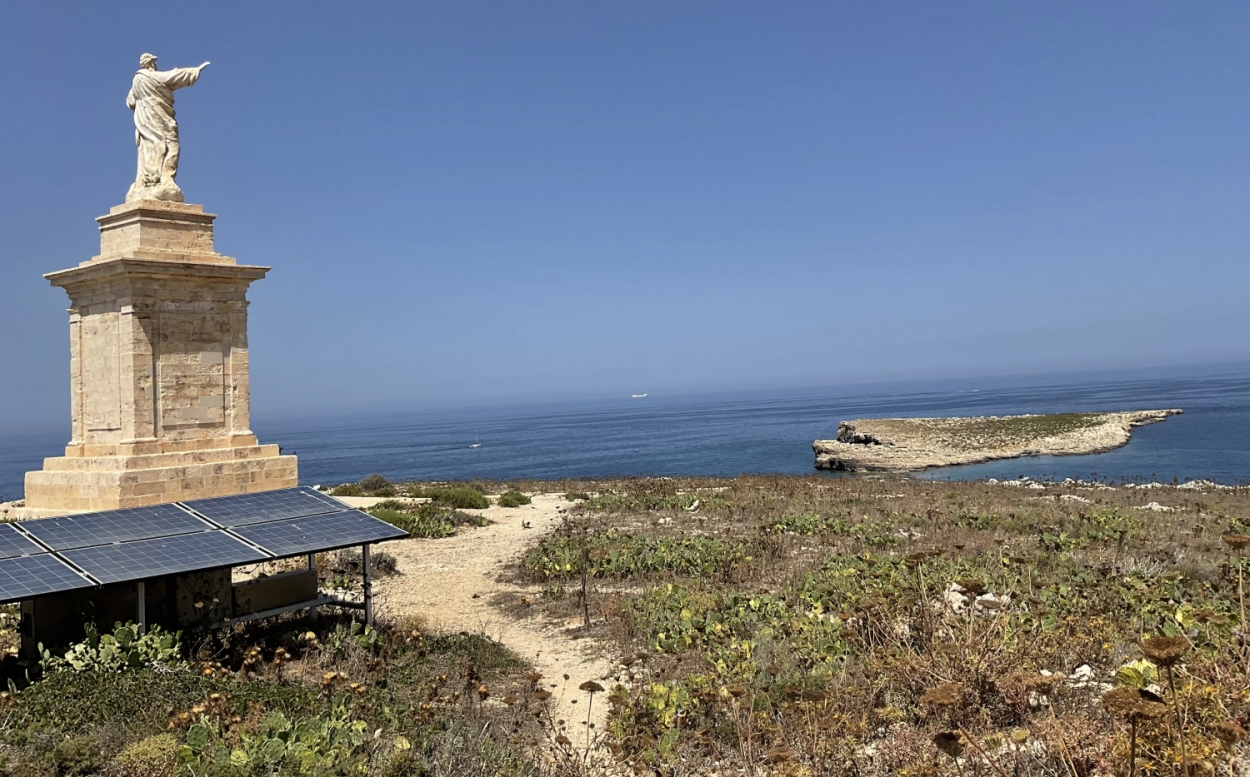
At the top of the island is a statue of the Apostle Paul.
Having just returned from a personal study trip to Malta, I hope to share some of the sites and artifacts we were able to photograph in upcoming posts.


 Posted by Leon Mauldin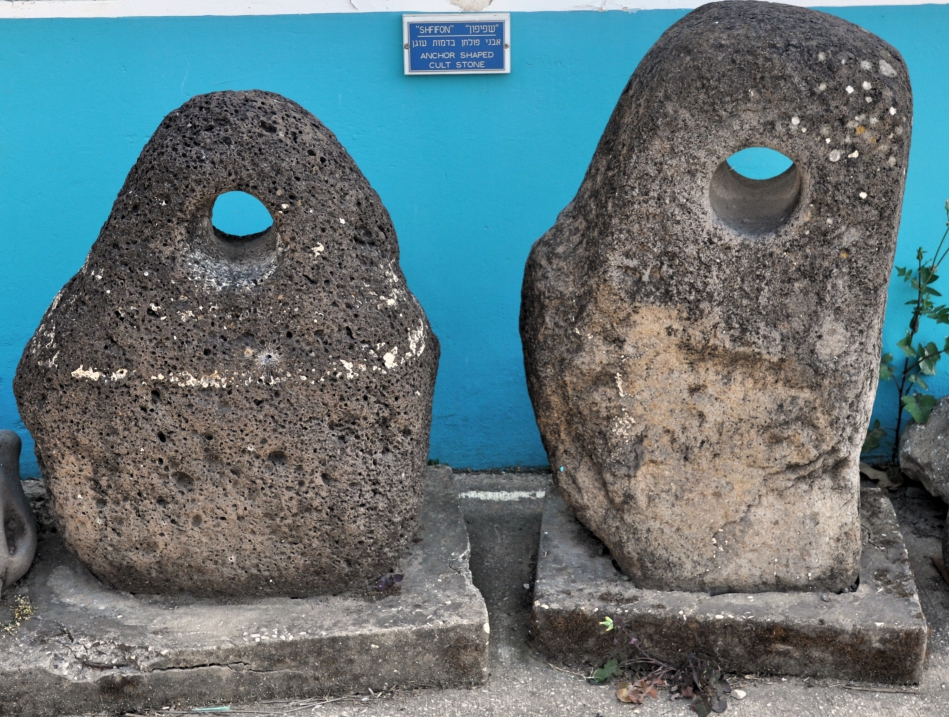

 leonmauldin.blog