Aqueduct at Caesarea

March 10, 2011

Greetings from Tiberius. Today has been a mixture of wind, rain, and sunshine. We began with a visit to Caesarea. There was lots of wave action today, but I selected a photo of the Aqueduct. In order to have a fresh water supply sufficient for the needs of the capital city, Herod the Great brought in water from eight miles away.
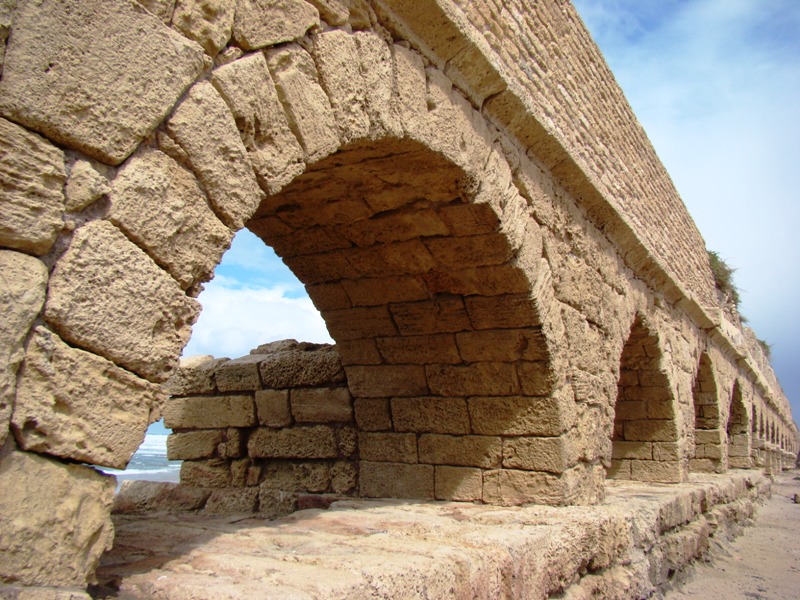
Caesarea Aqueduct. Photo by Leon Mauldin.

Much is said in the Bible about Caesarea.  I understand Daniel 11:45 to be a prophecy of the Roman Capital located here: “He will pitch the tents of his royal pavilion between the seas and the beautiful Holy Mountain; yet he will come to his end, and no one will help him” (NASB).

Philip the Evangelist preached here (Acts 8:40; 21:8). Cornelius the centurion was converted here, as God opened the door of the gospel to the Gentiles (Acts 10-11). Paul used the harbor here in his travels in preaching the gospel. He was taken here under military escort for his own protection, and remained here two years (Acts 23:32; 24:27).

All of our folks are well. Thanks for following the blog—we will try to post something each day as time and opportunity permits.

Click on image for higher resolution.


Safely at Natana, Israel

March 9, 2011

Our group arrived safely at Ben Gurion Airport this afternoon, just an hr. and a half or so past schedule. It was dark and raining by the time we got our luggage and boarded our bus. We had a good meal here at the Blue Ray Hotel at Natana. The wind is howling outside my window at present. Natana has been known as the number one city in Israel for artisan diamond cutting.

It’s always a good start when all the passengers are well and accounted for, and there is no delayed luggage, so we’re thankful for that.

We’re 7 hours ahead of Sweet Home Alabama time.  Everyone is tired, but the good meal tonight and hopefully a good night’s rest will recharge everyone’s batteries.

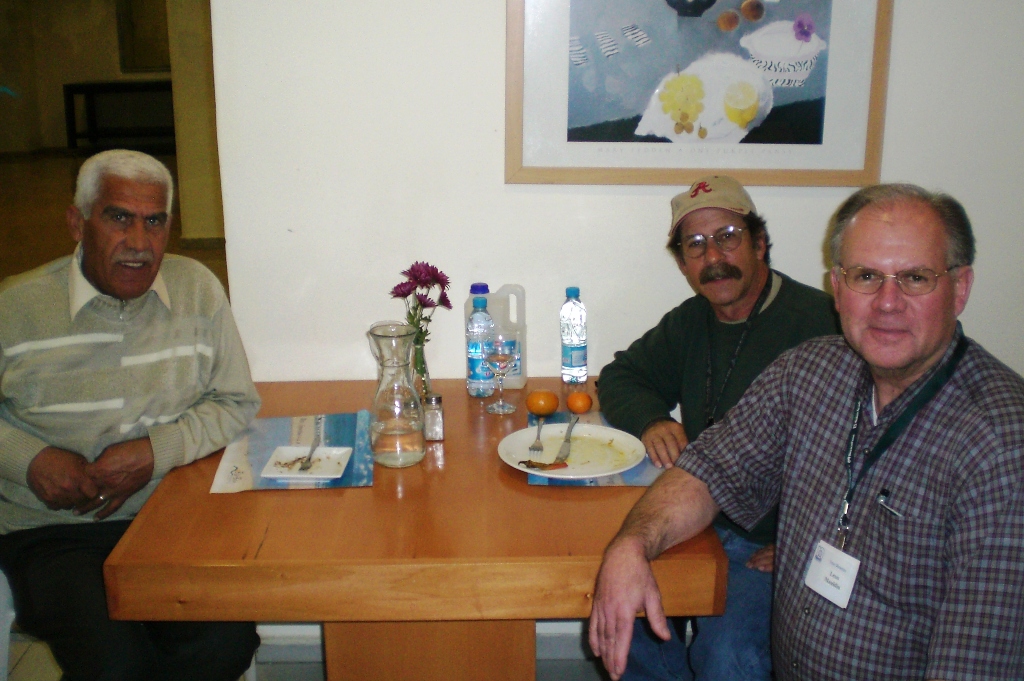
Fawzi, Elie and Leon at Natana. Dolye Stogdill, photo.

Some of you will recognize our guide and friend Elie, at right and behind me, and Fawzi, our driver. These men are professionals and a pleasure to work with.

Tomorrow we head up the coast and then across to Tiberius on the Sea of Galilee. Continue to check in and we’ll post as we can. Thanks to those of you who have written.


En Route to Israel

March 8, 2011

What a wonderful opportunity to visit Israel again with friends who want to be better Bible students. My group is presently waiting at Newark, with a slightly delayed departure time.

The Ben Gurion airport is located on the site of OT Lod, NT Lydda. Peter was a Lydda when brethren came from Joppa with the news that Dorcas had died, asking him to hurry there. Upon arriving, he raised her from the dead (Acts 9:32-41).

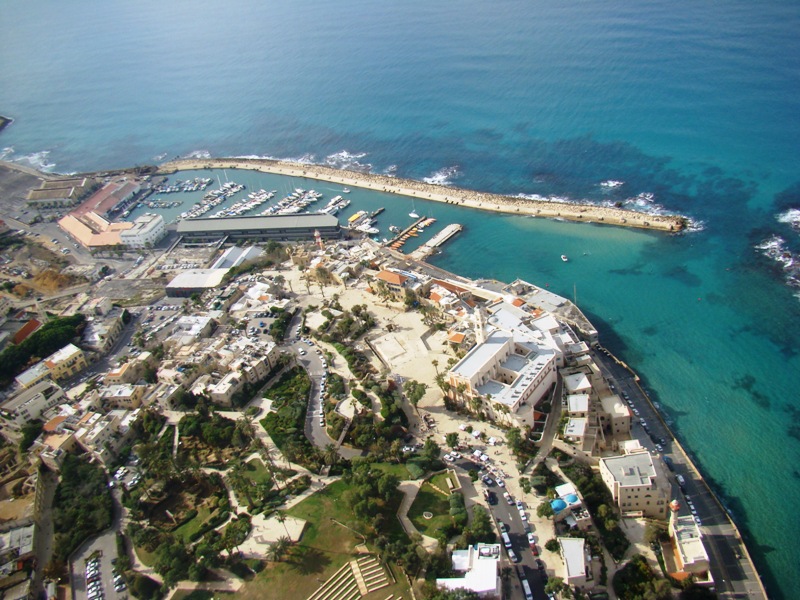
Check our blog to follow our travels; we will post as time permits. For now here is an aerial of Joppa, taken Dec. ’09.

Aerial of Joppa. Photo by Leon Mauldin.

Joppa is immediately south of Tel Aviv.

Click on image for higher resolution.


Nuzi Tablets and the Patriarchs

March 5, 2011

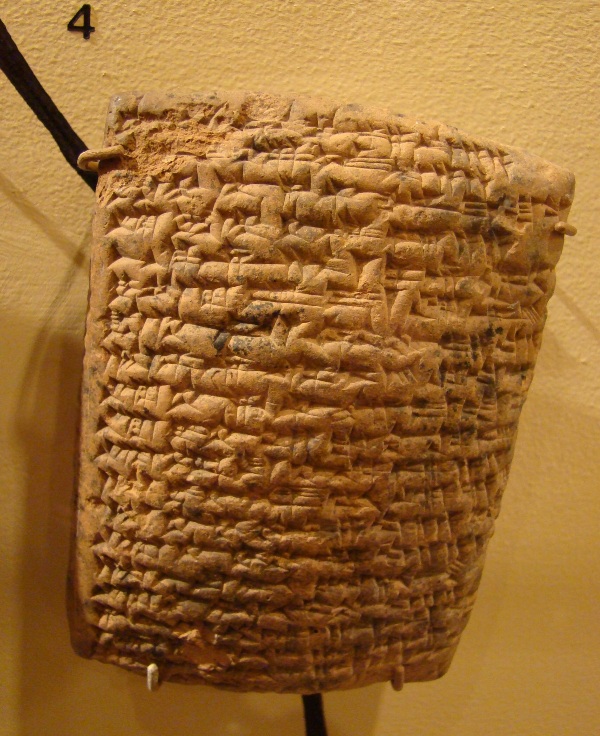
Many in the scholarly world are dismissive about the historicity of the patriarchs. One source that is helpful in understanding the world of the biblical patriarchs is that of the Nuzi Tablets.

Nuzi was a Hurrian administrative center not far from the Hurrian capital at Kirkuk in northern Iraq. The Hurrians are equivalent to the Horites in the Old Testament, also called Hivites and Jebusites. Excavations were carried out at Nuzi by American teams from 1925 to 1933. The major find was more than 5,000 family and administrative archives spanning six generations, ca. 1450–1350 BC. They deal with the social, economic, religious and legal institutions of the Hurrians. (Bible and Spade 18:32).

Nuzi Tablet. Semitic Museum. Photo by Leon Mauldin.

The tablets tell of practices similar to those in Genesis such as adoption for childless couples (Gn 15:2–3), children by proxy (Gn 16; 21:1–21), inheritance rights (Gn 25:29–34), marriage arrangements (Gn 28–31) and levirate marriage (Gn 38; Dt 25:5–10). They also demonstrate the significance of the deathbed blessing (Gn 27; 48–49) and household gods (Gn 31:14–19, 30–35). Some Nuzi tablets, called “tablets of sistership,” have agreements in which a man adopted a woman as a sister. In the society of the Hurrians, a wife enjoyed both greater protection and a superior position when she also had the legal status of a sister. In such a case, two separate documents were drawn up, one for marriage and the other for sistership. This may explain why both Abraham (Gn 12:10–13; 20:1–2) and Isaac (Gn 26:7) said their wives were their sisters. It is possible that they had previously adopted them to give them higher status, in accordance with the custom of the day.

Family records were highly valued at Nuzi, being passed down from father to son for as many as six generations. Nowhere else in the ancient Near East is this kind of reverence for family documents illustrated, except in the Old Testament. Indirectly, the practice at Nuzi supports the position that Genesis and the other books of history in the Old Testament are grounded in actual family, clan and tribal records carefully passed from generation to generation.

As with Mari, the Nuzi records demonstrate that the cultural practices recorded in the book of Genesis are authentic. The accounts are not fictional stories written at a much later time, as some critics claim, since the customs were unknown in later periods (ibid.).


Also, and ultimately, it is important to remember that Jesus endorsed and taught the historicity of the patriarchs! cf. Matt. 8:11; 22:32, etc.

Click on image for higher resolution.


The Church of St. Peter in Gallicantu

February 25, 2011

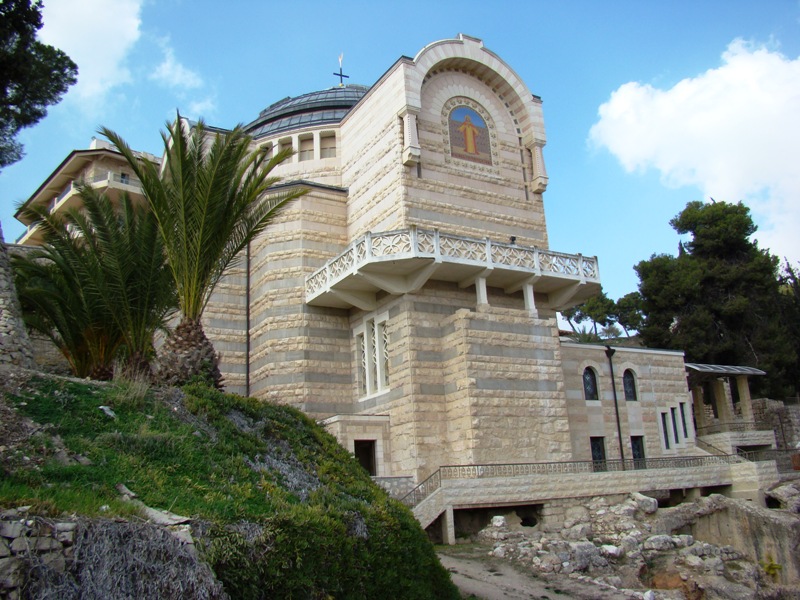
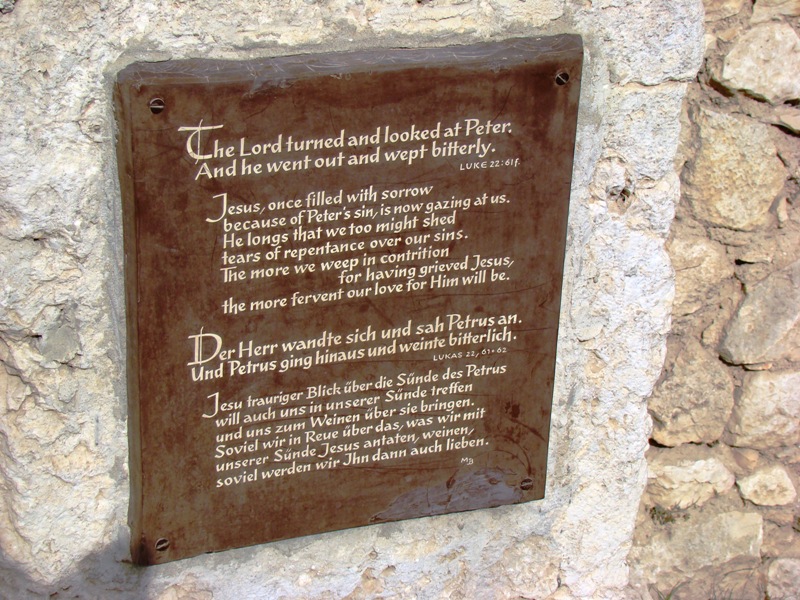
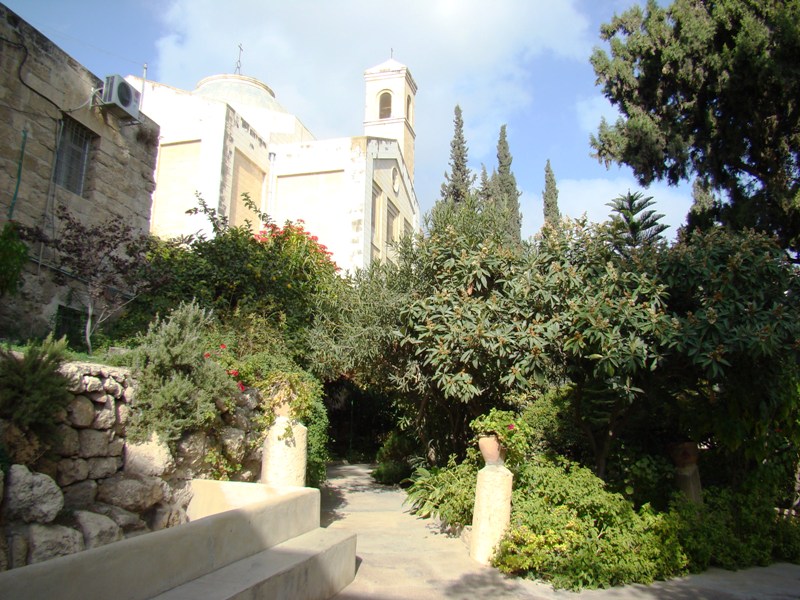
The Church of St. Peter in Gallicantu is one of the proposed sites of the house High Priest Caiaphas, High Priest who presided at Jesus’ “trial” (Matt. 26:57-68). The word “Gallicantu” means cock crowing, and is a reference to Peter’s denial as he sat outside in the courtyard of the High Priest (Matt. 26:69-75). It was on this occasion that Peter denied the Lord three times, “And immediately a rooster crowed. And Peter remembered the word of Jesus who had said to him, ‘Before the rooster crows, you will deny Me three times.’ Then he went out and wept bitterly.”

Church of St. Peter in Gallicantu. Jerusalem. Photo by Leon Mauldin.

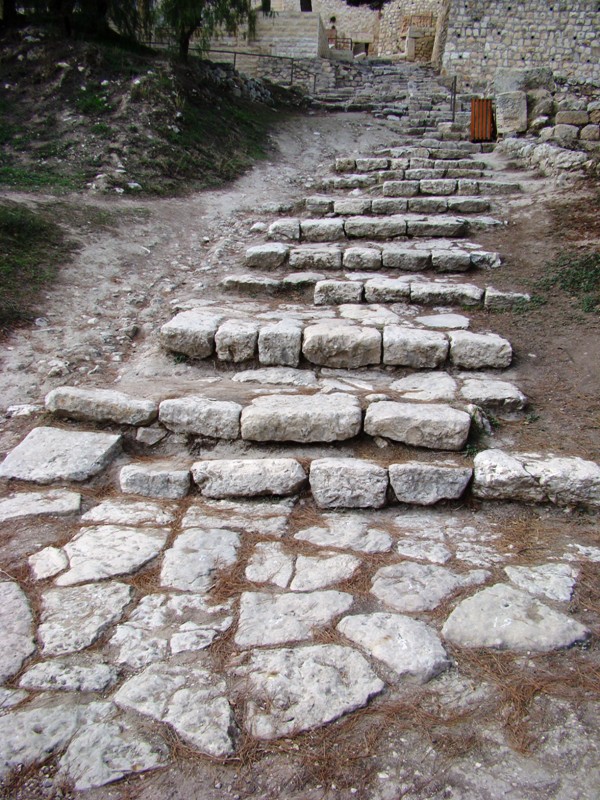
Note the steps leading up to the church.

Steps leading to Gallicantu. Photo by Leon Mauldin.

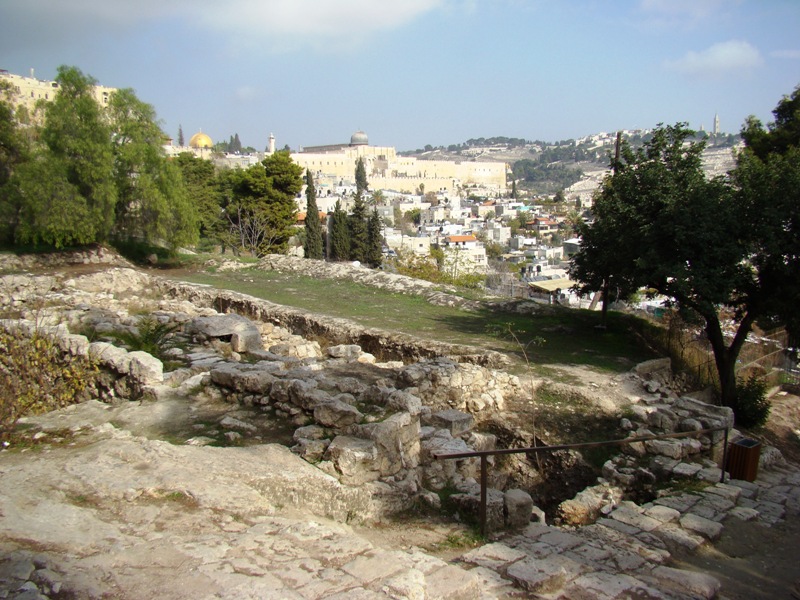
The value of this view is that of helping us visualized Jesus being led to the house of the High Priest, for that unforgettable night when, “He was led away after an unjust trial– but who even cared? Indeed, he was cut off from the land of the living; because of the rebellion of his own people he was wounded” (Isa. 53:8, NET).

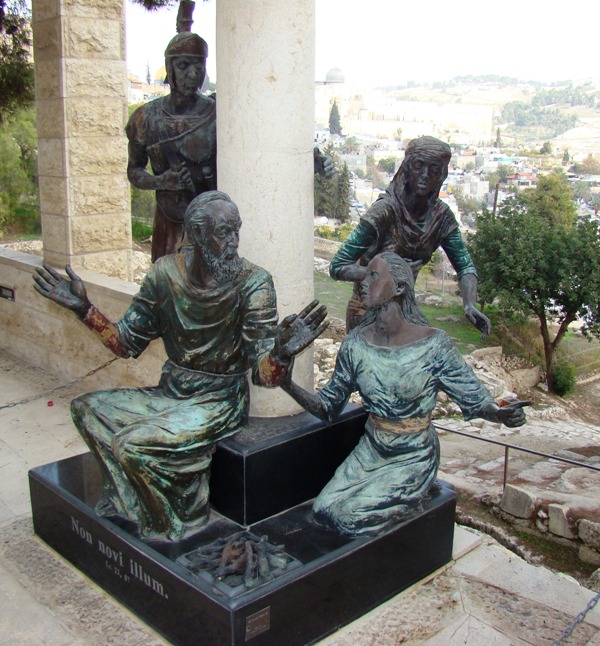
There is imagery on the site to remind the visitor of Peter’s denial.

Peter denies the Lord. Photo by Leon Mauldin.

This is a representation of Peter, denying his discipleship of Jesus to a maid. Behind, as soldier stands. What a warning–how easy it is to let down one’s guard and do the unthinkable. Later Peter would warn others about our Adversary, the Devil (1 Pet. 5:8).

View from Gallicantu toward temple area. Photo by Leon Mauldin.

Sign commemorating Peter's Denial. Photo by Leon Mauldin.

On another note, tonight we begin a 3-day series on the History and Geography of the Bible in Lafayette, IN. The first lesson in the series is tonight (Fri) on campus at Purdue University, and continues Sat. and Sun. at the Lafayette church building. I’m looking forward to working with my friend Alan Yeater. Check out their website at http://www.lafayettecoc.org/cms/

Click on images for higher resolution.


Bethany

February 23, 2011

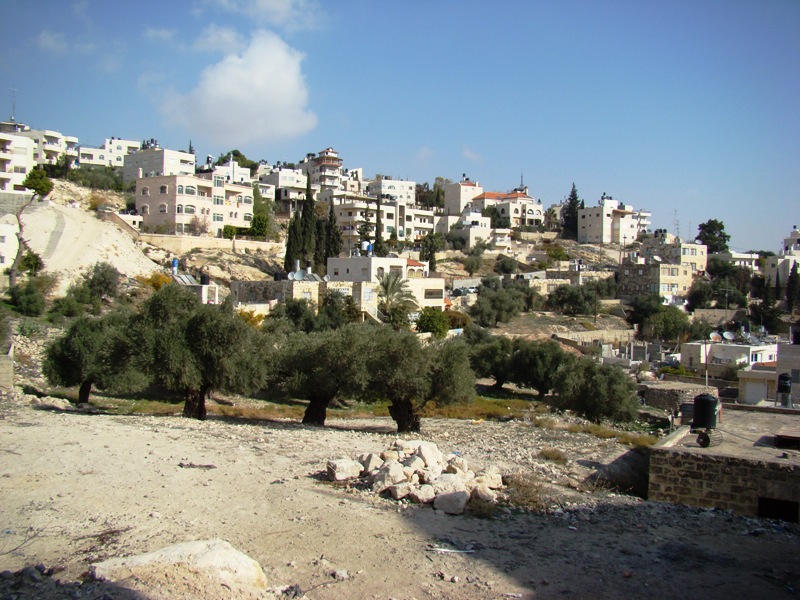
Bethany is designated as the home of Jesus’ good friends Mary, Martha and Lazarus (John 11:1). When Lazarus was sick Jesus deliberately waited until his death, that he might raise Lazarus from the dead, thus demonstrating that He is the “Resurrection and the Life” (John 11:25). Modern Bethany can be seen in our photo:

Bethany, home of Jesus' friends Mary, Martha and Lazarus. Photo by Leon Mauldin.

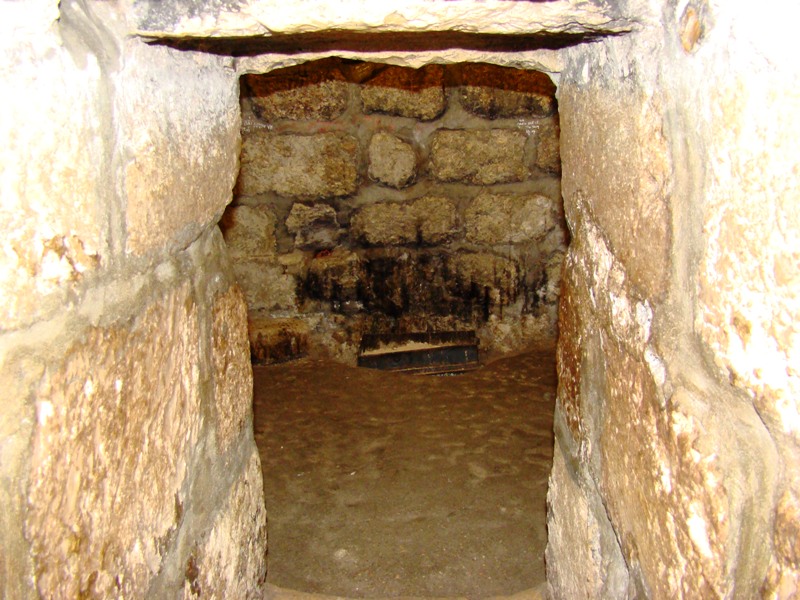
There is a tomb shown at Bethany which is said to be Lazarus’ tomb. To me the value of such is for illustration purposes, and not to identify this as the actual tomb of Lazarus.

"Lazarus' Tomb." Photo by Leon Mauldin.

It was from Bethany and nearby Bethphage that Jesus entered Jerusalem, riding on a donkey in what is knows at the Triumphal Entry, fulfilling the prophecy of Zechariah 9:9.

Bethany was the scene of Jesus’ being anointed with the precious ointment in anticipation of His death, Matt. 26:6ff. We learn from the parallel in John 12 that the woman was Mary, sister of Martha and Lazarus.


Bethany. Photo by Leon Mauldin.

It was also from Bethany, which is on the slope of the Mount of Olives, that Jesus ascended back into heaven: And He led them out as far as Bethany, and He lifted up His hands and blessed them. Now it came to pass, while He blessed them, that He was parted from them and carried up into heaven. And they worshiped Him, and returned to Jerusalem with great joy, and were continually in the temple praising and blessing God. Amen (Lk. 24:50-53).

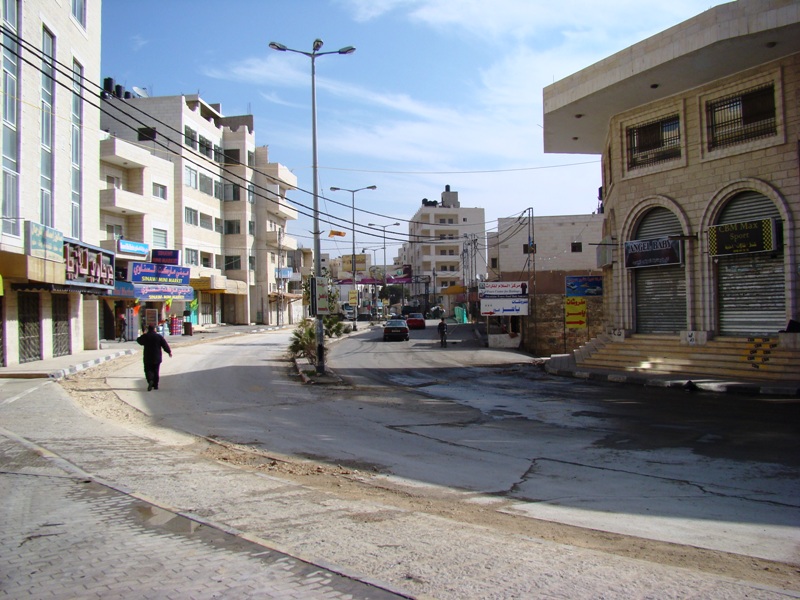
Street in Bethany. Photo by Leon Mauldin.

Click on images for higher resolution.


Arad in the Negev

February 21, 2011

Arad is first mentioned in Scripture in Numbers 21:1, “The king of Arad, the Canaanite, who dwelt in the South, heard that Israel was coming on the road to Atharim, then he fought against Israel and took some of them prisoners.” This was in the last year of the 40 years wilderness wandering.  Israel prayed for deliverance and the LORD gave them victory.

Map by Bibleatlas.org

BAR notes:

The Israelite fortress at Arad is unique in the Land of Israel. It’s the only site excavated with modern archaeological methods that contains a continuous archaeological record from the period of the Judges (c. 1200 B.C.) to the Babylonian destruction of the First Temple (580 B.C.). This distinction promises to make Arad the type-site for pottery chronology, especially in southern Israel, against which pottery from other sites can be confidently tested and dated. Not only is the pottery sequence continuous, but the timelines between the various strata during which the Israelite fortress was built and rebuilt are for the most part clear and can often be connected with well-known historical and datable events.

Arad is also special for other reasons. The Israelite fortress there was found to contain the only Israelite temple ever discovered in an archaeological excavation.

The excavation of the fortress also yielded a unique series of inscriptions. The inscriptions, written for the most part with ink on potsherds—called ostraca (singular, ostracon)—include political, administrative and sometimes even religious documents. Other sites have yielded ostraca collections—for example, the Lachish letters and the Samaria ostraca—but each of those collections belonged to only one major stratum and time period. At Arad the inscriptions span a period of 350 years and cover six different strata. In all, more than one hundred texts and fragments were recovered. (13:02 March/April 1987).

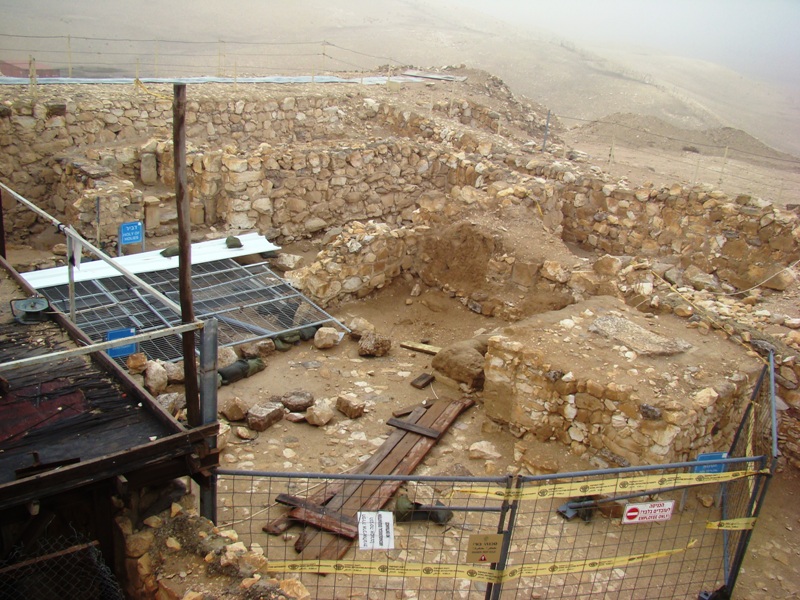
The 2nd paragraph in our quote above mentioned the Israelite temple which has been excavated at Arad. The ruins can be seen in our photo:

Israelite Temple at Arad. Photo by Leon Mauldin.

The raised square platform at right was the altar. This temple was destroyed either in the reforms of Judah’s good king Hezekiah or perhaps Josiah.

Click on images for higher resolution.


Beersheba, cont’d.

February 16, 2011

Beersheba was to become the chief city of the Negev. Unfortunately it would also become a center for idolatrous activity. When the 8th century BC prophet Amos cried out against idolatrous cities he warned, “But do not seek Bethel, nor enter Gilgal, nor pass over to Beersheba, for Gilgal shall surely go into captivity, and Bethel shall come to nothing” (Amos 5:5). Instead, “Seek the LORD and live” (v.6).

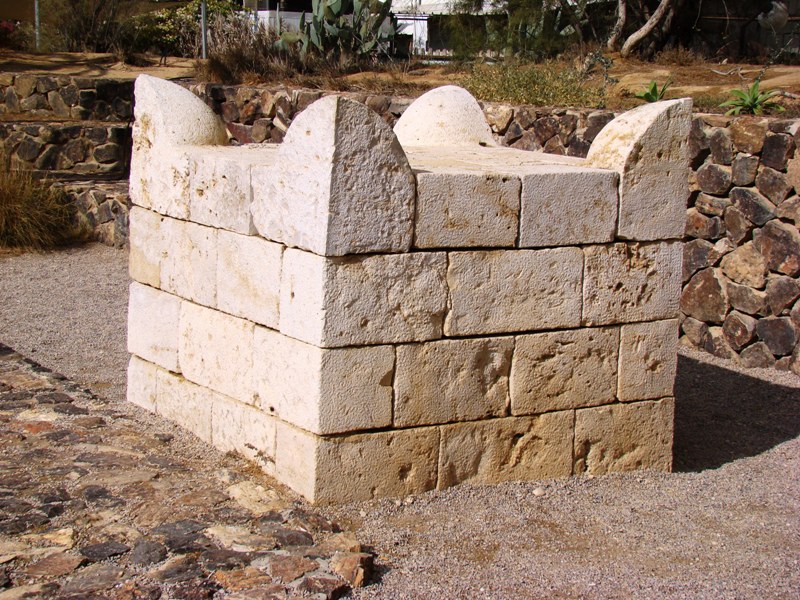
Altar at Beersheba. Photo by Leon Mauldin

Our photo shows a replica of an altar discovered in Beersheba; the original was broken in pieces. Many believe the destruction of the altar here may have been during the reformation by good king Hezekiah.

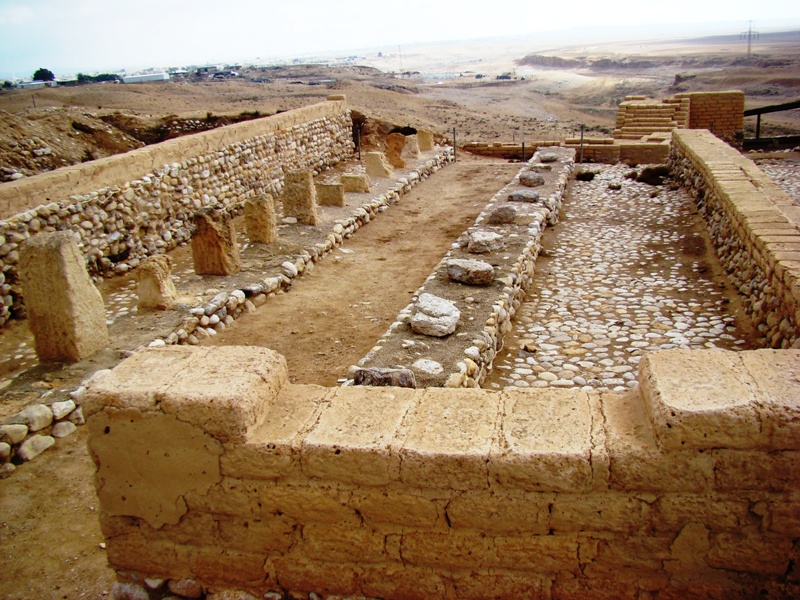
Beersheba is a small tel, comprising only about three acres. A good deal of excavation has been done. Our photo below shows what many believe to be storage room; others believe this to have been stables.

Storage rooms or possibly stables at Beersheba. Photo by Leon Mauldin.

View is to the southeast. Remember to click on photos for higher resolution.


Beersheba, Home of the Patriarchs

February 15, 2011

Beersheba received its name when Abraham made a covenant with the Philistine king Abimelech. Included in that covenant was the recognition of Abraham’s ownership of the well he dug at that site, which was confirmed by Abimelech’s reception of seven lambs from Abraham. “Therefore he called that place Beersheba, because the two of them swore an oath there” (Gen. 21:31). Beersheba means, Well of the Oath or Well of the Seven.

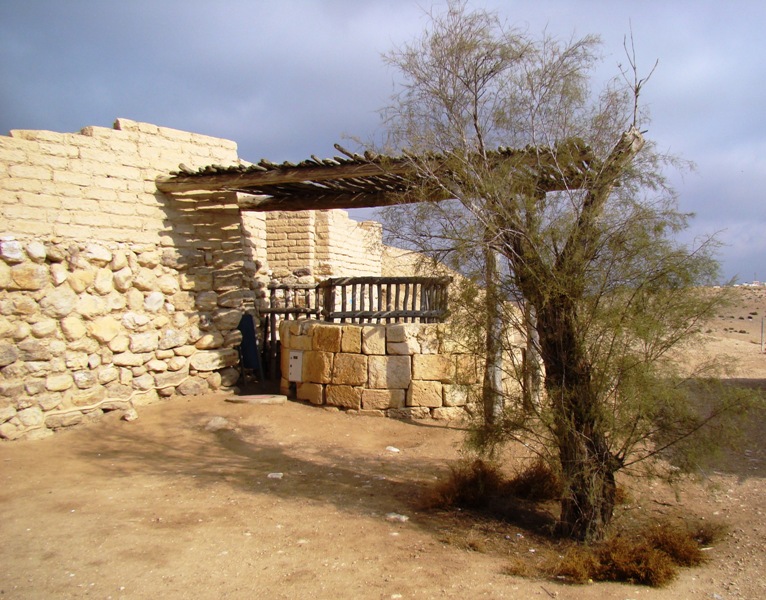
“Then Abraham planted a tamarisk tree in Beersheba, and there called on the name of the LORD, the Everlasting God” (Gen. 21:33). Our photo was taken outside the gate of Beersheba, and shows a well there, and also a tamarisk tree.

Beersheba in the Negev. Photo by Leon Mauldin.

Beersheba is mentioned several times in the days of the Patriarchs. Abraham continued to live there after returning from Moriah to “sacrifice” Isaac (Gen. 22:19; cf. CSB: “And Abraham settled in Beer-sheba” (emp. mine, LM). Years later, when Isaac moved there the text tells us that “the LORD appeared to him the same night” and repeated the Abrahamic promises. “So he built an altar there and called on the name of the LORD” (Gen. 26:23-25).

Later still, when Jacob moved his family to Egypt it was at Beersheba that God appeared to him and said, “I am God, the God of your father; do not fear to go down to Egypt, for I will make of you a great nation there” (Gen. 46:1-3). God had told Abraham, Isaac and Jacob that He would make of them a great nation. It is in this passage that we learn that He would not do so in Canaan, the Promised Land, but it would be in Egypt. It had amply been demonstrated that the Canaanites were very willing to intermarry with Jacob’s family, and that was reciprocated (Gen. 32,38). Had they remained there they would have been assimilated into Canaanite culture, and never would have become the separate people of God.


Theater of Dionysus, Athens

February 8, 2011

Greetings from Tampa, where we are currently attending the Florida College lectures. This year’s theme is, “Trembling at My Word,” God’s Power for Restoration. It is great to see so many friends, many of whom we’ve known for so long now, and to be able to sing, study, pray and visit together.

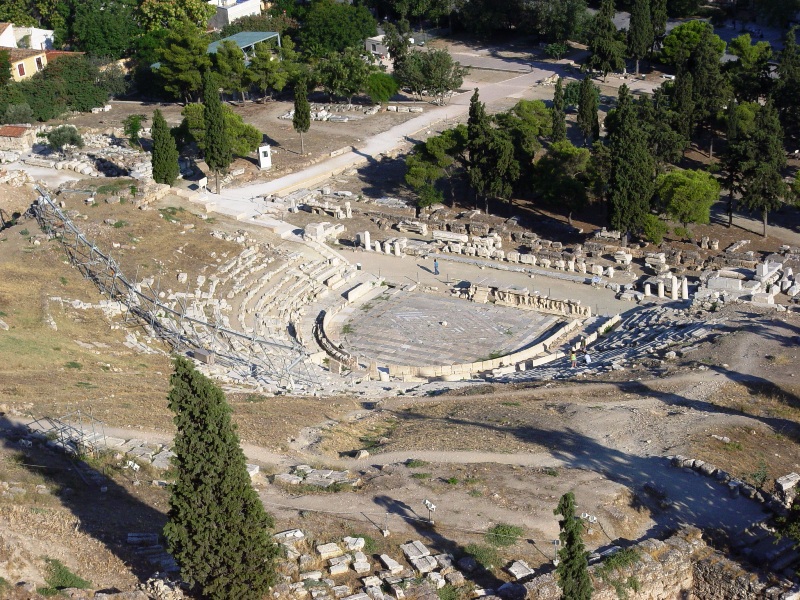
Another site we wish to share from ancient Athens is the theater of Dionysus, a major open-air theater and one of the oldest to be preserved. The theater was used in festivals in honor of the wine god Dionysus (same as Greek Bacchus).

Theater of Dionysus in Athens Greece. Photo by Leon Mauldin.

This theater was built in the 6th century BC, then rebuilt in the 4th century BC. It seated between 14,000 and 17,000 occupants.

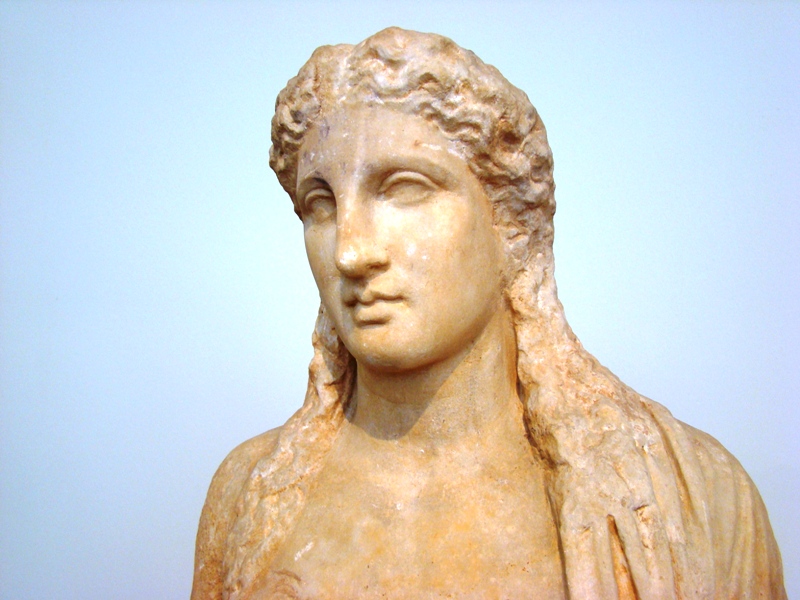
Dionysus the wine god. Athens Museum. Photo by Leon Mauldin.

This statue of the wine god Dionysus was discovered at Eleusina, located 18 km northwest of the city center of Athens.

This puts me in mind of 1 John 5:21: “Little children, keep yourselves from idols.”