Paul Landed at Syracuse

January 20, 2016

In the book of Acts we read of Paul’s route from Caesarea, Israel, to Rome, as a prisoner, with the trip’s various stops along the way. As they journeyed in the Mediterranean there was a shipwreck which resulted in their staying for the winter at the island of Malta. Then Luke, who was on that journey with Paul continues, “After three months we sailed in an Alexandrian ship whose figurehead was the Twin Brothers, which had wintered at the island. And landing at Syracuse, we stayed three days” (Acts 28:11-12).

Syracuse is mentioned in the NT only as having been a harbour where St. Paul lay at anchor for three days on his voyage from Malta to Rome. The shipwrecked crew and passengers, after spending three months in Malta, set sail on the Dioscuri, evidently one of the Alexandrian fleet of imperial transports carrying grain from Egypt to maintain the food supply in Rome.† They started, evidently, very early in the year, probably in February, before the settled weather and the customary season for navigation (mare clausum 11 Nov. to 5 March) had begun. That implies that a suitable and seemingly steady wind was blowing, which tempted them to embark, and carried them straight to Syracuse, a distance of about 100 miles. On the voyage from Malta to Rome as a whole, see RHEGIUM.

Nothing is said with regard to any preaching by St. Paul in Syracuse, nor could any be expected to occur. The ship was certainly waiting for a suitable wind to carry it north to the straits of Messina; and under such circumstances no prisoner was likely to be allowed leave of absence, as the ship must be ready to take instant advantage of the wind (Ramsay, W. M. (1911–1912). SYRACUSE. In J. Hastings, J. A. Selbie, A. B. Davidson, S. R. Driver, & H. B. Swete (Eds.), A Dictionary of the Bible: Dealing with Its Language, Literature, and Contents Including the Biblical Theology (Vol. 4, p. 645). New York; Edinburgh: Charles Scribner’s Sons; T. & T. Clark.)

Sicily is noted for its rich history (Greek, Roman and more), culture, theater & amphitheater, architecture, and as the birthplace of the preeminent mathematician and engineer Archimedes. But my special interest in it has to do with its being included among biblical sites!

Siracusa Theater Greg and Carlo_Picogna

At Greek Theater at Syracuse. Greg Picogna (r) with his father Carlo (now deceased). Photo taken in 1998.

Also at Syracuse you can view the Fountain of Diana.
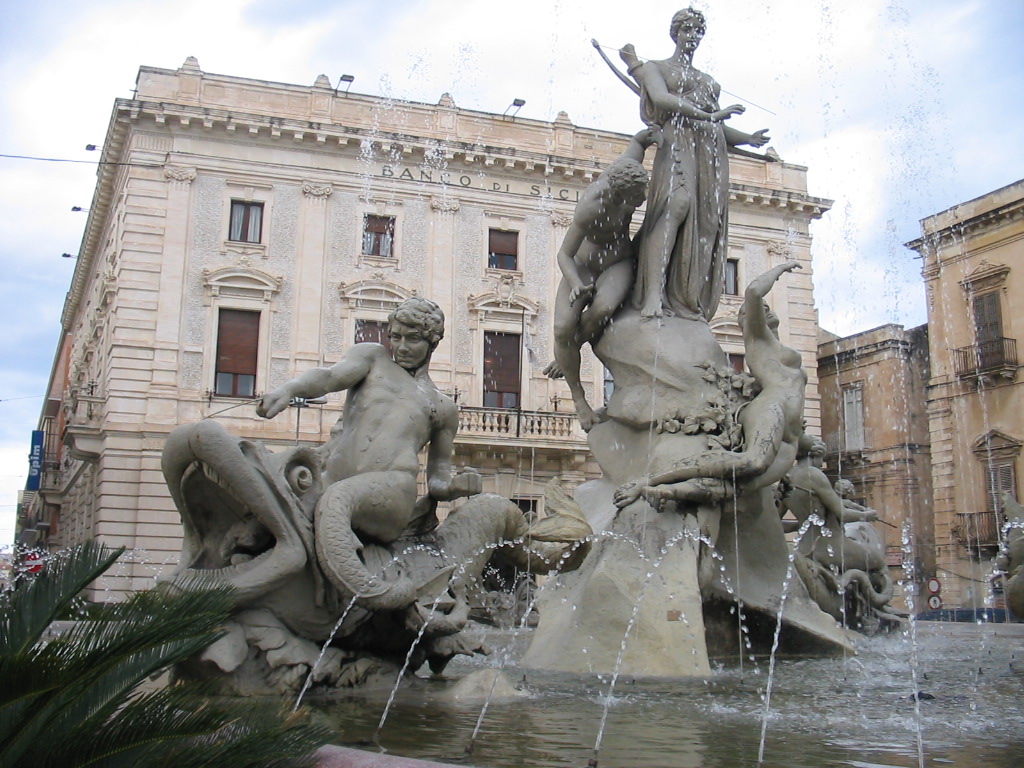
At Syracuse, Fountain of Diana, goddess of the hunt. Photo supplied by Greg Picogna.

At Syracuse, Fountain of Diana, goddess of the hunt. Photo supplied by Greg Picogna.

Giulio Moschetti (1847-1909) created this fountain in Syracuse; it portrays Diana, the mythical goddess of the hunt, in all of her calm and pride.

Another famous site in Syracuse is the “Ear of Dionysus” (Italian Orecchio di Dionisio). It was most likely formed out of an old limestone quarry. It is 75.5 feet high and extends 213 feet back into the cliff. Because of its shape this unusual formation has extremely good acoustics, making even a small sound reverberate throughout the cave.
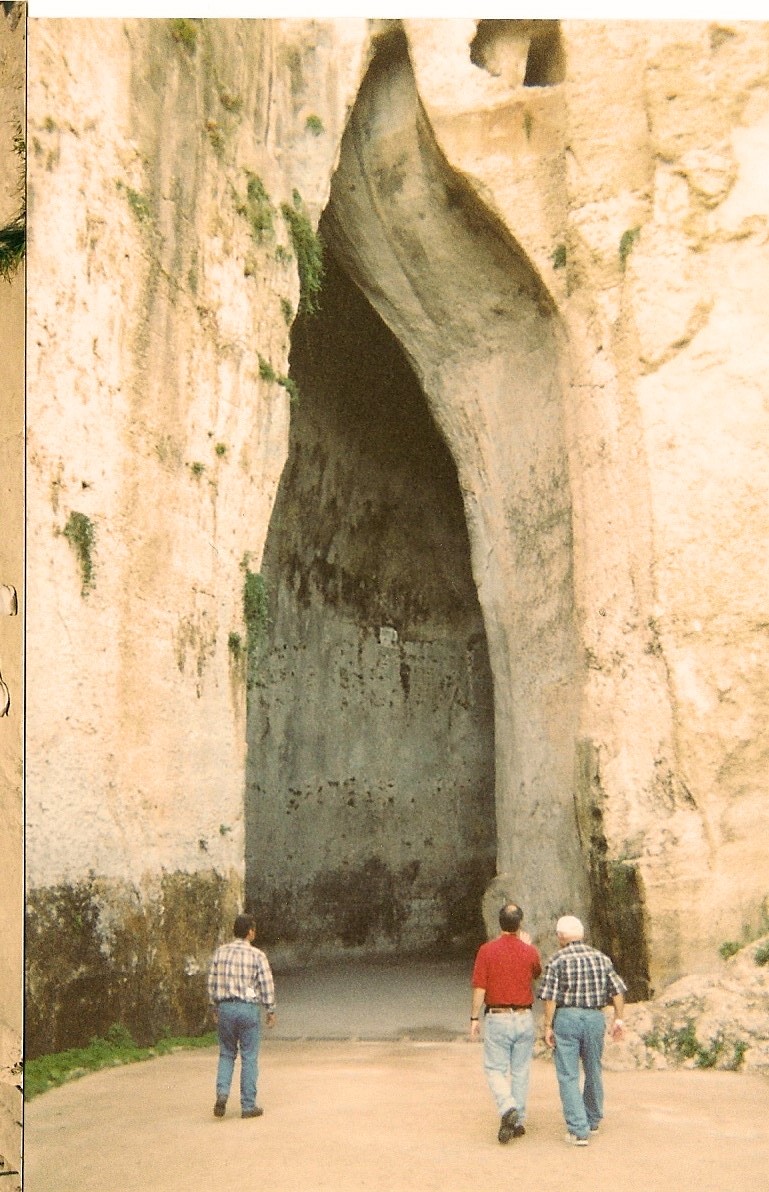
Ear of Dionysius at Syracuse. Photo supplied by Greg Picogna.

Ear of Dionysius at Syracuse. Photo supplied by Greg Picogna.

I’m looking forward to seeing these sites at Syracuse, along with other locations in Sicily and Italy, with my tour group coming up in March.


Sde Amudim in Lower Galilee

January 6, 2016

Jesus’ second miracle recorded by John (4:46-54) was that of His healing a royal official’s son. The official came to Jesus at Cana of Galilee, asking Jesus to go to his home Capernaum to heal his son who was “at the point of death” (v.47). Jesus’ response: “Go your way; your son lives: (v.50). When the official returned home the next day (distance from Cana to Capernaum is ca. 20 miles), he learned that his son had recovered the exact hour on the previous day when Jesus spoke the word.

Such miracles show who Jesus is (see John 20:30-31). Because He is God, Jesus did not have to be physically at Capernaum to heal the sick boy. He has power not only over sickness, but over distance!

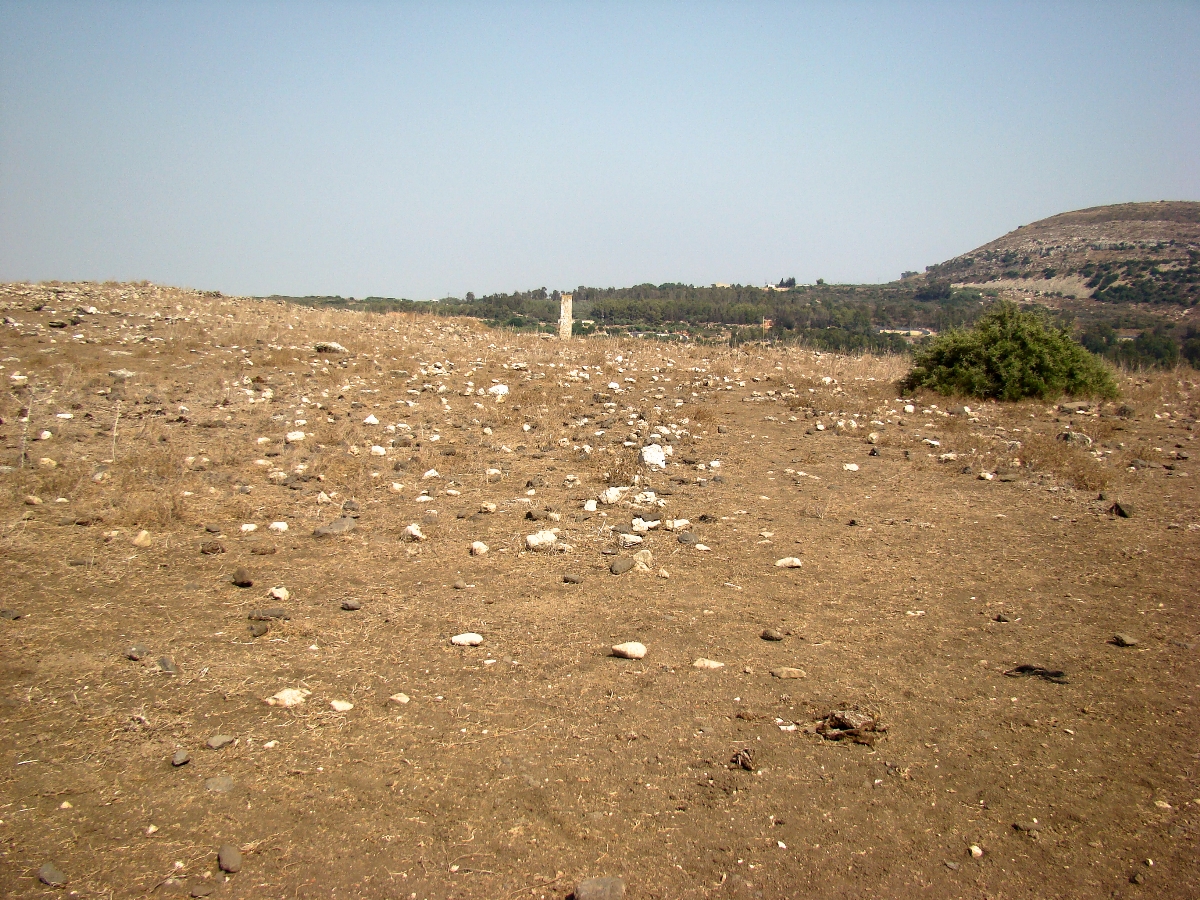
In New Testament times (and somewhat previously), an important road connected the coastal city of Ptolemais with Cana, which then passed through Sde Amudim (Khirbet Umm el-Amud), then on to Magdala and f to Capernaum. It is likely that the royal official of our text would have traveled this route, passing through the area pictured here.

Sde Amudim in lower Galilee looking toward Capernaum. Photo by Leon Mauldin.

Sde Amudim in lower Galilee looking east toward Capernaum. Photo by Leon Mauldin.


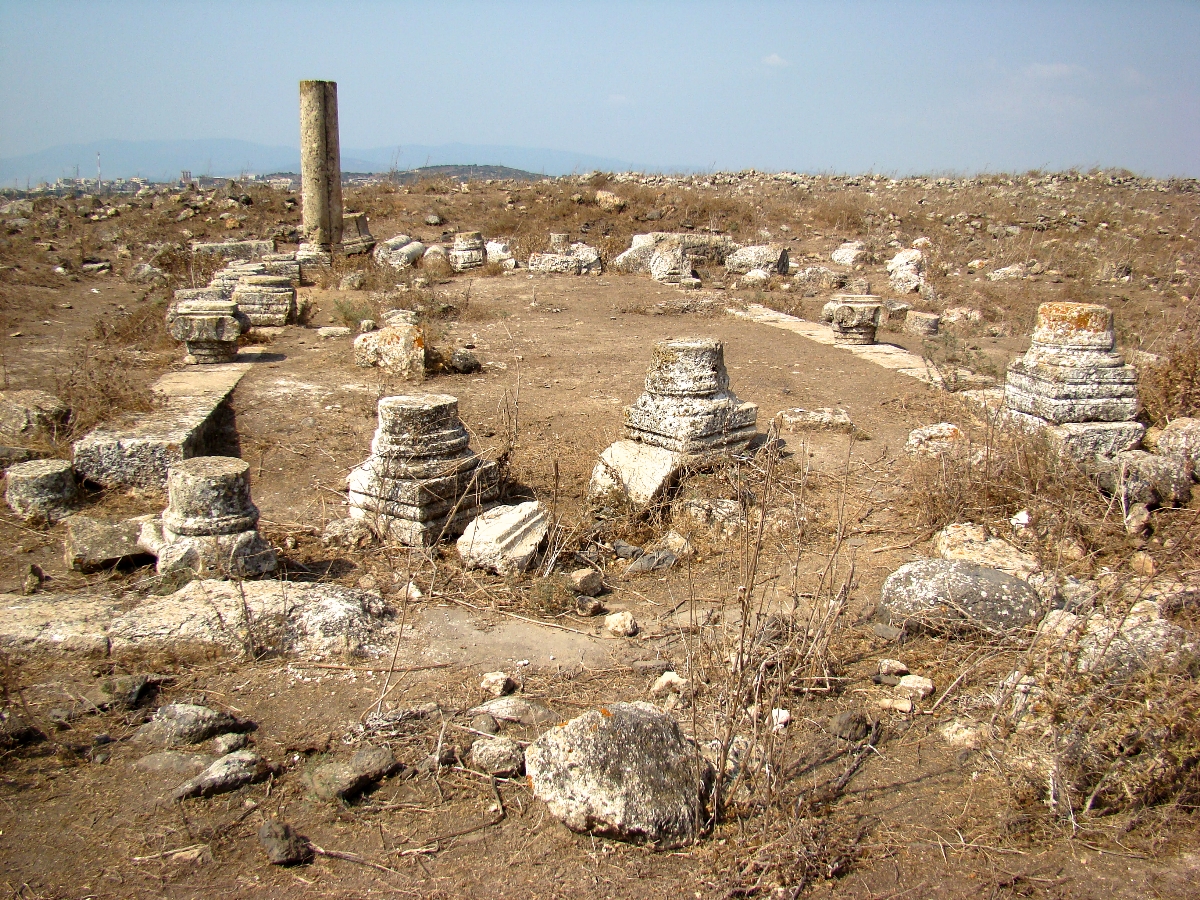
Here at this site are the remains of a synagogue (dates to AD 3rd century).

Synagogue at Sde Amudim. Photo by Leon Mauldin.

Synagogue at Sde Amudim. Photo by Leon Mauldin.

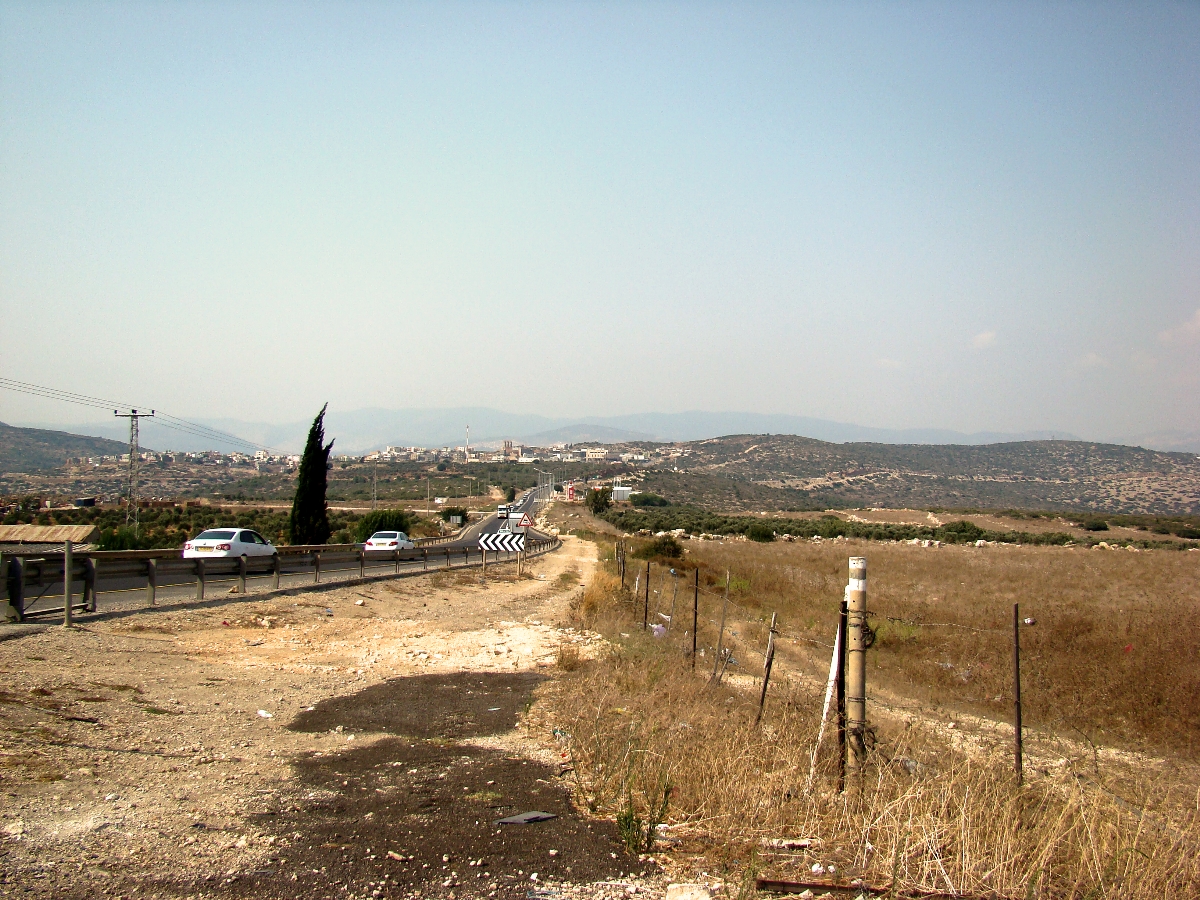
Interestingly, this location serves as a watershed.  In this photo we look north. The Bet Netofa Valley drains to the west (to your left); the drainage to your right is east going down to the Sea of Galilee at Magdala.

Watershed at Sde Amudim. Photo by Leon Mauldin.

Watershed at Sde Amudim. Photo by Leon Mauldin.

Click images for larger view.


Disciples Eat Grain on the Sabbath

December 11, 2015

Luke 6 records one of several clashes Jesus had with the Jewish leaders: “Now it happened that He was passing through some grainfields on a Sabbath; and His disciples were picking the heads of grain, rubbing them in their hands, and eating the grain. But some of the Pharisees said, ‘Why do you do what is not lawful on the Sabbath?'” (vv.1-2).

Lenski observes, “The time of this occurrence is certainly determined by the condition of the grain, which was ripe enough to be rubbed out ‘with the hands,’ dative of means, Robertson, 533. It was April, shortly after the Passover, a year before Jesus’ death” (The Interpretation of St. Luke’s Gospel, p. 321).

What Jesus disciples did was permitted by Scripture: “When you enter your neighbor’s standing grain, then you may pluck the heads with your hand, but you shall not wield a sickle in your neighbor’s standing grain” (Deut. 23:25). However the Pharisees had erroneously determined that this was working, and therefore in violation of the Sabbath.

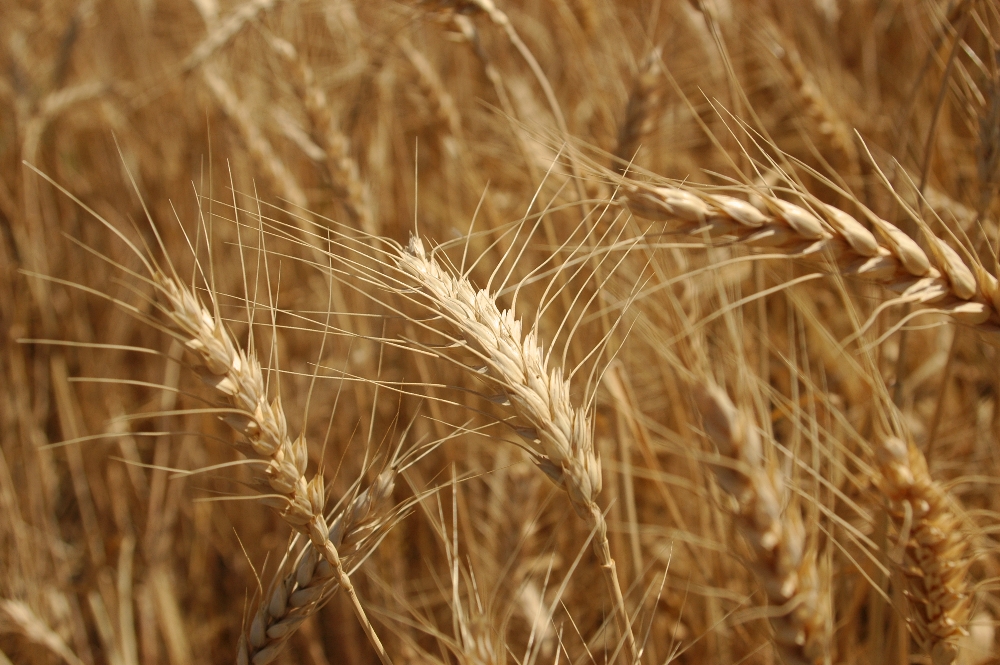
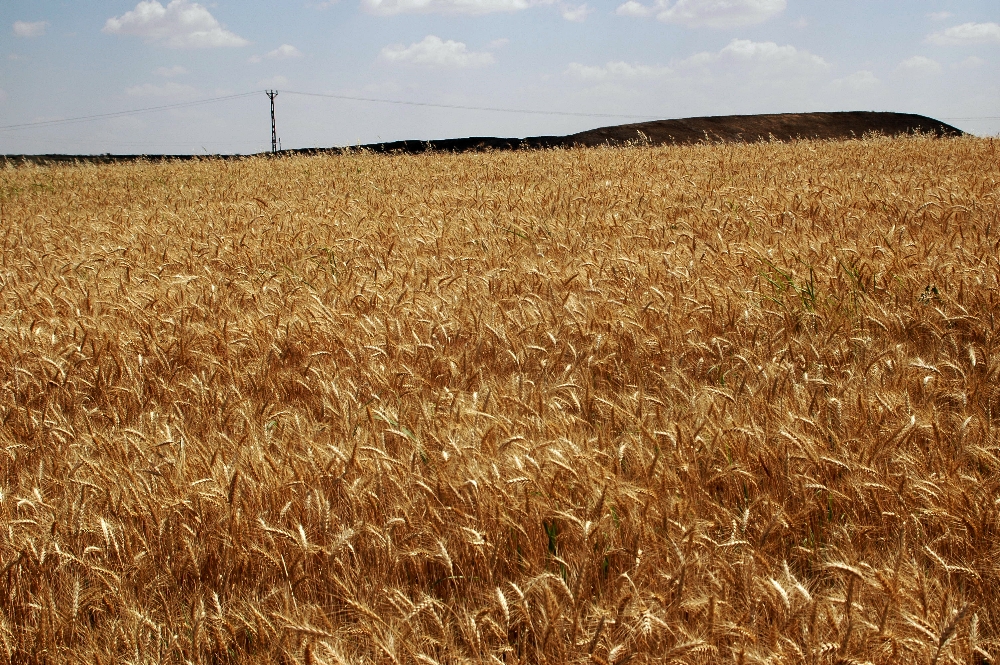
Ripened Wheat. Photo by Leon Mauldin.

Ripened Wheat. Photo by Leon Mauldin.

Besides the fact that Mosaic Law actually permitted the disciples’ actions, Jesus showed the inconsistency of his opponents. They found no fault with David, even though when fleeing from Saul he and his men ate showbread from the tabernacle (Lk. 6:3-4). And yet they condemned the disciples, who were guiltless of wrongdoing.

Further: “The Son of Man is also Lord of the Sabbath” (v.5), and as such He knew what was right and wrong (re: the Sabbath and all things), and would not permit His disciples to violate the Sabbath. What was totally escaping Jesus’ opponents was the fact that “The Lord of the Sabbath” was in their midst and they did not see it! How sad!

Wheat_Carchemish_0447LMauldin

Fields of Wheat near Euphrates. Carchemish is in background. Photo by Leon Mauldin.


Qumran and the Dead Sea Scrolls

December 2, 2015

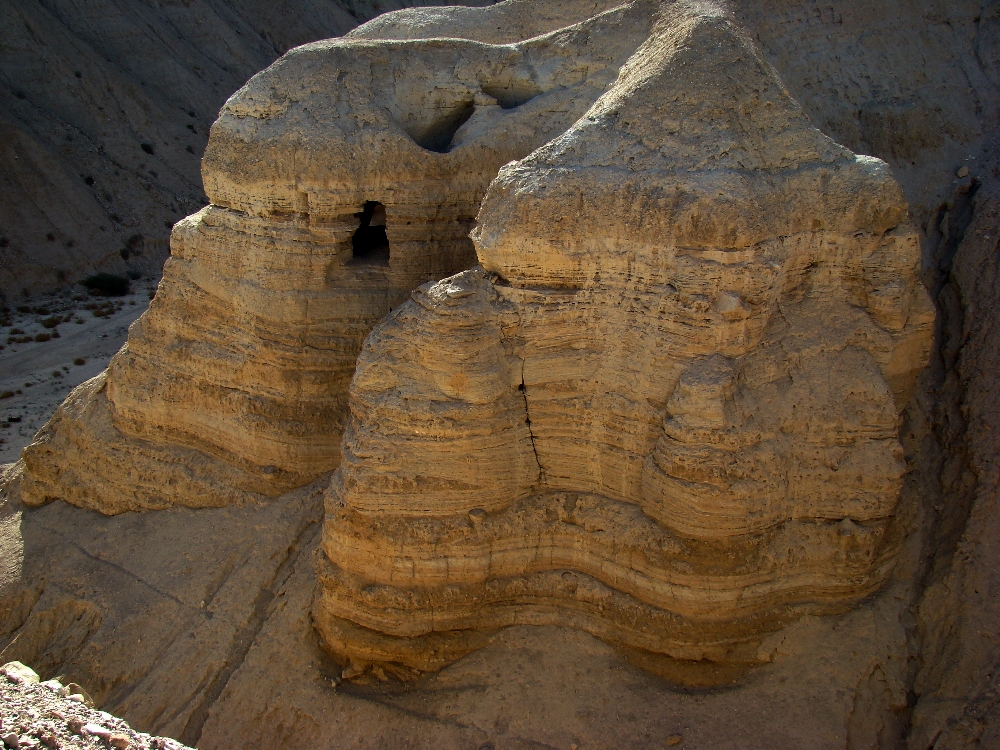
“The Dead Sea Scrolls are undoubtedly the most important discovery found in Israel in the field of the Bible and history of Judaism and Christianity.”1 Fragments of about 900 scrolls from the 2nd Temple period (some dating as early as 3rd century BC) were found in the Qumran caves (NW shore of Dead Sea), between 1947 and 1956. Every book of the Old Testament (except Esther) were represented in the finds, including one complete copy of Isaiah.

Some of the Qumran Caves where the Dead Sea Scrolls were discovered (1946ff.). Photo by Leon Mauldin.

Some of the Qumran Caves where the Dead Sea Scrolls were discovered (1946ff.). Photo by Leon Mauldin.

I remember when studying archaeology under the late Dr. James Hodges that he said the main value of the Dead Sea Scrolls was in the discipline of apologetics. The scrolls were about 1,000 years older (!) than the previously available manuscripts with which translators had to work. The huge find of fragments provided abundant samples with which to compare our Hebrew manuscripts. The result was:

it may now be more confidently asserted than ever before that the modern Hebrew text faithfully represents the Hebrew text as originally written by the authors of the Old Testament. Dead Sea discoveries have enabled us to answer this question with much greater assurance than was possible before 1948.2

Dr. Hodges pointed out that no new translations had to be made as a result of the discovery of the scrolls; they confirmed the accuracy of transmission of what we already have.

Another contribution:

“As a result of Dead Sea Scroll discoveries, it is no longer possible to date portions or entire Old Testament books as late as some scholars used to do. It is impossible to date any biblical work or any extensive part of one later than the early second century B.C. Fragments of the Pentateuch and the prophets date from the second century B.C. Ecclesiastes, sometimes believed to have been composed in the second or first century B.C., appears in a Cave 4 manuscript dating from 175 to 150 B.C. A second-century B.C. Copy of the Psalms indicates that the collection of Psalms was fixed by Maccabean times. A manuscript of Daniel dating about 120 B.C. brings into question the alleged Maccabean date of its composition. Moreover, the Dead Sea Scrolls do not support the existence of a deutero- or trito-Isaiah, at least during the second century B.C. The complete Isaiah and the long fragment of Isaiah from Cave 1 (second century B.C.) treat the book as a unit.”

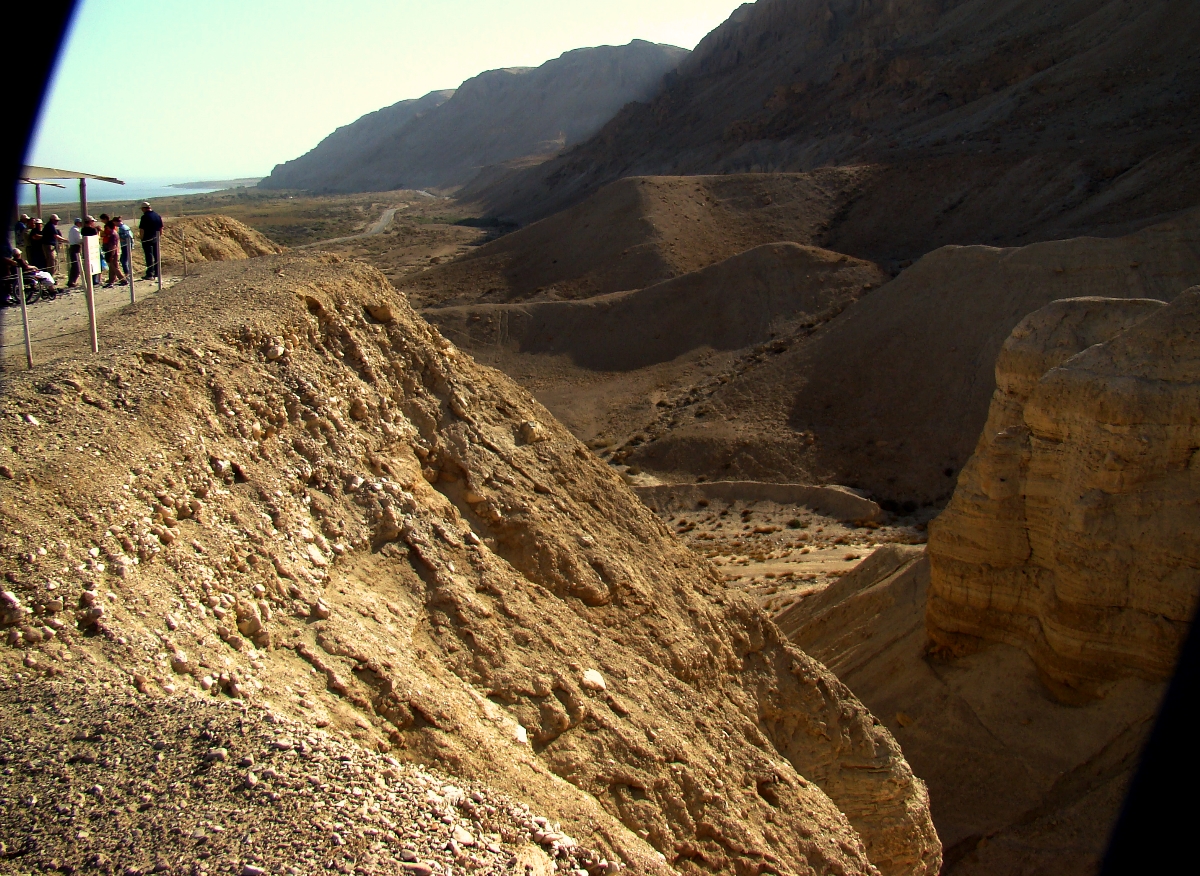
View from Qumran looking south. Dead Sea is in upper left of photo. Photo by Leon Mauldin.

View from Qumran looking south. Dead Sea is in upper left of photo. Photo by Leon Mauldin.


Click photos for larger view.

1 Yigael Yadin quoted by Hanan Eshel in Qumran: Scrolls∙Caves∙History (p.7)

2 See F. B. Bruce, Second Thoughts on the Dead Sea Scrolls (pp.61-69)

3 Bible and Spade (1978), 7(1), pp.12–14.


Solomon’s Song of Songs

November 19, 2015

At ETS in Atlanta this afternoon I heard Dr. Tremper Longman III, professor of Biblical Studies at Westmont College in Santa Barbara, California, and prolific author (including commentaries on the  Song of Solomon), lecture on the Song of Solomon. His view of the book is that it is an anthology of love poems, rather than a narrative with a plot; a collection of poems that both celebrate sexual love (within marriage) but also give warnings. It was an interesting lecture.

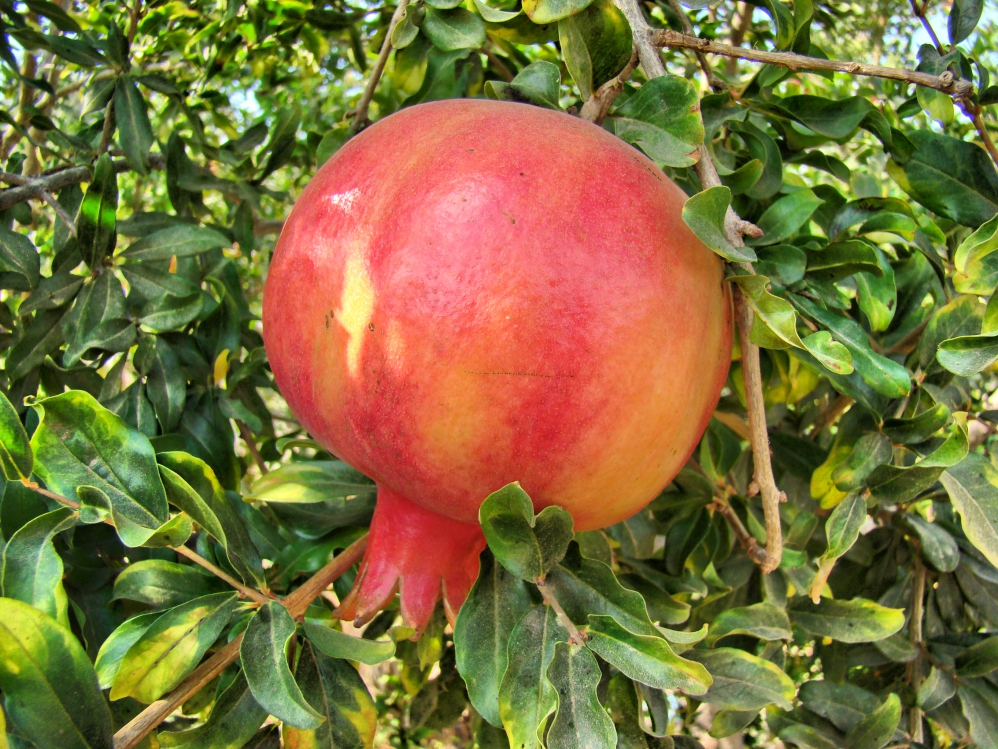
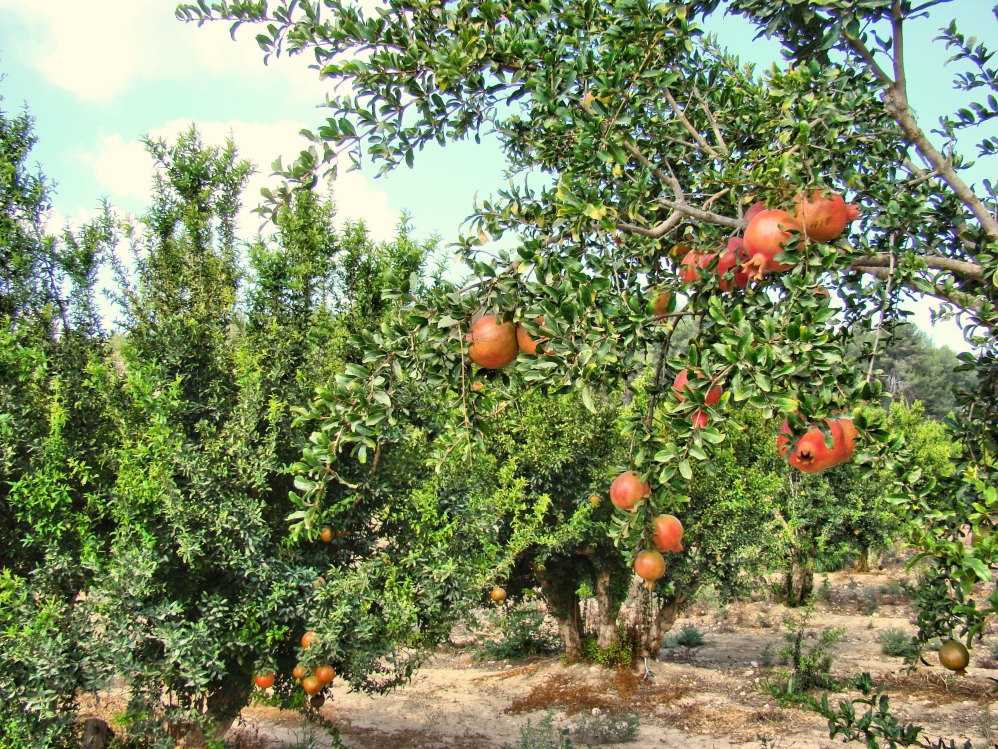
He read from Song of Solomon 4:3, which includes this compliment: “Your lips are like a scarlet thread, And your mouth is lovely. Your temples are like a slice of a pomegranate Behind your veil.” You might want to remember this text when you wish to praise your wife for her beauty.

Pomegranate such as that referenced in Song of Solomon 4:3. Photo by Leon Mauldin.

Pomegranate such as that referenced in Song of Solomon 4:3. Photo by Leon Mauldin.

This pomegranate orchard is located near biblical Lachish.

Pomegranate orchard near Lachish in southern Israel. Photo by Leon Mauldin.

Pomegranate orchard near Lachish in southern Israel. Photo by Leon Mauldin.

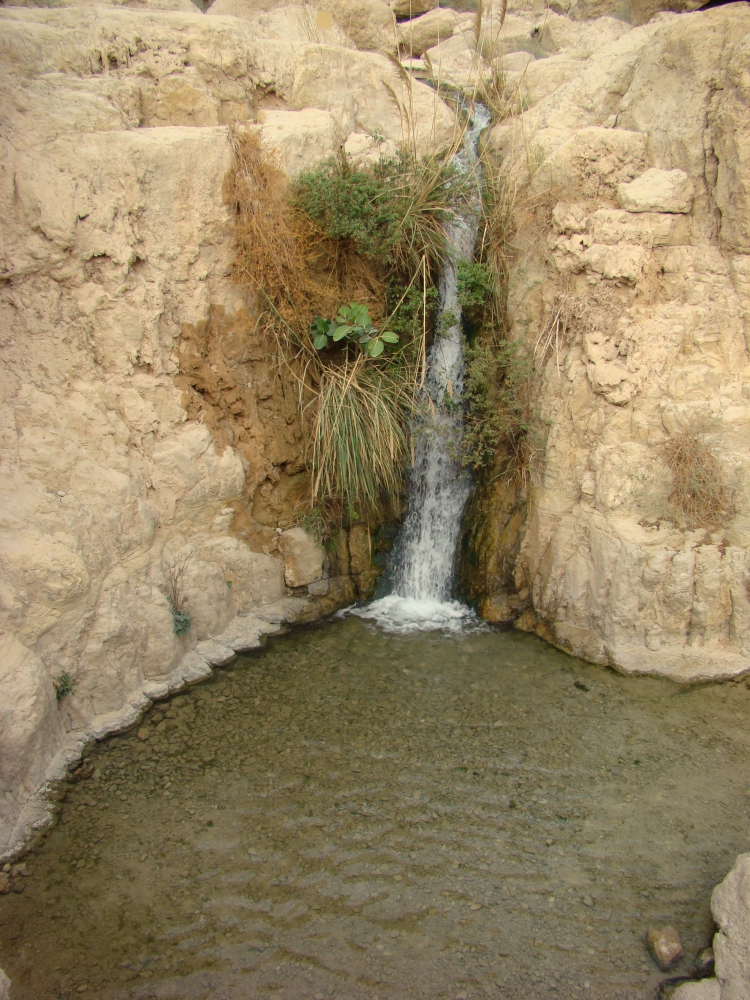
One of the geographical references in the Song of Solomon is found in 1:14, where the young woman/bride says, “My beloved is to me a cluster of henna blossoms In the vineyards of Engedi.” Pictured here is a beautiful waterfall at Engedi, located on the west side of the Dead Sea.

Waterfall at Engedi. Photo by Leon Mauldin.

Waterfall at Engedi. Photo by Leon Mauldin.

I have a previous post making a brief reference to the pomegranate here.

Click images for larger view.


Assos, In the Steps of Paul

November 18, 2015

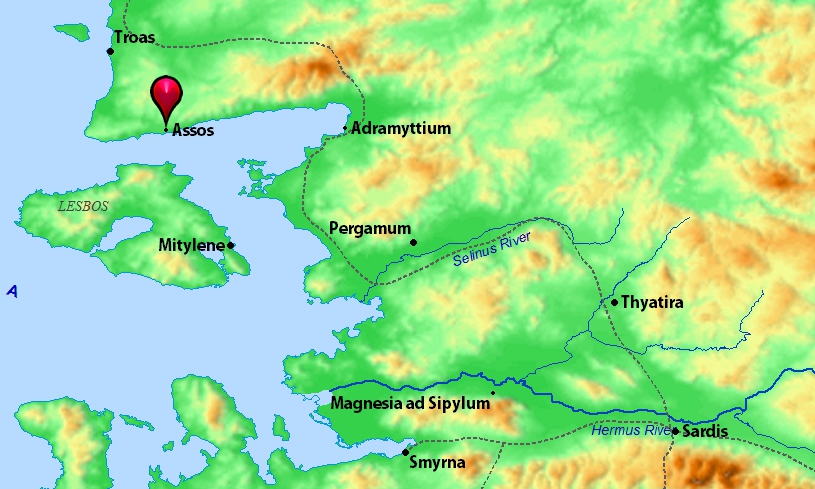
On Paul’s return trip on his 3rd Missionary Journey, after departing from Troas, he walked on to Assos and rejoined his traveling companions there. Today at noon (ETS meeting, ATL) Dr. Mark Wilson did a very informative presentation on that segment of Paul’s travel.

11 Now when he [Paul] had come up, had broken bread and eaten, and talked a long while, even till daybreak, he departed. 12 And they brought the young man [Eutychus] in alive, and they were not a little comforted. 13 Then we went ahead to the ship and sailed to Assos, there intending to take Paul on board; for so he had given orders, intending himself to go on foot. 14 And when he met us at Assos, we took him on board and came to Mitylene (Acts 20:11-14).

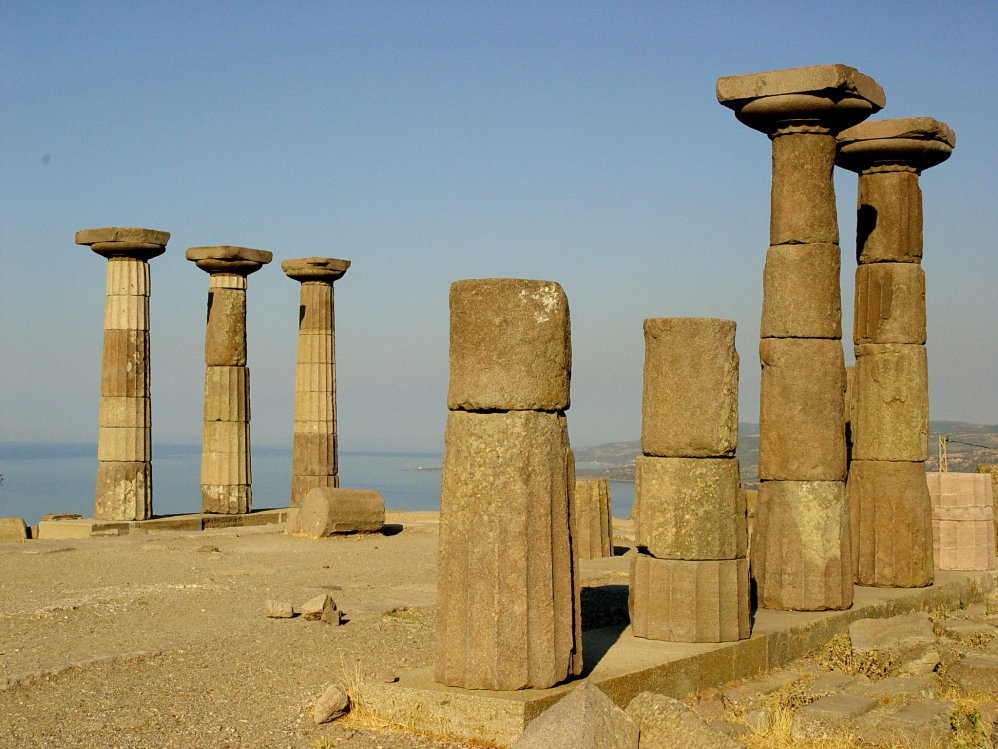
At the acropolis of Assos there are some well-preserved ruins of the temple of Athena.

Assos, temple of Athena. Photo by Leon Mauldin.

Assos, temple of Athena. Photo by Leon Mauldin.

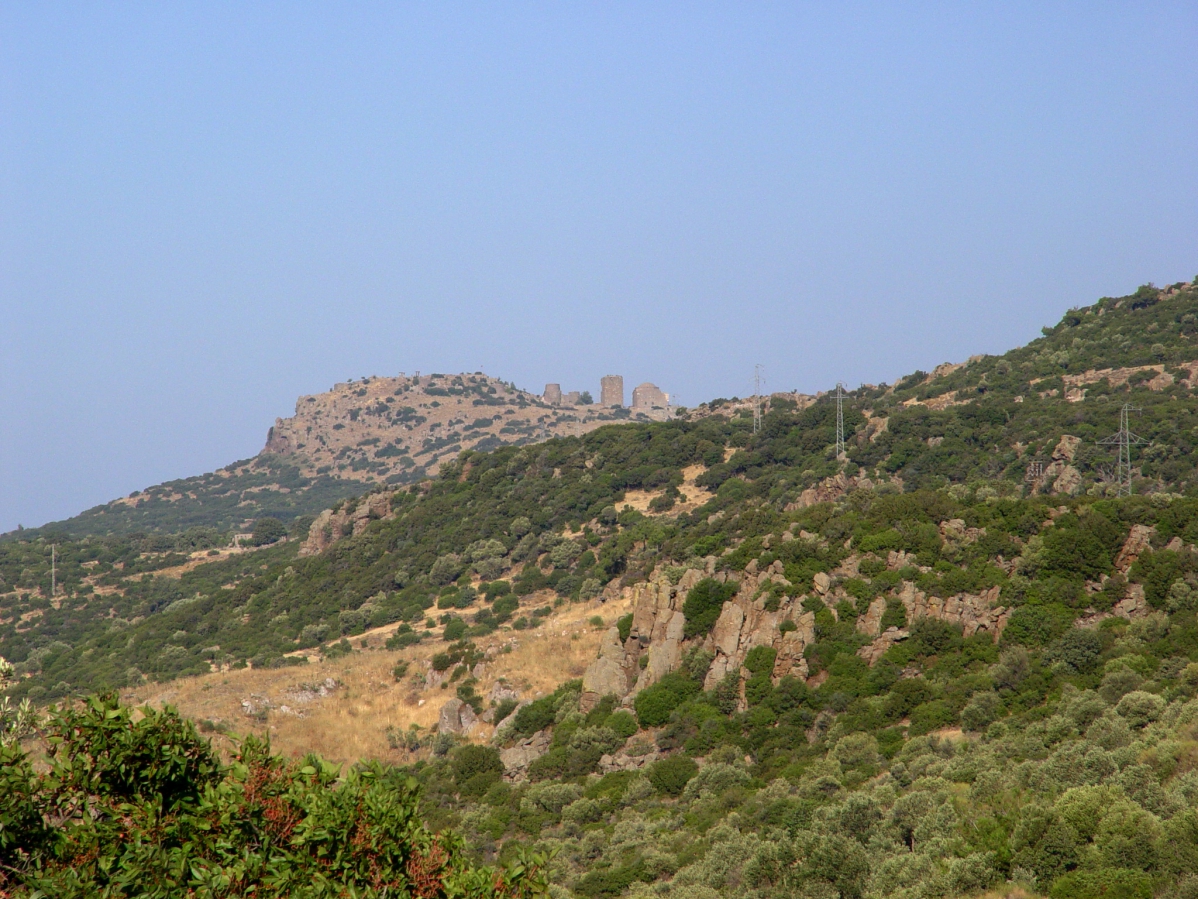
Here is a view of the Acropolis:

Acropolis of Assos. Photo by Leon Mauldin.

Acropolis of Assos. Photo by Leon Mauldin.

While the distance from Troas to Assos as the crow flies is about 20 miles, Dr. Wilson pointed out that the Roman road on which Paul would have traveled would have been about 31 miles, and would have taken two days.

Map by BibleAtlas.org.

Map by BibleAtlas.org.

Mark said that Assos was one of his top 10 favorite places in Turkey to visit. I have to agree!

I have a previous post on Assos here.


Gezer, Ongoing Excavations

November 17, 2015


In ATL, attending meetings of the Near East Archaeological Society. Two of the eight sessions I attended today were on biblical Gezer. A great deal of archaeological work has been done here for the past several seasons, including the ancient tunnel/water system, with more yet scheduled.

There are several Old Testament references to this site. It was one of the cities King Solomon fortified:

Now this is the account of the forced labor which King Solomon levied to build the house of the LORD, his own house, the Millo, the wall of Jerusalem, Hazor, Megiddo, and Gezer. 16 For Pharaoh king of Egypt had gone up and captured Gezer and burned it with fire, and killed the Canaanites who lived in the city, and had given it as a dowry to his daughter, Solomon’s wife. 17 So Solomon rebuilt Gezer and the lower Beth-horon 18 and Baalath and Tamar in the wilderness, in the land of Judah, 19 and all the storage cities which Solomon had, even the cities for his chariots and the cities for his horsemen, and all that it pleased Solomon to build in Jerusalem, in Lebanon, and in all the land under his rule. (1 Kings 9:15-19).

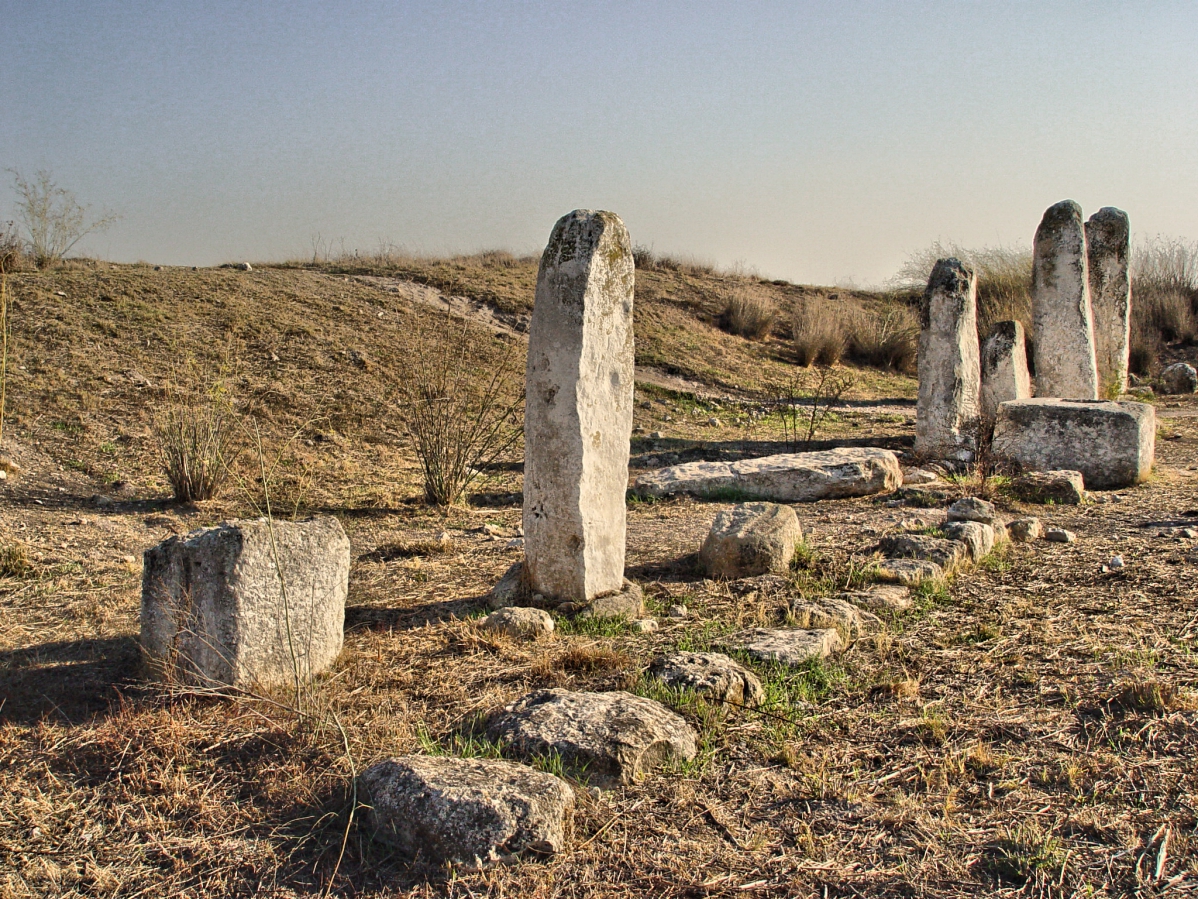
Our photo here shows the standing stones at the high place at Gezer.

Standing Stones at Gezer. Photo by Leon Mauldin.

Standing Stones at Gezer. Photo by Leon Mauldin.

Gezer guarded the entrance into the Shephelah region. It is located approximately thirty kilometers northwest of Jerusalem. Gezer was strategically situated at the junction of the Via Maris, the international coastal highway, and the highway connecting it with Jerusalem through the valley of Ajalon.

I have several previous posts with photos & info here, here, here, here, and here.

Hint: pronounce Gezer with “short” e, not GEEzer (def.: old man).


Damascus Gate in Jerusalem

November 10, 2015

It is fascinating to view the gates of Old Jerusalem!

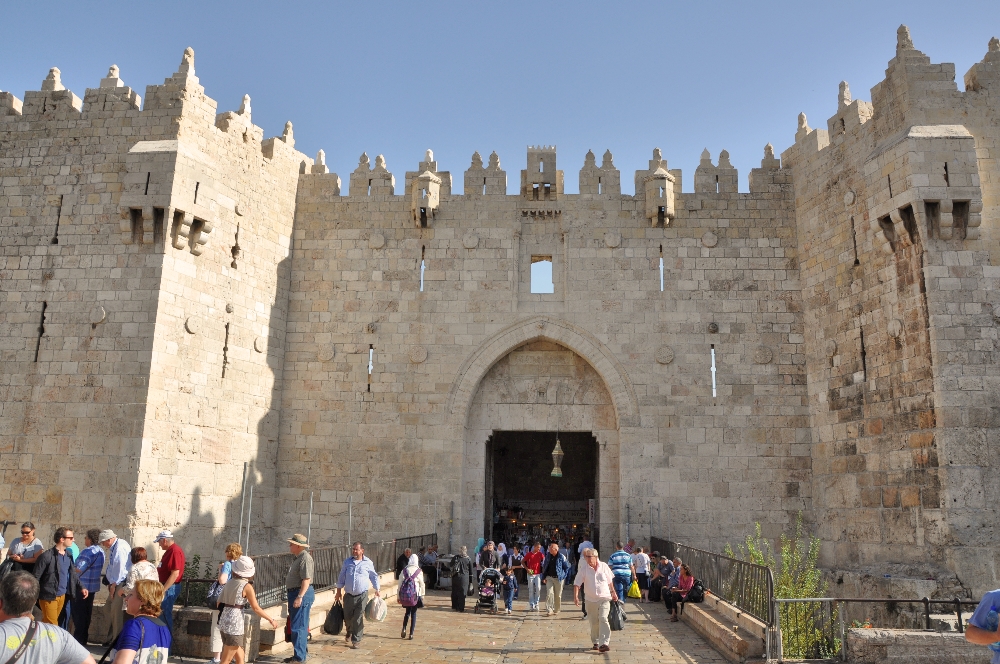
The Damascus Gate is located on the north side of Jerusalem, so named because this would be the direction going out of Jerusalem to Damascus, ca. 150 miles NNW. The Jews call this gate the Shechem Gate, and the Arabs call it Bab el-Amud.

Damascus Gate Jerusalem. North entrance. Photo by Leon Mauldin.

Damascus Gate Jerusalem. North entrance. Photo by Leon Mauldin.

This entrance gate

along the present north wall dramatically accents the spot that has been the main north entrance to Jerusalem for almost two millennia. R. W. Hamilton’s sounding here in 1937 and Basil Hennessey’s excavations in the 1960s; have revealed, below the modern entrance, layer upon layer of earlier gateways, reaching back through Arab, Crusader and Byzantine constructions to Roman Age foundations. The earliest certain construction here dates to Aelia Capitolina, the second to fourth-century C.E. city of Hadrian, but both Hamilton and Hennessey felt they found evidence that Hadrian’s gateway was built on foundations that went back to the Second Temple period. BAS Biblical World in Pictures. (2003).

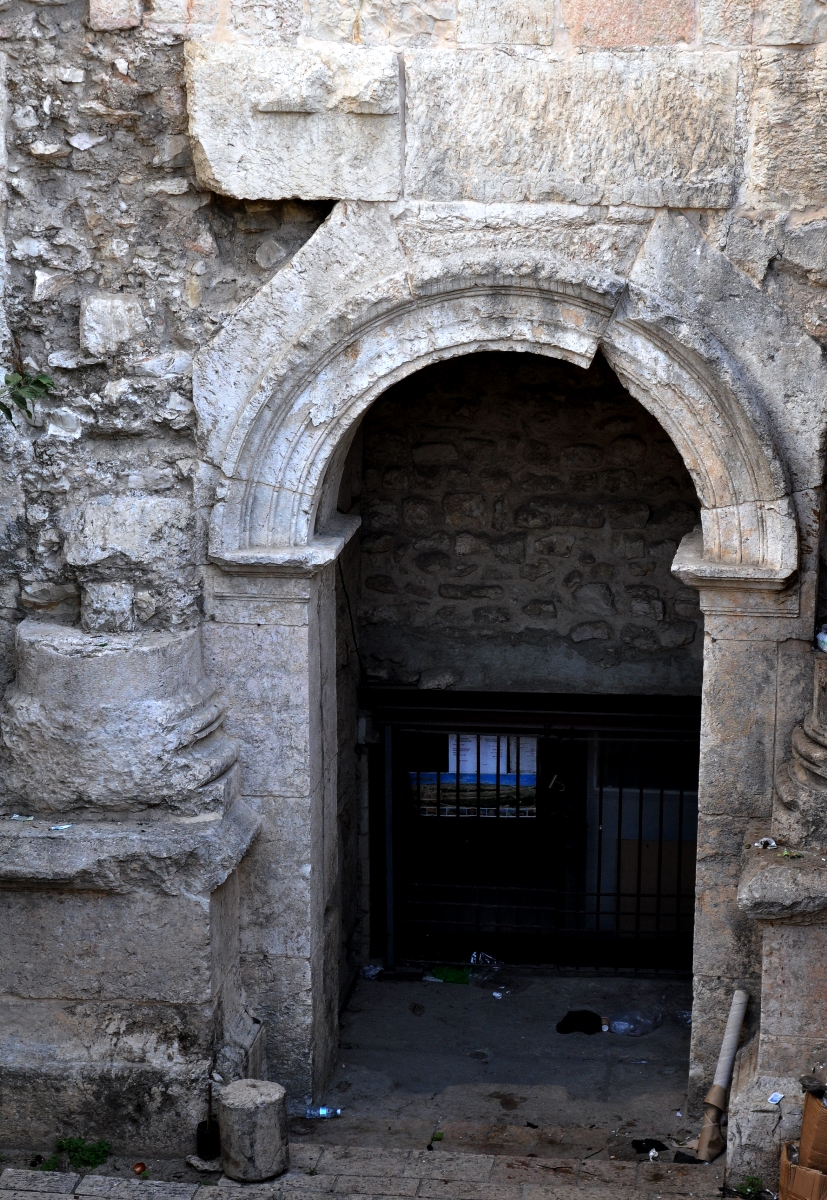
Hadrian had built a triple-arched gateway to serve as entrance here. The eastern arch is well-preserved.

Hadrian Gate, eastern arch. ca. AD 135. North wall, Jerusalem. Photo by Leon Mauldin.

Hadrian Gate, eastern arch. ca. AD 135. North wall, Jerusalem. Photo by Leon Mauldin.

The Latin inscription above the keystone of the arch says, “…according to the decurians [the city council] of Col[onia] Ael[ia] Cap[itolina],” Hadrian’s designation for Jerusalem.

Click images for larger view.


Monastery of Barnabas at Salamis, Cyprus

October 2, 2015

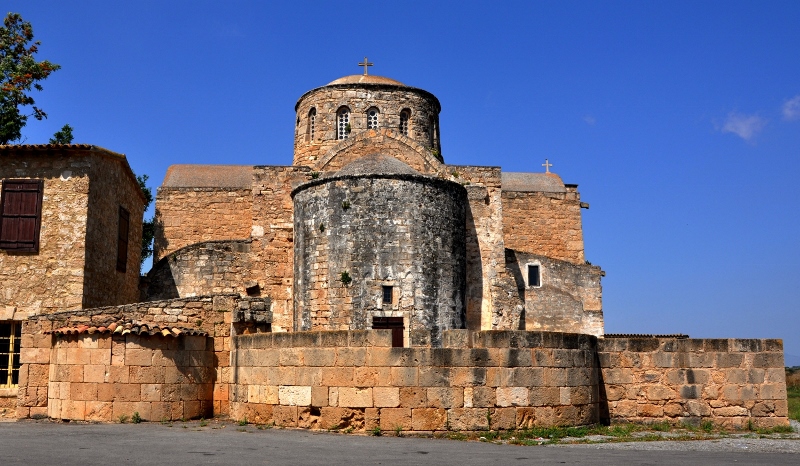
On the 1st Missionary Journey, the Apostle Paul accompanied by Barnabas first preached in Salamis on the island of Cyprus: “So, being sent out by the Holy Spirit, they went down to Seleucia and from there they sailed to Cyprus. When they reached Salamis, they began to proclaim the word of God in the synagogues of the Jews; and they also had John as their helper” (Acts 13:4,5).

Our photo shows the “Monastery of St. Barnabas,” at Salamis, Cyprus. While the monastery itself is not a “biblical site” its presence bears testimony to the fact that Barnabas was indeed here.

Salamis, Cyprus. Monastery of St. Barnabas. Photo by Leon Mauldin.

Salamis, Cyprus. Monastery of St. Barnabas. Photo by Leon Mauldin.

The Biblical Archaeological Society has this information:

This monastery dedicated to St. Barnabas at Salamis, Cyprus, marks the first stop on Paul’s initial missionary journey. The earliest buildings of the monastery date to 477 C.E.

Perhaps Paul and Barnabas went first to Cyrus because it was Barnabas’s homeland (Acts 4:36), perhaps also because the island is large and strategically located. Cyprus served as a stepping stone on the trade routes that crossed the eastern Mediterranean. Archaeological remains from as early as the Early Bronze Age (3rd millennium B.C.E.) show it to have been a cultural meeting ground and “melting pot” for the successive cultures that flourished on all sides of it.

Salamis was the main port and principal city of the island in the Roman age. Located about five miles north of modern Famagusta, on its great bay, the city has yielded extensive Roman remains, including a theater, gymnasium, baths and a forum.

Paul’s visit to Salamis established a pattern for his missionary strategy that would continue through the rest of his travels. Heading for the major city of the region, Paul went immediately to proclaim the new “word of God” in the Jewish synagogues (Acts 13:5). We know from literary accounts that Jews settled in Salamis at least as early as the 3rd century B.C.E., and at such a flourishing city there undoubtedly would have been several synagogue communities. (BAS Biblical World in Pictures, 2003).

See our previous article on the theater in Salamis here.

Click image for larger view.


High Place at Dan

October 1, 2015

A study of the biblical “Divided Kingdom” period is challenging, (1 Kgs. 11ff. and 2 Chron. 11ff.) to say the least. The 1st of Israel’s kings, Jeroboam, made several (unauthorized) changes in the pattern for worship that Yahweh had revealed (see our previous post here). Jeroboam’s motive was to solidify his power, and to prevent his subjects from going south to Jerusalem to worship, which he thought would likely cause their loyalty to shift.

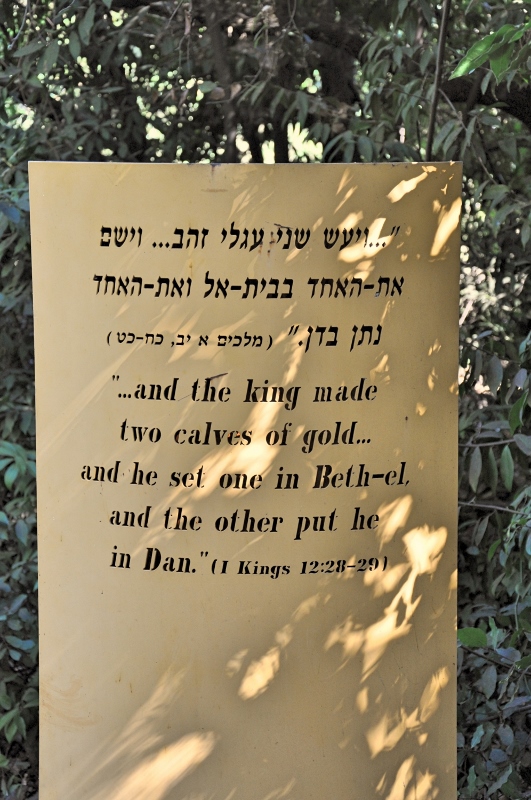
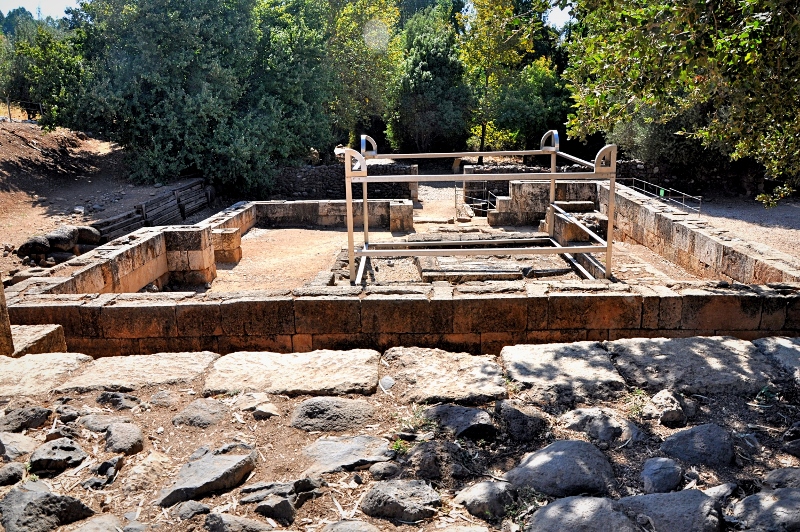
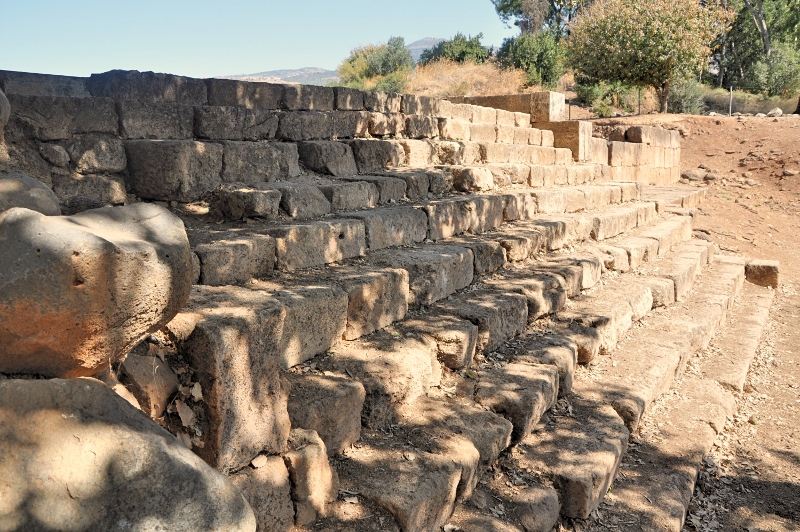
At Dan it is possible today to see the site referenced so many times in scripture, that of the high place where Jeroboam placed his golden calf. cf. 1 Kings 12:30: “Now this thing became a sin, for the people went to worship before the one [golden calf] at Dan.” “This event became sin to the house of Jeroboam, even to blot it out and destroy it from off the face of the earth” (13:34). Reference is made to the sins of Jeroboam “which he committed and with which he made Israel to sin” (14:16).

Info Sign at High Place at Dan. Photo by Leon Mauldin.

Info Sign at High Place at Dan. Photo by Leon Mauldin.

View of the altar where sacrifices were offered. Photo by Leon Mauldin.

View of the altar where sacrifices were offered. Photo by Leon Mauldin.

Steps leading up to the platform where the golden calf was enshrined. Photo by Leon Mauldin.

Steps leading up to the platform where the golden calf was enshrined. Photo by Leon Mauldin.

Click images for larger view.