November 15, 2016
A few days ago our group was able to see the Dead Sea, among other sites to the south of Jerusalem. The Dead Sea is:
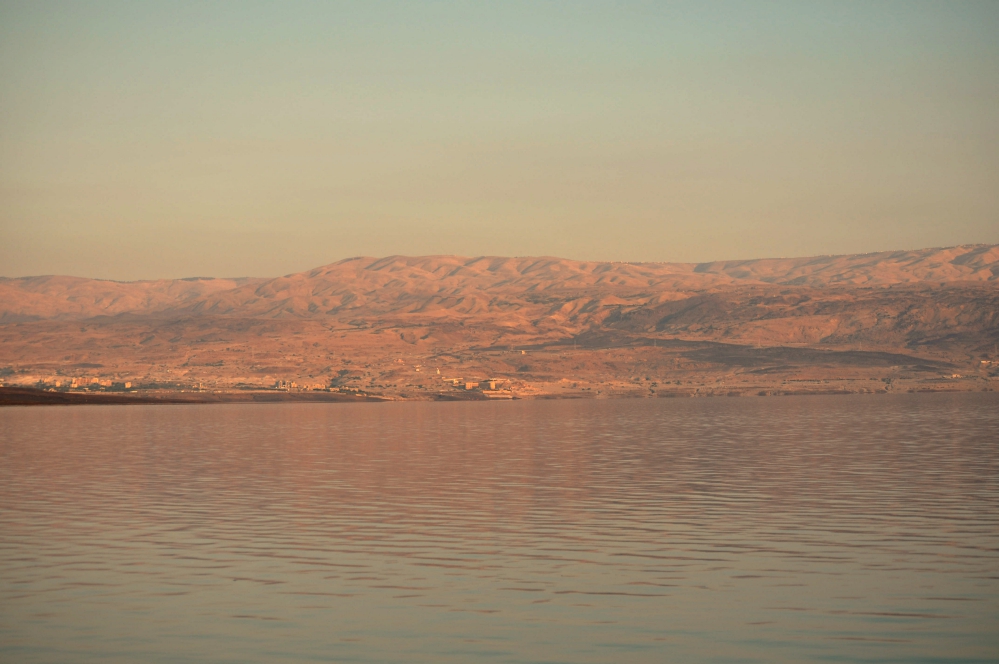
a large lake in southern Israel at the lowest point on earth. In the Old Testament it is called the Salt Sea (Gen. 14:3; Josh. 3:16); the Sea of the Arabah (Deut. 3:17); and the Eastern Sea (Ezek. 47:18; Joel 2:20). Josephus, the Jewish historian, referred to this buoyant body as Lake Asphaltitis. The Arabic name is Bahr Lut, meaning, “Sea of Lot.” But from the second Christian century onward, Dead Sea has been the most common name for this unusual body of water.
The topography of the Middle East is dominated by a geologic fault that extends from Syria south through Palestine, all the way to Nyasa Lake in east-central Africa. The Dead Sea is located at the southern end of the Jordan valley at the deepest depression of this geologic fault. With a water level approximately 390 meters (1,300 feet) below sea level, the surface of the Dead Sea is the lowest point on earth. At the deepest point of the sea, on the northeast corner at the foot of the Moab mountains, the bottom is 390 meters (1,300 feet) deeper still. (Nelson’s New Illustrated Bible Dictionary).
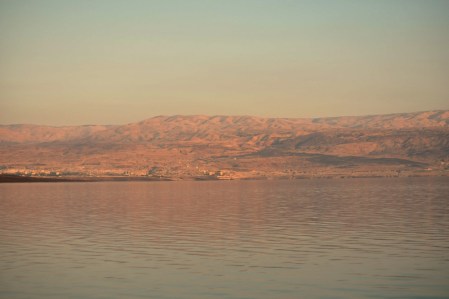
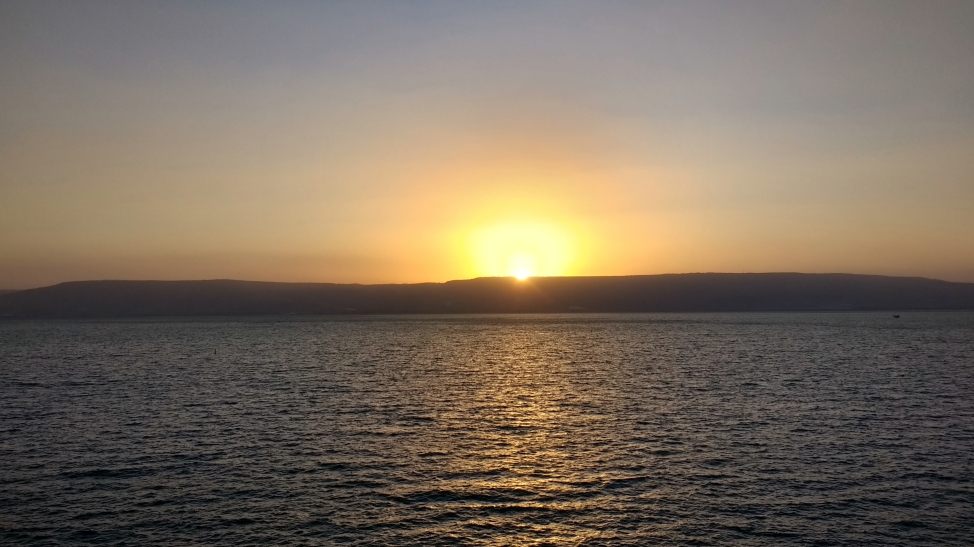
Dead Sea at Sunset. Looking east to the mountains of Moab. Photo by Leon Mauldin.
The Dead Sea is actually a lake into which the river Jordan flows, but once entering the Sea there is no outlet. Because of its high mineral content (25 percent), and the fact that the water is ten times saltier than the ocean, the Dead Sea does not support marine life. These unusual geographical facts became the basis of a thought-provoking song by Lula Zahn (words are now public domain) that makes spiritual application. It has been my experience that this is not the easiest song (musically speaking) for congregational use, but it’s worth the effort to try!
“There is a Sea”
by Lula Klingman Zahn
There is a sea which day by day
Receives the rippling rills
And streams that spring from wells of God
Or fall from cedared hills
But what it thus receives it gives
With glad unsparing hand
A stream more wide, with deeper tide
Flows on to lower land
There is a sea which day by day
Receives a fuller tide
But all its store it keeps, nor gives
To shore nor sea beside
It’s Jordan stream, now turned to brine
Lies heavy as molten lead
It’s dreadful name doth e’er proclaim
That sea is waste and dead
Which shall it be for you and me
Who God’s good gifts obtain?
Shall we accept for self alone
Or take to give again?
For He who once was rich indeed
Laid all His glory down
That by His grace, our ransomed race
Should share His wealth and crown
Click on image for larger view.
 Leave a Comment » |
  Bible History and Geography, Biblical Interpretation, Israel, Jordan Valley, Old Testament, photography, Travel | Tagged: Dead Sea |
  Permalink
 Posted by Leon Mauldin
November 7, 2016
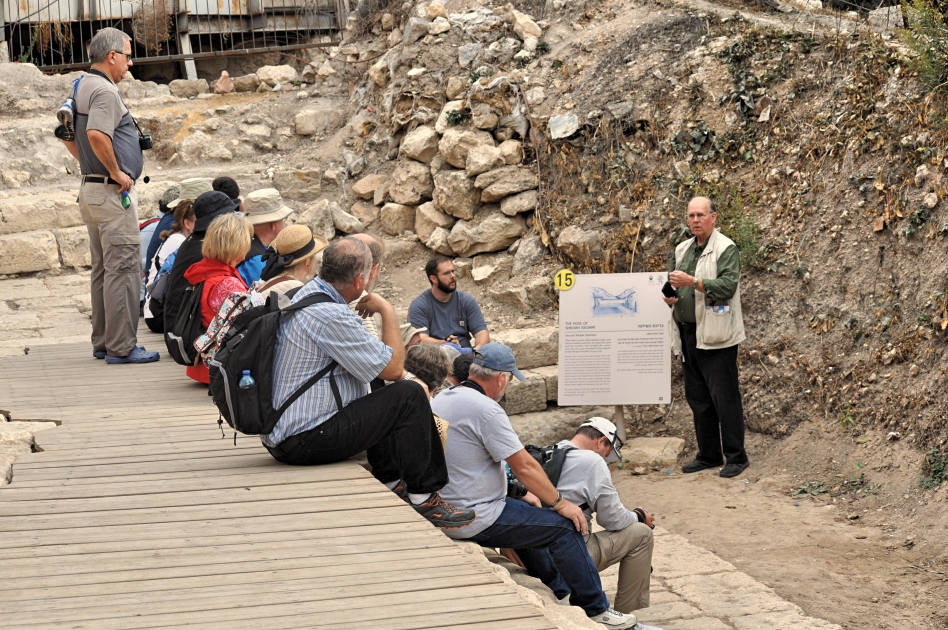
Today was a walking tour of Jerusalem. One of my favorite sites (among others) is the pool of Siloam, referenced in John 9. This site was excavated in late 2004. Jesus anointed with clay the eyes of the man born blind, and told him to go to this pool to wash his eyes. He did so, and he went away seeing. This miracle was evidence to validate Jesus’ claim that He was the light of the world (John 9:5).
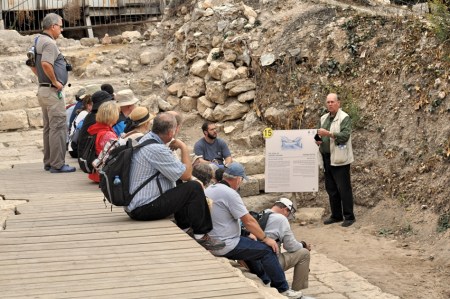
At the pool of Siloam, where the blind man received his sight (John 9). Photo by Zachary Shavin.
Note the text of John 9:1-7:
Now as Jesus passed by, He saw a man who was blind from birth. 2 And His disciples asked Him, saying, “Rabbi, who sinned, this man or his parents, that he was born blind?” 3 Jesus answered, “Neither this man nor his parents sinned, but that the works of God should be revealed in him. 4 “I must work the works of Him who sent Me while it is day; the night is coming when no one can work. 5 “As long as I am in the world, I am the light of the world.” 6 When He had said these things, He spat on the ground and made clay with the saliva; and He anointed the eyes of the blind man with the clay. 7 And He said to him, “Go, wash in the pool of Siloam” (which is translated, Sent). So he went and washed, and came back seeing.
This was one of seven miracles recorded in the Gospel of John. John’s stated purpose:
And truly Jesus did many other signs in the presence of His disciples, which are not written in this book; but these are written that you may believe that Jesus is the Christ, the Son of God, and that believing you may have life in His name. (John 20:30-31)
We have previously posted on Siloam here and here.
Click on image for larger view. Thanks for following our travels.
Leave a Comment » | Archaeology, Bible History and Geography, Bible Study, Israel, Jerusalem, New Testament, photography, Travel | Tagged: Pool of Siloam | Permalink
Posted by Leon Mauldin
November 6, 2016
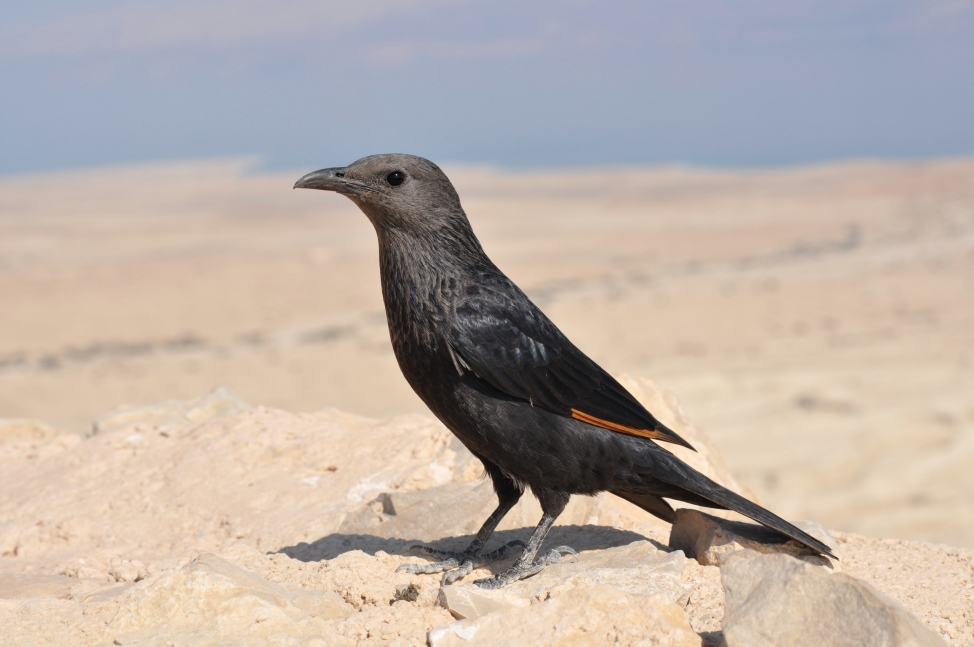
Today we made a trip to Masada, the site of the Jewish zealots last stand (AD 73) after the AD 70 destruction of Jerusalem. Tristram’s Starling, also called Tristram’s Grackle, were in abundance.
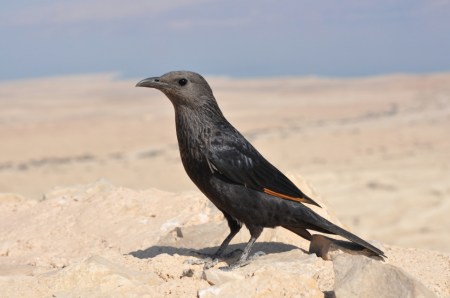
Tristram’s Starling at Masada. Photo ©Leon Mauldin.
This species is named after Henry Baker Tristram.
The males have glossy iridescent black plumage with orange patches on the outer wing, which are particularly noticeable in flight. The bill and legs are black. Females and young birds are similar but duller and with a greyish head, lacking the plumage gloss.
It is gregarious and noisy, with a call that resembles a wolf whistle. They are omnivorous, feeding on fruit and invertebrates, and can also be observed grooming Nubian ibex and domestic livestock for parasites. (Wikipedia)
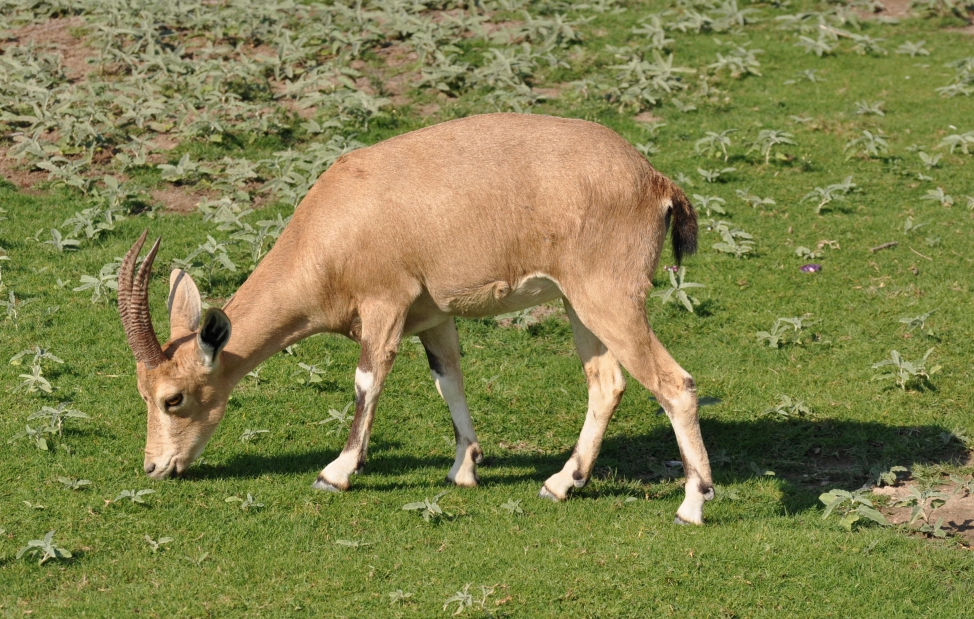
We also saw En Gedi, the site where David hid from King Saul, who was pursuing David with the intention of killing him (1 Sam. 23:29ff.). Here we photographed an ibex, the biblical “wild goat”of Psa. 104:18: “The high hills are for the wild goats; The cliffs are a refuge for the rock badgers.”
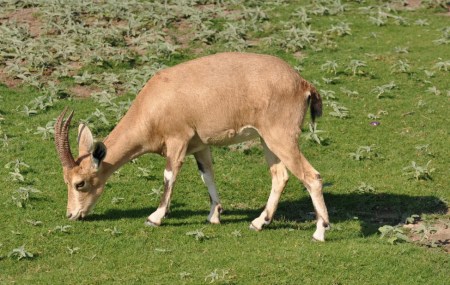
Ibex at En Gedi. Photo ©Leon Mauldin.
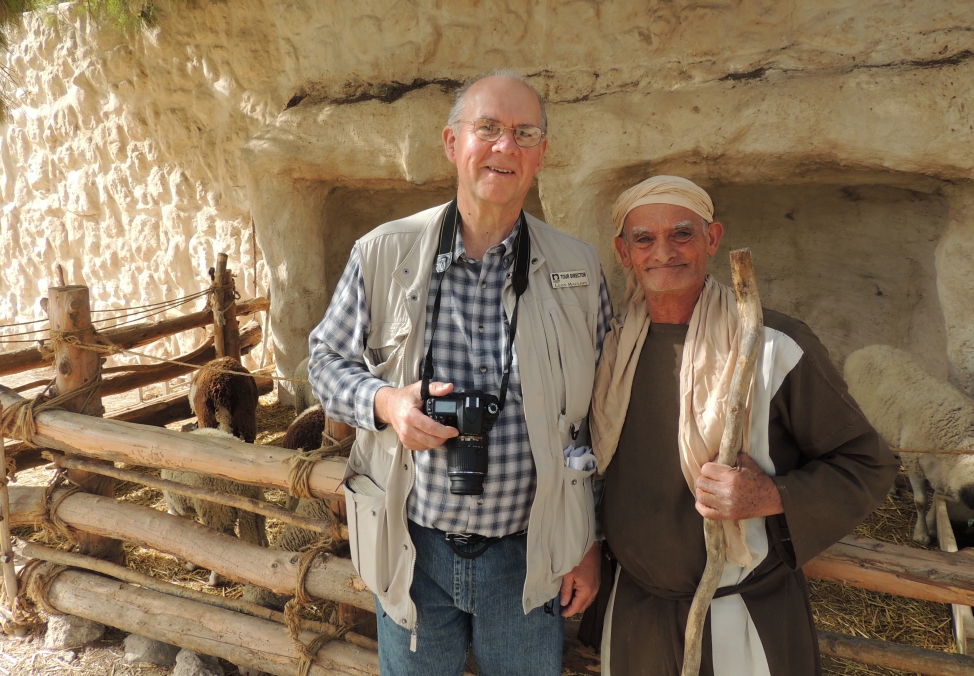
Tour member Mike Eison shared this photo he took this past Friday at Nazareth, at the Nazareth Village. The shepherd, his sheep in the fold behind.
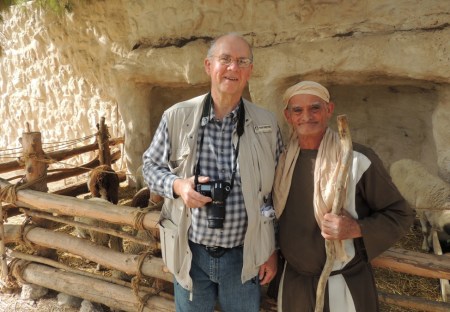
Shepherd at Nazareth Village. Photo by Mike Eison.
Thanks for following our travels. Tomorrow is a walking tour in Jerusalem.
Leave a Comment » | Bible Places, Bible Study, Fauna, Israel, Old Testament, photography, Shepherd, Travel | Tagged: En Gedi, ibex, Masada, Tristram's starling | Permalink
Posted by Leon Mauldin
November 5, 2016
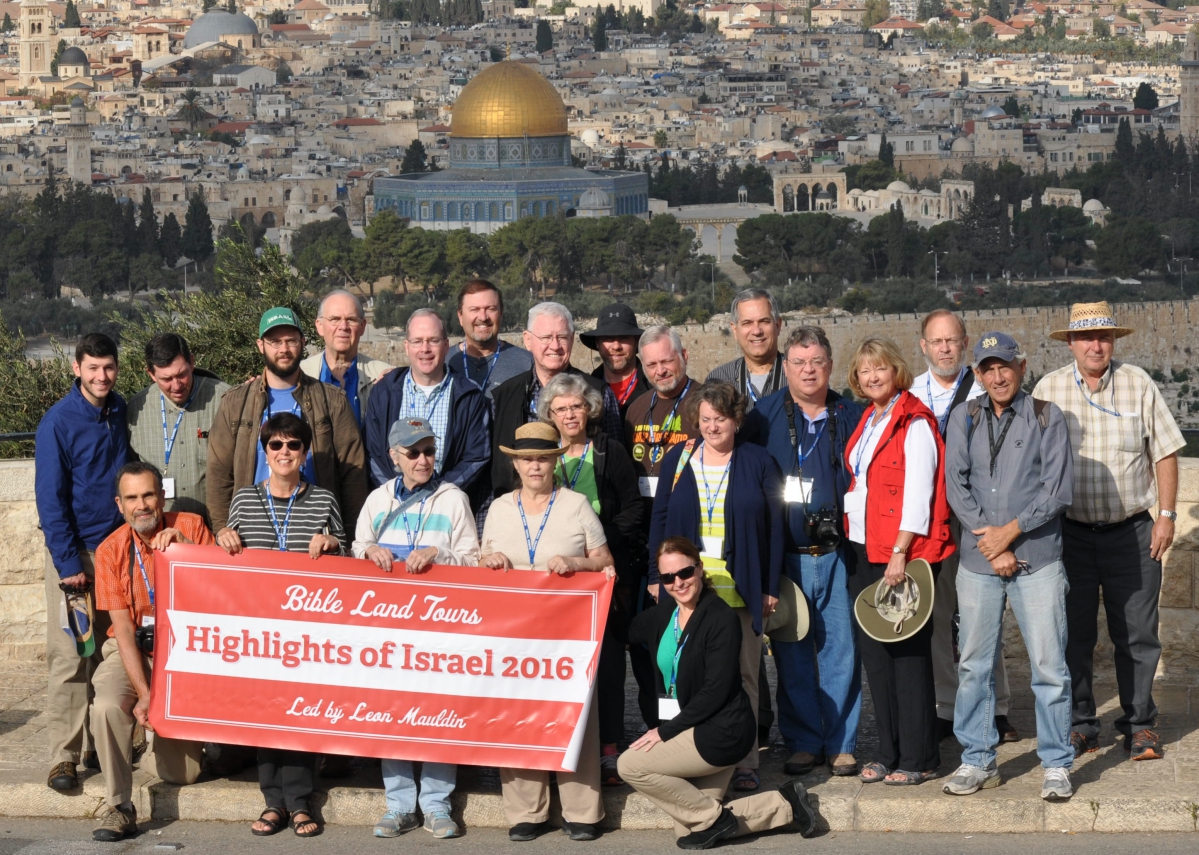
This morning we began the day with a visit to the Mount of Olives. We then saw Gethsemane where we reflected, read appropriate passages, and sang. We walked through Kidron to the southern end of the temple mount. We ended the day with a visit to Bethlehem.
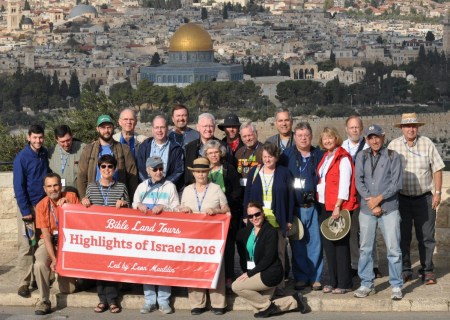
Group Photo Mt. of Olives. Photo ©Leon Mauldin.
We paused for a group shot while on the Mount of Olives.
It was on the Mount of Olives that Jesus gathered with His apostles and instructed them a final time before His ascension back into heaven:
4 And being assembled together with them, He commanded them not to depart from Jerusalem, but to wait for the Promise of the Father, “which,” He said, “you have heard from Me; 5 “for John truly baptized with water, but you shall be baptized with the Holy Spirit not many days from now.” 6 Therefore, when they had come together, they asked Him, saying, “Lord, will You at this time restore the kingdom to Israel?” 7 And He said to them, “It is not for you to know times or seasons which the Father has put in His own authority. 8 “But you shall receive power when the Holy Spirit has come upon you; and you shall be witnesses to Me in Jerusalem, and in all Judea and Samaria, and to the end of the earth.” 9 Now when He had spoken these things, while they watched, He was taken up, and a cloud received Him out of their sight. 10 And while they looked steadfastly toward heaven as He went up, behold, two men stood by them in white apparel, 11 who also said, “Men of Galilee, why do you stand gazing up into heaven? This same Jesus, who was taken up from you into heaven, will so come in like manner as you saw Him go into heaven.” 12 Then they returned to Jerusalem from the mount called Olivet, which is near Jerusalem, a Sabbath day’s journey. (Acts 1:4-12).
I’m thankful to say that all of our folks here continue to be well. Thanks for following our blog.
Leave a Comment » | Bible History and Geography, Bible Study, Israel, Jerusalem, New Testament, photography, Travel | Tagged: Mount of Olives, Touring Israel | Permalink
Posted by Leon Mauldin
November 4, 2016
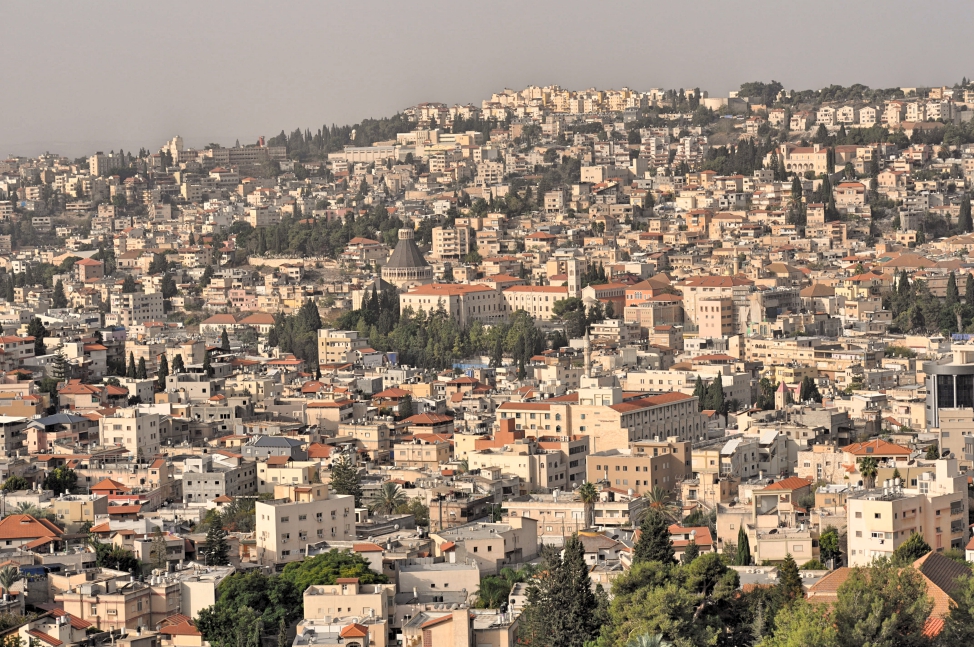
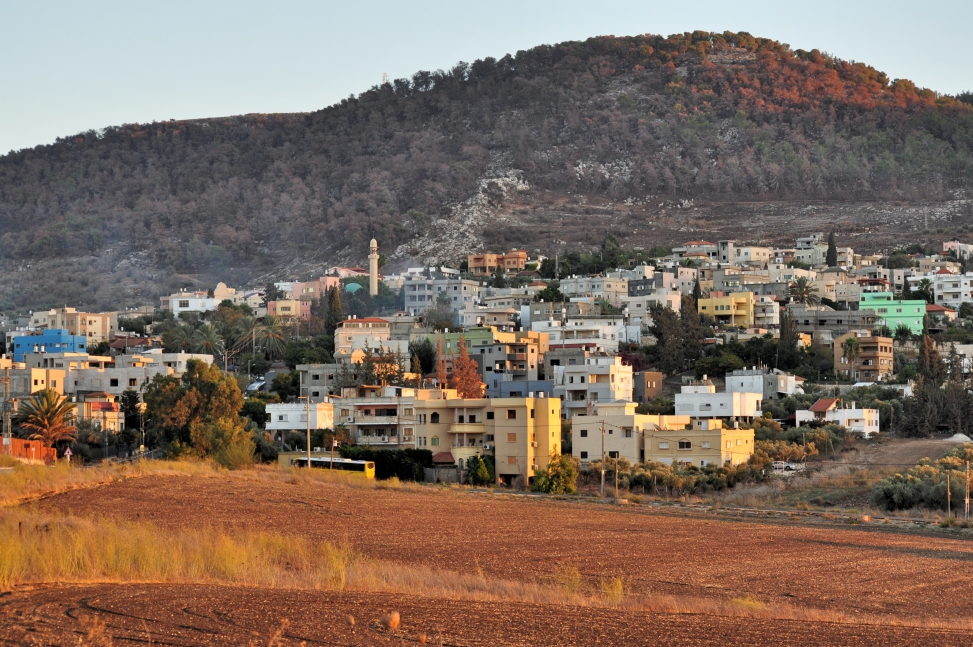
We said “Good-bye” to Tiberias on the Sea of Galilee this morning and made our way down (biblically “up” in altitude) to Jerusalem. We made a stop at Nazareth, Jesus’ hometown.
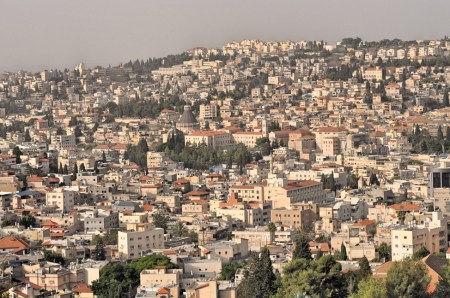
Nazareth in Galilee, Jesus’ hometown. Photo ©Leon Mauldin.
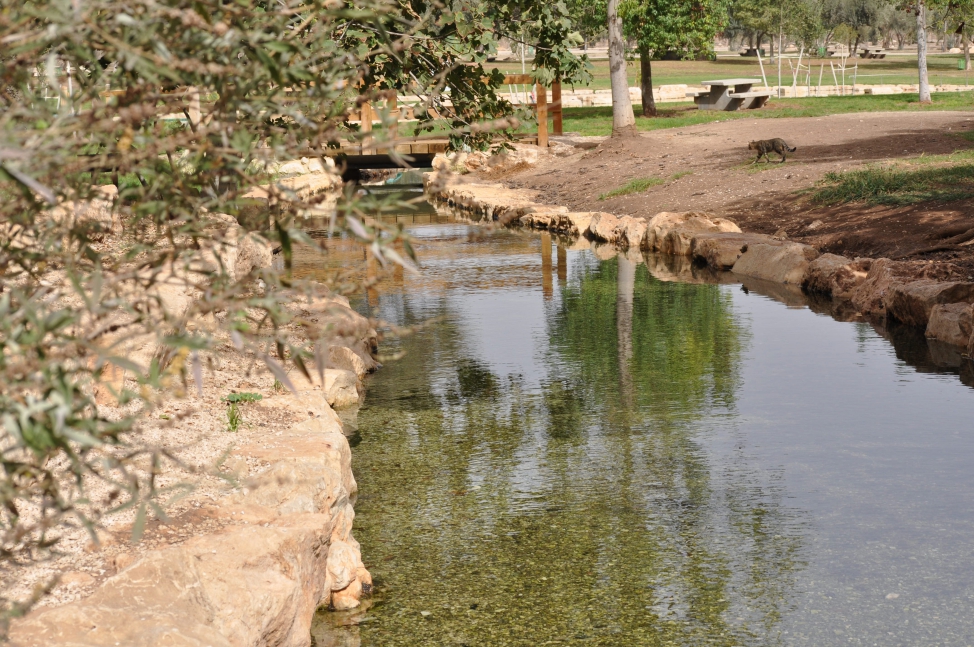
We also made a stop at the Spring of Harod,where Gideon’s army was reduced to 300 men, by which God gave Israel victory over the Midianites (Judges 7-8).
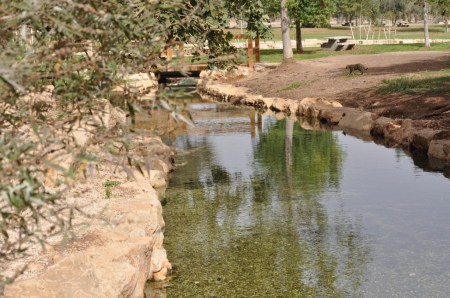
Spring of Harod. Photo ©Leon Mauldin.
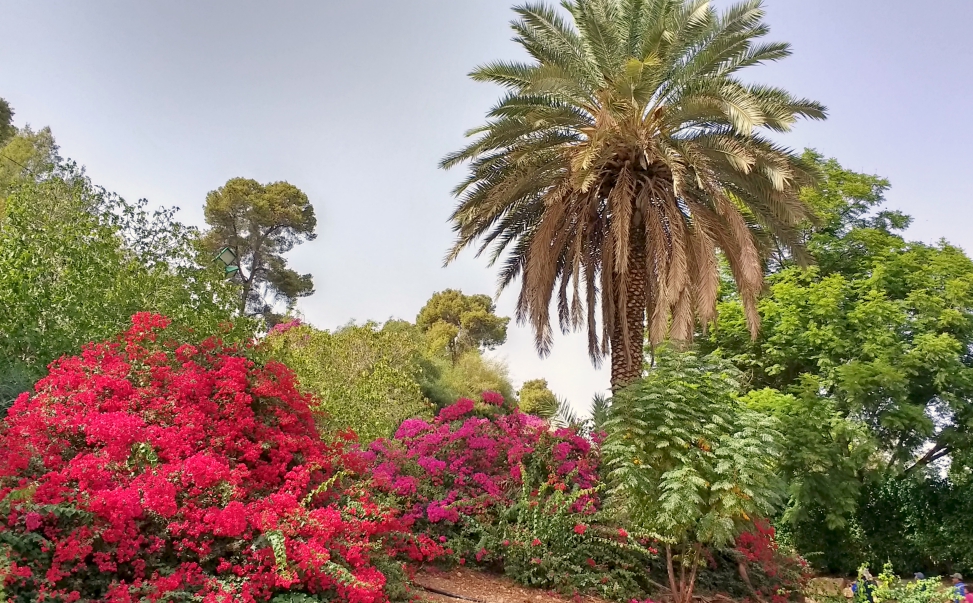
Colorful flora at the site:
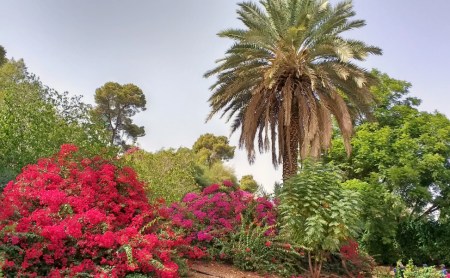
Flora at the Spring of Harod. Photo ©Leon Mauldin.
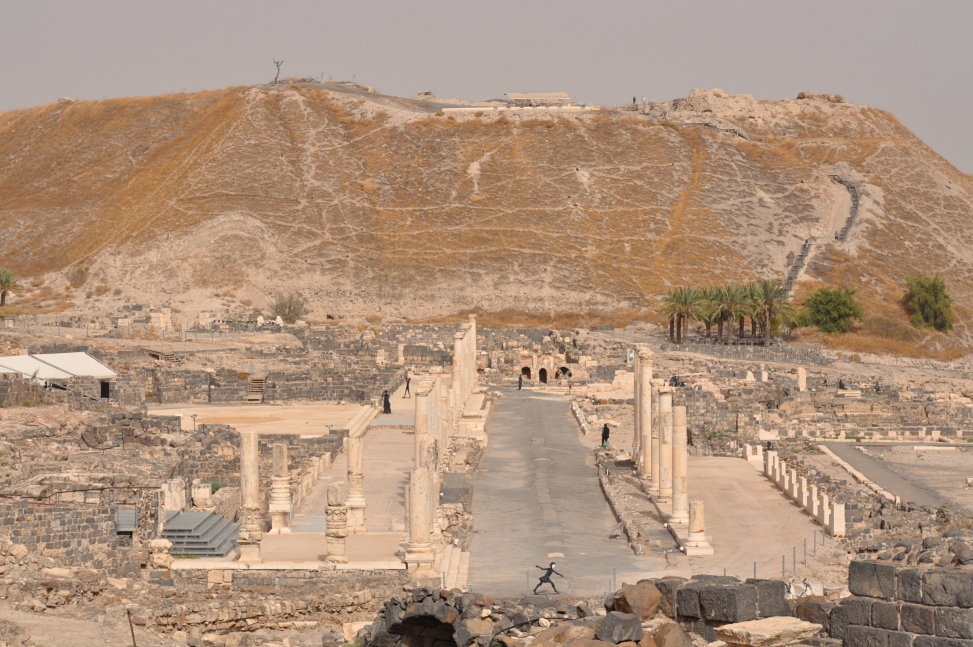
We also saw Beth-Shean, mentioned in 1 Sam. 31 as the site where the victorious Philistines took the bodies of King Saul and his three sons, fastening them to the walls of the city. This was Scythopolis in New Testament times, one of the cities of the Decapolis.
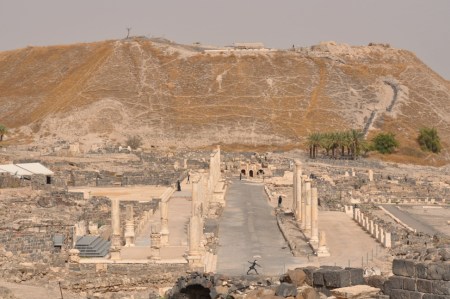
Beth-shean. OT tel in background; Roman ruins in foreground. Photo ©Leon Mauldin.
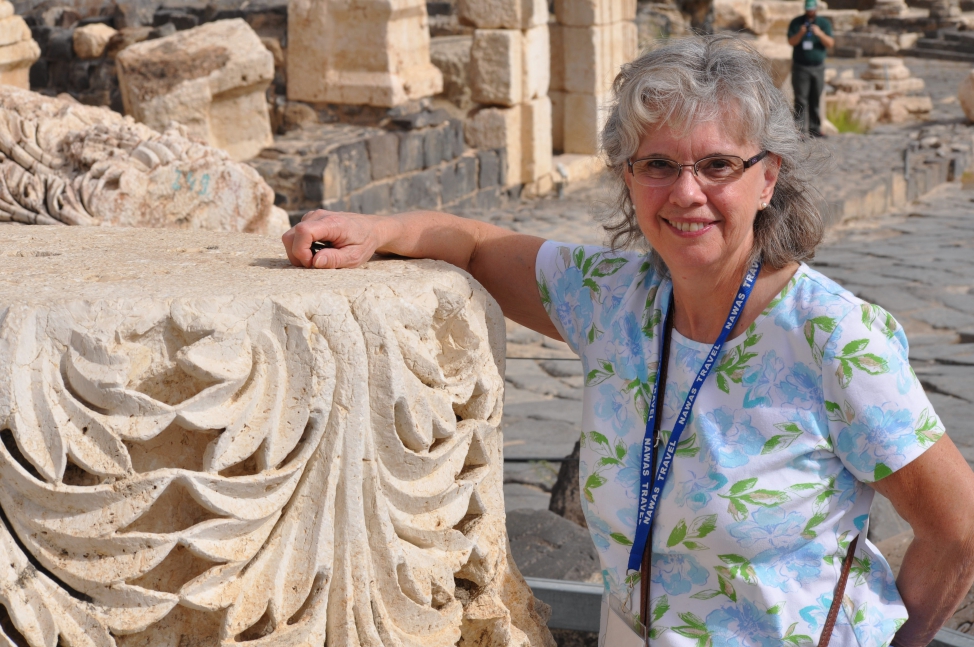
Good friend and tour member Lynn Clayton.
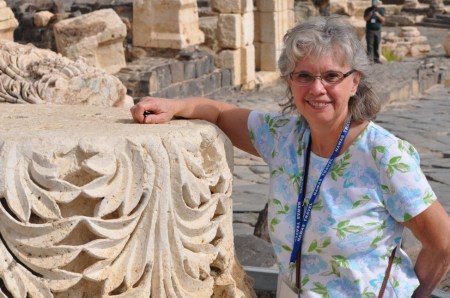
Lynn at Beth-shean. Photo ©Leon Mauldin.
Click photos for larger image. Thanks for following our travels in the Bible lands.
Leave a Comment » | Bible History and Geography, Bible Places, Galilee, Israel, Jordan Valley, New Testament, Old Testament, photography, Travel | Tagged: Beth-shean, Nazareth, Spring of Harod | Permalink
Posted by Leon Mauldin
November 3, 2016
I never tire of seeing sunrise on the Sea of Galilee.
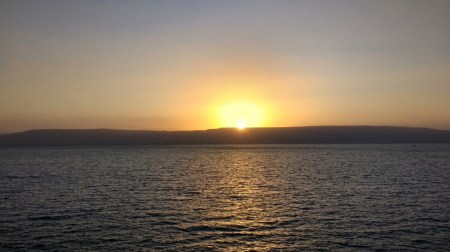
Sunrise, Sea of Galilee. Photo by Leon Mauldin.
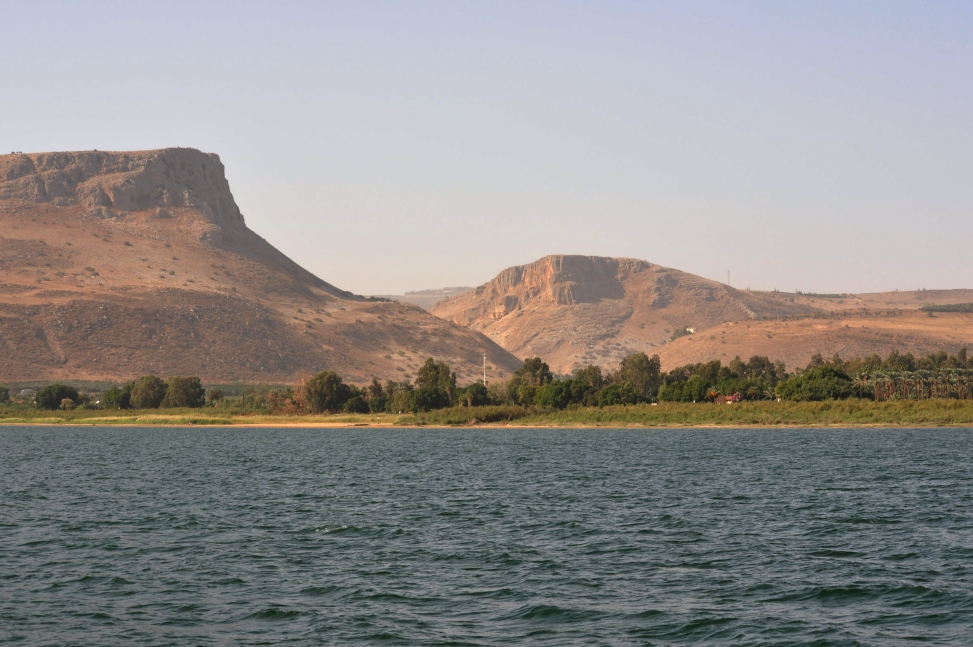
From the Sea we had a view of Mt. Arbel, where the international highway, the Via Maris, passed.
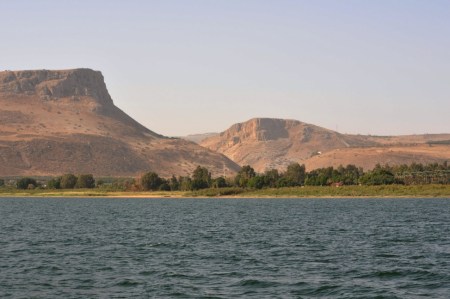
Via Maris at Mt. Arbel. Photo by Leon Mauldin.
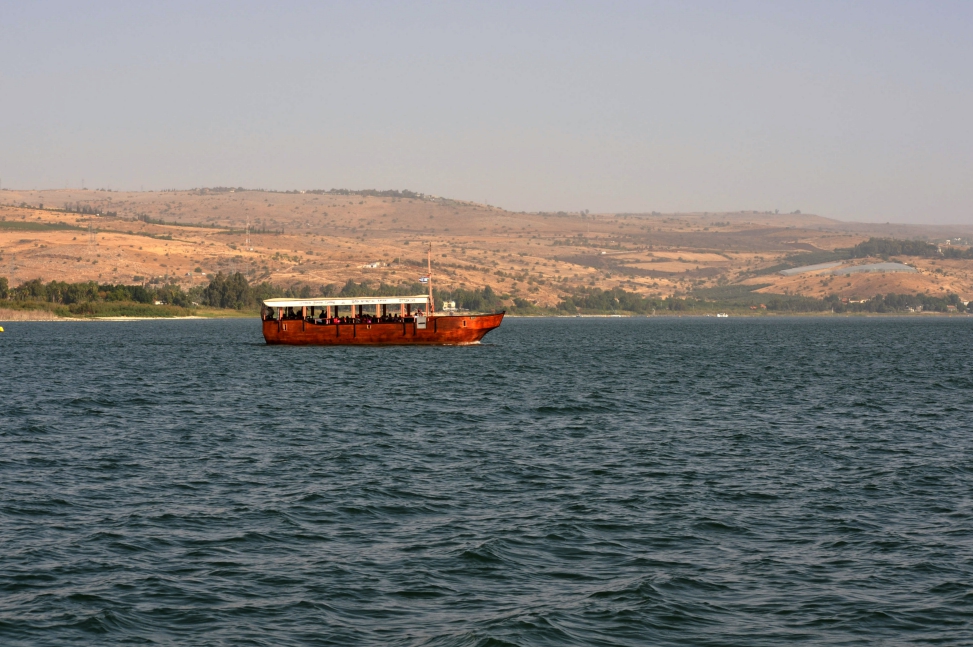
Boats such as these take passengers across the Sea of Galilee.
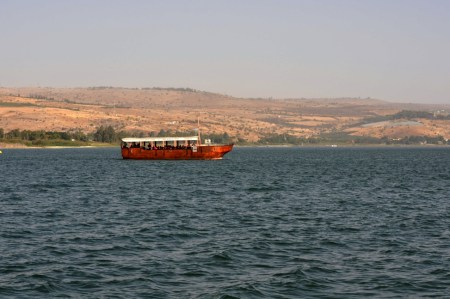
Photo by Leon Mauldin.
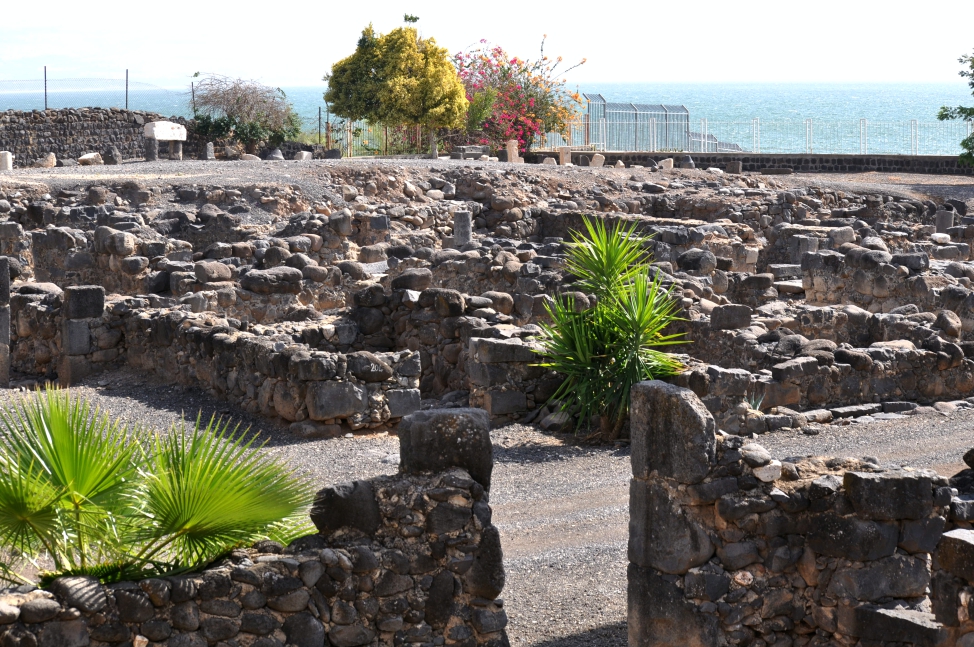
We visited Capernaum (“town of Nahum,” New Unger’s Bible Dictionary, p.209), called “the most important city on the northern shore of the Sea of Galilee (Nelson’s New Illustrated Bible Dictionary, p. 245). Jesus’ home town was Nazareth, but Capernaum was where He lived during the Galilean ministry. Note the wording of the NET in Matt. 4:13: “While in Galilee, he moved from Nazareth to make his home in Capernaum by the sea, in the region of Zebulun and Naphtali.” To that compare Mark 2:1: “Now after some days, when he returned to Capernaum, the news spread that he was at home,” with its parallel in Mt. 9:1, which says Jesus came “to His own city.”
Here is a view of some of the excavations there.
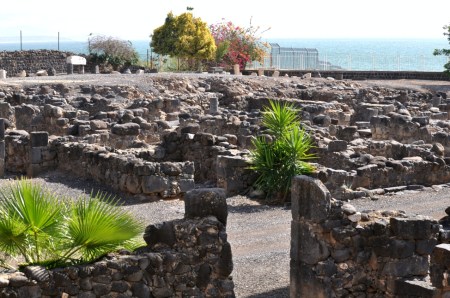
Excavations at Capernaum, Jesus hometown. Photo by Leon Mauldin.
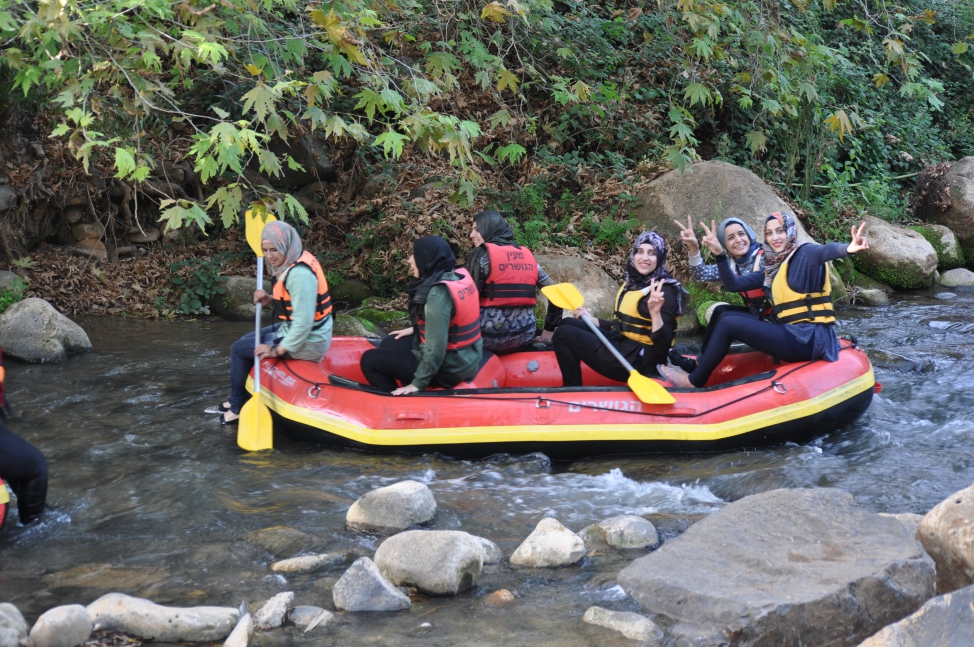
Moving north, we saw the Senir, one of the sources of the Jordan River. Some girls were rafting. Tomorrow we are to begin our journey south to Jerusalem. Thanks for following our travels.
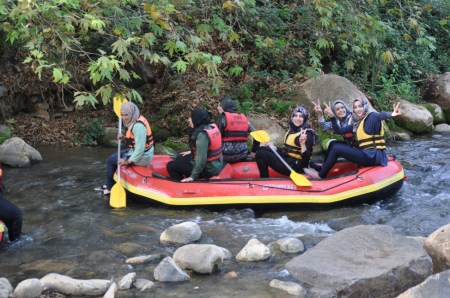
Rafting in the Senir River. Photo by Leon Mauldin.
Leave a Comment » | Archaeology, Bible History and Geography, Bible Study, Galilee, Israel, New Testament, photography, Sea of Galilee, Travel | Tagged: Arbel, Capernaum, Senir | Permalink
Posted by Leon Mauldin
November 2, 2016
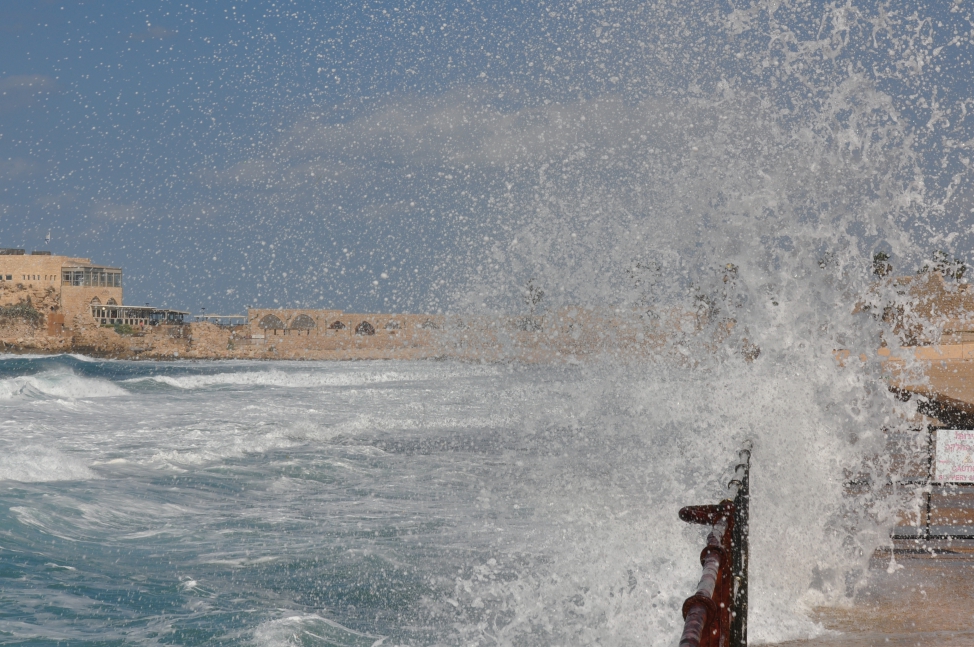
This morning upon leaving Natana with its beautiful view of the Mediterranean, we first visited Caesarea, the Roman capitol of Israel during Jesus’ Ministry. We saw lots of wave action.
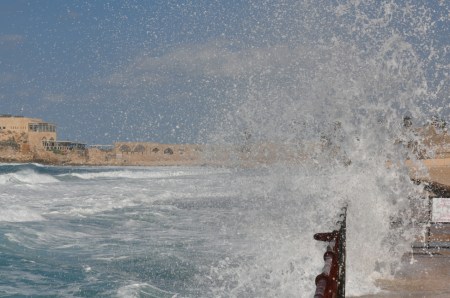
Waves at Caesarea. Photo by Leon Mauldin.
Caesarea is mentioned numerous times in the New Testament. This became the home of Philip the evangelist (Acts 8:40; 21:8). Cornelius, the first Gentile convert, resided here (Acts 10-11). Paul used the port when leaving for Tarsus (Acts 9:30), and when returning from 2nd and 3rd journeys (Acts 18:22; 21:8). Later Paul was imprisoned here for two years (Acts 24:27), during which time he stood before Felix and Drusilla (Acts 24), Festus (Acts 25) and Herod Agrippa II (Acts 26). Paul left for Rome still as a prisoner from here (Acts 27).
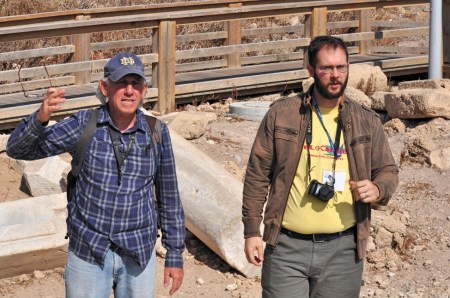
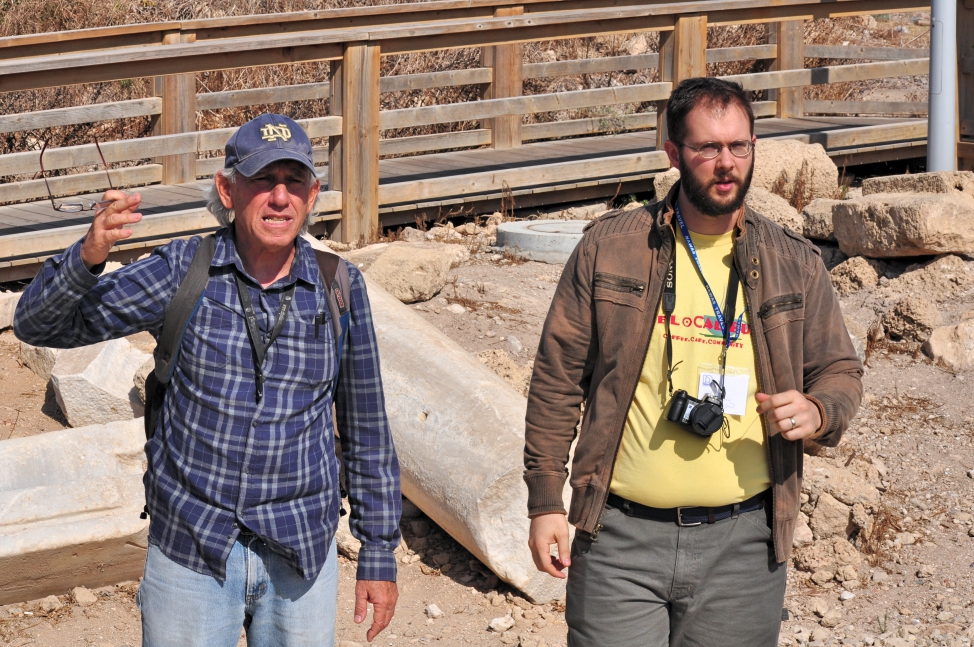
Our Israeli guide, Zack (left), and my son, Seth, at Caesarea. Photo by Leon Mauldin.
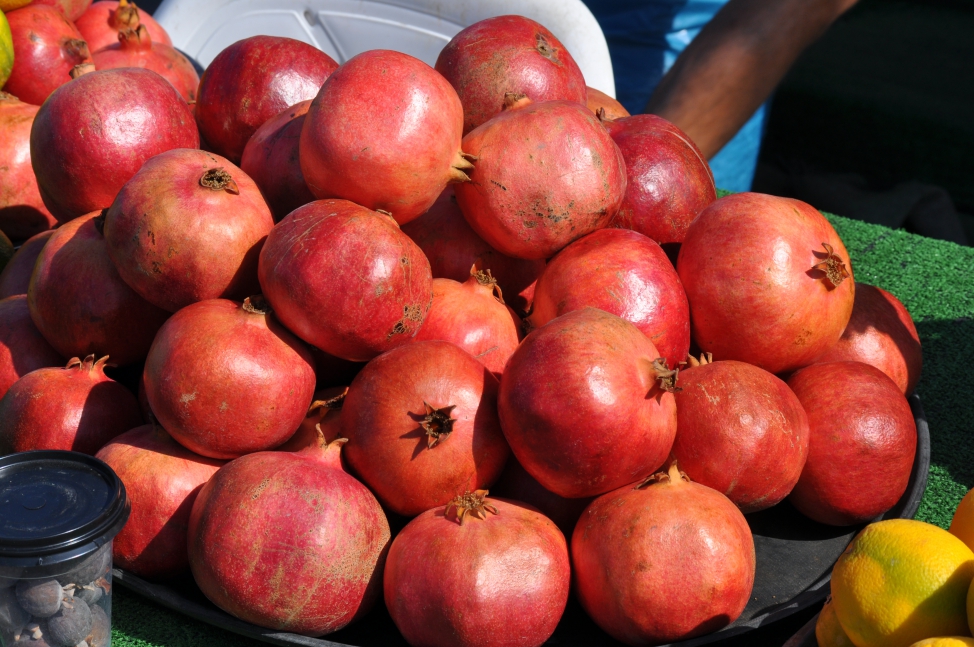
As we were leaving Caesarea I noticed some pomegranates. I was compelled to drink a glass of a couple of these, freshly squeezed.
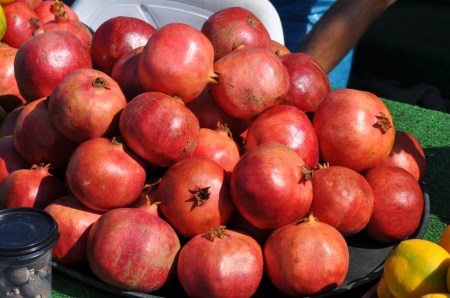
Pomegranates at Caesarea. Photo by Leon Mauldin.
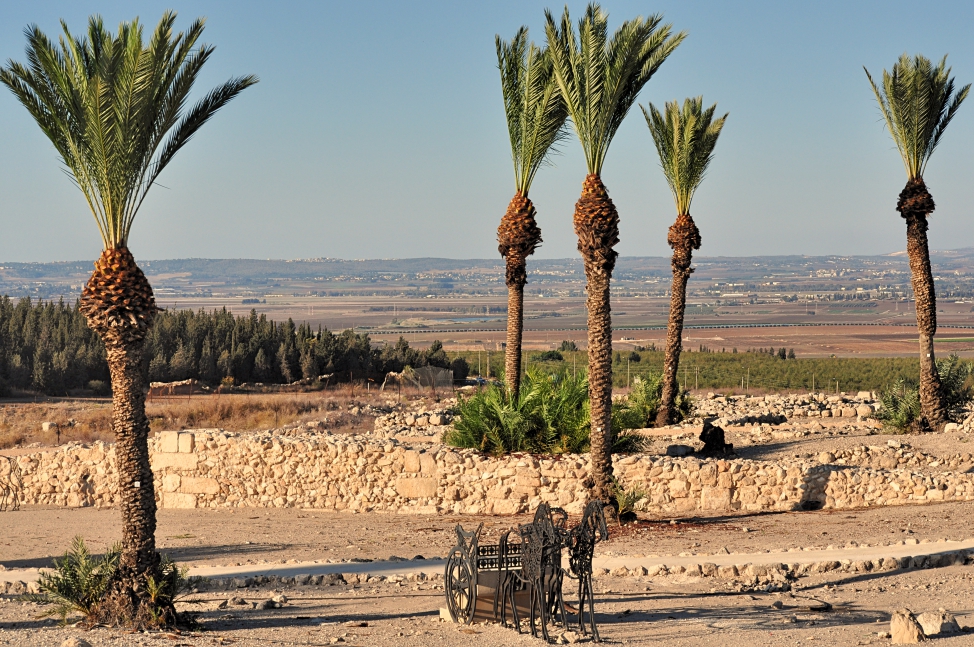
Later at the strategic city of Megiddo we saw several points of interest, including Solomon’s stables.
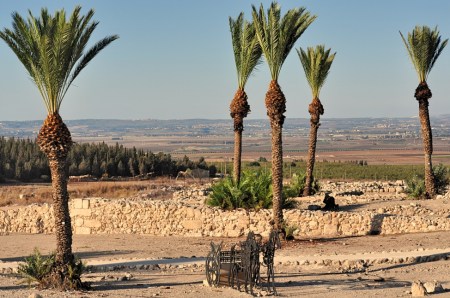
Solomon’s Stables at Megiddo. Photo by Leon Mauldin.
As we headed on the way to Tiberias we stopped briefly for a photo of Nain of Galilee, the village where Jesus raised from the dead a young man, the only son of a widow (Luke 7:11-17).
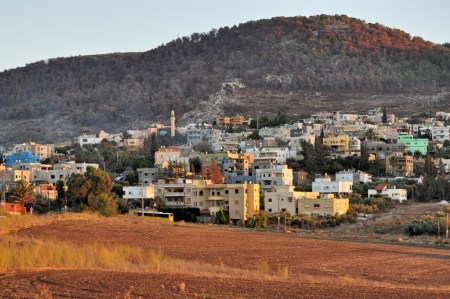
Nain, of Galilee, where Jesus raised a young man from the dead. Photo by Leon Mauldin.
Thanks for following our travels. I’m writing this from Tiberias, on the Sea of Galilee. More to come!
1 Comment | Bible History and Geography, Bible Places, Bible Study, Caesarea Maritima, Israel, New Testament, Old Testament, photography, Travel | Tagged: Nain | Permalink
Posted by Leon Mauldin
November 1, 2016
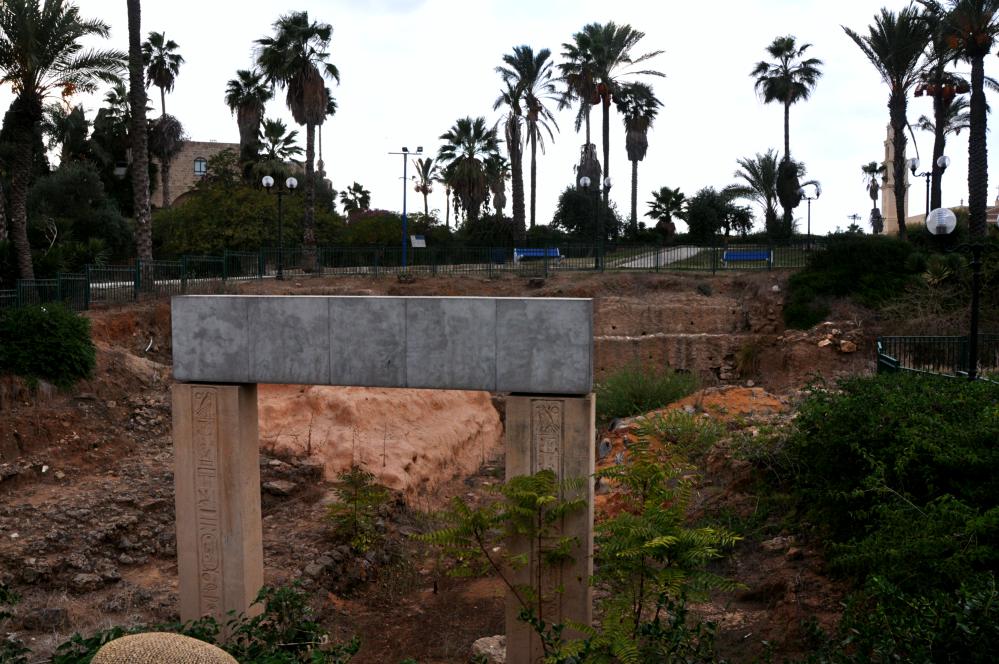
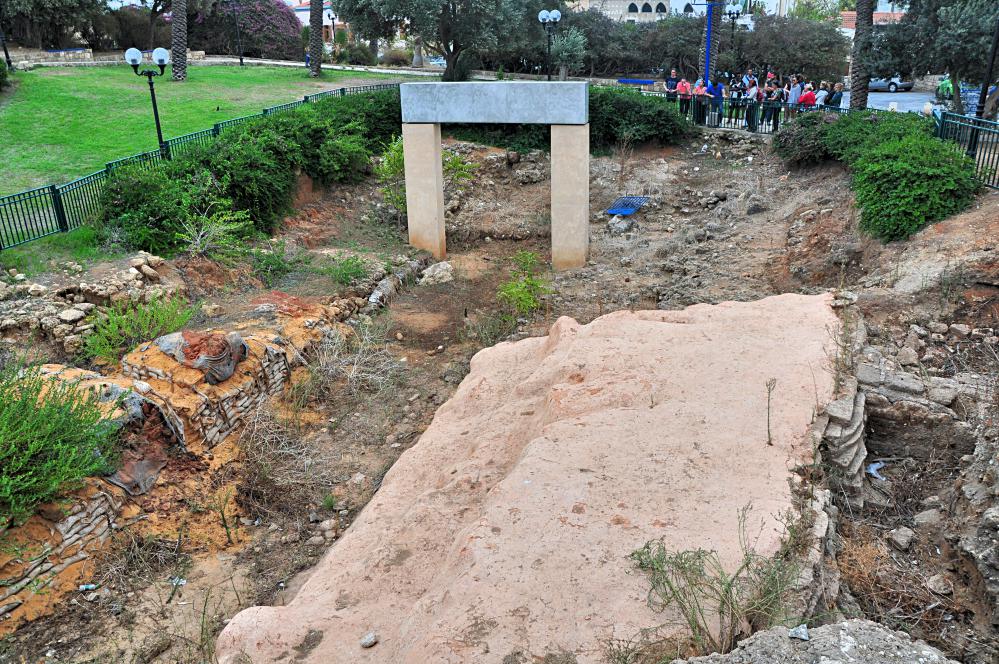
Many of you have read of the recent excavations at biblical Joppa, published in the Oct 22, 2016 issue of Haaretz, entitled, “Previously unknown Canaanite revolt against Egypt revealed in ancient Jaffa” with subtitle, “There is no record of the Canaanites ousting their Egyptian overlords, but 3,100-year-old remains of fiery destruction suggest they did just that,” by Philippe Bohstrom.
You can read more at: http://www.haaretz.com/jewish/archaeology/1.748579
My group was able to visit Joppa as our first stop today in Israel. We enjoyed viewing the ancient harbor ruins, where long ago the prophet Jonah purchased voyage on a ship in a futile effort to run in the opposite direction from God’s charge for him to preach in Nineveh. At the traditional Church of St. Peter we read from Acts 10, remembering the events that led to the door of faith being opened to the Gentiles (Cornelius, his family & friends) by Peter, who was here at Joppa. But we were also especially interested to see the new areas of excavation.
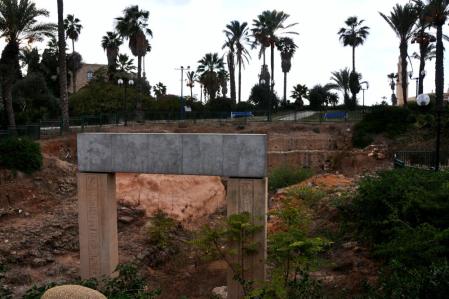
Newly Excavated gate at Joppa, Israel. Photo by Leon Mauldin.
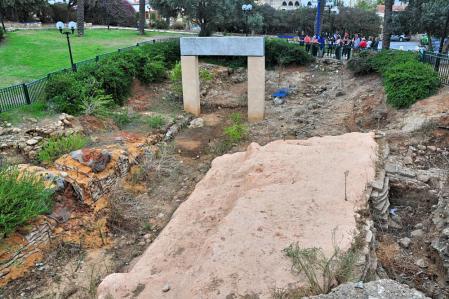
Excavations at Joppa. Photo by Leon Mauldin.
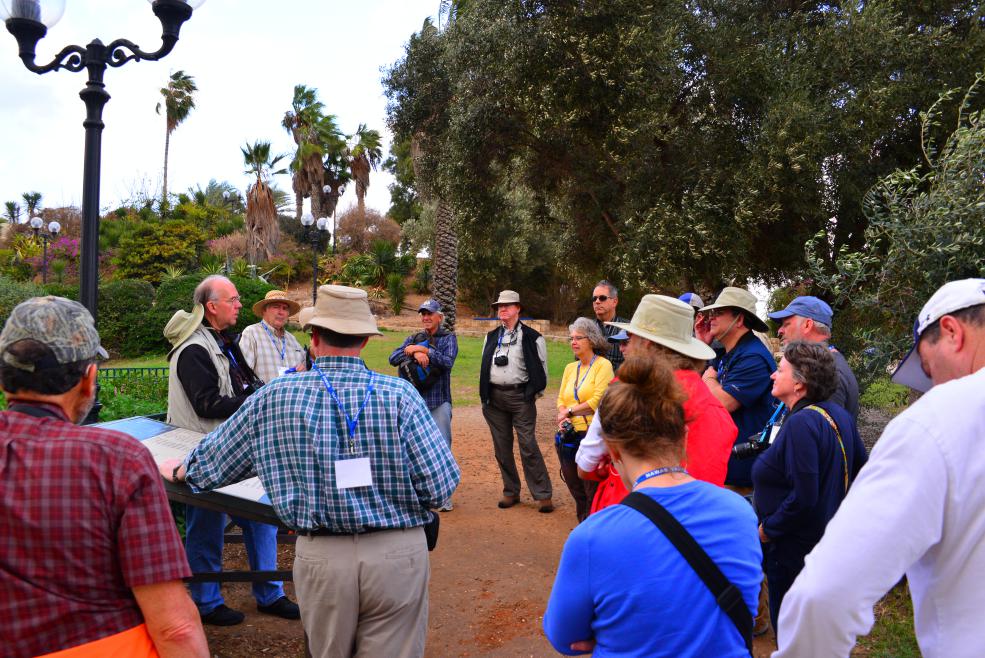
Here is a group shot at Joppa:
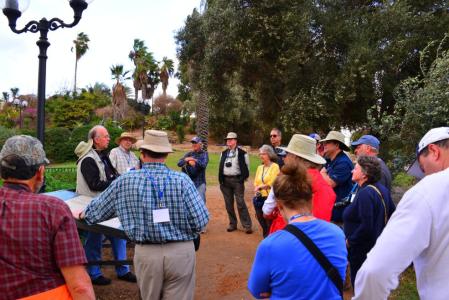
Leon teaching on the significance of the new excavations at Joppa gate. Photo by David Deason.
Leave a Comment » | Archaeology, Bible History and Geography, Israel, New Testament, Old Testament, photography, Travel | Permalink
Posted by Leon Mauldin
October 18, 2016
After the virgin Mary was informed by the angel Gabriel that by “the power of the Highest” she would conceive “and bring forth a Son, and shall call His name JESUS” (Luke 1:31,35), she then went to visit her relative Elizabeth, who was the then 6-months expectant mother of John the Baptist. “Now Mary arose in those days and went into the hill country with haste, to a city of Judah, and entered the house of Zacharias and greeted Elizabeth” (vv. 39-40).
The text does not specify which city of Judah in which Zacharias (the priest) and his wife Elizabeth resided. However the traditional site is that of En Kerem, located 4+ miles west of Jerusalem.

En Kerem, in the hill country of Judah, west of Jerusalem. Traditional birthplace of John the Baptist. Photo by Leon Mauldin.
R. Riesner has this entry on “The Birthplace of John the Baptist”:
A literary tradition that can be traced back to the sixth century identifies the birthplace with En-Kerem (Arabic Ain Karim), seven kilometers west of Jerusalem (ELS 44ff.). Remains of two fourth-century churches indicate, however, that the tradition stretches back to a still-earlier time (GBL II.776). (Dictionary of Jesus and the Gospels, p. 34).

En Kerem, city sign. Photo by Leon Mauldin.
I’m making this post from beautiful Fair Haven, Vermont, where I’m currently presenting an 8-lesson Visualized Survey of the Bible.
1 Comment | Bible History and Geography, Bible Study, Israel, New Testament, photography, Travel | Tagged: En Kerem | Permalink
Posted by Leon Mauldin
August 16, 2016
When Jehu (841 BC) killed King Jehoram (Israel) and King Ahaziah (Judah), Ahaziah’s mother, Queen-mother Athaliah (daughter of Ahab and Jezebel) moved quickly to position herself in power as ruler of Judah. Called “that wicked woman Athaliah” (2 Chron. 24:7, NIV), she killed all of her son Ahaziah’s children, her own grandchildren, and proclaimed herself ruler of Judah. Only one-year-old Joash was spared (unknown to Athaliah) by faithful priest Jehoiada and his wife Jehosheba (sister to Ahaziah! (2 Kings 1:1-3)
Jehoiada waited six years to make his move:
Now in the seventh year Jehoiada sent and brought the captains of hundreds of the Carites and of the guard, and brought them to him in the house of the LORD. Then he made a covenant with them and put them under oath in the house of the LORD, and showed them the king’s son (2 Kings 11:4).
Then on a Sabbath at the time of the shift change, so as to include all who were finishing their duties as well as those who were arriving, armed with swords, spears and shields, and surrounding young Joash, Jehoiada “put the crown on him and gave him the testimony; and they made him king and anointed him, and they clapped their hands and said, ‘Long live the king!'”

Model of Temple Mount and city of David. Bible Lands Museum, Jerusalem. Photo by Leon Mauldin.
The inspired historian continues:
When Athaliah heard the noise of the guard and of the people, she came to the people in the house of the LORD. 14 She looked and behold, the king was standing by the pillar, according to the custom, with the captains and the trumpeters beside the king; and all the people of the land rejoiced and blew trumpets. Then Athaliah tore her clothes and cried, “Treason! Treason!” 15 And Jehoiada the priest commanded the captains of hundreds who were appointed over the army and said to them, “Bring her out between the ranks, and whoever follows her put to death with the sword.” For the priest said, “Let her not be put to death in the house of the LORD.” 16 So they seized her, and when she arrived at the horses’ entrance of the king’s house, she was put to death there. 17 Then Jehoiada made a covenant between the LORD and the king and the people, that they would be the LORD’S people, also between the king and the people. 2 Kings 11:13-17.
Our photo shows a very nice model of the temple and city of David, featured at the Bible Lands Museum in Jerusalem. This can help us visualize the setting for the events of our text of 2 Kings 11.
Leave a Comment » | Bible History and Geography, Bible Study, Israel, Jerusalem, Old Testament, photography, Travel | Tagged: 2 Kings | Permalink
Posted by Leon Mauldin


 leonmauldin.blog