Azazel, the Scapegoat

February 13, 2012

Leviticus 16 gives the instructions for the annual Day of Atonement. This was the one and only day during the year in which the High Priest would enter Most Holy Place in the Tabernacle, and later the temple. He would enter with sacrificial blood (a bull) first for himself and his family, and then next (a goat) on behalf of all the people of Israel.

Additionally, there was to be a second goat which was not killed; the High Priest would lay his hands on its head and confess over it all the sins of Israel (v.21). Then it would be released in the wilderness.

Lev. 16:10 states, ” But the goat chosen by lot as the scapegoat shall be presented alive before the LORD to be used for making atonement by sending it into the desert as a scapegoat” (NIV).

The NET Bible renders the Hebrew text with a transliteration: “but the goat which has been designated by lot for Azazel is to be stood alive before the LORD to make atonement on it by sending it away to Azazel into the wilderness.”

Strong defines the Hebrew word azazel as meaning “entire removal.” The NIV marginal note has “goat of removal.” “The English word scapegoat was apparently invented by William Tyndale as an attempt to translate what literally says ‘for Azazel'” (Dictionary of Biblical Imagery, p. 763).

This “visual aid” depicted God’s mercy and forgiveness as sin was removed from the camp and community of Israel. Of course this foreshadowed the vicarious suffering and death of Jesus, which made possible the remission of sins (Heb. 10:1-18; John 1:29; Eph. 1:7; 1 Pet. 2:24).

While in the Sinaitic Peninsula in 2003 I saw a couple of goats in the wilderness which help illustrate the text.
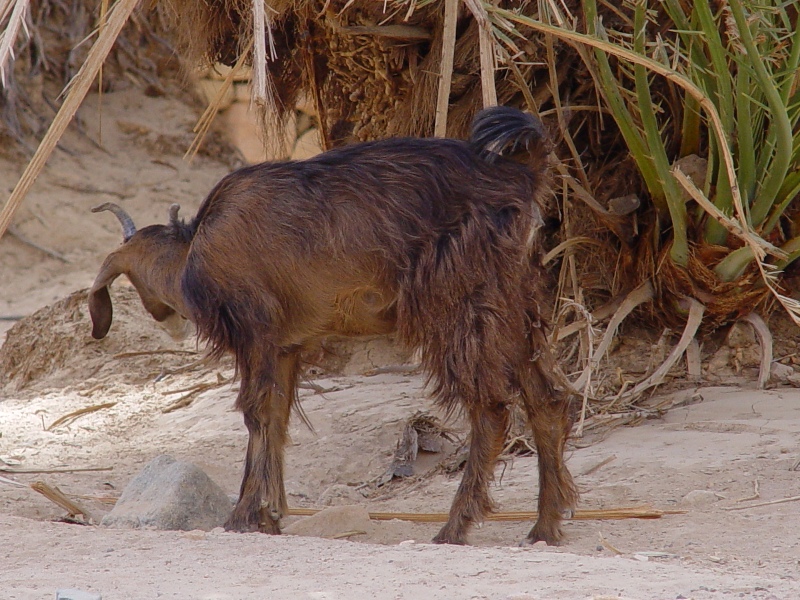
Goat in the Wilderness of Sinai. Photo by Leon Mauldin.

“As the goat goes into the wilderness, it will carry all the people’s sins upon itself into a desolate land” (v.22).
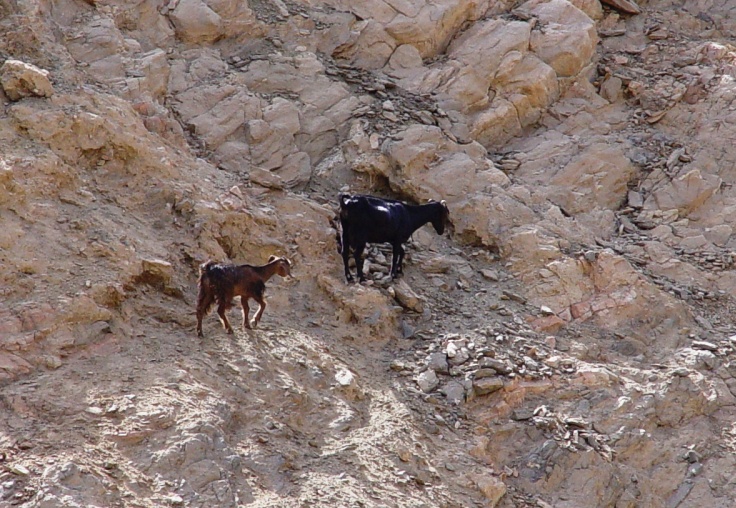
Goats in the Desert of Sinai. Photo by Leon Mauldin.

This photo below helps us to see some of the desolate country in which Israel traveled, and into which Azazel would have been released.

Wilderness of Sinai, in the south. Photo by Leon Mauldin.

Now you know the origin of the word “scapegoat,” which in modern usage denotes “a person who is blamed for the wrongdoings or mistakes of others” (Concise Oxford English Dictionary).

Click on images for larger view.


Jerusalem, the Kidron, and Mt. of Olives

February 3, 2012

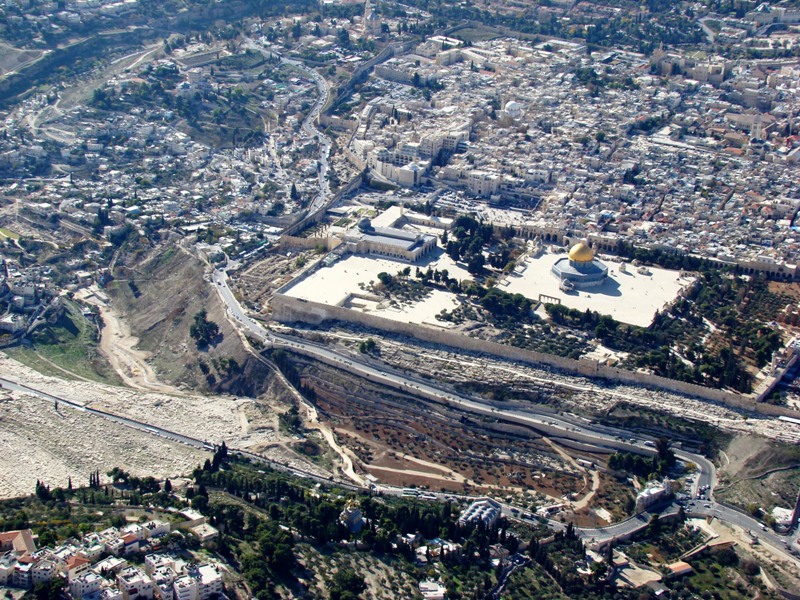
Yesterday’s post featured a photo of a hen with her chicks, imagery used by Jesus Himself in His lamentation over Jerusalem, as He wanted to gather the people unto Himself but they refused. Immediately he left the temple courts, crossed the Kidron with His disciples, and went to the Mount of Olives where He gave what has become known as the “Olivet Discourse” (Matthew 24).

Our photo provides an overview of the setting for these events. You can easily recognize the temple mount. Below that is the Kidron Valley. Next, at bottom of photo is the Mt. of Olives.

Temple Mount in Jerusalem, Kidron, and Mt. of Olives. Photo by Leon Mauldin.

Click on image for larger view.


As a Hen Gathers Her Chicks

February 2, 2012

On the last day of Jesus’ public ministry, the Tuesday before He was betrayed on Thursday night, when Jesus left the temple courts He said,

O Jerusalem, Jerusalem, the one who kills the prophets and stones those who are sent to her! How often I wanted to gather your children together, as a hen gathers her chicks under her wings, but you were not willing! 38 See! Your house is left to you desolate; 39 for I say to you, you shall see Me no more till you say, “Blessed is He who comes in the name of the LORD!” (Matthew 23:37-39).

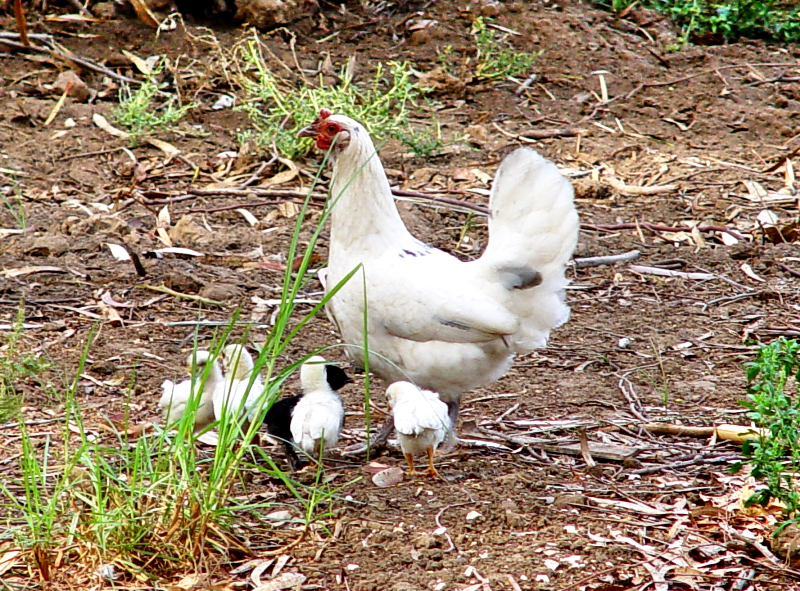
The imagery of a mother hen shielding her chicks may need explaining to those (city dwellers) who have not seen this display of instinctive protection. It is not “learned behavior;” it is God-given and natural. When danger is perceived, the chicks run to the hen for safety and security.

I could not help but think of the above passage when I saw this scene in Galilee.

Chicks going to the mother hen. Photo by Leon Mauldin.

When I initially approached to take the photo the chicks were a bit scattered. But as I advanced closer, they all went right to the mother hen.

Jesus wanted the inhabitants of Jerusalem to come to Him, for safety, security and for salvation. But sadly, they were not willing. Man is unique to creation. We don’t merely act instinctively. God has given us freedom of choice. He appeals to our heart, He beckons through the Gospel, but He will not force.

For a related post, “Not One Stone Upon Another,” see here.

Click on image for larger view.


Lava Fields at Tendurek Gecidi, Turkey

January 18, 2012

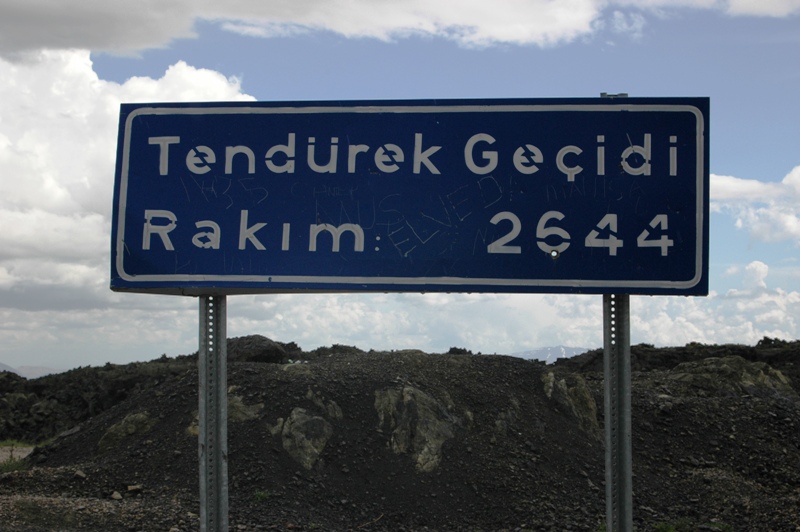
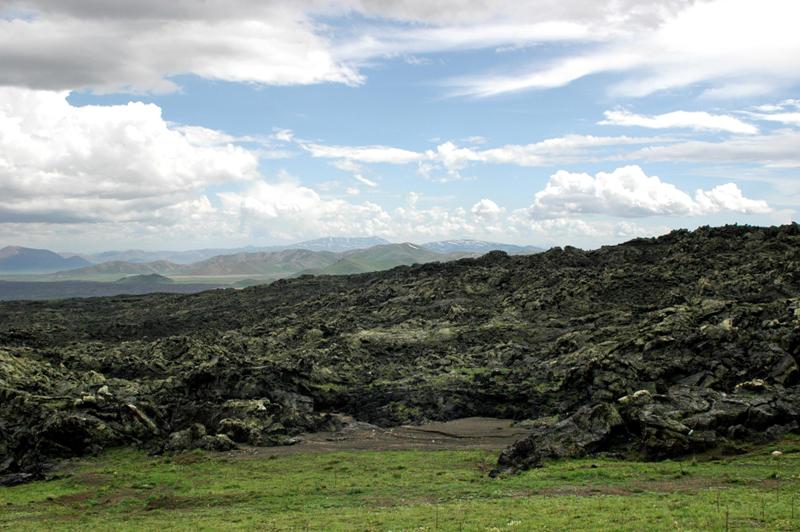
As one continues from Lake Van toward Mt. Ararat in Turkey, you pass through Tendurek Gecidi. This area has over the years been prone to earthquakes and volcanic activity.

Tendurek Gecidi, near Ararat, Turkey. Photo by Leon Mauldin.

This was for me the first opportunity to see lava fields like this.

Lava Fields at Tendurek Gecidi, Turkey. Photo by Leon Mauldin.

Click on images for larger view.


Muradiye Falls, in Van District in Turkey

January 17, 2012

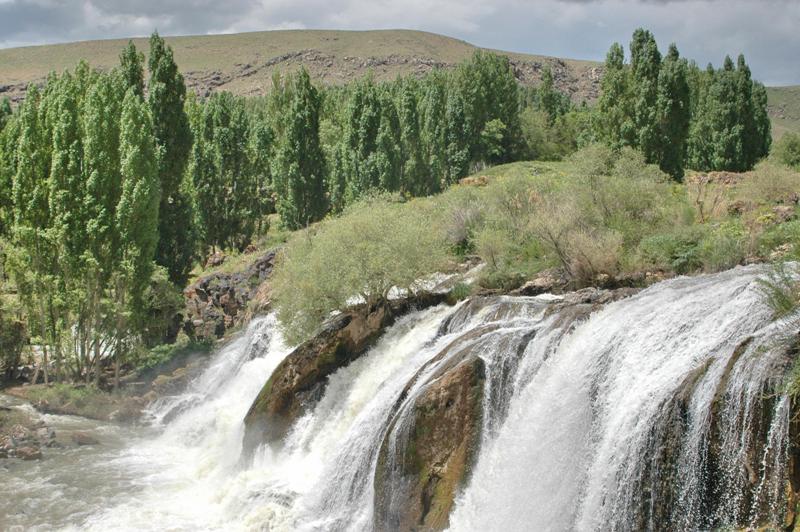
Yesterday we posted a sunset photo of Lake Van. As one passes by the lake en route to the Ararat Mountains he can enjoy the Muradiye Falls.

Muradiye Falls, in Van District of Eastern Turkey. Photo by Leon Mauldin.

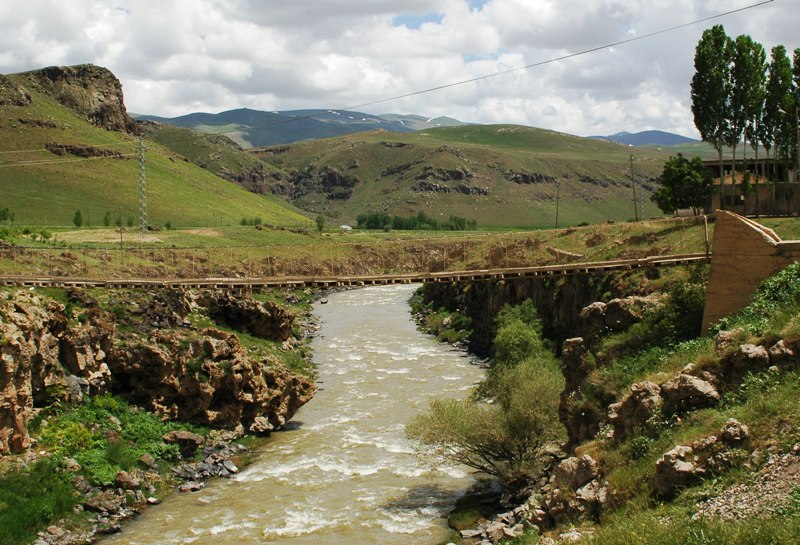
I took the above photo from this swinging bridge.

Swinging bridge below Muradiye Falls. Photo by Leon Mauldin.

You are not far from the Iranian border in this part of the world.

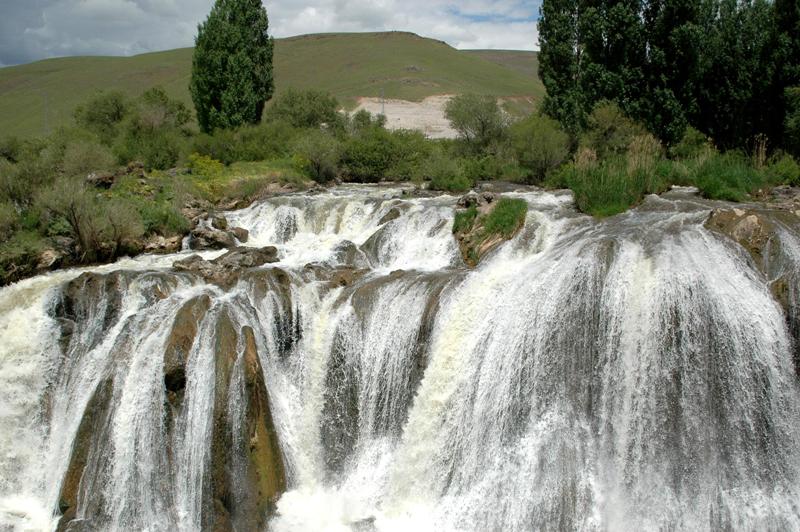
Muradiye Falls, much of which comes from snow melt. Photo by Leon Mauldin.

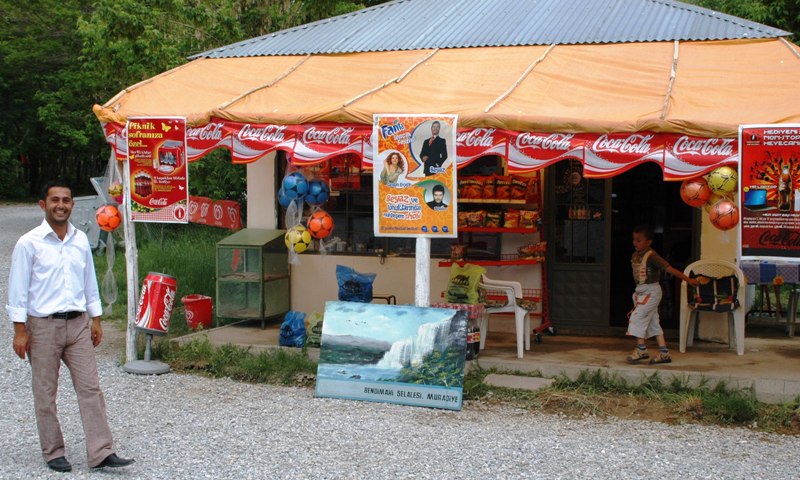
A little store is conveniently located on site.

Store at Muradiye Falls. Friendly people. Photo by Leon Mauldin.

Click on photos for larger view.


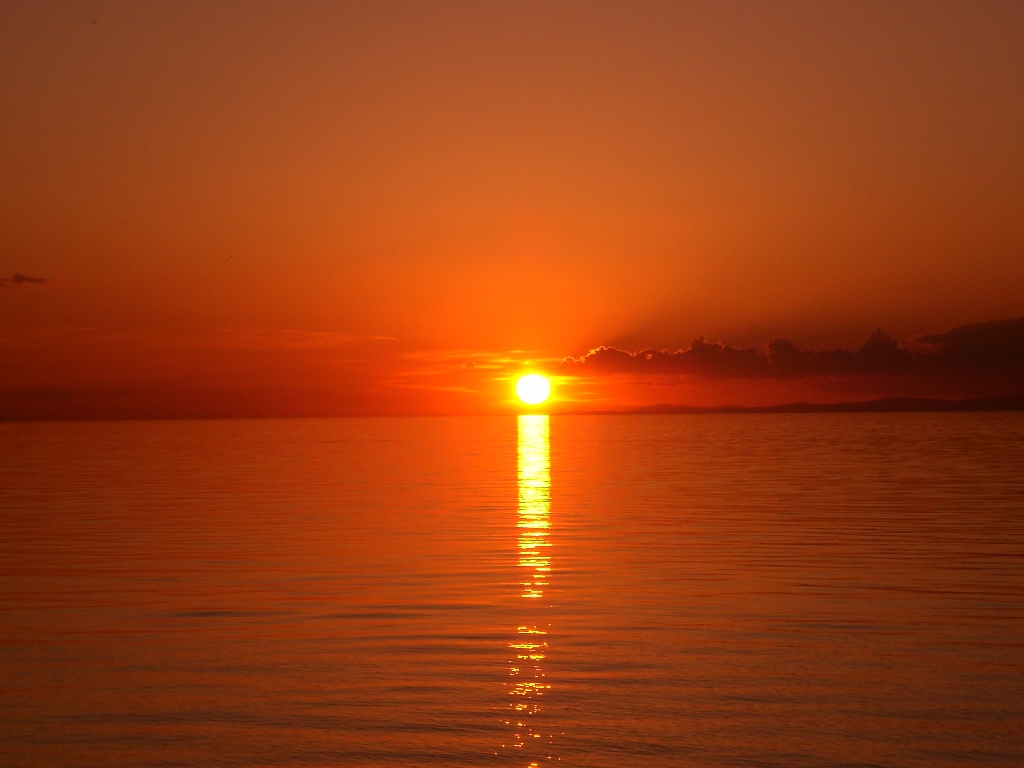
Sunset at Lake Van, Turkey

January 16, 2012

Lake Van is the largest lake in Turkey. It is located in Eastern Turkey in the Van District. This site is not far from the Ararat mountain range, where the ark came to rest (Gen. 8:4).

Lake Van at Sunset, Eastern Turkey. Photo by Leon Mauldin.

Click on photo for larger view.


Dietary Restrictions in Leviticus: The Stork

January 11, 2012

In a previous post we looked at some dietary restrictions in Leviticus, observing that God’s purpose was to shape and mold a people (Israel) into His own special possession.

Leviticus 11 includes a list of birds that were unclean for food, including the stork:

and the stork, the heron in its kinds, and the hoopoe, and the bat (v.19, NASB).

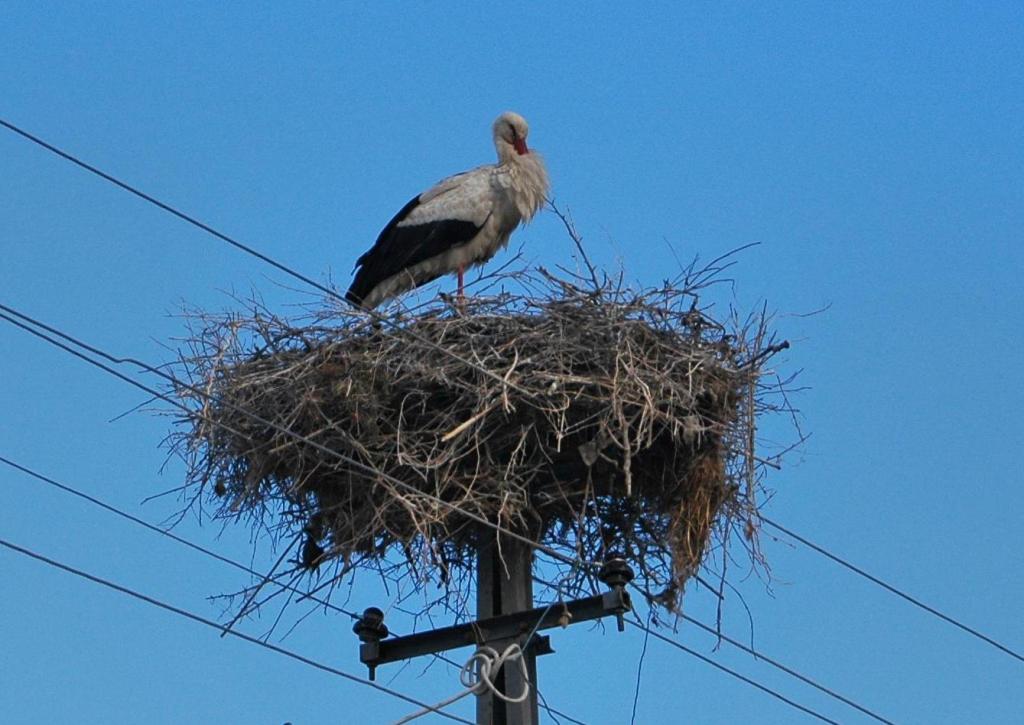
In Eastern Turkey near Mt. Ararat we photographed this stork.

Stork, listed among unclean animals in Leviticus 11. Photo by Leon Mauldin.

It is not uncommon for the stork to build its nest atop electrical poles.

The stork is mentioned in a few other biblical texts. The Lord sadly stated through the prophet Jeremiah,

Even the stork knows when it is time to move on. The turtledove, swallow, and crane recognize the normal times for their migration. But my people pay no attention to what I, the LORD, require of them (8:7, NET).

Migratory birds journey from Turkey to Africa taking the route of the “land bridge” of Israel. The Lord is saying that the birds (including the stork) obey Him, but His covenant people paid no attention.

Click on image for larger view.


Running the Race

January 4, 2012

Hebrews 12:1 states, “Therefore since we also have such a large cloud of witnesses surrounding us, let us lay aside every weight and the sin that so easily ensnares us, and run with endurance the race that lies before us” (CSB).

David McClister comments,

The idea of a race with a finish line in the distance before us suits well the picture of a faith that is forward-looking and that requires determination. Josephus spoke of ‘those who have a prize before them’ and how, when they are zealous about it, they do not stop working for it. Races in Greco-Roman times were held in a public venue called a stadium, of which several ancient examples survive (Olympia, Athens, Rome, Tyre, Laodicea, Pergamum, Ephesus, Priene, Miletus, Aphrodisias, Perge, Sardis, etc.). On each side of the race course was seating for spectators. The shortest races were about 210 yards, the longest were about 5,000 yards (2.8 miles), so stamina was needed for any one of them. The point of the imagery here is not about speed or who crosses first, but about endurance and running in the best possible way so as to finish what was started (A Commentary on Hebrews, p.441).

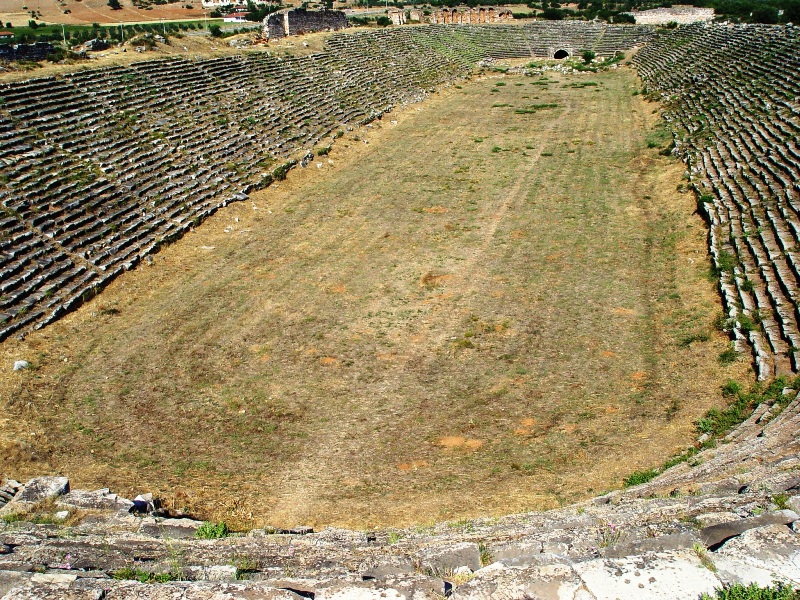
One of the best preserved Roman stadiums is at Aphrodisias (western Turkey), included in those mentioned above. This helps us understand the imagery used in the biblical text.

Roman Stadium at Aphrodisias Illustrates the text of Hebrews 12:1. Photo by Leon Mauldin.

In running this spiritual race, the inspired writer goes on to say, “keeping our eyes on Jesus, the source and perfecter of our faith, who for the joy that lay before Him endured a cross and despised the shame, and has sat down at the right hand of God’s throne” (v.2, CSB).

Click on image for larger view.


Dietary Restrictions in Leviticus

January 2, 2012

We recently referenced the book of Leviticus and its theme of holiness here. Chapter 11 lists the dietary restrictions which Israel was to follow. The basic rule of thumb was this: an animal must have a divided hoof and chew the cud; both were required.

3 Whatever parts the hoof and is cloven-footed and chews the cud, among the animals, you may eat. 4 Nevertheless, among those that chew the cud or part the hoof, you shall not eat these: The camel, because it chews the cud but does not part the hoof, is unclean to you. 5 And the rock badger, because it chews the cud but does not part the hoof, is unclean to you (ESV).

Two examples of animals which met one requirement, but not both, were the camel and the rock badger.

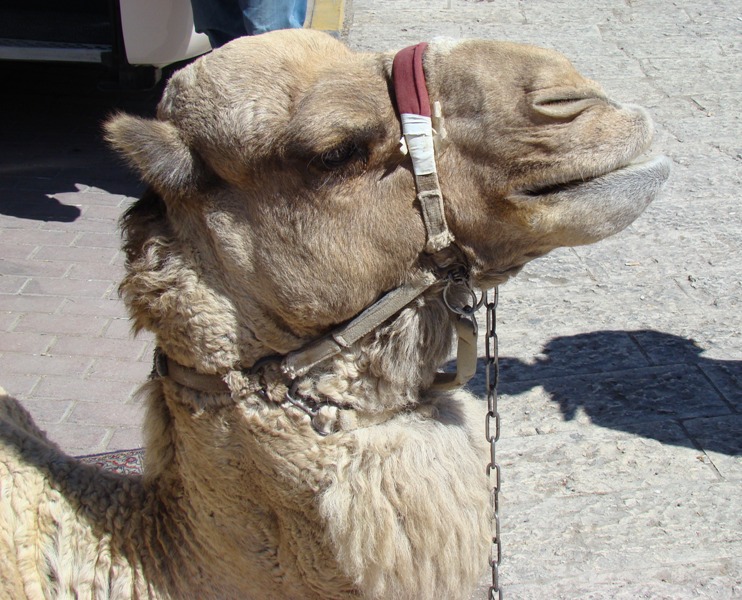
Camel, forbidden in Israel's diet. Photo by Leon Mauldin.

This camel which I photographed in Bethany earlier this year would have been forbidden as food under Mosaic law because though it chews the cud it does not have a divided hoof.

The rock badger was also forbidden.

Rock Badgers at Ein Gedi. Photo by Leon Mauldin.

These rock badgers were at Ein Gedi, where such are commonly seen. Again, such was forbidden in ancient Israel’s diet. Like the camel, it chews the cud, but does not have a parted hoof.

On the other hand, the pig has the parted hoof, but does not chew the cud, so it was unclean also (Lev. 11:7). It occurs to me that I have not photographed any pigs in Israel.

Two observations:

1. God employed such means as these dietary restrictions to mold and shape a special people for His own possession. Such were not the end but the means to an end.

2. In the New Testament such distinctions have been removed.  Jesus said,

Do you not see that whatever goes into a person from outside cannot defile him, since it enters not his heart but his stomach, and is expelled?” ( Thus he declared all foods clean.) (Mark 7:18-19, ESV).

Click on images for larger view.


2011 in Review–Thank You to our Readers

January 1, 2012

The WordPress.com stats helper monkeys prepared a 2011 annual report for this blog.

Here’s an excerpt:

The concert hall at the Syndey Opera House holds 2,700 people. This blog was viewed about 49,000 times in 2011. If it were a concert at Sydney Opera House, it would take about 18 sold-out performances for that many people to see it.

Click here to see the complete report.