The Name of the Star Is Called Wormwood

June 11, 2025

This morning while studying Revelation 8 for our Bible study tonight, I was giving attention to verses 10-11: “The third angel sounded, and a great star fell from heaven, burning like a torch, and it fell on a third of the rivers and on the springs of waters. The name of the star is called Wormwood; and a third of the waters became wormwood, and many men died from the waters, because they were made bitter.” Every passage has a context. Previously John saw the protection and care of those who have “the seal of the living God” (Rev. 7). Their prayers ascend “before God” and are heard (8:1-5). Here in our text (ch. 8) the imagery of trumpets sounding warning of judgments from God against those (rebellious) who “dwell on the earth” (8:13).

What does this imagery of wormwood portray? The text itself is helpful: “because they were made bitter” (8:11). Here is punishment/divine judgment which would be very bitter to those experiencing it. Further, the book will show that these warnings were the prelude of more (and worse) to come.
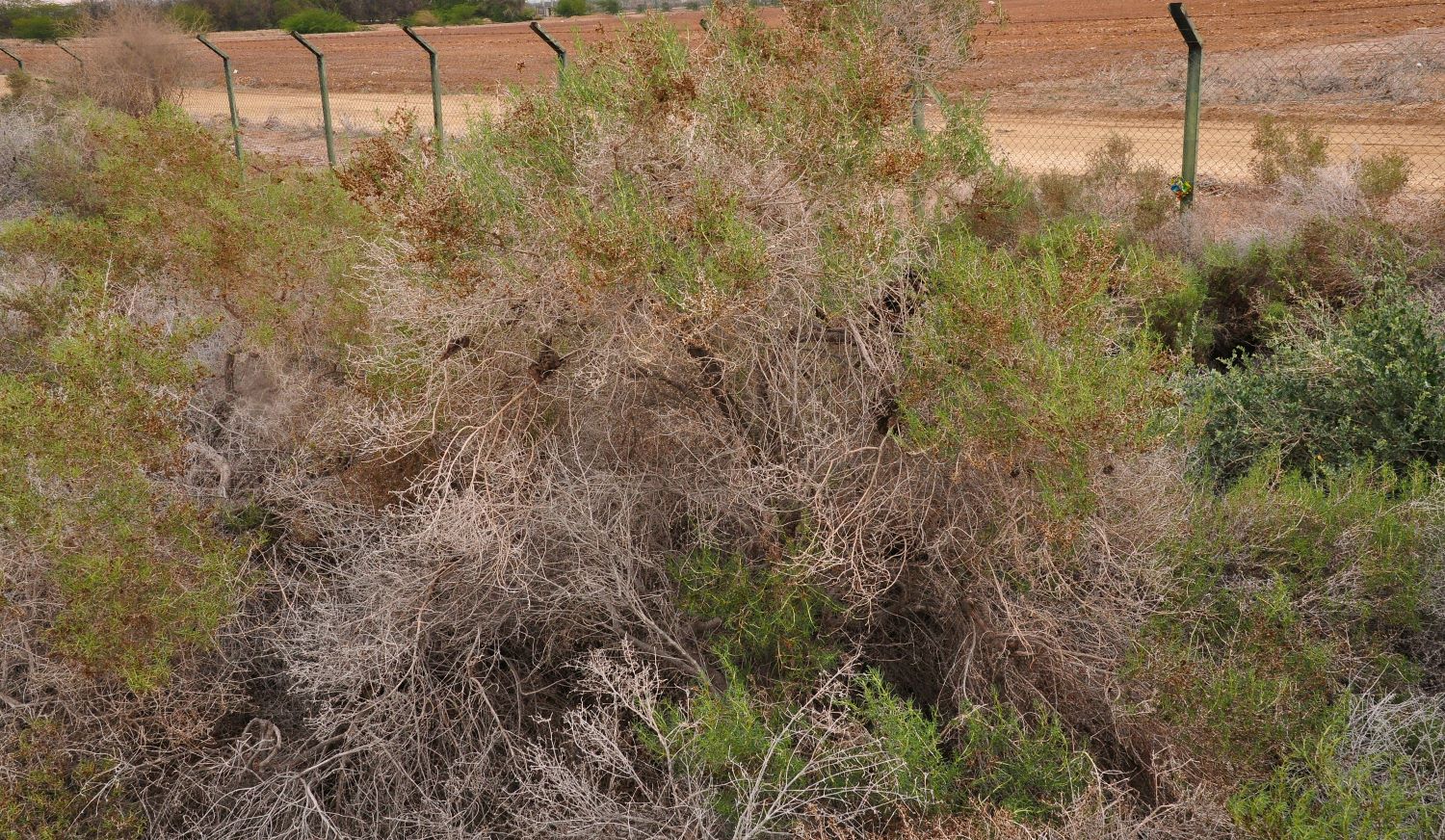
Wormwood in Jordan. Photo ©Leon Mauldin.

“Several plants in Palestine within the genus Artemisia, all of which are bitter in taste. Several species and varieties grow in Palestine, but those mentioned in the Bible are most likely Artemisia herba alba Asso, A. Judaica L., or A. absinthium” (ISBE, Vol. 4, p. 1117).
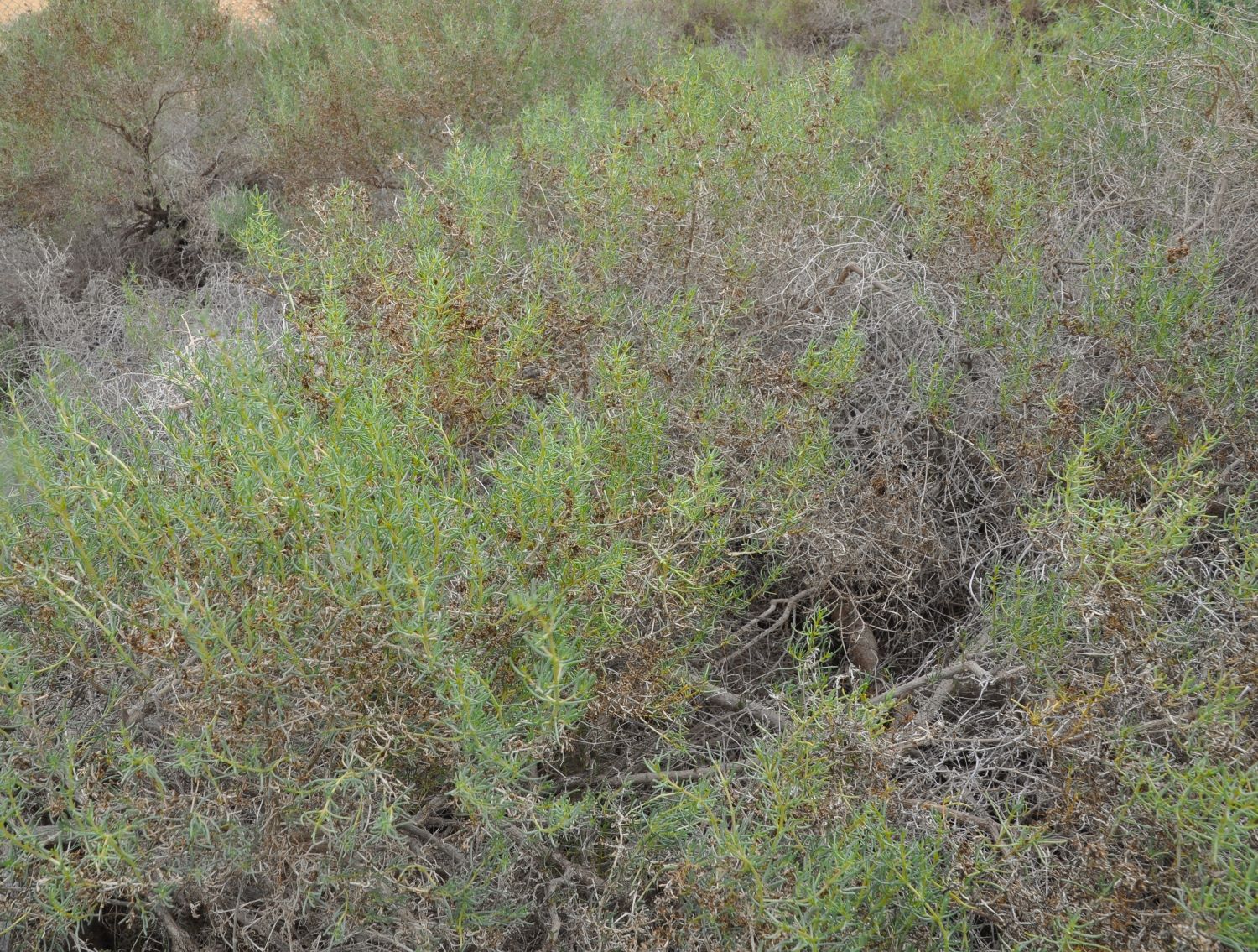
Another view of Wormwood in the country of Jordan. Photo ©Leon Mauldin.

“Several species of artemisia grow in Palestine. The common wormwood is Artemisia Absinthium. The name always implies wormwood or something more bitter than gall. The genus artemisia belongs to the natural order Compositæ.” (Balfour, J. H. The Plants of the Bible, p. 246).
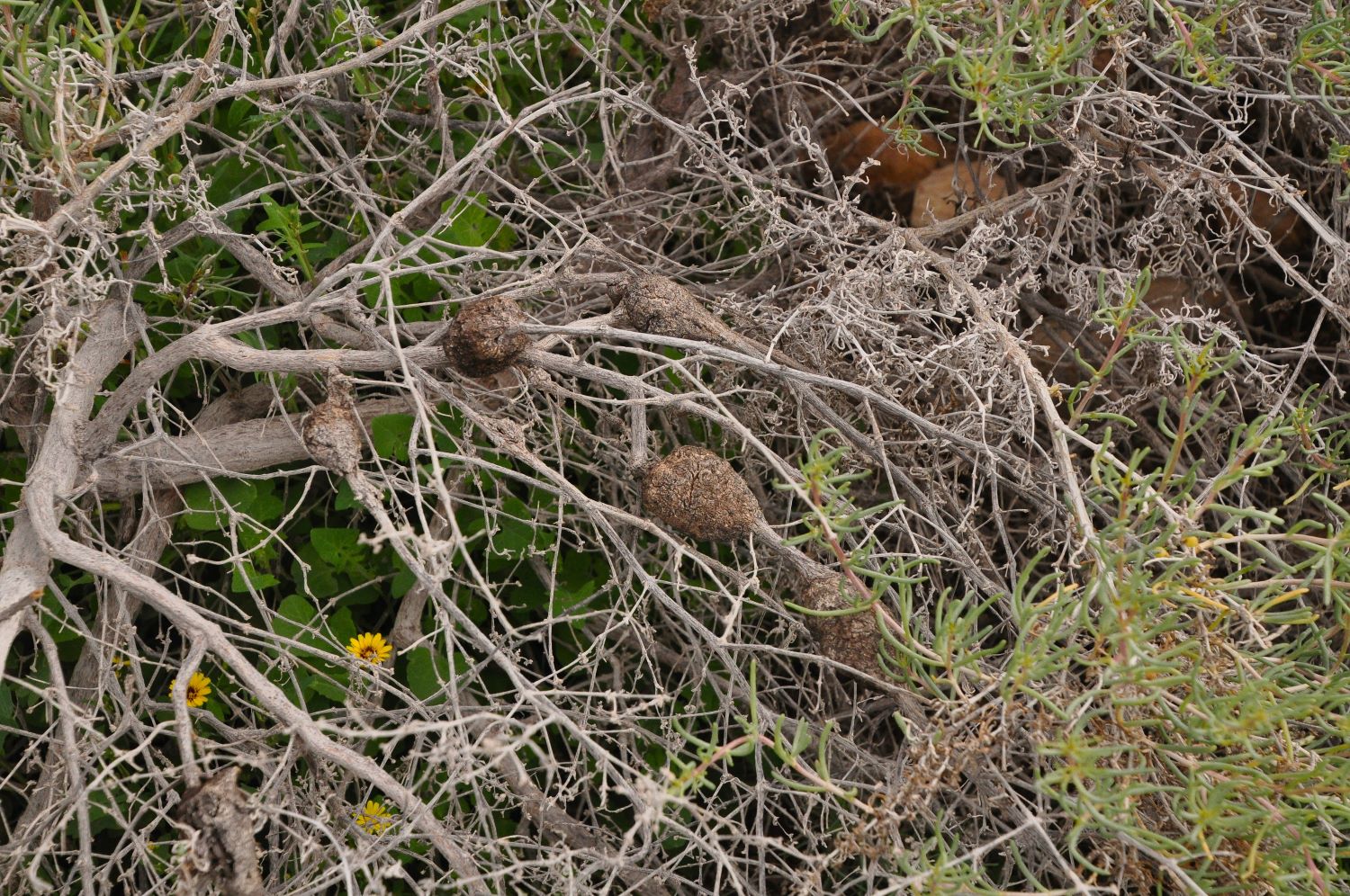
Close-up shot of the biblical Wormwood shrub. Photo ©Leon Mauldin.

Consider the biblical references to wormwood, where its bitter, unpleasant character is alluded to.

  • Deut. 29:18: Moses warned Israel about a root bearing bitterness (see NIV: “bitter poison”): “Deuteronomy 29:18 “so that there will not be among you a man or woman, or family or tribe, whose heart turns away today from the LORD our God, to go and serve the gods of those nations; that there will not be among you a root bearing poisonous fruit and wormwood.
  • The young man is warned against the adulterous woman in Prov. 5:4: “But in the end she is bitter as wormwood, Sharp as a two-edged sword.”
  • Jeremiah warned God’s apostate people in Jerusalem, “therefore thus says the LORD of hosts, the God of Israel, “behold, I will feed them, this people, with wormwood and give them poisoned water to drink” (Jer. 9:15).
  • Later, Jeremiah wrote about his personal struggle as he witnessed the wrath of God upon Jerusalem by Babylon: “He has filled me with bitterness, He has made me drunk with wormwood” (Lam. 3:15). And he implores God, “Remember my affliction and my wandering, the wormwood and bitterness” (Lam. 3:19).
  • The prophet Amos rebuked the northern kingdom of Israel, describing them with the words, “For those who turn justice into wormwood And cast righteousness down to the earth” (Amos 5:7). And again, “Do horses run on rocks? Or does one plow them with oxen? Yet you have turned justice into poison And the fruit of righteousness into wormwood” (Amos 6:12).

The book of Revelation is filled with Old Testament allusions. These verses help provide the background for the imagery of wormwood in Revelation 8:11.


The Persian Royal Road to Sardis

January 16, 2025

As one studies the biblical text, such as the letter to the church at Sardis (Rev. 3:1-6), one of the Seven Churches of Asia addressed in the book of Revelation, it is helpful to know somewhat of the conditions in which those first century Christians lived.

The city of Sardis has a rich history in many ways. This post will deal with just one: the Royal Road. Cyrus the Great (r. 559-529 BC) was the founder of the Persian Empire following his conquering of the Babylonian Empire. Cambyses II succeeded him (r. 529-522 BC), whose successor was Darius (r.521-486 BC). (This is the king who was defeated in 490 BC at the battle of Marathon).

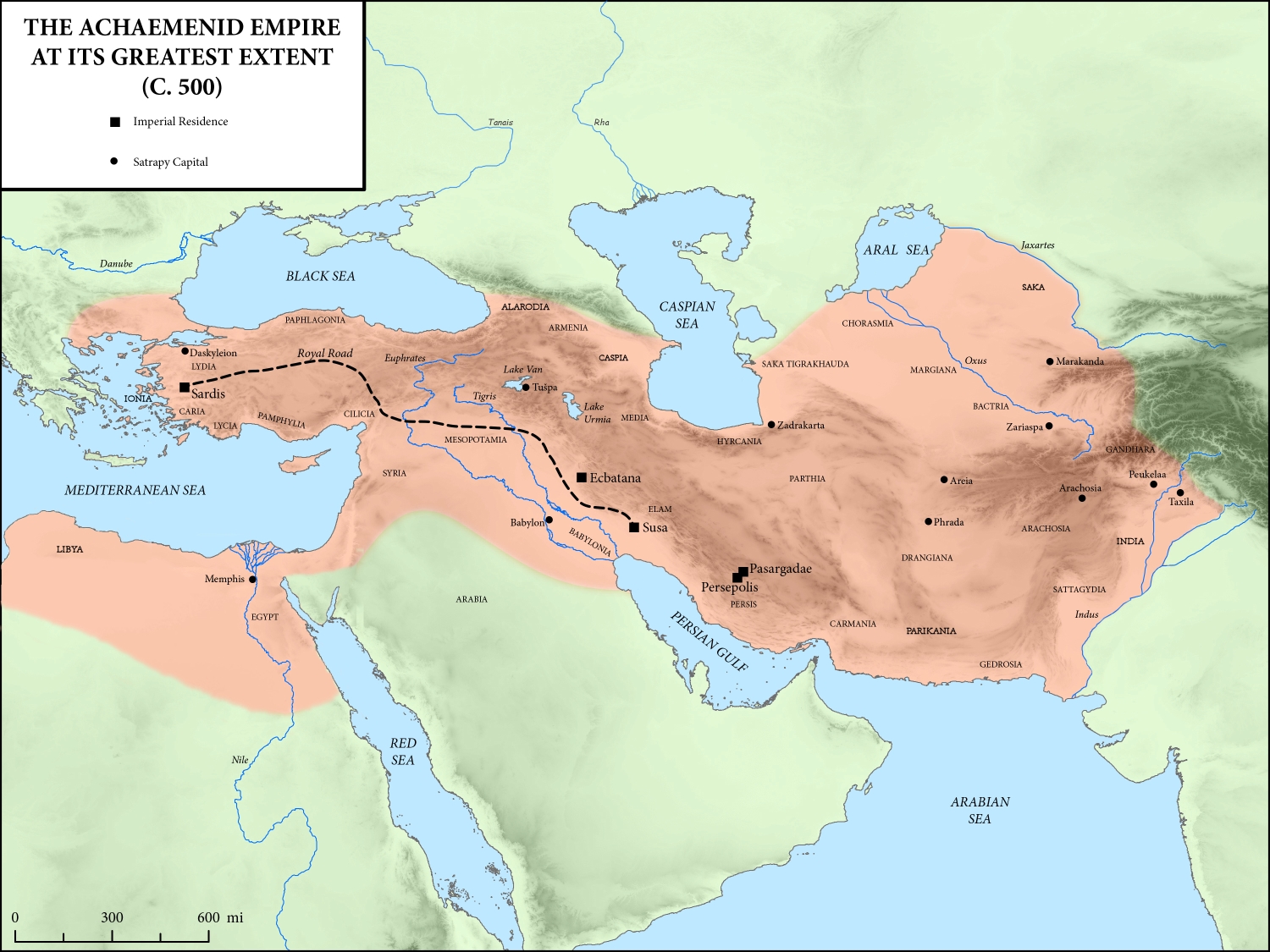
But scholars make the case that his great achievement was his construction of the Royal Road, which extended from the capitol of Susa to Sardis:

Darius is perhaps best remembered for instituting an advanced highway system throughout the empire, a route traditionally called the “Persian Royal Road.” According to Herodotus, the “father of history,” this roadway stretched from Susa (in Elam) to Sardis (in Lydia) and was comprised of a total of 111 intermediate resting-stages, passing through some six Persian provinces, and requiring a total of 90 days to travel the entire course of approximately 1,685 miles. Herodotus adds that another three days were required to journey from Sardis to the coast at Ephesus, from which some scholars have deduced that the “Royal Road” may have extended as far as the Aegean coast. At its other end, a road continued from Susa that ran to Persepolis and beyond.

Beitzel, B. J. (2009). The New Moody Atlas of the Bible (p. 206). Moody Publishers.

The following map depicts this route:

Map shows route of Royal Road from Persian capital at Susa westward to Sardis. Map courtesy of Wikipedia Commons.

This linkage from the capital to Sardis “located Sardis on a major trade and communications route that persisted into the Roman period, positioning the city for ongoing prosperity” (deSilva, Lexham Geographic Commentary, p. 667).

Royal Road at Sardis. Photo ©Leon Mauldin.

Benefits of this road:

  • Official communication. The historian Herodotus said of the Persian royal messengers:

Now there is nothing mortal that accomplishes a course more swiftly than do these messengers, by the Persians’ skillful contrivance. It is said that as many days as there are in the whole journey, so many are the men and horses that stand along the road, each horse and man at the interval of a day’s journey. These are stopped neither by snow nor rain nor heat nor darkness from accomplishing their appointed course with all speed.

Herodotus. (1920). Herodotus, with an English translation by A. D. Godley (A. D. Godley, Ed.). Harvard University Press.

  • Administration.
  • Rapid Troop Movemnt.
  • Trace and commerce.

In later history, Alexander the Great would make use of the Royal Road in his conquest of Persia. Dr. Mark Wison notes, “After Alexander the Great captured the city from the Persians in 334 BC, Sardis served as the western capital of the Selucid Empire nor nearly a hundred years (281-190 BC)” (Biblical Turkey, p. 290). In 133 BC Sardis became a part of the Roman province of Asia.

God had his people in Sardis. The church at Sardis was the 5th of the Seven Churches addressed by John (Rev. 1-3).


Sardis, the Dead Church with a Name

January 14, 2025

Sardis is the fifth of the seven churches addressed by Jesus through the Apostle John, while John was on the Island of Patmos. In summary, Jesus’ assessment of the church there was, “I know your works, that you have a name that you are alive, but you are dead” (Rev. 3:2).

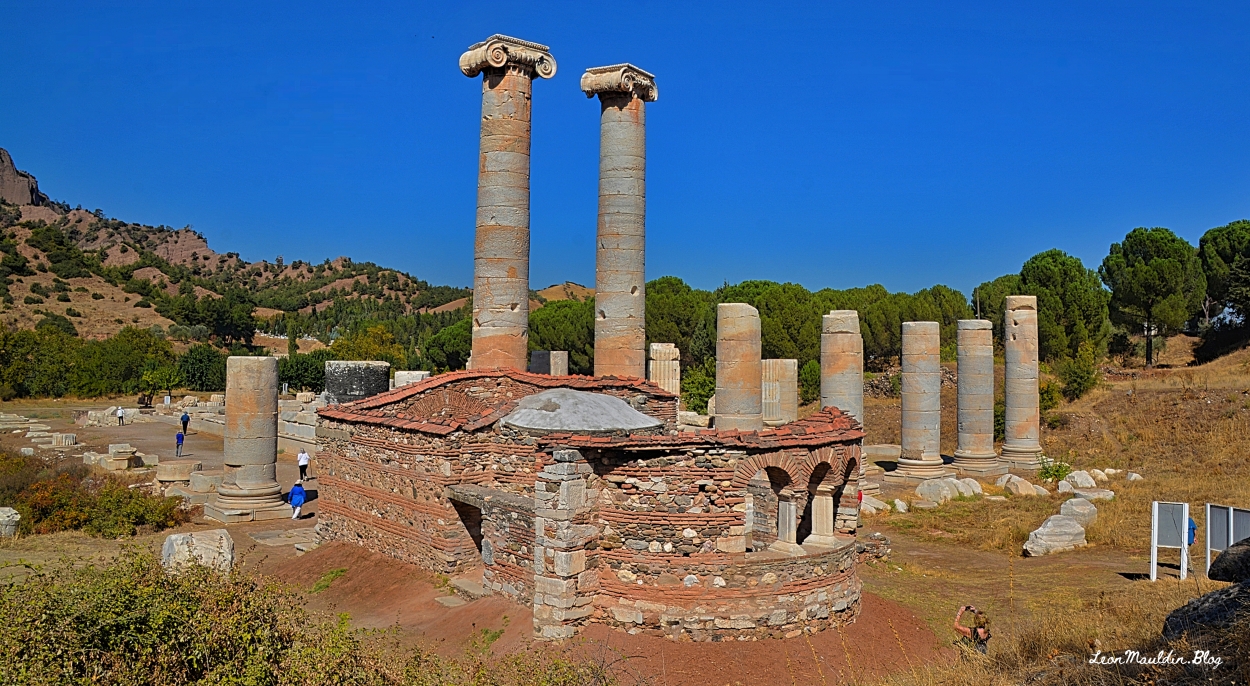
Archaeologists have uncovered and identified many structures and other items of interest at Sardis, including a Byzantine chapel in the southeast corner of the temple of Artemis.

Byzantine Church located at SE corner of temple of Artemis at Sardis. Photo ©Leon Mauldin.

Dr. Mark Wilson writes, “The inner western chapel dates to the 4C [4th century AD] and is one of the earliest preserved churches in western Asia Minor; the larger, outer apse dates to the 6C” (Biblical Turkey, A Guide to the cJewish and Christain sites of Asia Minor, p. 291).

The temple of Artemis, whose partial ruins are in view here, would have been in use when those Christians of the 1st century AD at Sardis received the letter (Rev. 3:1-6). It’s hard to overemphasize how pervasive idolatry was in the biblical world!

We have previously posted several articles on Sardis: click here here here and here.

Click image for larger view.


Pergamum: The Church that Lived Next Door to Satan

January 11, 2025

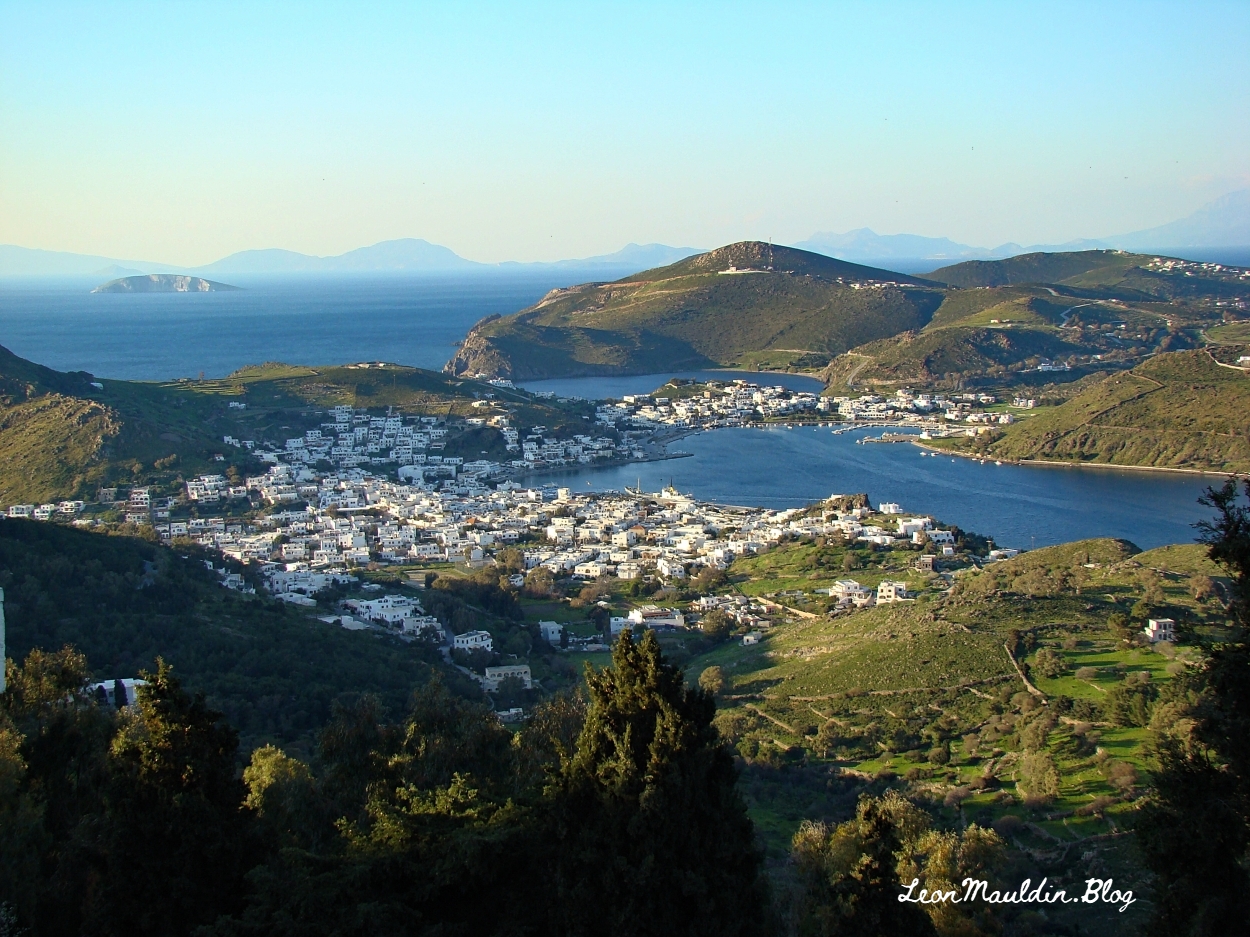
In our local congregation we are continuing to explore the Seven Churches of Asia, of Revelation 2-3. John the Apostle received the Revelation on the Island of Patmos.

Island of Patmos, where John received the Revelation. Photo ©Leon Mauldin.

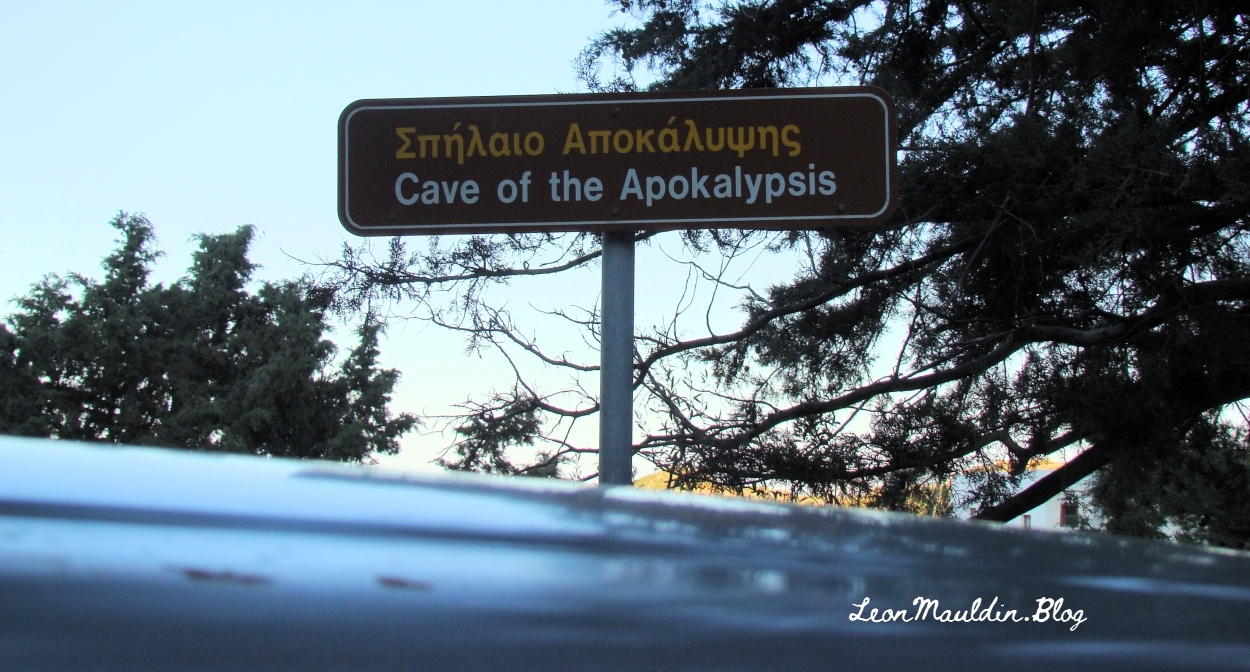
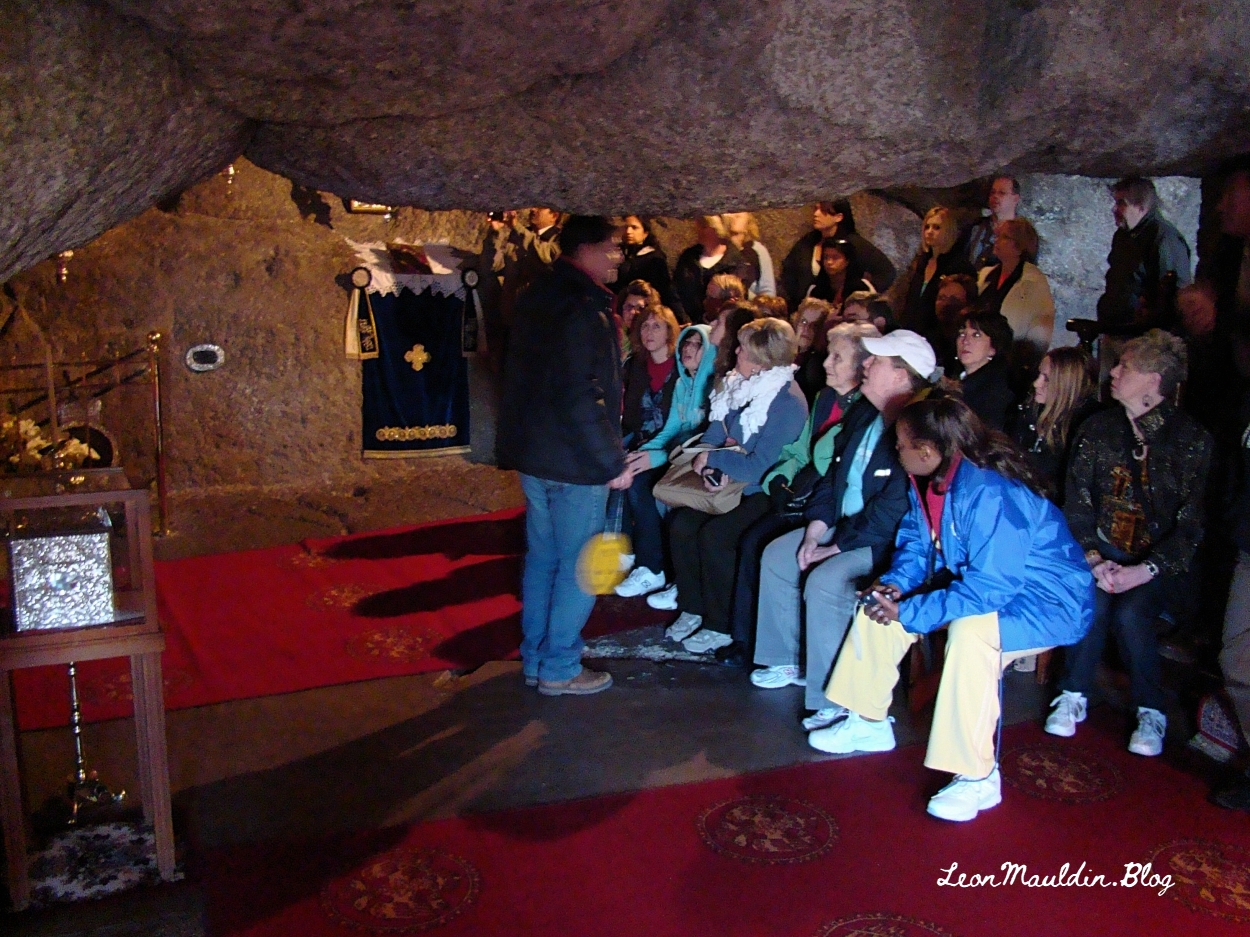
While we cannot know the exact spot on the island where John was when he was “in the Spirit on the Lord’s Day” and told, “What you see, write in a book and send it to the seven churches which are in Asia” (Rev. 1:10-11), visitors to Patmos are shown a “traditional” location, known as the “Cave of the Apocalypse.”

Here is a photo I took inside the cave:

Inside the traditional cave where John received the Revelation (ἀποκάλυψις). Photo ©Leon Mauldin.

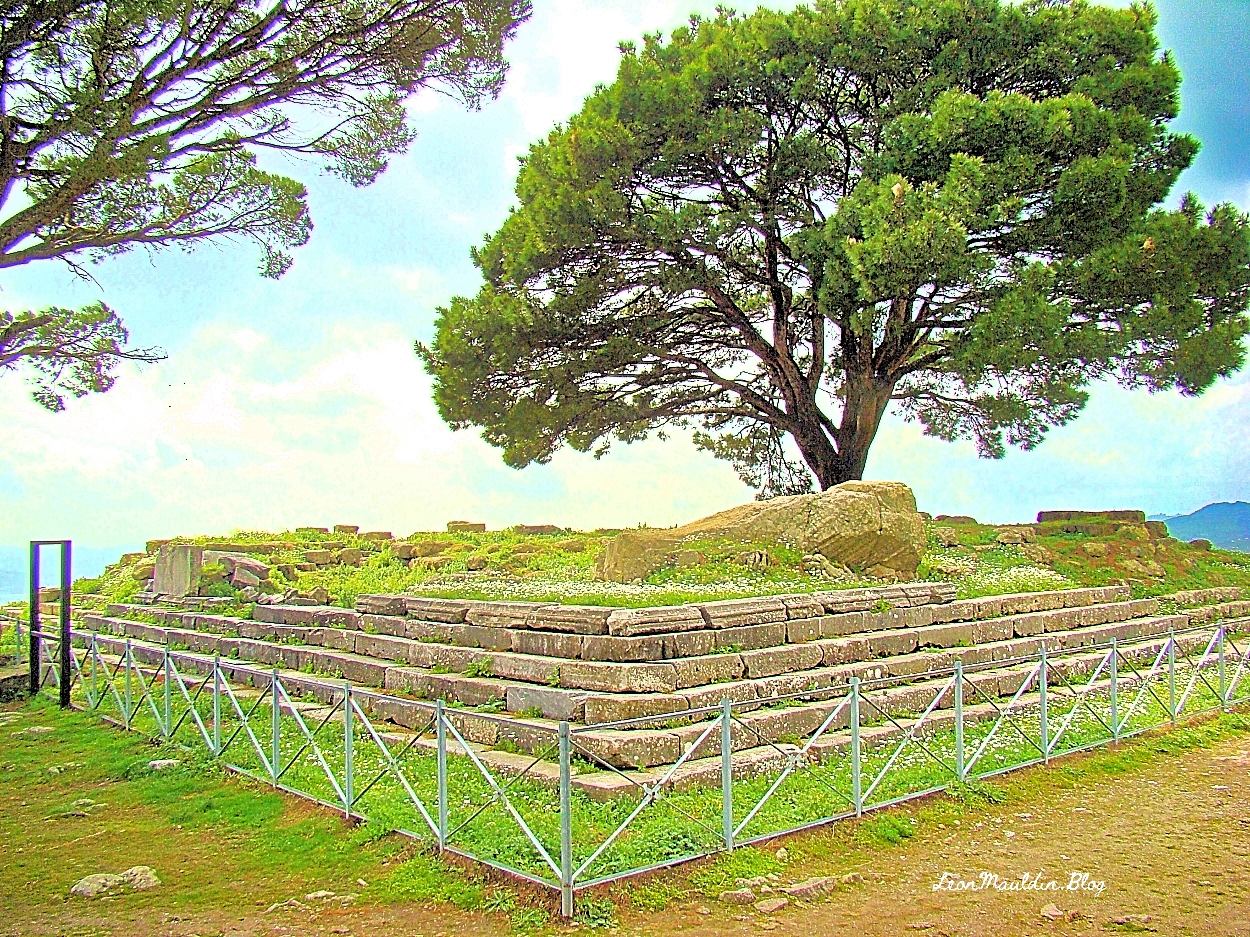
The church at Pergamum lived “where Satan’s throne is . . . where Satan dwells (Rev. 2:13). There have been many suggestions as to the basis of this designation. Pergamum was known for its worship of Asklepios (god of healing), Serapis, Athena, Dionysus, Demeter, as well as being a center for the Imperial Cult (emperor worship).

David A. DeSilva suggests: “[T]he distinctive altar of Zeus on the brow of the acropolis may have been more in John’s view” (The Social and Geographical World of Pergamum (Revelation 1:11; 2:12–17). In B. J. Beitzel, J. Parks, & D. Mangum (Eds.), Lexham Geographic Commentary on Acts through Revelation (p. 638). Lexham Press).

Foundation of the Altar of Zeus. Photo ©Leon Mauldin.

The altar of Zeus, located on the southern crest of the acropolis, was without a doubt the most distinctive and most prominently visible structure overlooking Pergamum. Construction was begun in the early- to mid-second century BC under Eumenes II, possibly in connection with his victory over the invading Galatians. The massive throne-like altar complex resembled an open-air temple, complete with columned porticoes surrounding its staircase and inner courtyards. The whole had a footprint of about 120 by 110 feet (36.5 × 33.5 m), and it rose to a height of 40 feet (12 m). The sacrificial altar proper sat within the inner courtyard, which was approached by a wide, grand staircase. The reconstructed monument now sits in the Pergamum Museum in Berlin. The altar was adorned with nearly four hundred linear feet (122 m) of frieze, its scenes carved about seven feet (2 m) high. The frieze around the structure’s perimeter depicted the mythological battle between the Olympian gods and the giants, with Zeus and Athena prominently featured on the front side. An interior frieze told the story of Telephus, the mythic founder of Pergamum. An L-shaped agora or forum was set just below the precincts of the altar of Zeus. The identification of some of the buildings as warehouses makes it likely that this particular forum served as a commercial center in the old city.

deSilva, D. A. (2019). The Social and Geographical World of Pergamum (Revelation 1:11; 2:12–17). In B. J. Beitzel, J. Parks, & D. Mangum (Eds.), Lexham Geographic Commentary on Acts through Revelation (pp. 645–646). Lexham Press.

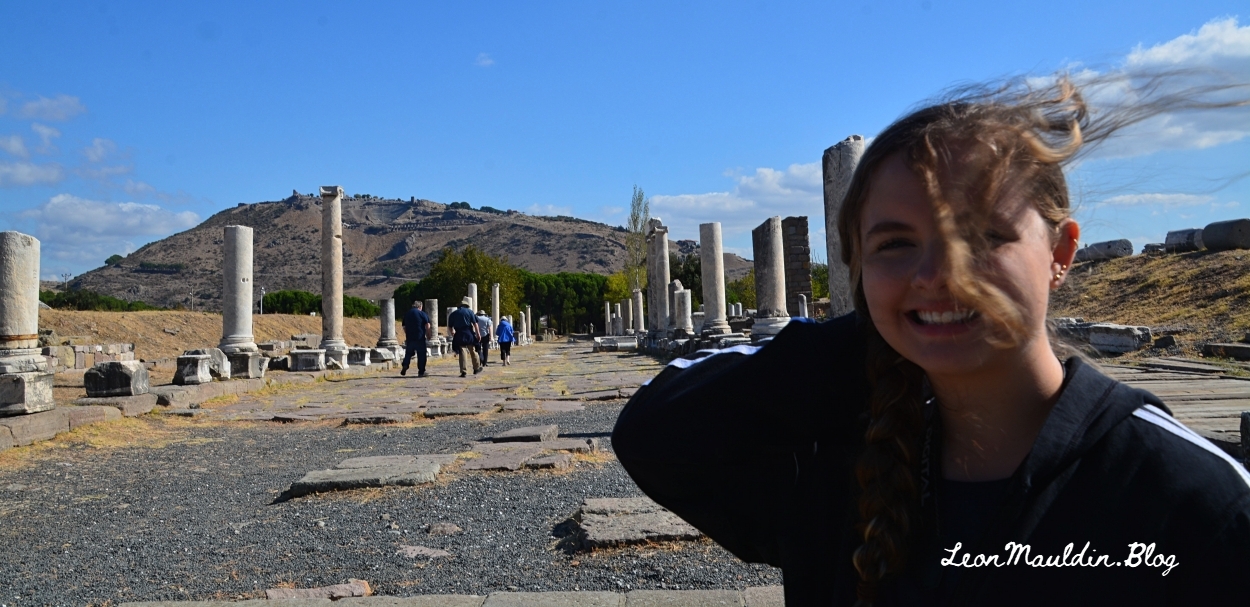
Here is a photo of the acropolis of Pergamum, with the Asklepion at our back. Sometimes it gets windy on our tours (as my granddaughter can attest).

Acropolis of Pergamum rises in the background. Photo ©Leon Mauldin.

Click photos for larger view.


Laodicea, a Wealthy City — a Poor Church

June 18, 2014

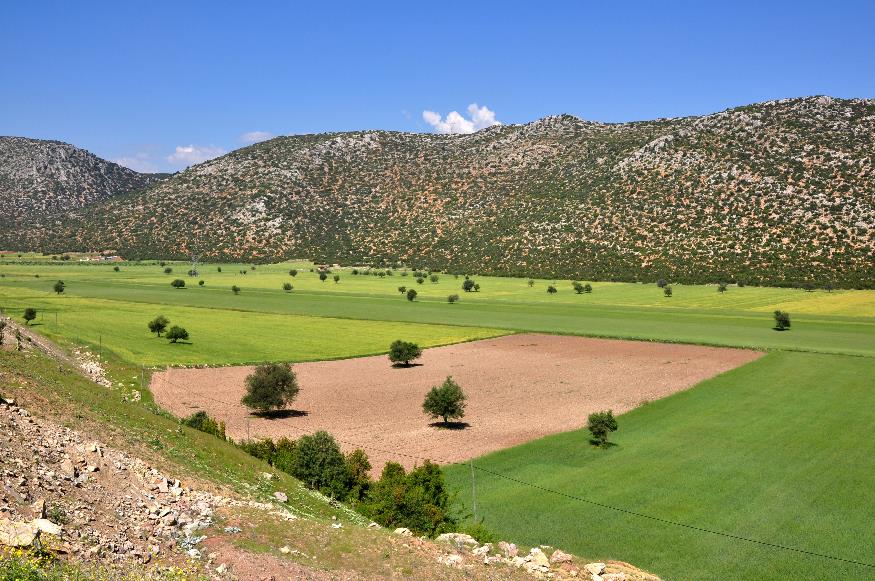
There is some beautiful scenery as you make the drive from the Mediterranean coast at Antalya (biblical Attalia) north and west to Laodicea.

En Route NW to Laodicea from Med. coast. Photo ©Leon Mauldin.

En Route NW to Laodicea from Med. coast. Photo ©Leon Mauldin.

Laodicea was known to be a wealthy city. It was a banking center, had a medical school specializing in ophthalmology, and manufactured clothing, especially known for its black wool market.

It is always a danger that God’s people become like the world around them. Jesus addressed the church at Laodicea (Revelation 3:14-21) and rebuked them for their self-satisfied, complacent attitude:

Because you say, “I am rich, and have become wealthy, and have need of nothing,” and you do not know that you are wretched and miserable and poor and blind and naked, I advise you to buy from Me gold refined by fire so that you may become rich, and white garments so that you may clothe yourself, and that the shame of your nakedness will not be revealed; and eye salve to anoint your eyes so that you may see (vv.16-18).

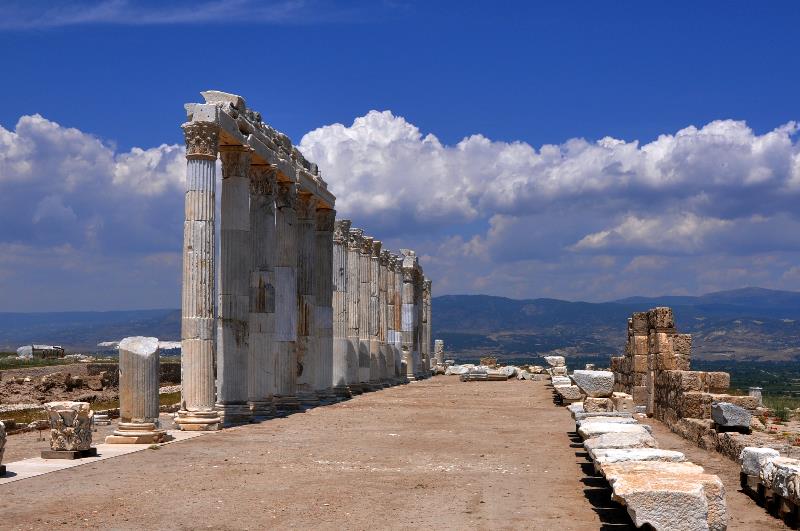
Excavations have shown numerous indications of Laodicea’s wealth.

Columns lining street in Laodicea. Photo ©Leon Mauldin.

Columns lining street in Laodicea. Photo ©Leon Mauldin.

W.M. Ramsay wrote:

It is characteristic of a city devoted to commercial interests and the material side of life, that the Church of Laodicea is entirely self-satisfied. It says, as the city said in A.D. 60, when it recovered its prosperity after the great earthquake without any of that help which the Imperial government was generally ready to bestow, and which the greatest cities of Asia had always been ready to accept, “I have grown rich, and have need of nothing.” It has never seen its real condition: it is poor and blind and naked (Letters to the Seven Churches, p.428).

Their complacency led to lukewarmness, and this nauseated the Lord (v.16). This is the only church of the seven addressed in Rev. 2-3 about which nothing good is said.

We have made several other posts on Laodicea. Use search box at upper right for more articles & photos.

Click on images for larger view.


Imperial Cult Worship

April 11, 2014

A book I have found helpful in understanding the background of Revelation is Imperial Cults and the Apocalypse of John: Reading Revelation in the Ruins, by Steven J. Friesen (pub Oxford). Friesen states:

The signal development, first manifest in the dedications of the Temple of the Sebastoi but reflecting broader trends in society was the use of neokoros as a technical title for a city with a provincial temple of the emperors. The power of this innovation was explosive. In a matter of years it changed the public rhetoric of empire in Asia. Within a century it had transformed the discourse of Roman imperialism in the eastern Mediterranean. From the late first century onward, the most prestigious self-designation that could be employed by a city in Asia was neokoros, indicating the presence of a provincial temple where the emperors and their relatives were worshipped (p.150).

Neokoros literally means one who sweeps and cleans a temple; one who has charge of a temple, to keep and adorn it. It came to designate a city which maintained a temple for imperial worship. It is a historical fact that cities competed for this “honor.”

G. K. Beale observes, “Revelation presupposes that Christians were being required to participate to some degree in the imperial cult (e.g., 13:4-8,15-17; 14:9-11; 15:2; 16:2; 19:20; 20:4). . . in the Apocalypse persecution arises because of refusal to worship the ungodly king” (NIGTC Revelation, p.5).

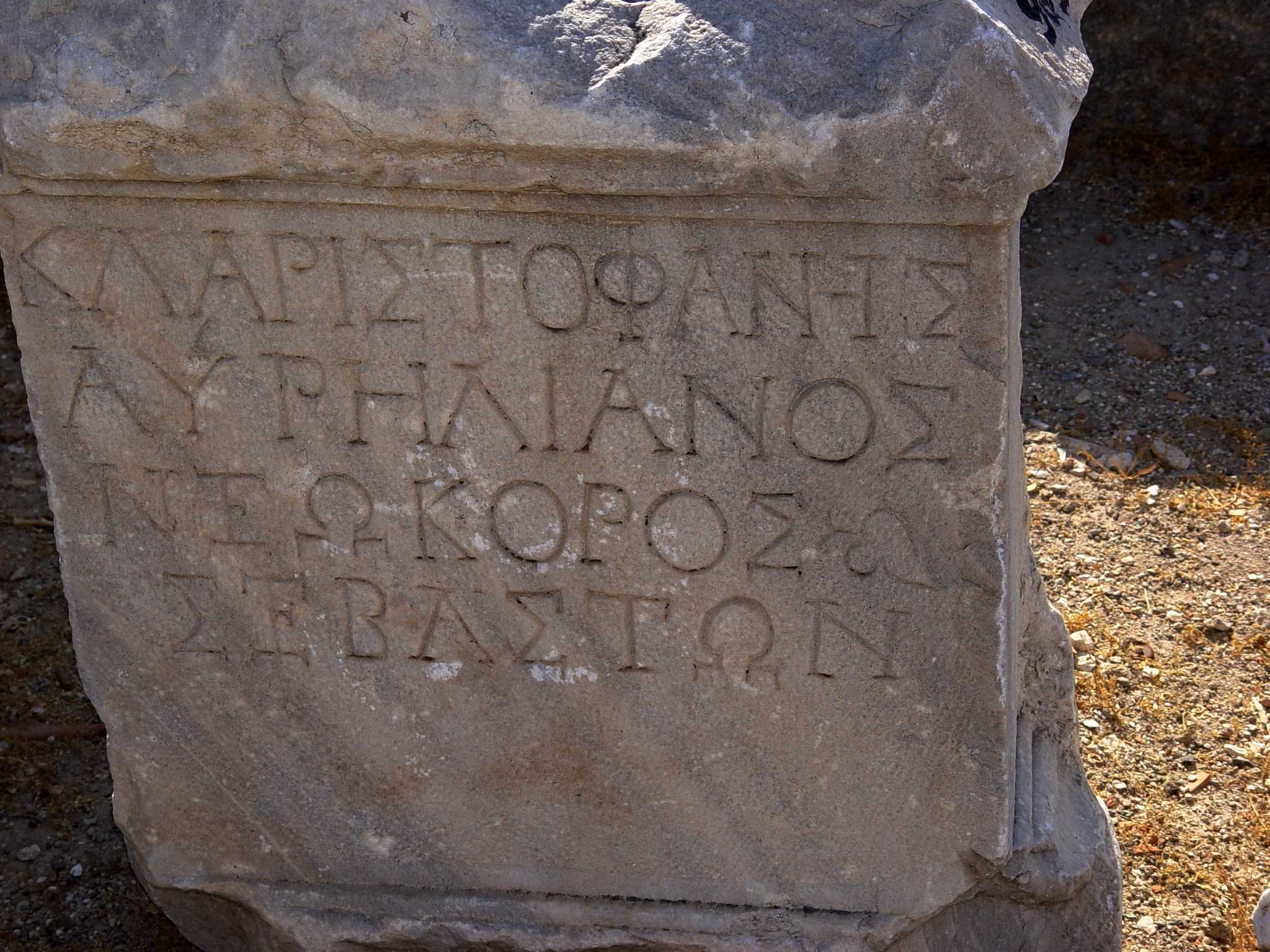
Smyrna Inscription, designating it neokoros. Photo by Leon Mauldin.

Smyrna Inscription, designating it neokoros. Photo by Leon Mauldin.

This inscription found in biblical Smyrna (see Revelation 2:8-11; Smyrna was one of the seven churches of the Roman province of Asia addressed in Rev. 2-3), in lines 3 and 4 designates Smyrna as neokoros of Sebaston [Greek equivalent to Latin Augusti]. Dr. David McClister says, “This inscription is known in the scholarly literature as Smyrna 162. It is an honorary inscription for Cl(audius) Aristophanes Aurelianus,  dated AD 193/235” [lines 1 and 2), and further, “It appears to me to have been a statue base honoring this individual for his leadership in the emperor cult.”


In Sudbury

July 30, 2011

Our meeting for biblical studies in Sudbury, Canada got off to a good start last night. We are dealing with the theme, “Challenges Faced by the Early Church,” and making application to the church of the 21st century.

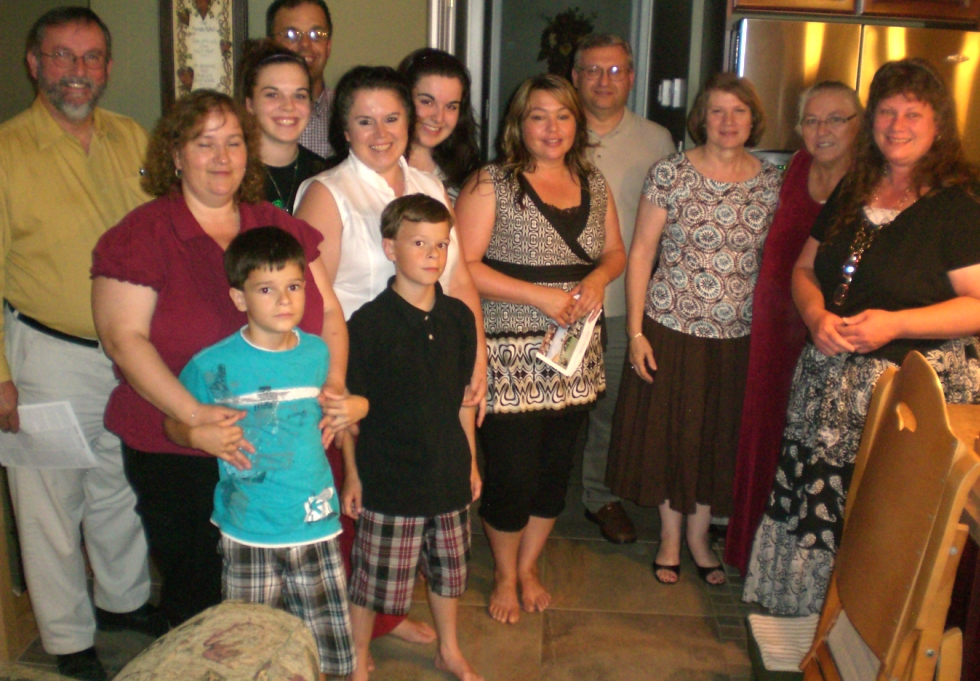
After last night’s meeting we gathered at the home of Denis and Danny Veilleux.

Sudbury, Canada. Gathering at home after meeting. Photo by Leon Mauldin.

John and Lisa Hains are the “bookends” in the photo. They drove up from Jordan. I asked John how long of a drive that was. His answer: “6 1/2 or 7 hours, not bad.”

I consider every such teaching opportunity to be a genuine privilege.

Click on image for larger view.


The Victor’s Crown

July 25, 2011

In the letter to the church at Smyrna, a church which only received commendation from the Lord, Jesus said, “Be faithful until death, and I will give you the crown of life” (Rev. 2:10, NKJV).

The word rendered crown is the Greek term stephanos. W. E. Vine observes that this word

denotes (a) “the victor’s crown,” the symbol of triumph in the games or some such contest; hence, by metonymy, a reward or prize; (b) “a token of public honor” for distinguished service, military prowess, etc., or of nuptial joy, or festal gladness, especially at the parousia of kings. It was woven as a garland of oak, ivy, parsley, myrtle, or olive, or in imitation of these in gold. In some passages the reference to the games is clear, 1 Cor. 9:25; 2 Tim. 4:8 (“crown of righteousness”); it may be so in 1 Pet. 5:4, where the fadeless character of “the crown of glory” is set in contrast to the garlands of earth. In other passages it stands as an emblem of life, joy, reward and glory, Phil. 4:1; 1 Thess. 2:19; Jas. 1:12 (“crown of life “); Rev. 2:10 (ditto); 3:11; 4:4, 10: of triumph, 6:2; 9:7; 12:1; 14:14.

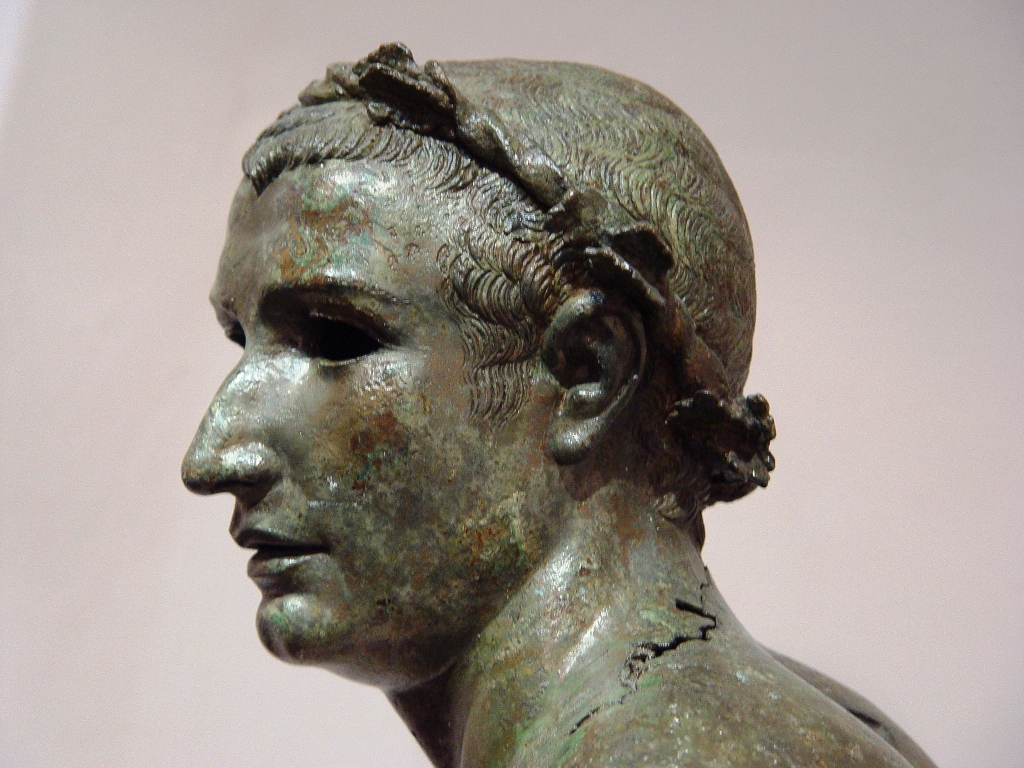
Greek athlete wearing the victor's wreath. Photo by Leon Mauldin.

Vine continues:

It is used of “the crown of thorns” which the soldiers plaited and put on Christ’s head, Matt. 27:29; Mark 15:17; John 19:2, 5. At first sight this might be taken as an alternative for diadema, “a kingly crown” (see below), but considering the blasphemous character of that masquerade, and the materials used, obviously diadema would be quite unfitting and the only alternative was stephanos (see Trench Syn. Sec.xxxii).

Our photo features a close up of the head of a running athlete and dates back to the late Hellenistic period. This statue was retrieved from the Agean Sea off the coast of Kyme, and is displayed at the Izmir Museum (biblical Smyrna).

Sometimes the question is raised as to whether Jesus meant to be faithful as long as you live or to be faithful to the point of death. The answer is, “Yes.” Yes to both.

Click on image for higher resolution.


Laodicea, I wish you were cold or hot!

July 6, 2010

This is the wording to the lukewarm church at Laodicea (Rev. 3:14), one of the seven churches in the Roman province of Asia addressed in Rev. 2-3.  At first glance it would seem plausible to assign the meaning of fervent and zealous to “hot,” and “cold” would mean to just quit altogether.  However, a look at the setting and characteristics of the city may well be the basis for this statement of Jesus.

Laodicea, though a wealthy city, was known for its tepid, lukewarm water, which was brought in from the south of the city, five miles distant.

Laodicea. Water was piped in from the south. Photo ©Leon Mauldin.

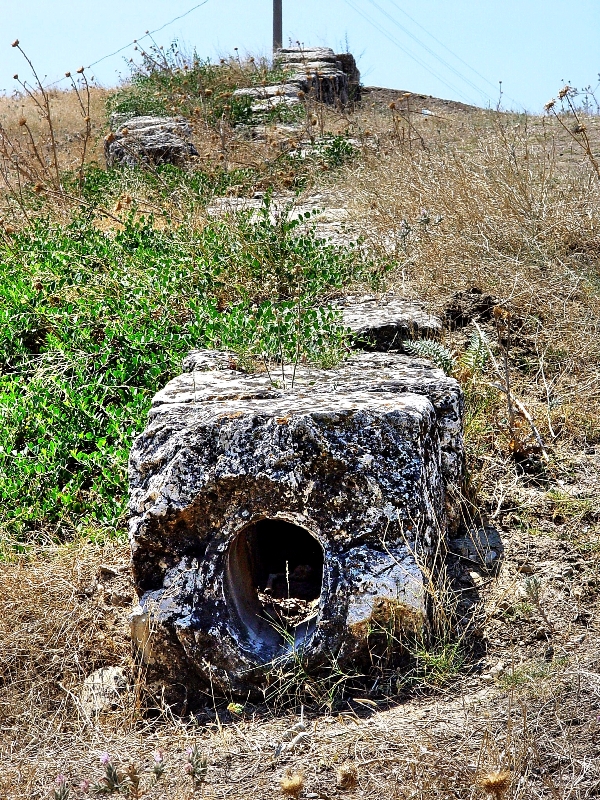
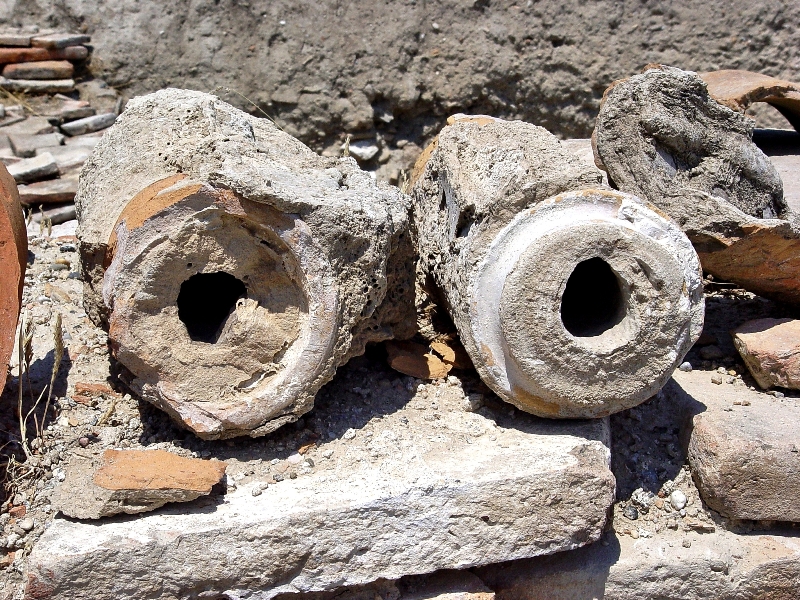
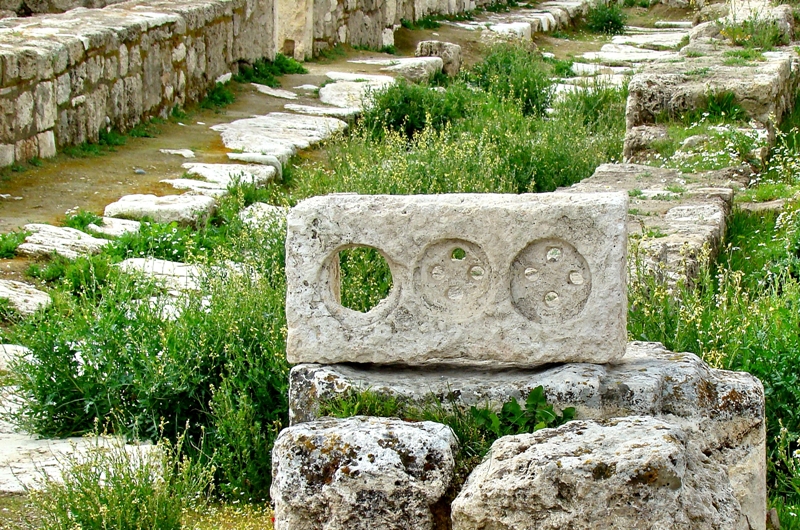
It doesn’t appear that it was too appetizing as you see the tendency of the pipes to clog, as illustrated in our photo. These are some sections of pipe excavated by archaeologists.

Laodicea Clogged Pipes. Photo ©Leon Mauldin.

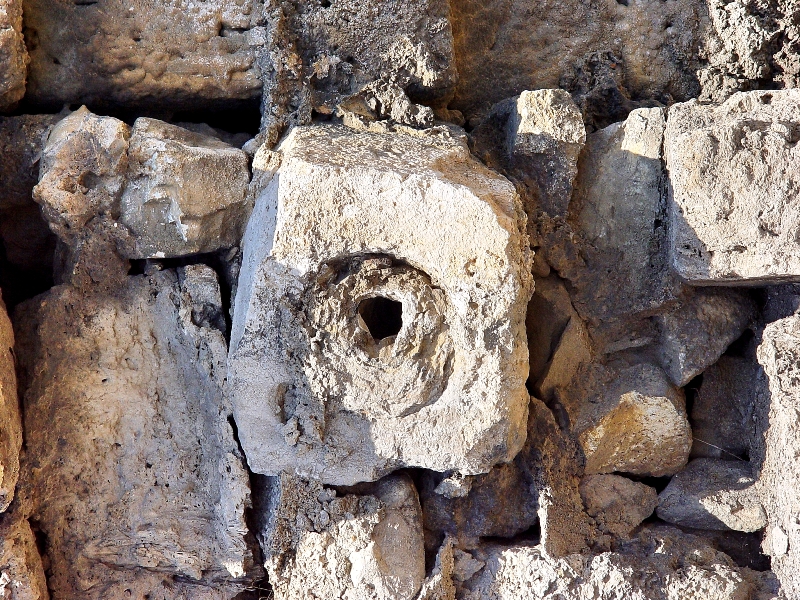
The water distribution tower shows the poor quality of Laodicea’s water.

Clogged Pipe at Laodidea's Water Distribution Tower. Photo ©Leon Mauldin.

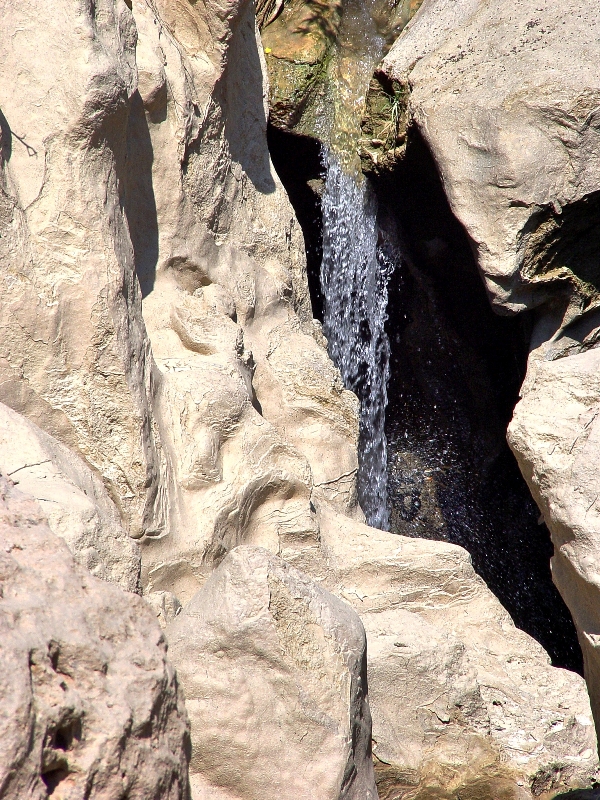
But back to our point about the setting of Laodicea.  Nearby to the east Colossae was known for its cold refreshing water.  Cold can be a good thing!

Cold refreshing water at Colossae. Photo ©Leon Mauldin.

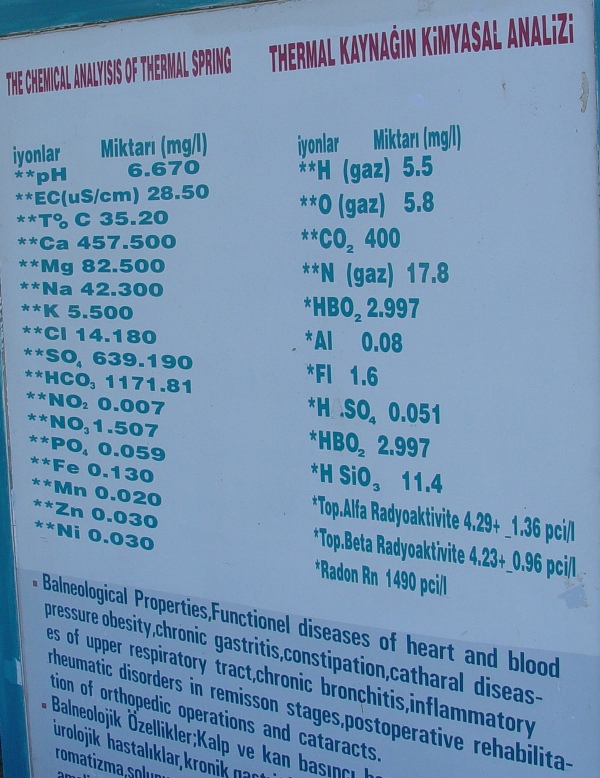
Just to the north and within sight of Laodicea is Hierapolis.  It was known for its hot thermal springs.  Hot is good!  Hot water has medicinal value; Hierapolis became a healing centers. The sign below was photographed there listing all sorts of benefits.  Roman emperors were among those who made the journey here.

Hieraoplis. Hot thermal springs have medicinal value. Photo ©Leon Mauldin.

Again, cold water is good and refreshing; hot water is good for healing, but lukewarm, what good is that?  The church had taken on the characteristic of the city, and had likewise become lukewarm. What Jesus wanted the church to do was not to become cold in the sense of quitting; he wanted them to “be zealous and repent,” to turn from their lukewarmness.

Study and see if you think this fits.  It is consistent with Jesus’ other references to Laodicea’s wool, wealth, and eye care and using these as the basis of His admonitions (Rev. 3:18).

Remember to click on image for larger view.


More on Laodicea

June 28, 2010

One interesting find at Laodicea in a large house just off Syria Street, was this filter connected to indoor plumbing.

Water Filter at Laodicea. Photo ©Leon Mauldin.

The right side and center is for water entering the building, while the left side is designed for water leaving the building. In another post we want to discuss further the water situation at Laodicea.

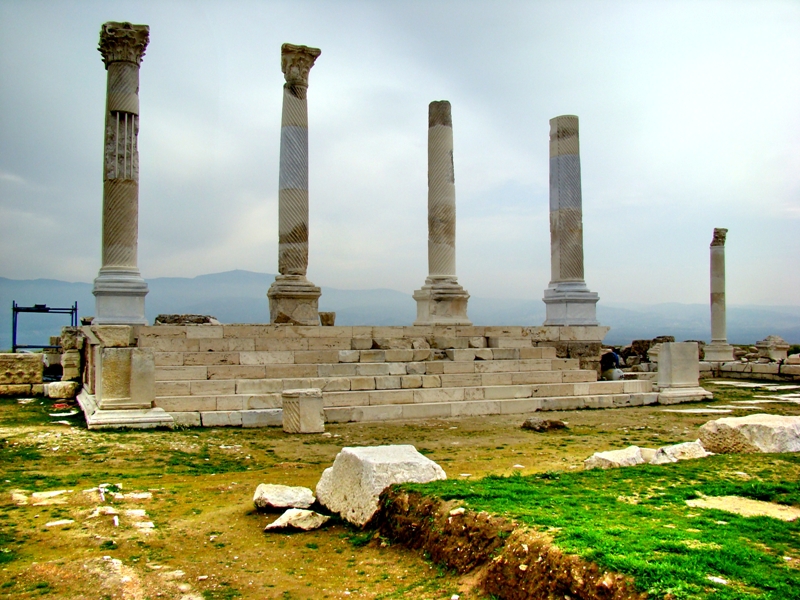
In our articles/photos posted on the Seven Churches of Rev. 2-3, we have repeatedly seen evidence of temples devoted to various pagan gods.  It is difficult to overstate how widespread and pervasive idolatry was in the biblical world, in both Old Testament as well as New Testament times.  At Laodicea one can see the remains of a temple, known as Temple A, located on the north side of the city.

Temple A. Laodicea. Photo ©Leon Mauldin.

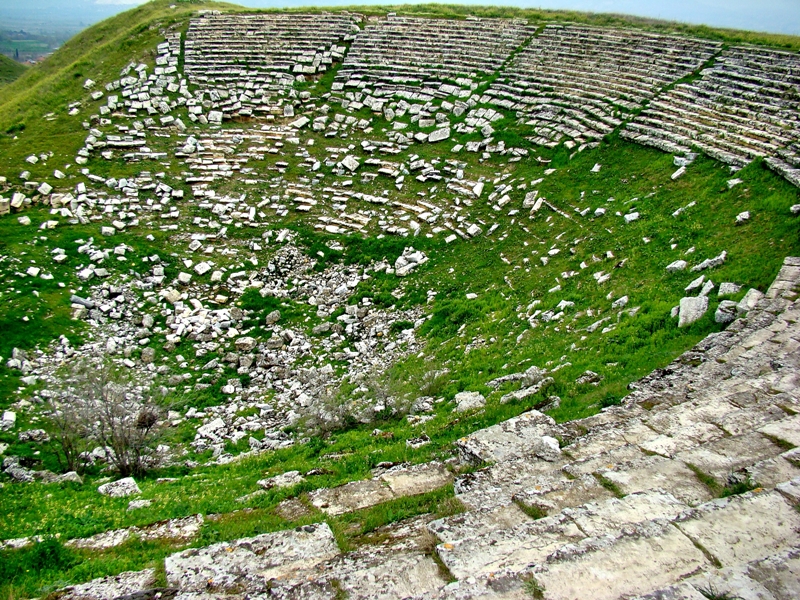
Of course, every city of significance had a theater.  Pictured here is the Hellenistic theater, located on the west side of the city.

Hellenistic Theater at Laodicea. Photo ©Leon Mauldin.

Click on image for larger view.  More to come.