Jesus and the Money-changers

February 10, 2016

John records the beginning of Jesus’ ministry, including this visit to Jerusalem for Passover:

The Passover of the Jews was near, and Jesus went up to Jerusalem. And He found in the temple those who were selling oxen and sheep and doves, and the money changers seated at their tables. And He made a scourge of cords, and drove them all out of the temple, with the sheep and the oxen; and He poured out the coins of the money changers and overturned their tables; and to those who were selling the doves He said, “Take these things away; stop making My Father’s house a place of business.” (John 2:13-16).

It is noteworthy that Jesus both began (above text) and concluded (Matt. 21:12-13) His ministry by cleansing the temple (hieros), “My Father’s house,” of its abuses–of its being turned into a “house of merchandise.”

I’ve thought of these biblical texts when walking through Old Jerusalem and seeing signs such as this one:
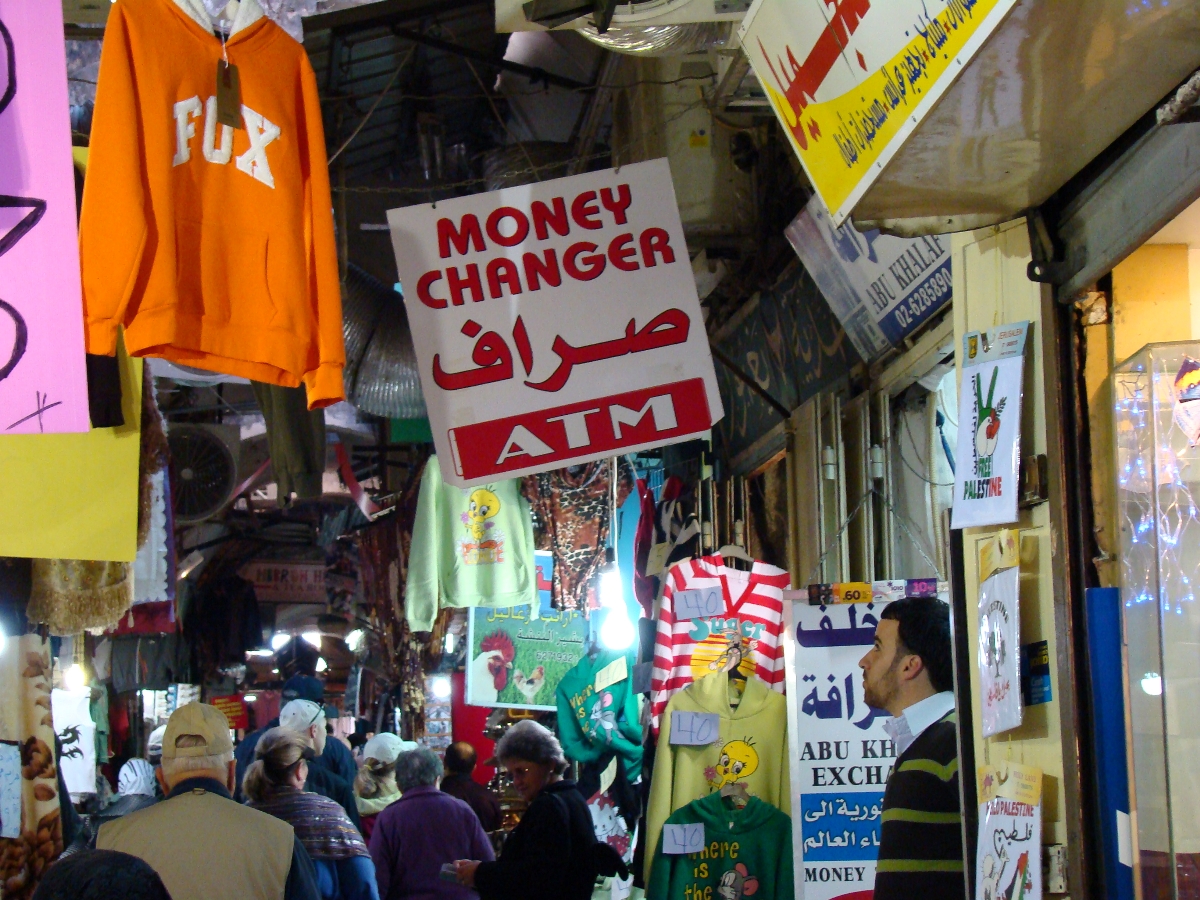
Money-changers in Jerusalem. Photo by Leon Mauldin.

Money-changers in Jerusalem. Photo by Leon Mauldin.

Money-changers were:

bankers who exchanged one nation’s currency, or one size of coin, for another. These people provided a convenience, charging a fee (often exorbitant) for their services. Some moneychangers operated in the temple area (the Court of the Gentiles), because all money given to the Temple had to be in the Tyrian silver coin. According to Exodus 30:11–16, every Israelite 20 years old or older was required to pay an annual tax of a half-shekel into the treasury of the sanctuary (Nelson’s New Illustrated Bible Dictionary).

Note the location is the hieros (temple area with its spacious courts, John 2:14-15) and not the naos, or sanctuary, where only the priests could go.
What do you think Jesus might do if He were to walk among “modern churches” today? (I know the church in the biblical sense is not the physical church building/meeting place, but rather is the people of God).

Click image for larger view.


Photos Now Allowed At Egyptian Museum

January 30, 2016

I note in Todd Bolen’s BiblePlaces Blog that photography “is once again permitted in the Egyptian Museum with purchase of a camera ticket.” The Egyptian Museum is located at Cairo, and for many years photos have not been permitted. See here. 

I was able to visit the museum in 2003 when photos were permissible.

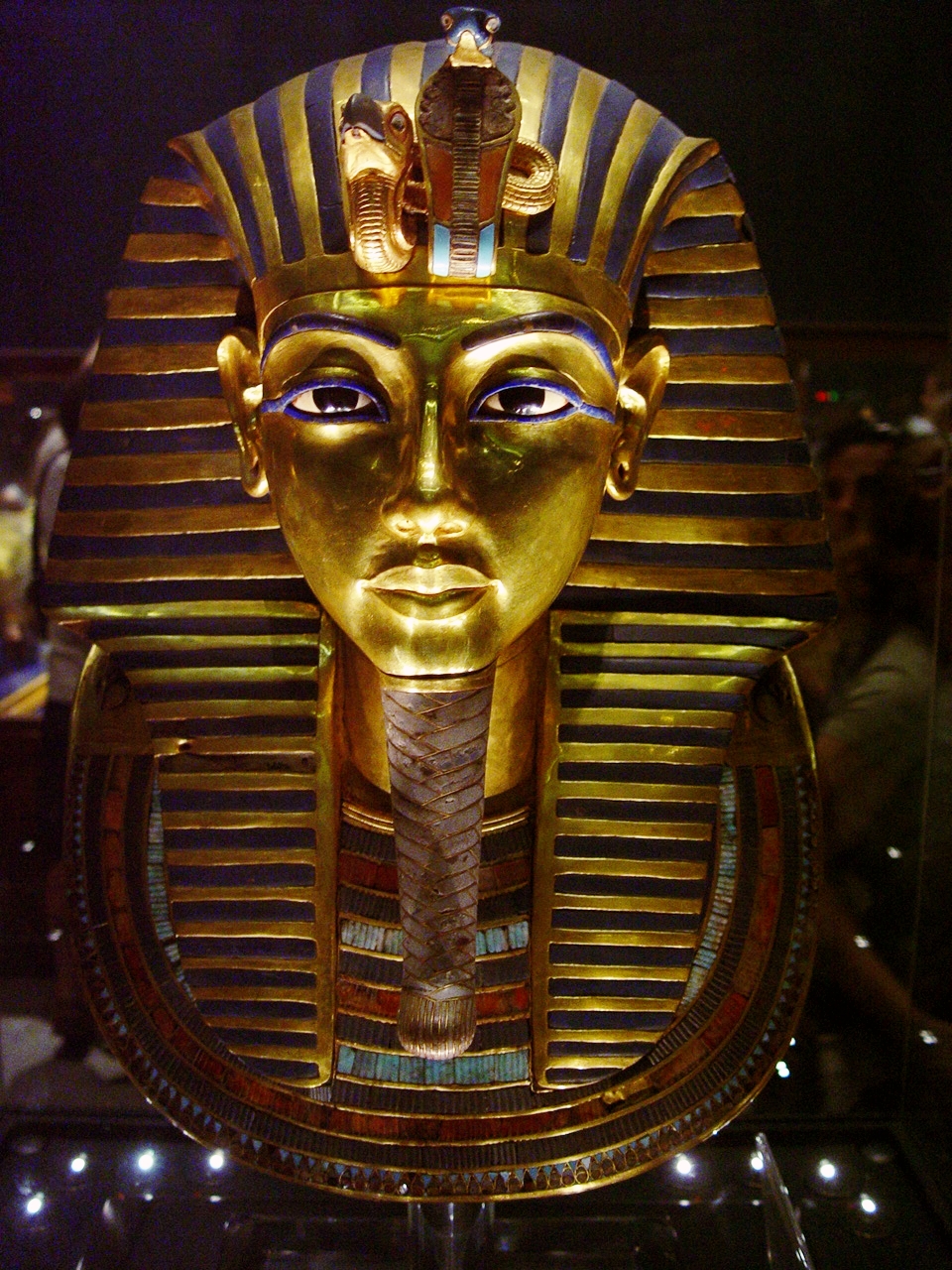
King Tut's Funerary Mask. Egyptian Museum. Photo by Leon Mauldin.

King Tut’s Funerary Mask. Egyptian Museum. Photo by Leon Mauldin.

Tutankhamun was an Egyptian pharaoh of the 18th dynasty (ruled c. 1332–1323 BC in the conventional chronology), during the period of Egyptian history known as the New Kingdom. He is colloquially referred to as King Tut. His original name, Tutankhaten, means “Living Image of Aten”, while Tutankhamun means “Living Image of Amun”. In hieroglyphs, the name Tutankhamun was typically written Amen-tut-ankh, because of a scribal custom that placed a divine name at the beginning of a phrase to show appropriate reverence. He is possibly also the Nibhurrereya of the Amarna letters, and likely the 18th dynasty king Rathotis who, according to Manetho, an ancient historian, had reigned for nine years—a figure that conforms with Flavius Josephus’s version of Manetho’s Epitome.
The 1922 discovery by Howard Carter and George Herbert of Tutankhamun’s nearly intact tomb received worldwide press coverage. It sparked a renewed public interest in ancient Egypt, for which Tutankhamun’s mask, now in the Egyptian Museum, remains the popular symbol. Exhibits of artifacts from his tomb have toured the world. In February 2010, the results of DNA tests confirmed that he was the son of Akhenaten (mummy KV55) and Akhenaten’s sister and wife (mummy KV35YL), whose name is unknown but whose remains are positively identified as “The Younger Lady” mummy found in KV35. The “mysterious” deaths of a few of those who excavated Tutankhamun’s tomb has been popularly attributed to the curse of the pharaohs. (Wikipedia).

See my previous posts re: the Egyptian Museum here and here. Additionally I have a post on the Valley of the Kings where Tut’s tomb was found. Click here.


Paul Landed at Syracuse

January 20, 2016

In the book of Acts we read of Paul’s route from Caesarea, Israel, to Rome, as a prisoner, with the trip’s various stops along the way. As they journeyed in the Mediterranean there was a shipwreck which resulted in their staying for the winter at the island of Malta. Then Luke, who was on that journey with Paul continues, “After three months we sailed in an Alexandrian ship whose figurehead was the Twin Brothers, which had wintered at the island. And landing at Syracuse, we stayed three days” (Acts 28:11-12).

Syracuse is mentioned in the NT only as having been a harbour where St. Paul lay at anchor for three days on his voyage from Malta to Rome. The shipwrecked crew and passengers, after spending three months in Malta, set sail on the Dioscuri, evidently one of the Alexandrian fleet of imperial transports carrying grain from Egypt to maintain the food supply in Rome.† They started, evidently, very early in the year, probably in February, before the settled weather and the customary season for navigation (mare clausum 11 Nov. to 5 March) had begun. That implies that a suitable and seemingly steady wind was blowing, which tempted them to embark, and carried them straight to Syracuse, a distance of about 100 miles. On the voyage from Malta to Rome as a whole, see RHEGIUM.

Nothing is said with regard to any preaching by St. Paul in Syracuse, nor could any be expected to occur. The ship was certainly waiting for a suitable wind to carry it north to the straits of Messina; and under such circumstances no prisoner was likely to be allowed leave of absence, as the ship must be ready to take instant advantage of the wind (Ramsay, W. M. (1911–1912). SYRACUSE. In J. Hastings, J. A. Selbie, A. B. Davidson, S. R. Driver, & H. B. Swete (Eds.), A Dictionary of the Bible: Dealing with Its Language, Literature, and Contents Including the Biblical Theology (Vol. 4, p. 645). New York; Edinburgh: Charles Scribner’s Sons; T. & T. Clark.)

Sicily is noted for its rich history (Greek, Roman and more), culture, theater & amphitheater, architecture, and as the birthplace of the preeminent mathematician and engineer Archimedes. But my special interest in it has to do with its being included among biblical sites!

Siracusa Theater Greg and Carlo_Picogna

At Greek Theater at Syracuse. Greg Picogna (r) with his father Carlo (now deceased). Photo taken in 1998.

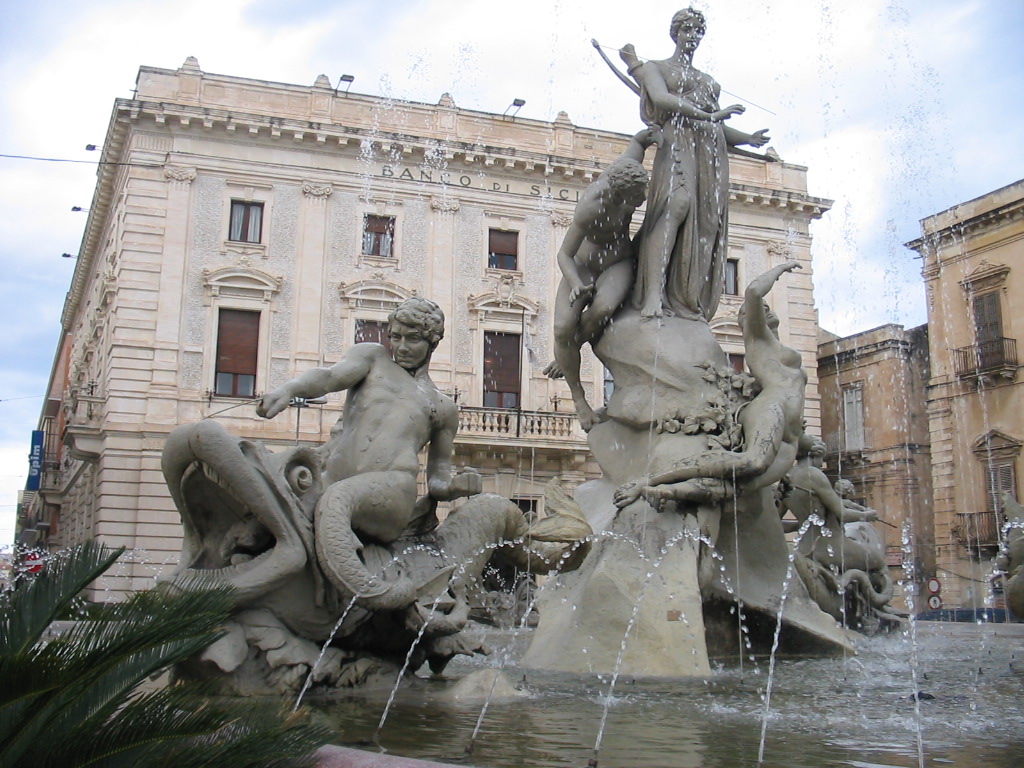
Also at Syracuse you can view the Fountain of Diana.

At Syracuse, Fountain of Diana, goddess of the hunt. Photo supplied by Greg Picogna.

At Syracuse, Fountain of Diana, goddess of the hunt. Photo supplied by Greg Picogna.

Giulio Moschetti (1847-1909) created this fountain in Syracuse; it portrays Diana, the mythical goddess of the hunt, in all of her calm and pride.

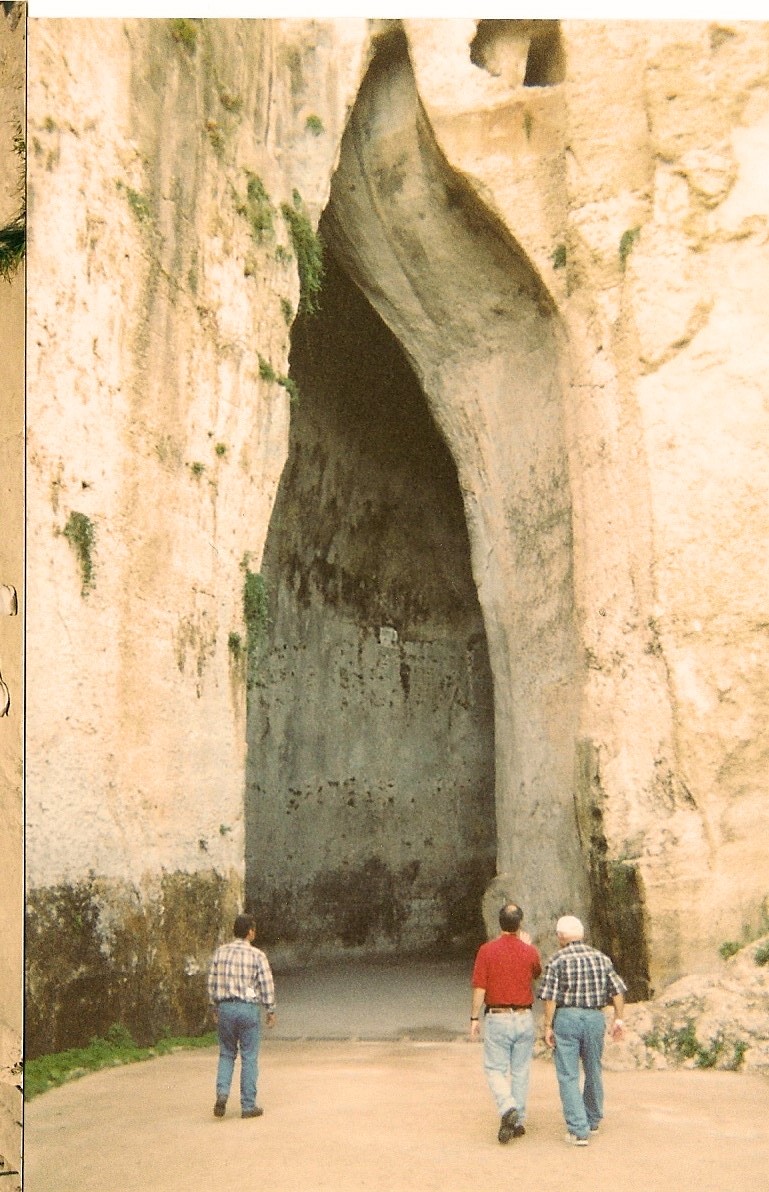
Another famous site in Syracuse is the “Ear of Dionysus” (Italian Orecchio di Dionisio). It was most likely formed out of an old limestone quarry. It is 75.5 feet high and extends 213 feet back into the cliff. Because of its shape this unusual formation has extremely good acoustics, making even a small sound reverberate throughout the cave.

Ear of Dionysius at Syracuse. Photo supplied by Greg Picogna.

Ear of Dionysius at Syracuse. Photo supplied by Greg Picogna.

I’m looking forward to seeing these sites at Syracuse, along with other locations in Sicily and Italy, with my tour group coming up in March.


Sde Amudim in Lower Galilee

January 6, 2016

Jesus’ second miracle recorded by John (4:46-54) was that of His healing a royal official’s son. The official came to Jesus at Cana of Galilee, asking Jesus to go to his home Capernaum to heal his son who was “at the point of death” (v.47). Jesus’ response: “Go your way; your son lives: (v.50). When the official returned home the next day (distance from Cana to Capernaum is ca. 20 miles), he learned that his son had recovered the exact hour on the previous day when Jesus spoke the word.

Such miracles show who Jesus is (see John 20:30-31). Because He is God, Jesus did not have to be physically at Capernaum to heal the sick boy. He has power not only over sickness, but over distance!

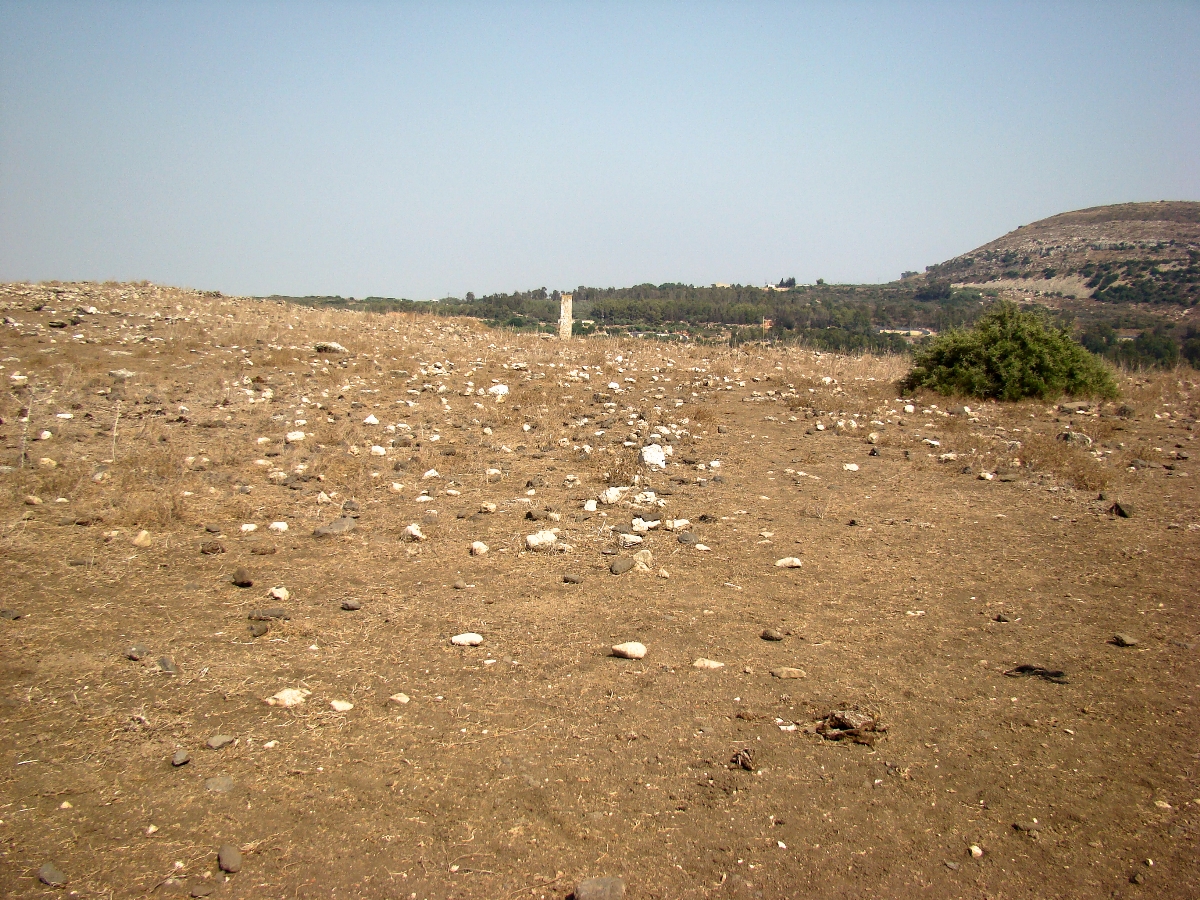
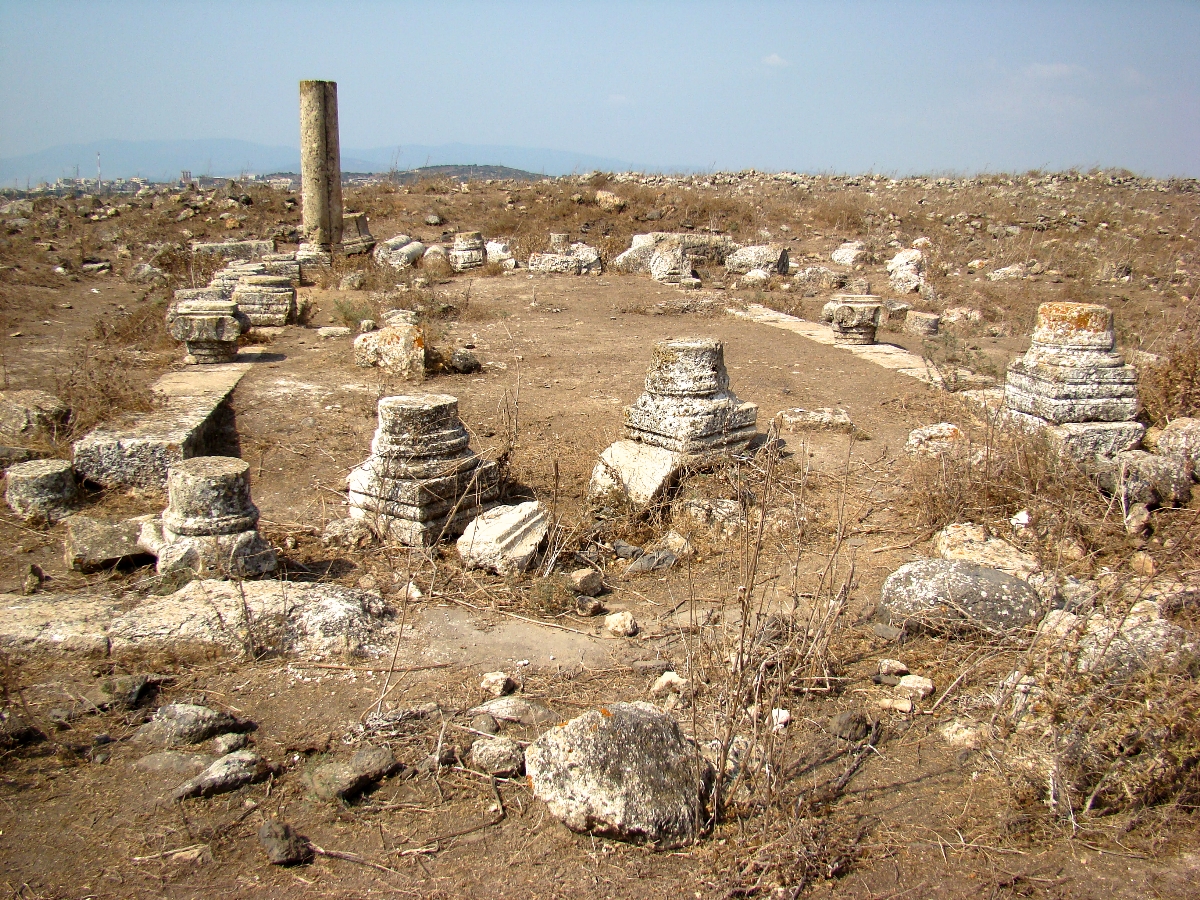
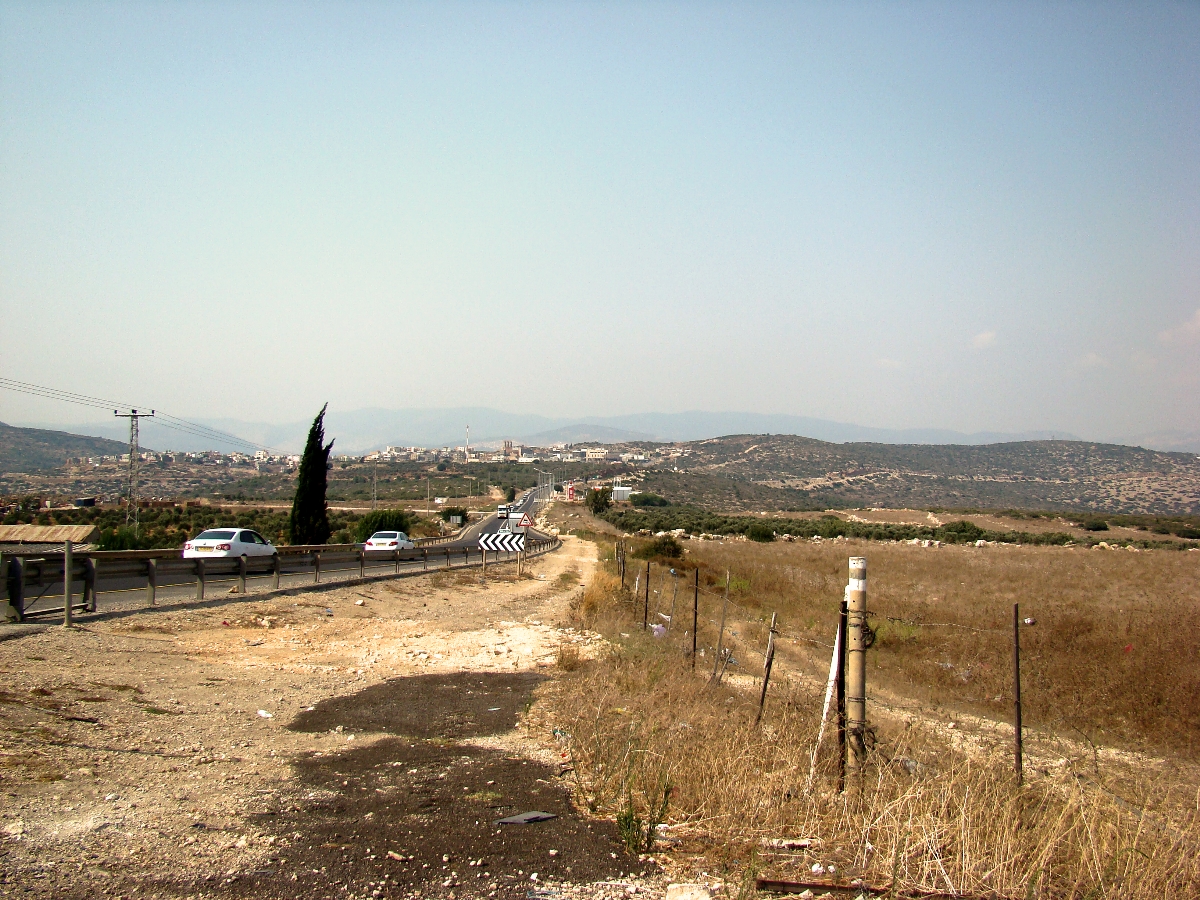
In New Testament times (and somewhat previously), an important road connected the coastal city of Ptolemais with Cana, which then passed through Sde Amudim (Khirbet Umm el-Amud), then on to Magdala and f to Capernaum. It is likely that the royal official of our text would have traveled this route, passing through the area pictured here.

Sde Amudim in lower Galilee looking toward Capernaum. Photo by Leon Mauldin.

Sde Amudim in lower Galilee looking east toward Capernaum. Photo by Leon Mauldin.


Here at this site are the remains of a synagogue (dates to AD 3rd century).

Synagogue at Sde Amudim. Photo by Leon Mauldin.

Synagogue at Sde Amudim. Photo by Leon Mauldin.

Interestingly, this location serves as a watershed.  In this photo we look north. The Bet Netofa Valley drains to the west (to your left); the drainage to your right is east going down to the Sea of Galilee at Magdala.

Watershed at Sde Amudim. Photo by Leon Mauldin.

Watershed at Sde Amudim. Photo by Leon Mauldin.

Click images for larger view.


Disciples Eat Grain on the Sabbath

December 11, 2015

Luke 6 records one of several clashes Jesus had with the Jewish leaders: “Now it happened that He was passing through some grainfields on a Sabbath; and His disciples were picking the heads of grain, rubbing them in their hands, and eating the grain. But some of the Pharisees said, ‘Why do you do what is not lawful on the Sabbath?'” (vv.1-2).

Lenski observes, “The time of this occurrence is certainly determined by the condition of the grain, which was ripe enough to be rubbed out ‘with the hands,’ dative of means, Robertson, 533. It was April, shortly after the Passover, a year before Jesus’ death” (The Interpretation of St. Luke’s Gospel, p. 321).

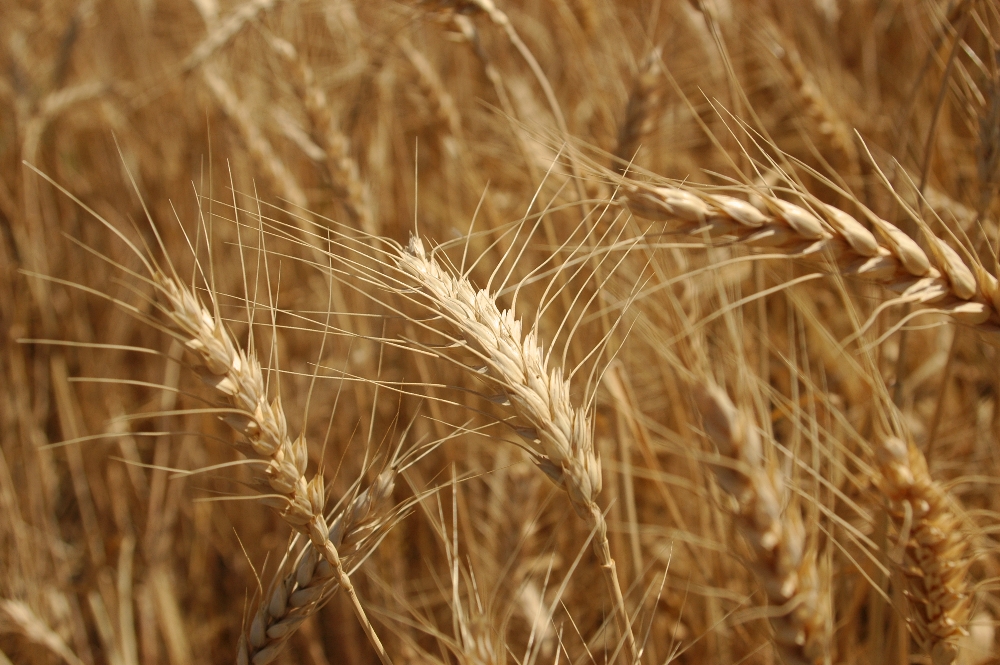
What Jesus disciples did was permitted by Scripture: “When you enter your neighbor’s standing grain, then you may pluck the heads with your hand, but you shall not wield a sickle in your neighbor’s standing grain” (Deut. 23:25). However the Pharisees had erroneously determined that this was working, and therefore in violation of the Sabbath.

Ripened Wheat. Photo by Leon Mauldin.

Ripened Wheat. Photo by Leon Mauldin.

Besides the fact that Mosaic Law actually permitted the disciples’ actions, Jesus showed the inconsistency of his opponents. They found no fault with David, even though when fleeing from Saul he and his men ate showbread from the tabernacle (Lk. 6:3-4). And yet they condemned the disciples, who were guiltless of wrongdoing.

Further: “The Son of Man is also Lord of the Sabbath” (v.5), and as such He knew what was right and wrong (re: the Sabbath and all things), and would not permit His disciples to violate the Sabbath. What was totally escaping Jesus’ opponents was the fact that “The Lord of the Sabbath” was in their midst and they did not see it! How sad!

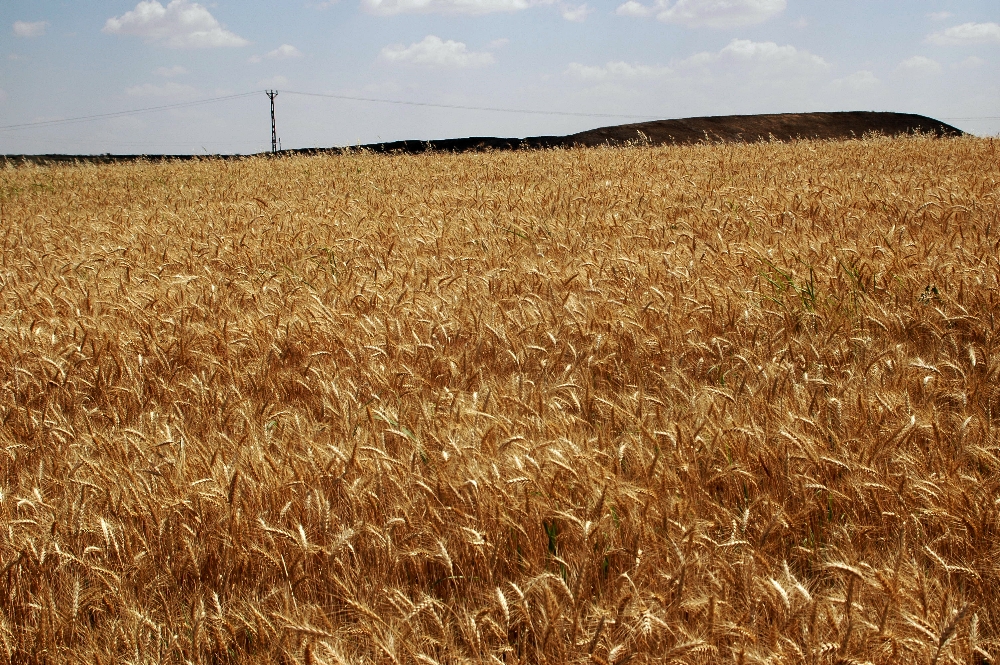
Wheat_Carchemish_0447LMauldin

Fields of Wheat near Euphrates. Carchemish is in background. Photo by Leon Mauldin.


Assos, In the Steps of Paul

November 18, 2015

On Paul’s return trip on his 3rd Missionary Journey, after departing from Troas, he walked on to Assos and rejoined his traveling companions there. Today at noon (ETS meeting, ATL) Dr. Mark Wilson did a very informative presentation on that segment of Paul’s travel.

11 Now when he [Paul] had come up, had broken bread and eaten, and talked a long while, even till daybreak, he departed. 12 And they brought the young man [Eutychus] in alive, and they were not a little comforted. 13 Then we went ahead to the ship and sailed to Assos, there intending to take Paul on board; for so he had given orders, intending himself to go on foot. 14 And when he met us at Assos, we took him on board and came to Mitylene (Acts 20:11-14).

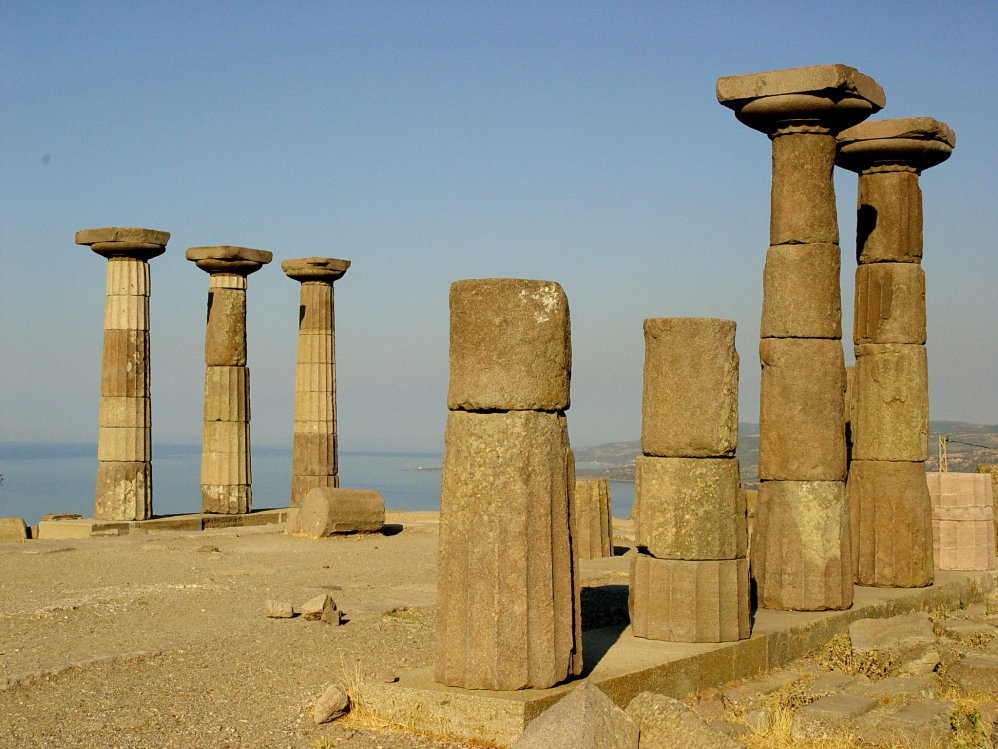
At the acropolis of Assos there are some well-preserved ruins of the temple of Athena.

Assos, temple of Athena. Photo by Leon Mauldin.

Assos, temple of Athena. Photo by Leon Mauldin.

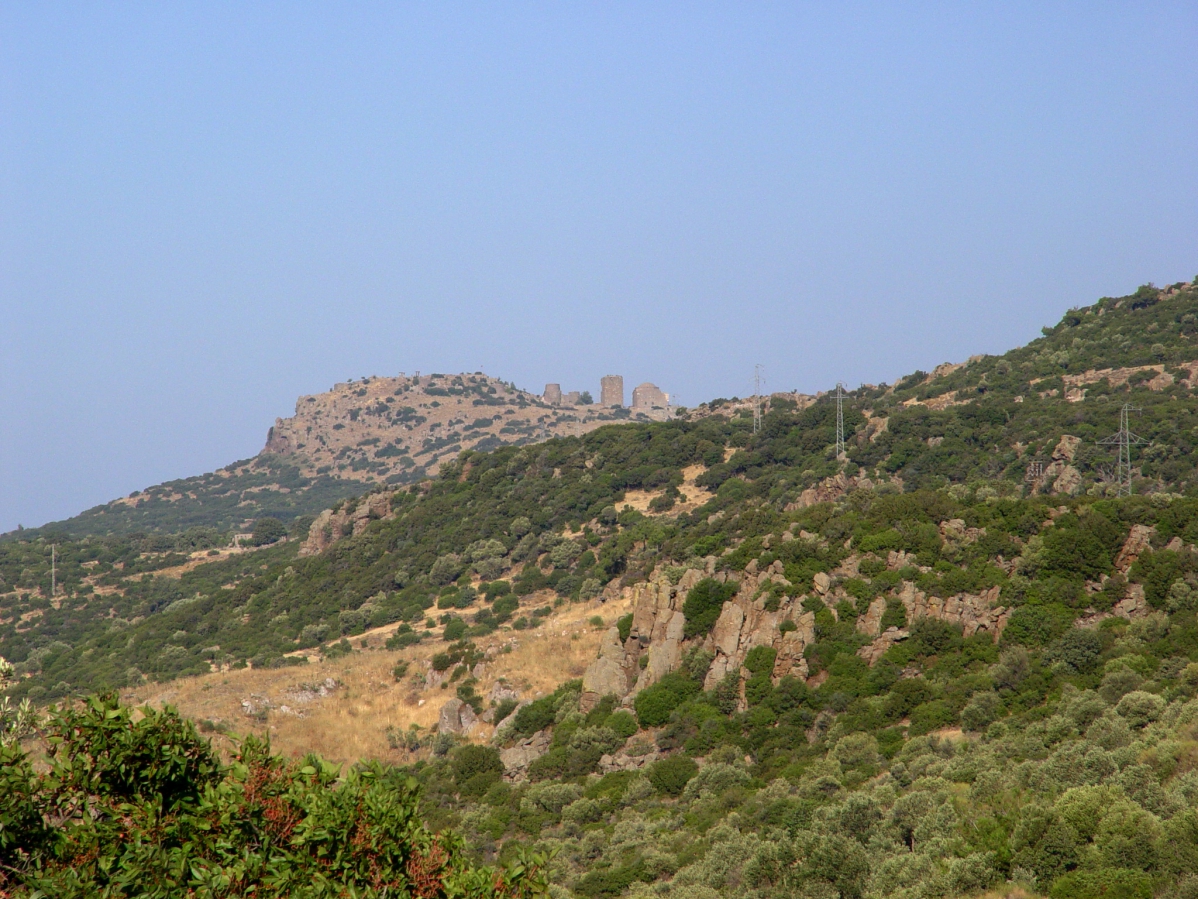
Here is a view of the Acropolis:

Acropolis of Assos. Photo by Leon Mauldin.

Acropolis of Assos. Photo by Leon Mauldin.

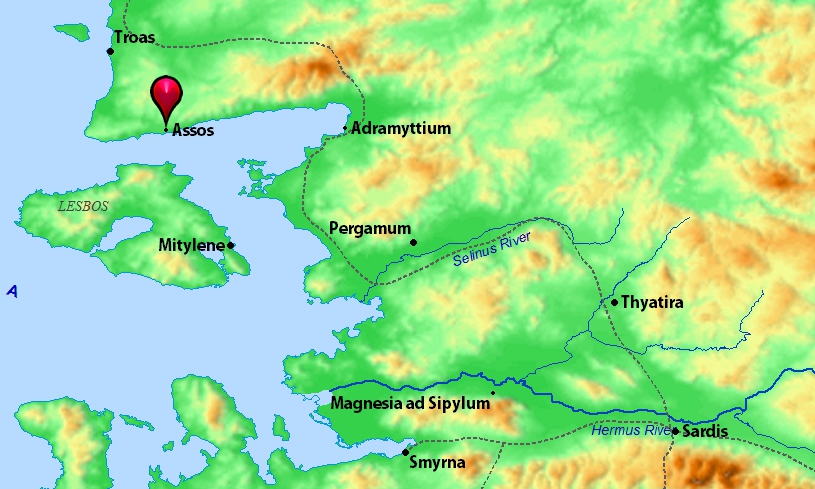
While the distance from Troas to Assos as the crow flies is about 20 miles, Dr. Wilson pointed out that the Roman road on which Paul would have traveled would have been about 31 miles, and would have taken two days.

Map by BibleAtlas.org.

Map by BibleAtlas.org.

Mark said that Assos was one of his top 10 favorite places in Turkey to visit. I have to agree!

I have a previous post on Assos here.


Damascus Gate in Jerusalem

November 10, 2015

It is fascinating to view the gates of Old Jerusalem!

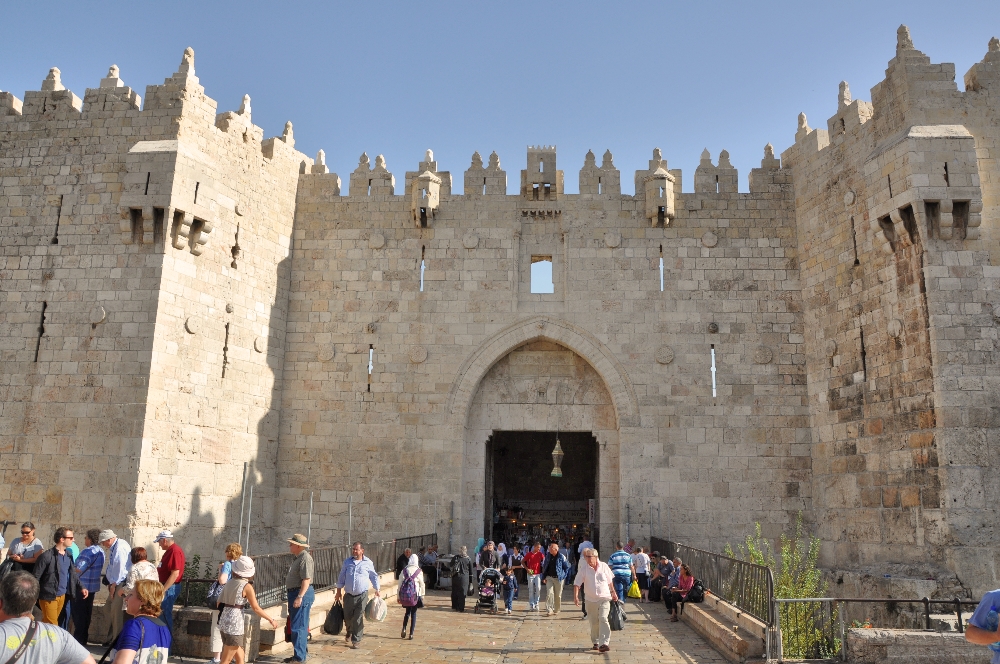
The Damascus Gate is located on the north side of Jerusalem, so named because this would be the direction going out of Jerusalem to Damascus, ca. 150 miles NNW. The Jews call this gate the Shechem Gate, and the Arabs call it Bab el-Amud.

Damascus Gate Jerusalem. North entrance. Photo by Leon Mauldin.

Damascus Gate Jerusalem. North entrance. Photo by Leon Mauldin.

This entrance gate

along the present north wall dramatically accents the spot that has been the main north entrance to Jerusalem for almost two millennia. R. W. Hamilton’s sounding here in 1937 and Basil Hennessey’s excavations in the 1960s; have revealed, below the modern entrance, layer upon layer of earlier gateways, reaching back through Arab, Crusader and Byzantine constructions to Roman Age foundations. The earliest certain construction here dates to Aelia Capitolina, the second to fourth-century C.E. city of Hadrian, but both Hamilton and Hennessey felt they found evidence that Hadrian’s gateway was built on foundations that went back to the Second Temple period. BAS Biblical World in Pictures. (2003).

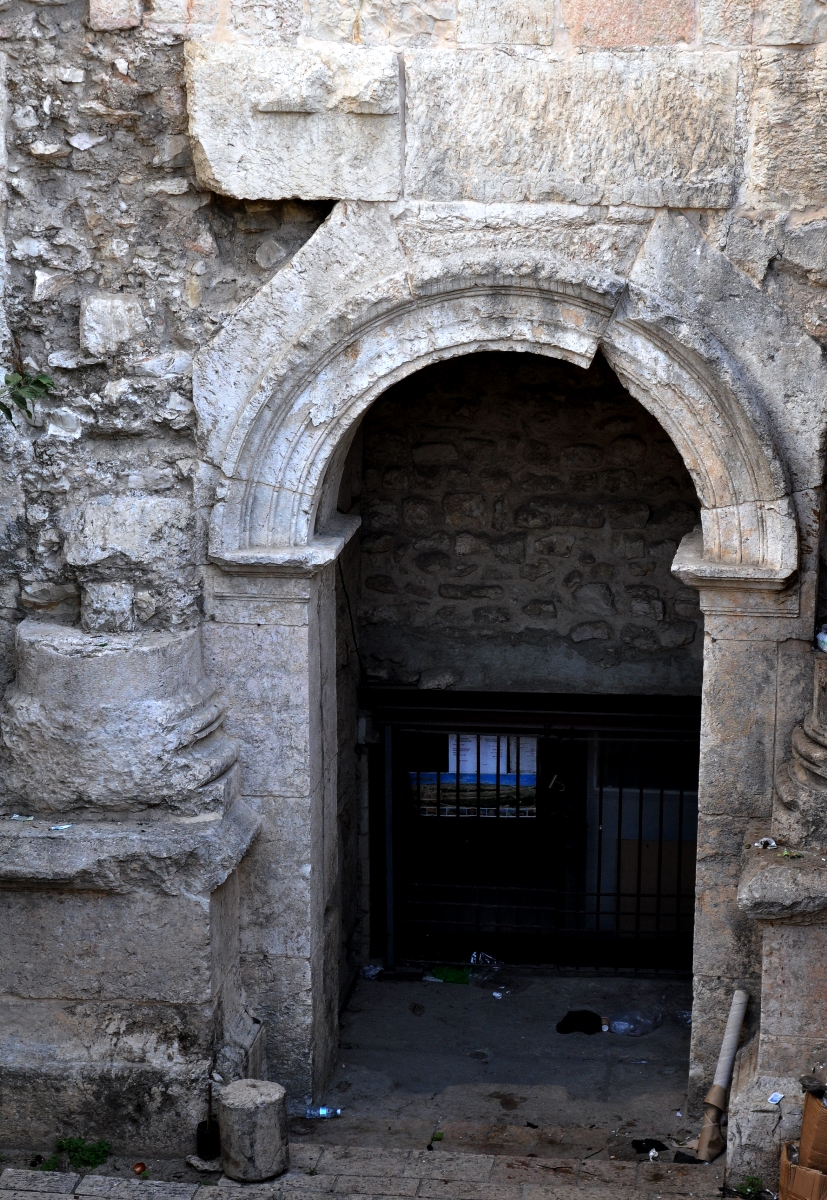
Hadrian had built a triple-arched gateway to serve as entrance here. The eastern arch is well-preserved.

Hadrian Gate, eastern arch. ca. AD 135. North wall, Jerusalem. Photo by Leon Mauldin.

Hadrian Gate, eastern arch. ca. AD 135. North wall, Jerusalem. Photo by Leon Mauldin.

The Latin inscription above the keystone of the arch says, “…according to the decurians [the city council] of Col[onia] Ael[ia] Cap[itolina],” Hadrian’s designation for Jerusalem.

Click images for larger view.


Monastery of Barnabas at Salamis, Cyprus

October 2, 2015

On the 1st Missionary Journey, the Apostle Paul accompanied by Barnabas first preached in Salamis on the island of Cyprus: “So, being sent out by the Holy Spirit, they went down to Seleucia and from there they sailed to Cyprus. When they reached Salamis, they began to proclaim the word of God in the synagogues of the Jews; and they also had John as their helper” (Acts 13:4,5).

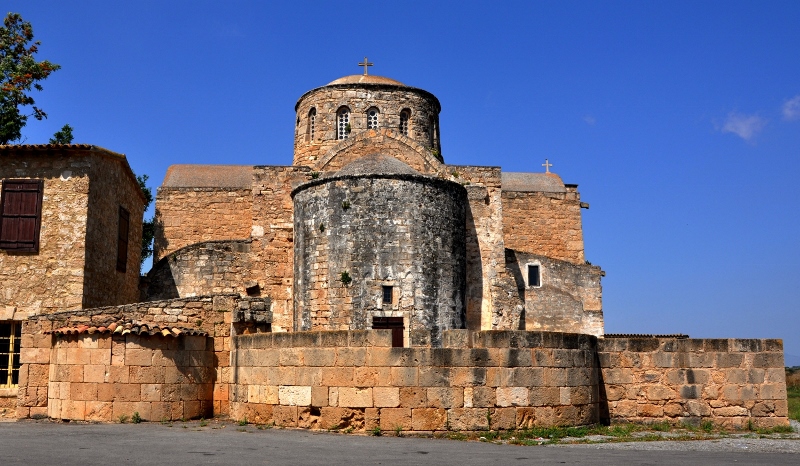
Our photo shows the “Monastery of St. Barnabas,” at Salamis, Cyprus. While the monastery itself is not a “biblical site” its presence bears testimony to the fact that Barnabas was indeed here.

Salamis, Cyprus. Monastery of St. Barnabas. Photo by Leon Mauldin.

Salamis, Cyprus. Monastery of St. Barnabas. Photo by Leon Mauldin.

The Biblical Archaeological Society has this information:

This monastery dedicated to St. Barnabas at Salamis, Cyprus, marks the first stop on Paul’s initial missionary journey. The earliest buildings of the monastery date to 477 C.E.

Perhaps Paul and Barnabas went first to Cyrus because it was Barnabas’s homeland (Acts 4:36), perhaps also because the island is large and strategically located. Cyprus served as a stepping stone on the trade routes that crossed the eastern Mediterranean. Archaeological remains from as early as the Early Bronze Age (3rd millennium B.C.E.) show it to have been a cultural meeting ground and “melting pot” for the successive cultures that flourished on all sides of it.

Salamis was the main port and principal city of the island in the Roman age. Located about five miles north of modern Famagusta, on its great bay, the city has yielded extensive Roman remains, including a theater, gymnasium, baths and a forum.

Paul’s visit to Salamis established a pattern for his missionary strategy that would continue through the rest of his travels. Heading for the major city of the region, Paul went immediately to proclaim the new “word of God” in the Jewish synagogues (Acts 13:5). We know from literary accounts that Jews settled in Salamis at least as early as the 3rd century B.C.E., and at such a flourishing city there undoubtedly would have been several synagogue communities. (BAS Biblical World in Pictures, 2003).

See our previous article on the theater in Salamis here.

Click image for larger view.


Aqueduct at Beit Hananya

September 25, 2015

In perusing some homeschooling curriculum on the Roman Empire there was a heading entitled “Amazing Architects.”

The Romans were among the best builders in history. They built things that served practical purposes, such as canals, bridges, sewers, harbors, and roads. But it was perhaps in constructing aqueducts that their engineering skills were most impressive.

Aqueducts were developed by the Romans. They are channels for carrying water that were mostly dug into the earth, following the contours of hills. Where this was not possible, the Romans build arches made of concrete and stone. It took great skill to build an aqueduct. The water channels had to slop at exactly the right angle all the way along its length to give a steady flow of water. (Peter Chrisp, Ancient Rome, p.46).

Many sections of the ancient Roman aqueducts still survive in various parts of the former Roman Empire. The aqueduct that emptied into Caesarea on Israel’s coast is a prime example. Caesarea was the capital of Judea during the ministry of Jesus. See our post here.

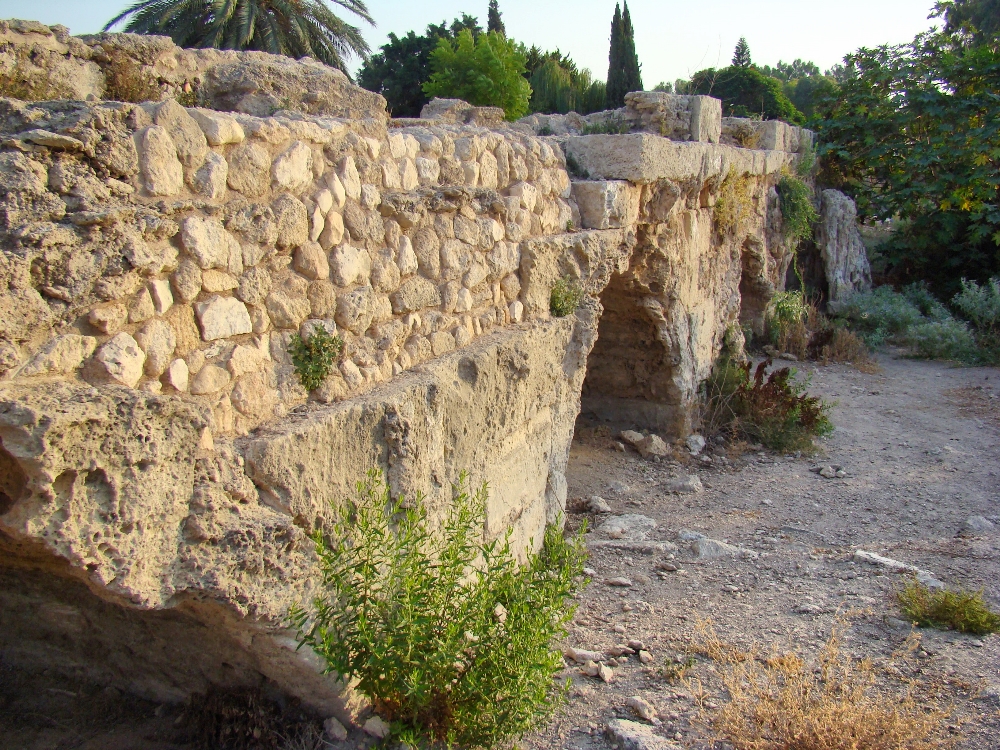
In Sept. 2011, Ferrell Jenkins & I made a personal study trip to Israel that included a stop at Beit Hananya, in the biblical “Plain of Sharon,” where a portion of the aqueduct can still be seen. This is north of Caesarea by a few miles. (Fresh water was channeled to Caesarea  from a distance of 8.5 miles).

Roman Aqueduct at Beit Hananya, north of Caesarea. Photo by Leon Mauldin.

Roman Aqueduct at Beit Hananya, north of Caesarea. Photo by Leon Mauldin.

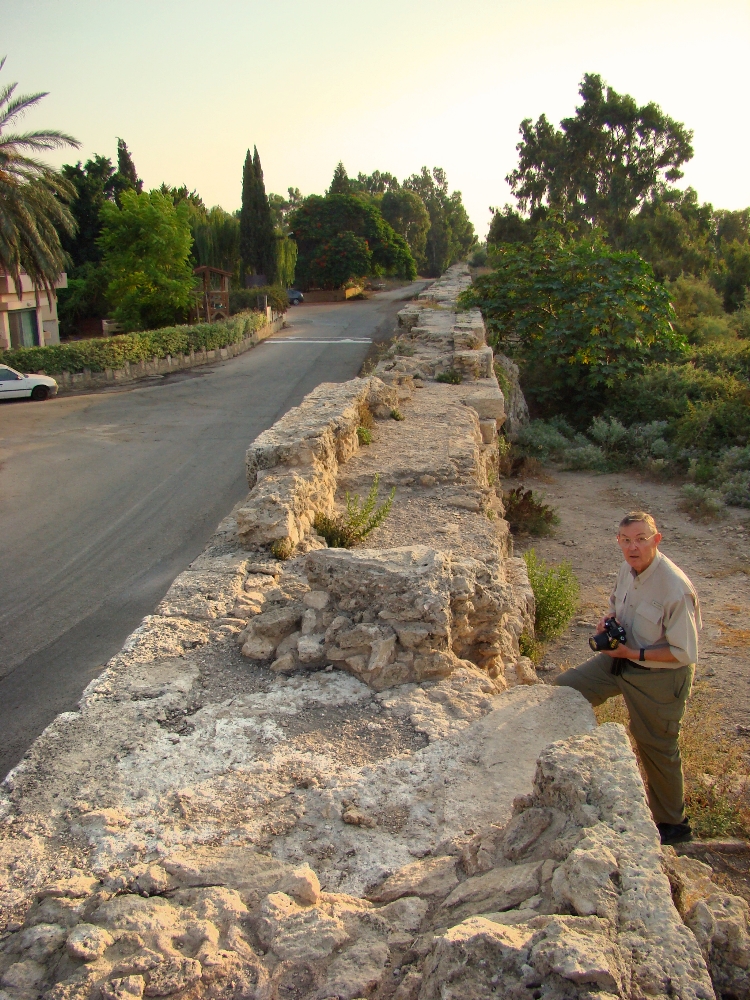
Beit Hananya Aqueduct as seen from top. Photo by Leon Mauldin.

Beit Hananya Aqueduct as seen from top. Photo by Leon Mauldin.

The water was channeled to course down the top of the aqueduct.

Click photos for larger view.


Troas of Biblical Asia Minor

May 12, 2015

In our previous post we referenced Acts 16:11, “So putting out to sea from Troas, we ran a straight course to Samothrace, and on the day following to Neapolis.” It was at Troas that Paul saw in a vision a man from Macedonia pleading and urging him to “come over and help us” (16:9). This was on the 2nd Missionary Journey. Today biblical Troas is in western Turkey.

Fant and Reddish have this to say about Troas:

Called Alexandria Troas to distinguish it from other cities named Alexandria, the city is often referred to simply as Troas. (“The Troad” is the name used for the area around the ancient city of Troy.) What was once a large and important city on the western coast of Asia Minor has today been reduced to a few ruins overgrown by trees and shrubs, receiving only a cursory visit from a small number of sightseers. (A Guide to Biblical Sites in Greece and Turkey)

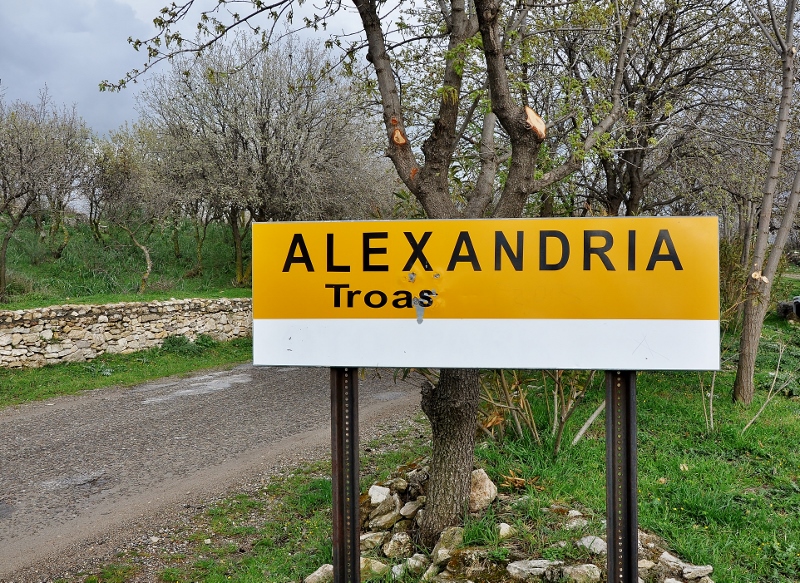
Troas Sign. Photo by Leon Mauldin.

Troas Sign. Photo by Leon Mauldin.

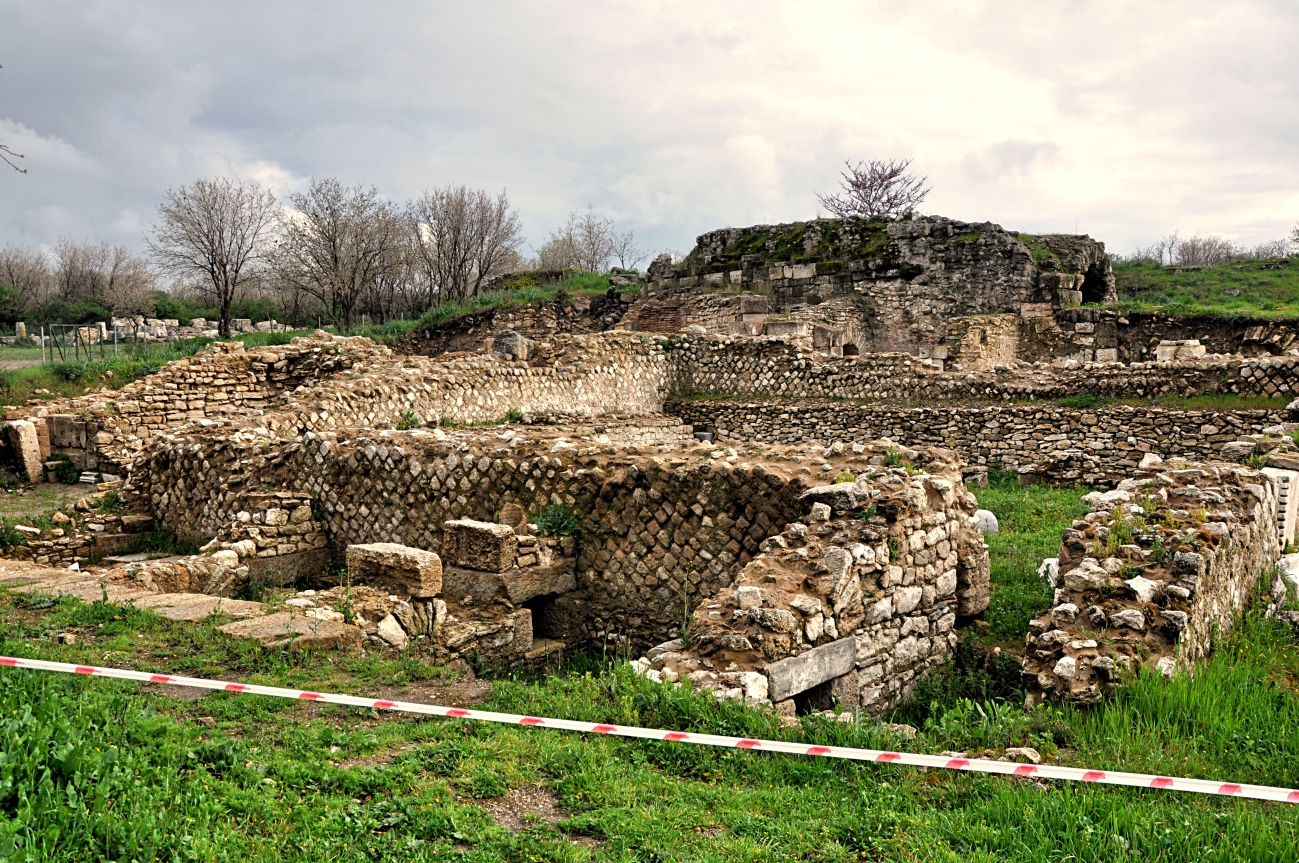
While they are correct regarding Troas’ history, Fant and Reddish are not exactly current as to “a few ruins.” When we had opportunity to visit Troas (Mar. 29, 2015), there was cloud cover and not the best lighting, but you can still see some of the recent excavations there.

Troas Excavations. Photo by Leon Mauldin.

Troas Excavations. Photo by Leon Mauldin.

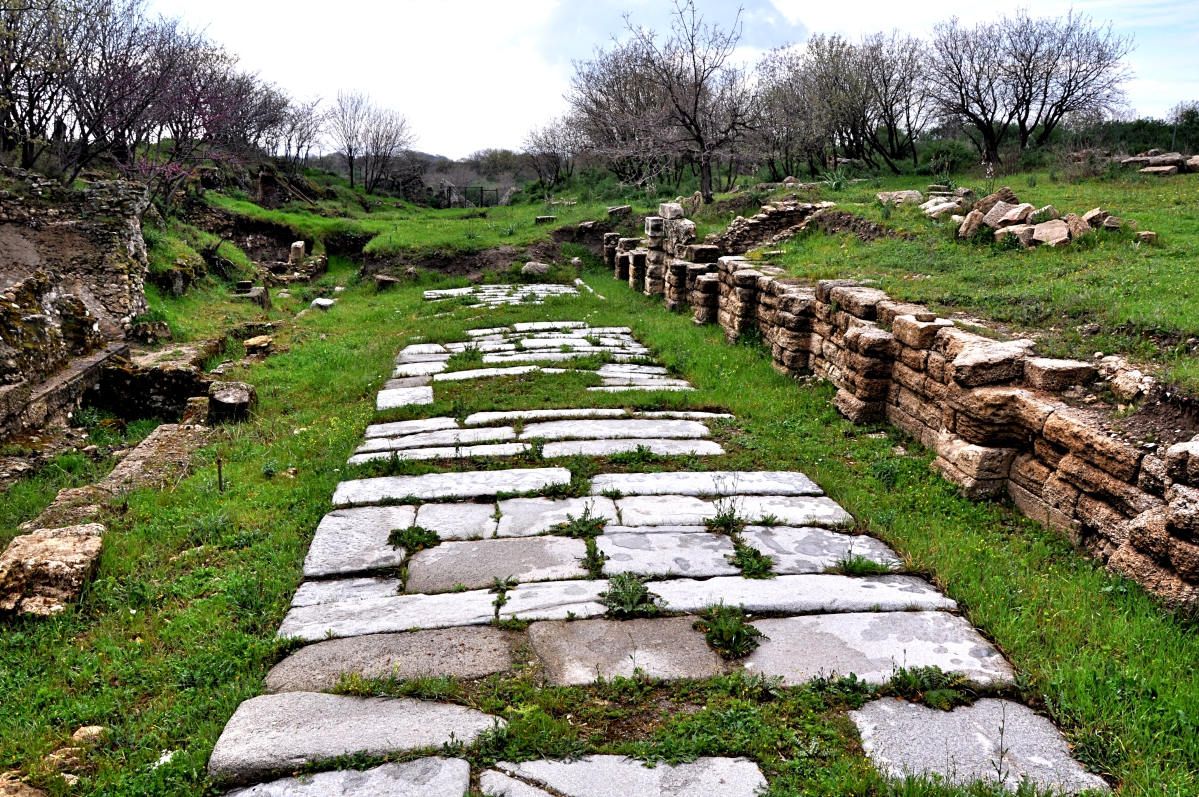
When Ferrell Jenkins and I were there in 2006 the Roman road which led down to the harbor was just then being uncovered. More has been excavated since then. It is thought that this is the road that Paul would have walked on to make use of the harbor down below.

Roman Road at Troas. Led down to the harbor below. Photo by Leon Mauldin.

Roman Road at Troas. Led down to the harbor below. Photo by Leon Mauldin.

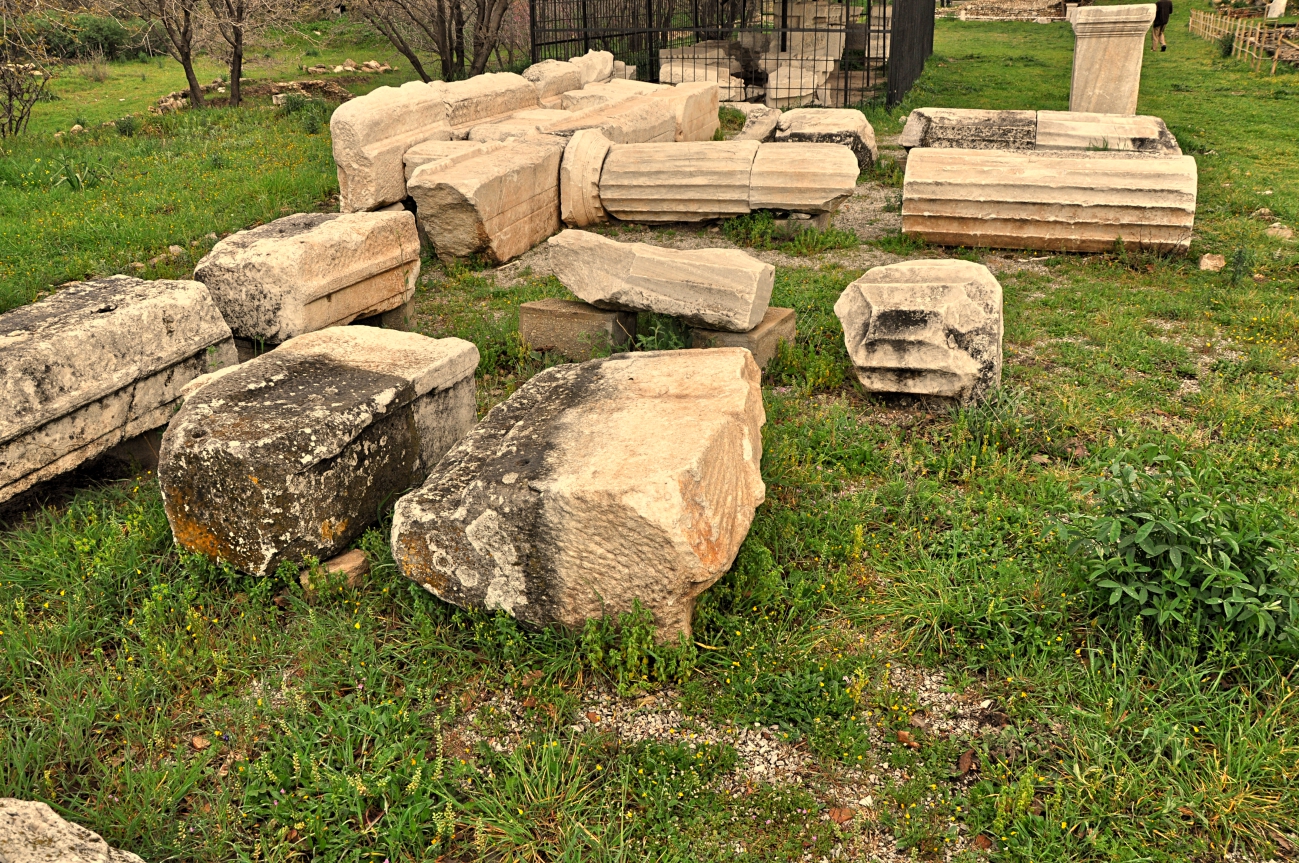
Several fragments of Roman columns and other remains have been discovered.

Some of the remains discovered at Troas. Photo by Leon Mauldin.

Some of the remains discovered at Troas. Photo by Leon Mauldin.

I love to travel in Turkey. While Fant and Reddish may be right about the “small number of sightseers” who visit here, I will assure you that it is a worthwhile stop for any who wish to enhance their understanding of Bible history and geography!

Click on images for larger view.