The Name of the Star Is Called Wormwood

June 11, 2025

This morning while studying Revelation 8 for our Bible study tonight, I was giving attention to verses 10-11: “The third angel sounded, and a great star fell from heaven, burning like a torch, and it fell on a third of the rivers and on the springs of waters. The name of the star is called Wormwood; and a third of the waters became wormwood, and many men died from the waters, because they were made bitter.” Every passage has a context. Previously John saw the protection and care of those who have “the seal of the living God” (Rev. 7). Their prayers ascend “before God” and are heard (8:1-5). Here in our text (ch. 8) the imagery of trumpets sounding warning of judgments from God against those (rebellious) who “dwell on the earth” (8:13).

What does this imagery of wormwood portray? The text itself is helpful: “because they were made bitter” (8:11). Here is punishment/divine judgment which would be very bitter to those experiencing it. Further, the book will show that these warnings were the prelude of more (and worse) to come.
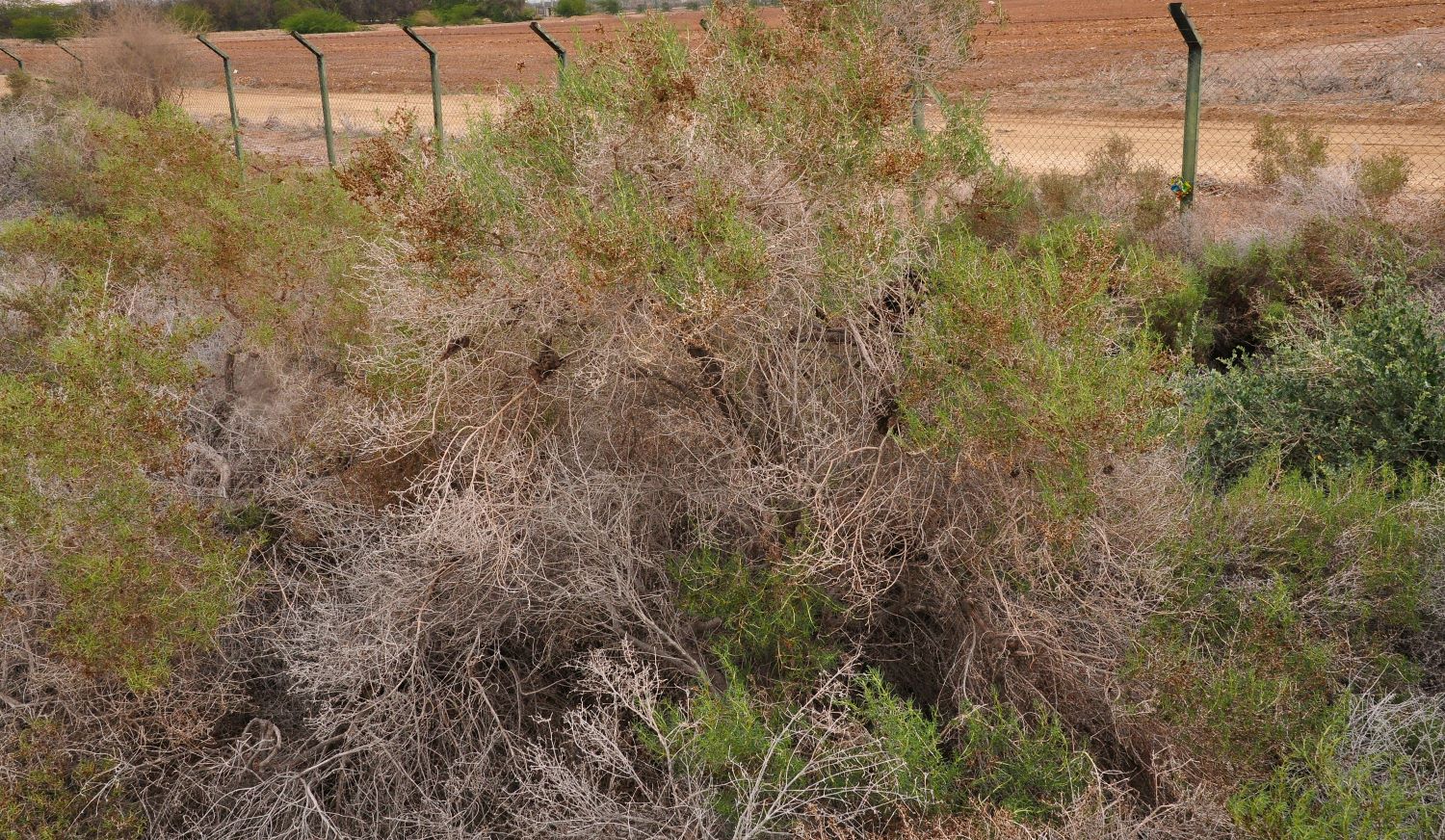
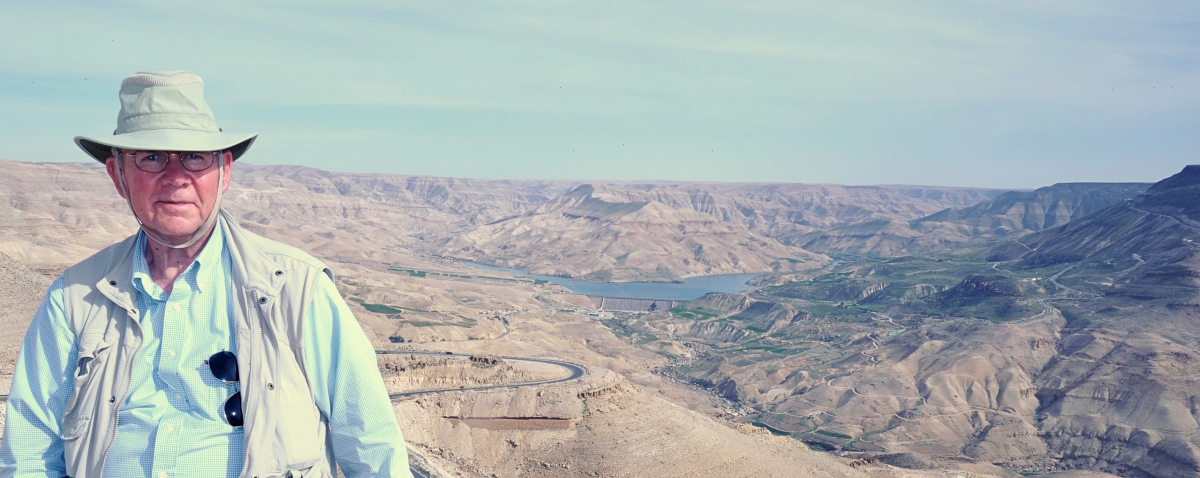
Wormwood in Jordan. Photo ©Leon Mauldin.

“Several plants in Palestine within the genus Artemisia, all of which are bitter in taste. Several species and varieties grow in Palestine, but those mentioned in the Bible are most likely Artemisia herba alba Asso, A. Judaica L., or A. absinthium” (ISBE, Vol. 4, p. 1117).
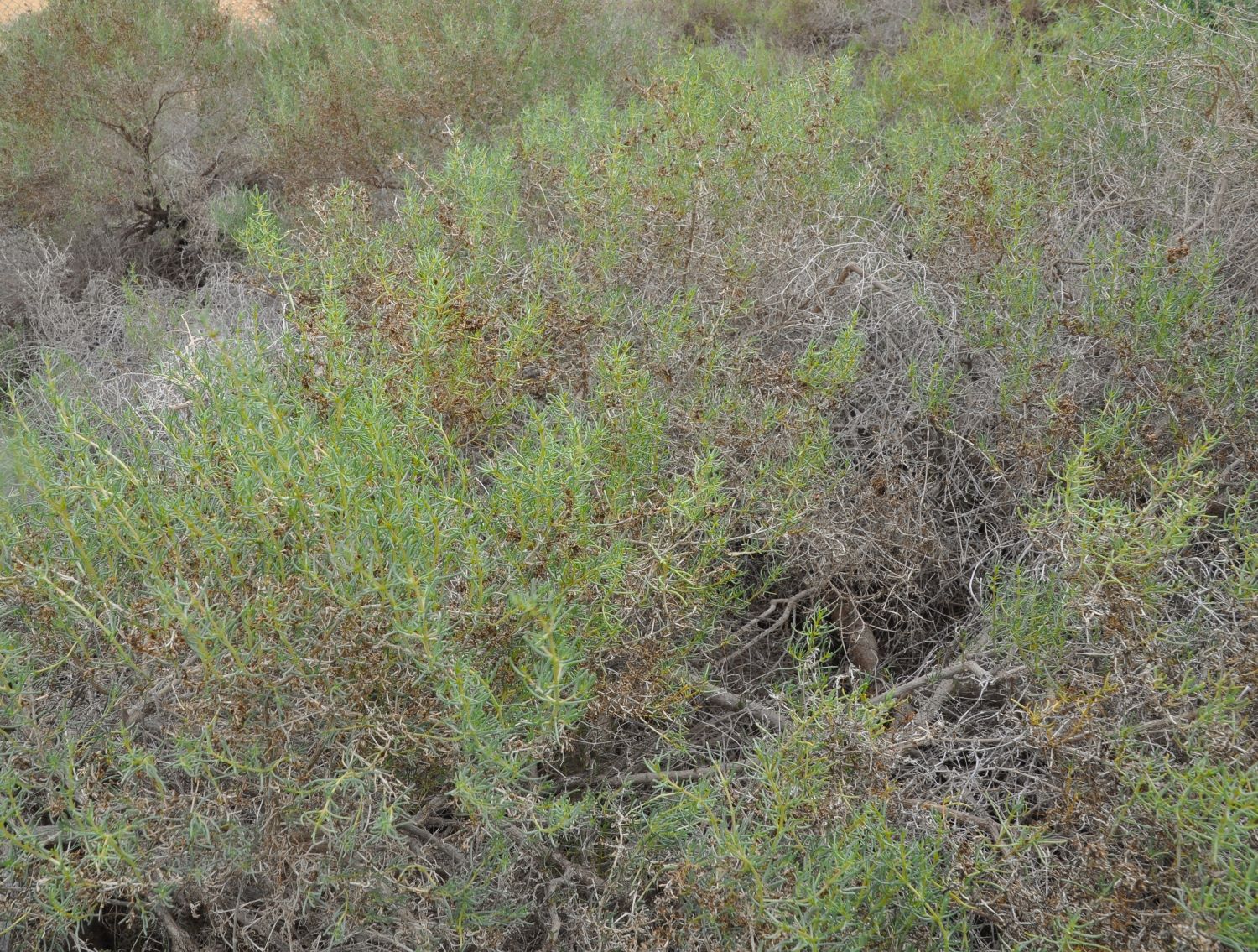
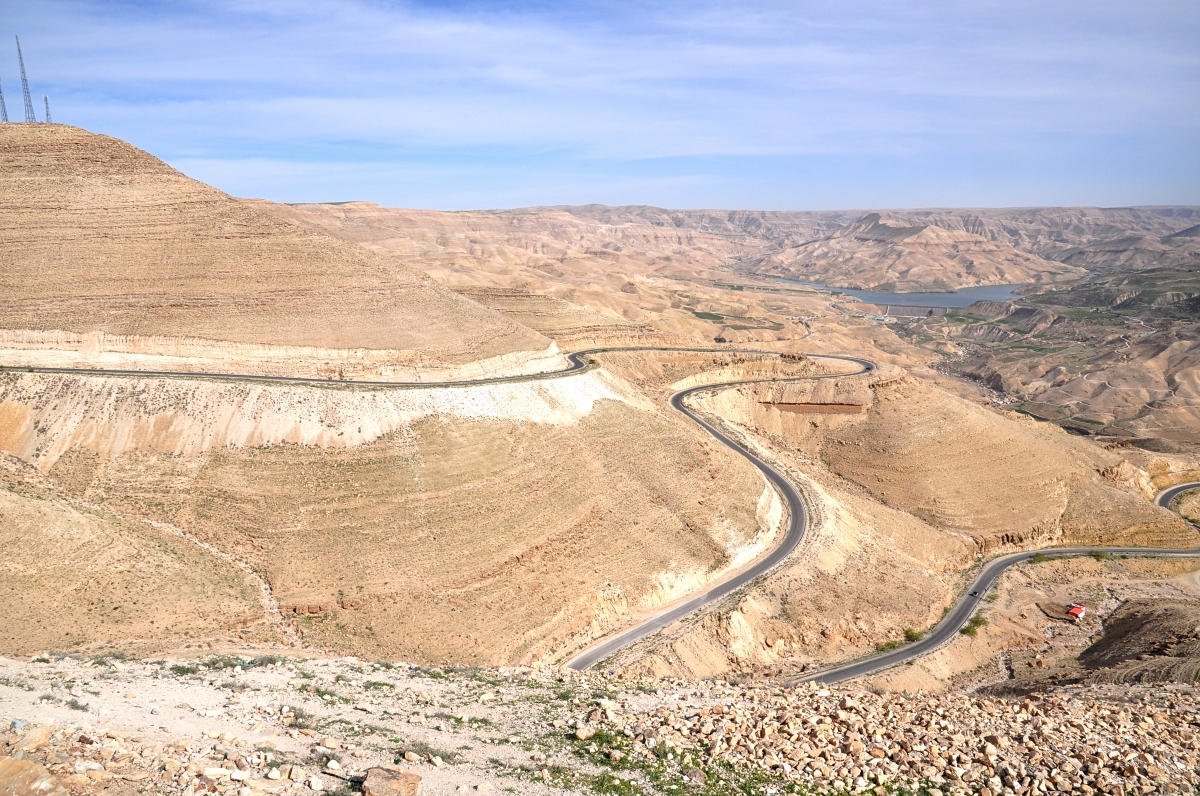
Another view of Wormwood in the country of Jordan. Photo ©Leon Mauldin.

“Several species of artemisia grow in Palestine. The common wormwood is Artemisia Absinthium. The name always implies wormwood or something more bitter than gall. The genus artemisia belongs to the natural order Compositæ.” (Balfour, J. H. The Plants of the Bible, p. 246).
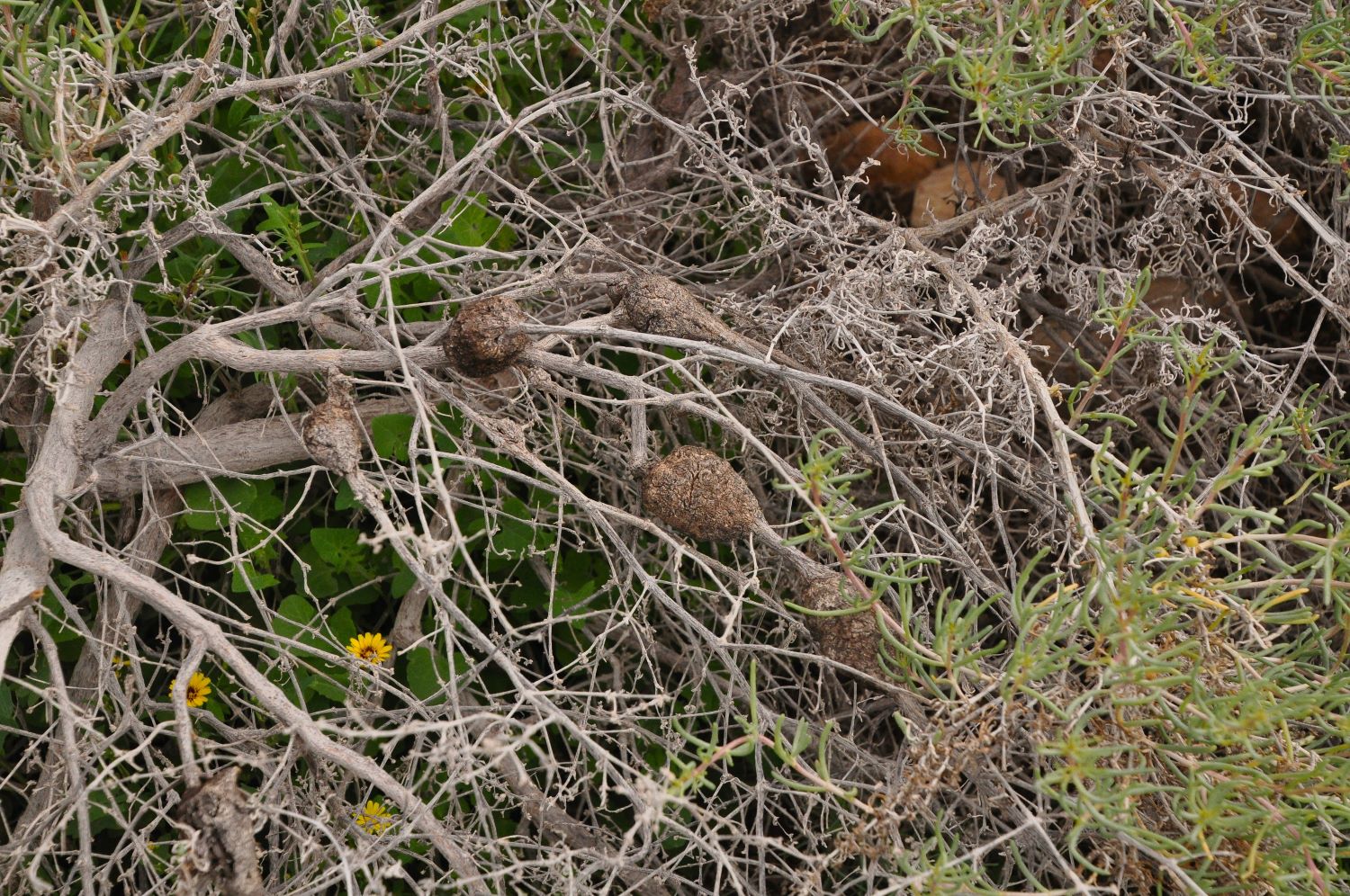
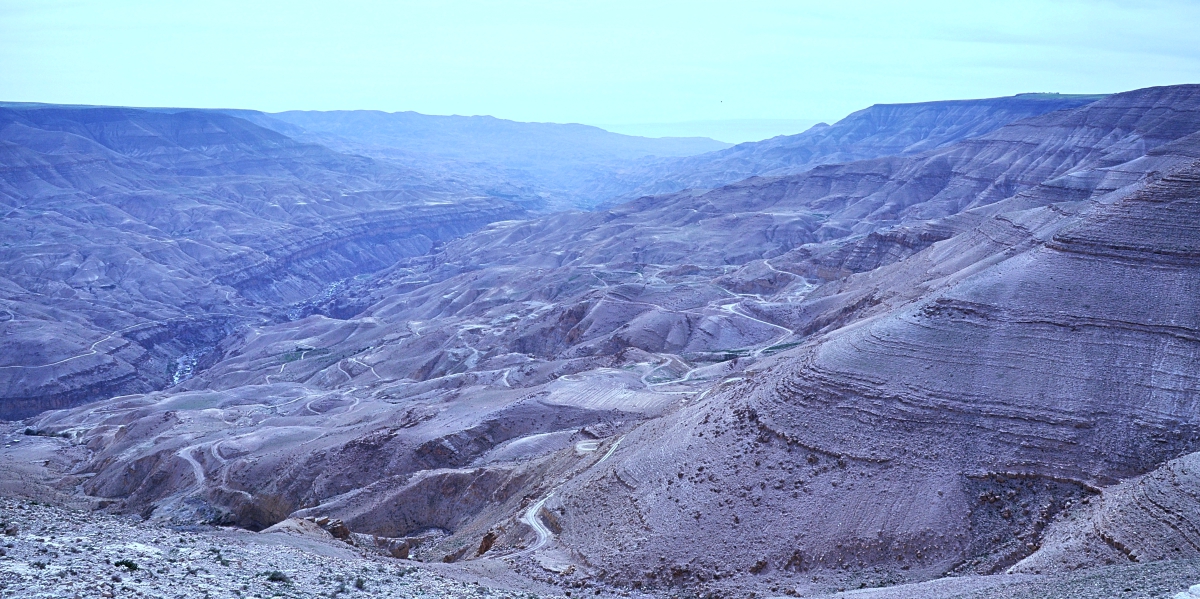
Close-up shot of the biblical Wormwood shrub. Photo ©Leon Mauldin.

Consider the biblical references to wormwood, where its bitter, unpleasant character is alluded to.

  • Deut. 29:18: Moses warned Israel about a root bearing bitterness (see NIV: “bitter poison”): “Deuteronomy 29:18 “so that there will not be among you a man or woman, or family or tribe, whose heart turns away today from the LORD our God, to go and serve the gods of those nations; that there will not be among you a root bearing poisonous fruit and wormwood.
  • The young man is warned against the adulterous woman in Prov. 5:4: “But in the end she is bitter as wormwood, Sharp as a two-edged sword.”
  • Jeremiah warned God’s apostate people in Jerusalem, “therefore thus says the LORD of hosts, the God of Israel, “behold, I will feed them, this people, with wormwood and give them poisoned water to drink” (Jer. 9:15).
  • Later, Jeremiah wrote about his personal struggle as he witnessed the wrath of God upon Jerusalem by Babylon: “He has filled me with bitterness, He has made me drunk with wormwood” (Lam. 3:15). And he implores God, “Remember my affliction and my wandering, the wormwood and bitterness” (Lam. 3:19).
  • The prophet Amos rebuked the northern kingdom of Israel, describing them with the words, “For those who turn justice into wormwood And cast righteousness down to the earth” (Amos 5:7). And again, “Do horses run on rocks? Or does one plow them with oxen? Yet you have turned justice into poison And the fruit of righteousness into wormwood” (Amos 6:12).

The book of Revelation is filled with Old Testament allusions. These verses help provide the background for the imagery of wormwood in Revelation 8:11.


The gods of the Ammonites

November 20, 2023

The current cover photo of Biblical Archaeology Review features a bust of “an Ammonite deity, perhaps the chief god, Milkom” (BAR, Winter 2003, p 48).

A similar bust is displayed in the Israel Museum.

Ammonite Deity, perhaps Milcom. Photo ©Leon Mauldin. Israel Museum.

A helpful resource, Chronicles of the Land: Archaeology in the Israel Museum Jerusalem, regarding the above artifact, simply notes, “Head of a statue depicting an Ammonite deity, late 8th century BCE” (p. 87). That date would fit in the bibilcal period of the Divided Kingdom, or perhaps Judah Alone (Israel fell in 722 BC).

The inside BAR article notes,

Ancient inscriptions tell us that the people of Ammon called themselves the bene ammon (“children of Ammon”), a designation also found in the Book of Kings (1 Kings 11:7,33). The Ammonites had their own language and script, which developed from Proto-Canaanite and was closely related to Phoenician, Hebrew, and Moabite. They worshiped their own chief deity, Milkom [spelled “Milcom” in most translations], who is mentioned in both Ammonite inscriptions and the Bible (e.g., 1 Kings 11:5,33).

(BAR/Winter 2023, p. 50).

The Ammonites had their origin in Lot, the nephew of Abraham. The sad story is told in Genesis 19:30-38. In time to come, during the biblical period of the Judges, Israel worshiped “the gods of the people of Ammon”, among other gods (Judges 10:6). Later during the days of the United Kingdom, Saul fought (successfully) against the Ammonites (1 Samual 14:47). They were also subdued under King David (2 Samuel 8:11-12). Unfortunately, Israel’s forces were besieging Rabbah, Ammon’s capital, when David “tarried in Jerusalem” and committed adultery with Bathsheba (2 Samuel 11:1-5). Another sad event: “Furthermore, on the hill east of Jerusalem Solomon built a high place for the detestable Moabite god Chemosh and for the detestable Ammonite god Milcom” (1 Kings 11:7, NET Bible).

Our map here below shows the location of Ammon.

Location of Ammon, beyond the Jordan. Map by BibleMapper.com.

Click photos for larger view.


Madeba Map

March 12, 2021

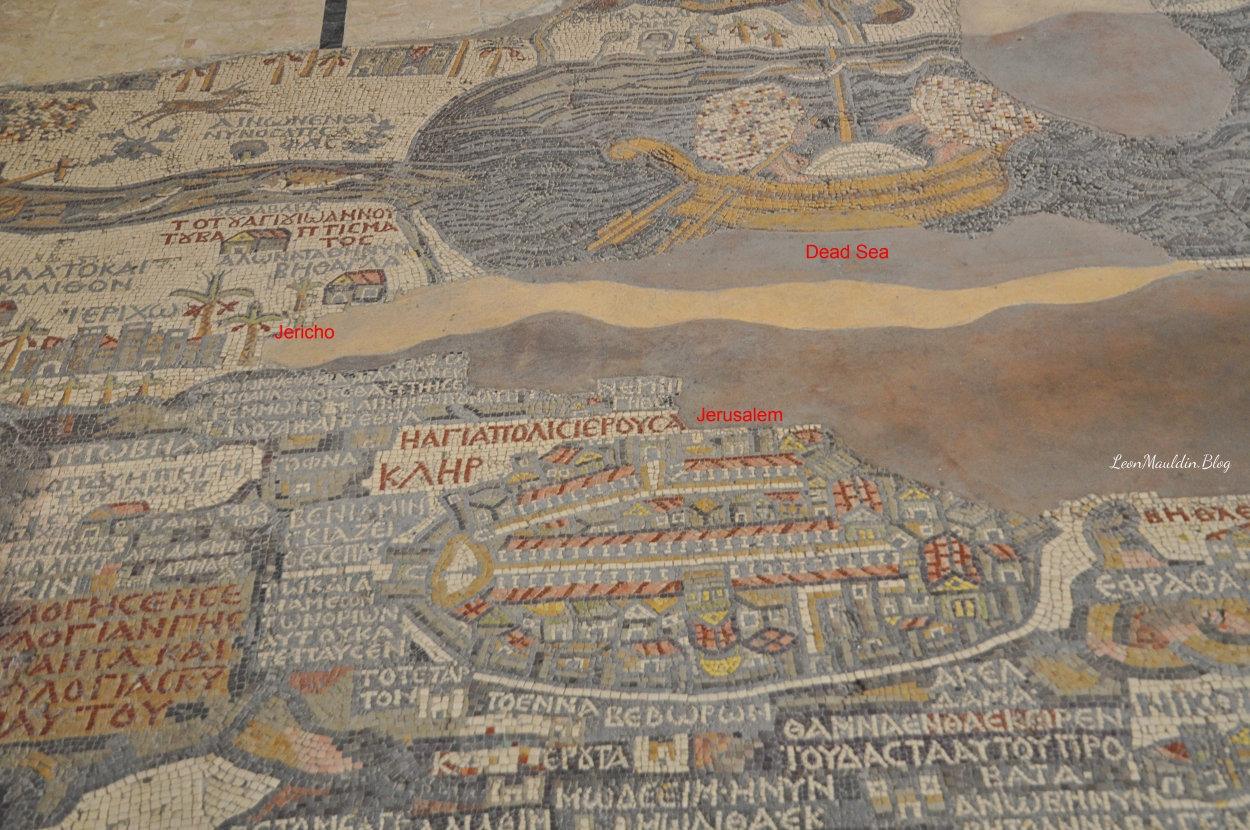
The Madeba Map (also spelled Madaba/Medeba) is made of colored mosaics, located at Madeba east of the Dead Sea, in today’s Jordan. It is not far from Mount Nebo, which Moses ascended to view the Promised Land of Canaan prior to his death (Deut. 34). The map was excavated in 1896 in St. George’s church.

Madeba Map, St. George’s Church, Jordan. Photo ©Leon Mauldin.

From the Lexham Bible Dictionary:

One significant archaeological find in Madaba was the accidental discovery in the late 19th century of the sixth-century AD Madaba map, located in St. George’s church. The Madaba Map is a depiction of the Holy Land—with Jerusalem at its center (Donner, The Mosaic Map of Madaba)—and it explains how the Near East was perceived in the Byzantine period (AD 324–640). The map views the Near East from the vantage point of the Mediterranean Sea, and includes both Cisjordan and Transjordan. The Jordan River has often been thought of as a barrier between the territories west and east of the Jordan in both ancient and modern times. However, the Madaba Map was intended to be a record of the contemporary Near East in the sixth century, and it depicted it as a region whose cities—those on both the western and eastern sides of the Jordan River—were part of a shared culture.

Hawkins, R. K. (2016). Medeba. In J. D. Barry, D. Bomar, D. R. Brown, R. Klippenstein, D. Mangum, C. Sinclair Wolcott, … W. Widder (Eds.), The Lexham Bible Dictionary. Bellingham, WA: Lexham Press.

In our photo here, I have labeled at center Jerusalem, and above it, the Dead Sea. Jericho can be seen at left. Note the palm trees (cf. Deut. 34:3). The map is oriented east (instead of our usual north).

More info is available from BAR:

Cities, villages and topographical features of the Holy Land—many confirmed by recent archaeological discoveries—appear on this portion of the famous Madaba mosaic map. Discovered in 1884 on the floor of a sixth-century A.D. church in Madaba, Jordan (20 miles southwest of Amman), the fragment in the photograph is about half the extant portion of the map.
Details Outside Jerusalem
The Madaba map is a blend of whimsy, impressionistic rendering and precise attention to detail. Because the map is oriented with east at the top, the Jordan River flows horizontally from left to right into the Dead Sea. In the sea, two boats bearing sailors (only some hands and feet remain from the original mosaic) float high on the turbulent water. Several fish are swimming in the Jordan River. A fish at the southern end of the river seems to swim deliberately away from the sea after having tasted the heavy salt content in the water. Above the Dead Sea, the steep mountains of Moab are depicted in pink and yellow on their lower arid slopes and gray-green on their more fertile upper reaches.
The Madaba map identifies Biblical events and places in its Greek text and also represents and names many of the physical features of the Holy Land during the late Byzantine period. Large red letters designate areas allotted to the tribes of Israel. On the far right is the word “Judah”; the large red letters at the bottom center are part of the phrase “[Lot] of Dan.” Historical notes and quotations from the Septuagint, a third-century B.C. Greek translation of the Hebrew Bible, appear in many places on the map (The red letters on the yellow background in the lower left corner of the map [part of the territory of Ephraim] read “Joseph ‘God shall bless thee with the blessing of the deep that lieth under’ and again ‘Blessed of the Lord be his land’” [Genesis 49:25, Deuteronomy 33:13].)
Most of the Biblical site identifications on the map are based on the Onomasticon, a fourth-century Biblical geography written by the Christian scholar Eusebius, but the artist who produced the Madaba map was aware of other traditions as well. For example, Mount Ebal and Mount Gerizim appear twice, once near Jericho, where Eusebius placed them, and again in Aramaic, on either side of the Shechem plain, where Samaritan tradition placed them.
Awareness of local details is seen in the representation of a small boat, probably a ferry, attached to a crossing rope extending from one side to the other of the Jordan River (far left), and most notably in the representation of Jerusalem (in the center of the map).


Jerusalem Details
The importance accorded Jerusalem is indicated by its size; although the map was not produced to an exact scale, Jerusalem is portrayed at a scale approximately ten times larger than the scale of the rest of the map. The drawing shows Jerusalem, as though seen from the air, looking toward the east. However, the mosaic artist took liberties and sometimes showed the eastern, northern, or southern facade of various buildings and gates.
On the north side of the city is the main gate (1), opening onto an oval plaza, in the center of which is a column, probably constructed by a Roman emperor, whose statue may once have stood atop the column, but in the sixth century it was long gone. Today the northern gate is popularly called the Damascus Gate, but the memory of the ancient column is preserved in the Arabic name of the gate, which means “Gate of the Column.”
Running north south (horizontally) away from the oval plaza is the main street of sixth-century Jerusalem, the cardo . The colonnades along this street are shown as rows of columns, covered by red roofs, flanking the central roadway.
The depiction of the cardo is interruption in the middle on the western (bottom) side by four white steps leading to the eastern facade of the red-roofed Church of the Holy Sepulchre. (In the Madaba map red-roofed buildings are usually churches or monasteries; yellow- or gray-roofed buildings are palaces or public buildings, and brown areas are public squares.) The Church of the Holy Sepulchre appears to be upside down. Three doors appear in the church’s facade (below the steps). Below the facade is a triangular pediment and below the pediment, the church’s roof. A. row of dark-colored tiles represents the courtyard that separated the basilica of the church from the rotunda (shown on the map by a gold semicircle). The golden dome of the rotunda stood over the traditional site of the tomb of Jesus, with its red roof and double doors facing west.
At the southeastern end of the cardo is another famous church, the Nea, built by the emperor Justinian in the sixth century and dedicated in 542; the Madaba map was probably produced about 20 years later. The large red-roofed building with conspicuous yellow gates south of the cardo is one of the principal sanctuaries in Byzantine Jerusalem, a basilica on Mt. Zion called the “Mother of All the Churches.”
On the western side of the city is the Jaffa Gate. A street, the decumanus, runs due east from the gate and intersects the cardo. A north-south street intersects the decumanus at right angles and parallels the cardo. The Armenian Street in modern Jerusalem follows the line of the street that ran parallel to the cardo.
The curving, colonnaded street in the eastern part of Jerusalem was located where the street known as Tariq el Wad is today. This street runs along the Tyropoean Valley from the Damascus Gate to the Dung Gate. To the east of the Tariq el Wad is the Temple Mount; to the west, the Upper City.
The Temple Mount is difficult to identify on the Madaba map. No buildings were located on the Temple Mount in sixth-century Jerusalem. The black line above the row of columns in the upper right may have been intended to represent the Temple Mount. The three parallel bands to the right of this dark line are interpreted as either the bridge connecting the Upper City with the Temple Mount, incorporating the arch called today “Wilson’s” Arch, or as a portion of the Western or “Wailing” Wall—part of the retaining wall of the Temple Mount platform. Beginning in the fourth century, Jews were allowed to enter Jerusalem once a year on the ninth day of the month of Ab to commemorate the destruction of the Temple. It is likely that the site of their annual mourning service occurred at the wall represented here on the sixth-century Madaba map.
The Golden Gate. which opens onto the Temple Mount, is shown in the eastern wall of the city. The name of the other large gate in the eastern wall is not known; many pilgrims to Jerusalem referred to this other gate simply as “the eastern gate.”

(1983). BAR, 9(6).

Biblical references to Madeba include Numbers 21:30, Joshua 13:9,16, 1 Chronicles 19:7 and Isaiah 15:2.


Hadad, Name of a god and Syrian Kings

January 24, 2020

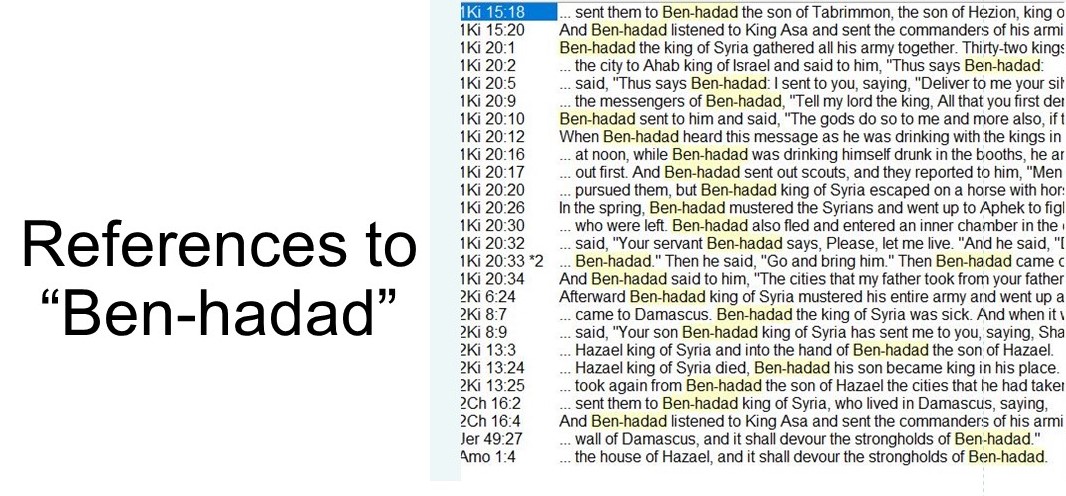
In the study of the Divided Kingdom there are many references to “Ben-hadad”, king of Syria. For example, I was just reading 2 Kings 6:24: “Afterward Ben-hadad king of Syria mustered his entire army and went up and besieged Samaria.”

Biblical references to Ben-hadad. ESV Bible, slide by Leon Mauldin.

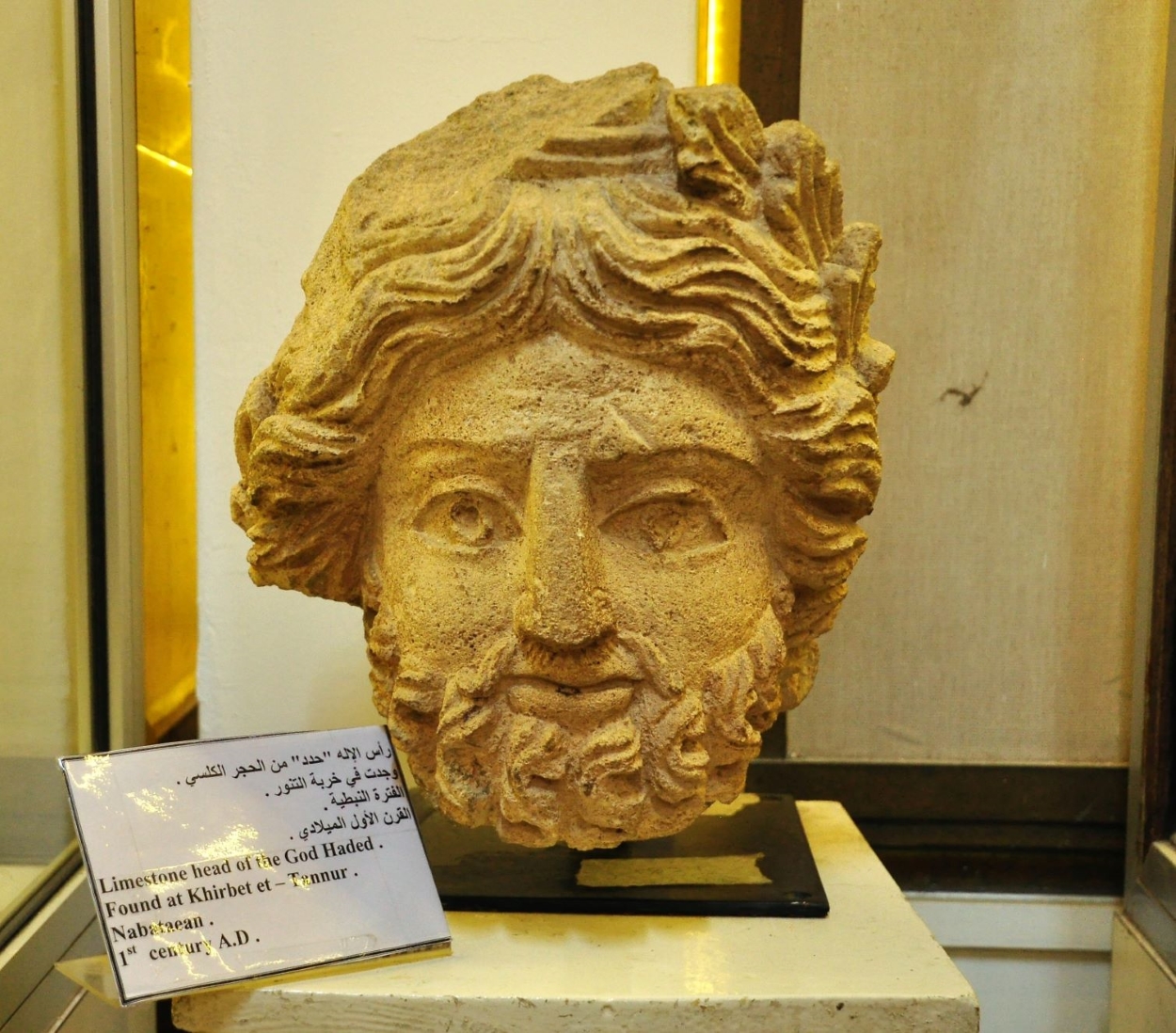
The name “Ben-hadad” means “son of Hadad.” This is in reference to the god Hadad, god of Syria. In this mythology, he was the storm god, the god that provided rain.

There is a bust of Hadad housed in the Jordan Museum in Amman.

The god Hadad. Jordan Museum. Photo ©Leon Mauldin.

“Ben-hadad” is a dynastic name. There are three kings in the Bible record (in the numerous passages above) called “Ben-hadad.” A. H. Sayce wrote:

BEN-HADAD (בֶּן־הֲדַד, υἱὸς Ἁδερ, Benadad).—Three kings of Damascus of this name are mentioned in the OT.

Ben-hadad I., the son of Tab-rimmon, the son of Hezion (? Rezon), was bribed by Asa of Judah, with the treasures of the temple and palace, to attack Baasha of Israel while the latter was building the fortress of Ramah, and thereby blocking the Jewish high-road to the north. Asa urged that there had been alliance between his father and Tab-rimmon; but his gold was doubtless more efficacious in inducing Ben-hadad to invade the northern part of Israel, and so oblige Baasha to desert Ramah. Thereupon Asa carried away the stone and timber of Ramah, and built with them Geba and Mizpah (1 K 15:18–22).

Ben-hadad II. was the son and successor of Ben-hadad I. We have an account of his war with Ahab, and unsuccessful siege of Samaria, in 1 K 20. Thirty-two kings are said to have been his vassals or allies. He was, however, signally defeated at Aphek, and compelled to restore the cities taken by his father (1 K 20:34), as well as to grant the Israelites a bazaar in Damascus. At a later period Ben-hadad again besieged Samaria; but a panic fell upon his army, and they fled, believing that the king of Israel had hired against them ‘the kings of the Hittites and the kings of the Egyptians’ (2 K 7:6, 7). Having fallen ill, Ben-hadad afterwards sent Hazael to the prophet Elisha, who had come to Damascus, to ask whether he should recover; but the result of the mission was, that on the following day Hazael smothered his master and seized the crown (2 K 8:7–15).

Ben-hadad III. was the son of Hazael, and lost the Israelitish conquests that his father had made. Thrice did Joash of Israel ‘smite him, and recovered the cities of Israel’ (2 K 13:25). Sayce, A. H. A Dictionary of the Bible: Dealing with Its Language, Literature, and Contents Including the Biblical Theology (Vol. 1, p. 271).

The Lexham Bible Dictionary gives the following helpful information on the god Hadad regarding the significance of the land of Syria:

Although Hadad was worshiped in Mesopotamia, Hadad likely originated in Syria. In a late Assyrian deity-list, Hadad (dAd-du) is called dIM.MARki, the “storm-god of the west” (Huffmon, Amorite Personal Names, 156; Conn. 25, 16:16). In Syria, Hadad was probably an important deity from earliest times. Here Hadad was the son of Dagon, the Mesopotamian and West Semitic storm deity, and the equivalent of the great Sumerian storm-god Enlil (Green, Storm-God, 63–72, 167–68). Tablets discovered at ancient Mari associate the storm-god dIM with Hadad, who was revered in Syria more as a warrior than as a beneficent bringer of fertility. In the second millennium BC Hadad’s cult was centralized in ancient Yamhad (modern Aleppo), in Syria (Abou-Assaf, “Die Ikonographie”). Kelley, J. L. (2016). The Lexham Bible Dictionary.

I hope this information will be helpful to any who are undertaking a study of that complex biblical period known as the Divided Kingdom. Click images for larger view.


In Moab Land

March 5, 2019

In March 2018 Ferrell Jenkins & I spent several days in Jordan on a personal study tour, including several sites in what historically was biblical Moab. As was the origin of Ammon, the sad story of the Moab’s descent from Lot’s incestuous union with his daughter (oldest) is narrated in Genesis 19:30-38. The territory of Moab was located east of the Dead Sea between the wadis Arnon and Zered.

Physical features of the land. Note the Arnon and Zered, and the land of Moab. Map by Scott Richardson.

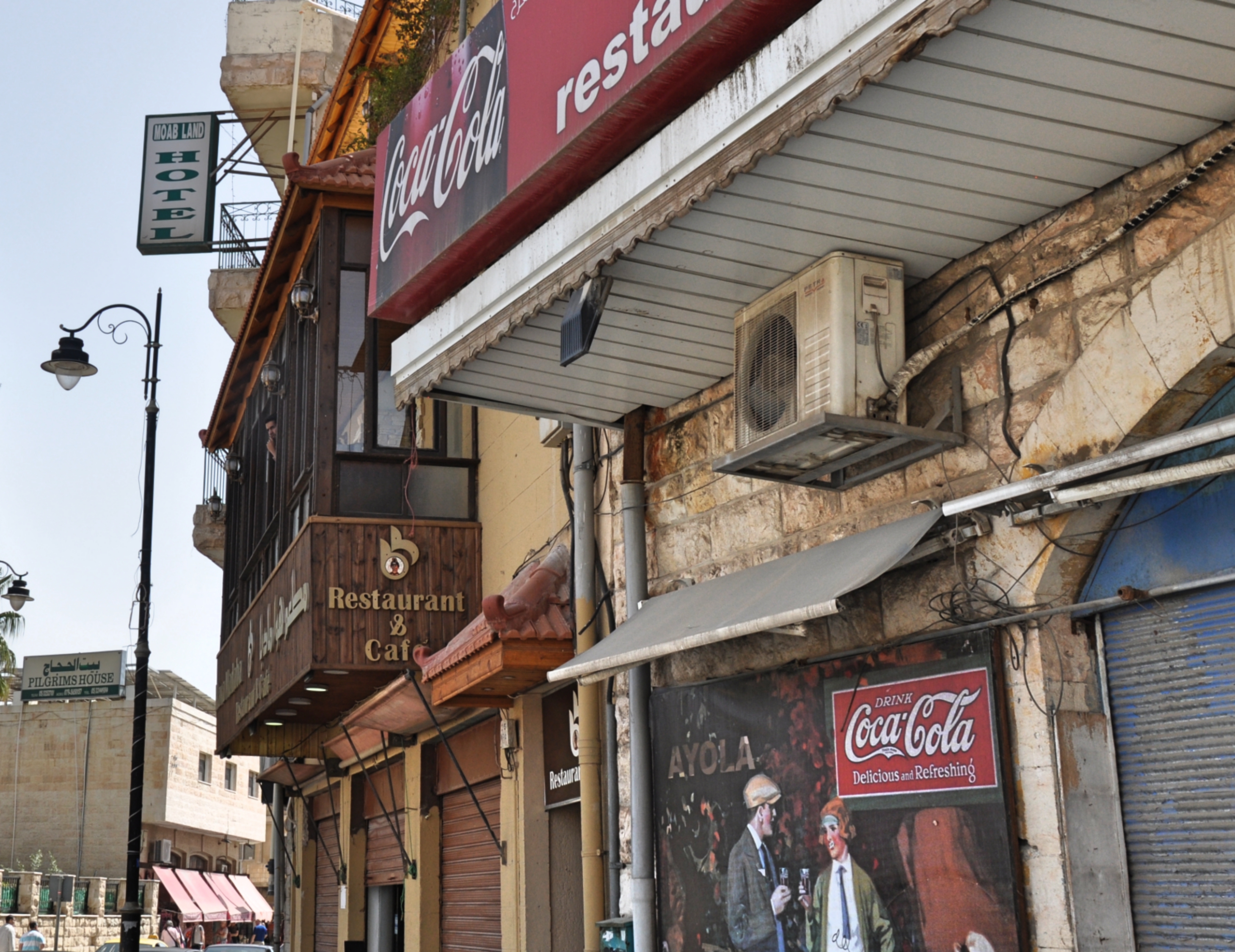
One of the sites we visited was Madaba, which today is best known for its large Byzantine-era mosaic map of the Holy Land, located in the St. George Church. A short distance away we found a spot for lunch.

Dining in Moab. Note sign in upper left: “Moab Land Hotel.” Photo by Leon Mauldin.

Madaba is mentioned in the Bible in Numbers 21:30 and Joshua 13:6 (biblical spelling is Medeba).

The Moabites “normally inhabited the area on the Transjordan plateau between Wadi Arnon on the north and Wadi Zered on the south, though they often pushed north of Wadi Arnon.” (Alexander, Expositor’s Bible Commentary: Ezekiel, 6:866).

I wanted to share a few photos of the Wadi Arnon mentioned above. The Arnon was a natural boundary. In the days of the Conquest, when the land was allotted to the tribes of Israel, the southern border of the tribe of Reuben was the Arnon.

The Arnon Valley. Photo by Ferrell Jenkins.

The Arnon Valley as we look west.

Arnon Valley looking westward. Photo by Leon Mauldin.

Arnon Valley looking east. I think you will agree that a flat map does not do it justice!

Arnon Valley looking East. Photo by Leon Mauldin.

Click on photos for larger view.


Cities of the Decapolis

July 18, 2018

I’m currently presenting a visualized survey of the Bible, with tonight’s lesson dealing with the Life of Christ. Following Jesus’ Galilean Ministry, He pursued a plan to invest more time alone with the Apostles, preparing them for the great work they were to do. This period is known as the Retirement Ministry, “retiring” from the crowds to be with the apostles. One region Jesus traveled during this time was the Decapolis. “Again He went out from the region of Tyre, and came through Sidon to the Sea of Galilee, within the region of Decapolis” (Mark 7:31). This largely Gentile area was comprised of ten cities (hence the name) which were given autonomy by Rome.

One of the cities of the Decapolis was Jerash (Gerasa).

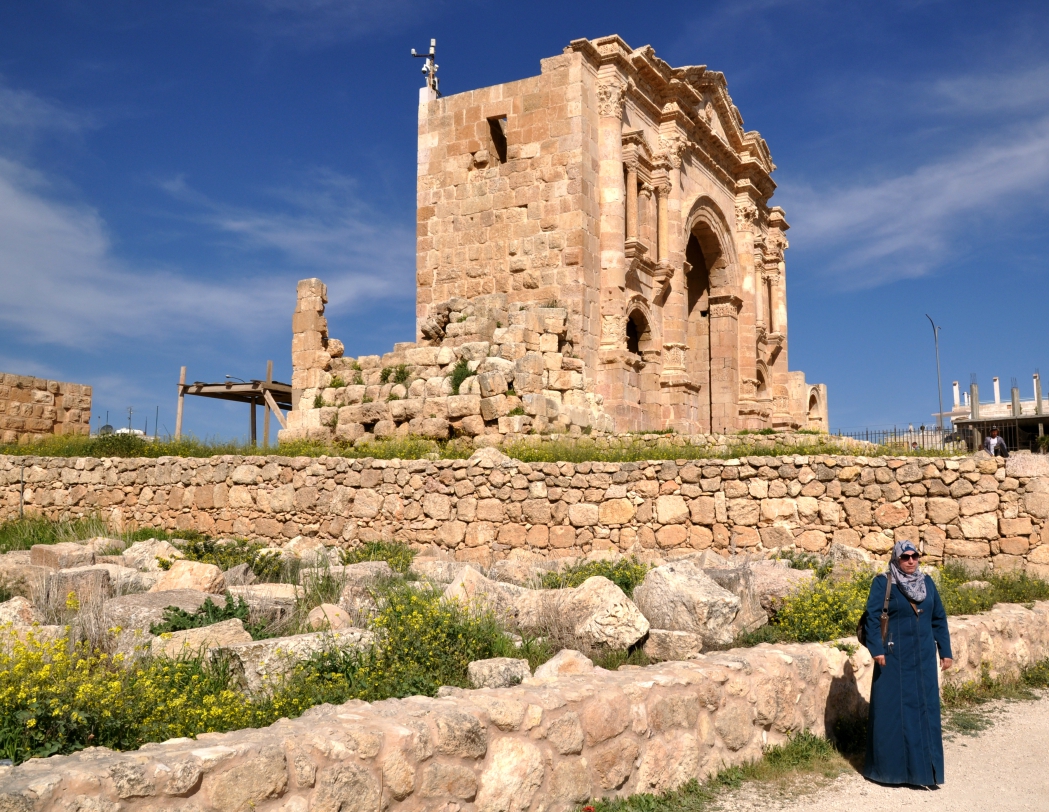
Hadrian Gate at entrance to Jerash, one of the cities of the Decapolis. Photo ©Leon Mauldin.

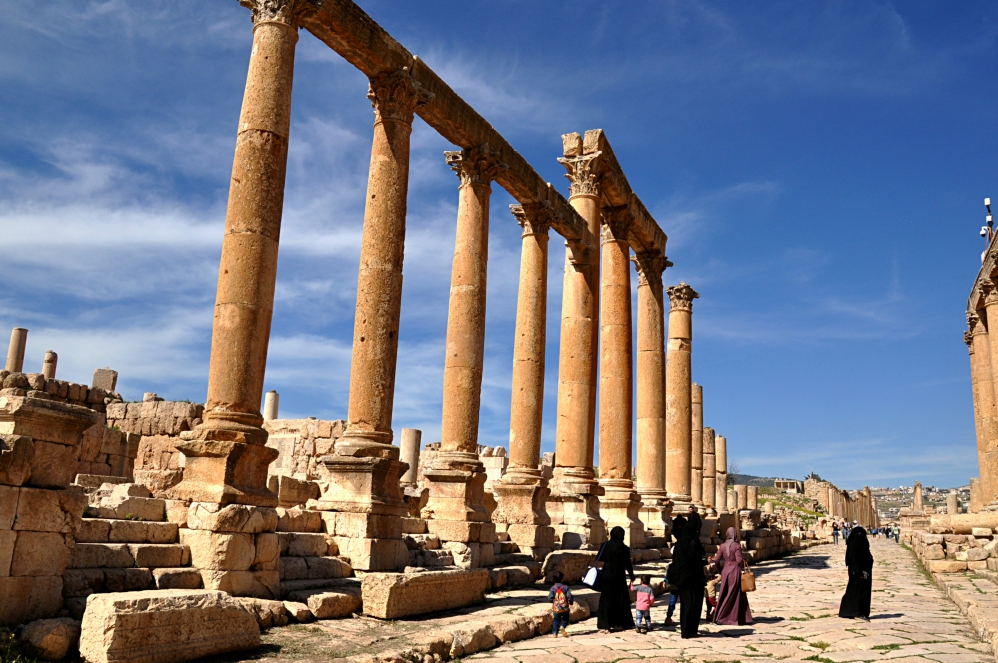
Here is a view down the Cardo of Jerash.

Cardo at Jerash. Photo ©Leon Mauldin.

Another city of the Decapolis was Hippos. From here you can see the Sea of Galilee.

Hippos of the Decapolis. Photo ©Leon Mauldin.

We’ve previously written here on Hippos.

Back to our text of Mark 7:31. Here was the site of one of Jesus’ many miracles, which gave proof of His deity:

Again He went out from the region of Tyre, and came through Sidon to the Sea of Galilee, within the region of Decapolis. 32 They brought to Him one who was deaf and spoke with difficulty, and they implored Him to lay His hand on him. 33 Jesus took him aside from the crowd, by himself, and put His fingers into his ears, and after spitting, He touched his tongue with the saliva; 34 and looking up to heaven with a deep sigh, He said to him, “Ephphatha!” that is, “Be opened!” 35 And his ears were opened, and the impediment of his tongue was removed, and he began speaking plainly. 36 And He gave them orders not to tell anyone; but the more He ordered them, the more widely they continued to proclaim it. 37 They were utterly astonished, saying, “He has done all things well; He makes even the deaf to hear and the mute to speak.” (Mark 7:31-37).

Click images for larger view.


Paul’s Military Escort: From Jerusalem to Caesarea via Antipatris

June 20, 2018

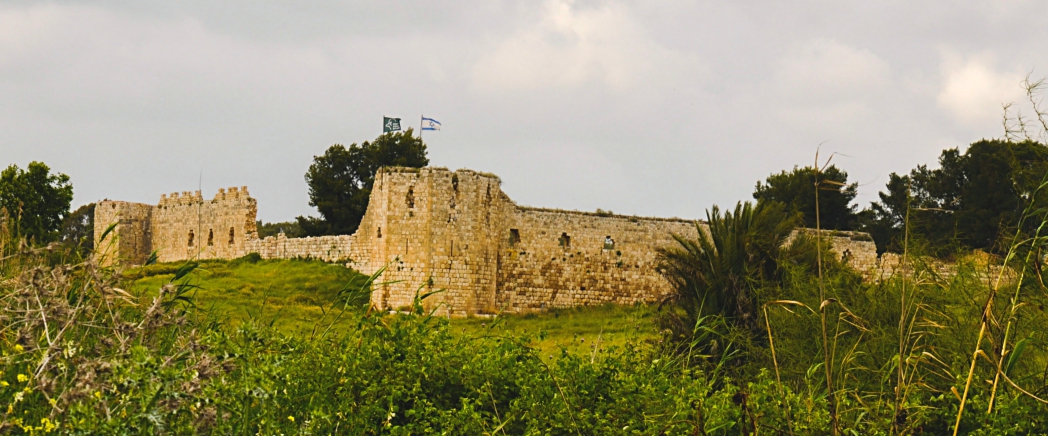
Acts 23 records how Claudius Lysias, the Roman commander stationed in Jerusalem, upon learning of a Jewish plot to kill his prisoner, the Apostle Paul, provided for a military escort to Caesarea, the Capital. “And he called to him two of the centurions and said, ‘Get two hundred soldiers ready by the third hour of the night to proceed to Caesarea, with seventy horsemen and two hundred spearmen.’ 24 They were also to provide mounts to put Paul on and bring him safely to Felix the governor” (vv.23-24). These unusual measures were taken because Paul, although a Jew, was also a Roman citizen. It was upon previously learning that fact (Acts 22:25-29), that the Commander provided for Paul’s safe transport to the Governor’s residence, Herod’s Praetorium. Claudius Lysias certainly did not want responsibility for the assassination of a Roman citizen on his watch!

Their route from Jerusalem to Caesarea took them through Antipatris: “So the soldiers, in accordance with their orders, took Paul and brought him by night to Antipatris” (Acts 23:31).

Antipatris, a stopping point on Paul’s escort to Caesarea. Photo ©Leon Mauldin.

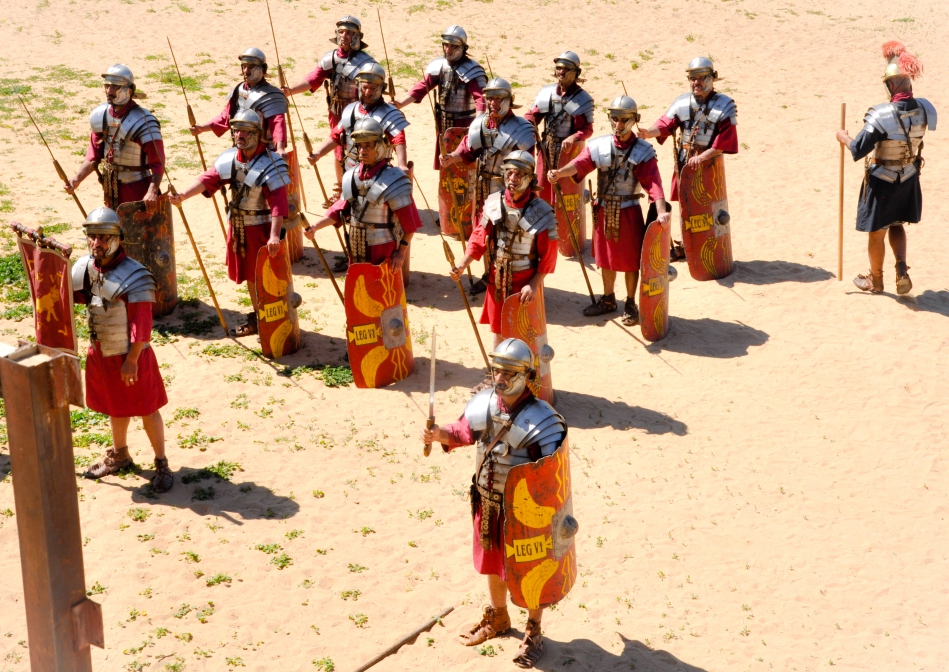
This past March, Ferrell Jenkins and I saw the RACE Show (Roman Army and Chariot Experience) in the Roman amphitheater at Jerash of the Decapolis (in today’s Jordan). This helps us visualize the Roman soldiers/spearmen that would have accompanied Paul.

Roman soldiers (actors) at Jerash of the Decapolis. Photo ©Leon Mauldin.

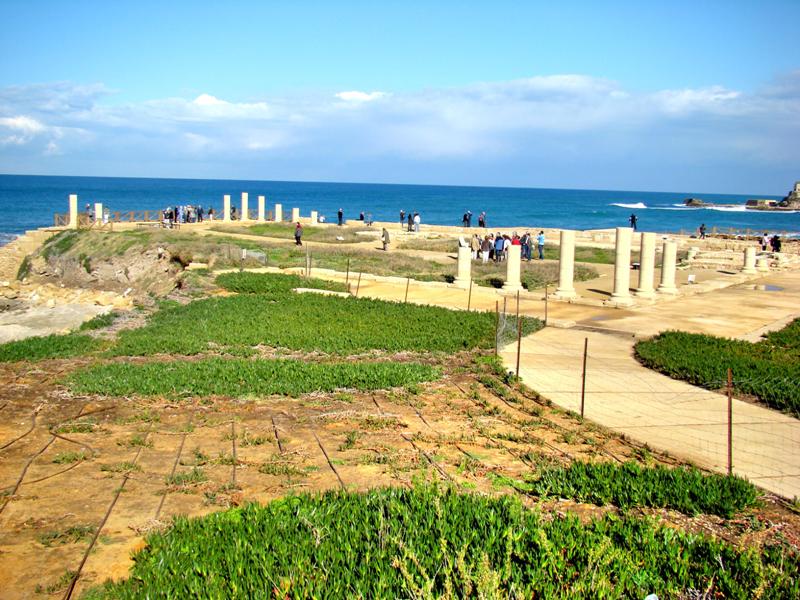
From there Paul was taken on to Caesarea: “But the next day, leaving the horsemen to go on with him, they returned to the barracks. When these had come to Caesarea and delivered the letter to the governor, they also presented Paul to him” (Acts 23:32-33).

Caesarea on the Mediterranean coast. Ruins of the Palace. Paul was taken here. Photo ©Leon Mauldin.

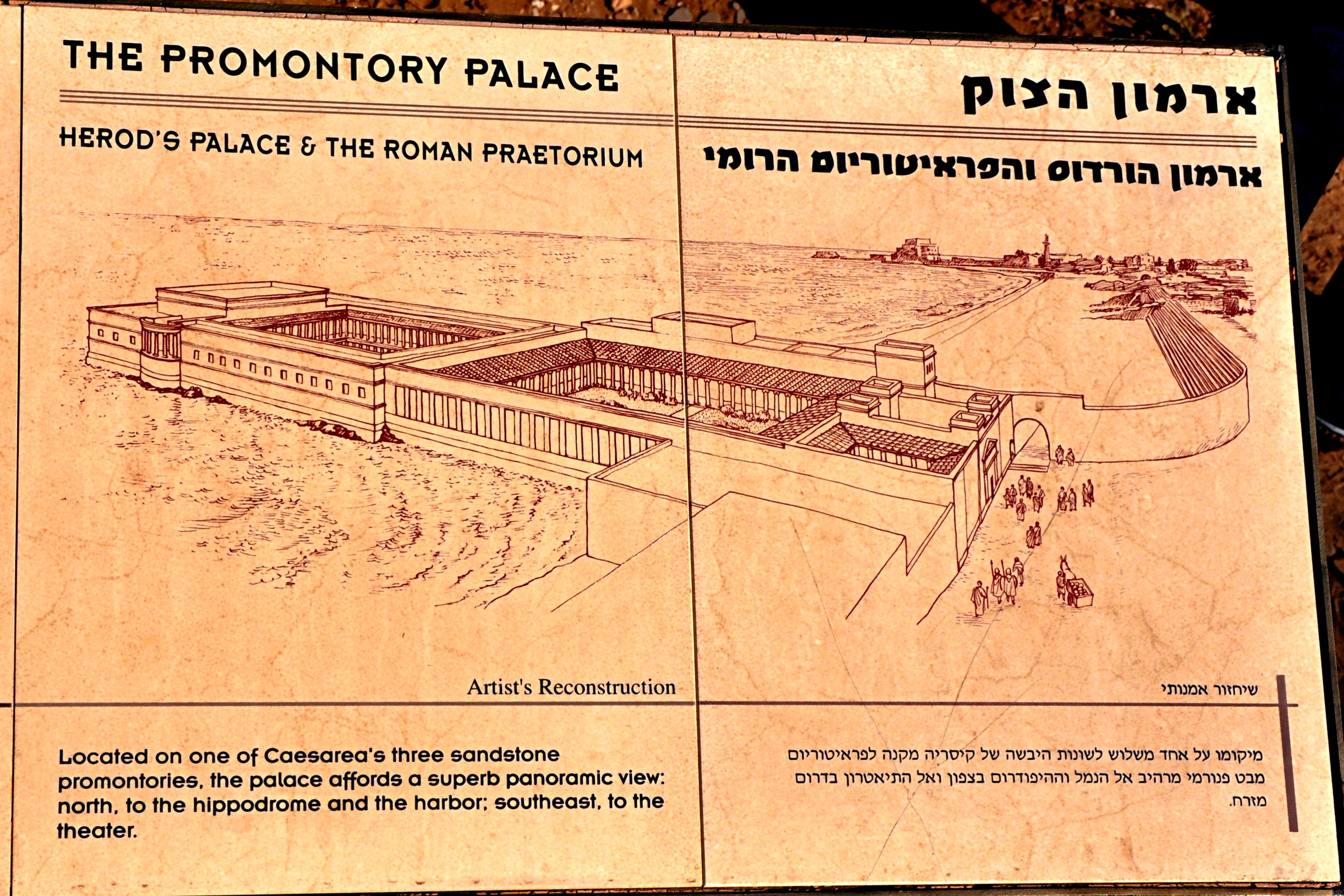
The closing verse of Acts 23 records the Governor’s (Felix) reception of Paul: “‘I will give you a hearing after your accusers arrive also,’ giving orders for him to be kept in Herod’s Praetorium” (v.35). There is on-site at Caesarea some artwork that helps us to visualize the Praetorium.

Artwork showing Herod’s Palace at Caesarea. Photo ©Leon Mauldin.

Click images for larger view.


Trip Summary &the Siq at Petra

March 30, 2018

Ferrell Jenkins & I are at the TLV airport, awaiting flights (different airlines) to Florida and Sweet Home Alabama respectively. It has been a great trip. In Israel we’ve traveled and photographed from “Dan to Beersheba”, and on down to Elath. Our time was rather equally divided between Jordan and Israel. We’ve seen the Mediterranean, the Jordan (and some of its tributaries: the Banias, a sliver of the Dan, the Senir), the Dead Sea and the Red Sea. On the Jordan side we were able to see the Arnon and the Jabbok (where Jacob wrestled with the Angel).

There is such variety in the land: a bit of snow could be seen on Mt. Hermon, the highest point of elevation in Israel. At the Dead Sea we were at the lowest point on earth. We traversed longitudinal zones: the coastal plain, the gently rising hills of the Shephelah, the hill country of Judea, Samaria and Galilee; the Jordan Valley, and the Trans-Jordan Plateau. We saw numerous green fields, some with crops, much agriculture, but also the barren desert.

I learned a lot on this trip, enjoyed the companionship of a valued professor, esteemed friend, and fellow-worker. I took a few thousand photos which hopefully find use in various venues of teaching, preaching, classes and writing, as well as resources for our local congregation.

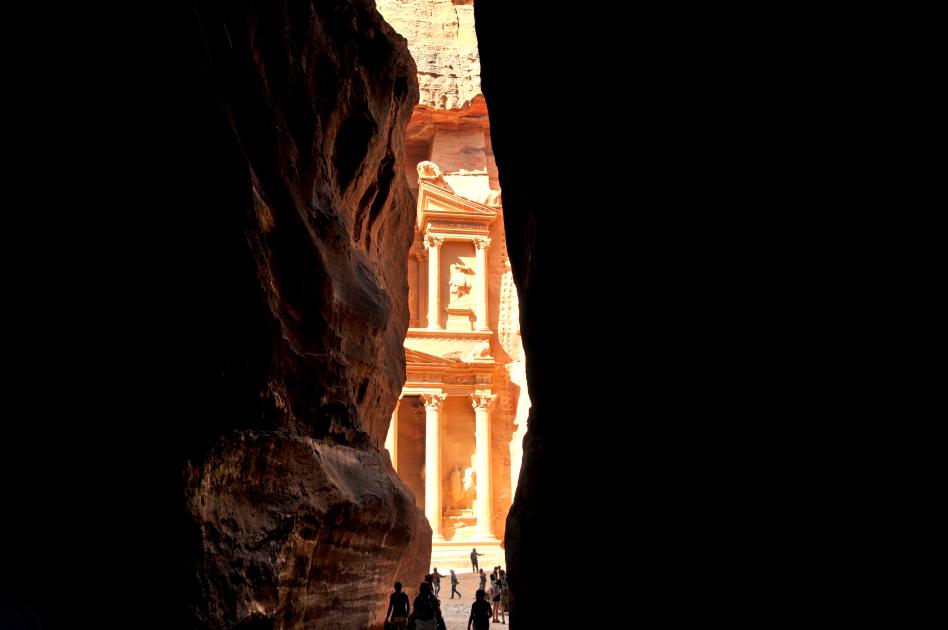
For now I’ll share a photo of the Siq at Petra:

The Siq at Petra. Photo by Leon Mauldin.

The 1.2km siq, or canyon, with its narrow, vertical walls, is undeniably one of the highlights of Petra. The walk through this magical corridor, as it snakes its way towards the hidden city, is one full of anticipation for the wonders ahead – a point not wasted on the Nabataeans who made the passage into a sacred way, punctuated with sites of spiritual significance.

The Siq starts at an obvious bridge, beside a modern dam. The dam was built in 1963, on top of a Nabataean dam dated AD 50, to stop floodwater from Wadi Musa flowing through the Siq. To the right, Wadi Muthlim heads through a Nabataean tunnel – the start (or finish) of an exciting hike. The entrance to the Siq was once marked by a Nabataean monumental arch. It survived until the end of the 19th century, and some remains can be seen at twin niches on either side of the entrance. Many people charge through the Siq impatient to get to Petra. That’s a pity because the corridor of stone is worth enjoying for its own sake and the longer you take to travel through it, the more you can savour the final moment of arrival. Technically, the Siq, with its 200m-high walls, is not a canyon (a gorge carved out by water), but a single block that has been rent apart by tectonic forces. At various points you can see where the grain of the rock on one side matches the other – it’s easiest to spot when the Siq narrows to 2m wide. The original channels cut into the walls to bring water into Petra are visible, and in some places the 2000-year-old terracotta pipes are still in place. A section of Roman paving was revealed after excavations in 1997 removed 2m of soil accumulation.

Some historians speculate that the primary function of the Siq was akin to the ancient Graeco-Roman Sacred Way. Some of the most important rituals of Petra’s spiritual life began as a procession through the narrow canyon, and it also represented the end point for Nabataean pilgrims. Many of the wall niches that are still visible today along the Siq’s walls were designed to hold figures or representations (called baetyls) of the main Nabataean god, Dushara. These small sacred sites served as touchstones of the sacred for pilgrims and priests, offering them a link to the more ornate temples, tombs and sanctuaries in the city’s heart, reminding them that they were leaving the outside world, and on the threshold of what was for many a holy city. At one point the Siq opens out to reveal a square tomb next to a lone fig tree. A little further on, look for a weathered carving of a camel and caravan man on the left wall. The water channel passes behind the carving. Hereafter, the walls almost appear to meet overhead, shutting out the sound and light and helping to build the anticipation of a first glimpse of the Treasury. It’s a sublime introduction to the ancient city. (Lonely Planet Jordan: Travel Guide).


Zarethan (Tell es Sa’idiyeh) in the Jordan Valley

March 22, 2018

This morning we left  the Dead Sea, made our way to the border crossing at the King Hussein Bridge into Israel, and arrived after dark at Tiberias on the Sea of Galilee, with brief stops at Jerusalem and Caesarea on the way. We plan as time permits to share more photos/info from this past week in Jordan, as well as more to come in Israel.

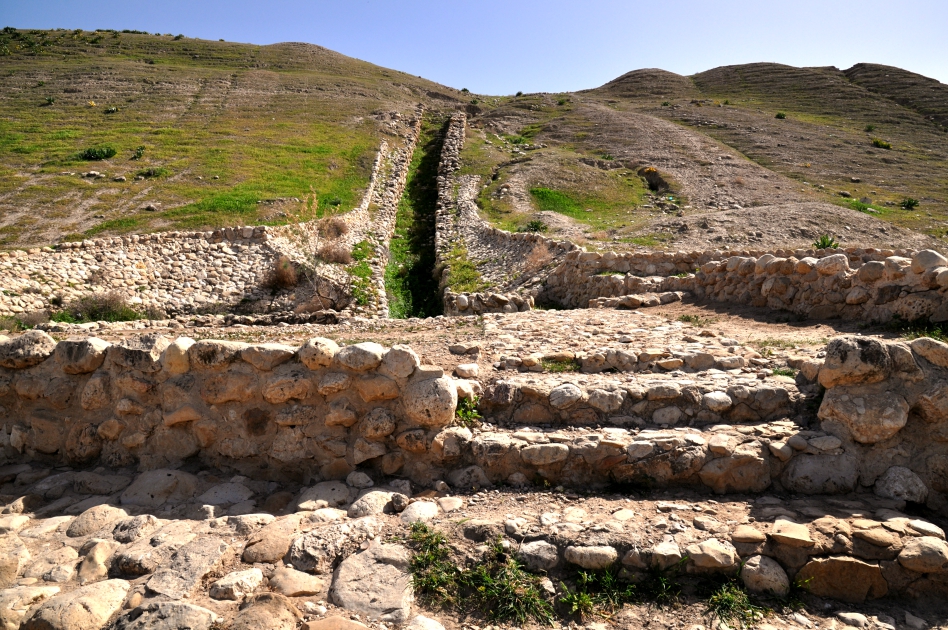
For tonight I wanted to mention Zarethan in the Jordan Valley, of biblical significance in the Old Testament. When Solomon was building the temple and its vessels, some of the metal casting  (bronze) was done in the area of Zarethan.

Zarephan, mentioned in connection with casting bronze for use in Solomon’s temple. Photo by Leon Mauldin.

1 Kings 7:

40 Now Hiram made the basins and the shovels and the bowls. So Hiram finished doing all the work which he performed for King Solomon in the house of the LORD: 41 the two pillars and the two bowls of the capitals which were on the top of the two pillars, and the two networks to cover the two bowls of the capitals which were on the top of the pillars; 42 and the four hundred pomegranates for the two networks, two rows of pomegranates for each network to cover the two bowls of the capitals which were on the tops of the pillars; 43 and the ten stands with the ten basins on the stands; 44 and the one sea and the twelve oxen under the sea; 45 and the pails and the shovels and the bowls; even all these utensils which Hiram made for King Solomon in the house of the LORD were of polished bronze. 46 In the plain of the Jordan the king cast them, in the clay ground between Succoth and Zarethan. (verses 40-46)

The British Museum website has some interesting info:

Tell es Sa’idiyeh, identified as the biblical city of Zarethan, lies at the heart of the central Jordan Valley. The huge, double occupation mound occupies a key strategic position, commanding the crossroads of two major trade routes, and dominating some of the richest and most fertile agricultural land east of the River Jordan.

Excavations undertaken since 1985, by a British Museum expedition under the direction of Jonathan N. Tubb, have revealed the great antiquity of the site’s occupational history, with settlement phases extending from the Early Islamic period of the seventh century AD, as far back at least as the Early Bronze Age of the third millennium BC. Excavations have shown that by about 2900 BC, Tell es-Sa’idiyeh was a large and prosperous city, with well constructed architecture and evidence for highly developed municipal planning. The most significant finding in this Early Bronze Age phase has been of a large palace complex on the lower tell, with areas set aside for olive oil production and storage, wine-making and textile preparation. All three of these activities were conducted on an industrial scale, clearly designed for international commerce. The pottery and other artifacts recovered from this early city display a level of refinement and sophistication unparalleled elsewhere in the Levant.

Equally remarkable discoveries relate to the city of the twelfth century BC, where excavations have uncovered evidence to suggest that Tell es-Sa’idiyeh, like Beth Shan or Gaza on the other side of the Jordan River, was a major centre for the Egyptian control of Canaan during the final years of its New Kingdom empire. Substantial architecture, including an elaborate water system and Egyptian-style public buildings have been found on the upper mound, and the same strong Egyptian component is also found in the contemporary cemetery which was cut into the long-abandoned and eroded ruins of the Early Bronze Age city on the lower mound. The expedition has excavated, to date, some 450 graves, many of which show unusual Egyptian features, both in terms of the grave-goods and burial customs. (http://www.britishmuseum.org/research/research_projects/tell_es-sa%E2%80%98idiyeh_excavations.aspx).

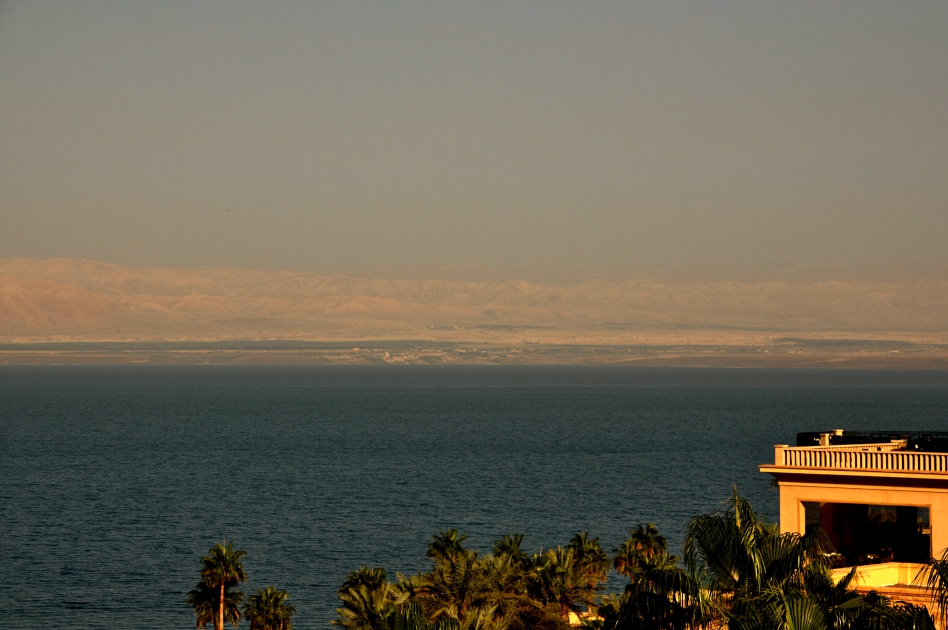
A couple of days ago I posted a sunset view of the Dead Sea; here is our view of the Dead Sea from the Jordan side looking across to Israel this morning.

Morning view of Dead Sea looking west. Photo by Leon Mauldin.

Click images for larger view.


Making Friends in the Jordan Valley

March 21, 2018

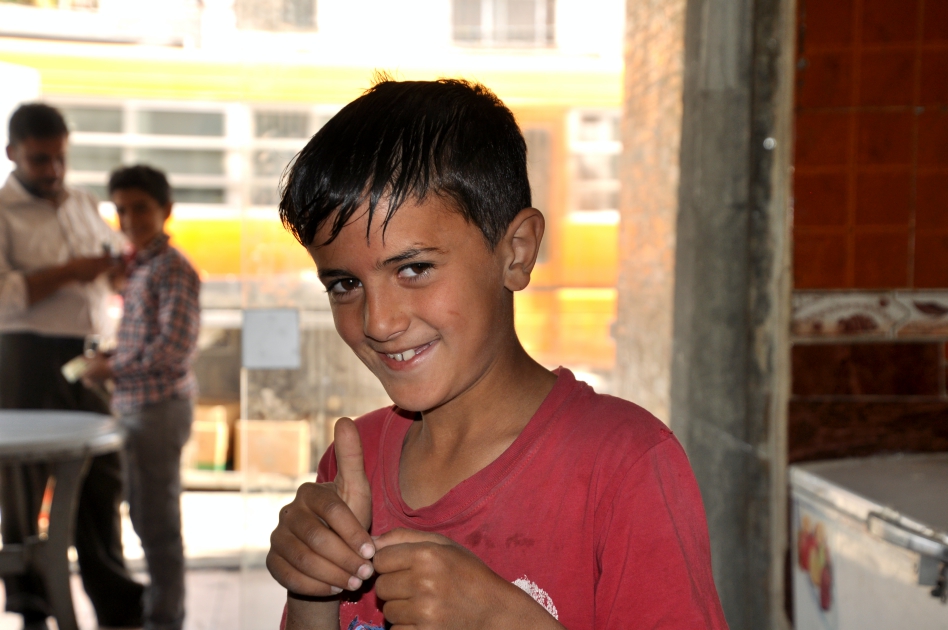
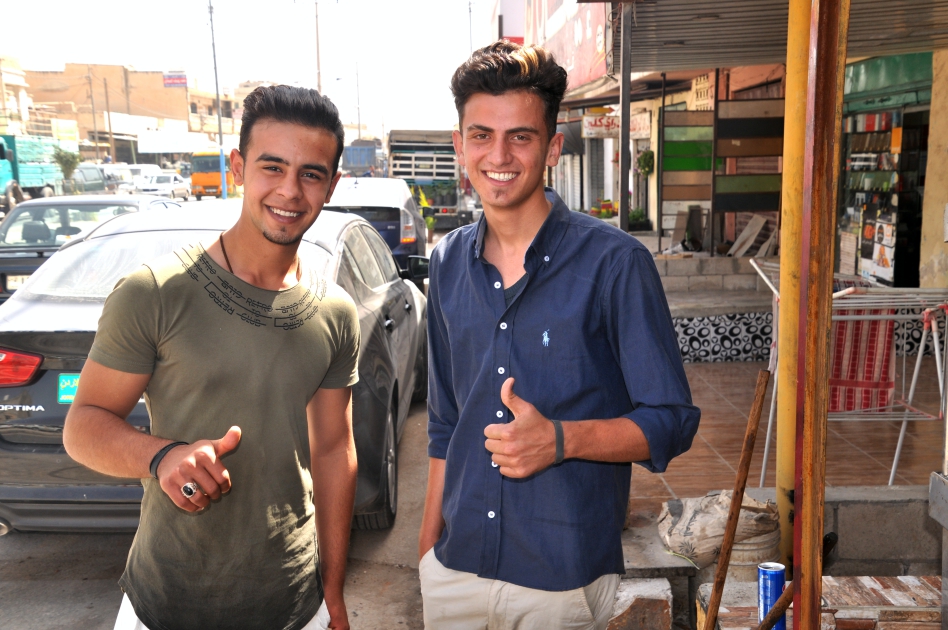
Ferrell Jenkins & I are continuing to enjoy our present opportunity to visit and photograph biblical/archaeological sites in Jordan and Israel. We also enjoy meeting many friendly people along the way. Today as we were looking for Tell es Sa’idiyeh, identified as the biblical city of Zarethan, we stopped for a bite of lunch in the Jordan Valley, in the biblical region of Perea.

Photo by Leon Mauldin.

Photo by Leon Mauldin.

The food was good (we each had a 1/2 chicken), but it was also pleasant to meet friendly people.

Thanks for continuing to follow our travels.