Behind the Golden Gate

July 19, 2011

Today’s featured photo takes us behind Jerusalem’s Golden Gate.
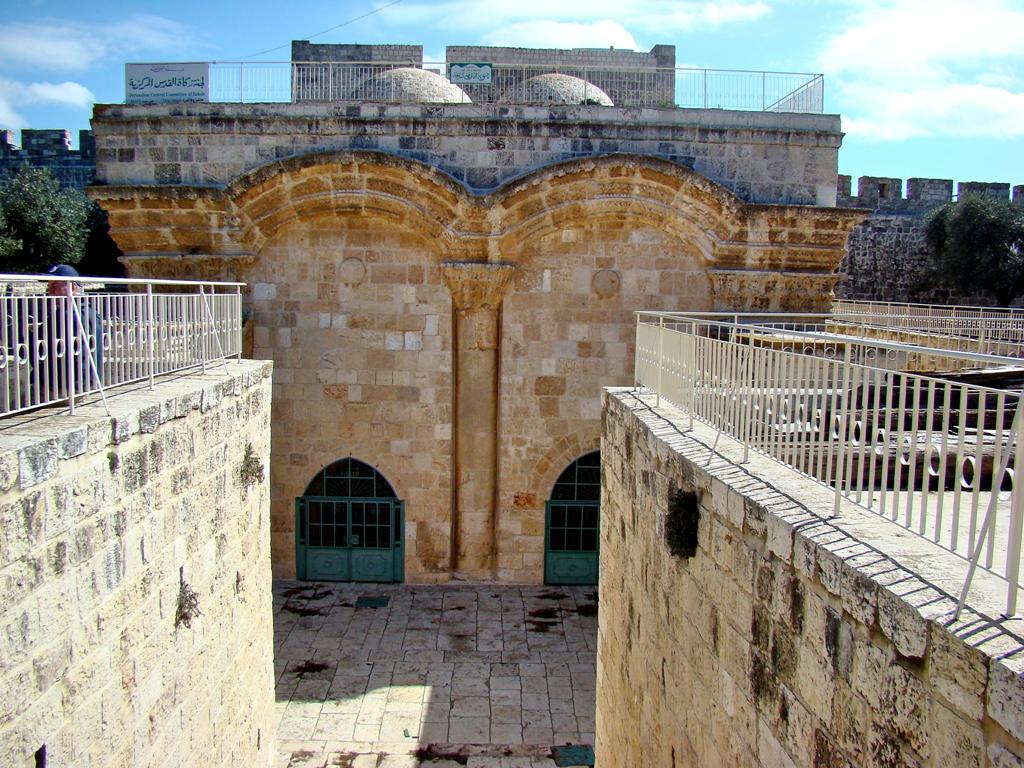
Behind Jerusalem's Golden Gate. Photo by Leon Mauldin.

You will remember that the Golden Gate is on the eastern wall. Our photo give you a perspective from atop the temple mount viewing the west side of the Golden Gate area.

Currently this is the location of a Muslim girl’s school.

Some make the suggestion that this would be the site of the Gate Beautiful mentioned in Acts 3:2:

And a man lame from birth was being carried up, who was placed at the temple gate called “the Beautiful Gate” every day so he could beg for money from those going into the temple courts (NET Bible).

Click on image for higher resolution.

On a personal note, this week I am privileged to be part of Gary Fisher’s Indiana Bible Camp, http://indianabiblecamp.com/ Students range from age 13 to 19. I’m teaching a Visualized Survey of the Bible, its history and geography, from Genesis to Revelation, making use of photos of Bible places as we narrate the text.

Below is a photo from tonight’s assembly, with Jon Babcock speaking.
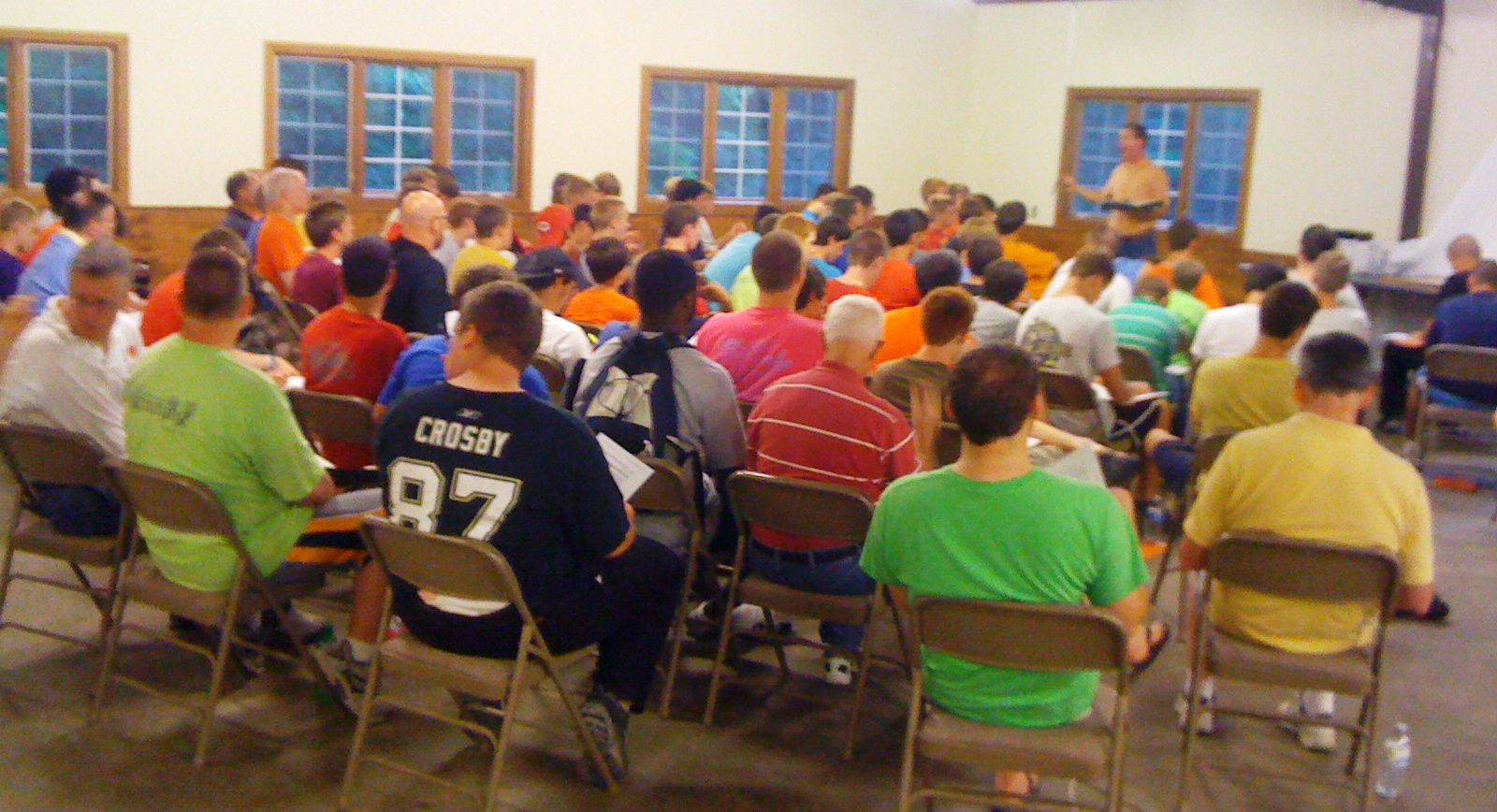
Shakamak Camp near Jasonville, IN.


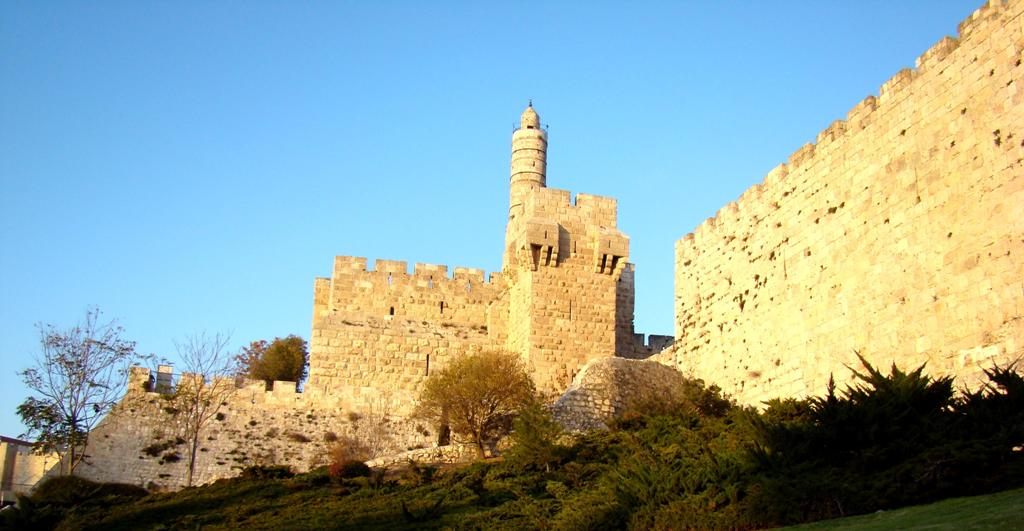
Citadel of David

July 16, 2011

The Citadel of David is located near the Jaffa Gate on Jerusalem’s western wall.

Citadel of David, located at Jerusalem's Western Wall near Jaffa Gate. Photo by Leon Mauldin.

The site, www.jewishvirtuallibrary.org has this helpful info:

The citadel of Jerusalem, known as the “Tower of David,” has been a landmark of the city since ancient times. . .Its location was chosen for topographic reasons – this is the highest point of the southwestern hill of Jerusalem, higher than any other point in the ancient city, including the Temple Mount. A series of fortifications built here in the course of more than twenty centuries, protected Jerusalem from the west and also overlooked and controlled the entire city.

A first archeological survey of the citadel, and excavations, were conducted between 1934 and 1947. Renewed excavations were undertaken after the reunification of the city, between the years 1968 and 1988, preparing the opening of the site to visitors.

Every period has left its mark and has been identified in the assemblage of architectural remains. In the citadel’s foundations are buried the remains of Jerusalem’s fortifications from the end of the monarchic period (8th to 6th centuries BCE) through the early Arab period (seventh to eleventh centuries). The outline of the citadel known today is from the Crusader period; the citadel itself was built in the mid-16th century by the Ottoman sultan Suleiman the Magnificent, and incorporates the remains of earlier citadels dating from Ayyubid and  Mamluk times.

The Citadel is protected by a high wall and large towers, and it is surrounded by a wide, deep moat, part of which was blocked in modern times. The entrance is from the east, via an outer gate, a bridge over the moat and a fortified inner gate house.

Click on image for higher resolution.


Huldah Gate in Jerusalem

July 14, 2011

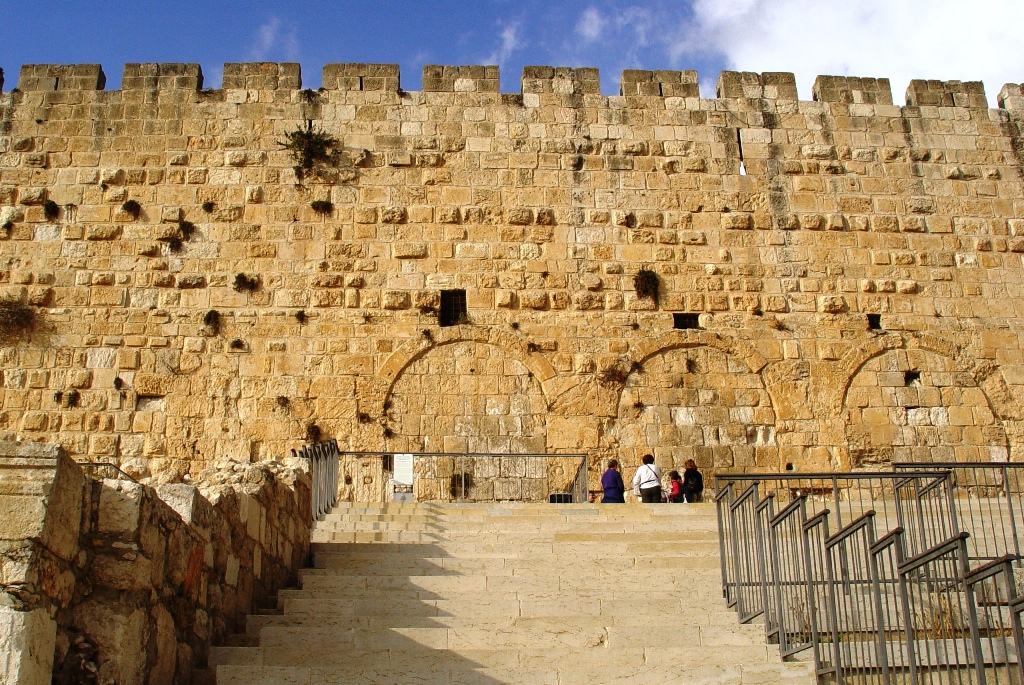
There was a pair of gates located on the south side of the temple mount, known as the Huldah gates. The gate to the west was a double arched gate; the one to the east was triple-arched. The double-arch gate is mostly hidden by a medieval structure. Traces of the eastern gate are still visible. The gates were previously adorned with grand decorated capitols.

Triple-arched Huldah Gate at southern wall of temple mount. Photo ©Leon Mauldin.

Each of the two gates served as a passage way to the temple, entering from the south. The Huldah gates were excavated in the ’70s by Meir Ben-Dov among other Israeli archaeologists. This area is currently a portion of the Southern Wall Archaeological Park.

In our photo above you can see how the triple-arched gate has been blocked and assimilated into the wall.

The name Huldah comes from the Old Testament prophetess, who lived during the days of Judah’s good king Josiah, when the lost book of the law of the LORD was found: “So Hilkiah the priest, Ahikam, Acbor, Shaphan, and Asaiah went to Huldah the prophetess, the wife of Shullam son of Tikvah, the son of Harhas, the supervisor of the wardrobe. (She lived in Jerusalem in the Second District)” (2 Kings 22:14, NET).

Click on image for higher resolution.


Zion Gate in Jerusalem

July 12, 2011

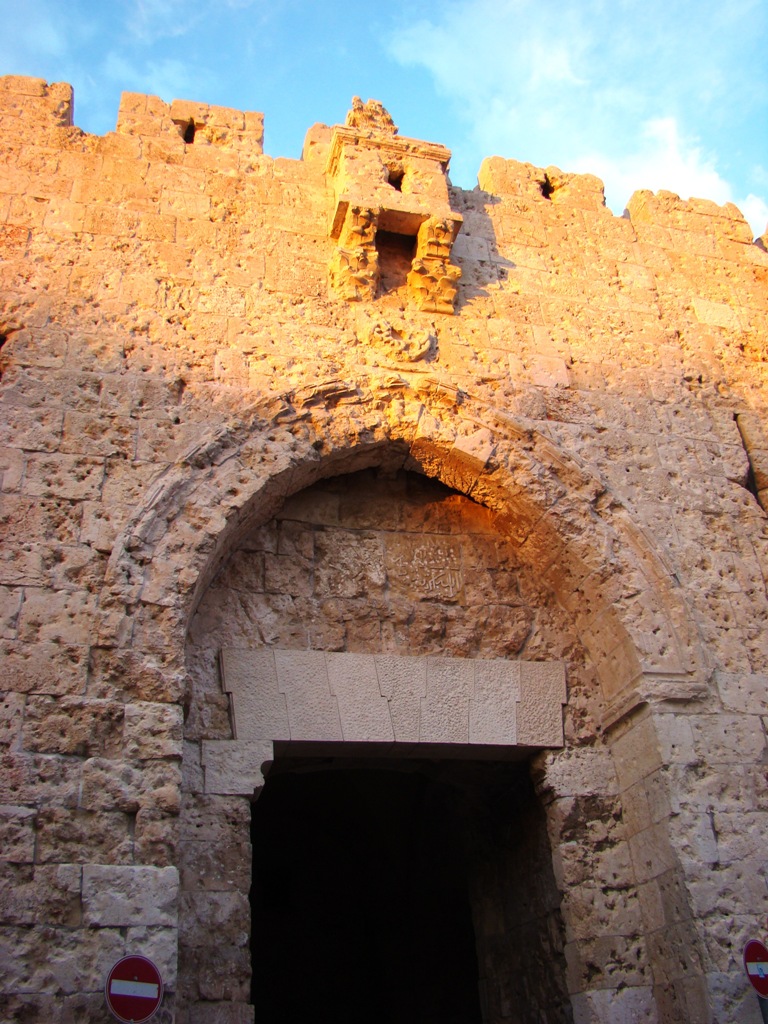
We continue to explore some of the gates of Jerusalem. The present walls of the city were constructed by in AD 1537-1540. The walls were built upon previous foundations, at times utilizing portions of the older walls. Average height is 34-38 feet.

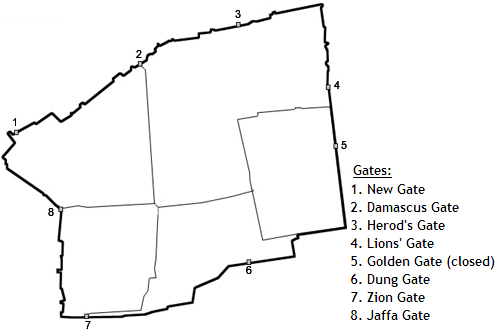
Zion Gate may be seen in our map below designated by number 7:

Old City Map. Wikimedia Commons.

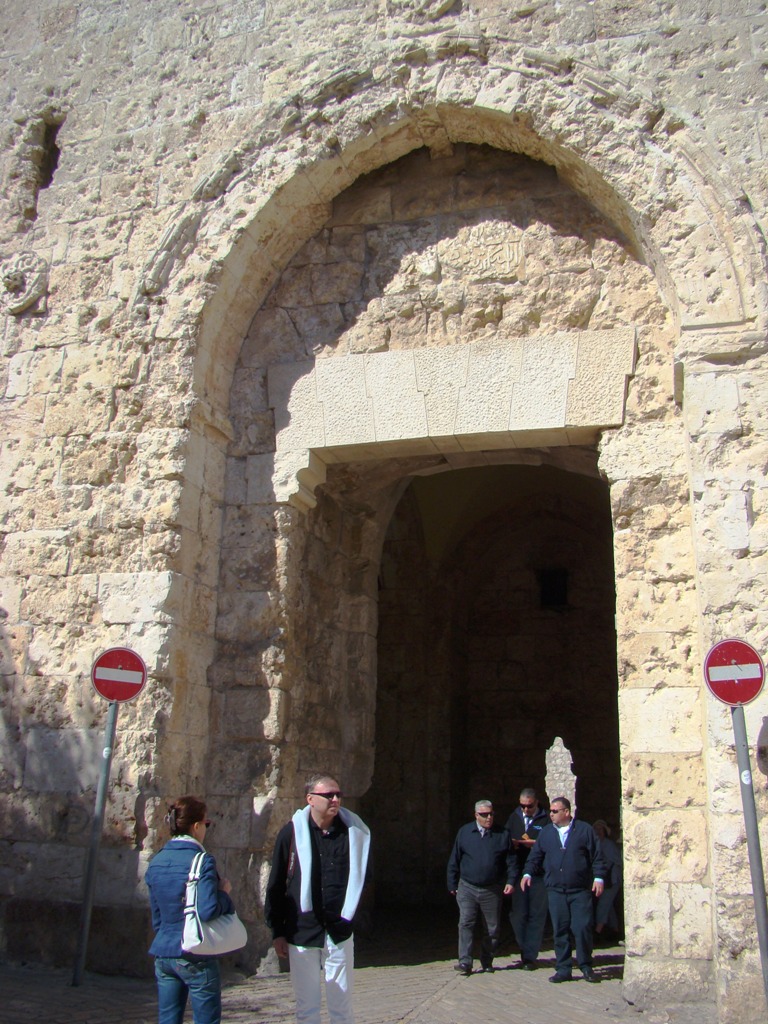
Our photo below shows the Zion Gate:

Zion Gate. Located on SW wall of Jerusalem. Photo ©Leon Mauldin.

The gate serves as entrance to the Armenian as well as Jewish Quarters. Below and to the east of the walls at this point is situated the ancient city of David, Mt. Zion. The gate is also called David’s Gate.

The hundreds of pock-marks were made by bullets in the 1948 Jewish War of Independence.

Zion's Gate. Bullet marks left from Jewish War of Independence 1948. Photo ©Leon Mauldin.

Click on images for higher resolution.


St. Stephen’s Gate/The Lion Gate

July 11, 2011

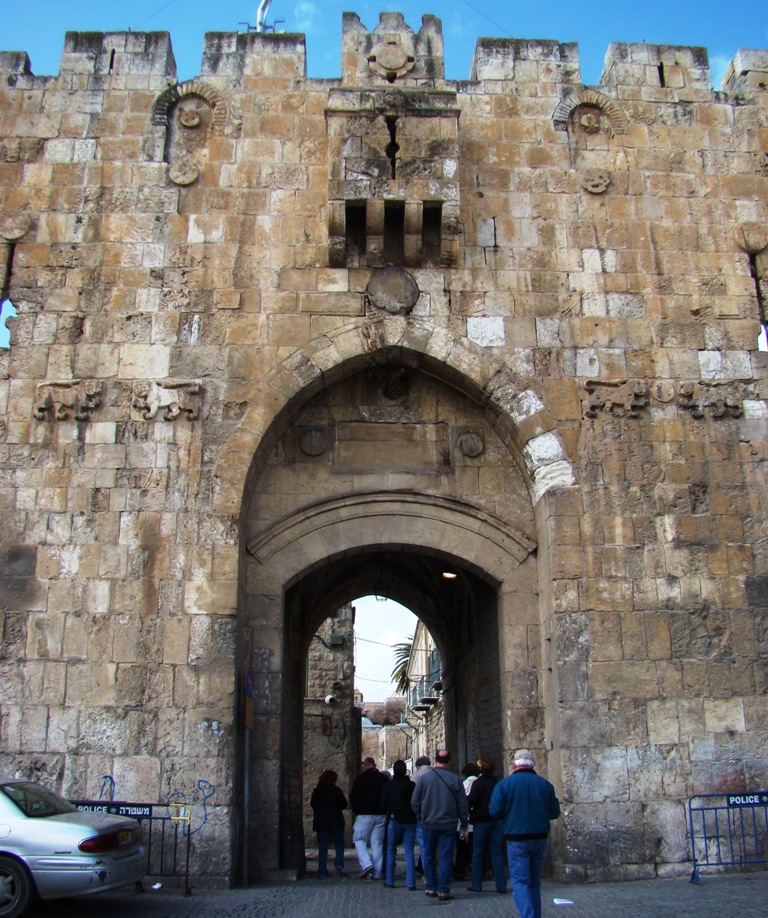
We continue to look at some of Jerusalem’s gates. Our two previous posts have featured the Golden Gate, and Herod’s Gate. On the eastern wall, just north of the Golden Gate, is St. Stephen’s Gate. It is so named because of the tradition that Stephen, the first martyr of the church (Acts 6-7), was stoned to death at this location just outside the city walls.

St. Stephen's Gate. Traditional location of Stephen's Martyrdom. Photo ©Leon Mauldin.

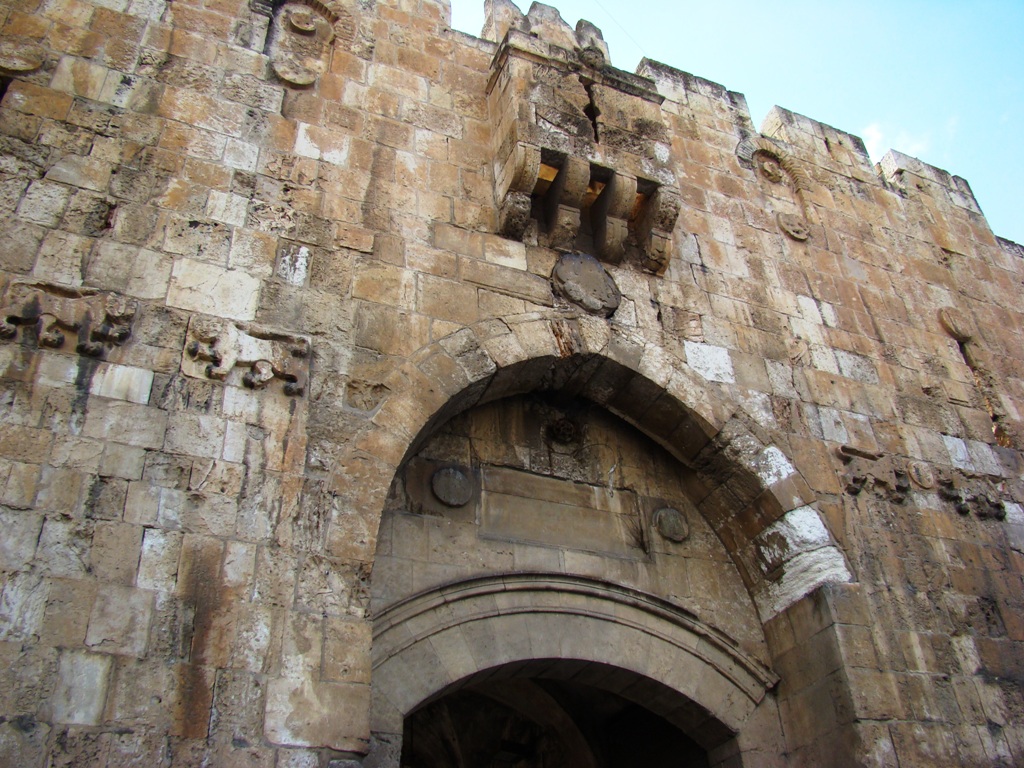
This gate is also called the Lion’s Gate because of the four lions, two on each side, that adorn the gate.

Closer view of lions adorning the gate. Photo ©Leon Mauldin.

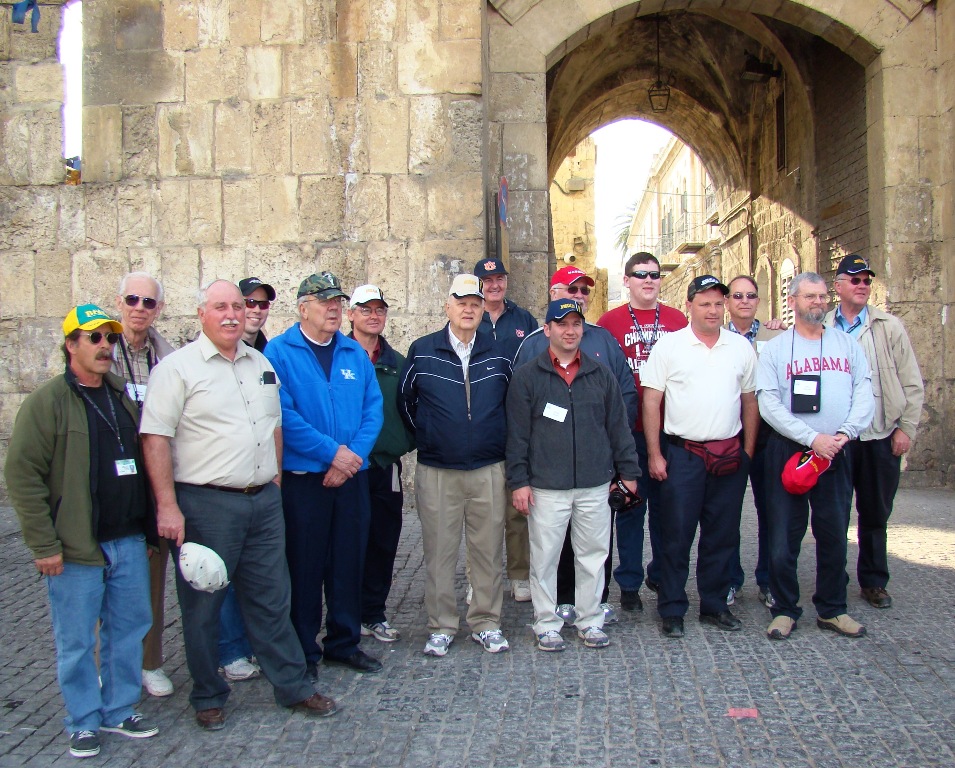
This past March someone made the suggestion to take a group photo of the men in my tour group.

Men in March '11 Bibleland's Tour in front of gate. Photo ©Leon Mauldin.

Click on images for higher resolution.