March 23, 2018
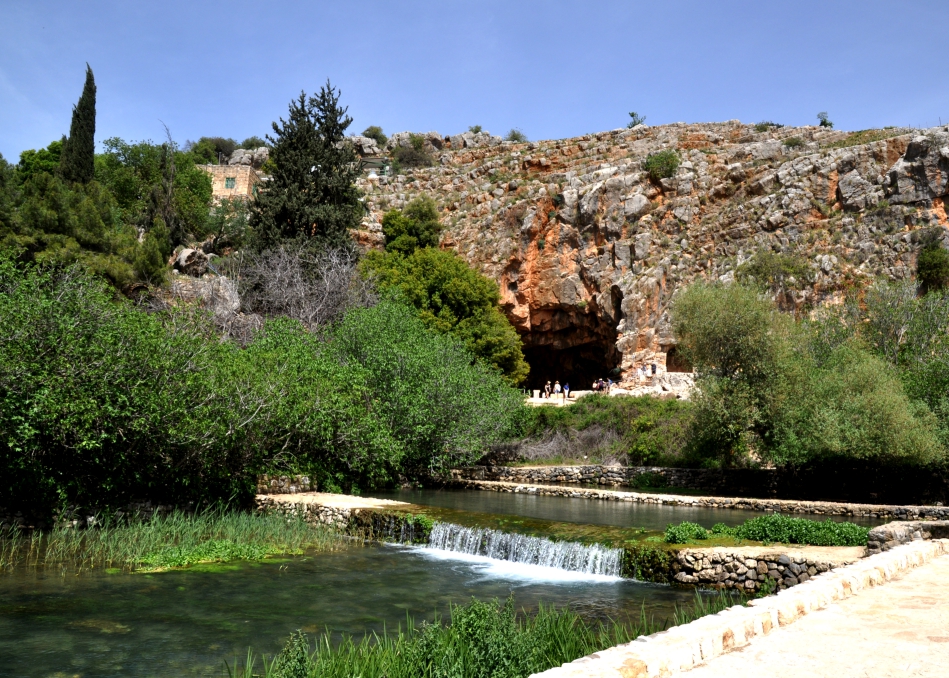
The Banias Spring emanates at Caesarea Philippi. At center of our photo you can see the Grotto of the god Pan.
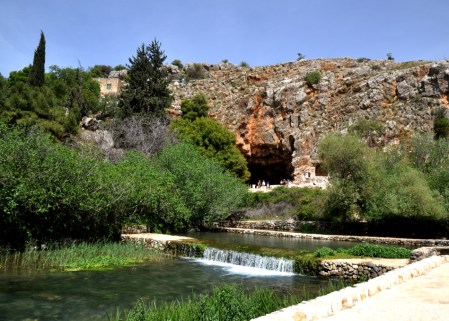
Banias River at Caesarea Philippi. Photo by Leon Mauldin.
Jesus was in this area during the latter part of His earthly ministry, in that time-frame when He was trying to spend more private teaching/training time with the apostles for the great evangelistic work for which He had chosen them. Text–Matthew 16:
13 Now when Jesus came into the district of Caesarea Philippi, He was asking His disciples, “Who do people say that the Son of Man is?” 14 And they said, “Some say John the Baptist; and others, Elijah; but still others, Jeremiah, or one of the prophets.” 15 He said to them, “But who do you say that I am?” 16 Simon Peter answered, “You are the Christ, the Son of the living God.” 17 And Jesus said to him, “Blessed are you, Simon Barjona, because flesh and blood did not reveal this to you, but My Father who is in heaven. 18 “I also say to you that you are Peter, and upon this rock I will build My church; and the gates of Hades will not overpower it. 19 “I will give you the keys of the kingdom of heaven; and whatever you bind on earth shall have been bound in heaven, and whatever you loose on earth shall have been loosed in heaven.”
Downstream are the Banias Falls, one of the primary sources of the Jordan.
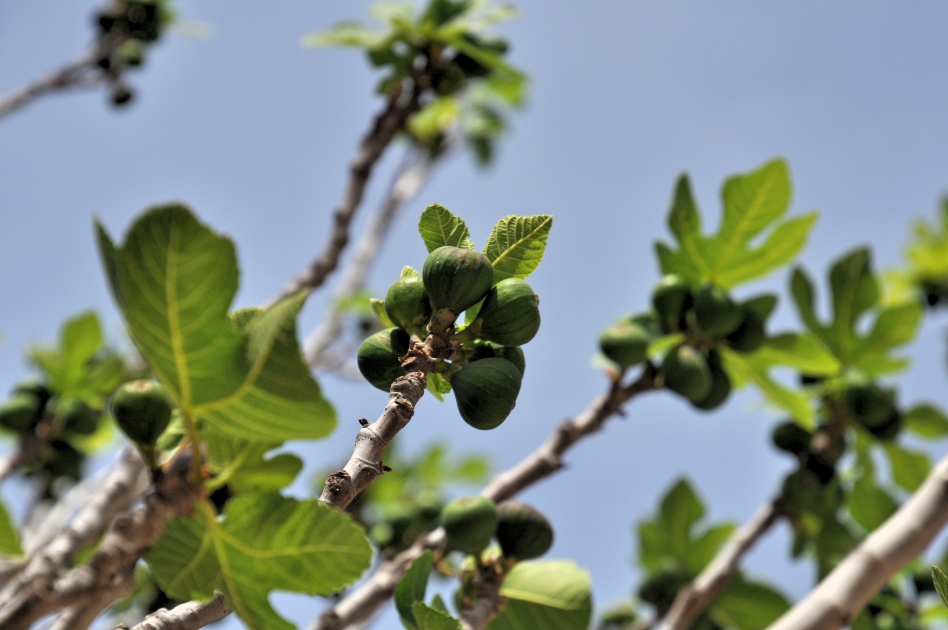
Also while at Caesarea we saw some figs today.
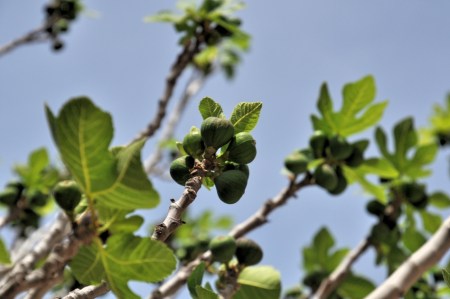
Figs at Caesarea Philippi. Photo by Leon Mauldin.
Click images for larger view.
 4 Comments |
  Bible History and Geography, Bible Places, Caesarea Philippi, Israel, New Testament, photography, Travel | Tagged: Banias River, figs |
  Permalink
 Posted by Leon Mauldin
January 26, 2018
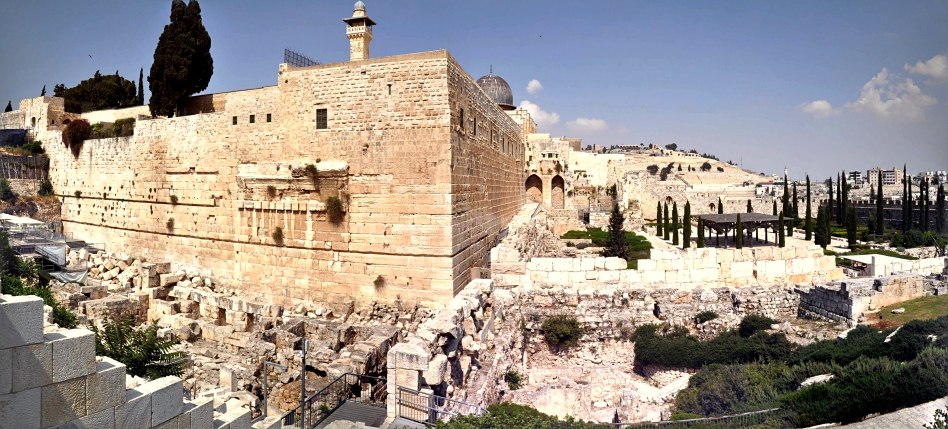
A panoramic view looking toward the SW corner of the Temple Mount in Jerusalem.
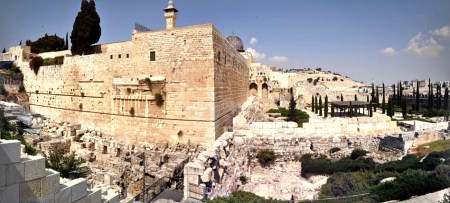
Panorama of Jerusalem, SW corner of Temple Mount. Photo by Leon Mauldin.
At the base of the ancient wall on your left (western side) you can see stones lying in place. These were from the Herodian Temple of Jesus day, falling down to their present position in the 70 AD Roman destruction of Jerusalem. Though seemingly small in our photo, some of these broken stones weight tons.
The view straight across shows southern side of temple mount. The distant view at right center is the Mount of Olives, across from the Kidron Valley (which cannot be seen from this view.
This photo is from Spring, 2017.
Click image for larger view.
1 Comment | Archaeology, Bible History and Geography, Bible Places, Israel, Jerusalem, New Testament, Old Testament, photography, Roman Empire, Temples, Travel | Tagged: Temple Mount | Permalink
Posted by Leon Mauldin
January 9, 2018
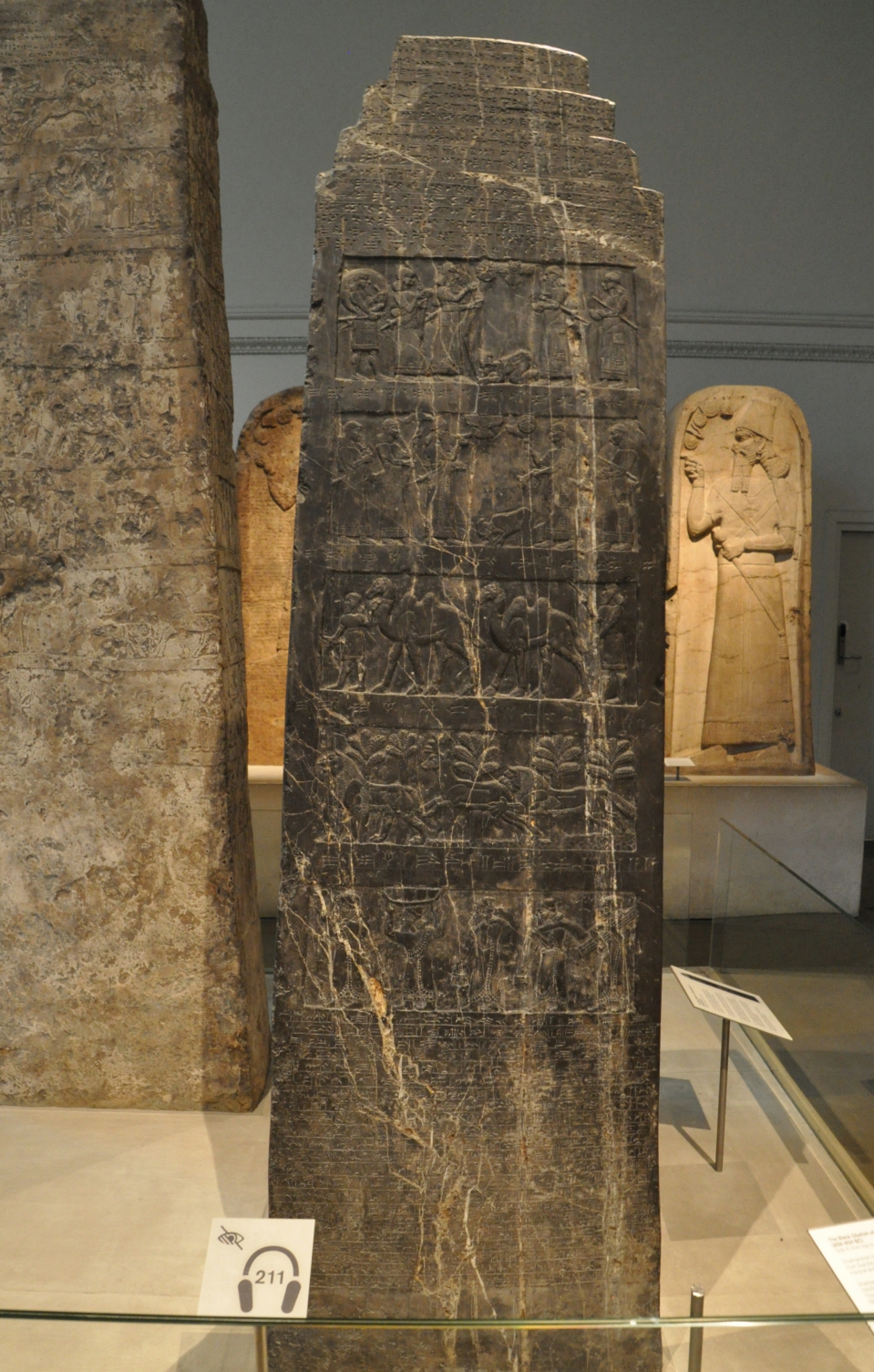
Among the many artifacts we photographed today was the Black Obelisk of Shalmaneser III (r. 858-824 BC). This Assyrian king forced Jehu, King of Israel (r. 841-814 BC) to pay tribute. This is one of those many exciting finds where the Bible and other historical records intersect! The Black Obelisk includes a pictograph/cuneiform record of this very important historical event. The reads:
The inscription reads: I received the tribute of Jehu of the House of Omri silver, gold, a golden bowl, a golden goblet, golden cups, golden buckets, tin, a staff of the king’s hand, (and) javelins (7).” All 14 of the Israelites pictured are bearded, with long hair and pointed caps. Each wears a belted tunic with fringe at the bottom. In addition, each of the 13 porters wears a mantle or cloak over the tunic, which extends over the shoulders and is fringed or tasseled down the front on both sides. Jehu is not wearing the outer garment, possibly as a sign of humiliation before Shalmaneser. (NIV Arch. Bible).
This is detailed on one of the four sides, second panel down:
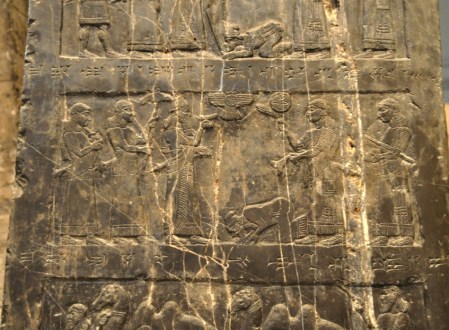
Shalmaneser’s Black Obelisk. This panel shows King Jehu paying tribute to the Assyrian King. The year was 841 BC. Photo by Leon Mauldin.
Here is a photo of the 4-sided stone in its entirety, with our facing the side that mentions Jehu:
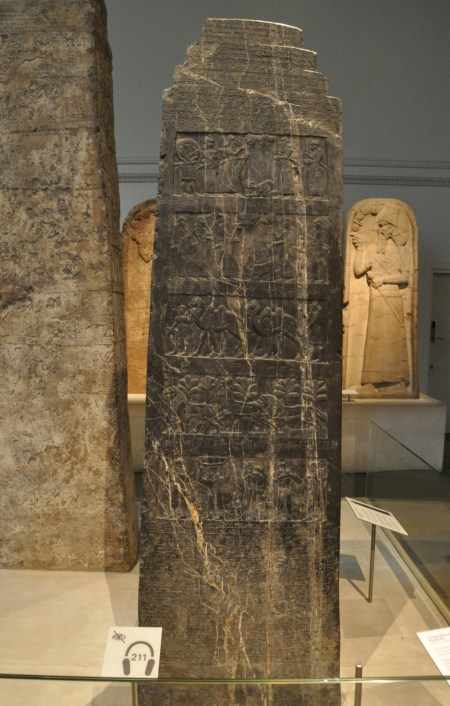
Shalmaneser’s Prism. The Black Obelisk. British Museum. Photo by Leon Mauldin.
Todd Bolen has an article on the Obelisk here.
You can read of Jehu in the Bible in 2 Kings 9-10.
Click images for larger view.
1 Comment | Bible History and Geography, Bible Study, Israel, Old Testament, photography, Travel, Uncategorized | Tagged: Assyria, Black Obelisk, British Museum, Inscriptions, Jehu, Shalmaneser III | Permalink
Posted by Leon Mauldin
December 15, 2017
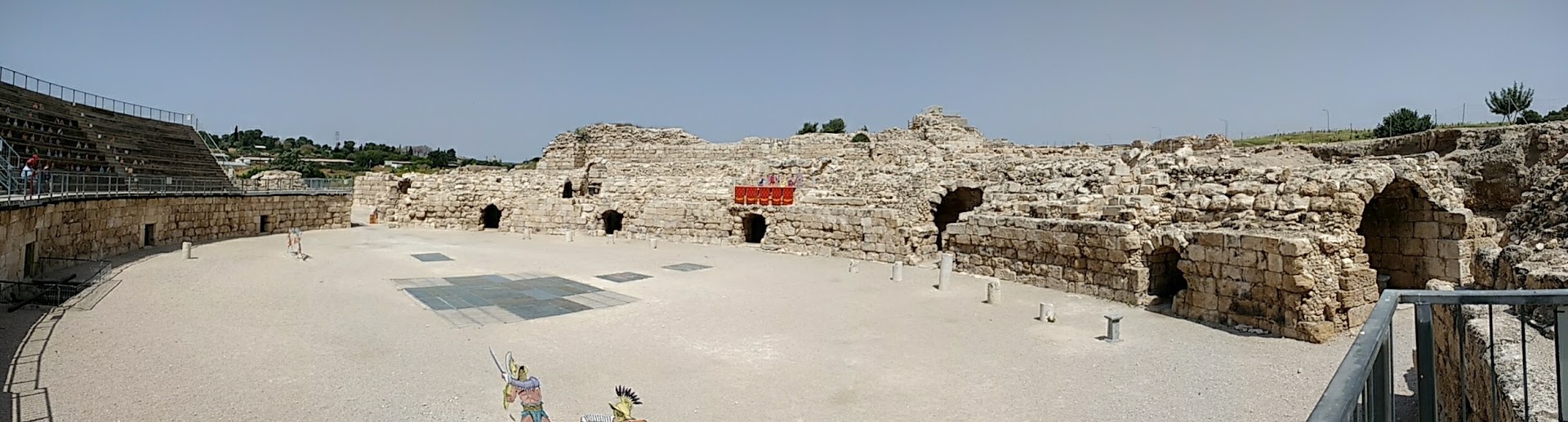
Beth Guvrin in Israel was a Roman city on the outskirts of biblical Maresha (see Josh. 15:44; Micah 1:15).
Emperor Septimus Severus turned Beth Guvrin into a major administrative center (ca. 200 AD). I took this photo of the amphitheater on April 27, 2017.
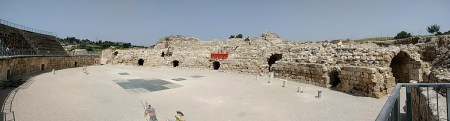
Panorama of amphitheater at Beth Guvrin. Photo by Leon Mauldin.
This amphitheater would have been used for animal and gladiator fights.
BTW: Often folks refer to theaters as “amphitheaters.” There is a difference: the amphitheater makes an oval shape while a theater only makes a half circle.
Click image for larger view.
1 Comment | Bible History and Geography, Bible Places, Israel, New Testament, Old Testament, photography, Roman Empire, Theater, Travel, Uncategorized | Tagged: Amphitheater, Beth Guvrin, Mareshah | Permalink
Posted by Leon Mauldin
December 13, 2017
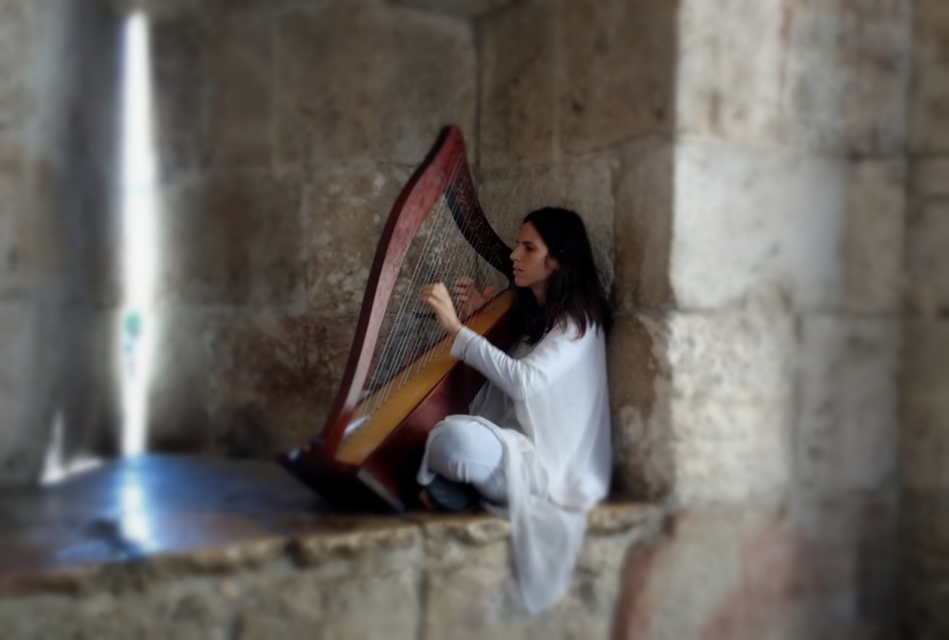
The Apostle John wrote, “And I heard a voice from heaven, like the voice of many waters, and like the voice of loud thunder. And I heard the sound of harpists playing their harps” (Revelation 14:2). I heard this harpist playing her harp in Jerusalem, at the Damascus gate this past April.
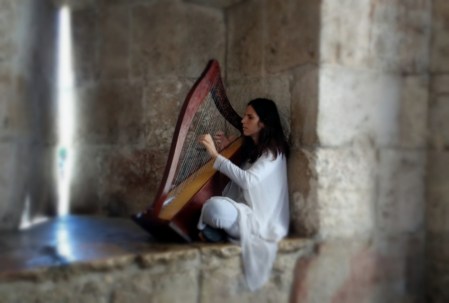
Harpist in Jerusalem, Joppa Gate. Photo ©Leon Mauldin.
The context of Revelation 14 is that of the Lamb standing victoriously on Mount Zion with His people, those “having His Father’s name written on their foreheads” (v.1). What joy belongs to those described in the text! — “These are the ones who follow the Lamb wherever He goes. These were redeemed from among men, being firstfruits to God and to the Lamb” (v.4).
Click image for larger view.
Leave a Comment » | Bible History and Geography, Biblical Interpretation, Gates, Israel, Jerusalem, New Testament, photography, Travel, Uncategorized | Tagged: Harp, harpist | Permalink
Posted by Leon Mauldin
December 8, 2017
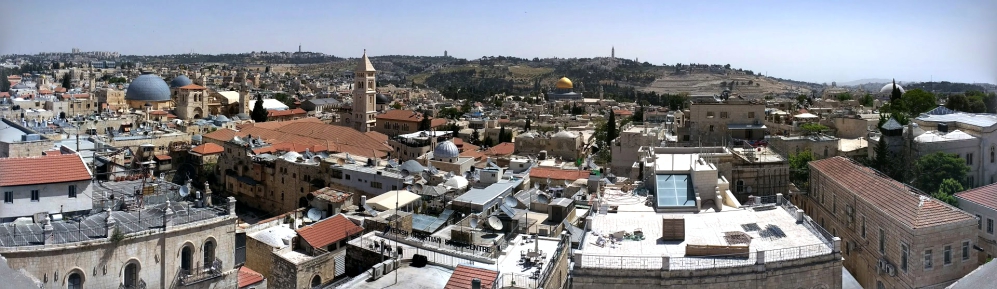
In this panoramic shot of Jerusalem you can see several landmarks, including the Church of the Holy Sepulcher at left, the Dome of the Rock, right center, and the Mount of Olives in the Distance.
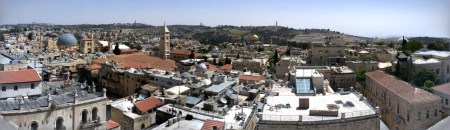
Panorama of Jerusalem. Photo by Leon Mauldin.
It would be difficult to overestimate or overstate the importance of this city in both Old and New Testament studies!
I have numerous posts on Jerusalem, including here, here and here. Use the search box for more.
I took this photo this past April, 2017, on a personal study/photography trip with Ferrell Jenkins.
Leave a Comment » | Bible History and Geography, Israel, Jerusalem, New Testament, Old Testament, photography, Travel, Uncategorized | Tagged: Jerusalem | Permalink
Posted by Leon Mauldin
December 6, 2017
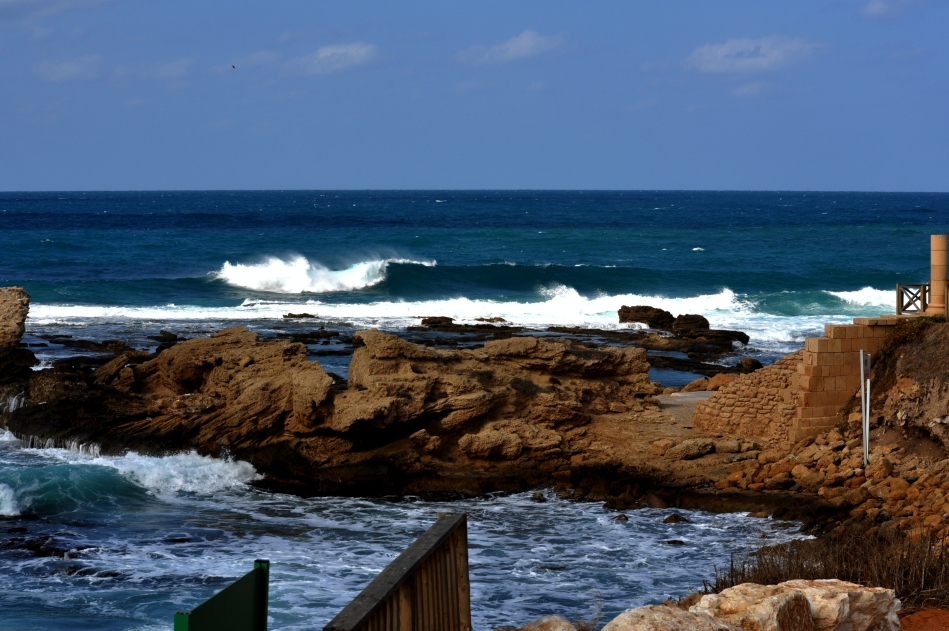
Acts 10 narrates the exciting history of how the door of faith was opened to the Gentiles. The Apostle Peter was directed to leave Joppa and go up the coast to Caesarea where he would find a man with an honest and good heart, Cornelius the Roman Centurion, as well as his relatives and close friends.
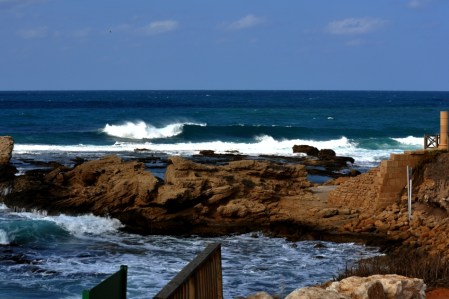
Wave action at Caesarea, on the south side of the Herodian Palace. Photo ©Leon Mauldin.
Peter, who had the “keys of the kingdom of heaven,” had preached to the Jews first on the Day of Pentecost (Acts 2), and was then privileged to preach to the Gentiles in Acts 10. Peter began by saying, “Opening his mouth, Peter said: “I most certainly understand now that God is not one to show partiality, but in every nation the man who fears Him and does what is right is welcome to Him” (Acts 10:34-35, NASB). Cornelius and those present heard “words by which you and all your household will be saved” (Acts 11:14, CSB). They were receptive to and obedient to the faith!
From this new beginning the gospel would go on to include Gentiles in Antioch (Acts 11), and on to the uttermost part of the earth (Acts 1:8; cf. Acts 13-28, etc.).
We have several posts on Caesarea, including here, here, and here.
Leave a Comment » | Bible History and Geography, Bible Study, Caesarea Maritima, Israel, New Testament, photography, Travel, Uncategorized | Tagged: Acts, Gentiles | Permalink
Posted by Leon Mauldin
November 25, 2017
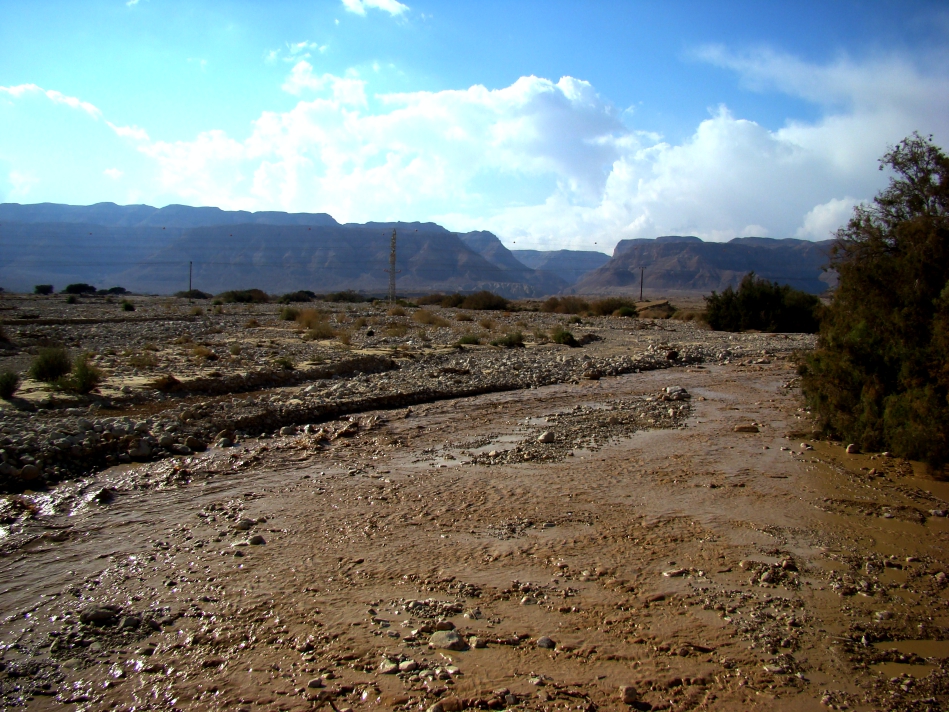
When Job was suffering so horribly, his “friend” Eliphaz “helped” by saying, “According to what I have seen, those who plow iniquity and those who sow trouble harvest it” (Job 4:8). I.e., You’ve brought this on yourself. Job responded to this and similar criticism, “My brothers have acted deceitfully like a wadi, Like the torrents of wadis which vanish” (6:15).
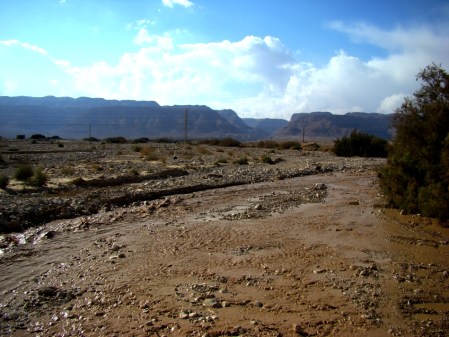
The wadi Ze’elim, near Masada, Israel. Ordinary this would be dry. Photo ©Leon Mauldin.
Our photo shows Nahal Ze’elim, near Masada, Israel. This area is ordinarily dry. To our back this stream empties into the Dead Sea. A wadi such as this will carry water for a while, then vanish. This is the word picture Job uses to describe Eliphaz. Job was looking for “kindness from his friend” (6:14) but looked in vain! Like a thirsty man looking for water, but finding the stream had disappeared. A vivid illustration!
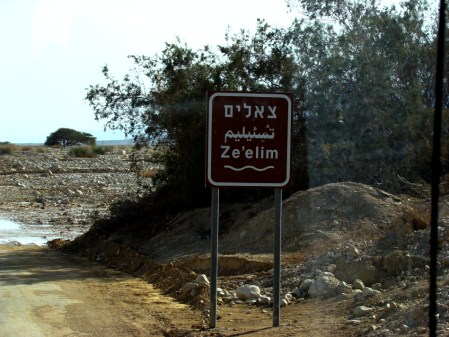
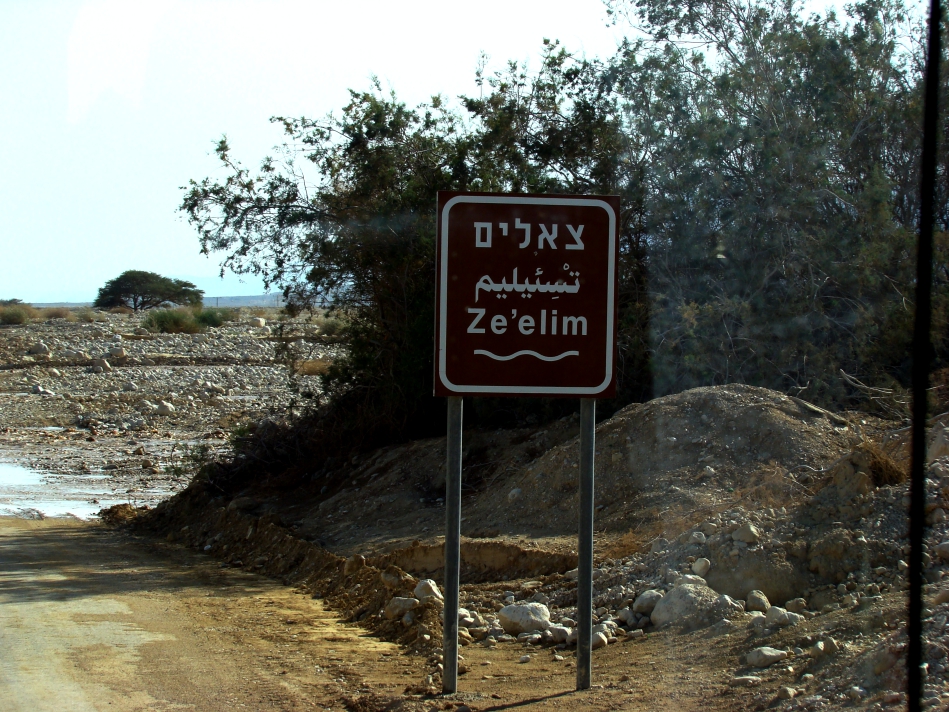
Ze’elim sign. Photo ©Leon Mauldin.
Click image for larger view.
Leave a Comment » | Bible History and Geography, Biblical Interpretation, Israel, Old Testament, photography, Travel, Uncategorized | Tagged: Job, Nahal Ze'elim, wadi | Permalink
Posted by Leon Mauldin
November 15, 2017
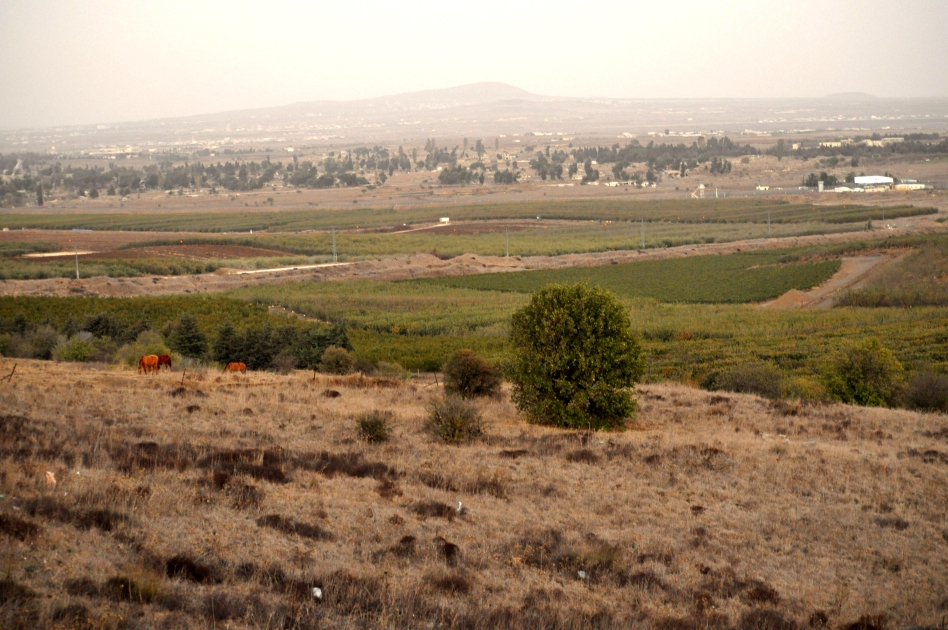
Acts 9 records the conversion of Saul, better known later as the Apostle Paul, the former persecutor of the church of the Lord. “Now Saul, still breathing threats and murder against the disciples of the Lord, went to the high priest, and asked for letters from him to the synagogues at Damascus, so that if he found any belonging to the Way, both men and women, he might bring them bound to Jerusalem” (vv.1-2).
It was on his way, as he neared Damascus of Syria that he saw the resurrected Christ. Blinded by this experience, he was led by the hand into the city, where after three days he was told of Jesus’ plan for him to be an apostle, a chosen vessel to preach the Gospel. Immediately he was baptized, and at once began to preach (vv.3-22). “The rest,” as they say, “is history.”
We had the occasion last November (’16) to be on the Israel/Syria border, and look over into Syria. Paul would have gone in this direction on his way to Damascus, and we thought about that as our group stopped here to look, reflect, and take photos.
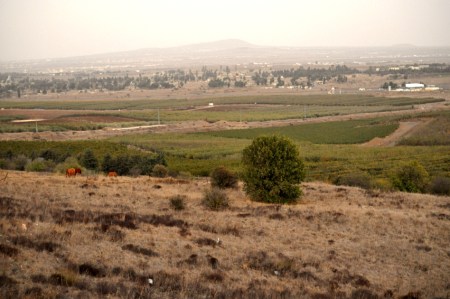
In northern Israel, looking NE into Syria. Photo by Leon Mauldin.
Click image for larger view.
Leave a Comment » | Bible History and Geography, Israel, New Testament, photography, Travel, Uncategorized | Tagged: Apostle Paul, Damascus, Syria | Permalink
Posted by Leon Mauldin
August 18, 2017
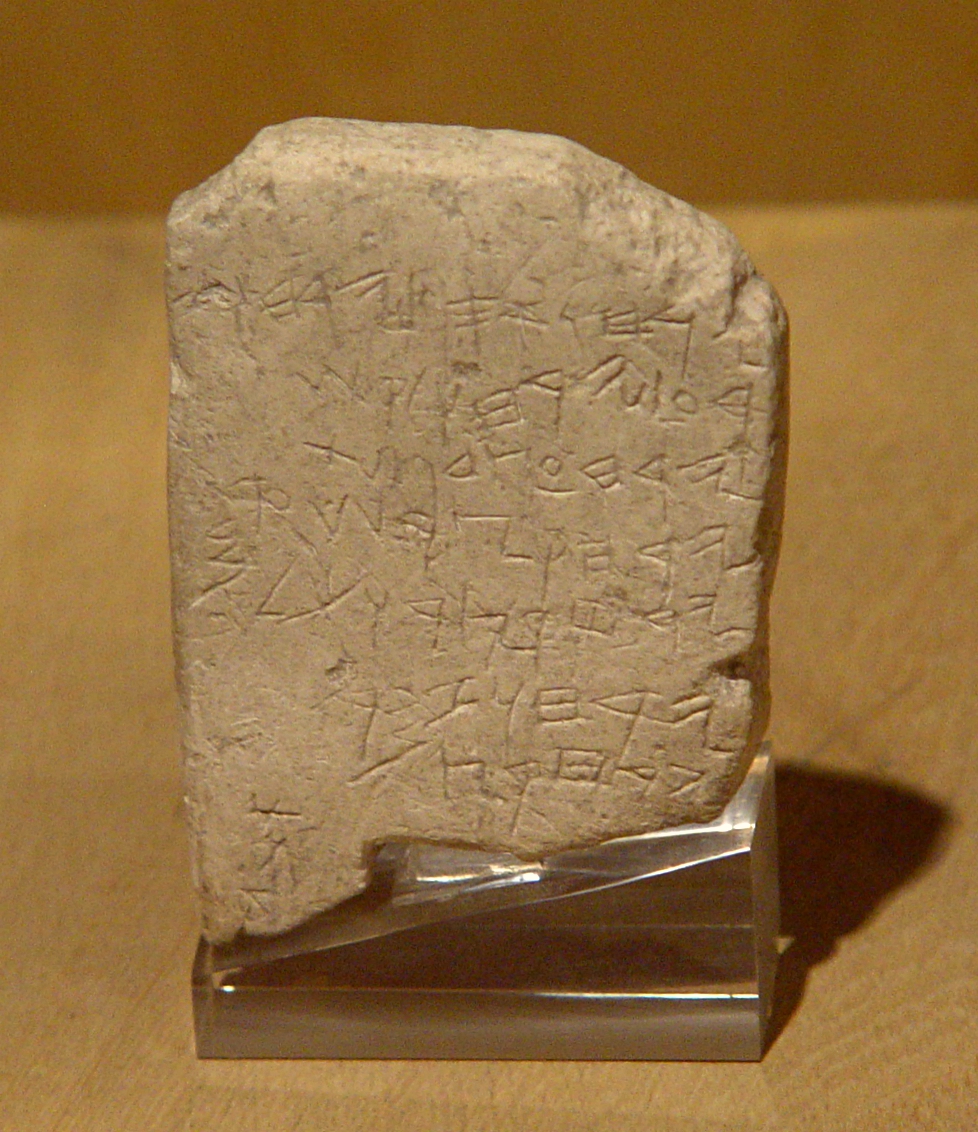
I love to study the book of Nehemiah. Jerusalem’s walls that had been in ruins since the Babylonian destruction (586 BC) were rebuilt (444 BC) in just 52 days! (Neh. 6:15). The people had a mind to work (4:6); they had a godly and capable leader in Nehemiah, and the good hand of God was upon them. But the remainder of the book (chapters 7ff.) is about the necessary follow-up; the necessary commitment to covenant faithfulness, without which the newly rebuilt walls would be meaningless.
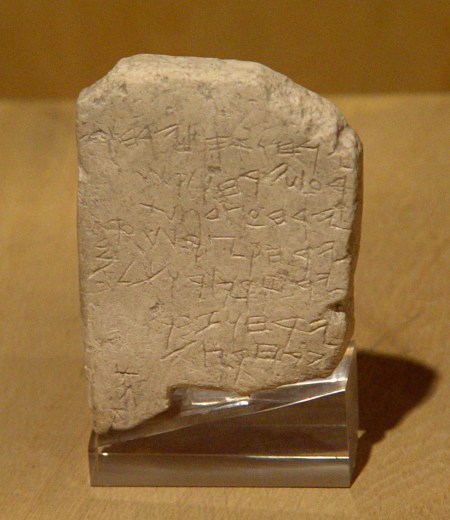
Gezer Calendar. One of the oldest examples of Hebrew script. Istanbul Archaeological Museum. Photo by Leon Mauldin.
To that end Israel’s leaders/Levites promised God: “Now because of all this We are making an agreement in writing; And on the sealed document are the names of our leaders, our Levites and our priests” (Neh. 9:38). What follows is a listing of 84 names (Neh. 10:1-27). Nehemiah’s name appropriately is first.
The Gezer Calendar is one of the oldest examples of Hebrew script. We share it here to illustrate our Nehemiah text. Those men who signed their renewed covenant with God, as well as “the rest of the people” (10:28), were pledging themselves to obey (v.29) in their homes (v.30), their business (v.31) and worship (v.32). In short: “We will not neglect the house of our God” (v.39).
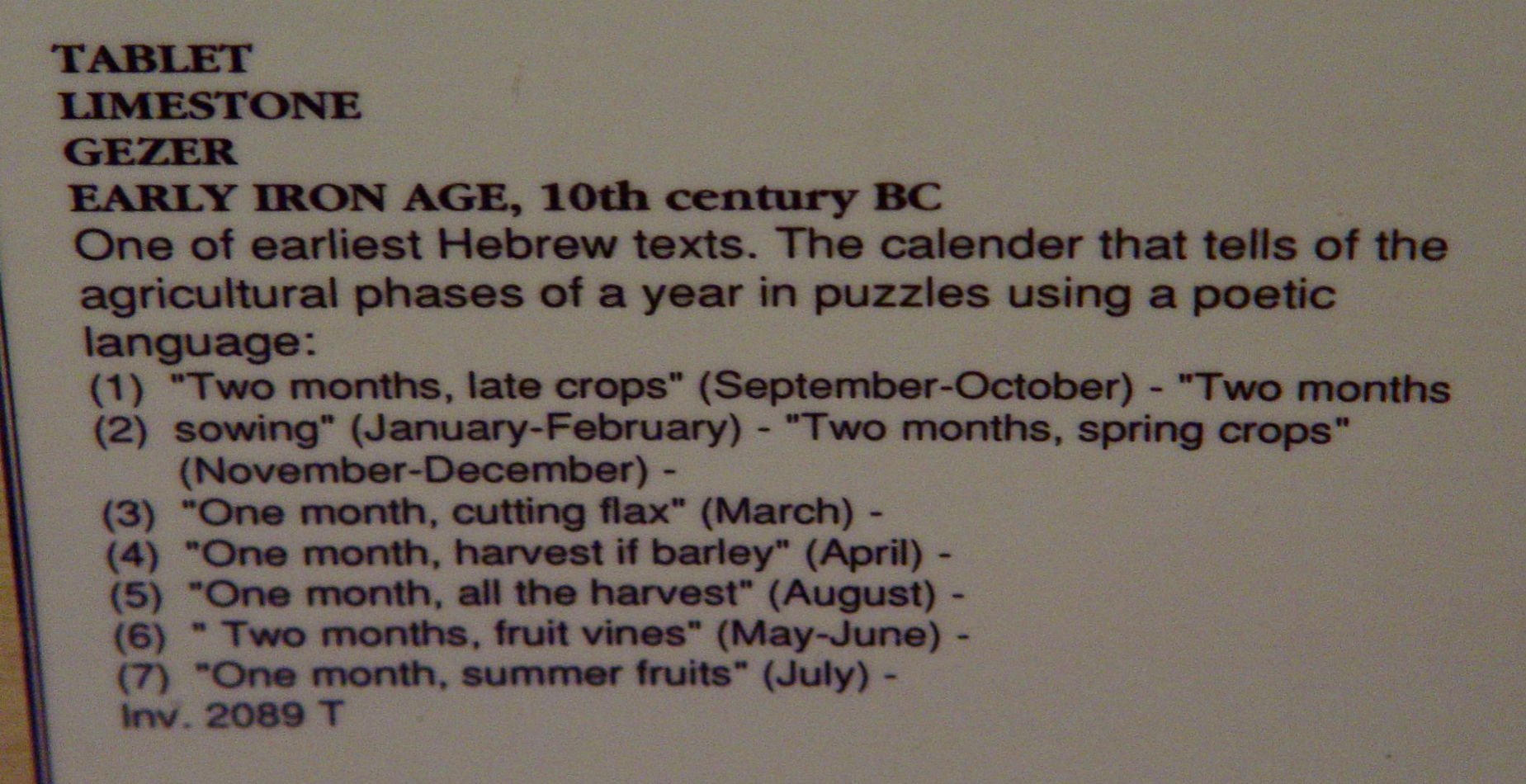
By the way, the Gezer Calendar in our photo is a school-boy’s exercise in learning the months of the year, associated with agricultural events.
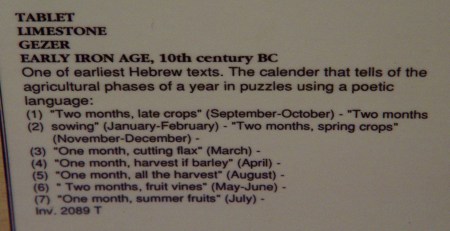
Explanation of the Gezer Calendar. Photo by Leon Mauldin.
Click images for larger view.
Leave a Comment » | Archaeology, Bible History and Geography, Israel, Jerusalem, Old Testament, Persian Empire, photography, Travel, Turkey | Tagged: Gezer Calendar, Inscriptions, Nehemiah | Permalink
Posted by Leon Mauldin


 leonmauldin.blog