Aqueduct at Caesarea

March 10, 2011

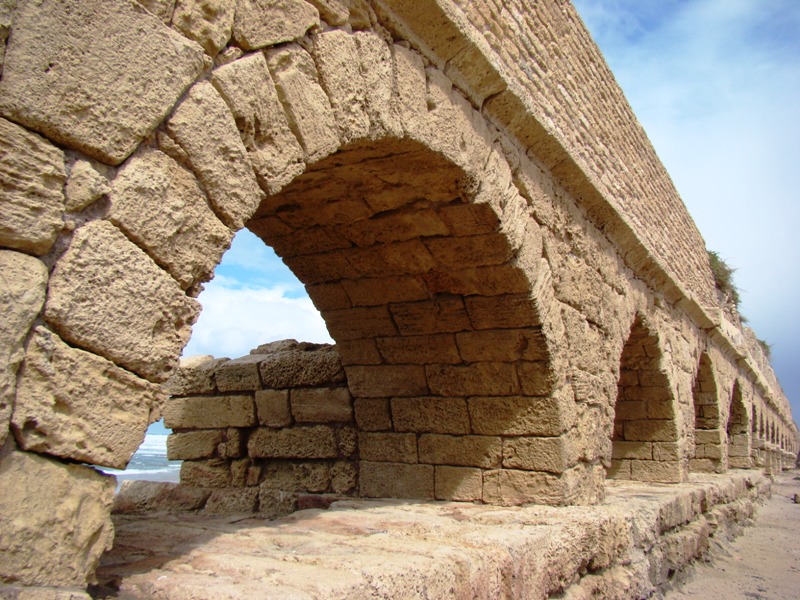
Greetings from Tiberius. Today has been a mixture of wind, rain, and sunshine. We began with a visit to Caesarea. There was lots of wave action today, but I selected a photo of the Aqueduct. In order to have a fresh water supply sufficient for the needs of the capital city, Herod the Great brought in water from eight miles away.

Caesarea Aqueduct. Photo by Leon Mauldin.

Much is said in the Bible about Caesarea.  I understand Daniel 11:45 to be a prophecy of the Roman Capital located here: “He will pitch the tents of his royal pavilion between the seas and the beautiful Holy Mountain; yet he will come to his end, and no one will help him” (NASB).

Philip the Evangelist preached here (Acts 8:40; 21:8). Cornelius the centurion was converted here, as God opened the door of the gospel to the Gentiles (Acts 10-11). Paul used the harbor here in his travels in preaching the gospel. He was taken here under military escort for his own protection, and remained here two years (Acts 23:32; 24:27).

All of our folks are well. Thanks for following the blog—we will try to post something each day as time and opportunity permits.

Click on image for higher resolution.


Safely at Natana, Israel

March 9, 2011

Our group arrived safely at Ben Gurion Airport this afternoon, just an hr. and a half or so past schedule. It was dark and raining by the time we got our luggage and boarded our bus. We had a good meal here at the Blue Ray Hotel at Natana. The wind is howling outside my window at present. Natana has been known as the number one city in Israel for artisan diamond cutting.

It’s always a good start when all the passengers are well and accounted for, and there is no delayed luggage, so we’re thankful for that.

We’re 7 hours ahead of Sweet Home Alabama time.  Everyone is tired, but the good meal tonight and hopefully a good night’s rest will recharge everyone’s batteries.

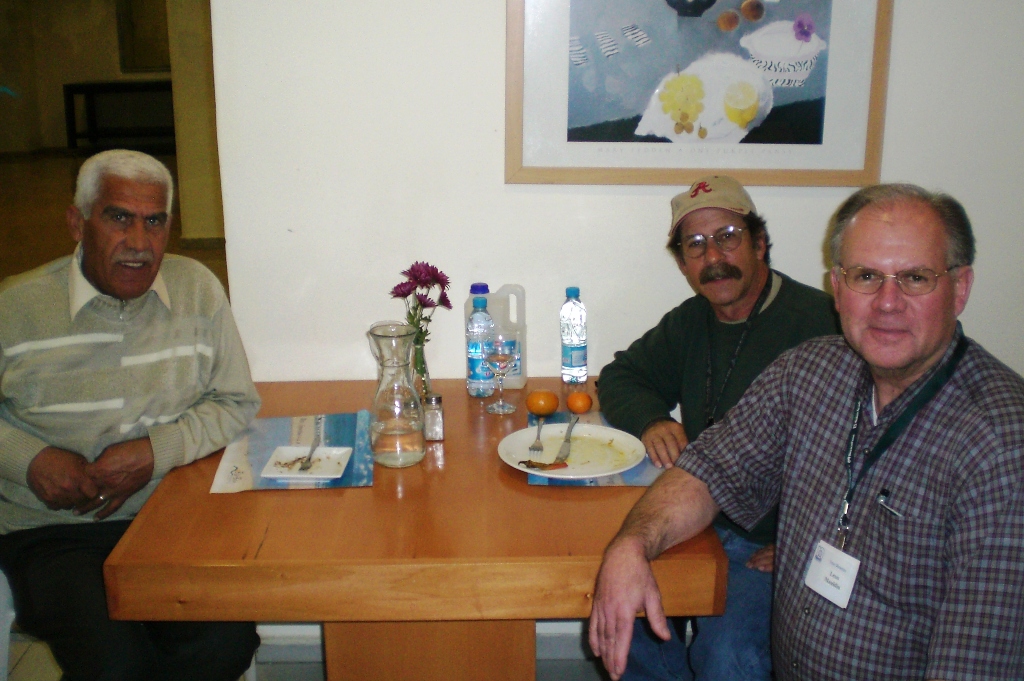
Fawzi, Elie and Leon at Natana. Dolye Stogdill, photo.

Some of you will recognize our guide and friend Elie, at right and behind me, and Fawzi, our driver. These men are professionals and a pleasure to work with.

Tomorrow we head up the coast and then across to Tiberius on the Sea of Galilee. Continue to check in and we’ll post as we can. Thanks to those of you who have written.


En Route to Israel

March 8, 2011

What a wonderful opportunity to visit Israel again with friends who want to be better Bible students. My group is presently waiting at Newark, with a slightly delayed departure time.

The Ben Gurion airport is located on the site of OT Lod, NT Lydda. Peter was a Lydda when brethren came from Joppa with the news that Dorcas had died, asking him to hurry there. Upon arriving, he raised her from the dead (Acts 9:32-41).

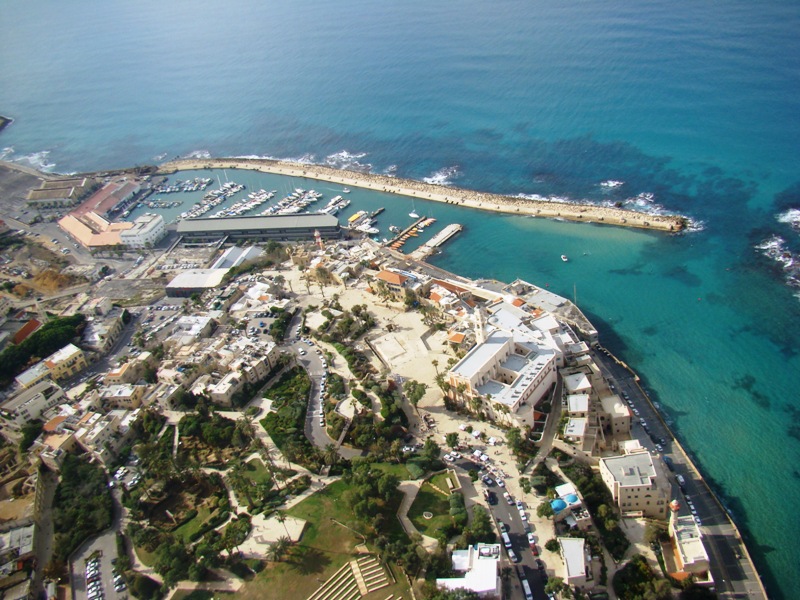
Check our blog to follow our travels; we will post as time permits. For now here is an aerial of Joppa, taken Dec. ’09.

Aerial of Joppa. Photo by Leon Mauldin.

Joppa is immediately south of Tel Aviv.

Click on image for higher resolution.


Nuzi Tablets and the Patriarchs

March 5, 2011

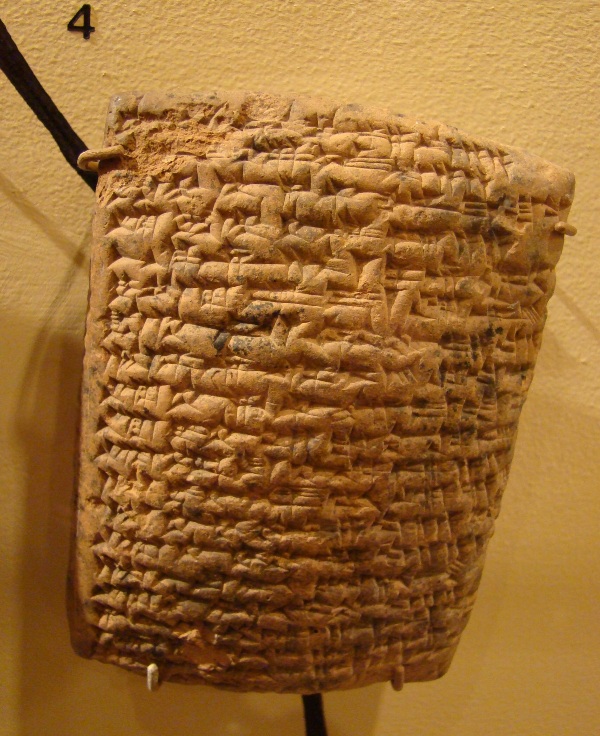
Many in the scholarly world are dismissive about the historicity of the patriarchs. One source that is helpful in understanding the world of the biblical patriarchs is that of the Nuzi Tablets.

Nuzi was a Hurrian administrative center not far from the Hurrian capital at Kirkuk in northern Iraq. The Hurrians are equivalent to the Horites in the Old Testament, also called Hivites and Jebusites. Excavations were carried out at Nuzi by American teams from 1925 to 1933. The major find was more than 5,000 family and administrative archives spanning six generations, ca. 1450–1350 BC. They deal with the social, economic, religious and legal institutions of the Hurrians. (Bible and Spade 18:32).
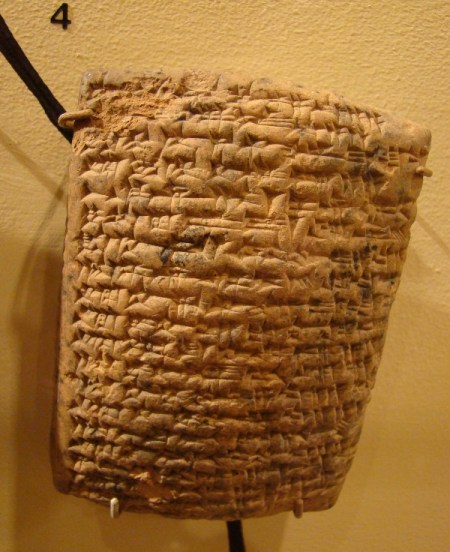
Nuzi Tablet. Semitic Museum. Photo by Leon Mauldin.

The tablets tell of practices similar to those in Genesis such as adoption for childless couples (Gn 15:2–3), children by proxy (Gn 16; 21:1–21), inheritance rights (Gn 25:29–34), marriage arrangements (Gn 28–31) and levirate marriage (Gn 38; Dt 25:5–10). They also demonstrate the significance of the deathbed blessing (Gn 27; 48–49) and household gods (Gn 31:14–19, 30–35). Some Nuzi tablets, called “tablets of sistership,” have agreements in which a man adopted a woman as a sister. In the society of the Hurrians, a wife enjoyed both greater protection and a superior position when she also had the legal status of a sister. In such a case, two separate documents were drawn up, one for marriage and the other for sistership. This may explain why both Abraham (Gn 12:10–13; 20:1–2) and Isaac (Gn 26:7) said their wives were their sisters. It is possible that they had previously adopted them to give them higher status, in accordance with the custom of the day.

Family records were highly valued at Nuzi, being passed down from father to son for as many as six generations. Nowhere else in the ancient Near East is this kind of reverence for family documents illustrated, except in the Old Testament. Indirectly, the practice at Nuzi supports the position that Genesis and the other books of history in the Old Testament are grounded in actual family, clan and tribal records carefully passed from generation to generation.

As with Mari, the Nuzi records demonstrate that the cultural practices recorded in the book of Genesis are authentic. The accounts are not fictional stories written at a much later time, as some critics claim, since the customs were unknown in later periods (ibid.).


Also, and ultimately, it is important to remember that Jesus endorsed and taught the historicity of the patriarchs! cf. Matt. 8:11; 22:32, etc.

Click on image for higher resolution.