Emperor Antoninus Pius (r. A.D. 138-161)

August 27, 2019

In going through some of my photos of Athens, Greece, I came across a shot I had taken of a bust of Antoninus Pius.

Antoninus Pius. Reigned A.D. 138-161. Photo ©Leon Mauldin.

My priority in the limited writing I’ve done on Roman Emperors has been to deal with those who reigned during A.D. 1st century, i.e., those that intersect with biblical history. For example, click here (“Roman Emperors During the Gospels and Acts) and here (“Emperor Galba: the Year of Four Emperors). But here we offer at least a brief introduction to the life and reign of this 2nd century emperor, Antoninus.

Antoninus Pius was born in A.D. 86 at Lanuvium in Latium. He spent his youth at Lorium, not far from Rome. He married Annia Galeria Faustina. When Lucius Aelius Caesar, Emperor Hadrian’s (r. A.D. 117-138) adoptive son and heir died in January 138, Hadrian then adopted Antoninus, February 25. Antoninus ascended the throne upon Hadrian’s death, July 138.

Michael Grant states that Antoninus’s “deferential attitude” to the Roman senators “prompted them to confer on him the unusual title of ‘Pius’, honouring (sic) his religious and patriotic dutifulness” (The Roman Emperors, 83).
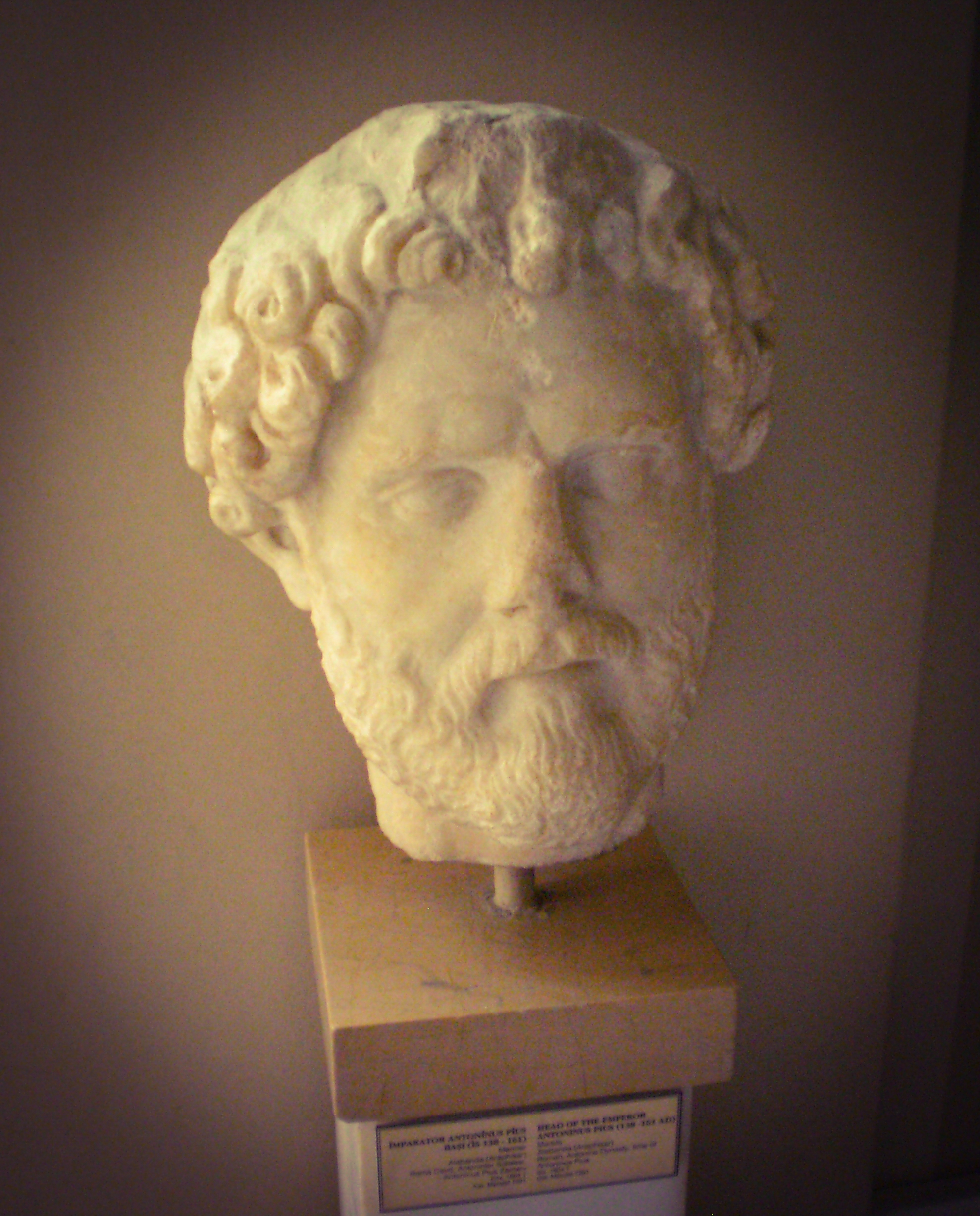
Antoninus Pius. Istanbul Archaeology Museum. Photo ©Leon Mauldin.

Regarding the land and people of Judea, Grant writes:

There Antoninus Pius soon modified, without completely abandoning, his predecessor’s [Hadrian] veto on circumcision; that is to say he allowed Jews to circumcise their sons but forbade them to admit converts to the rite, thus weakening Jewish competition with the actively proselytizing Christians. Moreover, the ban debarring Jews from entry into Jerusalem was maintained, and indeed enforced by the construction of a ring of military posts round the city (86).

However, Grant’s last statement above is contradicted by Nigel Rodgers, who stated, “Later, Antoninus Pius (reigned AD138-161) quietly revoked his predecessor’s decree and allowed any Jews, who wished to, to return to the now utterly desolate site of Jerusalem” (Roman Empire, 219).

Interestingly, as emperor, Antoninus never left Italy (Rodger, 35); “Antoninus himself never once left Italy throughout the course of his reign” (Grant.86).

At his death, his adoptive son Marcus Aurelius said, “Remember his qualities so that when your last hour comes your conscience may be as clear as his” (Grant, 88).

Gibbons lavished much praise on the period which included the reign of Antoninus:

If a man were called to fix the period in the history of the world, during which the condition of the human race was most happy and prosperous, he would, without hesitation, name that which elapsed from the death of Domitian to the accession of Commodus. The vast extent of the Roman empire was governed by absolute power, under the guidance of virtue and wisdom. The armies were restrained by the firm but gentle hand of four successive emperors, whose characters and authority commanded involuntary respect. The forms of the civil administration were carefully preserved by Nerva, Trajan, Hadrian, and the Antonines, who delighted in the image of liberty, and were pleased with considering themselves as the accountable ministers of the laws. Such princes deserved the honor of restoring the republic, had the Romans of their days been capable of enjoying a rational freedom. (Gibbon, E. (2004). The history of the decline and fall of the Roman Empire. (H. H. Milman, Ed.). Bellingham, WA: Logos Bible Software.

That kind of praise and honor somehow puts me in mind of Proverbs 21:2: “Every way of a man is right in his own eyes, But the LORD weighs the hearts.”


In the Steps of Paul: Along the Appian Way

June 17, 2019

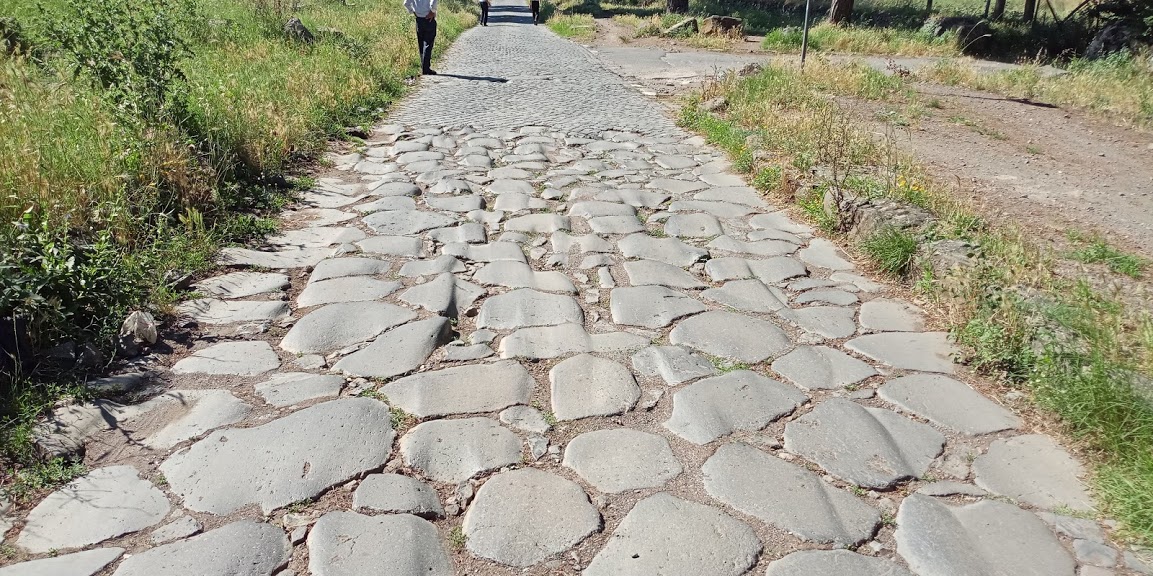
Yesterday (Sunday) between church services in Rome (AM) and Ciampino (PM), we had the opportunity to see portions of the Appian Way. This road was one of the earliest and most important Roman roads of the ancient republic, connecting Rome to Brindisi, in southeast Italy. It was constructed in the years 312–264 BC.

The Appian Way. Paul walked on this road on his way to Rome, Acts 28:14-16. Photo by Leon Mauldin.

When Paul was traveled to Rome as a prisoner as recorded in Acts 28:11-16, he was met by Roman Christians who heard he was coming. They then walked with him back to Rome. This land portion of the journey was on this road, the Appian Way. In this photo you can see the original paving stone, scored by chariot wheels. Then in the upper portion of the road you can see reconstruction pavement.

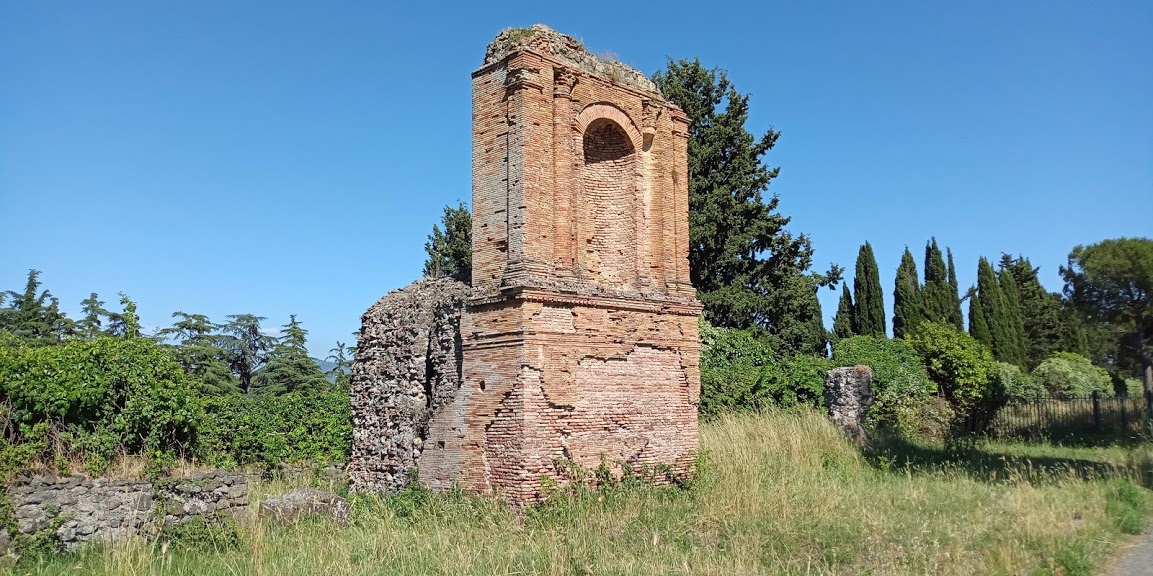
Near this area of our photo there were burial sites, such as that depicted here.

A burial site along the Appian Way. Photo by Leon Mauldin.

Click on photos for larger view.


The Basilica of Aquileia, Udine Province, Italy

June 10, 2019

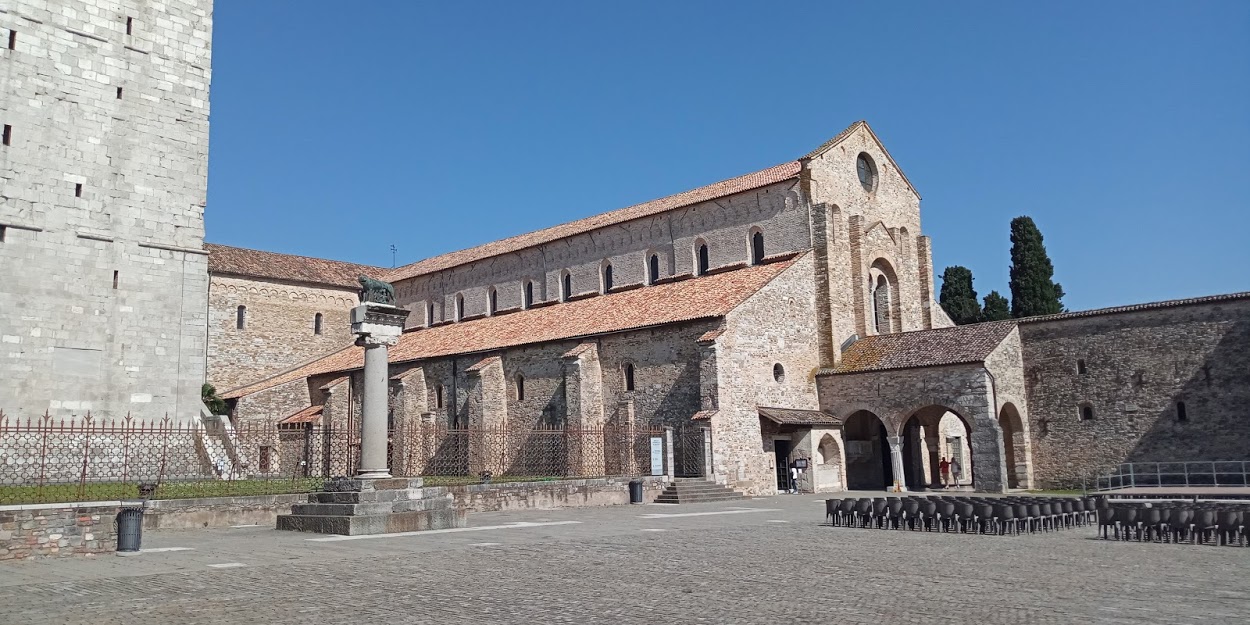
Aquileia is located in Friuli-Venezi-Giulia (Udine Province) Italy, and is listed as a UNESCO site. Construction of the Basilica began in the years following AD 313 and continued over the years through the 14-15th centuries.

Basilica of Aquileia. Photo by Leon Mauldin.

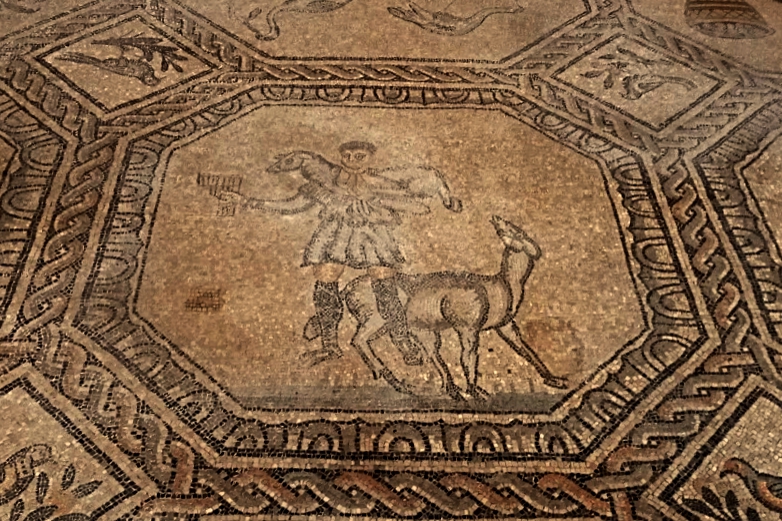
Inside are 760 square meters of mosaics of what is said to be “the largest Paleo-Christian mosaic of the western world.” These date to the late 4th century AD. The mosaic was covered by other flooring over the centuries, and was not uncovered until the years 1909-1912.

Of the many scenes depicted, I wanted to share this photo of the “Good Shepherd.” The on-site brochure states, “Christ is portrayed as a beardless young man bearing the lost lamb upon his shoulders. In one hand he holds the syrinx (the shepherds’ flute), symbol of the gentleness he takes care of his flock with.”

Christ the Good Shepherd. A scene from the mosaic floor. Photo by Leon Mauldin.

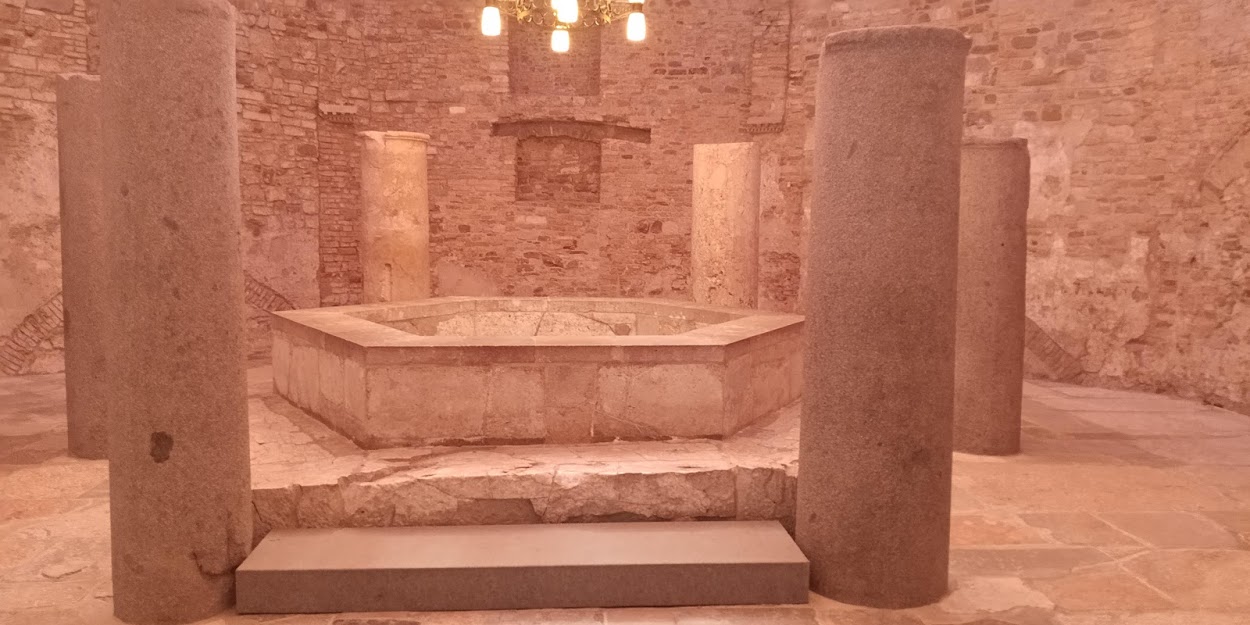
I was also impressed with the baptistery in which immersion took place.

Baptistery at the basilica of Aquileia. Photo by Leon Mauldin.

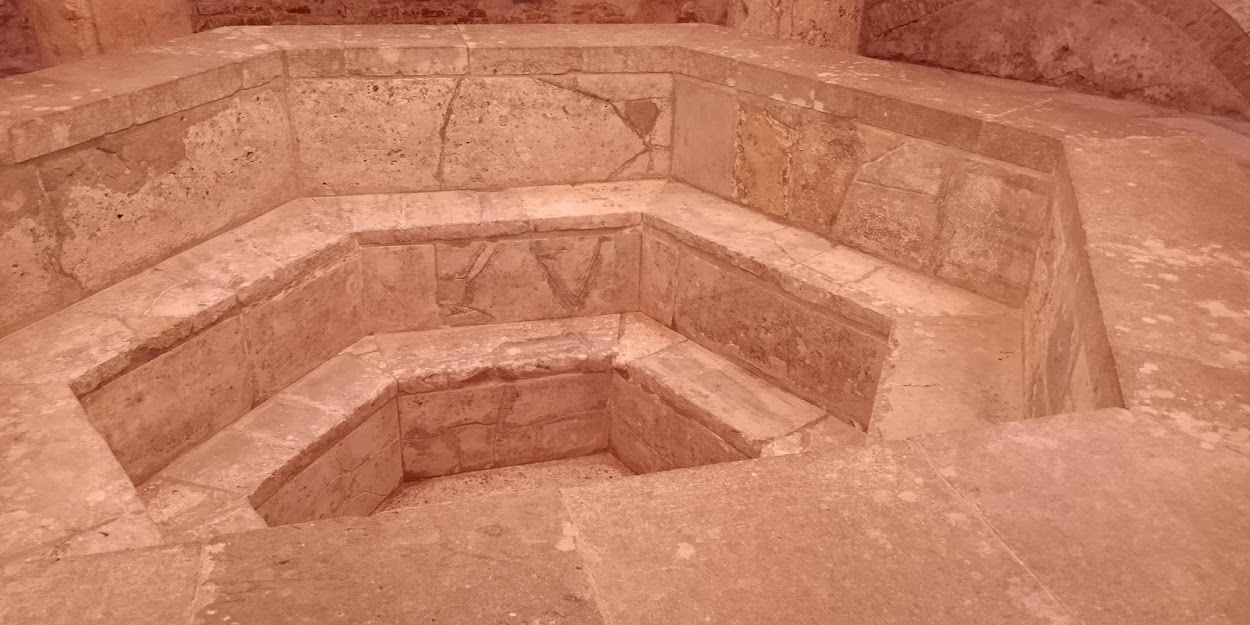
Here is a view inside the baptistery.

A view looking down inside the baptistery. Photo by Leon Mauldin.

I recently posted on the Good Shepherd motif here.

Click images for larger view.


Jesus, the Good Shepherd

May 24, 2019

The Gospel of John records several of the “I Am” statements of Jesus. In John 10 we have Jesus’ reference to Himself as the Good Shepherd:

I am the good shepherd; the good shepherd lays down His life for the sheep. He who is a hired hand, and not a shepherd, who is not the owner of the sheep, sees the wolf coming, and leaves the sheep and flees, and the wolf snatches them and scatters them. He flees because he is a hired hand and is not concerned about the sheep. I am the good shepherd, and I know My own and My own know Me, even as the Father knows Me and I know the Father; and I lay down My life for the sheep (John 10:11-15).

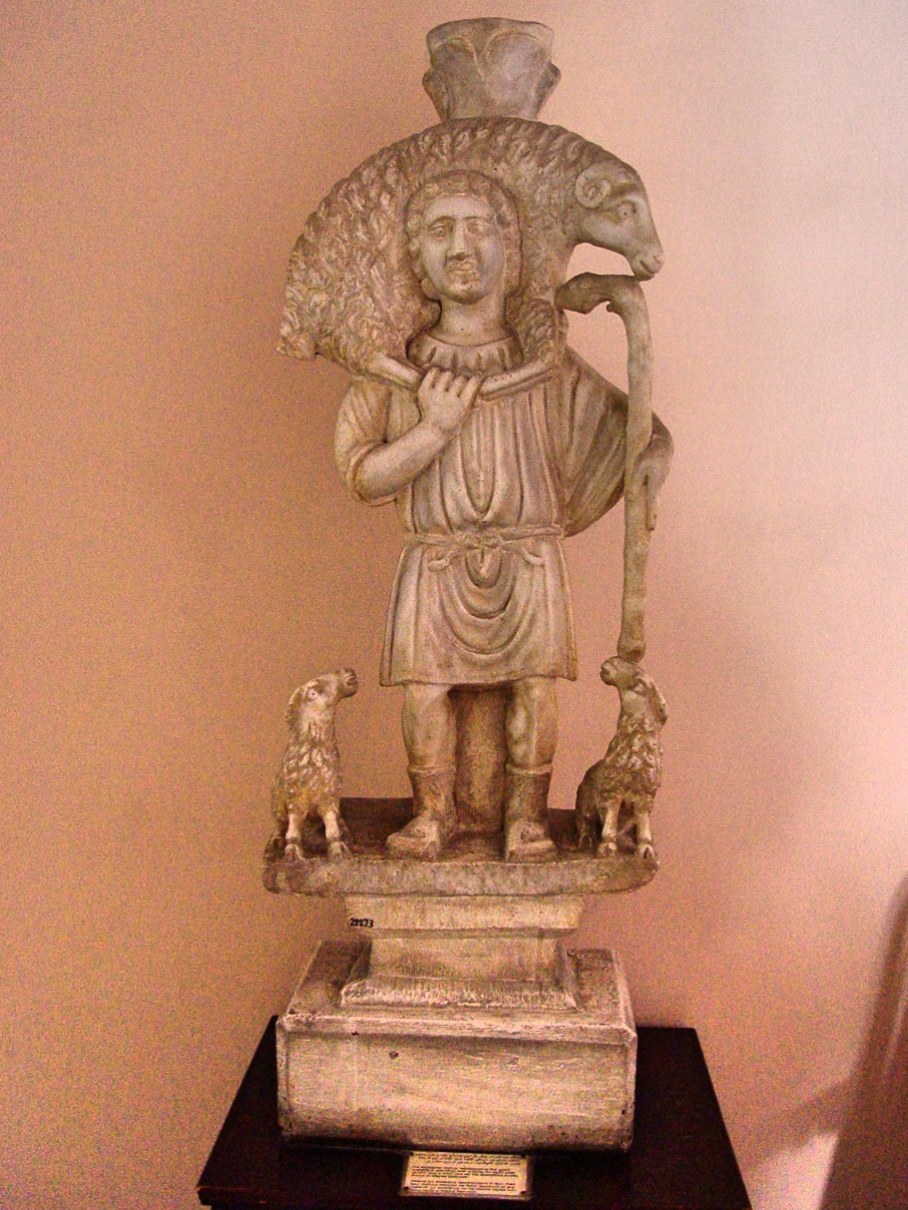
The metaphors of the shepherd and the sheep are a common biblical motif. The shepherd of Luke 15 leaves the 99 safe sheep and goes after the sheep which is lost, “and when he has found it, he lays it on his shoulders, rejoicing” (vv.4-5). Our photo helps us visualize the biblical text.

“Jesus the Good Shepherd,” Alexandria, Egypt. Photo ©Leon Mauldin.

I took the above photo in 2003, in the Bibliotheca Alexandrina Antiquities Museum. The statue is identified as “Jesus the Good Shepherd.

Date: Graeco-Roman Period, Roman Period (31 BCE-395 CE)
Provenance: Lower Egypt, Mersa Matruh
Material(s): Rock, marble
Height: 125 cm
Hall: Byzantine Antiquities

Sheep need a shepherd! “All we like sheep have gone astray; We have turned, every one, to his own way; And the LORD has laid on Him the iniquity of us all” (Isa. 53:6). Truly Jesus is the Shepherd who cares for the sheep, who laid down His life for the sheep, that we might have life. Jesus said, “My sheep hear My voice, and I know them, and they follow Me; and I give eternal life to them, and they will never perish; and no one will snatch them out of My hand” (John 10:27-28).


The Hearing Ear

May 16, 2019

Solomon said, “The hearing ear and the seeing eye, The LORD has made them both” (Pro. 20:12). The NLT reads, “Ears to hear and eyes to see–both are gifts from the LORD.” Much is said in the Bible about using one’s ears to hear, to truly listen, and in particular to hear God’s word; to hear words of wisdom.

Here are some selected texts, for example, from the Proverbs:

2:1 My son, if you receive my words, And treasure my commands within you,

3:3 My son, do not forget my law, But let your heart keep my commands;

4:1 Hear, my children, the instruction of a father, And give attention to know understanding;

7:24 Now therefore, listen to me, my children; Pay attention to the words of my mouth:

8:6 Listen, for I will speak of excellent things, And from the opening of my lips will come right things;

8:32 ” Now therefore, listen to me, my children, For blessed are those who keep my ways.

13:1 A wise son heeds his father’s instruction, But a scoffer does not listen to rebuke.

18:1 A man who isolates himself seeks his own desire; He rages against all wise judgment.

19:20 Listen to counsel and receive instruction, That you may be wise in your latter days.

23:22 Listen to your father who begot you, And do not despise your mother when she is old.

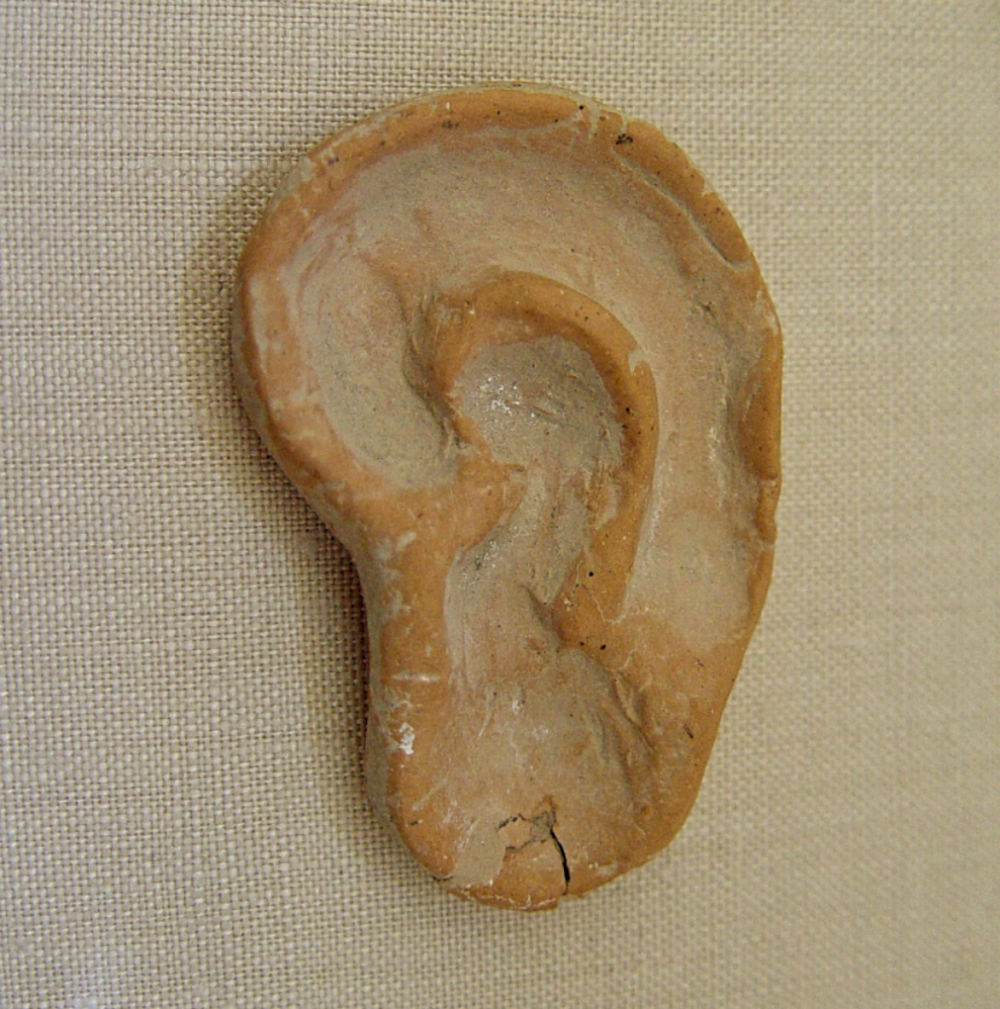
At Corinth, Greece, there is a museum on site with artifacts from the area. Included are some “offerings” to the healing god Asclepius (spelling varies) which were left at the god’s temple there at Corinth. The idea was that if one had been healed of his/her affliction they would then bring an offering in the form of that body part which had been restored.

Votive offering, an ear. On site museum at Corinth Greece. Photo ©Leon Mauldin.

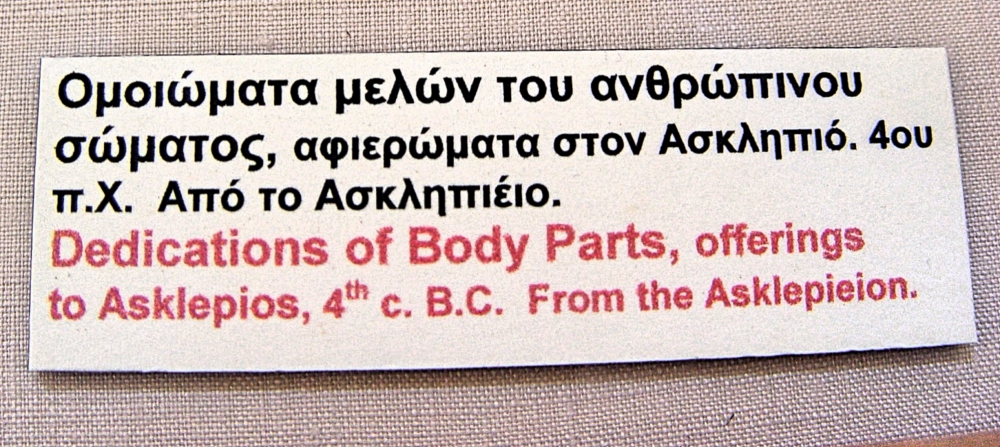
Sign explaining the display. Photo ©Leon Mauldin.

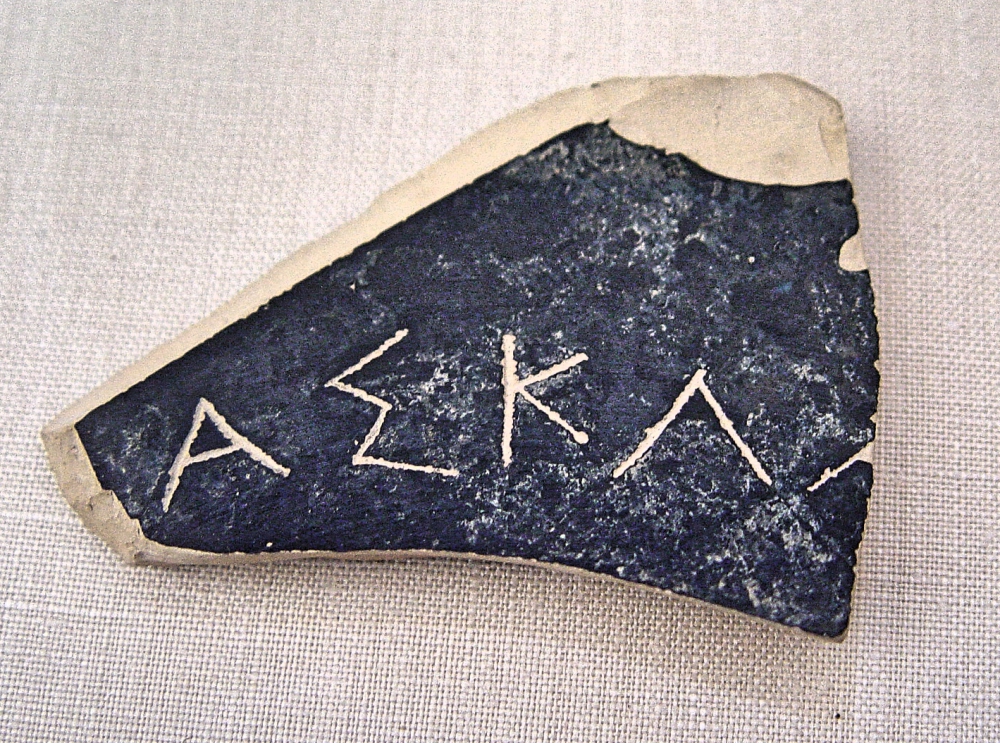
A fragment on display contains the name of the god. Greek letters transliterate, ASKL.

Sherd with Greek spelling of Asclepius. Photo ©Leon Mauldin.

But it wasn’t Asclepius who made the ear, neither could he heal it. I’m put in mind of Paul’s referencing the former lives of the Galatians in their idolatry before they came to know the true God: “But then, indeed, when you did not know God, you served those which by nature are not gods” (Gal. 4:8).

Click on image for larger view.


He Is Risen

April 20, 2019

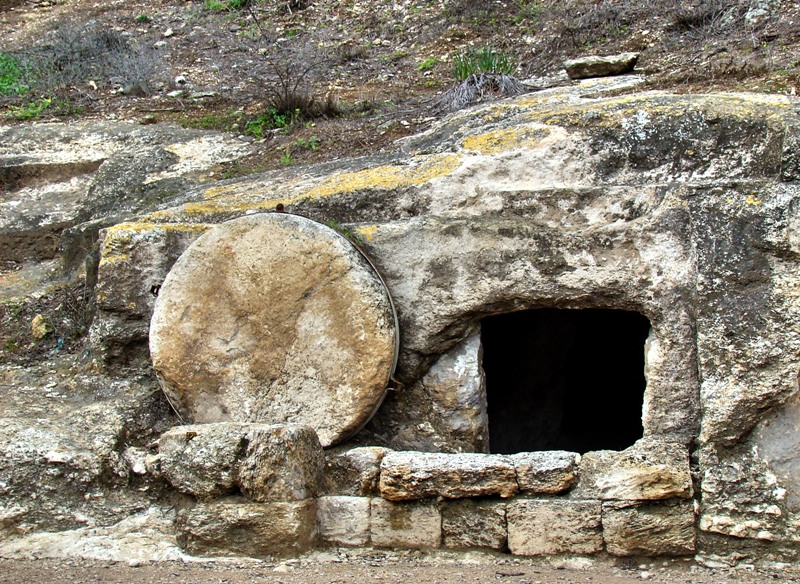
As one descends Mt. Carmel going toward Megiddo, there is a rolling stone tomb whose usage dates back to the first century.

Rolling Stone Tomb Near Carmel. Photo by Leon Mauldin.

This tomb was discovered during road construction.  It so well illustrates the biblical texts that narrate the burial of Jesus.  Joseph of Arimathea had a new tomb (one which had not been previously used, John 19:38-42).  Assisted by Nicodemus, Joseph wrapped Jesus’ body in a clean linen cloth, “and laid it in his new tomb which he had hewn out of the rock; and he rolled a large stone against the door of the tomb, and departed” (Mt. 27:59-60). The tomb in our photo was hewn out of the rock, and you can see the large stone positioned to the left of the opening.

On Sunday, the 1st day of the week when Jesus was raised from the dead, the text says this about Peter and “the other disciple:”

So they both ran together, and the other disciple outran Peter and came to the tomb first. And he, stooping down and looking in, saw the linen cloths lying there; yet he did not go in. Then Simon Peter came, following him, and went into the tomb; and he saw the linen cloths lying there, and the handkerchief that had been around His head, not lying with the linen cloths, but folded together in a place by itself. Then the other disciple, who came to the tomb first, went in also; and he saw and believed. (John 20:4-8).

Note the record says the disciple stooped down to look in.  The tomb in our photo shows how this would of necessity be true.

Rolling Stone Tomb. Stooping to Look Inside. Photo by Ferrell Jenkins.

Note that we are not suggesting that this is the tomb in which Jesus was buried; it does however illustrate the type of tomb that would have been used.

For New Testament Christians, each first day of the week is significant.  Christians assemble in the name of Jesus Christ to partake of His memorial feast, the Lord’s Supper.  That Supper points back to His death, His body and His blood.  But we serve a risen Savior!  We proclaim His death till He comes (1 Cor. 11:26).

(Note: this is a re-post from April 4, 2010).


Touring Israel

March 21, 2019

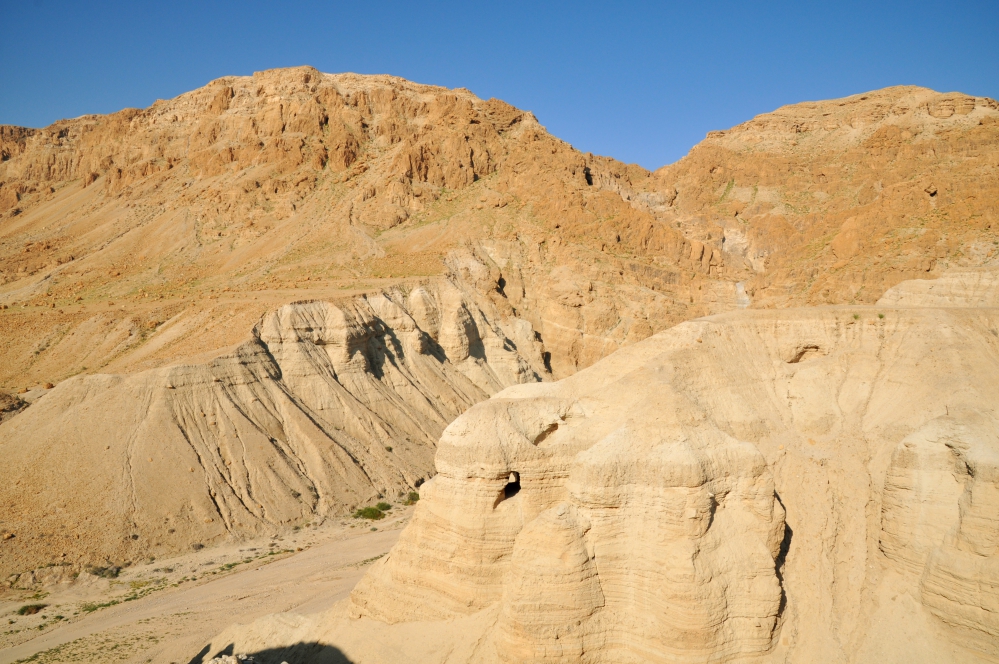
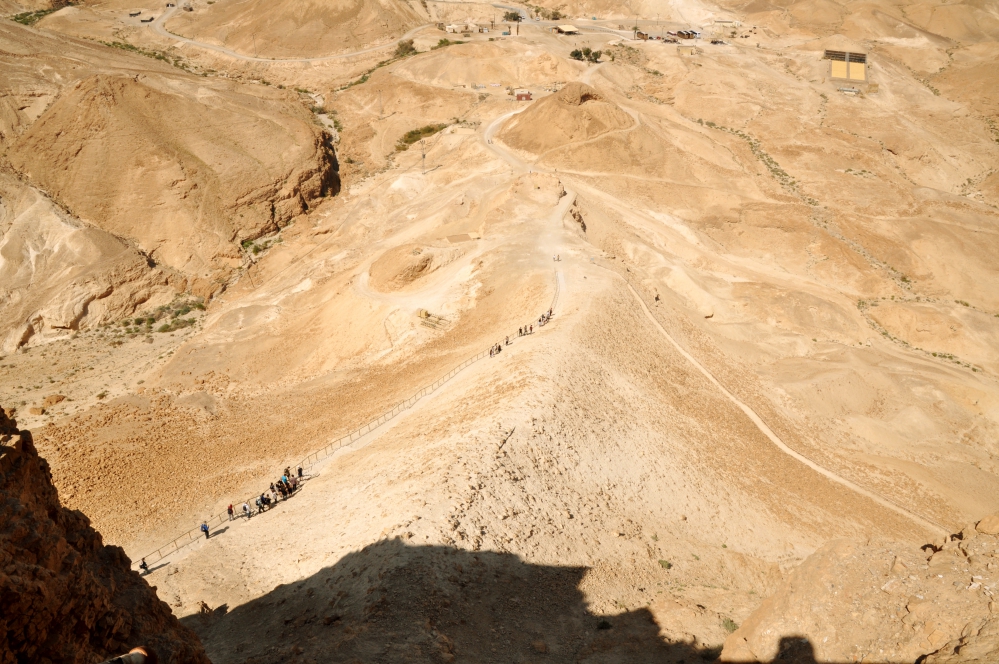
Between time constraints and uncooperative internet service we’ve not been able to do a lot of posting regarding our current tour of Israel and Jordan. ((We have been able to posts several photos on FB w/the WiFi on the motor-coach.) Yesterday some sites in Israel we visited included Qumran, Masada, En Gedi, the Dead Sea, and Jericho, before returning to Jerusalem.

Qumran Caves. Here the Dead Sea Scrolls were discovered. Photo by Leon Mauldin.

Looking down at Roman Ramp at Masada. Photo by Leon Mauldin.

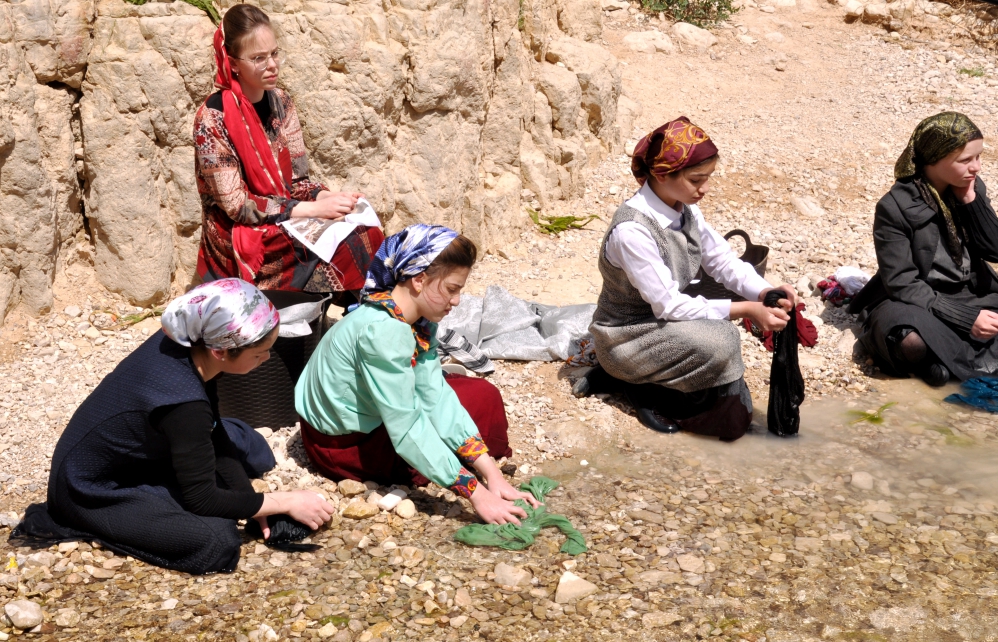
While we were at En-Gedi we saw some young girls demonstrating the way to wash clothes in biblical times. This was in the water flowing down from the lower falls.

Washing clothes the old fashioned way at En-Gedi,Israel. Photo by Leon Mauldin.

Today was a walking tour of Jerusalem, and the City of David. More to come!

Click on photos for larger view.


Touring Israel, up the coast and on to Tiberias

March 15, 2019

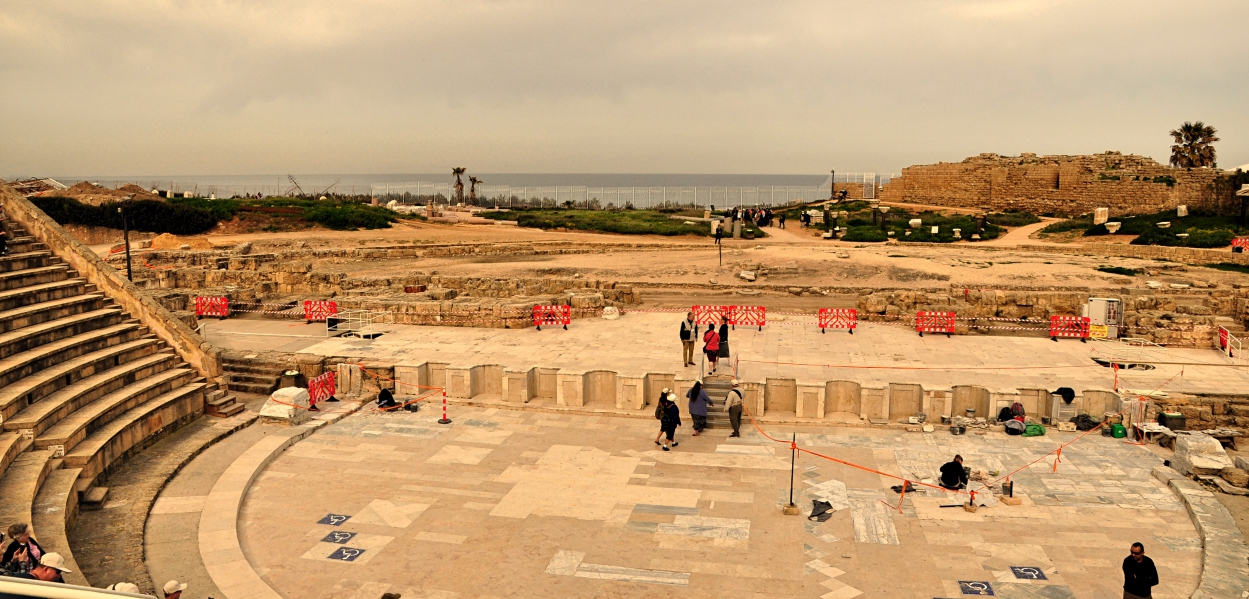
My Israel/Jordan tour got off to a great start Wednesday, making stops at Caesarea, Mt. Carmel, Megiddo, Nain and Tiberias. We have some young folks on this tour. That is a good thing; good for them and good for the rest of us to have them along. For tonight I’ll briefly post a couple of photos.

Theater at Caesarea. Photo by Leon Mauldin.

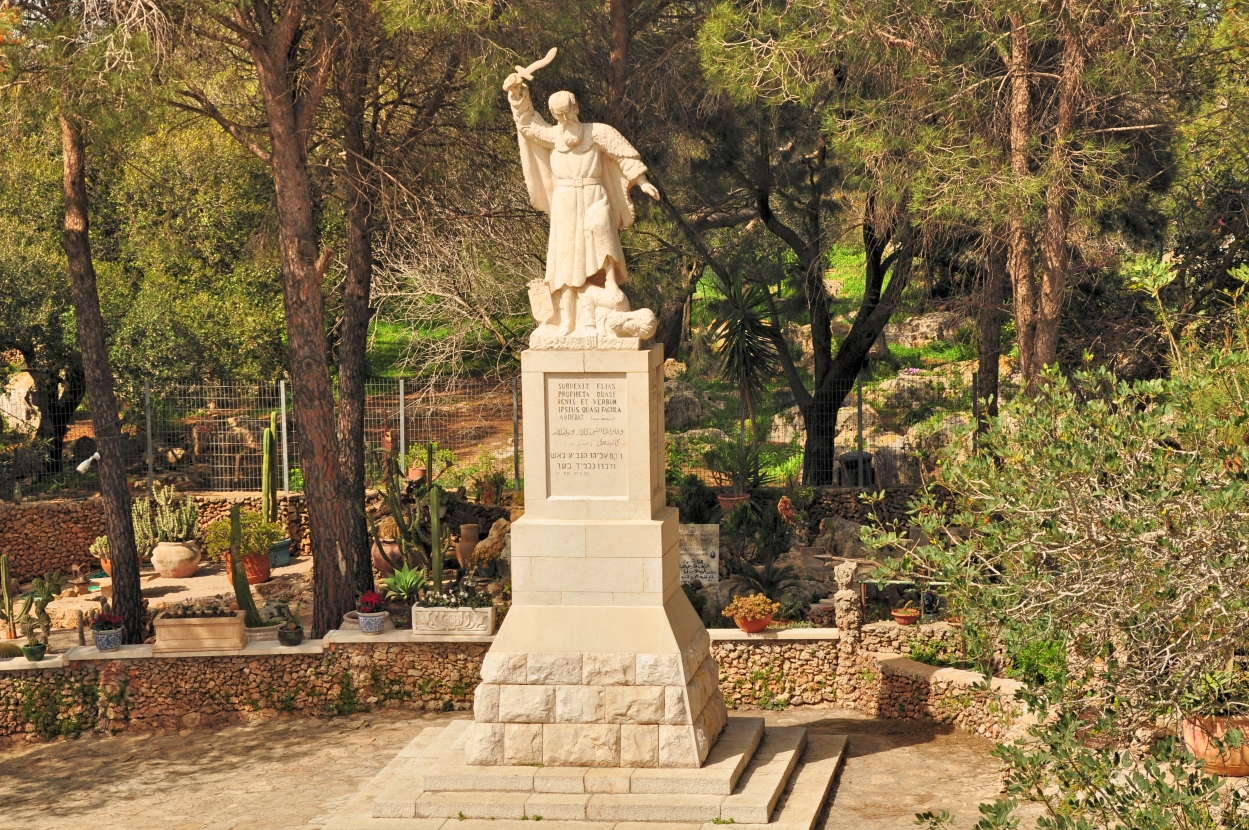
This monument stands at Mt. Carmel as testimony of Elijah’s victory over the Baal prophets during the days of Ahab and Jezebel.

Elijah’s monument at Mt. Carmel. Photo by Leon Mauldin.

Click on photos for larger view. More later.


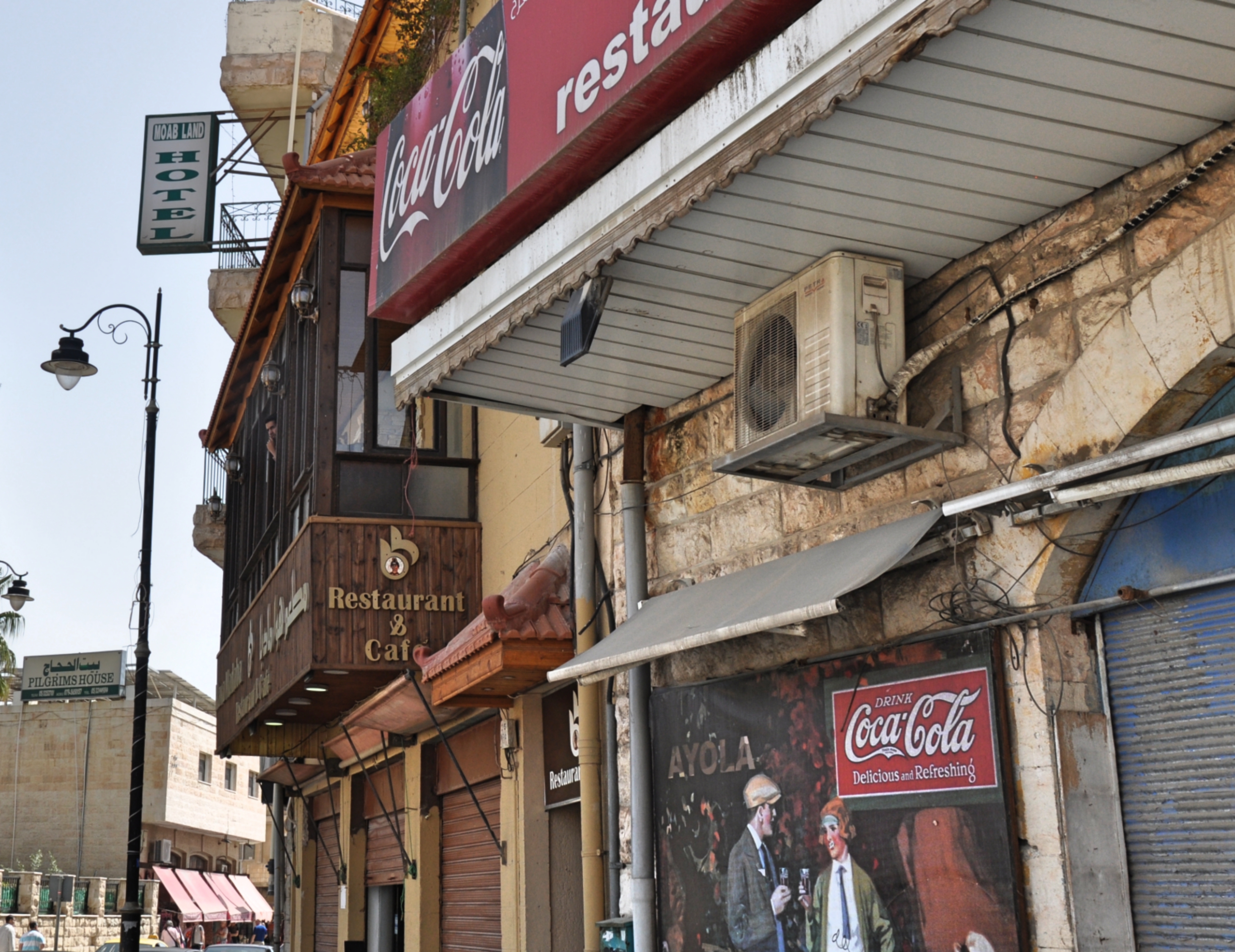
In Moab Land

March 5, 2019

In March 2018 Ferrell Jenkins & I spent several days in Jordan on a personal study tour, including several sites in what historically was biblical Moab. As was the origin of Ammon, the sad story of the Moab’s descent from Lot’s incestuous union with his daughter (oldest) is narrated in Genesis 19:30-38. The territory of Moab was located east of the Dead Sea between the wadis Arnon and Zered.

Physical features of the land. Note the Arnon and Zered, and the land of Moab. Map by Scott Richardson.

One of the sites we visited was Madaba, which today is best known for its large Byzantine-era mosaic map of the Holy Land, located in the St. George Church. A short distance away we found a spot for lunch.

Dining in Moab. Note sign in upper left: “Moab Land Hotel.” Photo by Leon Mauldin.

Madaba is mentioned in the Bible in Numbers 21:30 and Joshua 13:6 (biblical spelling is Medeba).

The Moabites “normally inhabited the area on the Transjordan plateau between Wadi Arnon on the north and Wadi Zered on the south, though they often pushed north of Wadi Arnon.” (Alexander, Expositor’s Bible Commentary: Ezekiel, 6:866).

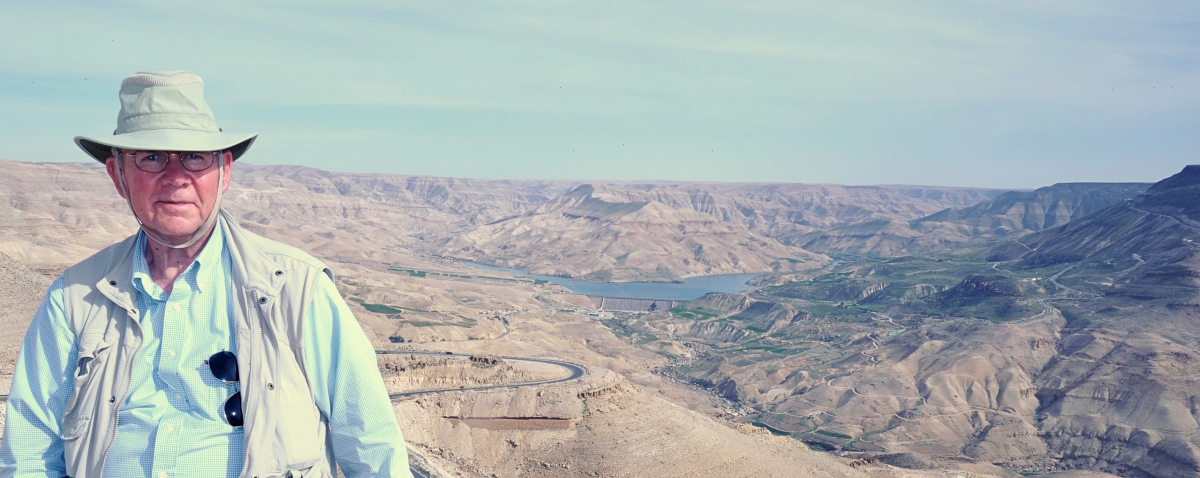
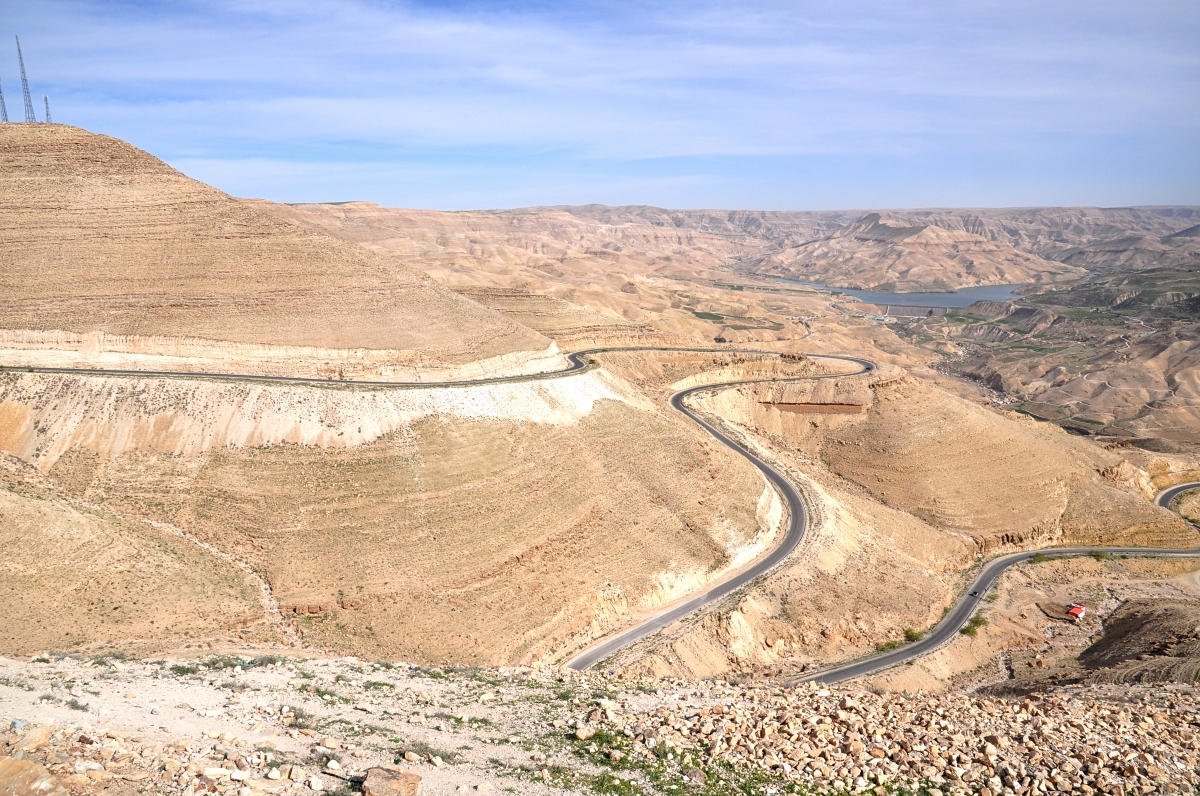
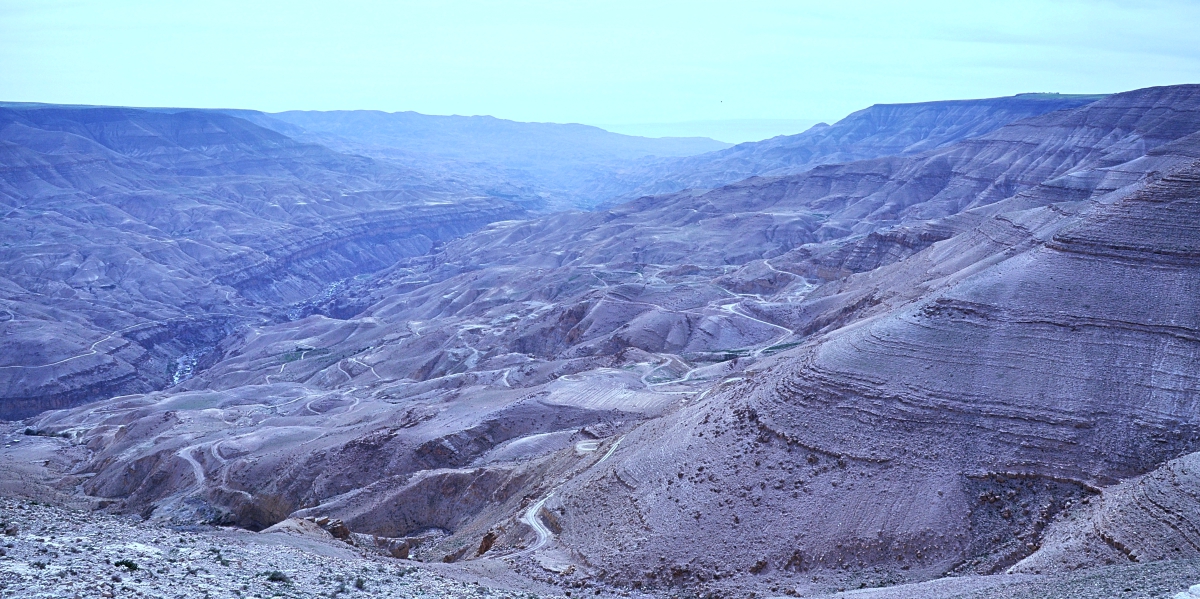
I wanted to share a few photos of the Wadi Arnon mentioned above. The Arnon was a natural boundary. In the days of the Conquest, when the land was allotted to the tribes of Israel, the southern border of the tribe of Reuben was the Arnon.

The Arnon Valley. Photo by Ferrell Jenkins.

The Arnon Valley as we look west.

Arnon Valley looking westward. Photo by Leon Mauldin.

Arnon Valley looking east. I think you will agree that a flat map does not do it justice!

Arnon Valley looking East. Photo by Leon Mauldin.

Click on photos for larger view.


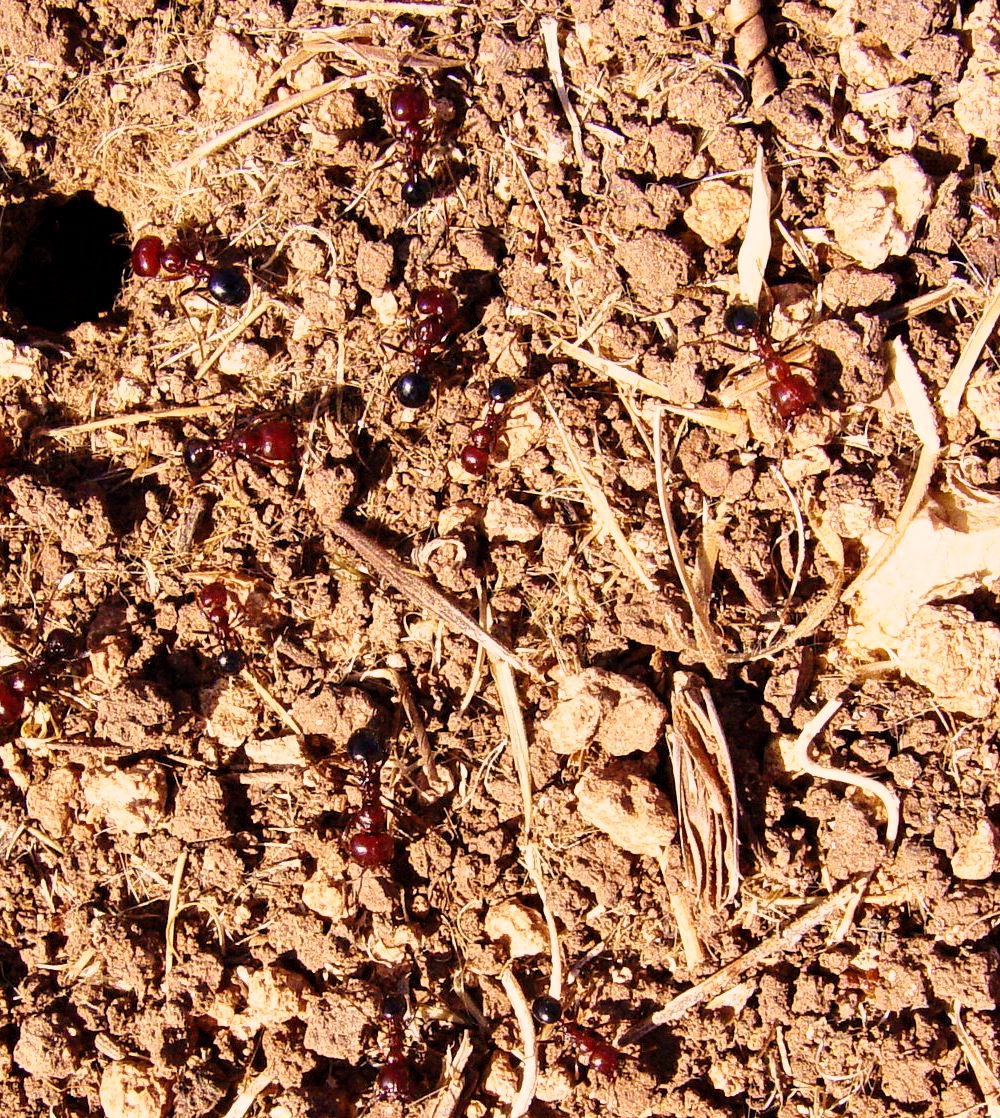
Insect Industry (Proverbs 6:6-9)

February 22, 2019

Homer Hailey, one of my former professors of biblical studies, often said that “Solomon didn’t have much use for the sluggard.”

Go to the ant, O sluggard, Observe her ways and be wise, 7 Which, having no chief, Officer or ruler, 8 Prepares her food in the summer And gathers her provision in the harvest. 9 How long will you lie down, O sluggard? When will you arise from your sleep? 10 “A little sleep, a little slumber, A little folding of the hands to rest “– 11 Your poverty will come in like a vagabond And your need like an armed man (Proverbs 6:6-9). 

What is being addressed here is the “theme of self-inflicted economic impoverishment” Waltke, B. K. (2004) The Book of Proverbs, Chapters 1-15, p. 335). Sloth has its consequences. The sluggard neglects his opportunities, refuses to face reality; his life is characterized by disorder and chaos. To show the industry and work ethic that a man should have, Solomon uses the illustration of the ant. “The activity expected of leaders over a workforce is now detailed and applied to the ant” (Ibid.). As the KJV says, “Go to the ant, thou sluggard; consider her ways, and be wise.”

I thought of this text some years ago when Ferrell Jenkins and I had the opportunity to visit Neot Kedumim, the Biblical Landscape Reserve in Israel, located halfway between Jerusalem and Tel Aviv. I happened to notice some ants busy at work.

Ants at Neot Kedumim in Israel. Photo by Leon Mauldin.

This 625 acre park had much more to offer than ants — flora and fauna of the biblical world, as well as mill stones, oil presses, etc.