The Roman Forum

April 18, 2012

The Roman Forum was in ancient times at the very hub of western civilization.
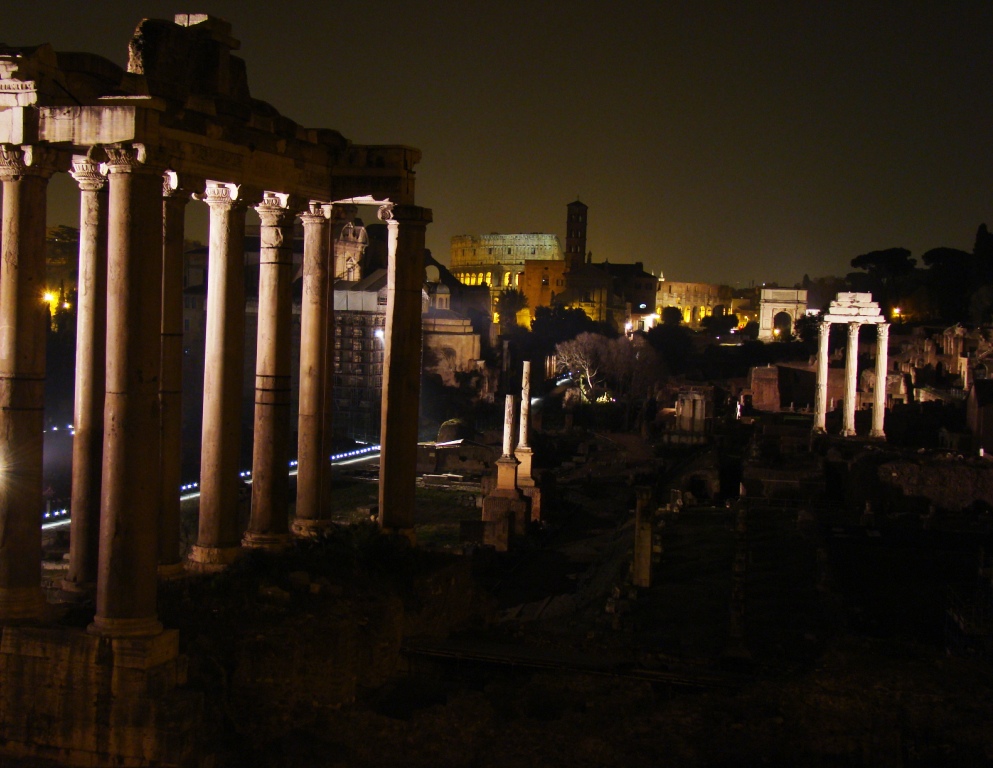
Roman Forum At Night. Photo by Leon Mauldin.

The Roman Forum (Latin: Forum Romanum, Italian: Foro Romano) is a rectangular forum (plaza) surrounded by the ruins of several important ancient government buildings at the center of the city of Rome. Citizens of the ancient city referred to this space, originally a marketplace, as the Forum Magnum, or simply the Forum. It was for centuries the center of Roman public life: the site of triumphal processions and elections, venue for public speeches, criminal trials, and gladiatorial matches, and nucleus of commercial affairs. Here statues and monuments commemorated some of the city’s most notable figures. Located in the small valley between the Palatine and Capitoline Hills, the Forum today is a sprawling ruin of architectural fragments and intermittent archeological excavations attracting numerous sightseers (Wikipedia).

It was here at the Forum, located between the Capitoline and Palatine hills, that justice was dispensed during the days of the Roman Republic and Empire (509 BC – AD 476). It is thought by some scholars that Paul’s appeal before Caesar would have been heard at the Basilica Julia.

Click image for larger view.


The Land of Geshur

April 14, 2012

The area of Geshur figures into the biblical history of King David. David’s “third son was Absalom, the son of Maacah daughter of King Talmai of Geshur” (2 Sam. 3:3). When tragedy struck David’s family internally, as Absalom killed his half-brother Amnon, because Amnon raped Absalom’s sister Tamar, “Absalom fled and went to King Talmai son of Ammihud of Geshur” (2 Sam. 13:17). I.e., he sought and received refuge from Talmai who was his grandfather.

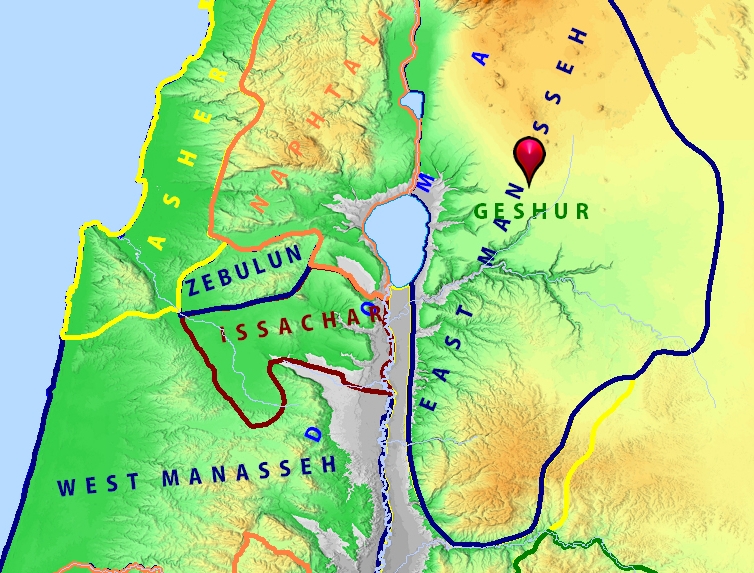
Note the location of Geshur here:

Old Testament Geshur. Map by BibleAtlas.Org.

Geshur is inclusive of the site usually identified as Bethsaida.

This area of Galilee was included among the sites taken by the Assyrians, about a decade before the fall of Samaria (722 BC).

During Pekah’s reign over Israel, King Tiglath-pileser of Assyria came and captured Ijon, Abel Beth Maacah, Janoah, Kedesh, Hazor, Gilead, and Galilee, including all the territory of Naphtali. He deported the people to Assyria (2 Kings 15:29).

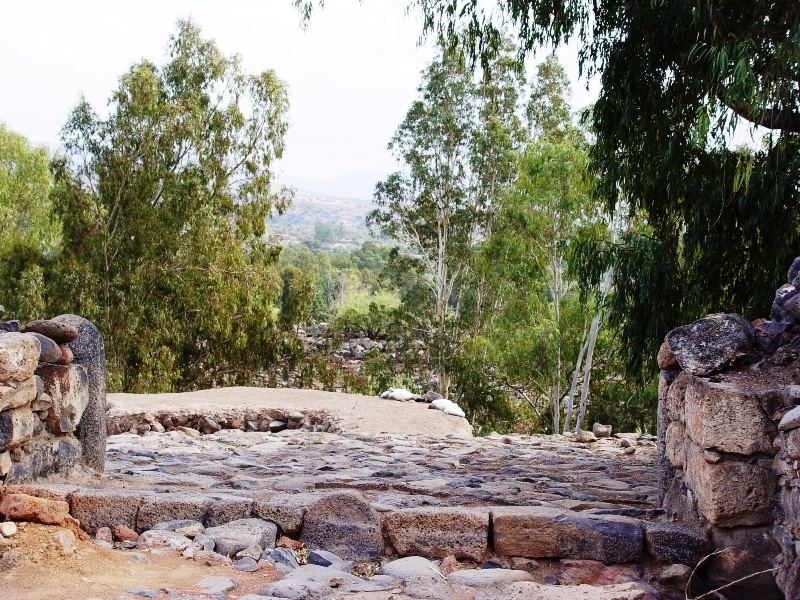
This invasion is dated at ca. 732 BC. Here is a view from inside the gate of Bethsaida, in the territory of Geshur. This Galilean site was included in the Assyrian attack in the above text. Occupants here would have seen the Assyrians setting fire to the gate.

City gate of Bethsaida. In territory of OT Geshur. Photo by Leon Mauldin.

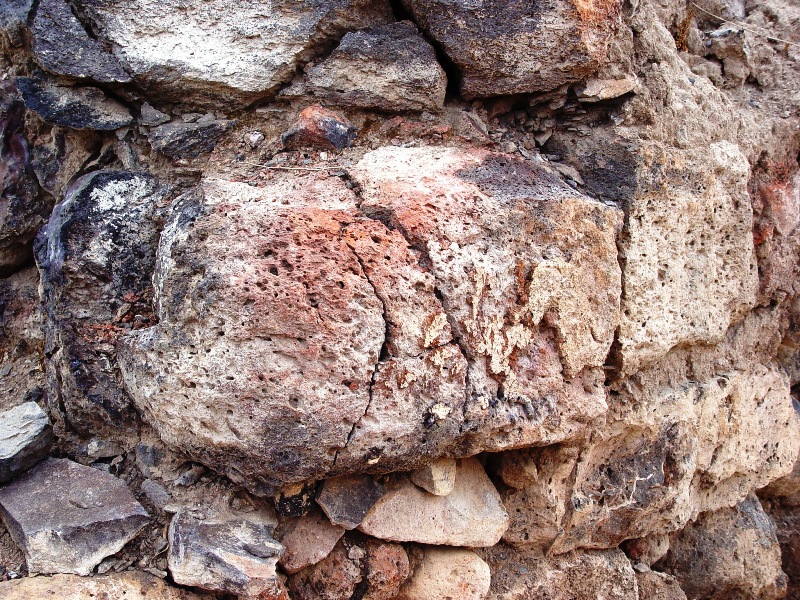
The heat intense fire caused the blocks in the gate area to burst. You can still see black carbon residue from the fire.

Blocks burst by intense fire during Assyrian invasion. Photo by Leon Mauldin.

Click images for larger view.


Jonesboro, TN

April 13, 2012

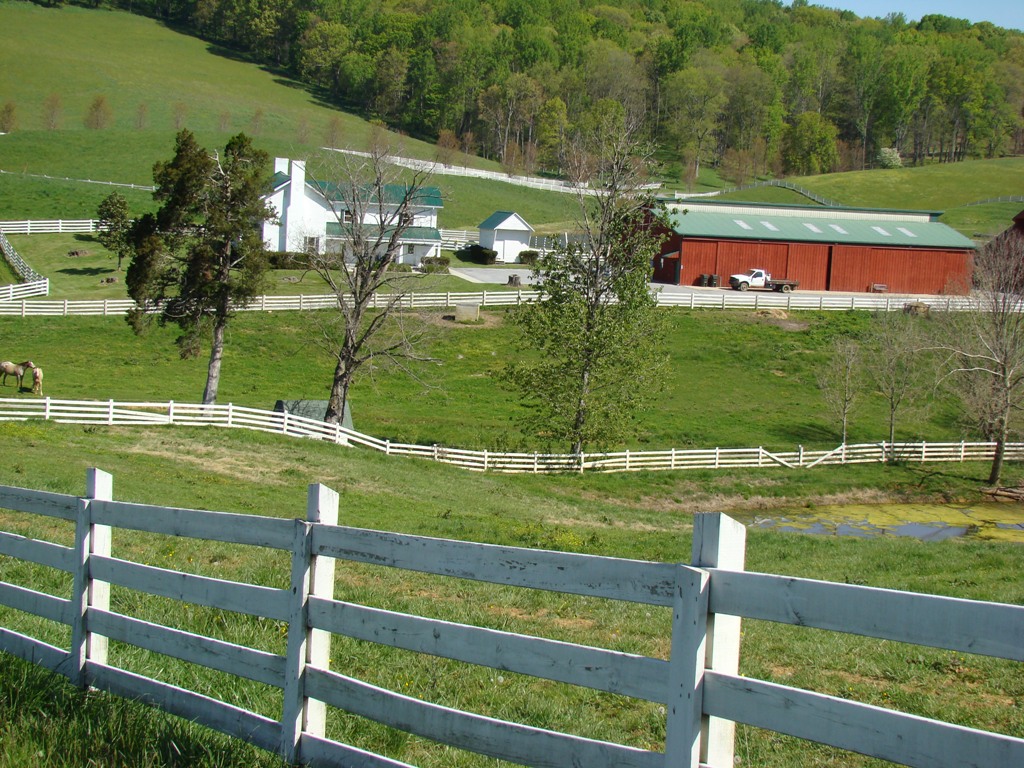
We are enjoying seeing old friends and making new acquaintances in our series of lessons in Jonesboro, TN. This morning my wife and I took a few minutes to see some of the beautiful scenery in the area.

Farm in Jonesboro, TN. Photo by Leon Mauldin.

Our series of lessons here on the Visualized Survey of the Bible goes through Sunday PM.

The weather here has been much cooler than in north Alabama.


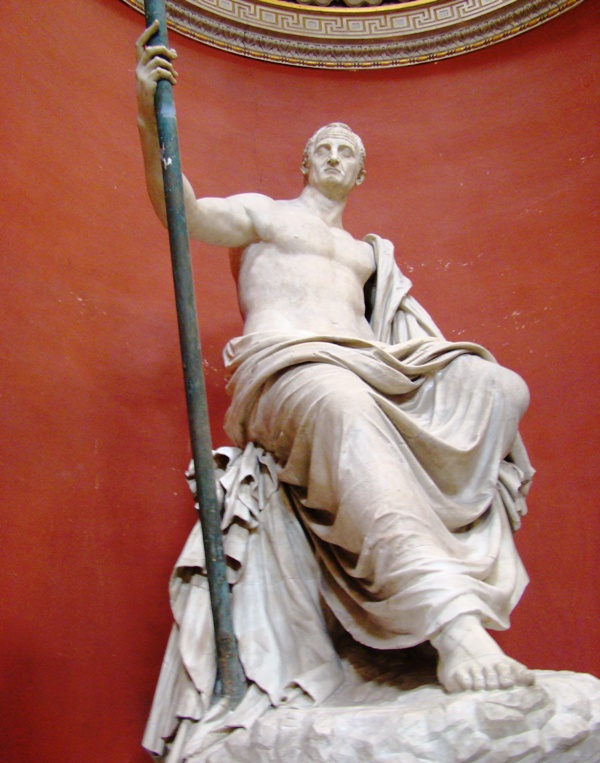
Emperor Galba: The Year of the Four Emperors

April 12, 2012

Numerous factors came into play that resulted in Galba’s becoming Rome’s sixth emperor. When Nero died in AD 68, the senate pronounced Galba emperor. Nymphidius Sabinus, prefect of the praetorian guard, had bribed his men to abandon their loyalty to Nero. Galba thought the bribe to the guardsmen had been extreme, and refused to pay the promised bonuses.  This of course alienated the soldiers from Galba.

Roman Emperor Galba. Reigned June 68-January 69. Photo by Leon Mauldin.

Our photo was taken last month at the Vatican Museum.

On January 15, 69, Galba was murdered by soldiers in the Roman Forum. The historian Tacitus stated that Galba “possessed the makings of a ruler–had he never ruled.” His is a study of what might have been.

AD 69 was the Year of the Four Emperors: Galba, Otho, Vitellius and Vespasian.

********

We are currently doing our Visualized Survey of the Bible in historic Jonesboro, TN, the oldest town in Tennessee. David Wheeler is the preacher here. We are close to North Carolina and to Virginia. Beautiful country.

********

Dr. James Hodges passed away this past Tuesday night, April 10. He had been a professor of biblical studies at Florida College in Temple Terrace, FL., for many years. Forty years ago I studied archaeology under him; at that time there were two semesters: Old Testament and New Testament Archaeology. I appreciated his scholarship, and thought highly of him.


Arch of Titus

April 6, 2012

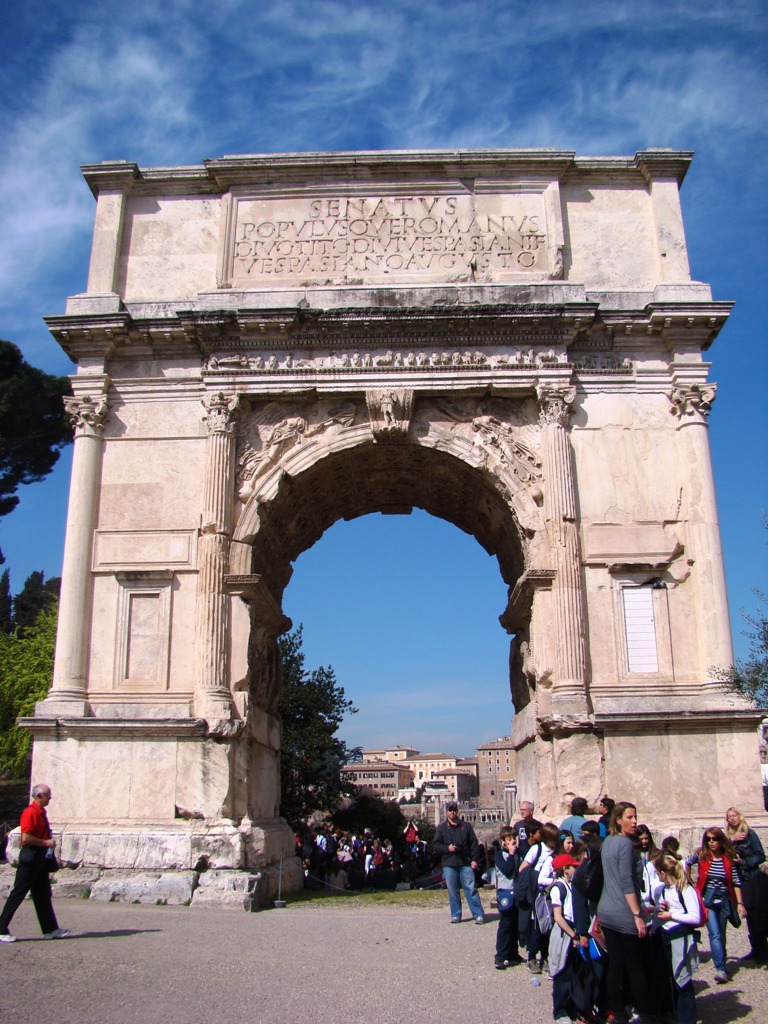
The Arch of Titus was built to commemorate Titus’ defeat of Jerusalem which took place in AD 70.

Arch of Titus. Photo by Leon Mauldin.

The Latin inscription at the top reads, “The Senate and People of Rome, to Divus Titus, son of Divus Vespasian, Vespasian August.” (The title Divus indicates that the arch was erected after Titus’ death).

Inscription on Arch of Titus. Photo by Leon Mauldin.

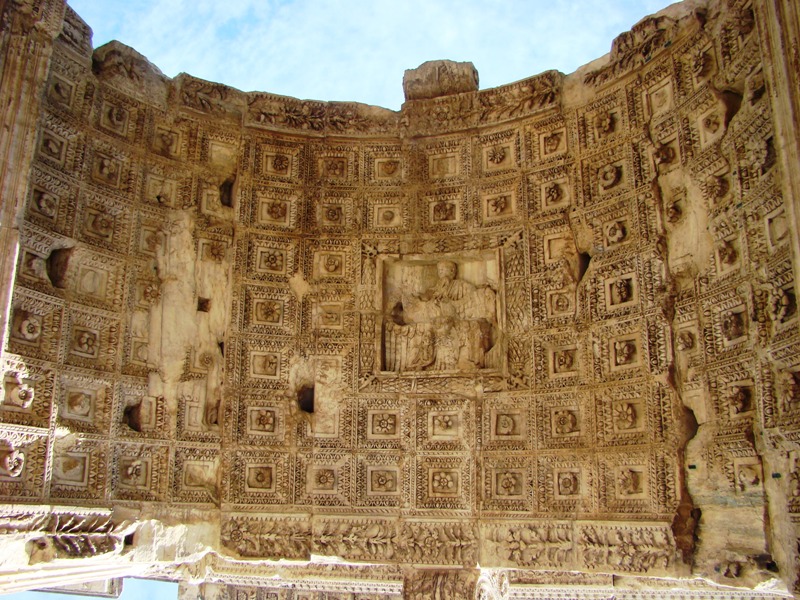
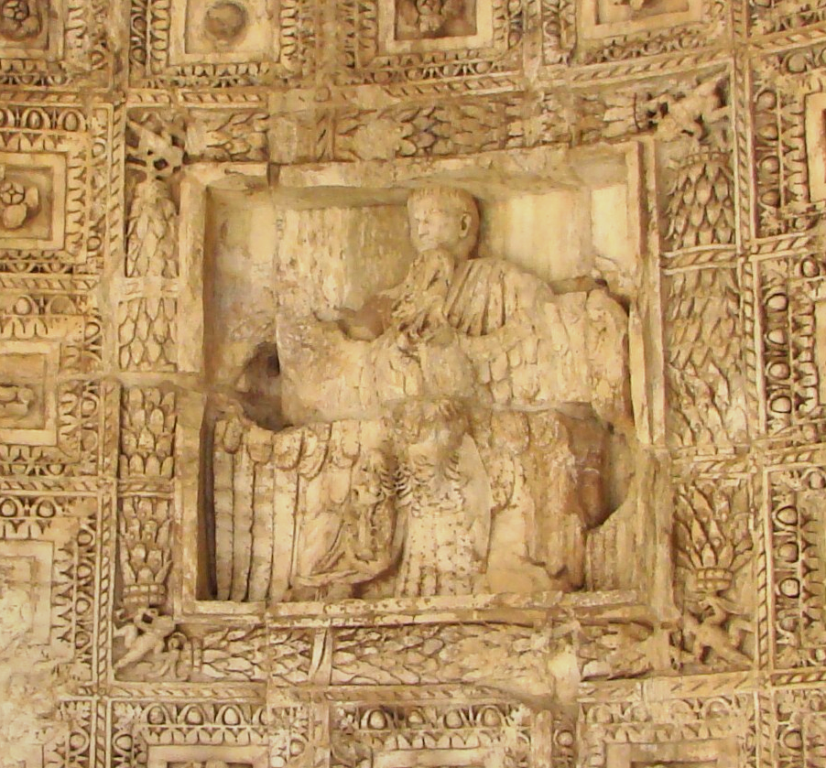
Titus died at the young age of 50 in AD 81. Deification of the Roman Emperors took place after death. His deified figure is depicted on the underside of the archway. He is portrayed flying heavenward on the back of an eagle.

Underside of Arch of Titus. Photo by Leon Mauldin.

Note the detail of the center coffer of the coffering.

Detail of deified figure of Titus. Photo by Leon Mauldin.

The arch was built in AD 81-82 by Titus’ brother, the Emperor Domitian.

A previous post on the Arch of Titus appeared here.

Click on images for larger view.


Link to Italy Tour Photos

March 30, 2012

One of our tour members, Jared Hagan, of Colorado, has posted a great representative sampling of his photos from our recent Italy tour.

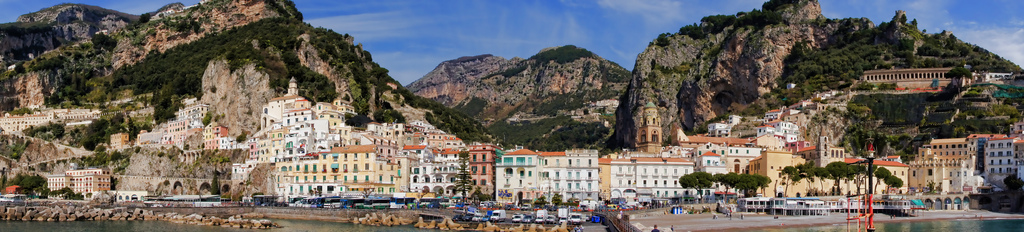
Panorama of Amalfi Coast. Photo by Jared Hagan.

You may see Jared’s photos here. These photos are outstanding; many of these would be useful in biblical teaching. Included are several panoramic views, such as that above of the Amalfi Coast, as well as night shots. This view is of the town of Amalfi as seen from the pier; the Amalfi Cathedral is in the right center.

Click image for larger view.


Emperor Claudius, cont’d.

March 29, 2012

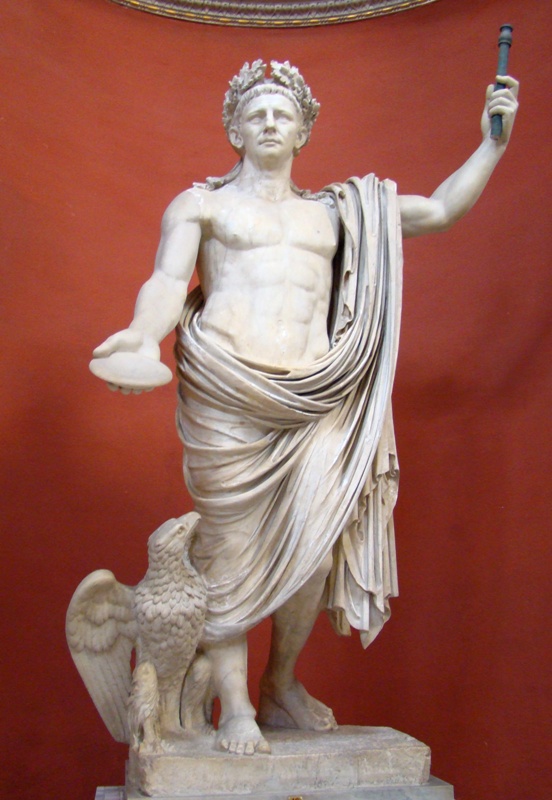
Our photo today features a statue of the Emperor Claudius, taken last week at the Vatican Museum in Rome.

Statue of Emperor Claudius. Vatican Museum. Photo by Leon Mauldin.

Museum info placard: “Found at Lanuvio in 1865, this piece originally decorated the theatre in this Roman settlement. Claudius, emperor from  37 (sic) to 54 AD, is shown as Jupiter, wearing the civil crown of oak leaves and with the eagle at his feet.”

Claudius,

(1 August 10 BC – 13 October AD 54), was Roman Emperor from 41 to 54. A member of the Julio-Claudian dynasty, he was the son of Drusus and Antonia Minor. He was born at Lugdunum in Gaul and was the first Roman Emperor to be born outside Italy. Because he was afflicted with a limp and slight deafness due to sickness at a young age, his family ostracized him and excluded him from public office until his consulship, shared with his nephew Caligula in 37. Claudius’ infirmity probably saved him from the fate of many other nobles during the purges of Tiberius and Caligula’s reigns; potential enemies did not see him as a serious threat. His survival led to his being declared Emperor by the Praetorian Guard after Caligula’s assassination, at which point he was the last adult male of his family.

Despite his lack of experience, Claudius proved to be an able and efficient administrator. He was also an ambitious builder, constructing many new roads, aqueducts, and canals across the Empire. During his reign the Empire conquered Thrace, Noricum, Pamphylia, Lycia and Judaea, and began the conquest of Britain. He took a personal interest in law, presided at public trials, and issued up to twenty edicts a day. However, he was seen as vulnerable throughout his reign, particularly by the nobility. Claudius was constantly forced to shore up his position; this resulted in the deaths of many senators. These events damaged his reputation among the ancient writers, though more recent historians have revised this opinion. After his death in 54, his grand-nephew and adopted son Nero succeeded him as Emperor (Wikipedia).

Scroll down and read our previous post to see some scriptural reverences to Claudius in the NT book of Acts.

Click on image for larger view.


In the Reign of Claudius

March 27, 2012

In the early days of the New Testament church, there was a prophet named Agabus in Antioch of Syria. He “stood up and began to indicate by the Spirit that there would certainly be a great famine all over the world. And this took place in the reign of Claudius” (Acts 11:28). Claudius reigned AD 41-54. Claudius was Tiberius Claudius Nero Germanicus.

He is again mentioned in Acts 18:2-3. The context is that of Paul’s labor of preaching the Gospel in Corinth:

And he found a Jew named Aquila, a native of Pontus, having recently come from Italy with his wife Priscilla, because Claudius had commanded all the Jews to leave Rome. He came to them, and because he was of the same trade, he stayed with them and they were working, for by trade they were tent-makers.

This edict which expelled the Jews from Rome was issued in AD 49.

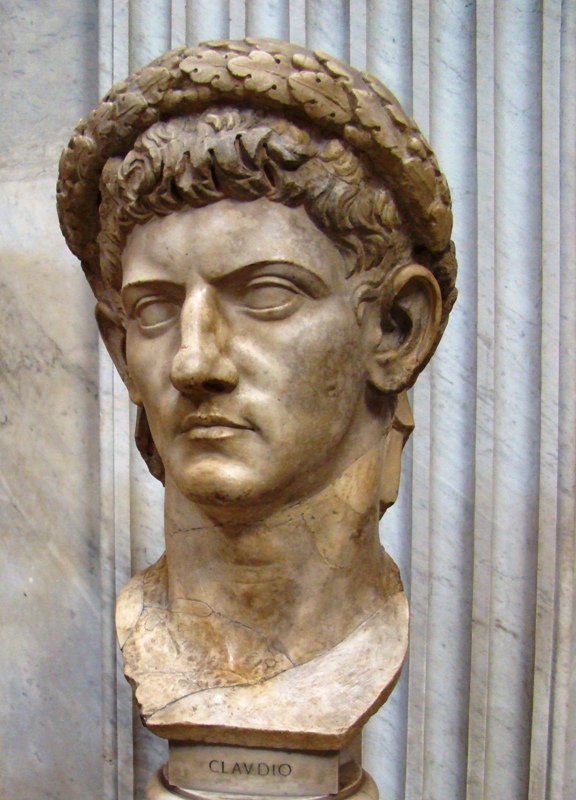
Emperor Claudius. Vatican Museum. Photo by Leon Mauldin.

In his book, The Roman Emperors, Michael Grant writes:

Claudius, we are told by the biographer Suetonius, was completely heterosexual–a rare phenomenon among Roman rulers. He was tall and well build and had an impressive face and handsome white hair. However, he also stammered, slobbered, ran at the nose, suffered from a persistent nervous tic, and frequently ate and drank himself into a stupor. He slept badly at night, but during the daytime would often nod off while presiding over a lawsuit. Pliny the elder added that the corners of his eyes were covered by hoods of flesh, streaked with small veins and sometimes suffused with blood (p.33).

Not the most complimentary of descriptions. We have an earlier article w/photos re: Roman Emperors during the Gospels and Acts here. Click image for larger view.


Pantheon by Night

March 23, 2012

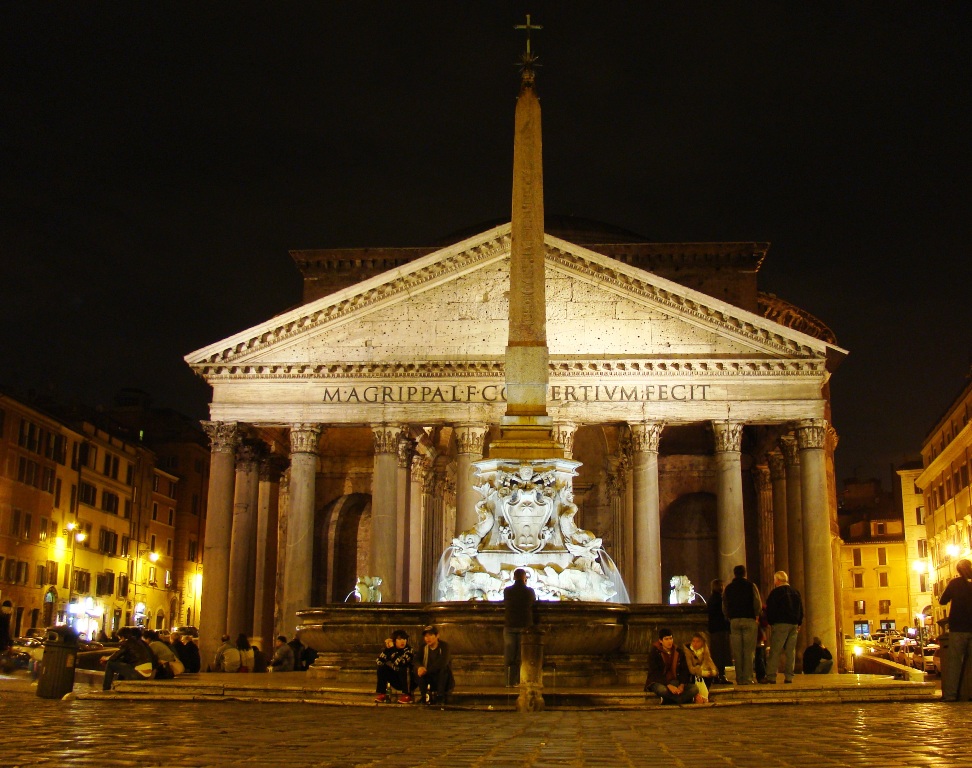
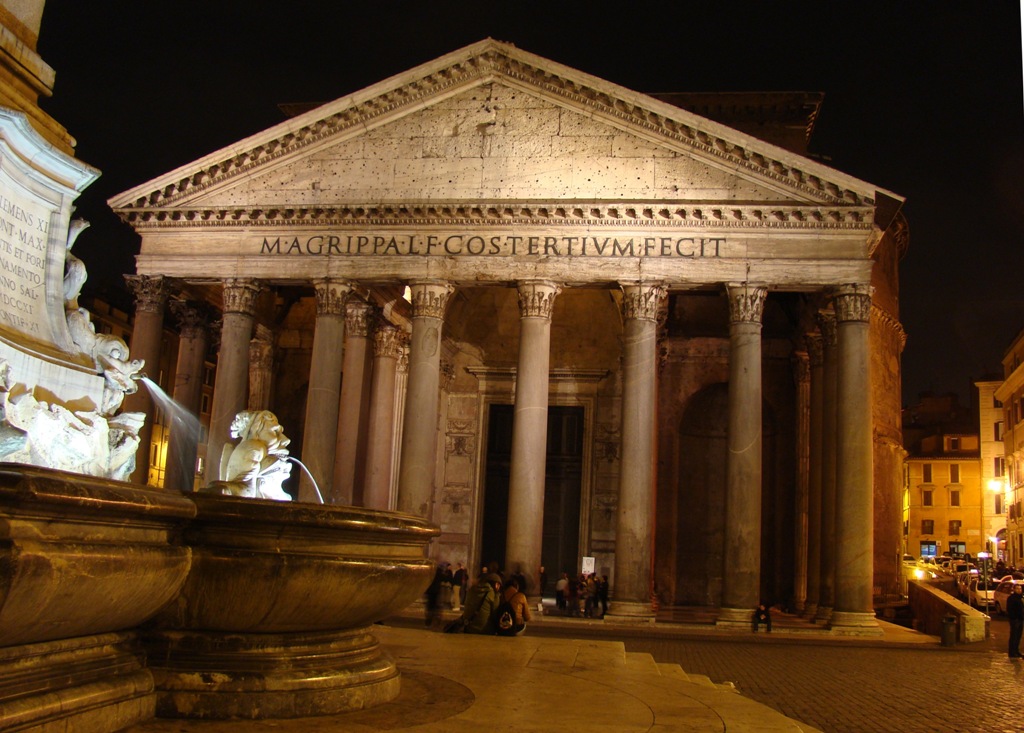
We had the occasion to do a few night shots while in Rome. The Pantheon was built to honor all gods of Rome. It was rebuilt (having previously burnt) by Emperor Hadrian AD 126. The dome measures 142 feet high by 142 feet wide, and was the largest freestanding dome until the 20thcentury.

Pantheon at Night. Photo by Leon Mauldin.

The twelve pantheon deities in Roman mythology were Jupiter, Juno, Neptune, Minerva, Venus, Mars, Apollo, Diana, Mercury, Vesta, Ceres and Vulcan.

Pantheon in Rome. At left is a portion of the Fontana del Pantheon. Photo by Leon Mauldin.

Click on images for larger view.


Safely Back Home

March 22, 2012

I’m happy to report that my group had a safe return flight back to the states today. Three of our number stayed an extra day and are to fly back tomorrow.

A great trip, lots of good memories; good folks to share the experience with.

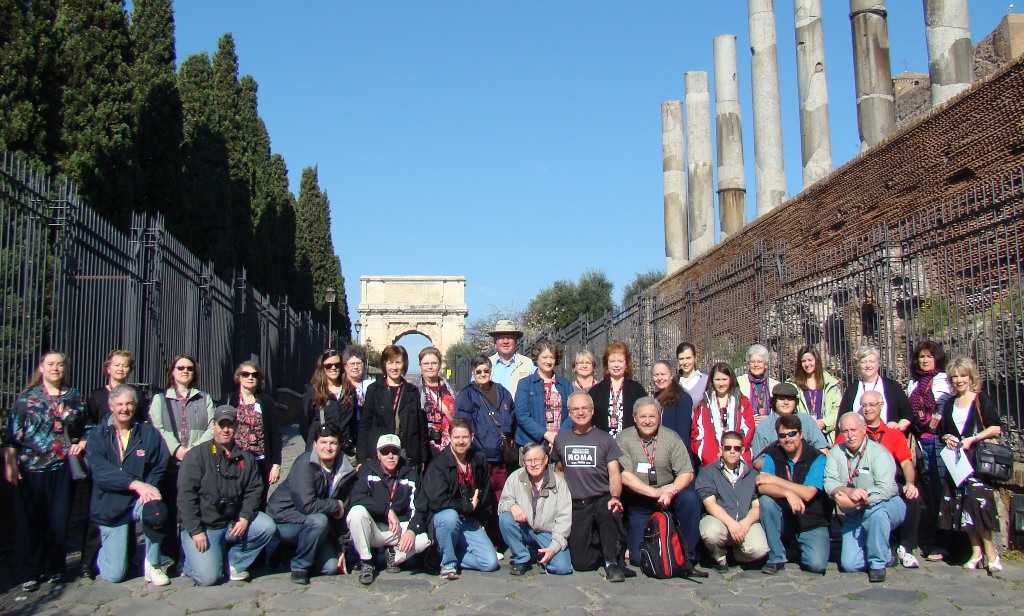
For tonight I’ll share a group photo that was made yesterday morning. This is along the Via Sacra. You can see the Arch of Titus in the distance. You can also see the beautiful weather I’ve referenced more than once during this trip.

Group Shot in Rome, with Arch of Titus in Background.

Click on image for larger view.